Colin Thubron is a British travel writer and novelist whose works are celebrated for their profound literary insight. His writing frequently delves into complex human relationships and cultural nuances, characterized by keen observation and evocative prose. Thubron's style is lauded for its ability to capture the essence of the places and people he portrays, offering readers immersive and reflective experiences. His literary contributions are recognized for their unique perspective and masterful storytelling.
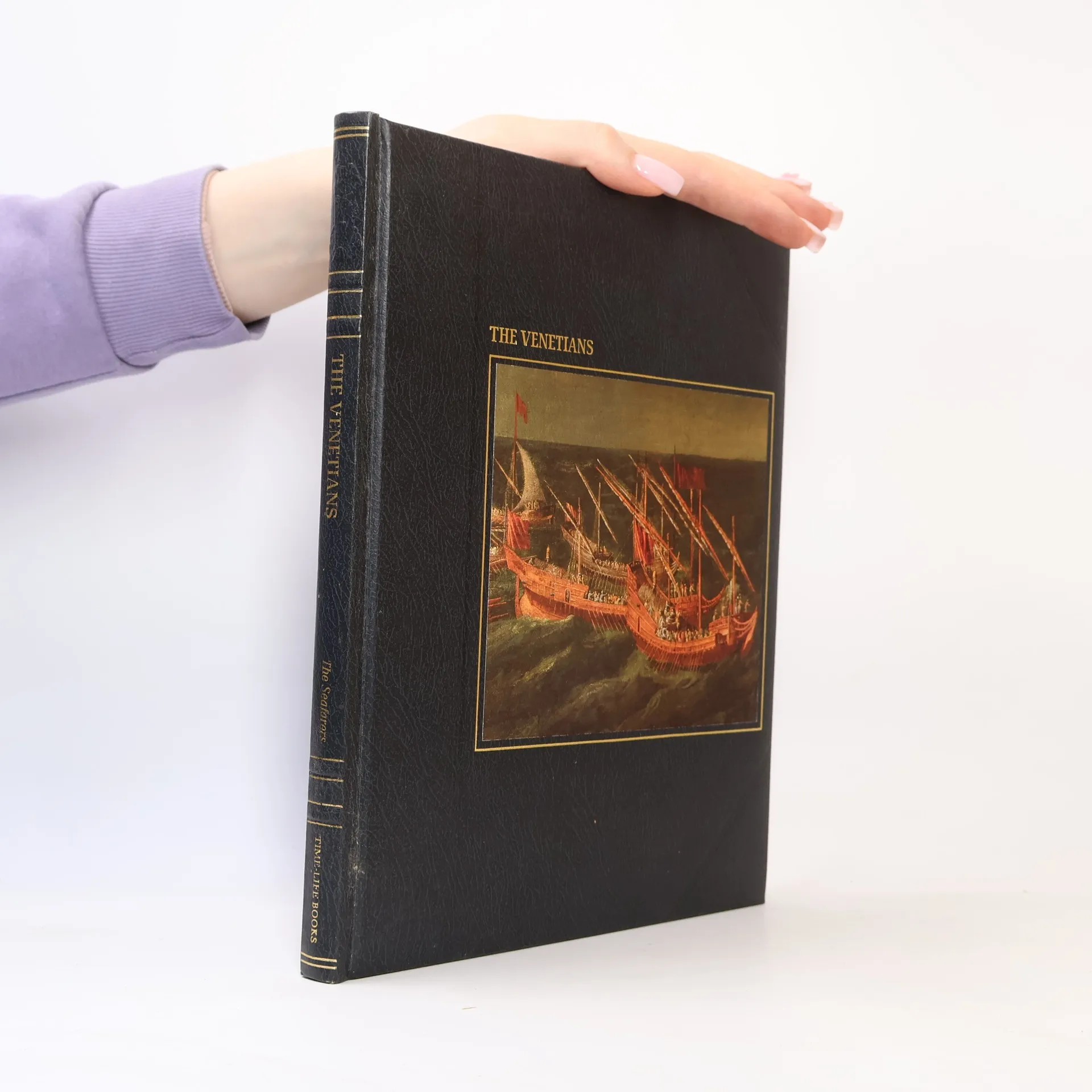
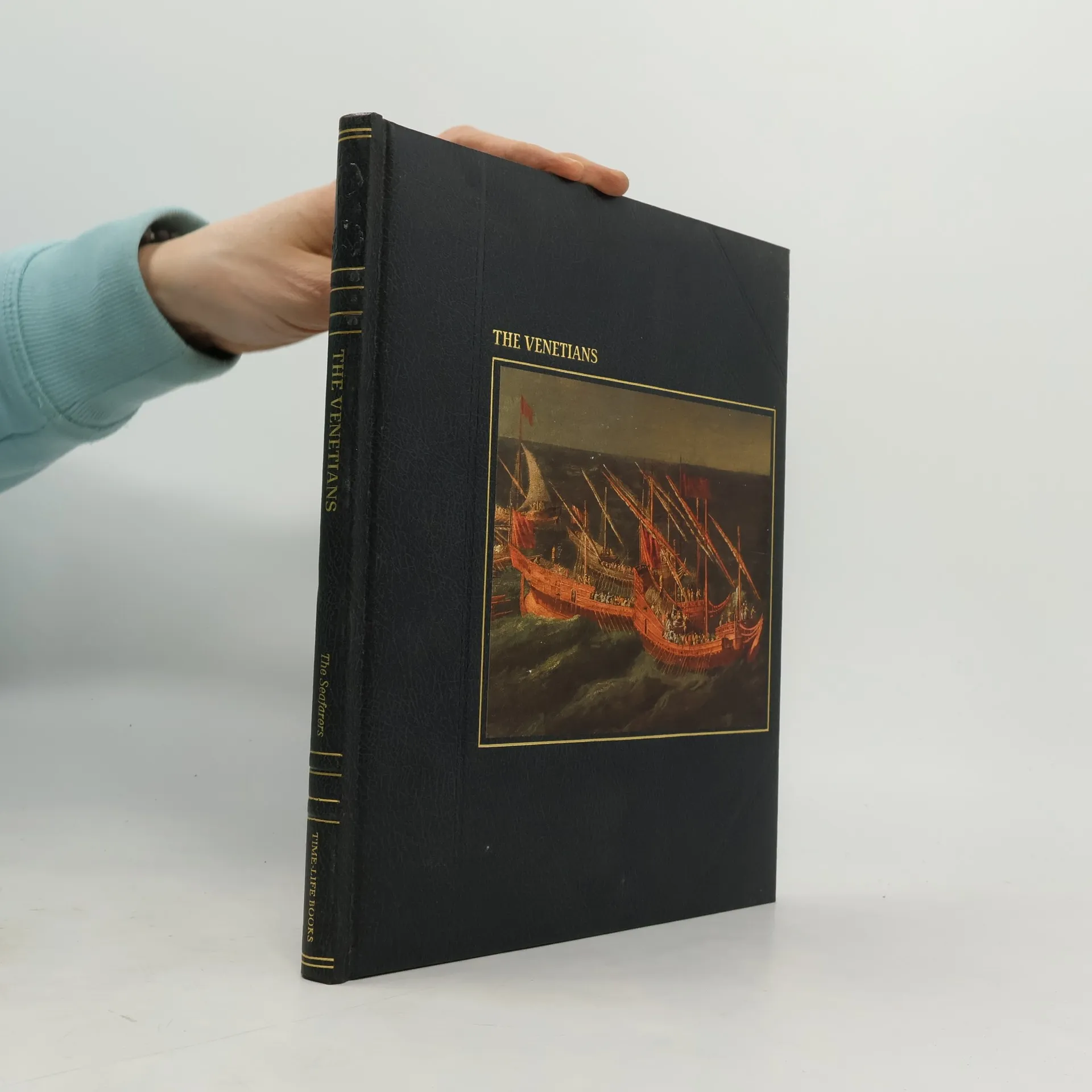
This volume in The Seafarers series discusses the history, development, and social characteristics of the Venetians and describes their armor, ships, and some of the battles in which they engaged.
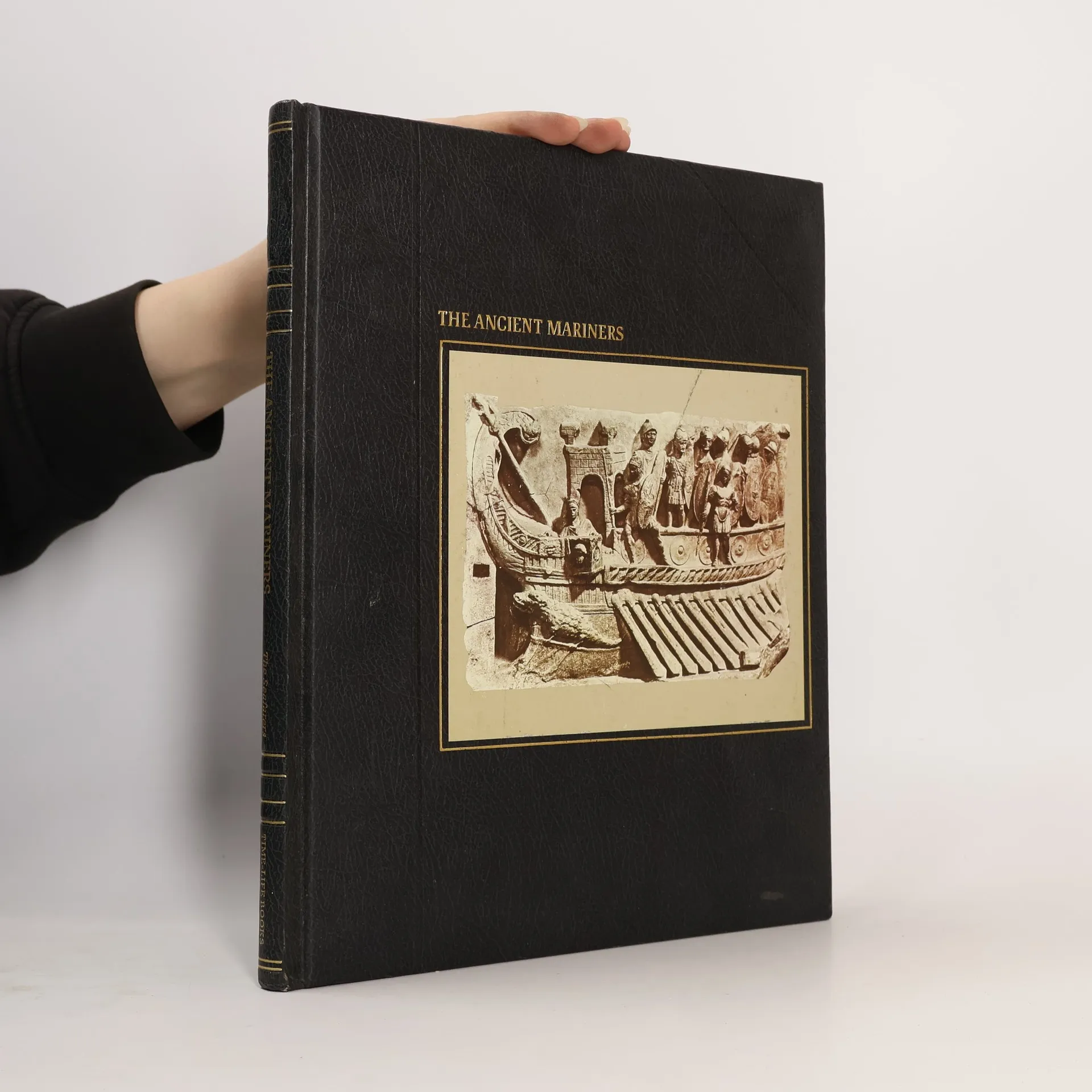
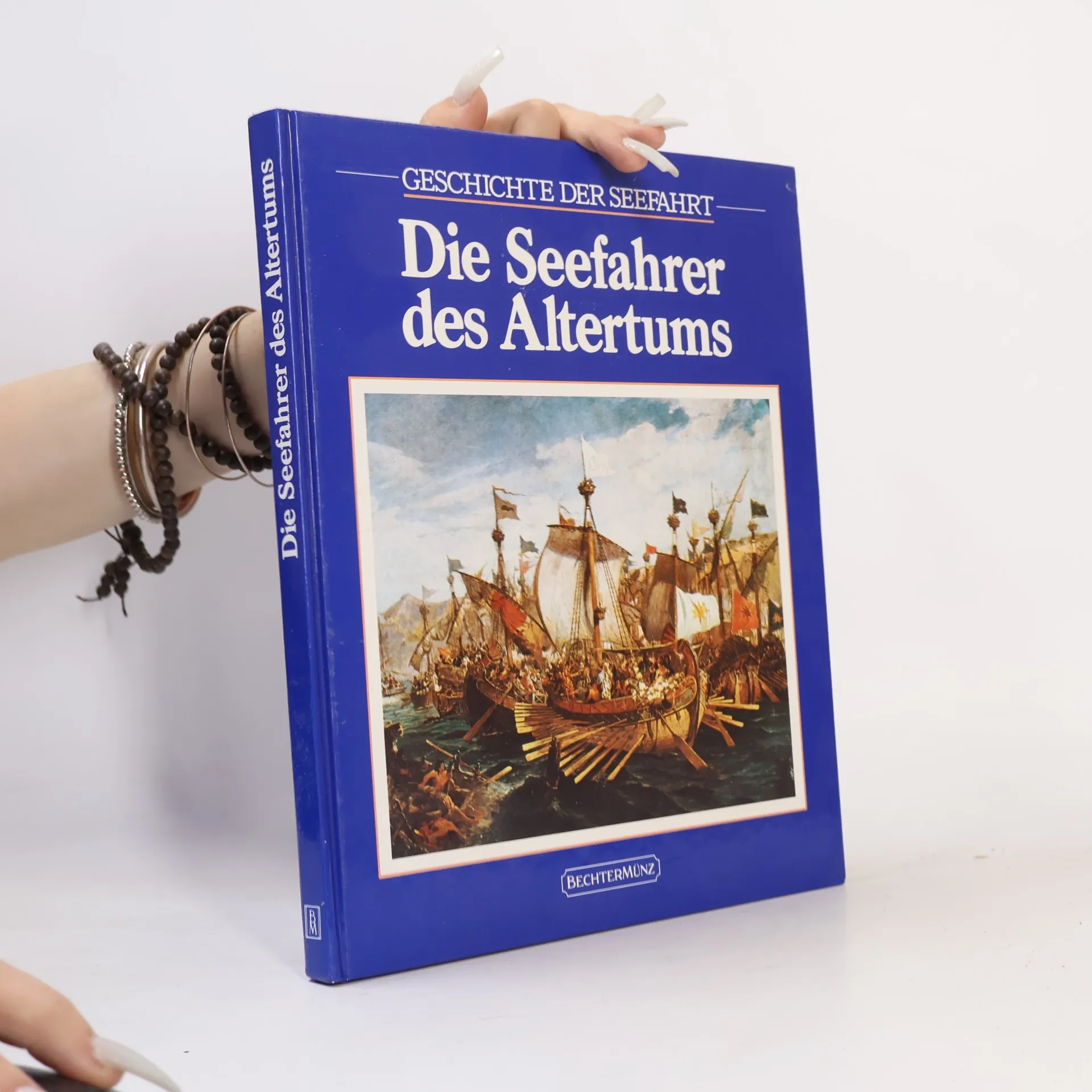
This volume in The Seafarers series surveys the various seafarers of the ancient world, including Greece and Rome, their ships, trade, and battles at sea.
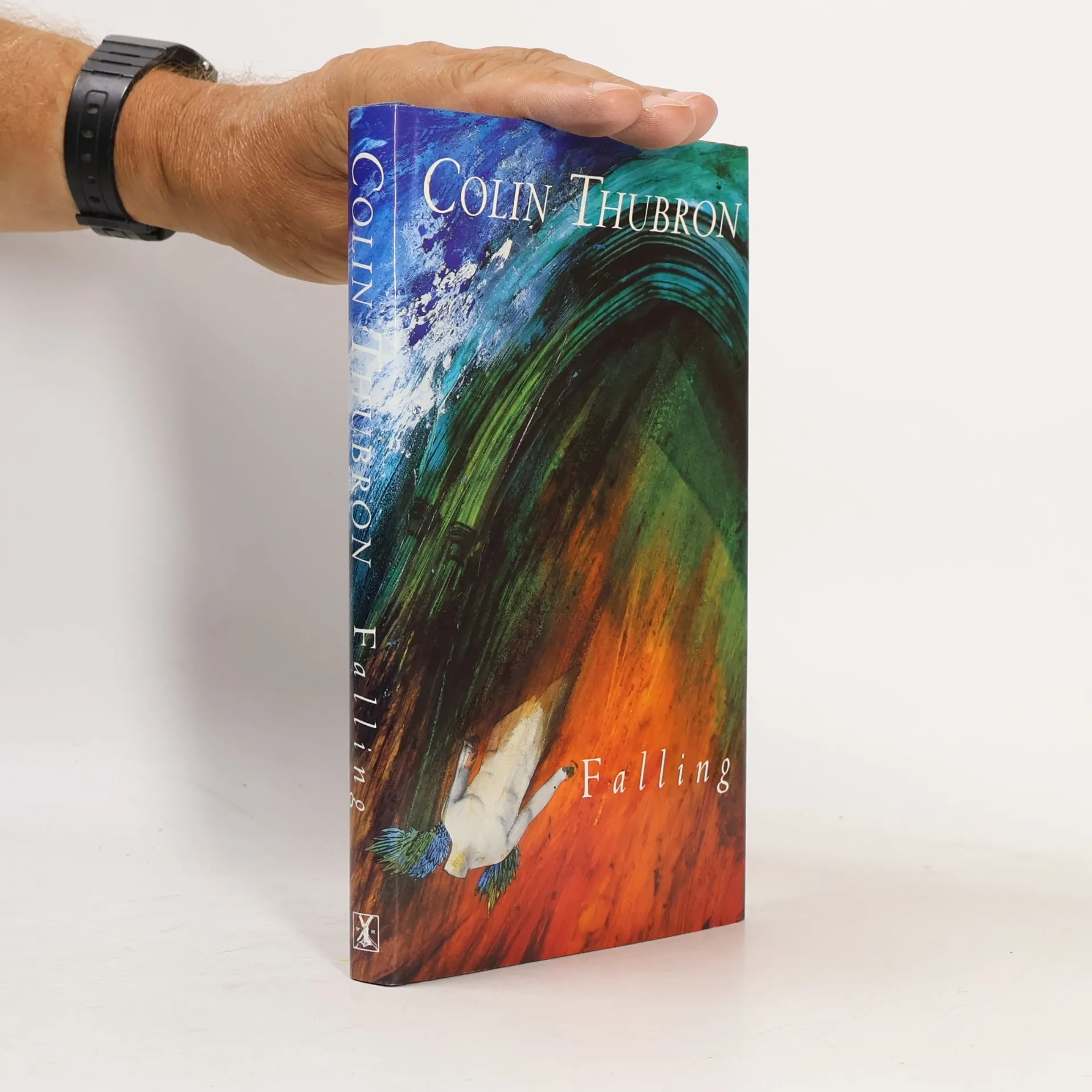
Journalist Mark Swabey is serving a prison sentence in connection with the death of Clara the Swallow, a circus acrobat with whom he fell in love. As the grief-stricken Swabey looks back on their affair, the exact nature of his responsibility for Clara’s death is movingly revealed.
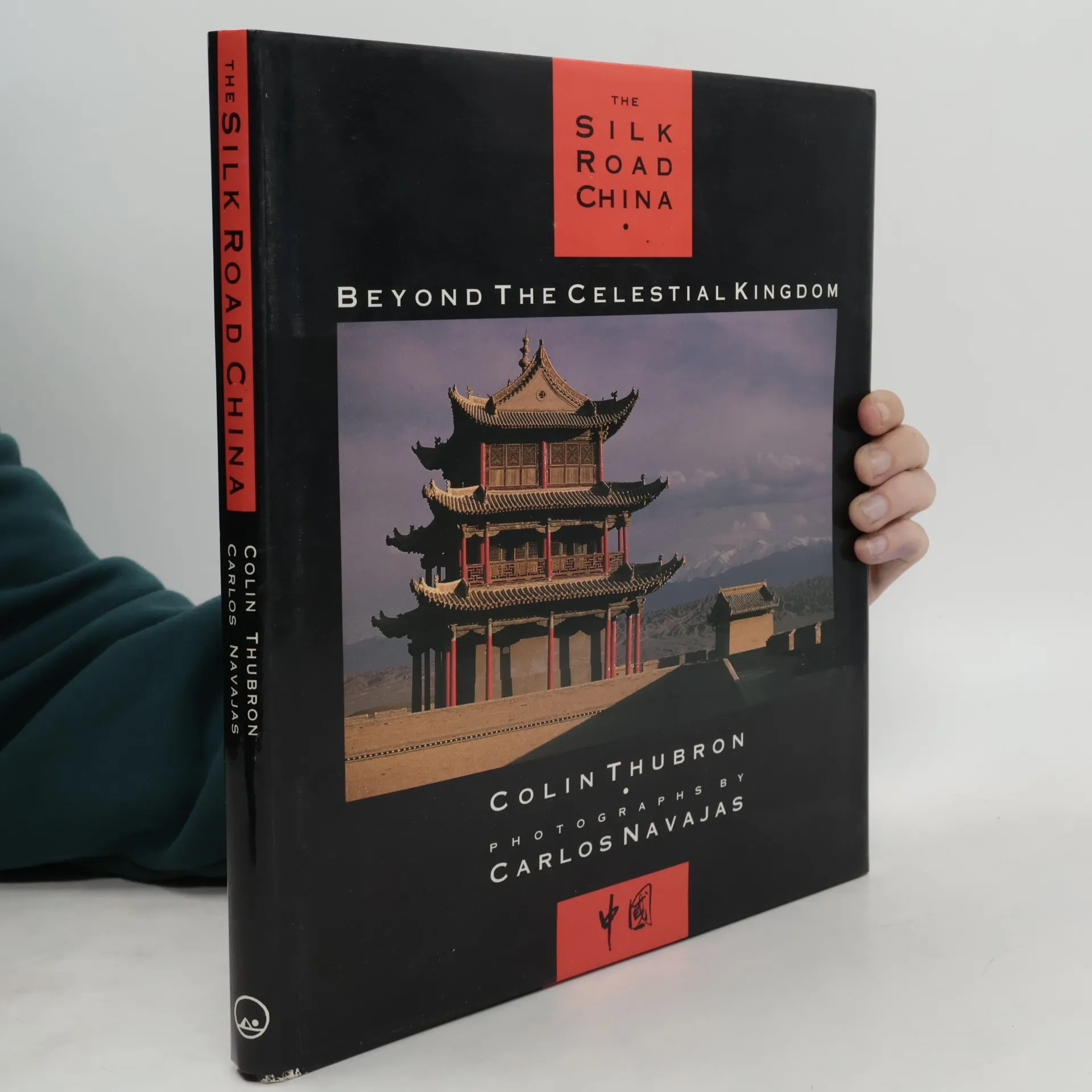
Having learned Mandarin, and travelling alone by foot, bicycle and train, Colin Thubron sets off on a 10,000 mile journey from Beijing to Tibet, starting from a tropical paradise near the Burmese border to the windswept wastes of the Gobi desert and the far end of the Great Wall. What Thubron reveals is an astonishing diversity, a land whose still unmeasured resources strain to meet an awesome demand, and an ancient people still reeling from the devastation of the Cultural Revolution.
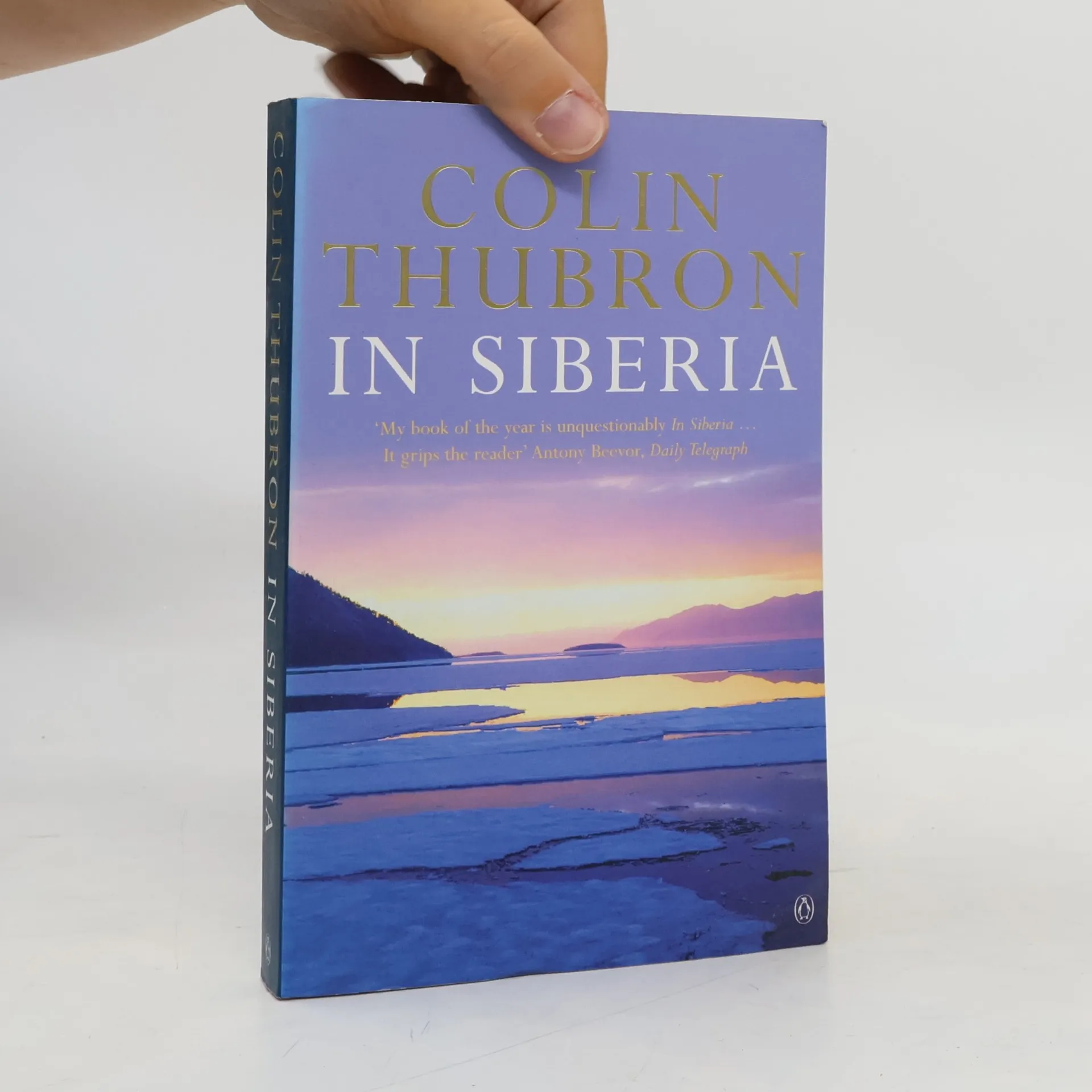
'In Siberia is travel writing at its very best: luminous, lyrical, erudite and almost painfully sensitive, full of atmosphere and oddities and the breath of landscapes that seem too vast to comprehend. Thurbron stands among the greatest travel writers of this or any age' Stanley Stewart, Literary Review
An acclaimed travel writer and novelist, in his eightieth year, takes a dramatic journey on the little-known Far East Asian river that forms the highly contested border between Russia and China, covering almost 3,000 miles
A guide to the history, people and culture of Central Asia in the wake of the break-up of the Soviet Union. It documents the widespread social upheaval in a region reeling from political change.
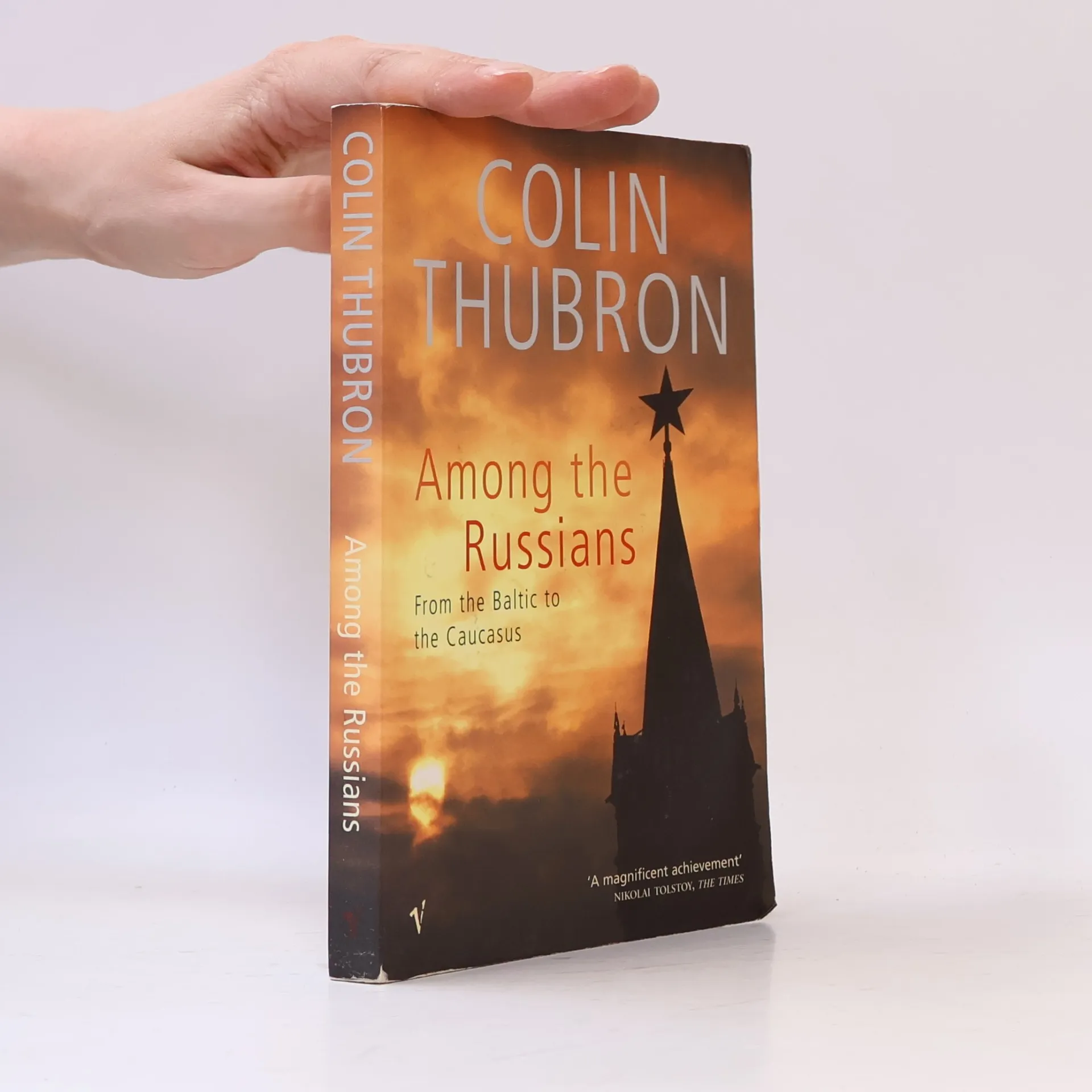
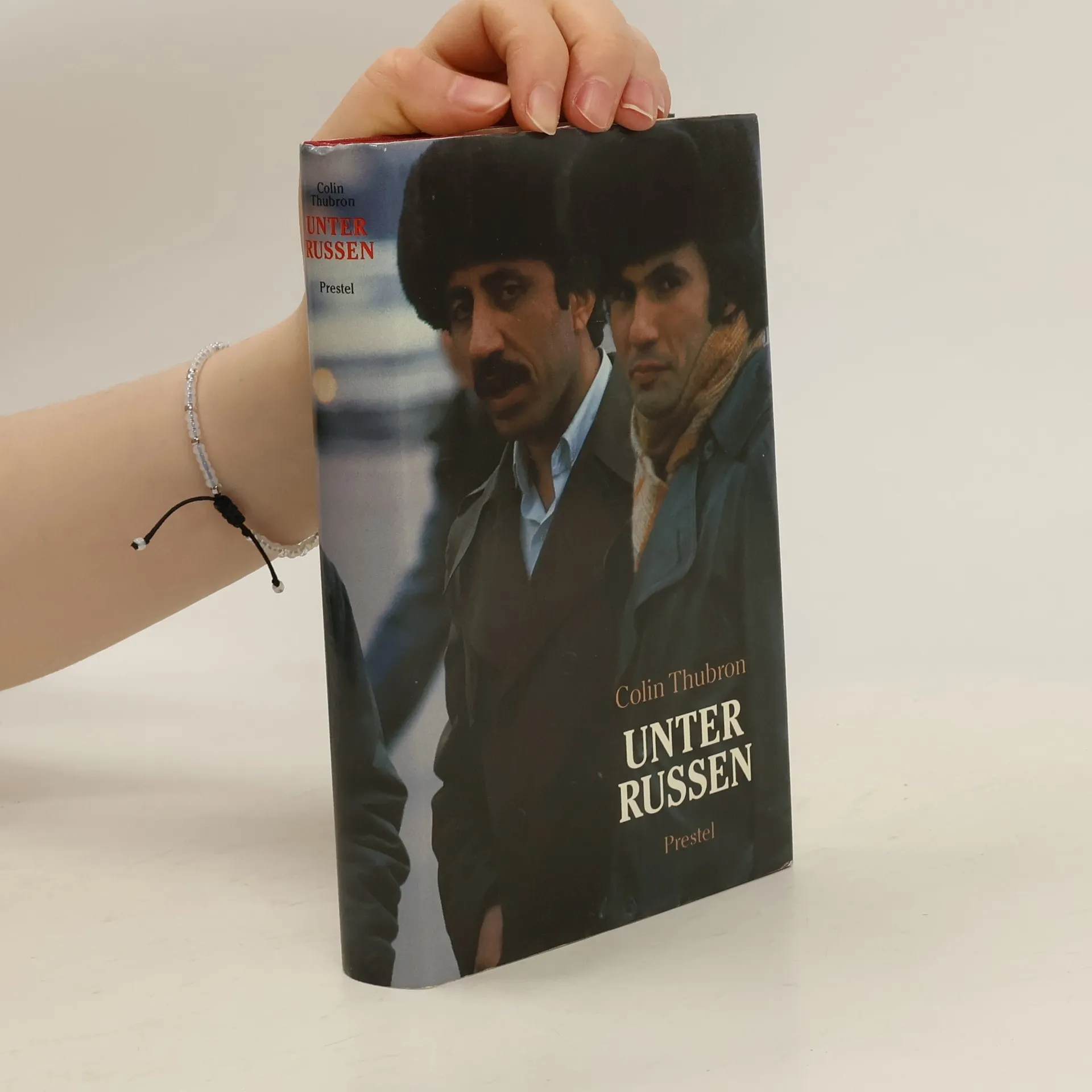
Among the Russians is a marvellous account of a solitary journey by car from
St. Petersburg and the Baltic States south to Georgia and Armenia. A gifted
writer and intrepid traveller, Thubron grapples with the complexities of
Russian identity and relays his extraordinary journey in characteristically
lyrical style.
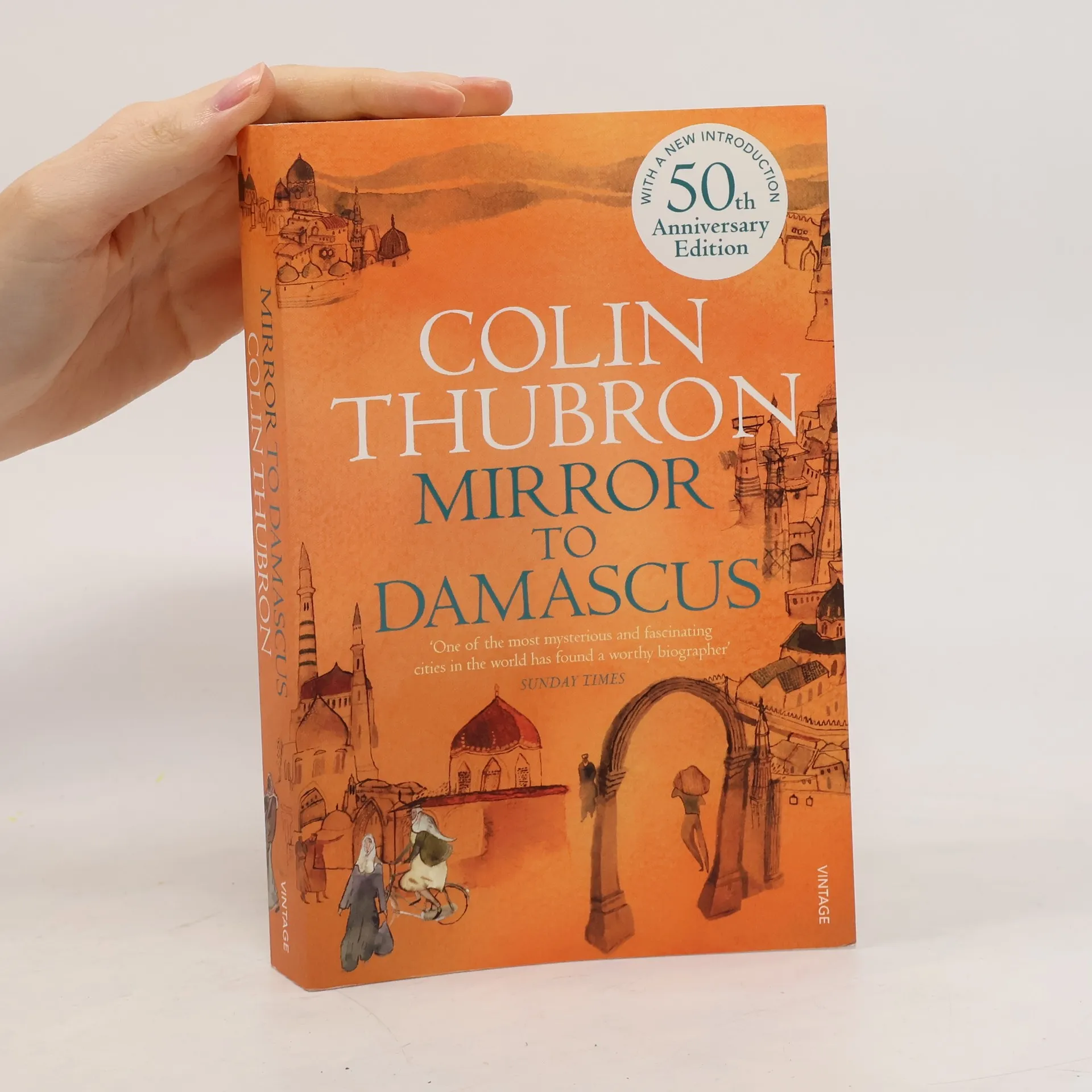
50TH ANNIVERSARY EDITION WITH A NEW INTRODUCTION BY THE AUTHORDescribed by the
author as simply 'a work of love', Mirror to Damascus provides a rich and
fascinating history of Damascus from the Amorites of the Bible to the
revolution of 1966, and is also a charming and witty personal record of an
extraordinary city.
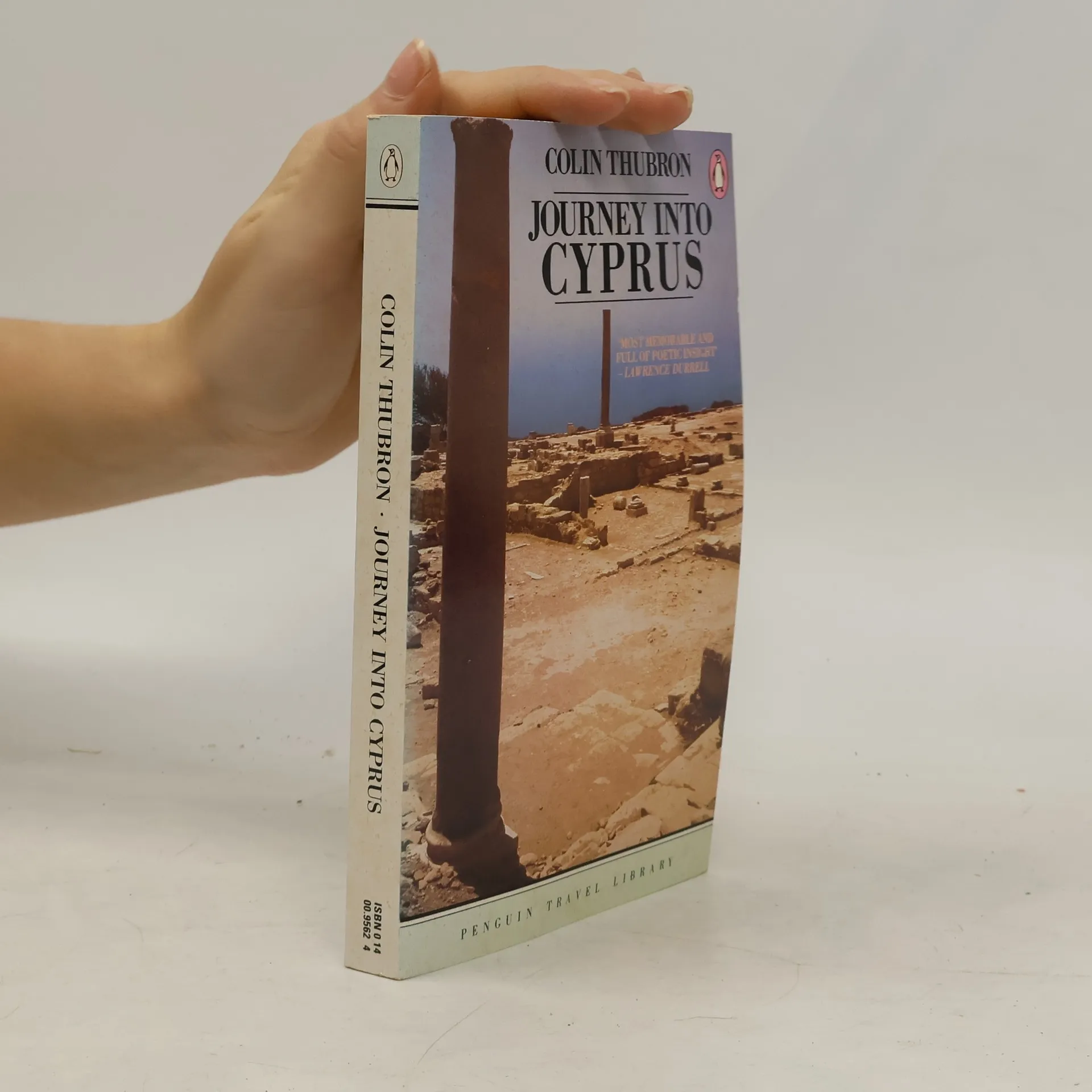
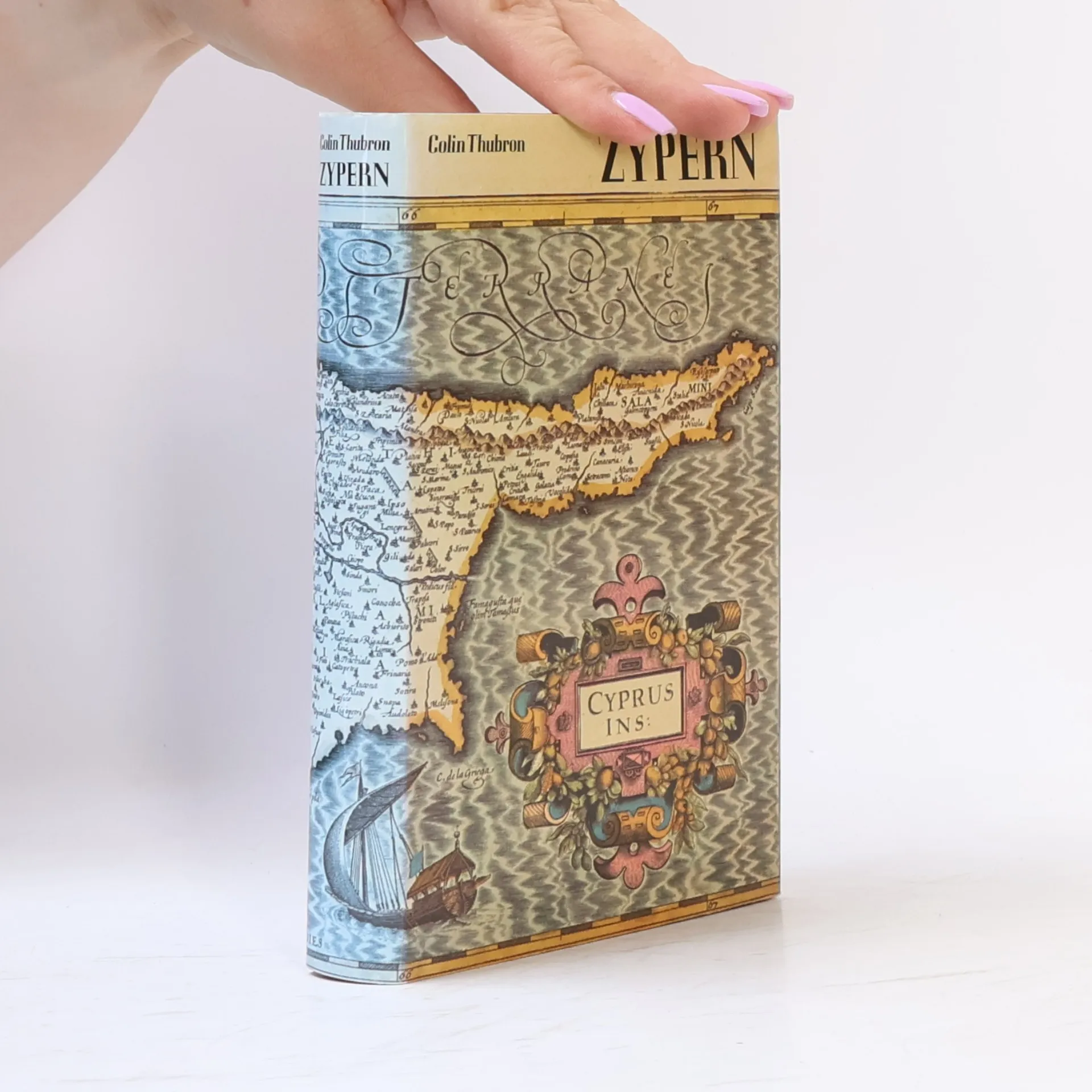
Beautifully packaged reissue of Colin Thubron's classic which bring the whole of his backlist into Vintage, The people, their history and the beauty of an island on the brink of tragedy. This is the account of a unique journey -- a six-hundred-mile trek on foot around Cyprus in the last year of the island's peace. Colin Thubron intertwines myth, history and personal anecdote in a quest from which the characters and places, architecture and landscape all spring vividly to the reader's eye.
The mountain path is the road of the dead,� writes Thubron (Shadow of the Silk Road) in this engrossing and affecting travel memoir that transcends the mere physical journey. In the wake of his mother's death, Thubron sets off to Mount Kailas in Tibet, a peak sacred to one-fifth of the world's population and the source of four of India's great rivers. Kailas has never been climbed: the slopes are important to Tibetan Buddhists who say the mountain's guardian is Demchog (a tantric variant of Shiva). Along with two guides, Thubron embarks on a pilgrimage that begins in Nepal and crosses into Tibet, recounting not only his arduous journey but also the political and cultural history of Tibet and the West's continued fascination with its mysticism. Along the way, he observes pilgrims of various religions converging on Kailas and the myriad monasteries, most of which were destroyed during the Cultural Revolution and rebuilt decades later. It is the poignant evocations of his mother and sister (who died at 21), interwoven with his profound respect for the Tibetan culture and landscape that make Thubron's memoir an utterly moving read. - Publisher's Weekly
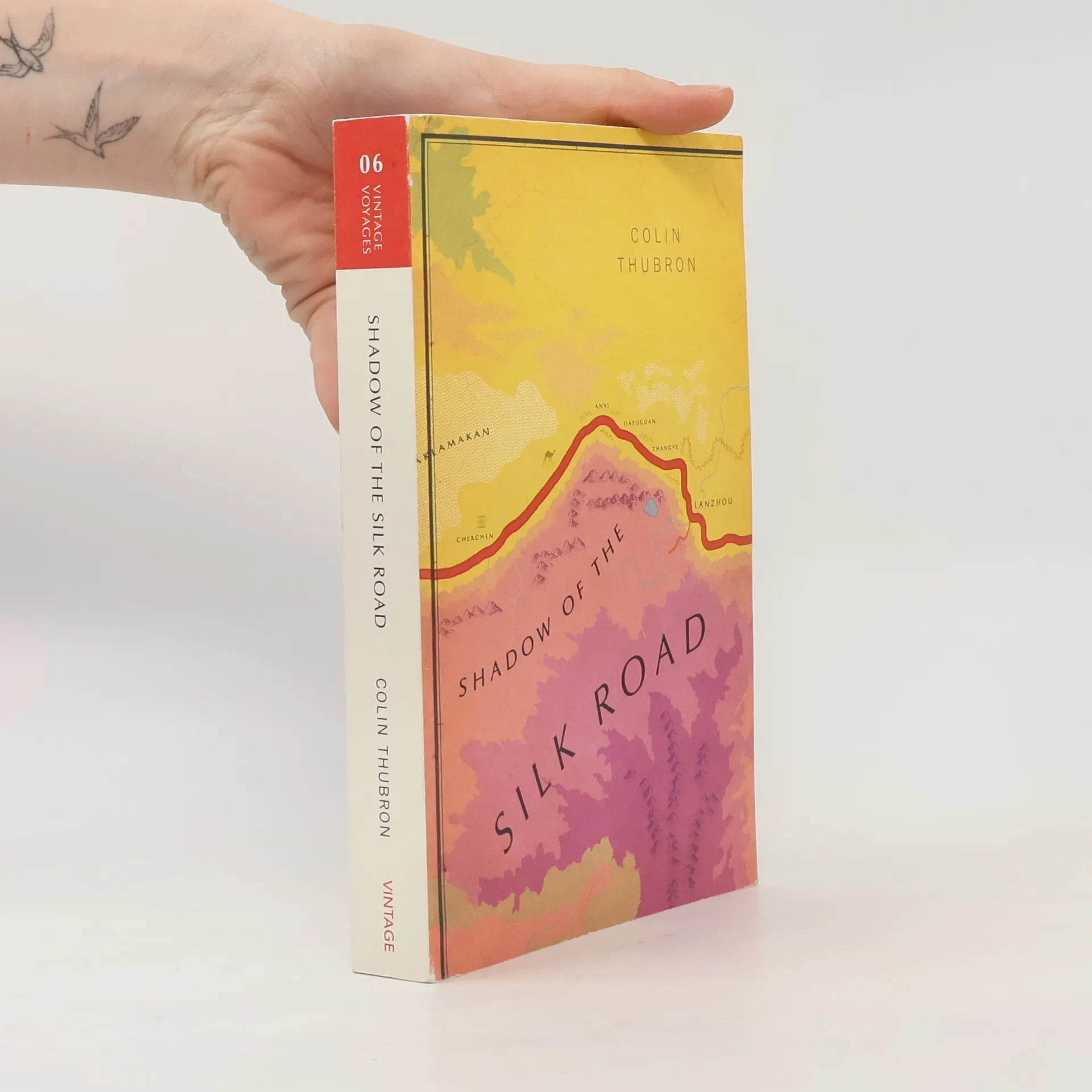
Colin Thurbon’s beautiful prose unfolds along the Silk Road, unearthing a richly layered past on his most ambitious journey. On buses, donkey carts, trains, jeeps and camels, Colin Thubron traces the drifts of the first great trade route out of the heart of China into the mountains of Central Asia, across northern Afghanistan and the plains of Iran into Kurdish Turkey. A magnificent account of an ancient world in modern ferment, Thubron covers over 7000 miles in eight months enduring a near-miss with a drunk-driver, incarceration in a Chinese cell, and undergoing root canal treatment without anaesthetic, along the way. VINTAGE VOYAGES: A world of journeys, from the tallest mountains to the depths of the mind
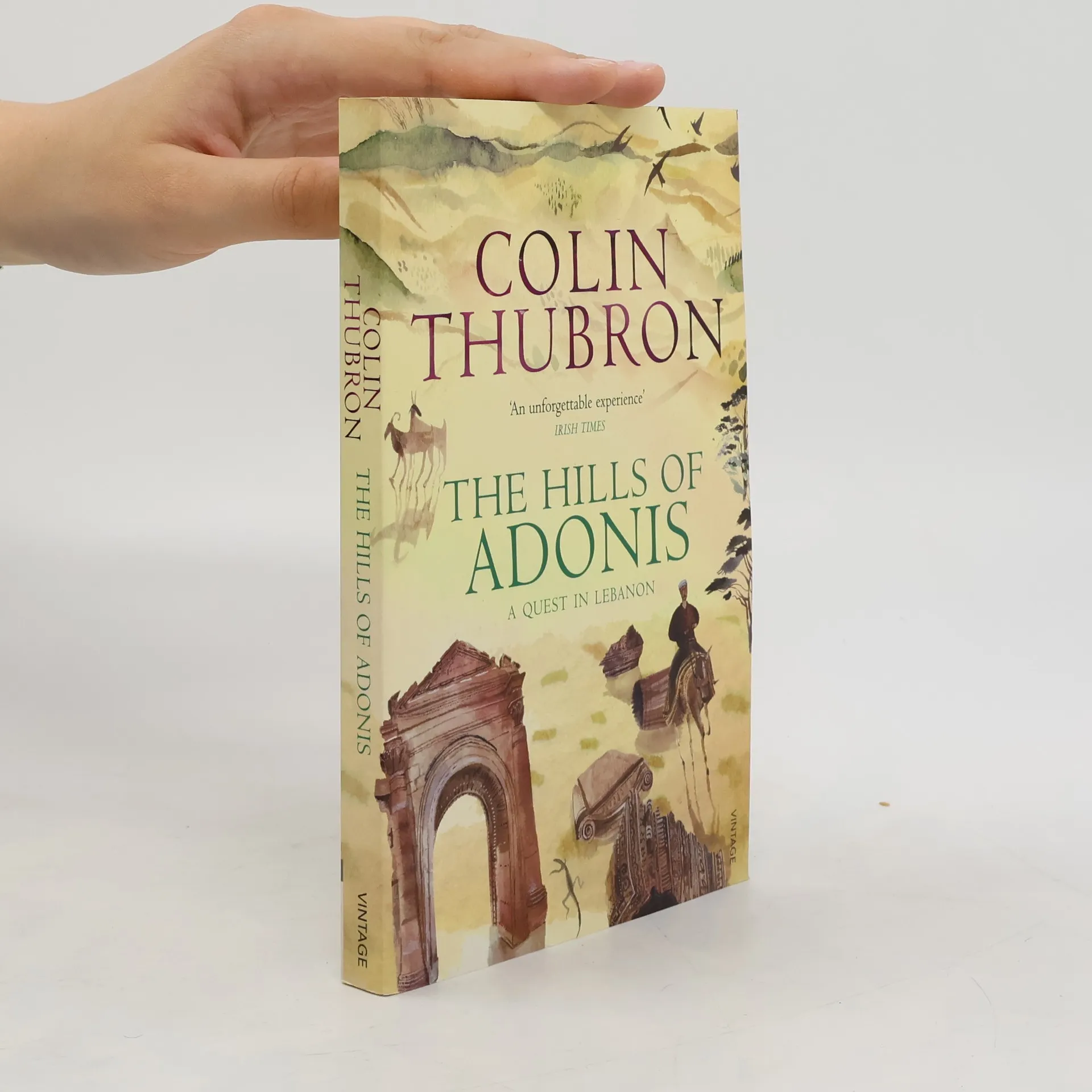
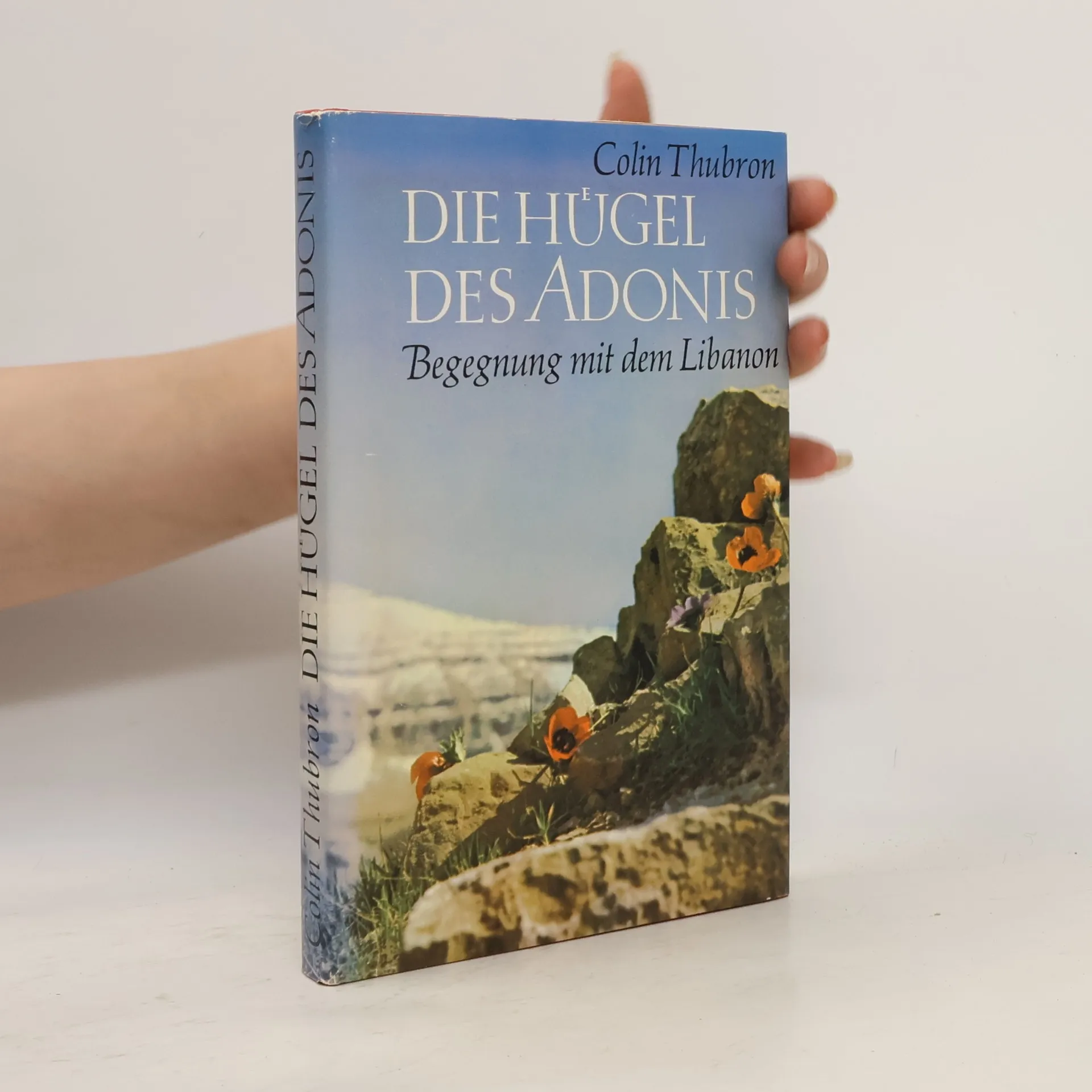
For four months and five hundred miles Colin Thubron walked the mountains of
Lebanon, following tracks and rivers. His journey was not only a survey of a
remarkable country, but a quest for the gods and divinities who held the
secrets of death and rebirth in the land's ancient cults.
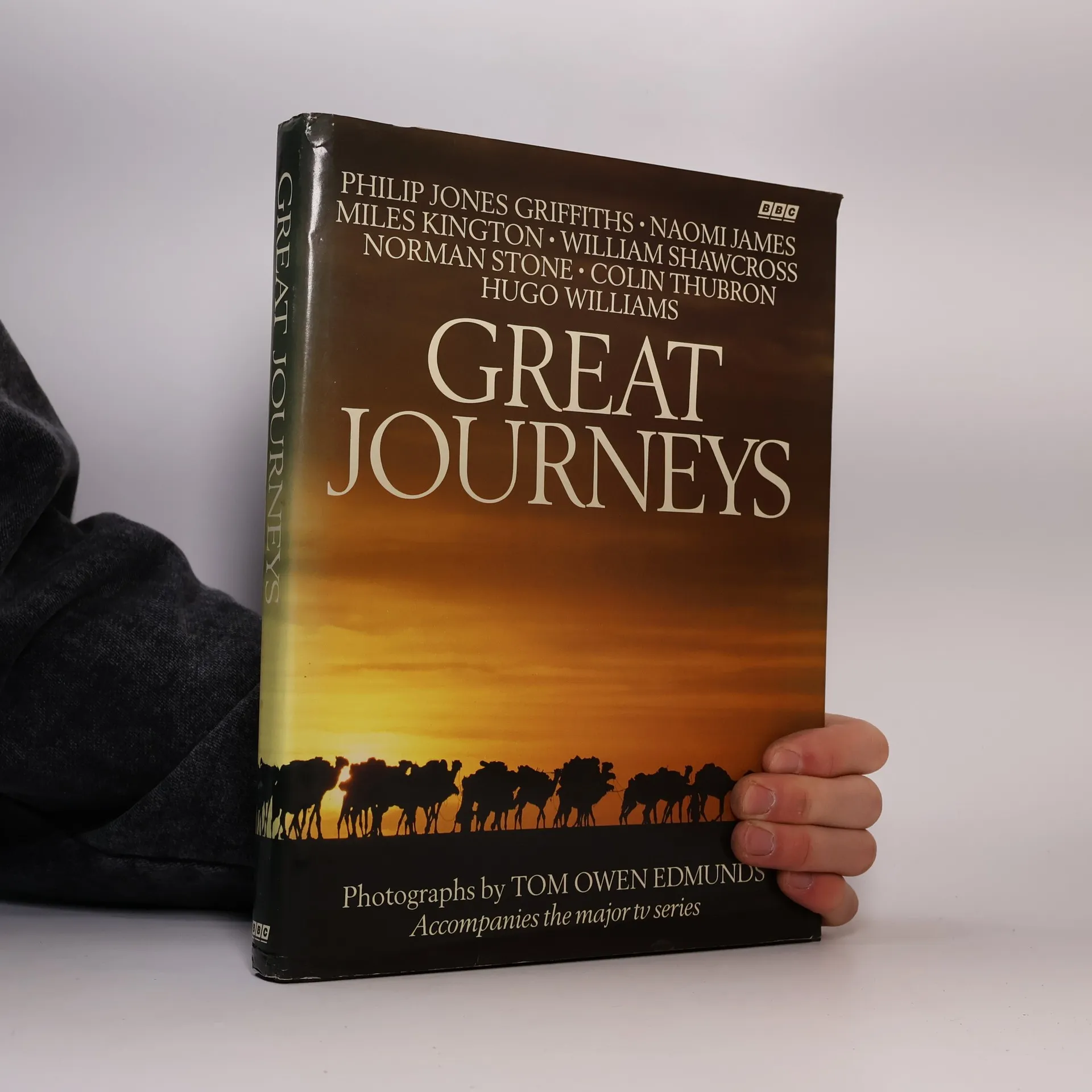
Much of the romance of the past centres around travel and the trade routes of the world. For hundreds of years people have crossed mountains and deserts, sailed down rivers and across seas in pursuit of conquest, trade or adventure. In this book seven travellers, well-known in different spheres, make seven journeys, recording their experiences and describing the places and the people they encounter. Colin Thubron follows the Silk road beyond the Great Wall of China to the borders of Afghanistan. Whilst Naomi James visits several of the islands which were settled by Polynesians many centuries ago. Crossing the border between the USA and Mexico, Hugo Williams goes from the First to the Third World along the Pan American Highway and through Central America by river. Miles Kington travels the Burma Road, once used by Marco Polo and later a life-line for the allies in World War II. The route taken by the Vikings between the Baltic and the Black Sea was the one followed by Noram Stone. Starting in Leningrad, he travels through Estonia and Lithuania to Kiev and then on to Yalta. And William Shawcross journeys along the old Salt road once used by traders to carry salt from the mines in the Sahara desert. Finally, in Vietnam, Phillip Jones Griffiths returns to the country where he spent nearly three years during the war.
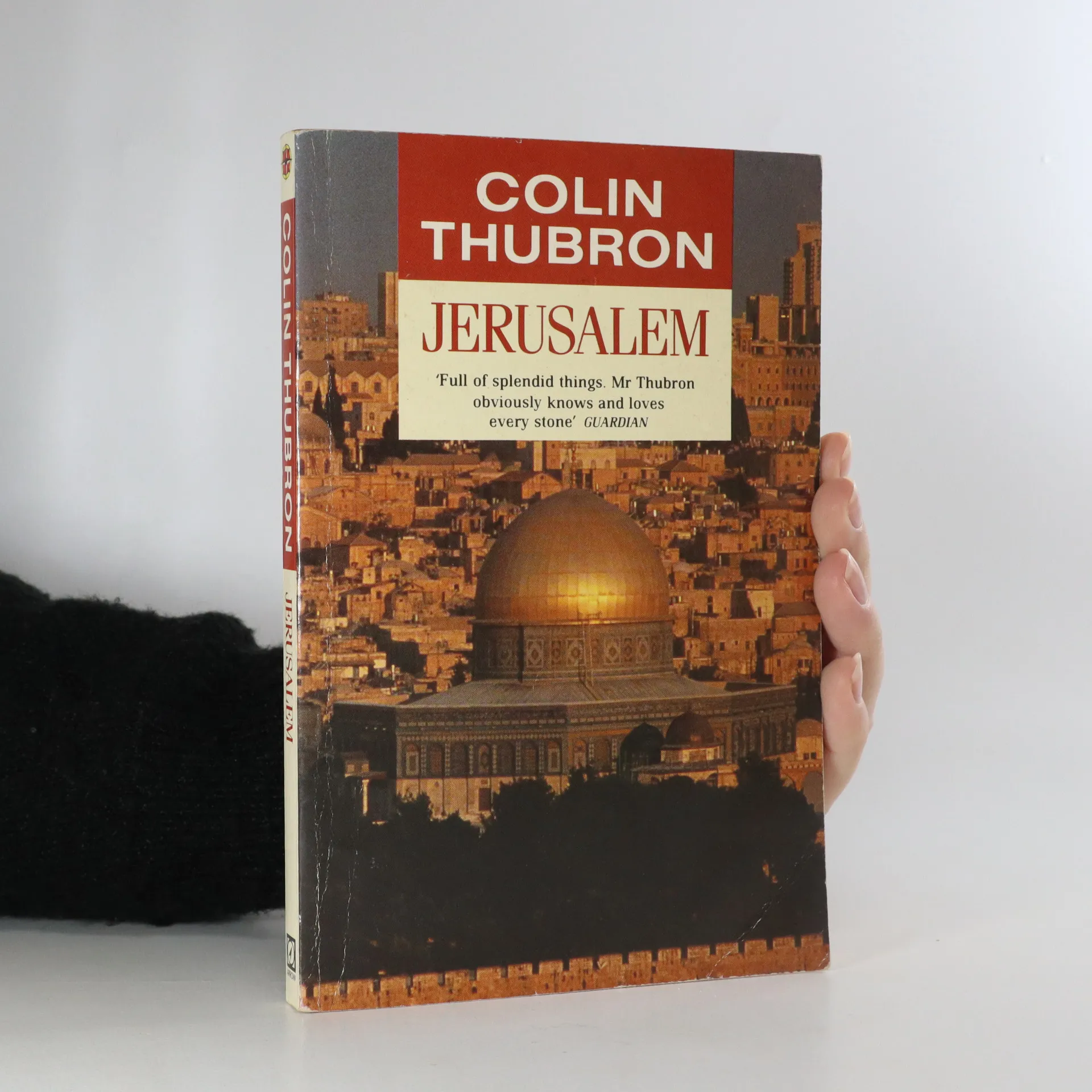
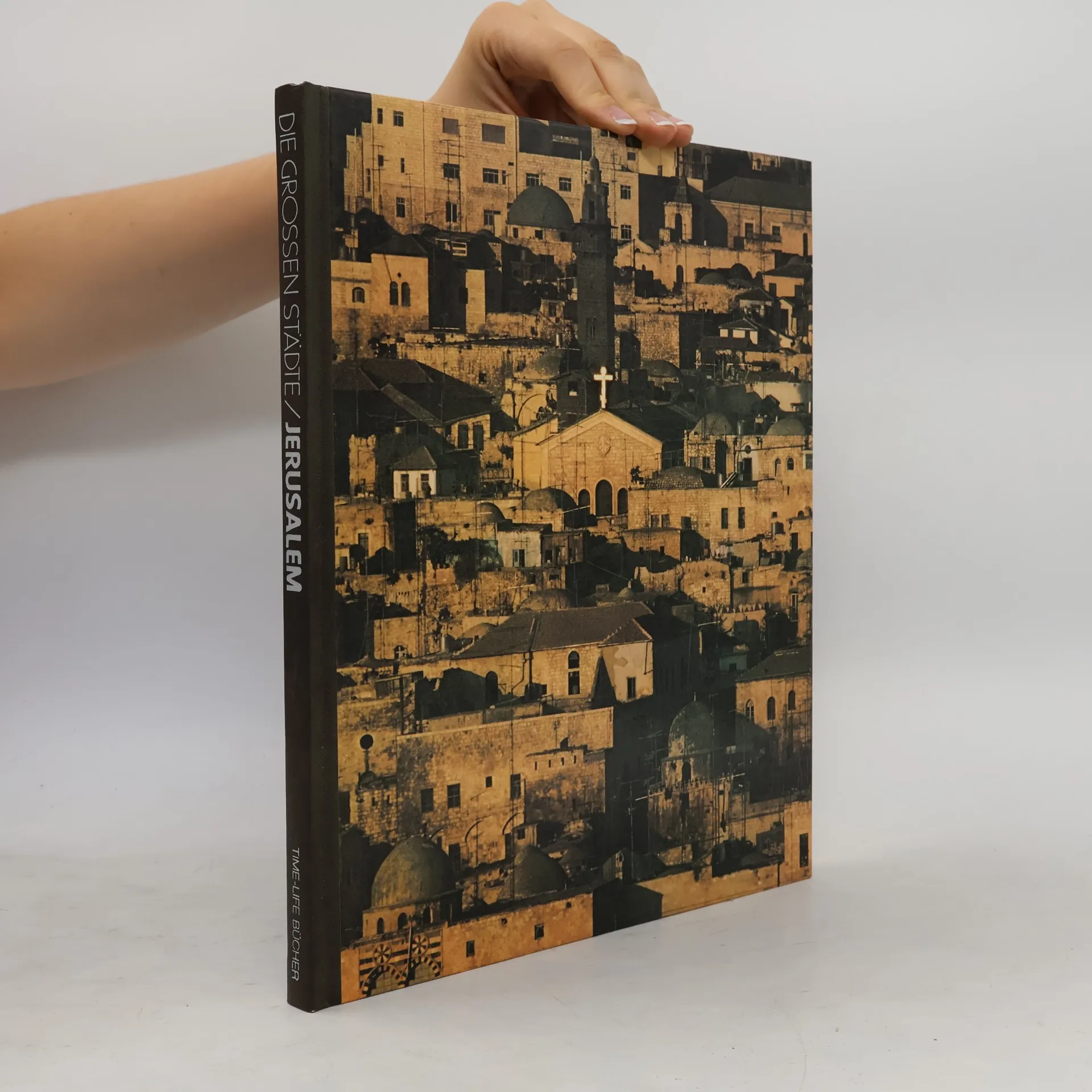
Jerusalem is a city sacred to three faiths: Moslem, Jew and Christian. No other city has been fought over with such religious ferocity and anguish; no other city has inspired such love and devotion through the centuries. Colin Thubron, author of Among the Russians and Mirror to Damascus, wrote his personal tribute to Jerusalem in 1969. It is an evocation of the sights, sounds, unique atmosphere and character of the Jerusalem of recent years, set against the backdrop of cultural, religious and historical influences of the past.
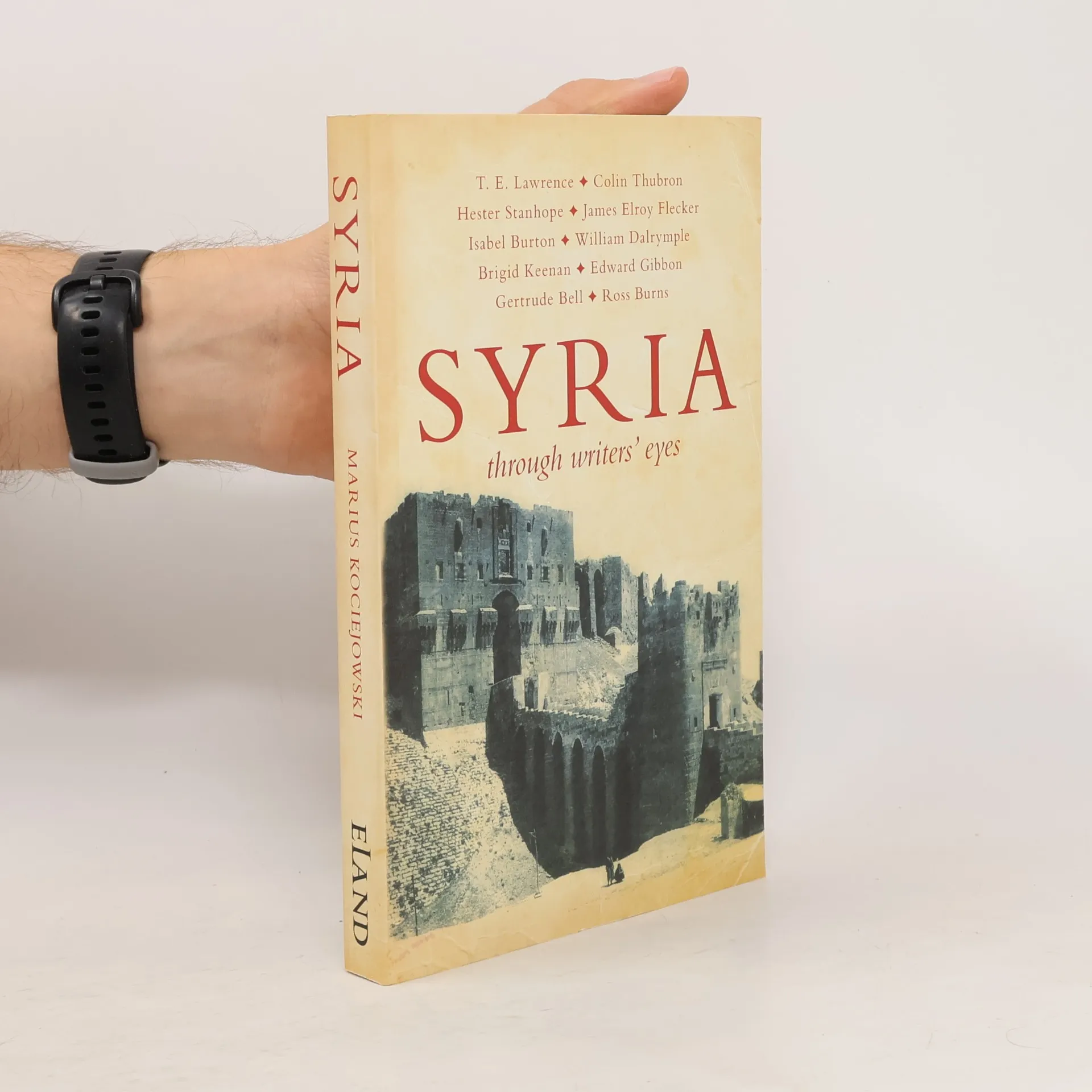
A useful companion for those travelling to Syria, this work is part of a series that is a collection of writing, aiming to invest the traveller with a cultural and historical background to Syria.
Edward Sanders, ein junger Astronom, hat zwei Jahre seines Lebens verloren, seine Erinnerung durch ein Trauma ausgelöscht. In den Tagen nach seinem Erwachen tritt eine Erinnerung immer wieder in den Vordergrund: seine tiefe, dringende Liebe zu einer Frau, deren Namen er nicht kennt. Doch während das flüchtige Bild klarer wird, wird auch das schreckliche Ereignis deutlich, das Edward in seinen persönlichen Abgrund stürzte.
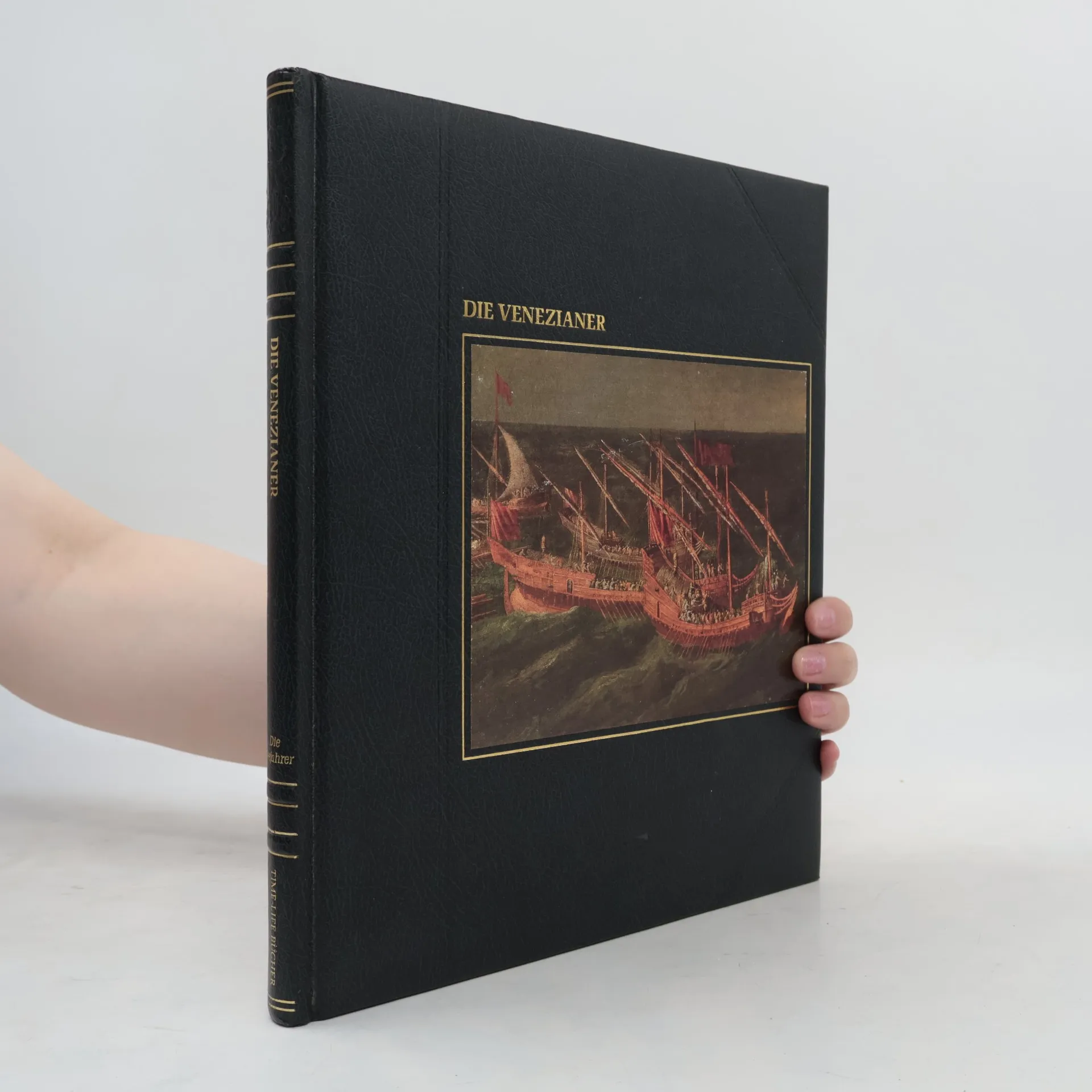
Dieser Band der Seefahrer-Serie behandelt die Geschichte, Entwicklung und sozialen Merkmale der Venezianer und beschreibt ihre Rüstungen, Schiffe und einige der Schlachten, an denen sie beteiligt waren.