The book delves into the historical and contemporary implications of paranoia, exploring its contagious nature and self-replicating dynamics. Through a range of examples, including figures like Ajax, Othello, and political leaders such as Hitler and Bush, the author illustrates how paranoia has influenced actions and events throughout history. Zoja's analysis offers a thought-provoking examination of the psychological and societal impacts of paranoia, revealing its pervasive role in shaping human behavior and cultural narratives.
Luigi Zoja Books
August 19, 1943
Luigi Zoja is an Italian psychoanalyst and writer whose work connects contemporary psychological and social issues with timeless archetypal patterns. His research focuses on themes such as addiction, limitless consumption, the absence of the father figure, and political hatred, placing them within the context of ancient myths and classical literature. Zoja is known for his profound insights into the human psyche, earning him the description 'anthropological psychologist.' His work, valued for its erudition and breadth, is translated into numerous languages, offering readers a fresh perspective on the complex challenges of modern times.




Jungian Reflections on September 11
- 218 pages
- 8 hours of reading
Seldom has an event in the world had such pervasive and all-encompassing effect as the brutal terrorist attacks on New York and Washington in September, 2001. Has our world become a different place as a result? If so, in what ways? What might a psychotherapist of depth psychologist perceive in the eruption of shocking contents?
Questo saggio si occupa per la prima volta delle origini e dell'evoluzione del padre da un punto di vista unitario: storico, sociologico e sopratutto psicologico. Il libro rilegge alcune figure mitiche dell'antichità classica Ettore, Ulisse, Enea - come riassunti dell'affermazione del padre che in quell'epoca rasenta l'onnipotenza. Accompagna poi la traversata paterna nella storia. Passando dall'Ebraismo al Cristianesimo, alla parola del Padre subentra quella del Figlio. Il Cristianesimo, il laicismo, la democrazia portano a un lento ma costante svuotamento dei simboli del padre. L'industrializzazione, le guerre mondiali, l'esplosione dei divorzi conducono al collasso attuale.
Das Verschwinden der Väter
- 280 pages
- 10 hours of reading
Sehnsucht nach Wiedergeburt
- 157 pages
- 6 hours of reading
Es ist nur schwer möglich, einem Alkohol- und Drogensüchtigen zu seelischer Heilung zu verhelfen, was etwas anderes ist als eine Entziehung. Dr. Zoja nennt als Grund dafür das religiöse Element, das in jeder Drogensucht eine Rolle spielt, aber unbewußt bleibt.
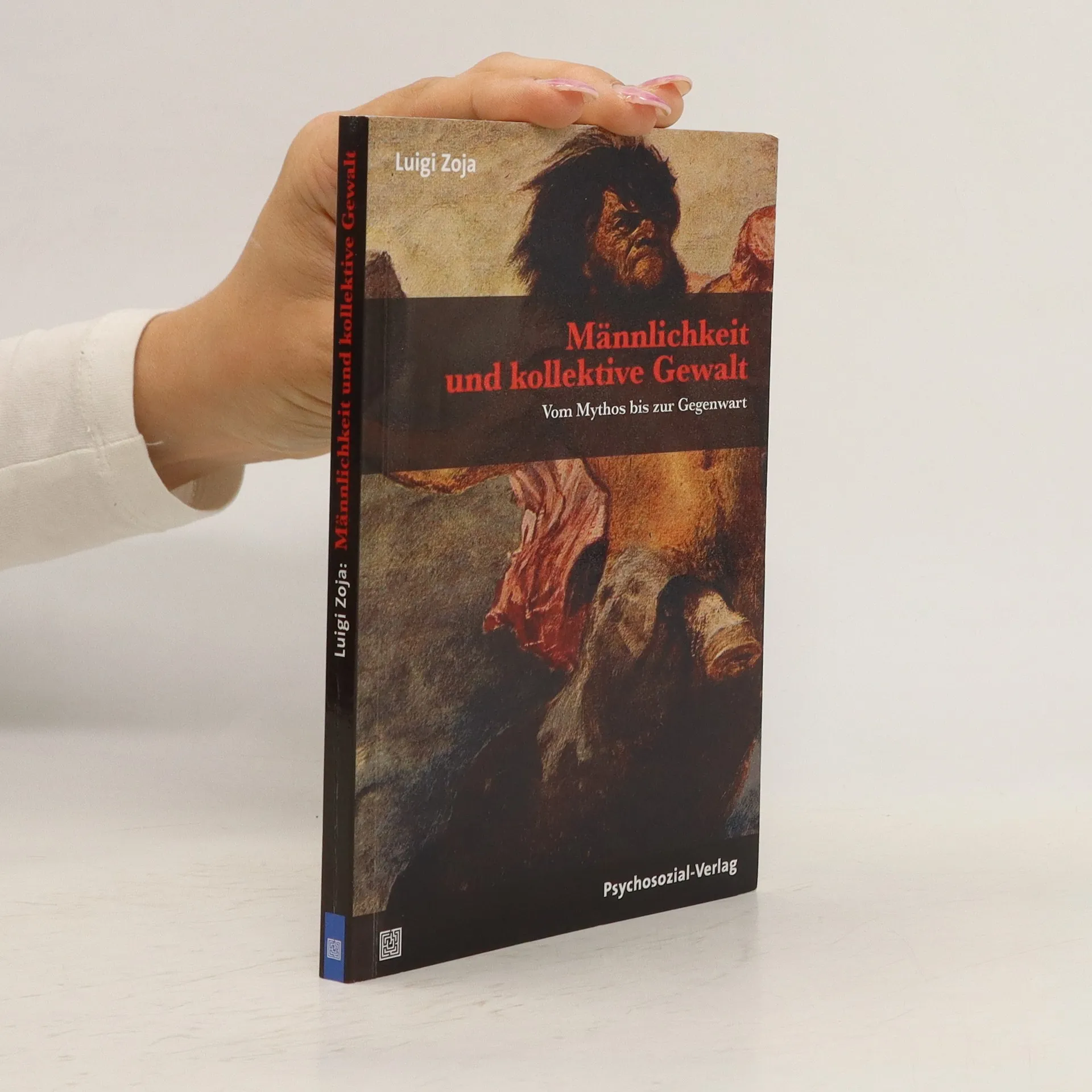
Männlichkeit und kollektive Gewalt
Vom Mythos bis zur Gegenwart
Luigi Zoja untersucht die Psychodynamik und Tiefenpsychologie sexueller Gewalt, die durch Männer und Gruppen von Männern ausgeübt wird. Ausgehend vom griechischen Mythos, in dem der Zentaur – halb Mann, halb Tier – die Sexualität beinahe ausschließlich als kollektiven Gewaltakt kennt, beschäftigt sich Zoja mit der Geschichte der Gruppenvergewaltigung und der Psychodynamik der Aggressoren in ihrer Eigenschaft als Gruppenmitglieder. Nach einem Jahrhundert des Feminismus ist der Westen zwar post-patriarchal, jedoch nicht post-sexistisch. Zojas eindringliche Ausführungen zeigen, dass eine neue Debatte über männliche Gewalt dringend notwendig ist.
Dějiny arogance
- 288 pages
- 11 hours of reading
Nelítostné drancování planety ve jménu bezmezného růstu má znepokojivé důsledky, přičemž se většinou hovoří pouze o technických aspektech. Psychologické faktory, které k tomu vedou, zůstávají opomíjeny. Proč jsme ztratili schopnost omezit své potřeby? Hojnost často zhoršuje kvalitu našich životů, což dokládá nárůst sebevražd, duševních poruch a nemocí spojených s blahobytem. Autor varuje, že vztah lidské psychiky k touze je chorobný, a je nutné pochopit iracionální impulzy, které to způsobují. Při diskusi o mezích ekonomického rozvoje je důležité se ptát, proč toužíme po nekonečném růstu. Tato tendence je historicky podmíněná a poměrně nedávná. Ještě nedávno jsme žili v agrární společnosti, která se řídila sezónními cykly. Historie Západu je příběhem překonávání tohoto způsobu života a nahrazování expanzí bez hranic. Chceme-li porozumět historii a ekonomii, musíme je zkoumat psychologicky. Původ tohoto vývoje spočívá v nevědomé konverzi našich předků, kteří se báli nekonečna a považovali ho za aroganci. Věříme, že příběhy starých Řeků, které zkoumá autor, nám mohou pomoci znovu uvěřit v prospěšnost hranic.