

Exploring the evolution of visual entertainment since the late 1700s, this book delves into reenactment as a dominant form of popular history. It examines the challenges of defining reenactment and its boundaries, while also addressing the interplay between realism and emotional impact. Through this analysis, it sheds light on how reenactment shapes our understanding of history and nature.
Iain McCalman Book order (chronological)
Iain McCalman is a professor of history and the humanities, deeply engaged with the historical narratives of western environmental and cultural crises. His work explores the intersection of scientific voyaging, ethnography, and environmentalism, offering a unique perspective on humanity's relationship with the natural world. As co-director of the Sydney Environment Institute, he bridges academic research with pressing contemporary environmental concerns. McCalman also brings history to life as a consultant and narrator for documentaries, making complex historical and ecological themes accessible to a broad audience.

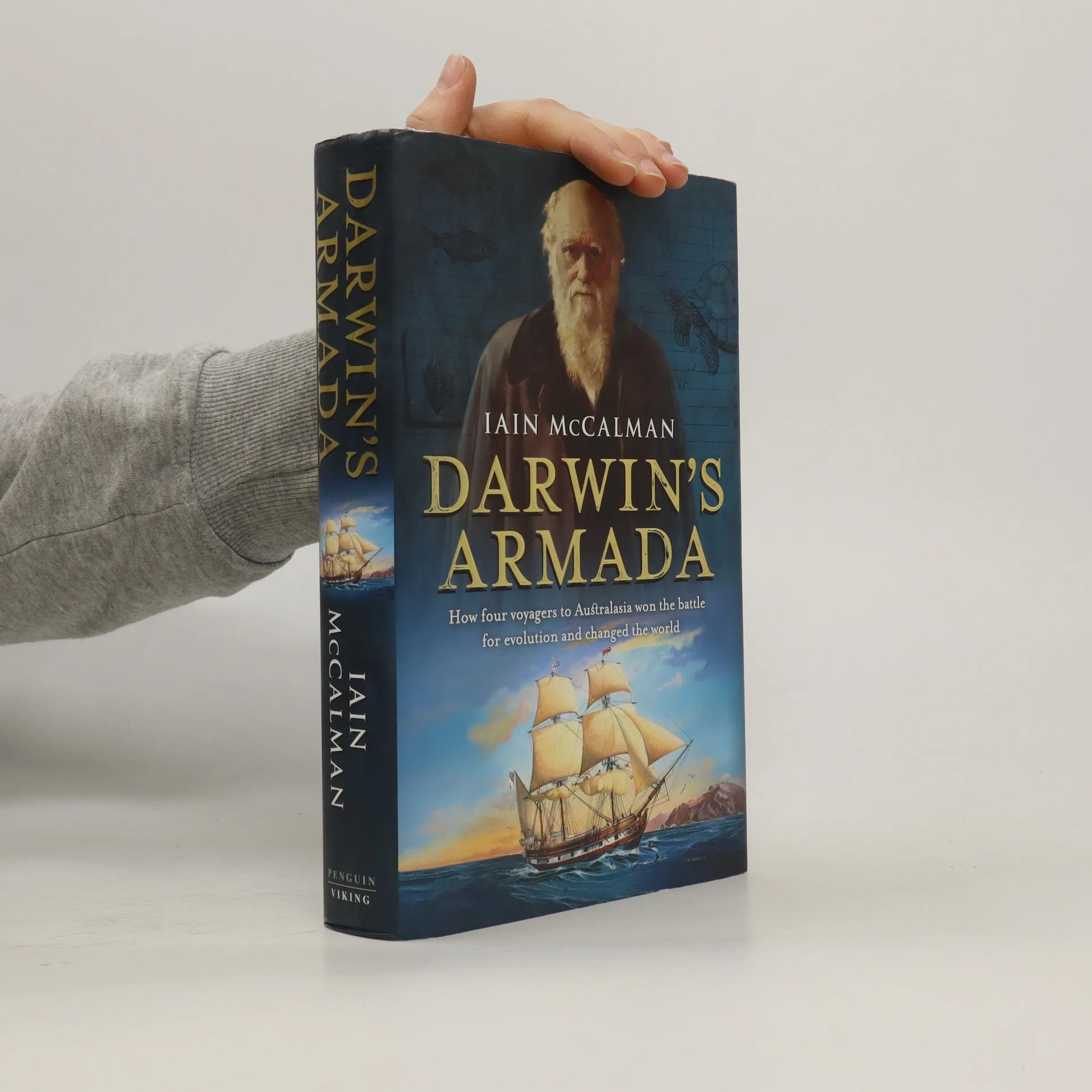
Darwin's armada
- 422 pages
- 15 hours of reading
Sent to Cambridge for the clergy, young Darwin discovered a passion for naturalism and accepted an invitation to sail on a naval survey vessel to South America, New Zealand, and Australia, a journey that would alter his life and modern science. Inspired by Darwin, Joseph Hooker embarked on his own voyage from the Cook Islands to Antarctica, conducting botanical research that provided critical evidence for Darwin's evolving theories and establishing him as Darwin's closest ally. Thomas Huxley, known as "Darwin's Bulldog," championed evolution against the clergy while making significant marine biology discoveries in the Southern Hemisphere, and unexpectedly fell in love in Sydney. Alfred Wallace, the least recognized yet perhaps the most brilliant, spent years collecting specimens in remote jungles and independently developed a theory of evolution by natural selection, prompting a moral crisis for Darwin and leading to the writing of *On the Origin of Species*. This narrative portrays the Darwinian revolution as a collective effort in Australasia, showcasing how these four remarkable men gathered evidence for evolution and engaged in the ensuing social and intellectual battles. Their combined efforts changed the world, making this account both an adventure story and a significant historical work.
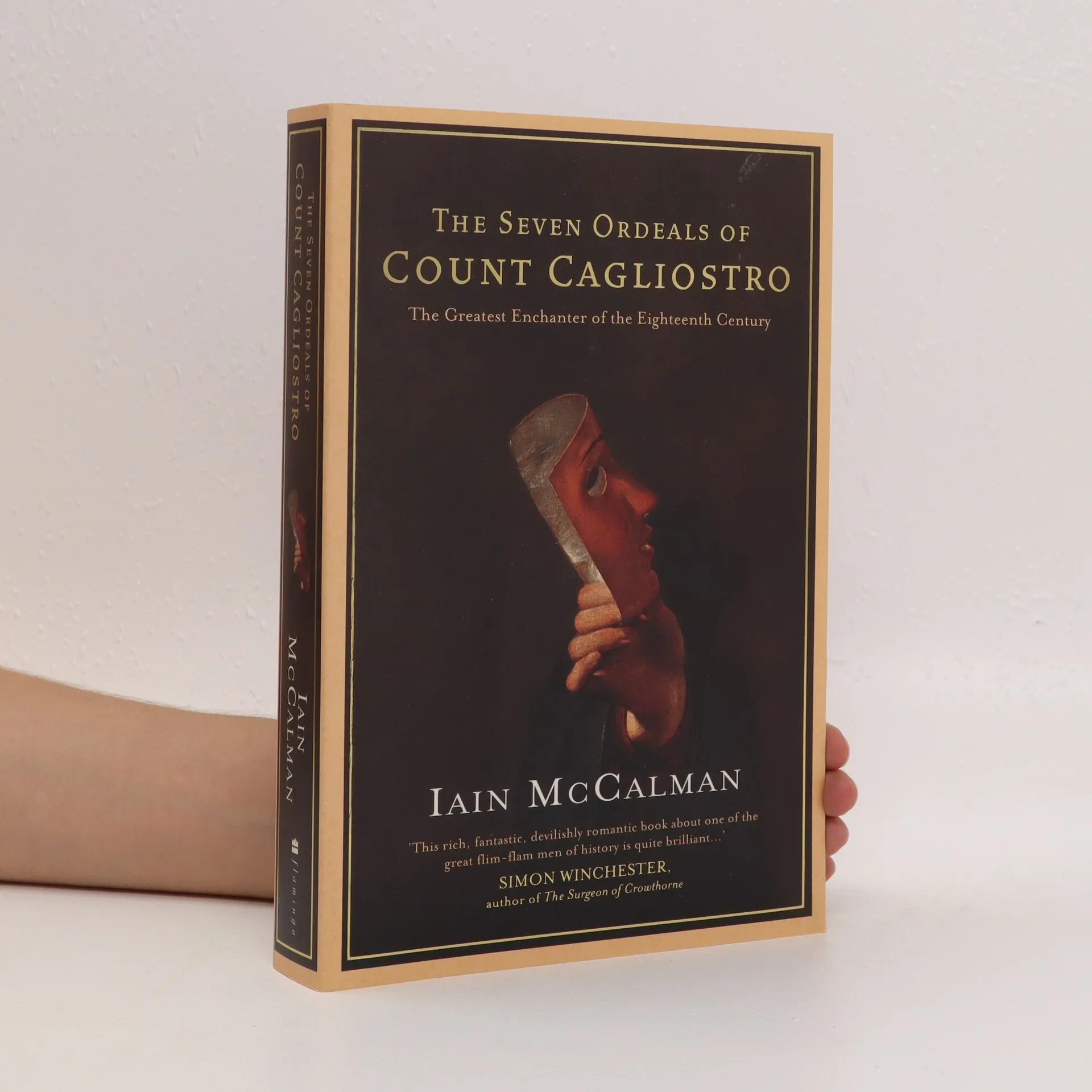
The Seven Ordeals of Count Cagliostro
- 352 pages
- 13 hours of reading
Guiseppe Balsamo, the Count of Cagliostro, was an 18th-century Sicilian who became a magician, mystic, healer, Freemason, swindler, and last, but not least, a pornographer. He was so controversial, he became a central figure in Faust and the Magic Flute. This work features his story that is told through the eyes of seven of his contemporaries.
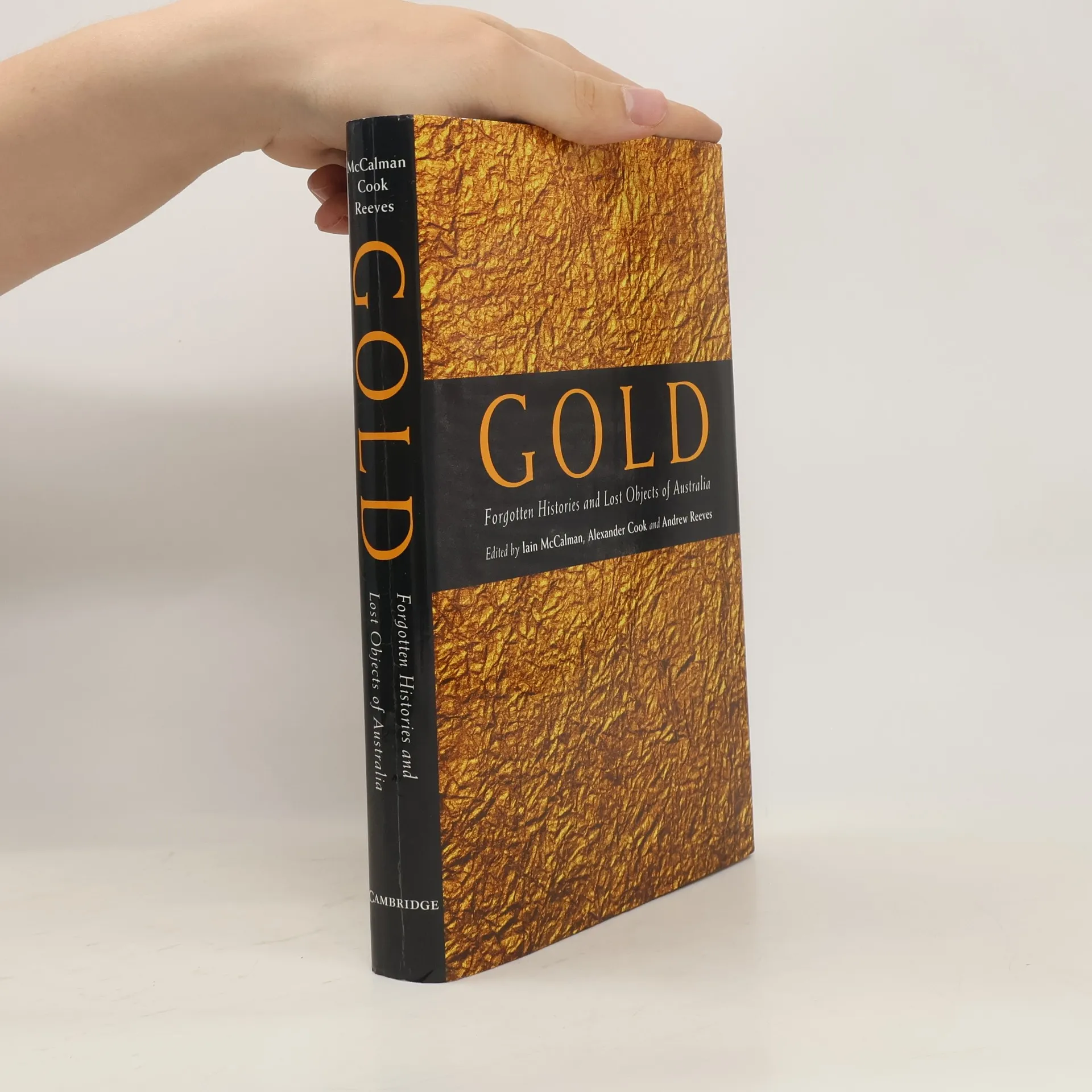
A team of prominent historians and curators have produced this innovative cultural history of gold and its impact on the development of Australian society. Throughout history, gold has been the "stuff" of legends, fortunes, conflict and change. The discovery of gold in Australia 150 years ago precipitated enormous developments in the newly settled land. The population and economy boomed in spontaneous cities. The effects on both the environment and indigenous Aboriginal peoples have been profound and lasting.