A sweeping history of the Age of Reason, which shows how, although it was a time of progress in many areas, it was also an era of brutality and intolerance, by the author of The Borgias and The Florentines.[Bokinfo].
Paul Strathern Books
October 6, 1940
Paul Strathern is a British author whose work spans an impressive array of subjects, delving into philosophy, history, literature, and science. He possesses a remarkable ability to explore complex ideas with clarity and engaging prose, making profound concepts accessible to a broad audience. Strathern's writing is characterized by its intellectual depth and narrative elegance, offering readers a richly rewarding intellectual journey. His approach bridges rigorous academic inquiry with a compelling storytelling style.


The Medici
- 448 pages
- 16 hours of reading
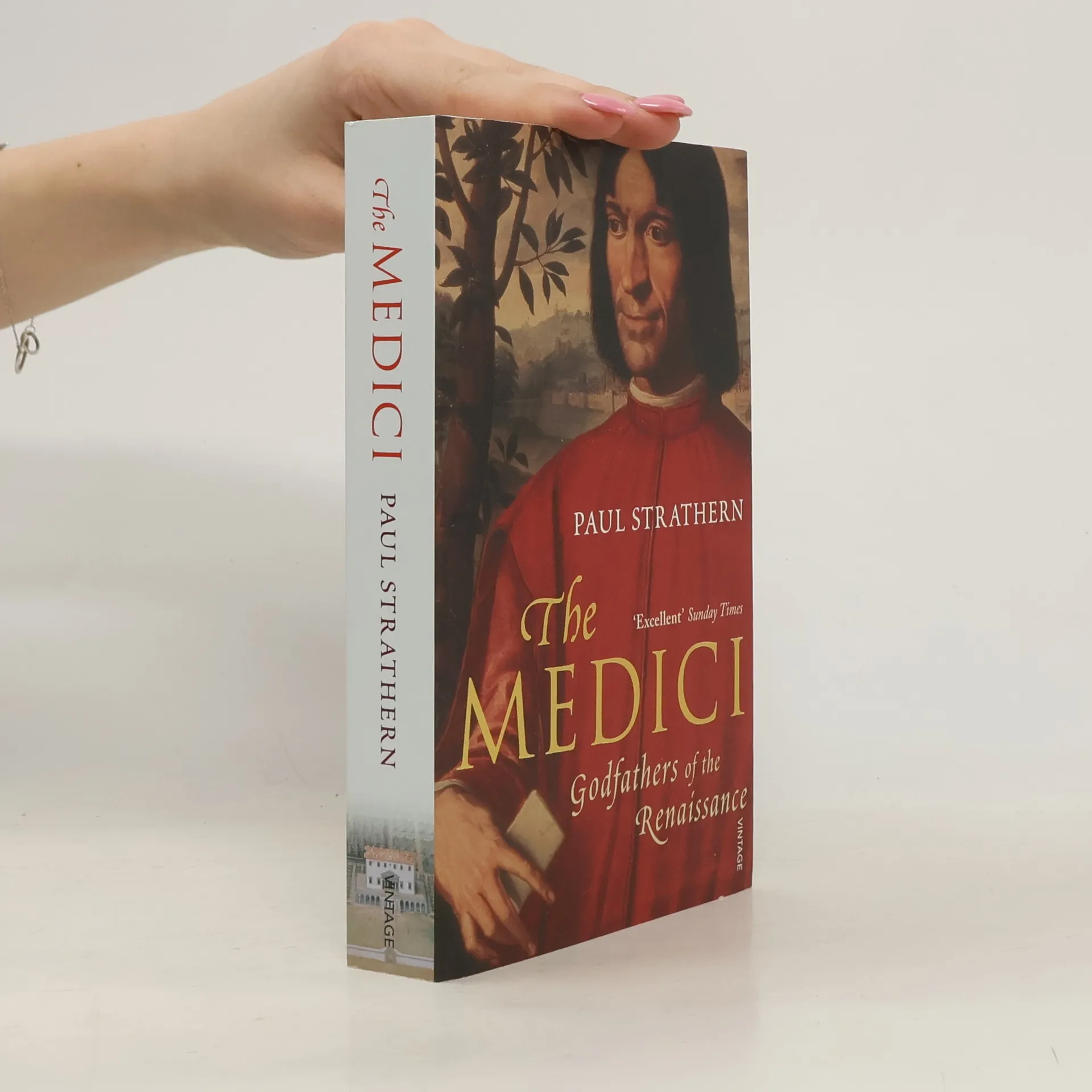
A history of the modest family which rose to become one of the most powerful in Europe, this book is a remarkably modern story of power, money and ambition. Paul Strathern explores the rise and fall of the Medici family in Florence, as well as the Italian Renaissance which they did so much to sponsor.
Napoleon in Egypt
- 496 pages
- 18 hours of reading
Napoleon's attack on Egypt in 1798 was the first on a Middle Eastern country by a Western power in modern times.
Between Dante's birth in 1265 and Galileo's death in 1642, a profound transformation reshaped Western civilization's culture. The visual arts—painting, sculpture, and architecture—underwent striking changes, marking an irreversible evolution. Concurrently, humanity's self-conception and thought experienced a significant shift, leading to the emergence of new sciences. These groundbreaking ideas primarily originated in Florence, Tuscany, where a focus on common humanity supplanted other-worldly spirituality, giving rise to humanism. This philosophy spread throughout Italy, maintaining essential elements of its Florentine roots as it reached other parts of Europe. Transformations in human culture have consistently reflected their origins; for instance, the Reformation retained aspects of central and northern Germany, while the Industrial Revolution, despite its expansion beyond Britain, preserved elements of its initial framework. Similarly, the IT revolution, which began in Silicon Valley, remains influenced by its Californian beginnings. Paul Strathern illustrates how Florence and its inhabitants played a pivotal role in the Renaissance, emphasizing the lasting impact of their contributions on the broader cultural landscape.
Tolstoy in 90 Minutes
- 128 pages
- 5 hours of reading
The book presents concise biographical studies of renowned writers, showcasing their lives and ideas through engaging and accessible prose. Paul Strathern combines wit with insightful analysis, offering readers a refined understanding of each writer's contributions. These studies serve as authoritative introductions, making complex literary concepts approachable. Praised for their dramatic flair and ability to evoke a sense of time and place, these works are ideal for those seeking to explore Western civilization's literary heritage.
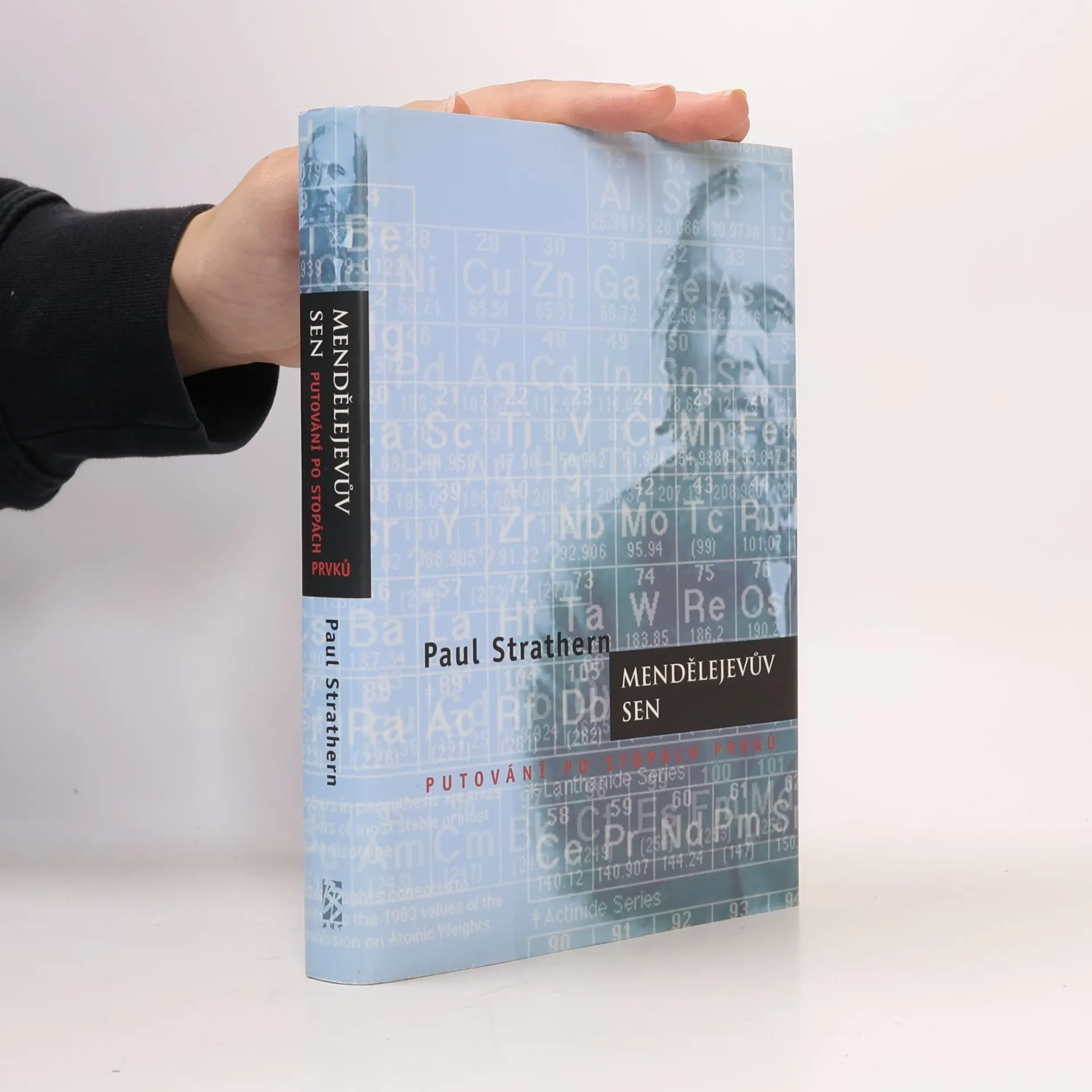
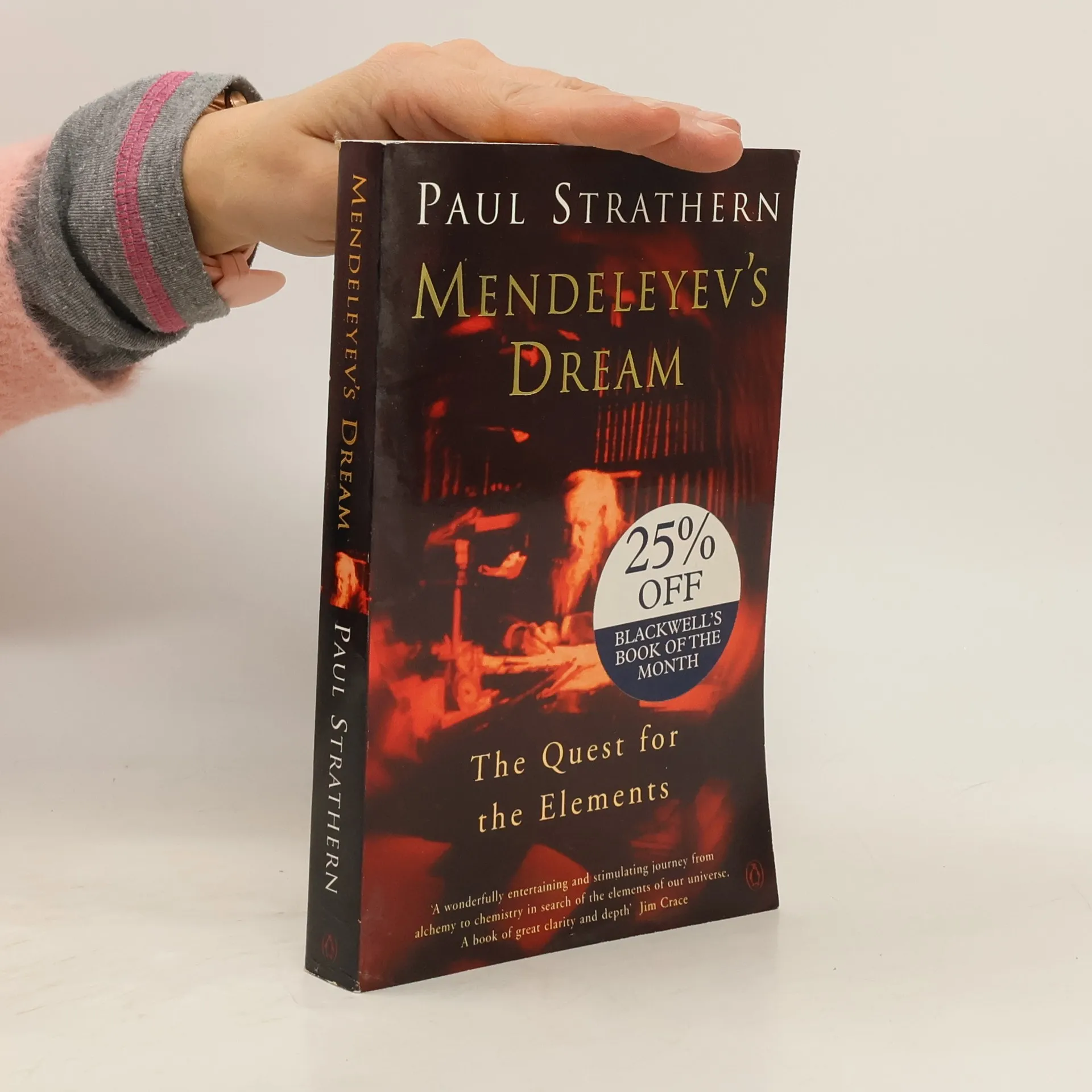
In this book, Paul Strathern, the award-winning novelist and expositor of complex ideas, unravels the dramatic history of chemistry through the quest for the elements. Framing this history is the life-story of the 19th century Russian scientist Dmitri Mendeleyev, who fell asleep at this desk and awoke after dreaming of the Periodic Table - the template upon which modern chemistry is founded, and the formulation of which marked chemistry's coming of age as a science. From ancient philosophy, through medieval alchemy to the splitting of the atom, this is the true story of the birth of chemistry and the role of one man's dream.
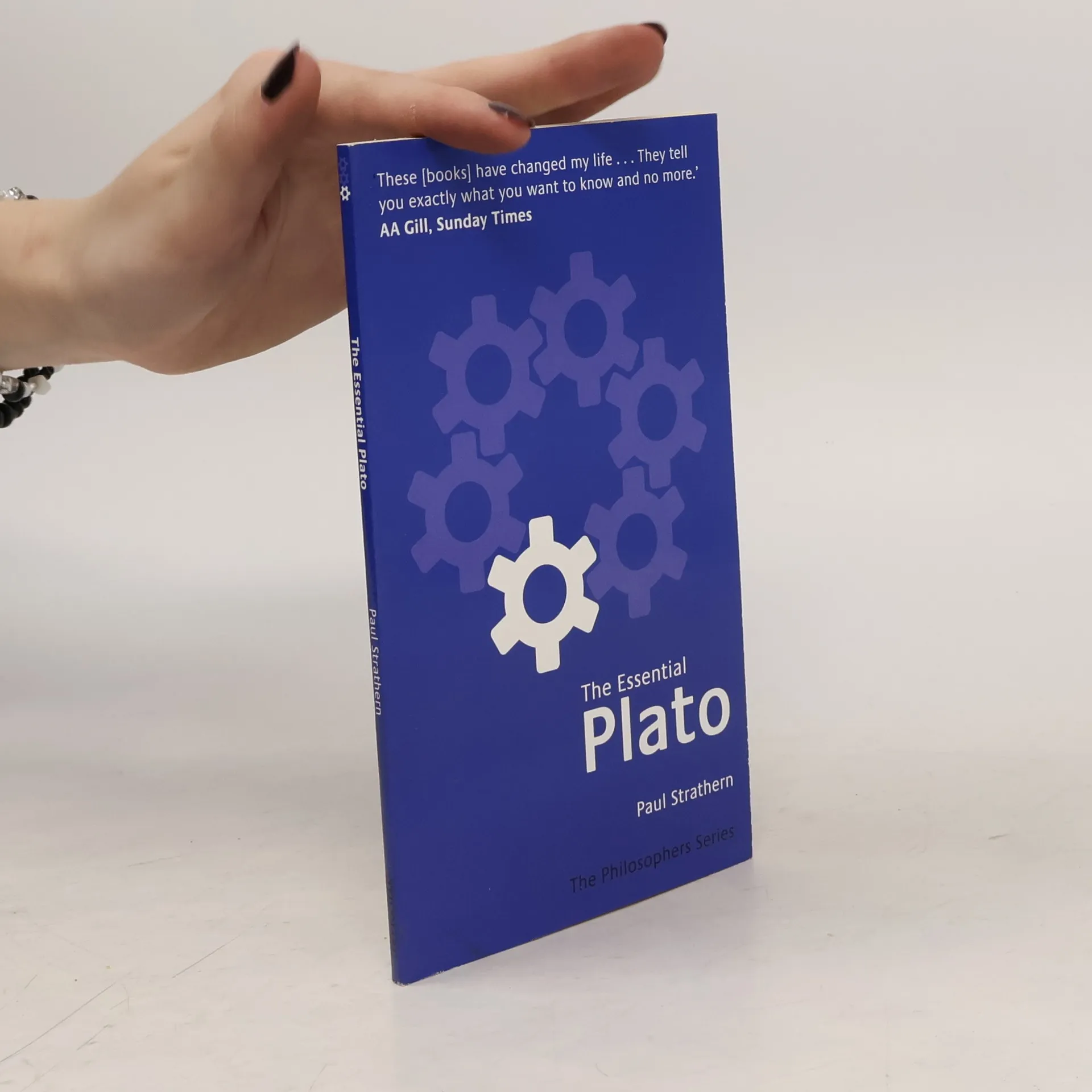
The Essential Plato
- 56 pages
- 2 hours of reading
According to Plato, perhaps the greatest philosopher of all time, "philosophy begins in wonder". His ideas grew against the turbulent background of Ancient Greece, yet his famous "Dialogues" rank amongst the world's most serene and profound literature. The "Virgin Philosophers" series cover the lives and ideas of the major philosophers, attempting to clarify the mysteries of philosophy for the general reader.
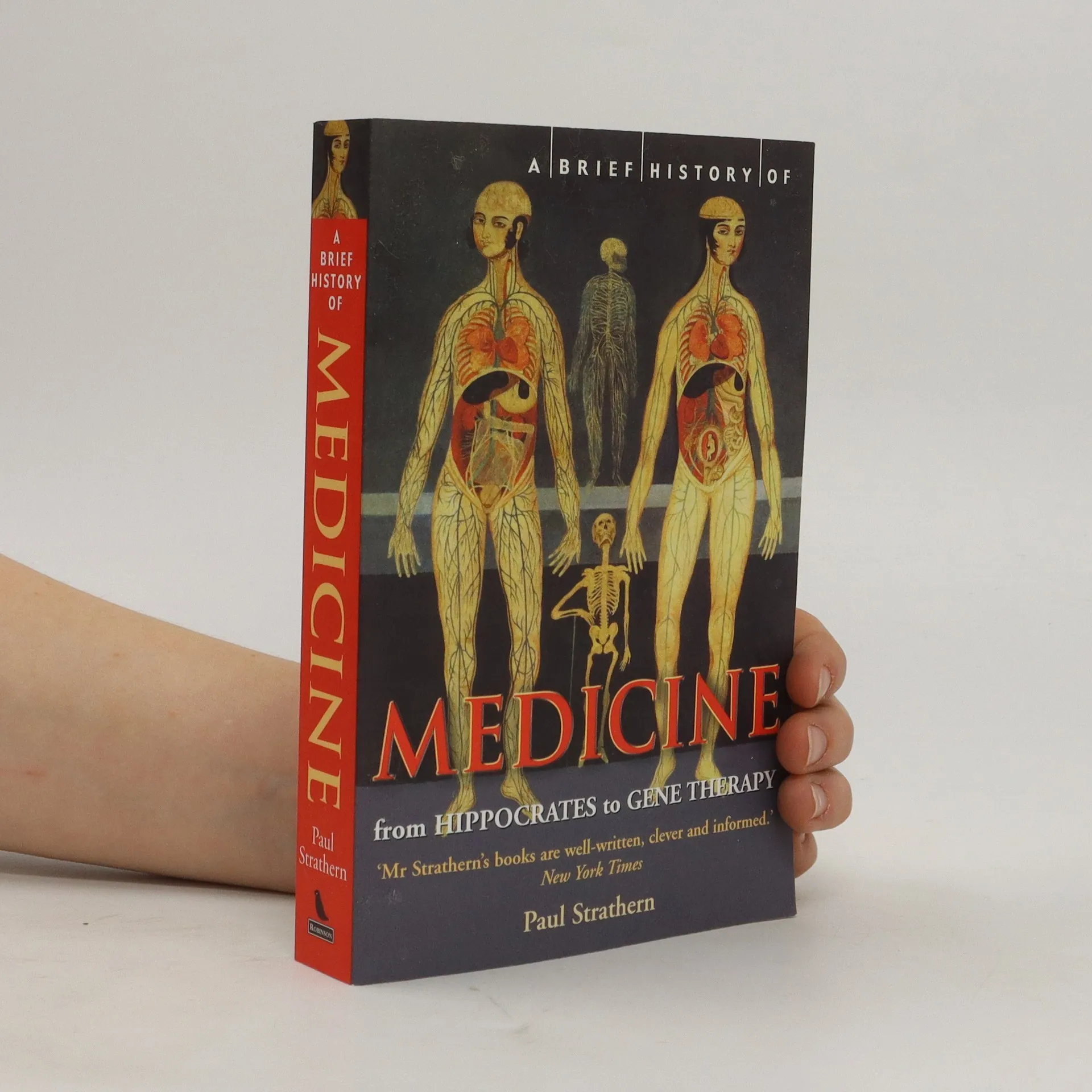
A brief history of medicine from Hippocrates to Gene therapy
- 320 pages
- 12 hours of reading
Includes: Inspired geniuses, such as Paracelsus, the father of medical chemistry, and Edward Jenner, who discovered the smallpox vaccination; Cuthroat competition, as during the 'Gas Wars' over who'd invented the anaesthetic, Scientific endeavour, such as the discovery of X-rays; Mistakes both fortunate and fatal, Anatomy,.
The Artist, the Philosopher, and the Warrior: Da Vinci, Machiavelli, and Borgia and the World They Shaped
- 496 pages
- 18 hours of reading
Leonardo da Vinci, Niccolò Machiavelli, and Cesare Borgia—three iconic figures whose intersecting lives provide the basis for this astonishing work of narrative history. They could not have been more different, and they would meet only for a short time in 1502, but the events that transpired when they did would significantly alter each man’s perceptions—and the course of Western history. In 1502, Italy was riven by conflict, with the city of Florence as the ultimate prize. Machiavelli, the consummate political manipulator, attempted to placate the savage Borgia by volunteering Leonardo to be Borgia’s chief military engineer. That autumn, the three men embarked together on a brief, perilous, and fateful journey through the mountains, remote villages, and hill towns of the Italian Romagna—the details of which were revealed in Machiavelli’s frequent dispatches and Leonardo’s meticulous notebooks. Superbly written and thoroughly researched, The Artist, the Philosopher, and the Warrior is a work of narrative genius—whose subject is the nature of genius itself.
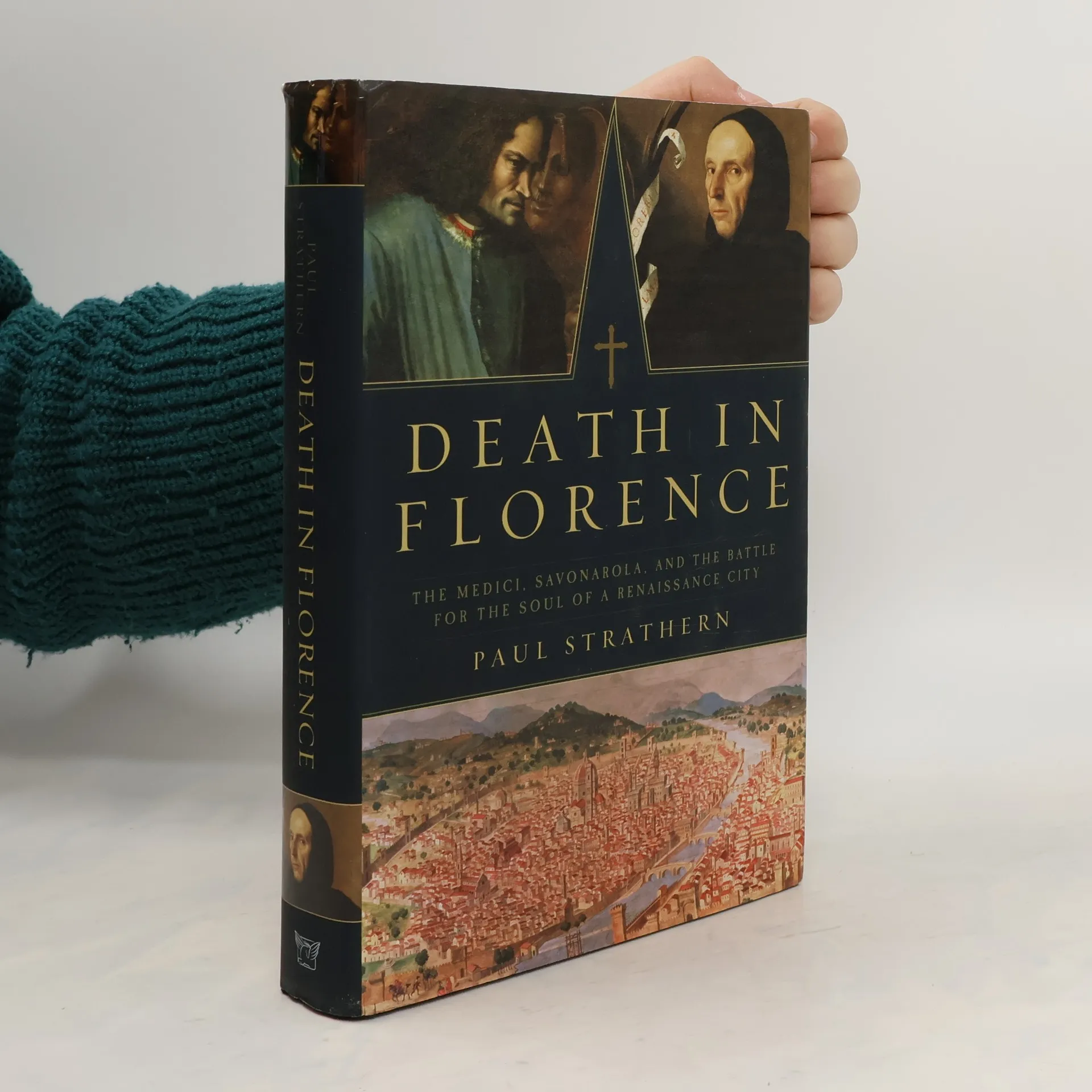
Death in Florence
- 464 pages
- 17 hours of reading
By the end of the fifteenth century, Florence was well established as the home of the Renaissance. As generous patrons to the likes of Botticelli and Michelangelo, the ruling Medici embodied the progressive humanist spirit of the age, and in Lorenzo de' Medici they possessed a diplomat capable of guarding the militarily weak city in a climate of constantly shifting allegiances. However, in Savonarola, an unprepossessing provincial monk, Lorenzo found his nemesis. Filled with Old Testament fury, Savonarola's sermons reverberated among a disenfranchised population, who preferred medieval Biblical certainties to the philosophical interrogations and intoxicating surface glitter of the Renaissance. The battle between these two men would be a fight to the death, a series of sensational events—invasions, trials by fire, the 'Bonfire of the Vanities', terrible executions and mysterious deaths—featuring a cast of the most important and charismatic Renaissance figures. Was this a simple clash of wills between a benign ruler and religious fanatic? In an exhilaratingly rich and deeply researched story, Paul Strathern reveals the paradoxes, self-doubts, and political compromises that made the battle for the soul of the Renaissance city one of the most complex and important moments in Western history.
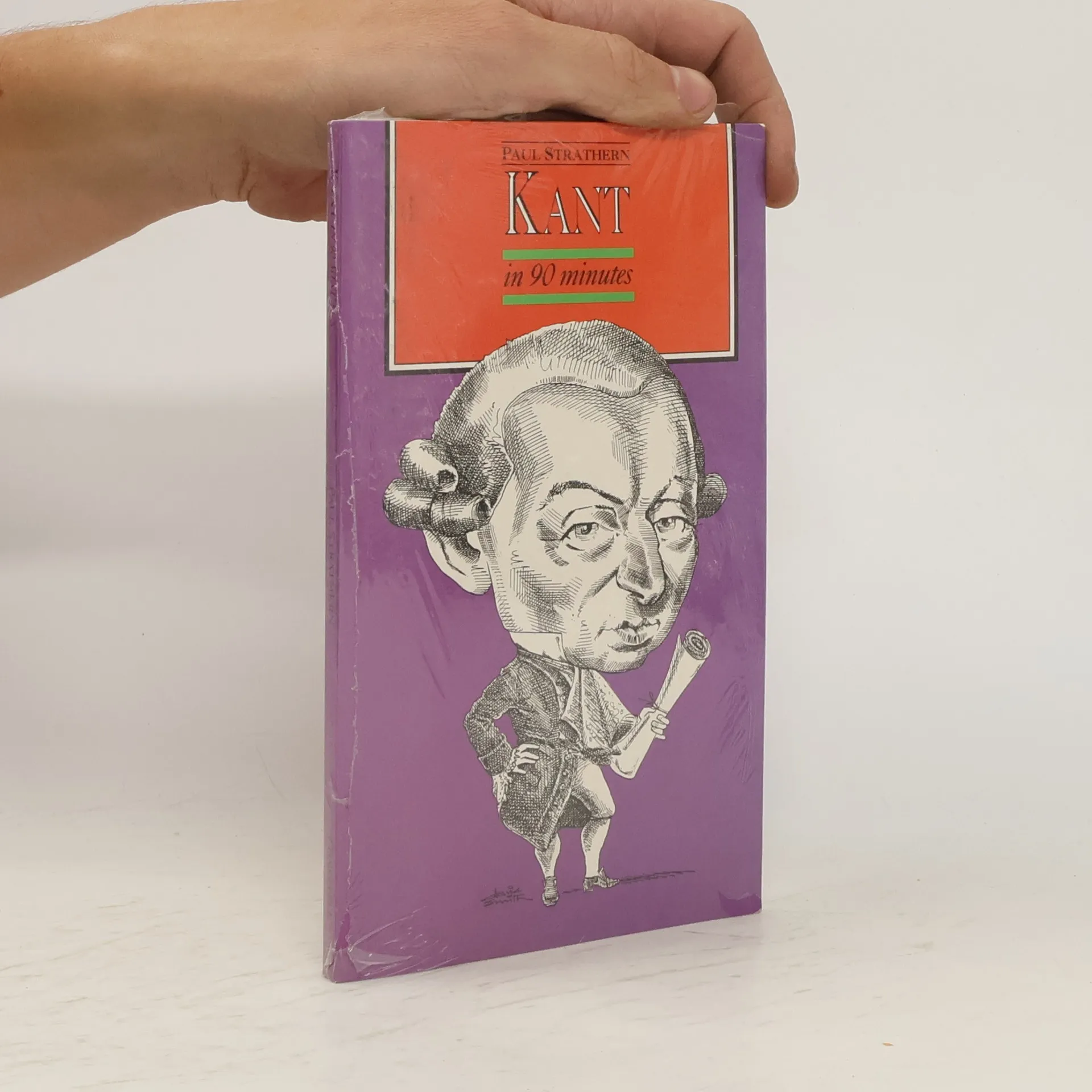
Kant in 90 minutes
- 80 pages
- 3 hours of reading
In Kant in 90 Minutes, Paul Strathern offers a concise, expert account of Kant's life and ideas, and explains their influence on man's struggle to understand his existence in the world. The book also includes selections from Kant's work; a brief list of suggested reading for those who wish to push further; and chronologies that place Kant within his own age and in the broader scheme of philosophy.
Garcia Marquez in 90 Minutes
- 125 pages
- 5 hours of reading
Focusing on the lives and contributions of renowned authors, this collection offers concise biographical studies that highlight their unique perspectives and literary achievements. Paul Strathern employs his characteristic wit and sharp insight to delve into the influences and historical contexts that shaped these writers, making their stories accessible and engaging for readers. This work serves as both an introduction to literary greats and a celebration of their enduring impact on literature.
Beckett in 90 Minutes
- 113 pages
- 4 hours of reading
The book features concise biographical studies of renowned writers, showcasing their lives and ideas in an engaging manner. Paul Strathern combines wit and insight to provide a refined analysis of each writer and their contributions to literature. These studies are not mere novelties; they offer authoritative and accessible perspectives, making the complexities of literary figures understandable and enjoyable for readers.
Kafka in 90 Minutes
- 125 pages
- 5 hours of reading
Paul Strathern offers engaging and concise biographical sketches of renowned writers, expanding on his successful Philosophers in 90 Minutes series. His witty and insightful prose provides readers with a deeper understanding of the lives and contributions of these literary figures, making complex ideas accessible and enjoyable.
Nabokov in 90 Minutes
- 120 pages
- 5 hours of reading
Witty and incisive, this collection of brief biographical studies delves into the lives and ideas of the world's great writers. Strathern presents their stories in an entertaining and accessible manner, making the complexities of their lives and literary contributions engaging for readers.
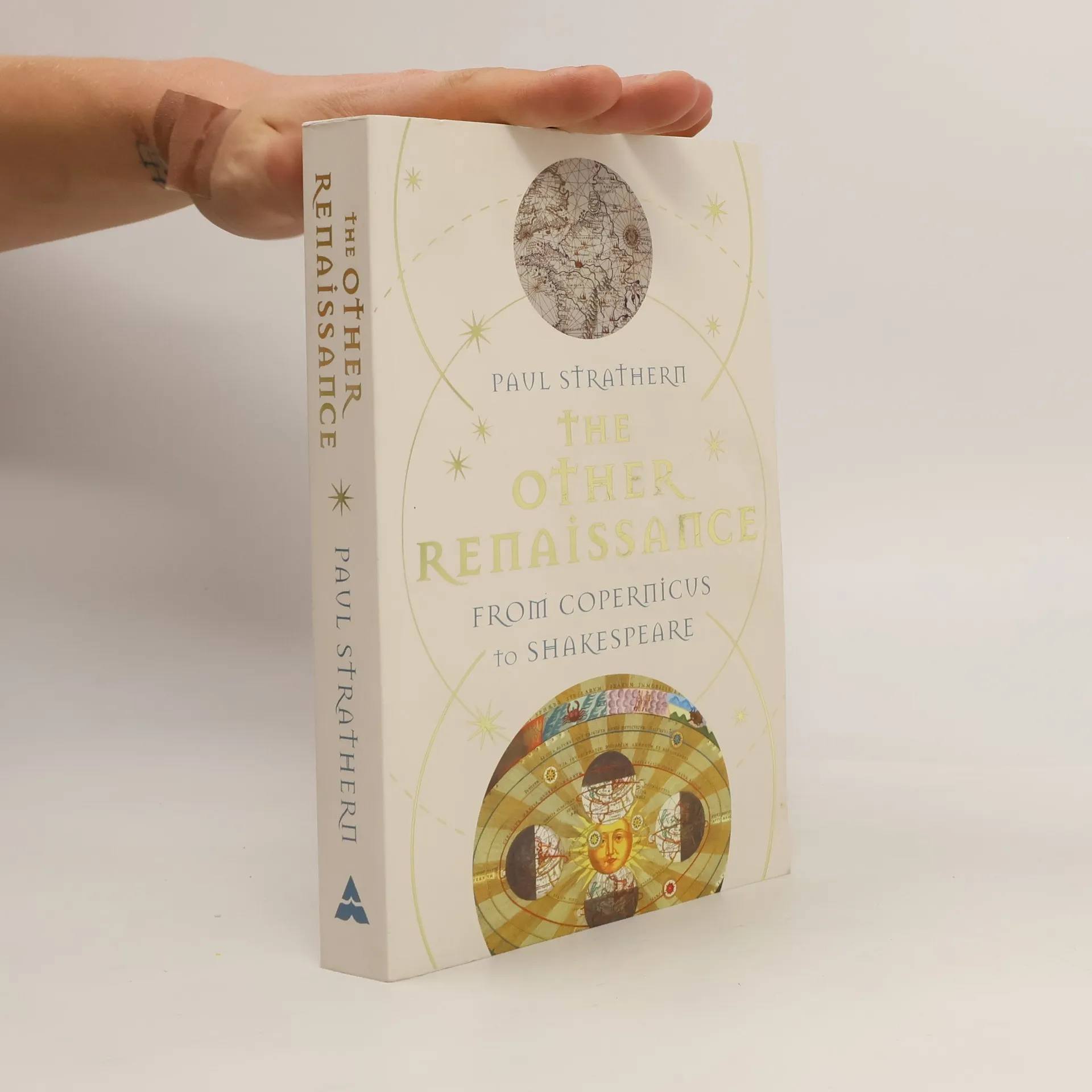
The Other Renaissance
- 369 pages
- 13 hours of reading
An original and compelling history of the northern European medieval renaissance in art, science and philosophy, which rivalled its Italian counterpart, by the author of The Florentines and The Borgias.[Bokinfo].
Examines the life and work of Albert Einstein within their historical and scientific contexts; and provides an explanation of his theory of relativity and its impact on the world.
Hemingway in 90 Minutes
- 128 pages
- 5 hours of reading
The book features brief biographical studies of renowned writers, showcasing their lives and ideas in an entertaining and accessible manner. Paul Strathern employs his signature witty and incisive prose to deliver refined appraisals of each writer and their contributions to literature. These studies are not mere novelties but authoritative explorations that illuminate the significance of these literary figures and their works.
D.H. Lawrence in 90 Minutes
- 109 pages
- 4 hours of reading
The book offers an insightful analysis of the writer and their literary contributions, showcasing a well-researched and articulate perspective. Strathern's authoritative approach provides readers with a deeper understanding of the author's significance and the nuances of their work, making it a valuable resource for both fans and scholars.
Virginia Woolf in 90 Minutes
- 128 pages
- 5 hours of reading
The book features concise biographical studies of renowned writers, showcasing their lives and ideas with wit and clarity. Paul Strathern’s engaging prose makes complex literary concepts accessible, transforming each study into an authoritative appraisal. This series aims to entertain while providing insightful perspectives on the writers and their contributions to literature, making it a valuable resource for readers interested in understanding the great literary figures.
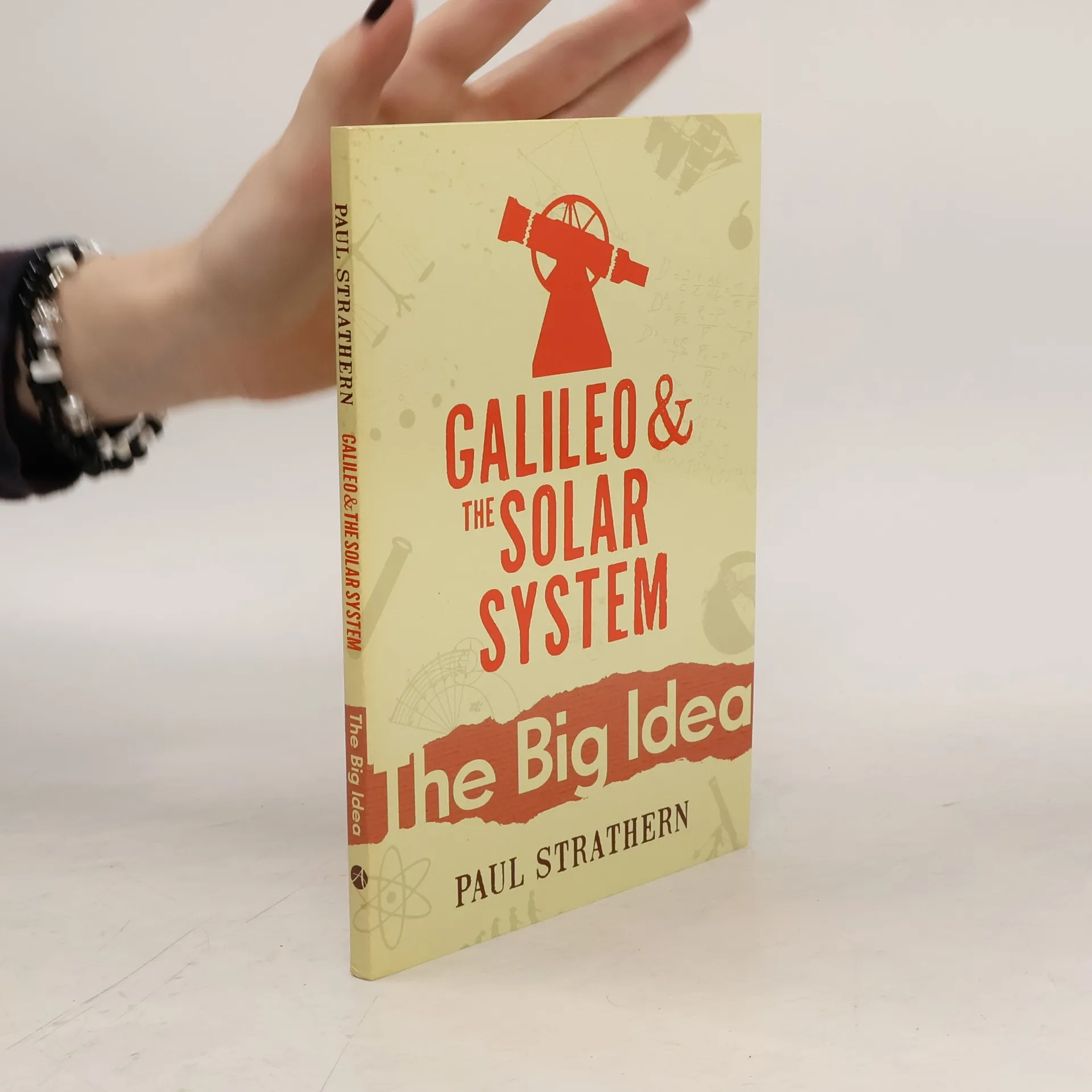
At a moment of great discovery, one Big Idea can change the world...Galileo is often referred to as 'the father of modern science' and his contribution to modern psychics and astronomy, among other scientific fields, cannot be overstated. His discoveries shattered for ever humanity's ignorance about the true nature of our solar system and our place within the universe. But Galileo paid the ultimate price for his revolutionary findings, sentenced to life imprisonment and forced to renounce his work.Galileo & the Solar System brings to life all of the great man's inventions, pioneering ideas and struggles, in an easy-to-follow way. Providing a fascinating account of Galileo's life, from his development of the modern telescope and his discovery of the rings of Saturn, to his later years as a convicted heretic, punished for his blasphemous views about our solar system and beyond, Galileo's Big Idea is for anyone who has ever looked at the stars and wondered...The Big Idea series is a fascinating look at the greatest advances in our scientific history, and at the men and women who made these fundamental breakthroughs.
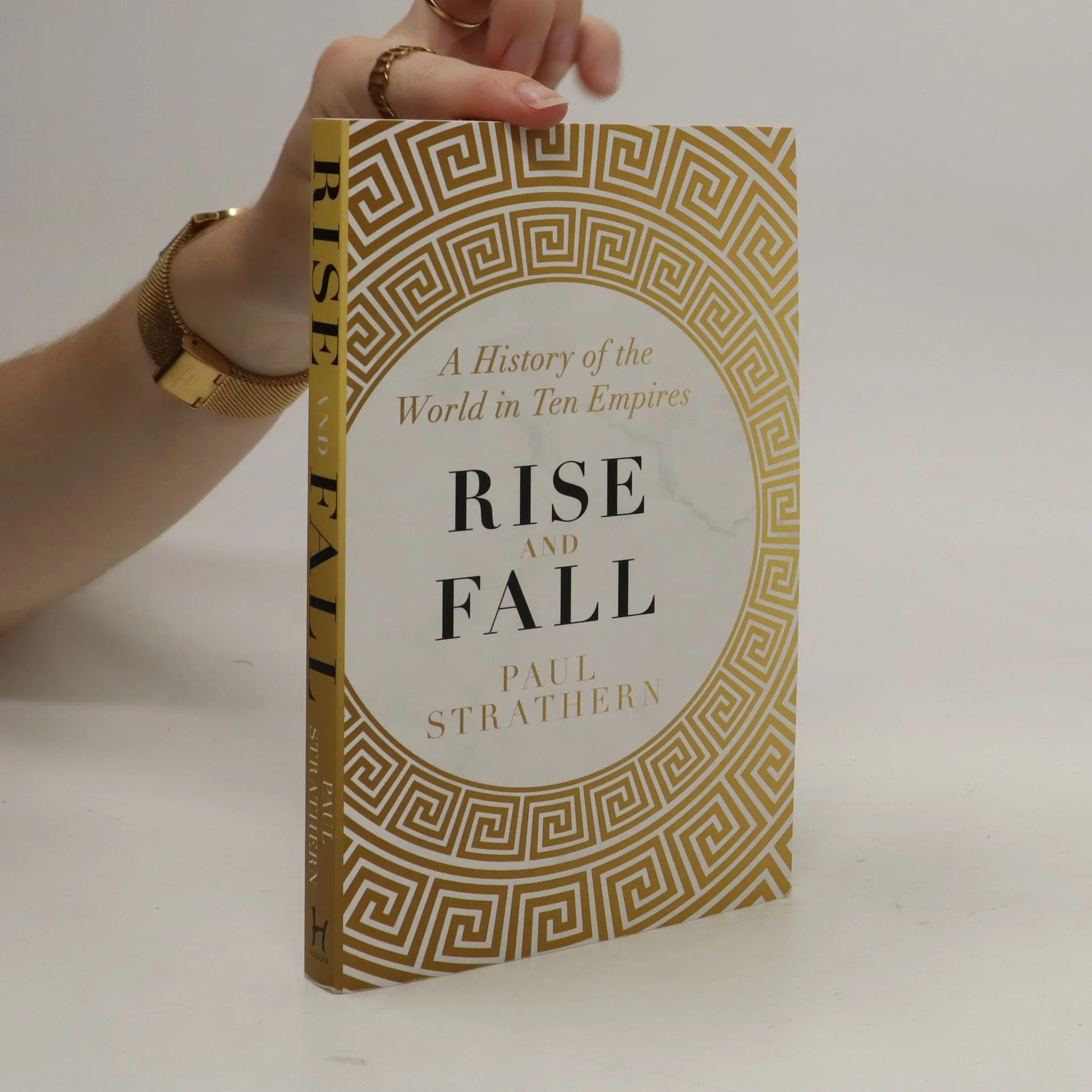
Rise and Fall: A History of the World in Ten Empires
- 272 pages
- 10 hours of reading
In ten succinct chapters, Paul Strathern sheds new light on major civilisations, from the military might af the Mongols, who ruled over the largest but most short-lived land empire in history, to the ambitious architecture of the Akkadians. We meet the ruthless leaders of Ancient Rome, discover the imperial dreams of Middle Eastern caliphates and witness the power struggles of twentieth-century America. With insight into the progress of humankind, Rise and fall shows how the story of an empire lies not only in its creation, but also in its downfall.
In Wittgenstein in 90 Minutes, Paul Strathern offers a concise, expert account of Wittgenstein's life and ideas, and explains their influence on man's struggle to understand his existence in the world. The book also includes selections from Wittgenstein's work; a brief list of suggested reading for those who wish to push further; and chronologies that place Wittgenstein within his own age and in the broader scheme of philosophy.
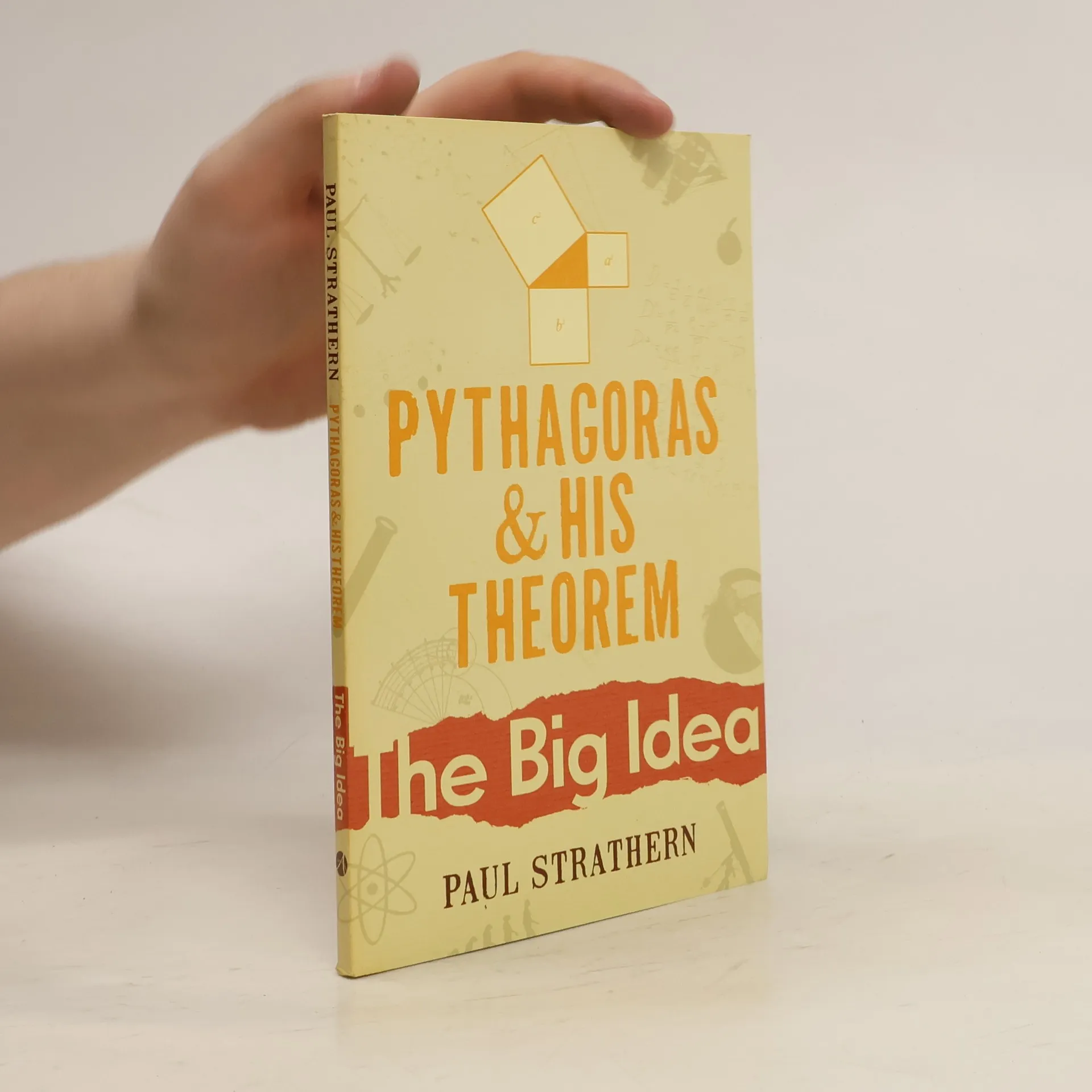
Pythagoras and his Theorem
- 90 pages
- 4 hours of reading
At a moment of great discovery, one Big Idea can change the world... Pythagoras was arguably the first 'genius' of Western culture, establishing a blend of high intellect and high lunacy, both of which have become recurrent features of this scholarly heritage.Most memorably, he created the Pythagorean Theorem, and established the concept of proofs in mathematics. Less well known was the religion he founded which forbade his disciples from eating beans or stepping over fallen poles! Pythagoras & His Theorem tells the remarkable story of the life of this poorly understood genius and the transformation his work brought about in mathematics. Pythagoras' Big Idea is presented in an accessible and enthralling way, providing an explanation of the meaning of his work, its historical and scientific context, and significance for the world in which we live. The Big Idea series is a fascinating look at the greatest advances in our scientific history, and at the men and women who made these fundamental breakthroughs.
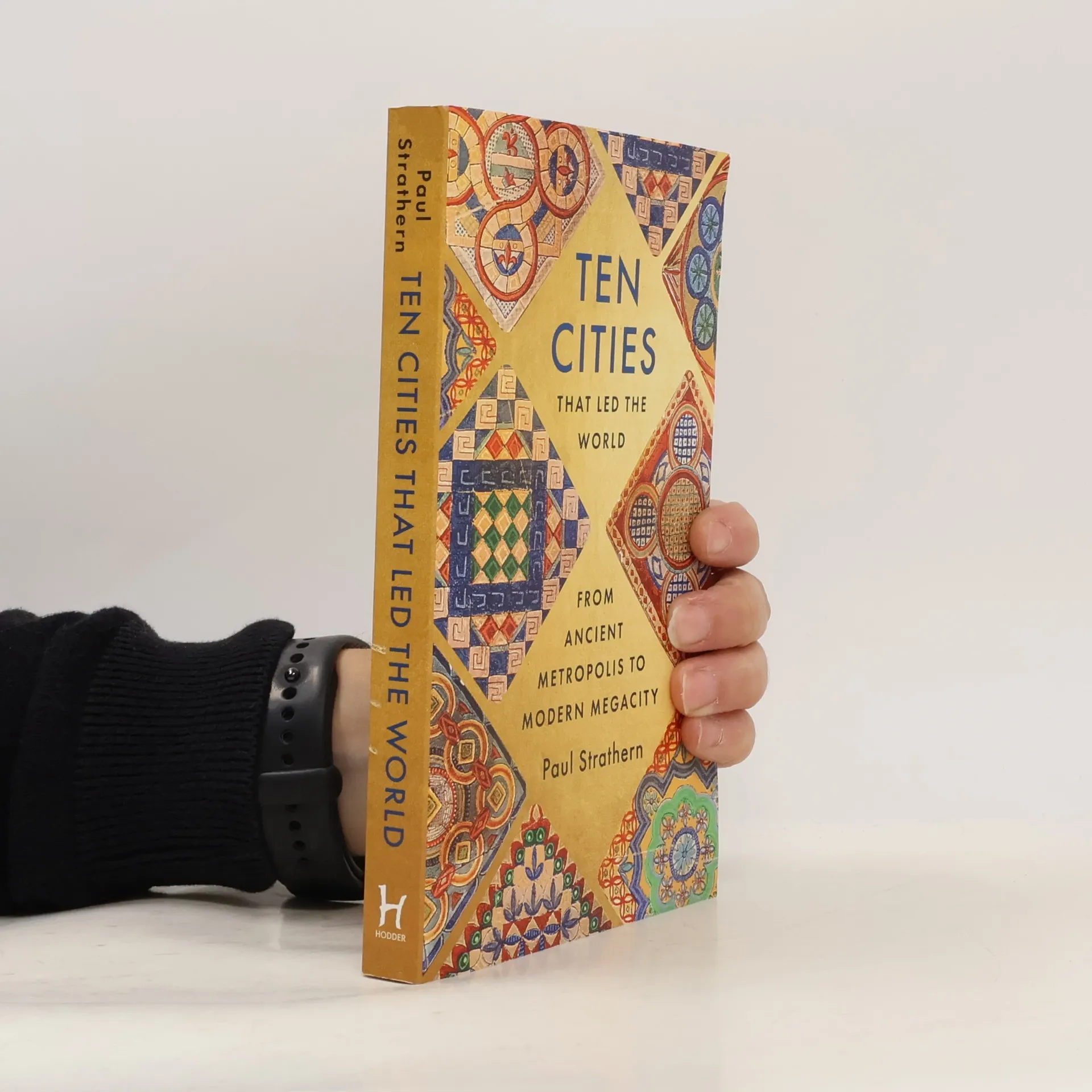
Ten Cities that Led the World
- 288 pages
- 11 hours of reading
From the founding of ancient capitals to buzzing modern megacities, this history of ten cities explores how urban centres have led civilisation forward.
The Essential Locke
- 64 pages
- 3 hours of reading
Locke's philosophy laid the foundations of empiricism - the belief that all our knowledge is based upon experience. He also introduced the idea of liberal democracy, and his ideas were to be a major influence on the first US constitution. He was the only major philosopher to become a government minister. These witty and informative guides cover the lives and ideas of the major philosophers. Award-winning author Paul Strathern's concise and easily comprehensible style highlights the major advances in philosophy, as well as the men who conceived them and the times in which they lived. Packed with striking quotes, insights and anecdotes, the aim of the Virgin Philosophers Series is to clarify the mysteries of philosophy for the general reader.
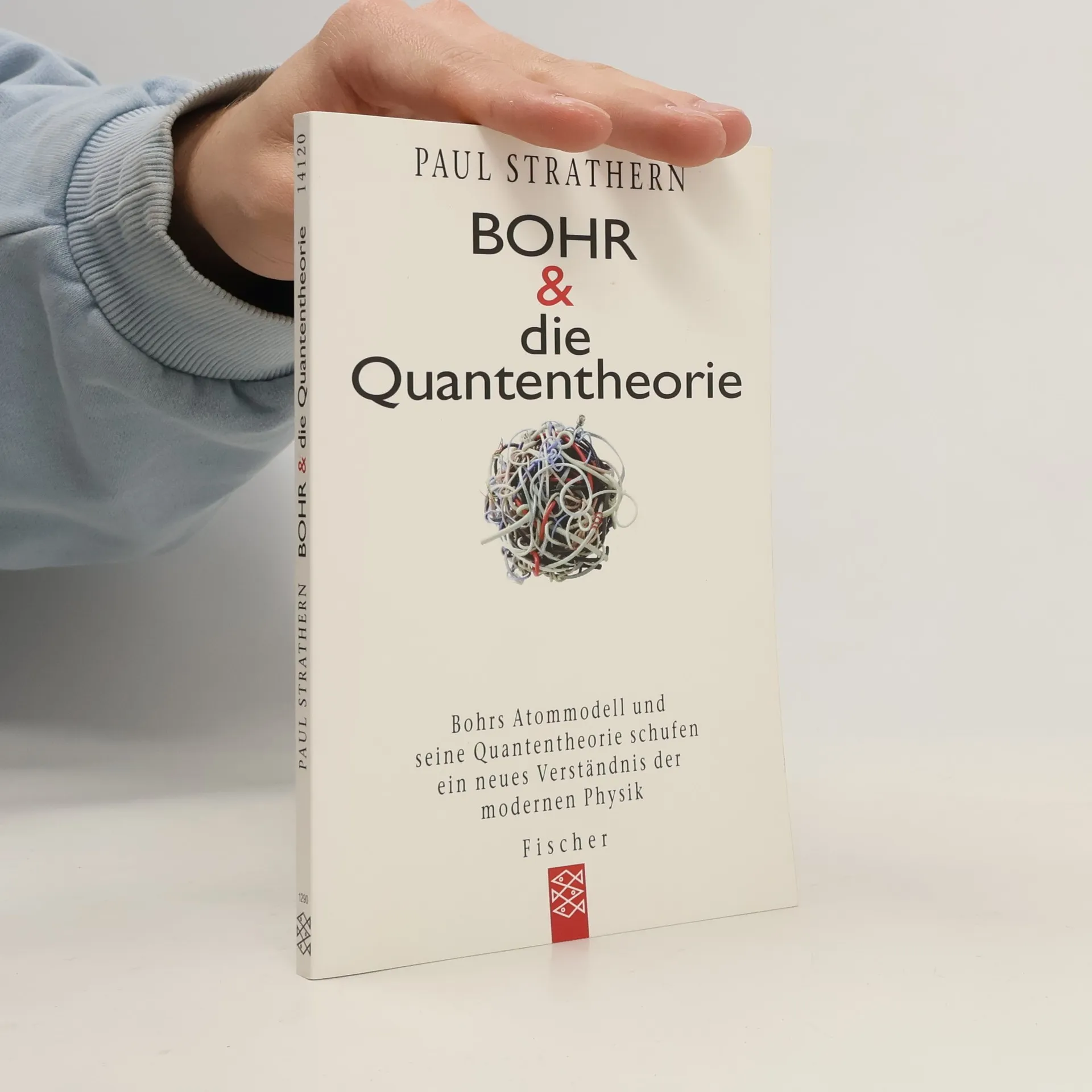
Bohr & die Quantentheorie
- 94 pages
- 4 hours of reading
Köpfe & Ideen stellt bedeutende Forscherinnen und Forscher vor, die mit ihren Entdeckungen und Visionen unser Bild der Welt beeinflußt und verändert haben. Crick, Watson & die DNA Hawking & die Schwarzen Löcher Newton & die Schwerkraft Turing & der Computer Einstein & die Relativität Galilei & das Sonnensystem Oppenheimer & die Bombe Pythagoras & sein Satz Archimedes & der Hebel Bohr & die Quantentheorie Curie & die Radioaktivität Darwin & die Evolution Deutsche Erstausgabe
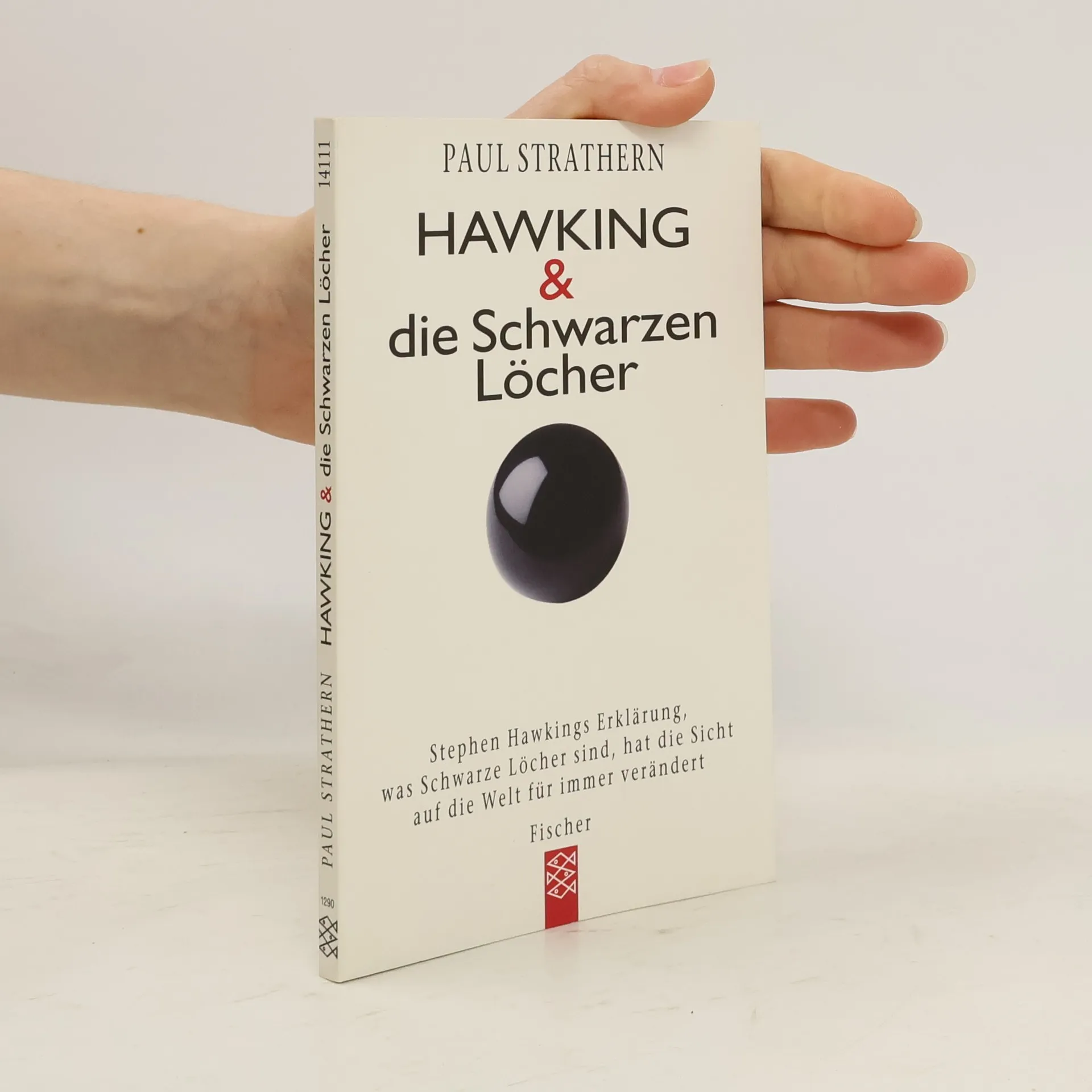
Hawking & die schwarzen Löcher
- 80 pages
- 3 hours of reading
Stephen Hawkings Erklärunge, was Schwarze Löcher sind, hat die Sicht auf die Welt für immer verändert.
Newton & die Schwerkraft
- 89 pages
- 4 hours of reading
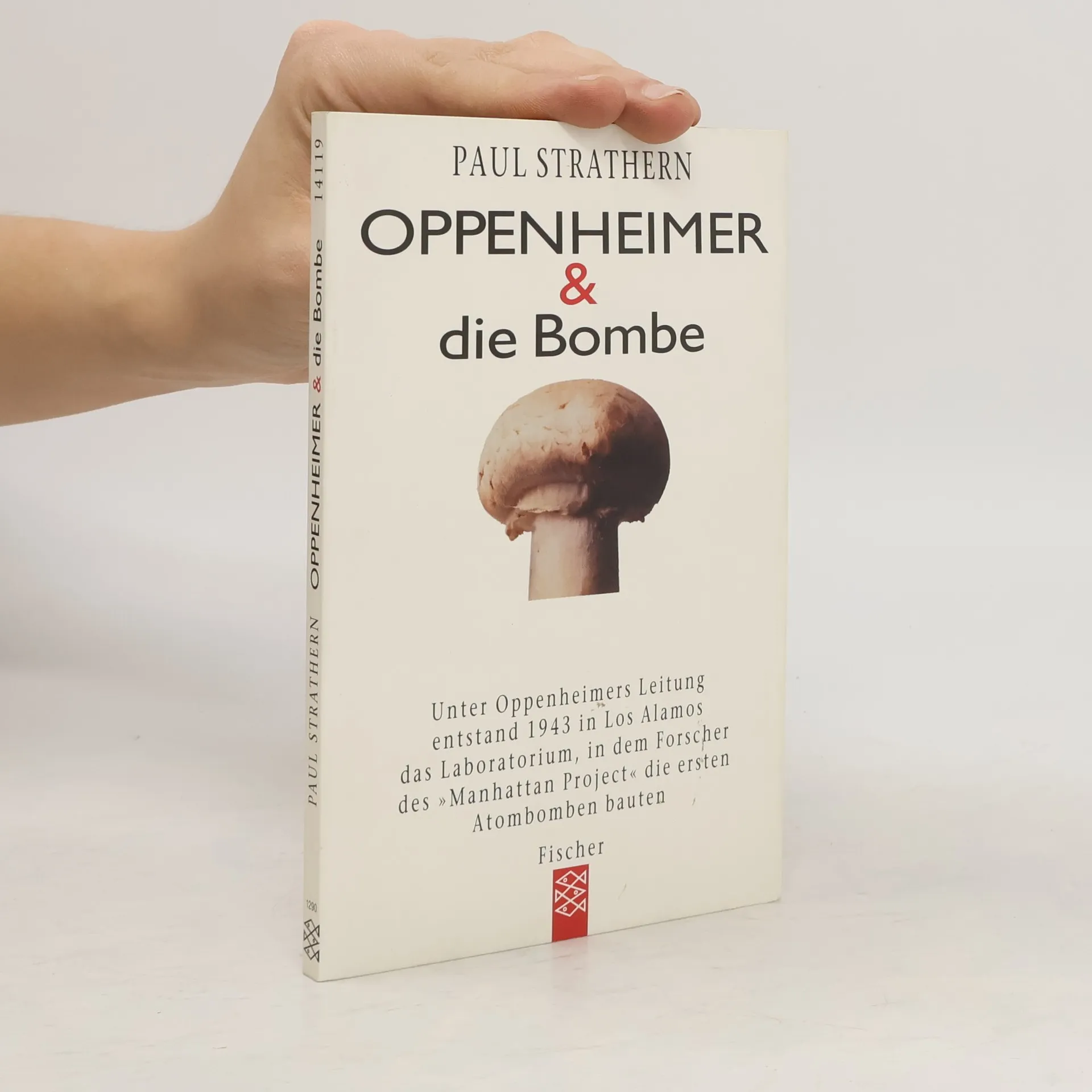
Oppenheimer und seine große Idee, die Atombombe, exemplifizieren eines der sehr realen Dilemmata der modernen Wissenschaft. Wissenschaftlich beispiellos, aber ethisch fragwürdig, haben Atomwaffen möglicherweise den Zweiten Weltkrieg beendet und Tausende von Leben gerettet, aber zu welchem Preis? Hiroshima, Nagasaki und ein neues politisches Gleichgewicht, das am Rande der nuklearen Vernichtung balanciert, gehörten zum Erbe des Mannes, der am besten als "Vater der Bombe" bekannt ist. Oppenheimer und die Bombe erzählt die fesselnde Geschichte des Wissenschaftlers hinter dem Manhattan-Projekt, von seinen frühen Tagen als Harvard-Wunderkind bis zu seinen letzten Jahren als Opfer des McCarthyismus. Ein brillanter Überblick über einen Mann und seine umstrittene Arbeit, Oppenheimers große Idee bietet eine klare und ansprechende Einführung in die komplexe theoretische Arbeit hinter der Bombe, den Kontext der Zeit und die Implikationen für unsere Zukunft. Die Reihe Die große Idee bietet einen faszinierenden Blick auf die größten Fortschritte in unserer wissenschaftlichen Geschichte und auf die Männer und Frauen, die diese grundlegenden Durchbrüche ermöglichten.
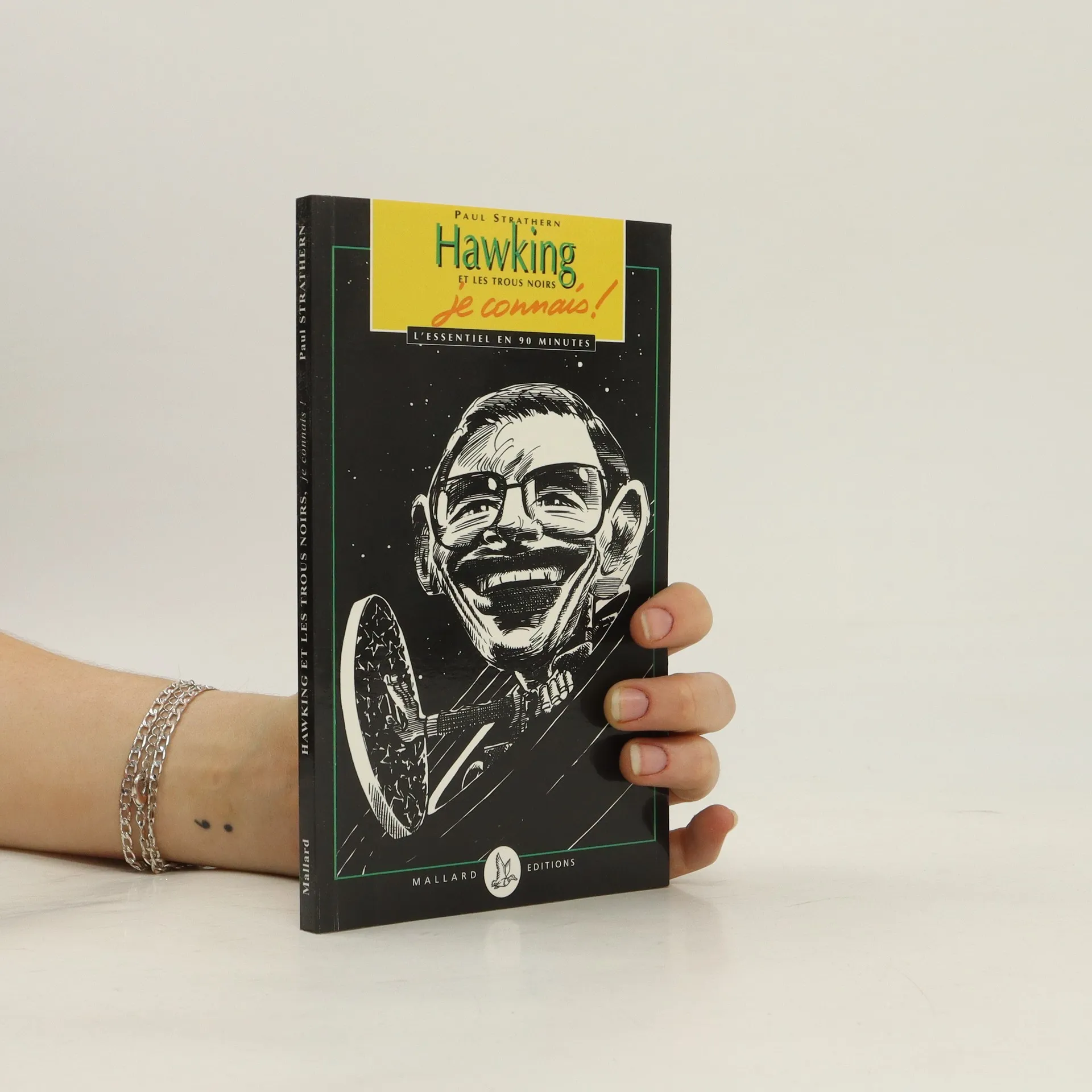
Hawking et les trous noirs, je connais!
- 91 pages
- 4 hours of reading
Décrivant une volonté immense d'une personne qui continue de chercher la clé de la compréhension du cosmos, malgré une maladie qui le paralyse. Très simple mais détaillé. Hawking et les trous noirs vous aideront à comprendre une partie des plus grands mystères de manières que vous n'avez jamais envisagées auparavant.
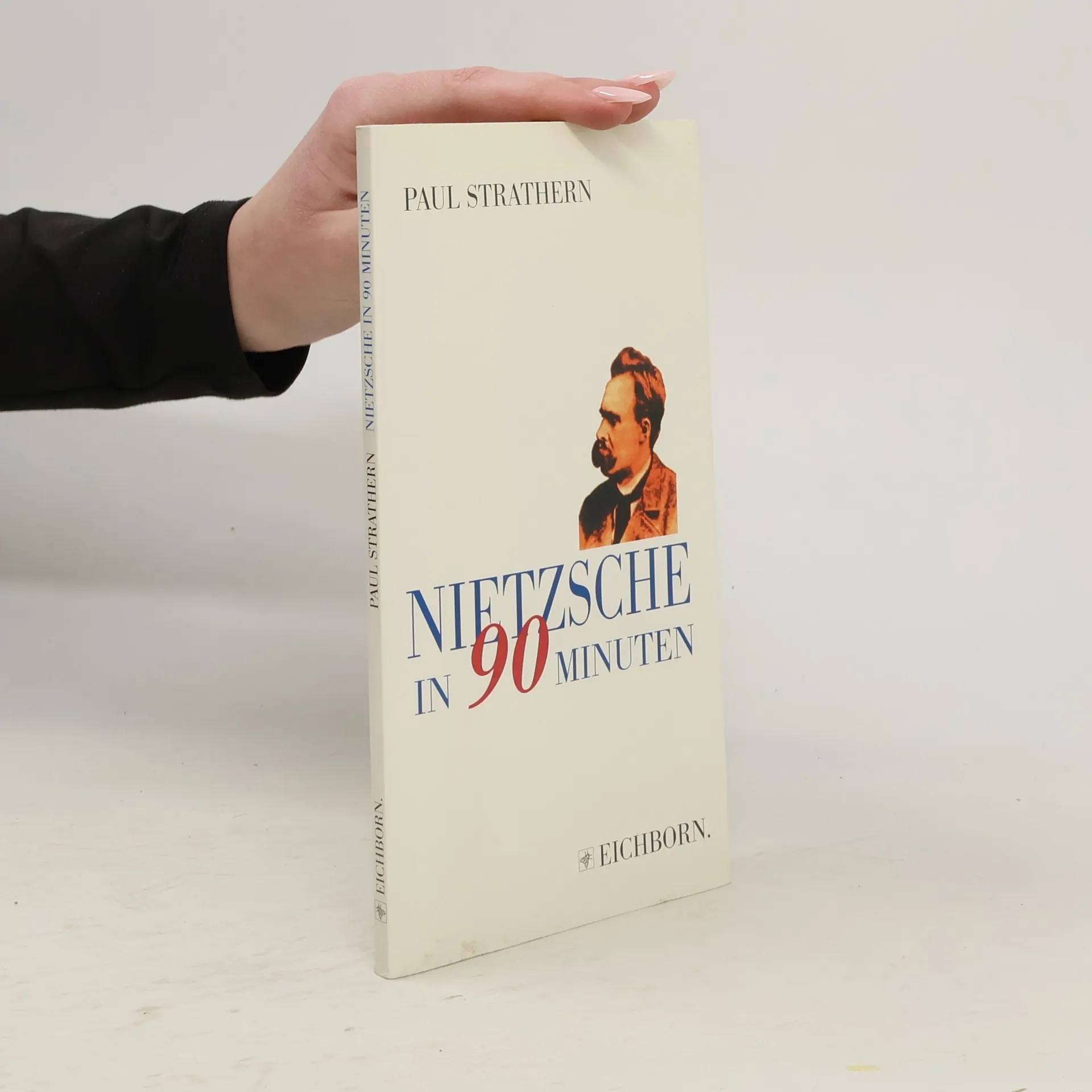
Nietzsche in 90 Minuten.
- 80 pages
- 3 hours of reading
Die Philosophie Friedrich Nietzsches (1844–1900) zeichnet sich durch einen lebhaften Stil und strahlende Klarheit aus, und die Präsentation in Form von Aphorismen ermöglicht ein tatsächliches Lesen. In diesem liegt jedoch ihr Hauptnachteil: Viele Menschen lesen nur Auszüge aus Nietzsche. Ideen wie der Wille zur Macht oder der Übermensch sind alltäglich geworden und werden ständig missbraucht. Die Ungezwungenheit von Nietzsches Philosophie birgt eine erschreckende Bedrohung für sie selbst...
Marie Curie war ein Beispiel für Frauen, die um Anerkennung und Unabhängigkeit kämpften, und ihr Beitrag zur Wissenschaft brachte ihr zwei Nobelpreise ein. Ihre Arbeit über die Radioaktivität erweiterte unser Wissen über die Kernphysik und führte zu enormen Fortschritten in der Krebsbehandlung, aber die Gefahren, die mit ihrer Arbeit verbunden waren, waren unbekannt. Curie und die Radioaktivität bietet einen brillanten Einblick in das Leben und Werk von Marie Curie und erklärt klar und verständlich die Bedeutung und Wichtigkeit der Entdeckung der Radioaktivität sowie die Auswirkungen, die dies auf das Leben im 20. Jahrhundert und in der Zukunft haben würde.
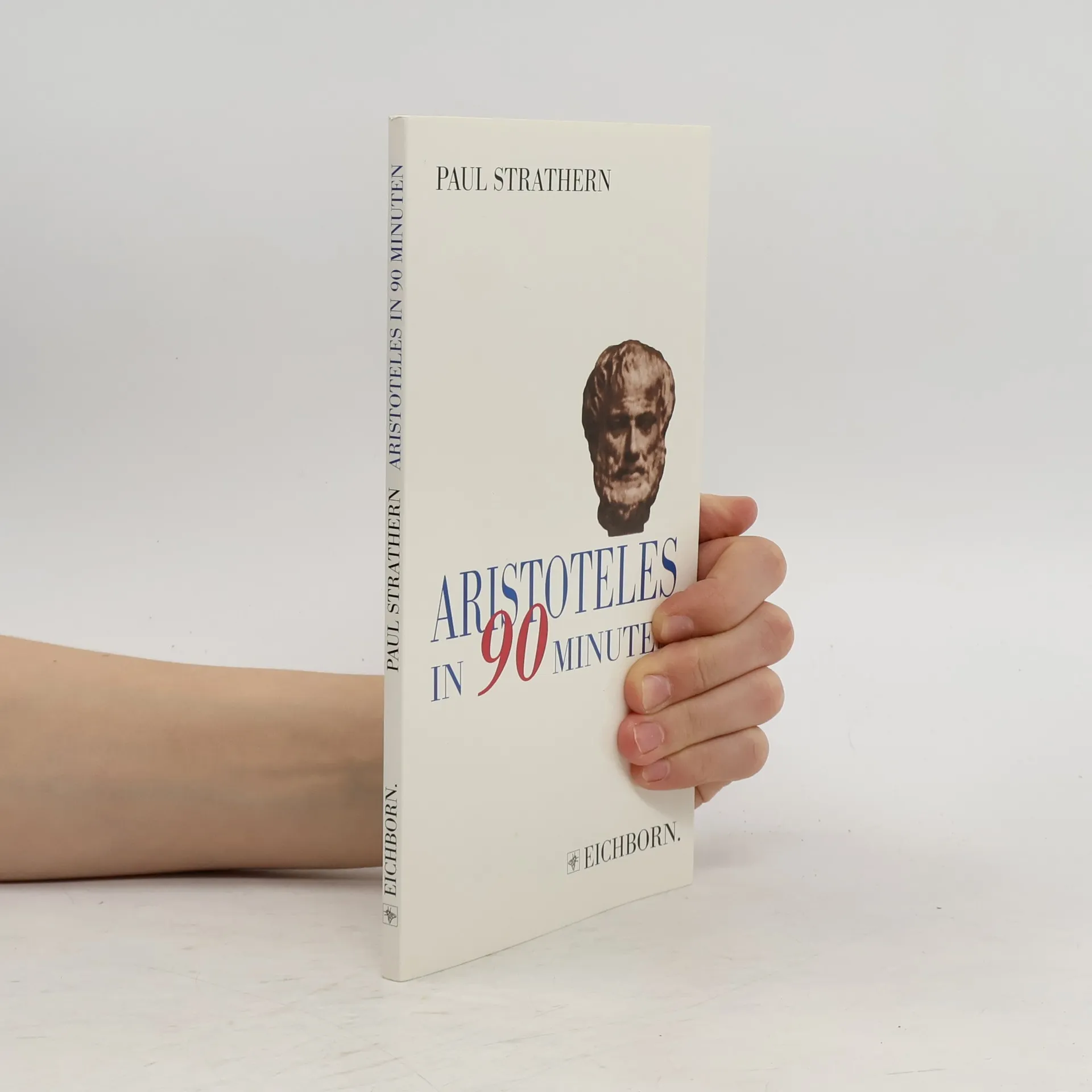
Aristoteles in 90 Minuten
- 80 pages
- 3 hours of reading
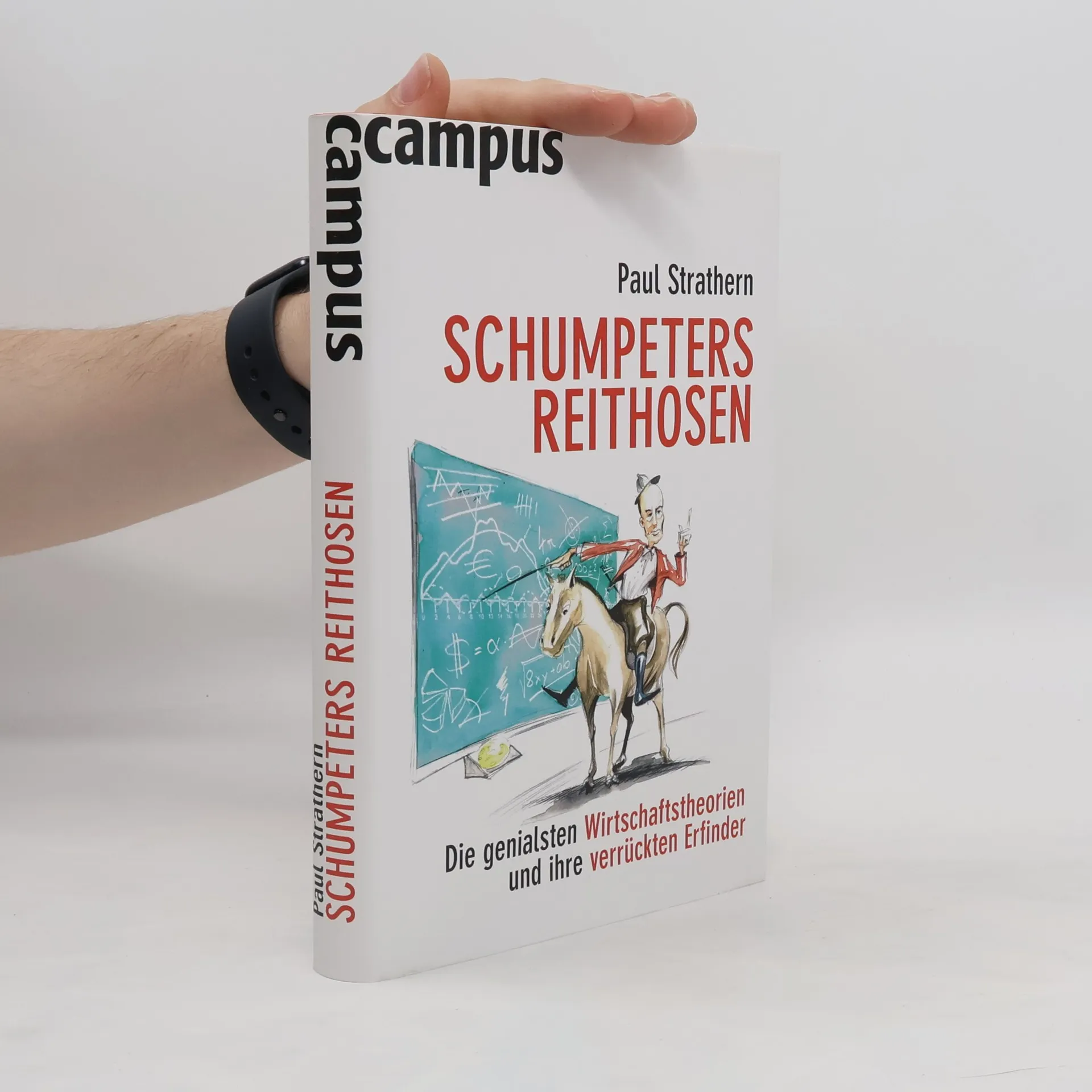
Schumpeters Reithosen
- 317 pages
- 12 hours of reading
Neben Klassikern der Ökonomie begegnet uns aber auch der Mitbewohner da Vincis und Erfinder der doppelten Buchführung: Luca Pacioli. Oder der flüchtige schottische Mörder John Law, der Frankreichs Finanzwelt mit der Einführung des Papiergelds revolutionierte. Und John von Neumann, das düstere Genie, das die Spieltheorie entwickelte, die Wirtschaft und Politik im 20. Jahrhundert prägte.
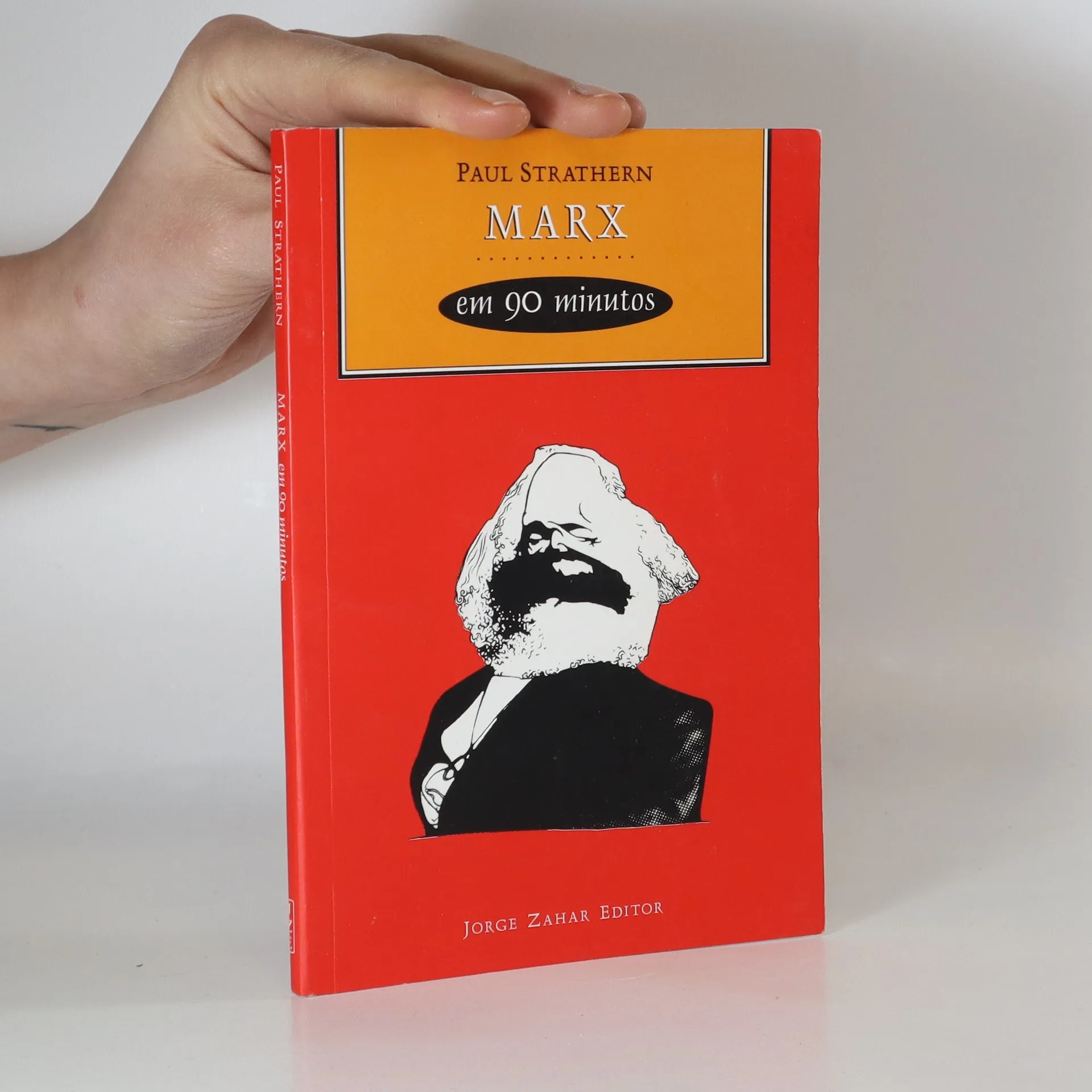
Marx em 90 Minutos
- 76 pages
- 3 hours of reading
Segundo o autor desta obra, a figura barbuda do autor de 'Manifesto comunista' e 'O capital', que influenciaram gerações, tinha o espírito de um estudante descompromissado e apreciava farras. Esse é um dos diversos aspectos que pretendem ser revelados nesse volume sobre a vida e obra do filósofo que acreditava no comunismo como uma resposta para a igualdade entre os homens. A influência da filosofia de Hegel, o trabalho como jornalista, a parceria com Engels também fazem parte do perfil desse grande pensador.
Sokrates in 90 Minuten
- 80 pages
- 3 hours of reading
In "Sokrates in 90 Minuten" bietet Paul Strathern einen prägnanten, fachkundigen Überblick über das Leben und die Ideen von Sokrates und erklärt deren Einfluss auf den menschlichen Kampf, sein Dasein in der Welt zu verstehen. Das Buch enthält auch Auszüge aus Sokrates' Beobachtungen, eine kurze Liste empfohlener Lektüre für diejenigen, die weiterführende Informationen suchen, sowie Chronologien, die Sokrates in seine eigene Zeit und in den breiteren Kontext der Philosophie einordnen.
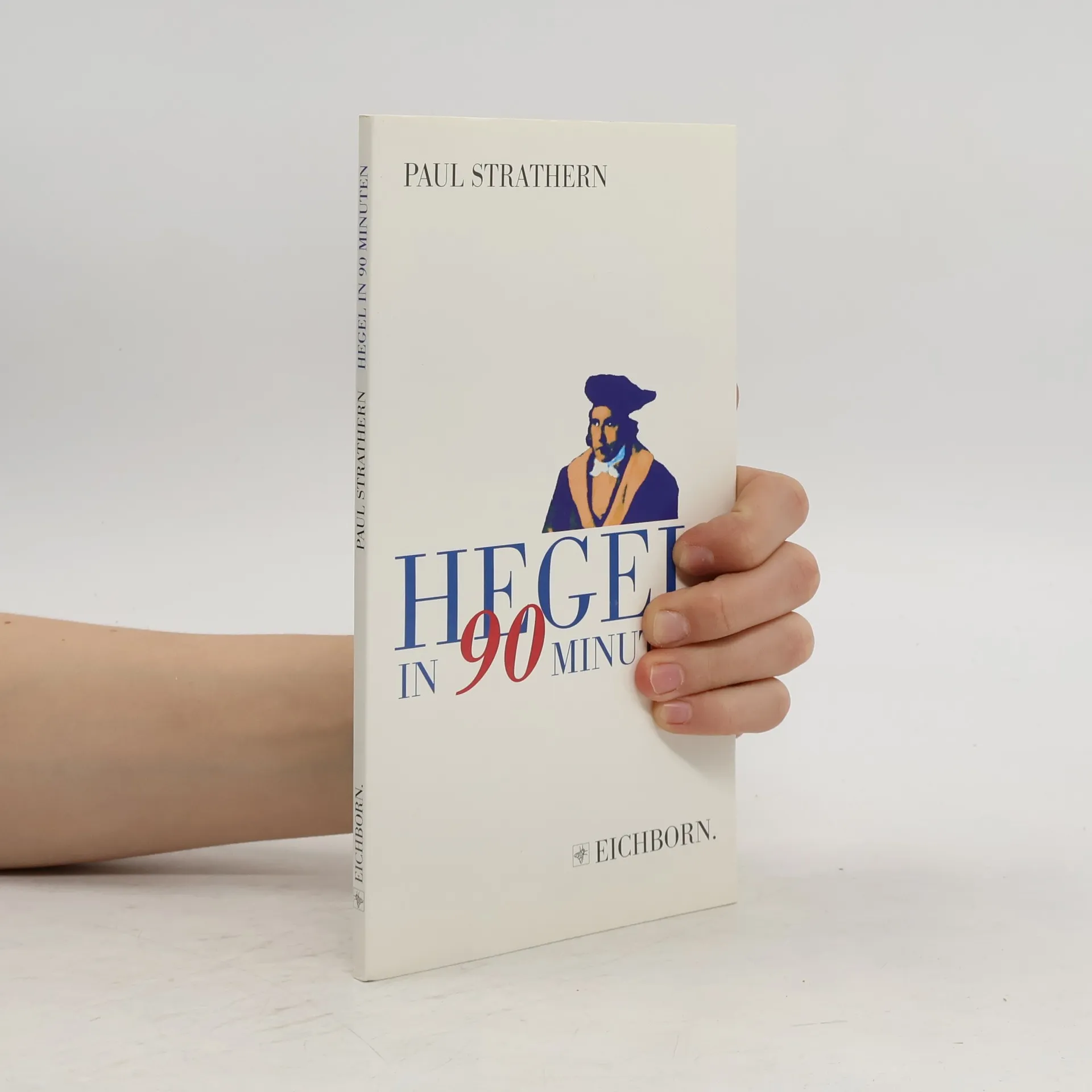
Hegel in 90 Minuten
- 80 pages
- 3 hours of reading
Georg Wilhelm Friedrich Hegel (1770-1831) - der letzte große Vertreter des deutschen Idealismus, der ein umfassendes System der Philosophie geschaffen hat, das, wie Engels sagte, seitdem die Menschen denken, noch nicht existierte. Dieses System basiert auf der Behauptung: „Alles Vernünftige ist wirklich und alles Wirkliche ist vernünftig“. In seinem Erbe gibt es viele Widersprüche (Hegel tritt sowohl als Kritiker als auch als Verteidiger der Religion auf, als Staatsmann und als „Denker der Freiheit“), jedoch ist allgemein anerkannt, dass er von allen deutschen Philosophen den größten Einfluss auf den Verlauf der Weltgeschichte hatte.
Newton et la gravitation, je connais!
- 95 pages
- 4 hours of reading
Partant du principe que Newton a révolutionné notre conception du monde, cet ouvrage tente de démontrer que malgré les progrès du 20e siècle, une grande partie de ses découvertes sont encore d'actualité.
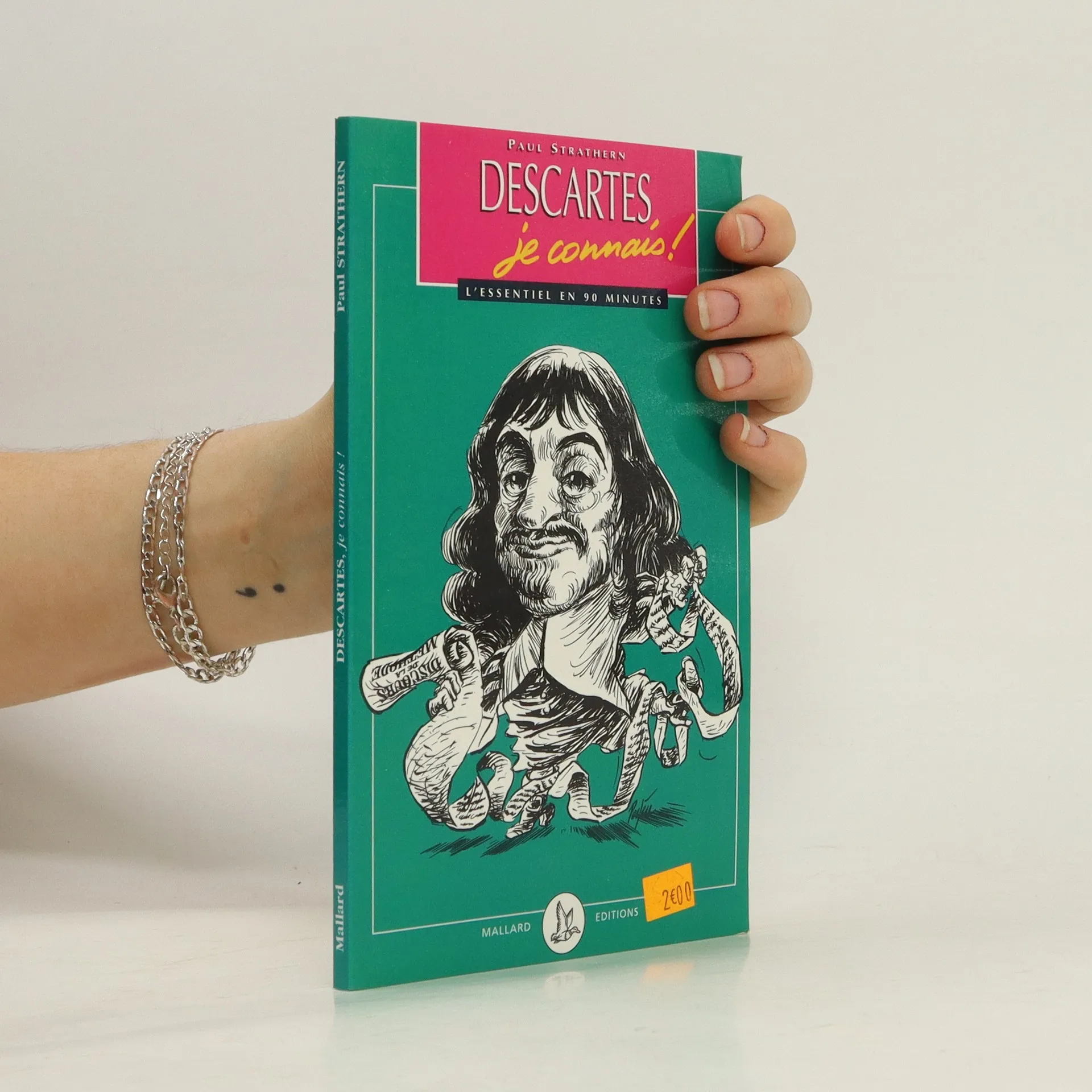
Descartes, je connais!
- 79 pages
- 3 hours of reading
Les philosophes, je connais ! (l'essentiel en 90 minutes) est une série de petits ouvrages présentant la vie et l'oeuvre des grands philosophes. Rédigés dans une langue simple et sur le mode plaisant, ils mêlent idées et détails biographiques et s'adressent au lecteur qui souhaite aborder la philosophie sans complexes, ni préjugés. L'auteur, Paul Strathern réussit le tour de force de rendre accessible à tous l'essentiel des grands concepts philosophiques, tout en faisant vivre les grands esprits qui les ont imaginés . La vie et l'oeuvre de chaque philosophe sont restituées dans leur contexte historique et culturel. Vivacité de style et sens de l'humour donnent vie aux hommes et aux idées qui influencent notre conception du monde depuis l'Antiquité. Les grandes théories philosophiques y sont impitoyablement passées à la moulinette ainsi que les grandes forces et petits travers des simples mortels qui ont eu l'audace de les formuler, parfois au péril de leur vie, souvent au péril de leur santé. L'ensemble est complété par des citations clés de chaque philosophe et un rappel chronologique de l'évolution des idées philosophiques
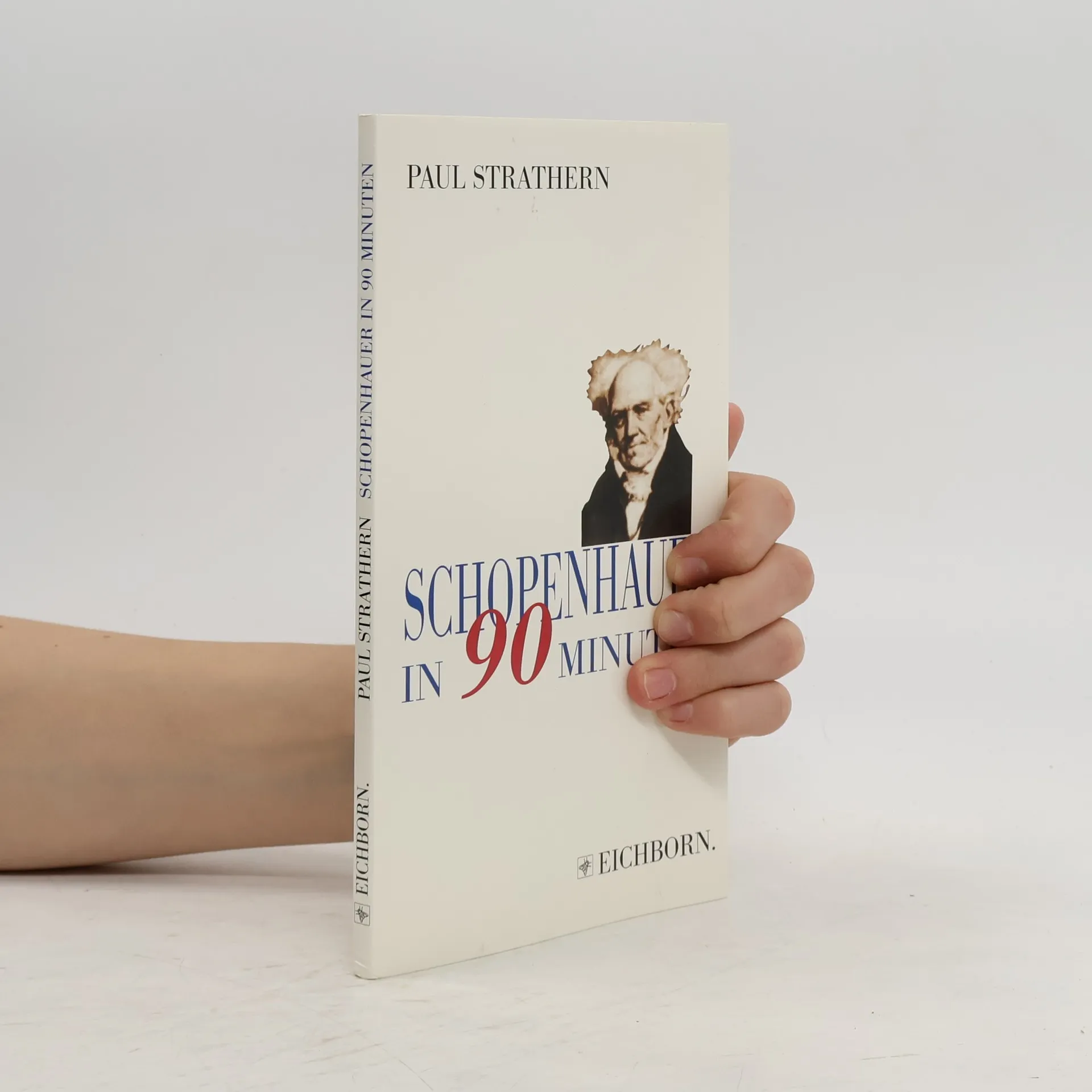
Schopenhauer in 90 Minuten
- 80 pages
- 3 hours of reading
Konfuzius in 90 Minuten
- 80 pages
- 3 hours of reading
Köpfe & Ideen stellt bedeutende Forscherinnen und Forscher vor, die mit ihren Entdeckungen und Visionen unser Bild der Welt beeinflußt und verändert haben. Crick, Watson & die DNA Hawking & die Schwarzen Löcher Newton & die Schwerkraft Turing & der Computer Einstein & die Relativität Galilei & das Sonnensystem Oppenheimer & die Bombe Pythagoras & sein Satz Archimedes & der Hebel Bohr & die Quantentheorie Curie & die Radioaktivität Darwin & die Evolution Deutsche Erstausgabe
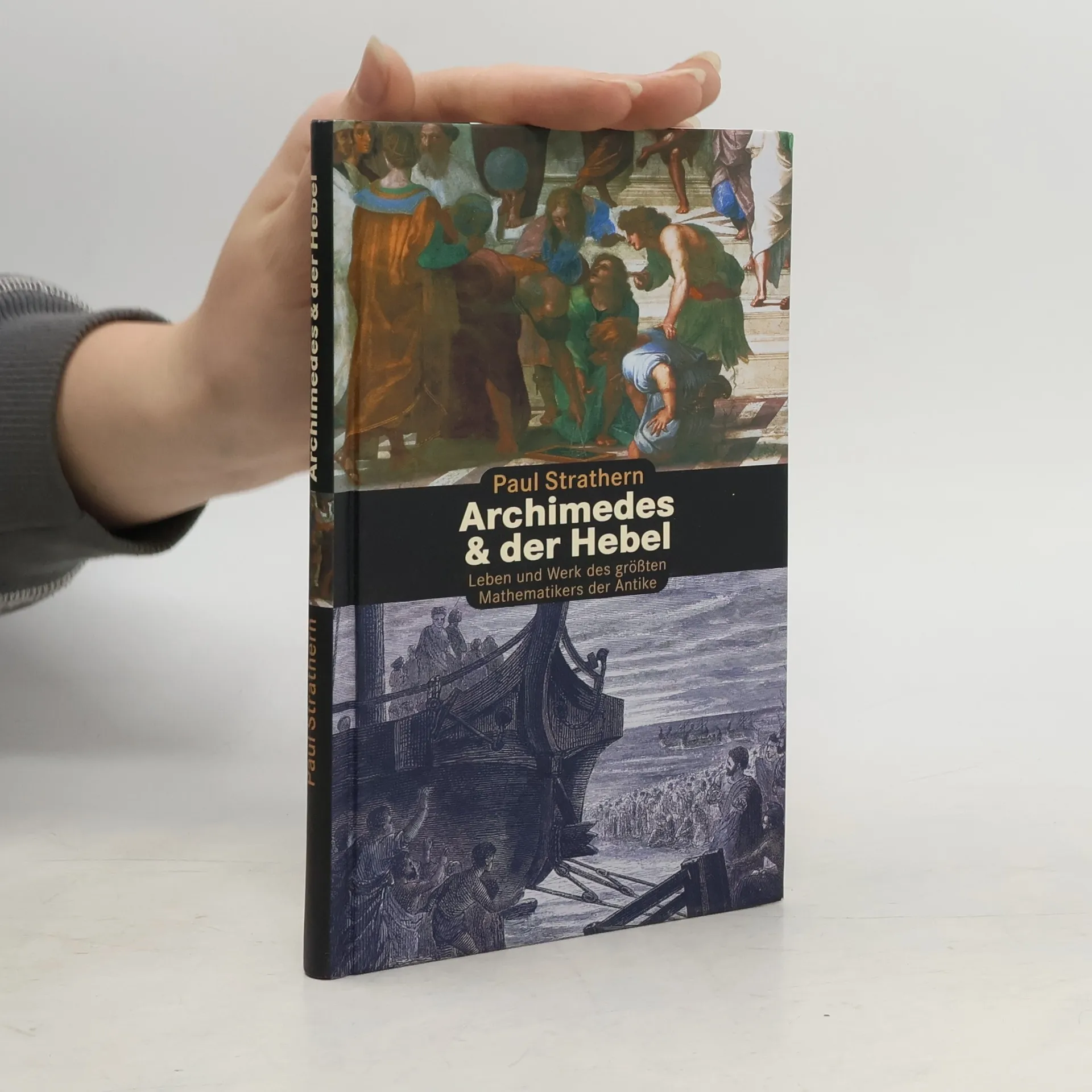
Die Geschichte von Archimedes, der aus seiner Badewanne springt und "Eureka!" ruft, ist wohlbekannt, aber warum behauptete er, die Welt bewegen zu können? Und das Geheimnis um seine verlorenen Werke? "Archimedes & der Hebel" präsentiert ein brillantes Porträt dieses Genies der Wissenschaft und Mathematik, das seinen Denkansatz und seine unglaublichen Erfindungen verfolgt, die den Weg für die folgenden technologischen Fortschritte ebneten.
Turing & der Computer
- 91 pages
- 4 hours of reading
Die Wissenschaftler und ihre Entdeckungen ist eine faszinierende Sammlung von Büchern zur wissenschaftlichen Popularisierung, die sowohl für Fachleute als auch für Laien gedacht ist. Die Wissenschaft erreicht ihren Höhepunkt, wenn große Entdeckungen gemacht werden. Jeder Titel dieser Sammlung analysiert eingehend einen dieser großen Momente, die dazu beigetragen haben, das wissenschaftliche Erbe der Menschheit zu erweitern, sowie die Männer und Frauen, die unsere Auffassung vom Universum und unserem Platz darin grundlegend verändert haben. Der Computer hat die moderne Ära der Kommunikation und Information revolutioniert, und seine Entwicklung, zu der Alan Turing entscheidend beigetragen hat, stellt einen der größten Errungenschaften des 20. Jahrhunderts dar. Turing und der Computer ist ein brillantes Porträt von Turings Leben und Werk und bietet eine klare und verständliche Erklärung der Bedeutung und des Einflusses des Computers und wie er unser Leben in diesem Jahrhundert verändert und geprägt hat.
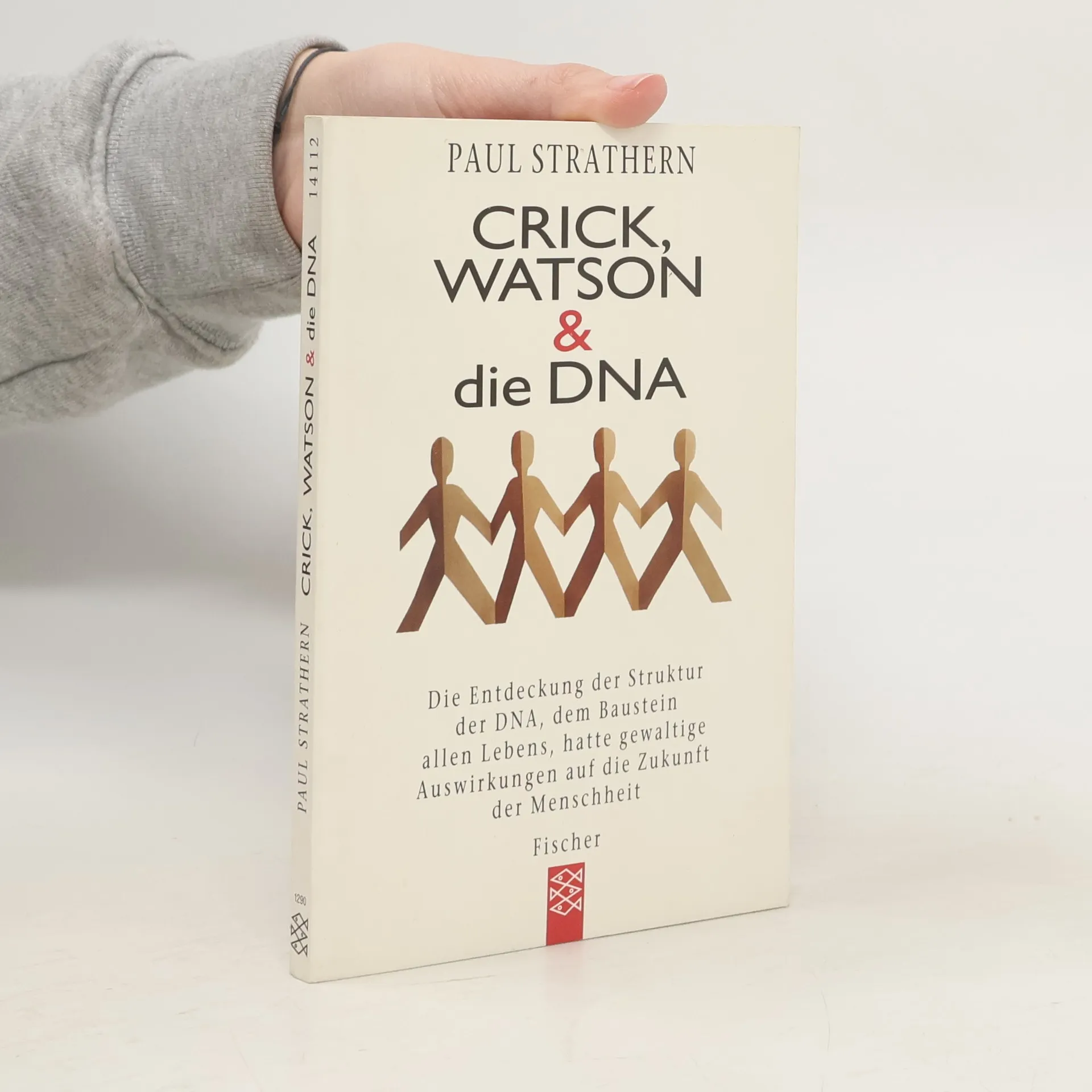
Die Entdeckung der Struktur der DNA, dem Baustein allen Lebens, hatte gewaltige Auswirkungen auf die Zukunftder Menschheit
Türkei
- 272 pages
- 10 hours of reading
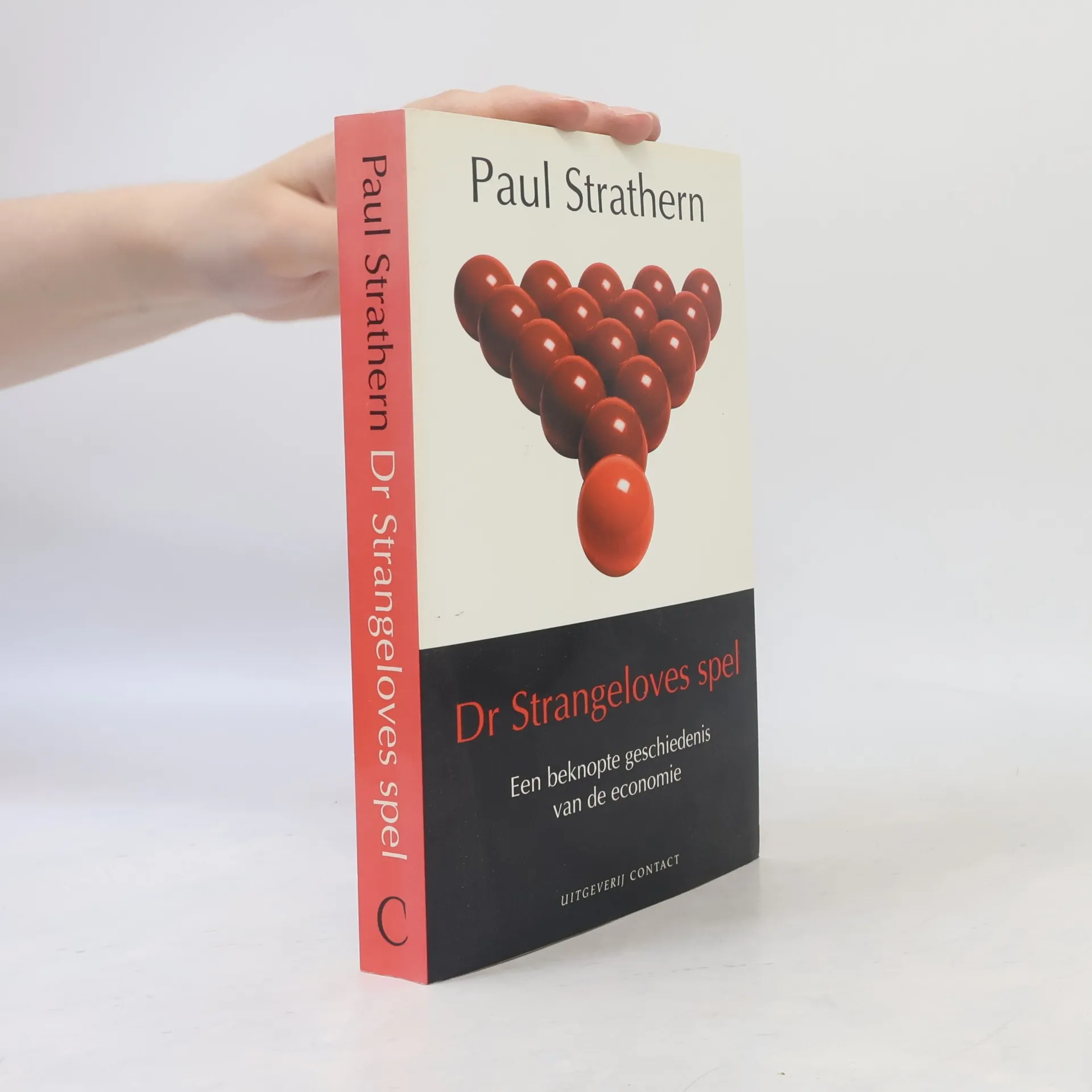
Dr Strangeloves Spel
Een Beknopte Geschiedenis van de Economie
John von Neumann, de uitvinder van de speltheorie, was zowel geniaal als levensgevaarlijk. In de jaren vijftig adviseerde hij president Eisenhower om de Sovjet-Unie met atoomgeweld uit te schakelen, overtuigd dat dit de enige rationele oplossing was voor de politieke crisis. Dit bijna fatale zelfvertrouwen inspireerde Stanley Kubrick tot zijn film Dr. Strangelove. Paul Strathern begint zijn geschiedenis van de economie met dit onthutsende verhaal over Von Neumann en verkent vervolgens hoe de economie als wetenschap vorm kreeg. Hij beschrijft de eerste economische hype, de tulpenmanie in Nederland, en het eerste gedrukte geld waarmee John Law de Franse staat bankroet liet gaan. Adam Smith en David Ricardo boden diepere inzichten in de complexe mechanismen van de maatschappij, maar creëerden ook de illusie van controle over economisch handelen. Utopisten zoals Saint-Simon geloofden dat deze nieuwe wetenschap geluk voor iedereen bereikbaar maakte. Dit leidde tot het megalomane systeemdenken van Marx en uiteindelijk tot de speltheorie, waarmee Von Neumann dacht het economische probleem definitief op te lossen. Zijn economen sindsdien verstandiger geworden?
Chemie je ve vědeckých pracích opomíjenou oblastí a Mendělejev, největší postava tohoto oboru, většinou jen zapomenutým géniem. Strathernova historická práce si dává za cíl tuto křivdu napravit. V této knize, které je vlastní vytříbenost a erudovanost, ale přesto neztrácí nic na své čtivosti, objasňuje literární cenou oceněný spisovatel a interpret složitých teorií Paul Strathern dramatické dějiny chemie prostřednictvím putování po stopách prvků. Dějiny oboru jsou orámovány životním příběhem ruského vědce devatenáctého století Dmitrije Mendělejeva, kterého jednoho dne u psacího stolu přepadla dřímota, z níž se probudil poté, co přišel na myšlenku periodické soustavy prvků – popisu, na kterém je založena moderní chemie a jehož vypracování klasifikovalo tento obor v nadcházejícím věku jako vědu. Od starověké filosofie přes středověkou alchymii až ke štěpení atomu – toto je pravdivý příběh zrodu chemie a role, kterou sehrál sen jednoho muže.
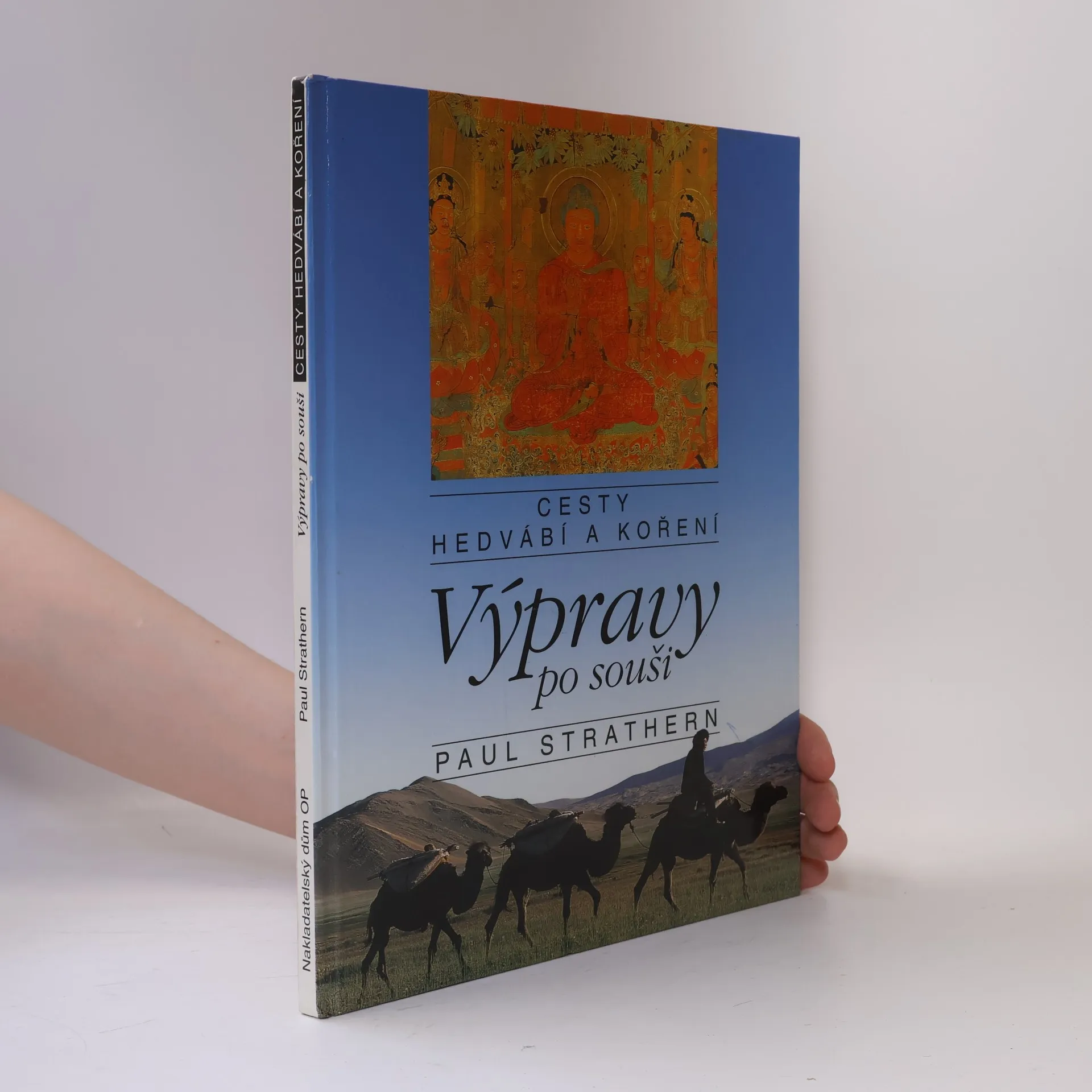
Obchodní kontakty jižní Evropy s Čínou po souši od 3. století př. n. l. až do 15. století.