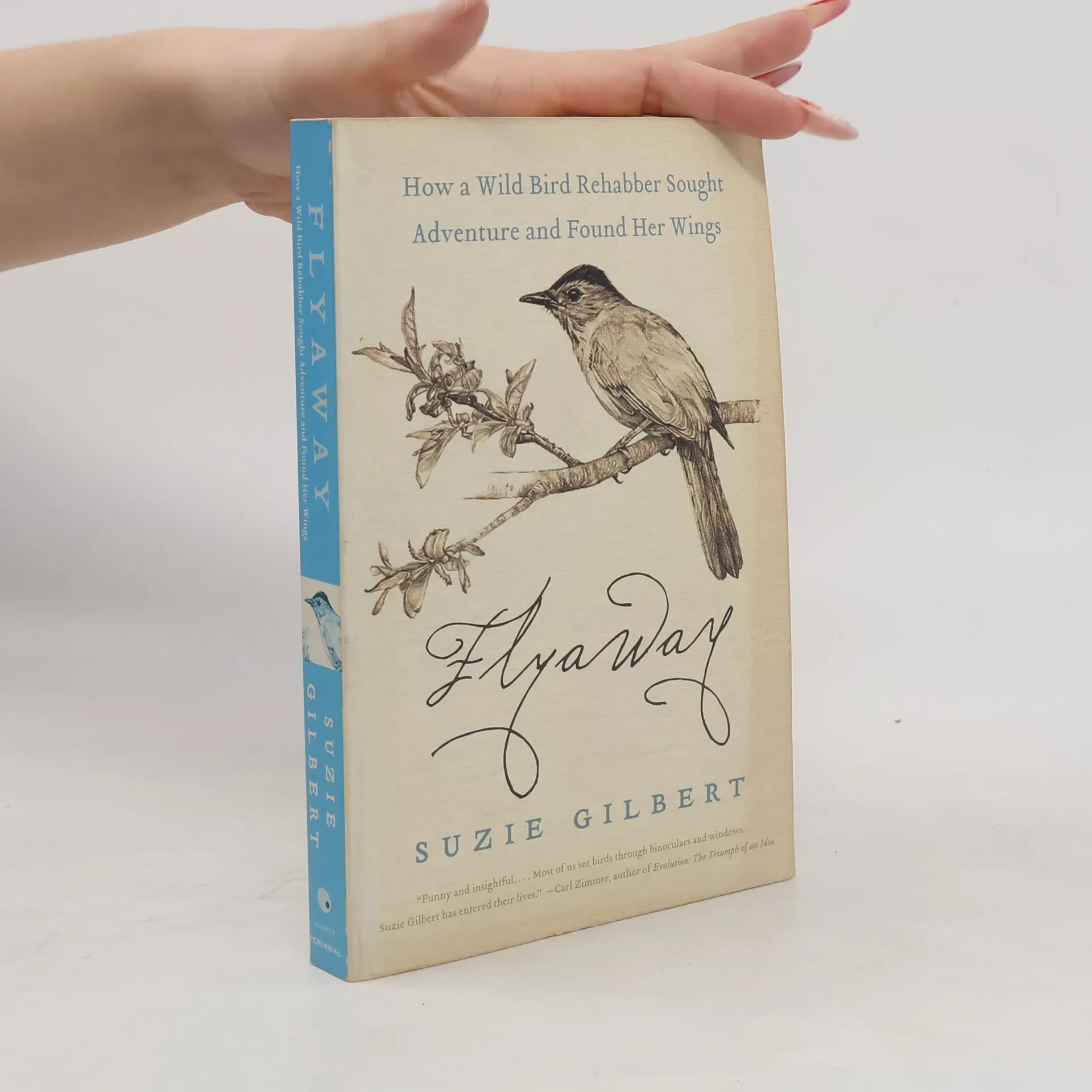
Suzie Gilbert discovered her true calling when she began working at a local animal hospital. Eventually, she started bringing abused and unwanted parrots home, and volunteering at a local raptor rehabilitation center. From there it was a short flight to her ultimate commitment: Flyaway, Inc., the nonprofit wild bird rehabilitation center she ran out of her own home. With heart and delightful wit, Gilbert chronicles daily life in her household-cum-bird-hospital, and recounts the resulting chaos as she, her husband, and their two young children struggled to live in a home where parrots shrieked Motown songs and recuperating herons took over the spare bathroom. Flyaway is a remarkable story of compassion for and dedication to beautiful creatures—and the importance of pursuing even the most unlikely of dreams.
Carl Zimmer Books
Carl Zimmer is a distinguished author who delves into the intricate world of science. Through his books and features for prominent magazines, Zimmer illuminates complex scientific concepts with clarity and wit. His writing often explores profound questions of evolution, biology, and the interconnectedness of life on Earth. Zimmer crafts compelling narratives that introduce readers to cutting-edge discoveries while revealing the wonders of scientific inquiry.



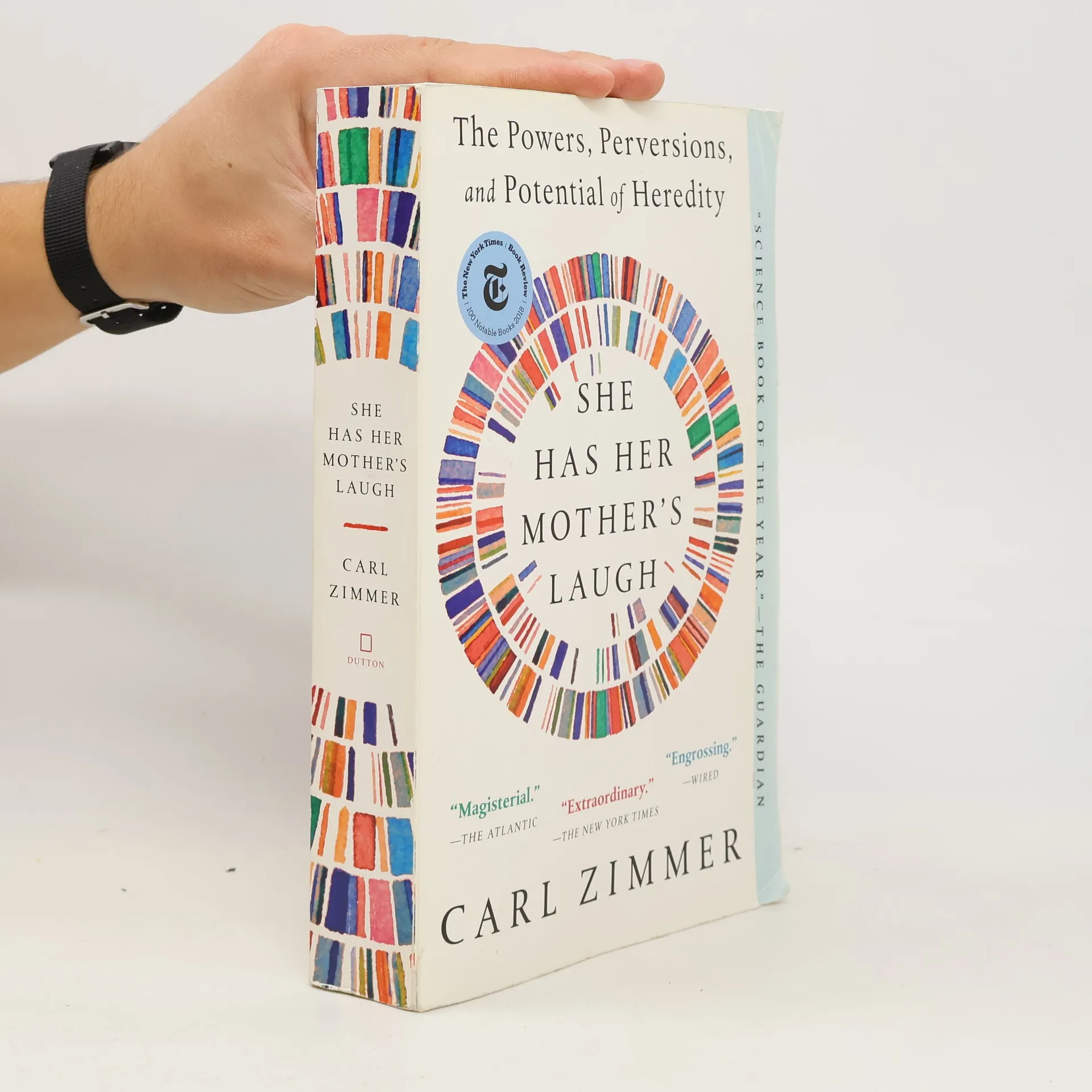
She Has Her Mother's Laugh
- 672 pages
- 24 hours of reading
Celebrated New York Times columnist and science writer Carl Zimmer offers a fresh perspective on heredity and what we transmit across generations. While Charles Darwin significantly contributed to the scientific inquiry of heredity, he did not fully answer the question. The emergence of genetics in the early 1900s seemed to provide clarity, leading many to translate traditional views of heredity into genetic terms. As genetic testing became more accessible, millions sought to connect with lost relatives and understand their ethnic backgrounds. However, Zimmer emphasizes that our DNA is a complex mosaic, comprised of fragments from various ancestors, each with its own unique history. These fragments influence our traits in subtle ways, extending beyond mere genetic inheritance from parents. Heredity also manifests within our bodies, as a single cell proliferates into trillions, shaping who we are. We inherit not only genes but also critical elements like microbes and technologies that enhance our lives. Zimmer argues for a redefined understanding of heredity, blending historical context with contemporary scientific research, personal anecdotes, and original reporting. He addresses pressing bioethical issues stemming from new biomedical advancements, challenging long-held beliefs about identity and what we can pass on to future generations.
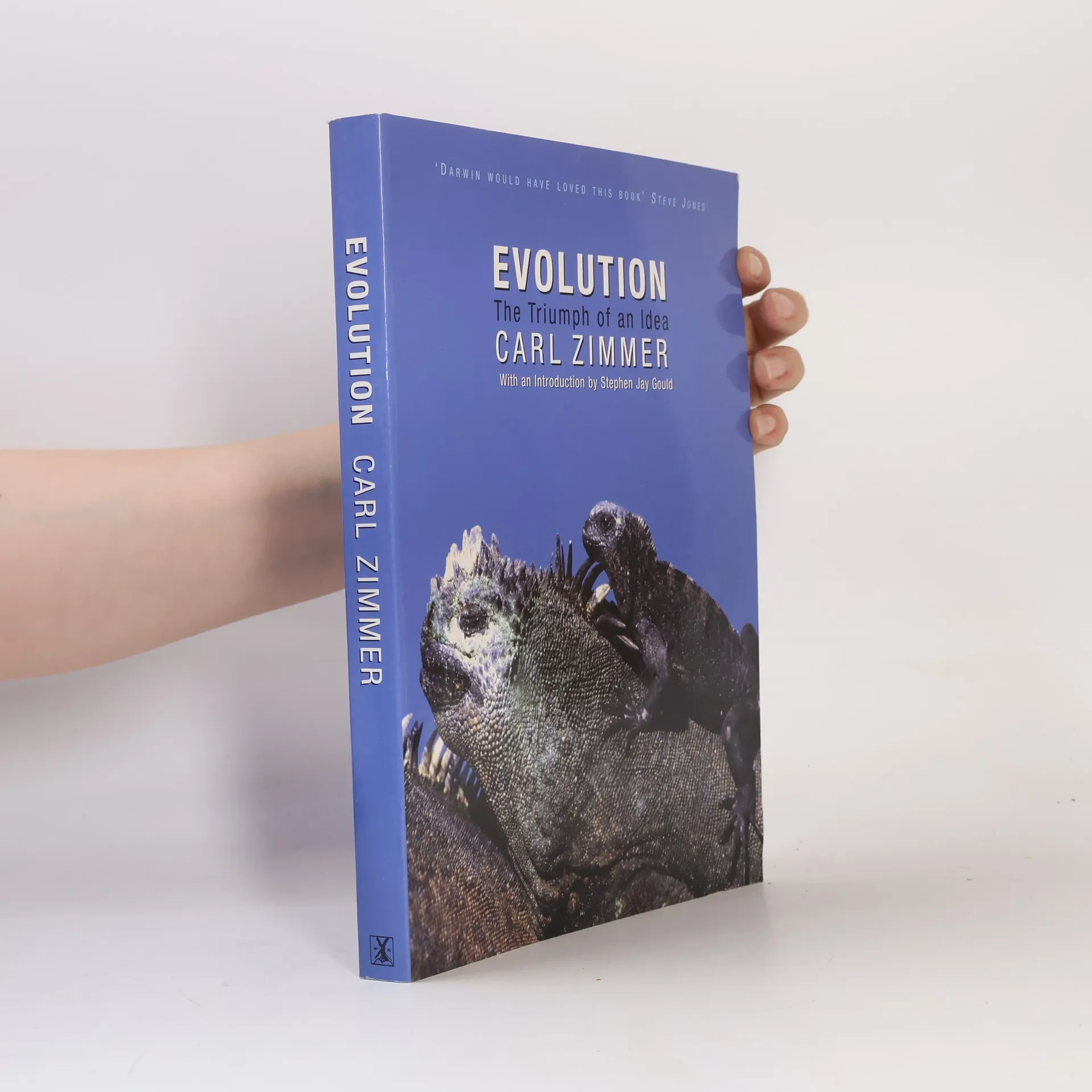
The theory of evolution stands over modern biology as quantum mechanics and relativity do over modern physics. And few modern scientists are as widely familiar and celebrated as Darwin. Yet most of us remain less than entirely clear as to how evolution by natural selection works and a series of celebrated titles by such writers as Steven Jay Gould and Richard Dawkins do little to help, being each so partisan of a particular, contentious, view of the subject. Carl Zimmer draws together the entire history of the subject, from Darwin's original insights on the voyage of the Beagle, through the 'modern synthesis', which combined genetics with natural selection, to the Darwinian medicine and the 'selfish gene' debates of today. There is no comparably balanced and wide-ranging book available at present, let alone one that is as well and accessibly written. For all of us who lack a comfortable familiarity with this most influential of scientific ideas, an idea that has as many implications for our understanding of child-rearing, AIDS and the fate of the rain-forest as it does for the 'origin of species', this is an ideal introduction.
Parasite Rex
- 320 pages
- 12 hours of reading
IMAGINE A WORLD WHERE parasites control the minds of their hosts, sending them to their destruction. IMAGINE A WORLD WHERE parasites are masters of chemical warfare and camouflage, able to cloak themselves with their hosts' own molecules. IMAGINE A WORLD WHERE parasites steer the course of evolution, where the majority of species are parasites. WELCOME TO EARTH. For centuries, parasites have lived in nightmares, horror stories, and in the darkest shadows of science. Yet these creatures are among the world's most successful and sophisticated organisms. In Parasite Rex, Carl Zimmer deftly balances the scientific and the disgusting as he takes readers on a fantastic voyage. Traveling from the steamy jungles of Costa Rica to the fetid parasite haven of southern Sudan, Zimmer graphically brings to life how parasites can change DNA, rewire the brain, make men more distrustful and women more outgoing, and turn hosts into the living dead. This thorough, gracefully written book brings parasites out into the open and uncovers what they can teach us about the most fundamental survival tactics in the universe.
The Best American Science and Nature Writing 2023
- 272 pages
- 10 hours of reading
Award-winning writer, columnist, and journalists Carl Zimmer selects twenty science and nature essays that represent the best examples of the form published in 2022. A collection of the best science and nature articles written in 2022, selected by guest editor Carl Zimmer and series editor Jaime Green.
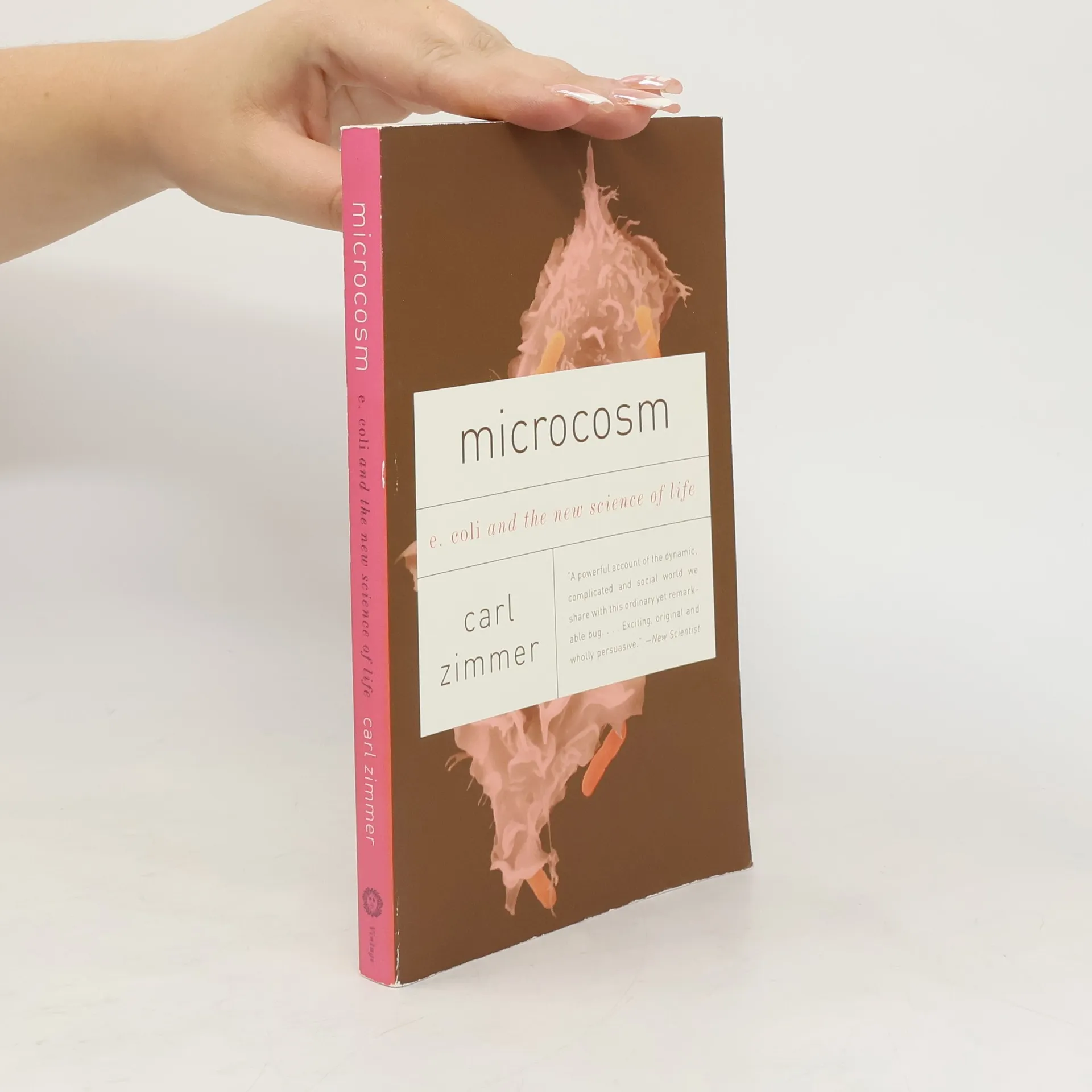
Microcosm : E. coli and the new science of life
- 256 pages
- 9 hours of reading
A Best Book of the YearSeed Magazine • Granta Magazine • The Plain-DealerIn this fascinating and utterly engaging book, Carl Zimmer traces E. coli's pivotal role in the history of biology, from the discovery of DNA to the latest advances in biotechnology. He reveals the many surprising and alarming parallels between E. coli's life and our own. And he describes how E. coli changes in real time, revealing billions of years of history encoded within its genome. E. coli is also the most engineered species on Earth, and as scientists retool this microbe to produce life-saving drugs and clean fuel, they are discovering just how far the definition of life can be stretched.
Soul Made Flesh
- 384 pages
- 14 hours of reading
In this unprecedented history of a scientific revolution, award-winning author and journalist Carl Zimmer tells the definitive story of the dawn of the age of the brain and modern consciousness. Told here for the first time, the dramatic tale of how the secrets of the brain were discovered in seventeenth-century England unfolds against a turbulent backdrop of civil war, the Great Fire of London, and plague. At the beginning of that chaotic century, no one knew how the brain worked or even what it looked like intact. But by the century's close, even the most common conceptions and dominant philosophies had been completely overturned, supplanted by a radical new vision of man, God, and the universe.Presiding over the rise of this new scientific paradigm was the founder of modern neurology, Thomas Willis, a fascinating, sympathetic, even heroic figure at the center of an extraordinary group of scientists and philosophers known as the Oxford circle. Chronicled here in vivid detail are their groundbreaking revelations and the often gory experiments that first enshrined the brain as the physical seat of intelligence -- and the seat of the human soul. Soul Made Flesh conveys a contagious appreciation for the brain, its structure, and its many marvelous functions, and the implications for human identity, mind, and morality.
Celebrated science writer Carl Zimmer's classic book, updated in a new edition, is an eye-opening look at Covid-19 and the many other viruses that shape our planet and ourselves.
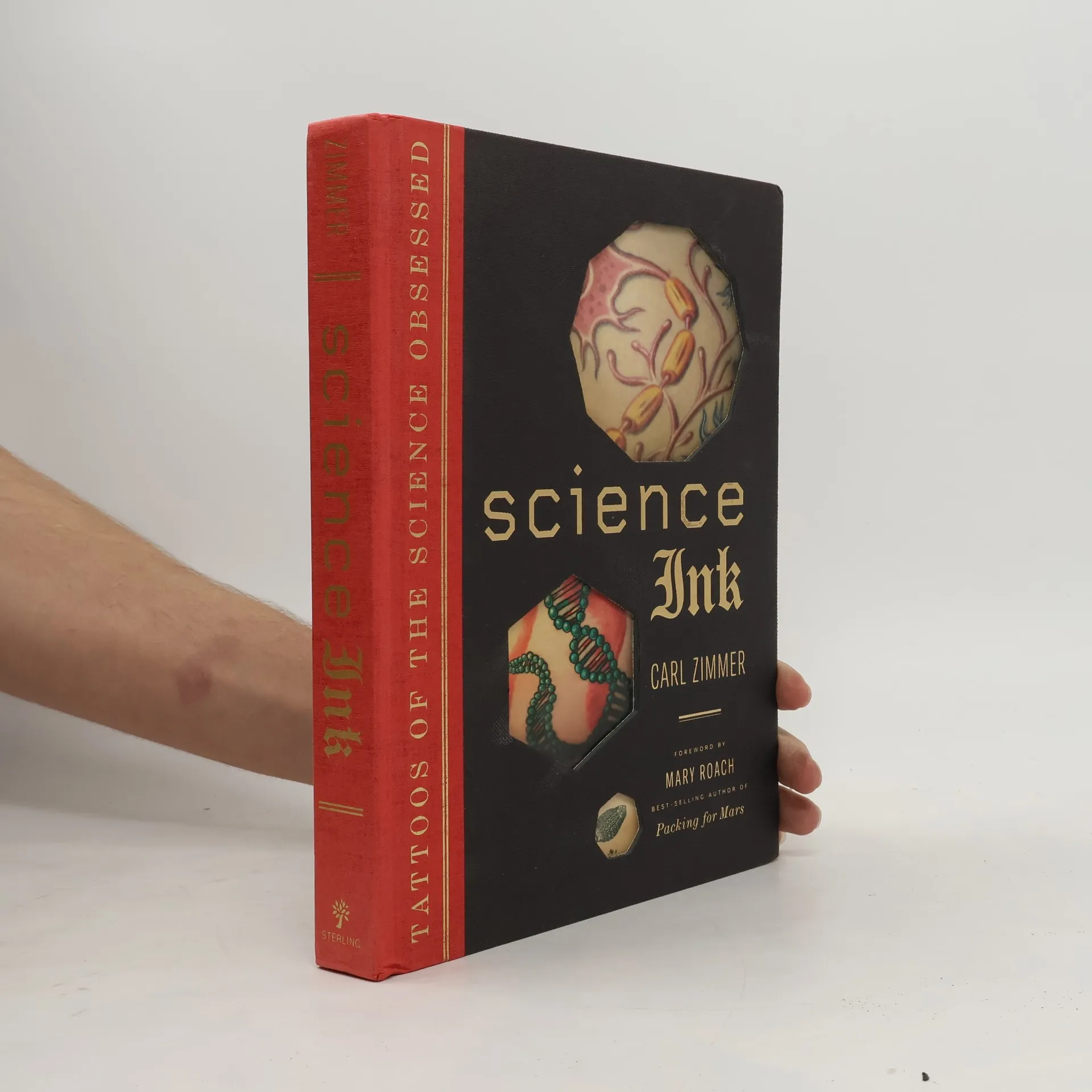
Science Ink
- 271 pages
- 10 hours of reading
"Body art meets popular science in this elegant, mind-blowing collection, written by renowned science writer Carl Zimmer. This fascinating book showcases hundreds of eye-catching tattoos that pay tribute to various scientific disciplines, from evolutionary biology and neuroscience to mathematics and astrophysics and reveals the stories of the individuals who chose to inscribe their obsessions in their skin. Best of all, each tattoo provides a leaping-off point for bestselling essayist and lecturer Zimmer to reflect on the science in question, whether it's the importance of an image of Darwin's finches or the significance of the uranium atom inked into the chest of a young radiologist."--from publisher's description
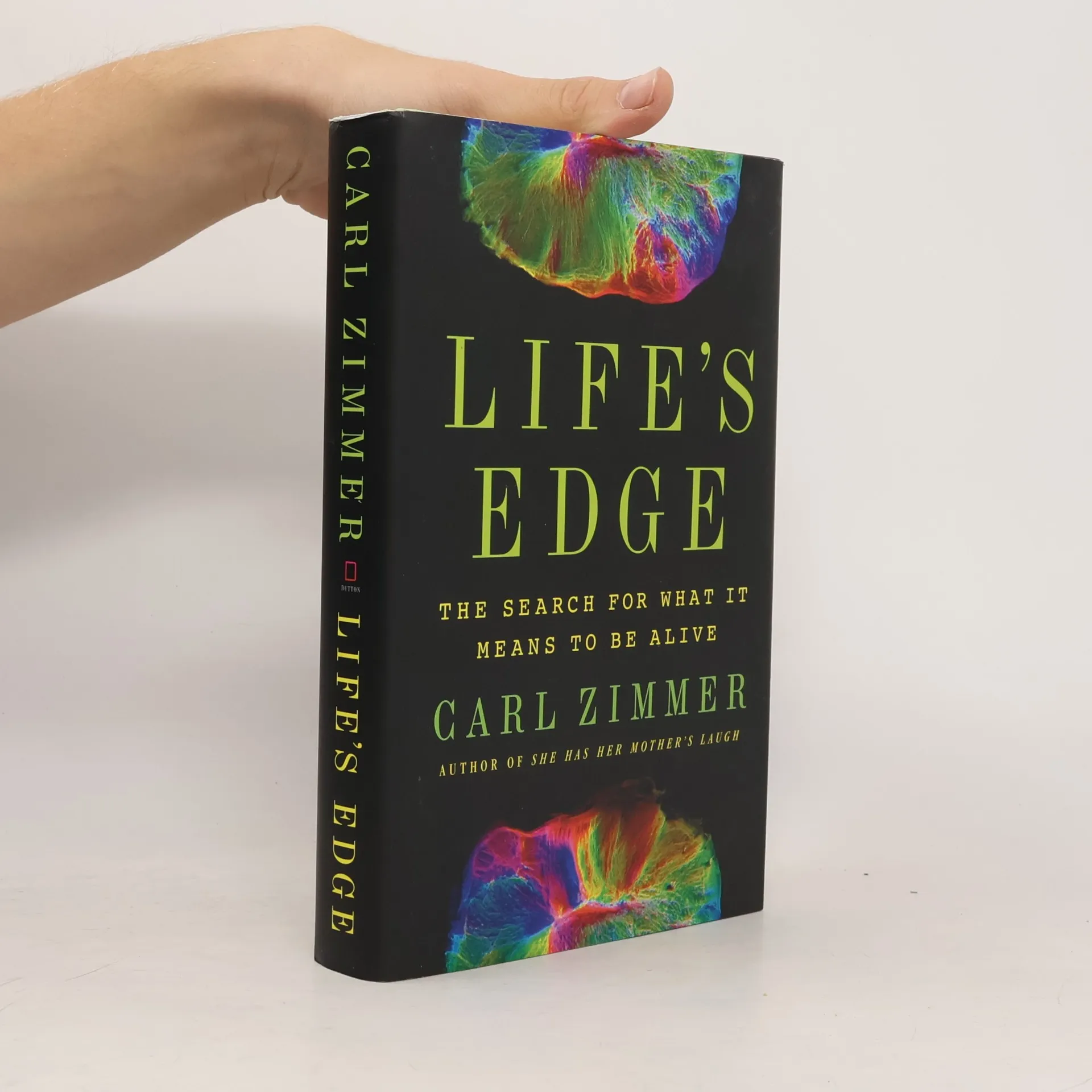
Life's Edge
- 348 pages
- 13 hours of reading
"We all assume we know what life is, but the more scientists learn about the living world-from protocells to brains, from zygotes to pandemic viruses-the harder they find it is to locate life's edge"--. Provided by publisher
Exploring the biology of the air we breathe, this work delves into various elements, including pollen and viruses like COVID-19. The author, a Baillie Gifford-shortlisted science columnist for the New York Times, provides insights into how these airborne entities impact our health and environment. The book highlights the intricate relationships between air quality, biology, and human well-being, making it a timely and informative read for anyone interested in the science of our atmosphere.
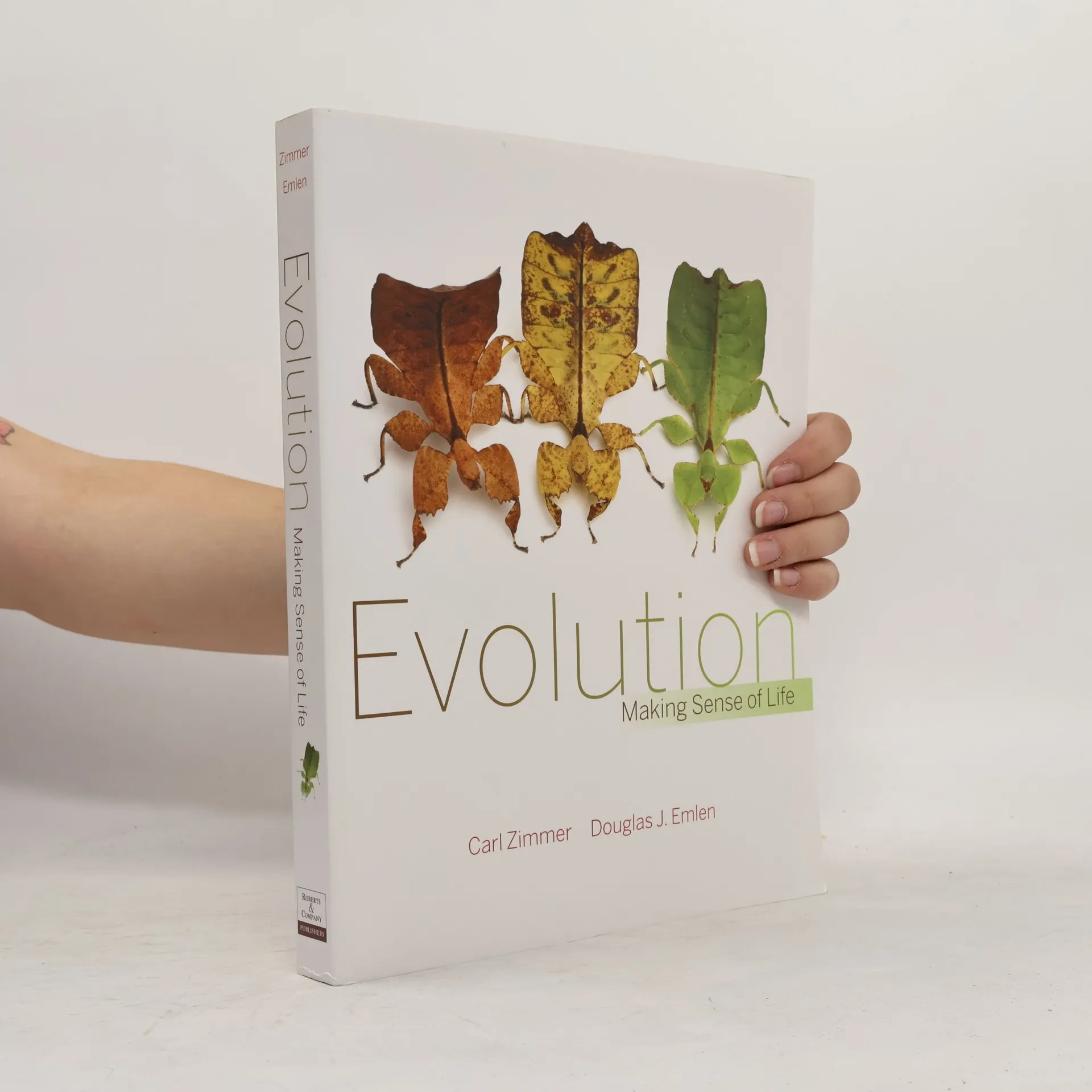
"Science writer Carl Zimmer and evolutionary biologist Douglas Emlen have teamed up to write a textbook intended for biology majors that will inspire students while delivering a solid foundation in evolutionary biology. Zimmer brings the same story-telling skills he displayed in The Tangled Bank, his 2009 non-majors textbook that the Quarterly Review of Biology called "spectacularly successful." Emlen, an award-winning evolutionary biologist at the University of Montana, has infused Evolution: Making Sense of Life with the technical rigor and conceptual depth that today's biology majors require. Students will learn the fundamental concepts of evolutionary theory, such as natural selection, genetic drift, phylogeny, and coevolution. Evolution: Making Sense of Life also drives home the relevance of evolution for disciplines ranging from conservation biology to medicine. With riveting stories about evolutionary biologists at work everywhere from the Arctic to tropical rain forests to hospital wards, the book is a reading adventure designed to grab the imagination of the students, showing them exactly why it is that evolution makes such brilliant sense of life"--
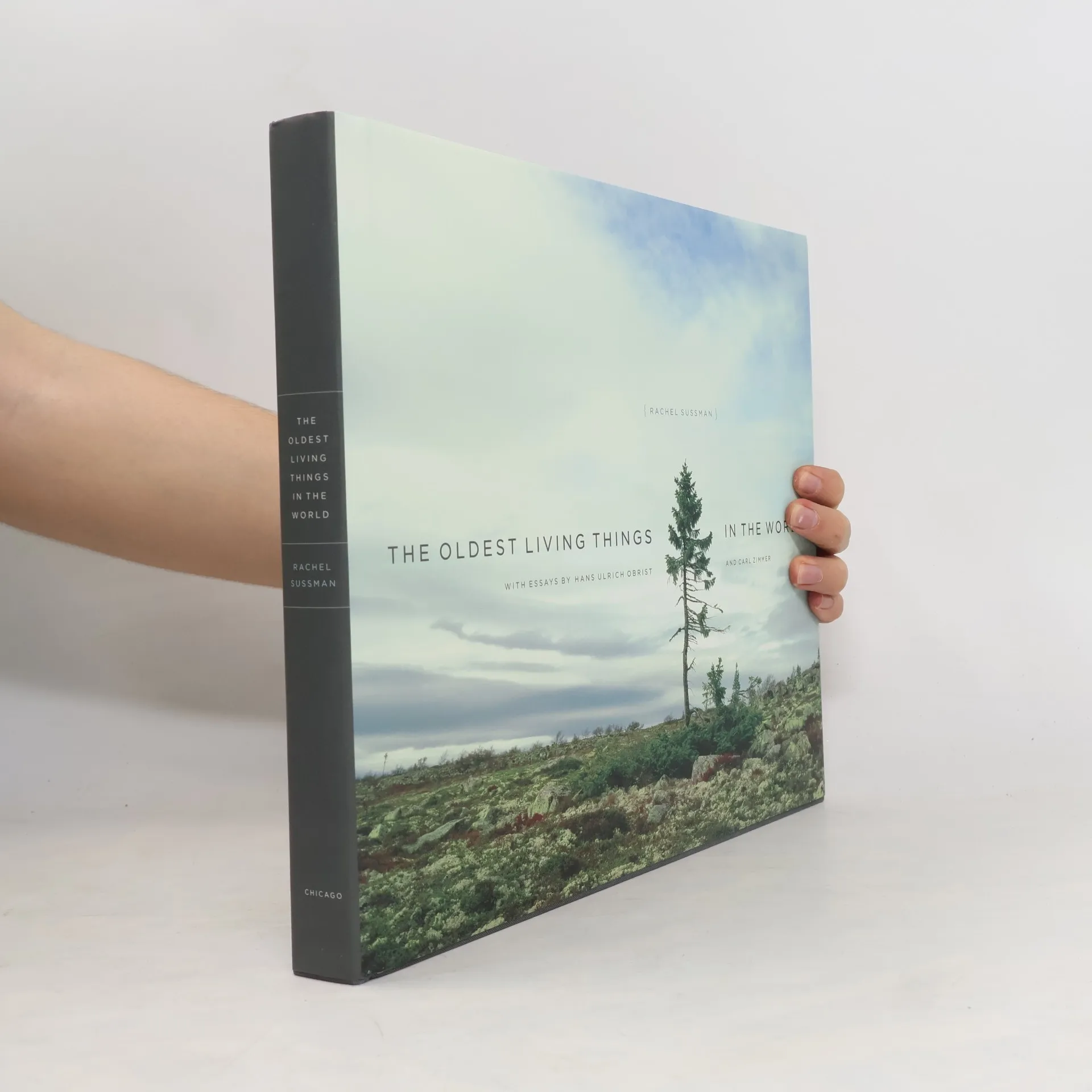
The Oldest Living Things in the World
With Essays by Hans Ulrich Obrist and Carl Zimmer
- 269 pages
- 10 hours of reading
An epic journey through time and space, this work showcases artist Rachel Sussman's decade-long quest to photograph continuously living organisms that are 2,000 years old and older. Spanning continents from Antarctica to Greenland and environments like the Mojave Desert and the Australian Outback, Sussman presents a stunning visual collection of ancient organisms, narrated insightfully and accessibly. Her work, driven by relentless curiosity and underscored by environmentalism, begins at “year zero,” capturing the past in the present. The ancient individuals she documents include Greenlandic lichens that grow just one centimeter a century, unique desert shrubs in Africa and South America, predatory fungi in Oregon, Caribbean brain coral, and an 80,000-year-old aspen colony in Utah. Sussman ventured to Antarctica for 5,500-year-old moss, Australia for stromatolites linked to Earth's oxygenation, and Tasmania for a 43,600-year-old self-propagating shrub. Her portraits reveal the living history of our planet and the threats posed by climate change and human encroachment, as two subjects have already perished due to human actions. Alongside the photographs, Sussman shares captivating tales of her global adventures and insights from scientists, creating a record and celebration of the past while serving as a call to action for the future.
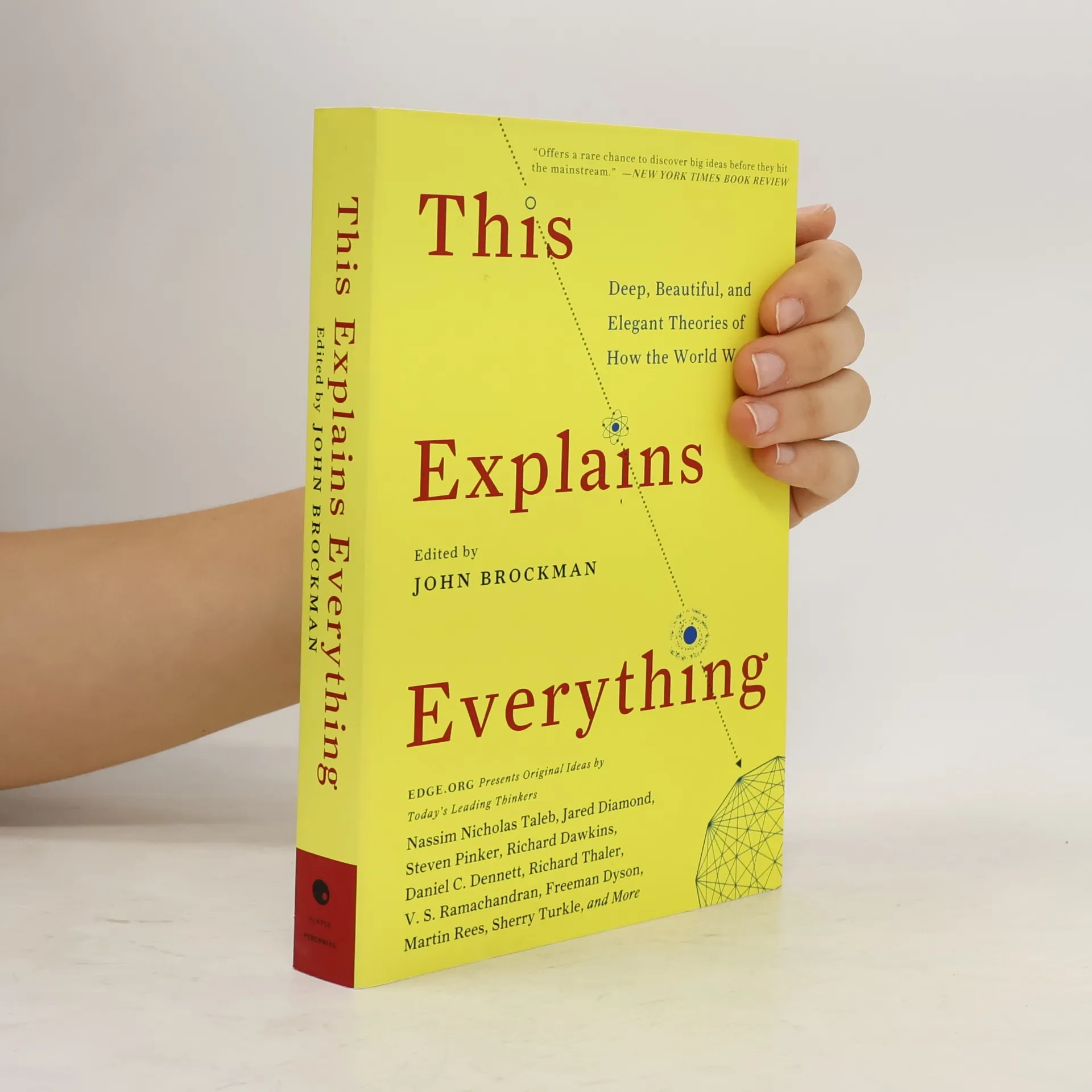
This explains everything : deep, beautiful, and elegant theories of how the world woks
- 432 pages
- 16 hours of reading
In This Explains Everything, John Brockman, founder and publisher of Edge.org, asked experts in numerous fields and disciplines to come up with their favorite explanations for everyday occurrences. Why do we recognize patterns? Is there such a thing as positive stress? Are we genetically programmed to be in conflict with each other? Those are just some of the 150 questions that the world's best scientific minds answer with elegant simplicity. With contributions from Jared Diamond, Richard Dawkins, Nassim Taleb, Brian Eno, Steven Pinker, and more, everything is explained in fun, uncomplicated terms that make the most complex concepts easy to comprehend.
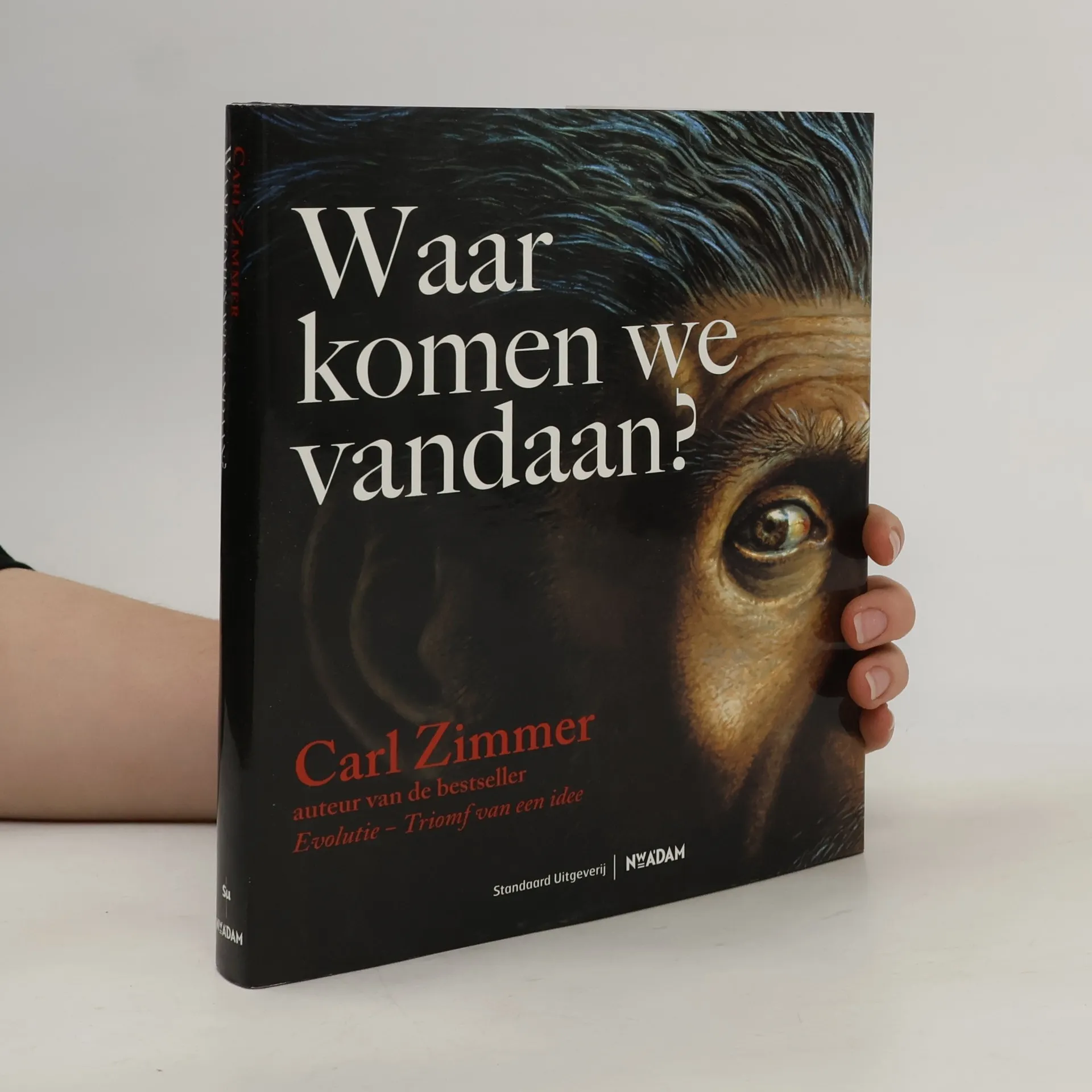
Waar komen we vandaan?
- 176 pages
- 7 hours of reading
De laatste ontdekkingen over de oorsprong van de mens tonen aan dat ons begrip van menselijke evolutie voortdurend verandert. In 2002 werd onze stamboom met drie miljoen jaar verlengd door de ontdekking van een schedel in Chad. Vondsten in Ethiopië in 2003 kunnen de oudste overblijfselen van de moderne mens zijn. Ons DNA onthult ook onze oorsprong, waarbij genetisch onderzoek steeds meer duidelijkheid biedt over gebeurtenissen van miljoenen jaren geleden. Wetenschapsjournalist Carl Zimmer plaatst deze bevindingen in de context van belangrijke evolutiestappen, zoals rechtop lopen, gereedschap gebruiken en bewustzijn ontwikkelen. Hij stelt dat het begrijpen van onze herkomst essentieel is voor zelfbegrip. Zimmer stelt de juiste vragen aan onderzoekers, niet alleen over de betekenis van fossielen, maar ook over wat we nog niet weten. Dit boek biedt unieke inzichten, ondersteund door een schat aan foto's en illustraties. Zimmer, voormalig wetenschapsredacteur van Discover, is wereldwijd bekend en heeft diverse veelgeprezen werken geschreven, waaronder een boek over evolutie dat bij een internationale televisieserie hoort. In 2004 ontving hij de prestigieuze Science Journalism Award.
Jak se duše stala tělem: Výzkum mozku mění svět
- 291 pages
- 11 hours of reading
Kniha Jak se duše stala tělem je pozoruhodný, dosud nepopsaný příběh vyprávějící o dramatickém historickém zvratu - vzrušujícím objevu funkce lidského mozku. Autor vypráví o objevování mozku v Anglii 17. století, příběh, který se odvíjí ve smrtící perspektivě občanské války, moru a velkého londýnského požáru. Na počátku tohoto století nikdo nevěděl, jak mozek funguje, nikdo neměl ponětí, jak vypadá v nedotčeném stavu. Na konci století věda o mozku zapustila kořeny. Pomohla překonat většinu běžných mylných představ a převládajících filosofií týkajících se lidí, Boha a vesmíru.