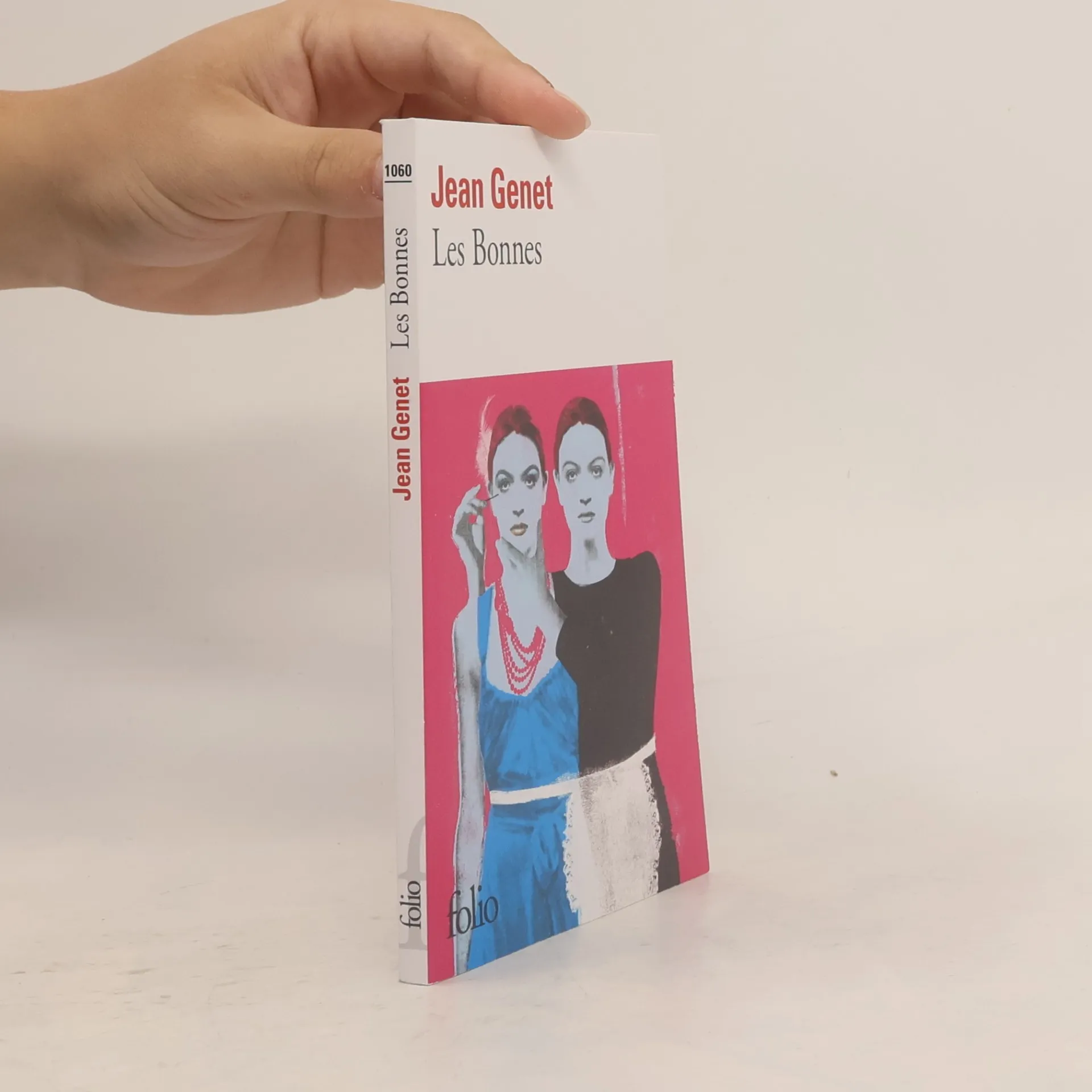


Explore the latest books of this year!
Bookbot

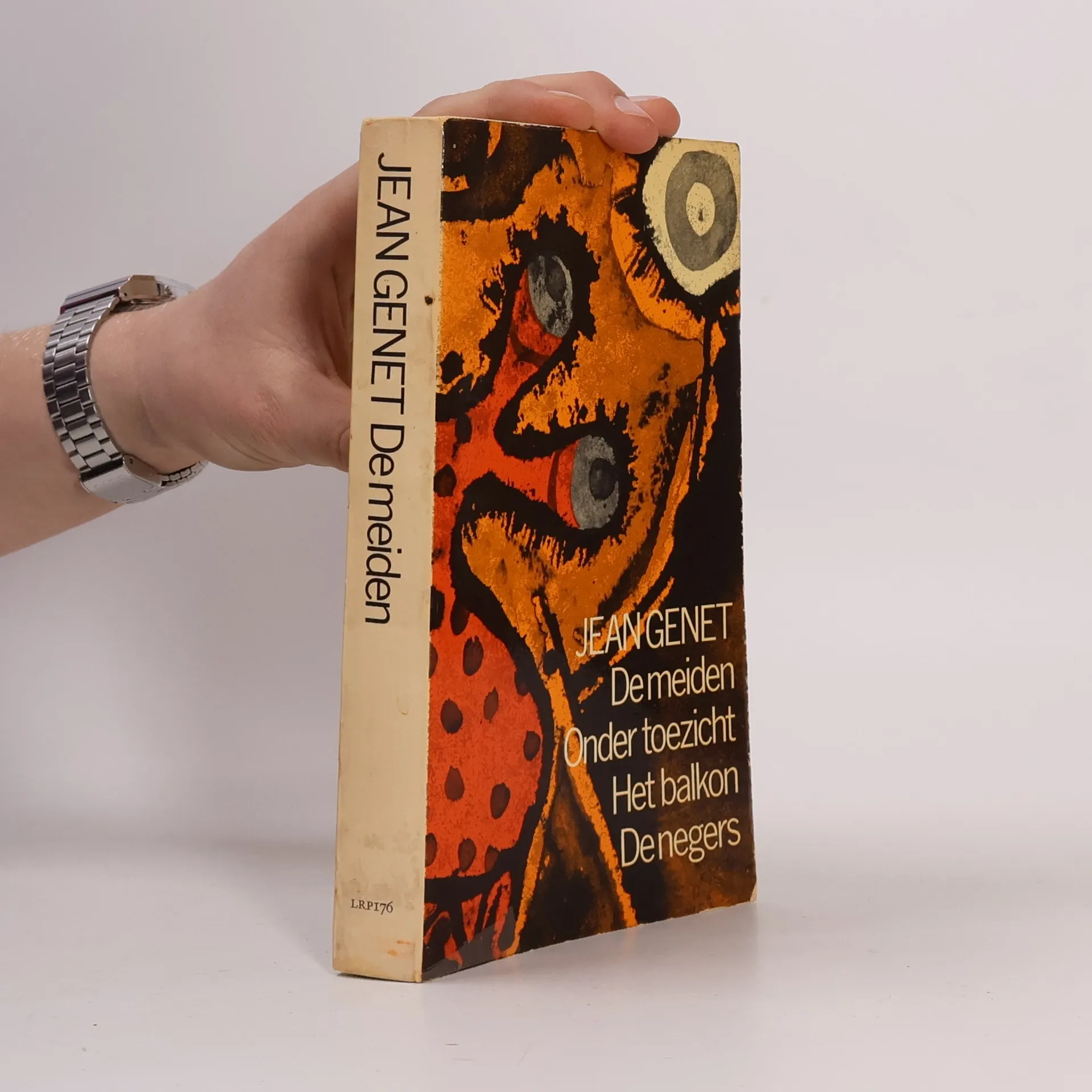
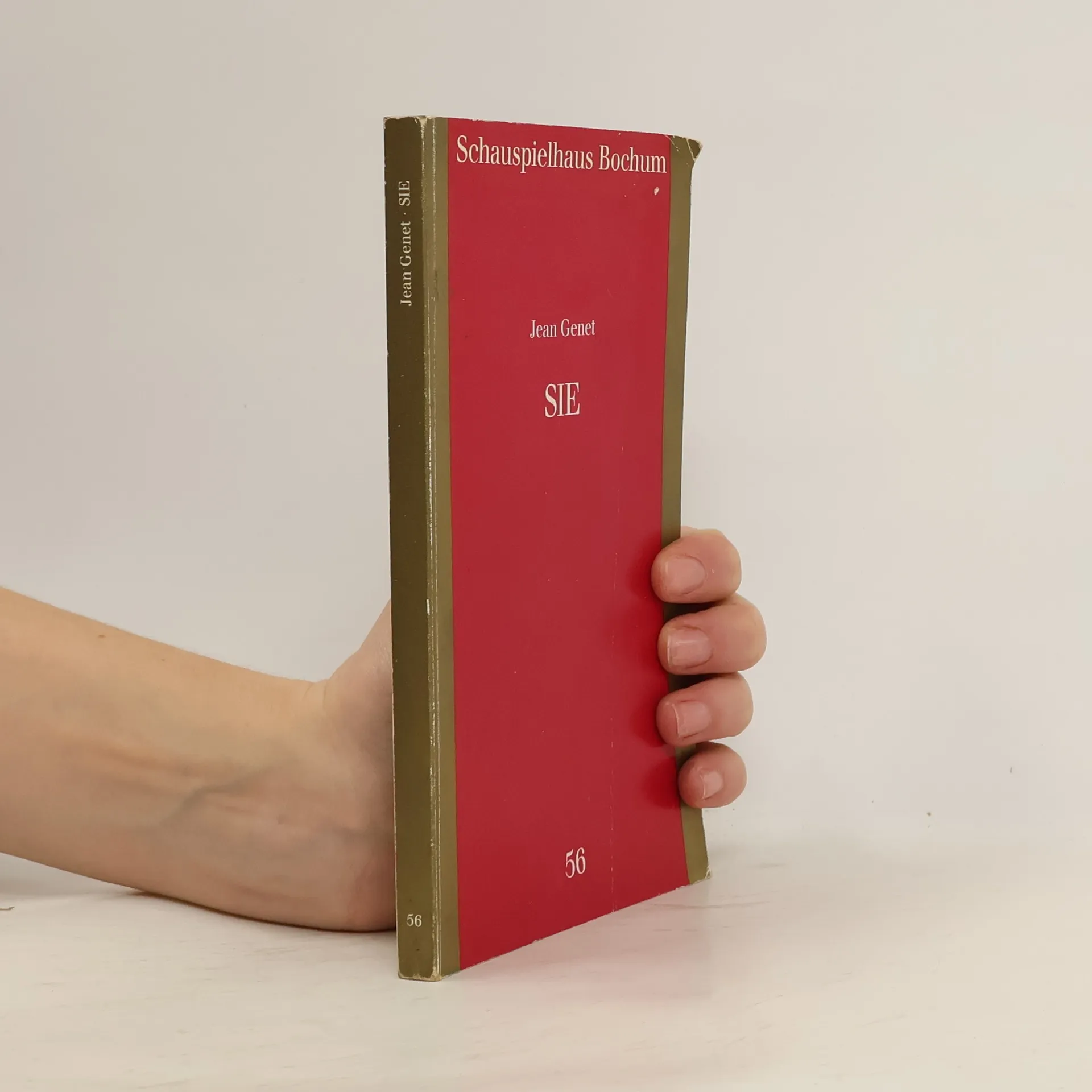
Jean Genet

    December 19, 1910 – April 14, 1986

    Jean Genet was one of the most significant French writers of the twentieth century, renowned as a poet, novelist, playwright, and political essayist. His works, many considered scandalous upon their initial release, are now celebrated as classics of modern literature. Genet's writing delves into the lives of society's marginalized figures, exploring complex themes of morality, identity, and rebellion. His distinctive style, characterized by provocative imagery and intense emotional depth, has left an indelible mark on the literary landscape.

    Jean Genet
    The Thief's Journal
    Criminal Child
    Funeral Rites
    Miracle of the Rose
    Our Lady of the Flowers
    Prisoner of Love
    • Starting in 1970, Jean Genet—petty thief, prostitute, modernist master—spent two years in the Palestinian refugee camps in Jordan. Always an outcast himself, Genet was drawn to this displaced people, an attraction that was to prove as complicated for him as it was enduring.Prisoner of Love, written some ten years later, when many of the men Genet had known had been killed, and he himself was dying, is a beautifully observed description of that time and those men as well as a reaffirmation of the author's commitment not only to the Palestinian revolution but to rebellion itself. For Genet's most overtly political book is also his most personal—the last step in the unrepentantly sacrilegious pilgrimage first recorded in The Thief's Journal, and a searching meditation, packed with visions, ruses, and contradictions, on such life-and-death issues as the politics of the image and the seductive and treacherous character of identity. Genet's final masterpiece is a lyrical and philosophical voyage to the bloody intersection of oppression, terror, and desire at the heart of the contemporary world.

      Prisoner of Love
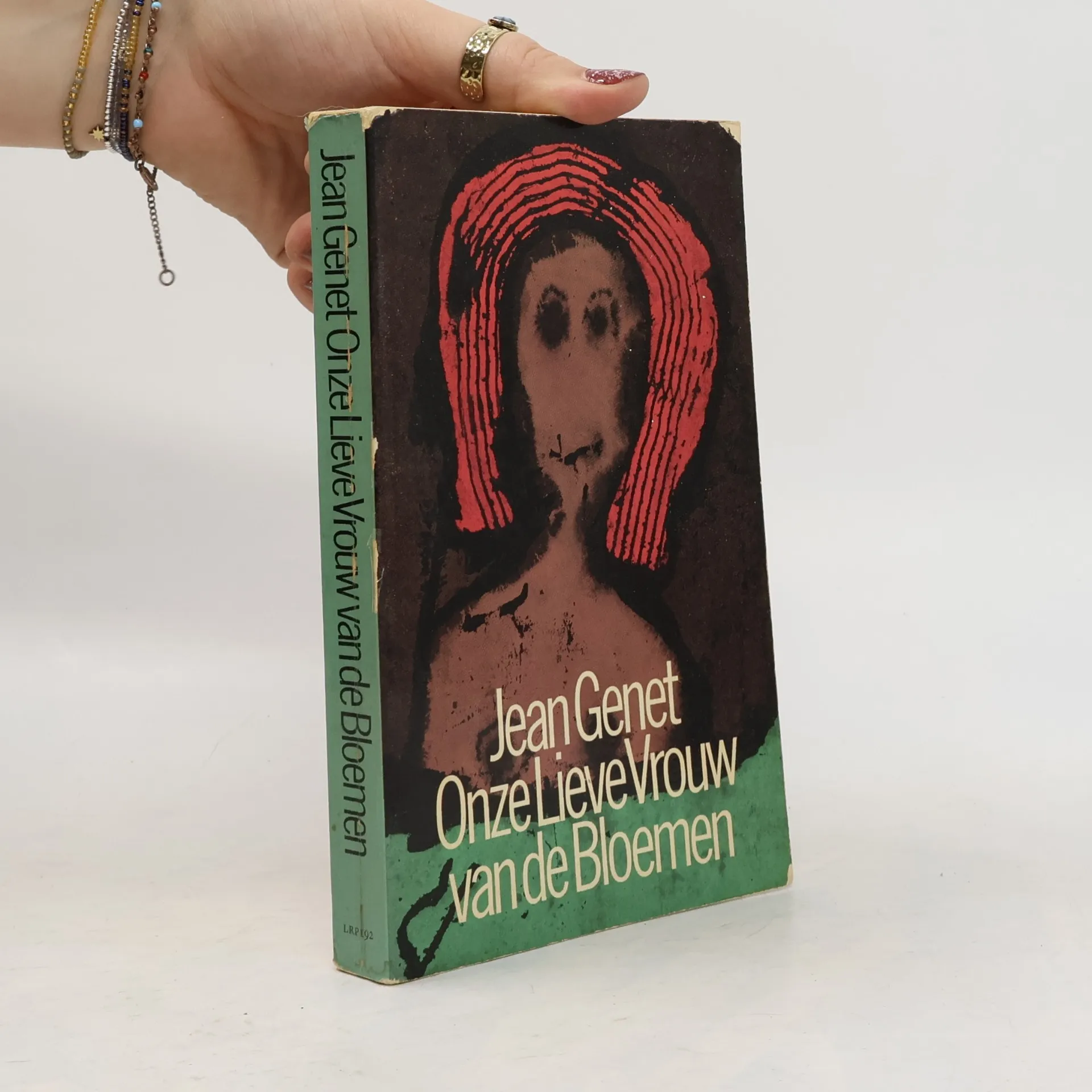
    • Our Lady of the Flowers

      • 307 pages
      • 11 hours of reading
      4.1(4918)Add rating

      Jean Genet's seminal Our Lady Of The Flowers (1943) is generally considered to be his finest fictional work. The first draft was written while Genet was incarcerated in a French prison; when the manuscript was discovered and destroyed by officials, Genet, still a prisoner, immediately set about writing it again. It isn't difficult to understand how and why Genet was able to reproduce the novel under such circumstances, because Our Lady Of The Flowers is nothing less than a mythic recreation of Genet's past and then - present history. Combining memories with facts, fantasies, speculations, irrational dreams, tender emotion, empathy, and philosophical insights, Genet probably made his isolation bearable by retreating into a world not only of his own making, but one which he had total control over.

      Our Lady of the Flowers
    • Miracle of the Rose

      • 279 pages
      • 10 hours of reading
      3.9(80)Add rating

      This nightmarish account of prison life during the German occupation of France is dominated by the figure of the condemned murderer Harcamone, who takes root and bears unearthly blooms in the ecstatic and brooding imagination of his fellow prisoner Genet. Miracle of the Rose (in French: Miracle de la rose ) focuses on Genet's experiences as a detainee in Mettray Penal Colony and Fontevrault prison - although there is no direct evidence of Genet ever having been imprisoned in the latter establishment. This autobiographical work has a non-linear structure: stories from Genet's adolescence are mixed in with his experiences as a thirty year old man at Fontevrault prison. Genet was detained in Mettray Penal Colony between 2 September 1926 and 1 March 1929, after which, at the age of 18, he joined the Foreign Legion.

      Miracle of the Rose
    • Widely considered an outstanding and unique figure in French literature, Genet wrote five novels between 1942 and 1947, now being republished by Faber & Faber in beautiful new paperback editions. Jean Genet began to write his third novel in 1943, but it was to be changed utterly by the death of Jean Decarnin.

      Funeral Rites
    • Criminal Child

      • 280 pages
      • 10 hours of reading
      3.7(93)Add rating

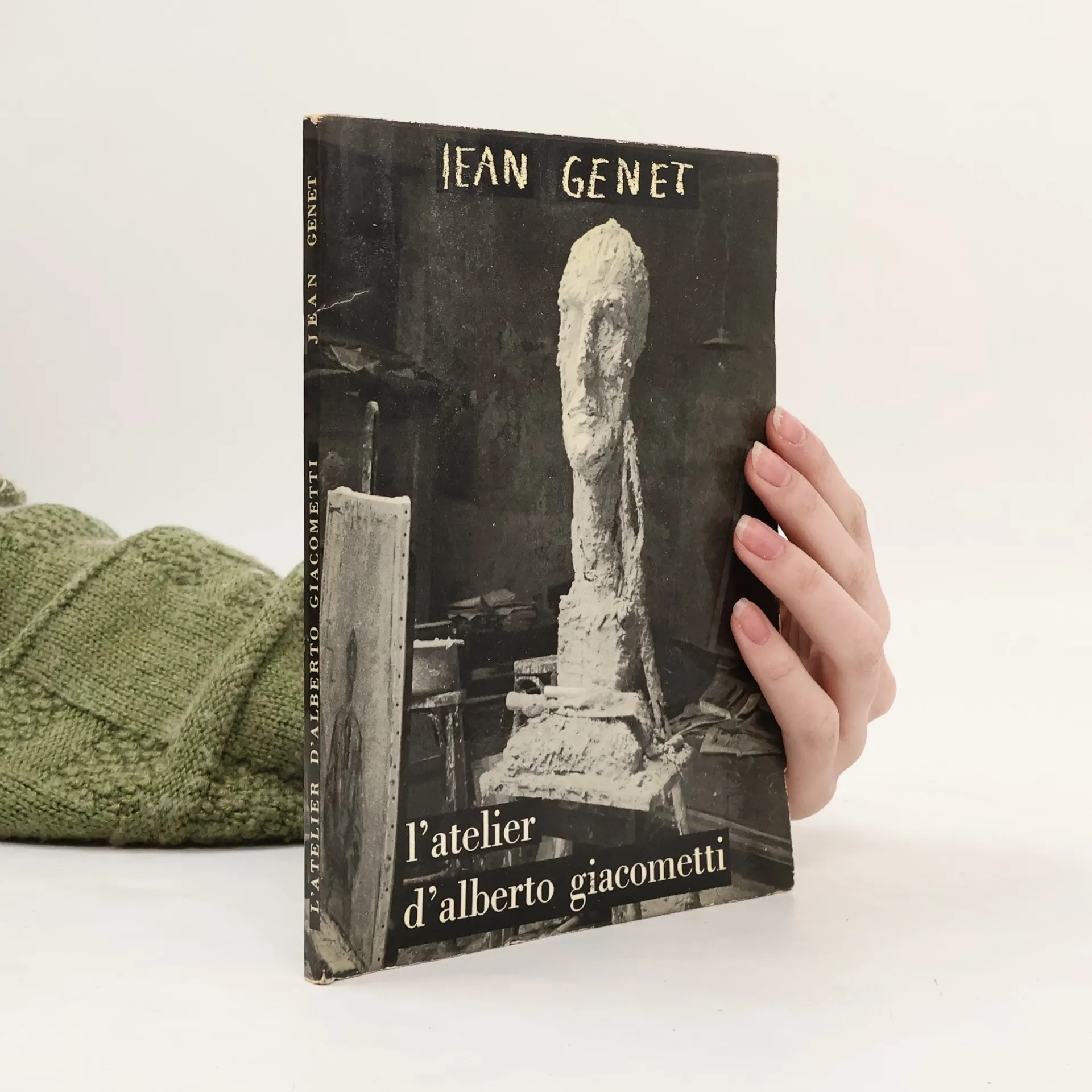
      The Criminal Child offers the first English translation of a key early work by Jean Genet. In 1949, in the midst of a national debate about improving the French reform-school system, Radiodiffusion Française commissioned Genet to write about his experience as a juvenile delinquent. He sent back a piece that was a paean to prison instead of the expected horrifying exposé. Revisiting the cruel hazing rituals that had accompanied his incarceration, relishing the special argot spoken behind bars, Genet bitterly denounced any improvement in the condition of young prisoners as a threat to their criminal souls. The radio station chose not to broadcast Genet’s views. “The Criminal Child” appears here with a selection of Genet’s finest essays, including his celebrated piece on the art of Alberto Giacometti.

      Criminal Child
    • Writing in the intensely lyrical prose style that is his trademark, the man Jean Cocteau dubbed France's 'Black Prince of Letters' her reconstructs his early adult years- time he spent as a petty criminal and vagabond, traveling through Spain and Antwerp, occasionally border hopping across the rest of Europe, always one step ahead of the authorities.

      The Thief's Journal
    • Neben den Dichtern, die malen, und den Malern, die dichten – wie Alberto Giacometti in früheren Jahren –, gibt es die Dichter, die über Maler schreiben: so zum Beispiel der Franzose Jean Genet. Er traf sich regelmässig mit Alberto Giacometti (1901–1966) in dessen Atelier. Was er bei diesen Begegnungen erlebte und dachte, hielt er in Form eines Dialogs fest. Das äussere Zwiegespräch fand im Atelier zwischen dem Bildhauer und Maler und dem Schriftsteller statt, das innere zwischen Genet und dem Werk Giacomettis. Entstanden ist ein virtuoses Geflecht aus Beobachtungen und Gedanken sowie Kommentaren oder Entgegnungen von Alberto Giacometti. Genet erfasste auf diese Weise die Suche Giacomettis nach dem vollkommenen Werk und offenbarte zugleich seine eigenen Emotionen und die Faszination, welche die Arbeiten dieses grossen Künstlers in ihm hervorriefen. Alberto Giacometti ist das erste Buch, das Ernst Scheidegger als Verleger herausbrachte. Seine Porträts gehören zu den besten Fotografien von Alberto Giacometti überhaupt.

      Alberto Giacometti