The attractive print and digital bundle offers students a great reading experience at an affordable price in two ways a hardcover volume for their dorm shelf and lifetime library, and a digital edition ideal for in-class use. Students can access the ebook from their computer, tablet, or smartphone via the registration code included in the print volume at no additional charge. As one instructor summed it up, It s a long overdue step forward in the way Shakespeare is taught. "
Stephen Greenblatt Books
November 7, 1943
Stephen Greenblatt is a pivotal figure in literary criticism and theory, widely recognized as a founder of New Historicism, an approach he terms "cultural poetics." His extensive work delves into Renaissance literature and culture, with a particular focus on Shakespeare, exploring how artistic creations both reflect and shape societal and historical forces. Greenblatt's writing is characterized by its deep contextualization and its ability to weave together disparate elements, creating rich and compelling narratives about the past. His scholarship encourages readers to reconsider the intricate relationship between literature, power, and history.


The Norton anthology of English literature. Volume 2
- 2600 pages
- 91 hours of reading
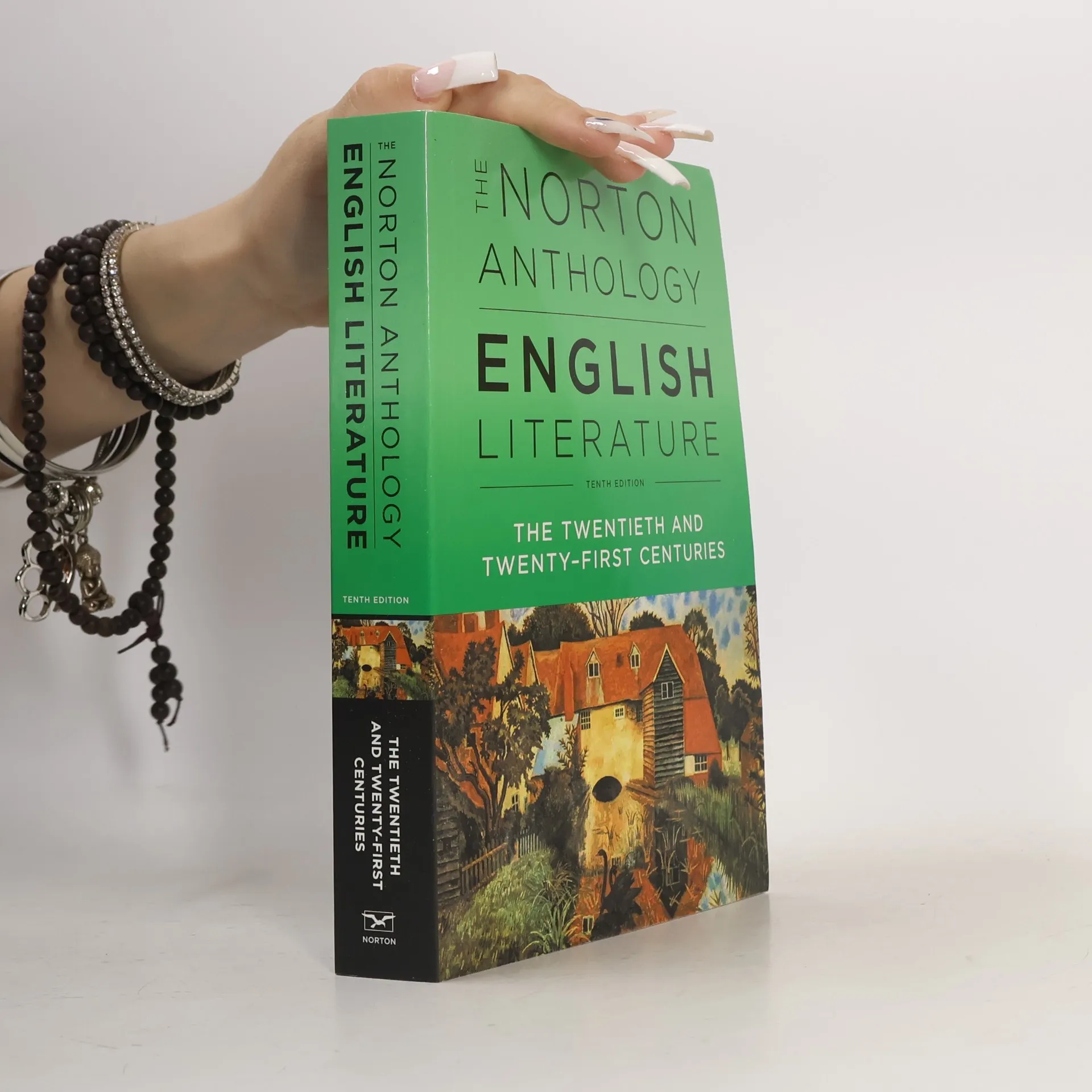
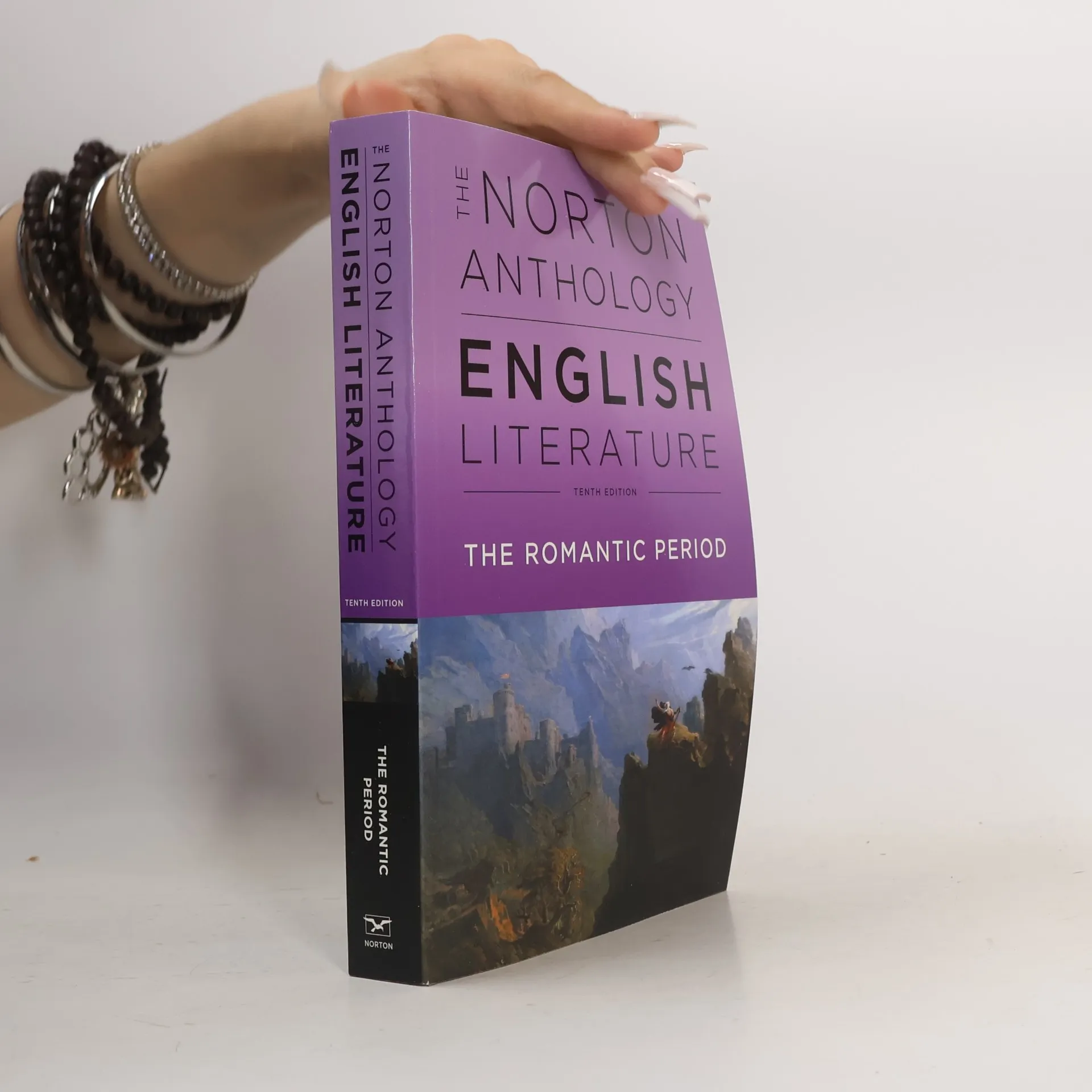
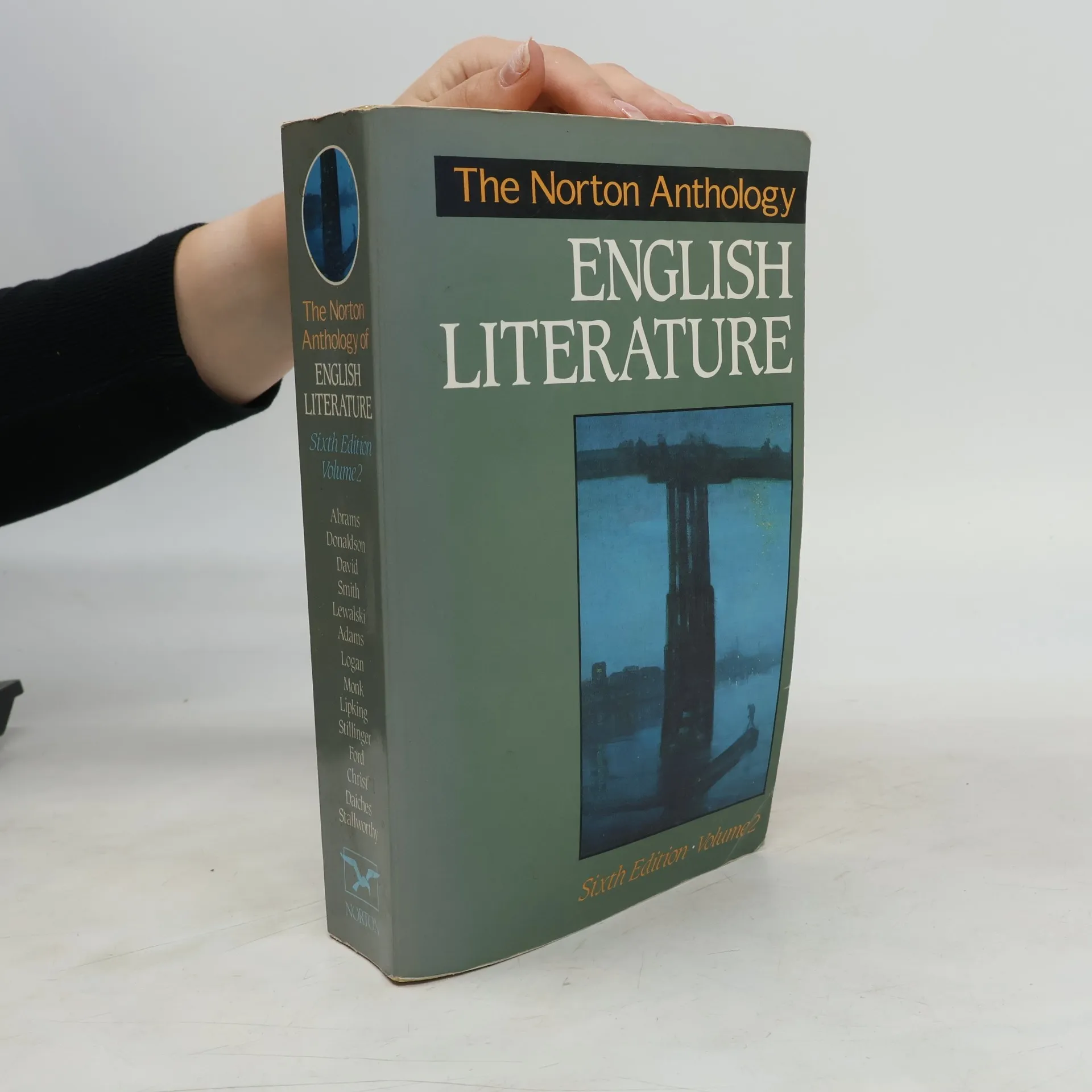
An anthology introducing the major authors and works of English literature from the Romantic period through the Victorian Age and the Twentieth Century.
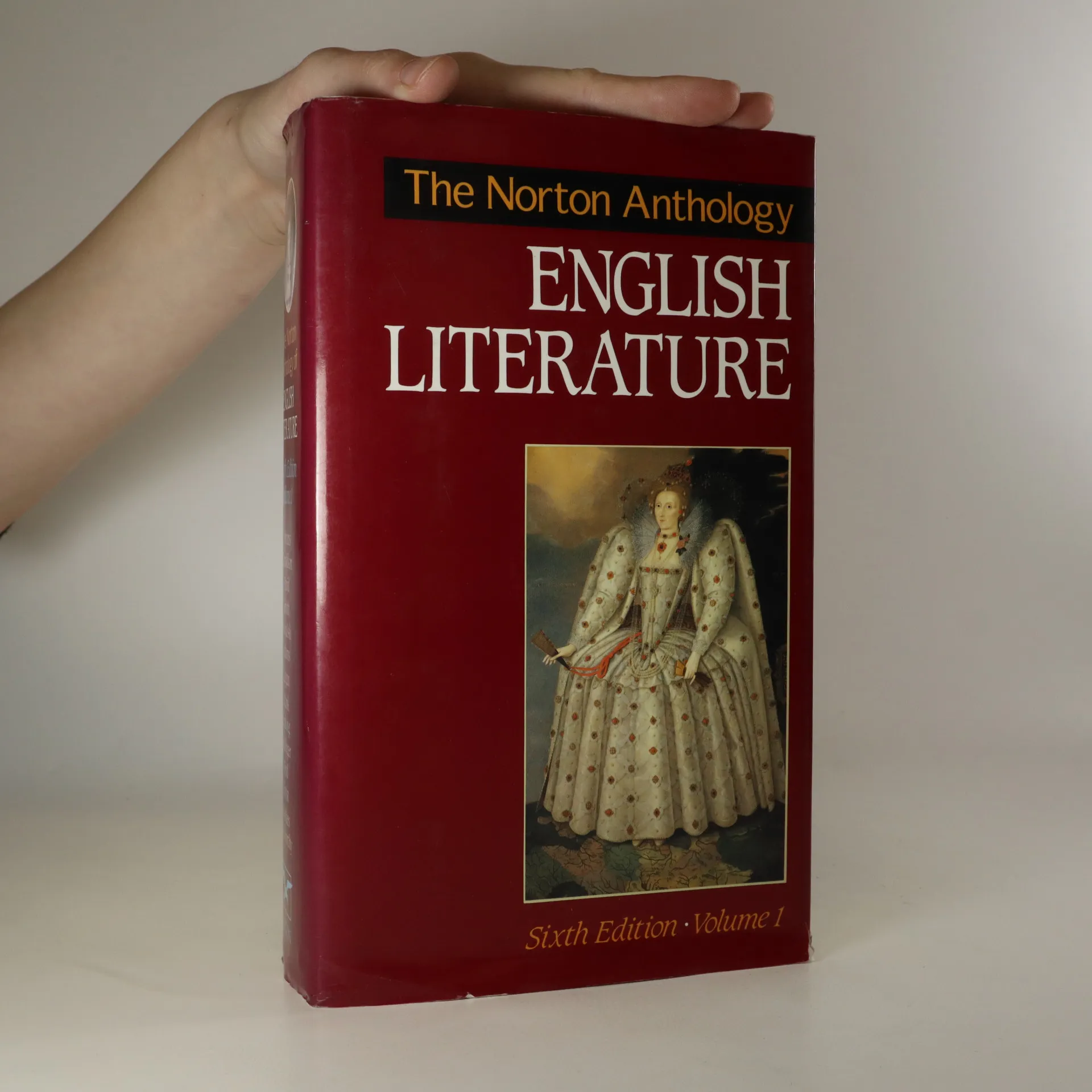
An anthology introducing the major authors and works of English literature from the Middle Ages through the Restoration and the Eighteenth Century.
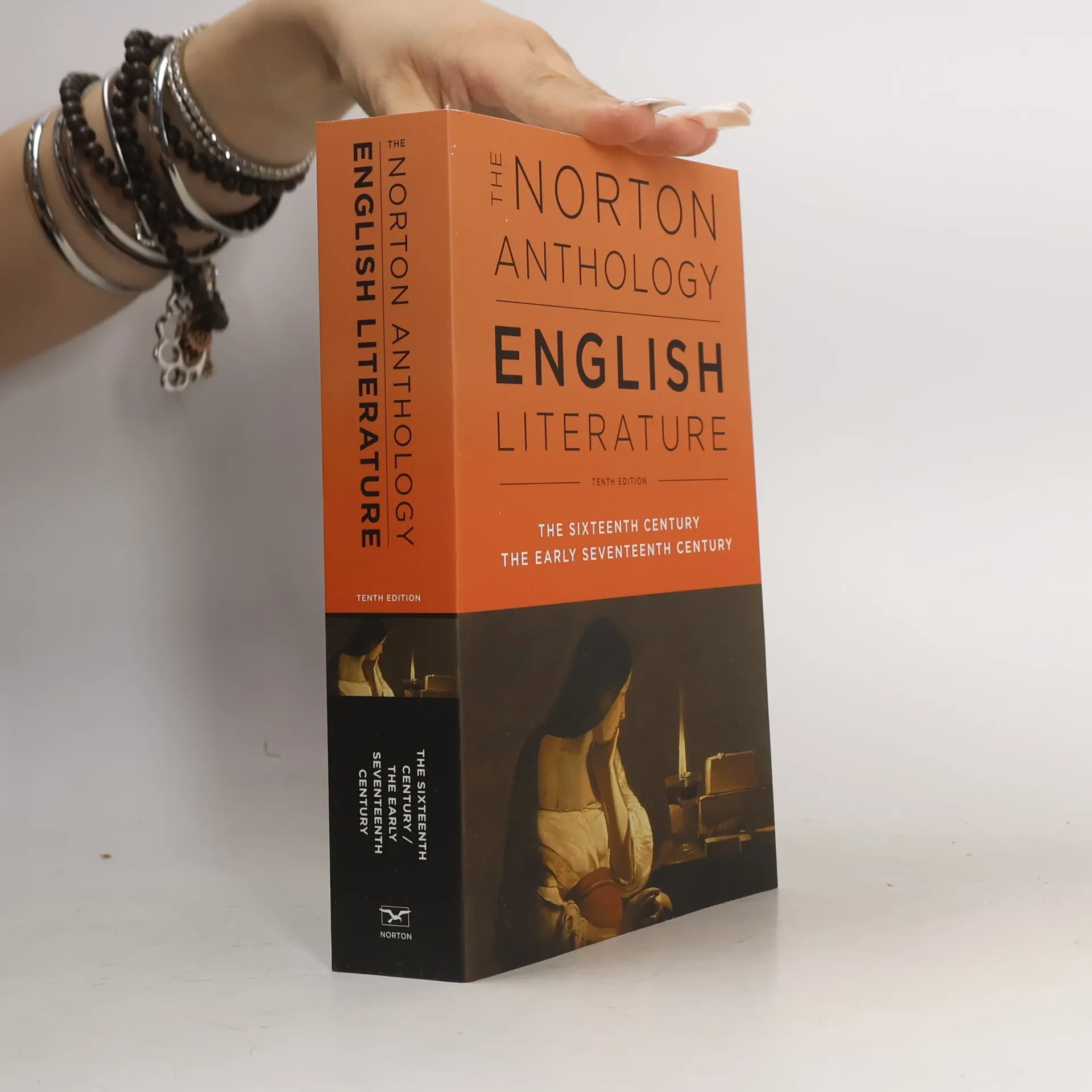
The most trusted anthology for complete works and helpful editorial apparatus. The Tenth Edition supports survey and period courses with NEW complete major works, NEW contemporary writers, and dynamic and easy-to-access digital resources. NEW video modules help introduce students to literature in multiple exciting ways. These innovations make the Norton an even better teaching tool for instructors and, as ever, an unmatched value for students.
Dark Renaissance: The Dangerous Times and Fatal Genius of Shakespeare's Greatest Rival
- 352 pages
- 13 hours of reading
The Pulitzer Prize–winning author of Will in the World reveals the daring and subversive life of Christopher Marlowe—Shakespeare’s contemporary, inspiration, and rival.In brutally repressive sixteenth-century England, artists had been frightened into dull conventionality; foreigners were suspect; popular entertainment largely consisted of coarse spectacles, animal fights, and hangings. Into this crude world came an ambitious cobbler’s son with an uncanny ear for Latin poetry—a torment for most schoolboys, yet for a few, a secret portal to beauty, visionary imagination, transgressive desire, and dangerous skepticism. What Christopher Marlowe found on the other side of that door, and what he did with it, brought about a spectacular explosion of English literature, language, and culture, enabling the success of his collaborator and rival, William Shakespeare.With propulsive narrative flair and brilliant literary criticism, Stephen Greenblatt reconstructs the youthful involvement with the queen’s spy service that shaped Marlowe’s brief, troubling life and gave us his Tamburlaine and Faustus—dramatic masterpieces on power and its costs. And with detailed historical insight, Greenblatt explores how the people Marlowe knew, and the transformations they wrought, birthed the economic, scientific, and cultural power of the modern world—involving Faustian bargains with which we reckon still.
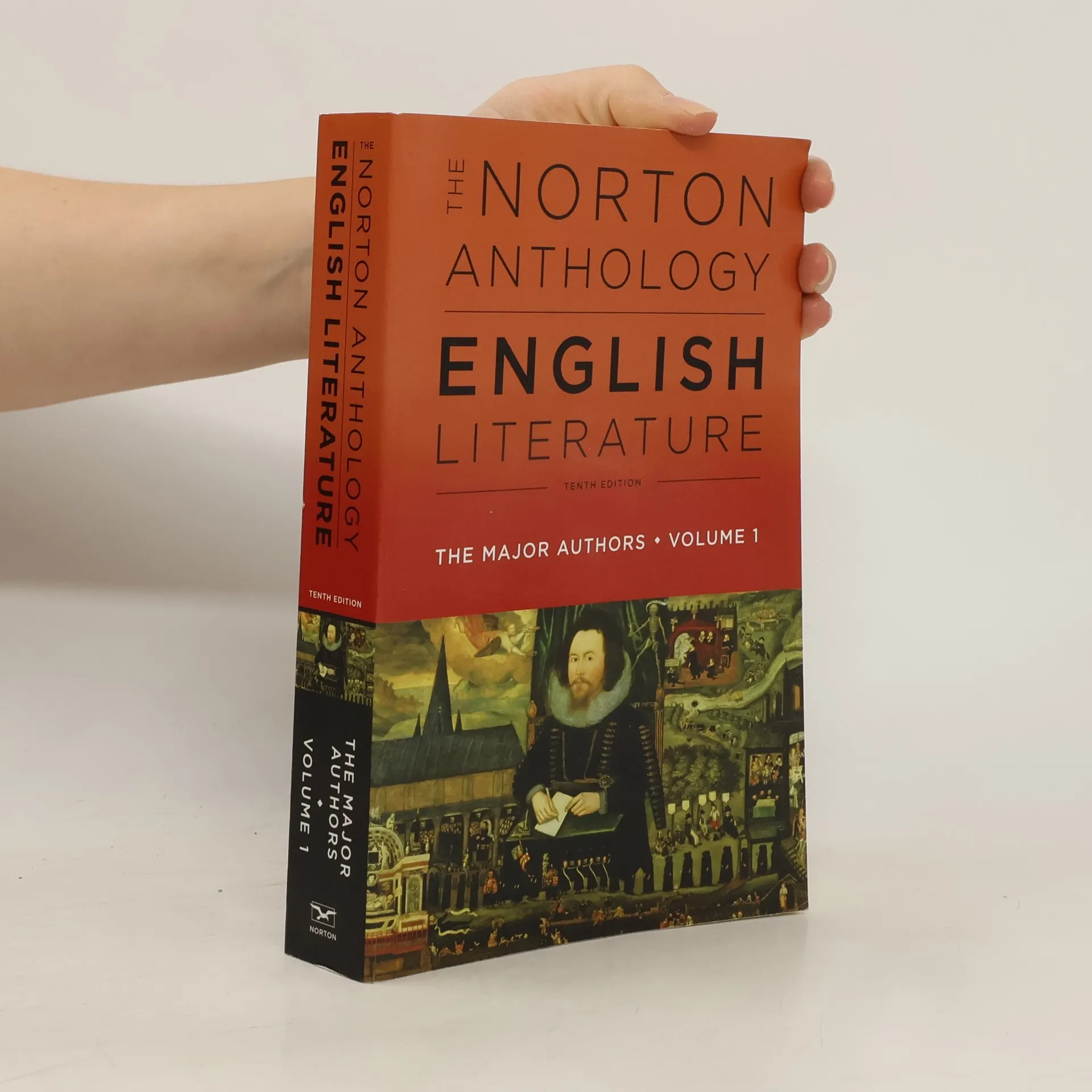
The Norton Anthology of English Literature
The Major Authors - Tenth Edition
- 1568 pages
- 55 hours of reading
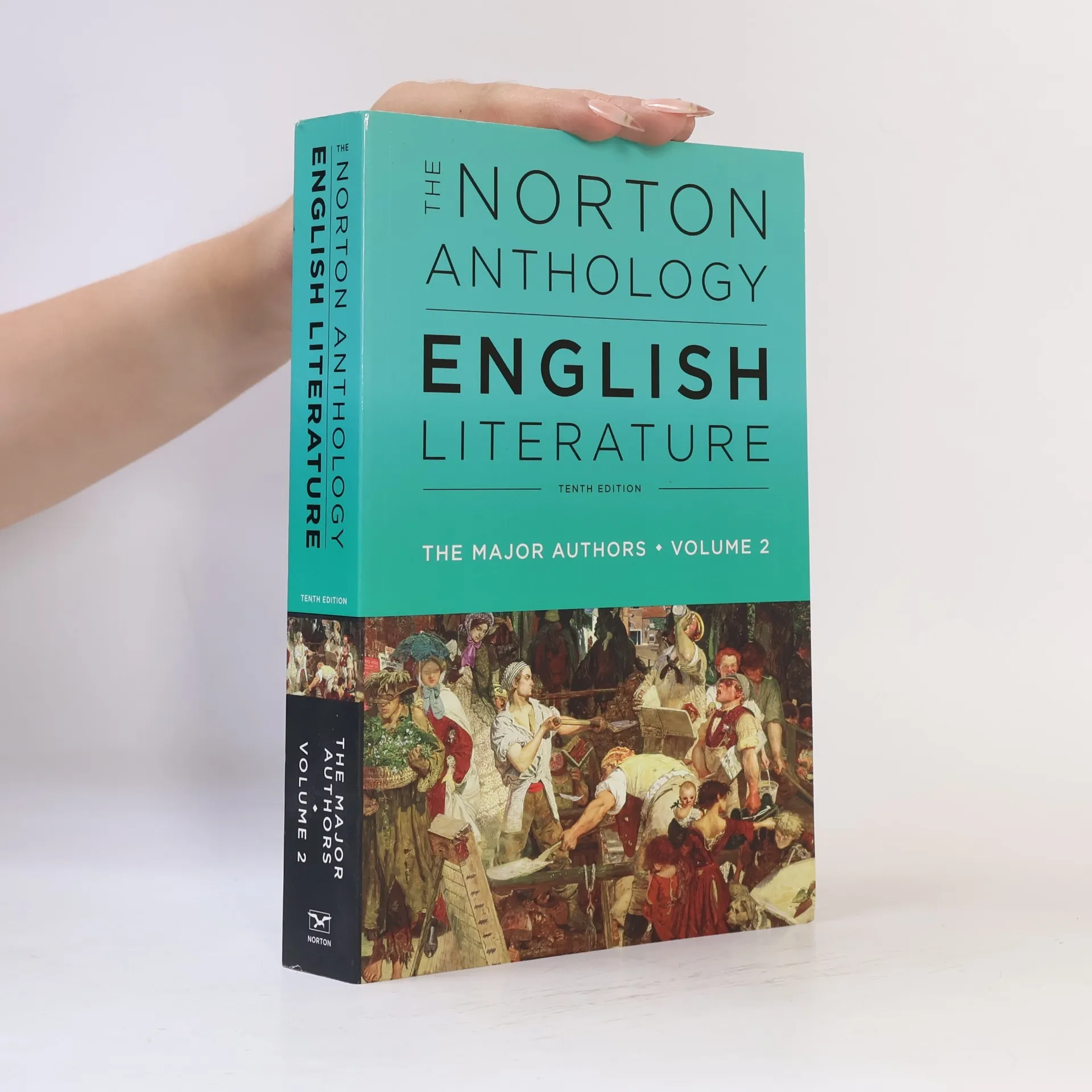
The most-trusted and best-selling anthology continues to set the bar with a vibrant revision of the Major Authors Edition. Major Authors offers new complete major works, new contemporary writers, and new dynamic and convenient digital resources. Now the Norton is an even better teaching tool and, as ever, an unmatched value for students.
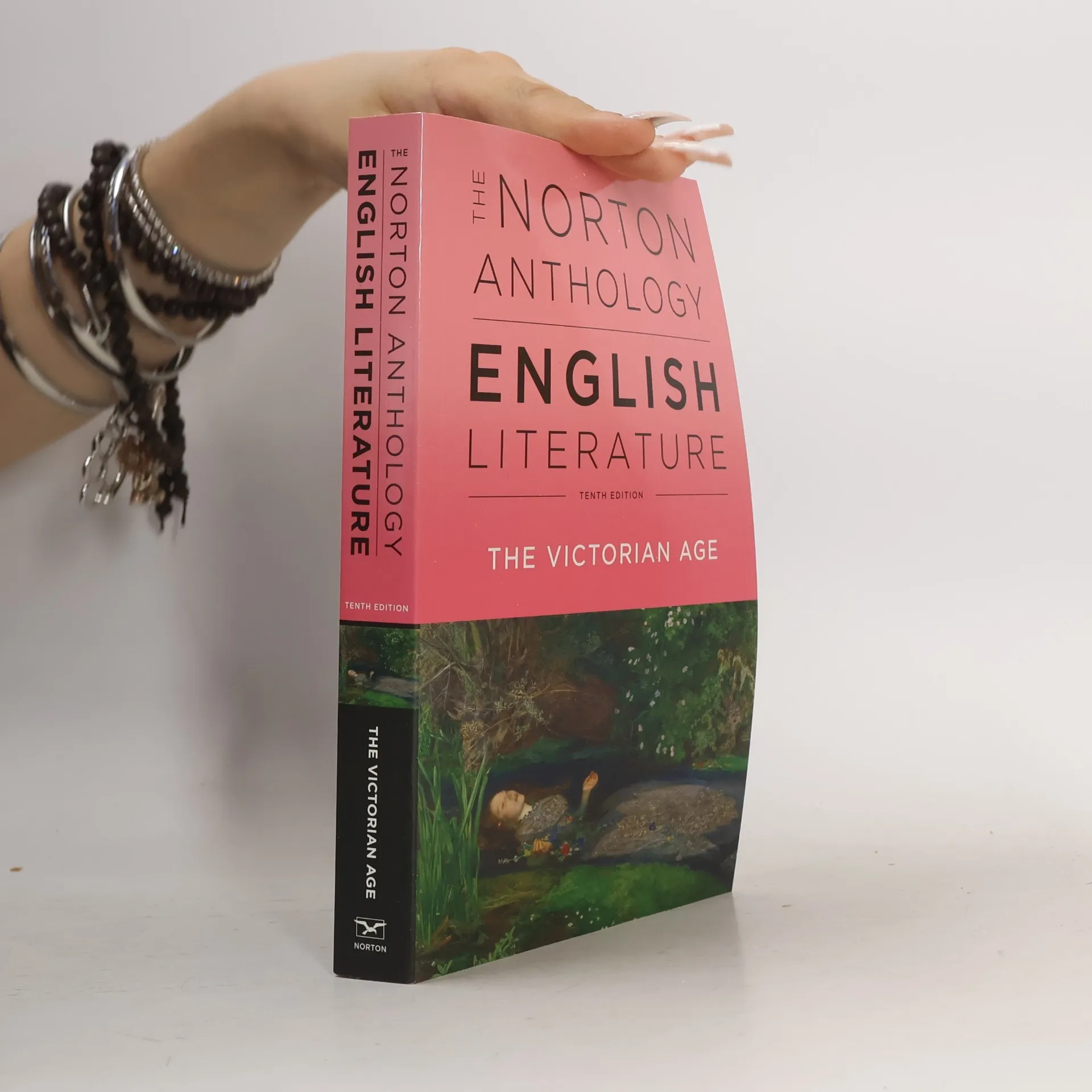
The most trusted anthology for complete works and helpful editorial apparatus. The Tenth Edition supports survey and period courses with NEW complete major works, NEW contemporary writers, and dynamic and easy-to-access digital resources. NEW video modules help introduce students to literature in multiple exciting ways. These innovations make the Norton an even better teaching tool for instructors and, as ever, an unmatched value for students.
The Norton anthology of English literature. Volume F, The twentieth century and after
- 1104 pages
- 39 hours of reading
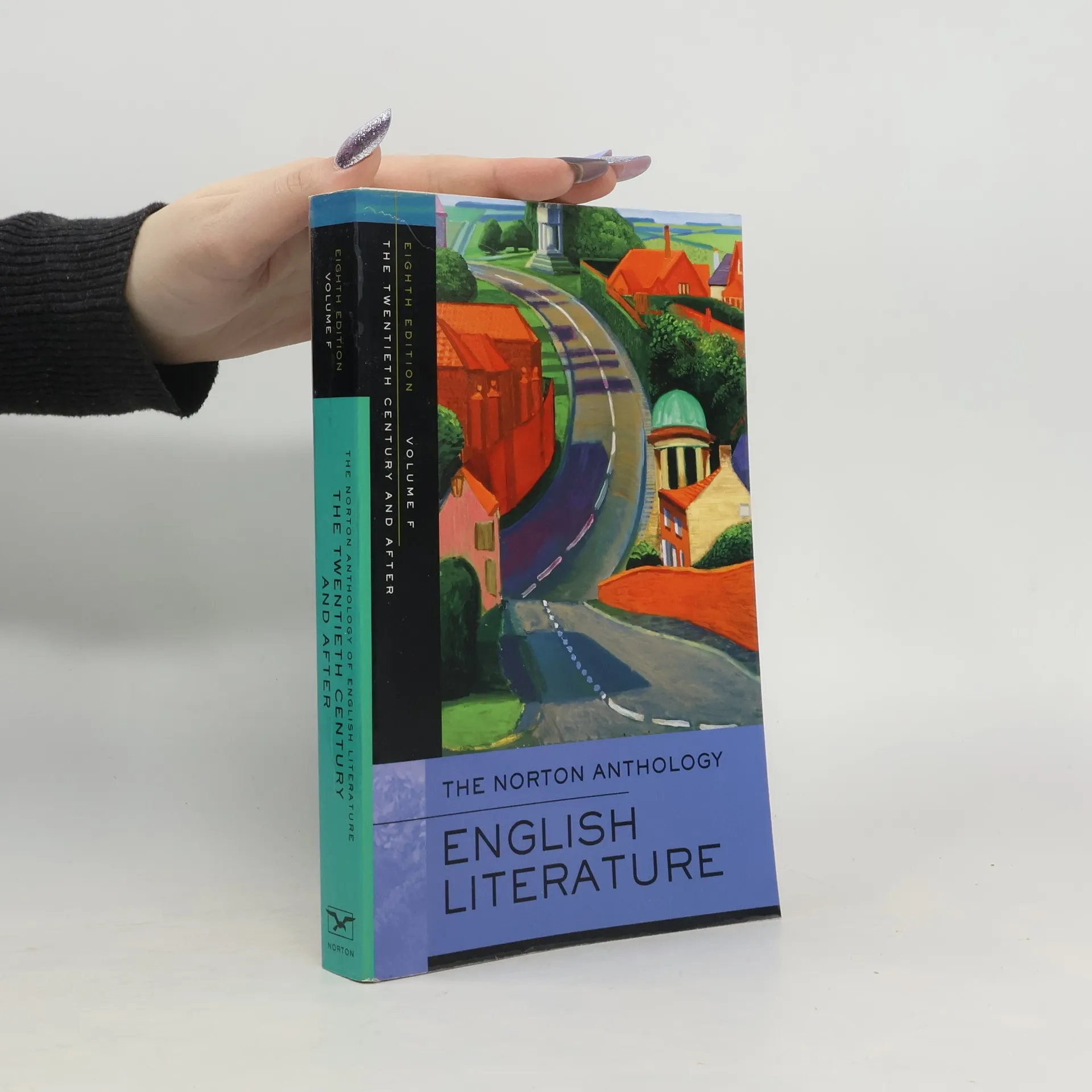
Firmly grounded by the hallmark strengths of all Norton Anthologies—thorough and helpful introductory matter, judicious annotation, complete texts wherever possible—The Norton Anthology of English Literature has been revitalized in this Eighth Edition through the collaboration between six new editors and six seasoned ones. Under the direction of Stephen Greenblatt, General Editor, the editors have reconsidered all aspects of the anthology to make it an even better teaching tool.
The Norton Anthology of English Literature: The Major Authors (2)
- 1589 pages
- 56 hours of reading
The most-trusted and best-selling anthology continues to set the bar with a vibrant revision of the Major Authors Edition. Major Authors offers new complete major works, new contemporary writers, and new dynamic and convenient digital resources. Now the Norton is an even better teaching tool and, as ever, an unmatched value for students.
Renaissance Self-Fashioning is a study of sixteenth-century life and literature that spawned a new era of scholarly inquiry. Stephen Greenblatt examines the structure of selfhood as evidenced in major literary figures of the English Renaissance—More, Tyndale, Wyatt, Spenser, Marlowe, and Shakespeare—and finds that in the early modern period new questions surrounding the nature of identity heavily influenced the literature of the era. Now a classic text in literary studies, Renaissance Self-Fashioning continues to be of interest to students of the Renaissance, English literature, and the new historicist tradition, and this new edition includes a preface by the author on the book's creation and influence. "No one who has read [Greenblatt's] accounts of More, Tyndale, Wyatt, and others can fail to be moved, as well as enlightened, by an interpretive mode which is as humane and sympathetic as it is analytical. These portraits are poignantly, subtly, and minutely rendered in a beautifully lucid prose alive in every sentence to the ambivalences and complexities of its subjects."—Harry Berger Jr., University of California, Santa Cruz
Tyrant
- 224 pages
- 8 hours of reading
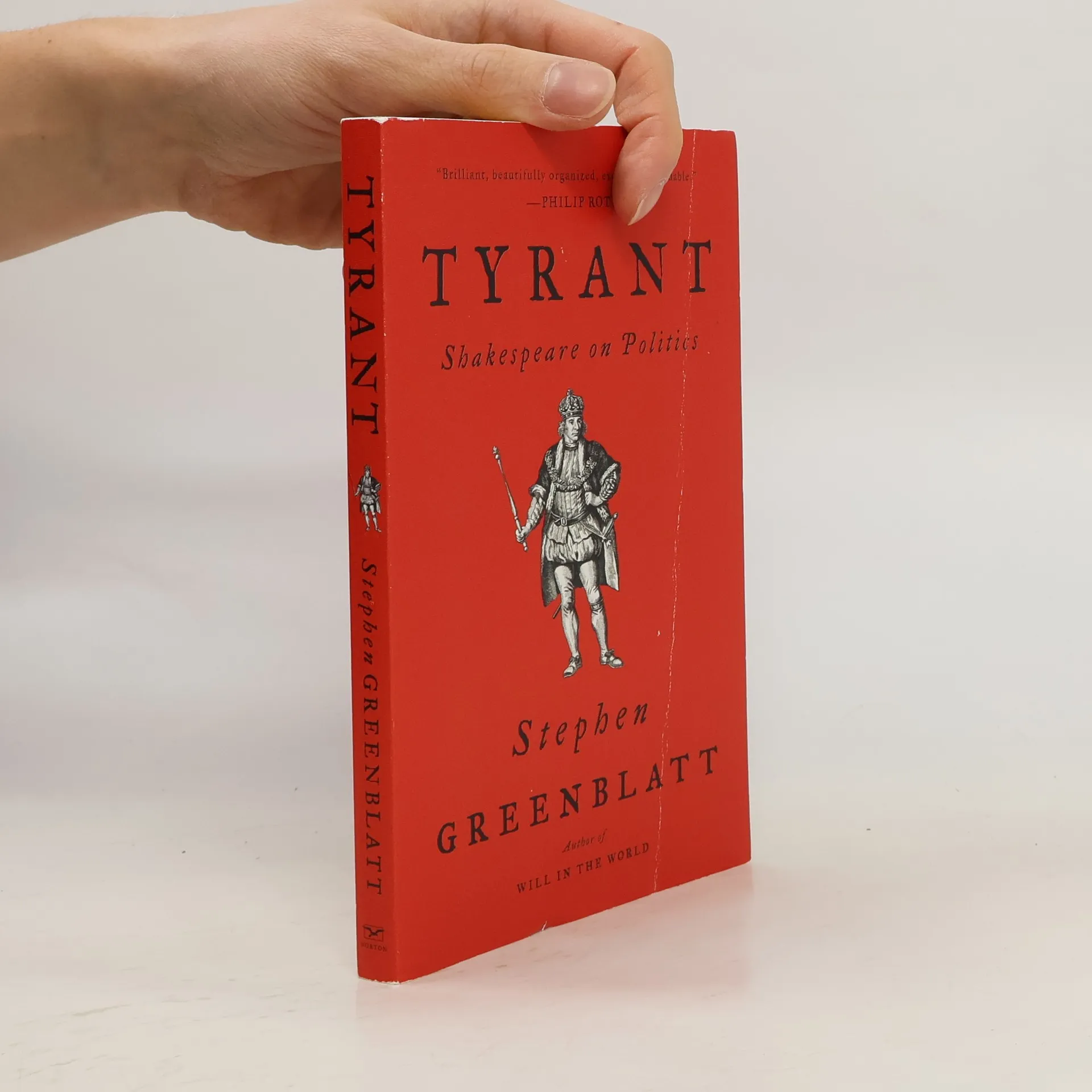
"Brilliant, beautifully organized, exceedingly readable." —Philip Roth World-renowned Shakespeare scholar Stephen Greenblatt explores the playwright’s insight into bad (and often mad) rulers. Examining the psyche—and psychoses—of the likes of Richard III, Macbeth, Lear, and Coriolanus, Greenblatt illuminates the ways in which William Shakespeare delved into the lust for absolute power and the disasters visited upon the societies over which these characters rule. Tyrant shows that Shakespeare’s work remains vitally relevant today, not least in its probing of the unquenchable, narcissistic appetites of demagogues and the self-destructive willingness of collaborators who indulge their appetites.
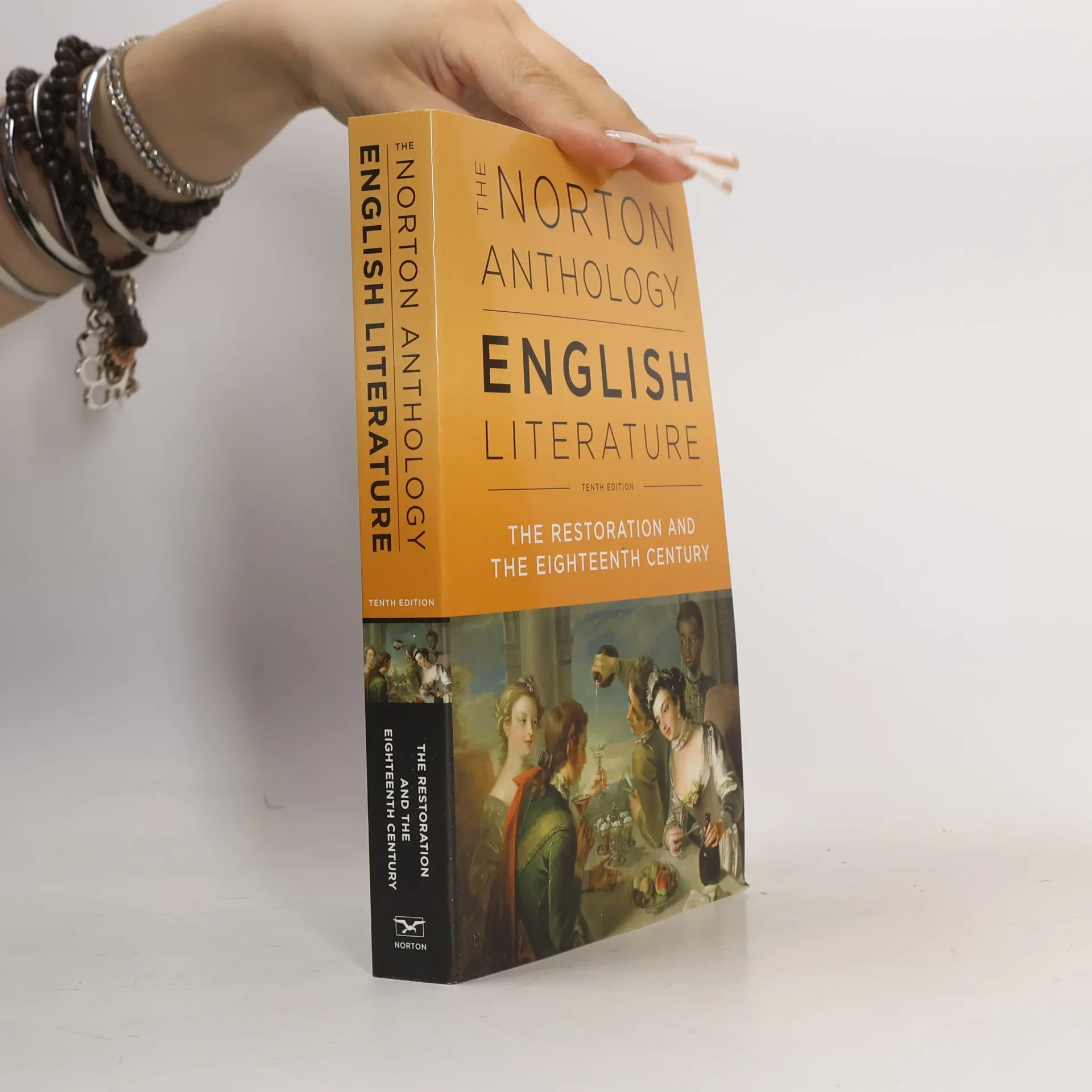
The Norton Anthology of English Literature, The Restoration and the Eighteenth Century
- 1120 pages
- 40 hours of reading
The most trusted anthology for complete works and helpful editorial apparatus. The Tenth Edition supports survey and period courses with NEW complete major works, NEW contemporary writers, and dynamic and easy-to-access digital resources. NEW video modules help introduce students to literature in multiple exciting ways. These innovations make the Norton an even better teaching tool for instructors and, as ever, an unmatched value for students.
The most trusted anthology for complete works and helpful editorial apparatus. The Tenth Edition supports survey and period courses with NEW complete major works, NEW contemporary writers, and dynamic and easy-to-access digital resources. NEW video modules help introduce students to literature in multiple exciting ways. These innovations make the Norton an even better teaching tool for instructors and, as ever, an unmatched value for students.
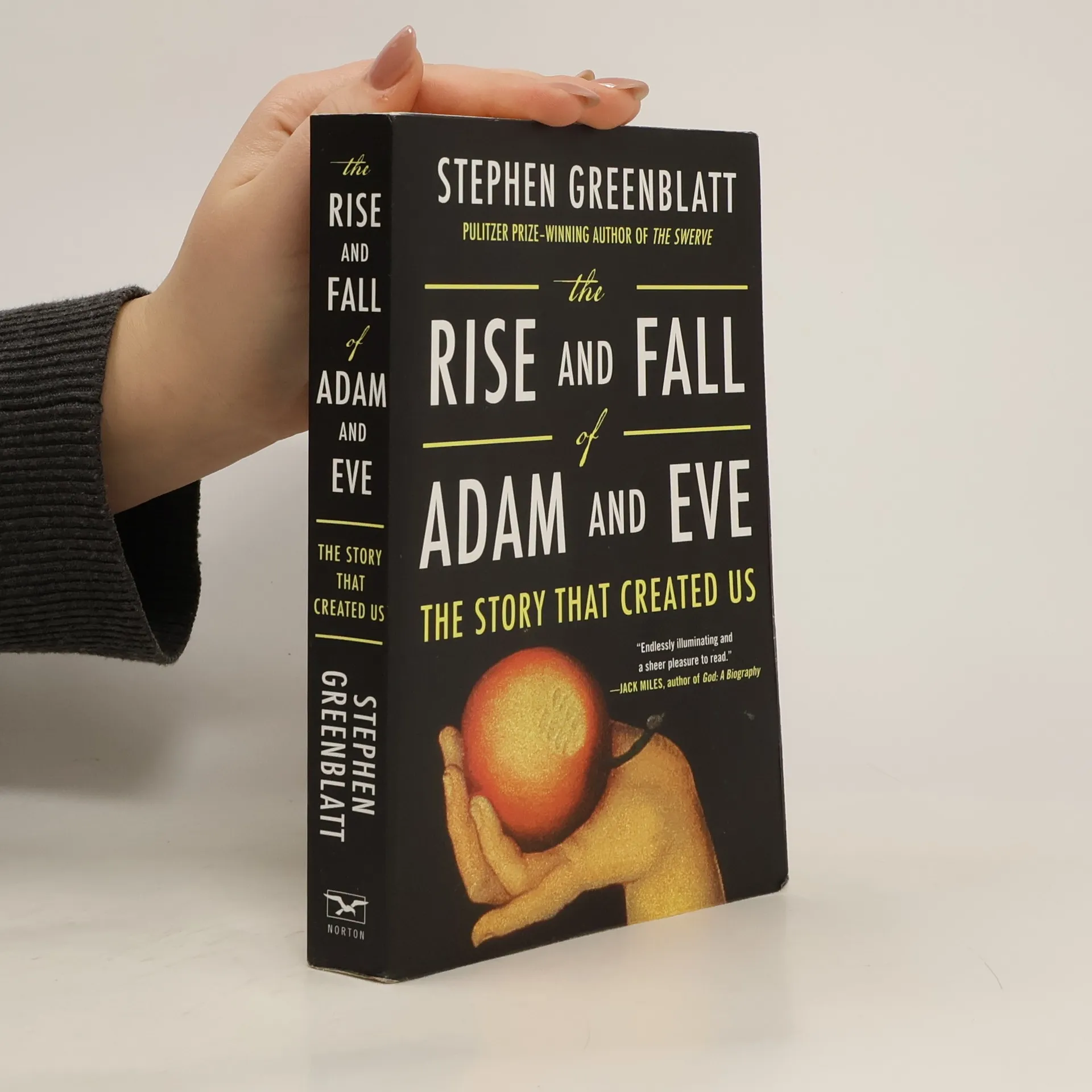
The Rise and Fall of Adam and Eve - The Story That Created Us
- 432 pages
- 16 hours of reading
“Endlessly illuminating and a sheer pleasure to read.” —Jack Miles, author of God: A Biography Daring to take the great biblical account of human origins seriously, but without credulity. The most influential story in Western cultural history, the biblical account of Adam and Eve is now treated either as the sacred possession of the faithful or as the butt of secular jokes. Here, acclaimed scholar Stephen Greenblatt explores it with profound appreciation for its cultural and psychological power as literature. From the birth of the Hebrew Bible to the awe-inspiring contributions of Augustine, Dürer, and Milton in bringing Adam and Eve to vivid life, Greenblatt unpacks the story’s many interpretations and consequences over time. Rich allegory, vicious misogyny, deep moral insight, narrow literalism, and some of the greatest triumphs of art and literature: all can be counted as children of our “first” parents.
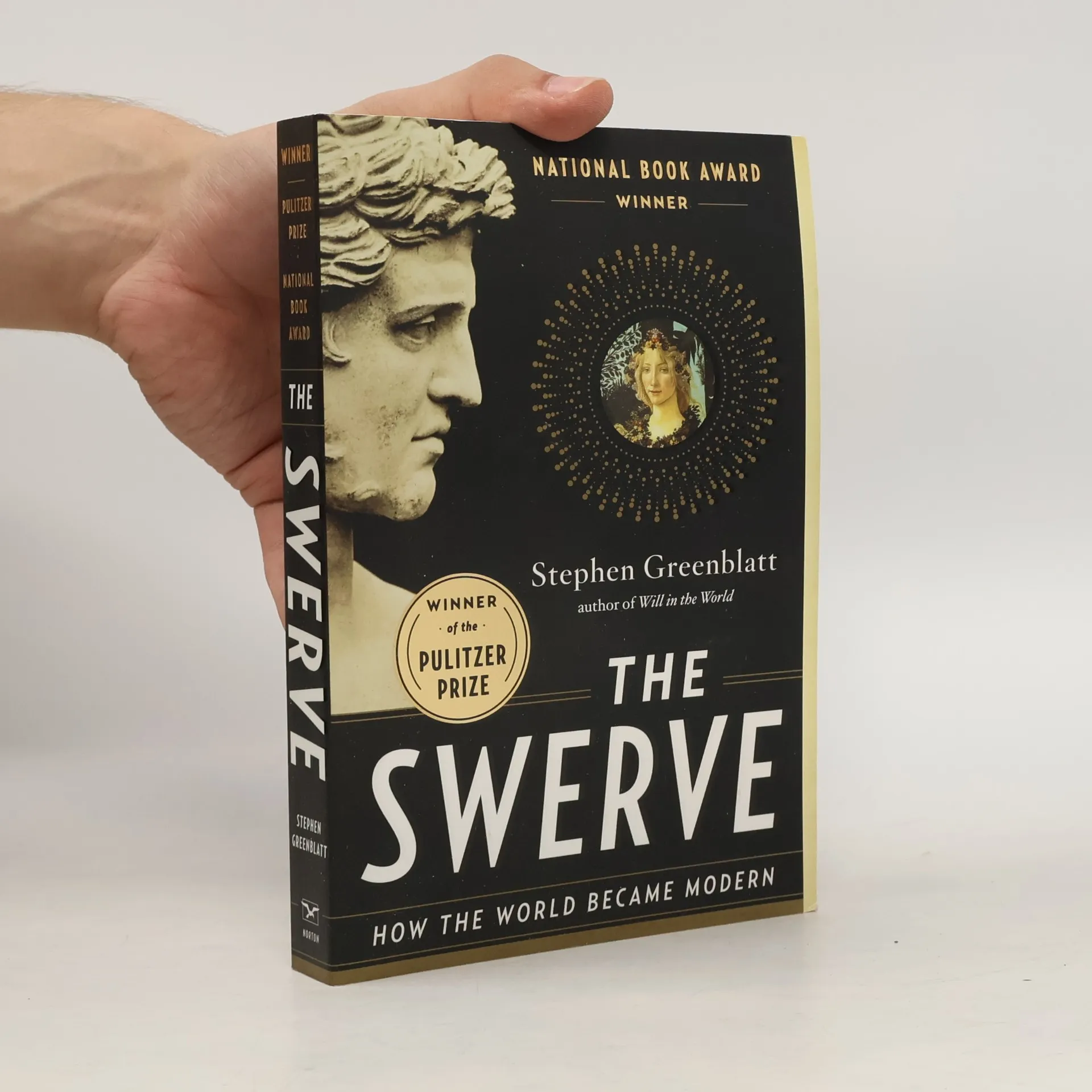
The Swerve. Die Wende, Wie die Renaissance begann, englische Ausgabe
- 356 pages
- 13 hours of reading
For one thousand years, a poem about the material nature of the universe languished unread, almost completely forgotten. Then, in 1417, an unemployed papal secretary named Poggio Bracciolini went book hunting in a remote monastery. Stephen Greenblatts concise, learned and fluently written book tells this remarkable story of great cultural significance: the "swerve" known as the Renaissance.
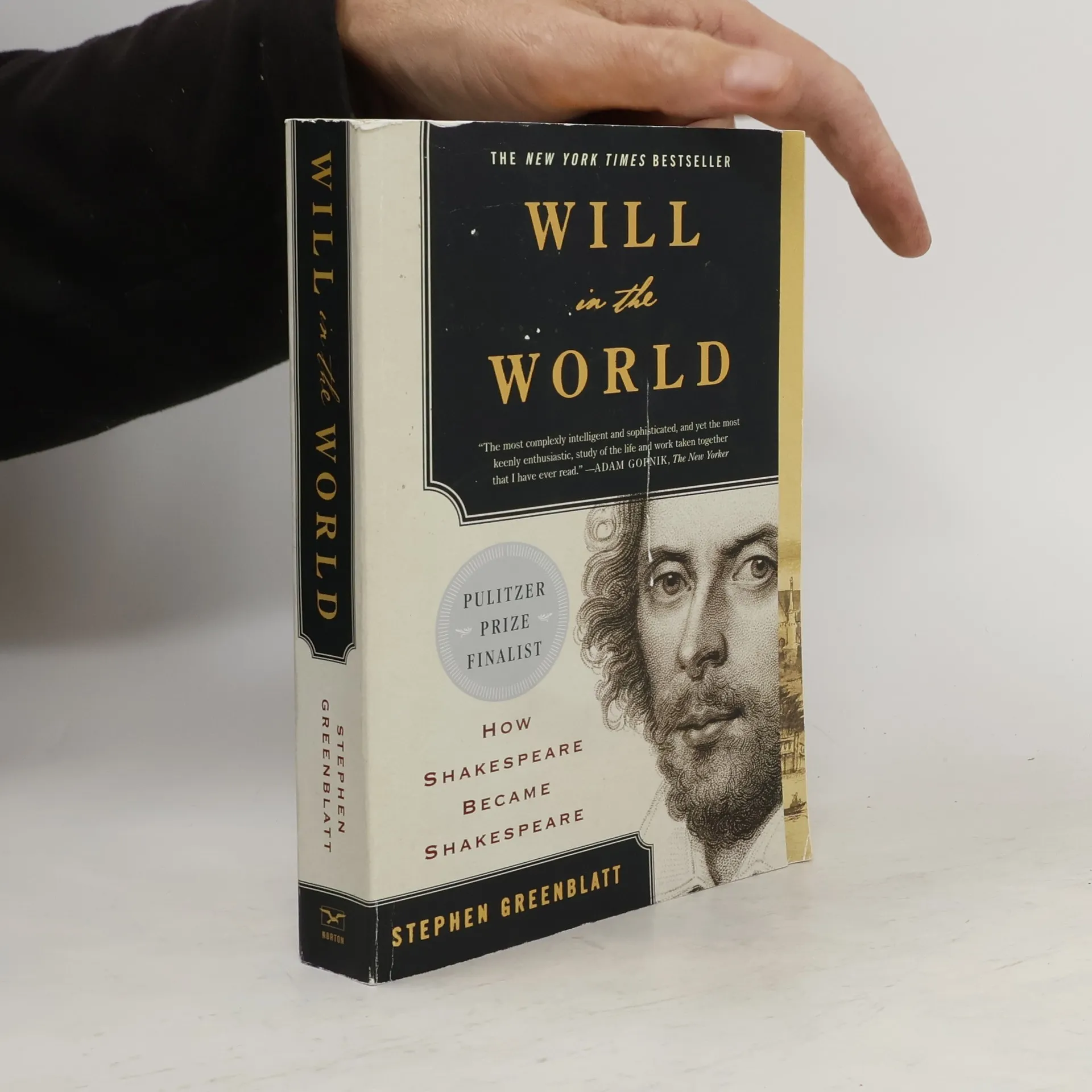
Will in the World
- 384 pages
- 14 hours of reading
This biography enables readers to see, hear, and feel how an acutely sensitive and talented boy, surrounded by the rich tapestry of Elizabethan life, could have become the world's greatest playwright.
The most trusted anthology for complete works and helpful editorial apparatus. The Tenth Edition supports survey and period courses with NEW complete major works, NEW contemporary writers, and dynamic and easy-to-access digital resources. NEW video modules help introduce students to literature in multiple exciting ways. These innovations make the Norton an even better teaching tool for instructors and, as ever, an unmatched value for students.
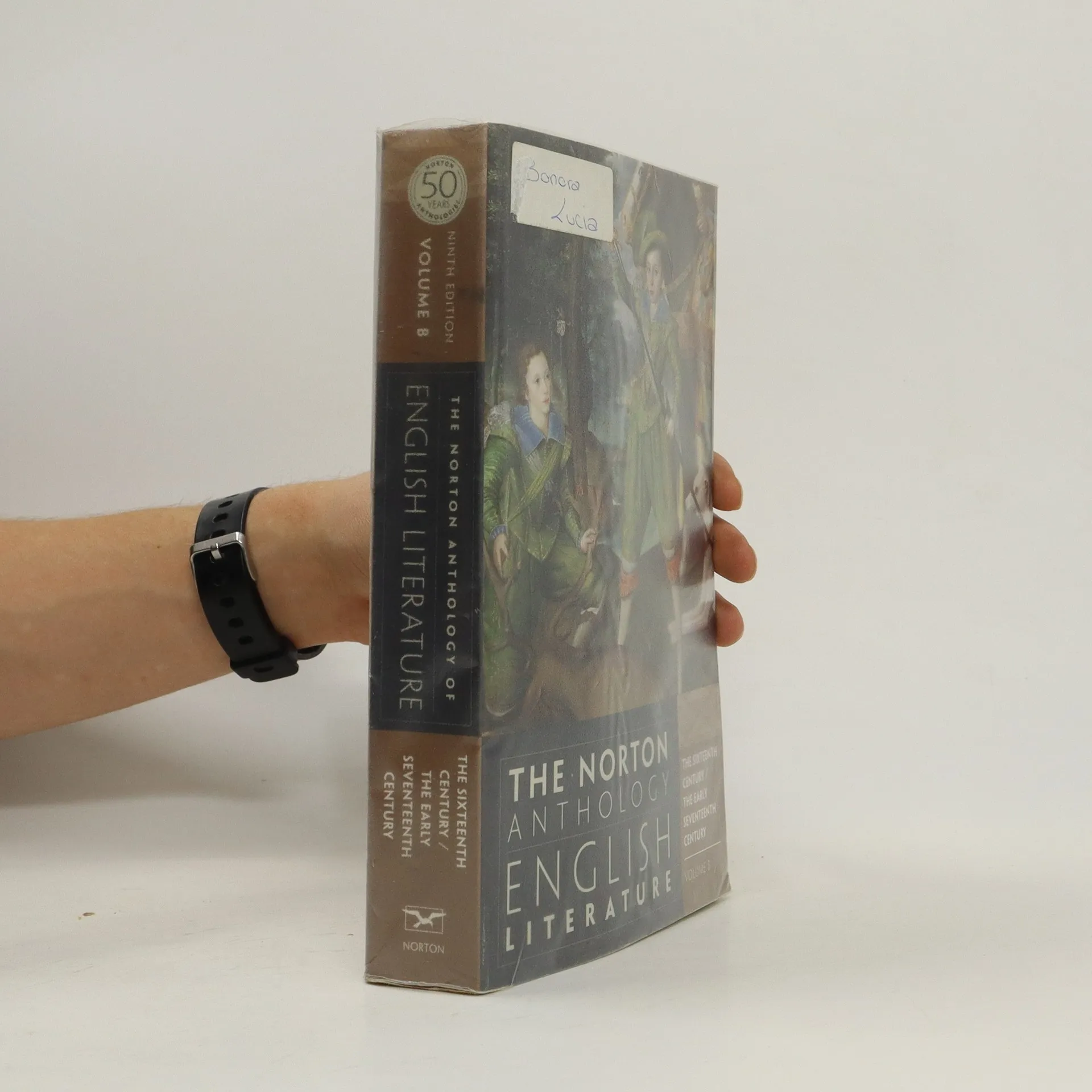
The Norton anthology of English literature. Volume B
- 1744 pages
- 62 hours of reading
The Ninth Edition offers more complete works and more teachable groupings than ever before, the apparatus you trust, and a new, free Supplemental Ebook with more than 1,000 additional texts. Read by more than 8 million students, The Norton Anthology of English Literature sets the standard and remains an unmatched value.The Norton Anthology of English Literature is now available as an interactive ebook, at just a fraction of the print price
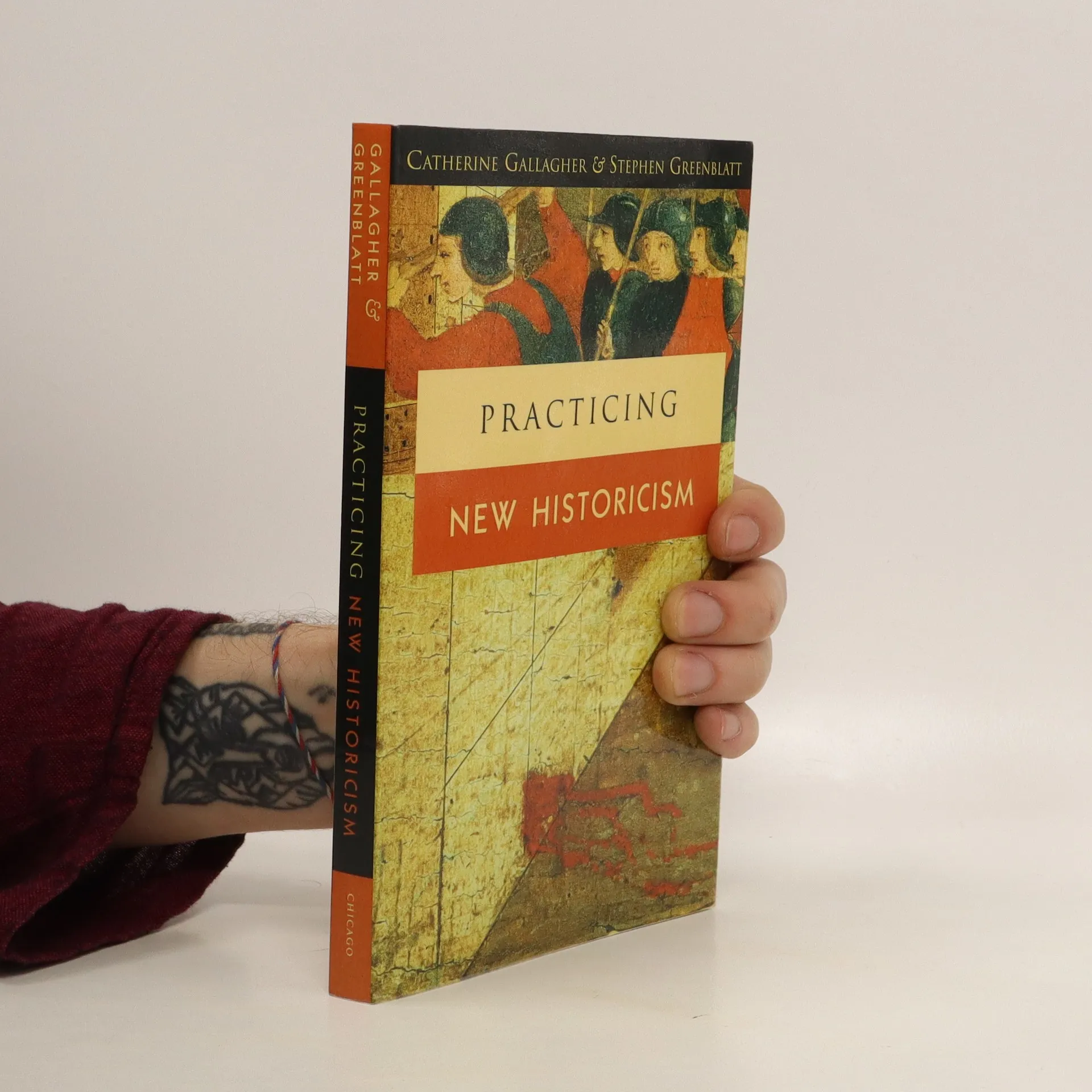
Practicing : New historicism
- 259 pages
- 10 hours of reading
Two literary scholars focus on five central aspects of the literary critical theory: recurrent use of anecdotes, preoccupation with the nature of representations, fascination with the history of the body, sharp focus on neglected details, and skeptical analysis of ideology.
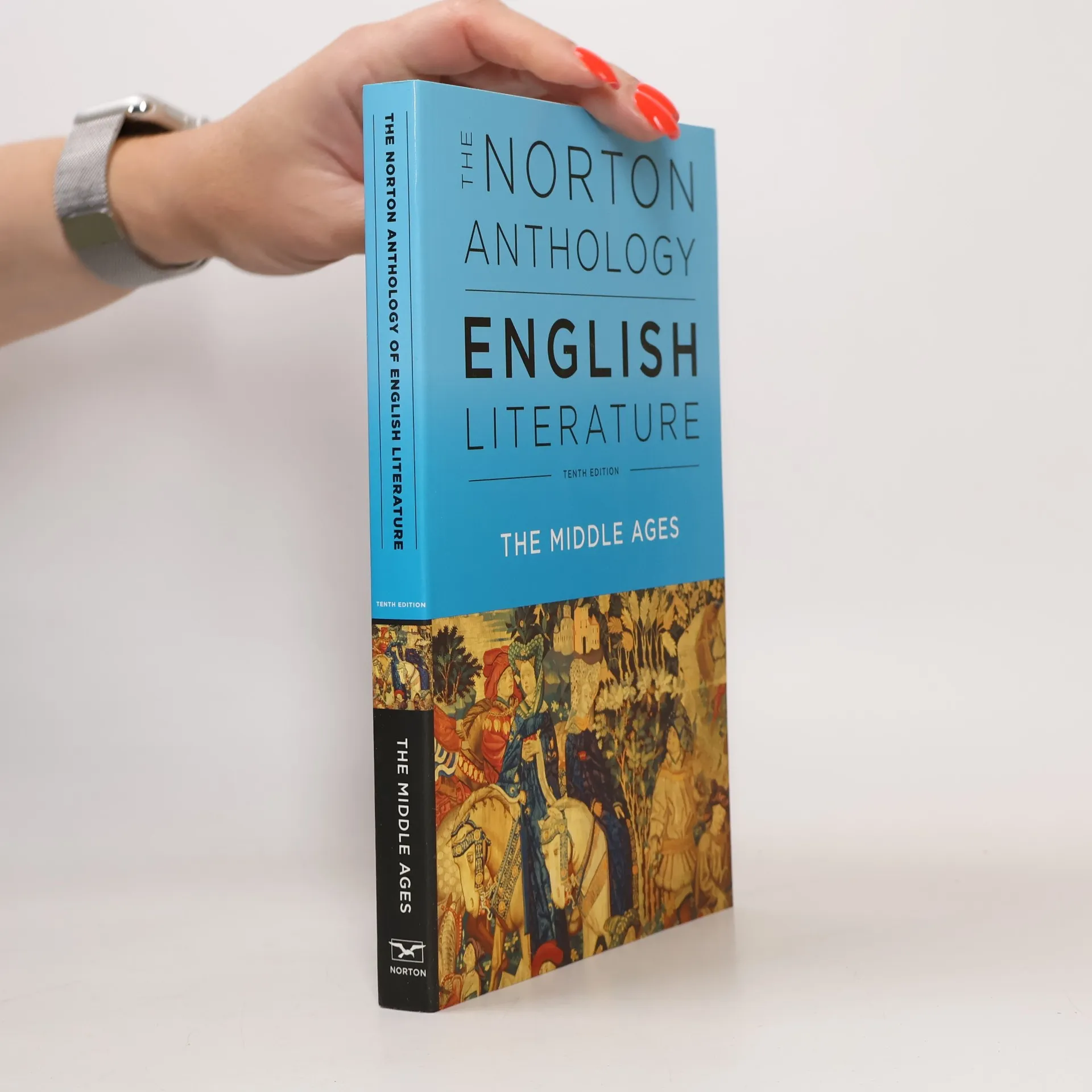
The Norton Anthology of English Literature
The Middle Ages: Tenth Edition
- 656 pages
- 23 hours of reading
The most trusted anthology for complete works and helpful editorial apparatus. The Tenth Edition supports survey and period courses with NEW complete major works, NEW contemporary writers, and dynamic and easy-to-access digital resources. NEW video modules help introduce students to literature in multiple exciting ways. These innovations make the Norton an even better teaching tool for instructors and, as ever, an unmatched value for students.
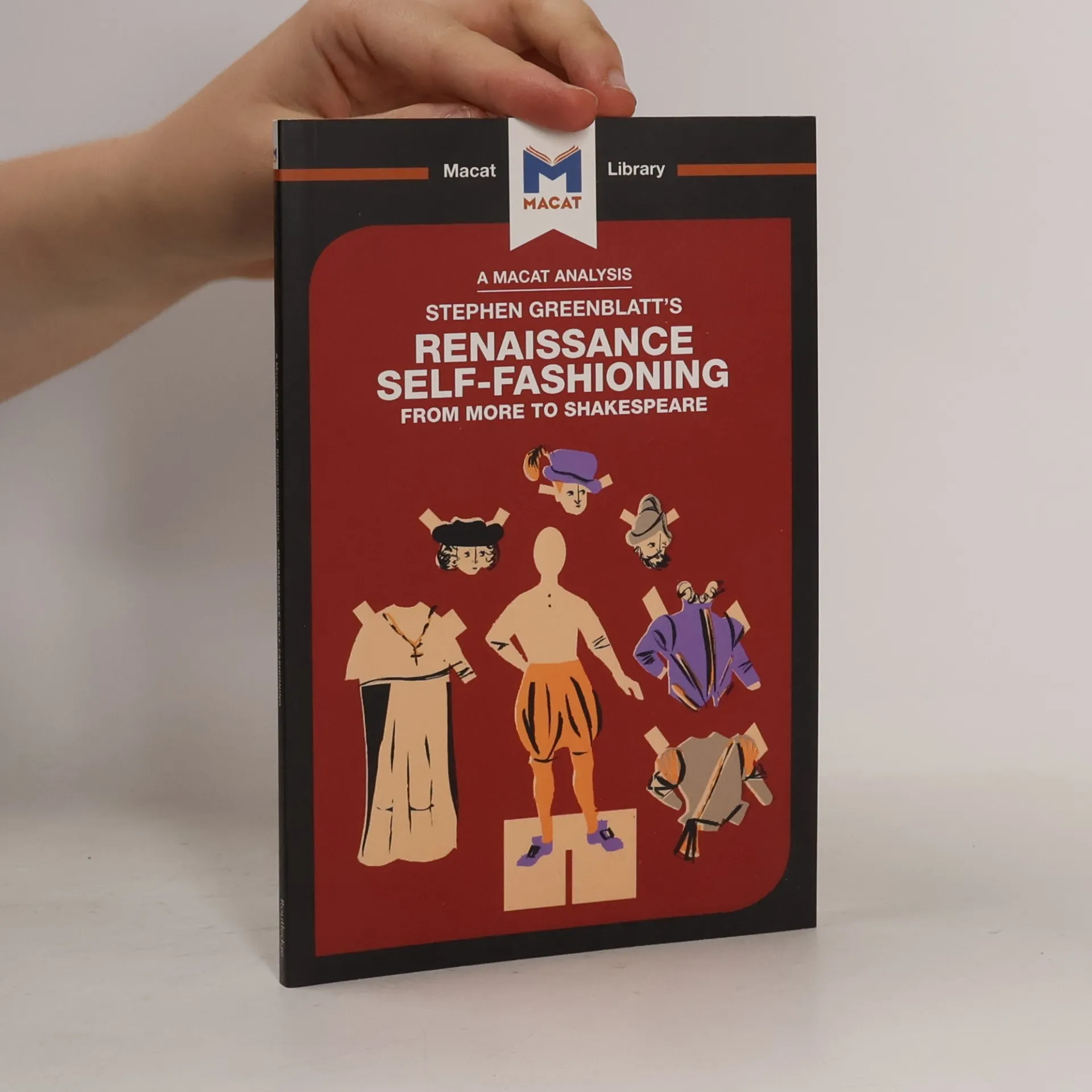
Macat Library: Stephen Greenblatt's Renaissance Self-Fashioning
- 96 pages
- 4 hours of reading
What is a self? Greenblatt argues that the 16th century saw the awakening of 'modern' self-consciousness, the ability to 'fashion' an identity out of the culture and politics of one's society. In a series of brilliant readings, Greenblatt shows how identity is constructed in the work of Shakespeare, Marlowe, Spenser and other Renaissance writers. A classic piece of literary criticism, and the origins of the New Historicist school of thought, Renaissance Self-Fashioning remains a critical and challenging text for readers of Renaissance literature.
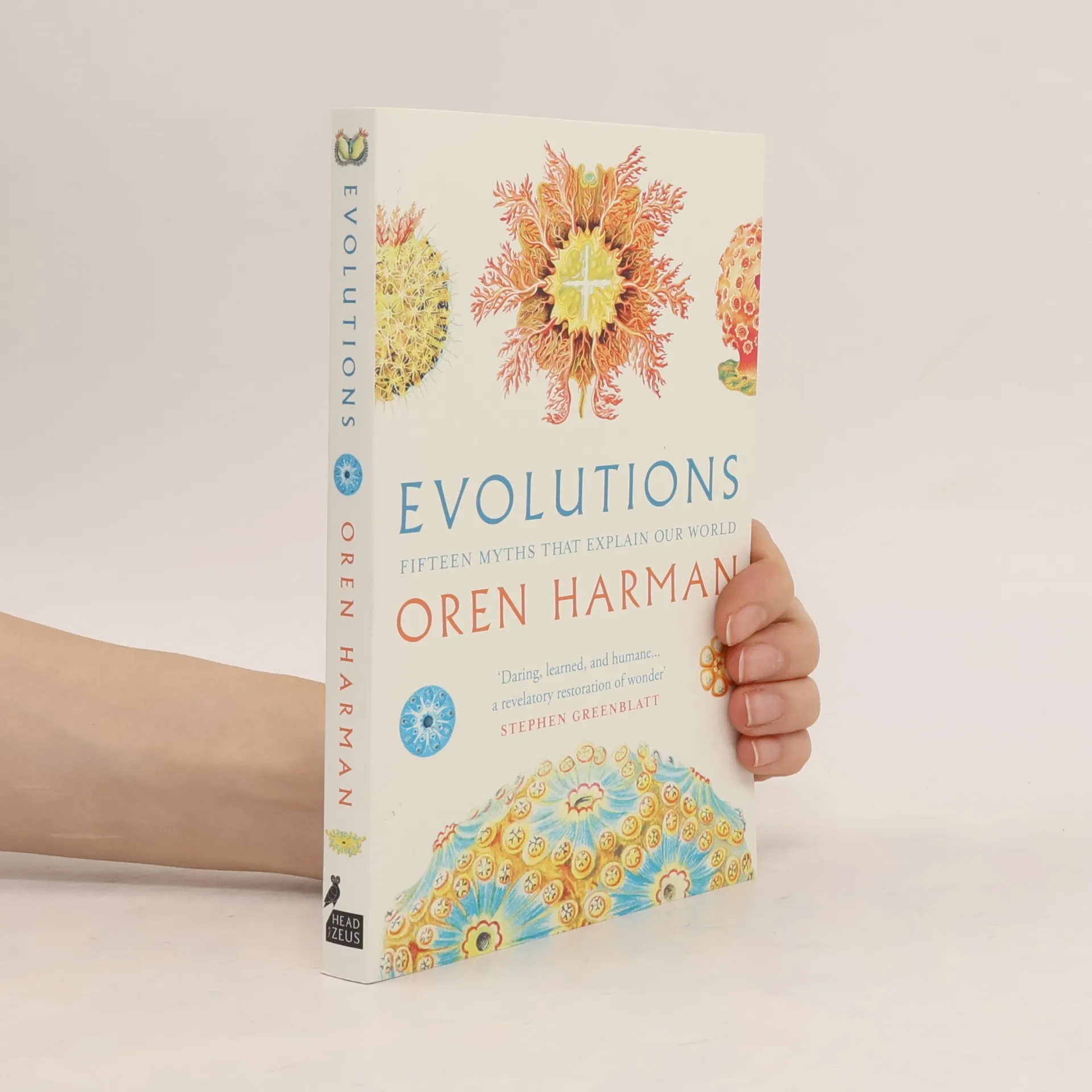
A reimagining of modern science and ancient mythology, and of what it means to be human.
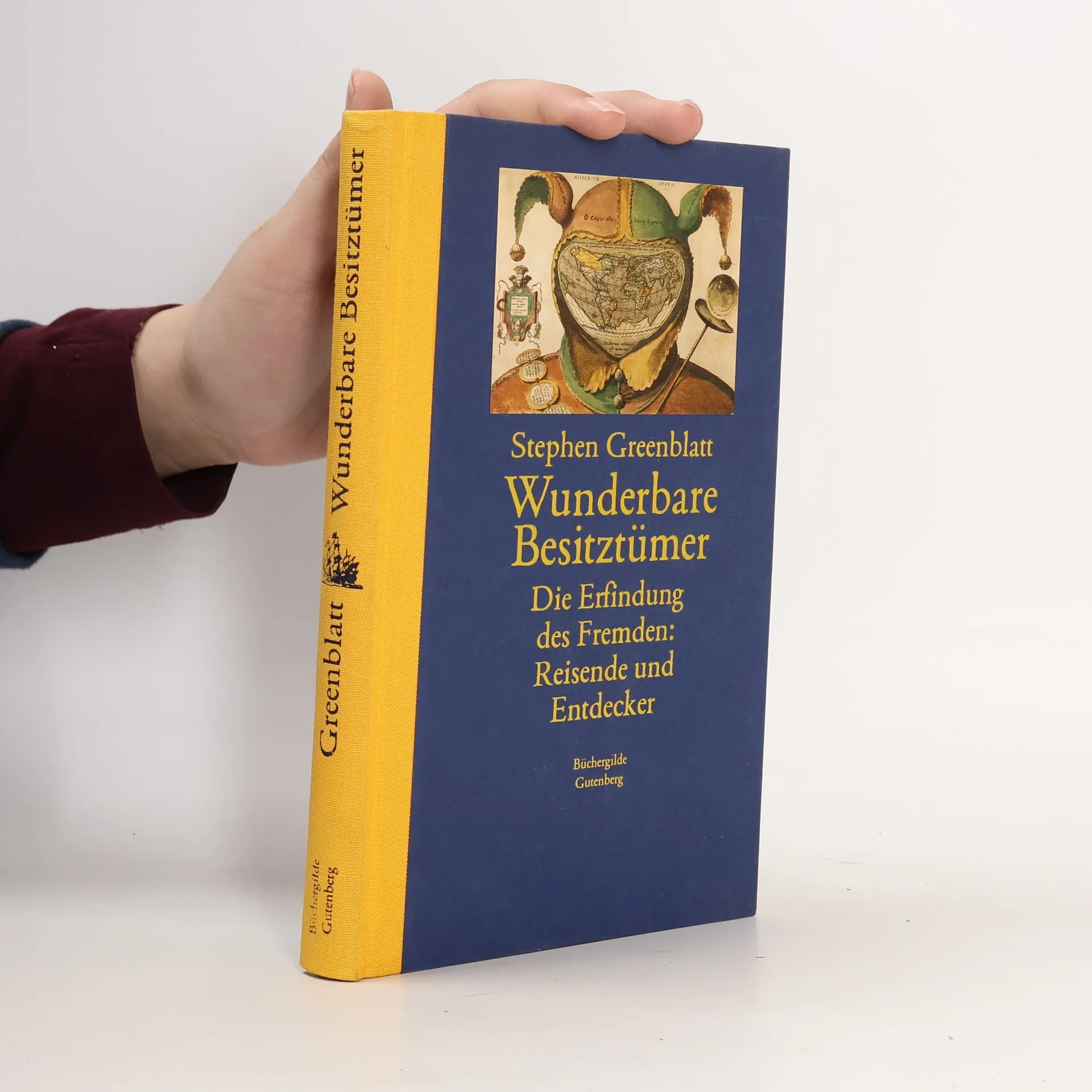
Wunderbare Besitztümer
- 285 pages
- 10 hours of reading
Der amerikanische Historiker, Vater des 'new historicism', hat ein phantastisches Buch darüber geschrieben, warum wir Europäer das Fremde entweder bestaunen oder vernichten. Er hat die Zeugnisse der Entdecker der Neuen Welt überprüft. Etwa die paradoxe Begeisterung für erlogene Berichte eines gewissen (erfundenen) Sir Mandeville gegenüber der sehr reservierten Aufnahme der (wahren) Erlebnisse Marco Polos. Oder Kolumbus, der durch fehlerhafte Interpretation falscher Voraussetzungen zum Ziel gelangte und die nach ihm kommenden Abenteurer, ihr Gebanntsein wie ihre zerstörerische Besitzgier.
Stephen Greenblatt kombiniert historische und anthropologische Techniken mit rigoroser Textanalyse und lebendiger Schrift. Er entwickelt einfallsreiche und oft verstörende neue Ansätze zu Themen und Autoren, die einst vertraut schienen. Durch die Fokussierung auf Probleme wie das Verhältnis zwischen kultureller Identität und Andersartigkeit in der frühmodernen Kultur; die Verwendung von Gewalt – sowohl physisch als auch rhetorisch – gegen diejenigen, die als Fremde identifiziert werden; und die Rolle der Vorstellungskraft bei dem Versuch, sowohl kulturelle als auch persönliche Identität zu formen und zu stabilisieren, zeigt Greenblatt eine herausfordernde und fremdartige Renaissance-Welt, die den Leser zwingt, neue Sicht- und Verständnisweisen zu entwickeln.
Stephen Greenblatt has been at the center of a major shift in literary interpretation toward a critical method that situates cultural creation in history. Shakespearean Negotiations is a sustained and powerful exemplification of this innovative method, offering a new way of understanding the power of Shakespeare's achievement and, beyond this, an original analysis of cultural process.
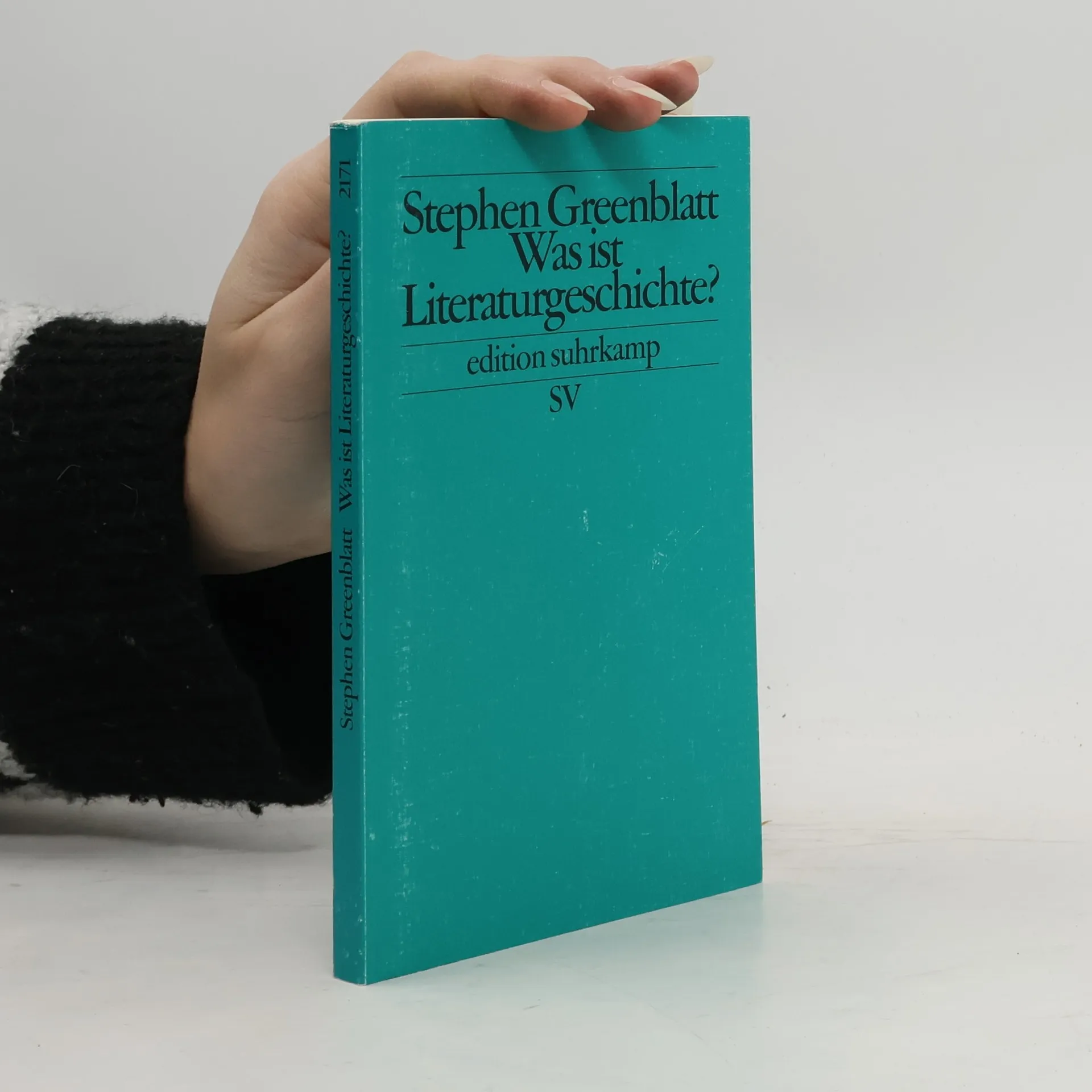
Edition Suhrkamp - 2171: Was ist Literaturgeschichte?
- 101 pages
- 4 hours of reading
Im England der frühen Neuzeit konnte die schlichte Fähigkeit zu buchstabieren lebensrettend sein: Daran entschied sich nämlich, ob man der weltlichen Gerichtsbarkeit überantwortet wurde oder der geistlichen, die die Todesstrafe nicht kannte. Greenblatt beschreibt, wie sich von dieser existentiellen Bedeutung aus der Literaturbegriff immer weiter verzweigte und wie aus einer »Buchstabenwissenschaft« Literaturwissenschaft im modernen Sinn wurde. Ergänzt wird der Band durch einen Kommentar der britischen Literaturwissenschaftlerin Catherine Belsey und eine Betrachtung zu einem der großartigsten Werke der Literaturwissenschaft, zu Erich Auerbachs Mimesis-Buch.
Shakespeare: Freiheit, Schönheit und die Grenzen des Hasses
Frankfurter Adorno-Vorlesungen 2006
- 122 pages
- 5 hours of reading
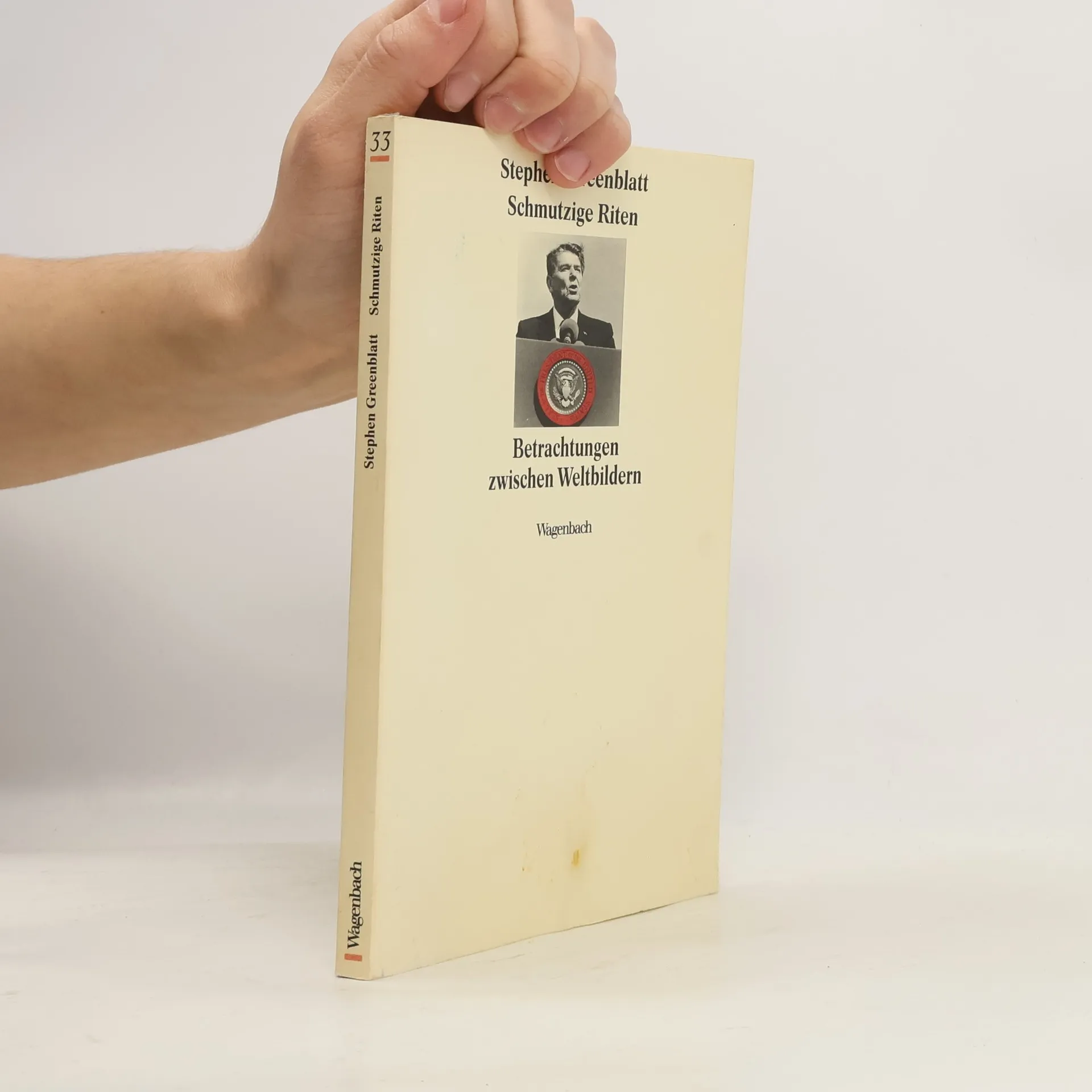
Schmutzige Riten. Betrachtungen zwischen Weltbildern.
- 121 pages
- 5 hours of reading
Die Geschichte von Adam und Eva. Der mächtigste Mythos der Menschheit
- 448 pages
- 16 hours of reading
Stephen Greenblatt untersucht in seinem gefeierten Buch die anhaltende Faszination der Geschichte von Adam und Eva und deren Einfluss auf unsere Konzepte von Paradies, Scham, Sünde sowie Gut und Böse. Er beleuchtet das Erbe dieser Erzählung in der christlichen Kultur und stellt die existenzielle Frage nach dem Menschsein.
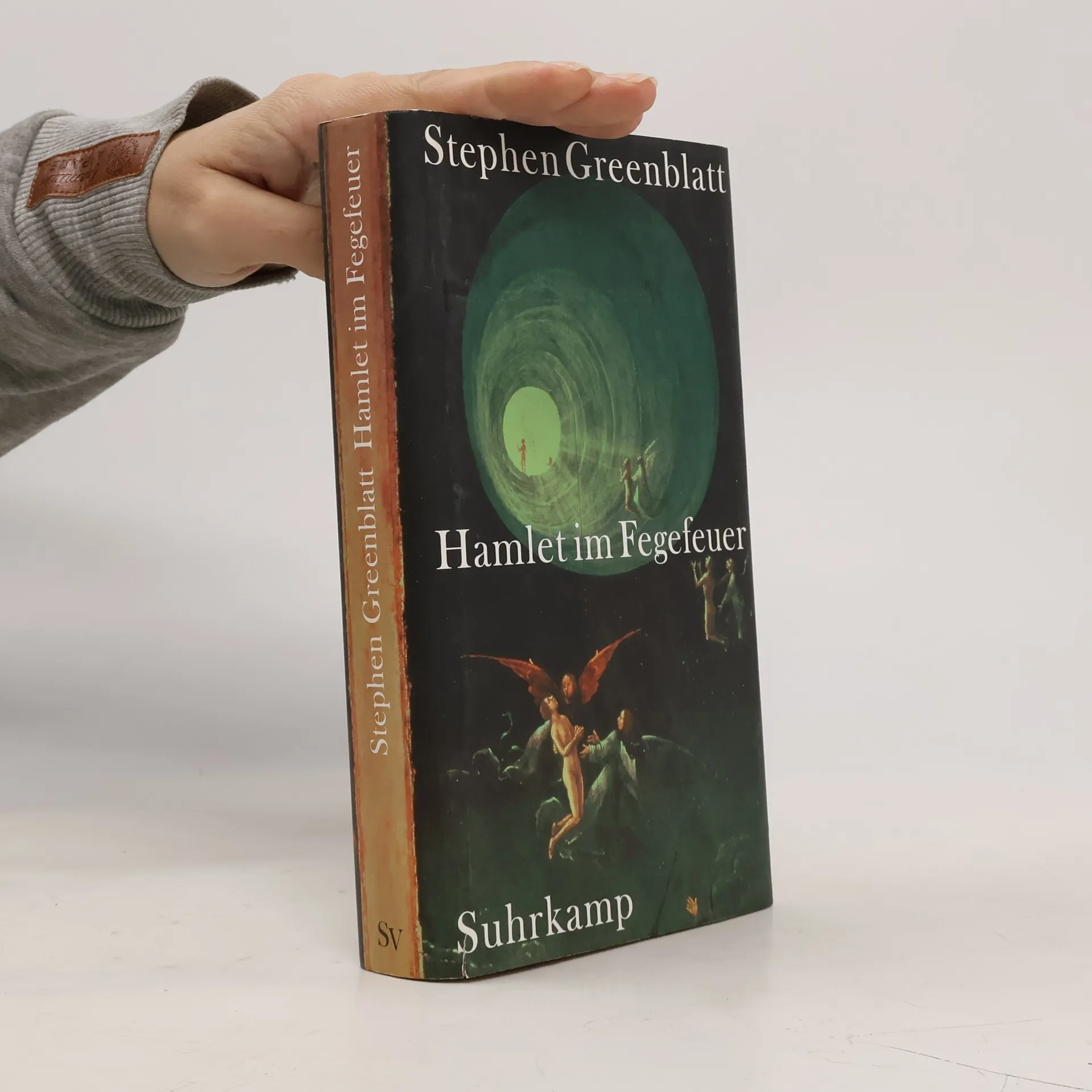
Hamlet im Fegefeuer
- 427 pages
- 15 hours of reading
Stephen Greenblatt, Pionier und Hauptvertreter des New Historicism, geht Shakespeares Fähigkeit nach, Abwesendes - Stimmen, Gesichter, Körper, Geister - zu beschwören, und stößt dabei immer wieder auf die Beschwörung in Shakespeares Werk: den Auftritt des Geistes zu Beginn des Hamlet. Auf der Suche nach den Gründen, warum ihn der Geist von Hamlets Vater über so lange Jahre fasziniert hat, markiert er die mittelalterliche Vorstellung des Fegefeuers als ethisches und ästhetisches Gravitationszentrum des Textes. Er erkundet die Abenteuererzählungen, Geistergeschichten, Pilgerberichte und Bilddarstellungen, durch die das Mittelalter den Glauben an das Fegefeuer als grausiges Seelengefängnis erzeugte und aufrechterhielt; er zeigt, wie sich auf der Grundlage dieser Doktrin einige sehr wirksame - und lukrative - Techniken des Umgangs mit dem Tod etablierten; und er demonstriert schließlich, wie man diese Techniken im Zuge der anglikanischen Reformation außer Gefecht setzte, ohne doch die Sehnsüchte und Ängste beseitigen zu können, die sich seit Jahrhunderten mit der Vorstellung des Fegefeuers verbanden. Dabei verliert er nie das Ziel aus den Augen, das er vom ersten Satz seiner Studie an verfolgt: Ich wollte nichts weiter als in die magische Intensität dieser Tragödie eindringen.
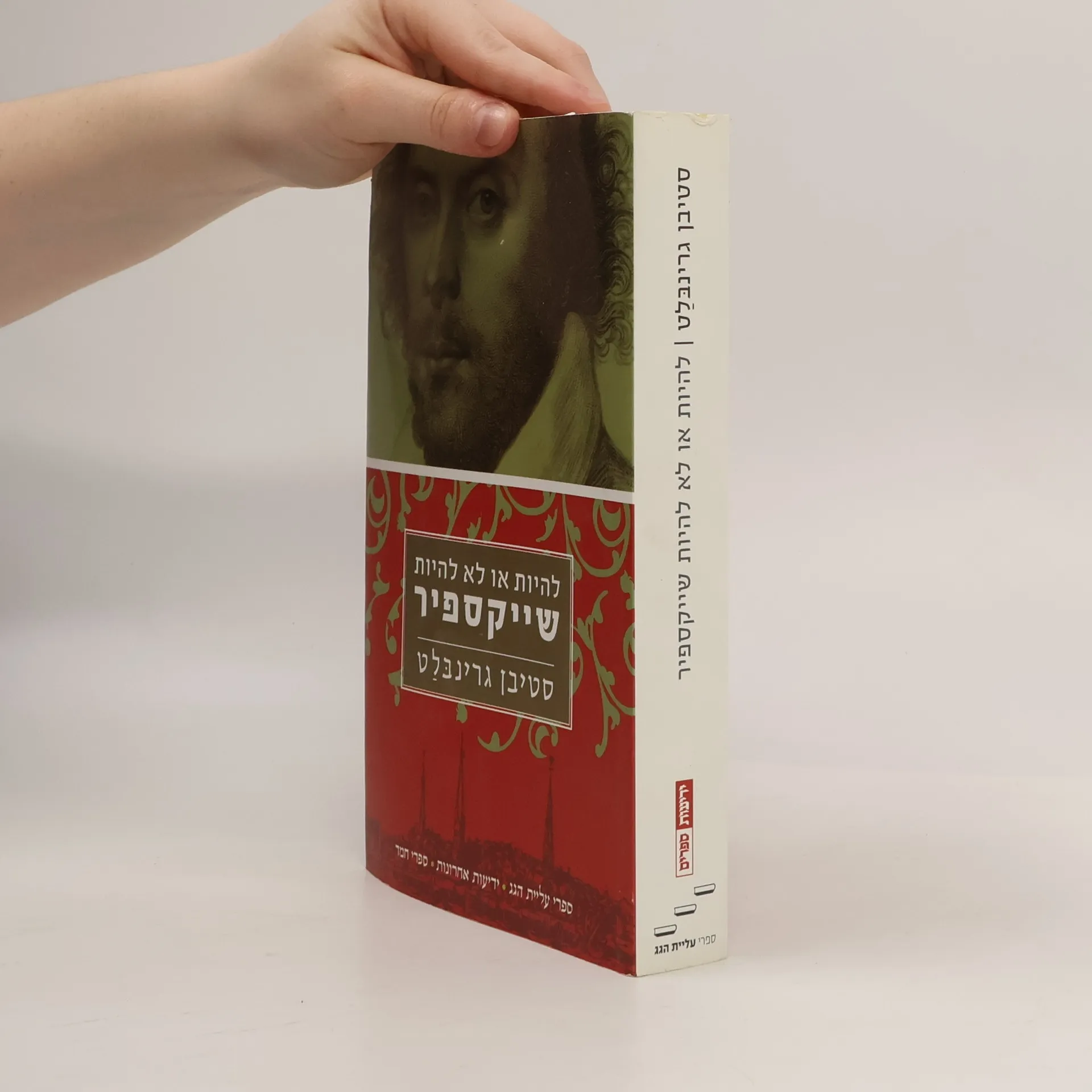
להיות או להיות שייקספיר
- 595 pages
- 21 hours of reading
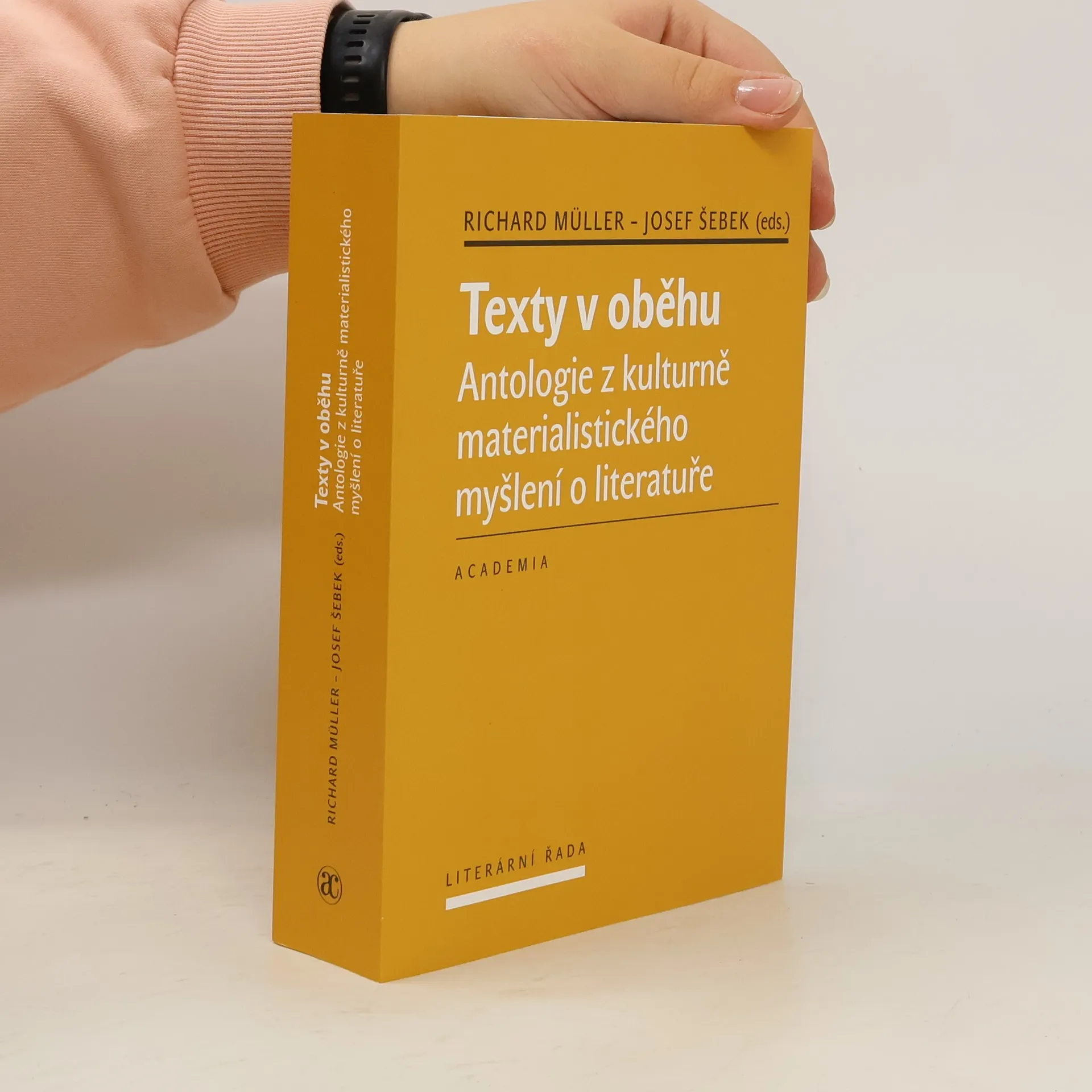
Antologie překladů věnovaná novému historismu, kulturnímu materialismu a kulturním studiím – tedy směrům humanitněvědného myšlení, v jejichž rámci se střetávají literární a kulturní teorie, text a jeho kontext, praktické a teoretické aspekty myšlení, konání a řeči nebo oblast umění a ne-umění – uvedené směry nemapuje v celé šíři, ale vybírá klíčové texty jejich protagonistů, a to v rámci hledisek z podtitulu antologie: cirkulace, reprezentace, ideologie. Obsahuje jak výrazně teoreticky zaměřené práce, tak studie věnované konkrétním historickým otázkám. Všechna témata doprovázejí osvětlující úvodní texty a celou knihu uvádí studie přibližující základní pojmy a jejich vývoj v kontextu domácí literárněteoretické tradice. Publikaci připravil 6členný tým překladatelů a autorů z ÚČL AV ČR, Ústavu české literatury a komparatistiky FF UK a Katedry genderových studií FHS UK. Koncepci antologie vypracovali Richard Müller, zabývající se literární komunikací a její medialitou i materialitou, a Josef Šebek, věnující se zprostředkováním mezi textem a sociálním kontextem.
Obsahem publikace je problematika dobytí Ameriky a hlavním tématem je setkání Evropanů s jinakostí reality Nového světa. Stephen Greenblatt, představitel amerického "nového historismu", na základě rozboru prvních zpráv a dokumentů o Novém světě (např. Kolumbových dopisů či Pravdivé historie o dobývání Mexika od účastníka Cortézovy výpravy B. Diáze), ukazuje, že střet civilizací se ze strany Evropanů rozhodně nevyznačoval porozuměním pro obyvatele Ameriky. Popisuje jak Evropané přivlastněním si a ovládnutím jazyka domorodců a následným ovládnutím jejich celkové jinakosti ("kolonizací podivuhodného"), si jednostranně mocensky přivlastnili nová území.