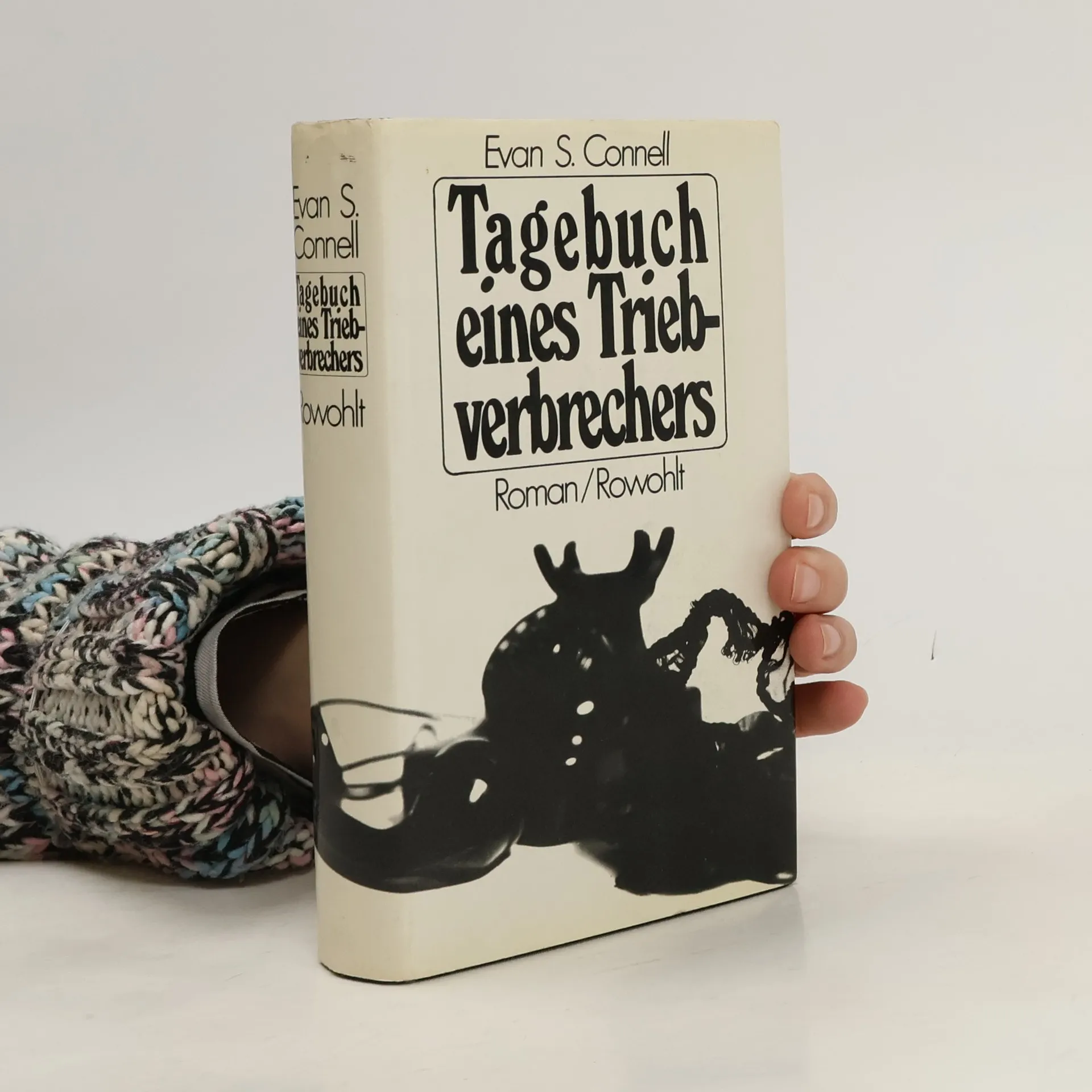
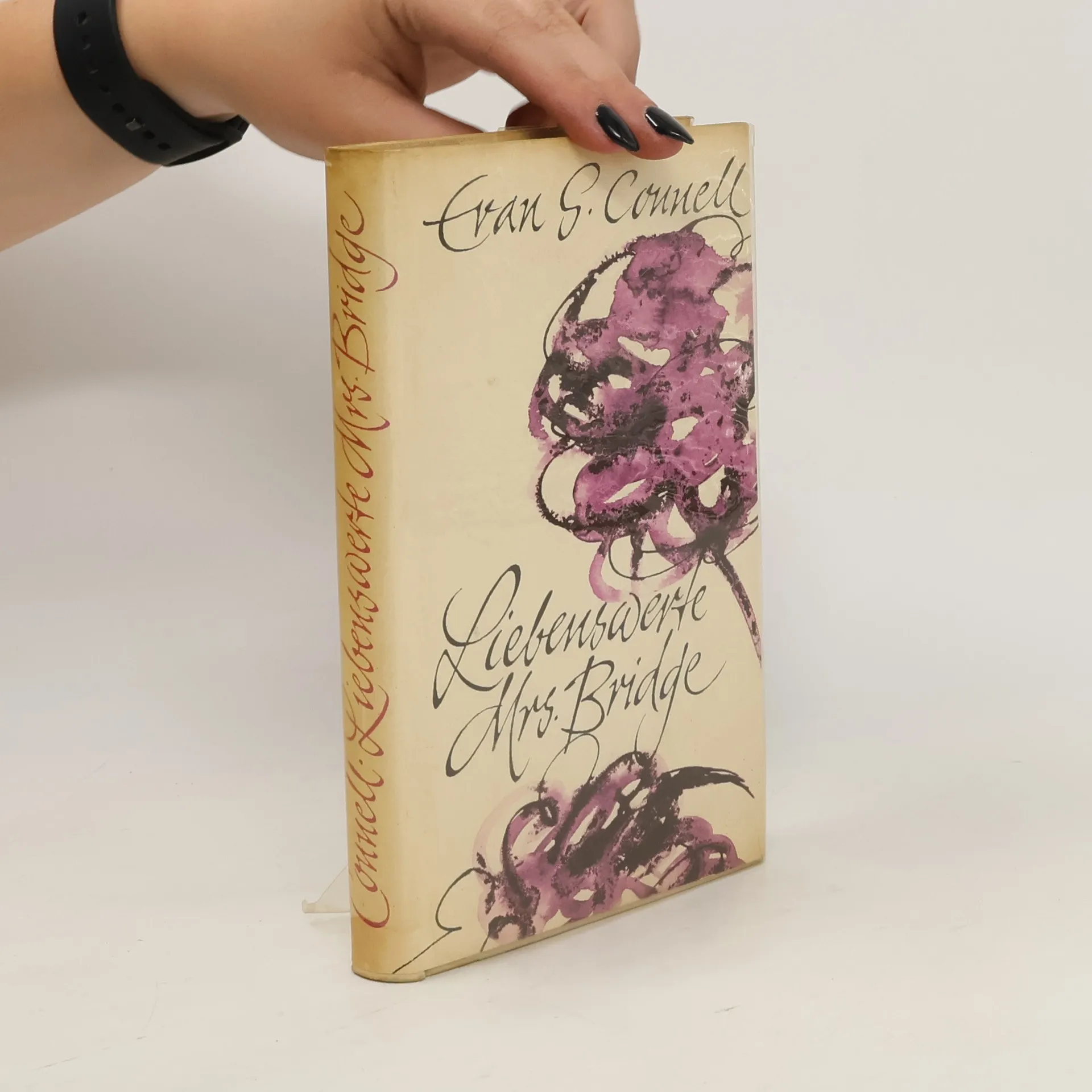
Evan S. Connell is an author who adheres to established methods, both in writing and communication. His extensive body of work, spanning fiction, poetry, and essays, is characterized by a unique approach to both form and content. Connell eschews modern technology, favoring traditional methods that are reflected in his literary style. His American classics, often infused with anecdotal depth, explore the complexities of human nature and society.
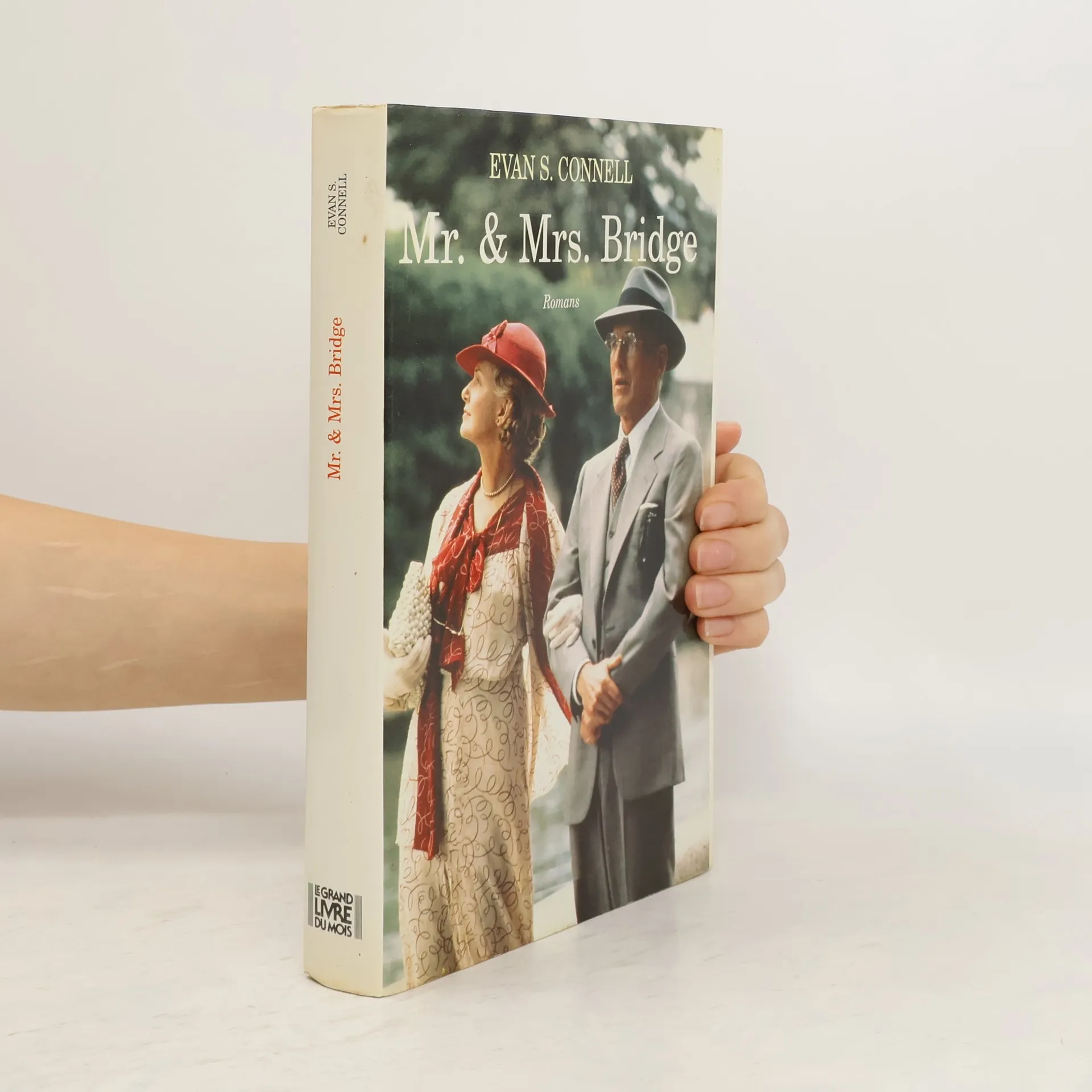
Mrs Bridge, an unremarkable and conservative housewife in Kansas City, has
three children and a kindly lawyer husband. She spends her time with shopping,
going to bridge parties and bringing up her children to be pleasant, clean and
have nice manners.
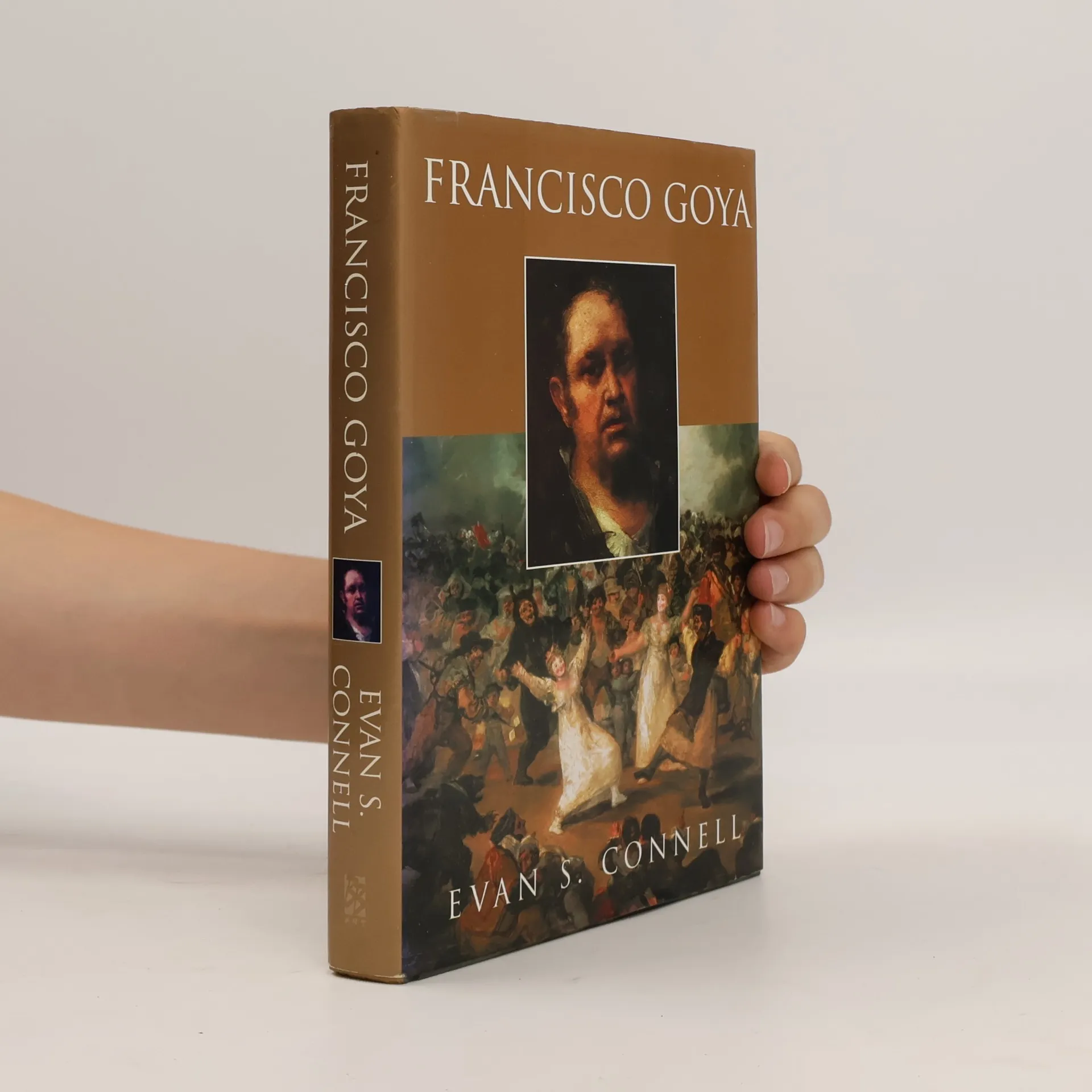
Goyův mnohostranný talent vyvolává u kritiků protichůdné reakce. Byl mistrem, jehož obraz Saturna, hltajícího zkrvavené tělo svého syna, je stejně nezapomenutelný jako jedinečné ztvárnění jemného světla, zachyceného v bílé saténové róbě hraběnky. Většina kritiků se shoduje na tom, že Goya jednou provždy změnil západní umění, i když jeho vliv bývá interpretován různě. Degas si například posteskl, že Goyovou vinou je odsouzen k tomu, aby maloval hospodyni ve vaně.
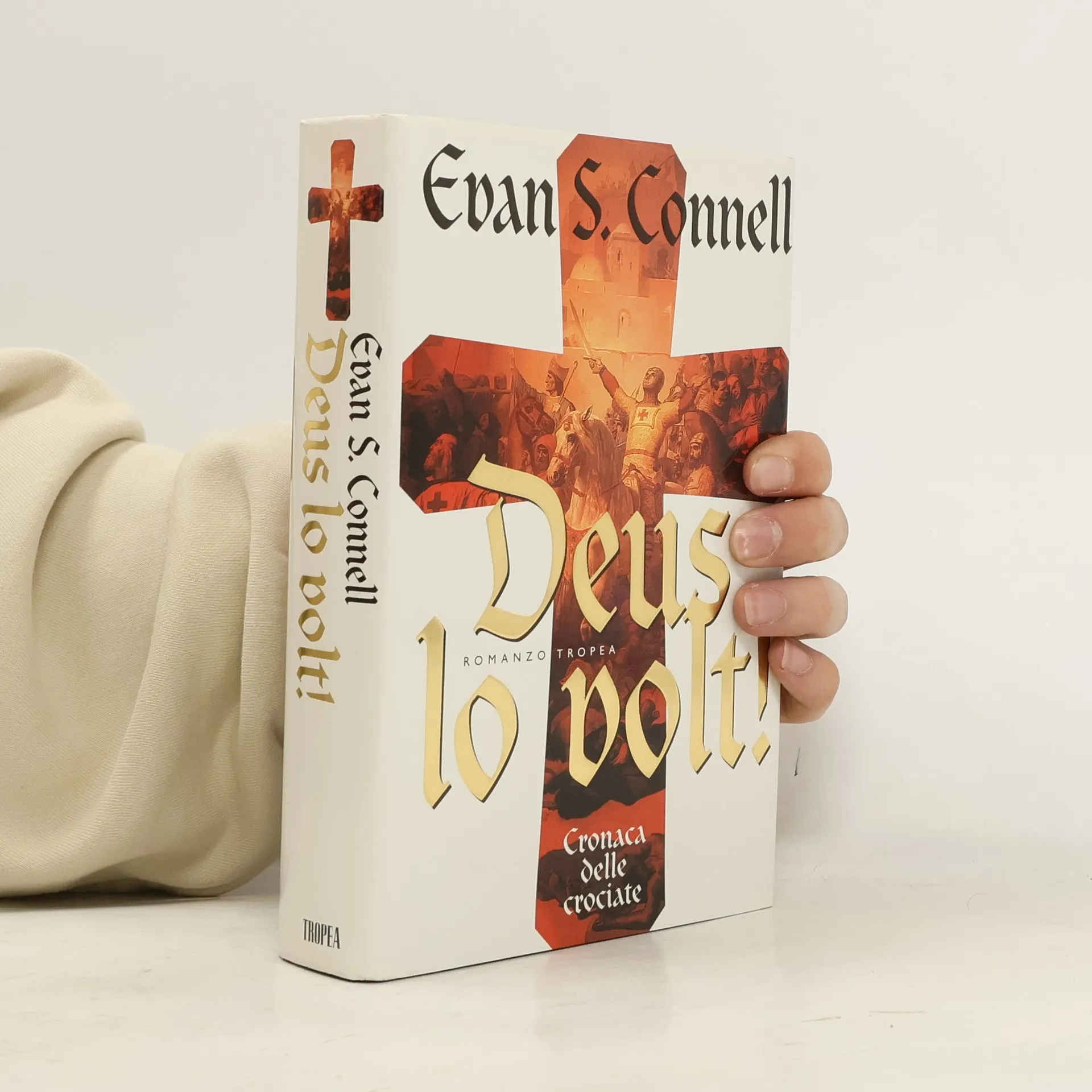
The narrative unfolds through the eyes of a soldier involved in a monumental campaign that has shaped the course of Christendom for two centuries. It delves into the complexities and horrors of war, offering a profound exploration of the human experience amidst conflict. The author, known for his previous work, brings a rich historical context and vivid storytelling to this epic tale, highlighting the personal and collective struggles faced by those entangled in this defining battle.
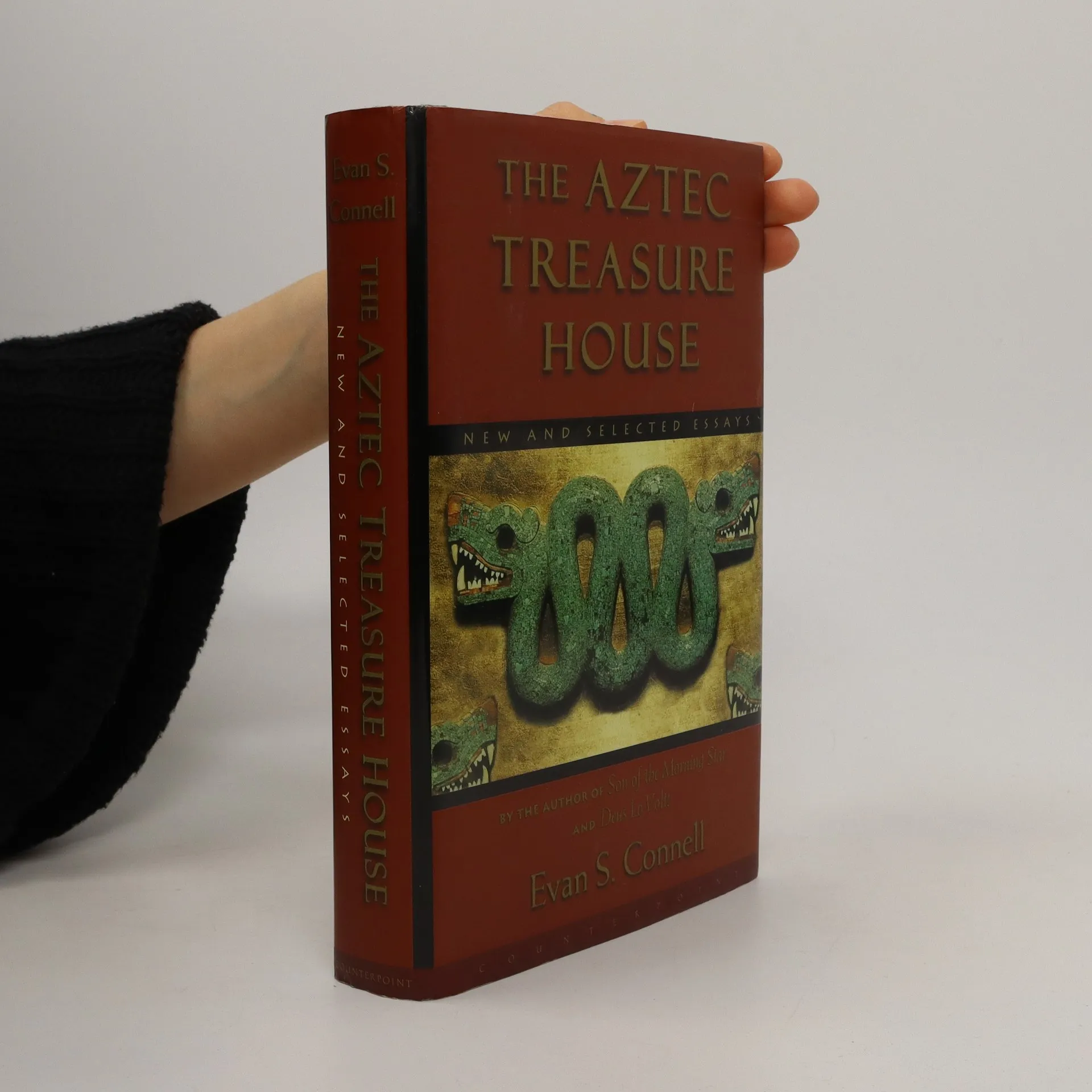
A new collection of essays by the author of Mrs. Bridge and Son of a Morning Star covers a wide range of topics from the Anasazi Indians of the desert Southwest to explorer Marco Polo to seminal advances in the fields of astronomy, archaeology, anthropology, and linguistics. 25,000 first printing.
On a scorching June Sunday in 1876, thousands of Indian warriors - Lakota Sioux, Cheyenne and Arapaho - converged on a grassy ridge above the valley of Montana's Little Bighorn River. On the ridge five companies of United States cavalry - 262 soldiers, comprising officers and troopers - fought desperately but hopelessly. When the guns fell silent, no soldier - including their commanding officer, Lt Col. George Armstrong Custer - had survived. Custer's Last Stand is among the most enduring events in American history - 130 years after the fact, books continue to be written and people continue to argue about even the most basic details surrounding the Little Bighorn. Evan S. Connell, whom Joyce Carol Oates has described as 'one of our most interesting and intelligent American writers', wrote what continues to be the most reliable - and compulsively readable - account of the subject. Connell makes good use of his research and novelist's eye for story and detail to re-create the heroism, foolishness and savagery of this crucial chapter in the history of the West.
Walter Bridge, husband to India and father to three, is a successful lawyer in
a Kansas suburb. The daily dramas of his life only serve to illuminate his
prejudice, self-doubts and dreary existence - his Christmas gifts to the
family are stock certificates, which he immediately takes back to manage on
their behalf.