The Lost Empire of Atlantis
- 400 pages
- 14 hours of reading
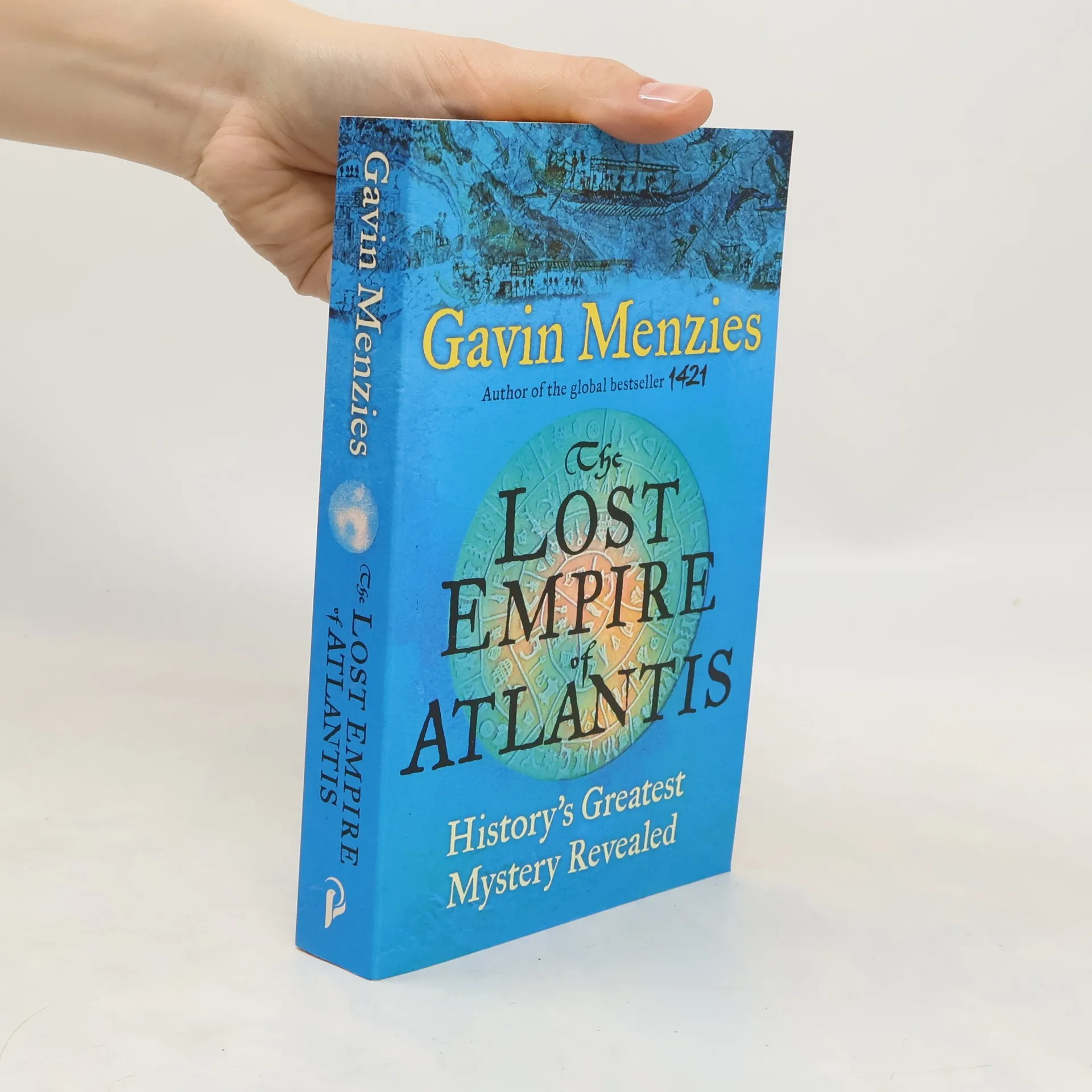
The bestselling author of 1421: THE YEAR THE CHINESE DISCOVERED THE WORLD uncovers the truth behind the mystery of Atlantis. Updated with thrilling new discoveries for the paperback.


A former British submarine commander and amateur historian, this author delves into unconventional historical narratives, challenging established timelines and origins. His work proposes that significant global discoveries and cultural movements originated from civilizations beyond the typical Western-centric view. He prompts readers to question accepted historical accounts by exploring intriguing alternative theories. The author's distinctive approach aims to uncover overlooked aspects of history and reshape our understanding of past events.


The bestselling author of 1421: THE YEAR THE CHINESE DISCOVERED THE WORLD uncovers the truth behind the mystery of Atlantis. Updated with thrilling new discoveries for the paperback.
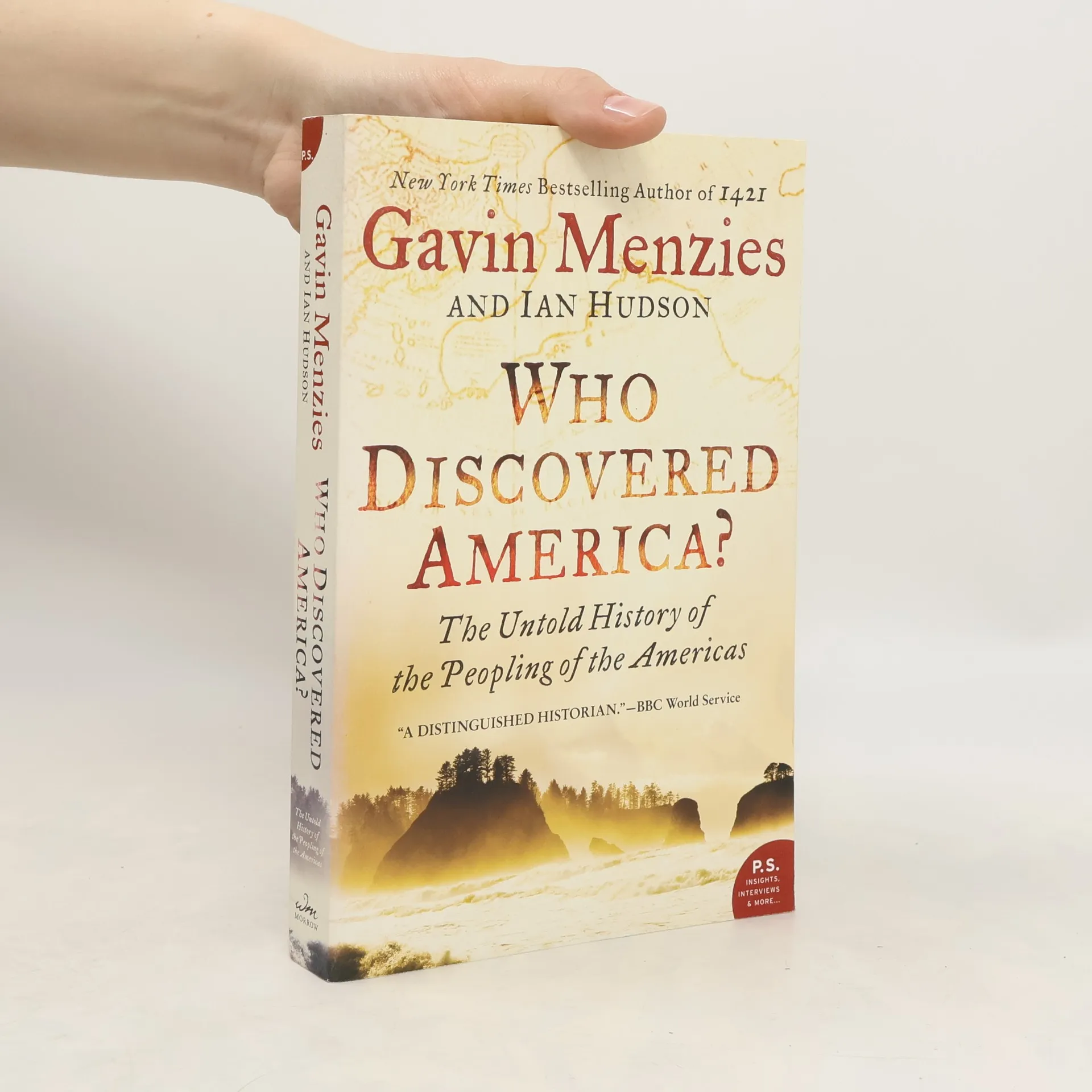
Combining in-depth research with an adventurer's spirit to present a radical rethinking and new revelations relating to the Beringia theory of how humans discovered, explored, and settled the American continent.
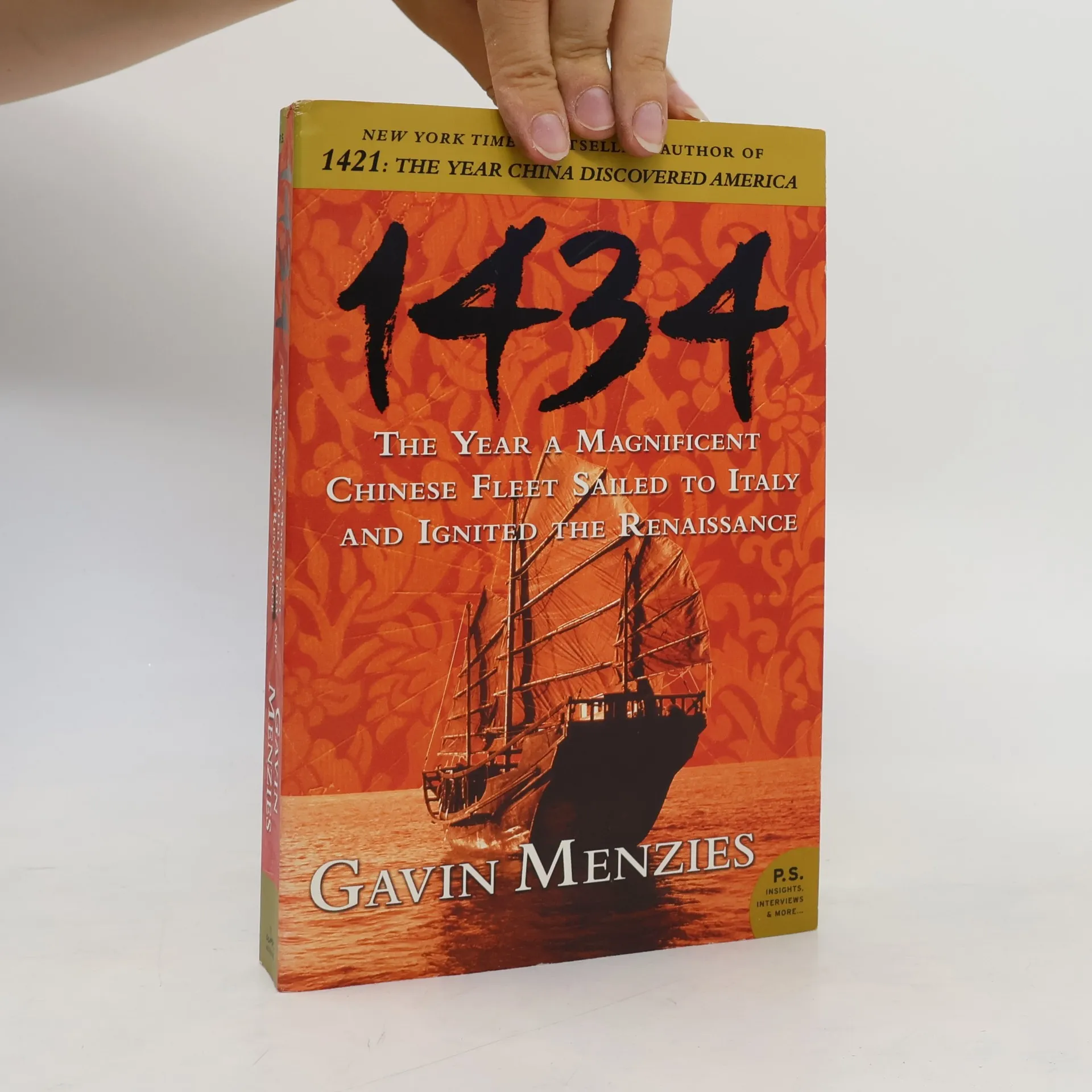
The book presents a provocative argument that the Renaissance was ignited by Chinese advancements in 1434, rather than solely through classical influences from Greece and Rome. It asserts that China, as the most technologically advanced civilization of the time, significantly shaped European thought and innovation. Bestselling historian Gavin Menzies explores how the adoption of Chinese ideas, discoveries, and inventions laid the groundwork for the development of Western civilization, challenging traditional narratives of the Renaissance's origins.
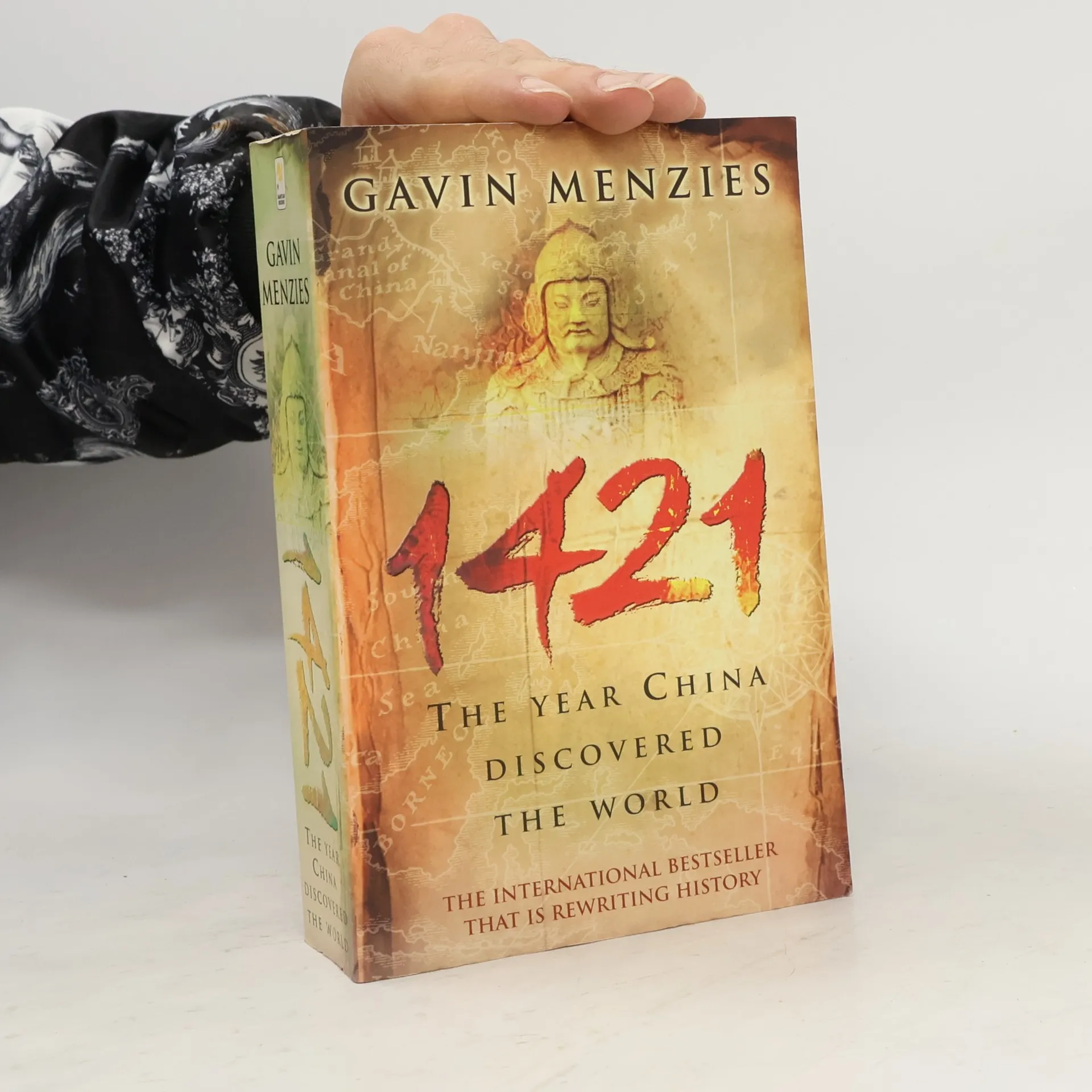
In 1421, the largest fleet the world had ever seen set sail from China under the command of Emperor Zhu Di's loyal eunuch admirals. But by the time they returned home, Zhu Di had lost control and China was turning inwards, leaving the records of their discoveries to be forgotten for centuries.