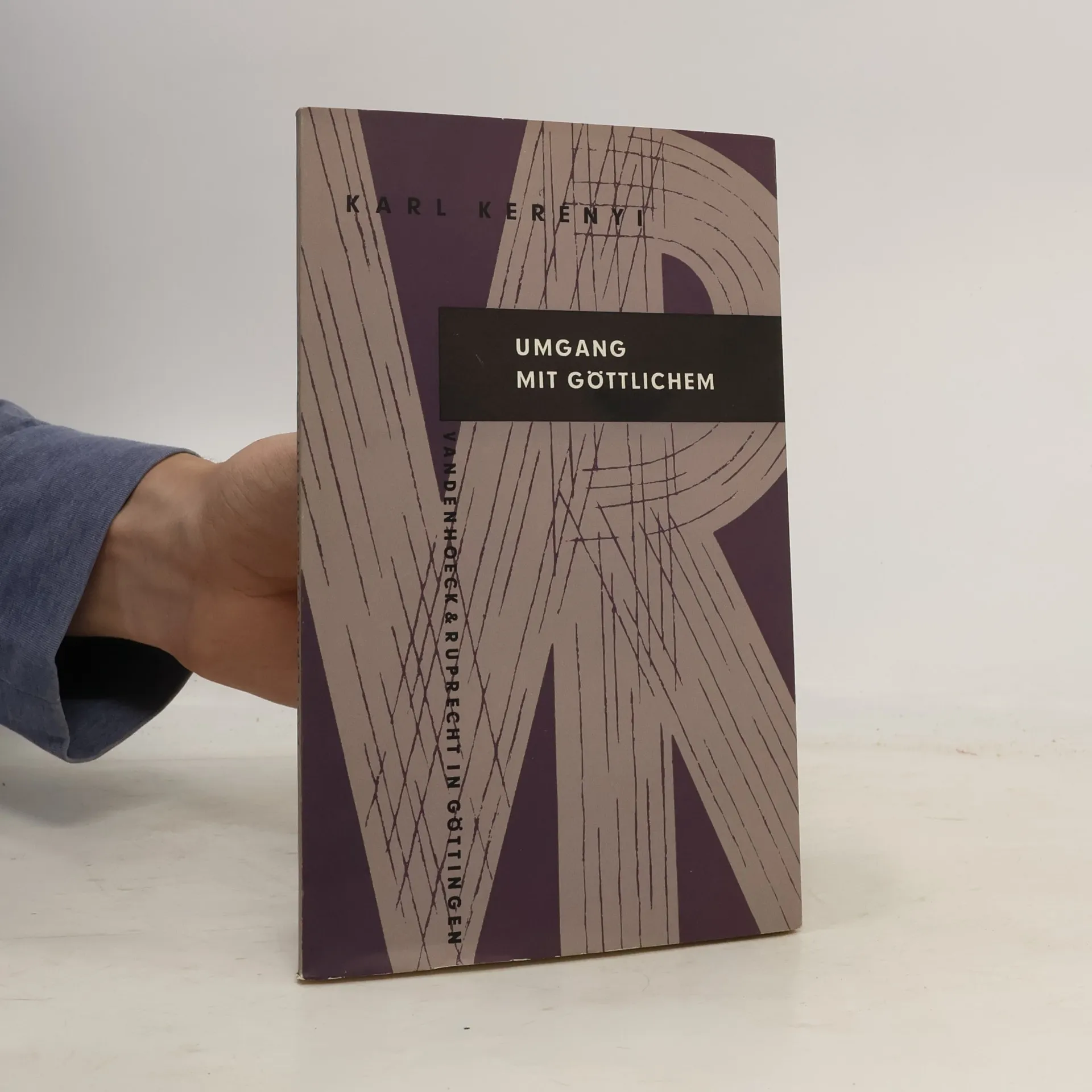
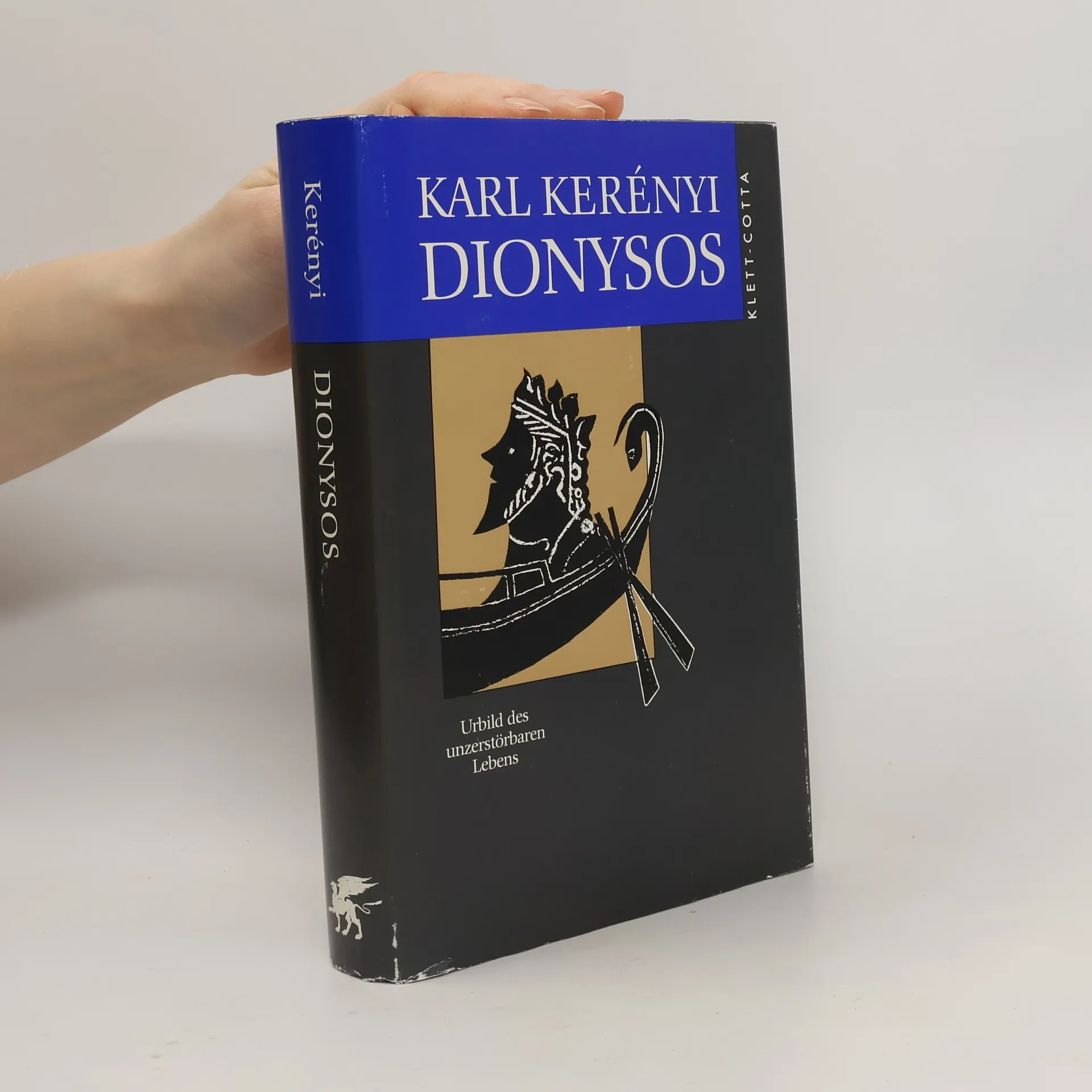
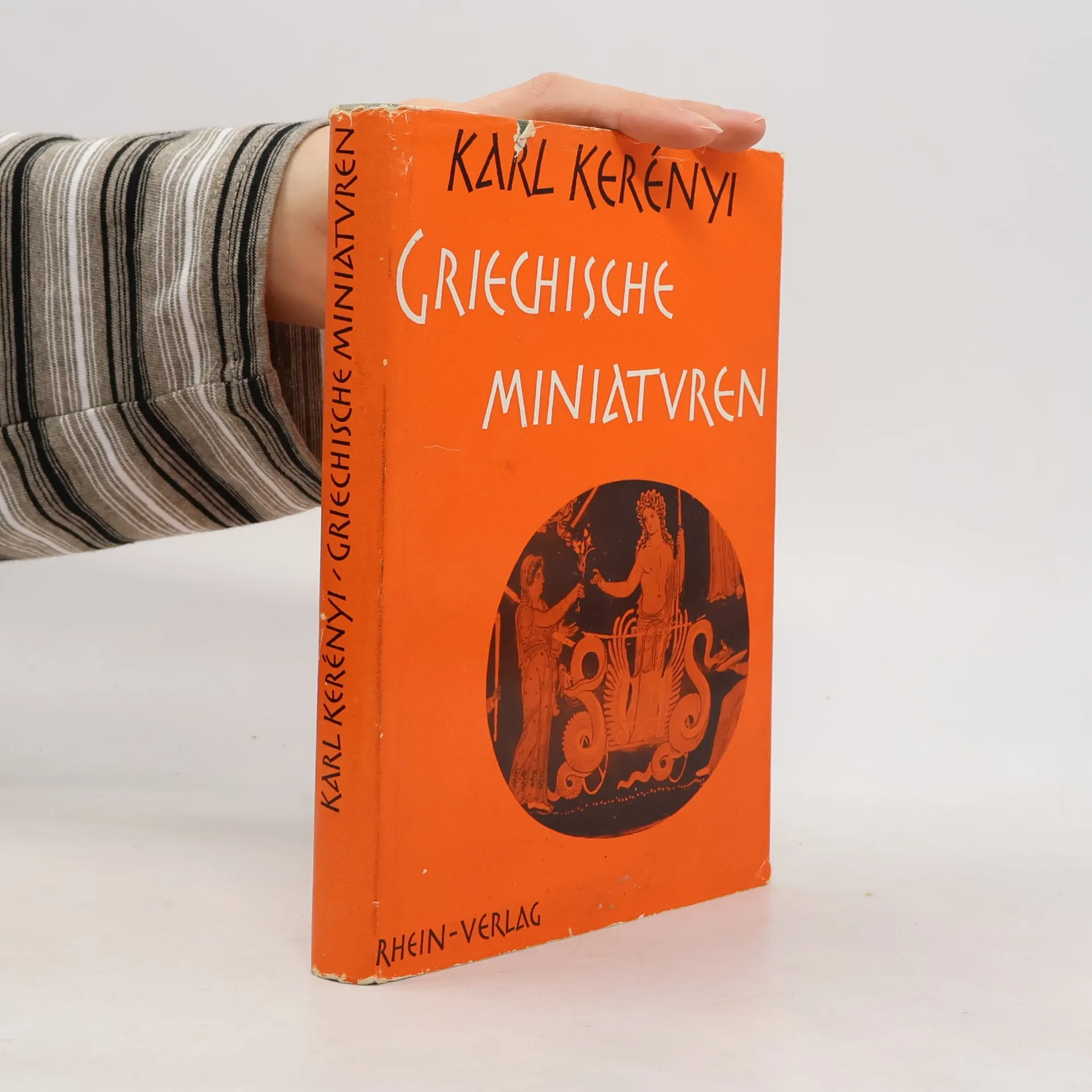
Dionysos is deeply embedded in the cultural and natural landscape of Greece and Italy, representing the essence of life through myth and ritual. Carl Kerényi, a prominent mythologist, explores the evolution of Dionysian religion from its Minoan origins to its transformation into a universal faith during late antiquity under Roman influence. Drawing from extensive Greek literary and archaeological sources, he illustrates the rich tapestry of Dionysian worship, emphasizing the foundational role of myth in understanding this ancient tradition.
Karl Kerényi Books
January 19, 1897 – April 14, 1973
Károly Kerényi was one of the founders of modern studies in Greek mythology. His work is characterized by a profound understanding of the archetypal forces and symbolic meanings embedded within myths. Kerényi's approach illuminates timeless human questions through ancient narratives, revealing their enduring impact on the human psyche and culture. His innovative scholarship continues to inspire and shape how we understand and interpret classical myths.

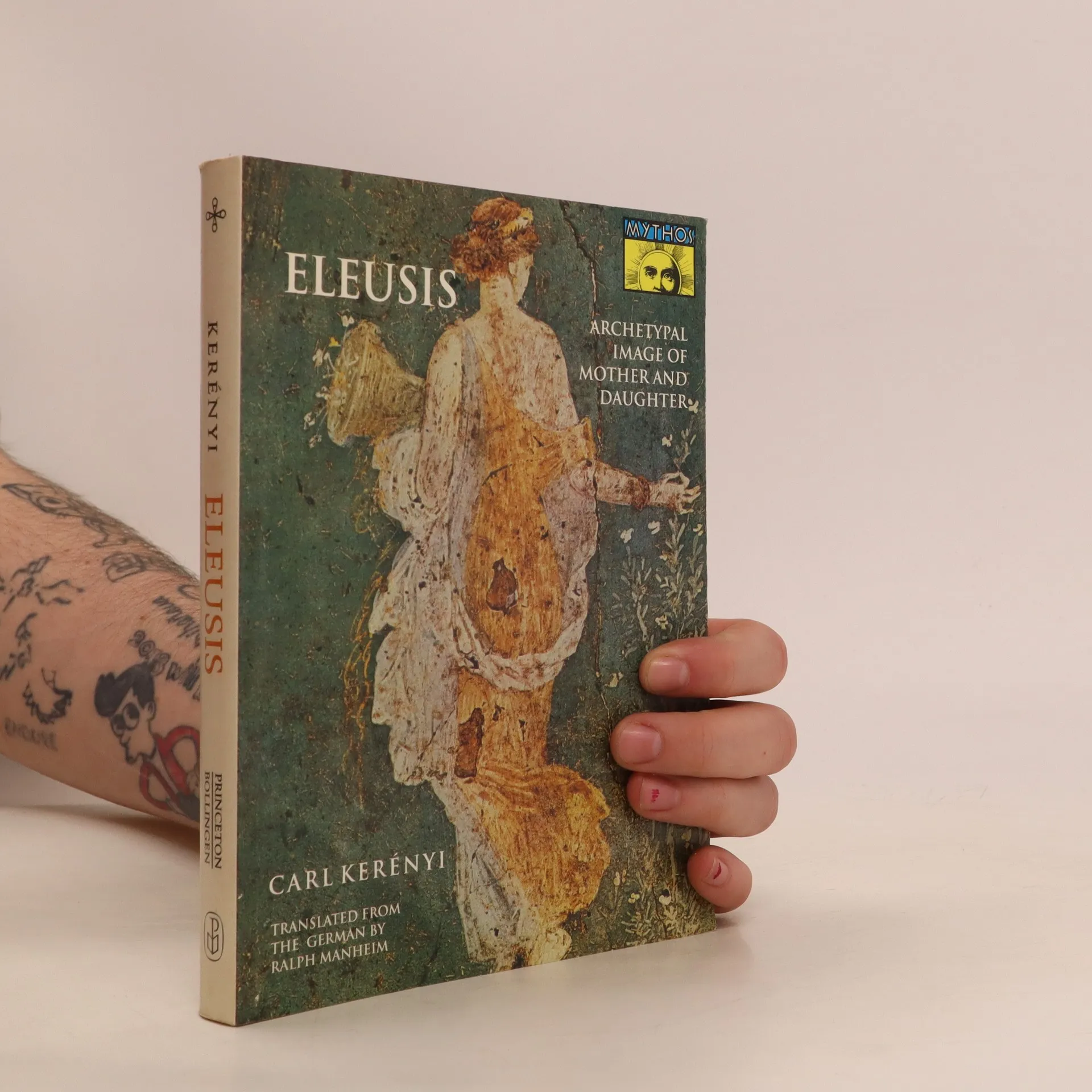

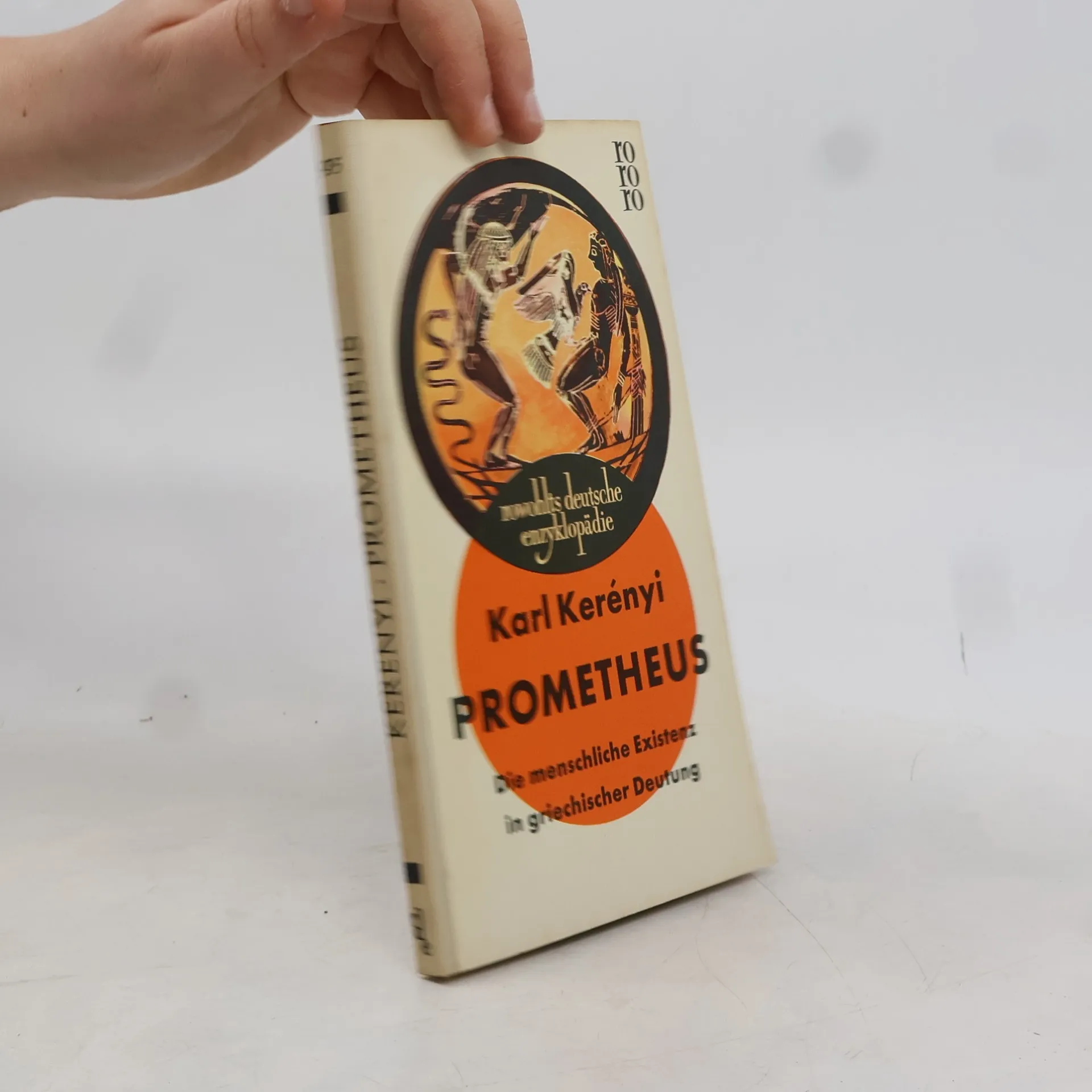
Exploring the myth of Prometheus, this work delves into the themes of suffering and transformation, illustrating how the tale reflects profound truths about human existence. Carl Kerényi traces the evolution of the myth from ancient Greek sources like Hesiod and Aeschylus to its reinterpretation in Romantic poetry by figures such as Goethe and Shelley. Additionally, the analysis incorporates Jungian psychology, presenting Prometheus as an archetype of human daring and the journey from pain to sacrifice, highlighting its lasting impact on Western thought.
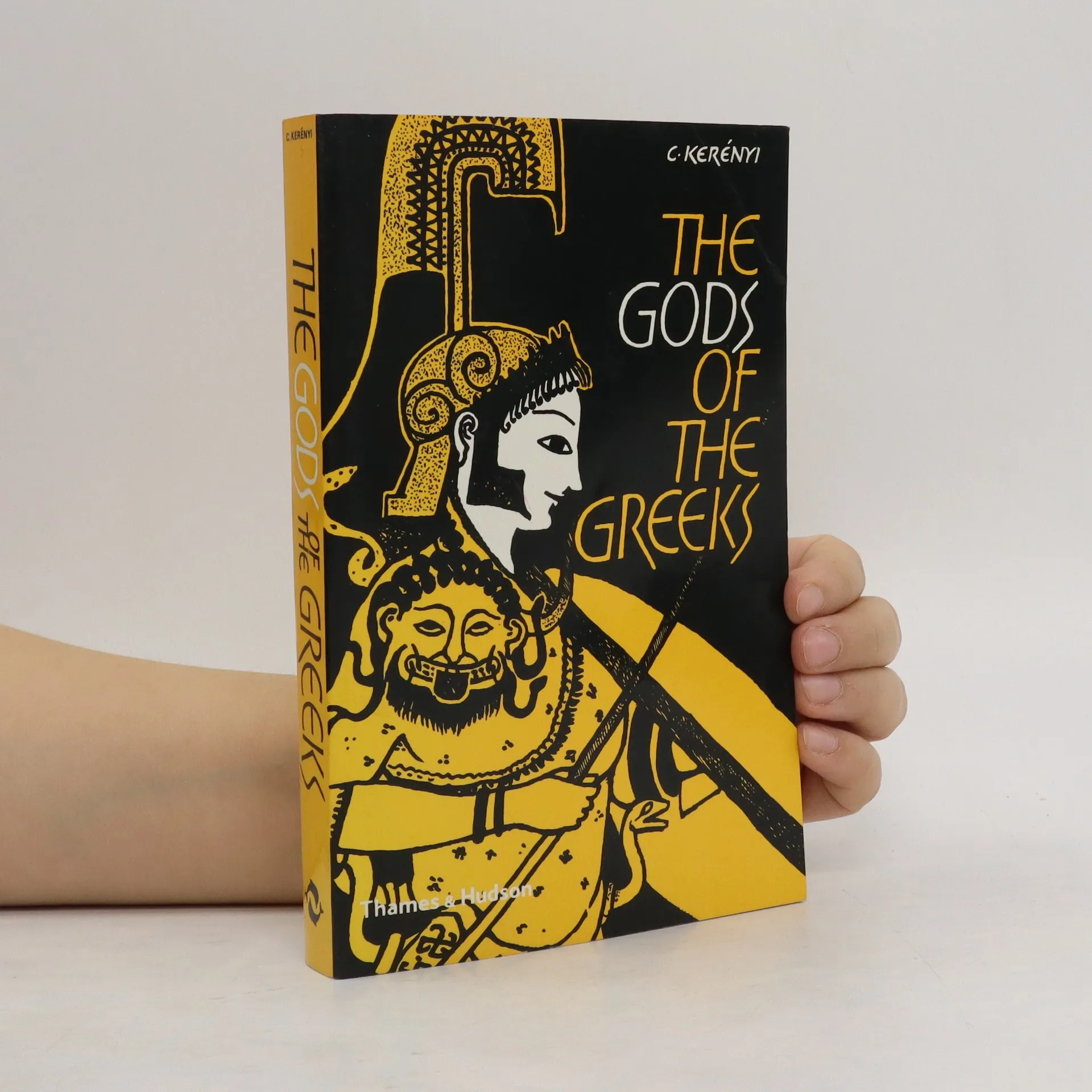
The Gods of the Greeks
- 304 pages
- 11 hours of reading
Drawing on a wealth of sources, from Hesiod to Pausanias and from the Orphic Hymns to Proclus, Professor Kerényi provides a clear and scholarly exposition of all the most important Greek myths. After a brief introduction, the complex genealogies of the gods lead him from the begettings of the Titans and from Aphrodite under all her titles and aspects, to Apollo, Hermes and the reign of Zeus, touching upon the Affairs of Pan, nymphs, satyrs, cosmogonies and the birth of mankind, until he reaches the ineffable mystery of Dionysos. The lively and highly readable narrative is complemented by an appendix of detailed references to all the original texts and a fine selection of illustrations taken from vase paintings. 26 black-and-white illustrations
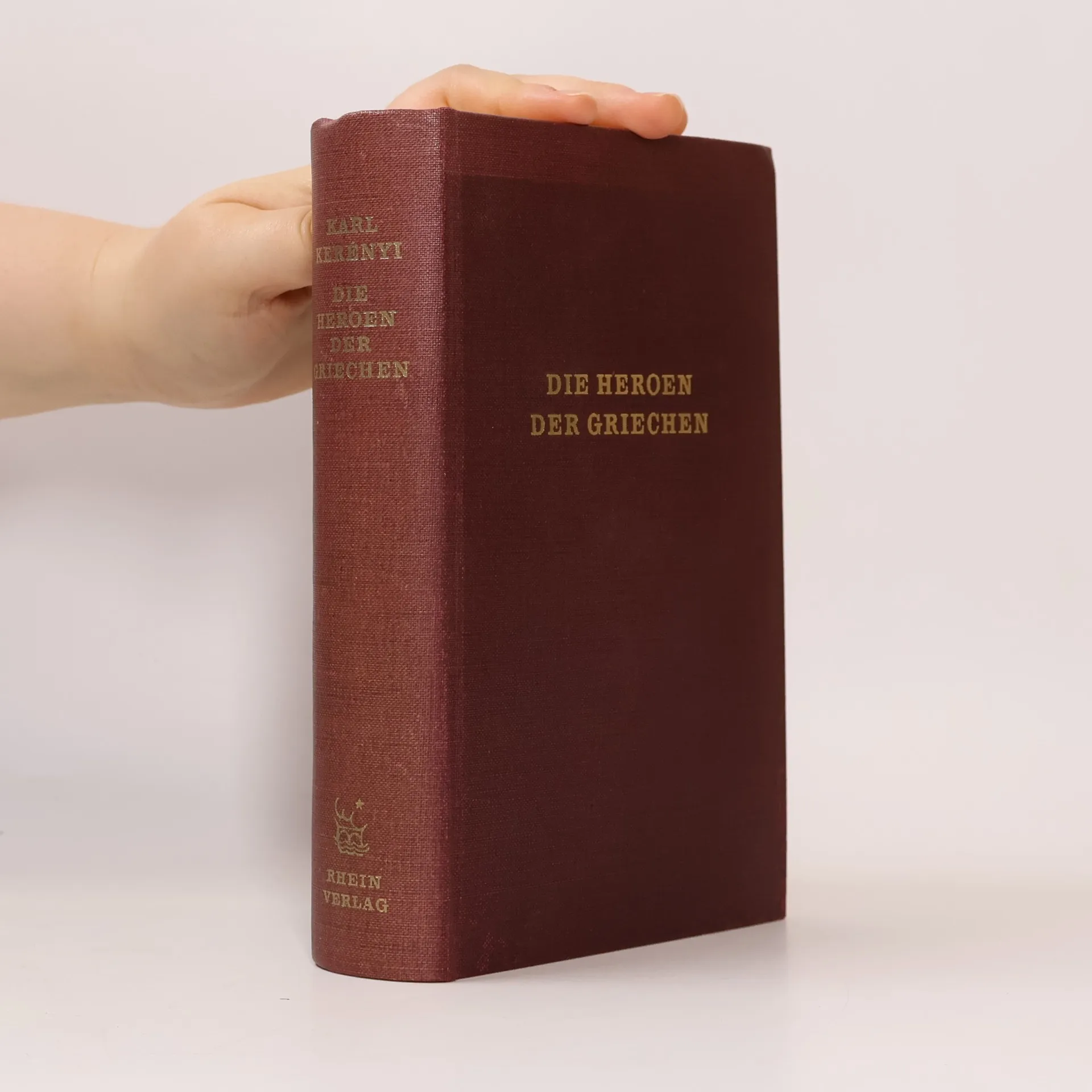
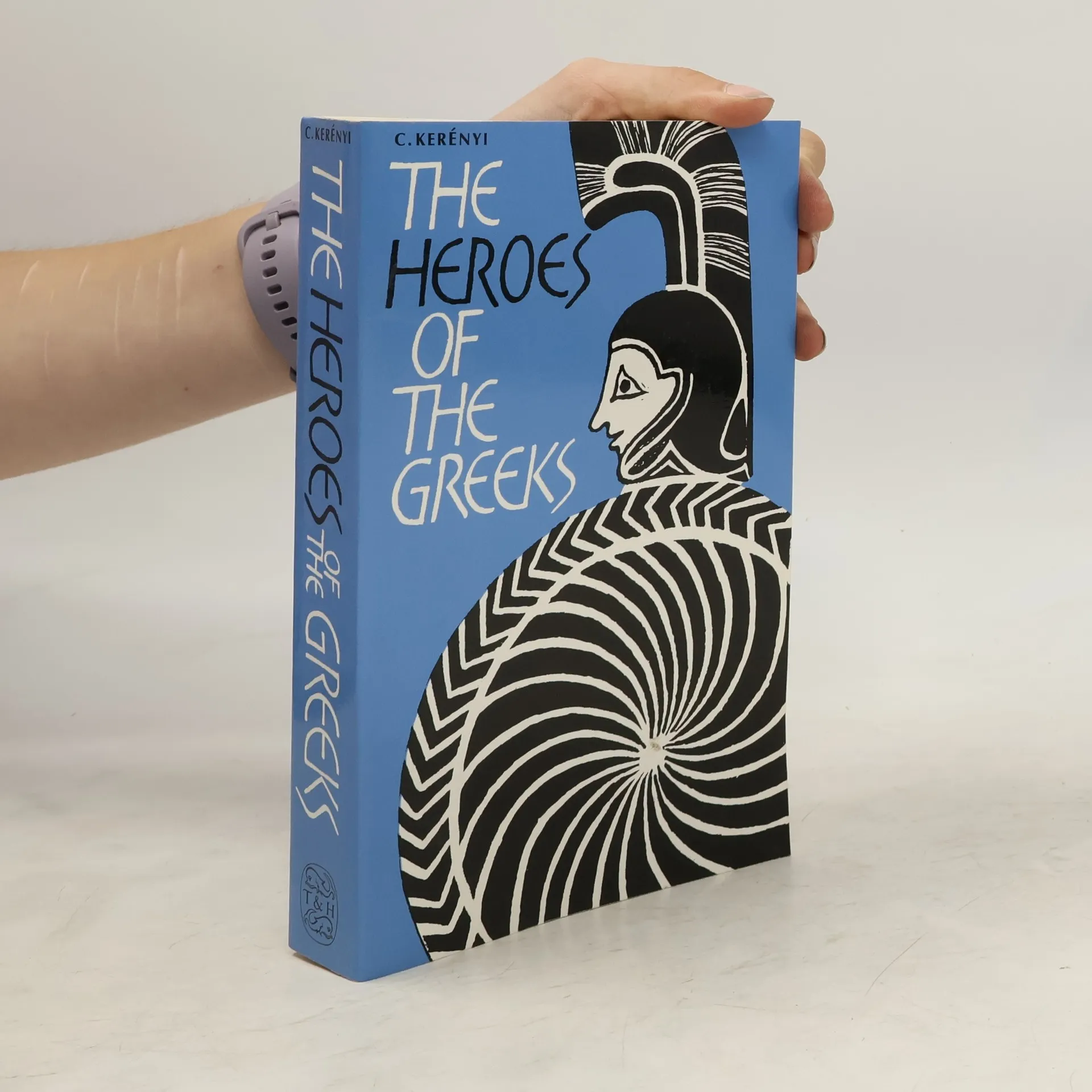
Heroes of the Greeks.
- 440 pages
- 16 hours of reading
Records the histories of ancient warriors and demi-gods depicted in classical mythology and art treasures
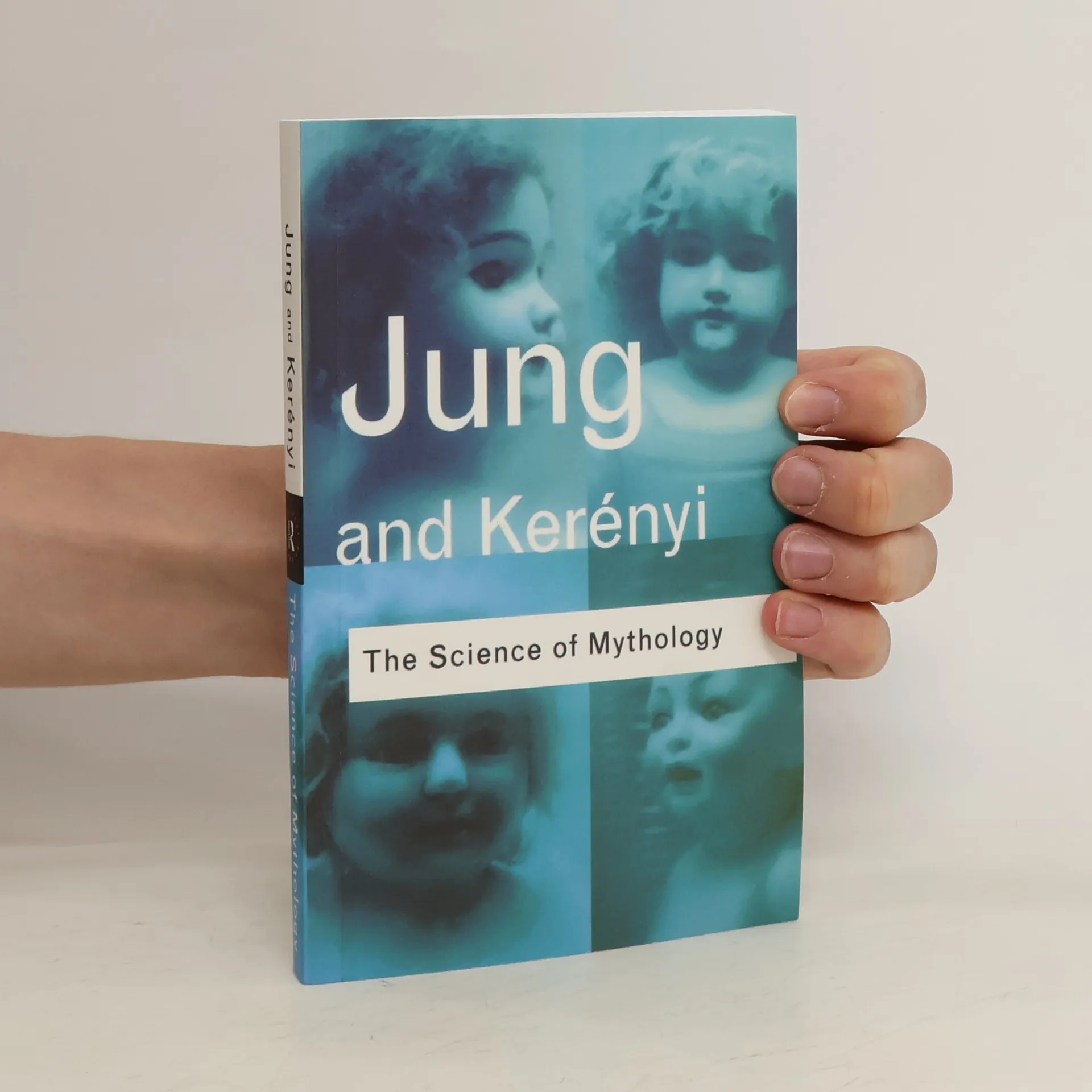
The Science of Mythology
- 240 pages
- 9 hours of reading
Science of Mythology provides an account of the meaning and the purpose of mythic themes that is linked to modern life: the heroic battles between good and evil of yore are still played out, reflected in contemporary fears. schovat popis
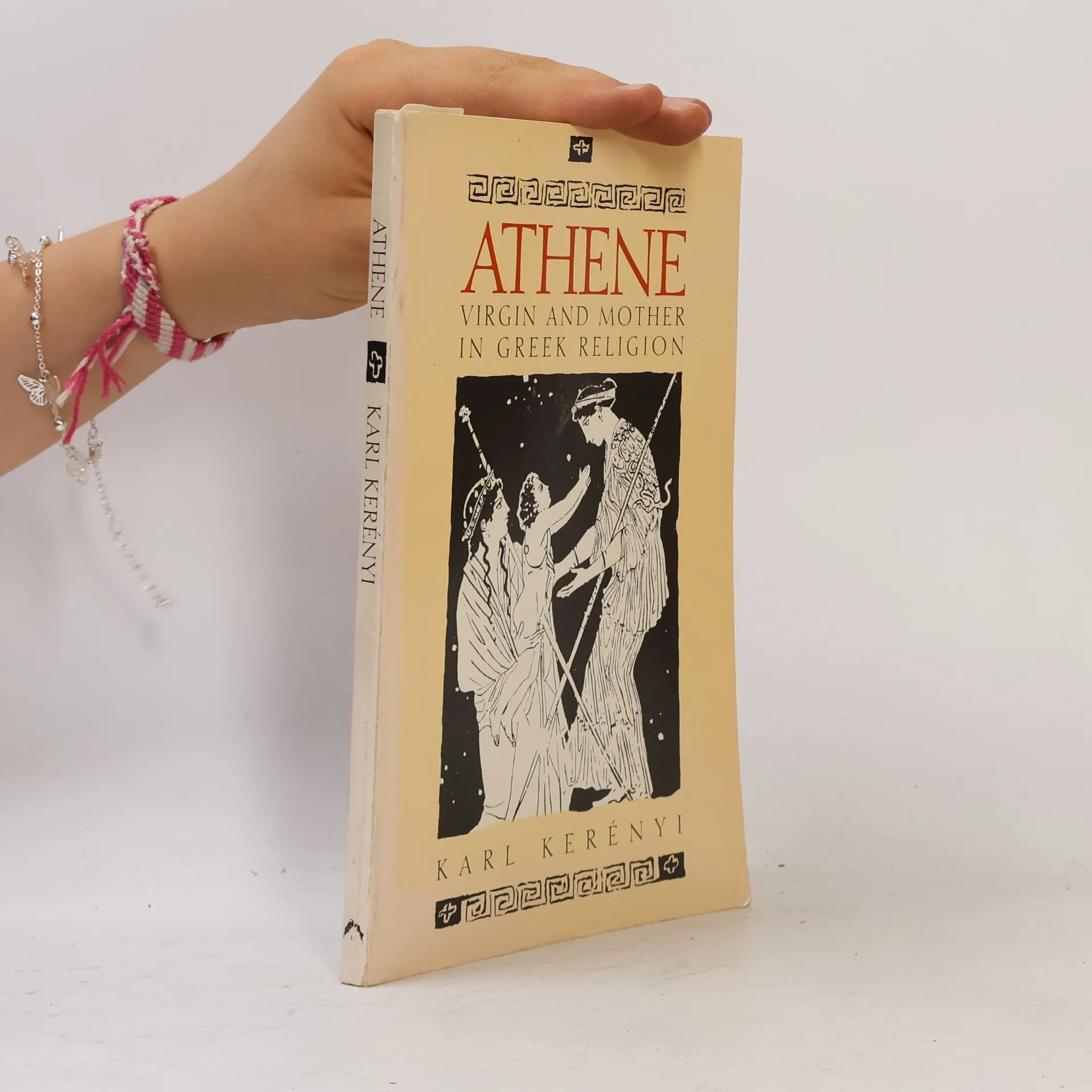
Athene, the goddess who affects the fates of both women and men, unites the virginal father’s daughter and the encouraging mother of the spirit. Karl Kerényi’s careful rendering of the many aspects of her mythos demonstrates a profound understanding of feminine intelligence both in its fierceness and it darker animal nature – especially apparent in the symbolism of owl, goat, horse, and Gorgon. The archetypal image of Athene provides a mythological background of communal and political consciousness, individuality, and the power of mind.
Hermes conductor de almas
- 113 pages
- 4 hours of reading
Focusing on Hermes, traditionally known as the messenger of the gods, this study of Greek mythology and religion offers new interpretations of his character. The first section of the book is dedicated to examining Hermes’s role in classic Greek works—the Iliad , the Odyssey , and ancient hymns—beyond that of the messenger god to that of a guide, helping to uncover new pathways and hidden meanings. The second half of the book deals with Hermes’s relationship with life and death, viewing the former as something that stems from the darkness of the latter. Written in Karl Kerényi’s known analytical style, this volume sheds light on some of the mysteries of the ancient world. Enfocándose sobre Hermes, conocido tradicionalmente como el mensajero de los dioses, este estudio de la mitología y la religión griega ofrece nuevas interpretaciones de su carácter. La primera parte del libro se dedica a examinar el papel de Hermes en las obras griegas clásicas—la Iliada , la Odisea y los Himnos— más allá del dios mensajero al papel de un guía que permite descubrir nuevos caminos y símbolos no percibidos. La segunda mitad del libro trata sobre la relación entre Hermes y la vida y la muerte, mirando a la primera como algo que surge de la oscuridad de la última. Escrito en el estilo analítico conocido de Karl Kerényi, este volumen arroja luz sobre algunos de los misterios del mundo antiguo.
Die Götter, Göttinnen und Heroen des griechischen, römischen und germanischen Pantheons sind immer noch allgegenwärtig in der europäischen Kultur: Wir sehen sie auf Gemälden, antiken Vasen und lesen Anspielungen in literarischen Werken. Doch kaum jemand kennt mehr die genauen Hintergründe. Peterich und Grimal stellen sie einzeln dar und skizzieren Parallelen und Unterschiede zwischen Griechen, Römern und Germanen.
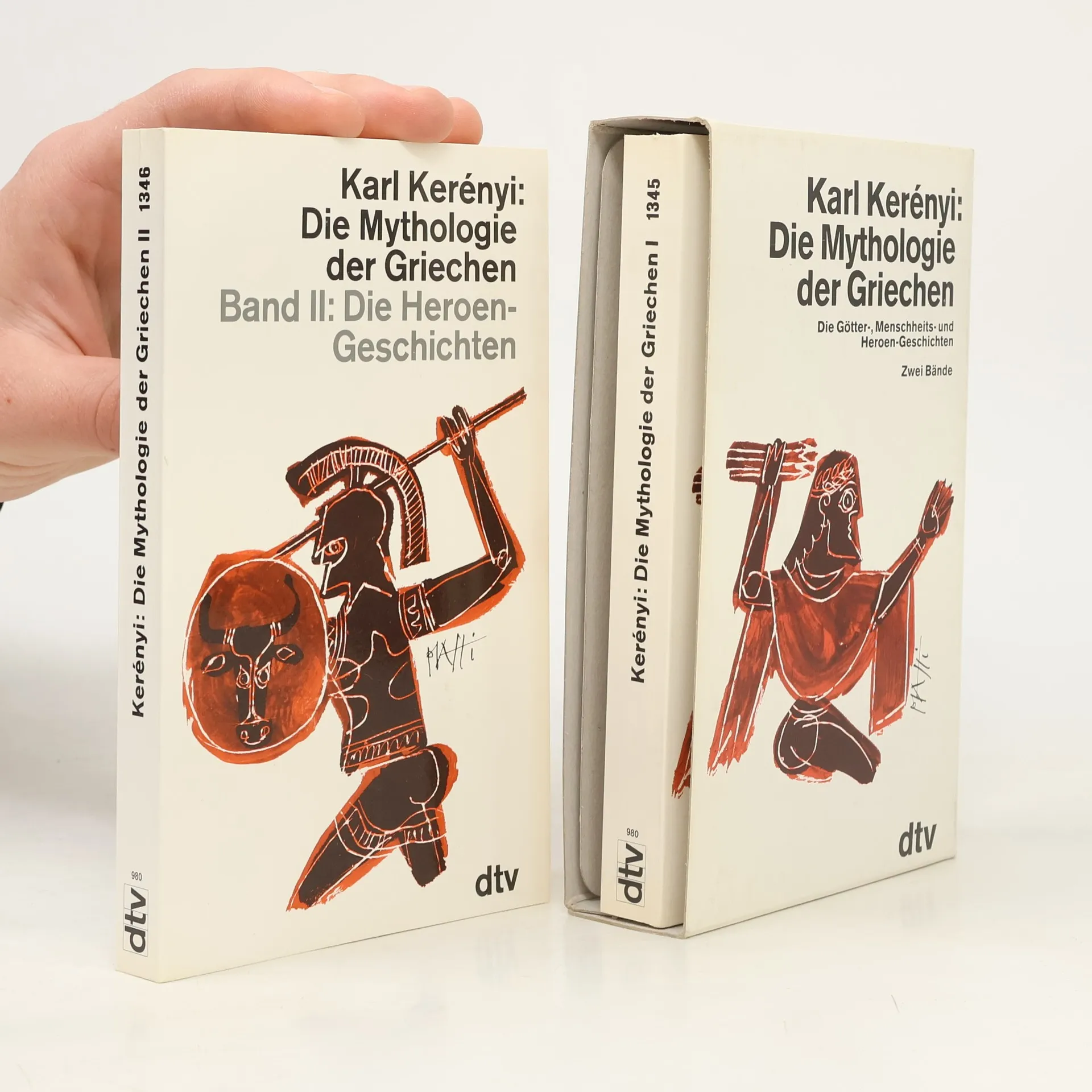
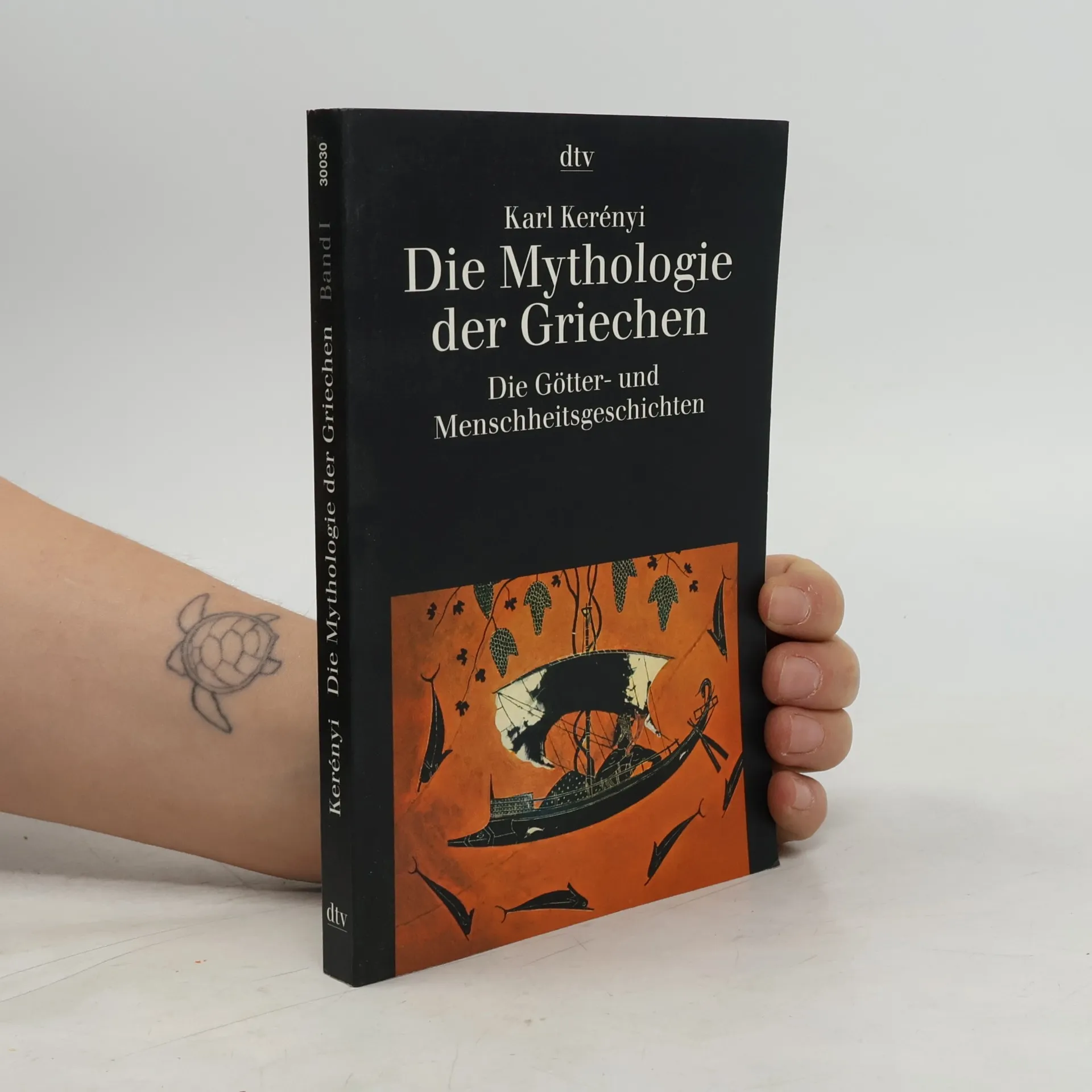
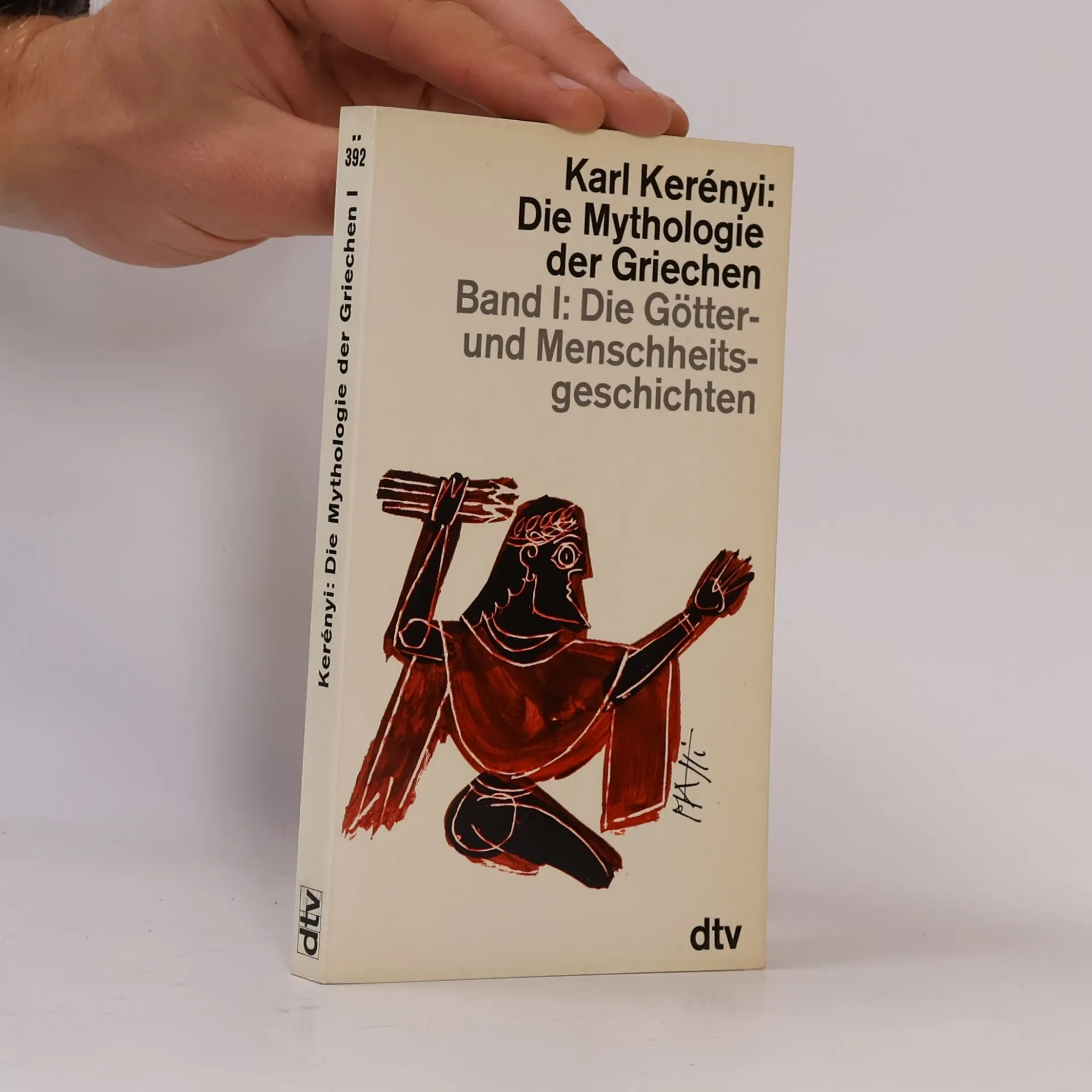
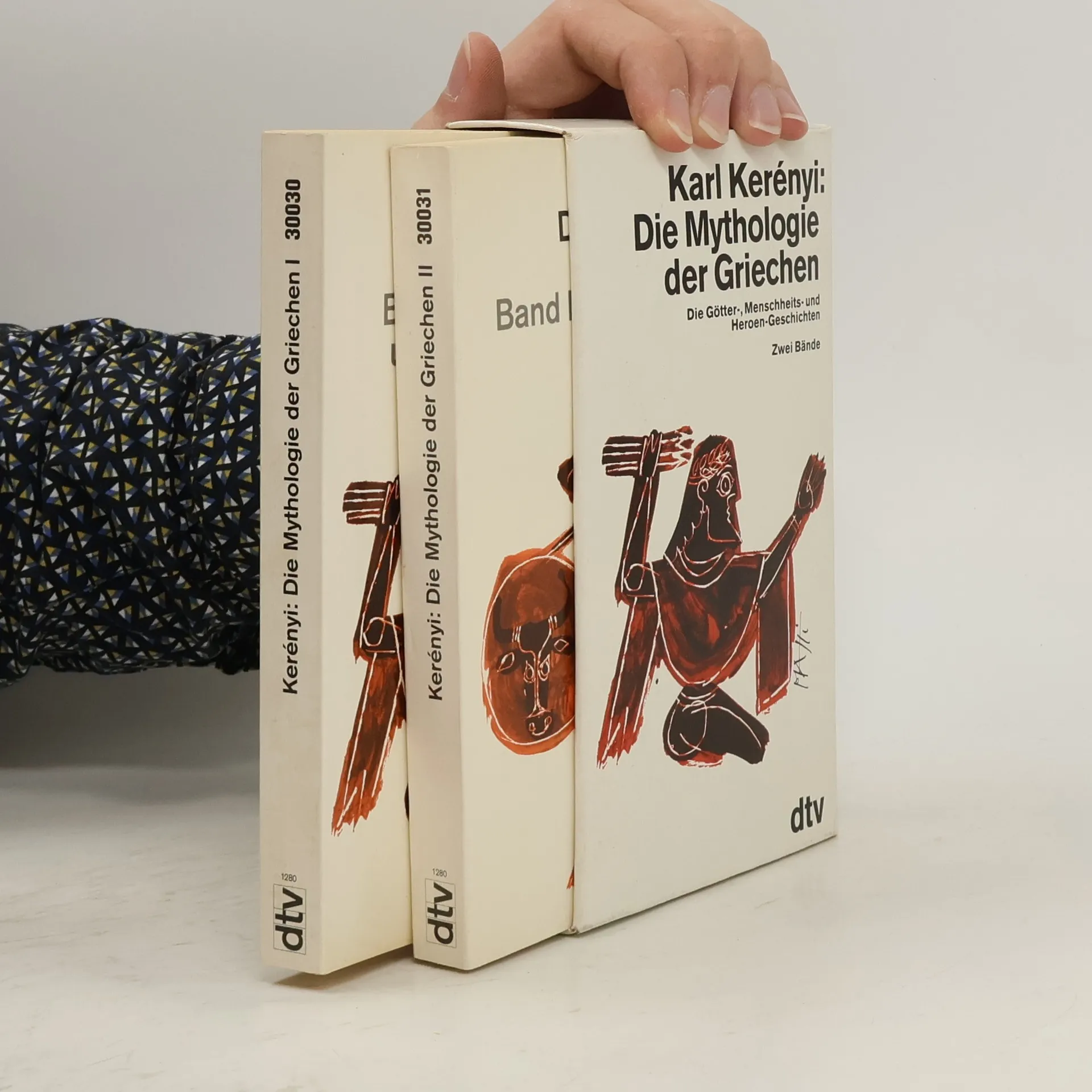
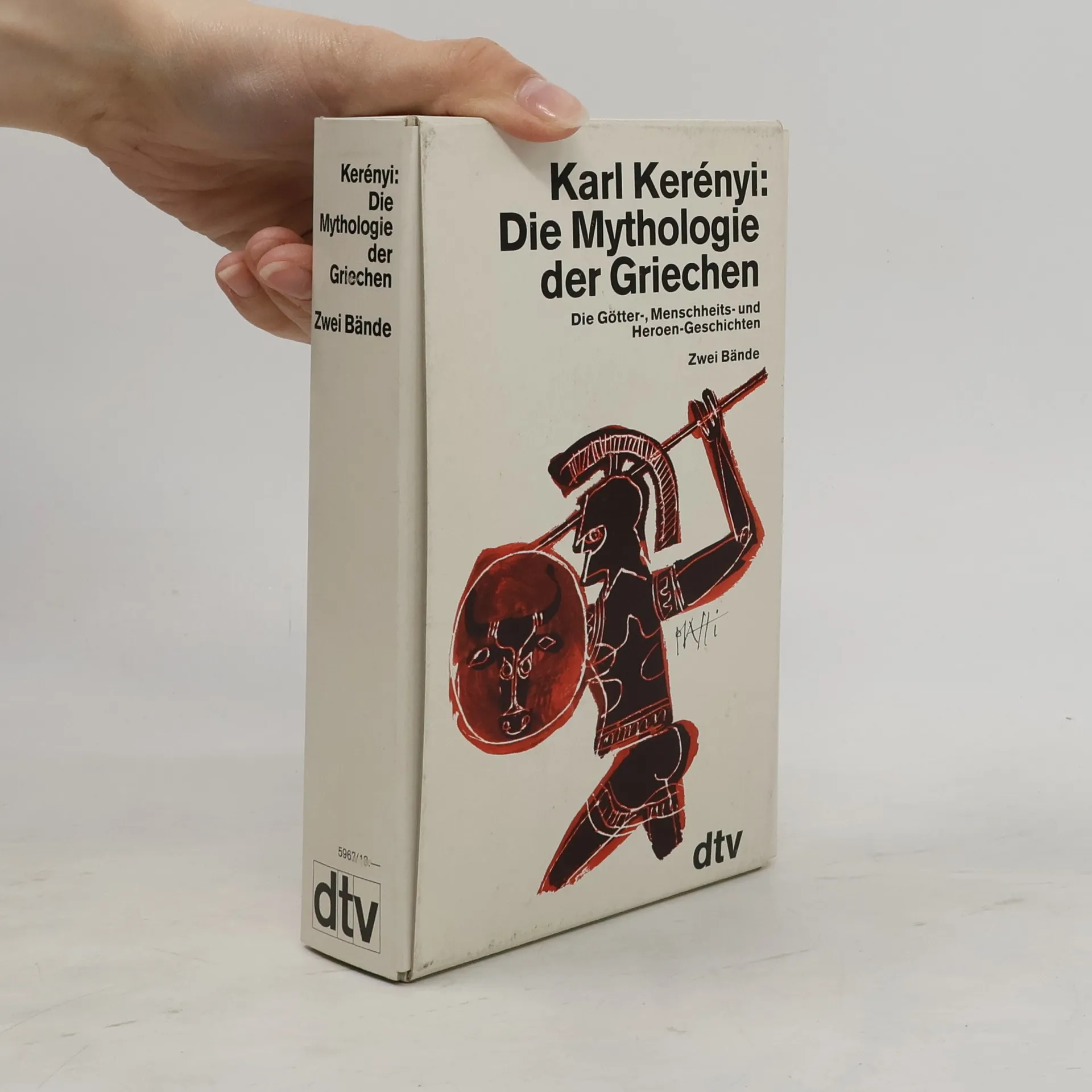
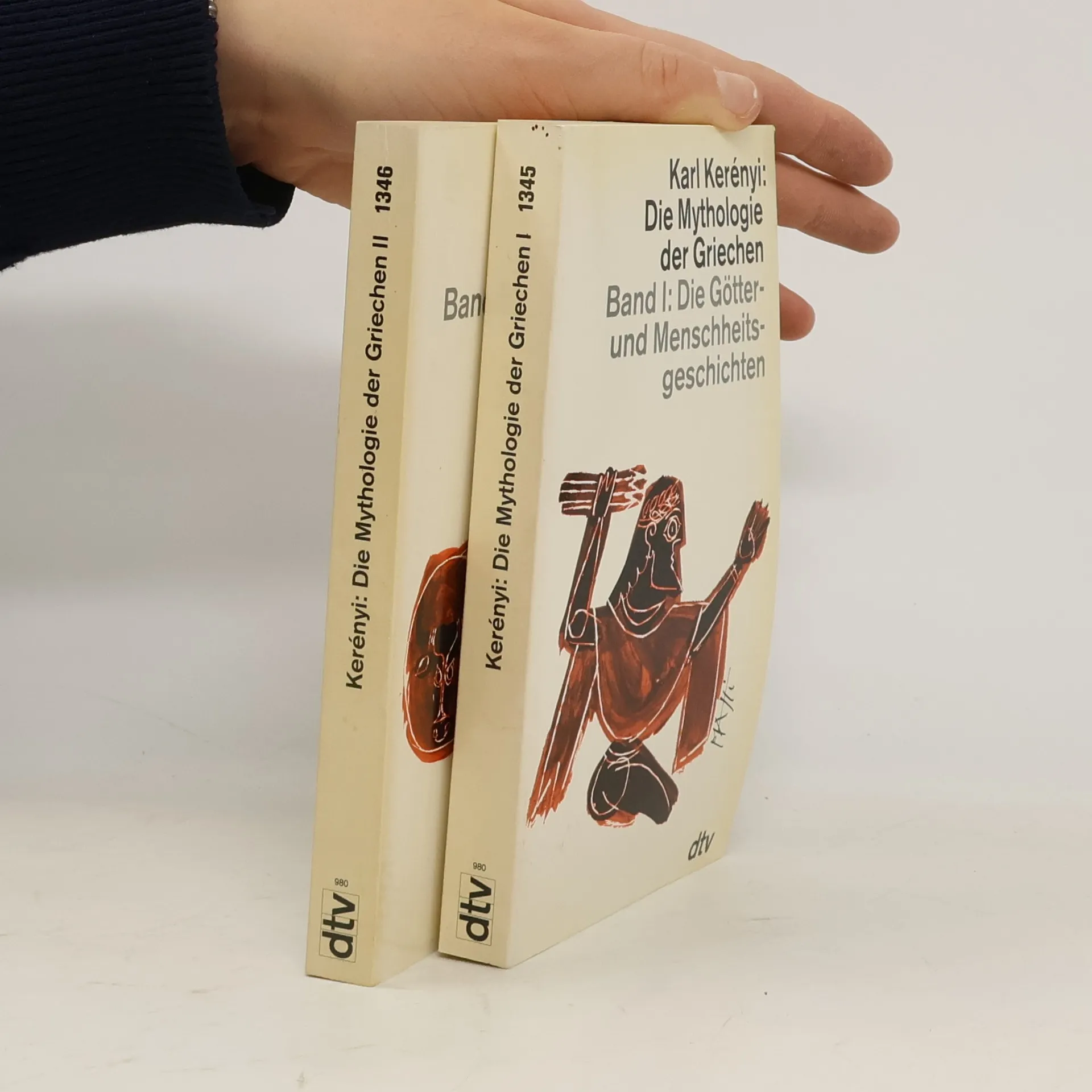
Die Mythologie der Griechen 1
Die Götter- und Menschheitsgeschichten
»Es ist ein wahrer Schatz, überquellend von Geschichten, die hier von einem Kenner, wie es nicht leicht einen zweiten gibt, in aller Genauigkeit, in allen ihren Varianten dargeboten werden.« Thomas Mann
Gli dèi e gli eroi della Grecia
Il racconto del mito, la nascita della civiltà
- 628 pages
- 22 hours of reading
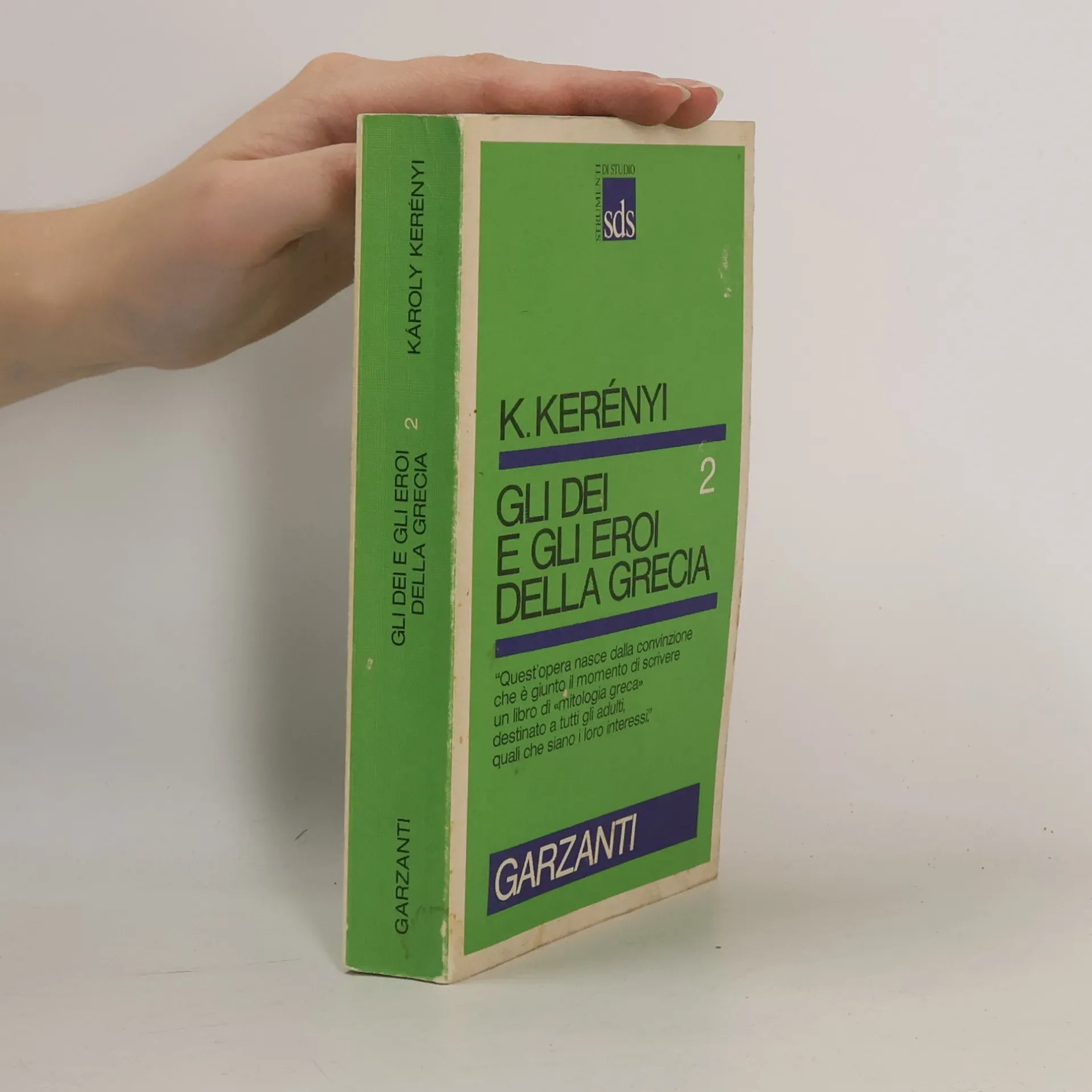
Punto più alto della ricerca filologica e storica di Kàroly Kerényi sulla genesi e le forme della mitologia, "Gli dèi e gli eroi della Grecia" narra le vicende degli dèi, dalle origini del mondo alle complesse genealogie dell'Olimpo, e quelle degli eroi, figure "quasi storiche" e leggendarie, esseri umani che si incontrano e scontrano con la divinità. In un continuo rimando alle fonti originali greche, l'ascesa al potere di Zeus contro il padre Crono, gli amori di Afrodite e le lotte di Ares, la ribellione di Prometeo, le fatiche di Eracle e il dramma di Edipo prendono vita in una materia narrativa in continua evoluzione. L'autore, tra i più cari amici di Carl Gustav Jung - a legarli fu anche una lunga e fruttuosa collaborazione -, racconta gli antichi miti in una forma astratta dal tempo storico, e in cui le intenzioni e i significati dei testi mitologici sono letti in chiave archetipica, offrendo uno strumento di decodifica per la nascita della civiltà. Il Saggiatore porta in libreria un classico della storia delle religioni e degli studi sull'antichità. Riproposto in un unico volume, come nella prima edizione italiana del 1963, "Gli dèi e gli eroi della Grecia" è un testo indipendente e di per sé strumento di conoscenza: Kerényi esula dai limiti della narrazione storica per offrire al lettore un apparato mitologico organico.
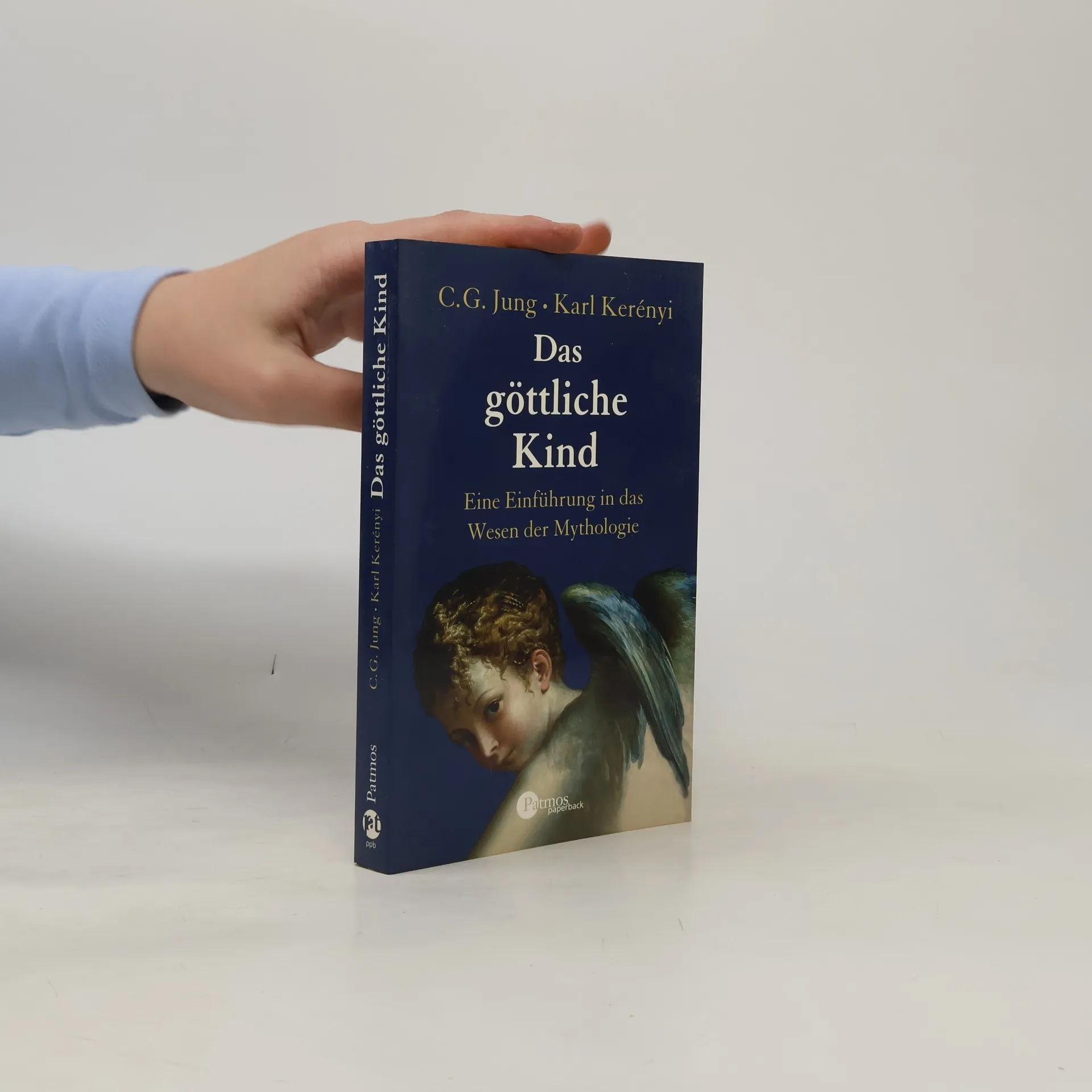
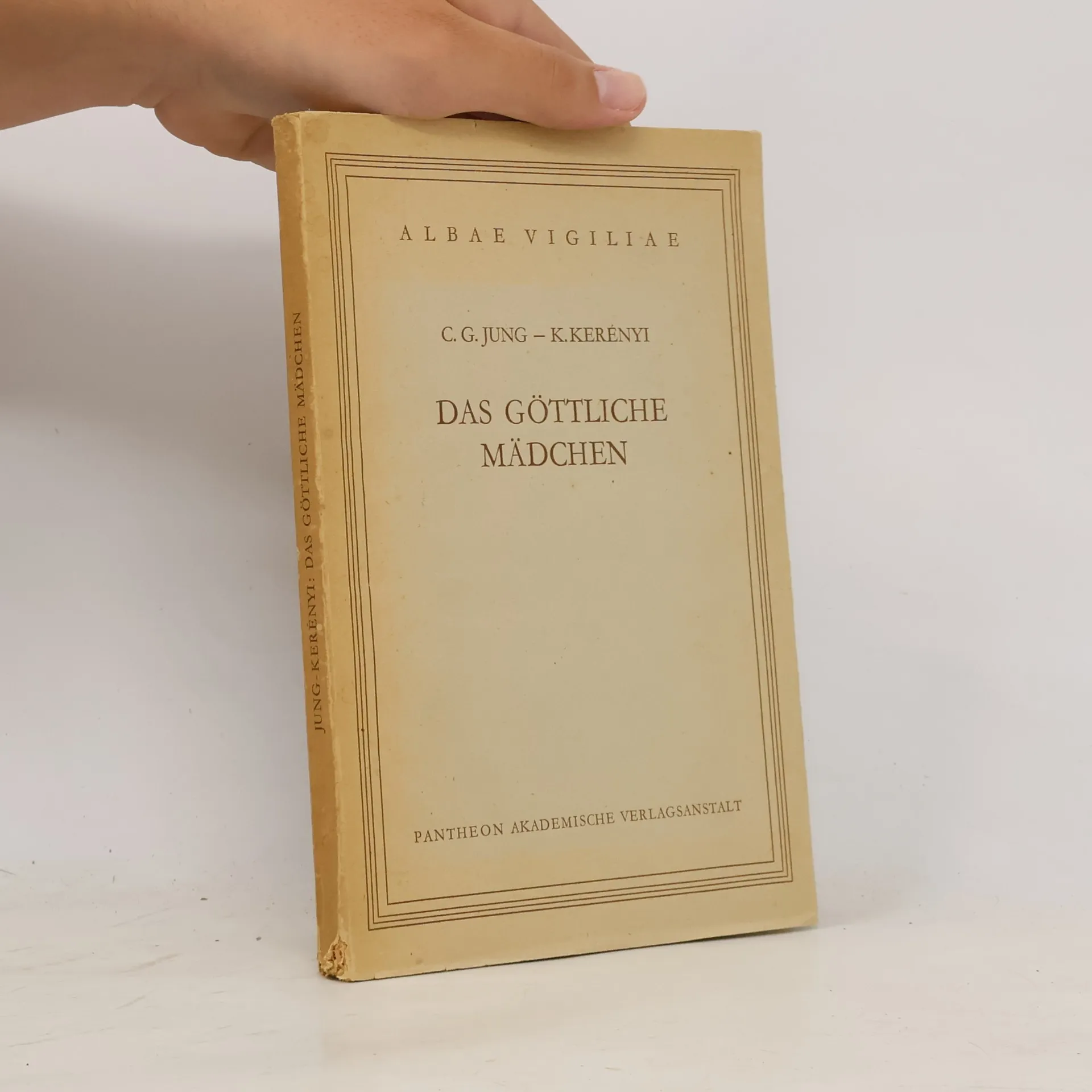
Vom Zauber des göttlichen Kindes Eine Einführung in die Mythologie von C. G. Jung und Karl Kerényi Auch der moderne Mensch kann gewinnbringend in den Wassern der Mythen schürfen. Karl Kerényi, einer der bekanntesten Mythenforscher des 20. Jahrhunderts, und C. G. Jung, der Entdecker des kollektiven Unbewussten, betrachten in diesem Buch zwei zentrale mythologische Motive: das 'göttliche Kind' und das 'göttliche Mädchen'. Die Autoren zeigen jeder auf seine Weise die Bedeutung des mythischen Denkens für die Seele des heutigen Menschen.
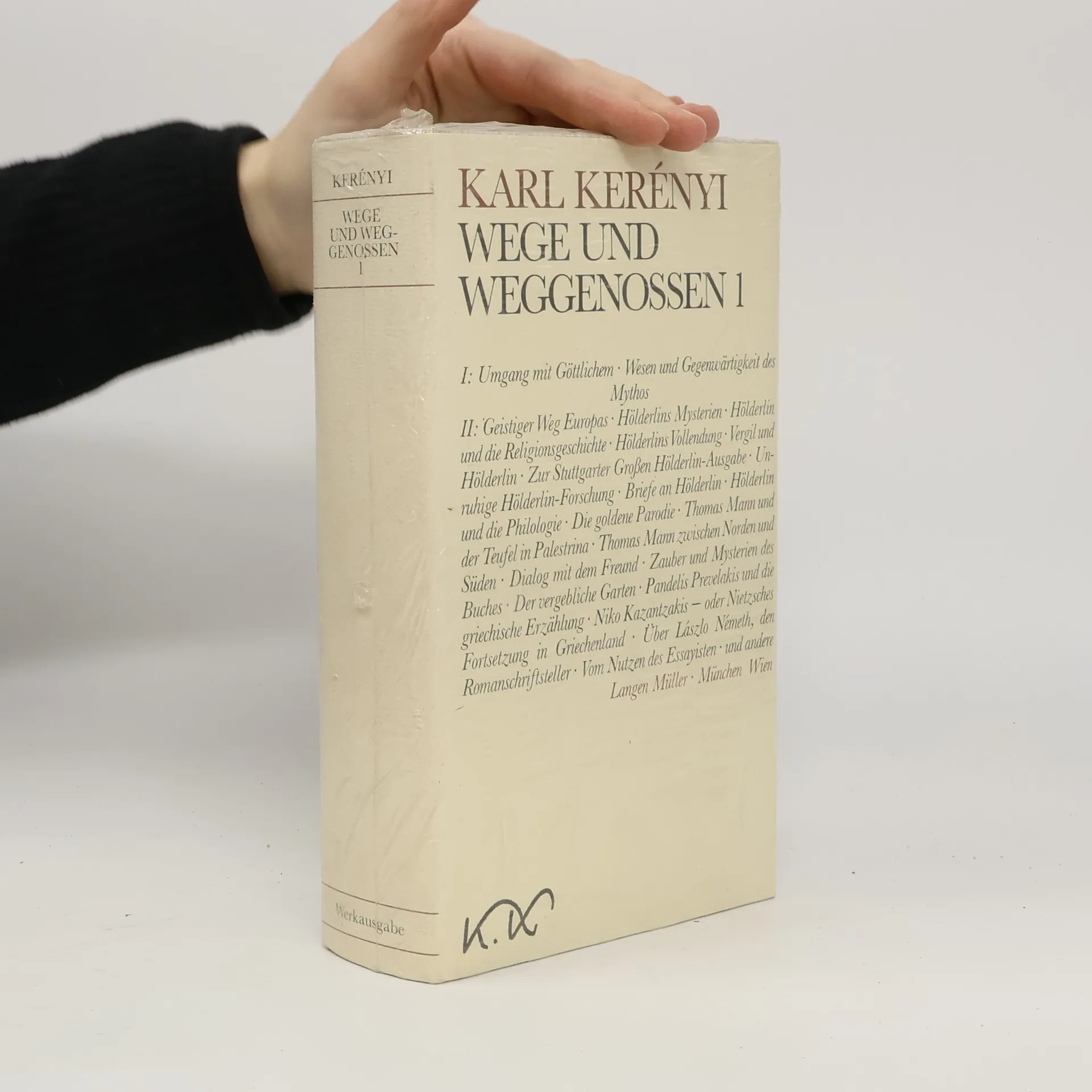
Wege und Weggenossen 2
- 542 pages
- 19 hours of reading
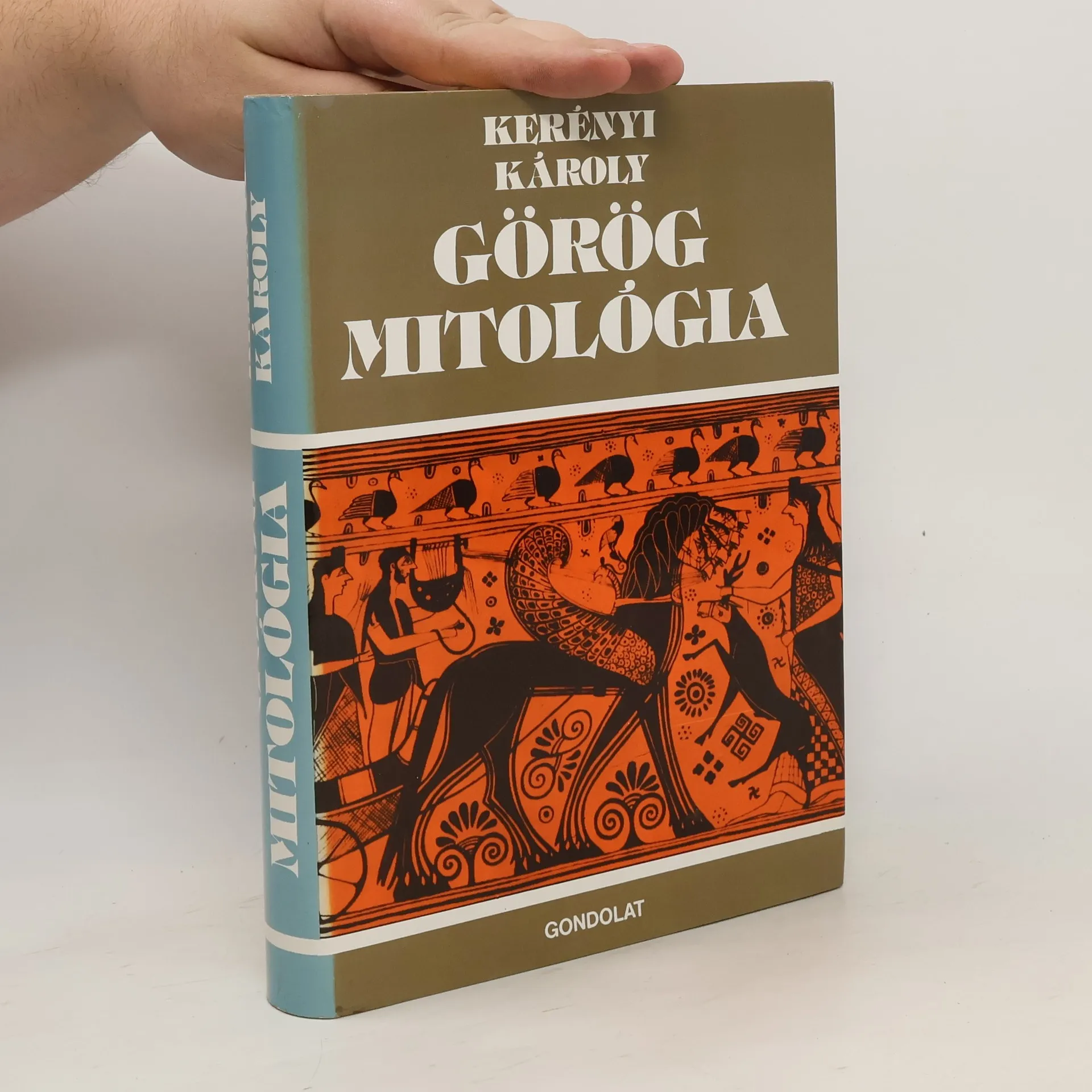
Görög mitológia
- 520 pages
- 19 hours of reading
Kerényi Károly egyik legfontosabb, legmaradandóbb alkotása a Görög mitológia. Az író ismeretterjesztő műnek szánta könyvét, amely magas szintű tudományos összefoglalás, hatalmas anyagismeretről és élvezetes írói stílusról tanúskodik. A görög mítosz minden apró részletével, teljes szövevényességével szólal meg a könyv lapjain. Az elbeszélő egységes, jól megszerkesztett történetként adja elő a dolgok kezdetétől a hérosztörténetekig azt a hatalmas kozmoszt, amely a görög mitológia. A mű egyik legnagyobb értéke, hogy a teljes mitológiát közvetíti, összefüggő, szerves egységként mutatja be, nem pedig önálló, de kevéssé összefüggő történetek halmazaként. Kerényi tartózkodik attól, hogy a részek szimbolikus megfejtését megkísérelje, arra épít, hogy a jól, hitelesen előadott mitológia maga sugallja önnön értelmezését is.
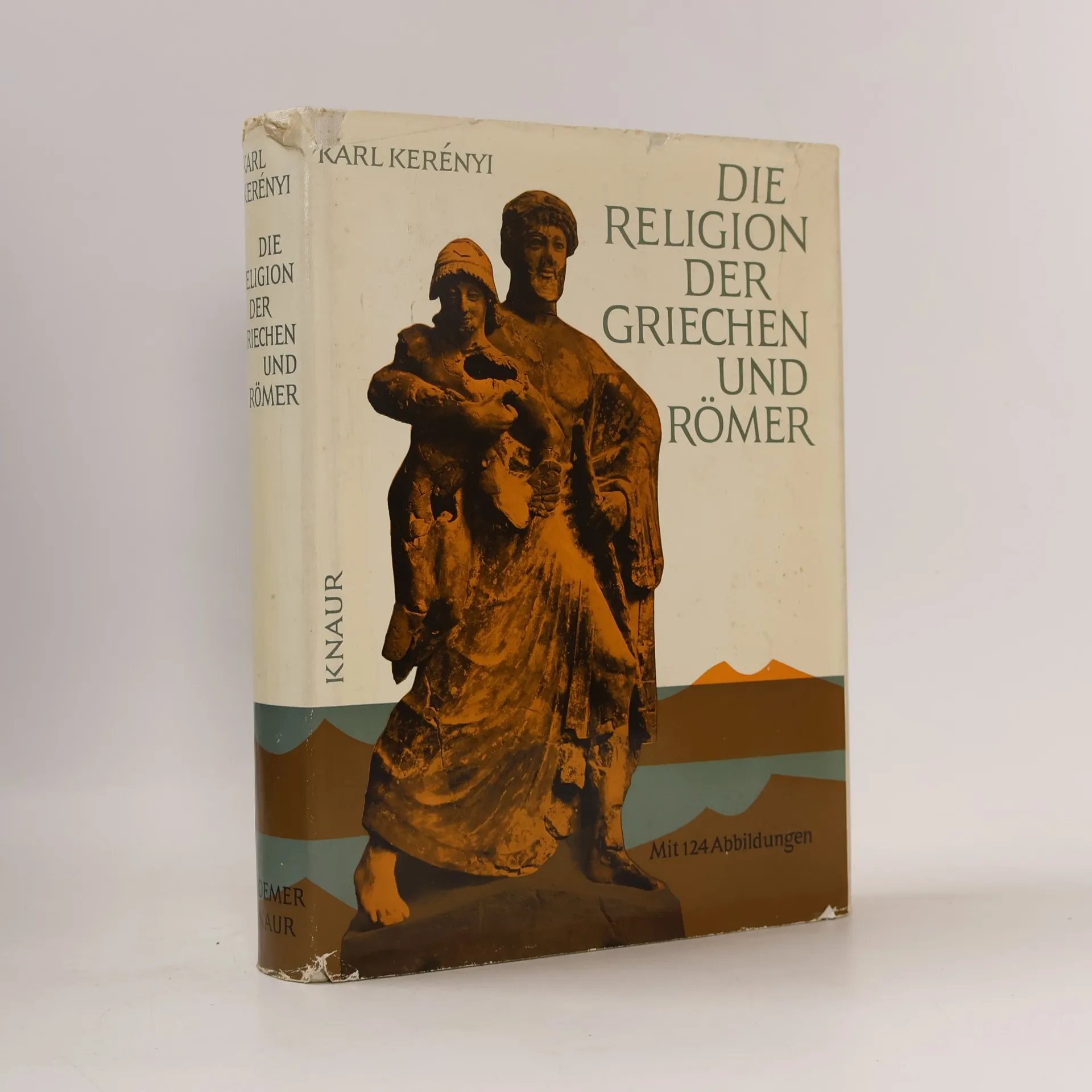
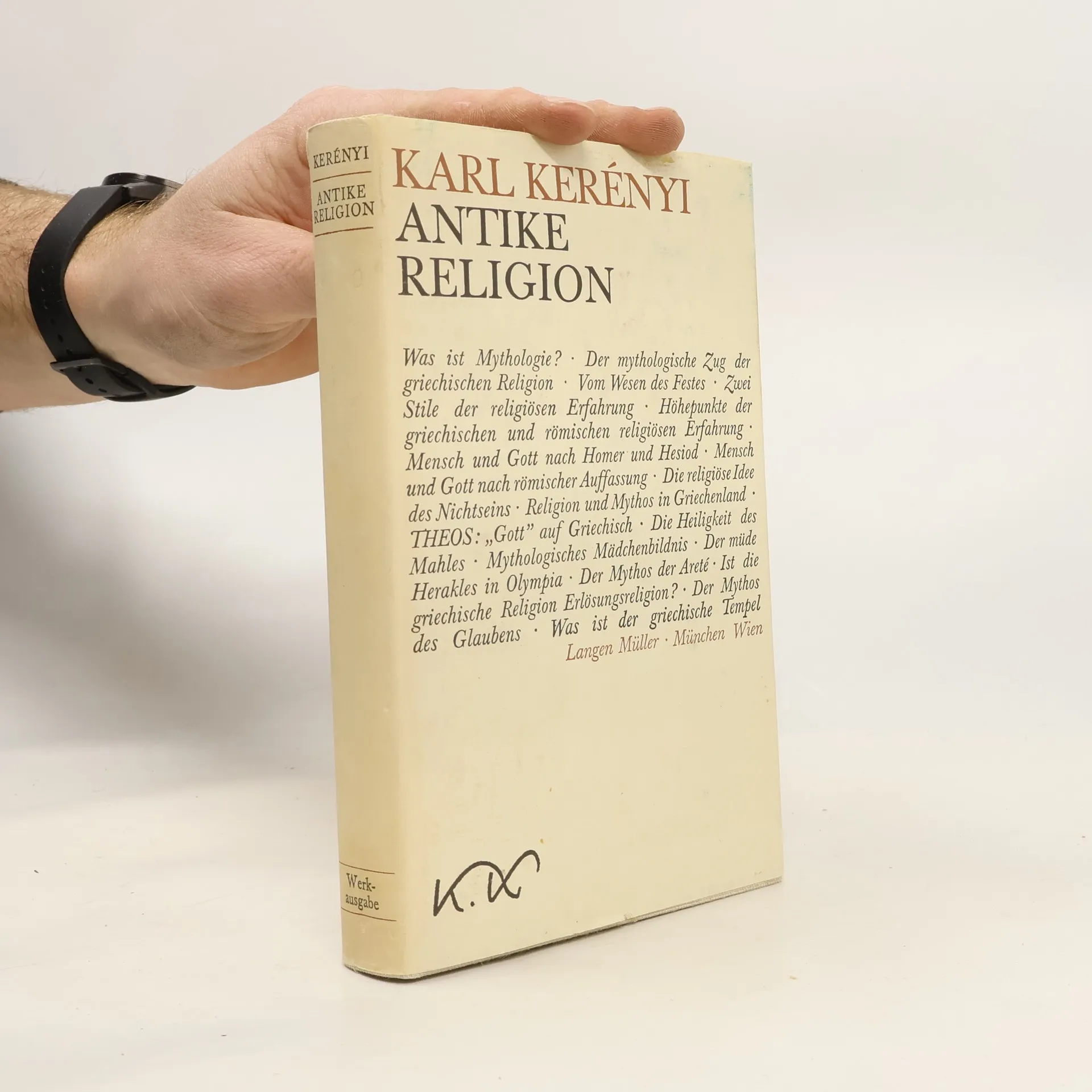
Lebendige Mythologie wird gelebt, sie ist eine Ausdrucks-, Denk- und Lebensform. Karl Kerényis Antike Religion markiert einen Neuanfang im Schreiben über Religion. Antike Religion spannt, aus der sinnlichen Tradition der Antike heraus, Bezüge bis in die Gegenwart.
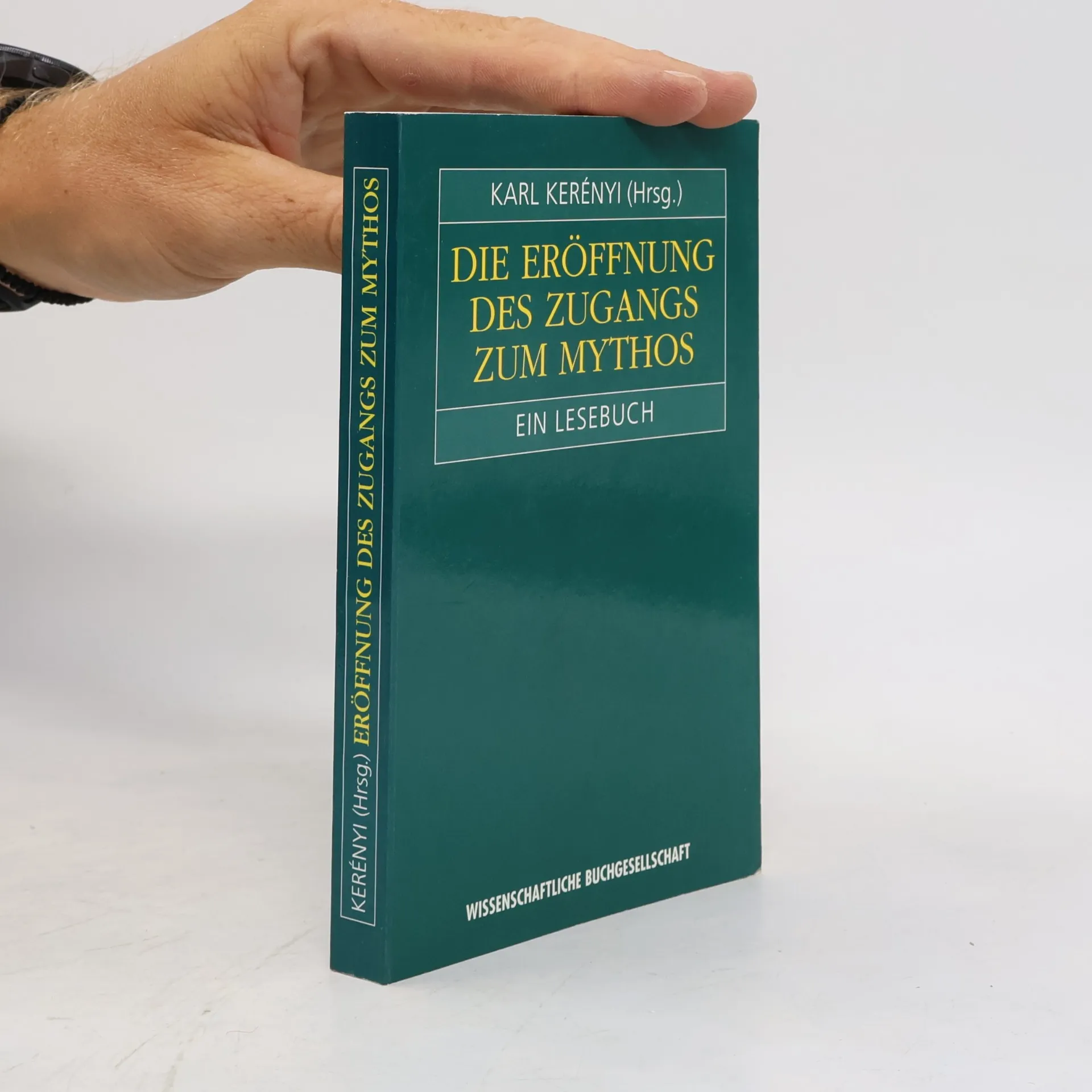
Die Eröffnung des Zugangs zum Mythos
- 307 pages
- 11 hours of reading
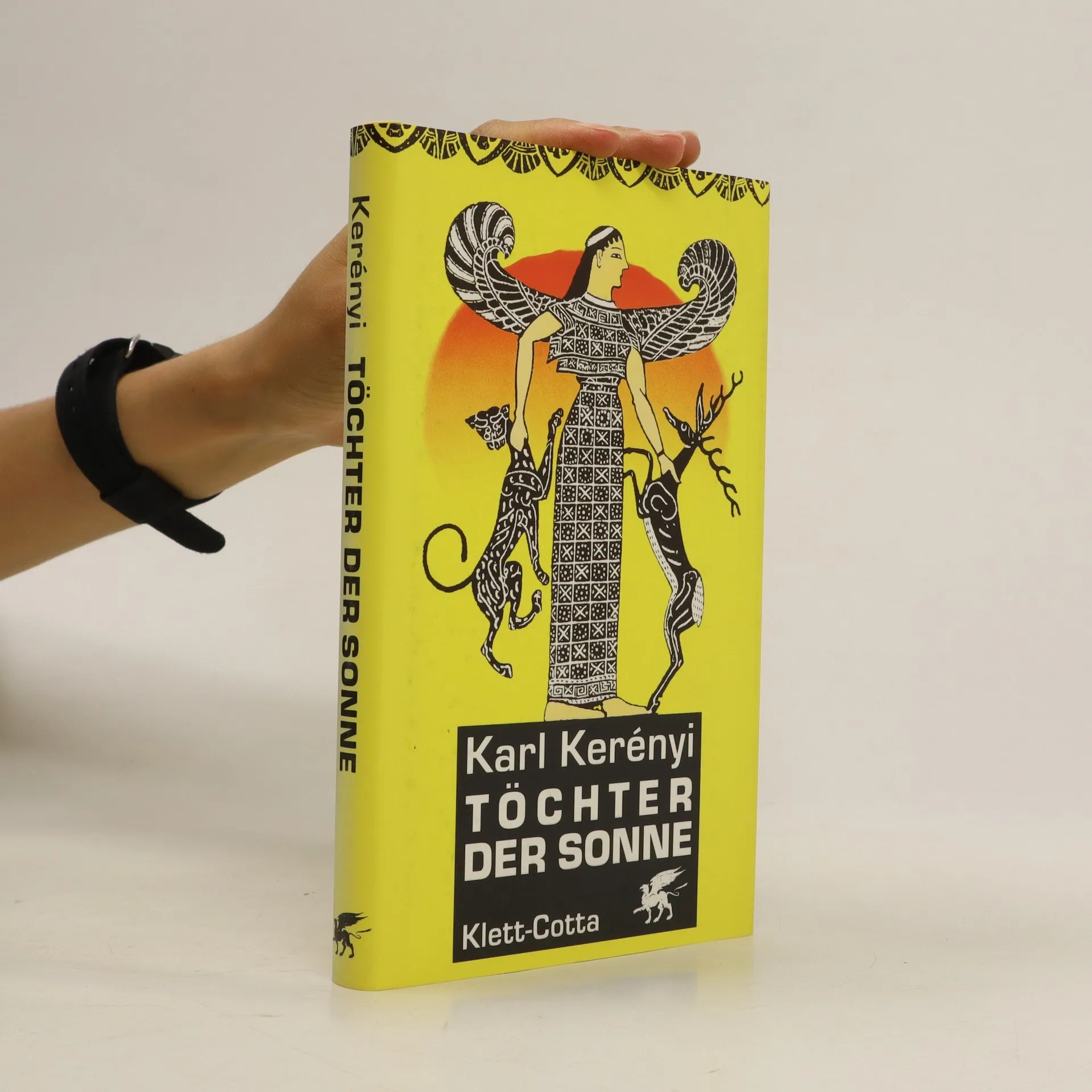
Töchter der Sonne
- 179 pages
- 7 hours of reading
Zauberische dunkle Frauen wie Kirke, Medea und Nemesis auf der einen Seite. Lichtgestalten wie Aphrodite und Hera auf der anderen: Es ist nicht Zeus, zeigt der Mythologe Karl Kerényi, entlang dessen Achse sich das Weltbild der Griechen aufspannt - es sind Helios und Hades. Paradoxien von Tod und Leben, Nacht und Tag, Gut und Böse: Kerényis einfühlsame Prosa folgt den mythischen Frauen durch ein Labyrinth kultureller Bezüge. Ein aufregendes Buch über die Frauenfiguren Griechenlands, die verborgene Logik ihrer Taten, die strenge und doch zauberische Systematik des mythischen Denkens.
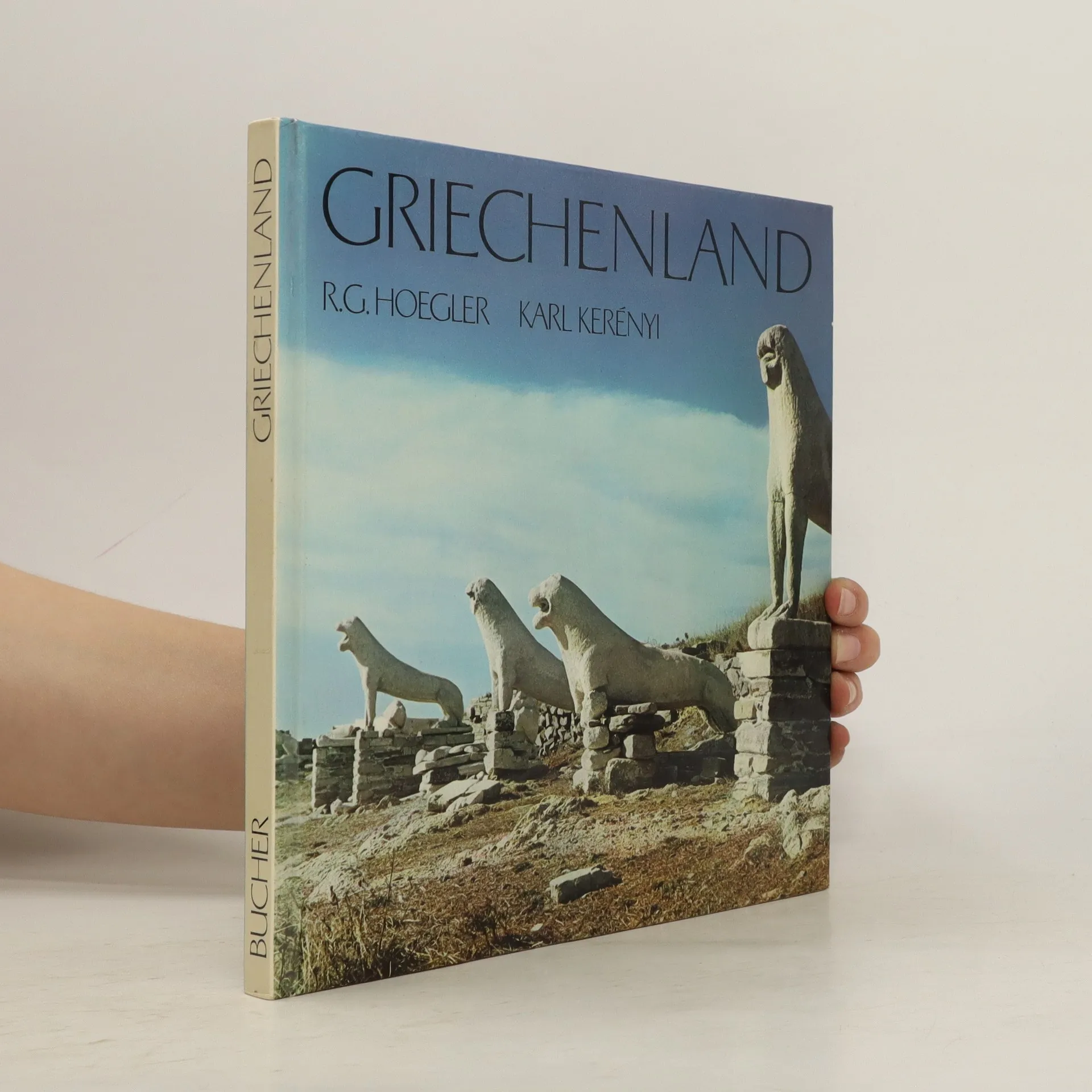
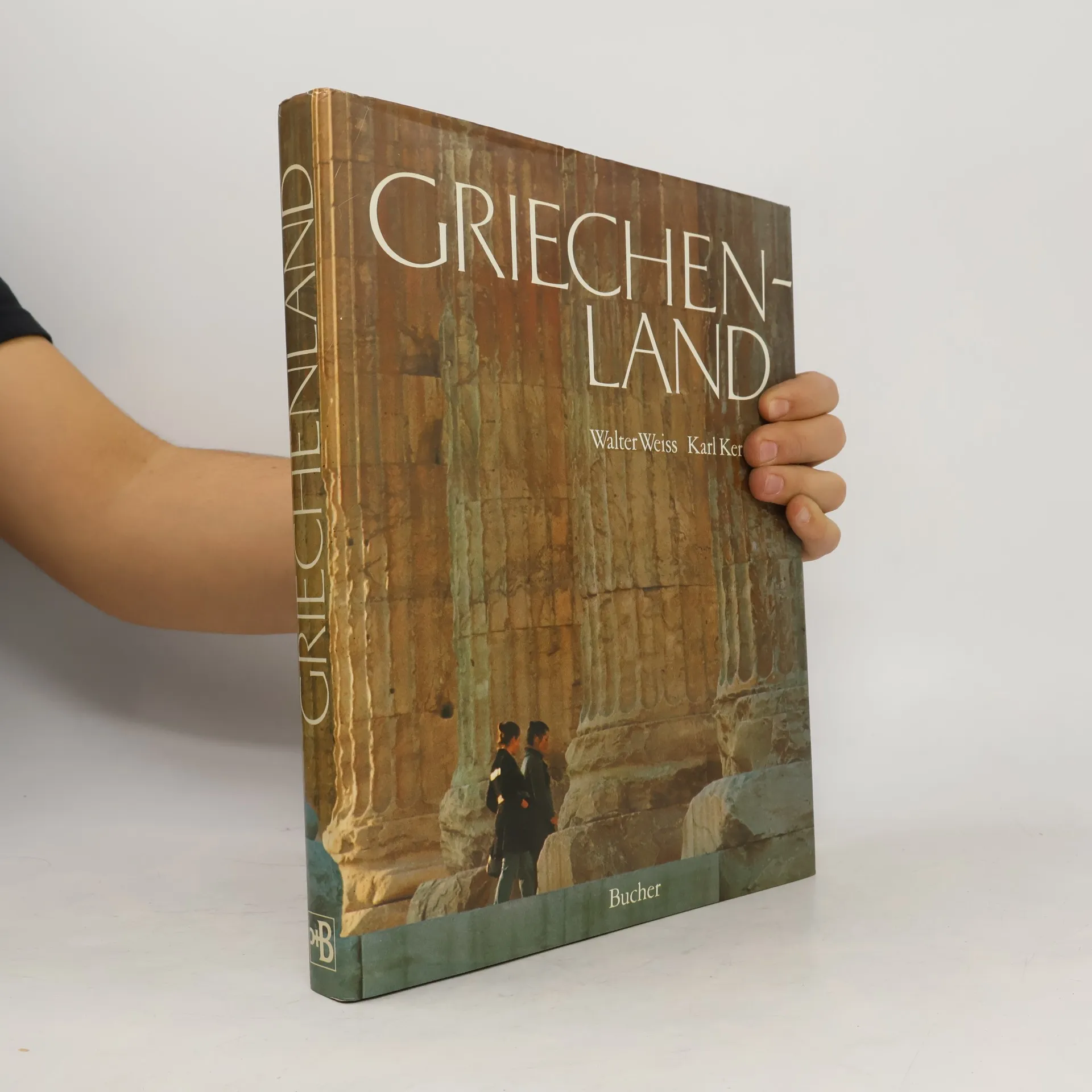
Griechenland
- 256 pages
- 9 hours of reading
Foto's, informatieve teksten en literaire fragmenten geven impressies van het moderne en klassieke Griekenland.
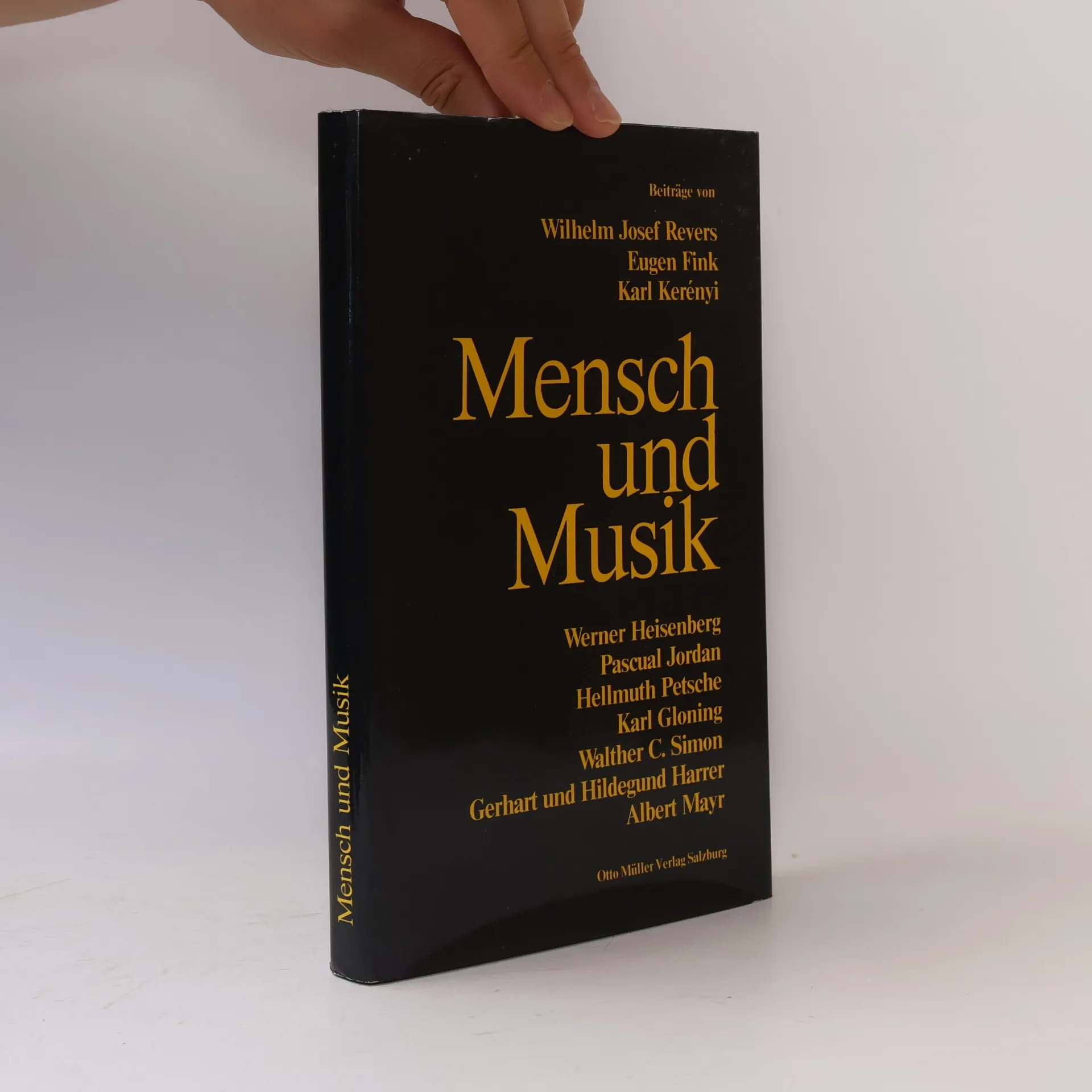
Mensch und Musik: Festschrift für Herbert von Karajan
- 108 pages
- 4 hours of reading
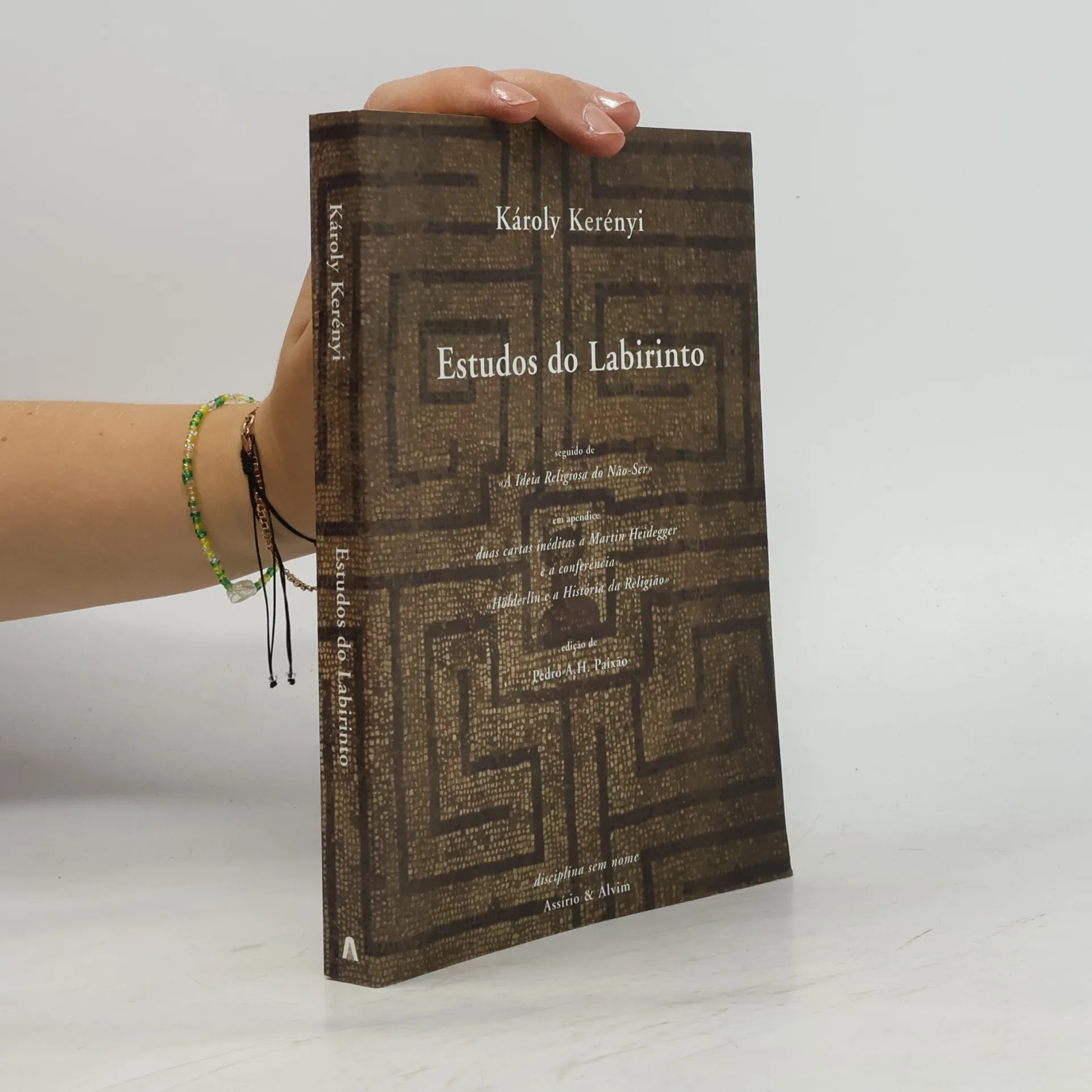
Estudos do labirinto
- 254 pages
- 9 hours of reading
Preservando o rigor da ciência histórica, Kerényi apresenta nos seus estudos a afinidade entre o tempo dos materiais estudados e a pertinência destes para o tempo em que ele vive- trabalhar sobre o grafema remoto do labirinto durante a Segunda Guerra Mund
Werke in Einzelausgaben - 7: Antike Religion
- 309 pages
- 11 hours of reading
»Stier, Schlange, Efeu und Wein«: vom kretischen Kern des Mythos ausgehend, verfolgt der Religionswissenschaftler und klassische Philologe Karl Kerényi einen Kult durch seine Hallräume: Athen, Delphi und Theben, die kretisch-minoischen Schichten der ägäischen Kultur, das olympische Pantheon. Dionysos wirkt auf uns widersprüchlich und fremd. Oft wendet er sich dem Menschen und der Natur freundlich zu. Erst über Tragödie, Komödie und Bildkunst wurde er zum gängigen Motiv in der europäischen Kultur. Das besondere Verdienst Kerényis ist dabei, die lebensnahen Mythen der Griechen zurückzuführen auf ihre ursprünglichen Kontexte. Karl Kerényi legt Bedeutungen frei in der Figur eines Gottes, der nach dem Humanismus zu musealem Bildungsgut verkam. Aus dem Inhalt: Erster Teil: Das Kretische Vorspiel: Minoische Visionen - Licht und Honig - Der kretische Kern des Dionysosmythos. Zweiter Teil: Der griechische Mythos und Kultus: Die Mythen der Ankunft - Dionysos Trieterikós - Gott der Zweijahresperiode - Der Dionysos der Athener und seiner Verehrer in griechischen Mysterien »Konsistent und kohärent musste ein Mythos sein, wenn man fast ein Jahrtausend lang noch danach lebte und starb. Man lebte und starb nach dem Mythos, weil der Gott selbst lebte und starb: Man erfuhr Dionysos in sich - Männer und Frauen auf die intimste Weise des eigenen Geschlechts.«
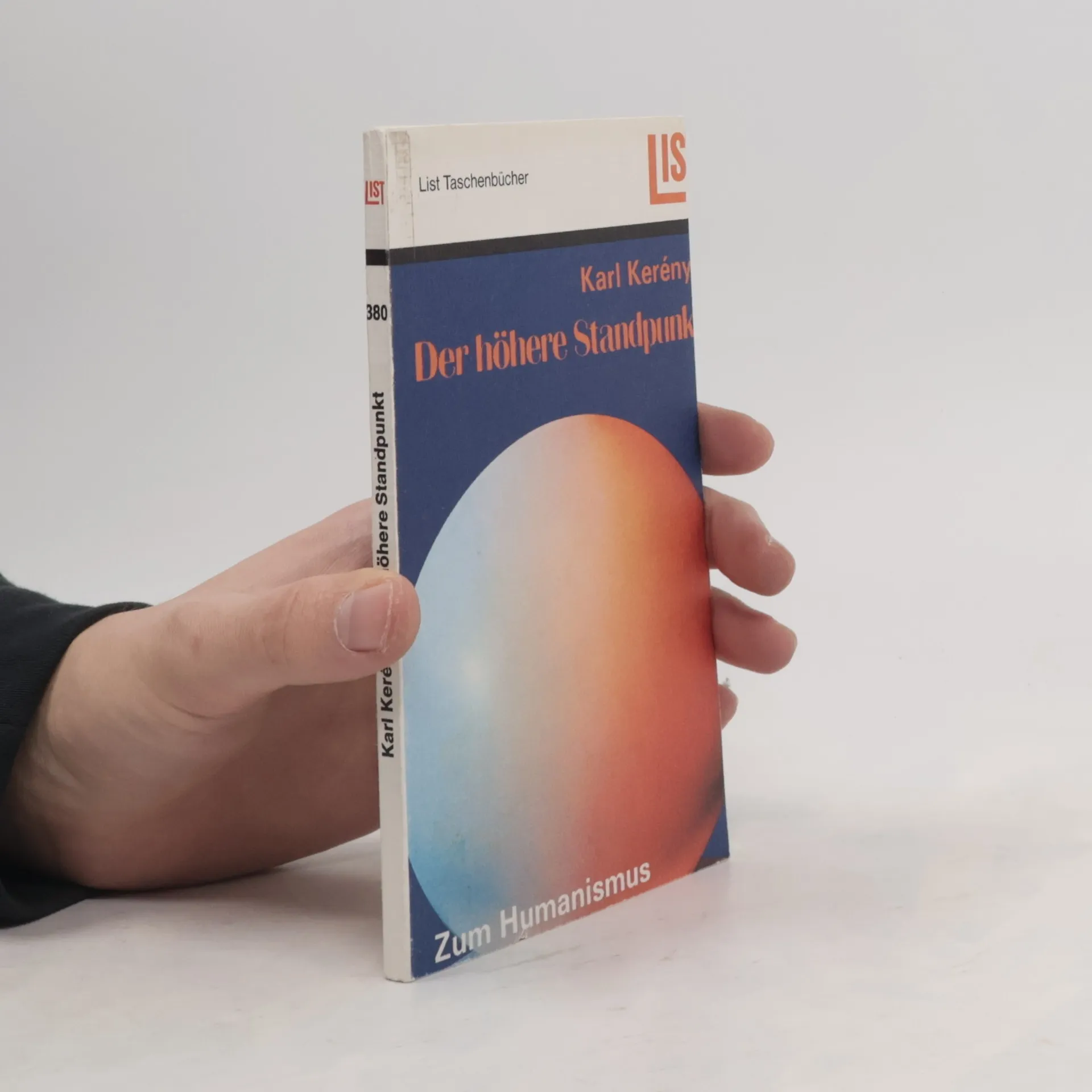
Der höhere Standpunkt
- 133 pages
- 5 hours of reading
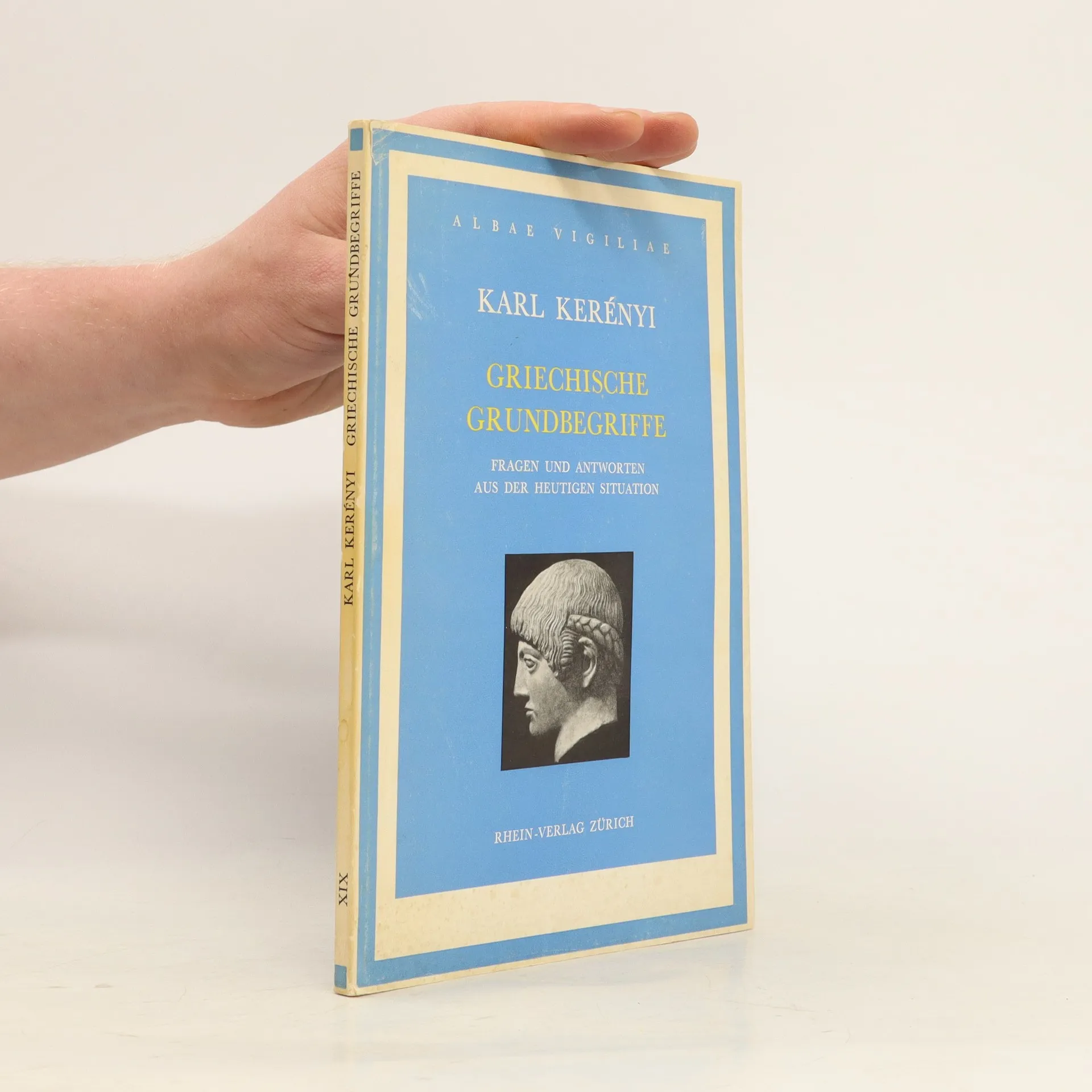
Kein anderer Gott der Griechen ist so weit verbreitet in den Monumenten und der Natur Griechenlands und Italiens wie Dionysos. In Mythos und Bild, sowie in ritueller Darstellung, verkörperten die Griechen das unzerstörbare Leben, das Wesen des Dionysos. Der bekannte Mythologe und Religionshistoriker Carl Kerenyi bietet einen historischen Überblick über die Religion des Dionysos, beginnend in der minoischen Kultur bis hin zur kosmopolitischen Religion der Spätantike unter dem Römischen Reich. Aus der Fülle griechischer literarischer, epigraphischer und monumentaler Traditionen konstruiert Kerenyi ein umfassendes Bild des dionysischen Kultes und betont das zentrale Element des Mythos. Die Studie umfasst die geheimen Kultszenen der Frauenmysterien, das mystische Opferritual in Delphi und die bedeutenden dionysischen Feste in Athen. Besonders hervorgehoben wird, wie das atheniensische Volk die Tragödie in ihrer Verbindung mit Dionysos aufnahm und assimiliert hat, was als das größte Wunder der Kulturgeschichte gilt. Tragödie und Neue Komödie werden als hohe geistige Formen der dionysischen Religion betrachtet, während das dionysische Element selbst als bedeutendes Kapitel in der Religionsgeschichte Europas angesehen wird.
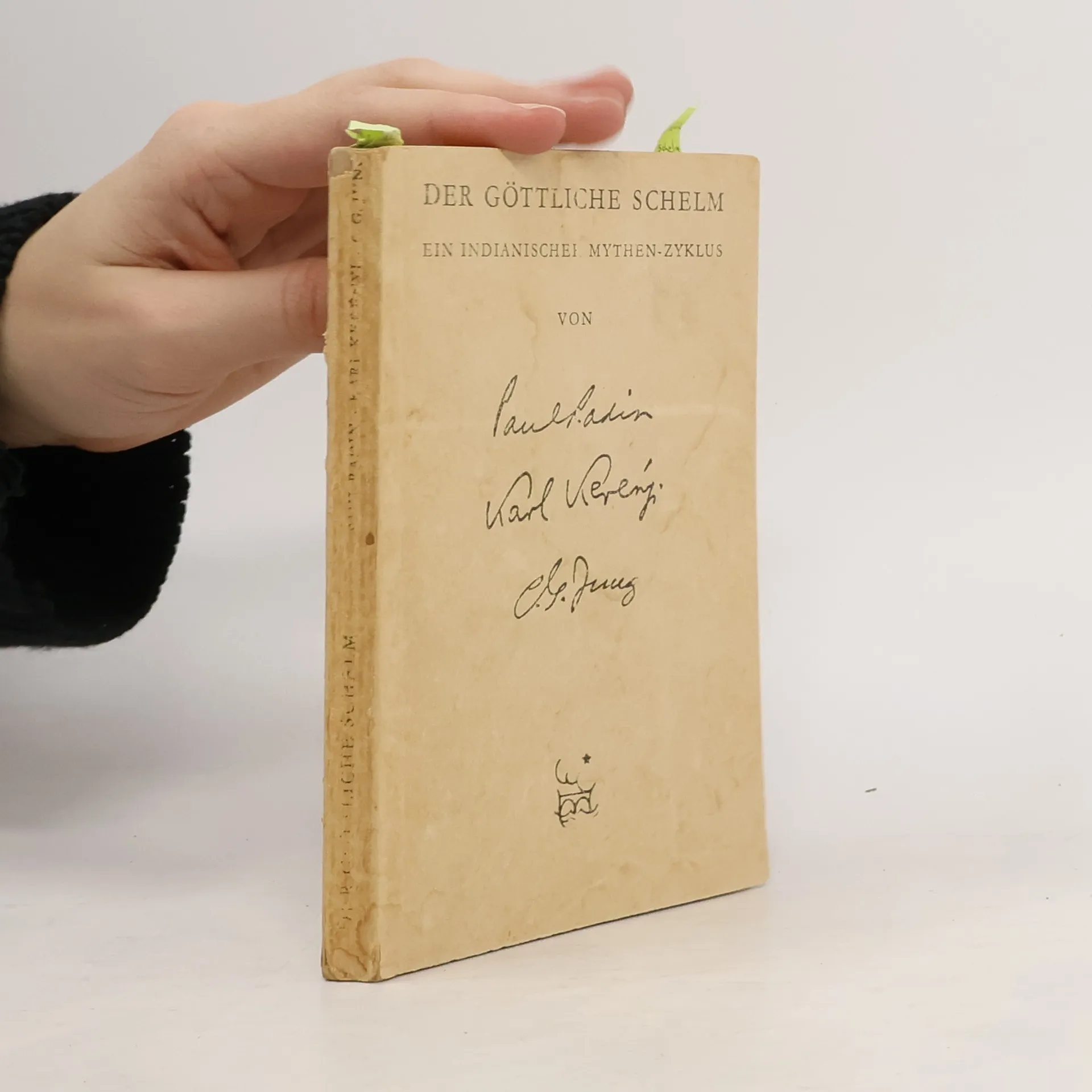
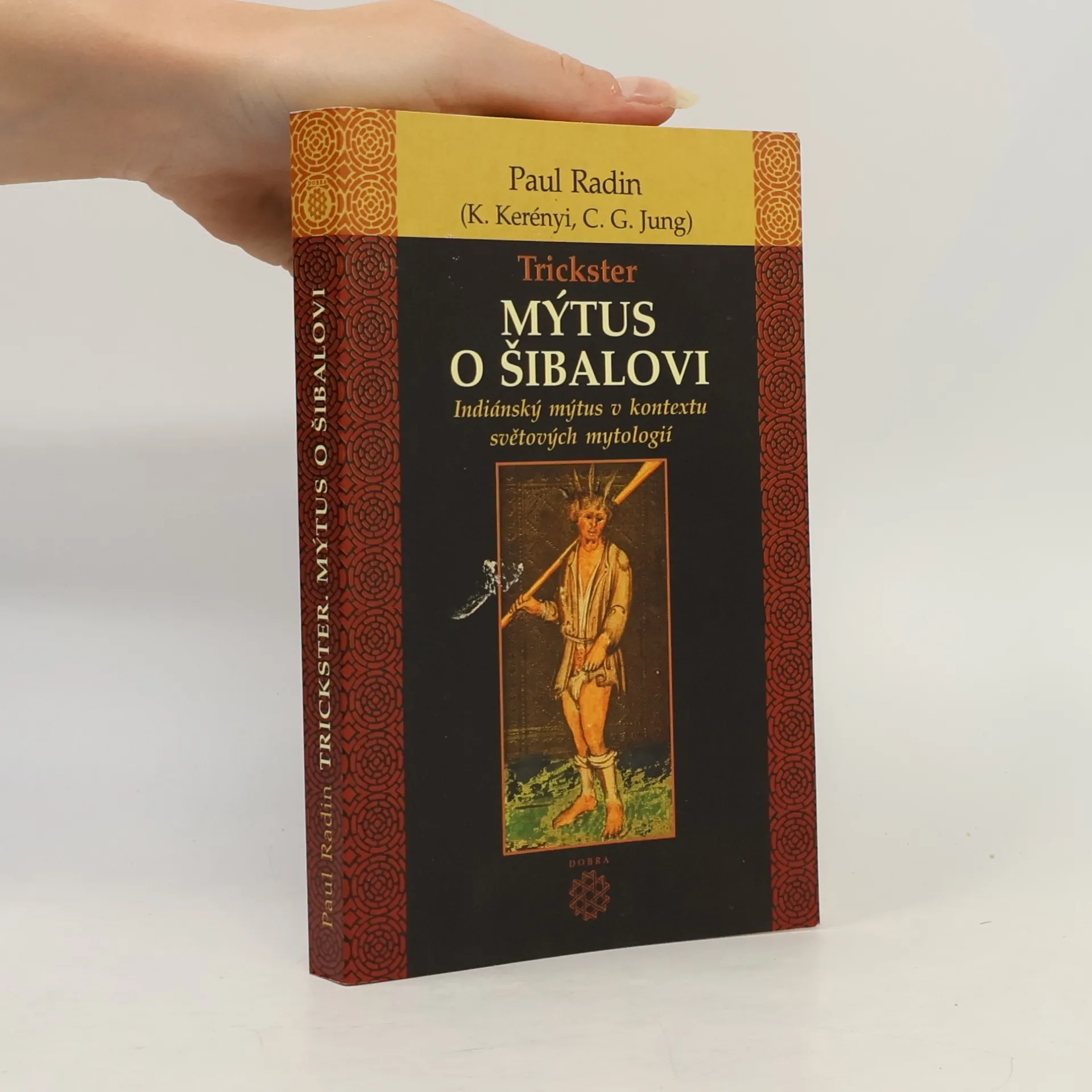
Trickster: Mýtus o Šibalovi
- 217 pages
- 8 hours of reading
Mýtus o Šibalovi, který je jak tvořitelem, tak ničitetelem, jak podvodníkem, tak podváděným, jak podčlověkem, tak nadčlověkem - je jedním z nejstarších a nejuniverzálnějších vyjádření člověka. Původní indiánské mýty týkající se archetypické postavy Šibala či Blázna, jsou obsahem jedinečné studie indiánské mytologie se zaměřením na tuto postavu, její srovnání s postavami antické mytologie a její psychologický rozbor. Autor je jedním z vůdčích antropologů zabývajících se indiány. Je pravděpodobně nejlepším znalcem indiánských mýtů.
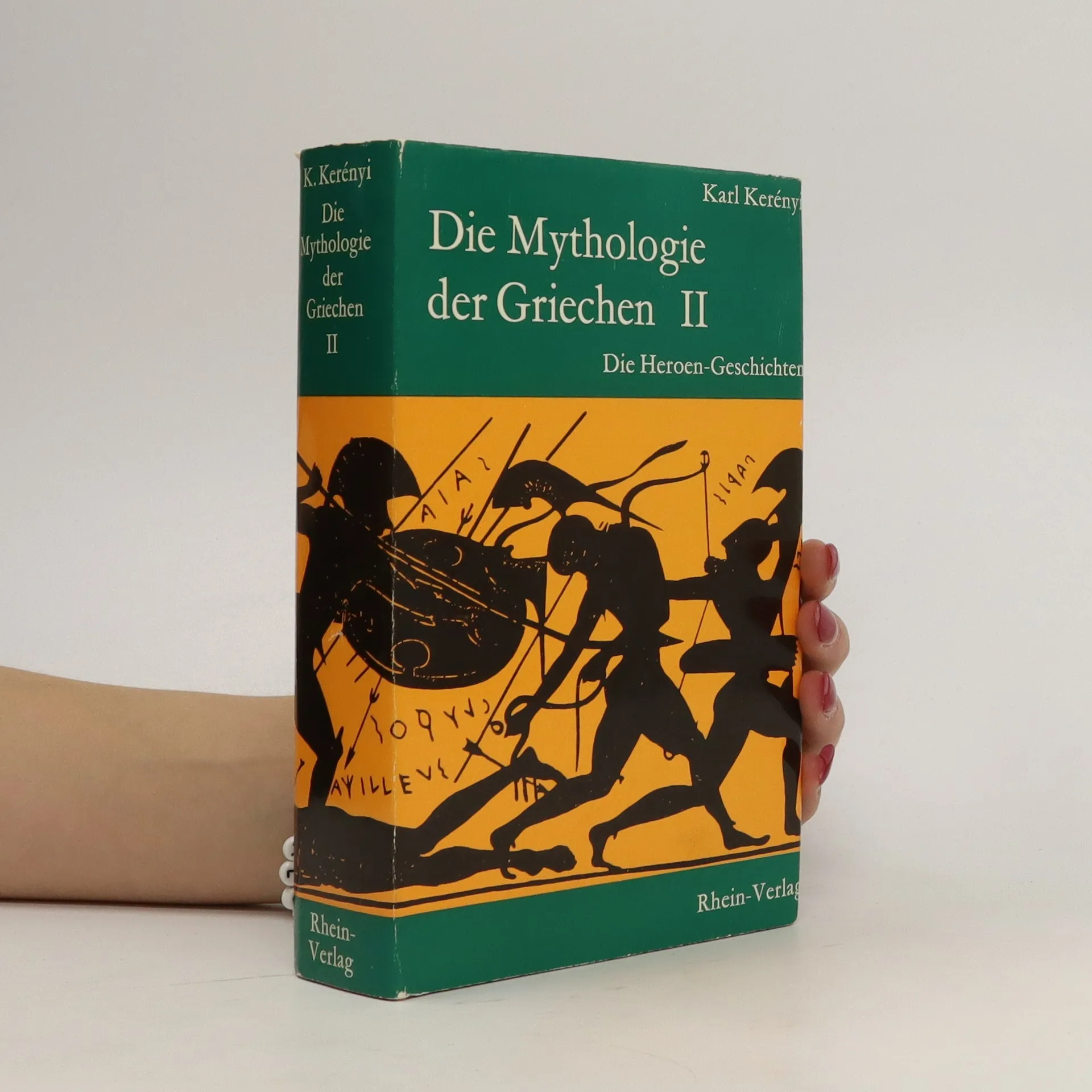
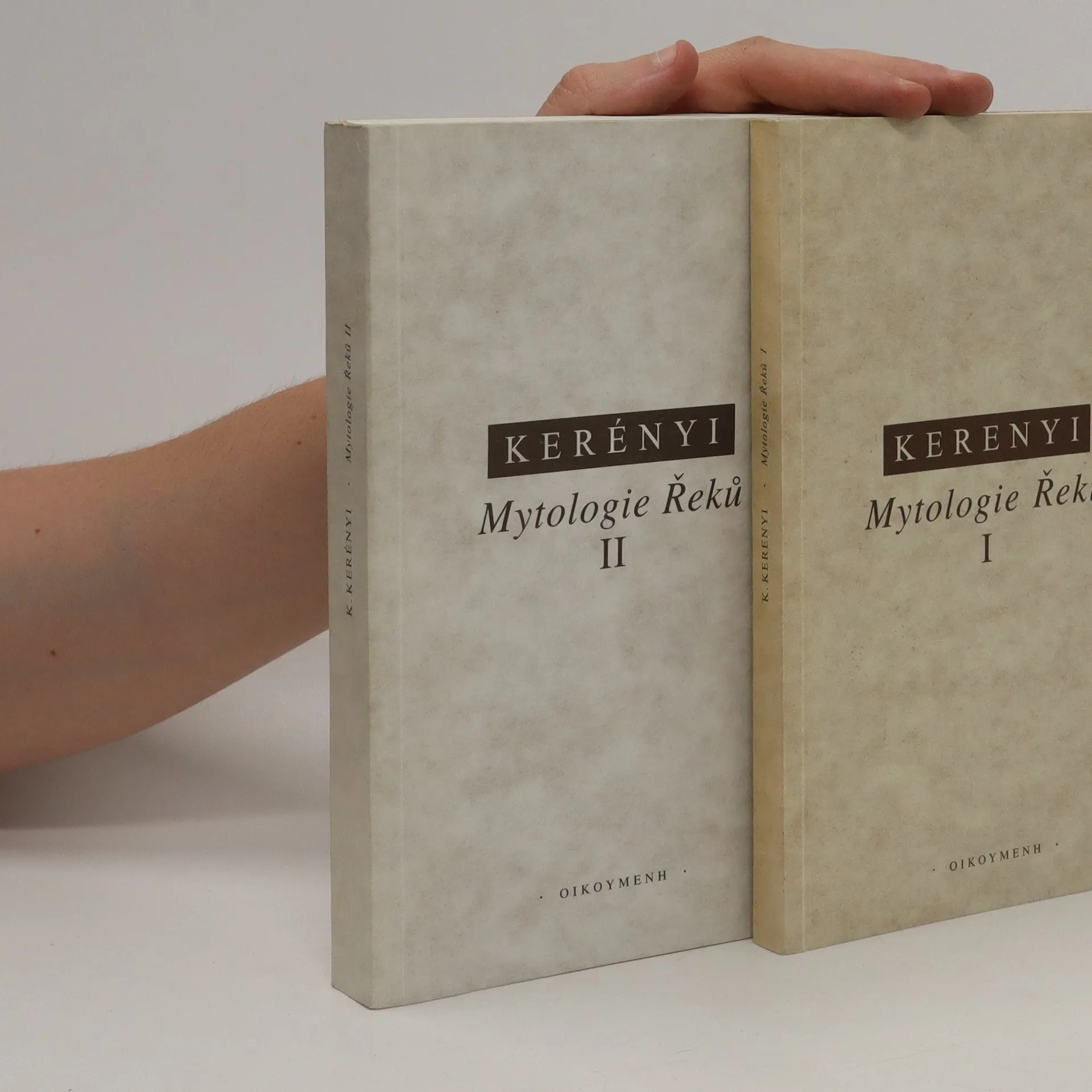
Mytologie Řeků I + II
- 2 volumes