Explore the latest books of this year!
Bookbot

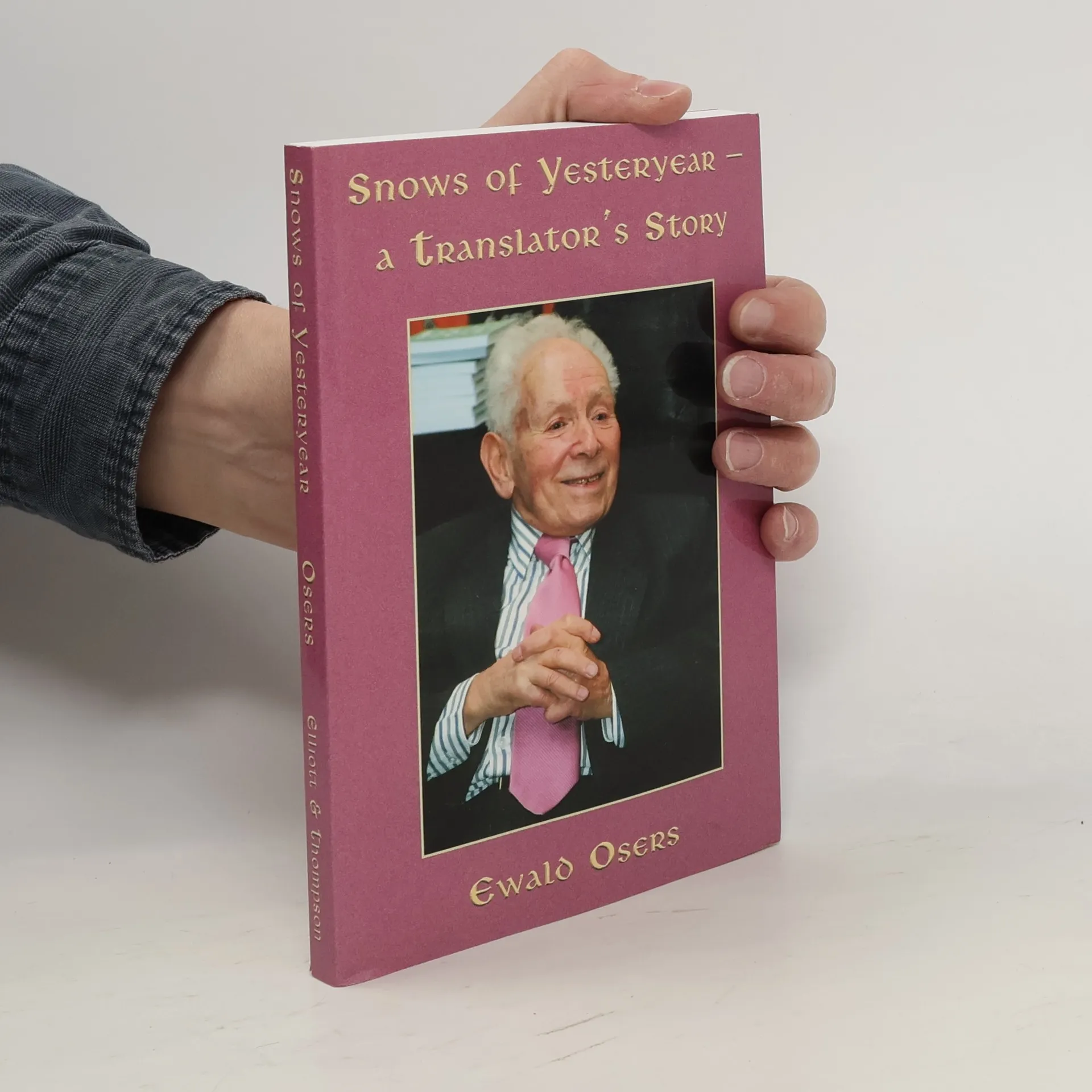
Ewald Osers

    Ewald Osers
    The poetry of Jaroslav Seifert
    Old Masters
    War with the newts
    Contemporary Macedonian Poetry
    Schopenhauer and the wild years of philosophy
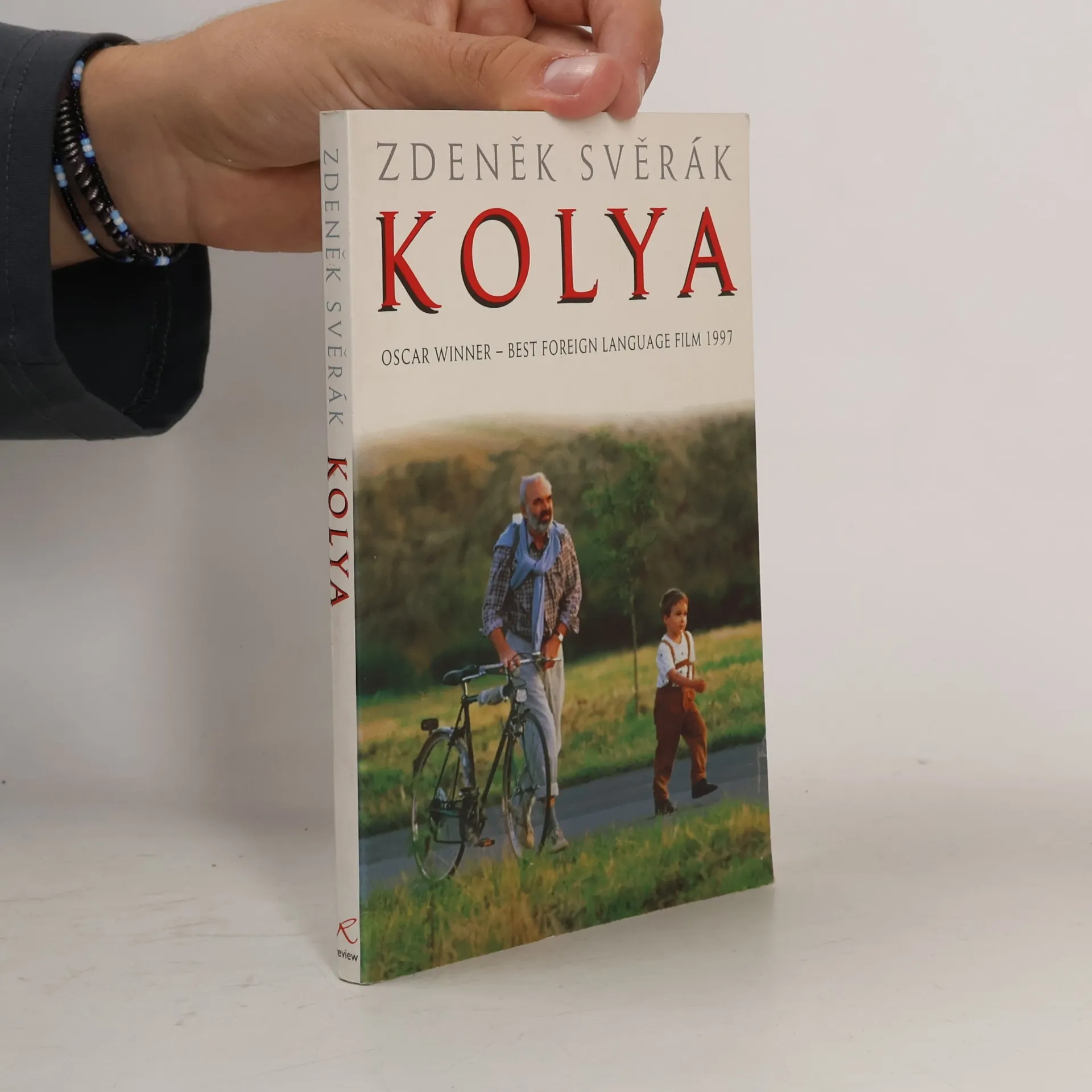
    Kolya
    • Kolya

      • 120 pages
      • 5 hours of reading

      Kolya, here beautifully translated by Ewald Osers, is the novelization of the Czech film of the same name, which won both the 1997 Oscar and Golden Globe awards for Best Foreign Language Film. Set in Prague in 1988—just before the Velvet Revolution—it tells the story of Louka, a virtuoso performer with the Czech Philharmonic, who has been banned from playing by the state. Now he finds himself playing at cemeteries for a living. Adding to his problems, an illegal arranged marriage has left the hardened bachelor with a little Russian boy to care for. From these elements, Zdenek Sverak—who also played Louka in the film—has woven an enduring tale of the transforming powers of music, language, and love.

      Kolya
      4.5
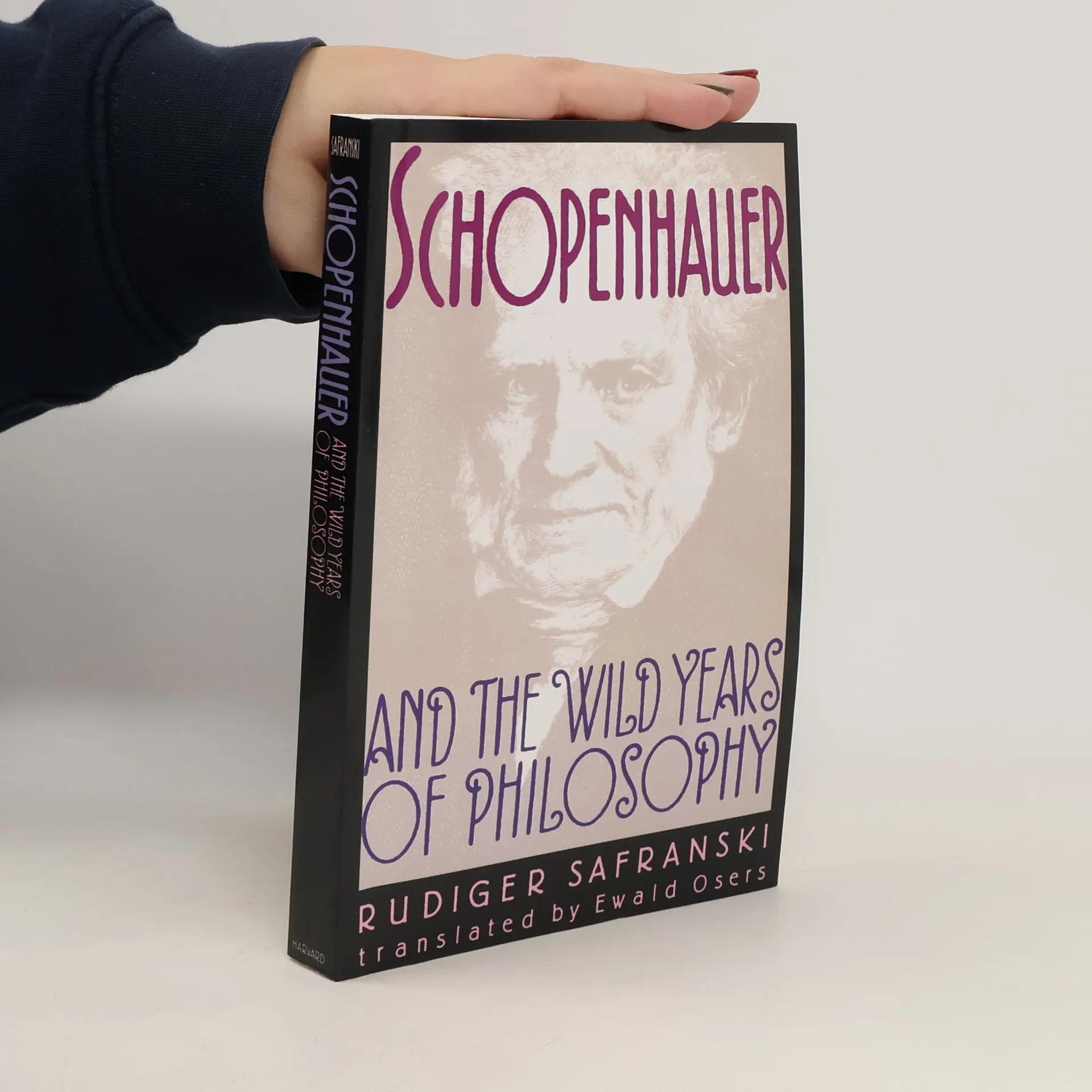
    • This detailed biography of a key figure in nineteenth-century philosophy examines both the life and work of Arthur Schopenhauer. Rudiger Safranski situates Schopenhauer within the context of his philosophical predecessors and contemporaries, such as Kant, Fichte, Schelling, and Hegel, while exploring the sources of his profound alienation from their "secularized religion of reason." The narrative delves into Schopenhauer's personal life, depicting struggles against a domineering father and the challenges of reconciling with his mother's literary success, as well as the loneliness he faced when his major work, The World as Will and Representation, was initially overlooked. Safranski also highlights the vibrant culture of Goethe's Weimar and Hegel's Berlin, enriching the portrayal of the era's intellectual landscape. Schopenhauer's philosophy, characterized by "weeping and gnashing of teeth," found few followers during the Romantic idealism of his time. However, after the disillusionments of 1848, his ideas gained traction among philosophers and writers, influencing figures from Nietzsche to Samuel Beckett. This biography, the first of Schopenhauer in English this century, vividly brings to life an intriguing philosopher and the intellectual battles of his time, whose impact continues to resonate today.

      Schopenhauer and the wild years of philosophy
      4.3
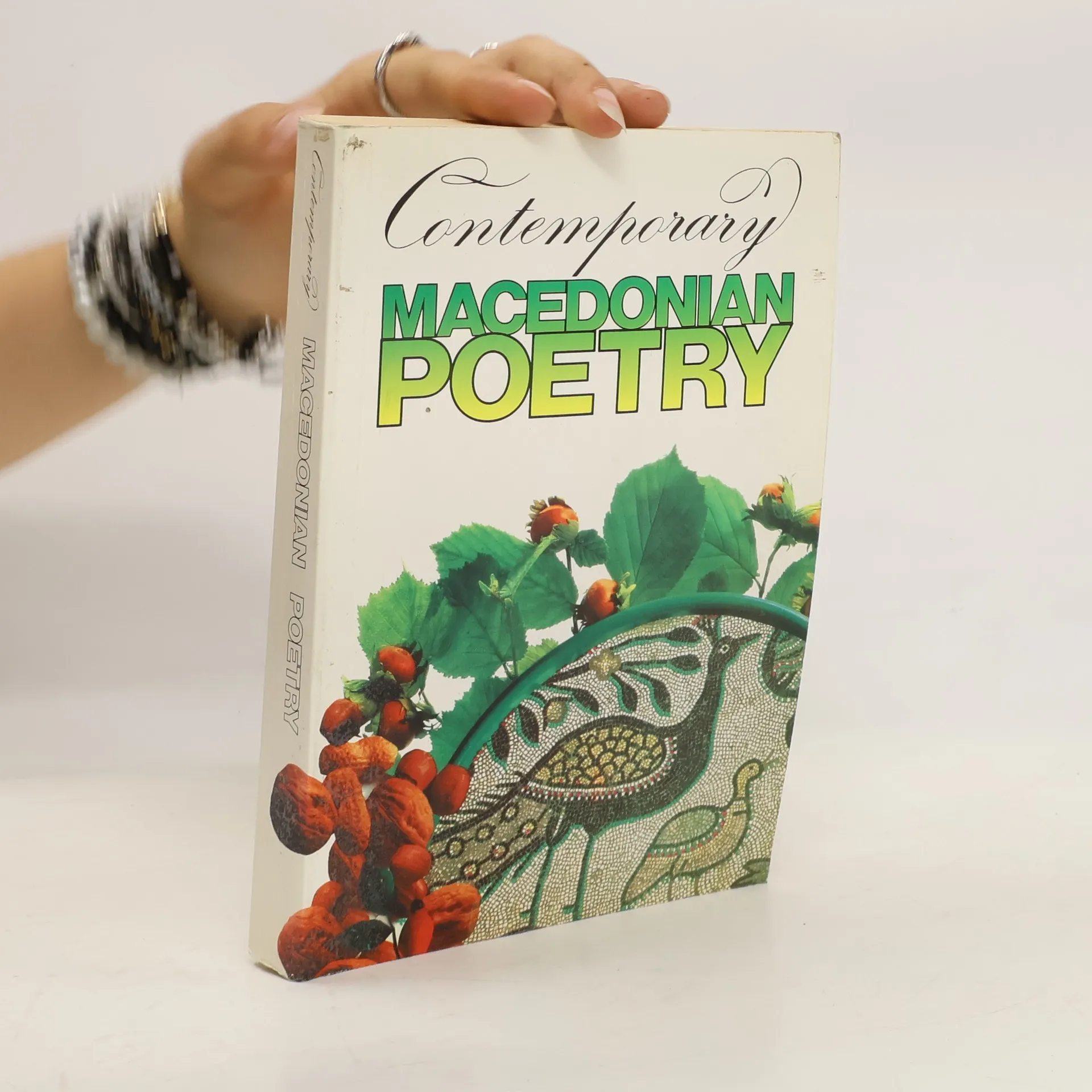
    • Works selected from twenty-five poets from the Balkan regions, based on volumes published during the past twenty years. ""Many of the poems evoke peasant art from Yugoslovia, of which much of Macedonia was a part for much of this century. Brilliant and ornate, with vivid dreamlike images, the work of Slavko Janevski is painterly in the extreme...Mateja Matevski's hard-edged poems offer a glory of crammed imagery...Osers' selections make us hunger for more"" - Booklist. ""A valuable contribution to our appreciation of Macedonian poetry as one of the most vibrant in world literatures"" - Slavic Review.

      Contemporary Macedonian Poetry
      4.3
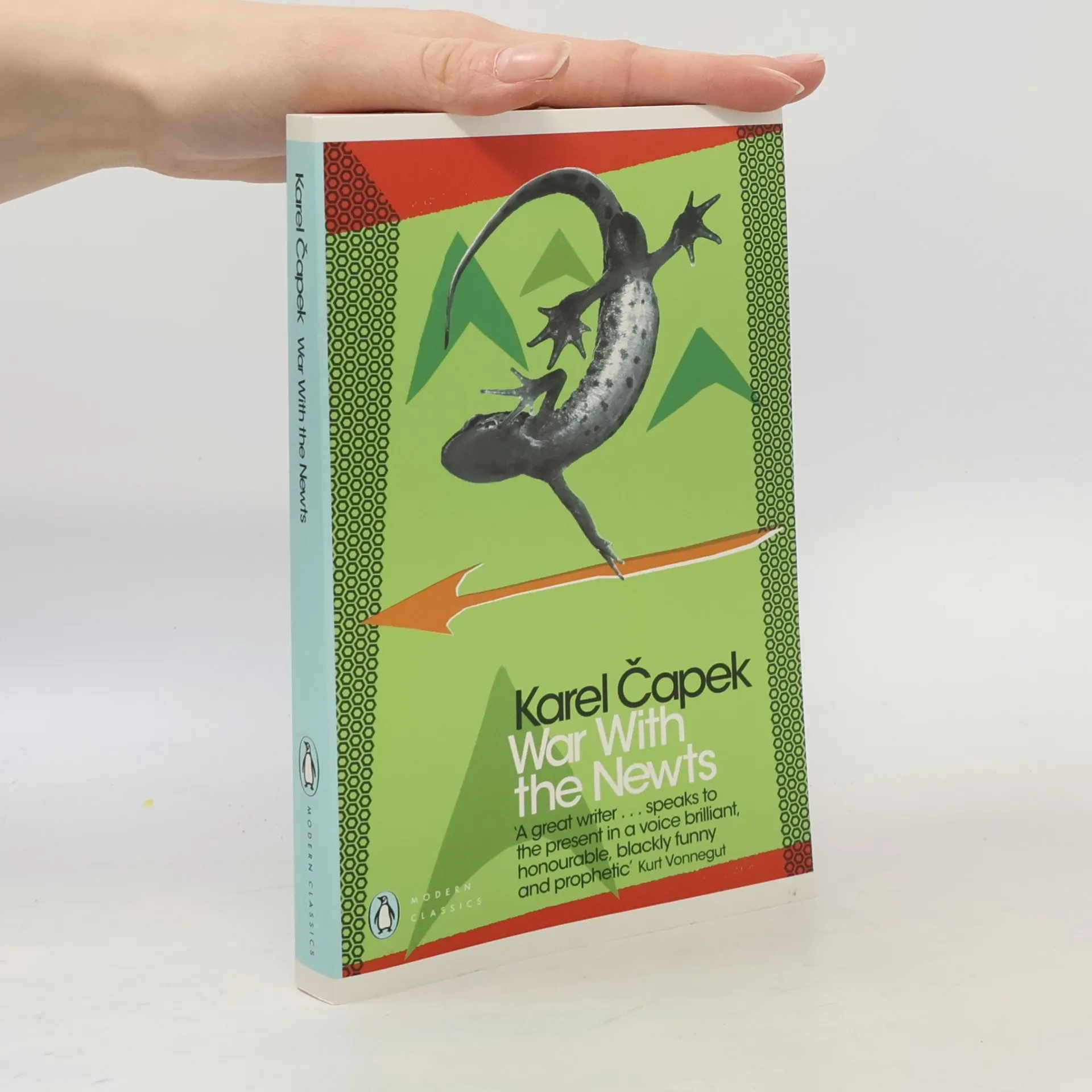
    • Man discovers a species of giant, intelligent newts and learns to exploit them so successfully that the newts gain skills and arms enough to challenge man's place at the top of the animal kingdom. Along the way, Karel Capek satirizes science, runaway capitalism, fascism, journalism, militarism, even Hollywood.

      War with the newts
      4.2
    • Old Masters

      • 256 pages
      • 9 hours of reading

      Old Masters (1985) is Thomas Bernhard's devilishly funny story about the friendship between two old men. For over thirty years Reger, a music critic, has sat on the same bench in front of a Tintoretto painting in a Viennese museum, thinking and railing against contemporary society, his fellow men, artists, the weather, even the state of public lavatories. His friend Atzbacher has been summoned to meet him, and through his eyes we learn more about Reger - the tragic death of his wife, his thoughts of suicide and, eventually, the true purpose of their appointment. At once pessimistic and exuberant, rancorous and hilarious, Old Masters is a richly satirical portrait of culture, genius, nationhood, class, the value of art and the pretensions of humanity.

      Old Masters
      4.2
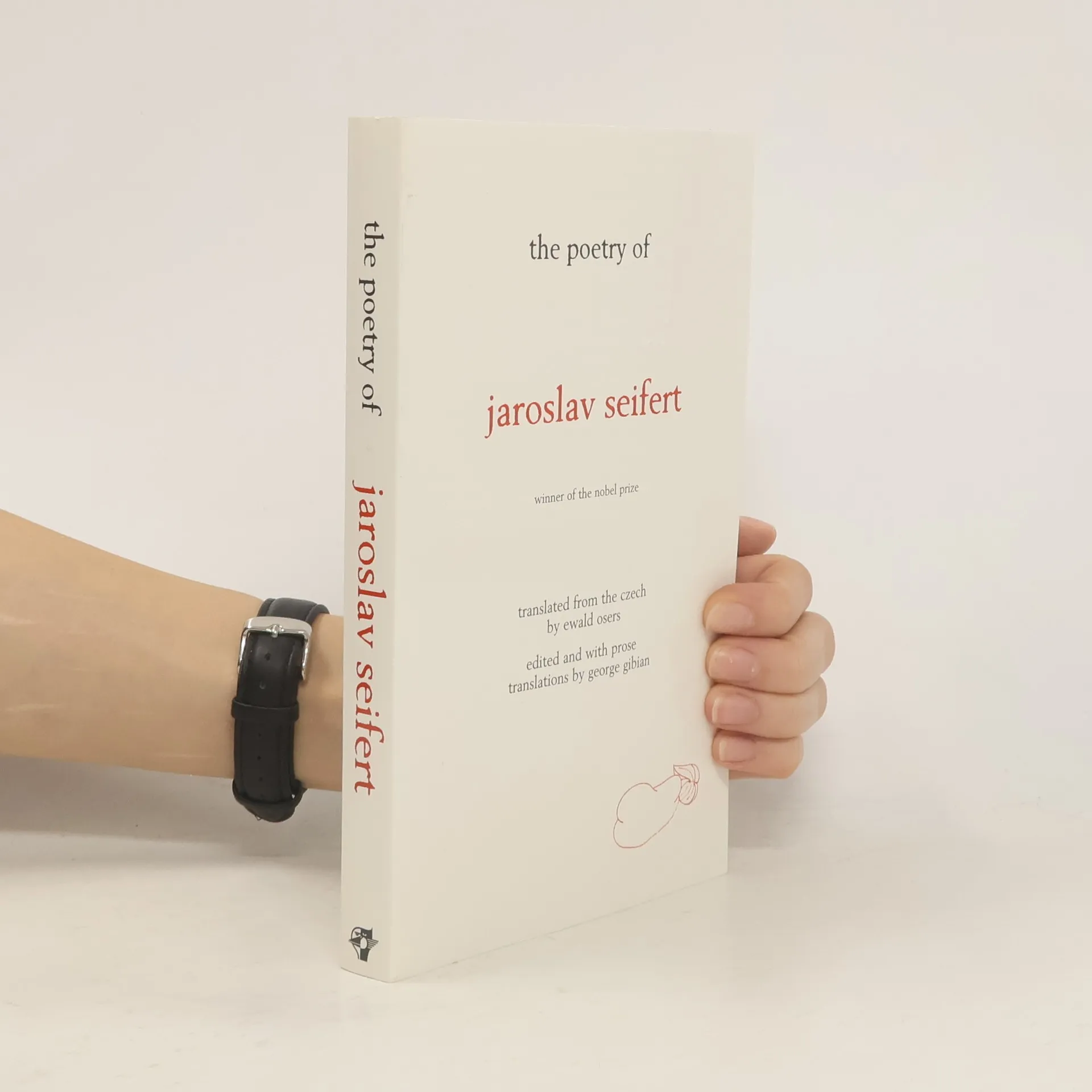
    • Although Seifert lived through the many historic turns of his homeland, his was not a political poetry, except in its constant expression of love for his homeland, its beauties and its values. He was the great poet of Prague, of love, of the senses. His work was unpretentious, lyrical yet irreverent, earthy, charming. Seifert was known for the simplicity of his verse, yet his poems are full of surprises, never what at first they seem.

      The poetry of Jaroslav Seifert
      4.1
    • Lovely green eyes

      • 248 pages
      • 9 hours of reading

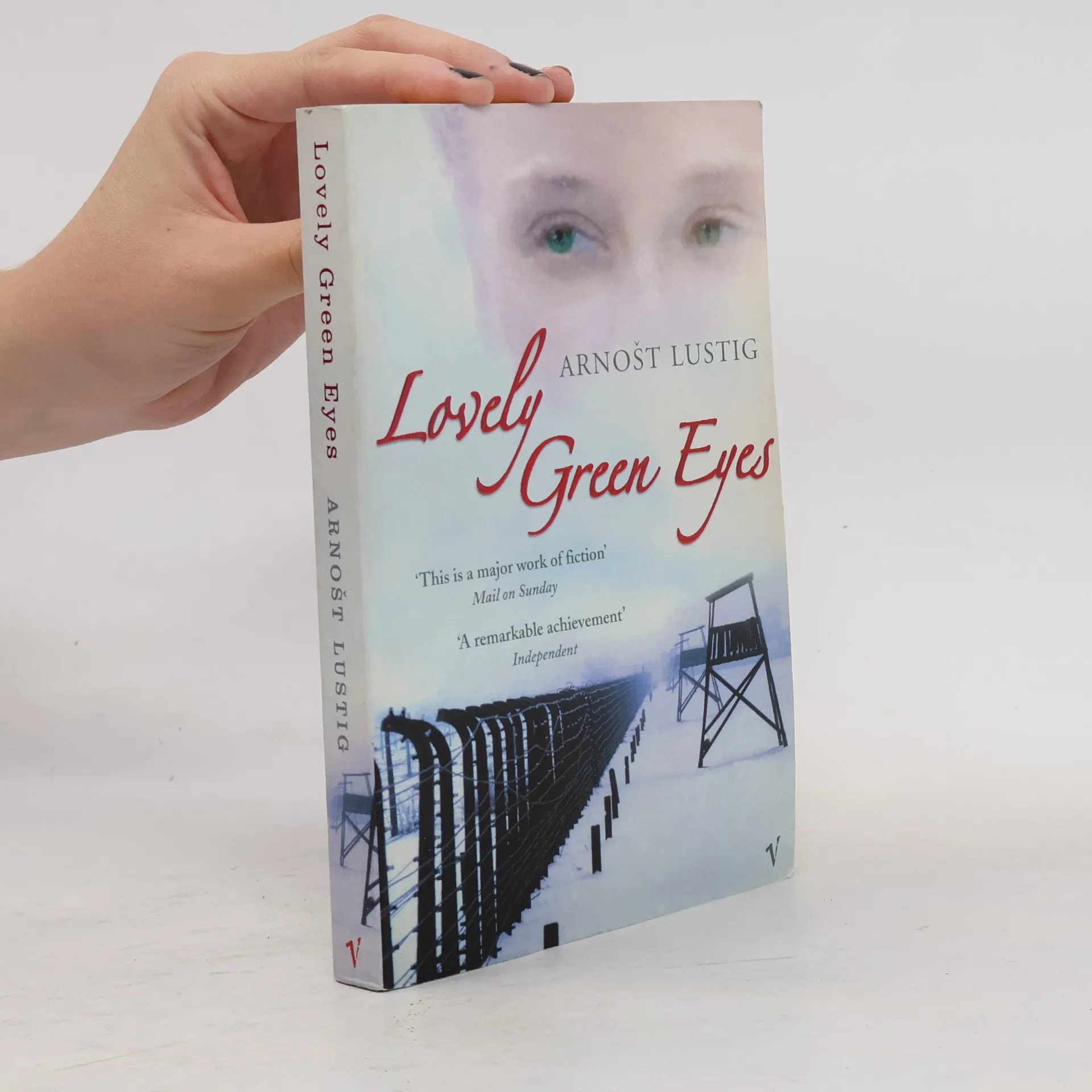
      Fifteen-year-old Hanka Kaudersova has ginger hair and clear, green eyes. When her family is deported to Auschwitz, Hanka is faced with a choice: follow her family to the gas chamber, or work in an SS brothel behind the eastern front. Choosing life, she fights cold, hunger, fear and shame.

      Lovely green eyes
      4.1
    • Prague with Fingers of Rain

      • 62 pages
      • 3 hours of reading

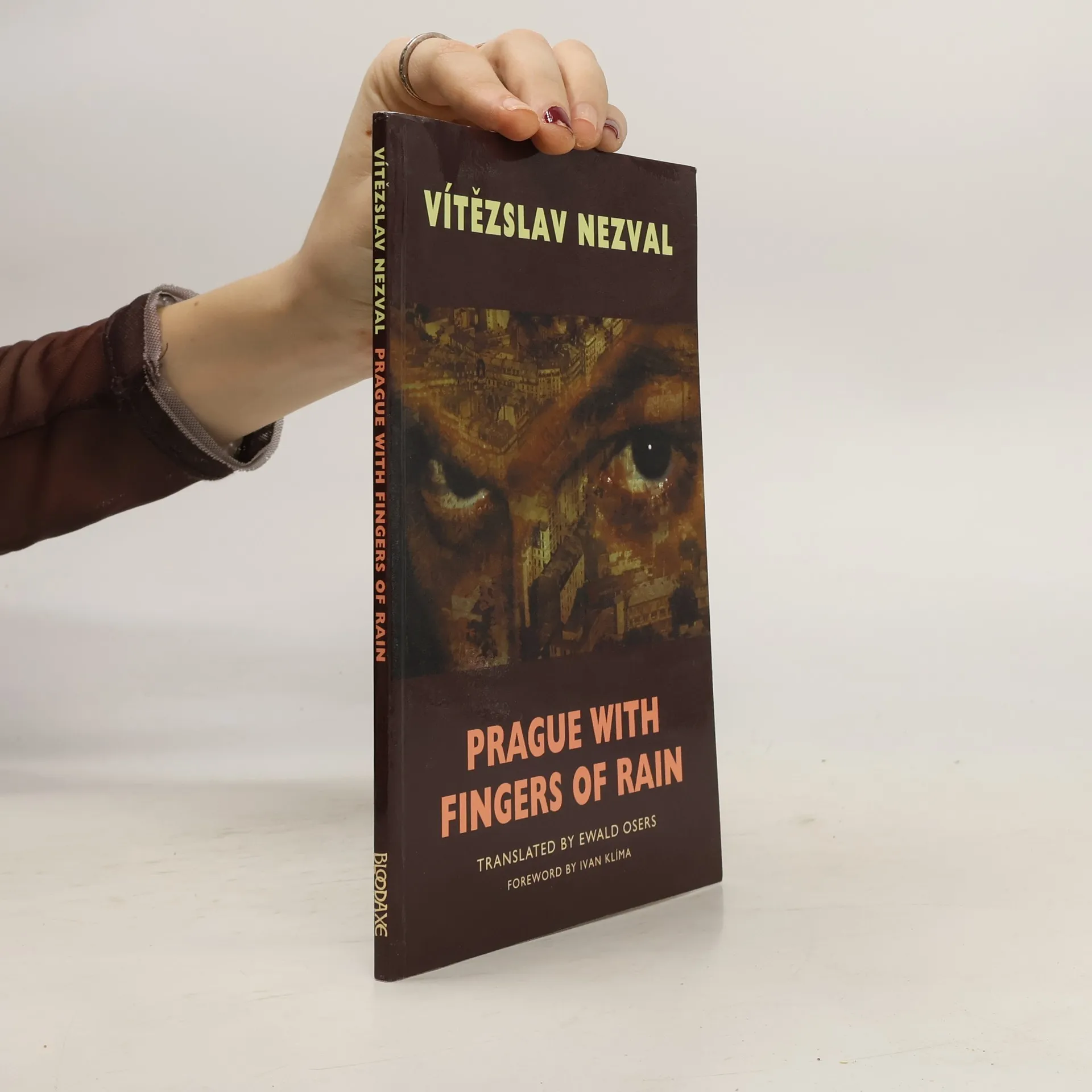
      Czech writer Vitezslav Nezval (1900-58) was one of the leading Surrealist poets of the 20th century. Prague with Fingers of Rain is his classic 1936 collection in which Prague’s many-sided life – its glamorous history, various weathers, different kinds of people – becomes symbolic of what is contradictory and paradoxical in life itself.

      Prague with Fingers of Rain
      4.0
    • My first loves

      • 176 pages
      • 7 hours of reading

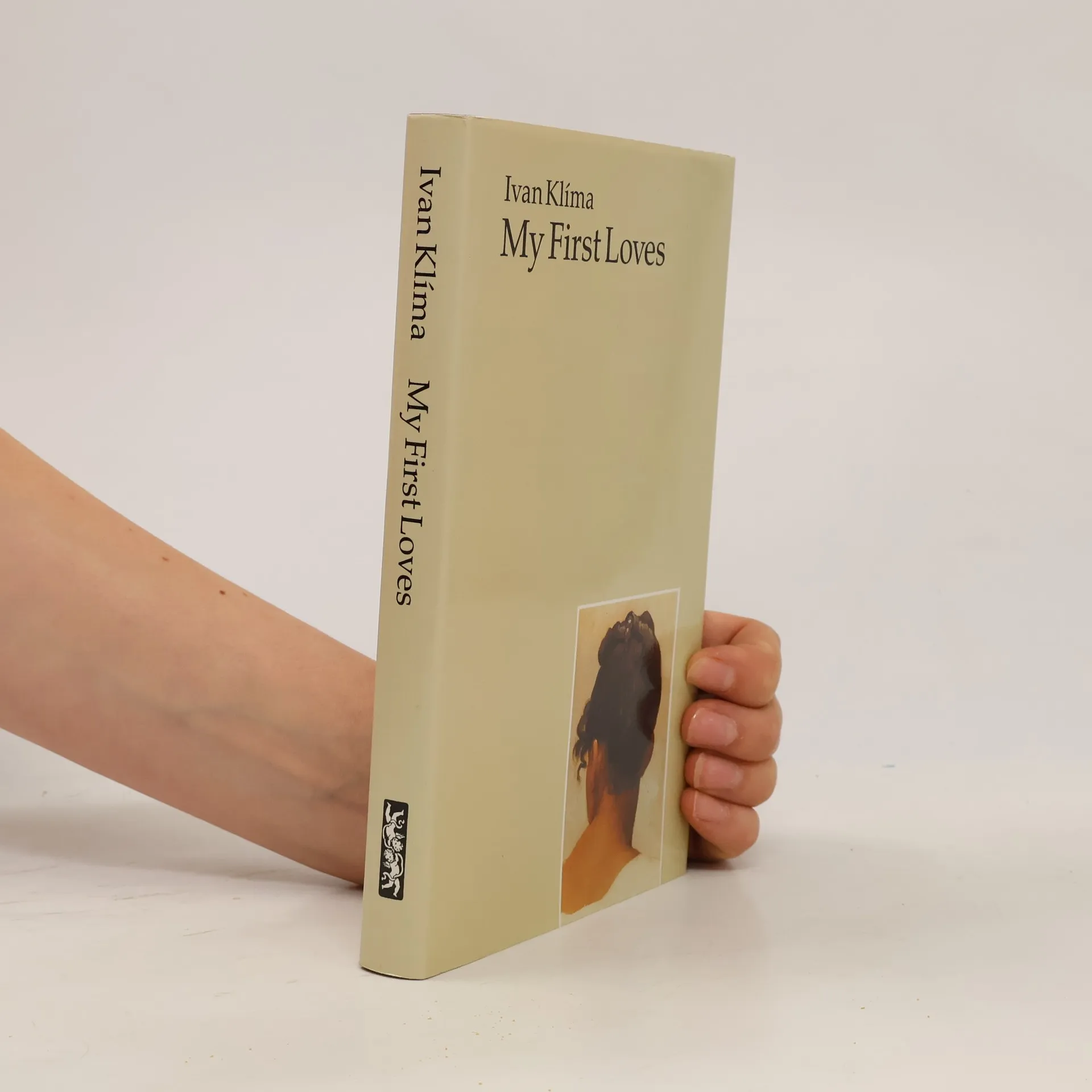
      "The voice [in these stories] is clear and intelligent and brave. Mr. Klima has climbed the mast." New York Times

      My first loves
      3.8
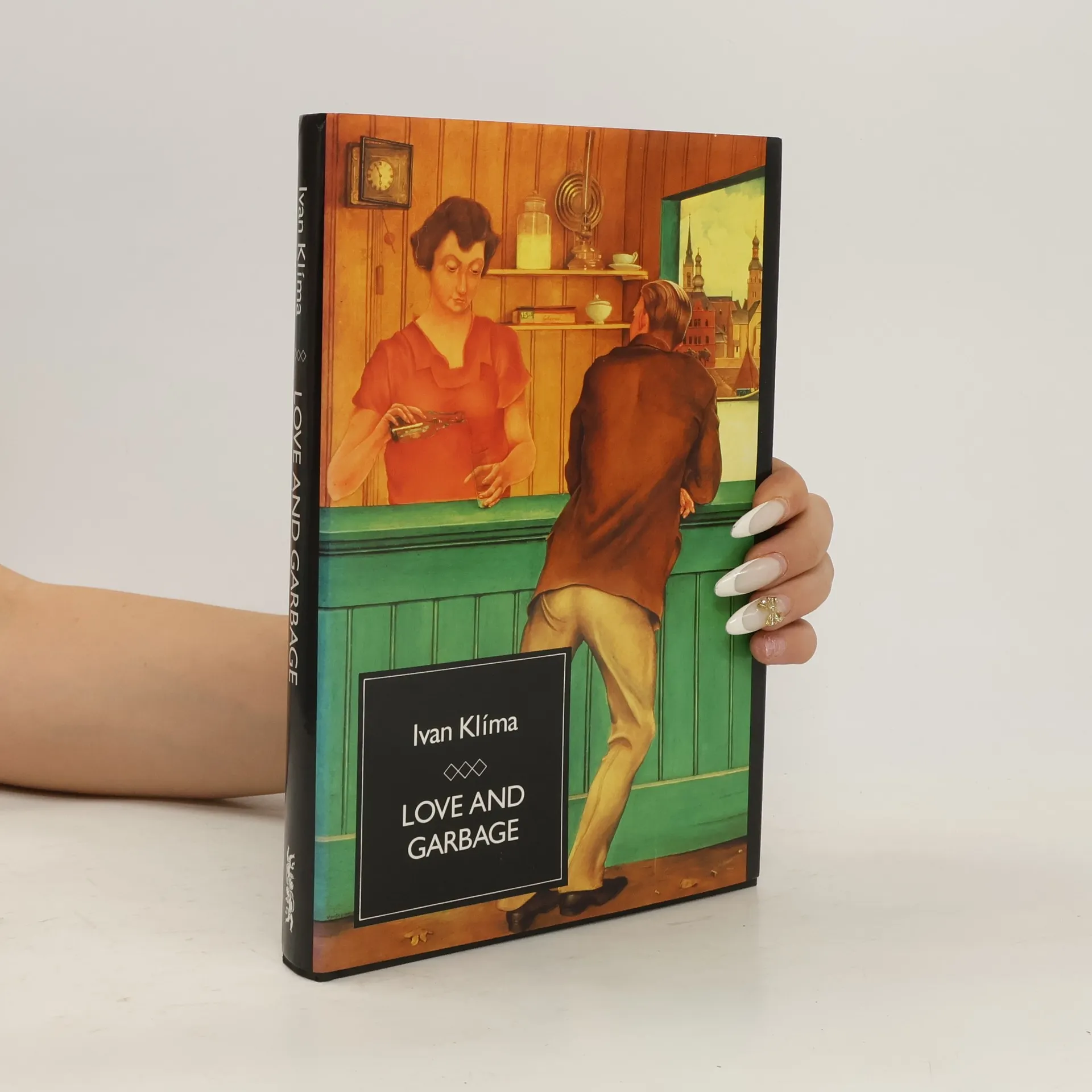
    • Love and Garbage

      • 232 pages
      • 9 hours of reading

      The narrator of Ivan Klima's novel has temporarily abandoned his work-in-progress -an essay on Kafka -and exchanged his writer's pen for the orange vest of a Prague road-sweeper. As he works, he meditates on Czechoslovakia, on Kafka, on life, on art and, obsessively, on his passionate and adulterous love affair with the sculptress Daria. Gradually he admits the impossibility of being at once an honest writer and an honest lover, and with that agonizing discovery comes a moment of choice.

      Love and Garbage
      3.8