
Dermot Bolger is an Irish novelist whose work often addresses the experiences of working-class characters who feel alienated from society. He critically examines the relevance of traditional nationalist concepts of Irishness, advocating for a more pluralistic and inclusive society. Bolger's writing delves into the search for identity and belonging in the modern world, giving voice to those often overlooked.
This is Dermot Bolger's latest poetry collection. Every night during a year of the recent Covid 19 lockdown Bolger took long walks through the streets of Dublin. During these walks he allowed his imagination free rein and these resulting poems revisit central events during his life and also reflect upon the lives of others.
The Lament for Arthur Cleary / In High Germany / The Holy Ground / Blinded by the Light
224 pages
8 hours of reading
The first collection of plays from one of Ireland's most accomplished contemporary writersThis volume contains four plays: The Lament for Arthur Cleary: "Theatrically rich and socially powerful, it takes on the lineaments of an epic voyage, a voyage into the dark heart of a city where Irish theatre has seldom been before" (Irish Times); In High Germany: "Thoughtful, comic, sad and provocative, this monologue of a lost and altered heritage … These two plays [In High Germany and The Holy Ground] are cogent manifestations of a changing Irish world" (Irish Times); The Holy Ground: "A tour de force. It's stream of consciousness theatre at its best … [which] develops a pace until the listener is hanging on to every syllable" (Sunday Press); Blinded by the Light: "Manically madcap and hilariously funny, it canters in a bawdy romp onto the stage, heralding the arrival of a unique comic writing talent. Energetic, perfectly timed and brilliantly observed" (Irish Press)

A widow spends weeks haunting a cemetery, desperate to track down an unknown woman who keeps leaving flowers on her husband's grave; A daughter searches a foreign city for her father, trying to understand why he disappeared forty-five years ago; A former gay lover of Roger Casement stands among the crowds at his state funeral in 1965, paying silent homage to the closeted world they were forced to inhabit at the dawning of the Irish State. A writer at a book launch comes face to face with the person secretly responsible for his success. In his first collection of short stories, Dermot Bolger peers under the veneer of our lives, exploring the secrets that bind families together, or tear them apart, creating worlds where people find that nothing is truly certain. There are always truths just beyond reach that would make sense of their lives, if they only know how to unlock them.
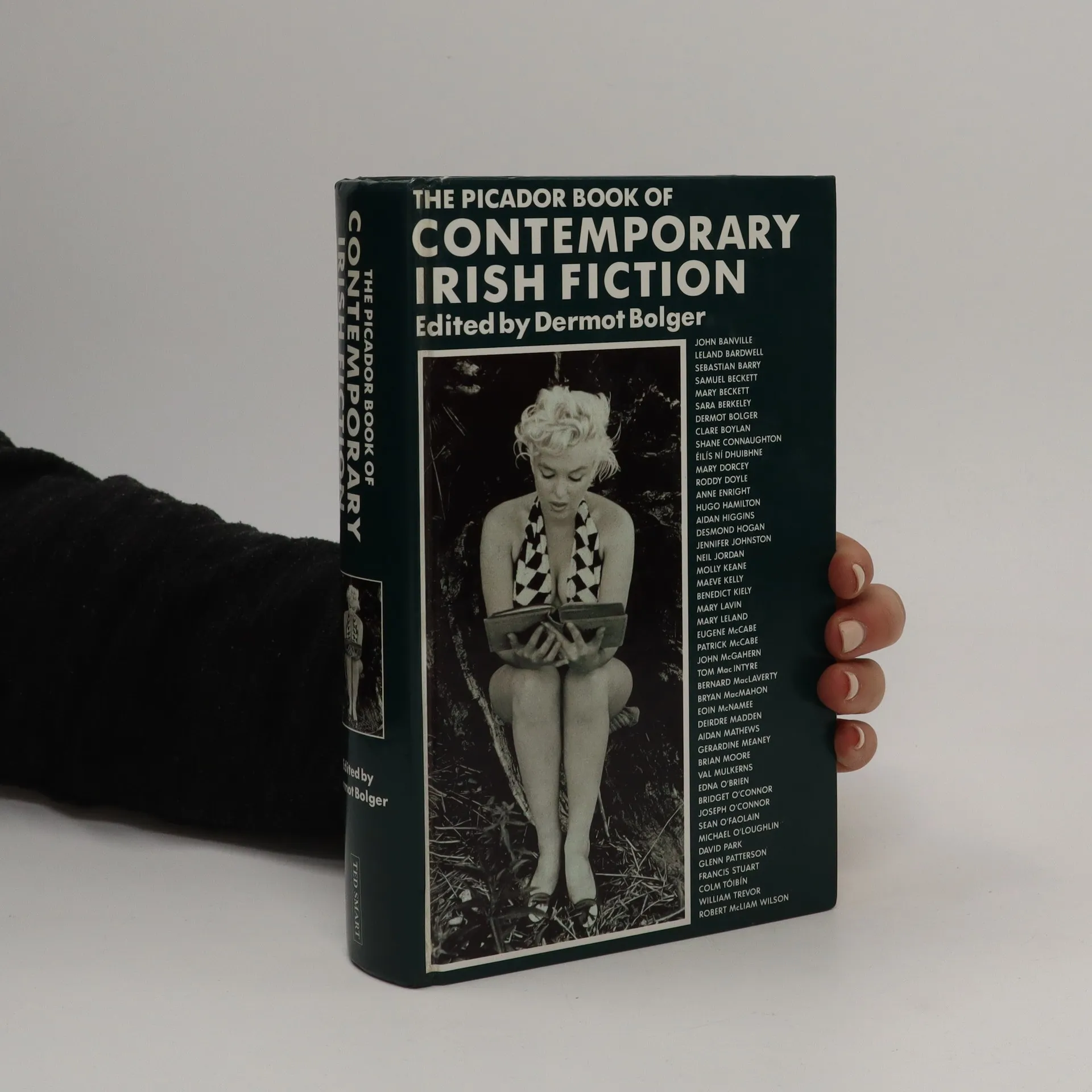
This dazzling anthology, edited and introduced by Dermot Bolger, is a splendidly comprehensive and up-to-the-minute collection of the finest recent fiction from a nation of master storytellers. This collection of astonishing breadth reveals a literature of genuine global stature, as ancient as the Irish Sea.Contributors and stories John Banville, from Mefisto ; Leland Bardwell, "The Hairdresser"; Sebastian Barry, from The Engine of Owl-Light ; Mary Beckett, "Heaven"; Samuel Beckett, "For to End Yet Again"; Sara Berkeley, "The Sky's Gone Out"; Dermot Bolger, "The Journey Home"; Claire Boylan, "Villa Marta"; Shane Connaughton, "Ojus"; Mary Dorcey, "The Husband"; Roddy Doyle, from The Snapper ; Anne Enright, "Men and Angels"; Hugo Hamilton, from Surrogate City ; Dermot Healy, "The Death of Matti Bonner"; Aidan Higgins, from Balcony of Europe ; Desmond Hogan, from A Curious Street ; Jennifer Johnston, from The Christmas Tree ; Neil Jordan, "Last Rights"; Molly Kean, Patrick McCabe, from The Butcher Boy ; Brian Moore, "The Sight"; Edna O'Brien, "What a Sky"; William Trevor, "The Ballroom of Romance"; Val Mulkerns, "Memory and Desire"; Robert McLiam Wilson, from Ripley Bogle , and many more.
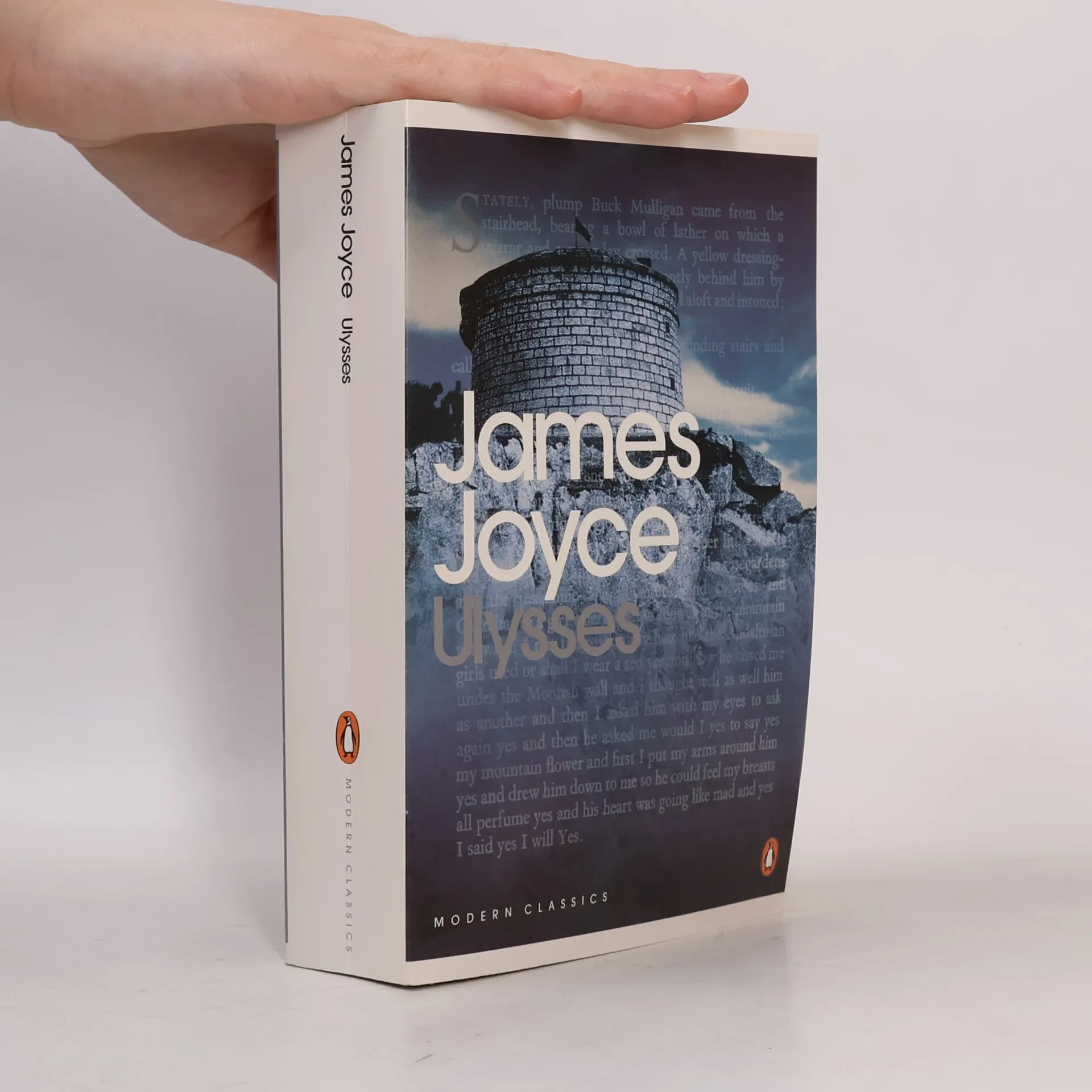
A modernist novel of supreme stylistic innovation, this work is a towering achievement of twentieth-century literature. The narrative unfolds over a single day in Dublin, focusing on Leopold Bloom, his friends Buck Mulligan and Stephen Dedalus, and his wife Molly, among a vibrant cast of characters. Written between 1914 and 1921, it has withstood bowdlerization, legal challenges, and controversy. Joyce blends Celtic lyricism with raw vulgarity, showcasing ceaseless verbal inventiveness and a wide array of allusions, establishing it as a monumental exploration of the human condition. Declan Kiberd notes that it serves as "an endlessly open book of utopian epiphanies," reflecting on Dublin's colonial past while offering glimpses of a potentially redemptive future. This edition presents the standard text first published in 1960. Joyce, born in Dublin in 1882, left for Paris at twenty, rebelling against his upbringing. Though he returned briefly to Ireland, Dublin remained central to his major works. He lived in poverty for much of his life, facing personal challenges, including his daughter's mental illness. If you appreciated this novel, you might also enjoy Virginia Woolf's Mrs Dalloway, available in Penguin Classics.
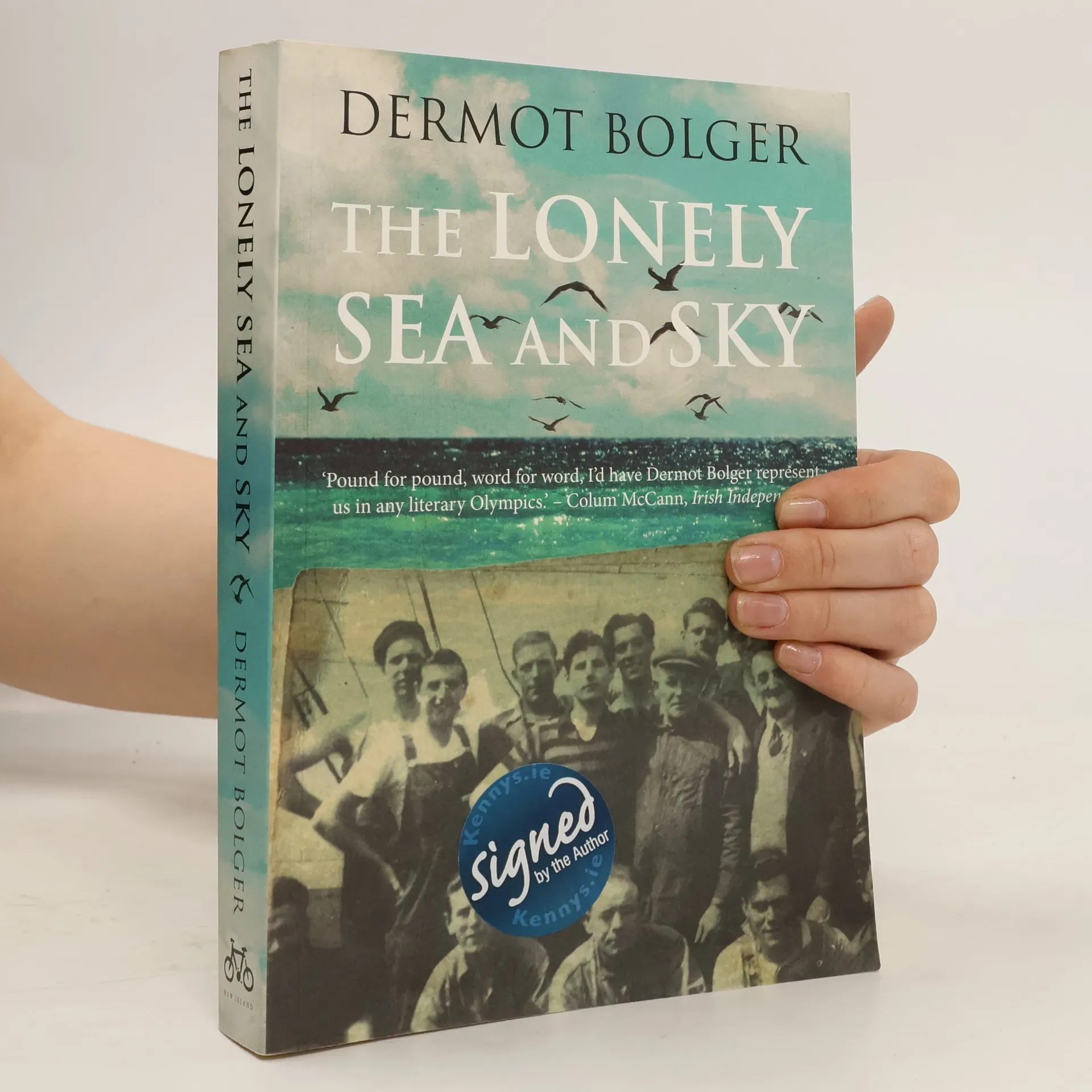
A spellbinding novel based on a real-life rescue in 1943, when the crew of a neutral Irish ship rescued 168 drowning German sailors. A story of romance and war, where every experience is intense and dangerous.
Set in 1941, the narrative unfolds within the confines of Grangegorman Mental Hospital, where the lives of four individuals intersect. Each character grapples with the profound impacts of war, betrayal, and personal trauma, revealing the deep scars that conflict leaves on the human psyche. Their stories intertwine, exploring themes of resilience and the quest for healing amidst a backdrop of historical turmoil.
'The Journey Home' is the story of a young boy's struggle towards maturity, set against a shocking portrait of Ireland: a tough urban landscape, not a rural Eden.