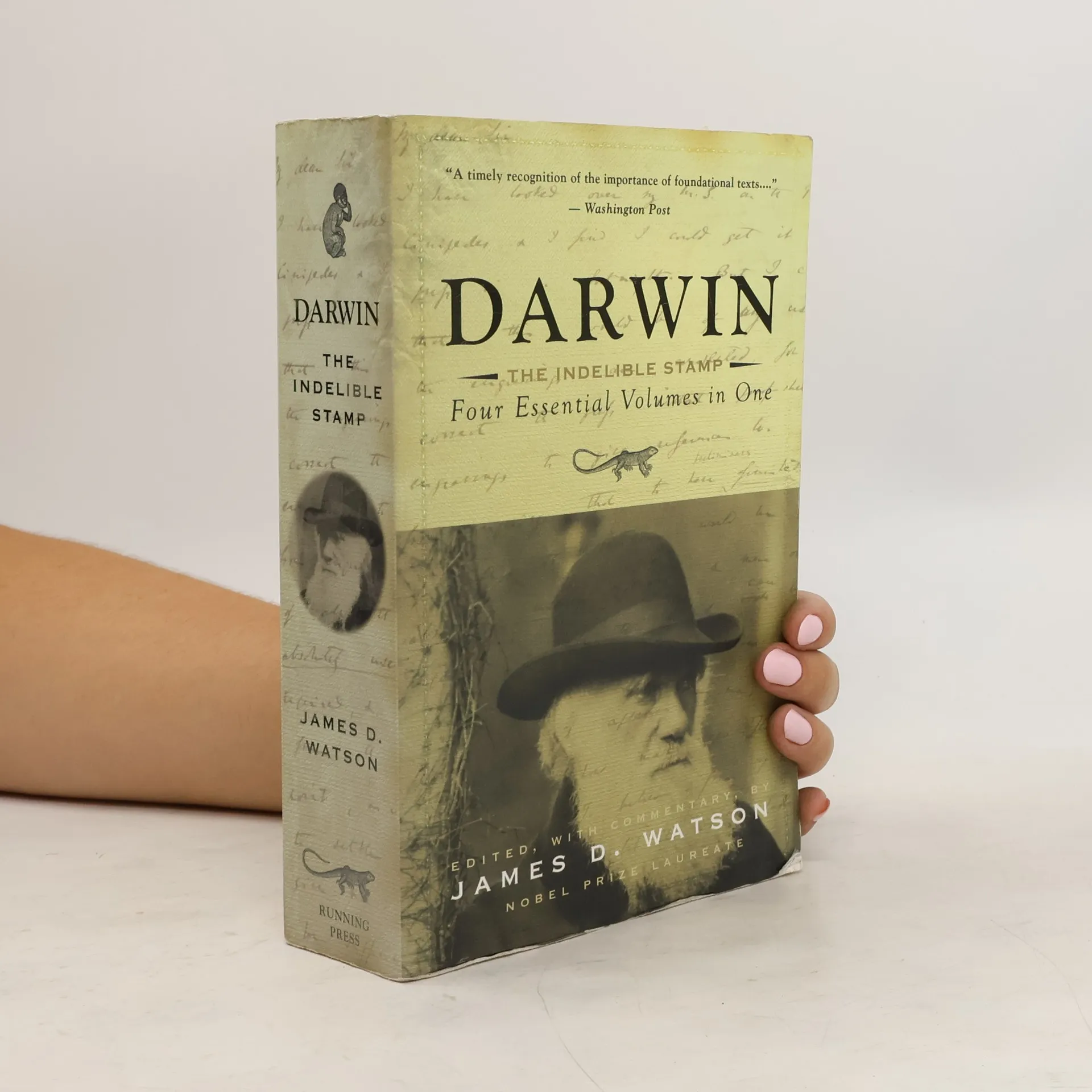
These are the collected works of Charles Darwin, the man whose ideas shocked the 19th-century world-and whose works are still considered shocking by some today. Full reprints of On the Origin of Species, The Voyage of the Beagle, The Expression of the Emotions in Man and Animals, and The Descent of Man, have now been supplemented with the crucial indices that will allow our volume to stand as the best value. Watson's commentary seeks to “provide some historical context and connection to current science, as well as some personal observations about how Darwin's writing affected (his) intellectual development” (Nature). Charles Darwin was training to be a clergyman when he undertook his famous voyage on the Beagle. On that journey, the islands and lagoons of South America became the cathedral where young Darwin explored the mysteries of life.
James D. Watson Books
James Watson was a prominent 19th-century publisher and writer, recognized for his relentless advocacy for freedom of the press and speech. A freethought publisher, he challenged the repressive laws of his era, disseminating works that questioned established social and religious norms. His publishing house specialized in making accessible the writings of thinkers like Thomas Paine and Percy Bysshe Shelley. Watson's commitment to freethought principles and his repeated imprisonments underscored his dedication to upholding the rights of free expression. His legacy endures through the commemoration of his brave efforts to secure free speech.


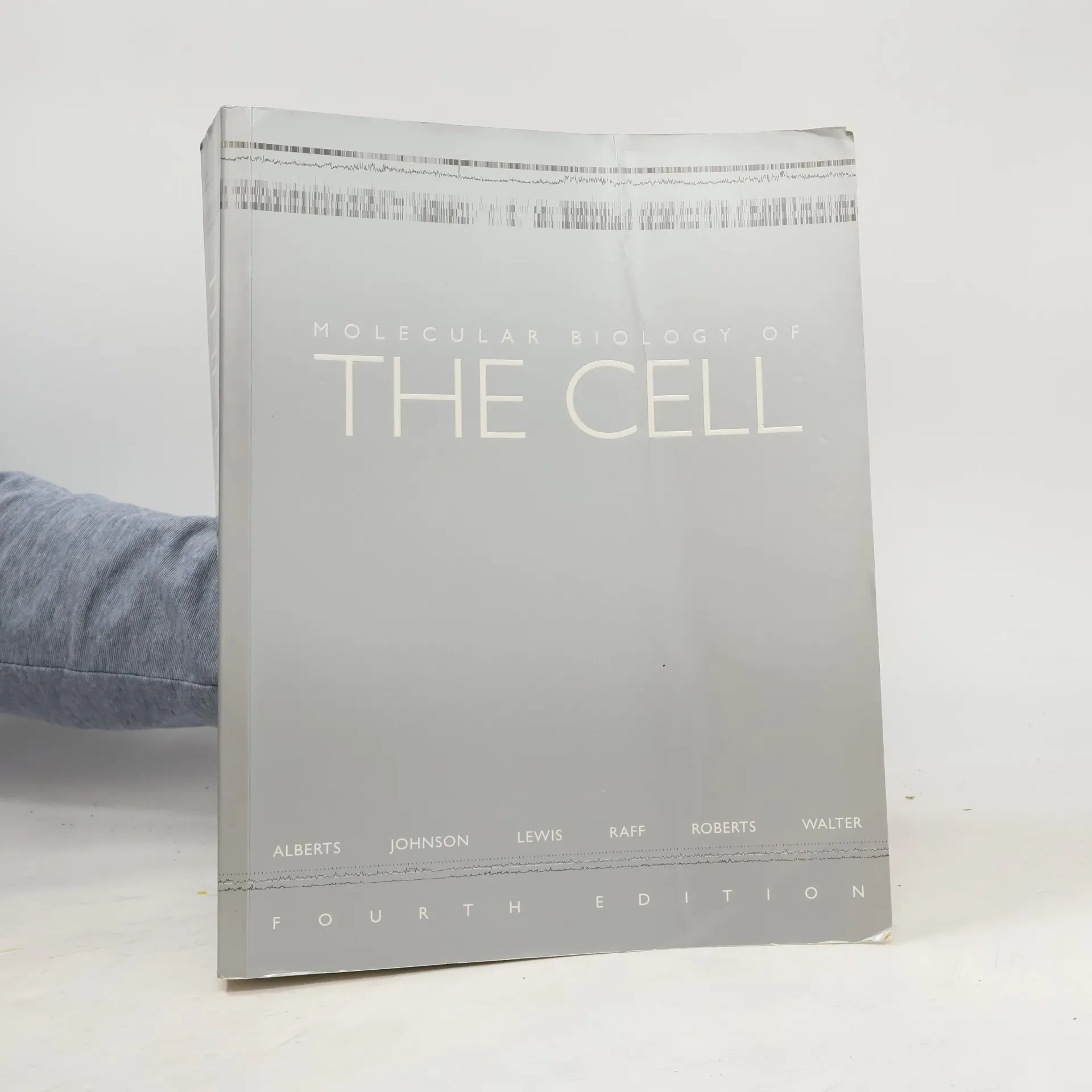
Publication Date: 21 Mar 2002 | ISBN-10: 0849371619 | ISBN-13: 978-0815340720 | Edition: 4 This comprehensive text reference in cell biology distills fundamental concepts from an expansive field, crafting a coherent framework for non-expert readers. Written in clear, engaging language and enhanced by beautiful illustrations, it conveys the excitement of modern biology. The Fourth Edition reflects the latest understanding of cell biology as of Autumn 2001, while also addressing the vast unknowns that remain. Retaining hallmark features from previous editions, the book boasts a clean, single-column layout and a consistent art program with over 1,600 photographs, electron micrographs, and original drawings. Each chapter begins with clear concept headings and includes extensive references, all subjected to a rigorous revision process that ensures a unified authorial voice. Key features include contextualization of current hot topics such as genomics, protein structure, and stem cell research, along with a focus on new genomic data. Two chapters dedicated to methods discuss the latest tools and techniques, while new content on "Pathogens, Infection, and Innate Immunity" is introduced. Additionally, a Cell Biology Interactive CD-ROM accompanies every copy.
What sets this book apart from others on genetics is that it is authored by James Watson, renowned for his work with Crick. Alongside Andrew Berry, he presents a clear and engaging history of genetics, spanning from Mendel to genome sequencing. Watson provides readers with a unique perspective, offering insights into significant developments in modern science. He enthusiastically discusses the research that has fueled contemporary interests in genetic engineering and cloning, supported by numerous illustrations and photos. Watson explains how scientists unraveled the DNA code for protein creation, known as the "central dogma" of genetics. However, he expresses concern over the increasing influence of patents and corporations in the scientific realm, noting that after 1975, DNA research shifted from academic circles to a corporate landscape. In later chapters, he critiques those who oppose genetic experimentation, labeling them "alarmists" who misunderstand the science. While this stance may alienate some readers, particularly those influenced by later environmental movements, the book addresses both sides of the genetic debate. Watson advocates for open discussion on the topic. The book is also linked to a 5-part PBS series.
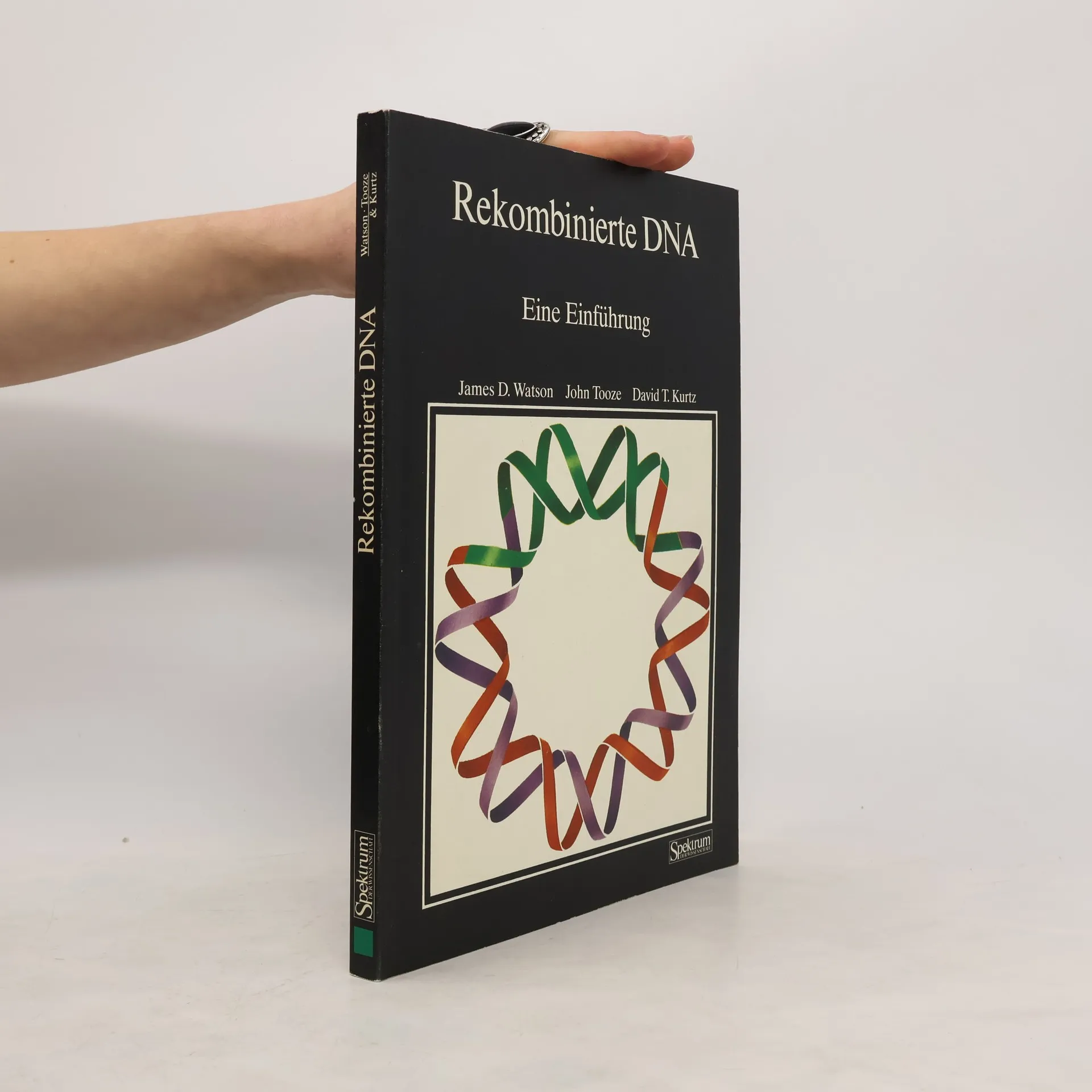
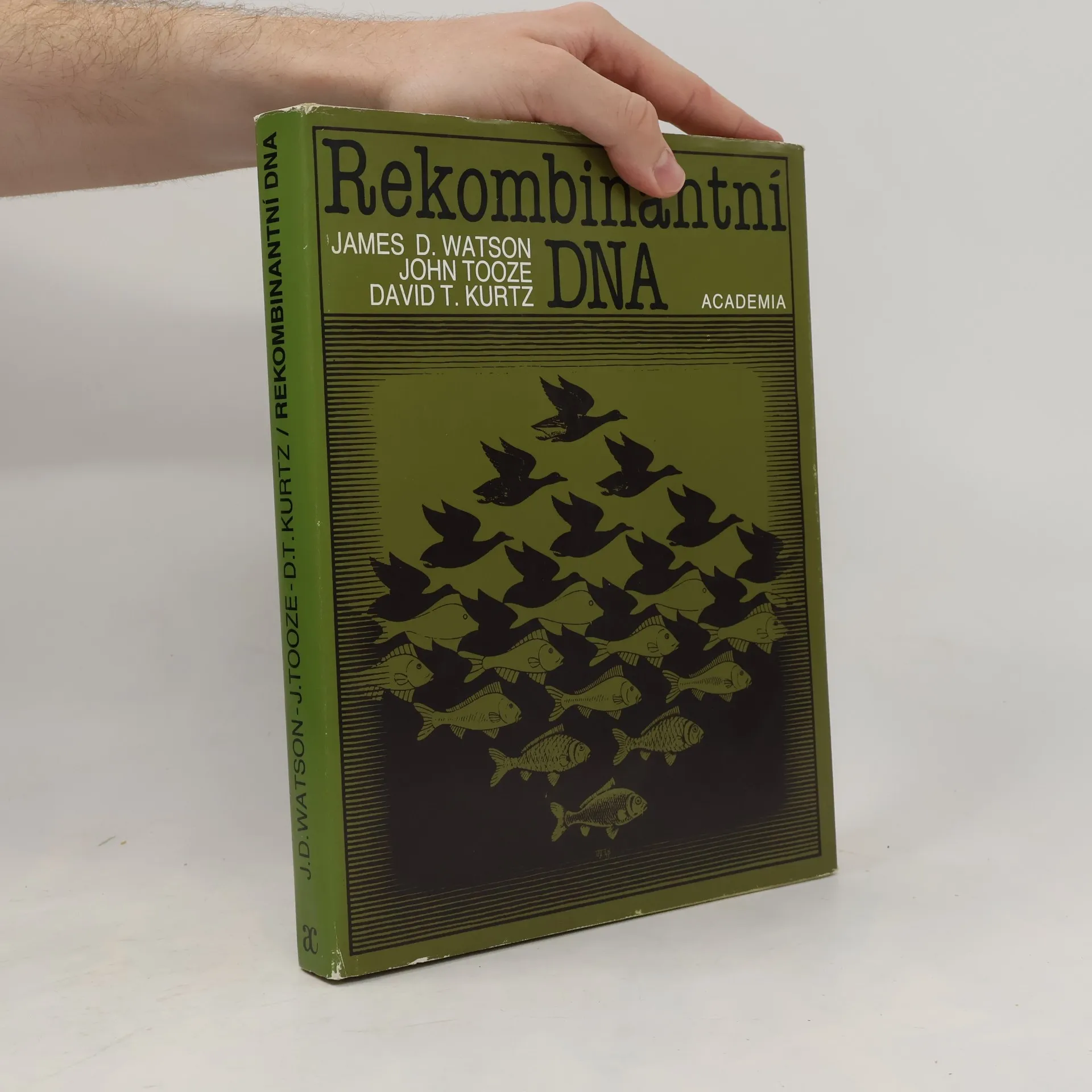
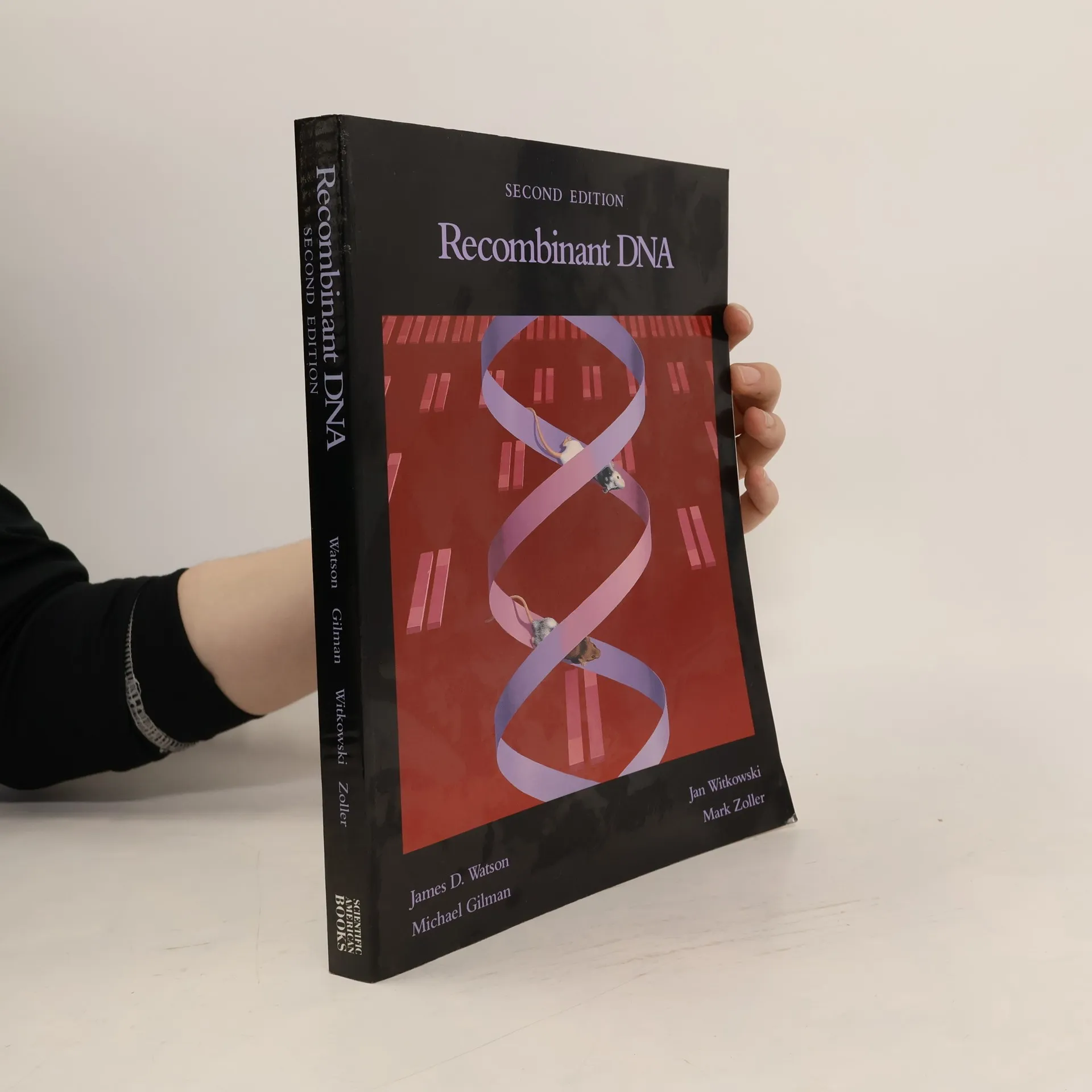
Recombinant DNA: Second Edition
- 626 pages
- 22 hours of reading
An overview of recombitant DNA techniques and surveys advances in recombinant molecular genetics, experimental methods and their results.
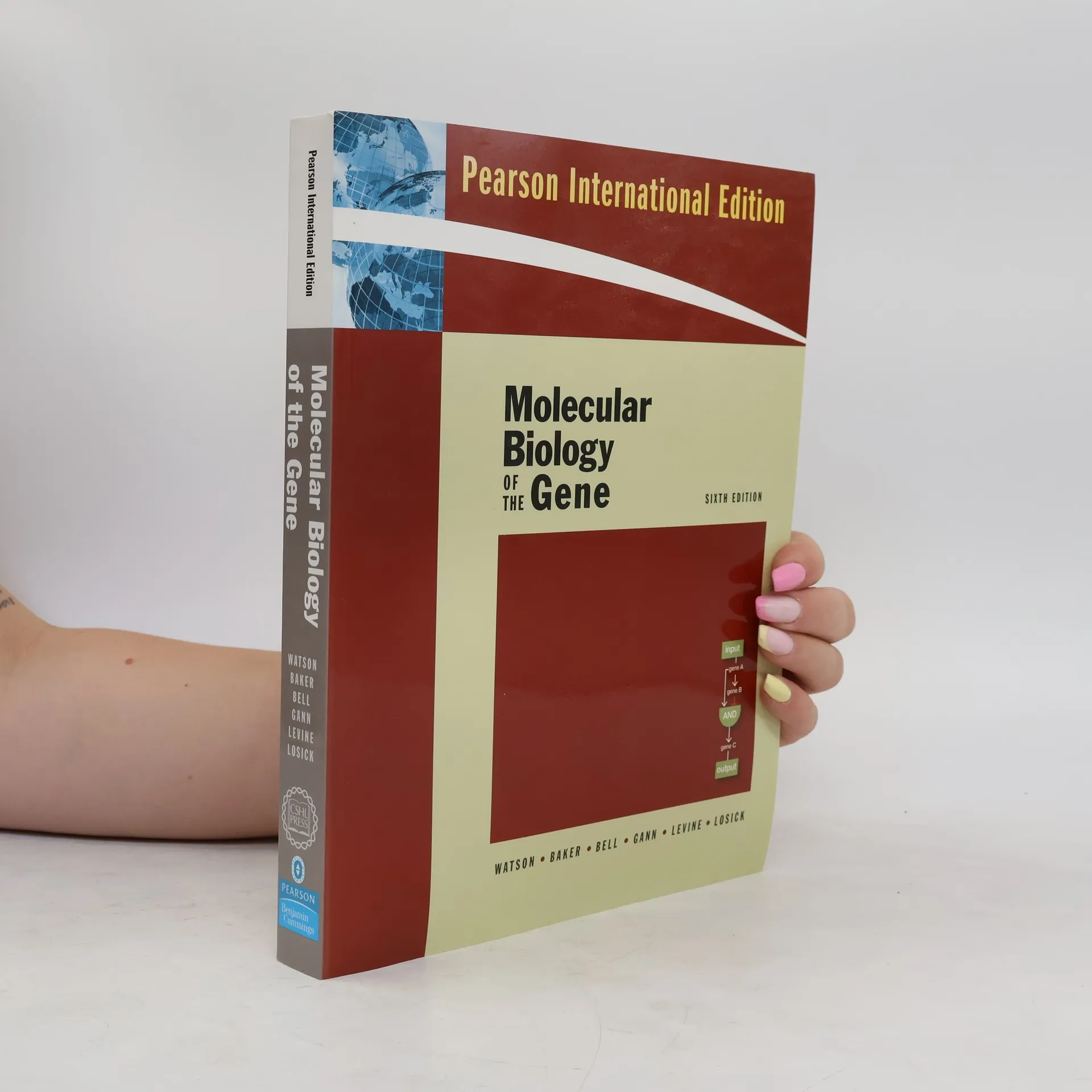
Pearson International Edition: Molecular Biology of the Gene: Sixth Edition
- 841 pages
- 30 hours of reading
This sixth edition of James D. Watson's has been thoroughly revised and updated. Accessible to anyone interested in molecular biology and genetics, the book provides a historical basis for the field, concise descriptions of fundamental chemical concepts, a comprehensive survey of genome maintenance and expression, and a discussion of standard techniques and model organisms commonly used in molecular biology studies. It includes all new chapters on the regulatory RNAs and genomics and systems biology.
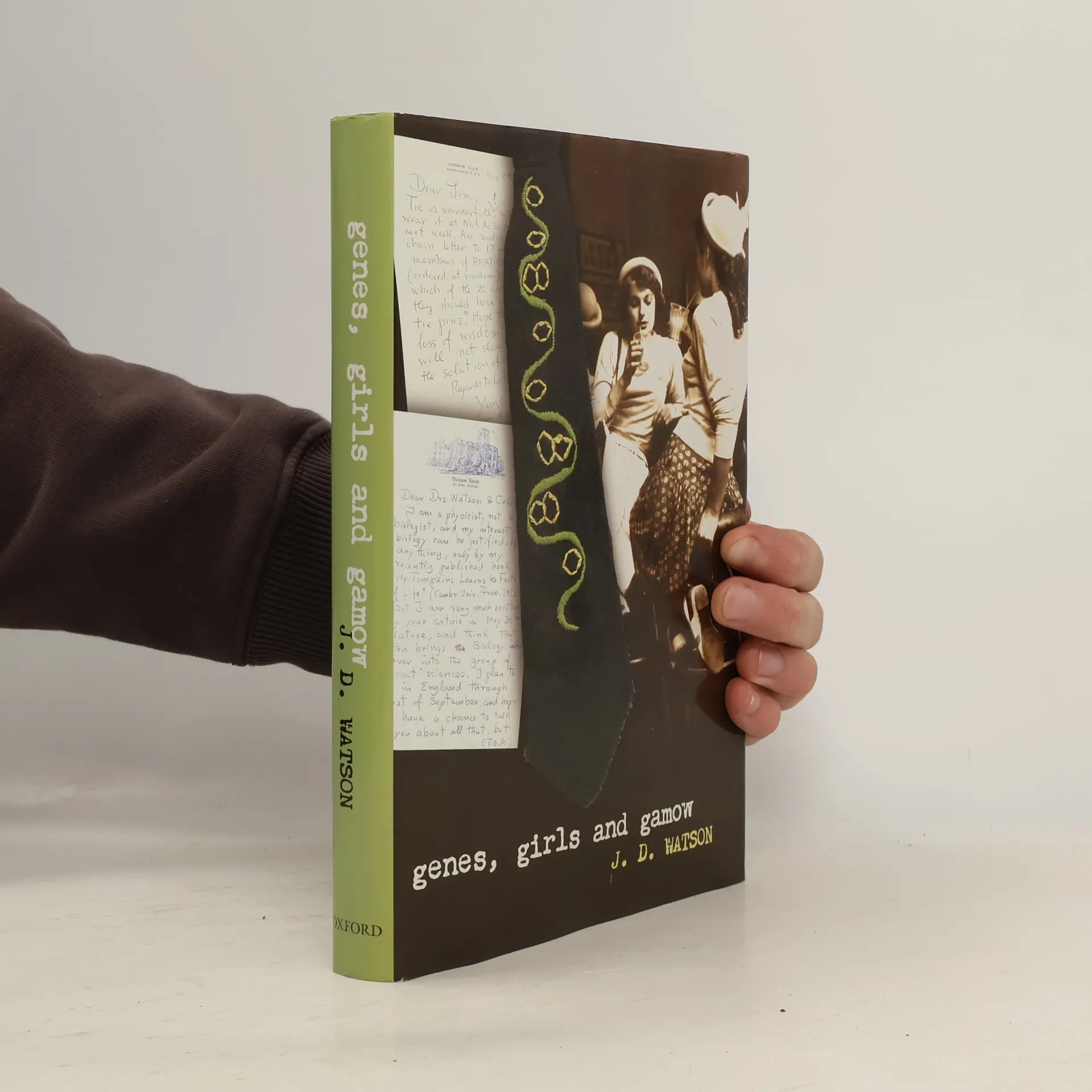
Genes, Girls, and Gamow
- 275 pages
- 10 hours of reading
In 1953 Watson and Crick discovered the double helical structure of DNA and Watson's personal account of the discovery, The Double Helix, was published in 1968. Genes, Girls and Gamow is also autobiographical, covering the period from when The Double Helix ends, in 1953, to a few years later,and ending with a Postscript bringing the story up to date. Here is Watson adjusting to new-found fame, carrying out tantalizing experiments on the role of RNA in biology, and falling in love. The book is enlivened with copies of handwritten letters from the larger than life character GeorgeGamow, who had made significant contributions to physics but became intrigued by genes, RNA and the elusive genetic code. This is a tale of heartbreak, infidelity, scientific excitement and ambition, laced with travelogue and '50s atmosphere.
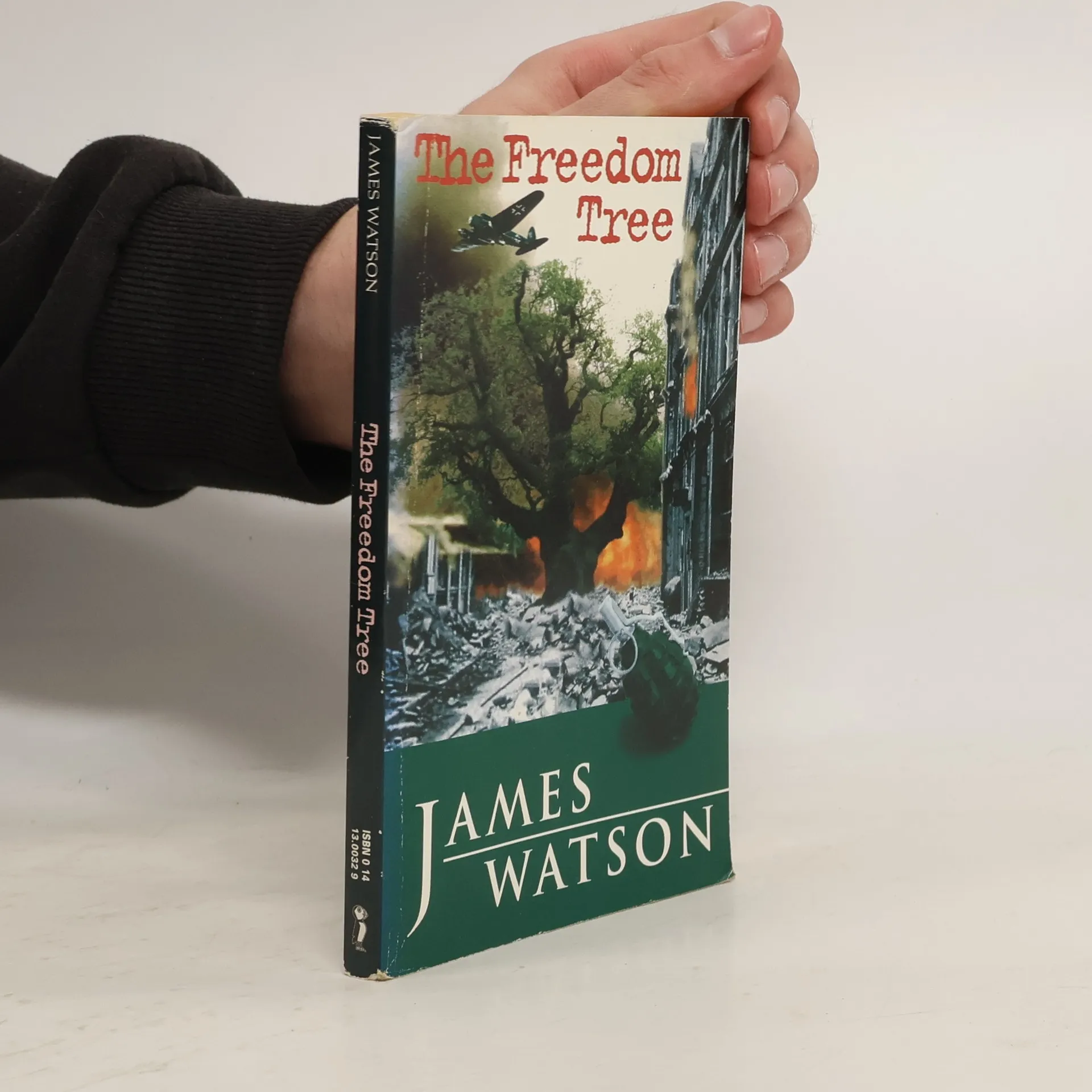
Puffin Teenage Fiction: The Freedom Tree
- 160 pages
- 6 hours of reading
Sixteen-year-old Will from Newcastle arrives in Spain in 1936, when the country is engulfed by Civil War. He is fiercely Republican, but he finds his allies are disorganized, ill-equipped and untrained, but he is inspired by their courage and optimism, qualities which will help him in the months of fighting that lie ahead. Reissued.
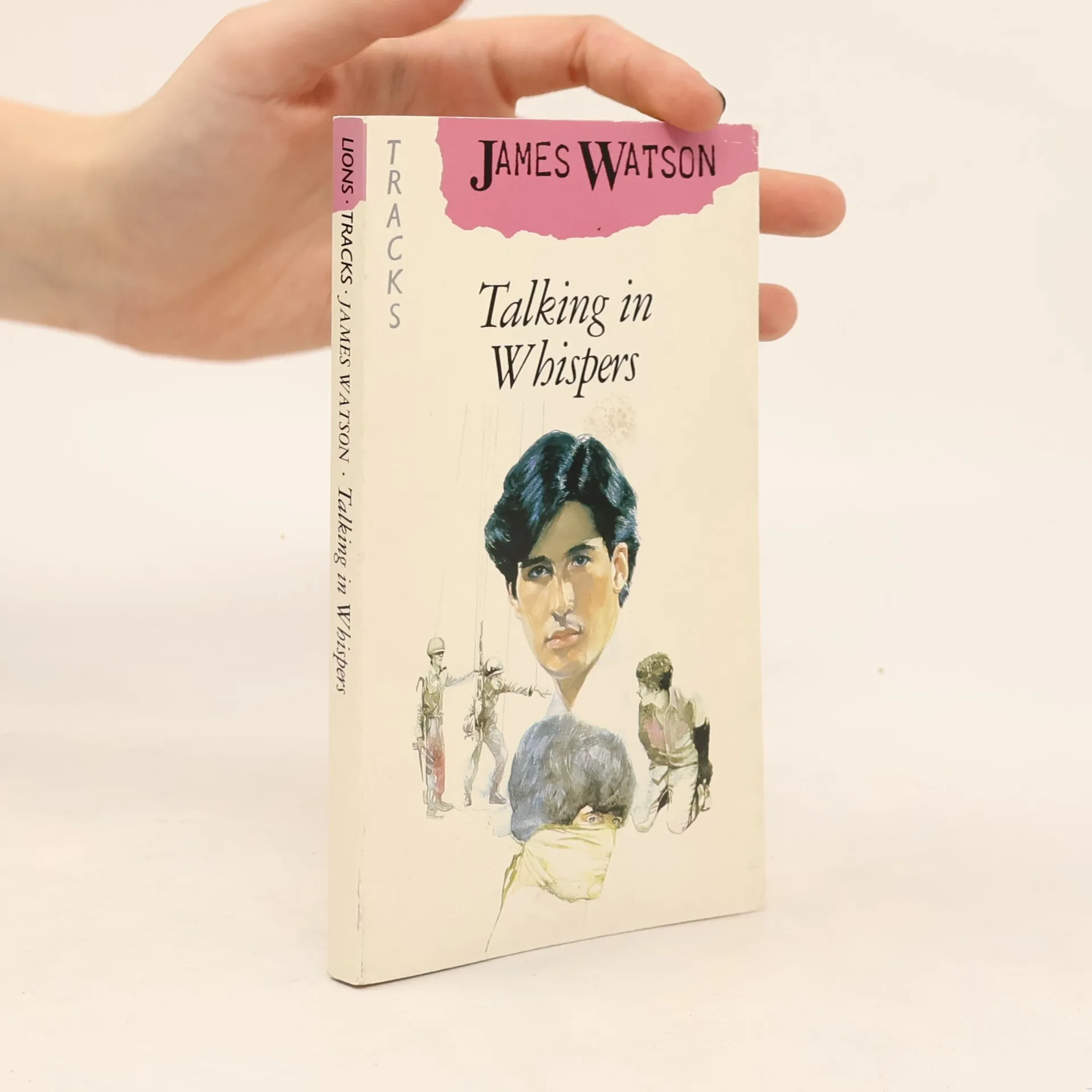
When his father, a well-known musician who supports the people's choice for president, is taken away by the Security forces of the military government in Chile, sixteen-year-old Andres Larreta becomes a wanted man himself as he continues his father's resistance activities.
Watson looks back on his extraordinary and varied career - from its beginnings as a schoolboy in Chicago's South Side to the day he left Harvard 50 years later, world-renowned as the co-discoverer of DNA - and considers the lessons he has learnt along the way.
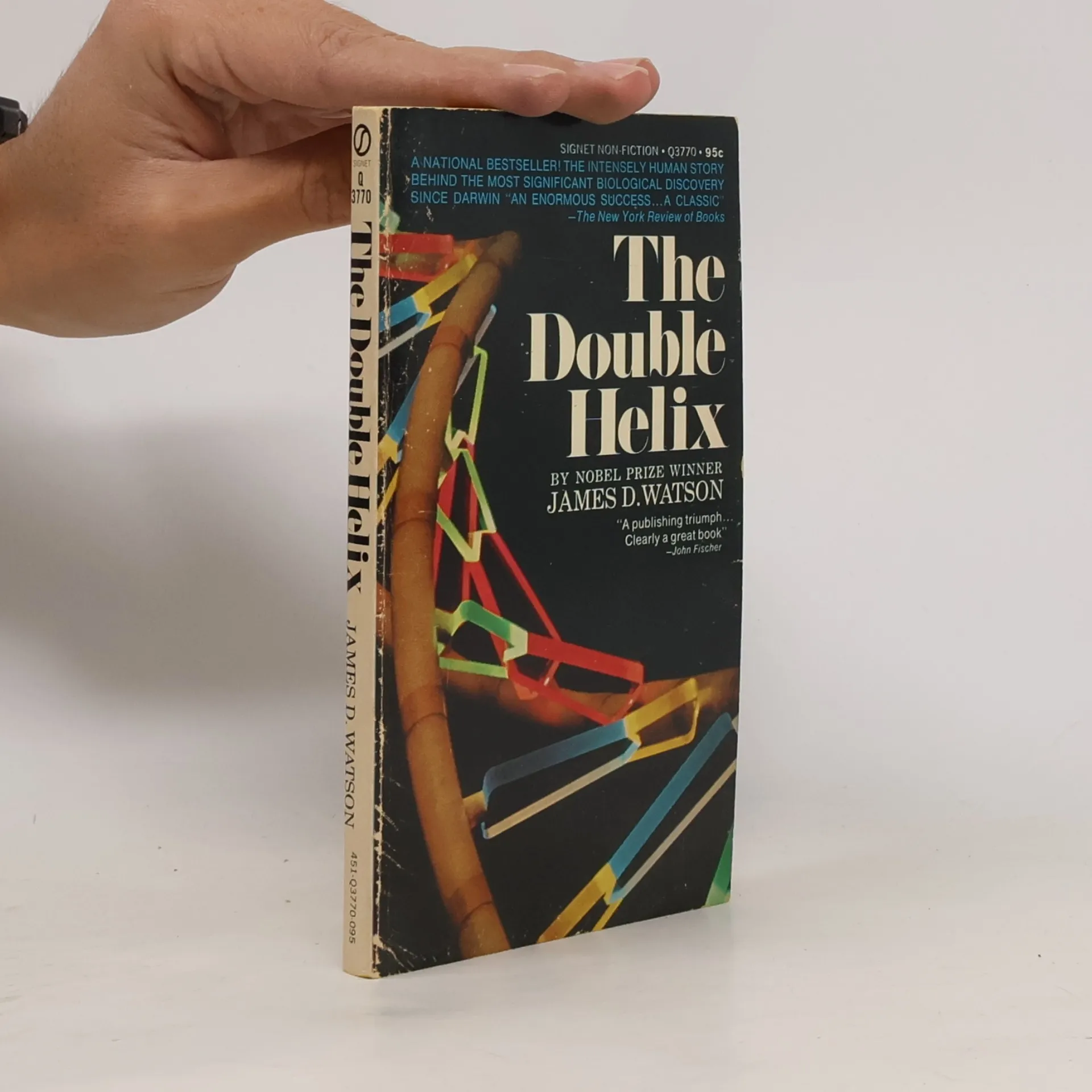
The Double Helix
A Personal Account of the Discovery of the Structure of DNA
- 143 pages
- 6 hours of reading
One of the two discoverers of DNA recalls the lively scientific quest that led to this breakthrough, from the long hours in the lab, to the after-hours socializing, to the financial struggles that almost sank their project. Reprint. 15,000 first printing.
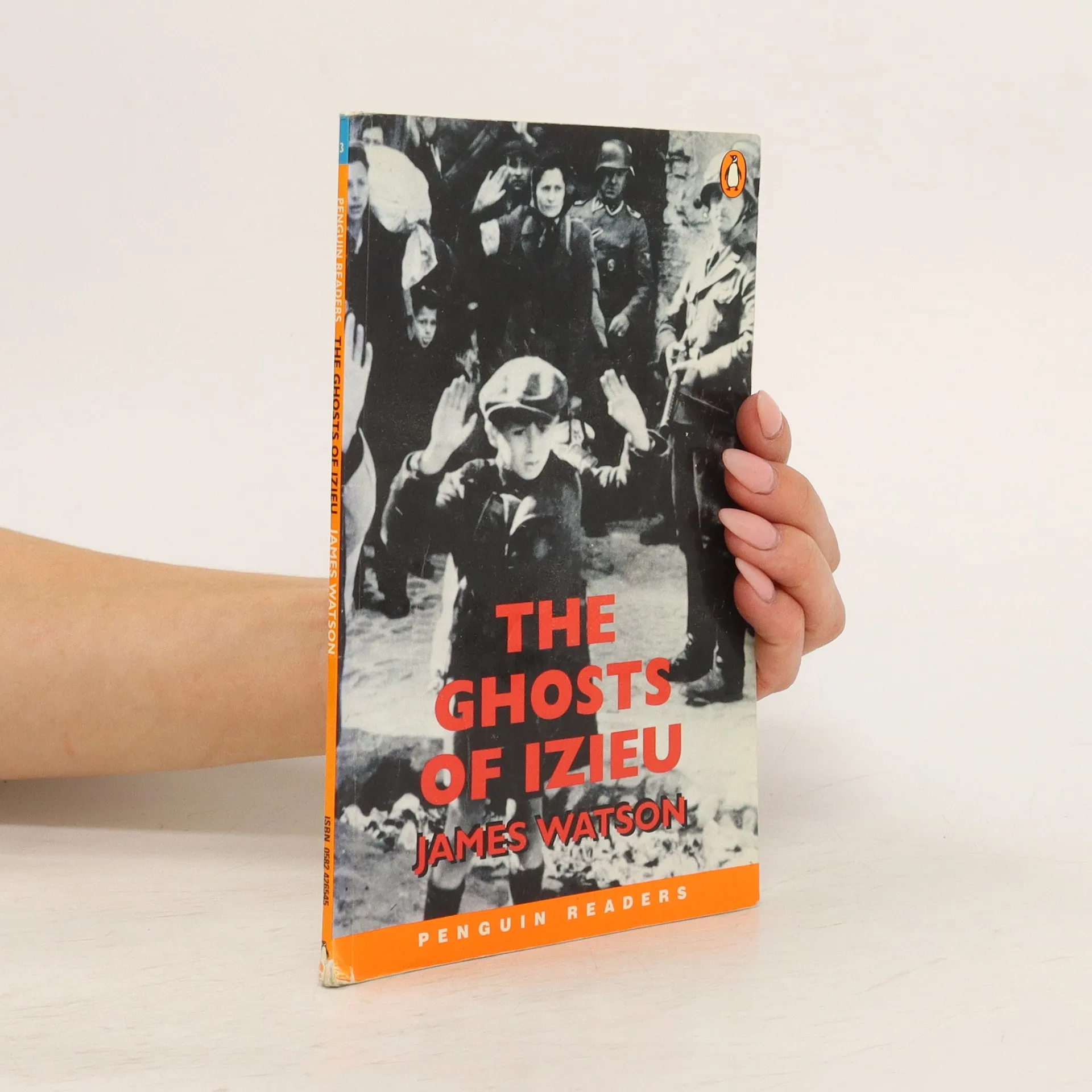
The Ghosts of Izieu
- 48 pages
- 2 hours of reading
Penguin Readers is a series of simplified novels, film novelizations and original titles that introduce students at all levels to the pleasures of reading in English. Originally designed for teaching English as a foreign language, the series' combination of high interest level and low reading age makes it suitable for both English-speaking teenagers with limited reading skills and students of English as a second language. Many titles in the series also provide access to the pre-20th century literature strands of the National Curriculum English Orders.
Deeper In Life
- 180 pages
- 7 hours of reading
Exploring themes of personal growth and self-discovery, this book invites readers on a transformative journey. It delves into the complexities of life, encouraging introspection and deeper understanding of one's purpose. Through relatable anecdotes and insightful reflections, the author aims to inspire individuals to embrace challenges and pursue fulfillment. The narrative promises to resonate with anyone seeking to navigate the intricacies of existence while fostering a sense of connection and resilience.
Origins of Human Cancer
- 1889 pages
- 67 hours of reading
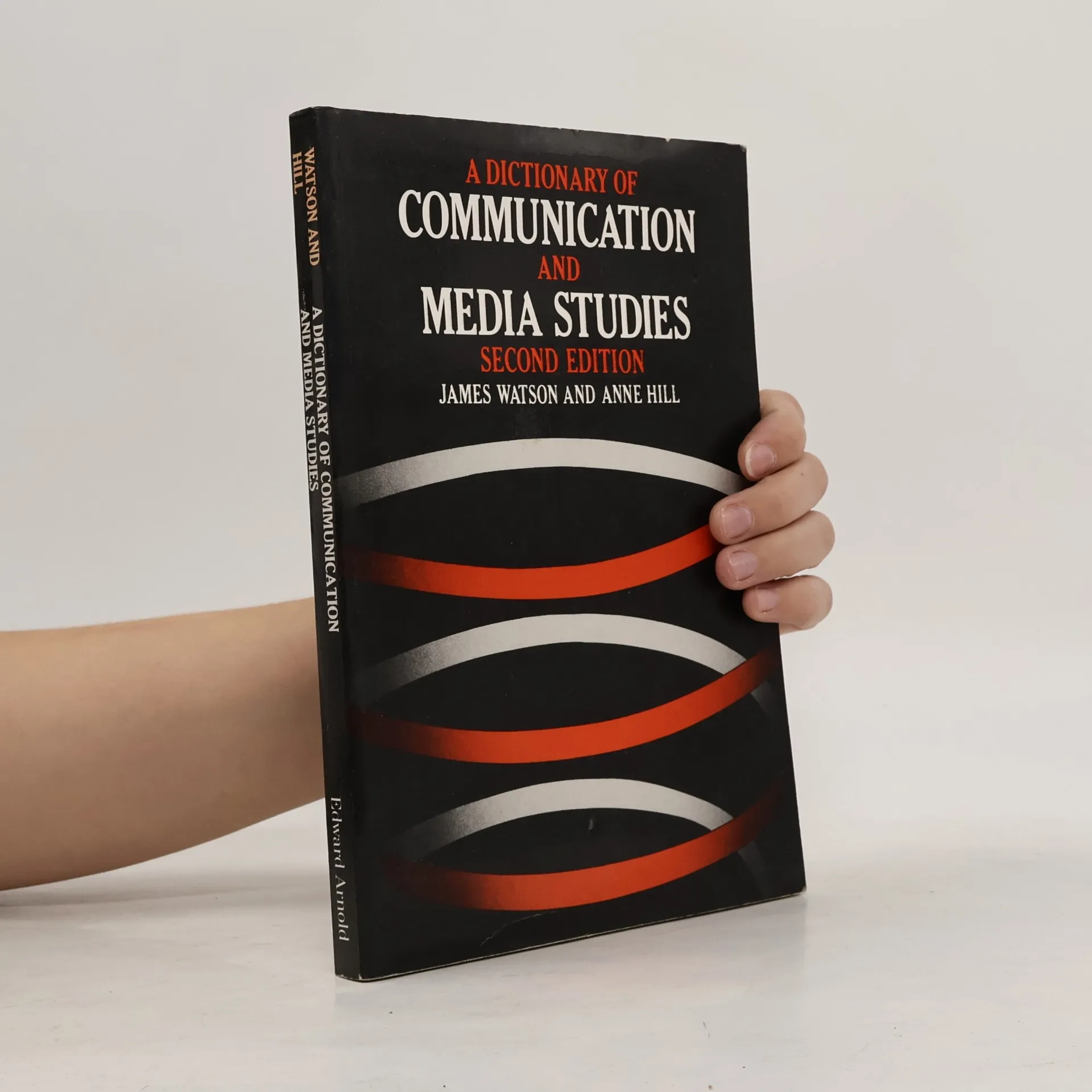
This text offers an introduction to studying the media, providing wide-ranging coverage of the contexts in which mass media operate, and looking at key issues such as news production, media ownership and control, and audience reception. The book also explores narrative forms and the language of media analysis.
A Dictionary of Communication and Media Studies - Second Edition
- 190 pages
- 7 hours of reading
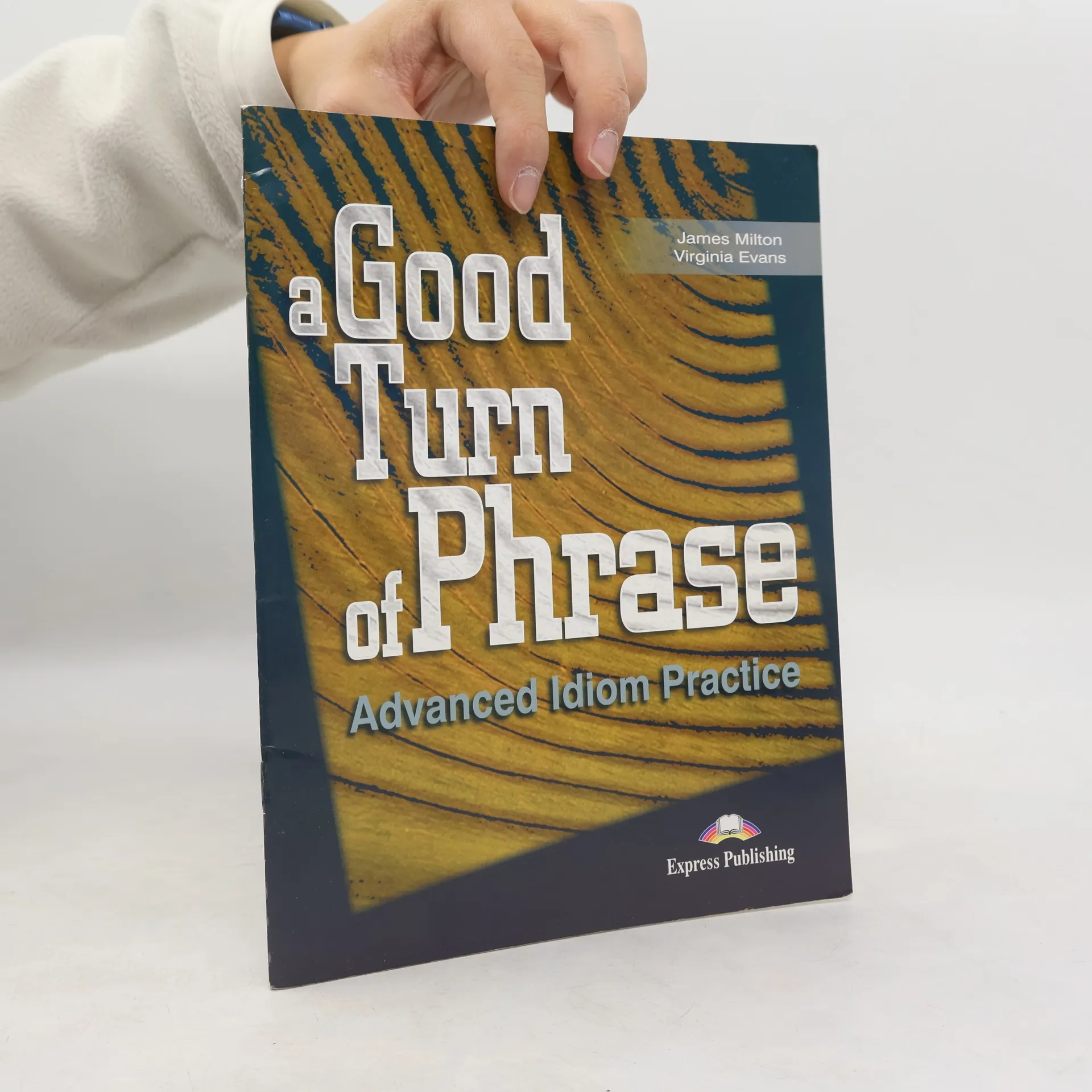
A Good Turn of Phrase. Advanced Idioms Practice SB
- 55 pages
- 2 hours of reading
A Good Turn of Phrase. Advanced Idiom Practice to książka opracowana z myślą o uczących się na poziomie zaawansowanym. Zawiera najczęściej używane idiomy wraz ze specjalnie opracowanym zestawem ćwiczeń pozwalających na szybkie i skuteczne opanowanie prezentowanego materiału. Książka może być wykorzystywana zarówno w pracy z uczniami w klasie, jak i do samodzielnej nauki. Najważniejsze cechy: atrakcyjna forma prezentacji idiomów z wykorzystaniem wielu materiałów wizualnych; pełna kontekstualizacja wprowadzanego materiału leksykalnego umożliwiająca jego właściwe zrozumienie i stosowanie; szeroka gama różnorodnych zadań (m.in. test luk, dobieranie, wielokrotny wybór, krzyżówki) pozwalających na ćwiczenie wyrażeń i nabywanie pewności w ich używaniu; indeks ułatwiający znalezienie właściwego zwrotu. Poziom biegłości językowej wg CEF: C1/C2 Opis komponentów: Podręcznik (Student's Book) zawiera ujęty w 15 rozdziałów materiał leksykalny wraz ze specjalnie opracowanymi ćwiczeniami. Na końcu książki umieszczono indeks pozwalający na szybkie znalezienie właściwego hasła. Książka nauczyciela (Teacher's Book) zawiera odpowiedzi do wszystkich zadań z podręcznika i łatwe do powielenia testy umożliwiające ocenę stopnia opanowania materiału.
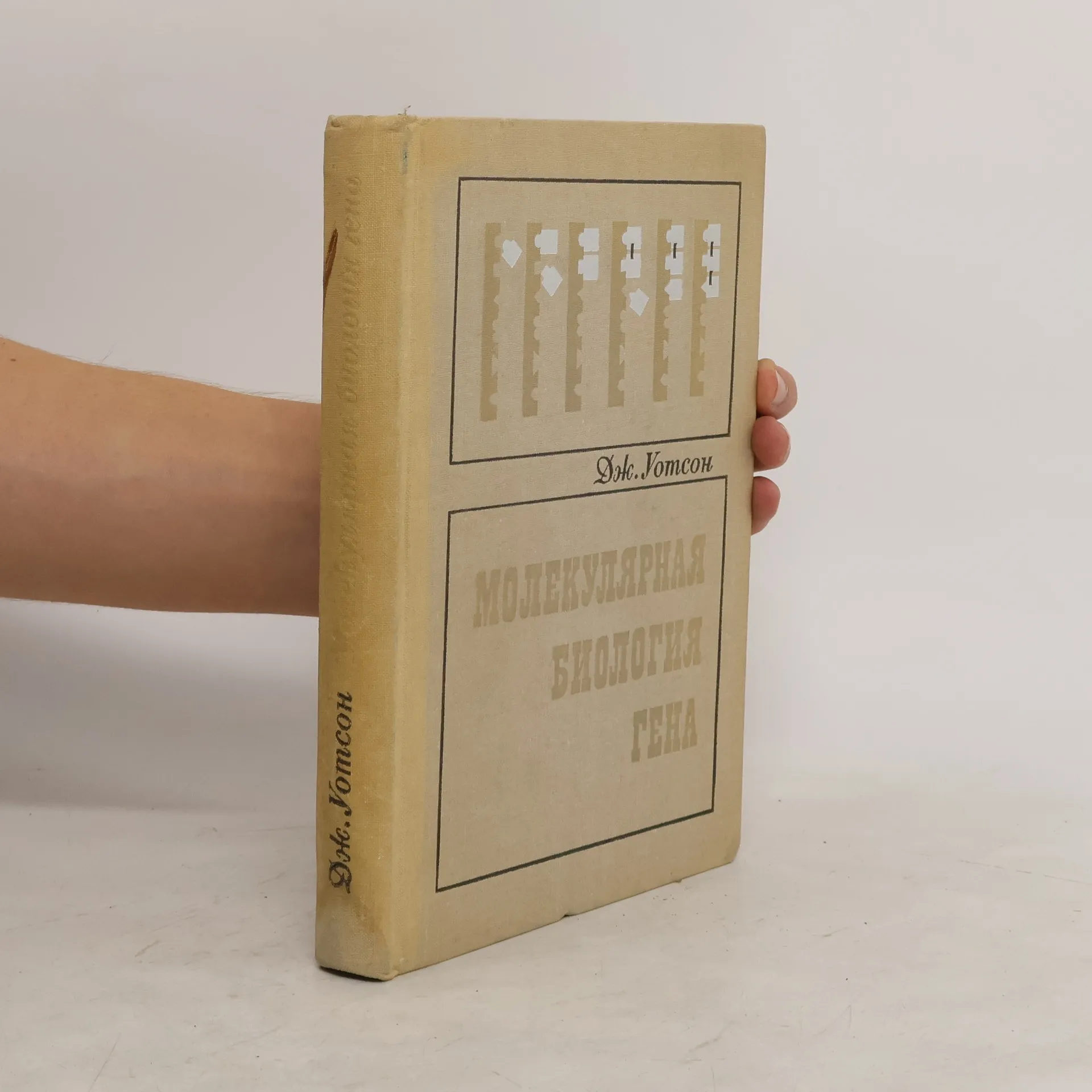
Molekularbiologie des Gens
- 622 pages
- 22 hours of reading
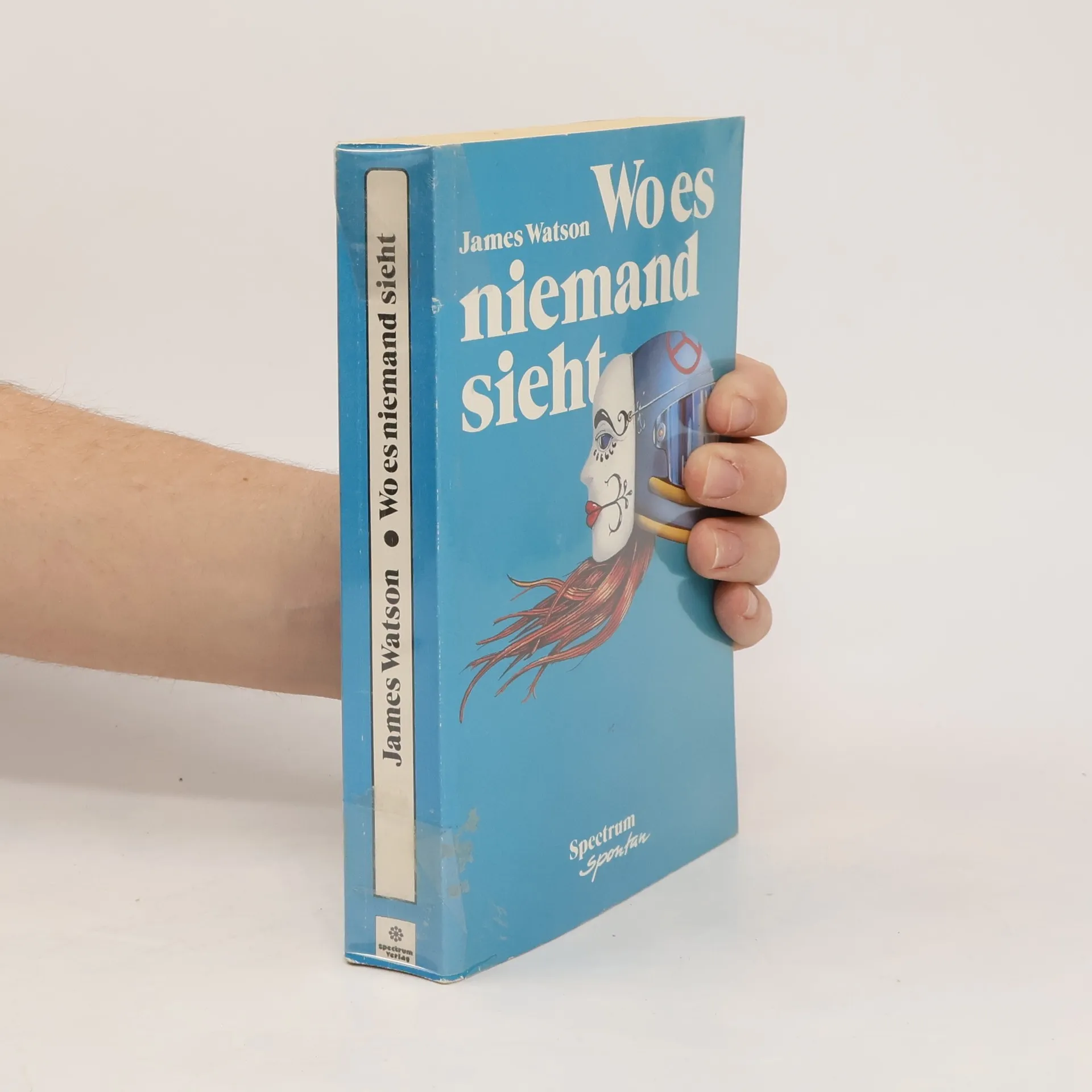
Wo es niemand sieht
- 278 pages
- 10 hours of reading
Tochter der Freiheit
- 176 pages
- 7 hours of reading
Malinga verlässt England, um als Krankenschwester im vom Bürgerkrieg betroffenen Angola zu arbeiten, wo sie ums Überleben kämpft.
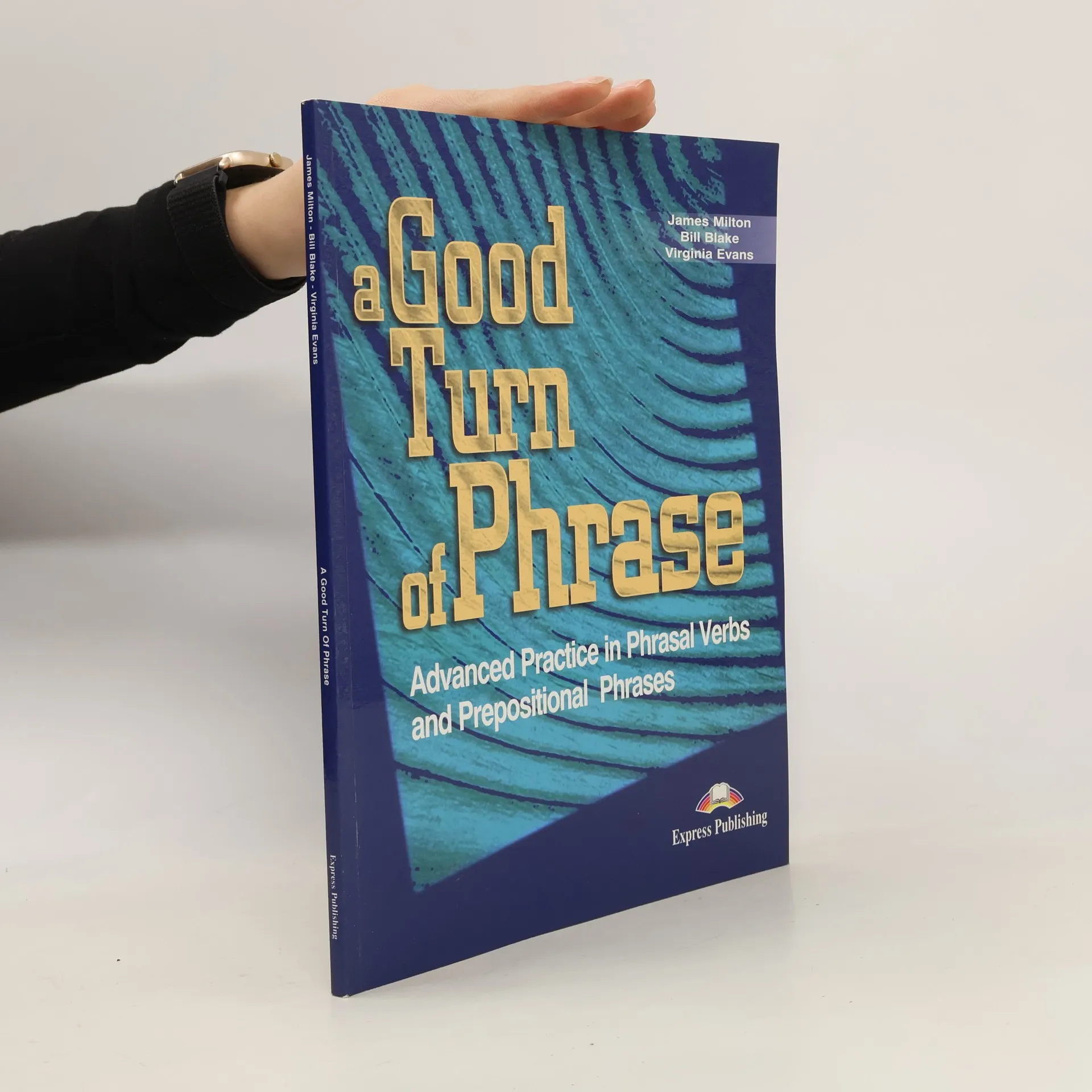
A Good Turn of Phrase SB
- 103 pages
- 4 hours of reading
A Good Turn of Phrase. Advanced Practice in Phrasal Verbs and Prepositional Phrases to książka opracowana z myślą o uczących się na poziomie zaawansowanym. Zawiera najczęściej używane czasowniki złożone i wyrażenia przyimkowe wraz ze specjalnie opracowanym zestawem ćwiczeń pozwalających na szybkie i skuteczne opanowanie prezentowanego materiału. Książka może być wykorzystywana zarówno w pracy z uczniami w klasie, jak i do samodzielnej nauki. Najważniejsze cechy: atrakcyjna forma prezentacji czasowników złożonych i wyrażeń przyimkowych z wykorzystaniem wielu materiałów wizualnych; pełna kontekstualizacja wprowadzanego materiału leksykalnego umożliwiająca jego właściwe zrozumienie i stosowanie; szeroka gama różnorodnych zadań (m.in. test luk, dobieranie, wielokrotny wybór, krzyżówki) pozwalających na ćwiczenie wyrażeń i nabywanie pewności w ich używaniu; indeks ułatwiający znalezienie właściwego zwrotu; rozdział zawierający ćwiczenia na transformacje ze słowem kluczem. Poziom biegłości językowej wg CEF: C1/C2 Opis komponentów: Podręcznik (Student's Book) zawiera szereg urozmaiconych ćwiczeń leksykalnych pozwalających na wzbogacanie słownictwa poprzez poznawanie wyższych poziomów znaczeniowych. Książka nauczyciela (Teacher's Book) zawiera odpowiedzi do wszystkich zadań z podręcznika i łatwe do powielenia testy umożliwiające ocenę stopnia opanowania materiału.
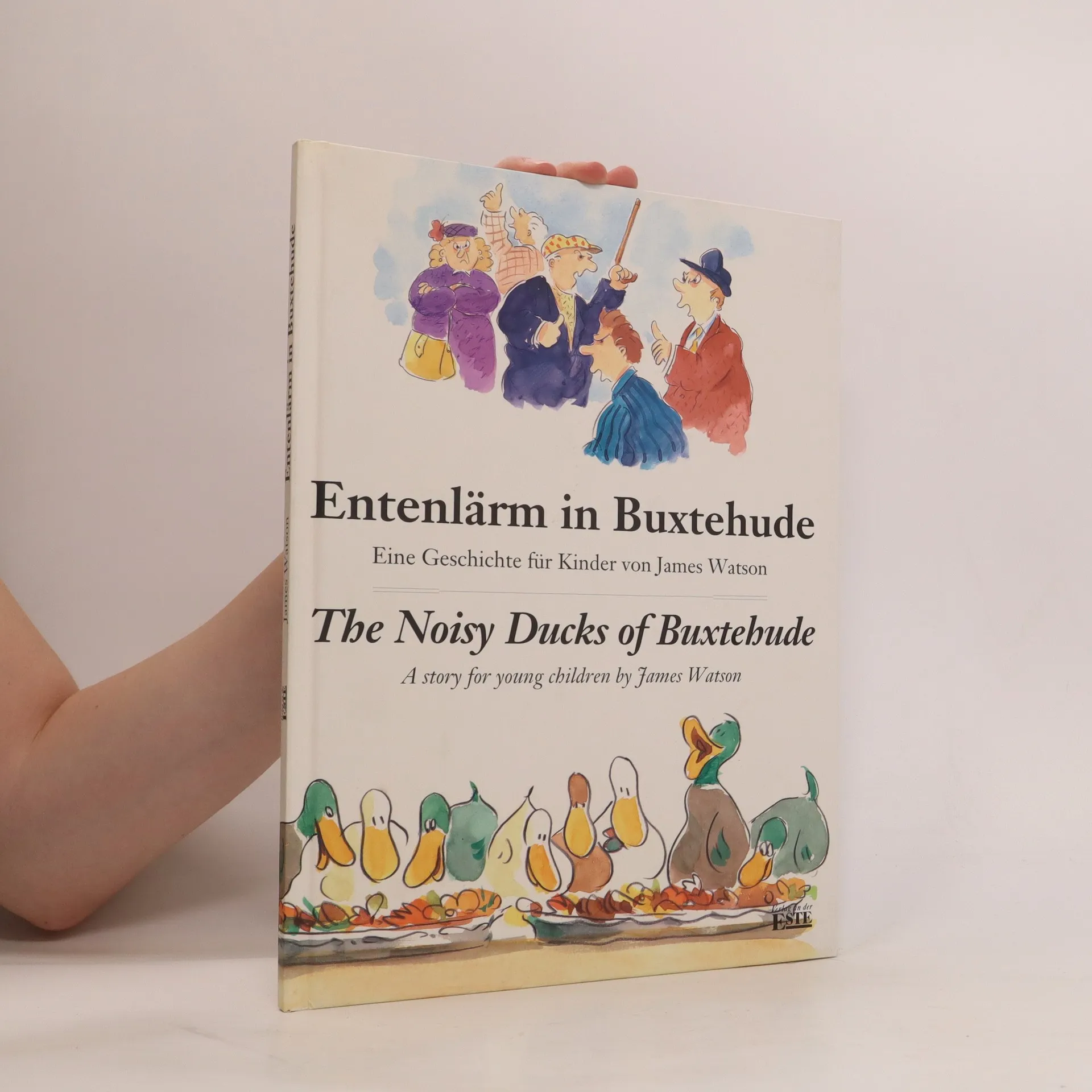
Entenlärm in Buxtehude
- 23 pages
- 1 hour of reading
Enten quaken nicht gerade leise - darüber ärgern sich manche Leute in Buxtehude ... - Bilderbuch mit Text in Englisch und Deutsch
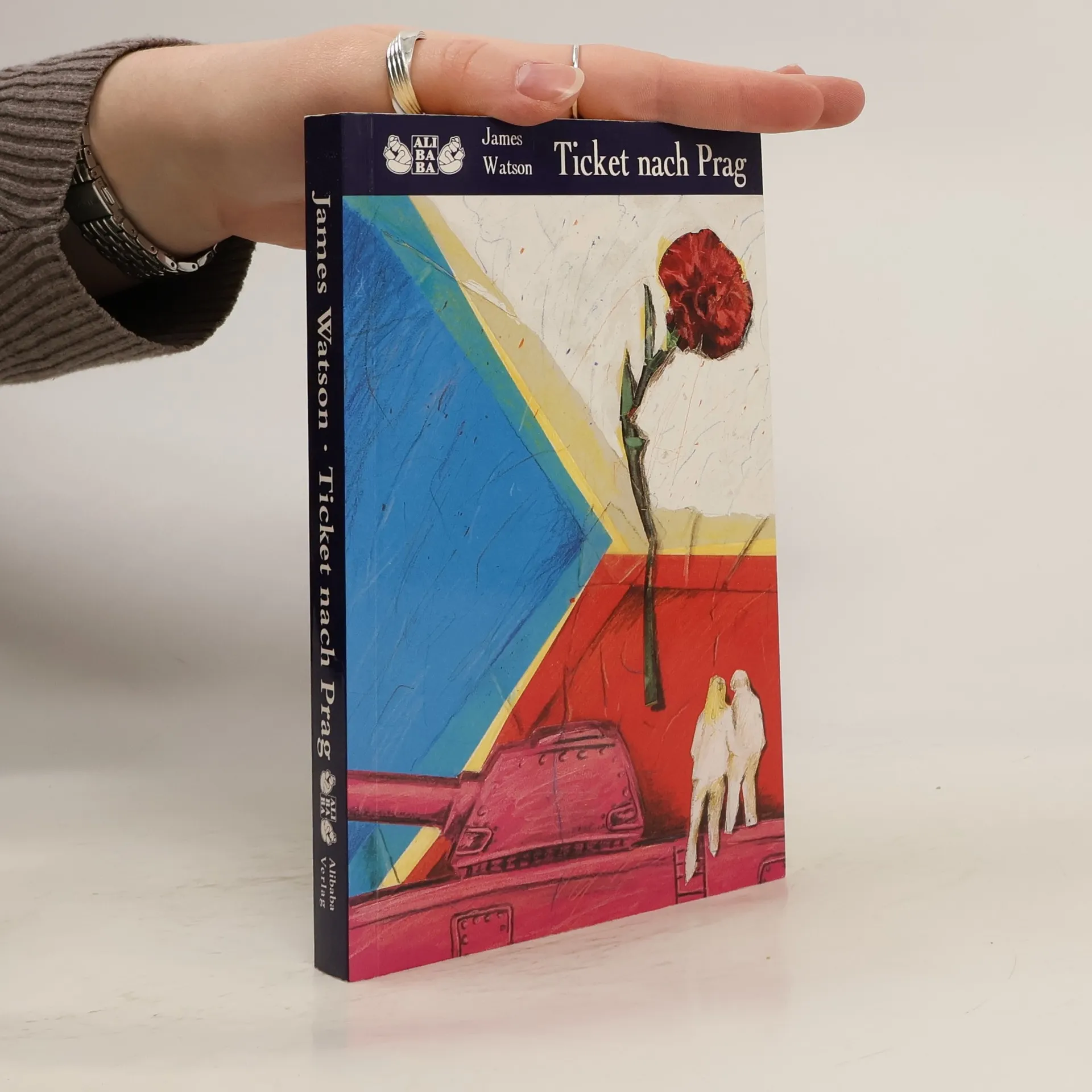
Ticket nach Prag
- 221 pages
- 8 hours of reading
Klassische Texte der Wissenschaft: Die Entdeckung der Doppelhelix
Die grundlegenden Arbeiten von Watson, Crick und anderen
- 176 pages
- 7 hours of reading
„We wish to suggest a structure for the salt of deoxyribose nucleic acid (D. N. A.). This structure has novel features which are of considerable biological interest“, so lauten die ersten Sätze des berühmten Artikels aus dem Jahr 1953, in dem Francis Crick und James Watson eine Doppelhelix-Struktur für die DNA vorschlugen. Diesen bahnbrechenden Vorschlag hatten sie in enger Verzahnung mit – und nicht immer legitimer Nutzung von – den Arbeiten von Maurice Wilkins und, vor allem, Rosalind Franklin entwickelt. In dem Buch werden die vier entscheidenden Aufsätze dieser Akteure gesammelt reproduziert, gemeinsam mit zwei wichtigen Vorläufer-Arbeiten (Avery, McLeod & McCarty 1944; Hershey & Chase 1952), die den Weg zu der Entdeckung bahnten. Den Originalpublikationen wird eine allgemeinverständliche Einleitung vorangestellt, in der die Geschichte dieser Entdeckung nachgezeichnet und in den historischen Kontext eingeordnet wird.
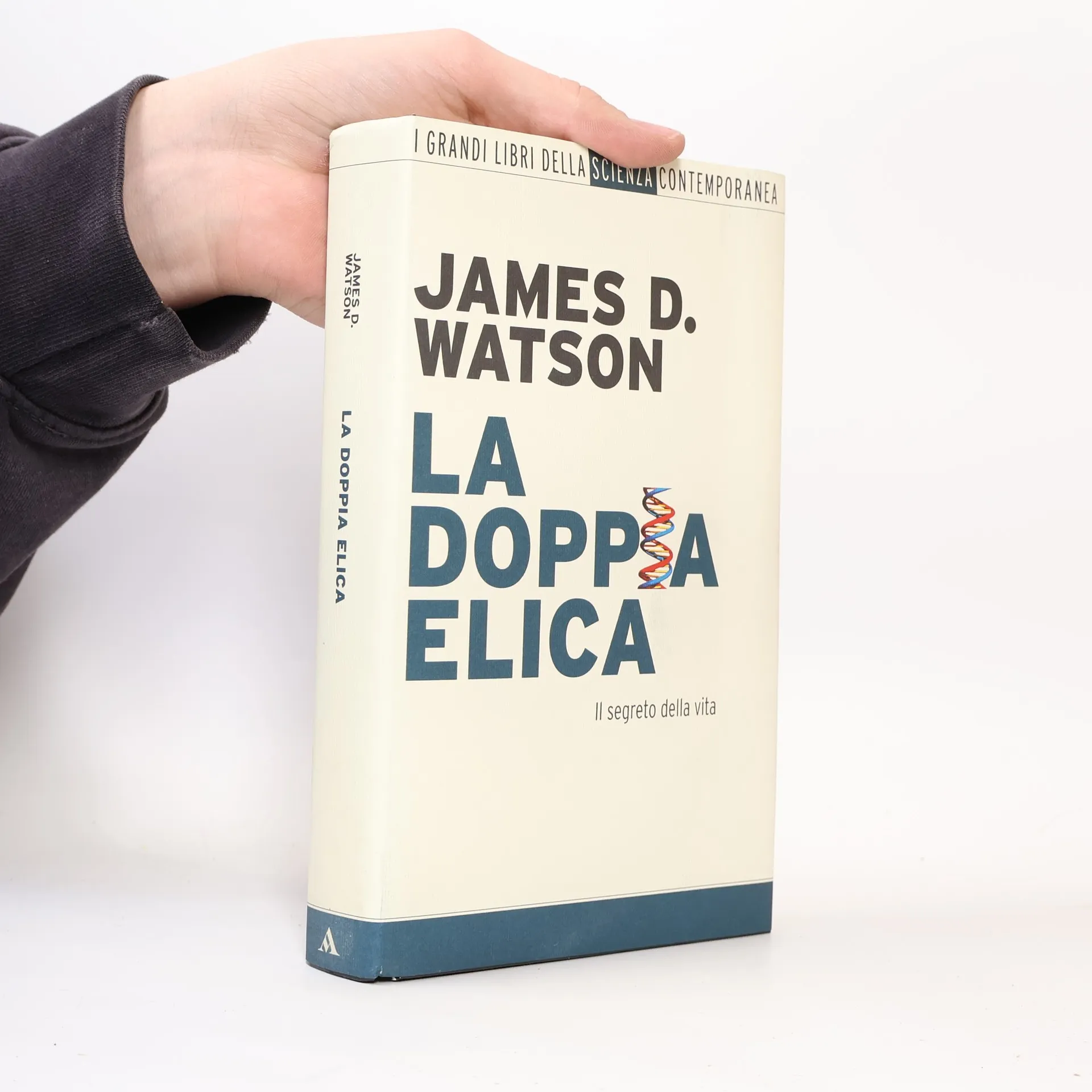
La doppia elica
- 208 pages
- 8 hours of reading
Il 25 aprile 1953 una breve paginetta sulla prestigiosa rivista «Nature» firmata da James Watson e Francis Crick chiariva definitivamente la struttura a doppia elica del DNA, la sostanza chimica che funge da messaggero della trasmissione genetica. Un passo decisivo per comprendere il funzionamento della molecola che racchiude il segreto della vita; una scoperta che ha posto le basi di nuove discipline come la genetica e la biologia molecolare, divenute oggi i settori più innovativi della ricerca scientifica. Quindici anni dopo, nel 1968, uno dei due autori di quell’articolo, insigniti nel 1962 del Nobel per la medicina, scandalizzò la comunità scientifica narrando in modo vivace e provocatorio i retroscena dell’avventura intellettuale che aveva portato alla clamorosa scoperta. Per la prima volta il mondo della ricerca scientifica appariva nella sua cruda realtà: pieno di luci e ombre, di simpatie e odi profondi, di rivalità e inganni. Questa edizione della Doppia elica ripropone lo «scandaloso» testo originale con una rassegna delle più interessanti reazioni che suscitò nel mondo scientifico.
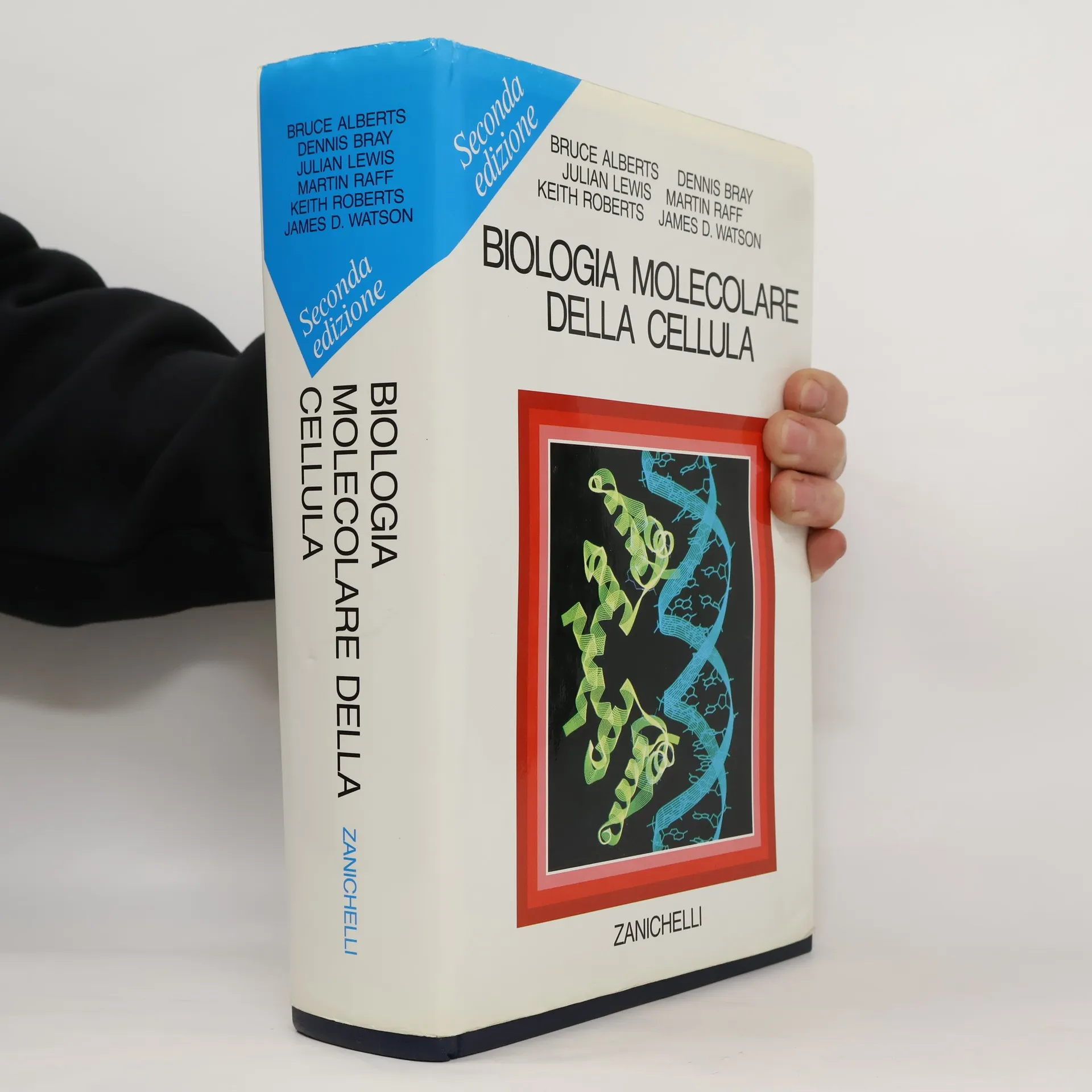
Biologia medicina scienze nat. Testi: Biologia molecolare della cellula
Seconda edizione
- 1596 pages
- 56 hours of reading
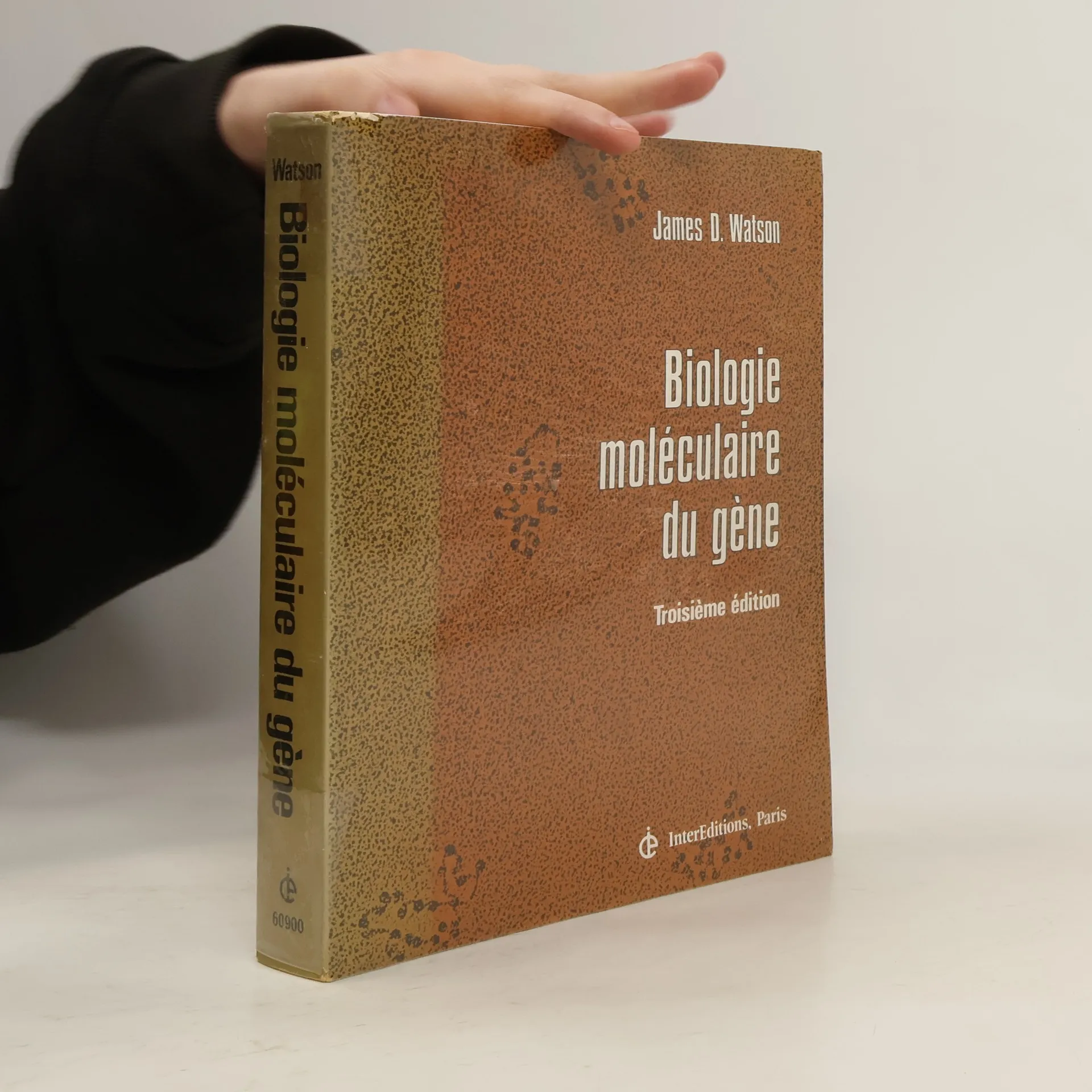
Biologie moléculaire du gène - Troisième édition
- 740 pages
- 26 hours of reading
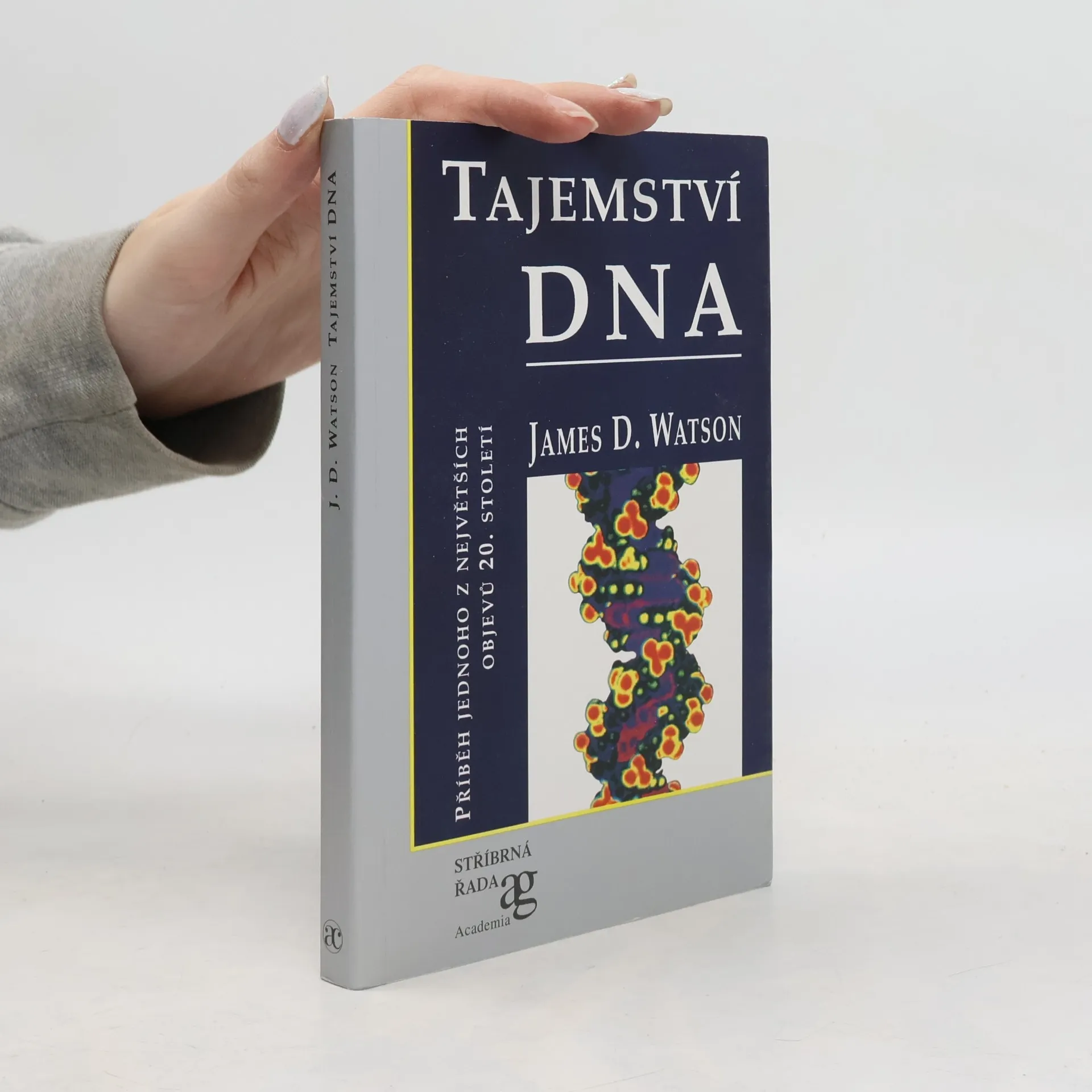
Tajemství DNA: příběh jednoho z největších objevů 20. století
- 150 pages
- 6 hours of reading
Působivé vyprávění o událostech, které vedly k objevu struktury DNA v roce l953. Přestože od Watsonova a Crickova objevu struktury DNA v roce 1953 uplynulo již mnoho let, neztrácí tato kniha nic na své jedinečnosti. Obsahuje výčet událostí, které vedly k rozluštění struktury DNA, základního genetického materiálu, což byla ve 20. století jedna z největších událostí ve vědeckém světě. Pro laické čtenáře se tak otevírá nový svět. Autor mimořádně živým a přitažlivým způsobem vypráví nejen o vědě, ale i o poválečné atmosféře v Anglii a o životě na cambridžských kolejích. Kniha je velmi čtivá, nejnapínavější jsou zejména poslední kapitoly, ve kterých je velmi živě popsáno zrození nové myšlenky. Stále stoupající napětí dovede čtenáře až ke konečnému vyvrcholení. To umožňuje každému "spoluprožít" s badatelem jeho boje, pochyby i konečný triumf.
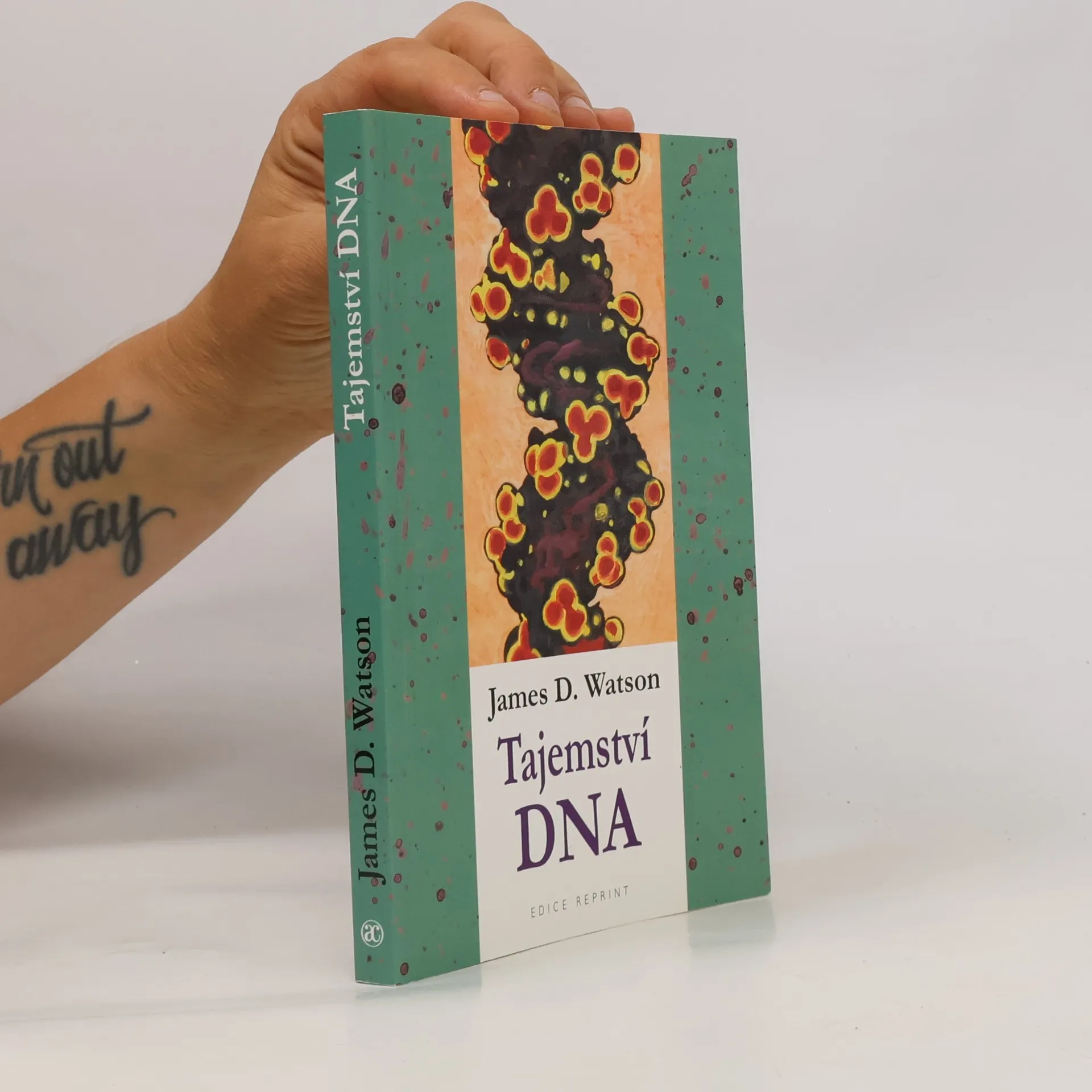
Tajemství DNA
- 150 pages
- 6 hours of reading
Působivé vyprávění o událostech, které vedly k objevu struktury DNA v roce l953. Přestože od Watsonova a Crickova objevu struktury DNA v roce 1953 uplynulo již mnoho let, neztrácí tato kniha nic na své jedinečnosti. Obsahuje výčet událostí, které vedly k rozluštění struktury DNA, základního genetického materiálu, což byla ve 20. století jedna z největších událostí ve vědeckém světě. Pro laické čtenáře se tak otevírá nový svět. Autor mimořádně živým a přitažlivým způsobem vypráví nejen o vědě, ale i o poválečné atmosféře v Anglii a o životě na cambridžských kolejích. Kniha je velmi čtivá, nejnapínavější jsou zejména poslední kapitoly, ve kterých je velmi živě popsáno zrození nové myšlenky. Stále stoupající napětí dovede čtenáře až ke konečnému vyvrcholení. To umožňuje každému "spoluprožít" s badatelem jeho boje, pochyby i konečný triumf.