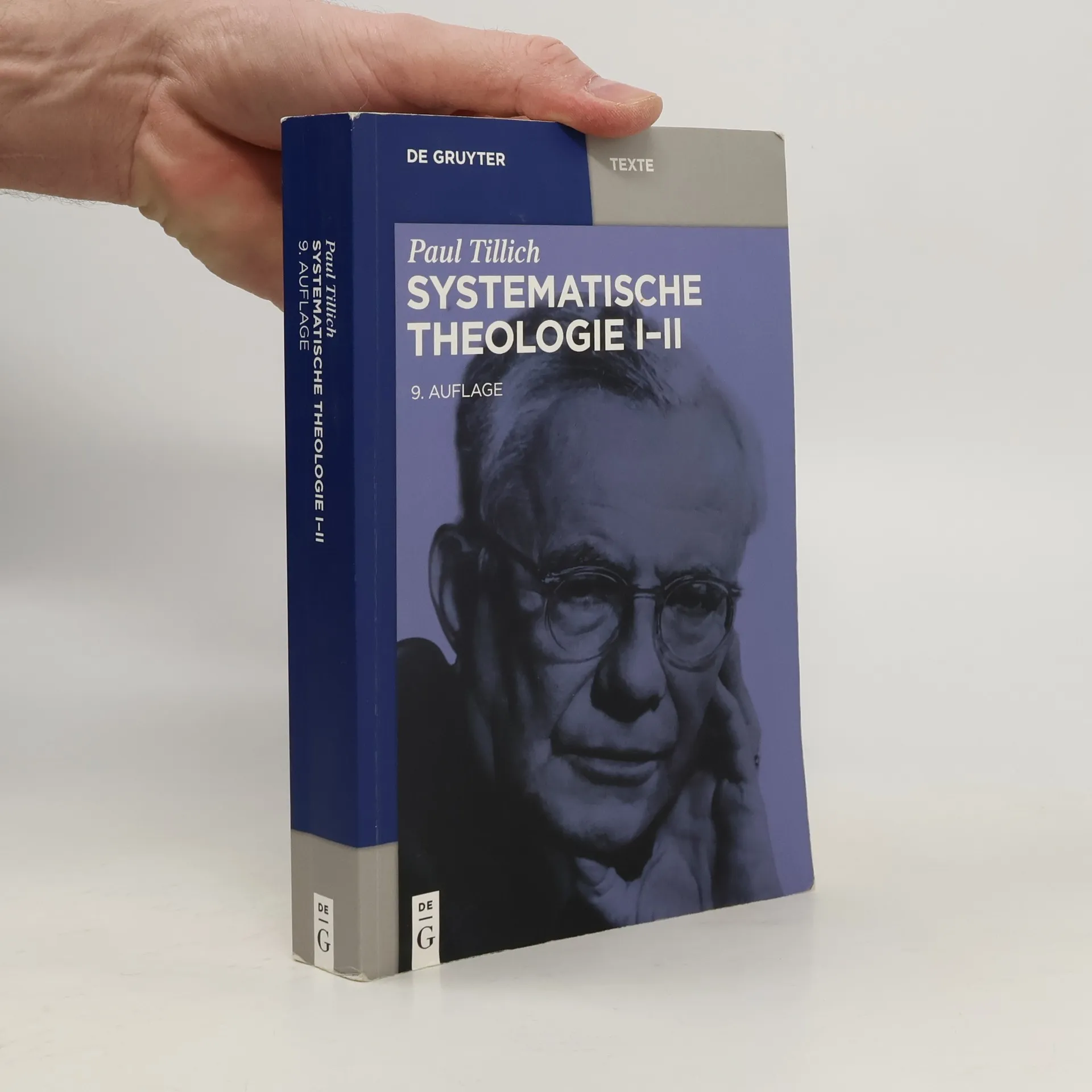
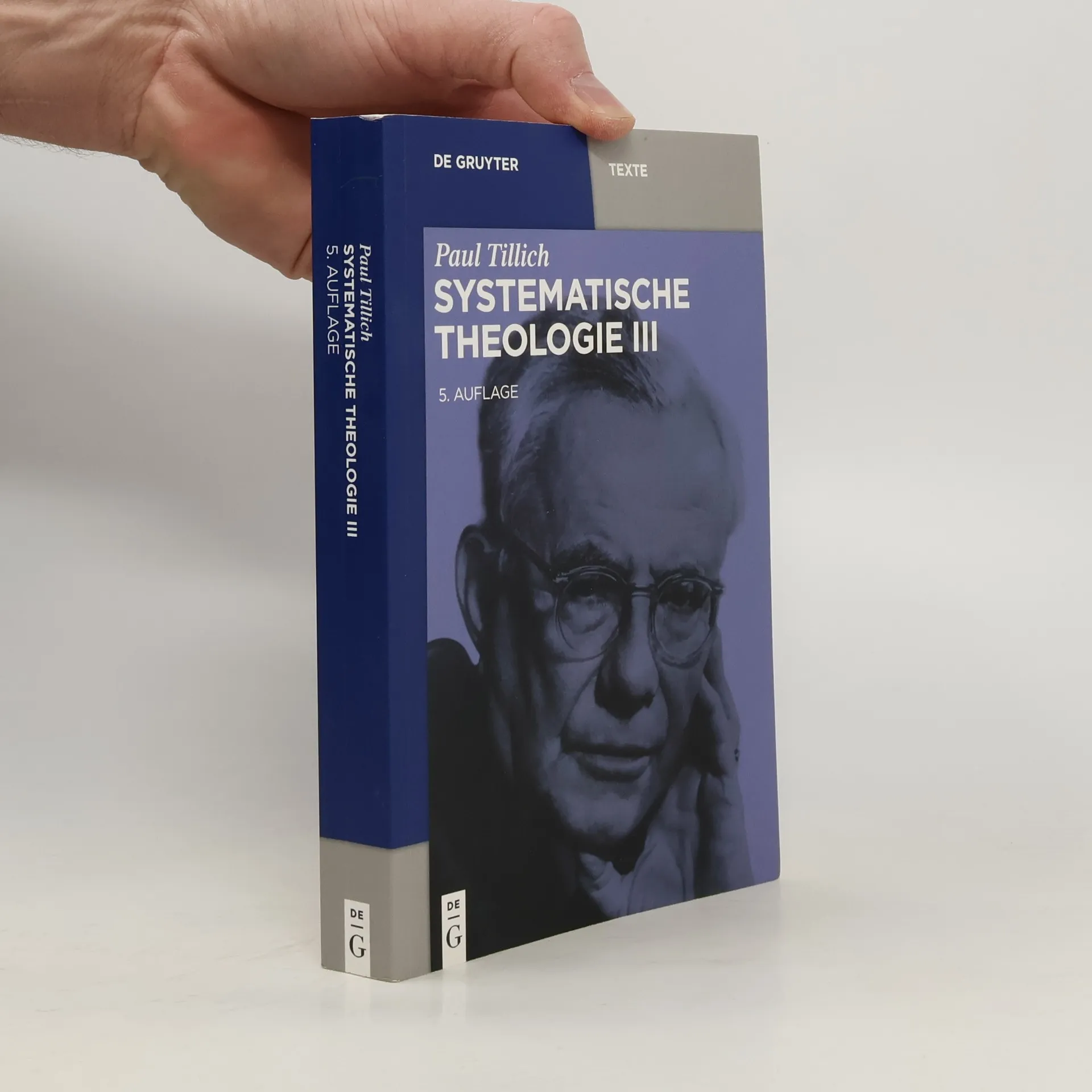
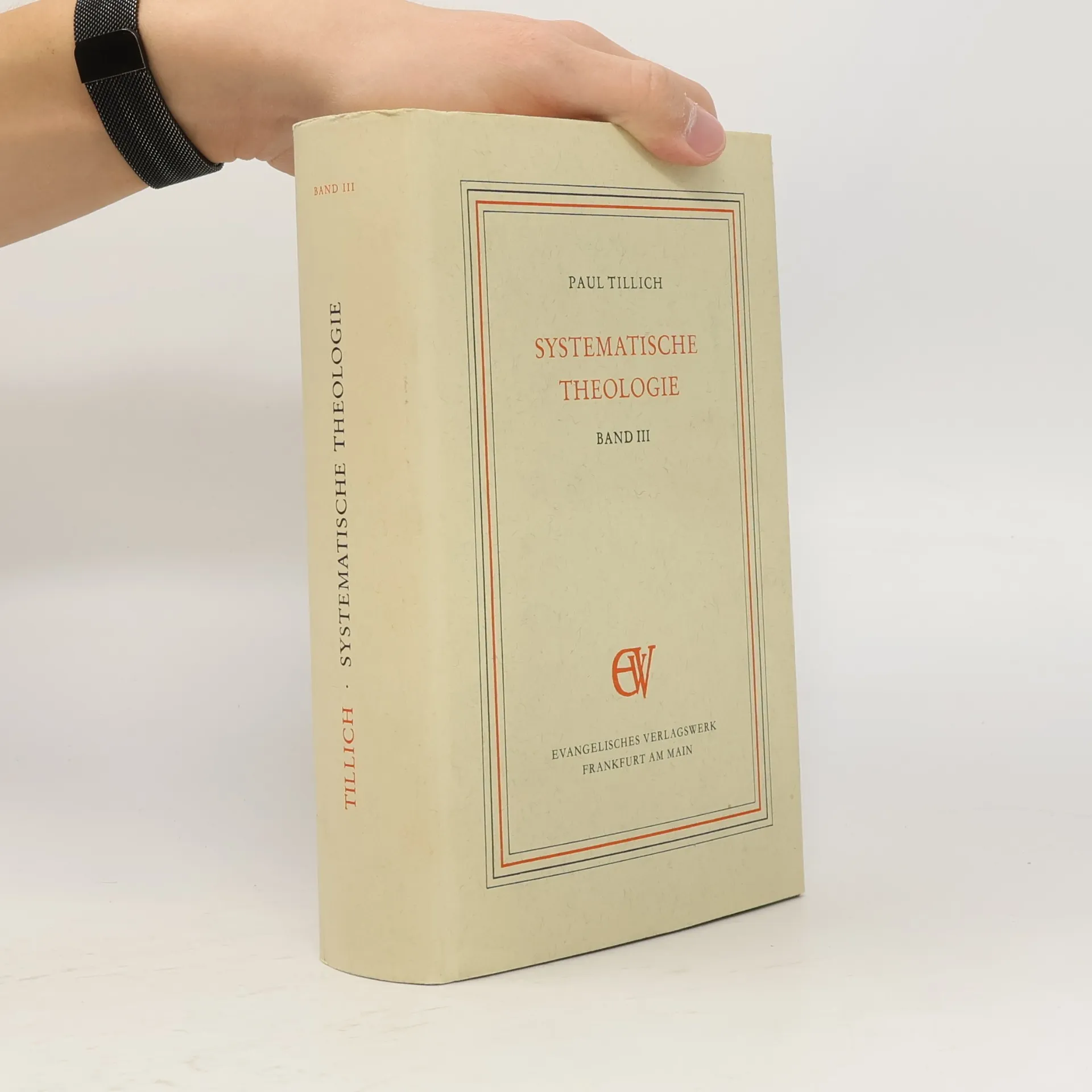
Systematic Theology Vol. 3
- 448 pages
- 16 hours of reading
The third volume of Paul Tillich's most important work, his Systematic Theology. Volumes 1 and 2 are also available.


Paul Tillich was a pivotal German-American theologian and Christian existentialist philosopher, recognized as one of the most influential Protestant thinkers of the 20th century. He is renowned for bridging theology and modern culture, exploring the profound questions of human existence through the lens of Christian revelation. Tillich developed his distinctive 'method of correlation' to articulate how the symbols of faith address the existential predicaments of contemporary life. His work is celebrated for making complex theological and philosophical issues accessible, delving into themes of courage and the dynamics of faith.

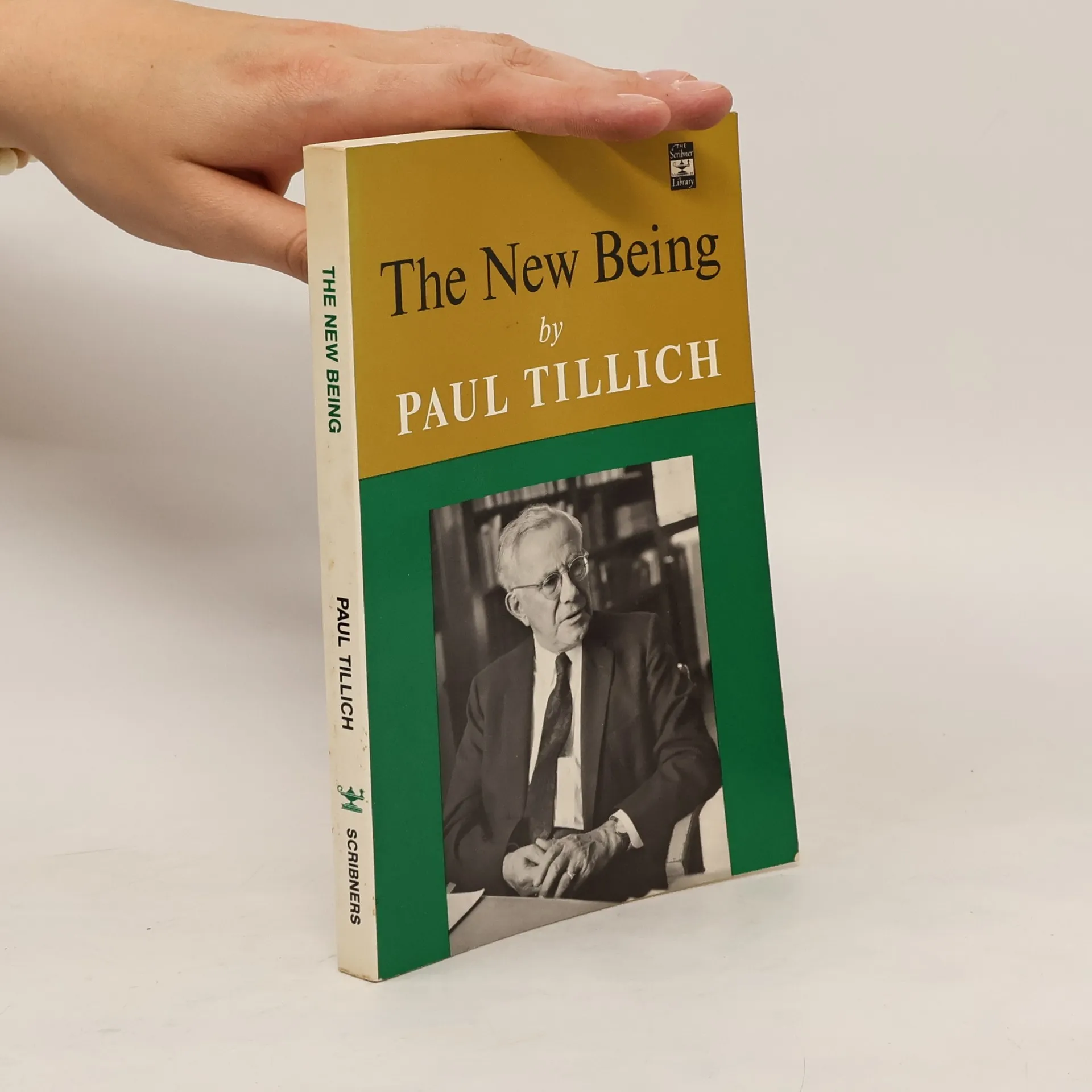
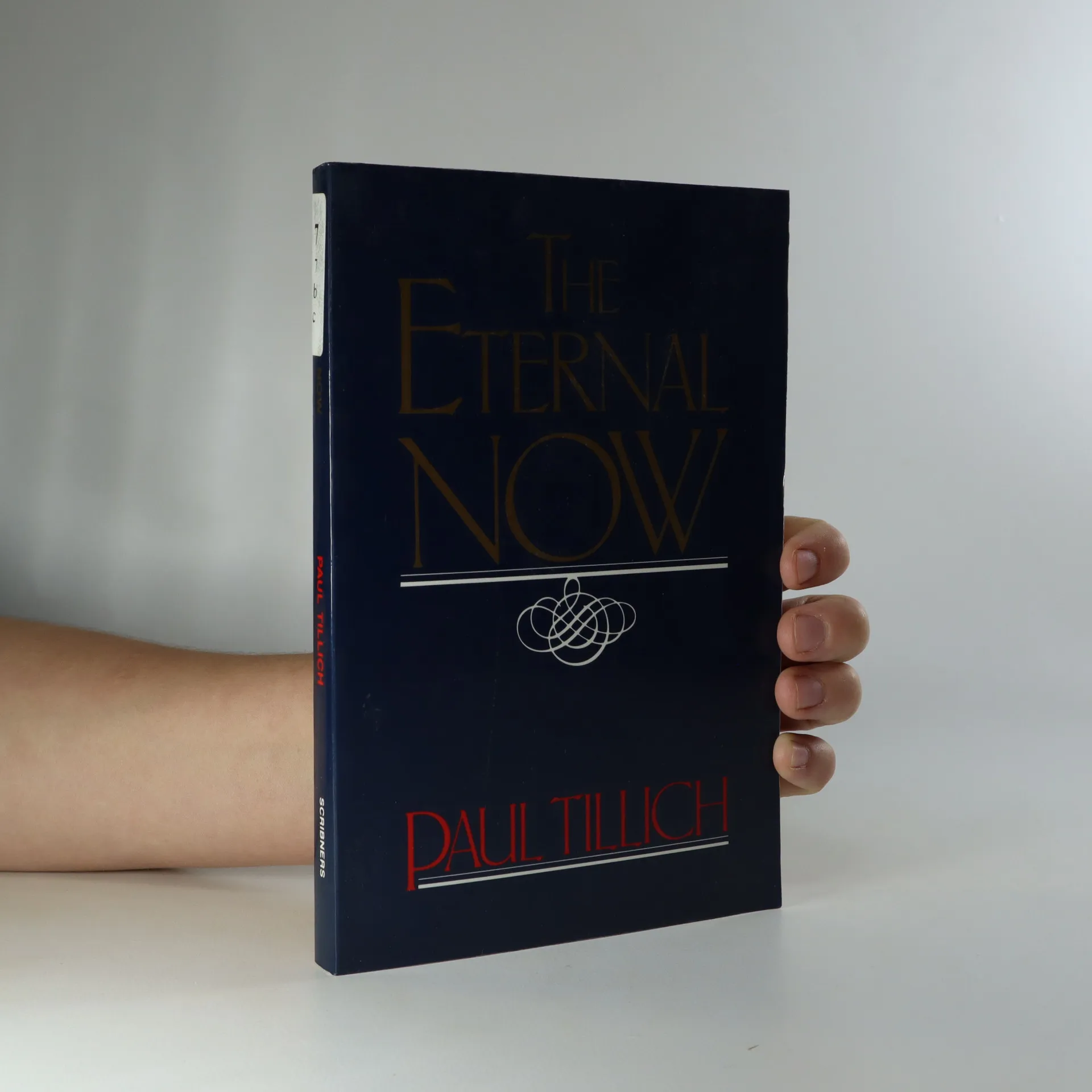
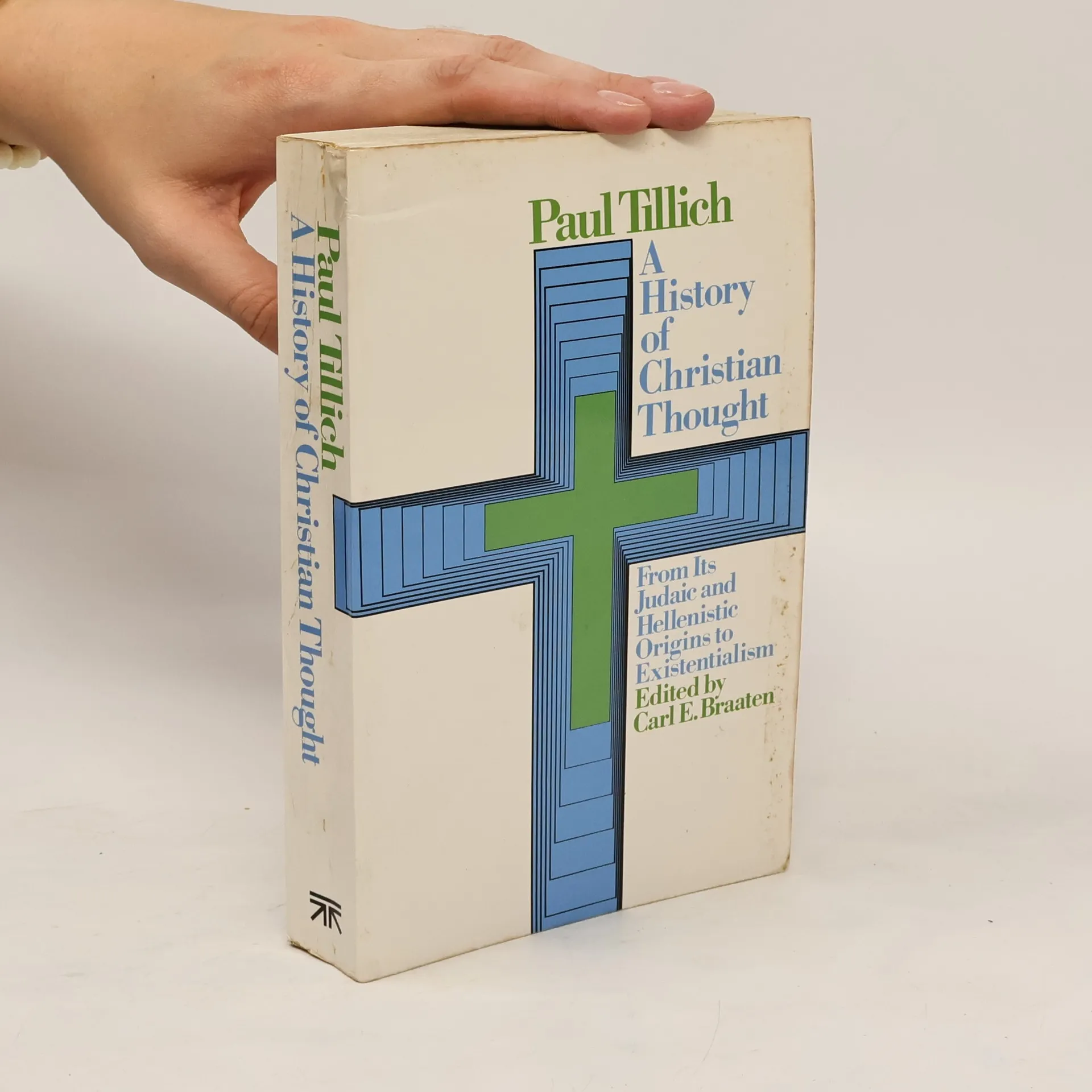


The third volume of Paul Tillich's most important work, his Systematic Theology. Volumes 1 and 2 are also available.
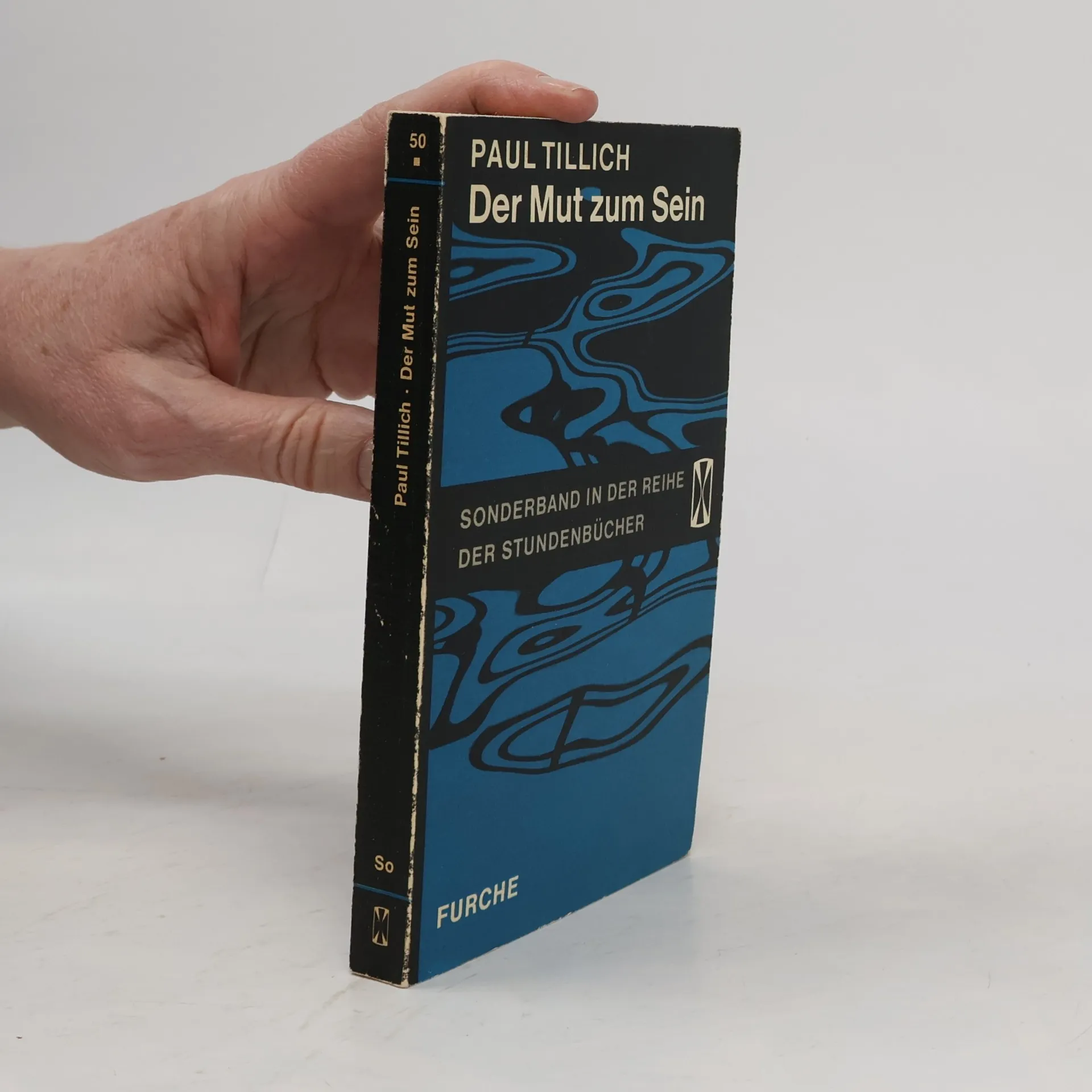
In this classic, deeply insightful book, one of the world's most eminent philosophers describes the dilemma of modern humans & points a way to the conquest of the problem of anxiety.
Professor Tillich analyzes the development of Christian theology.
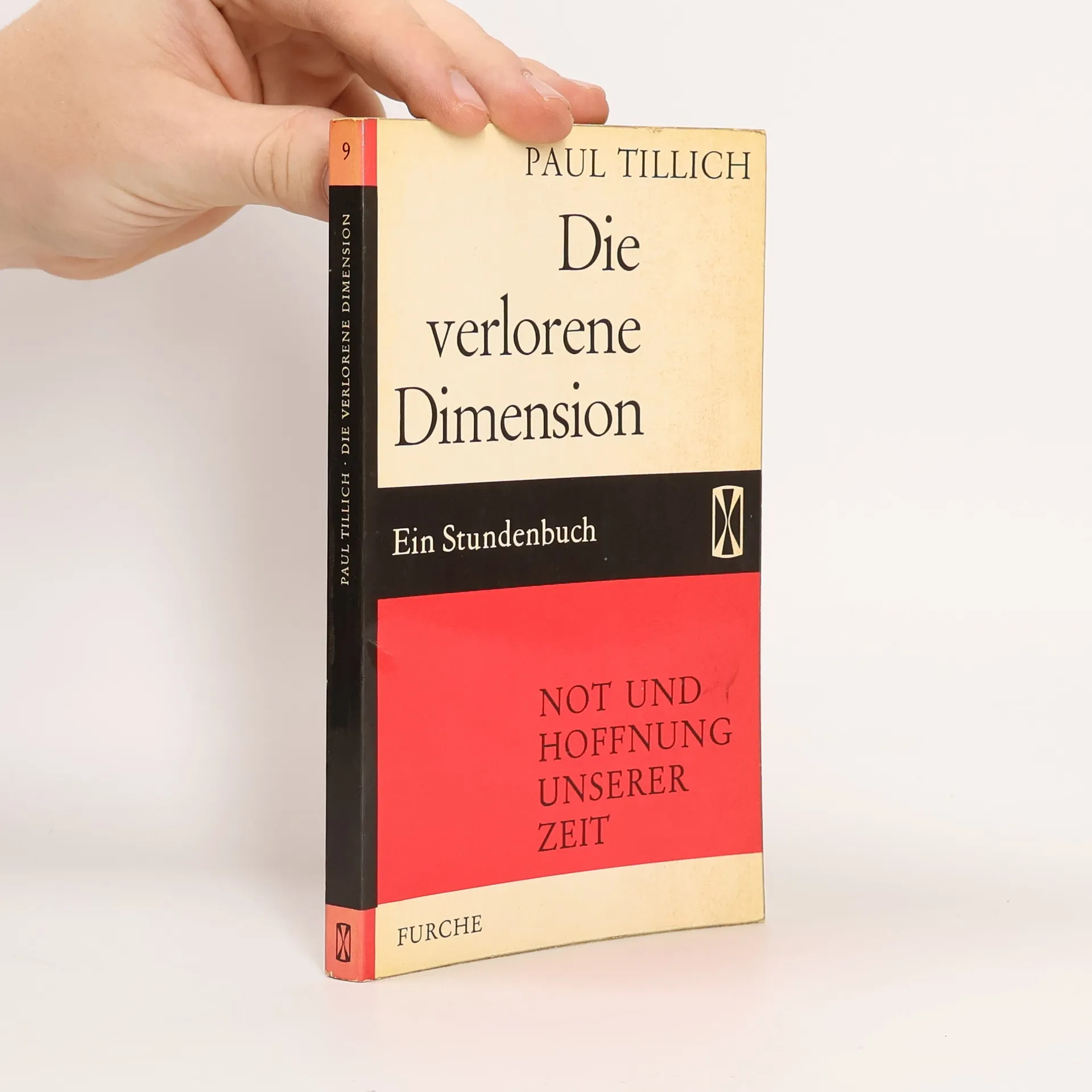
Sixteen sermons delivered over the past eight years, revealing man's insecurities, evasions and fears, offering him God's blessing.
In these sermons on various problems of life, a world famous theologian speaks profoundly to both mind and heart.
Książka składa się z trzech części. Pierwsza część to esej Gerta Hummela, obecnego przewodniczącego Towarzystwa Tillicha, zatytułowany „Paul Tillich (1886-1965) - Życie i dzieło”. Druga część, autorstwa Zdeňka Kučery, nosi tytuł „Pytanie o prawdę w dziele Paula Tillicha”. Trzecia część to wybrane teksty Tillicha w przekładzie Z. Kučery i J. B. Láska, które ukazywały się stopniowo w naszych czasopismach teologicznych w połowie lat osiemdziesiątych.
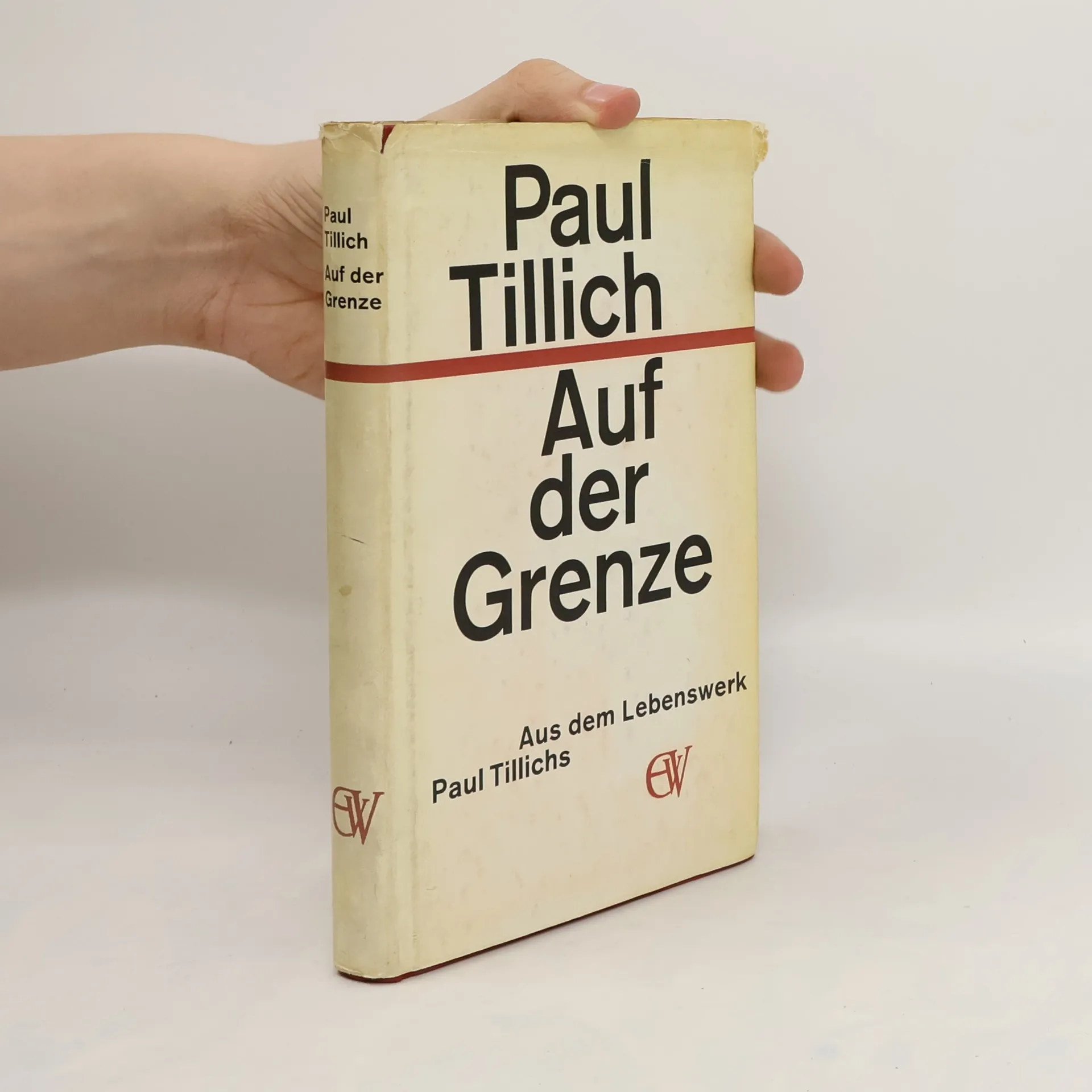
Aus dem Lebenswerk Paul Tillichs
Es liegt keine ausführliche Beschreibung für "Systematische Theologie I und II" vor.
Paul Tillichs Schrift "Dynamik des Glaubens/Dynamics of Faith" von 1957 thematisiert ein zentrales Thema seines religionsphilosophischen und theologischen Denkens, nämlich seine Bestimmung des Glaubens als "ultimate concern". Daneben bietet diese Schrift aber auch eine gute Einführung in andere grundlegende Konzepte seines Denkens. wie z.B. den Symbolbegriff, das Verhältnis von Glauben und Wissen sowie seine dynamische Typologie der Religion. In diesem Sinne eignet sich diese Schrift sehr gut für eine Einführung in das philosophisch-theologische Denken Tillichs. Die beiden älteren Übersetzungen dieser Schrift (Verlag Ullstein 1961; Gesammelte Werke: Evang. Verlagswerk 1970) sind mit vielen Missverständnissen behaftet; z.T. sind hier auch ganze Sätze/Satzteile ausgefallen. Die vorliegende Neuübersetzung hält sich demgegenüber eng an die amerikanische Originalausgabe und schließt den Text durch einen Kommentar auf. Indem Werner Schüßler auch Tillichs handschriftliches Manuskript und das der amerikanischen Druckversion zugrunde liegende Typoskript herangezogen hat, ist diese deutsche Neuübersetzung sogar authentischer als die amerikanische Originalausgabe.
Diese Edition macht Paul Tillichs Systematische Theologie (1951-1963) als Studienausgabe zugänglich. In dem dreibändigen Entwurf - entstanden in den USA - fasst Tillich den Ertrag seines theologischen Denkens zusammen. Im Unterschied zu anderen dogmatischen Schriften der zweiten Hälfte des 20. Jahrhunderts entfaltet das Buch den theologischen Stoff vor dem Hintergrund einer Deutung der modernen Kultur. Die Einleitung des Herausgebers informiert über den Entstehungshintergrund sowie die komplizierte Textgeschichte der deutschen Fassung von Tillichs Hauptwerk. Die Systematische Theologie Tillichs ist eines der bedeutendsten theologischen Werke des 20. Jahrhunderts. Der Band 1/2 enthält die Einleitung, den Offenbarungsbegriff, die Gotteslehre und die Christologie des fünfteiligen Systemaufrisses.
Diese Edition macht Paul Tillichs Systematische Theologie (1951-1963) als Studienausgabe zugänglich. In dem dreibändigen Entwurf - entstanden in den USA - fasst Tillich den Ertrag seines theologischen Denkens zusammen. Im Unterschied zu anderen dogmatischen Schriften der zweiten Hälfte des 20. Jahrhunderts entfaltet das Buch den theologischen Stoff vor dem Hintergrund einer Deutung der modernen Kultur. Die Einleitung des Herausgebers informiert über den Entstehungshintergrund sowie die komplizierte Textgeschichte der deutschen Fassung von Tillichs Hauptwerk. Die Systematische Theologie Tillichs ist eines der bedeutendsten theologischen Werke des 20. Jahrhunderts. Der abschließende Band 3 bietet die Pneumatologie und die Eschatologie der Systemkonzeption und entfaltet die beiden dogmatischen Lehrstücke im Horizont einer umfassenden Kultur- und Lebensphilosophie mit geschichtsphilosophischer Zuspitzung.
Book by Tillich, Paul, Albrecht, Renate, Hahl, Margret.
No detailed description available for "Writings in the Philosophy of Religion / Religionsphilosophische Schriften".
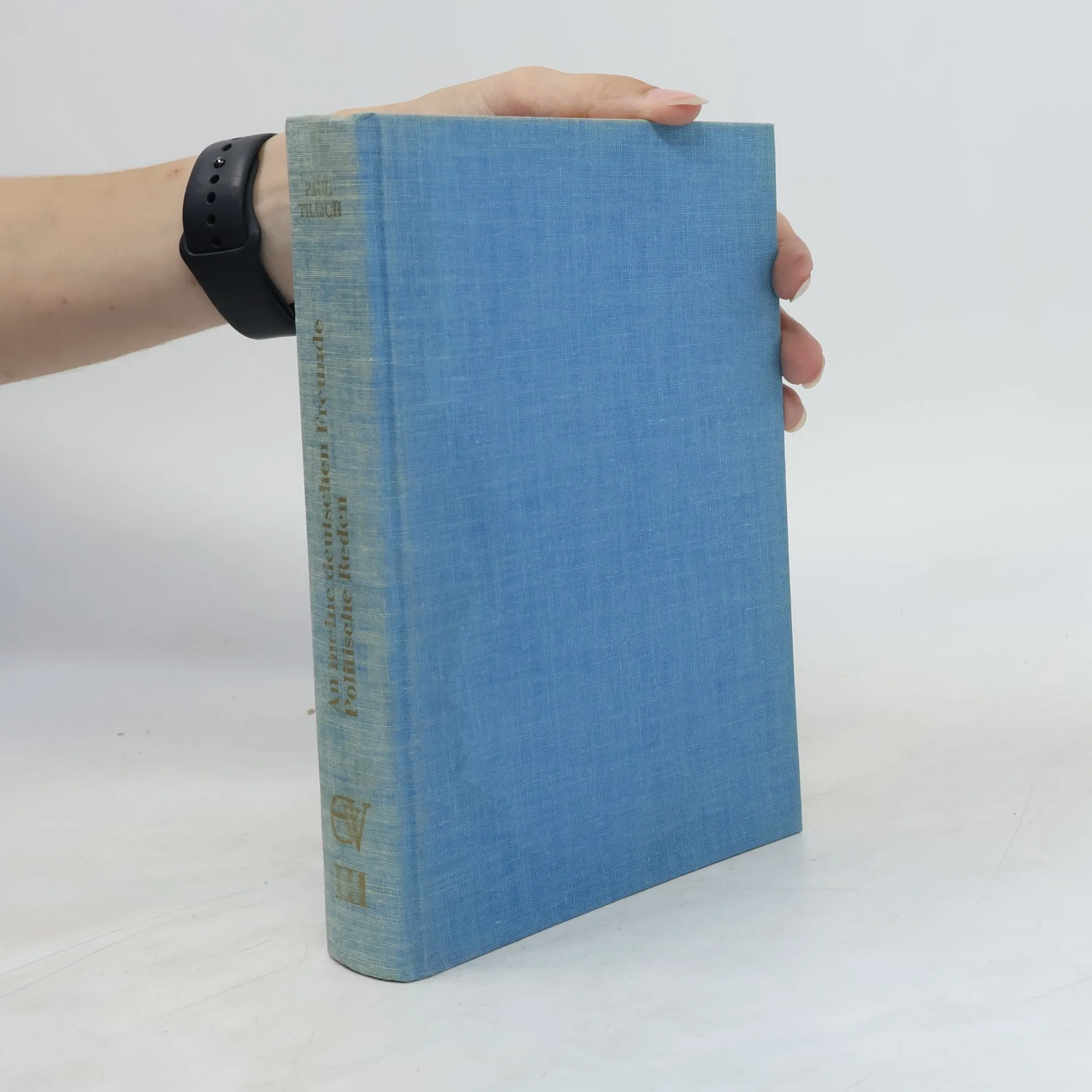
Die politischen Reden Paul Tillichs während des 2. Weltkriegs über die Stimme Amerikas
Keine ausführliche Beschreibung für "An meine deutschen Freunde" verfügbar.
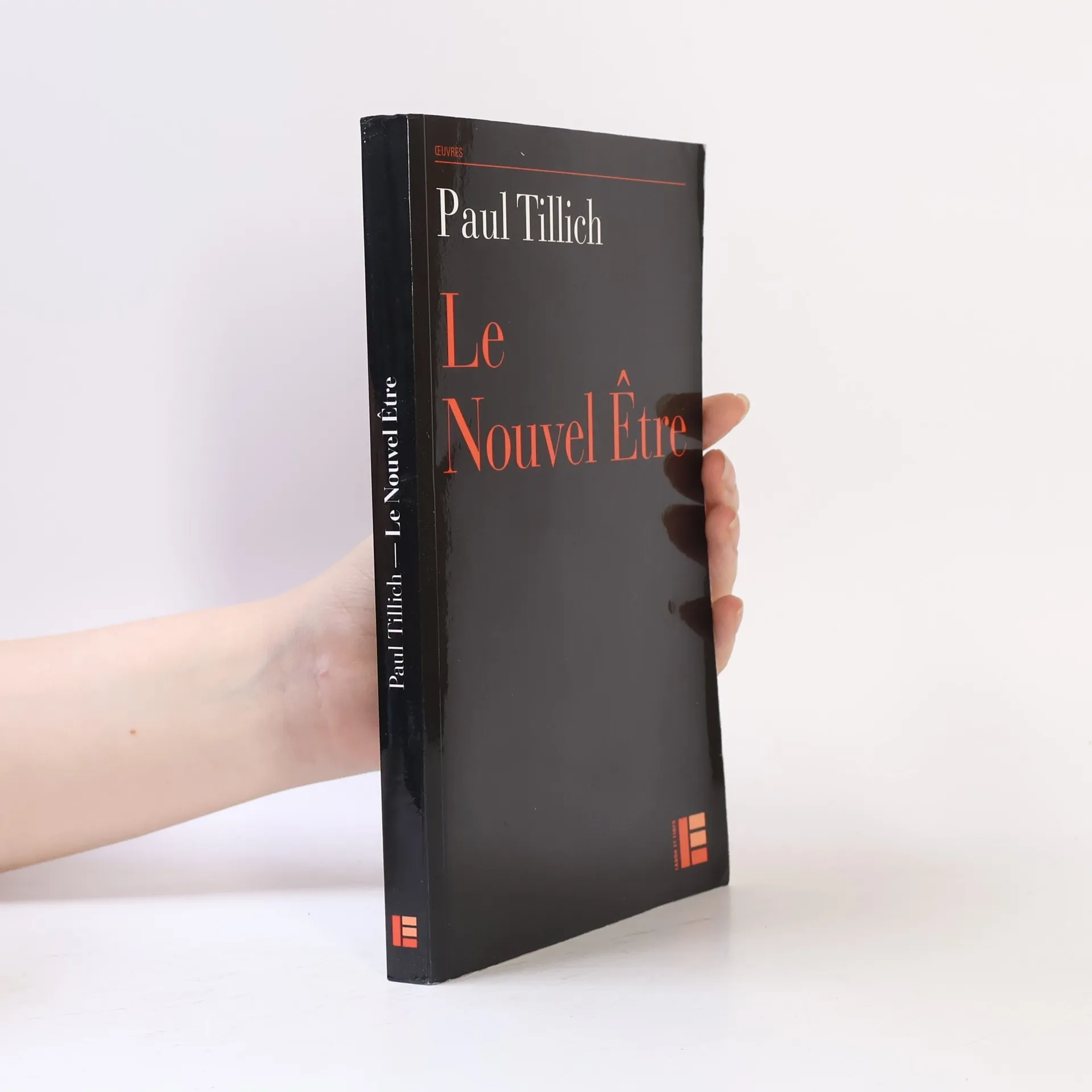
Aux États-Unis, où il enseigne depuis 1933, Tillich prêche régulièrement dans des chapelles de campus universitaire. Ses prédications, solidement enracinées dans sa théologie, sont aussi liées au contexte. En fin de guerre, celles publiées en français sous le titre Quand les fondations vacillent proclament que l’évangile permet d’affronter et de surmonter les malheurs, y compris les plus extrêmes. Dans les années 1950, une paix fragile et menacée s’installe difficilement, et les prédications du présent recueil se centrent sur « le nouvel être », qu’incarne et qu’apporte le Christ : ce nouvel être est amour, liberté et épanouissement, trois termes qu’elles expliquent, commentent et concrétisent.
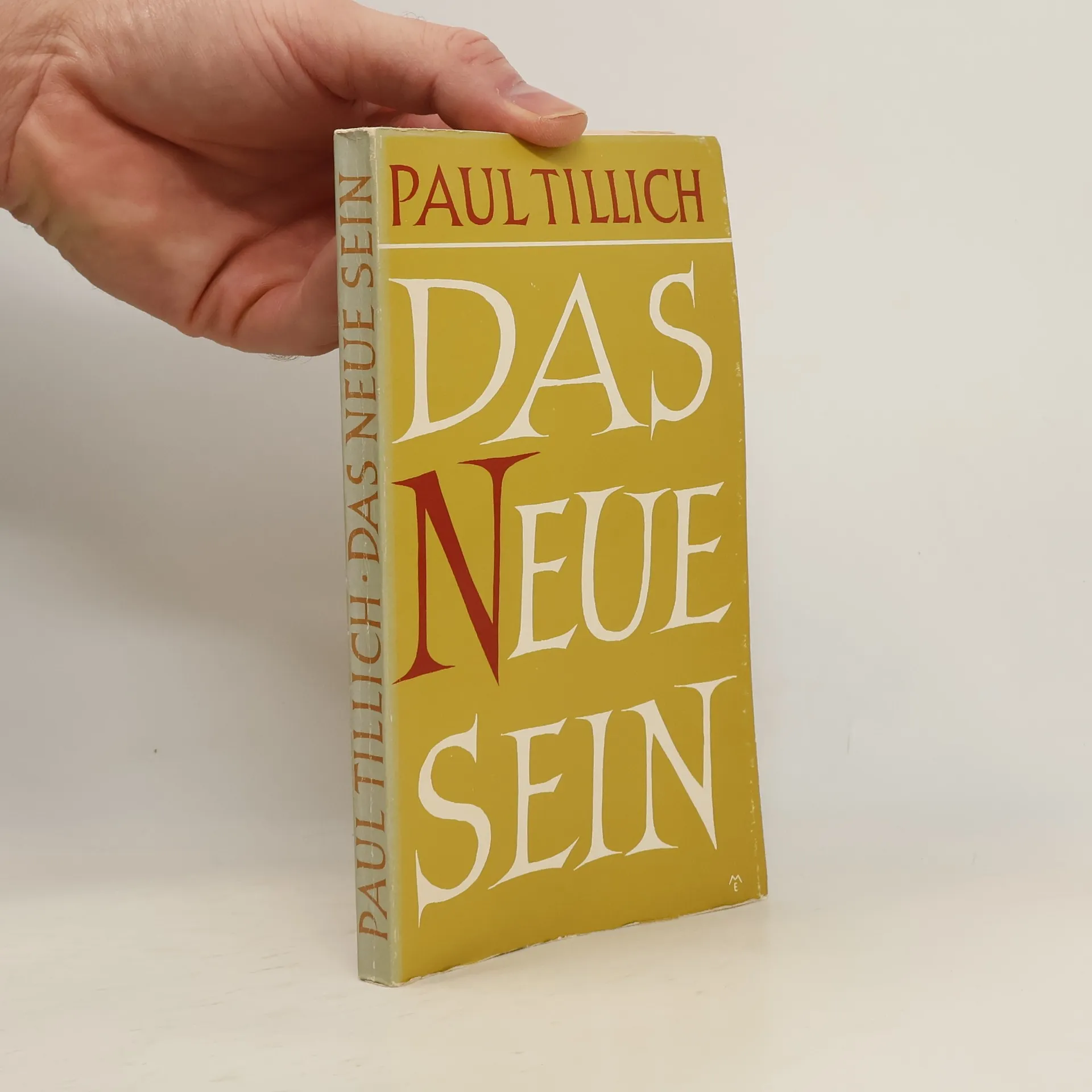
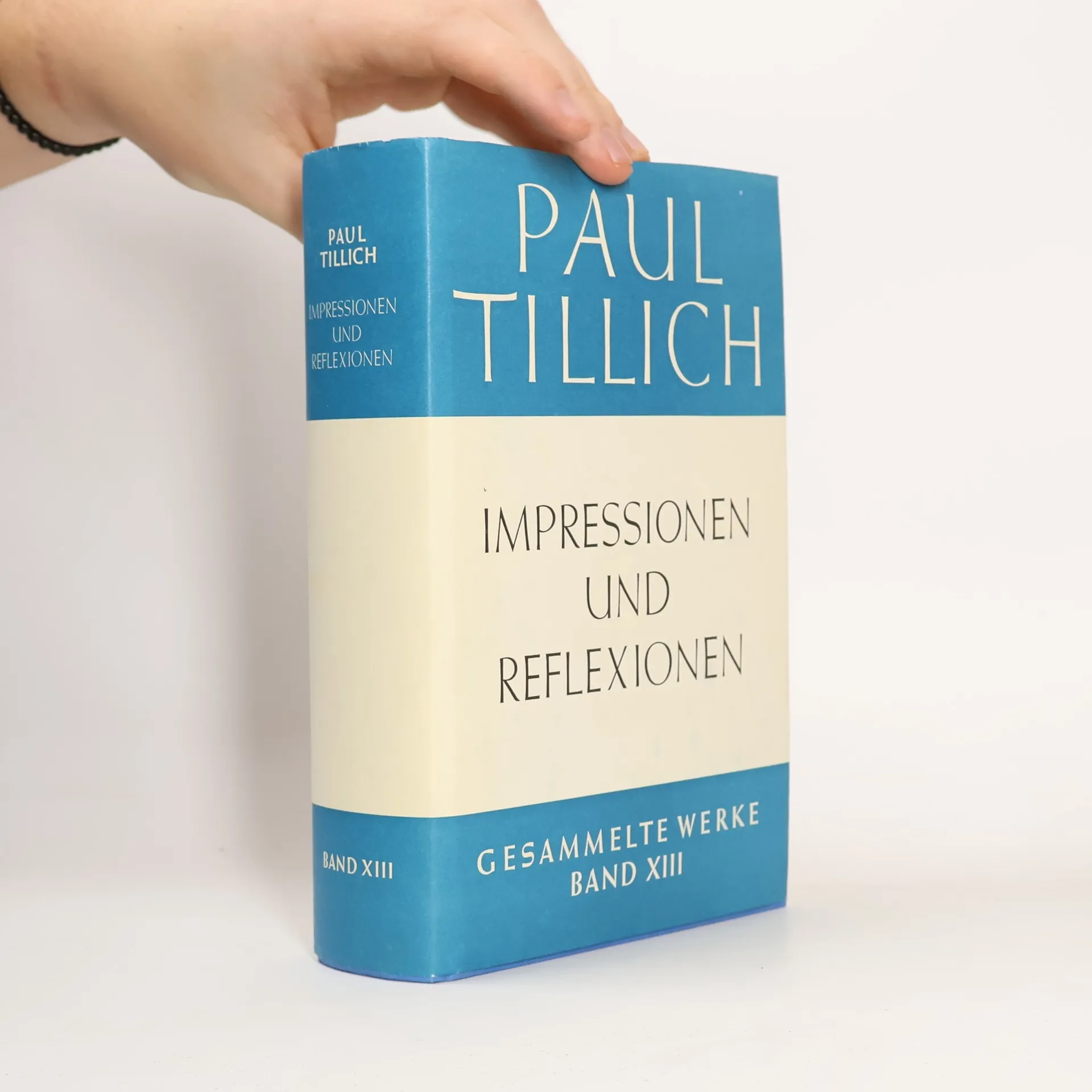
Gesammelte Werke Band XI
Gesammelte Werke Band X
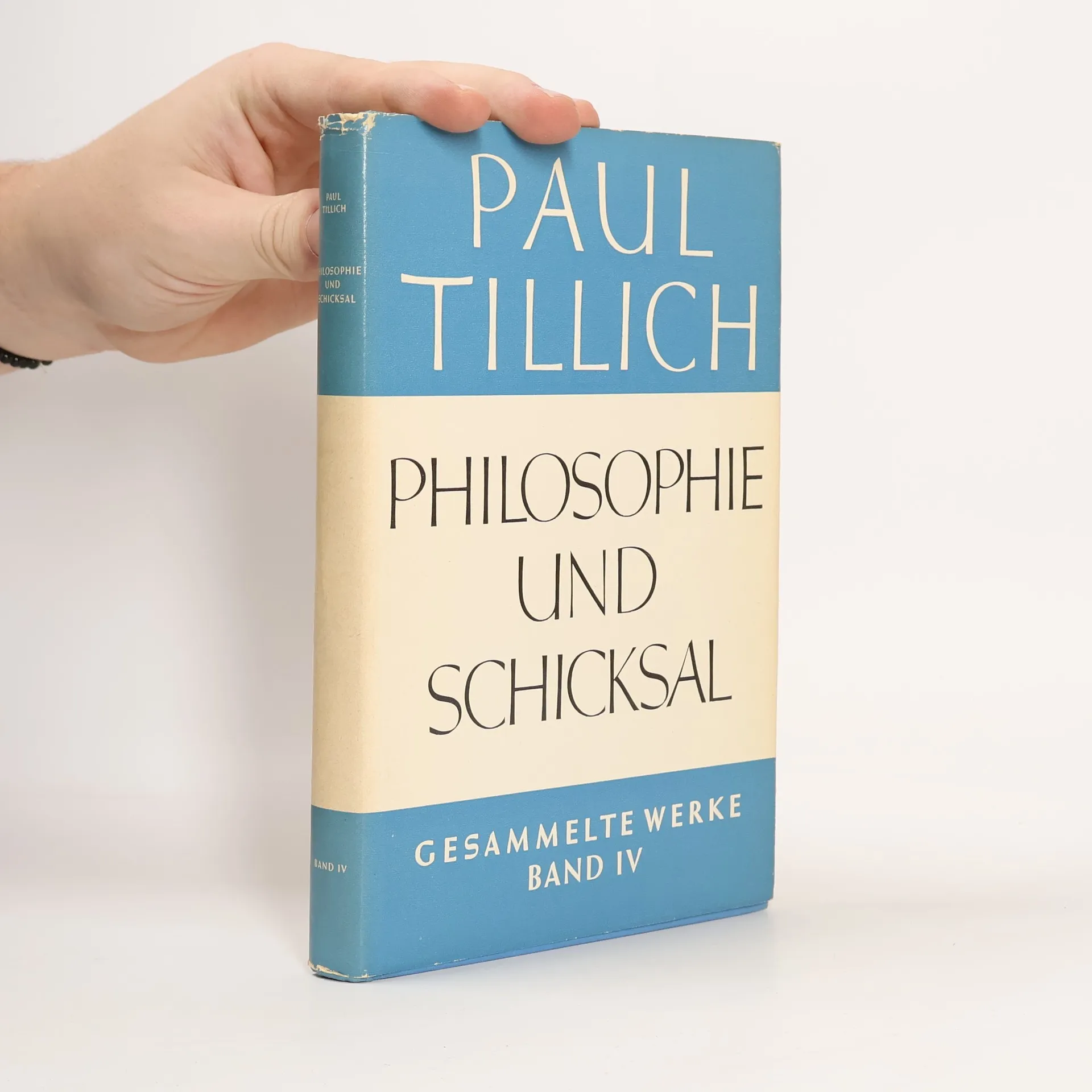
Schriften zur Geschichtsphilosophie
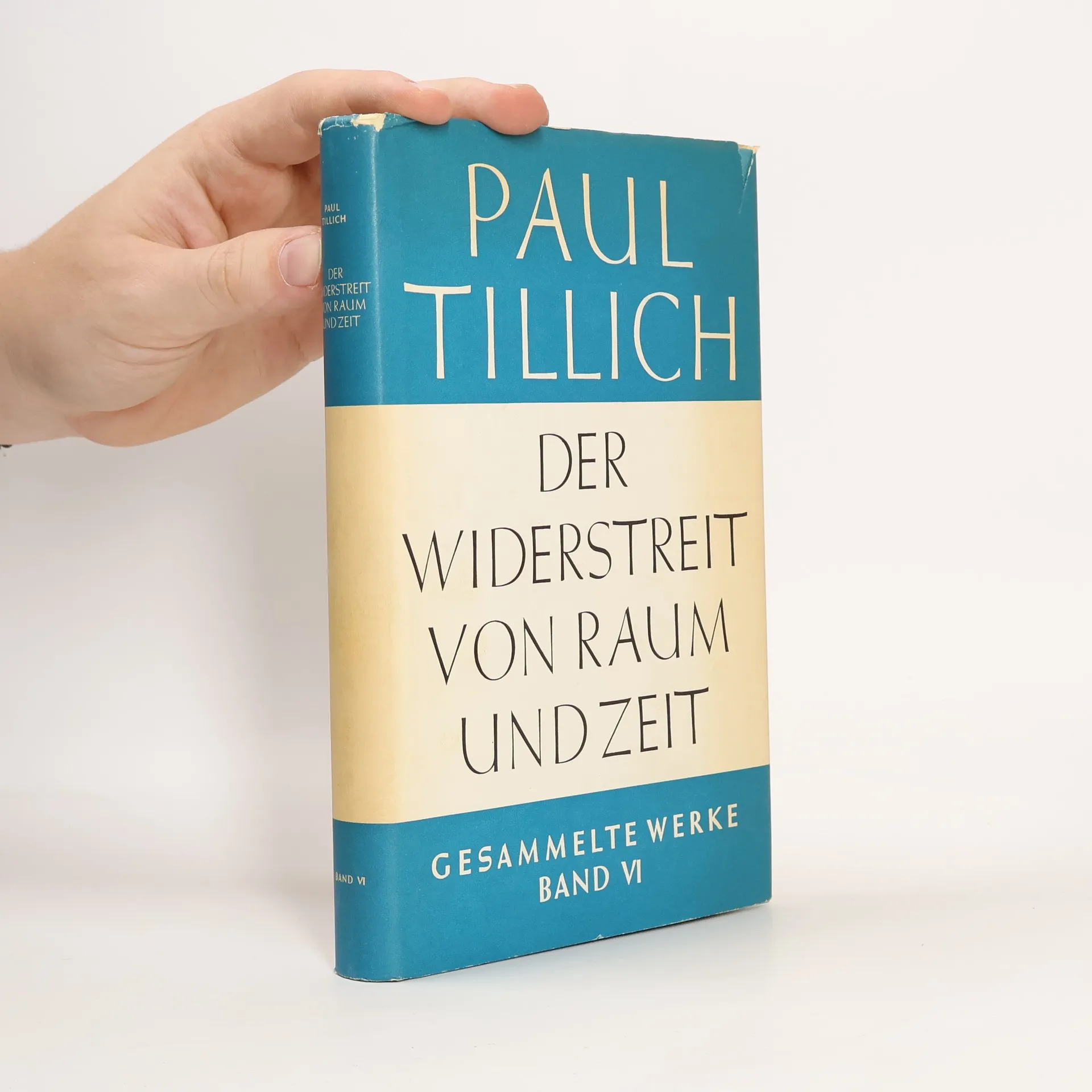
Keine ausführliche Beschreibung für "Der Widerstreit von Raum und Zeit" verfügbar.
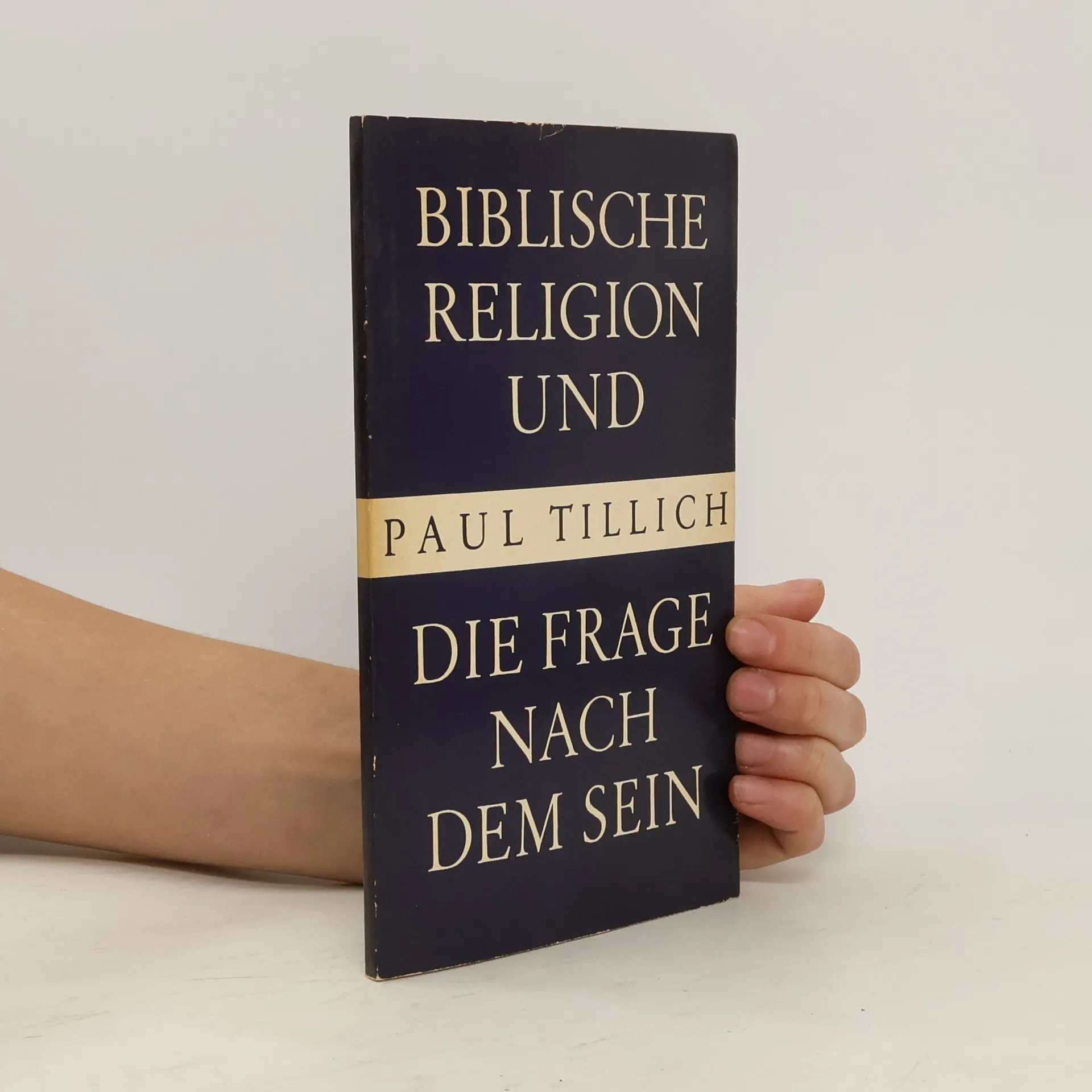
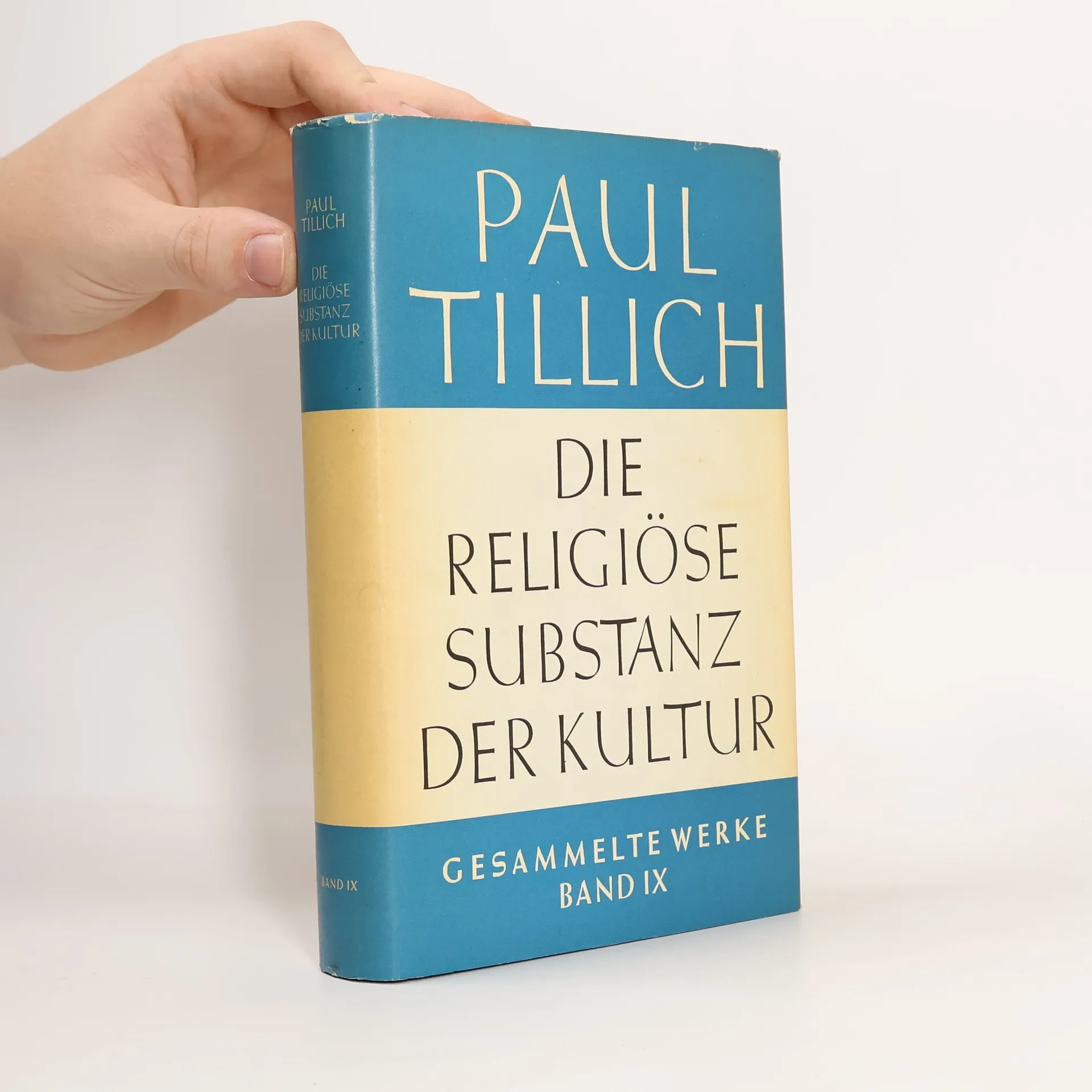
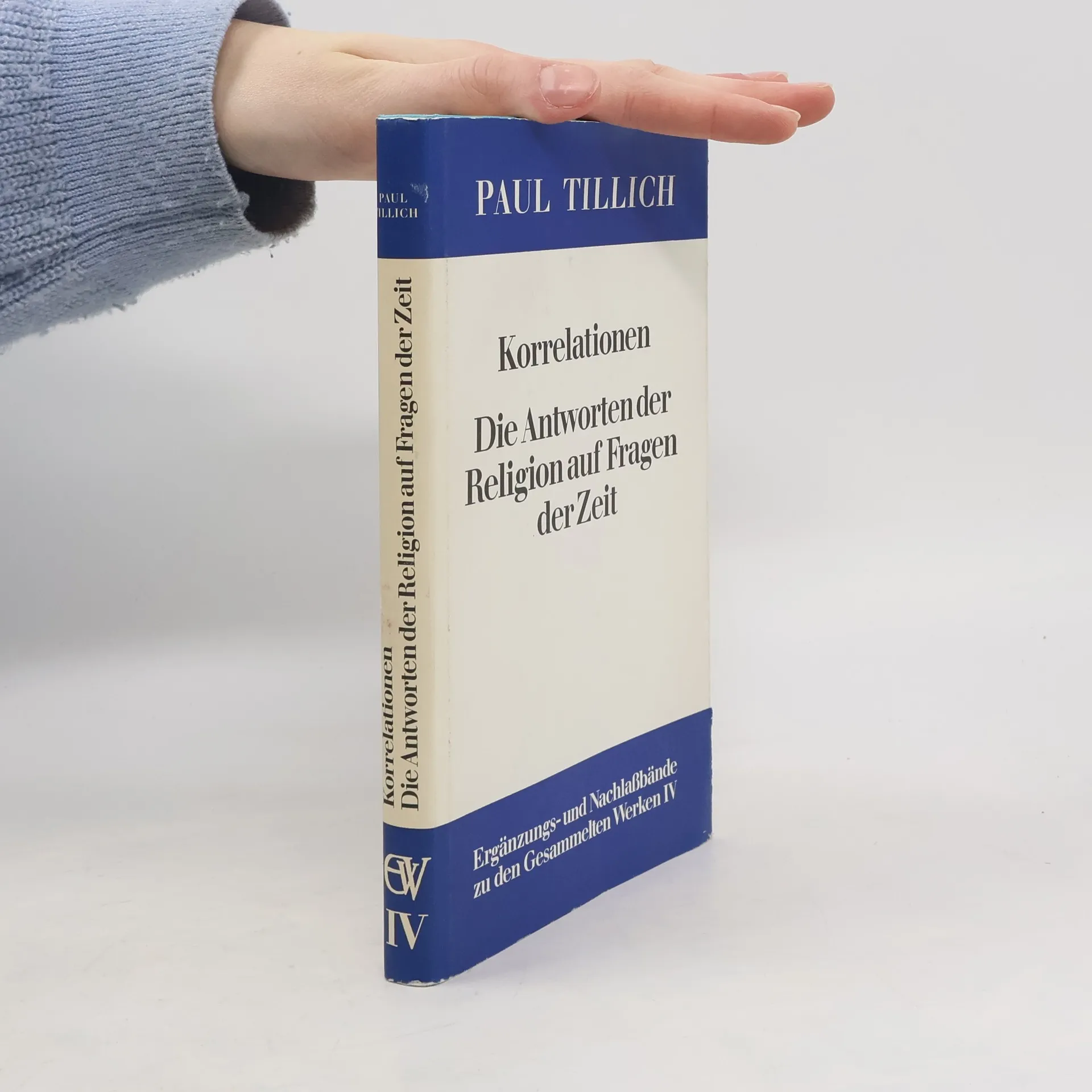
Die Antworten der Religion auf Fragen der Zeit
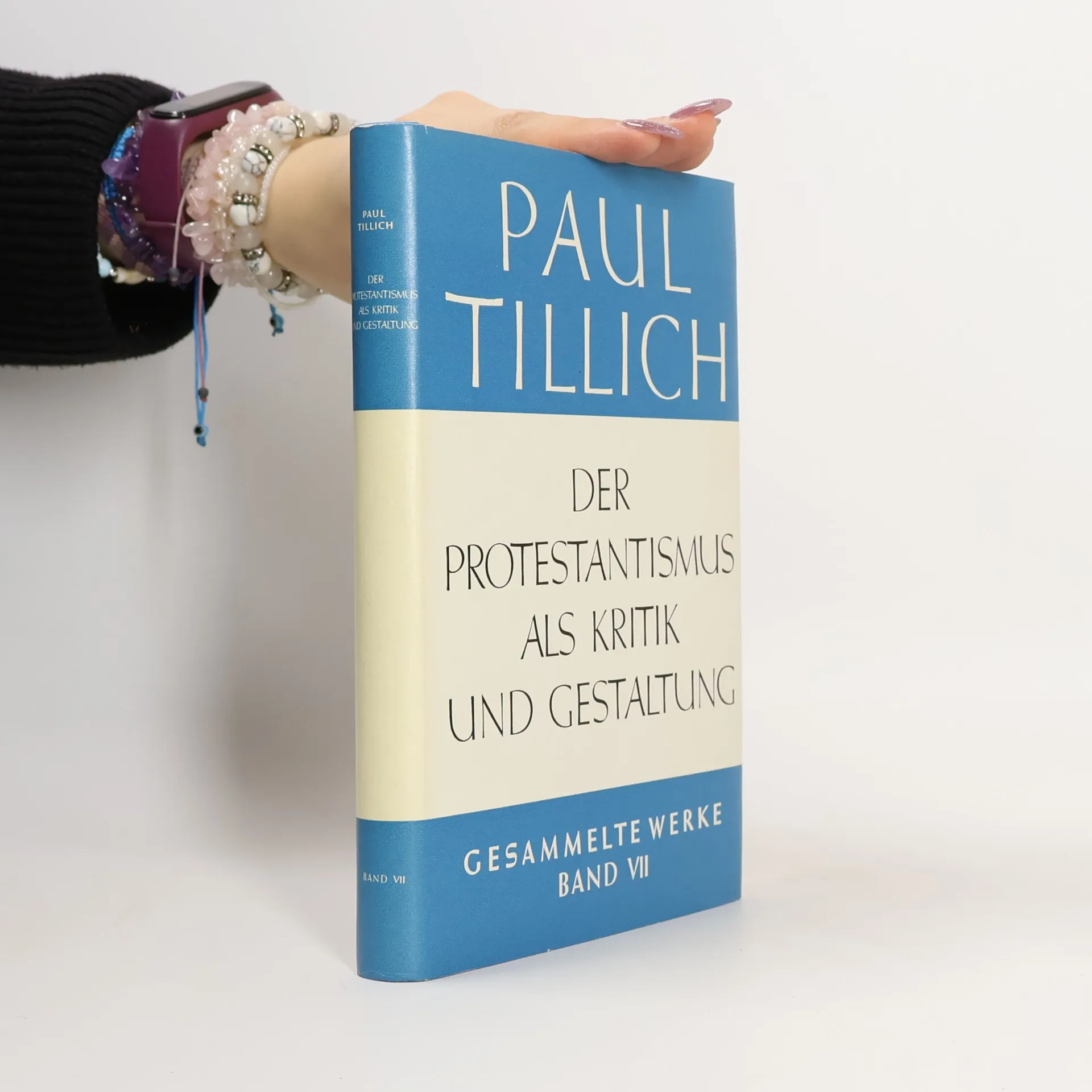
Gesammelte Werke Band VII
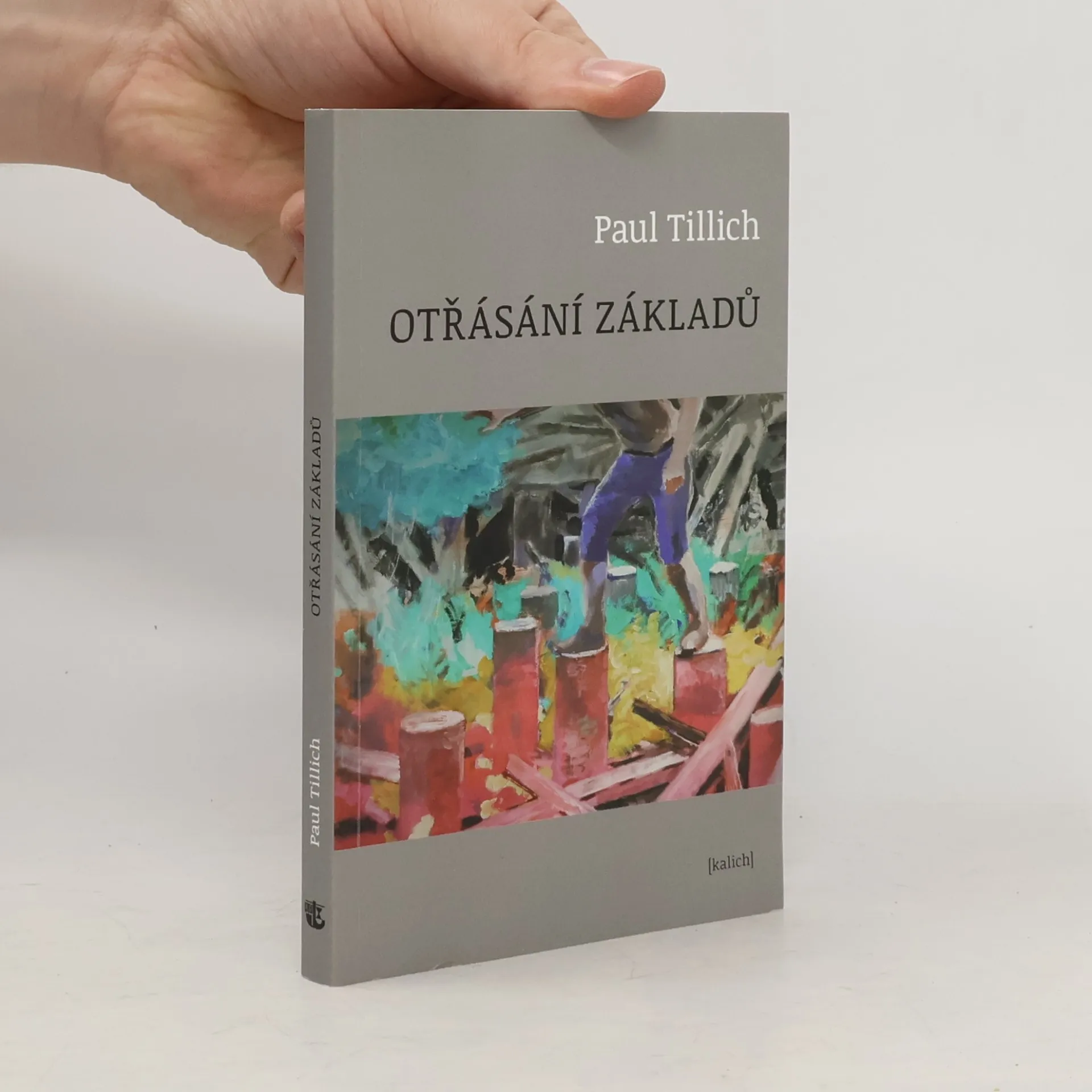
Otřásání základů (The Shaking of the Foundations, 1948) je první ze tří Tillichových souborů kázání. Pronikavé meditace a úvahy nad známými či méně známými biblickými texty i po letech překvapují hlubokým porozuměním, existenciálním nábojem a praktickým uchopením křesťanského poselství. Jak autor uvádí v předmluvě, kázání zde obsažená pomohou ukázat, že přísně systematická povaha nemusí teologii bránit v tom, aby bylo možné ji aplikovat na osobní či společenské problémy náboženského života. K vydání této knihy však Paula Tillicha vedl závažnější důvod. Velká část posluchačů jeho promluv na nedělních bohoslužbách pocházela z mimokřesťanských kruhů. Pro ně by kázání v tradičním biblickém pojetí nemělo smysl. Proto byl autor nucen sáhnout k jinému, civilnějšímu způsobu vyjádření. Sekulární společnost, již Tillich oslovuje, je de facto společností naší. První české vydání Otřásání základů uzavírá zevrubný doslov teologa Jana Štefana. Seznamuje čtenáře s Tillichovým životem, uvádí jej do díla a shrnuje dosavadní ohlas jeho myšlenek v českém a slovenském prostředí. Na obálce obraz Daniela Balabána.
Paul Tillich patrí medzi najvýznamnejších teológov 20. storočia a trvalé pravdy večného posolstva originálne prináša aj kritickému čitateľovi dneška. Dielo Systematická teológia obsahuje všetky tri zväzky v preklade Jána Greša.