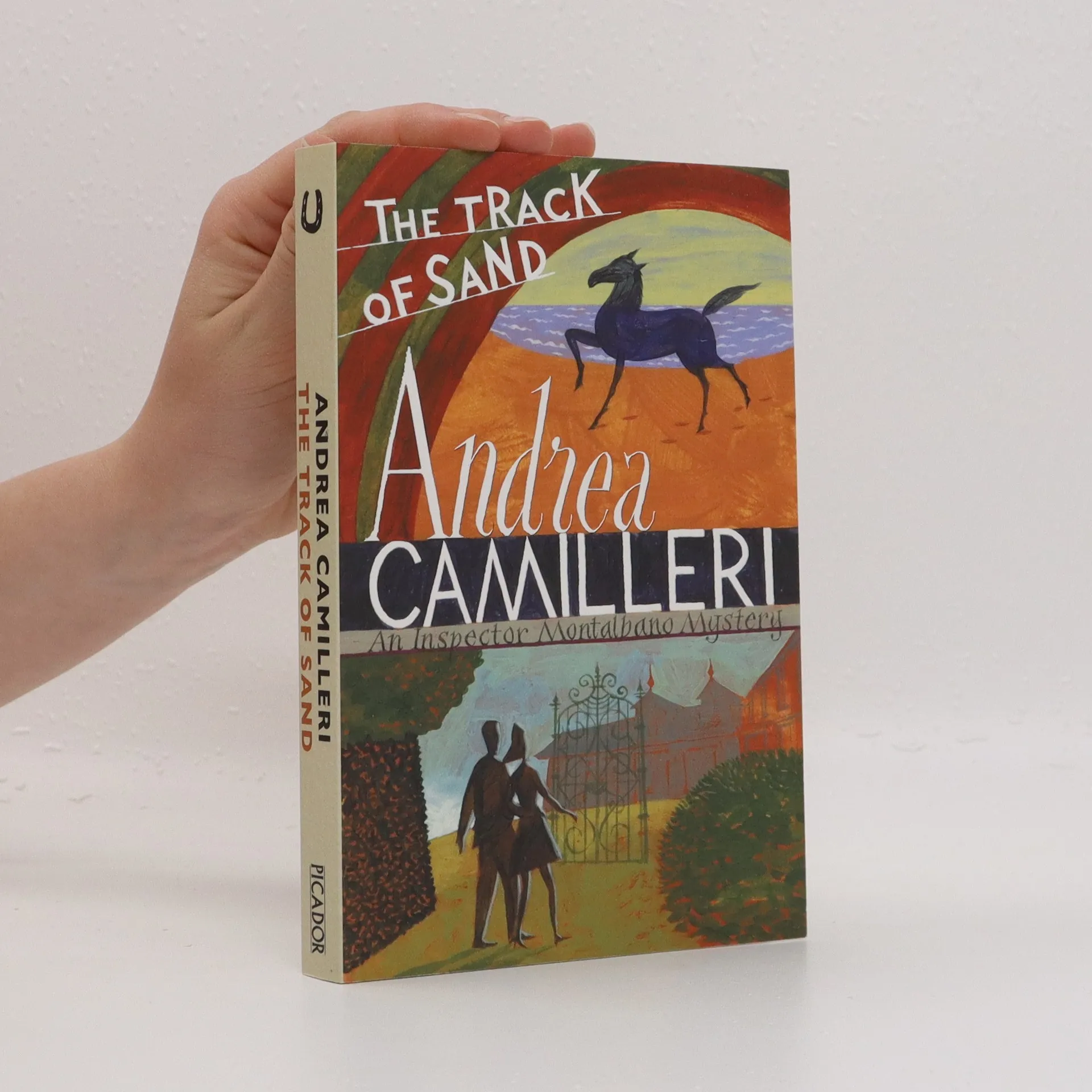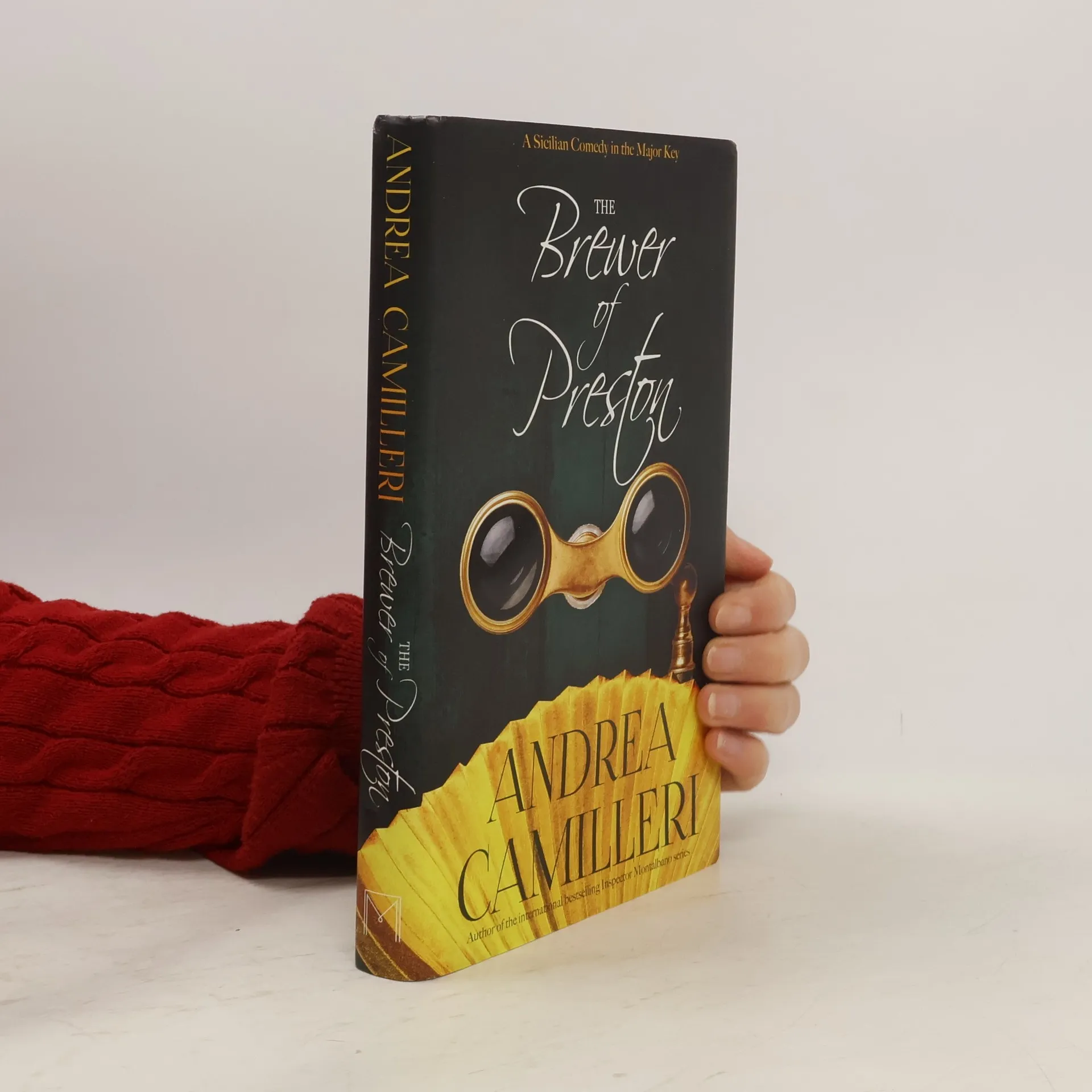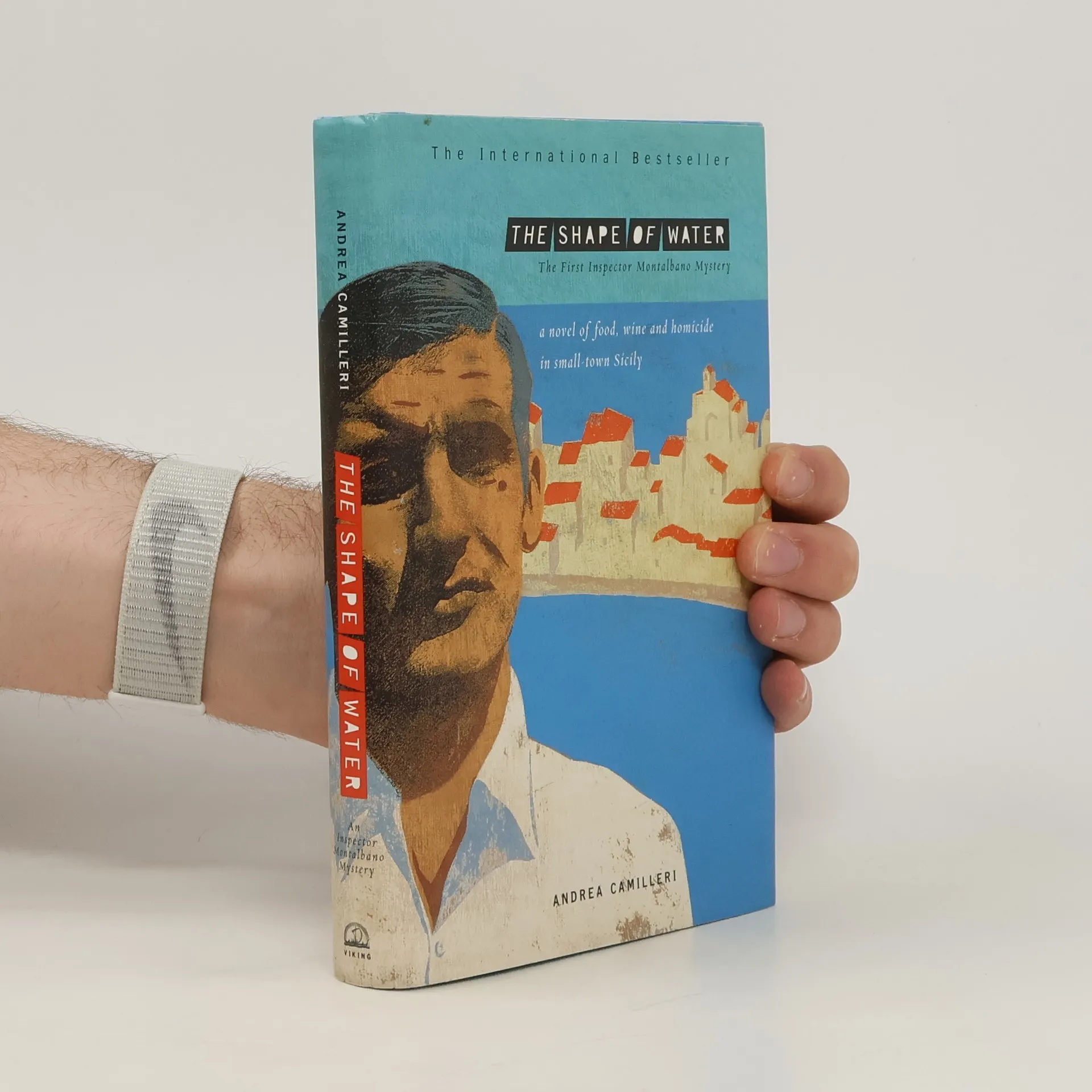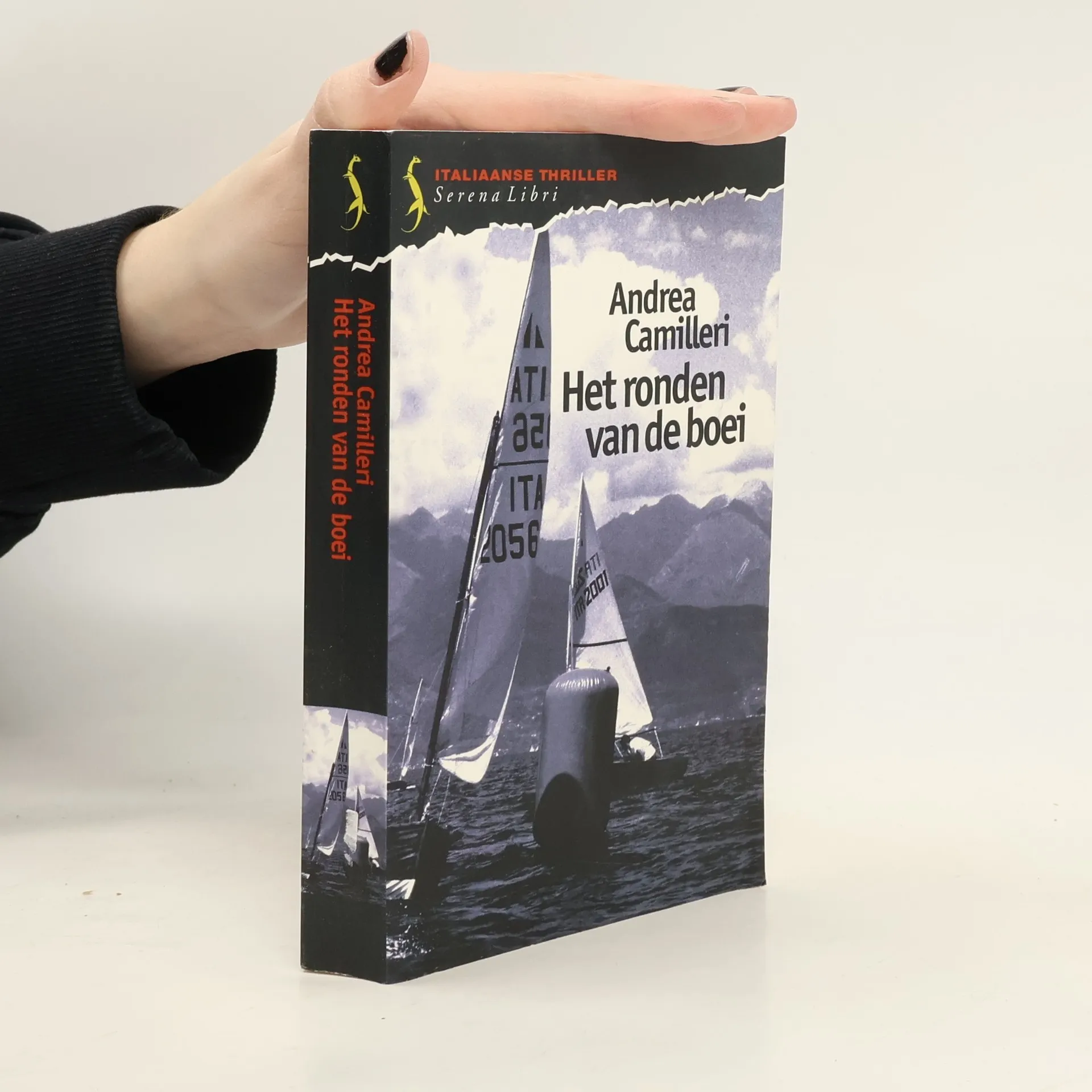


Riccardino: An Inspector Montalbano Mystery
- 500 pages
- 18 hours of reading
The long-awaited last novel in the transporting and beloved New York Times bestselling Inspector Montalbano series
Andrea Camilleri was an Italian storyteller whose works are characterized by a unique blend of Sicilian dialect and standard Italian. His most famous creations, often set in a fictional Sicilian town, explore the complexities of human nature through narratives featuring distinctive detectives. Camilleri's style is imbued with humor, existential questions, and a profound sense of local culture and traditions. His influence extends far beyond Italy, leaving an indelible mark on contemporary literature.


The long-awaited last novel in the transporting and beloved New York Times bestselling Inspector Montalbano series
Vig ta is bustling as the new filming location for a Swedish television series set in 1950. In the production frenzy, the director asks the locals to track down movies and vintage photos to faithfully recreate the air of Vig ta in that time.
This dazzling new book in Andrea Camilleri's international bestselling mystery series brings back earthy and urbane Sicilian detective Inspector Montalbano, who must delve deeply into the secret world of illicit trafficking in human lives.
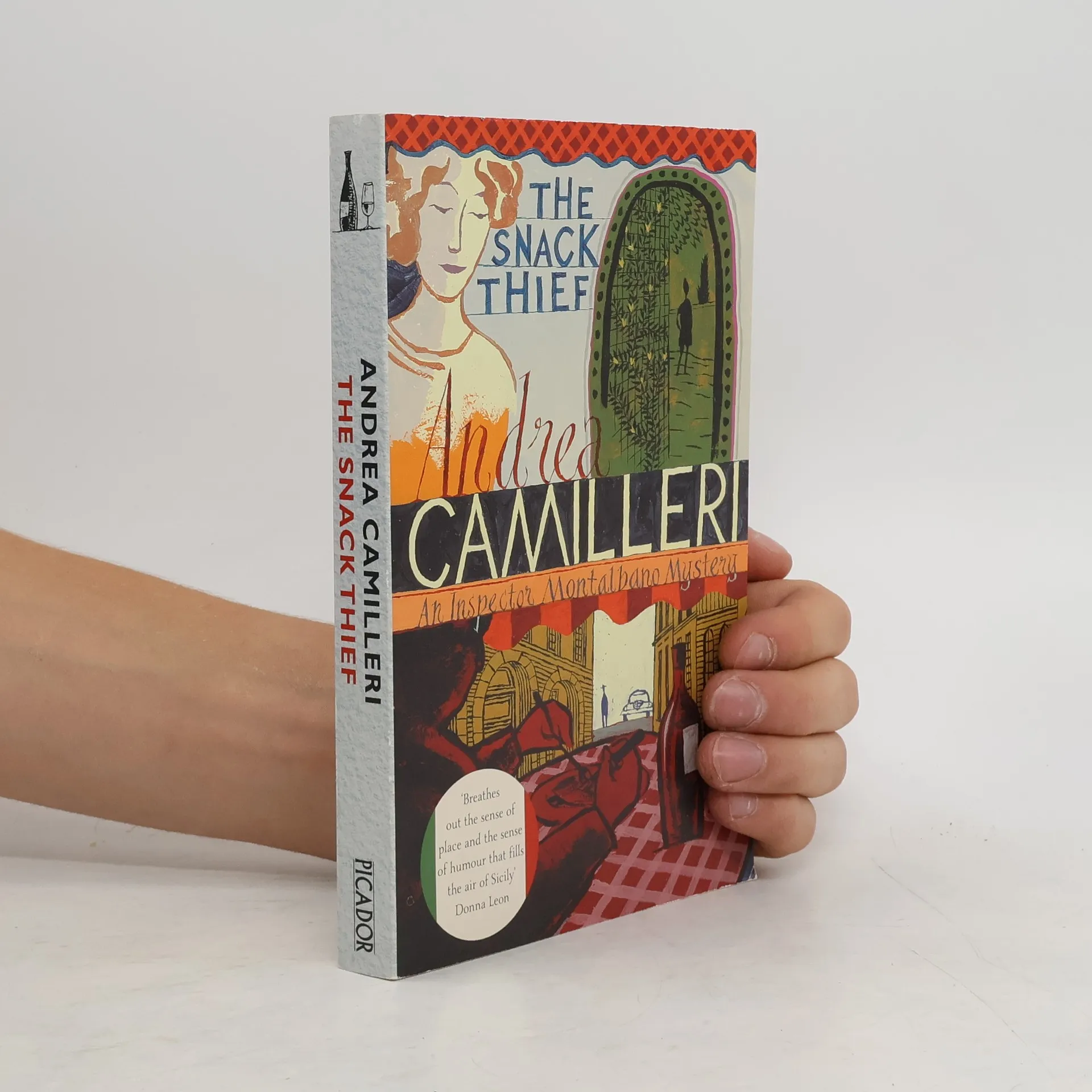
For a brief moment, as Montalbano was looking, a bright blade of light flashed from the loft and shone straight in his eyes. Despite the sunglasses, he instinctively shut his eyes and when he reopened them the light was gone. When a gentleman arrives at Montalbano's station to report an armed robbery on his wife that ended with a kiss, the inspector's suspicions are aroused. As he delves deeper into the case, Montalbano finds that none of the witnesses' stories are adding up, and he can't help but feel that they're not meant to. When a body turns up showing all the signs of a mafia hit, the inspector knows he must excavate the truth from what he is being led to believe. Meanwhile there's a case that keeps winding its way back to Montalbano's office. A locked door has suddenly appeared on a farmer's disused shed, and then, just as quickly, the door disappears. The anti-terrorist police soon intervene, but why are they so keen to keep this away from the inspector? And why does he sense that this case is connected to him somehow? With deceit at every turn and a distraction of the heart taking over his head, Inspector Montalbano must focus if he is ever going to solve this mystery
A young Don Juan is found murdered in front of his apartment - and, at the same time, an elderly couple is reported missing after an excursion to the ancient site of Tindari. But as Inspector Montalbano discovers, these two seemingly unrelated cases lead him down a path more evil and far-reaching than he has been down before.
Montalbano's gruesome discovery of a lovely, naked young woman suffocated in her bed immediately sets him on a search for her killer.
The number of Inspector Montalbano fans will continue to grow with this ingenious new novel featuring the earthy and urbane Sicilian detective. Half the retirees in Vigáta have invested their savings with a financial wizard who has disappeared, along with their money. As Montalbano investigates this labyrinthine financial scam, he finds himself at a serious disadvantage: a hostile superior has shut him out of the case, he’s on the outs with his lover Livia, and his cherished Sicily is turning so ruthless and vulgar that Montalbano wonders if any part of it is worth saving. Drenched with atmosphere, crackling with wit, The Smell of the Night is Camilleri at his most addictive.
The third novel in Camilleri's savagely witty, brilliantly evocative Sicilian mystery series featuring Inspector Montalbano
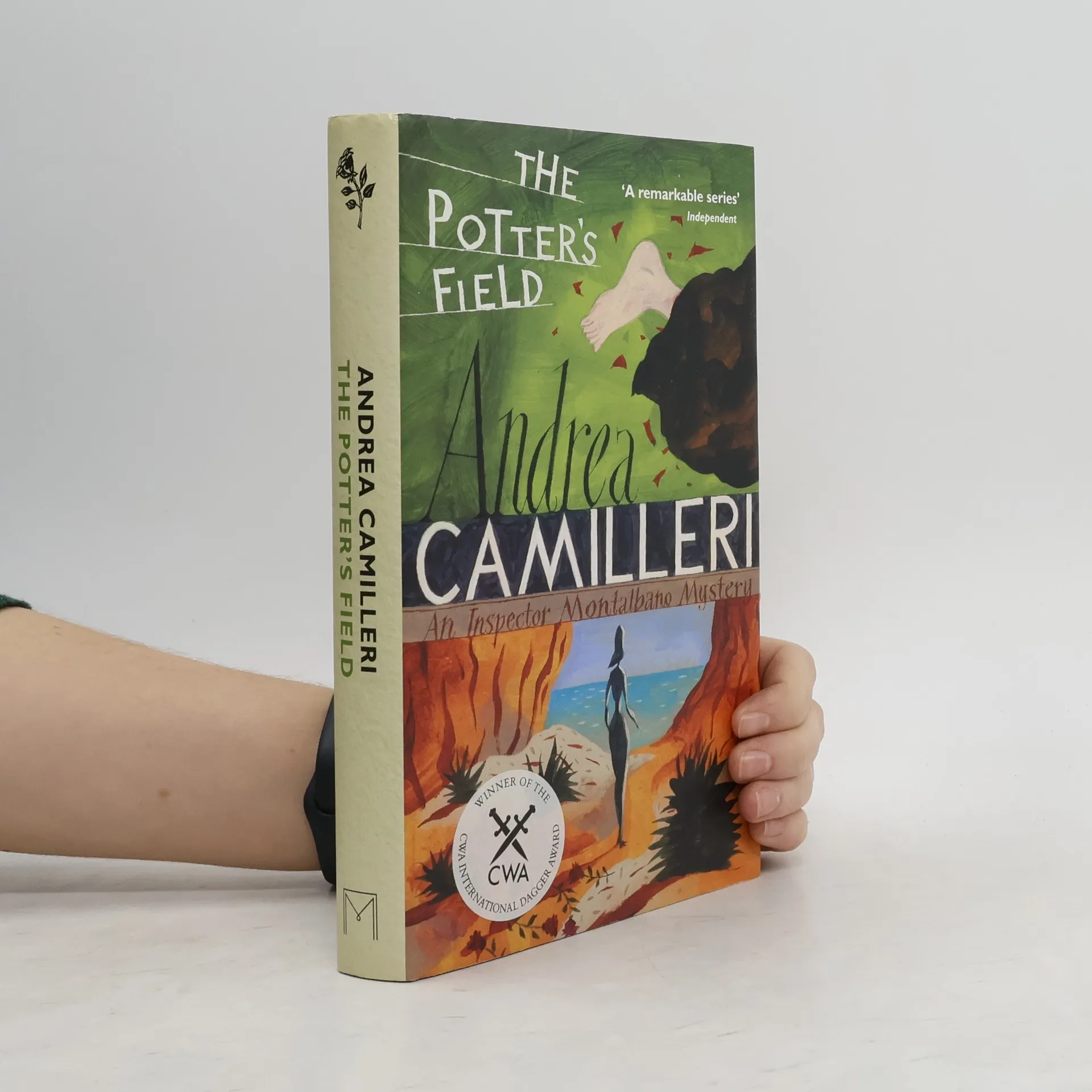
While Vigàta is wracked by storms, Inspector Salvo Montalbano is called to attend the discovery of a dismembered body in a field of clay. Bearing all the marks of an execution style killing, it seems clear that this is, once again, the work of the notorious local mafia. But who is the victim? Why was the body divided into 30 pieces? And what is the significance of the Potter’s Field? Working to decipher these clues, Montalbano must also confront the strange and difficult behaviour exhibited by his old colleague Mimi, and avoid the distraction of the enchanting Dolores Alfano – who seeks the inspector’s help in locating her missing husband. But like the Potter’s Field itself, Montalbano is on treacherous ground and only one thing is certain – nothing is quite as it seems . . .
An Inspector Montalbano Mystery
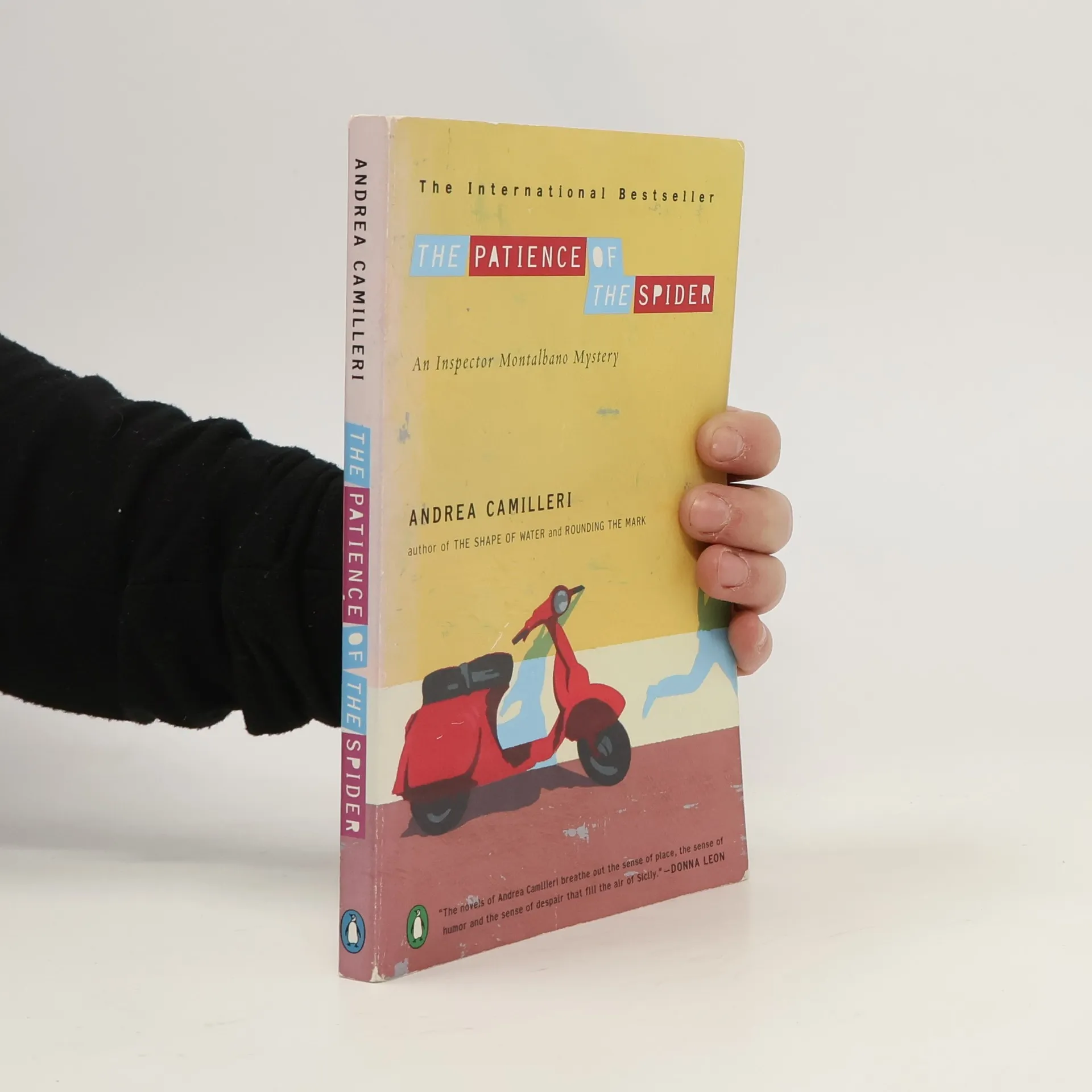
The latest mystery in Andrea Camilleri?s internationally bestselling Inspector Montalbano series Winning fans in Europe and America for their dark sophistication and dry humor, Andrea Camilleri?s crime novels are classics of the genre. Set once again in Sicily, The Patience of the Spider pits Inspector Montalbano against his greatest foe yet: the weight of his own years. Still recovering from the gunshot wound he suffered in Rounding the Mark, he must overcome self-imposed seclusion and waxing self-doubt to penetrate a web of hatred and secrets in pursuit of the strangest culprit he?s ever hunted. A mystery unlike any other, this emotionally taut story brings the Montalbano saga to a captivating crossroads.
The latest installment of the popular mystery series finds the moody Inspector Montalbano with no time to wax philosophical before the gruesome murder of a man shot at pointblank range in the face with his pants down commands his attention.
“You either love Andrea Camilleri or you haven’t read him yet. Each novel in this wholly addictive, entirely magical series, set in Sicily and starring a detective unlike any other in crime fiction, blasts the brain like a shot of pure oxygen...transporting. Long live Camilleri, and long live Montalbano.” —A.J. Finn, #1 New York Times bestselling author of The Woman in the Window Andrea Camilleri’s Inspector Montalbano novels have become an international sensation, with fans eagerly awaiting each new installment. In Game of Mirrors, Inspector Montalbano and his colleagues are stumped when two bombs explode outside empty warehouses—one of which is connected to a big-time drug dealer. Meanwhile, the alluring Liliana Lombardo is trying to seduce the Inspector over red wine and arancini. Between pesky reporters, amorous trysts, and cocaine kingpins, Montalbano feels as if he’s being manipulated on all fronts. That is, until the inspector himself becomes the prime suspect in an unspeakably brutal crime.
A Voice in the Night is the twentieth compelling crime novel in the phenomenally successful Inspector Montalbano series by Andrea Camilleri.It occurred to him that he might not have had anything to do with Strangio's death. It was a voice in the night, an anonymous voice, that had told him this. A voice in the night that could easily have been the voice of his conscience.Feeling his age, as his birthday rolls round once again, Inspector Montalbano decides to cheer himself up by dealing with a young driver's road rage in his own unique way.But his joy is short-lived, as at police headquarters he receives an angry phone call from a supermarket boss; there's been a robbery at his store and Montalbano's colleague is treating him as a suspect. On arrival at the scene, Montalbano quickly agrees with Inspector Augello that this was no ordinary break-in, but with the supermarket's infamous links to the Mafia creating problems at every turn, this isn't going to be an easy case for the inspector to solve.And to add to the inspector's burden, the young driver he made an enemy of earlier on has returned to police headquarters to report a shocking crime . . .
"A Penguin mystery original"--Page 4 of cover.
When a friend's child suddenly disappears into a narrow shaft hidden under a beach rental, Inspector Salvo Montalbano, in pursuit of the boy, uncovers something terribly sinister, in the latest work in the popular series.
The twenty-fourth thrilling mystery in the Inspector Montalbano series.
`Camilleri writes with such vigour and wit that he deserves a place alongside Michael Dibdin and Donna Leon' Sunday Times
The inimitable Inspector Montalbano returns for his fifteenth engrossing mystery.
The latest irresistible Inspector Montalbano mystery
As a film crew descend upon Vigata, Montalbano is busy investigating two cases: one from the past and the other involving the new world (for him, at least) of social media.
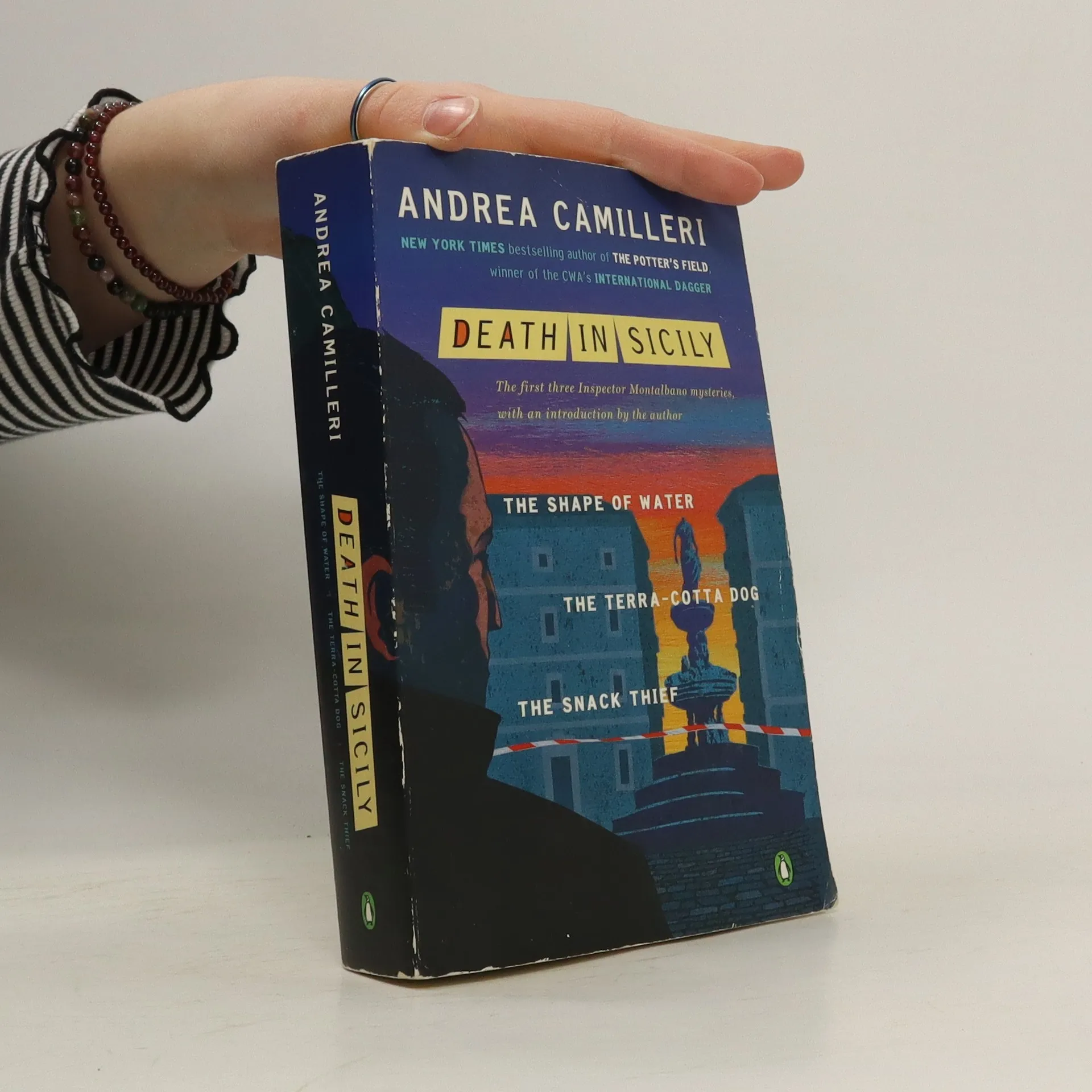
Collected in one volume—the first three books in the bestselling Inspector Montalbano mystery series “You either love Andrea Camilleri or you haven’t read him yet. Each novel in this wholly addictive, entirely magical series, set in Sicily and starring a detective unlike any other in crime fiction, blasts the brain like a shot of pure oxygen. Aglow with local color, packed with flint-dry wit, as fresh and clean as Mediterranean seafood — altogether transporting. Long live Camilleri, and long live Montalbano.” A.J. Finn, #1 New York Times bestselling author of The Woman in the Window American readers were first introduced to Sicily’s inimitable Inspector Salvo Montalbano more than ten years ago. Since then, the detective—and his characteristic mix of humor, cynicism, compassion, and love of good food—has won the affection of crime fiction aficionados and Italophiles alike. With Andrea Camilleri’s last two mysteries appearing on the New York Times bestseller list, it’s clear that interest in the series is at an all time high. Now, Death in Sicily features the Inspector’s first three adventures in one handy volume, offering new readers just the enticement they need to get started.
Another bestselling Sicilian mystery featuring Inspector Montalbano.
Another exciting and humorous Sicilian investigation featuring the inimitable Inspector Montalbano.
A wonderfully witty Andrea Camilleri novel featuring the irrepressible Inspector Montalbano.
As seen on TV: now a major BBC4 television series. A chance encounter with a strange young woman leads Inspector Montalbano to Vigàta harbour - and into a puzzling new mystery. The crew of a mysterious yacht - the Vanna - due to dock in the area have discovered a corpse floating in the water, the dead man's face badly disfigured. It isn't long before Montalbano begins to become suspicious of the Vanna's inhabitants. Who is the yacht's owner, the glamorous and short-tempered Livia Giovannini? How has she accrued her riches? And why does she spend so much time at sea? Meanwhile Montalbano finds himself getting into tangles with the dreaded Commissioner, the exasperating Dr Lattes and a very beautiful young woman at the harbour, with whom he becomes dangerously besotted . . . Can the Inspector clear his head long enough to unravel this murky mystery?
Inspector Montalbano must unravel the mystery of a dead body discovered in a sewage tunnel in the twenty-second novel in Andrea Camilleri's critically acclaimed series.
Three cases of overnight kidnapping baffle the Vigatan police force in Andrea Camilleri's twenty-third Inspector Montalbano mystery.
The bestselling author of the Inspector Montalbano series brings us back to Vigata in the nineteenth century for a rip-roaring comic novel.
From the title story, Death at Sea, in which the alleged manslaughter of an engineer upon a fishing trawler leads Inspector Montalbano to uncover an even more sinister crime, Andrea Camilleri takes his readers through eight cunning cases from the Vigatan police files. Starting with an arson attack on a hotel which leaves the distraught owner as the chief suspect; to the mysterious case of a woman who goes missing in an underpass with a million lira in her handbag; to a threat on Montalbano's own life, as an anonymous motorcyclist takes a shot at the detective.
A mysterious boat, a conspiracy to oust the Inspector, and a trip to Genoa with plenty of delectable foods are all in store in this, the twenty-seventh mystery in the Montalbano series.
Inspector Montalbano embarks on his final case and, as with Sherlock Holmes and Inspector Morse before him, his last adventure is as thrilling as it is surprising. Riccardino marks a fitting end to a remarkable series of novels.
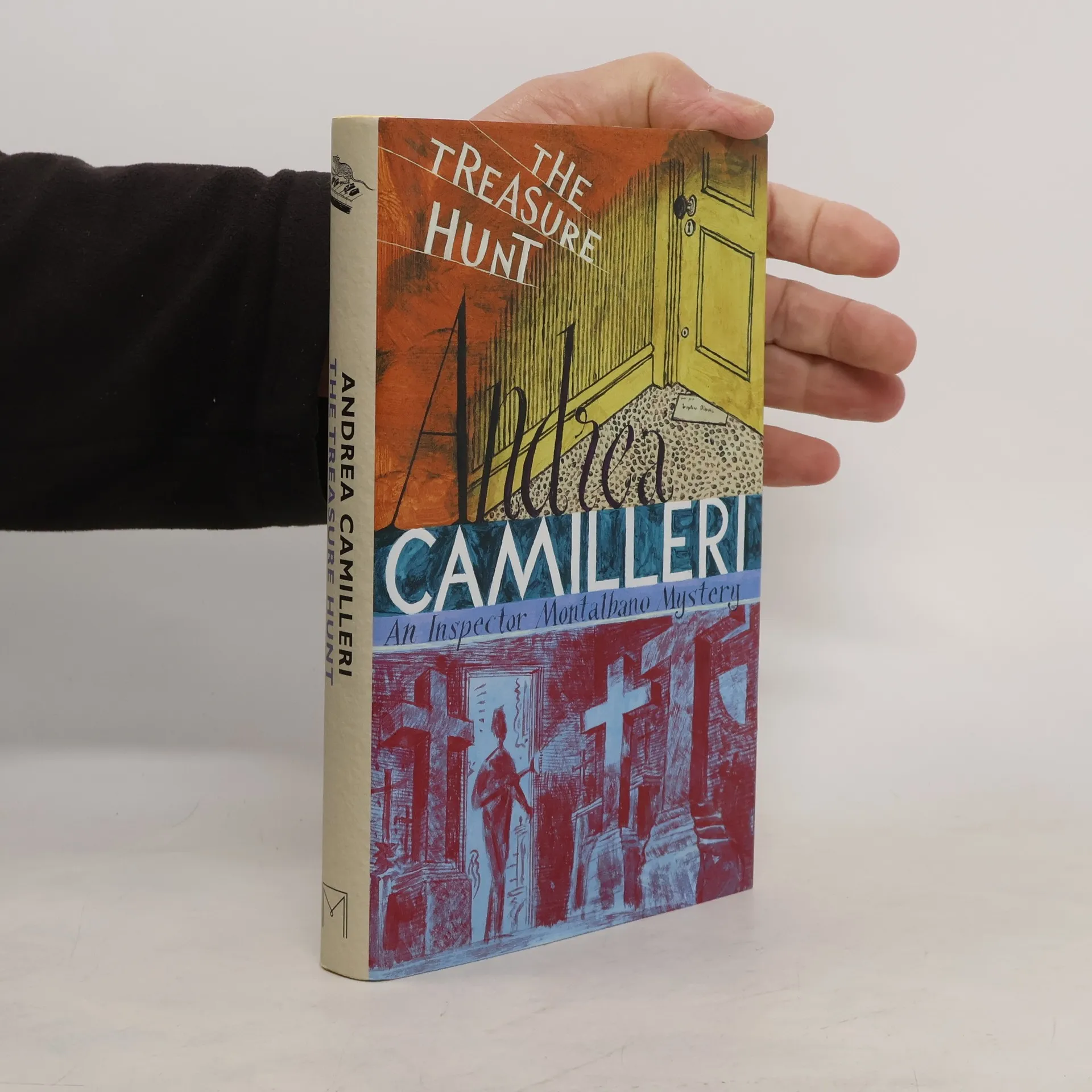
The irresistible Inspector Montalbano returns for his sixteenth mystery Montalbano opened the door to step out. But Gallo held him back, putting one hand on his arm. ‘What’s in there, Chief?’ ‘If it’s what I think, it’s something so horrific that it’ll haunt your dreams for the rest of your life . . .’ When a crazed elderly man and his sister begin firing bullets from their balcony down onto the Vigata street below, Inspector Montalbano finds himself a reluctant television hero. A few days later, when a letter arrives containing a mysterious riddle, the Inspector becomes drawn into a perplexing treasure hunt set by an anonymous challenger. As the hunt intensifies, Montalbano is relieved to be offered the assistance of Arturo Pennisi, a young man eager to witness the detective’s investigative skills first hand. Fending off meddling commissioners and his irate girlfriend, Livia, the inspector will follow the treasure hunt’s clues and travel from Vigata’s teeming streets to its deserted outskirts: where an abandoned house overlooks a seemingly bottomless lake. But when a horrifying crime is committed, the game must surely be laid aside. And it isn’t long before Montalbano himself will be in terrible danger . . .
Follows Sicilian detective Inspector Montalbano as he investigates the suspicious death of an engineer who had made a name for himself in a small town.
The twenty-sixth thrilling mystery in the Inspector Montalbano series.
“The novels of Andrea Camilleri breathe out the sense of place, the sense of humor, and the sense of despair that fills the air of Sicily.” —Donna Leon A rash of burglaries has got Salvo Montalbano stumped. The patterns of the crimes are so similar and so brazen that Montalbano begins to think a criminal mastermind is challenging him. This suspicion is confirmed when he starts receiving menacing letters from the gang leader, the anonymous Mr. Z. Among those burgled is the young and beautiful Angelica Cosulich, who reminds Montalbano of the love interest in Ludovico Ariosto's chivalric romance, Orlando Furioso. Taken by Angelica's charms, he imagines himself back in the medieval world of jousts and battles. But when one of the burglars turns up dead, Montalbano must snap out of his haze and unmask his challenger.
Nel corso della sua lunga, irreprensibile carriera di alto funzionario di banca e di marito devoto, il protagonista di questo romanzo ha ricevuto tre lettere anonime. Le prime due sono vecchie di decenni, l'ultima è recente e insinua dubbi sulla fedeltà della sua giovane e bellissima seconda moglie, Adele, una splendida e irresistibile femme fatale, una donna dotata in pari misura di ferina sensualità e di un gusto sobrio e deciso in tutto, anche nel vestire. Non stupisce nessuno, dunque, che in alcune particolari circostanze ami indossare un castigato tailleur grigio. Ma questo vestito assume un profondo significato simbolico. Un significato che forse sarebbe molto meglio non conoscere mai... Pochi scrittori come Camilleri hanno saputo seguire il ritmo del corpo e il battito dell'anima femminile. In queste pagine del più "francese" dei suoi romanzi, in questa affascinante, temibile Adele accarezzata dalla scrittura come da mani appassionate e al tempo spesso intimorite, si sentono echi di Maupassant e di tutti i classici della letteratura e del noir che ci hanno fatto sognare su certe dark ladies tanto incantevoli da amare nella finzione quanto pericolose da incontrare nella realtà.
In 1980s Vigata, a restless Inspector Montalbano brings his bold investigative style to eight enthralling cases. From jilted lovers and deadly family affairs to assassination attempts and murders in unexpected places, Death at Sea is the perfect collection to escape into Andrea Camilleri's unforgettable slice of Sicily.
Il libro uscì per la prima volta nel 1990 con il titolo Dieci anni di mafia e venne definito strumento indispensabile per capire le ragioni dei tanti fallimenti dello Stato nella lotta contro la mafia. Da allora viene ininterrottamente ristampato perché purtroppo - è lo stesso Lodato a dirlo - le ragioni di quei fallimenti non sono mai state definitivamente rimosse. Una ricostruzione documentata e plausibile di venticinque anni di delitti, latitanze, omertà, collusioni, inerzie istituzionali, proposte legislative disattese, ma anche di battaglie vinte dallo Stato. L'autore è stato testimone delle vicende raccontate: ha conosciuto Dalla Chiesa e Falcone, Caponnetto e Borsellino, Caselli e il cardinale Pappalardo, ma anche Totò Riina; ha seguito i processi di mafia più importanti che si celebravano in giro per l'Italia.
Il cielo rubato -- la favoletta nera di Camilleri in forma epistolare è deliziosa. (Loredana Lipperini)Come succede con l'immensa narrazione di Georges Simenon, dove l'accumulazione di storie sembra generata da un unico romanzo a priori, anche nel profondo dell'immaginazione di Camilleri si può pensare esista un deposito borgesiano di tutte le storie possibili. Da cui, sollecitati dall'aria del tempo, emergono racconti e romanzi, storie e narrazioni che si inseguono all'infinito. Ma per mettere un segno, seppur instabile in questo universo continuamente in movimento, ci piace esprimere una preferenza per il Camilleri scrittore di romanzi storici e civili. Come La moneta di Akragas. (Pasquale Chessa)
Andrea Camilleri ripercorre e racconta i giochi della sua infanzia. Ritorna indietro negli anni, si sofferma nei luoghi in cui l’invenzione divertita dei bambini, con una abilità che quasi mai si faceva astuzia, trasformava un pezzo di stoffa, una pietra, un bastoncino negli indimenticabili strumenti per ingannare, e incantare, il tempo.
Giovanni Trincanato, Alleinerbe einer sizilianischen Bootswerft, führt ein ausschweifendes Leben, während die Firma vor dem Ruin steht. Nach einem Selbstmord und Giovannis Mord entdeckt Commissario Montalbano ein Komplott und begibt sich inkognito an Bord einer mysteriösen Segeljacht, um einen internationalen Verbrecherring zu entlarven.
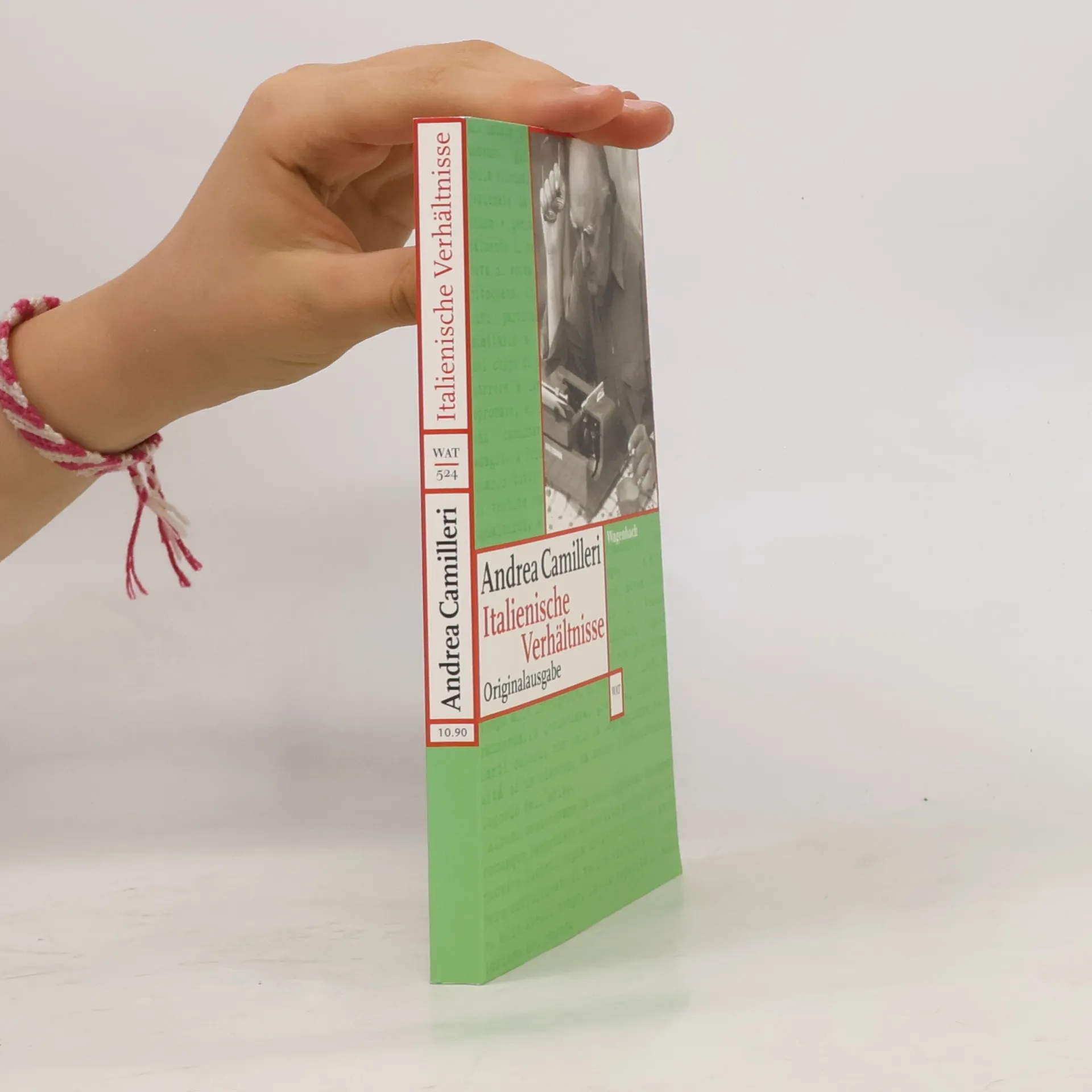
Wenn einer zwei Hühner isst und der andere keins, so macht das statistisch ein Huhn pro Kopf« – dies die überzeugende Vorwarnung Camilleris angesichts seines Versuchs, den Italiener zu portraitieren. Dennoch unternimmt er es. Entstanden ist eine lesenswerte Beschreibung von Widersprüchen: der Faschismus als Einiger der Nation, die Teilchen des großen Physikers Majorana ebenso wie ihre Antimaterie als Symbol einer seltsamen Identitätsstiftung, das kurze Gedächtnis, der Wettlauf zum Sieger, das Ideal des Motorino – ein ironisches, heiteres, giftiges Portrait des heutigen Italieners. Kommentiert und mit Erläuterungen für den deutschen Leser versehen hat es der intime Italienkenner Peter Kammerer, lebhafter Linker und Professor emeritus in Urbino.
Zum erstenmal auf deutsch: Andrea Camilleri als feiner Beobachter italienischer Sitten und Zustände. Es sind Satiren, Betrachtungen und öffentliche Polemiken: Ein gewisser Cavaliere wird zum Held politisch unkorrekter Fabeln und möchte zudem – als Staatsoberhaupt – die Farbe rot abschaffen, was im Ferrari-Land nicht ganz einfach ist. Entnervte Bürger rufen die antibürokratische Revolution aus – der Staat antwortet mit der Verpflichtung zur Lektüre von »Auf der Suche nach der verlorenen Zeit«. Die triftigsten Einwände gegen die Mafia, die Korruption, das Fernsehen und das »telefonino«, die schönsten Portraits von Friedrich II. über Manzoni bis Berlusconi – Klaus Wagenbach hat sie gesammelt.
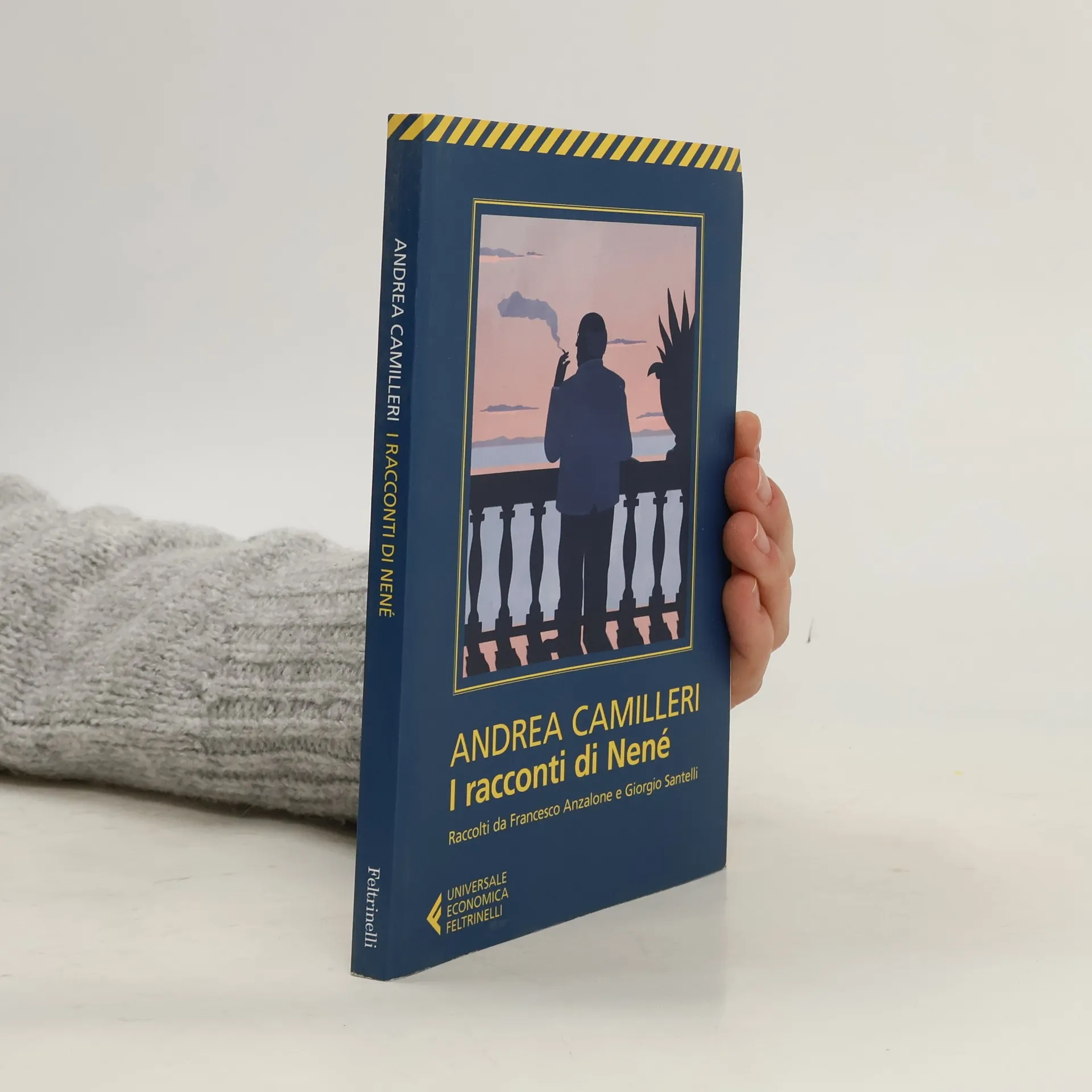
Questa non è una favola, ma una storia vera... Nenè frequenta la scuola elementare e trascorre l'estate in campagna, dai nonni. Gli piace alzarsi presto per accompagnare la contadina Rosalia a dare da mangiare agli animali: la mula, il cavallo, l'asino, e poi il gallo, le galline, i conigli e le capre. Un giorno Nenè trova ad attenderlo una sorpresa: in fondo al pollaio c'è una cesta con una dozzina di pulcini appena nati, una tenera massa di piume, zampette e minuscoli becchi che pigolano. In disparte c'è un pulcino solitario, più piccolo e spelacchiato degli altri, che comincia a seguire Nenè dappertutto. La nonna dà al nipotino il permesso di tenere il pulcino con sé e, da quel momento, lui e Piopì diventano inseparabili. Finché, un pomeriggio, arriva nel baglio l'asino, carico di quattro sacchi molto pesanti, e Nenè si avvicina per fargli una carezza...
Somalia, Eritrea, Etiopia: da questi Paesi proviene la maggior parte delle persone che oggi salpano dalla Libia per cercare asilo in Italia. Sono spesso volti senza nome che si susseguono nei servizi dei telegiornali, capaci di suscitare pietà ma soprattutto paura. Il Centro Astalli ha voluto dar voce a questi uomini e queste donne, persone normali costrette loro malgrado a vivere esperienze straordinarie, a lasciare la loro casa, il loro Paese, la loro famiglia per ricominciare da zero in una terra straniera. Dieci di loro hanno avuto la forza e il coraggio di confidarci la propria storia, i viaggi disperati, le minacce e le torture subite. Ci hanno raccontato com’era la loro vita prima della fuga e cosa hanno trovato qui in Italia. Ciascuna testimonianza è accompagnata dall'introduzione di uno scrittore italiano (Lerner, Camilleri, Bianchi, De Luca, Arslan, Bellu, Albanese, Lakhous, Mazzucco, Celestini) in una sorta di dialogo a distanza che diventa simbolo di scambio e arricchimento reciproco.
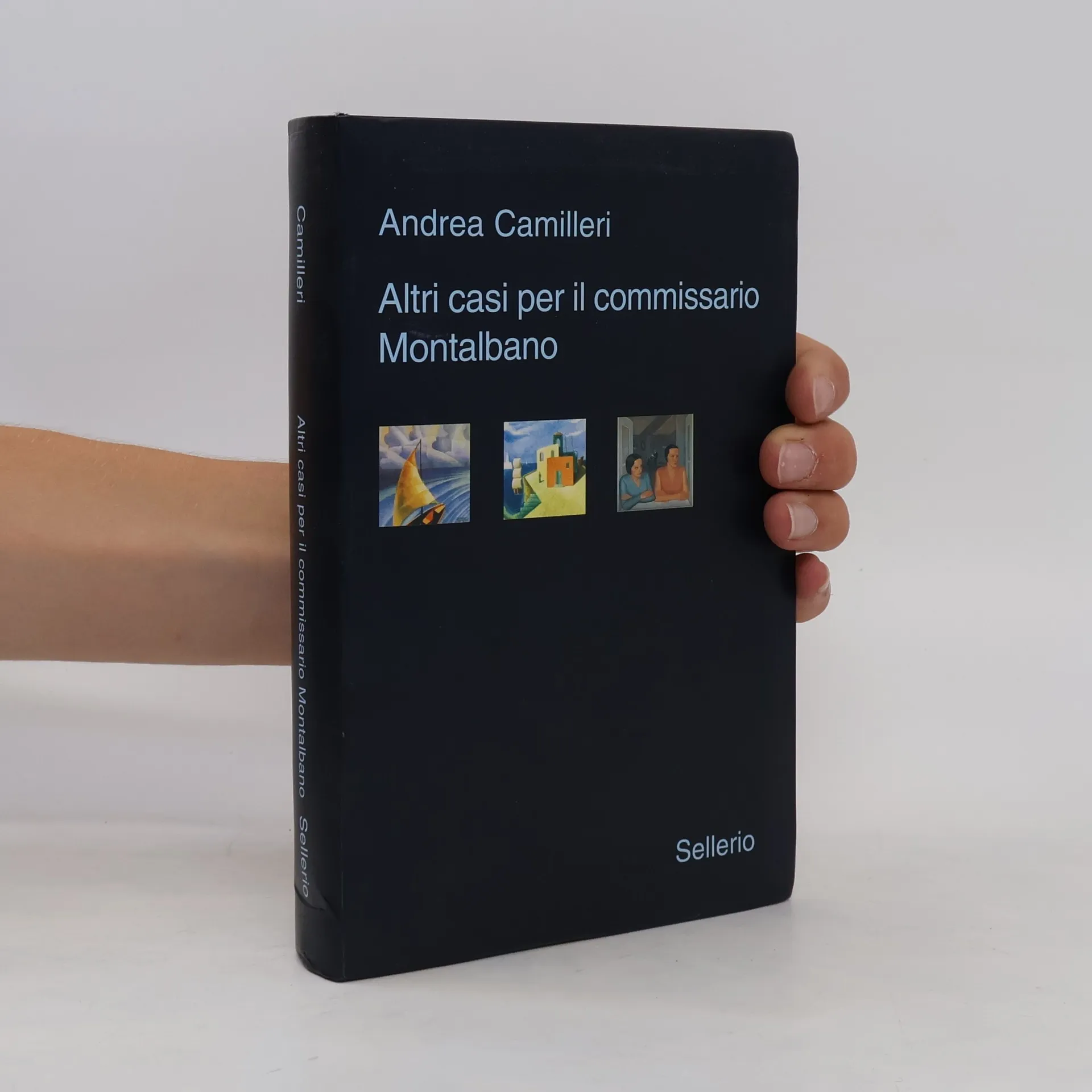
Da La prima indagine di Montalbano , dove Salvo Montalbano è un semplice vicecommissario che sogna di essere trasferito in un paese di mare, fino a La finestra sul cortile , ultimo in ordine di tempo e sinora inedito in volume, un vero regalo di Camilleri ai suoi lettori: lungo diciannove racconti, scelti e ordinati personalmente dall'autore per questa antologia, si dipana la carriera del più amato commissario d'Italia e la straordinaria amicizia fra lo scrittore e il suo personaggio
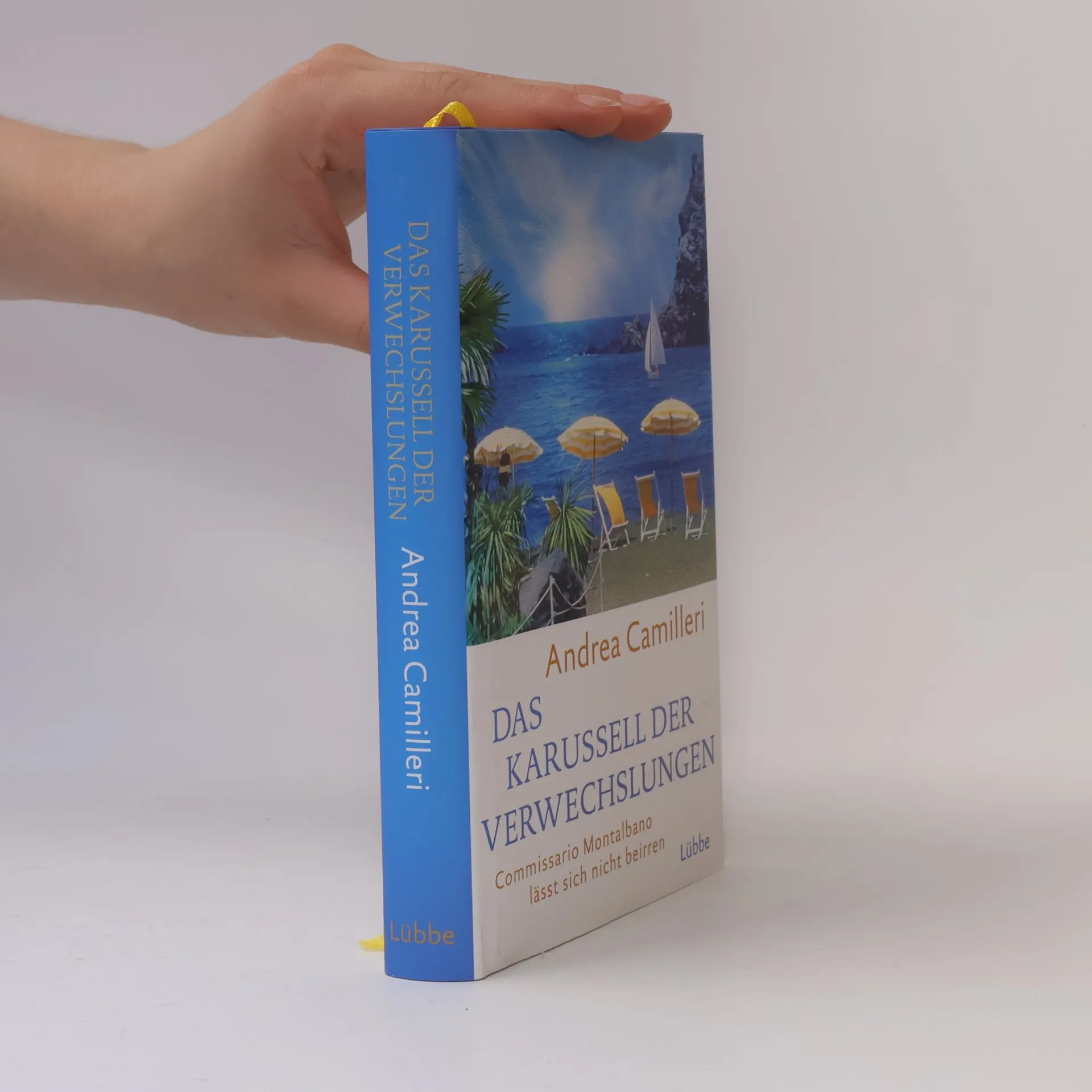
Commissario Montalbano inmitten eines mörderischen Verwirrspiels an der sizilianischen Küste Im Einklang mit der Welt schaut Commissario Montalbano von der Veranda seines Hauses im sizilianischen Marinella auf einen wolkenlosen Himmel über türkisblauem Meer. Doch kaum im Kommissariat von Vigàta angekommen, fordert ein ungewöhnlicher Vorfall seine ganze Aufmerksamkeit: Ein vermummter Täter hat nacheinander zwei weibliche Bankangestellte überfallen, betäubt und kurz darauf unversehrt freigelassen. Der Entführer selbst scheint wie vom Erdboden verschluckt. Dann erfährt Commissario Montalbano, dass ein junger Unternehmer nach einer Urlaubsreise mit seiner großen Liebe vermisst wird. Stehen die Ereignisse in Zusammenhang? Schon bald kommt Montalbano einem mörderischen Täuschungsmanöver auf die Spur ... »Spannend, unterhaltsam und witzig. Ein sehr empfehlenswerter Roman.« BÜCHERSCHAU »Der Thriller bleibt bis zur Aufklärung spannend.« SIEGENER ZEITUNG »Montalbano-Romane lesen ist wie Urlaub an einem Lieblingsort im Süden.« LA STAMPA
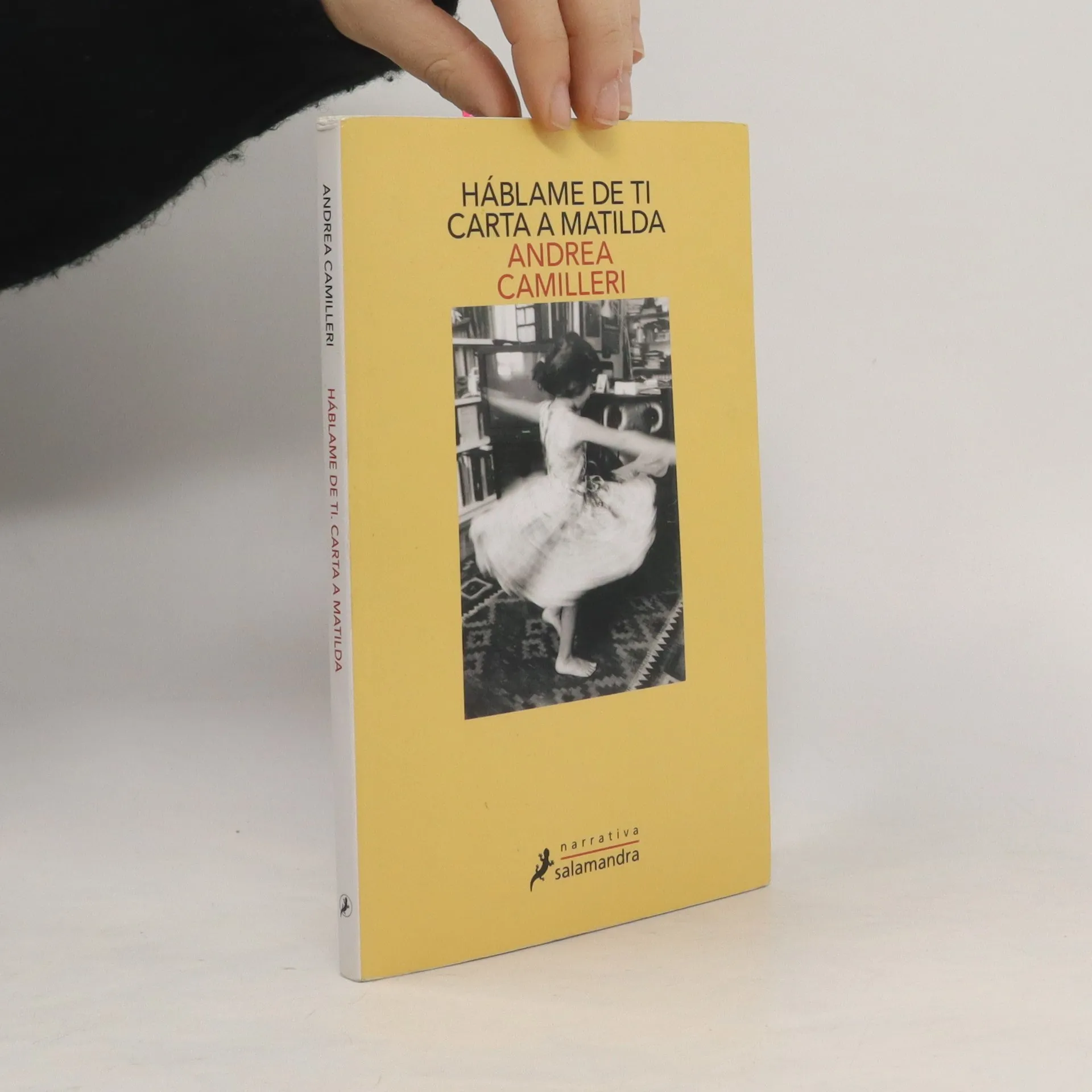
Matilda, querida mía: Te escribo esta larga carta a pocos días de cumplir noventa y dos años, cuando tú tienes casi cuatro y todavía no sabes lo que es el alfabeto. Espero que puedas leerla en la plenitud de tu juventud. Te escribo a ciegas, tanto en sentido literal como figurado. En sentido literal, porque en los últimos años la vista me ha ido abandonando poco a poco. Ahora ya no puedo ni leer ni escribir, sólo dictar. En sentido figurado, porque no consigo imaginarme cómo será el mundo dentro de veinte años, ese mundo en que te tocará vivir. Así comienza esta carta de Andrea Camilleri a su bisnieta Matilda. En ella, el querido maestro de la novela negra, fallecido en julio de 2019, repasa los episodios más representativos de su trayectoria personal profesional junto con los hechos más notables de la historia mundial de los últimos cien años. Un libro tan breve como intenso, acompañado de divertidas e inolvidables anécdotas, que nos emociona y nos colma de esperanza.
Wenn drei faschistische Studenten gemeinsam einen Kommunisten verprügeln, zeugt das nicht gerade von tapferer Männlichkeit. Wenn sich bei der Prügelei ein Schuss löst und einen der Studenten ins Jenseits befördert, ist das Pech. Wenn der anwesende Kommunist einhellig zum Schuldigen erklärt wird, ist das Politik. Wenn die Kugel im Kopf des Opfers jedoch nicht aus der Waffe des angeblichen Täters stammt, ist das seltsam – und sehr sizilianisch. Mit intelligentem Spott und entlarvender Menschen-kenntnis nimmt Andrea Camilleri einmal mehr die Eigenheiten seiner Landsleute aufs Korn.
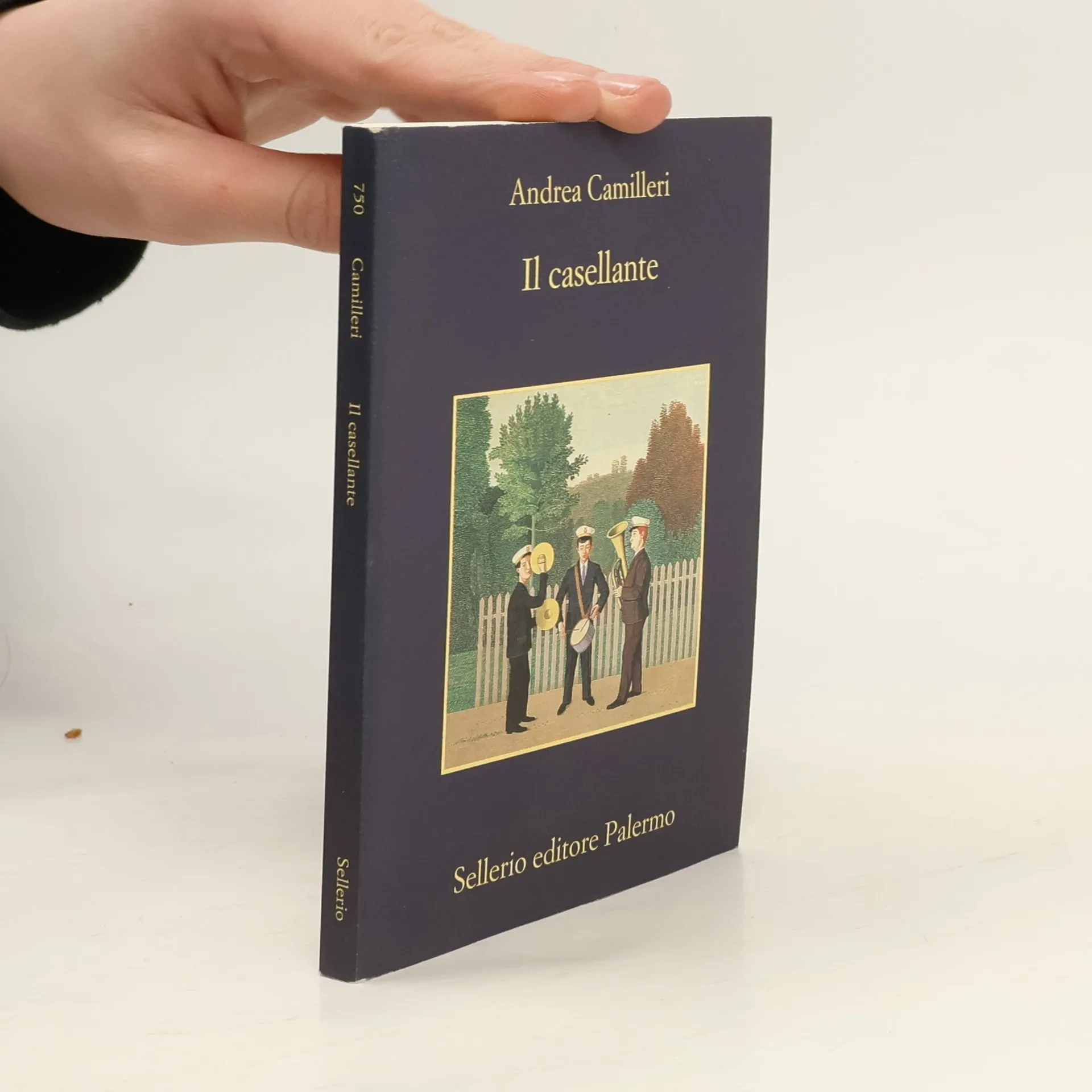
«Der Bahnwärter ist eine leidenschaftliche Parabel auf blinden Schmerz und wahre Liebe.» La RebuplicaAn der abgelegenen Eisenbahnstrecke zwischen Vigàta und Castellovitrano liegt das Häuschen von Nino, dem Bahnwärter, und seiner Frau Minica. Nur zwei Mal am Tag kommt ein Zug vorbei. Sonntags gibt Nino mit seinem Freund Totò ein kleines Konzert beim Friseur des Ortes, einer auf der Mandoline, einer auf der Gitarre, um sich fünf Lire zu verdienen; oder er klemmt sich zwei Stühle unter den Arm und setzt sich mit seiner Frau ans Meeresufer. Als Minica nach vielen vergeblichen Versuchen endlich ein Kind erwartet, ist das Glück perfekt. Doch mit dem Krieg kommt die Gewalt und zerstört das Idyll. Nun muss Nino um Minicas Leben und um ihre Liebe kämpfen.«Camilleri ist mehr als Montalbano. Seine Fabeln sind faszinierend, geheimnisvoll und voller Liebe, durchwoben von zauberhafter Phantasie.» Liberal
Italienische Lektüre für das 3. und 4. Lernjahr
Commissario Montalbano geht den Dingen auf den Grund. Roman
Commissario Montalbanos Vize Mimì hat einen Toten entdeckt - unter mysteriösen Umständen. Kurz darauf geht im Kommissariat ein Anruf ein: Der vermögende Theaterliebhaber Carmelo Catalanotti wurde leblos aufgefunden - in der gleichen Position wie der andere Tote. Während die Ermittlungen im ersten Fall sich als besonders delikat erweisen, ahnt Montalbano im Fall Catalanotti bald, dass dieser als Leiter einer Schauspieltruppe mit ungewöhnlichen Auswahlkriterien Zorn auf sich gezogen hat. Montalbano sieht sich mit einer ganzen Schar Verdächtiger konfrontiert. Und muss überdies einer neuen ehrgeizigen Kollegin Paroli bieten - der schönen Gerichtsmedizinerin Antonia ...
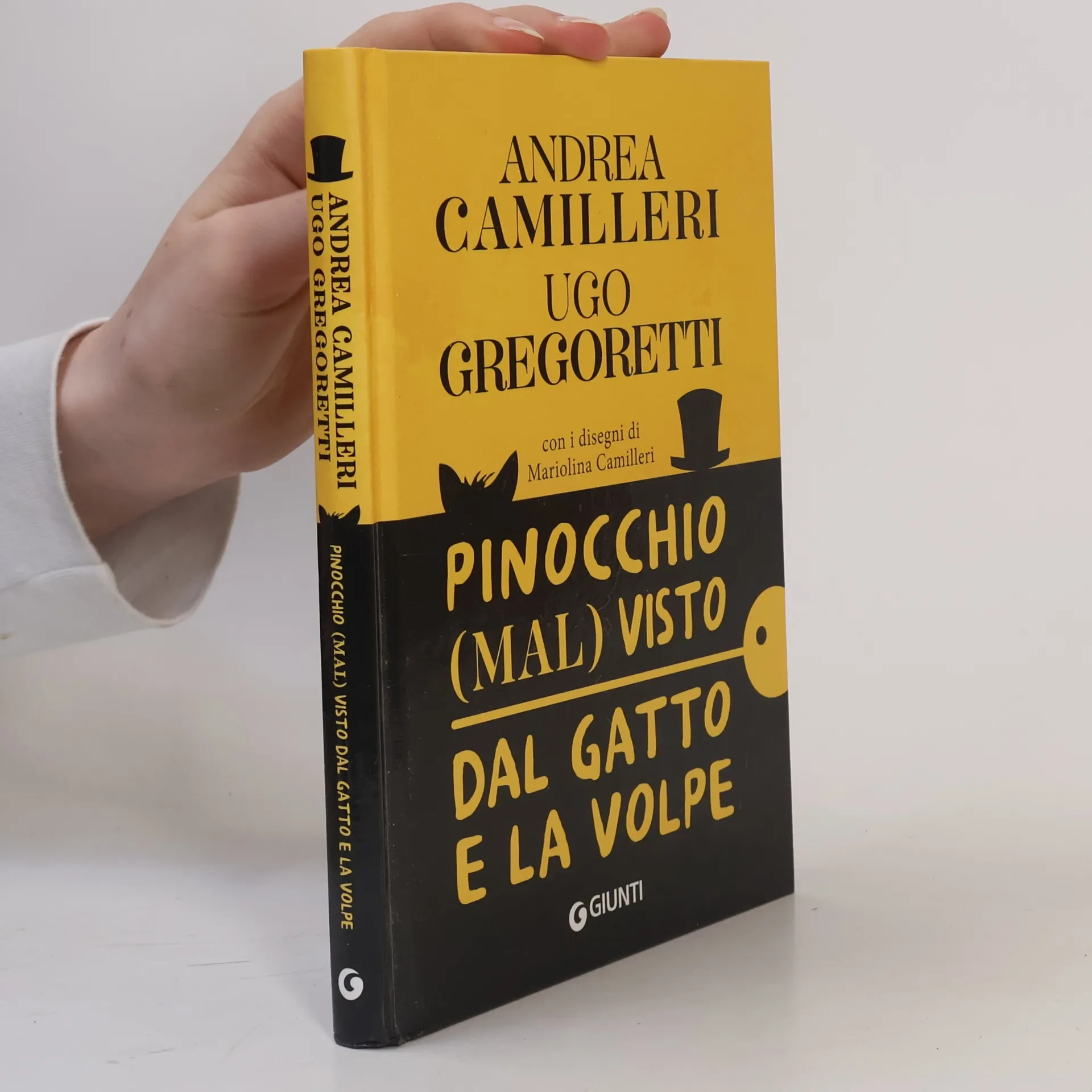
Il Gatto e la Volpe sono stanchi della cattiva fama che li circonda. Collodi non gli ha reso giustizia: non era assolutamente loro intenzione turlupinare il Burattino. Anzi, volevano educarlo, insegnargli a non fidarsi del primo che passa. E invece. Guardate un po' quanto fango è stato gettato su "due educatori di rango" come loro! Così chiedono un nuovo processo, con tanto di testimoni e di avvocati dell'accusa e della difesa. Presiede, come sempre, l'Orango. Riusciranno a farsi riabilitare?
Ogni mattina, alle sette, mi siedo al tavolo del mio studio e scrivo. Sono un uomo disciplinato, un perfetto impiegato della scrittura, anche se fumo e bevo birra mentre lavoro. A novant'anni, però, arriva il buio e, nonostante la paura, inizio a dettare le mie storie. La mia produzione letteraria si trasforma, trovando nell'oralità una nuova via. Se prima la disciplina era forte, ora è ancora più necessaria, poiché devo fare affidamento esclusivamente sulla mia memoria. Per mantenerla in esercizio, osservo i dettagli dei ricordi e rappresento nella mente le scene. I testi pubblicati sono i miei “compiti per l'estate”: 23 storie scritte in 23 giorni, che raccontano la mia vita e, sullo sfondo, quella del nostro Paese. La memoria non è appesantita da malinconia o rimpianto. Ho chiesto a chi lavora con colori e forme di rendere il mio esercizio più godibile e spettacolare. L’ideale della mia scrittura è creare un gioco di leggerezza, un intreccio di suoni e parole, simile agli esercizi di un’acrobata che compie evoluzioni con grazia, senza mostrare la fatica e il rischio che rendono possibili tali performance. Se l’acrobata mostrasse la fatica, lo spettatore non godrebbe dello spettacolo.
Commissario Montalbano entdeckt eine neue Welt. Ein spannendes Familiengeheimnis auf Sizilien. Roman
Großes Kino im sizilianischen Vigàta Aufruhr in Vigàta: Eine schwedische Produktionsfirma will in dem Küstenstädtchen einen Film mit Sechzigerjahre-Flair drehen. Zur Vorbereitung der Kulisse werden die Bewohner gebeten, alte Fotos und Filme beizusteuern. Auch Commissario Montalbano erreicht eines Tages ein Paket: Der Ingenieur Sabatello hat auf dem Dachboden mehrere Filme seines verstorbenen Vaters gefunden. Sie zeigen jeweils minutenlang dasselbe Detail einer Mauer, und Sabatello kann sich keinen Reim darauf machen. Fasziniert und auch ein bisschen froh, den Turbulenzen in der Stadt den Rücken kehren zu können, geht Montalbano der Sache auf den Grund. Und kommt bald einem mörderischen Familiengeheimnis auf die Spur ... »Sonniges Sizilienflair, ein dunkles Geheimnis aus der Vergangenheit und ein eigenwilliger Commissario von großer Menschlichkeit - beste Krimiunterhaltung« LA STAMPA
Questa vicenda prende lo spunto da una nota di Raimondo Franchetti per la sua inchiesta controgovernativa sulle condizioni socio-economiche della Sicilia nel 1876. L'elaborazione romanzesca accentua alcuni dati che rendono appunto la storia di allora storia dei nostri giorni. La trama del libro è largamente definibile gialla e dal sapore paradossale, considerata l'ambientazione in una società nella quale il gioco di prestigio di una realtà di continuo manipolata rende difficile l'accertamento delle verità individuali e collettive.
Eine charmante Kriminalgeschichte von Andrea Camilleri – Einzigartig illustriert von Roberto Innocenti Seit fünf Jahren ist Antonio Brancato Chef der Polizeistation in Belcolle, einem kleinen idyllischen Ort in den Bergen von Sizilien. Er weiß, Bergbewohner reden nicht viel und sind ein ganz eigener Menschenschlag. Aber so merkwürdig wie der alte Ciccino hat sich in Belcolle noch nie jemand verhalten. Seit dem plötzlichen Tod seiner Frau stellt der Witwer eine Gefahr für sich und andere dar…„Camilleri ist geistreich, weise und absolut unterhaltsam.“ (Aspekte, ZDF)
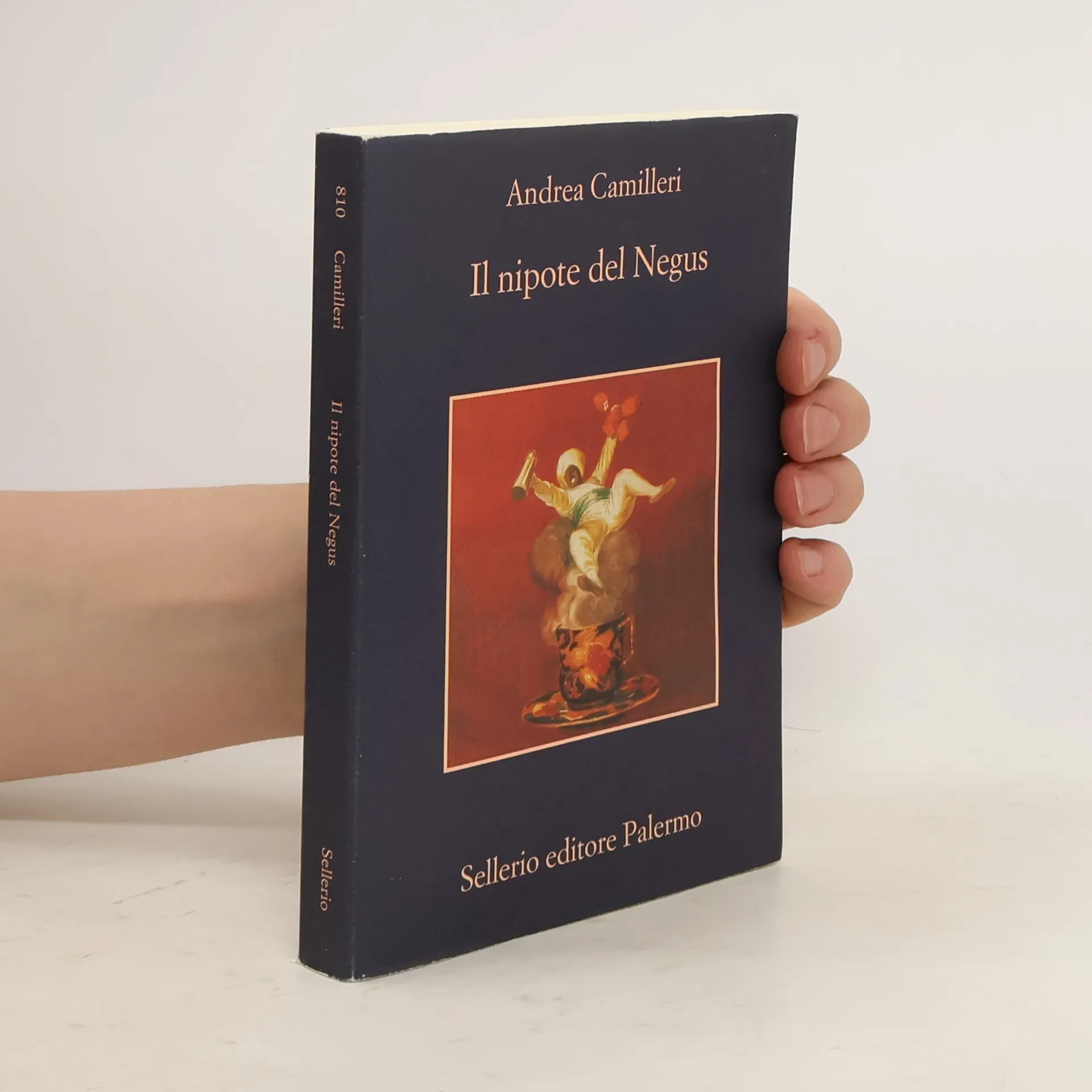
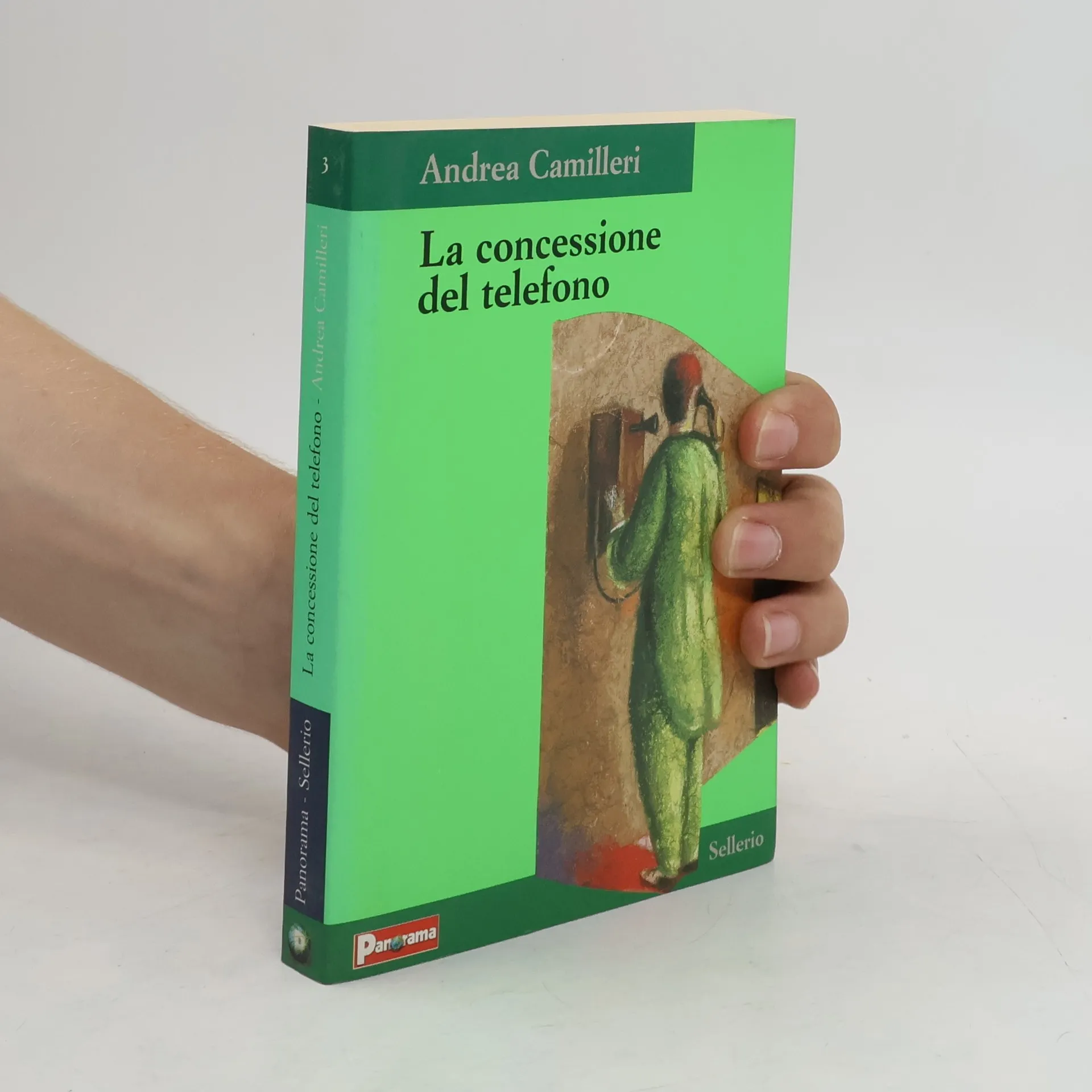
Nel romanzo, l'autore esplora un decreto ministeriale del 1892 riguardante una linea telefonica privata, ispirato da una scoperta estiva del 1995. La storia mescola realtà e fantasia, citando nomi e eventi autentici accanto a personaggi e situazioni inventate. Include anche un contributo di Raffaele La Capria.
Ein hinreißendes Plädoyer für einen würdigen Umgang mit Tieren – meisterhaft erzählt von Italiens großem Bestsellerautor und liebevoll illustriert. Andrea Camilleri liebte Tiere: Sein toskanisches Landhaus und seine Wohnung in Rom waren immer bevölkert von Hunden, Katzen und Vögeln. Kein Tier war gekauft, alle waren der Familie zugelaufen. Oder zugeflogen, wie die beiden Vögel Pimpigallo und der Distelfink: Der Wellensittich lernt nicht nur, den Gesang des Distelfinks nachzuahmen, sondern auch Camilleris tiefe Stimme.Auf der Terrasse von Camilleris Landhaus erscheint eines Sommers eine harmlose Natter, Don Gaetano genannt, und wird zum jahrelangen Hausgast.Den Kater Barone rettet Camilleri vor Jungen, die mit ihm Fußball spielen. Sein Rückgrat ist gebrochen, der Tierarzt verbindet ihn wie eine Mumie und gibt ihm noch zwei Jahre. Doch Barone, wie er wegen seines vornehmen Wesens getauft wird, lebt 18 Jahre bei der Familie.Darüber hinaus erzählt dieses liebevoll illustrierte Buch von betrunkenen Schweinen und verpatzten Jagdausflügen, weil die Tiere zu schlau sind. Und von einer unglaublich schönen Tigerfrau, in die Camilleri sich verliebt, die ihm aber leider immer nur ihr Hinterteil zeigt.
Un romanzo storico-politico che trae spunto da un reale fatto di cronaca: l'assassinio di un prete corrotto. Siamo nella Vigàta di fine Ottocento: il protagonista, un "siciliano che parla genovese", testimone dell'uccisione del prete, poche ore dopo aver reso la sua deposizione viene arrestato e accusato proprio dell'omicidio denunciato. Questo drammatico rovesciamento dei ruoli lo costringerà a combattere per affermare la propria innocenza; e ci riuscirà, recuperando il suo dialetto, il siciliano, e con esso il modo di pensare dei suoi padri.
«Hay una miríada de relatos en la tradición judía, y en parte también en la musulmana, que describe a Caín de forma diferente a la versión bíblica; y yo, que al fin y al cabo no soy más que un cuentacuentos, he trabajado sobre esos relatos alternativos». En esta obra, Andrea Camilleri ofrece una visión insólita y sorprendente del primer homicida de la historia. Se trata de un Caín inventor del concepto de elección, y por tanto de la idea de responsabilidad de la que descienden las nociones, tan radicadas en la cultura occidental, de culpa y culpabilidad. Un Caín, en última instancia, que va más allá del arrepentimiento para tomar conciencia de que, sin el mal, el bien no existiría.
Commissario Montalbanos vierundzwanzigster Fall. Roman
Das hat ihm gerade noch gefehlt: Auf Wunsch seiner Verlobten Livia soll Commissario Montalbano sich einen Anzug maßschneidern lassen. Noch dazu anlässlich einer Feierlichkeit, die ihm höchst fragwürdig erscheint. Doch die im sizilianischen Vigàta hoch angesehene Schneiderin Elena ist eine charmante Frau, die ihn mit effizienter Professionalität überzeugt. Am nächsten Tag findet man Elena tot in ihrem Atelier, erstochen mit einer Schneiderschere. Die widersprüchlichen Aussagen mehrerer Verdächtiger abzuwägen erinnert Montalbano bald an das Entwirren eines verhedderten Wollknäuels.
Ein Esel namens Mussolini, ein heiratsunwilliger Marchese, Konsuln, die mit Pommerschen Hunden handeln: Vigata, die Heimat von Commissario Montalbano in Italien, hat eine so bewegte wie kuriose Vergangenheit. Von ihr erzählt Camilleri mit viel Humor in liebevollen Geschichten, etwa vom provisorischen „Königreich von Pommern“, das plötzlich im Nichts verschwindet, oder von der Konkurrenz zweier Eisverkäufer, deren erbitterter Kampf mit vorzeitlichen Werbeaktionen zur Erfindung der Eiswaffel führt. Camilleris Auge ist untrüglich: Er sieht die Menschen, wie sie sind, mit ihren Tugenden und Lastern, mit ihrer Scheinheiligkeit, in der ganzen Spannweite ihrer tragischen Komödie.
Von der Zeit des antiken Sizilien bis zum Erdbeben von Messina im 20. Jahrhundert: Camilleris neuer Roman erzählt von einer kostbaren und eigensinnigen Goldmünze, die ein Söldner aus Karthago im Jahr 406 vor Christus verliert. Mehr als zweitausend Jahre bleibt sie verschwunden. Im Jahr 1909 taucht die Goldmünze in einem Feld im Süden von Italien wieder auf, wandert von Hand zu Hand und bringt ihren Besitzern mal Glück, mal Unglück. Mit dem ihm eigenen Humor erzählt Altmeister Camilleri von einer abenteuerlichen Schatzsuche mit Dieben, Toten und Verdächtigen, von einem Mysterium der Archäologie und von der Schicksalhaftigkeit der Geschichte.
Da anni, Andera Camilleri ci racconta le storie del commissario di Vigàta. Un dettaglio incongruo, una parola stonata, un gesto incontrollato bastano a mettere in moto la macchina delle sue indagini. Così, da un'impercettibile crepa nella 'normalità', prendono avvio anche queste nuove storie, in cui Montalbano s'imbatte nei crimini e nei criminali più eterogenei e insoliti.
Demander une ligne téléphonique : quoi de plus banal, pensera-t-on. Oui, mais pas en 1891. Et pas à Vigàta, bourgade de Sicile, relevant d'un préfet notoirement susceptible. Le fringant Filippo Genuardi, qui s'est malencontreusement trompé d'une lettre en écrivant le nom dudit préfet, va sans le savoir être soupçonné d'agitation révolutionnaire. Et, par contrecoup, attirer sur lui le regard de la mafia locale... Un comble, surtout quand on connaît la véritable (et inavouable) raison de sa demande ! Rebondissements, retournements, surprises : cette satire malicieuse de la mesquinerie et de la paranoïa humaines, qui sont éternelles, est menée tambour battant. Elle donne la mesure du talent d'Andrea Camilleri, devenu romancier après une carrière consacrée au théâtre, et qui connaît un grand succès en Italie.
Trenta crimini di risolvere. Delitti d'amore, d'interesse, di mafia; frutto di ambizione, di esaltazione, di esplosivo furore o di logorante quotidianità. Trenta indagini alla ricerca di una giustizia che il commissario Montabano si sforza di perseguire nel cuore della Sicilia. Un uomo con un'esistenza ordinaria, da funzionario integerrimo, con un'eterna fidanzata lontana e tre grandi passioni: il cibo, il buon vino e la letteratura. Montalbano applica la propria intelligenza a uno straordinario campionario di delitti, che affronta con le armi della logica, ma anche con quelle della pietà e dell'umorismo.
Il romanzo inizia dove si era concluso "Il giro di boa". Montalbano, in fase di recupero ma annoiato e depresso, riceve finalmente una notizia dal commissariato: una ragazza è scomparsa! Questo lo riporta in vita.
Als 1677 in Sizilien der Vizekönig an Herzverfettung stirbt, reiben sich die Staatsräte die Hände: endlich sich nach Herzenslust bereichern! Doch sie haben nicht mit der jungen Witwe gerechnet, der unfassbar schönen Eleonora de Moura. Zielstrebig besteigt sie den Thron, und einen Monat lang lehrt sie die Höflinge, die korrupten Adeligen und Pfaffen das Fürchten. Sie hilft den Armen und setzt Reformen durch. Schon feiert das Volk sie als Retterin – da wird sie vom König abberufen. Camilleris neuer Roman erzählt von einer vergessenen Revolutionärin und davon, wie, für einen kurzen Moment in der Geschichte, das Gute möglich schien. In der Vergangenheit des Romans spiegelt sich das Italien der Gegenwart und Camilleris dringende Empfehlung: Lasst die Frauen an die Macht!
Le cronache dell’antichità mitica raccontano di metamorfosi, come quella di Niobe, madre superba che, dopo la perdita dei figli per vendetta divina, viene trasformata in pietra, da cui sgorgano lacrime. A Vigàta, nel 1942, mentre si vivono tensioni fasciste e si avverte l'imminente sbarco degli alleati, la vita scorre tra routine e convenevoli. Qui non ci sono dèi, ma regolarità quotidiane e una violenza latente, pronta a esplodere. La mostruosità si cela nel tessuto della vita comune, e quando si manifesta, porta con sé il dolore e la regressione, richiamando le antiche metamorfosi. Camilleri narra la storia di Minica e Nino Zarcuto, due casellanti che desiderano ardentemente un figlio. La loro vita modesta accanto a un pozzo e a un ulivo è segnata da un dolore straziante che pietrifica. Minica, simile a Niobe, ha occhi che traboccano di lacrime e sogna di diventare madre. La sua speranza si trasforma in una fantasticheria vegetale, credendo di poter mettere radici e dare frutti. Con il sostegno amorevole del marito, il miracolo si compie: un figlio arriva, donato dalle forze della vita e della guerra. Camilleri si fa cronista di questa tragedia, pronto ad accogliere il lettore con una candela accesa.
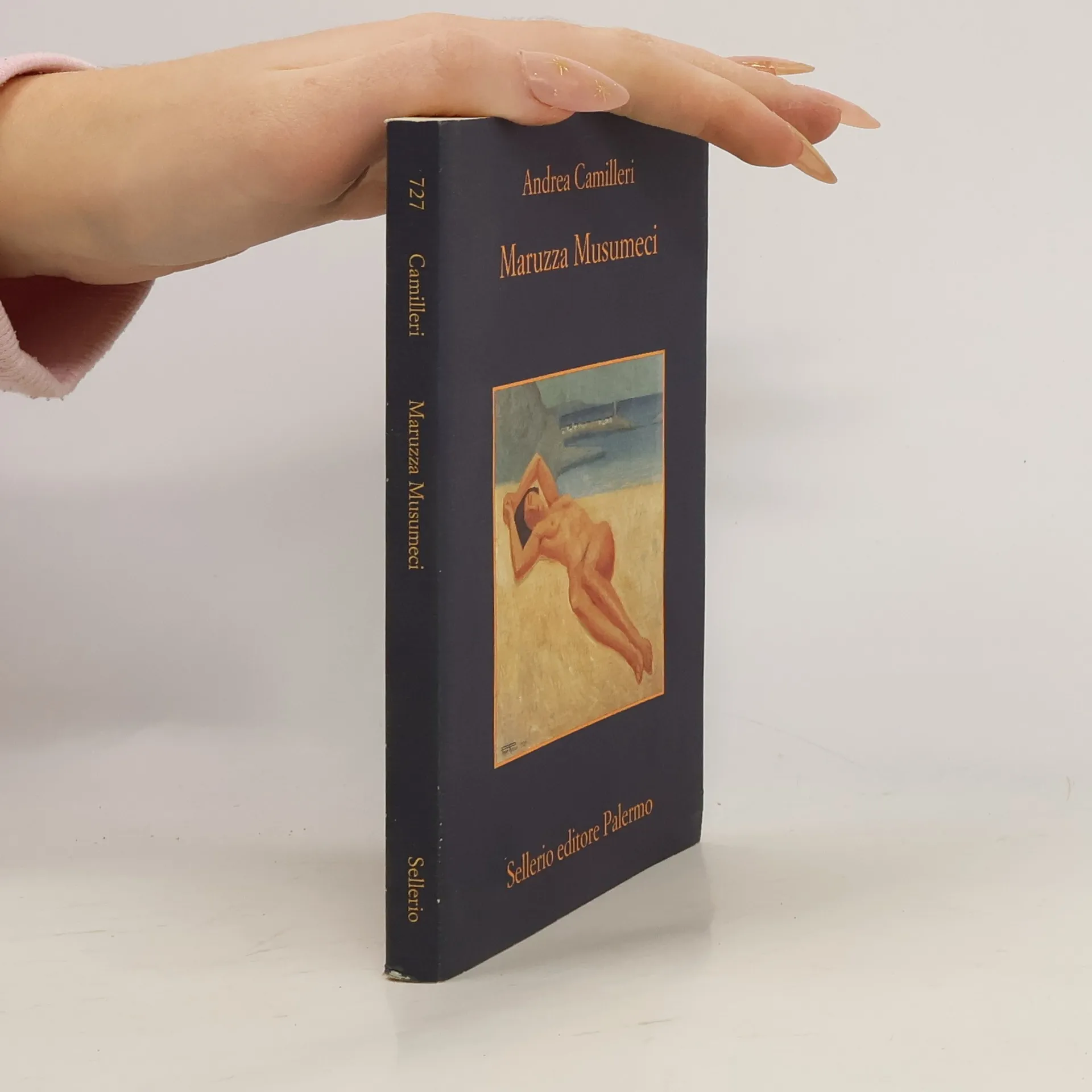
La storia comincia a Vigàta nel gennaio del 1890. Gnazio ritorna dall'America dopo 25 anni di assenza. Ci era andato a lavorare giovane perché in paese era rimasto solo. Sapeva solo "arrimunnari "gli alberi, ma alla perfezione tanto da essere assunto a New York come giardiniere. Poi, una brutta caduta da un pino, i soldi dell'assicurazione e il ritorno a Vigàta con un piccolo gruzzolo, sufficiente a comprare un pezzo di terra. Se ne era innamorato subito Gnazio, perché al centro di quella terra, stretta tra ciclo e mare, troneggiava un ulivo secolare, la gente diceva che aveva più di mille anni. La terra era rinata con le sue amorevoli cure, rivoltata e bagnata, popolata di animali, abbellita da una costruzione tirata su pietra su pietra e ora a 45 anni Gnazio era desideroso di farsi una famiglia. È l'esperta di erbe e guarigioni, la vecchia Fina, a trovargli una moglie, Maruzza Musumeci, bella come il sole. Chi sa perché quella ragazza non aveva mai trovato marito. Forse per certe sue stramberie? Le nozze, poi i figli. La famiglia di Gnazio e Maruzza cresce, prima nasce Cola, poi Resina, dalla voce ammaliante, poi Calorio e Ciccina, e cresce anche la casa... Una favola in cui si intrecciano mito e storia, ma anche arte, architettura, astrologia. Una fantasia sconfinata imbrigliata nel racconto di una vita vissuta intensamente.