The purpose of this book is to introduce the reader to the Sikh philosophy and its core values & beliefs, as enshrined in Shri Guru Granth Sahib - the eternal Sikh Guru. It highlights the recurring themes and lessons contained in the Holy Scripture. The book emphasizes that Granth Sahib is not for Sikhs alone, but has universal appeal. It enjoins upon anyone and everyone to live a life full of purpose. It also shows, how the authors of the Holy Book were well ahead of their times in matters of spirituality, psychology, philosophy, cosmology and human rights. It is a spiritual guide for those who wish to tread that path.
A total departure from previous writing about television, this book is the first ever to advocate that the medium is not reformable. Its problems are inherent in the technology itself and are so dangerous -- to personal health and sanity, to the environment, and to democratic processes -- that TV ought to be eliminated forever. Weaving personal experiences through meticulous research, the author ranges widely over aspects of television that have rarely been examined and never before joined together, allowing an entirely new, frightening image to emerge. The idea that all technologies are "neutral," benign instruments that can be used well or badly, is thrown open to profound doubt. Speaking of TV reform is, in the words of the author, "as absurd as speaking of the reform of a technology such as guns."
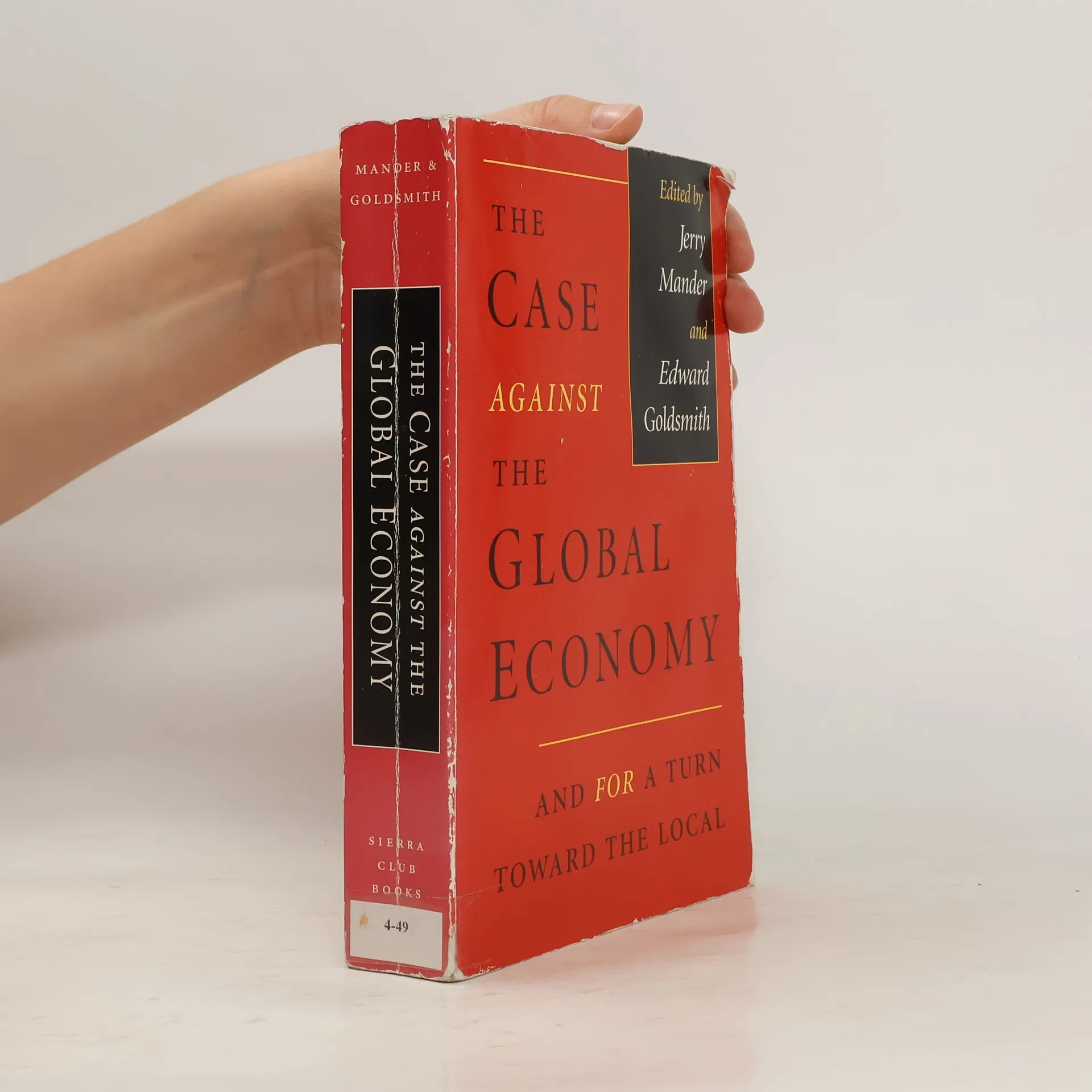
In this book, Jerry Mander and Edward Goldsmith gather more than 40 economic, agricultural, and environmental experts to convey a complete picture of how globalization will affect our lives.
Die Zukunftsperspektiven führender Globalisierungskritiker beleuchten notwendige strukturelle Veränderungen für eine gerechtere, friedlichere Weltordnung. Um zu verhindern, dass Konzerninteressen die Welt in eine globale Freihandelszone verwandeln, ist ein grundlegender Umbau von Institutionen erforderlich, die seit Bretton Woods die Interessen des Kapitals über andere stellen. Die Experten fordern die Abschaffung der Weltbank, des Internationalen Währungsfonds und der Welthandelsorganisation. Neue Regeln für internationale Handels- und Finanztransaktionen müssen formuliert werden, und unter einer gestärkten UNO sollten neue globale Organisationen entstehen. Prinzipien, die auf lokaler, nationaler und internationaler Ebene durchzusetzen sind, umfassen die Stärkung lokaler Wirtschaftsformen, strukturelle Veränderungen in Produktions- und Transportsystemen, den Schutz des Gemeineigentums, die Erhaltung von Artenvielfalt und kultureller Eigenständigkeit sowie die Beachtung des Nachhaltigkeitsprinzips. Besondere Aufmerksamkeit gilt den Ländern des Südens, die stark unter IWF und WTO leiden. Nach Jahren des Protests gegen die Globalisierung werden nun konkrete Vorschläge für einen sozialen Paradigmenwechsel diskutiert. Die Autoren betonen, dass der Weg zu demokratischen, nachhaltigen Beziehungen in Wirtschaft und Gesellschaft herausfordernd sein wird, doch die Botschaft bleibt: Eine bessere Welt ist möglich!
Podtitul: Selhání moderních technologií a zápas indiánských národů o přežití.
Jedno z nejdůležitějších děl sociálně-ekologického myšlení devadesátých let. Autor v něm poukazuje na souvislost likvidace přírodních národů (soustředí se zejména na současné osudy původních národů Severní Ameriky a Aljašky) s masivním rozvojem moderních technologií a se stále vzrůstajícím vlivem korporací. Zdařile a pronikavě polemizuje s tezí, podle níž jsou technologie samy o sobě neutrální, a záleží jen na tom, kdo a jak je využívá.