
Explore the latest books of this year!
Bookbot

Antonio Escohotado Espinosa

    July 5, 1941 – November 21, 2021

    A Spanish thinker, essayist, and university professor whose works, while primarily focused on law, philosophy, and sociology, have spanned a wide array of fields. He gained public notoriety for his research on drugs, and his anti-prohibitionist stances are well-known. The central theme of his work is an affirmation of freedom as an antidote to the fear or coercion that drives humanity toward all forms of servitude. He has also made a significant contribution as a translator, bringing over forty titles into circulation and specializing in the dissemination of works by Thomas Szasz and Ernst Jünger.

    Antonio Escohotado Espinosa
    Story of the eye
    Las drogas. De los orígenes a la prohibición
    Sesenta Semanas en el Trópico
    The General History of Drugs Volume Two Part Two
    The General History of Drugs Volume 4 Part 1
    THE GENERAL HISTORY OF DRUGS VOLUME THREE PART ONE
    • Focusing on the period from the late Renaissance to the end of the nineteenth century, this volume delves into the historical evolution of drugs, exploring their cultural, medicinal, and societal impacts. It examines the changing perceptions and uses of various substances, highlighting significant developments and shifts in understanding during this transformative era. This comprehensive analysis offers insights into the complex relationship between society and drug use throughout history.

      THE GENERAL HISTORY OF DRUGS VOLUME THREE PART ONE
    • The first half of the twentieth century is explored through the lens of U.S. drug policy, highlighting the influence of manifest destiny and WASP ideals. Key events like the 1912 Hague Conference and the 1914 Harrison Act shape the landscape, while World War I prompts the introduction of the Volstead Act. The narrative examines responses to addiction, including Bishop's maintenance doses and England's Rolleston system, alongside Anslinger's leadership of the FBN. The book contrasts the relegalization of alcohol with the continued prohibition of heroin.

      The General History of Drugs Volume 4 Part 1
    • Focusing on the early Renaissance, this volume explores the cultural and societal responses to drug use, including the witch hunts and the experimentation with opium. It delves into the evolving perceptions of coffee, tea, chocolate, and tobacco, highlighting their medicinal applications and the journey from rejection to acceptance. This comprehensive examination reveals how various cultures navigated the complexities of drug use during a transformative period in history.

      The General History of Drugs Volume Two Part Two
    • Sesenta Semanas en el Trópico

      • 360 pages
      • 13 hours of reading

      Este libro narra un año en Tailandia, con excursiones a Vietnam, Birmania y Singapur, en un momento crucial entre la segunda y la tercera edad. A través de un paisaje de gentes y lugares remotos, se desarrolla una búsqueda interior que alcanza su punto más profundo, impulsada por brebajes primitivos que fomentan la introspección y la telepatía. La narrativa ofrece exploraciones geográficas, intelectuales y morales, con una clara inclinación hacia el riesgo. El protagonista emprende un viaje en avión, dejando atrás París y un corazón herido tras una separación dolorosa. Hace medio año, rompió con una mujer a quien había prometido no dejar nunca, huyendo de la culpa de haberle confesado que tuvo un hijo con otra. Este dolor, que le resulta insoportable, lo acompaña en su travesía. Aunque tiene razones para su decisión, la carga de no haberse sacrificado lo atormenta cada mañana, mientras siente que su vida ha cambiado drásticamente. Siempre ha navegado al borde de la navaja, sosteniéndose con una alegría estoica que le ha traído suerte en los peores momentos. Sin embargo, ahora enfrenta pasiones que lo controlan de manera mezquina, como un metabolismo que no puede dominar.

      Sesenta Semanas en el Trópico
      4.5
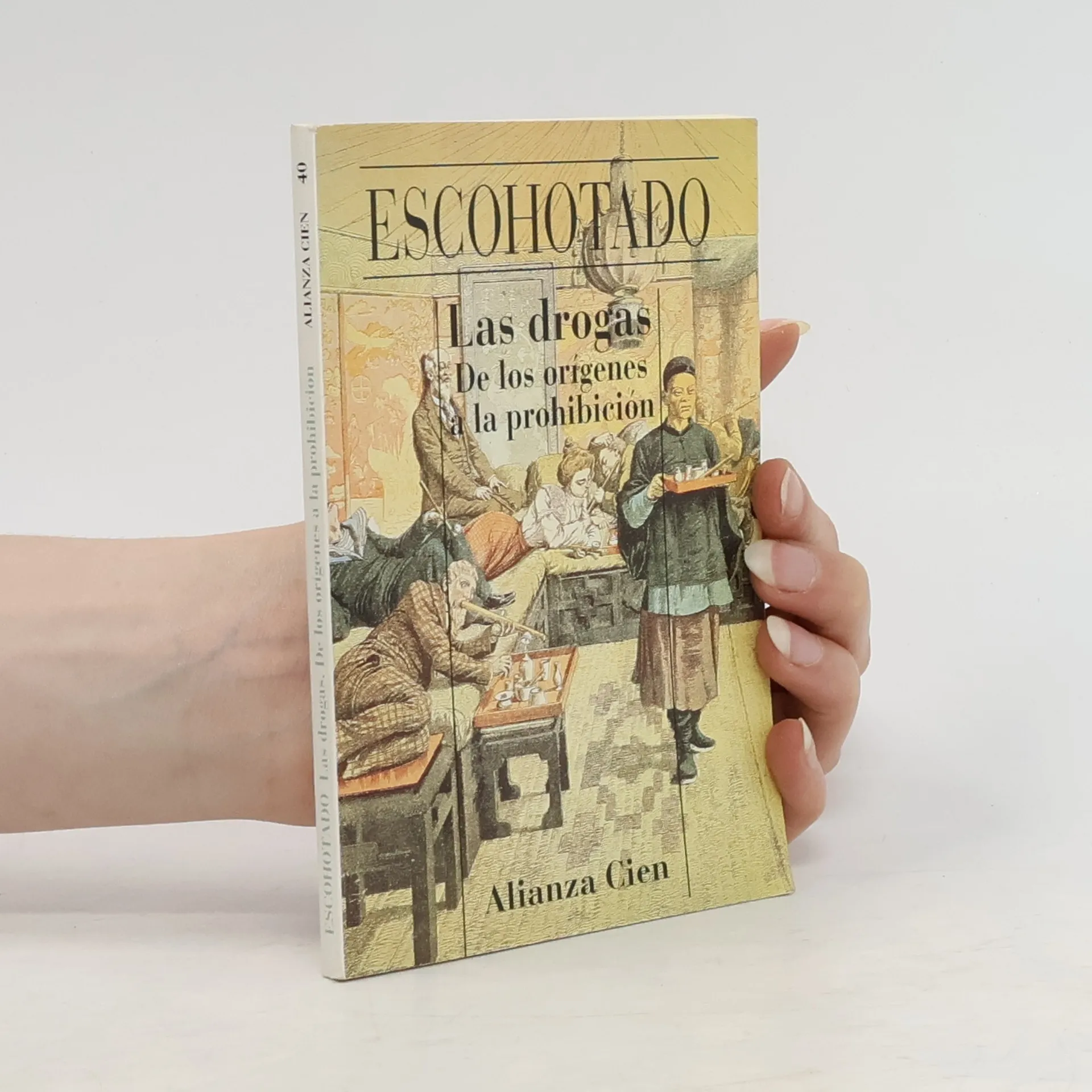
    • Por droga –psicoactiva o no– seguimos entendiendo lo que hace milenios pensaban Hipócrates y Galeno, padres de la medicina científica: una substancia que en vez de ser «vencisa» por el cuerpo es capaz de «vencerle», provocando grandes cambios orgánicos, anímicos o de ambos tipos. Antonio Escohotado, profesor de derecho, filosofía y sociología sucesivamente de la Universidad de Madrid, estudia Las drogas desde sus orígenes a la prohibición en 1920, destacando lo que tiene de relevante en el desarrollo de la mentalidad religiosa, de la medicina, la creación artística y los mecanismos de control social.

      Las drogas. De los orígenes a la prohibición
      4.0
    • Story of the eye

      • 127 pages
      • 5 hours of reading

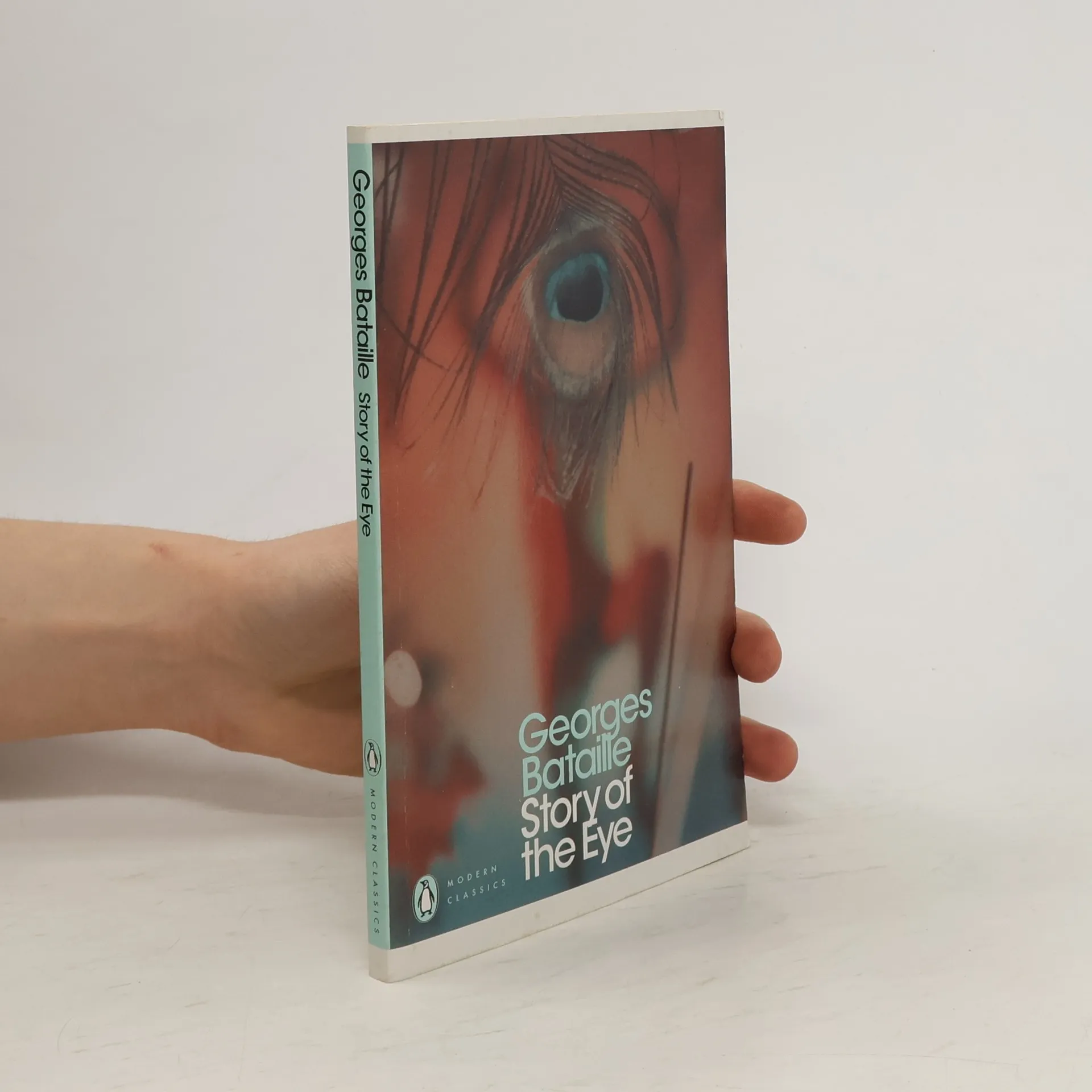
      Bataille's first novel, published under the pseudonym 'Lord Auch', is still his most notorious work. In this explicit pornographic fantasy, the young male narrator and his lovers Simone and Marcelle embark on a sexual quest involving sadism, torture, orgies, madness and defilement, culminating in a final act of transgression. Shocking and sacrilegious, Story of the Eye is the fullest expression of Bataille's obsession with the closeness of sex, violence and death. Yet it is also hallucinogenic in its power, and is one of the erotic classics of the twentieth century. This edition also includes Susan Sontag's superb study of pornography as art, 'The Pornographic Imagination', as well as Roland Barthes' essay 'The Metaphor of the Eye'.Georges Bataille (1897-1962), French essayist and novelist, was born in Billom, France. He converted to Catholicism, then later to Marxism, and was interested in psychoanalysis and mysticism, forming a secret society dedicated to glorifying human sacrifice. Leading a simple life as the curator of a municipal library, Bataille was involved on the fringes of Surrealism, founding the Surrealist magazine Documents in 1929, and editing the literary review Critique from 1946 until his death. Among his other works are the novels Blue of Noon (1957) and My Mother (1966), and the essays Eroticism (1957) and Literature and Evil (1957).

      Story of the eye
      3.7
    • First Love, Last Rites

      • 208 pages
      • 8 hours of reading

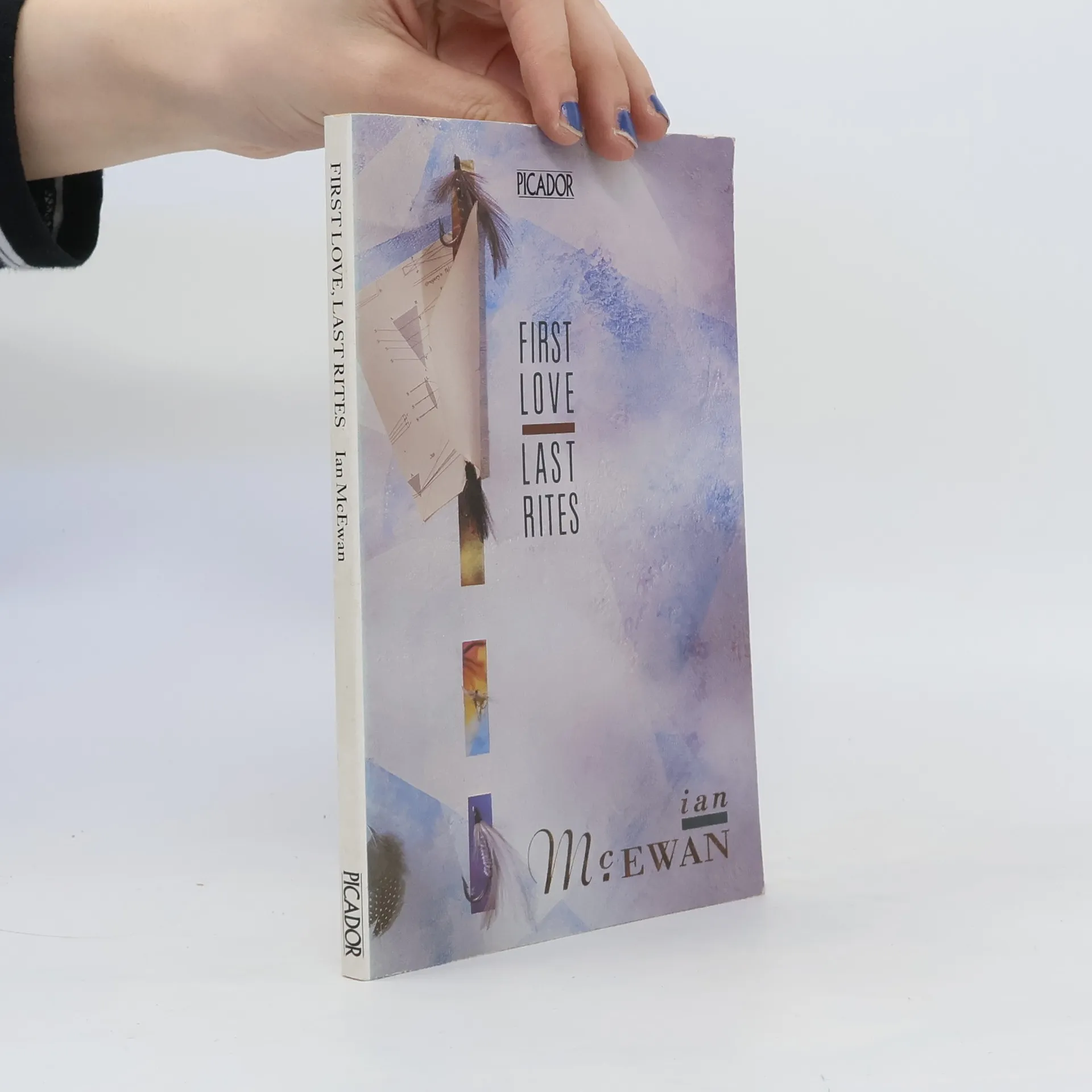
      Taut, brooding and densely atmospheric, these stories show us the ways in which murder can arise out of boredom, perversity can result from adolescent curiosity, and sheer evil might be the solution to unbearable loneliness.

      First Love, Last Rites
      3.7
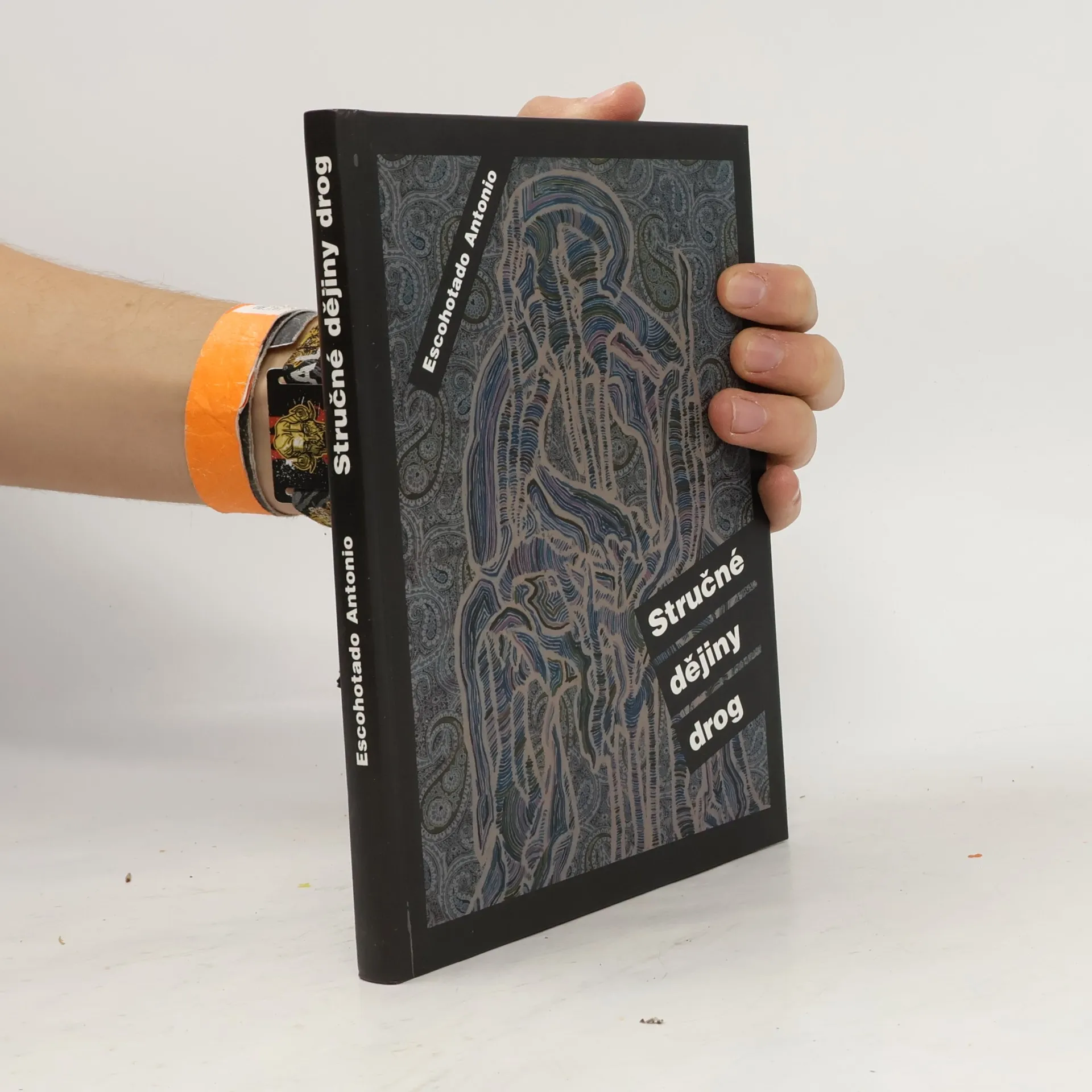
    • Kniha ukazuje proměnné postoje společnosti k drogám od dob dávného starověku až po devadesátá léta 20. století.

      Stručné dějiny drog
      4.4