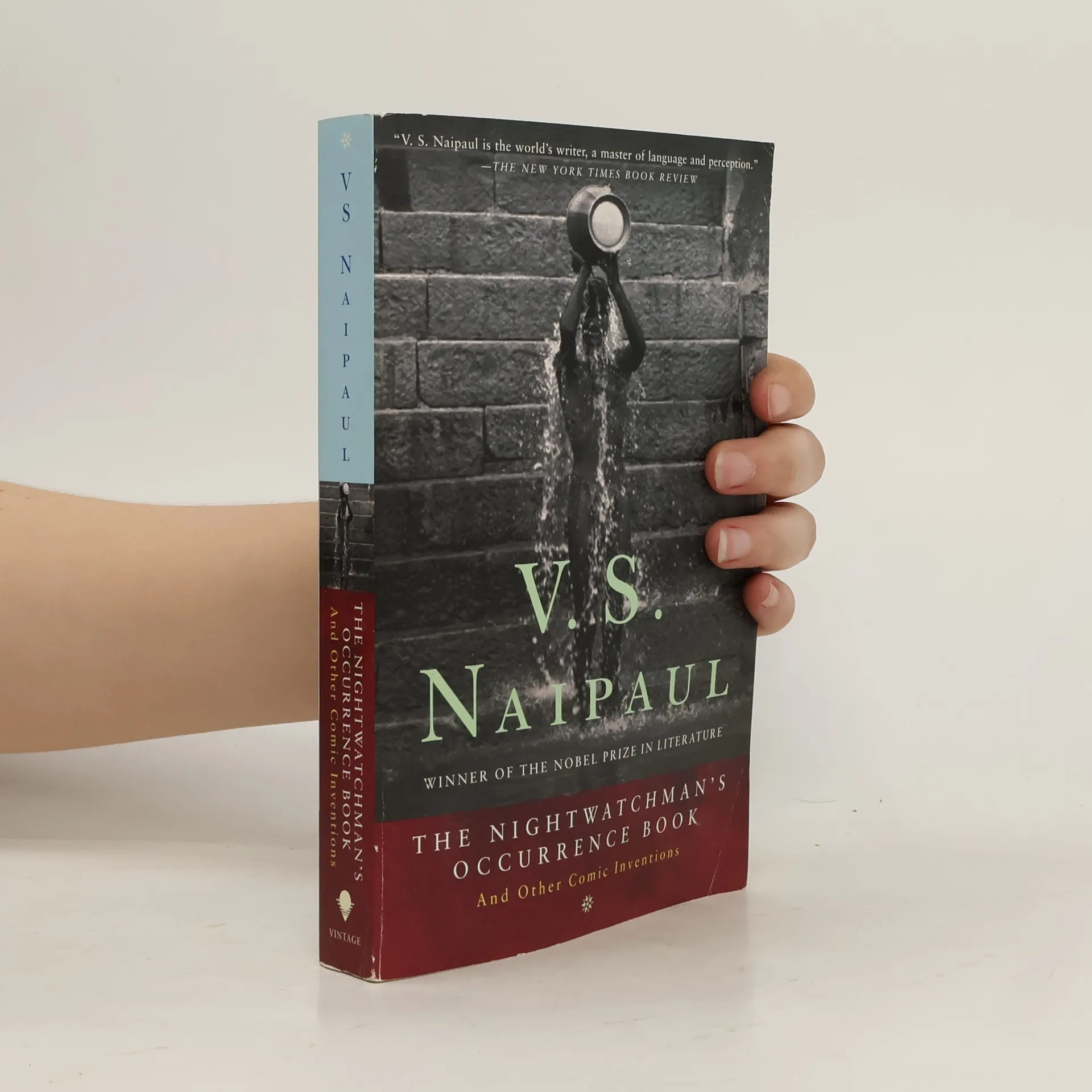
The nightwatchman's occurrence book and other comic inventions
- 560 pages
- 20 hours of reading
This is a further volume in the ongoing reissue of the backlist of V.S. Naipaul, who was awarded the Nobel Prize for Literature in 2001.





This is a further volume in the ongoing reissue of the backlist of V.S. Naipaul, who was awarded the Nobel Prize for Literature in 2001.
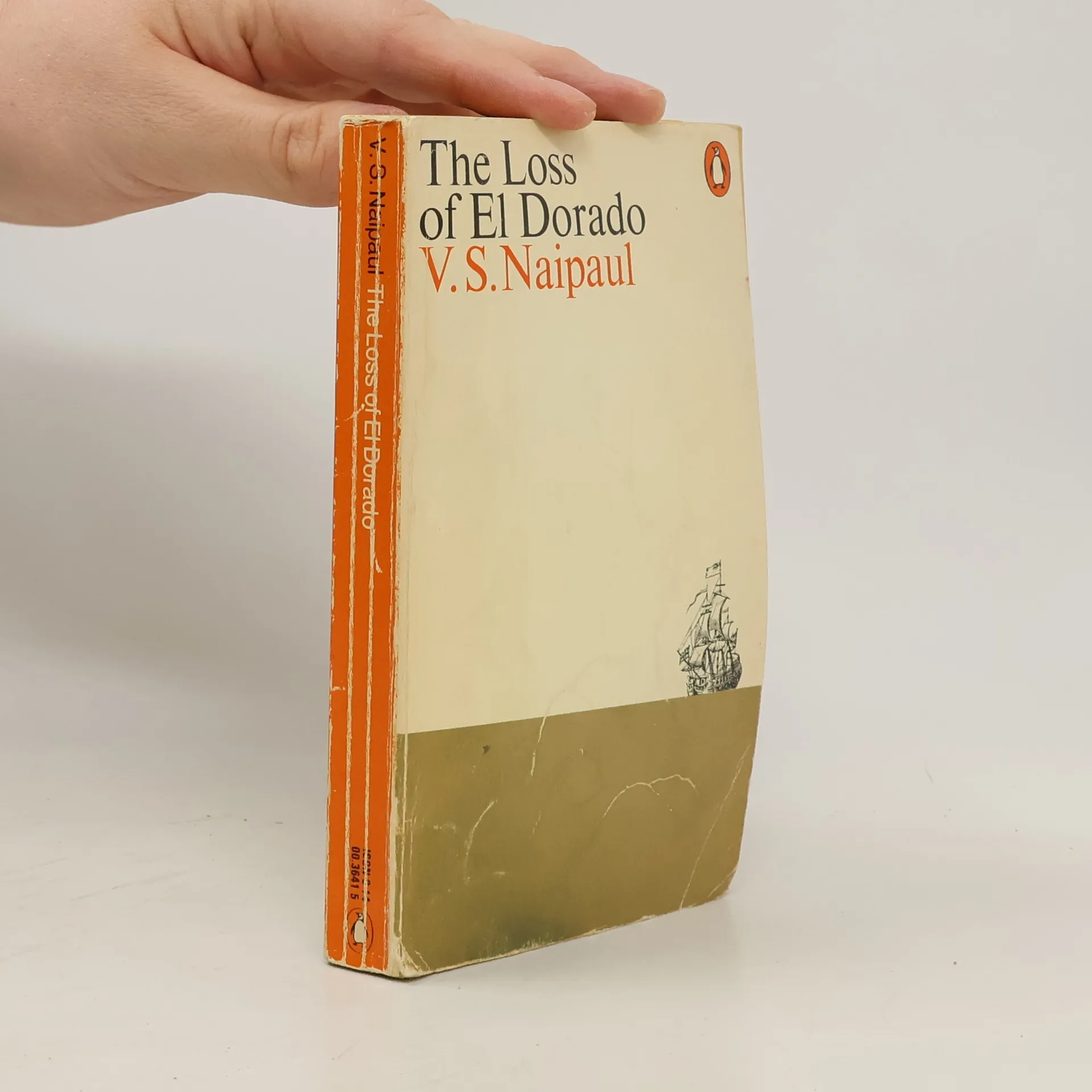
The history of Trinidad begins with a delusion: the belief that somewhere nearby on the South American mainland lay El Dorado, the mythical kingdom of gold. In this extraordinary and often gripping book, V. S. Naipaul–himself a native of Trinidad–shows how that delusion drew a small island into the vortex of world events, making it the object of Spanish and English colonial designs and a mecca for treasure-seekers, slave-traders, and revolutionaries. Amid massacres and poisonings, plunder and multinational intrigue, two themes emerge: the grinding down of the Aborigines during the long rivalries of the El Dorado quest and, two hundred years later, the man-made horror of slavery. An accumulation of casual, awful detail takes us as close as we can get to day-to-day life in the slave colony, where, in spite of various titles of nobility, only an opportunistic, near-lawless community exists, always fearful of slave suicide or poison, of African sorcery and revolt. Naipaul tells this labyrinthine story with assurance, withering irony, and lively sympathy. The result is historical writing at its highest level.
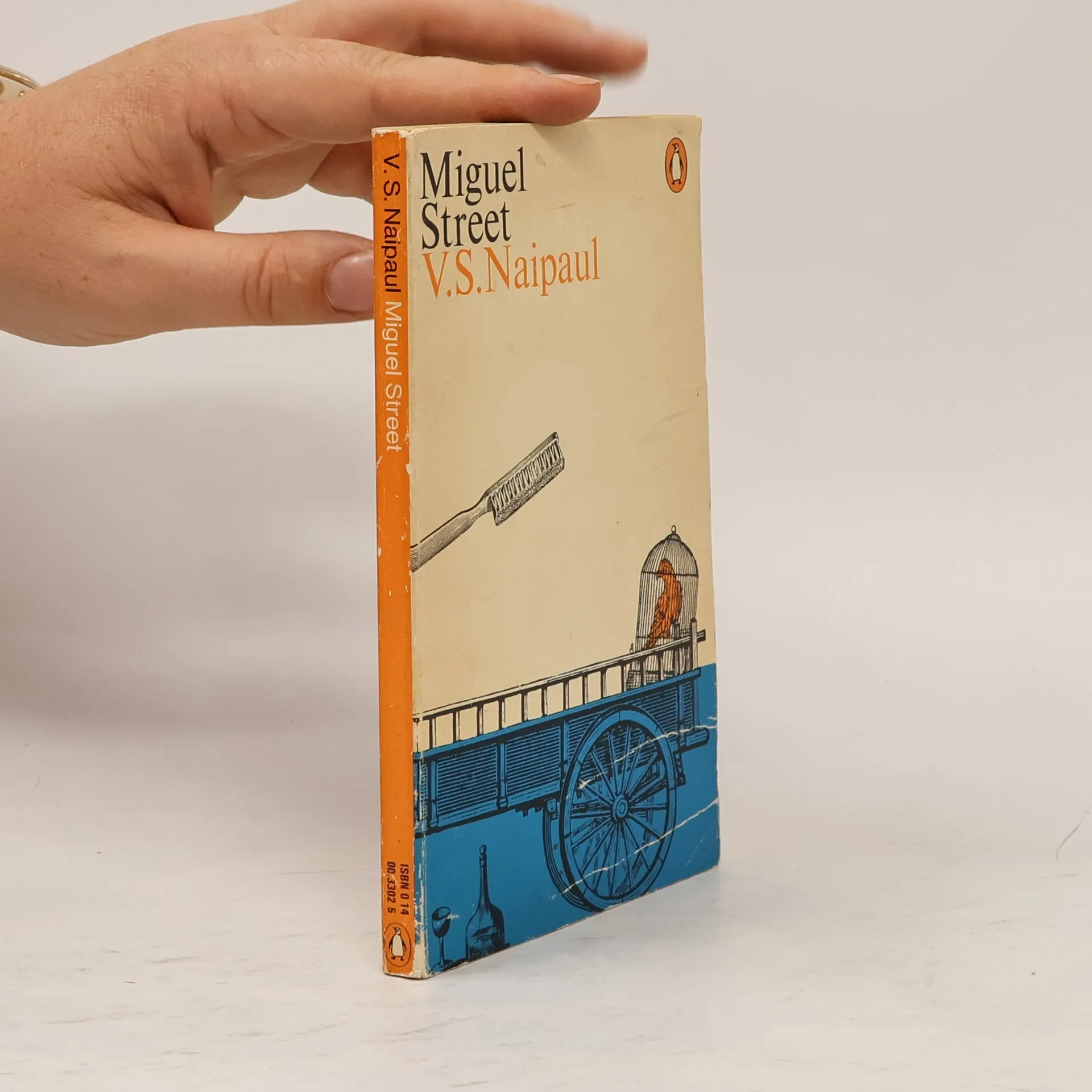
A magnet to the poets, philosophers, teachers, troubadours and misfits who people the town of Port of Spain, Miguel Street is a place where tales of glory and debauchery vie with declarations of love and anger, where neighbourhood dramas are scrutinized and wisdom doled out to one and all.
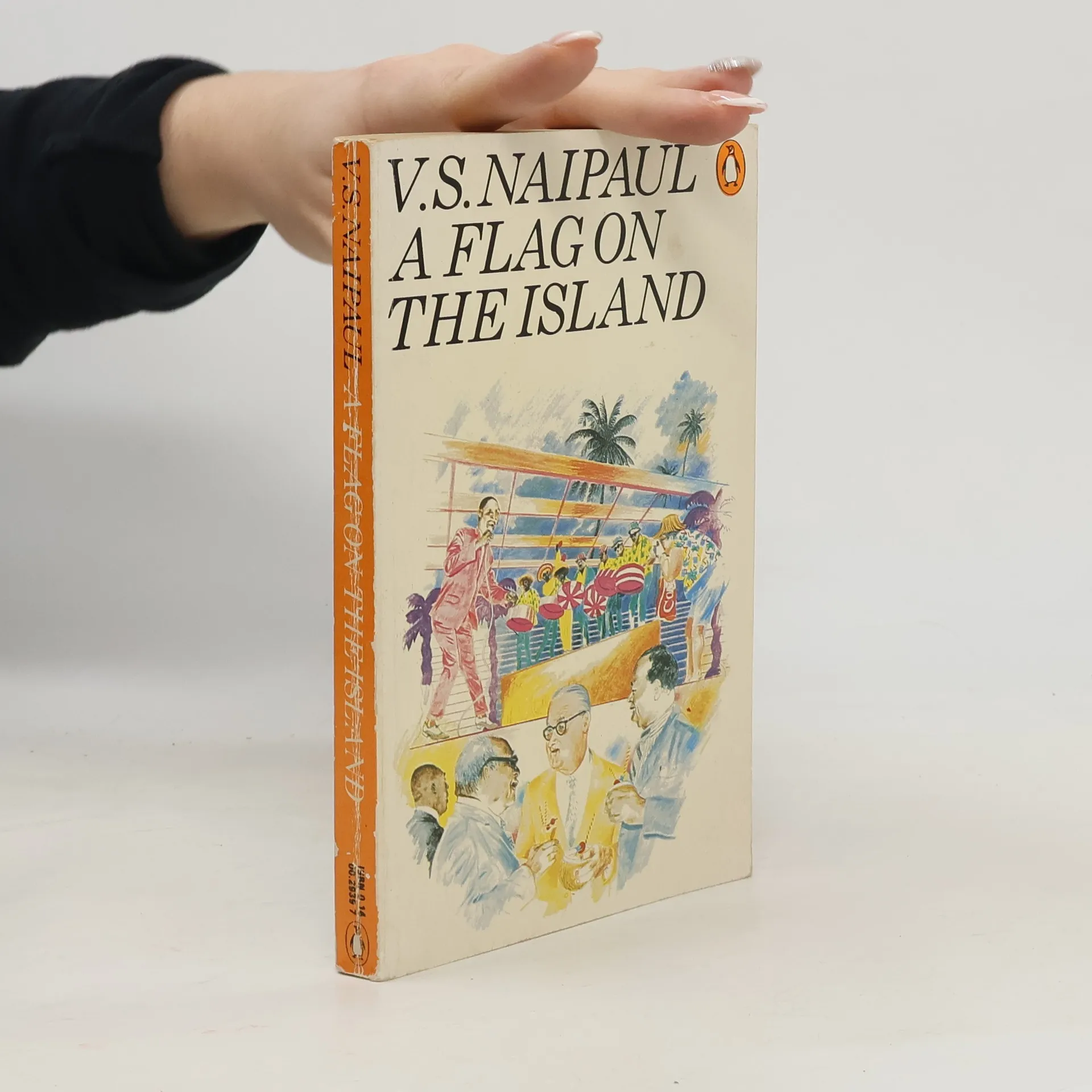
In V.S. Naipaul's works, profound and integrated narratives combined with a candid and objective examination reveal hidden truths. Naipaul's second collection of short stories sharply critiques the absurdities of human nature and society. "A Flag on the Island" is his second collection published in 1967, following the success of his 1959 short story "Miguel Street." By this time, Naipaul had traveled extensively and finally set foot in his ancestral homeland of India, which he had never seen but could not escape. In post-colonial India, he observes various classes of people with the same bloodline yet unfamiliar to him, struggling for survival. He perceives them as stagnant, selfish, and ignorant, and this dismal homeland evokes strong feelings of disgust, contempt, and resistance, leading him to another creative peak in post-colonial writing. The book consists of 11 uniquely styled short stories, with "A Flag on the Island" being the longest. Originally conceived as a fantasy play for television, it follows a protagonist who develops life on an island with the arrival of American troops and departs with their withdrawal. After a storm, he must return to this island, where the chaotic past crashes back like waves.
Offers an account of the author's literary beginnings and growth and a narrative of a journey into the tribal and modern life of the Ivory Coast.
Presents an account of the author's journey in 1950 from London to his birthplace, the Caribbean island of Trinidad. This work provides a study of societies - British Guyana, Surinam, Martinique and Jamaica - examining their common heritage of colonialism and slavery.
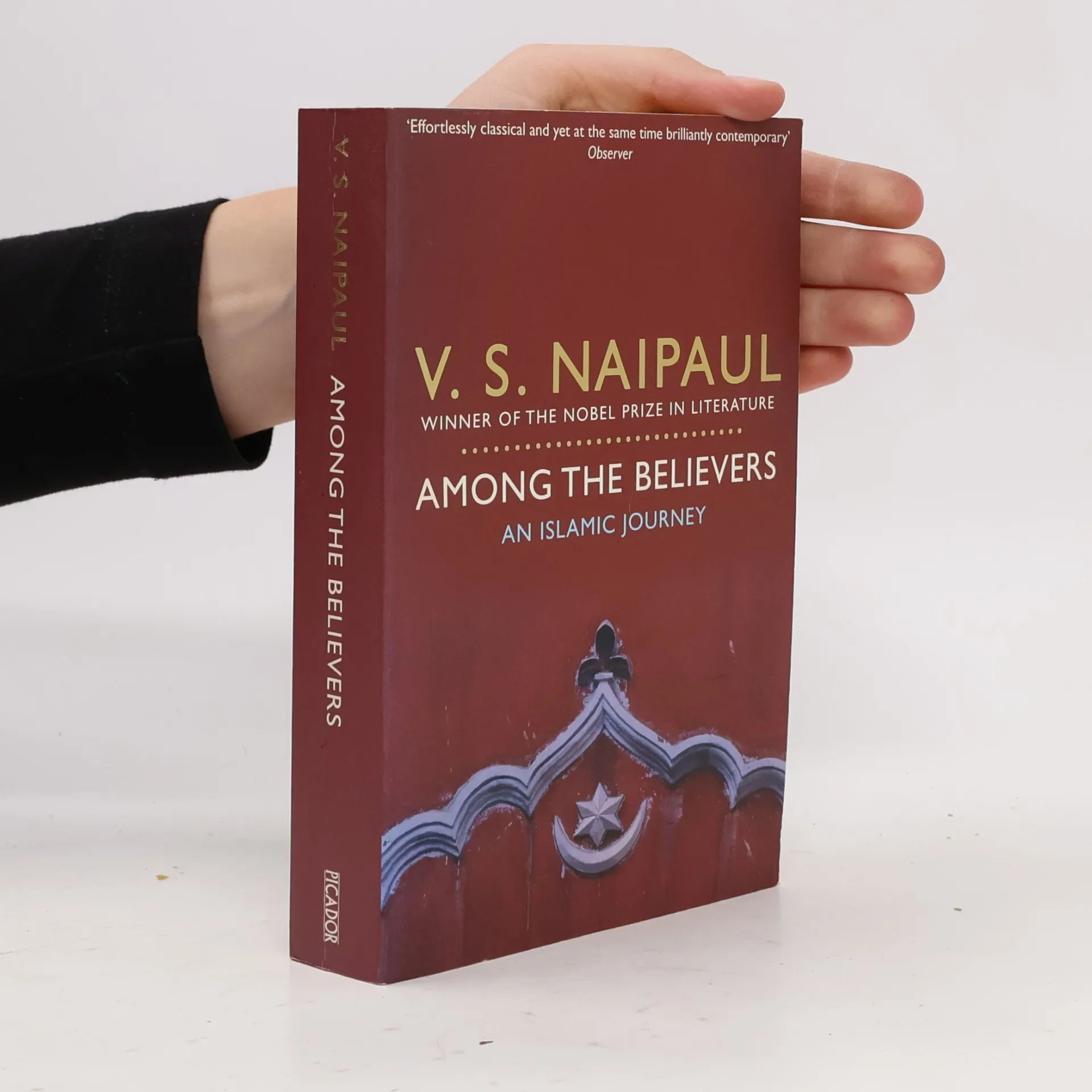
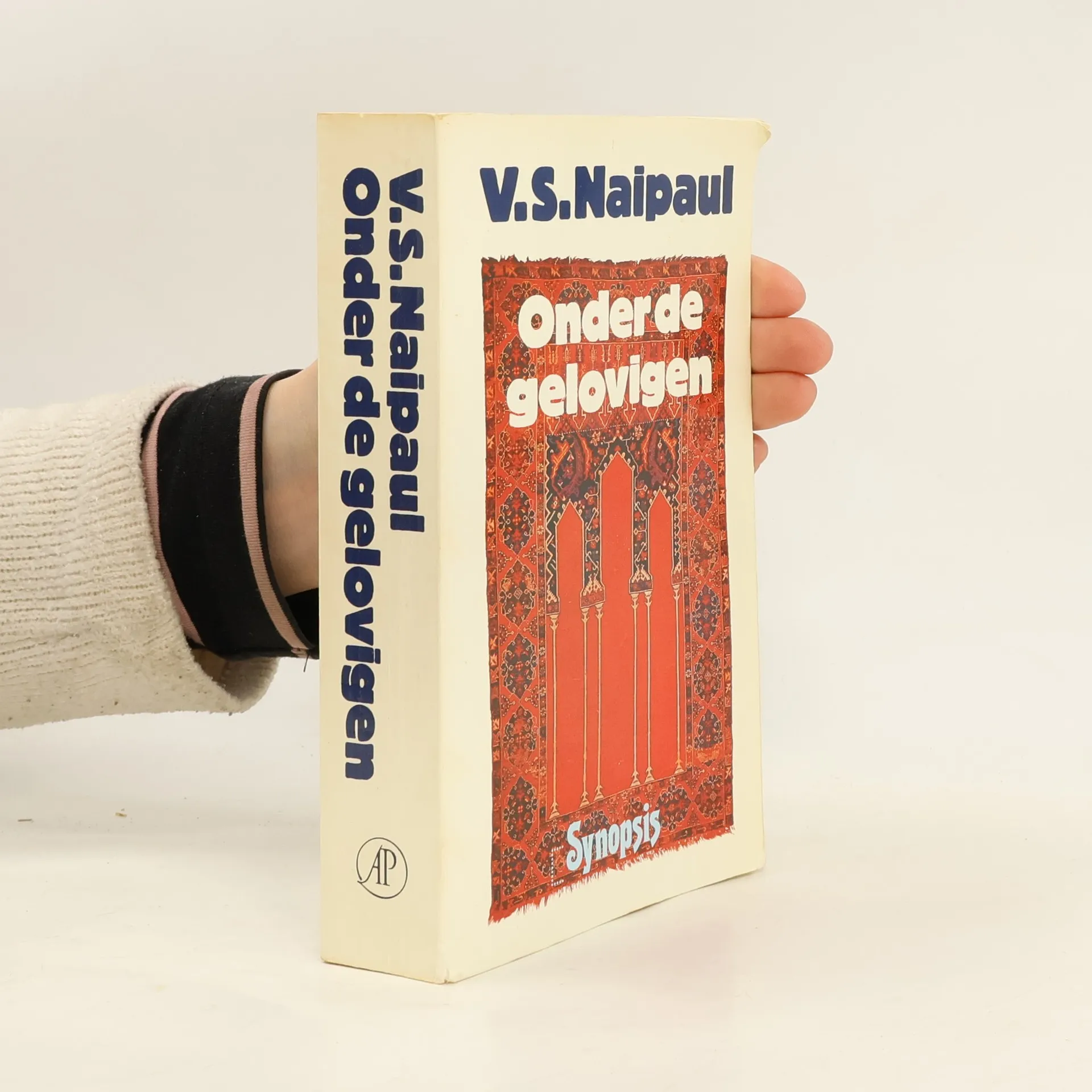
An astonishing piece of travel writing and a timely and insightful analysis of Islamic fundamentalism.
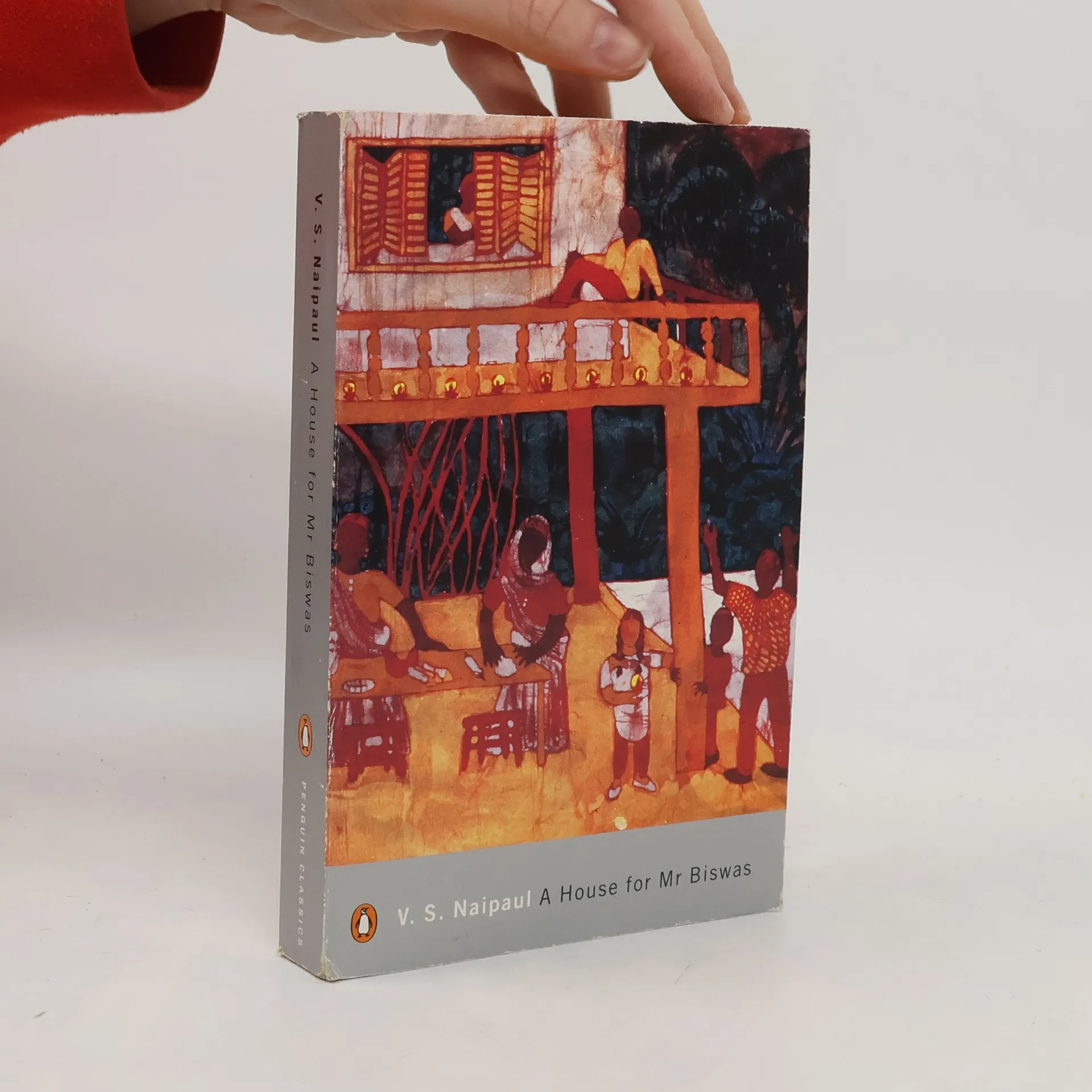
The early masterpiece of V. S. Naipaul’s brilliant career, A House for Mr. Biswas is an unforgettable story inspired by Naipaul's father that has been hailed as one of the twentieth century's finest novels. In his forty-six short years, Mr. Mohun Biswas has been fighting against destiny to achieve some semblance of independence, only to face a lifetime of calamity. Shuttled from one residence to another after the drowning death of his father, for which he is inadvertently responsible, Mr. Biswas yearns for a place he can call home. But when he marries into the domineering Tulsi family on whom he indignantly becomes dependent, Mr. Biswas embarks on an arduous–and endless–struggle to weaken their hold over him and purchase a house of his own. A heartrending, dark comedy of manners, A House for Mr. Biswas masterfully evokes a man’s quest for autonomy against an emblematic post-colonial canvas.
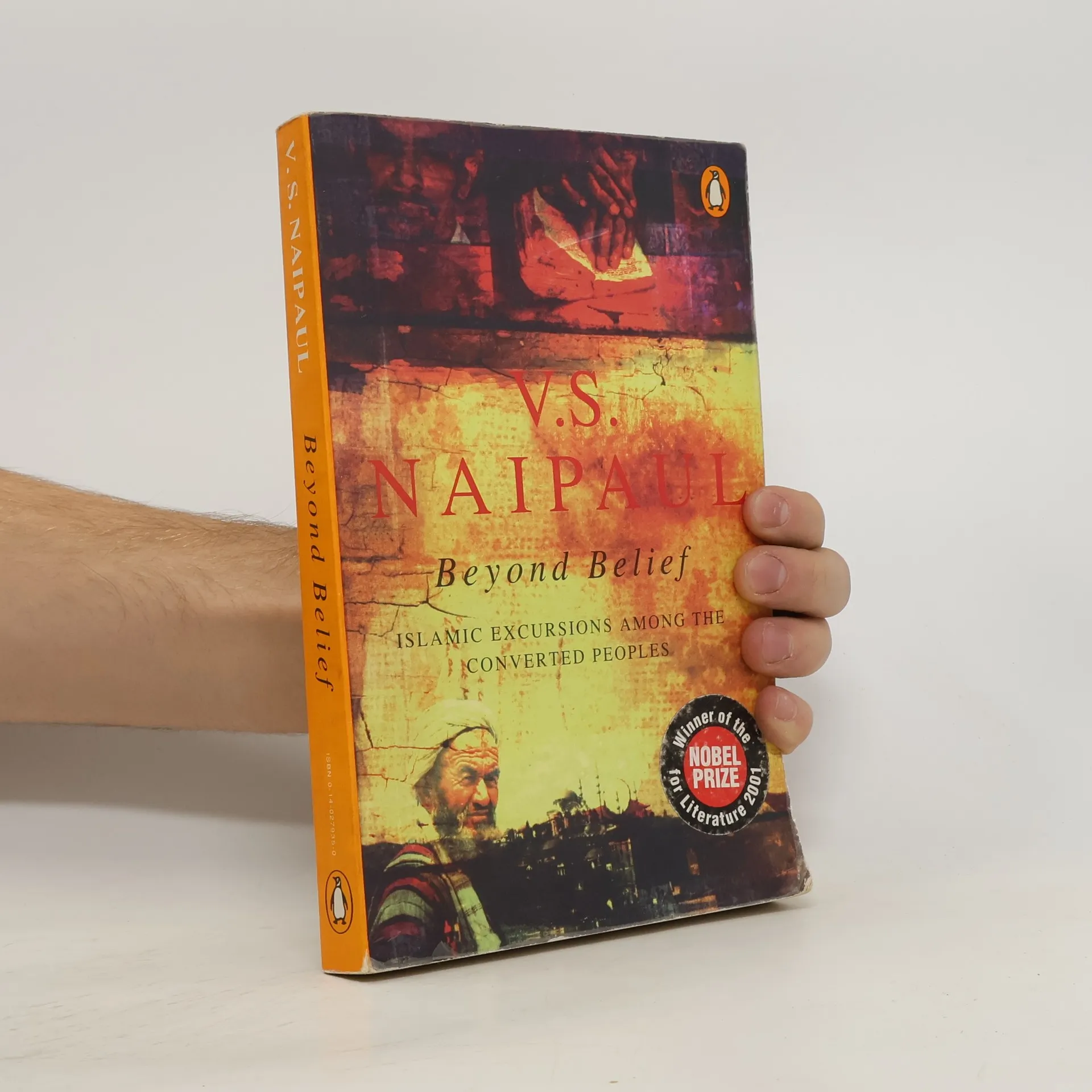
Islamic Excursion among the Converted People
A Starthing And Revelatory Addition To The Naipaul Canon, This Book Confirms The Author`S Reputation As A Masterful Observer, A `Finder-Out` Of Stories, As Well As A Magnificent Teller Of Them.
The great novel of Africa from the winner of the Nobel Prize in Literature. With a new preface by the author
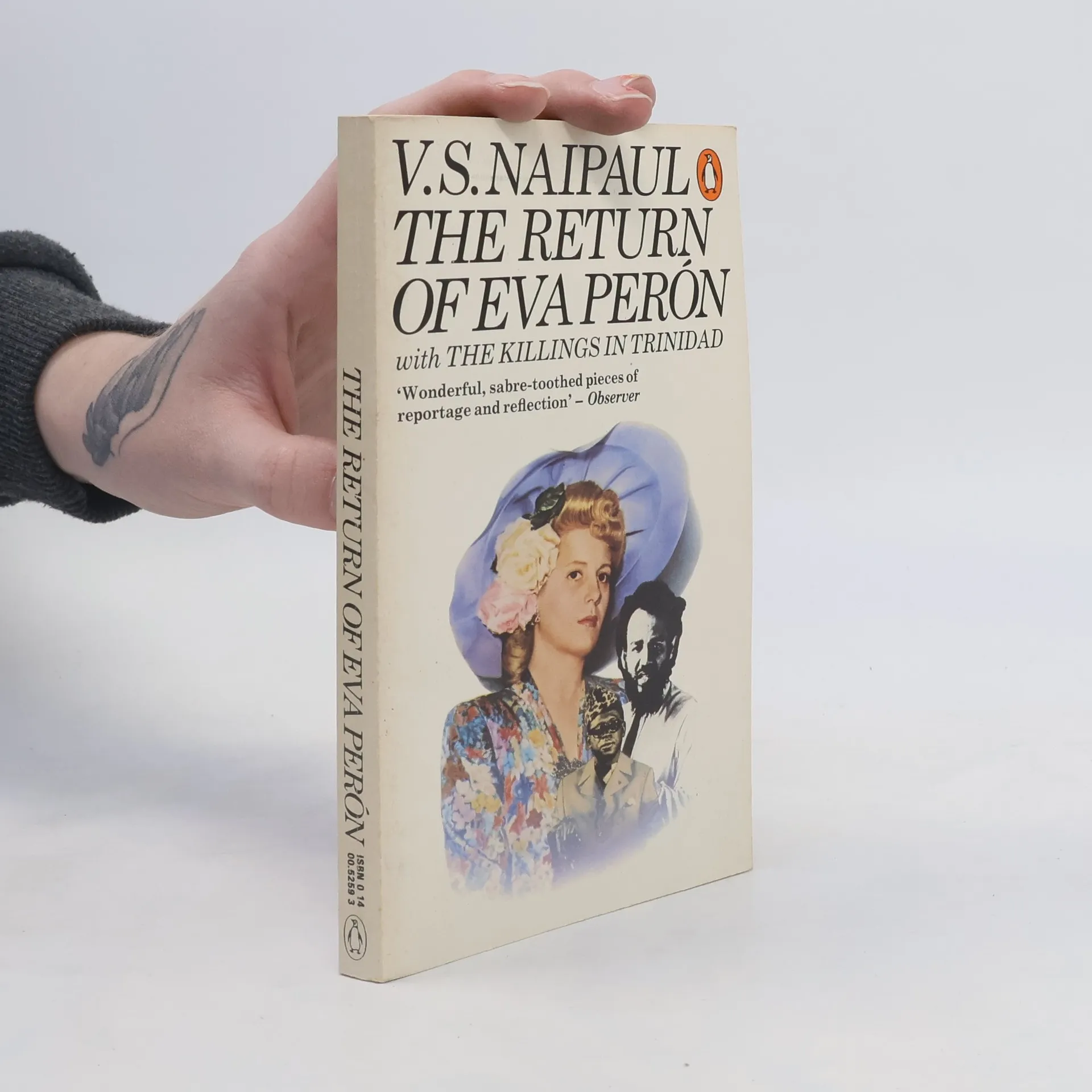
A collection of pieces of reportage and reflections on societies which are still suffering from the profound deprivations of colonialism. Amongst the topics covered are Michael X in Trinidad, Peronism in Argentina, and the cult of Kingship in Mobuto's Zaire.
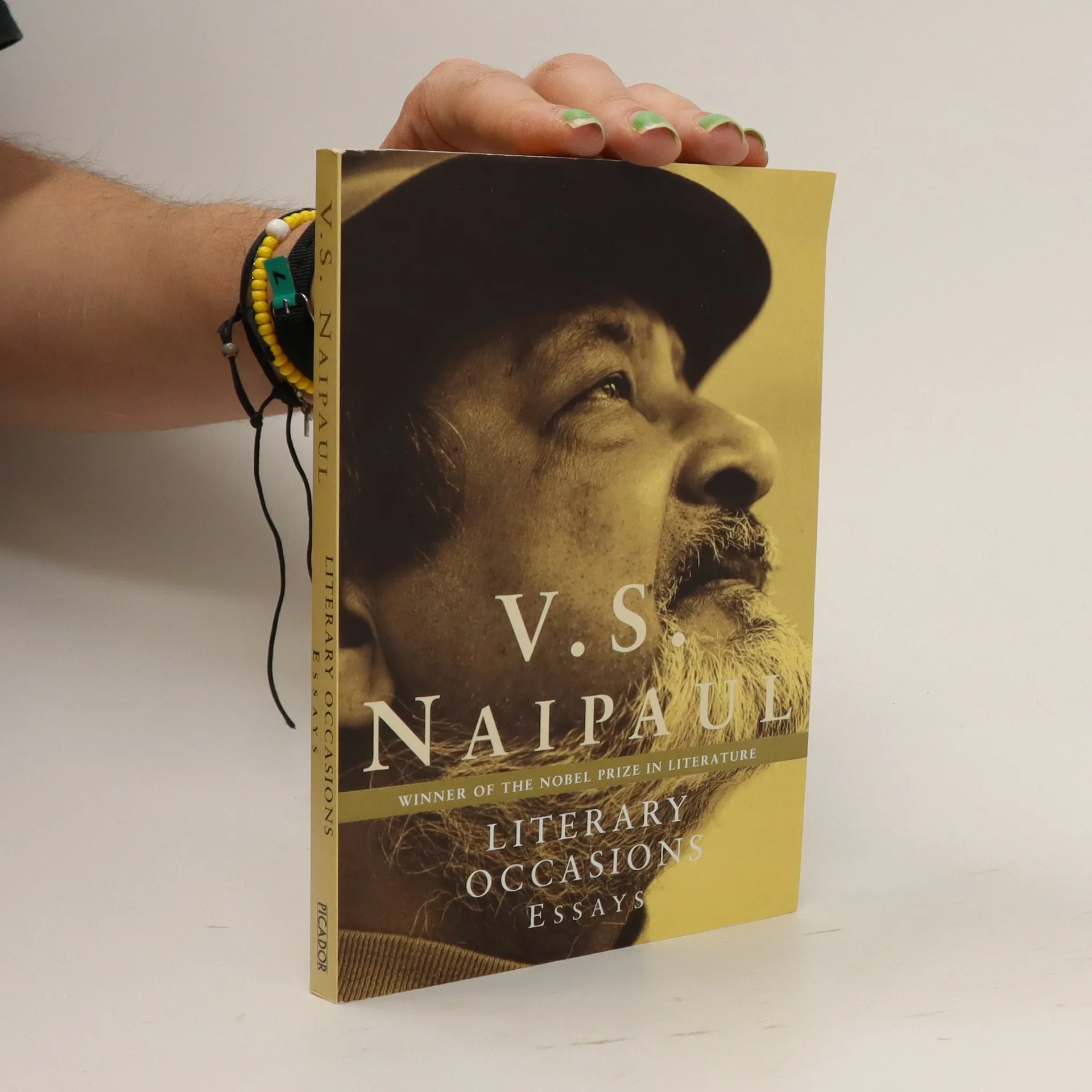
Charting half a lifetime spent exploring the written word, these eleven articles include Naipaul’s boyhood experiences of reading books and his first youthful efforts at writing them; the evolution of his ideas about the extent to which individual cultures shape identities and influence literary forms; Naipaul’s observations on Conrad, his literary forebear; the moving preface he wrote to the only book his father ever published; and his reflections on his career, ending with his celebrated Nobel lecture ‘Two Worlds’. A remarkable companion piece to The Writer and the World, Naipaul’s previous volume of highly-acclaimed essays, Literary Occasions is a stirring contribution to the fading art of the critic, and a revelation of a life in letters.
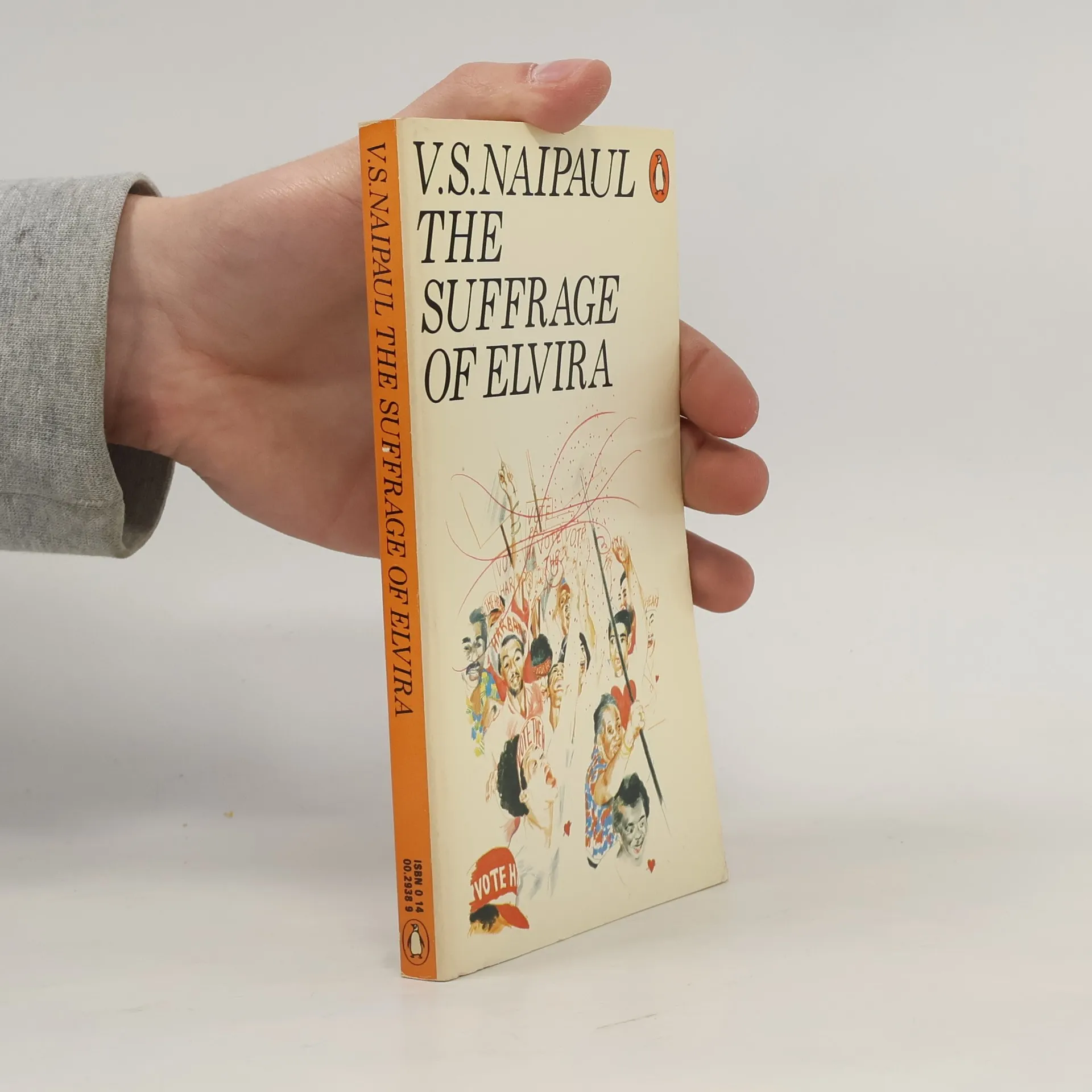
In this book, an old, comically timid and absent-minded man, Surujpat Harbans, runs for office, aided by superstition, bribes, and an aggressive compaign.
In the tradition of political and cultural revelation V.S. Naipaul so brilliantly made his own in Among The Believers, A Turn In The South, his first book about the United States, is a revealing, disturbing, elegiac book about the American South—from Atlanta to Charleston, Tallahassee to Tuskegee, Nashville to Chapel Hill.
In this work of autobiographical travel writing in India, the author desribes his encounter with a force in his life which shocked him into an awareness of a need for self-examination and self-explanation. V.S. Naipul has also written 13 works of fiction and won the 2001 Nobel Prize for Literature.
The autobiographical novel of a journey from the British colony of Trinidad to the ancient countryside of England.
A penetrating survey of this tormented continent by one of the literary heavyweights of our age
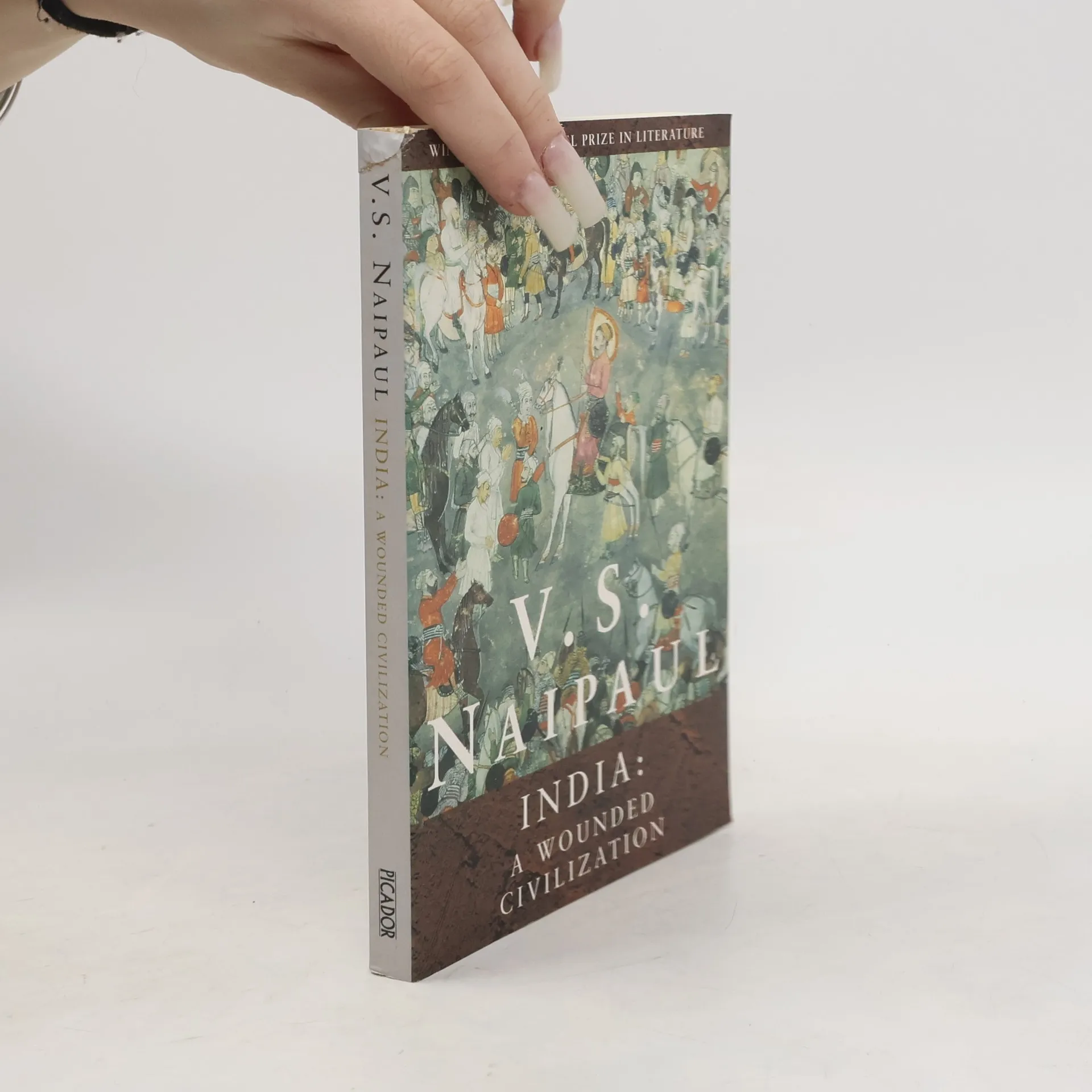
V.S. Naipaul s fascinating account of his journey around India approaches this shifting, changing land from a variety of perspectives. Through interviews with people from many different walks of life, he builds an oral history of a country constantly on t
Winner of the Booker Prize in 1971 and nominated for the Golden Man Booker Prize in 2018.
An expatriate English couple and a West Indian would-be revolutionary yield to infidelity, sexual abuse, murder, and irrevocable mental and moral decay on a socially fragile, post-colonial Caribbean island. A novel of colonialism and revolution, death, sexual violence and political and spiritual impotence.
Spanning continents and centuries and defying literary categories, A Way in the World tells intersecting stories whose protagonists include the disgraced and half-demented Sir Walter Raleigh fruitlessly seeking El Dorado in the New World; the foppish nineteenth-century insurgent Francisco Miranda, who in his quest to liberate South America becomes entangled in his own fantasies and borrowed ideas; and the doomed Blair, a present-day Caribbean revolutionary stranded--and eventually martyred--in East Africa. Among these presences is a narrator who bears a telling resemblance to V.S. Naipaul himself: a Trinidadian writer of Indian ancestry and English residence boldly trying to come to terms with the mystery and transience that is his inheritance--and ours. -- Back cover
Like all of V. S. Naipaul's 'travel' books, encompasses amuch larger narrative and purpose: to judge the effects of belief (in indigenous animisms, the foreign religions of Christianity and Islam, the cults of leaders and mythical history) upon the progress of civilization
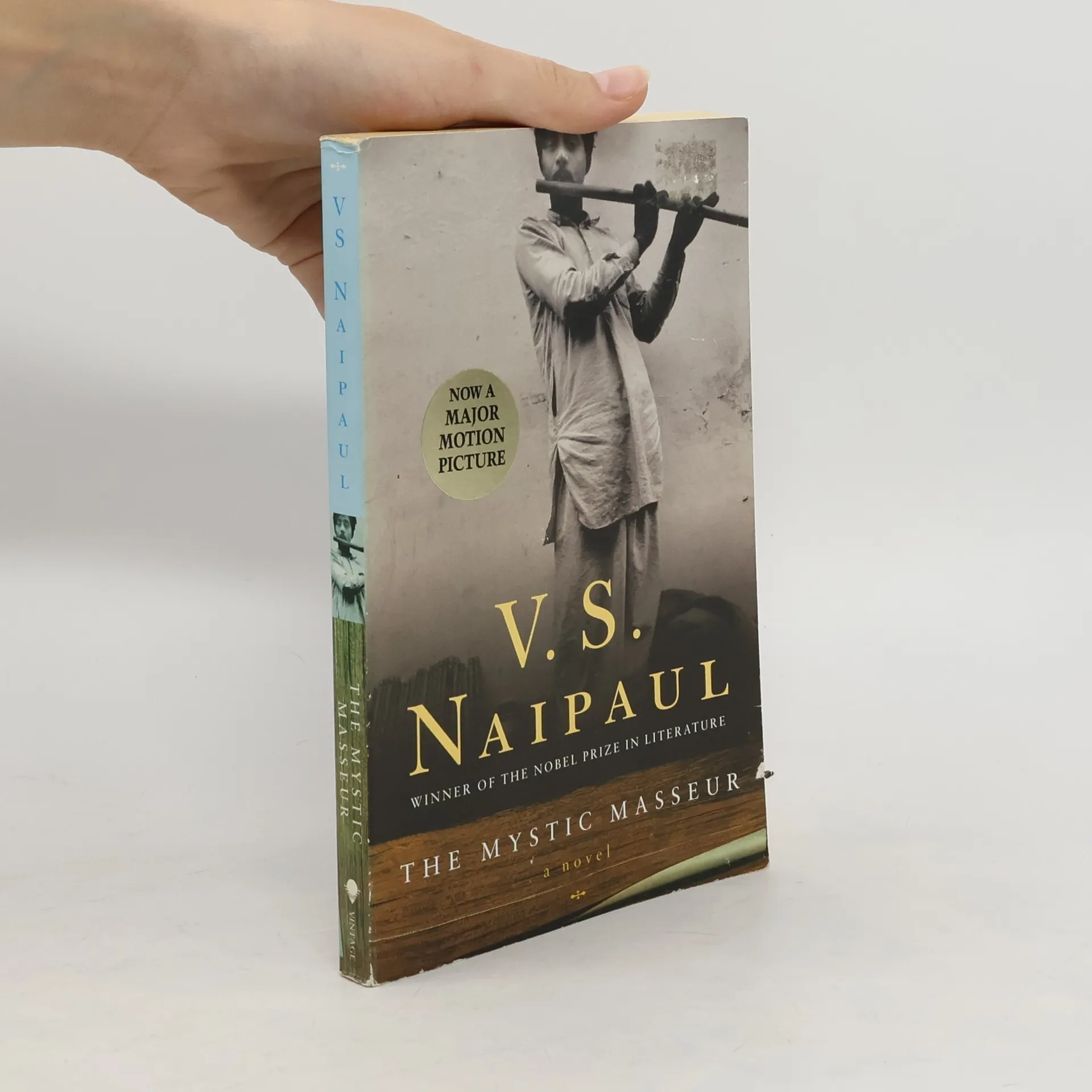
The Nobel Prize winner's first novel traces the unlikely career of Ganesh Ramsumair, a failed schoolteacher and impecunious village masseur who in time becomes a revered mystic and the most beloved politician in 1940s Trinidad.
A Novel
A profound novel of cultural displacement, The Mimic Men masterfully evokes a colonial man’s experience in a postcolonial world. Born of Indian heritage and raised on a British-dependent Caribbean island, Ralph Singh has retired to suburban London, writing his memoirs as a means to impose order on a chaotic existence. His memories lead him to recognize the paradox of his childhood during which he secretly fantasized about a heroic India, yet changed his name from Ranjit Kripalsingh. As he assesses his short-lived marriage to an ostentatious white woman, Singh realizes what has kept him from becoming a proper Englishman. But it is the return home and his subsequent immersion in the roiling political atmosphere of a newly self-governed nation that ultimately provide Singh with the necessary insight to discover the crux of his disillusionment.
Written to provide engineers and scientists with a coherent guide to how to protect their inventions and creations, this text provides readers with a solid foundation to help them know when and why it is necessary to seek advice before valuable rights are lost or the rights of others are infringed. Coverage includes: employment contracts, as well as the ability of engineers to take confidential and secret knowledge to a new job; shop rights; and information to help entrepreneurs establish a non-conflicting enterprise when leaving their prior employment.
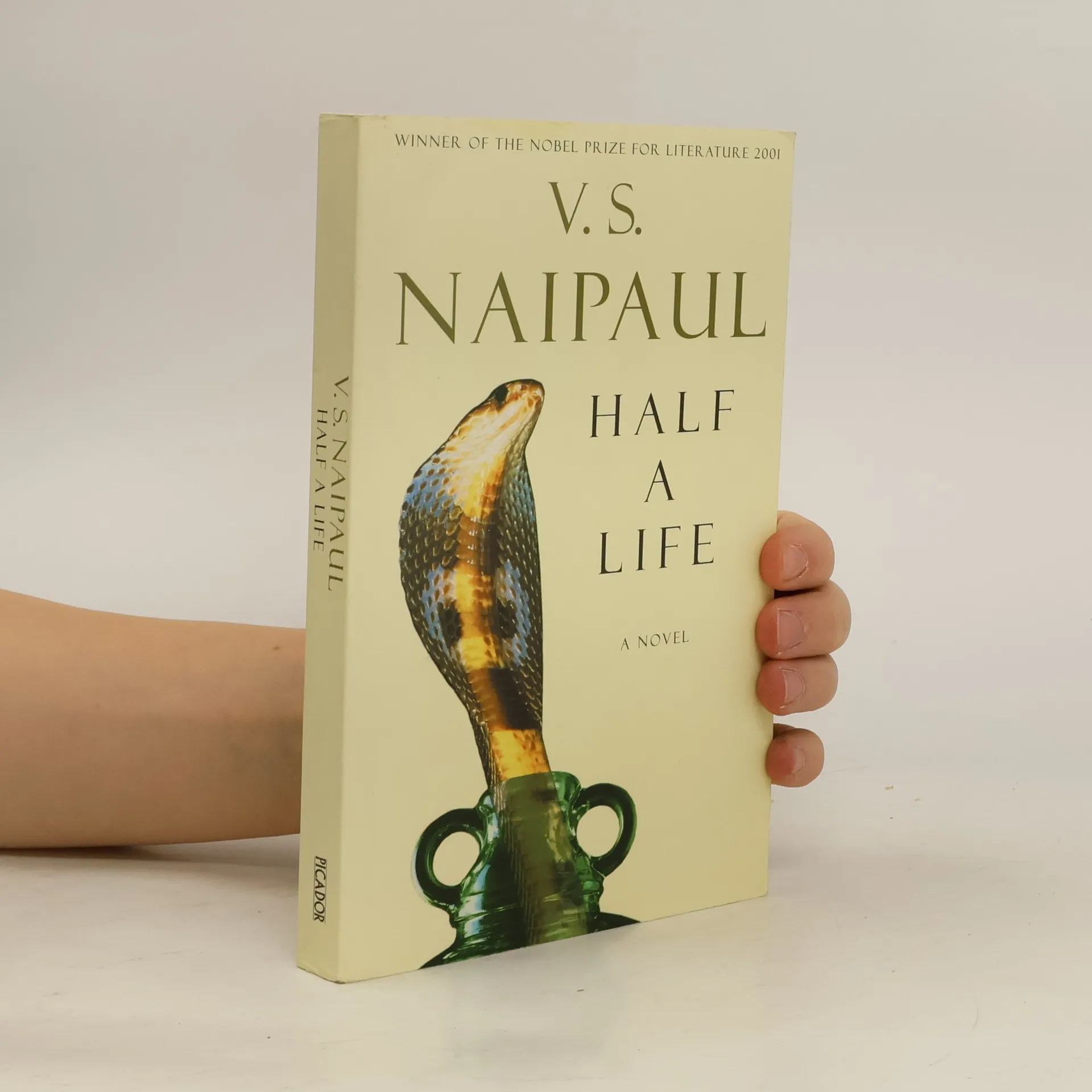
Presenting a moving tale of a man searching for his life and fearing he has wasted it, this novel is also a testing study of the conflicts between the rich and the poor, and the struggles within each.
And Other Comic Inventions
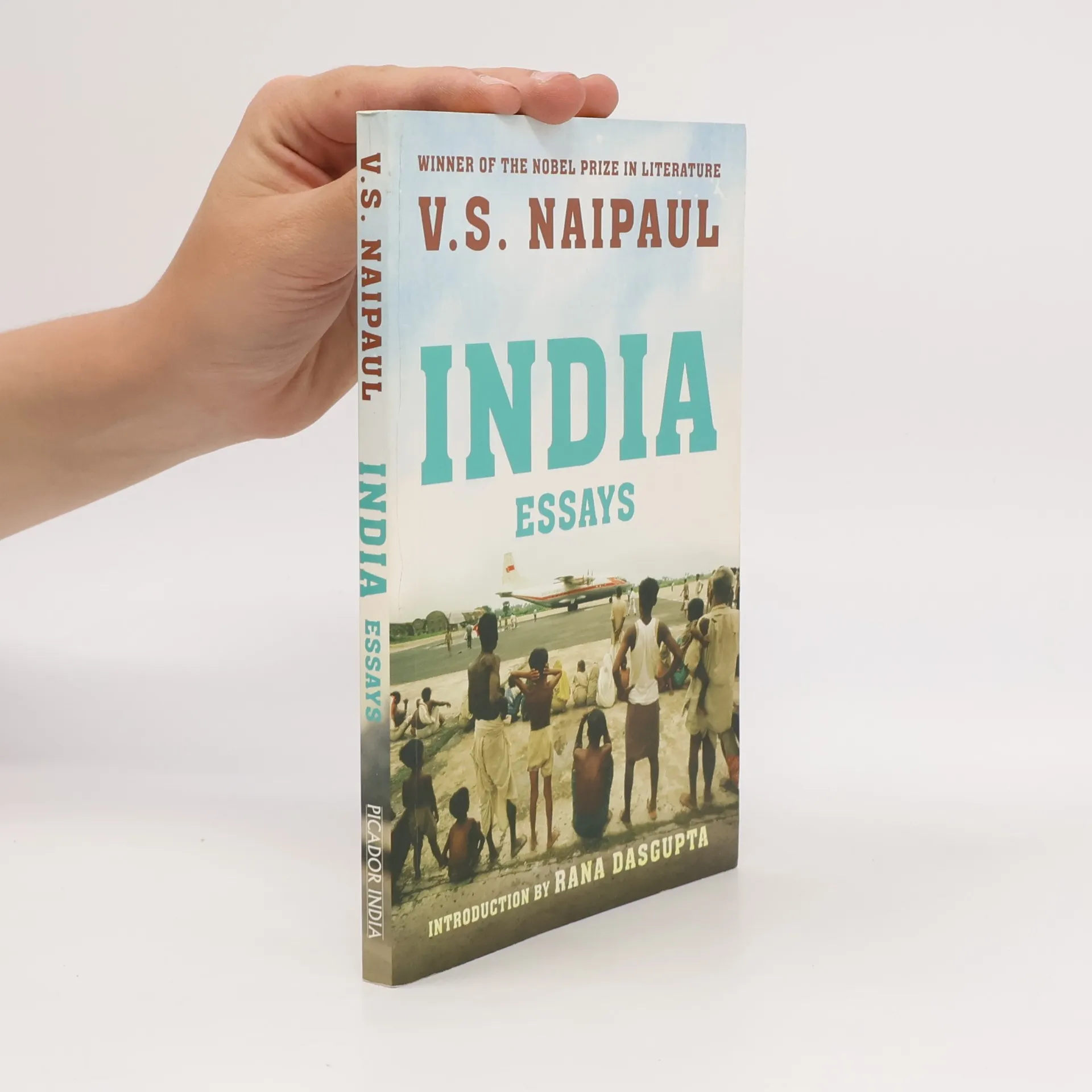
Between 1962 and 2006, V. S. Naipaul wrote six essays about his travels in India, some of his finest pieces of reflection and reportage. Approaching India through the residue of Indian culture and the scattered memories of nineteenth-century immigrants, eventually leading to a special understanding of Mahatma Gandhi, Naipaul offers an exceptional and sustained meditation on the country that was never his. These are essays, full of gentleness, humour and feeling, that take us into the mind of one of our greatest writers.
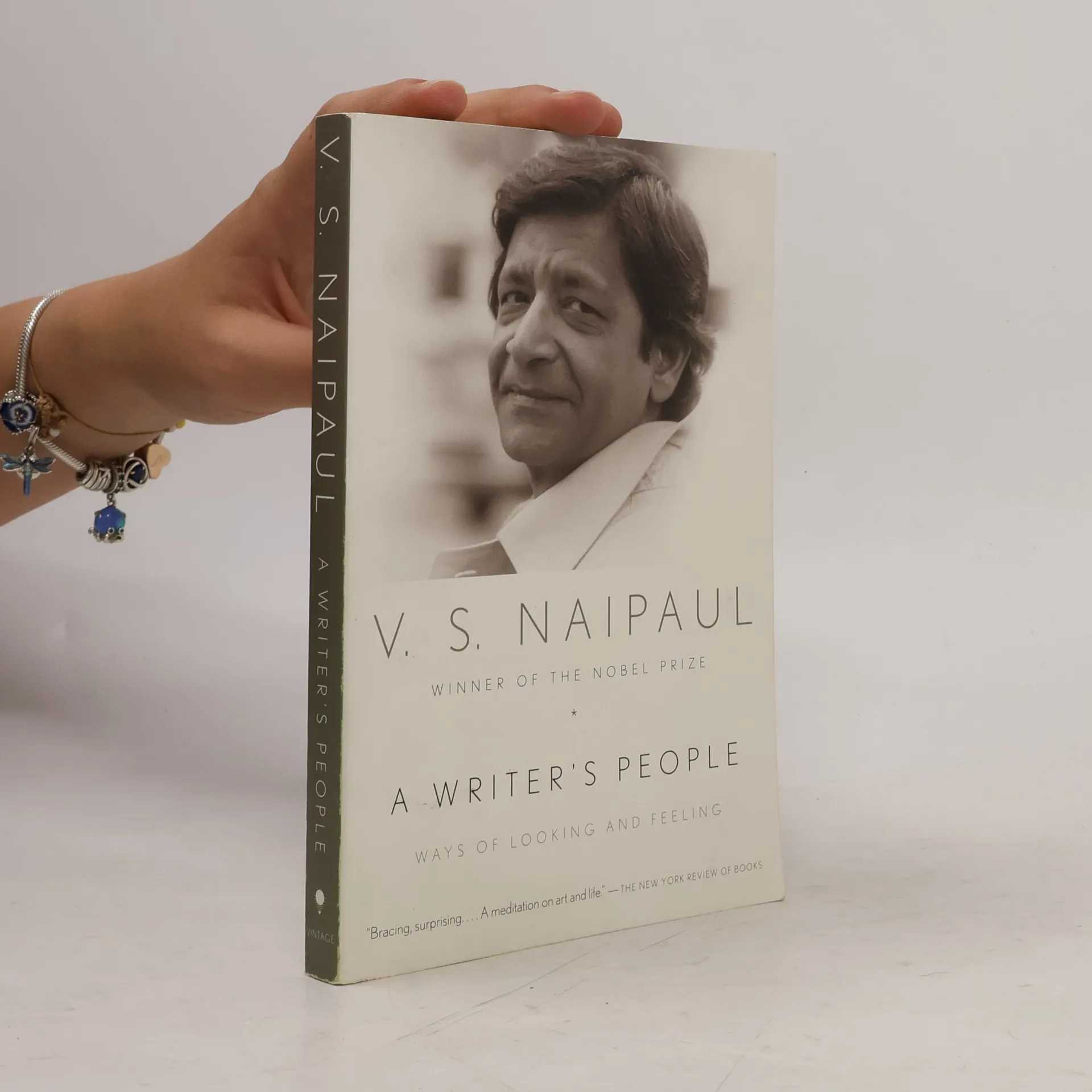
V. S. Naipaul has always faced the challenges of "fitting one civilization to another." In A Writer's People , he takes us into this process of creative and intellectual assimilation, which has shaped both his writing and his life. Naipaul discusses the writers to whom he was exposed early on—Derek Walcott, Gustave Flaubert, and his father, among them—and his first encounters with literary culture. He illuminates the ways in which the writings of Gandhi, Nehru, and other Indian writers both reveal and conceal the authors themselves and their nation. And he brings the same scrutiny to bear on his own life: his early years in Trinidad; the empty spaces in his family history; his ever-evolving reactions to the more complicated India he would encounter for the first time at age thirty.
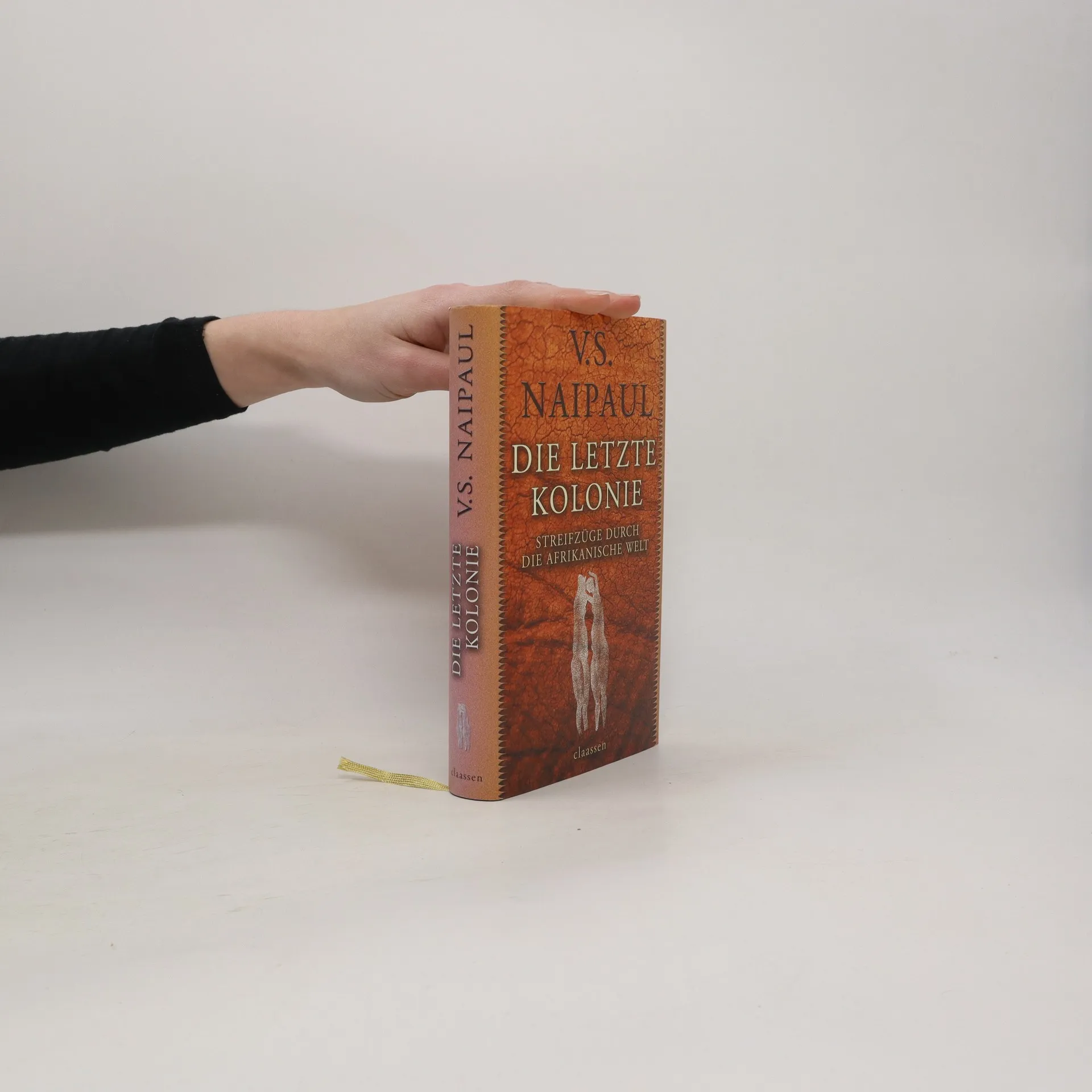
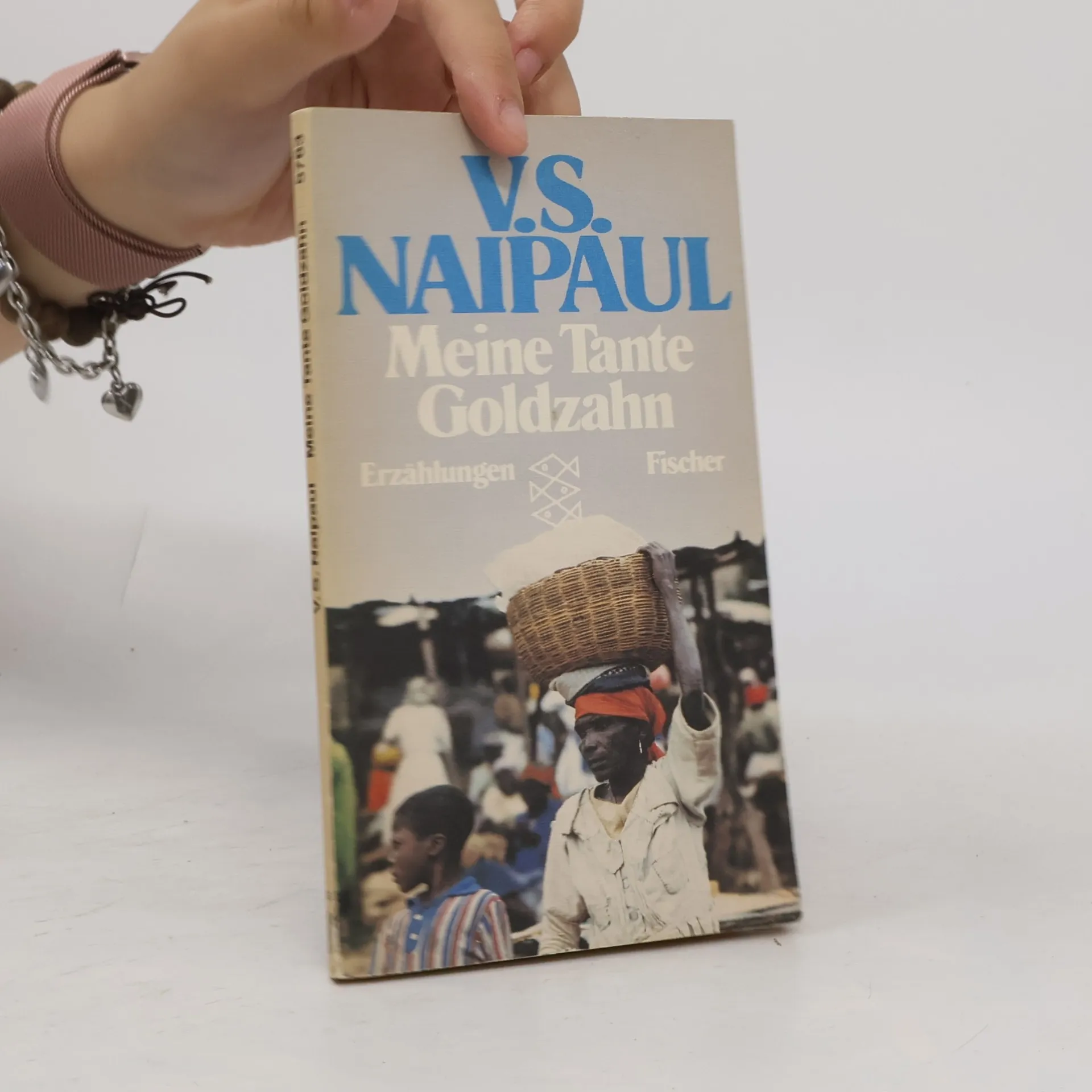
Was bedeutet es, in einer ehemaligen Kolonie zu leben?§Und wie lebt es sich als Kind von Einwanderern fernab der Heimat?§Diese Fragen bewegen V.S.Naipaul seit jeher, sie bestimmen auch sein Interesse für den afrikanischen Kontinent.
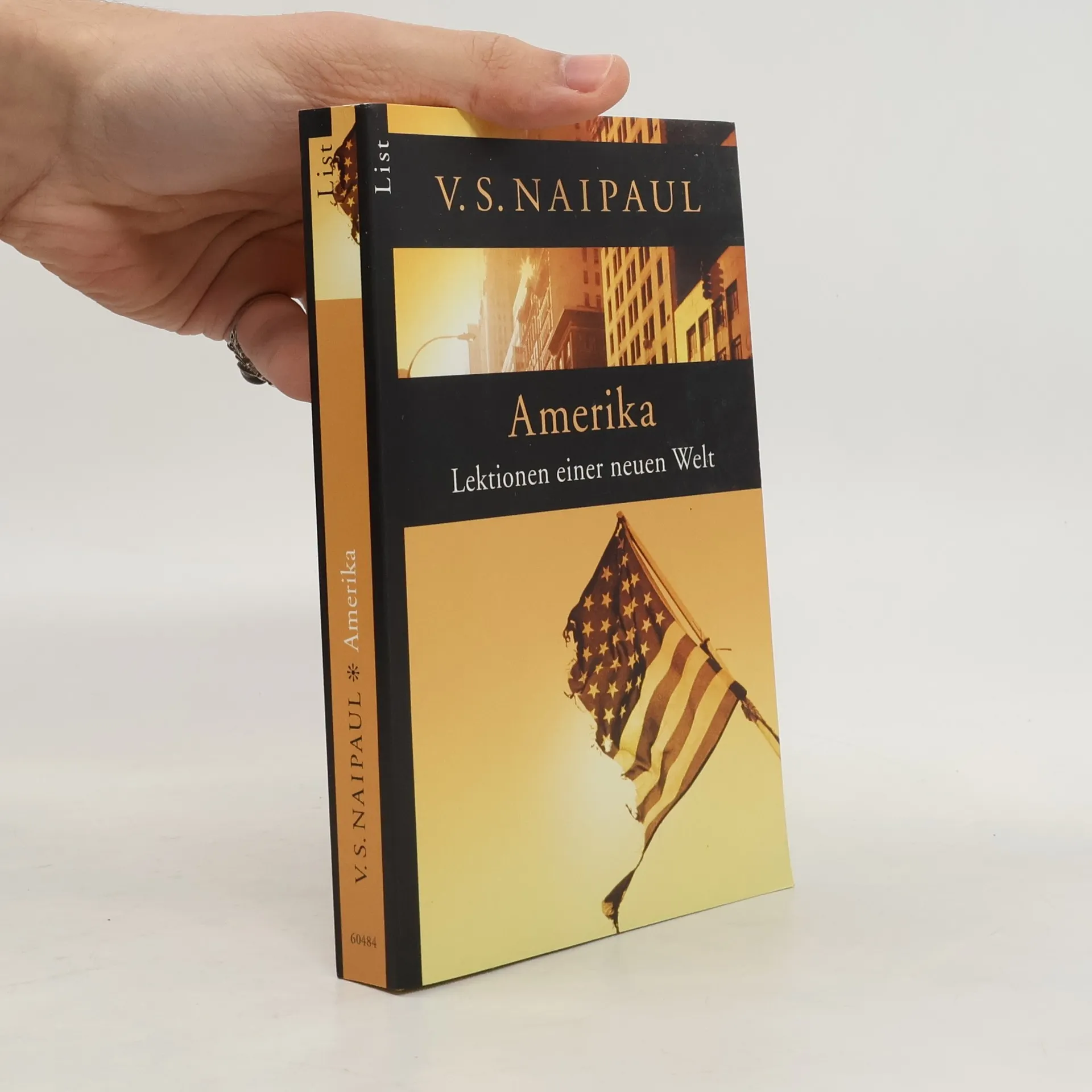
Quo vadis, Amerika? Dem in Trinidad aufgewachsenen V. S. Naipaul galt Amerika schon früh als „Land der Finsternis“. In diesem Buch beschreibt der Nobelpreisträger es als einen Kontinent voller Widersprüche, der bis heute sein koloniales Erbe nicht losgeworden ist.
Mrs. Jansen, eine Frau mittleren Alters mit unbekannter Vergangenheit, lebt kurz in Paris. Ihr Leben ist geprägt von Alkoholabhängigkeit und dem Verlust ihres Sohnes. Der Roman thematisiert das innere und äußere Exil sowie das Gefühl der Wurzel- und Heimatlosigkeit, zentrale Motive in Jean Rhys' Werken.
Ich kannte ihren richtigen Namen nie, und es ist sehr wahrscheinlich, dass sie einen hatte, obwohl ich sie nie anders genannt hörte als...
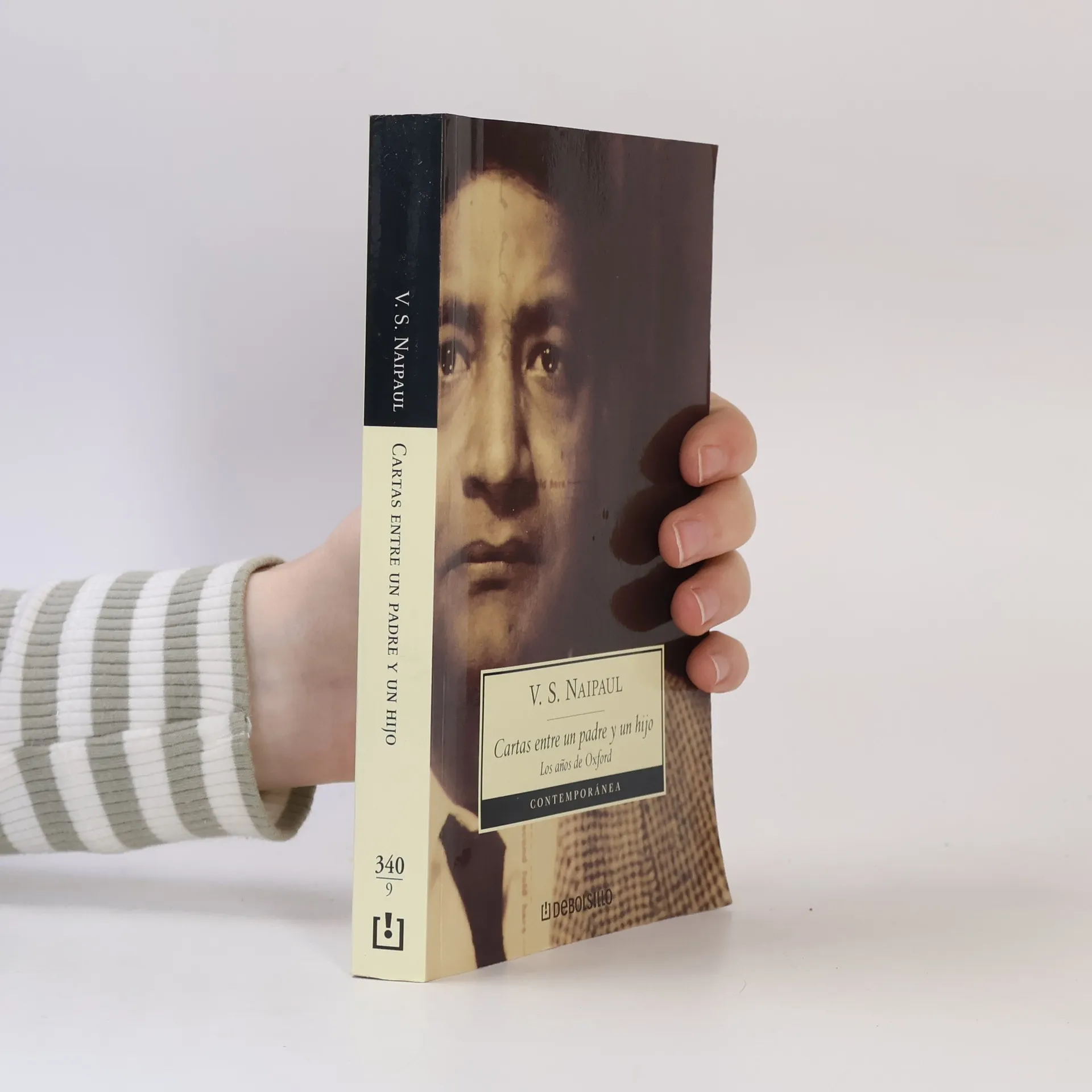
V.S. Naipaul llegó a Inglaterra en 1950 con dieciocho años, una beca para estudiar en Oxford, poco dinero y un profundo deseo de ser escritor. Su experiencia estuvo marcada por dificultades, alegrías, anhelos y nostalgias, reflejadas en la correspondencia con su padre, figura crucial en su vida, y su hermana. Estas cartas, escritas con el brío narrativo que caracterizaría su obra, abarcan desde su llegada a Oxford hasta la inesperada muerte de su padre en 1953, a los cuarenta y siete años. Incluyen temas que van desde preocupaciones financieras, que revelan la personalidad del autor, hasta emotivas reflexiones de añoranza. También aborda comentarios sobre la universidad, profesores, sus progresos en la escritura y su vocación. La correspondencia de Naipaul ofrece un retrato fascinante de este controvertido autor y su vida íntima en una Inglaterra de los años cincuenta, su patria adoptiva. Este conjunto epistolar destaca la importancia de la literatura en la forma de cartas, funcionando como una autobiografía conmovedora e indignante, que permite una mirada privilegiada a su vida y su entorno.
Penguin inaugurates a series of revised editions of Conrad's finest works, with new introductions Exploring the workings of consciousness as well as the grim realities of imperialism, Heart of Darkness tells of Marlow, a seaman and wanderer, who journeys into the heart of the African continent to discover how the enigmatic Kurtz has gained power over the local people.
Verslag van een reis door Indonesië, Iran, Maleisië en Pakistan, waarbij de aandacht van de schrijver vooral uitgaat naar de invloed van de Islam op deze landen.
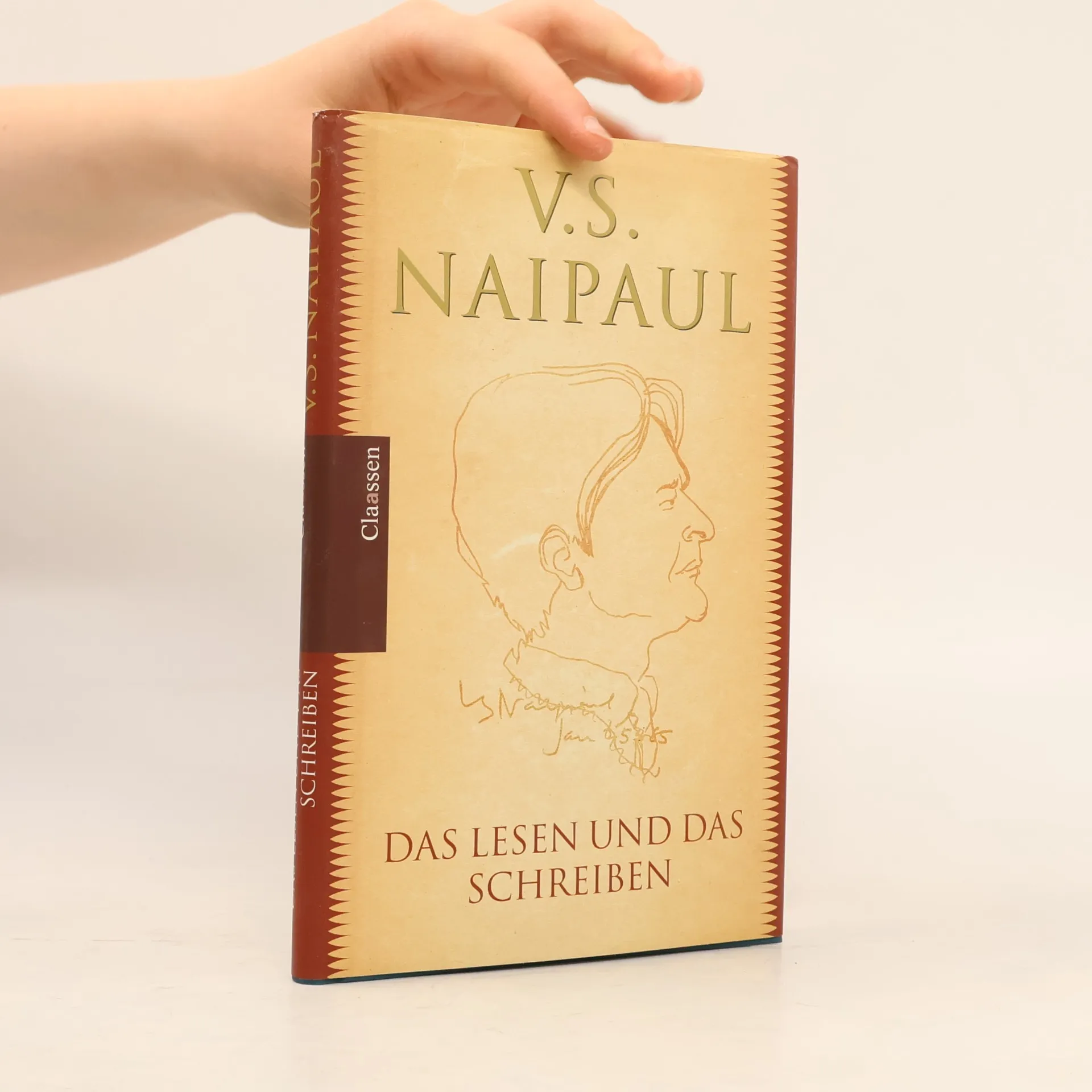
Die literarische Autobiographie des Nobelpreisträgers Schon im Alter von elf Jahren wollte V.S. Naipaul Schriftsteller werden. Welche Bücher haben ihn in seinem Wunsch bestärkt? Wie fand er seine Themen? Welchen Traditionen fühlt er sich verpflichtet? Diesen Fragen geht Naipaul in seinen Essays nach, die durch seine Rede zur Nobelpreisverleihung vollendet werden.
Der 'literarische Forschungsreisende' V. S. Naipaul unternimmt eine Fahrt durch die Südstaaten der USA, wobei er sich mit Veränderung und Beständigkeit, Gegenwart und Vergangenheit auseinandersetzt. Naipauls Hauptinteresse gilt dabei den alten Städten, auf denen noch der Schatten des Bürgerkriegs liegt, die aber auch wachsendes schwarzes Selbstbewußtsein demonstrieren.
Een onopvallende Engelsman besluit wat meer allure aan zijn leven te geven door de oprichting van een riddergenootschap.
German (translation)
Autobiografische roman van de Westindische schrijver waarin Engeland centraal staat.
Een Indiase jongeman trekt de halve wereld rond in een poging inhoud en betekenis aan zijn leven te geven.
Verslag van de reis die de in Trinidad geboren schrijver van Indiase afkomst in 1987 door de zuidelijke staten van Amerika maakte.
物語の核心に迫る、“グラン=パルス”終端まで攻略。150体以上の敵兵、シ骸、モンスターのパラメータ公開。LV.8までのクリスタリウムデータでキャラの成長も万全。巻頭ポスター&シートで全オプティマ・召喚獣を一挙紹介。
Dva klíčové prvky díla světoznámého britského prozaika karibského původu – autobiograficky pojatý příběh uměleckého zrání a cesty za vlastním já a nezjednodušený obraz postkoloniální situace třetího světa – se v románové sekvenci z poloviny 90. let, řadící se k vrcholným autorovým prózám, projevují se zvlášť výraznou naléhavostí. V časově i tematicky široce pojatém cyklu devíti kapitol sjednoceném rodným karibským regionem se Naipaulovi podařilo skloubit tragické historické osudy evropských objevitelů a dobyvatelů, epizody z poválečného politického vývoje i osobně laděný příběh hledání vlastních kořenů v neobyčejně originální a přesvědčivý celek, potvrzující autorovu mistrovskou schopnost reflexe historického vývoje i vlastního osudu.
Románový příběh o působení nevlídných sociálních a politických poměrů na vnitřní svět člověka.