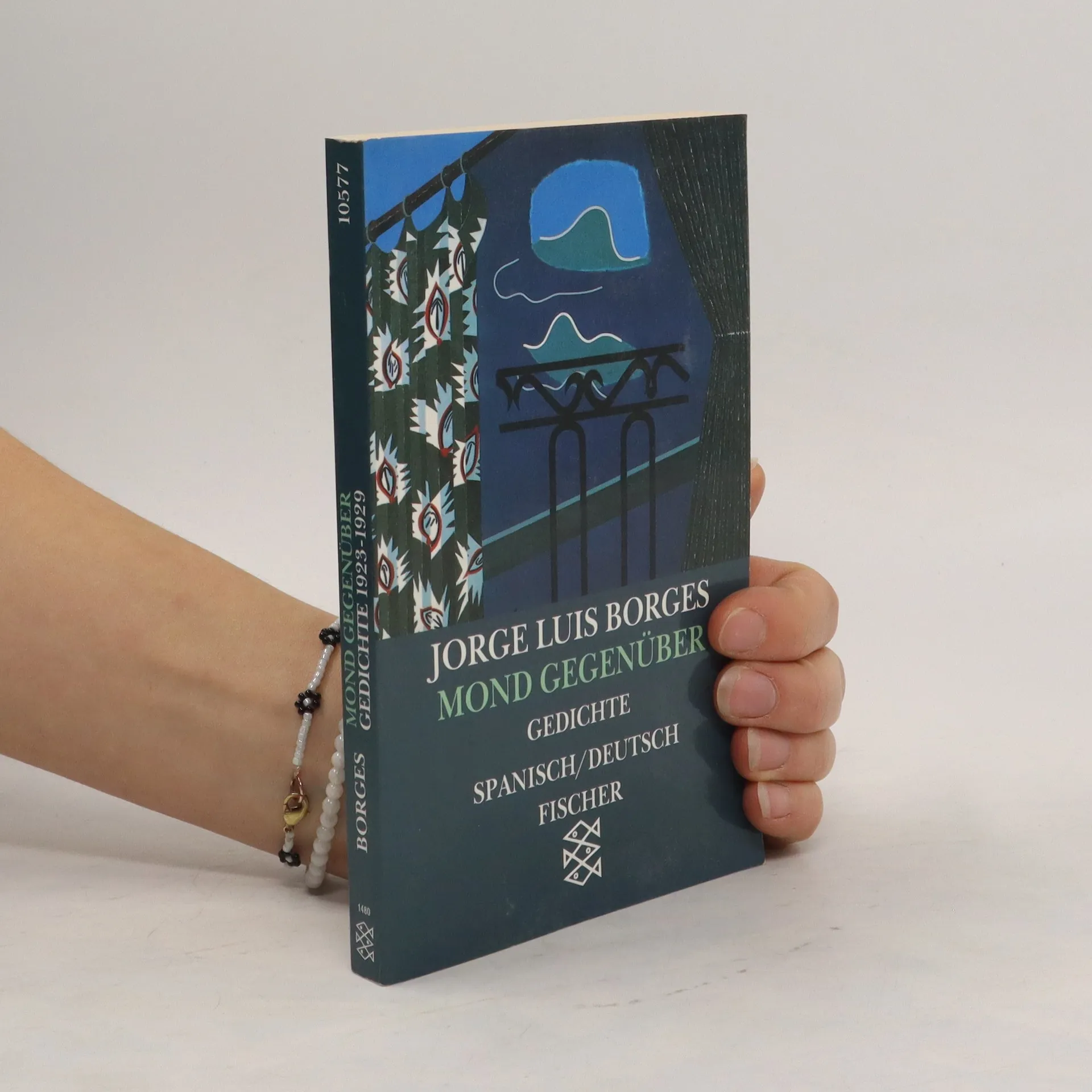
Explore the latest books of this year!
Bookbot

Jorge Luis Borges

    August 24, 1899 – June 14, 1986

    Jorge Luis Borges was an Argentine writer and poet whose work profoundly reshaped modern literature. His writings are celebrated for their philosophical depth, intricate labyrinths of thought, and exploration of metaphorical realms like dreams, mirrors, and time. Borges masterfully blended diverse literary genres and styles, consistently delving into themes of identity, reality, and the nature of existence. His innovative approach to storytelling and deep thematic inquiries established him as a seminal figure in 20th-century world literature.

    Jorge Luis Borges
    A Personal Anthology
    The Aleph
    Fictions
    Borges
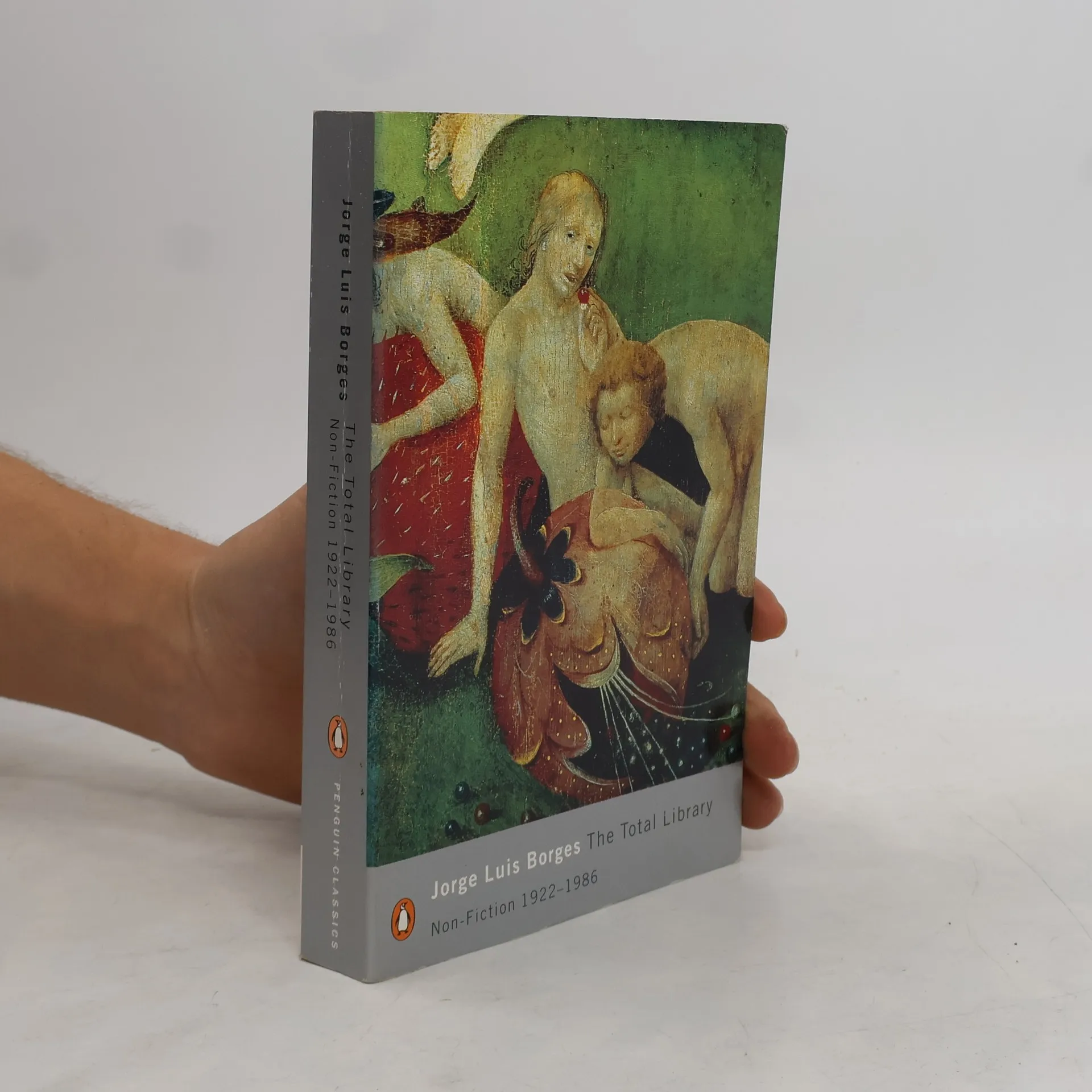
    The Total Library : Non-fiction, 1922-1986
    Labyrinths
    • Labyrinths

      • 288 pages
      • 11 hours of reading

      Jorge Luis Borges's Labyrinths is a collection of short stories and essays showcasing one of Latin America's most influential and imaginative writers.Jorge Luis Borges was a literary spellbinder whose tales of magic, mystery and murder are shot through with deep philosophical paradoxes. This collection brings together many of his stories, including the celebrated 'Library of Babel', whose infinite shelves contain every book that could ever exist, 'Funes the Memorious' the tale of a man fated never to forget a single detail of his life, and 'Pierre Menard, Author of the Quixote', in which a French poet makes it his life's work to create an identical copy of Don Quixote. In later life, dogged by increasing blindness, Borges used essays and brief tantalising parables to explore the enigma of time, identity and imagination. Playful and disturbing, scholarly and seductive, his is a haunting and utterly distinctive voice.Jorge Luis Borges (1899-1986) was born in Buenos Aires, Argentina. A poet, critic and short story writer, he received numerous awards for his work including the 1961 International Publisher's Prize (shared with Samuel Beckett). He has a reasonable claim, along with Kafka and Joyce, to be one of the most influential writers of the twentieth century.~penguin.co.uk

      Labyrinths
      4.5
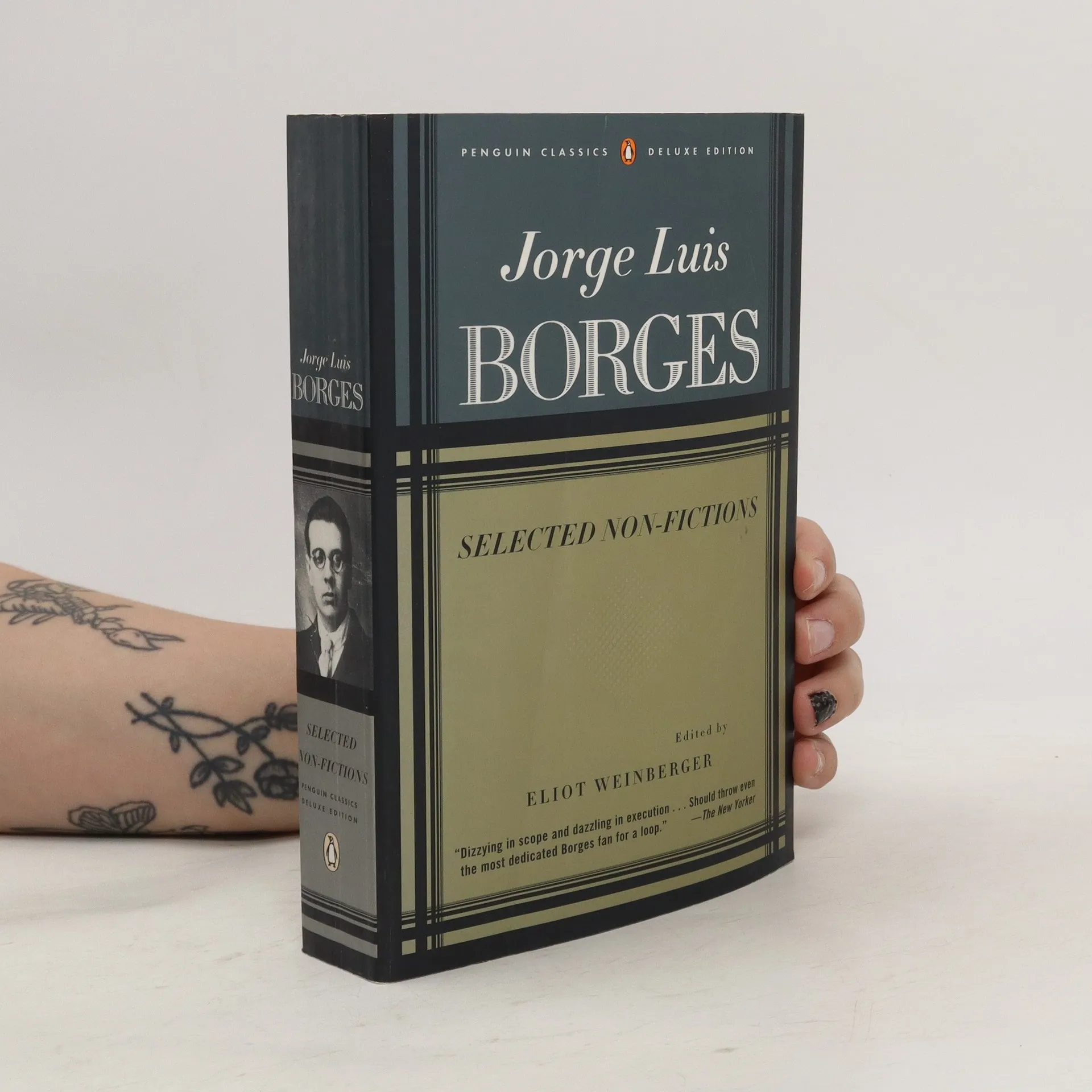
    • The Total Library : Non-fiction, 1922-1986

      • 576 pages
      • 21 hours of reading

      Though best known in the English speaking world for his short fictions and poems, Borges is revered in Latin America equally as an immensely prolific and beguiling writer of non-fiction prose. In THE TOTAL LIBRARY, more than 150 of Borges' most brilliant pieces are brought together for the first time in one volume - all in superb new translations. More than a hundred of the pieces have never previously been published in English. THE TOTAL LIBRARY presents Borges at once as a deceptively self-effacing guide to the universe and as the inventor of a universe that is an indispensible guide to Borges

      The Total Library : Non-fiction, 1922-1986
      4.5
    • Borges

      • 560 pages
      • 20 hours of reading

      A collection of writings includes essays, literary and film criticism, biographical sketches, and lectures

      Borges
      4.5
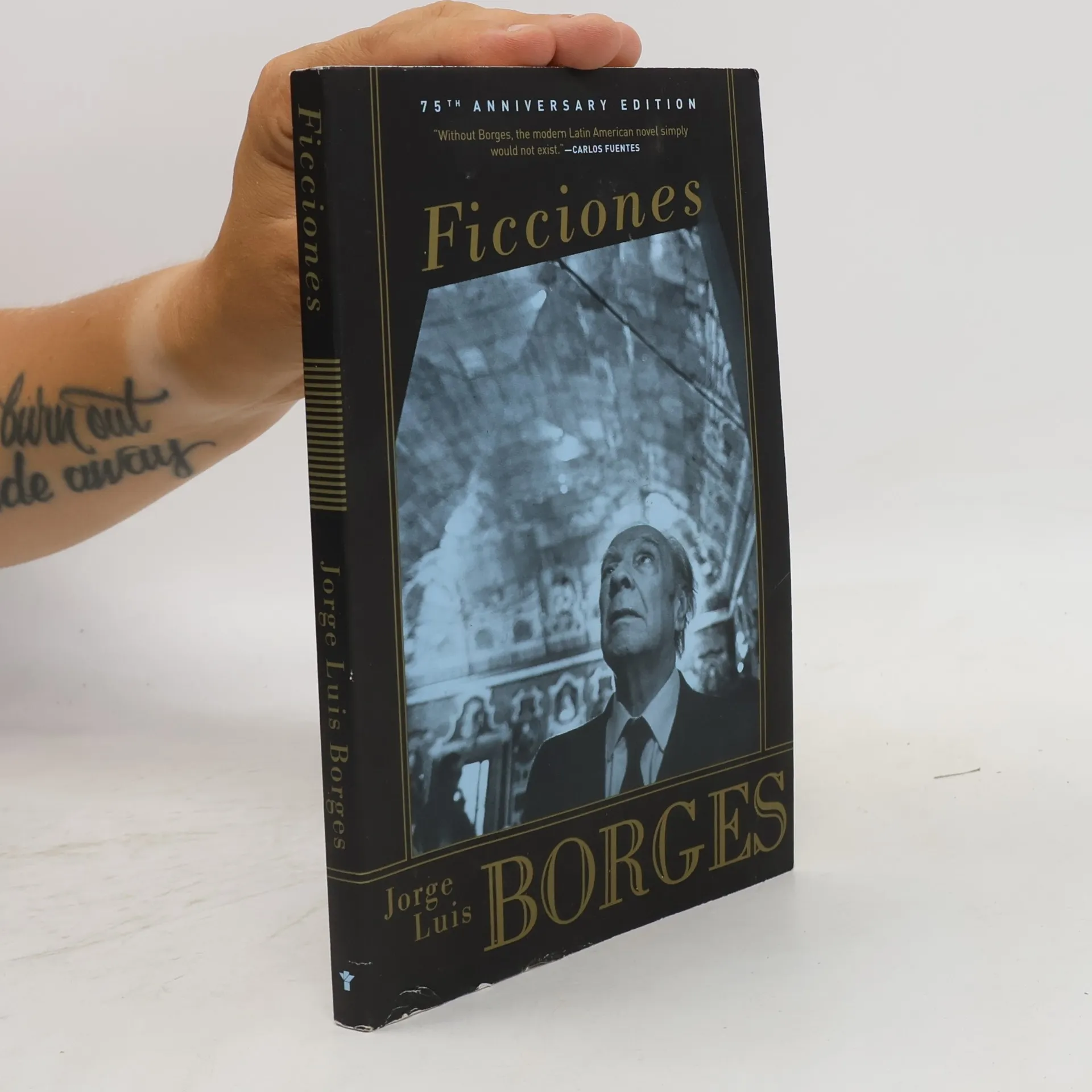
    • Fictions

      • 192 pages
      • 7 hours of reading

      Jorge Luis Borges's Fictions introduced an entirely new voice into world literature. It is here that we find the astonishing accounts of 'Funes the Memorious', the man who can forget nothing; 'Pierre Menard, Author of the Quixote', who recreates Miguel de Cervantes's epic word-for-word; a society run on the basis of an all-encompassing game of chance in 'The Lottery in Babylon'; the mysterious world of 'Tl n, Uqbar, Orbis Tertius' which seems to be supplanting our own ; and the 'Library of Babel', which contains every possible book in the whole universe. Here too are the philosophical detective stories and the haunting tales of Irish revolutionaries, gaucho knife fights and dreams within dreams which proved so influential (and yet impossible to imitate). This collection was eventually to bring Borges international fame; over fifty years later, it remains endlessly intriguing.

      Fictions
      4.5
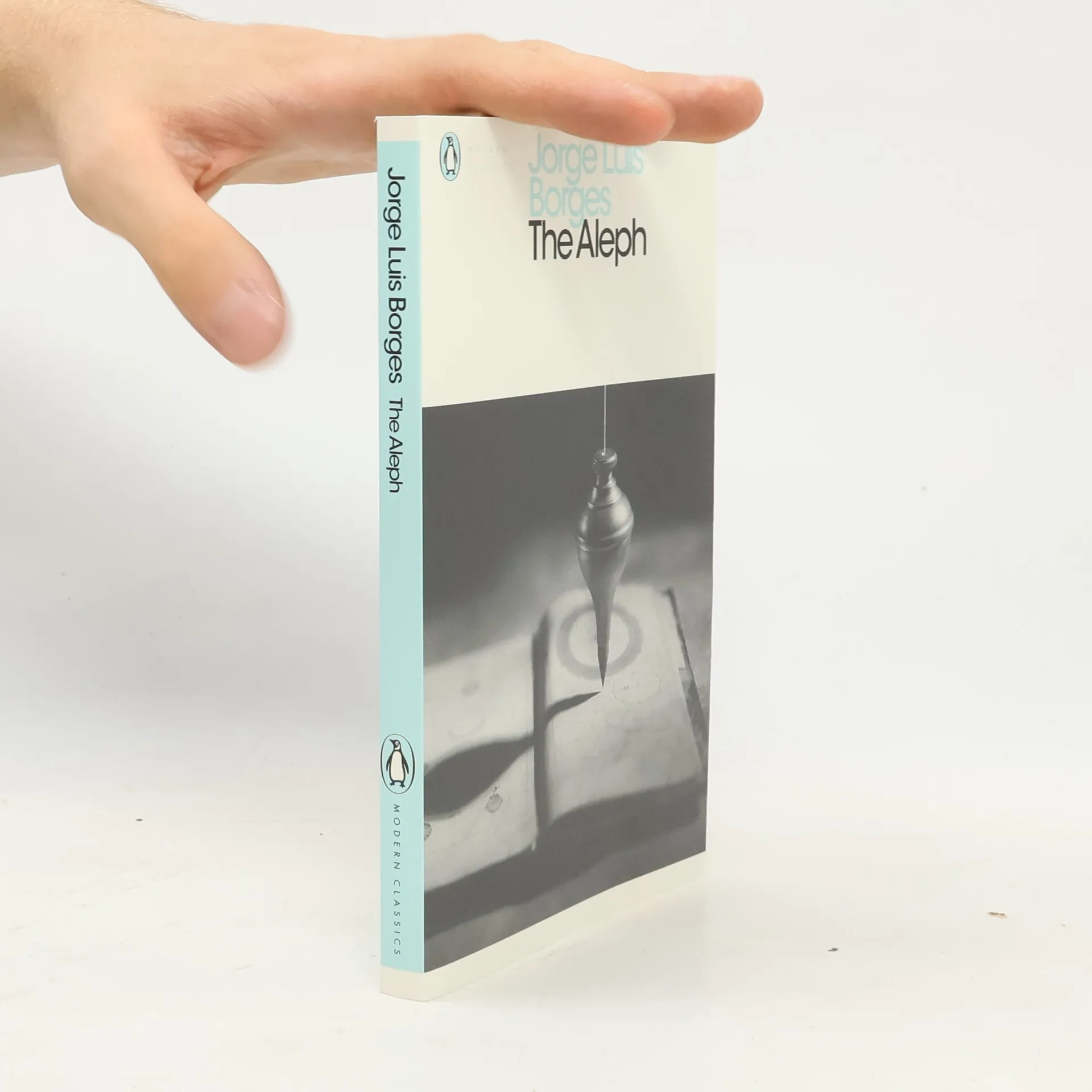
    • The Aleph

      • 224 pages
      • 8 hours of reading

      Borges' stories have a deceptively simple, almost laconic style. In maddeningly ingenious stories that play with the very form of the short story, Borges returns again and again to his themes: dreams, labyrinths, mirrors, infinite libraries, the manipulations of chance, gaucho knife-fighters, transparent tigers and the elusive nature of identity itself. schovat popis

      The Aleph
      4.5
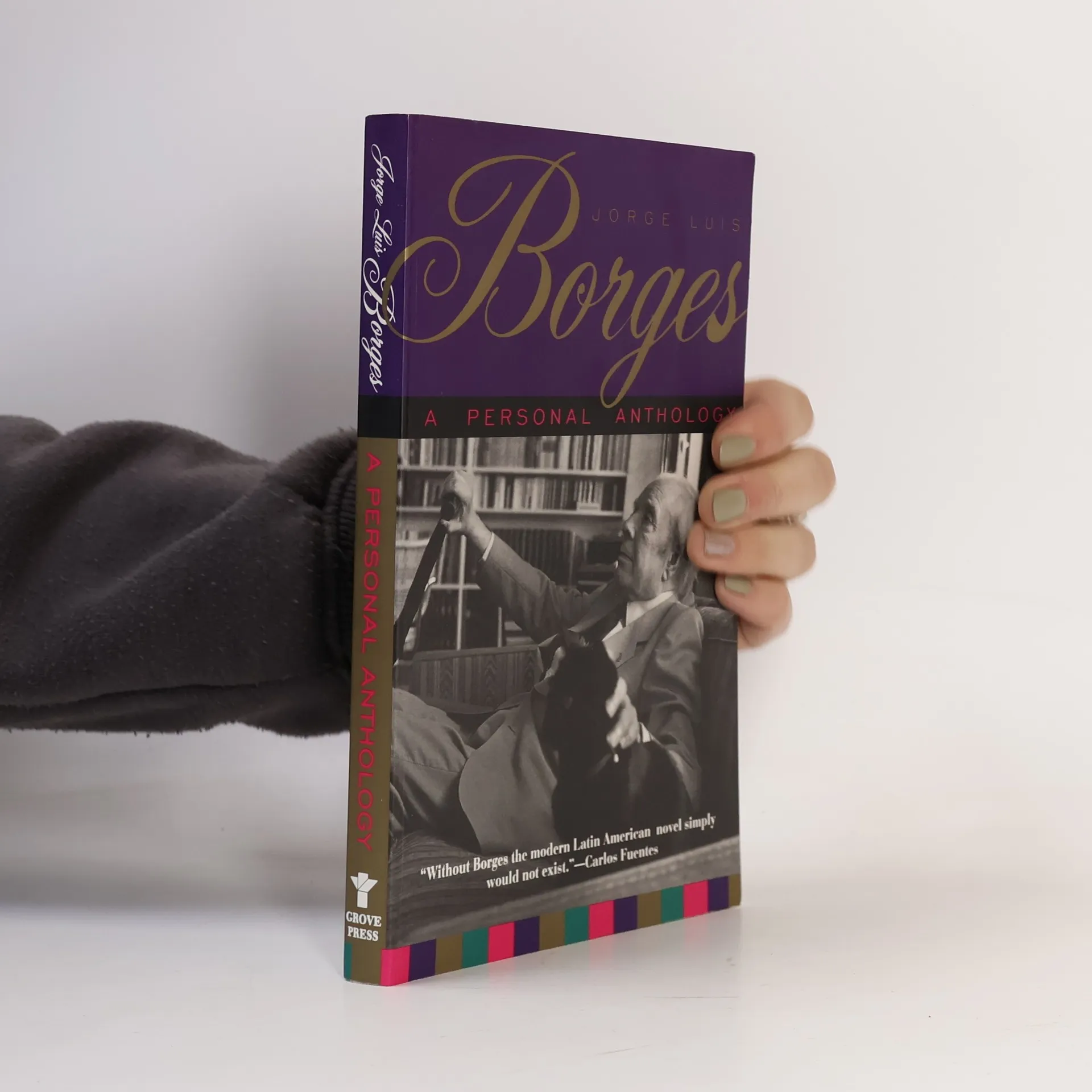
    • A Personal Anthology

      • 224 pages
      • 8 hours of reading

      After almost a half a century of scrupulous devotion to his art, Jorge Luis Borges personally compiled this anthology of his work—short stories, essays, poems, and brief mordant “sketches,” which, in Borges’s hands, take on the dimensions of a genre unique in modern letters.In this anthology, the author has put together those pieces on which he would like his reputation to rest; they are not arranged chronologically, but with an eye to their “sympathies and differences.” A Personal Anthology, therefore, is not merely a collection, but a new composition.

      A Personal Anthology
      4.4
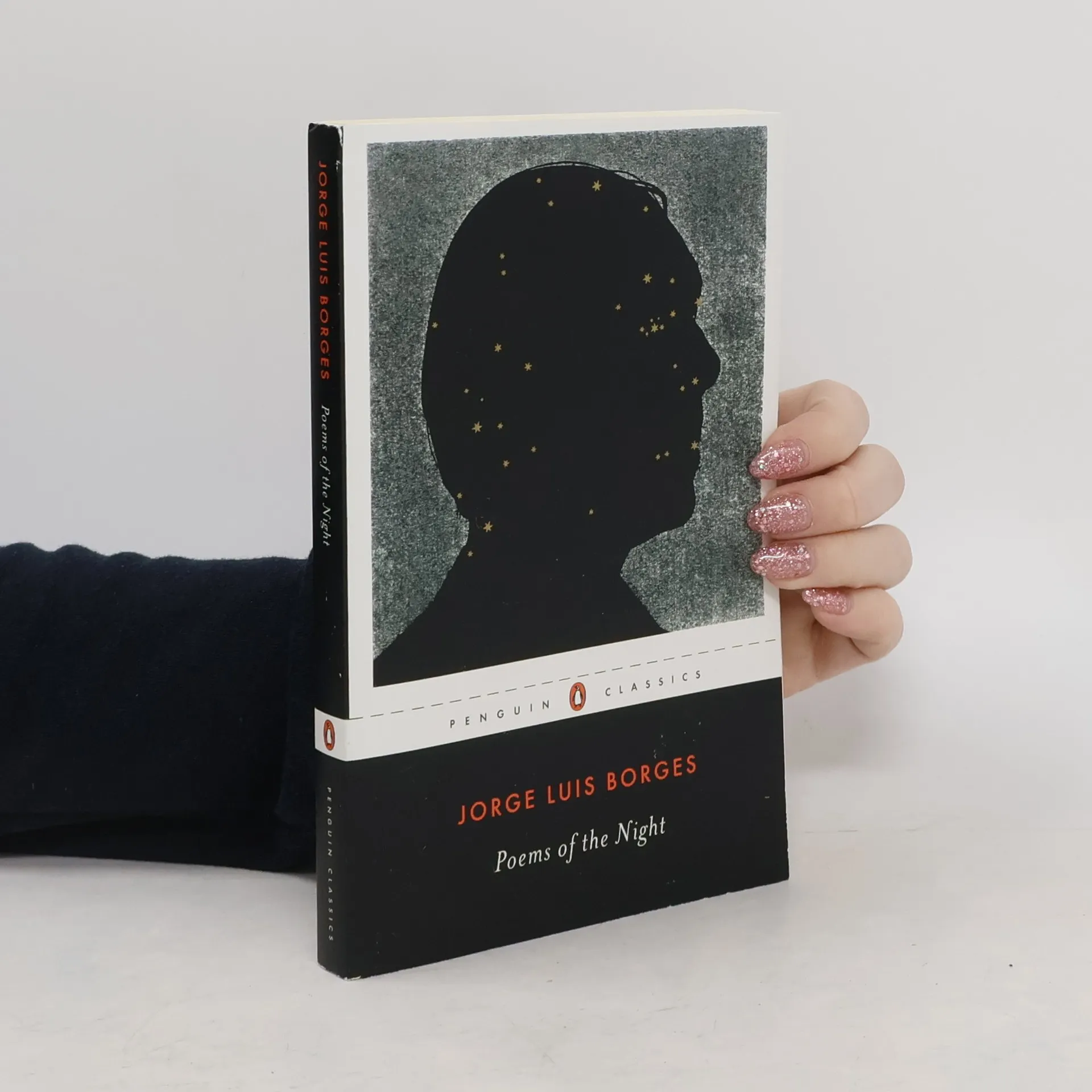
    • Revered for his magnificent works of fiction, Jorge Luis Borges thought of himself primarily as a poet. Poems of the Night is a moving collection of the great literary visionary's poetic meditations on nighttime, darkness, and the crepuscular world of visions and dreams, themes that speak implicitly to the blindness that overtook Borges late in life-and yet the poems here are drawn from the full span of Borges's career. Featuring such poems as "History of the Night" and "In Praise of Darkness" and more than fifty others in luminous translations by an array of distinguished translators-among them W.S. Merwin, Christopher Maurer, Alan Trueblood, and Alastair Reid-this volume brings to light many poems that have never appeared in English, presenting them en face with their Spanish originals. For more than seventy years, Penguin has been the leading publisher of classic literature in the English-speaking world. With more than 1,700 titles, Penguin Classics represents a global bookshelf of the best works throughout history and across genres and disciplines. Readers trust the series to provide authoritative texts enhanced by introductions and notes by distinguished scholars and contemporary authors, as well as up-to-date translations by award-winning translators.

      Poems of the Night: A Dual-Language Edition with Parallel Text
      4.4
    • Selected Poems

      • 496 pages
      • 18 hours of reading

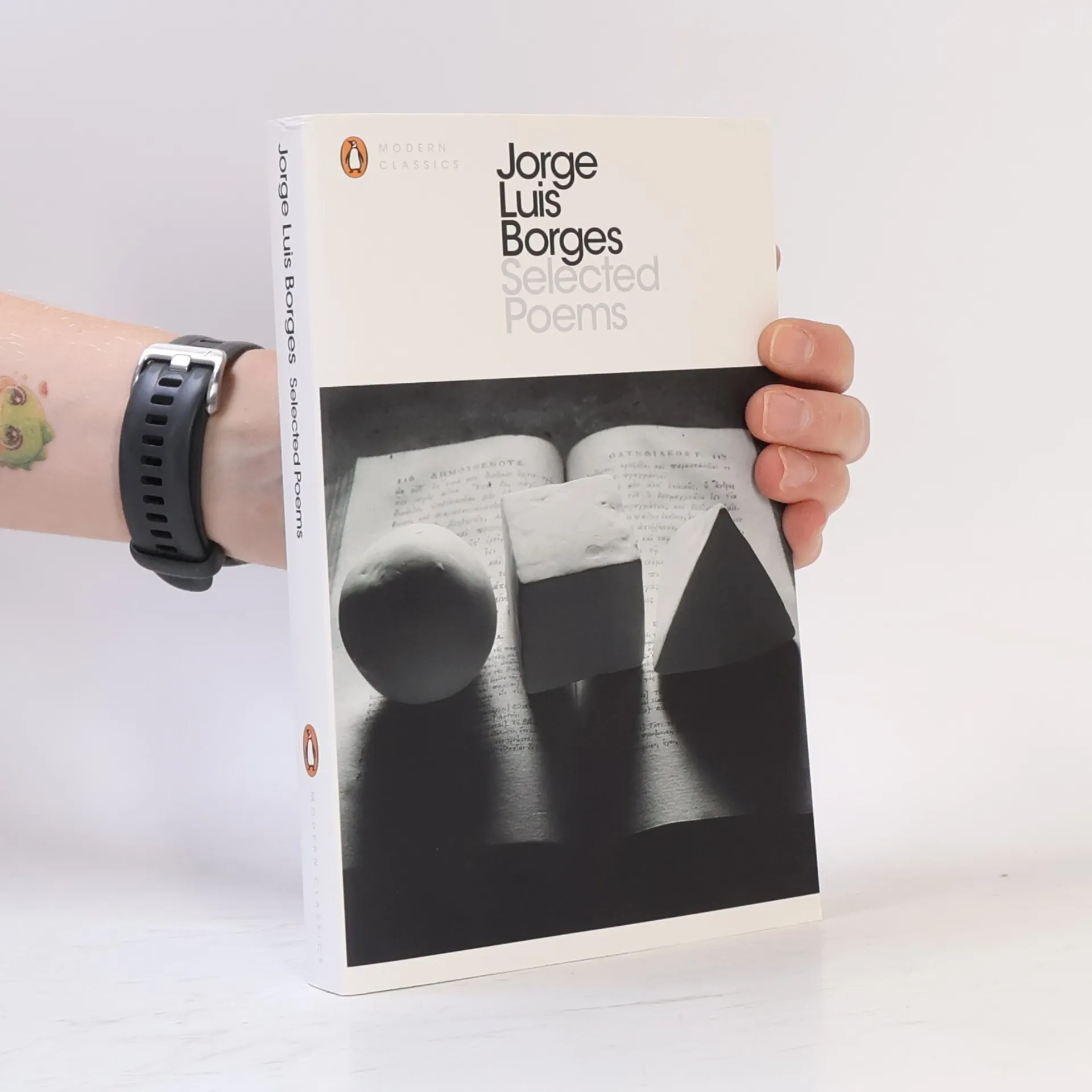
      Selected Poems brings together some two hundred poems - the largest collection of Borges' poetry ever assembled in English, including many never previously translated. The brilliance of the Spanish originals is matched with luminous English versions rendered by a remarkable cast of translators, among them W.S. Merwin, John Updike, Robert Fitzgerald, Mark Strand and Alastair Reid.

      Selected Poems
      4.4
    • Cildo Meireles

      • 160 pages
      • 6 hours of reading

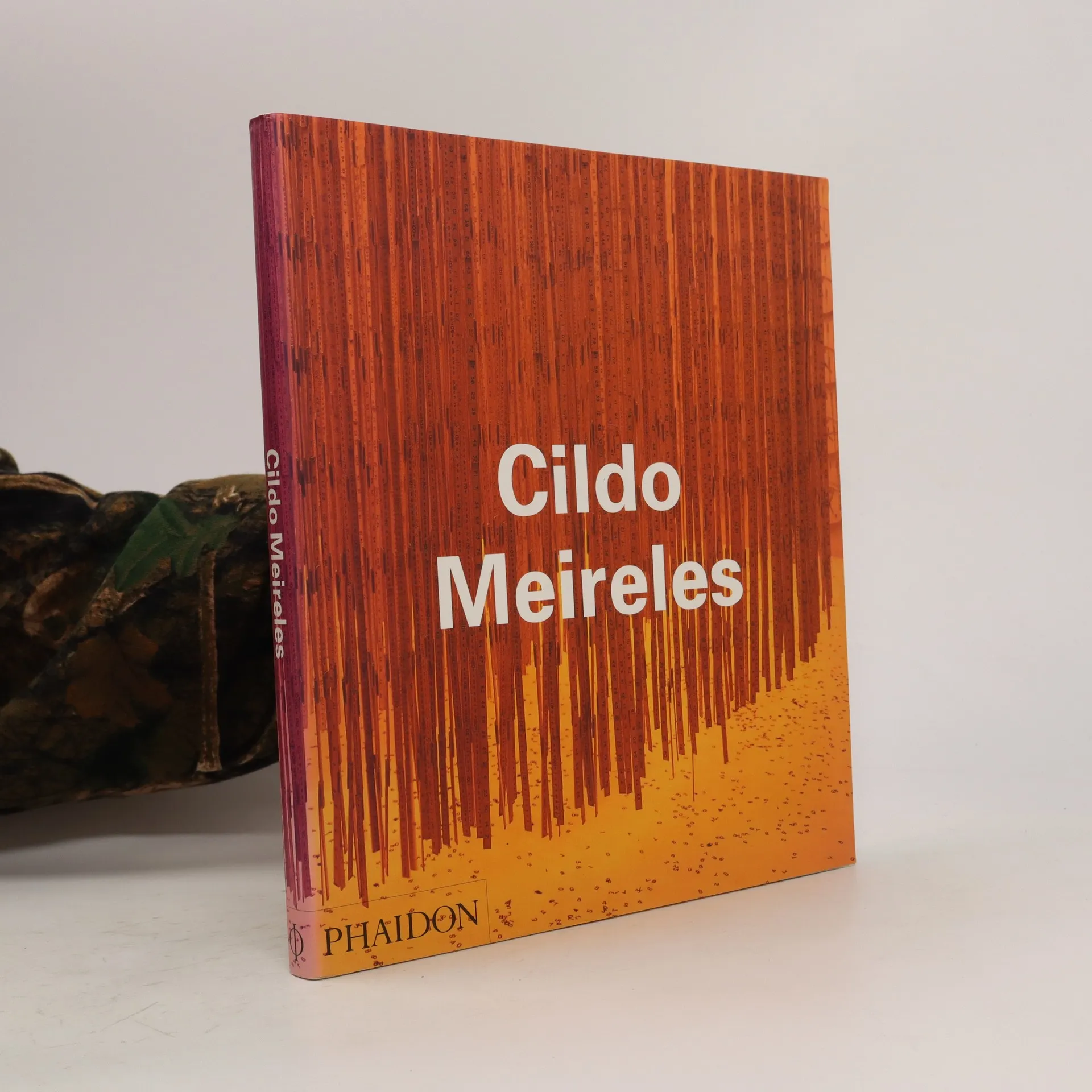
      Born in 1948 and based in Rio de Janeiro, Cildo Meireles is a Brazilian sculptor and installation artist active since the late 1960s. The artist is best known for his often dramatic and politically charged walk-in environments

      Cildo Meireles
      4.3
    • The Lottery in Babylon

      • 20 pages
      • 1 hour of reading

      "The drunkard who comes out with an absurd order, the dreamer who suddenly wakes and with his bare hands strangles the woman sleeping beside him - are they perhaps not carrying out one of the Company's secret decisions? These silent workings, so like those of God, give rise to all manner of speculation." The affairs of Babylon are dictated by a lottery. Discreetly administered by a mysterious and seemingly omnipotent Company, the lottery can elevate citizens to positions of wealth and power or condemn them to the most shameful punishments. Taking this fantastical conceit as its starting point, Jorge Luis Borges's short story is a characteristically brilliant achievement - a haunting mediation on the nature of chance, paranoia and divinity.
      The Lottery in Babylon
      4.0
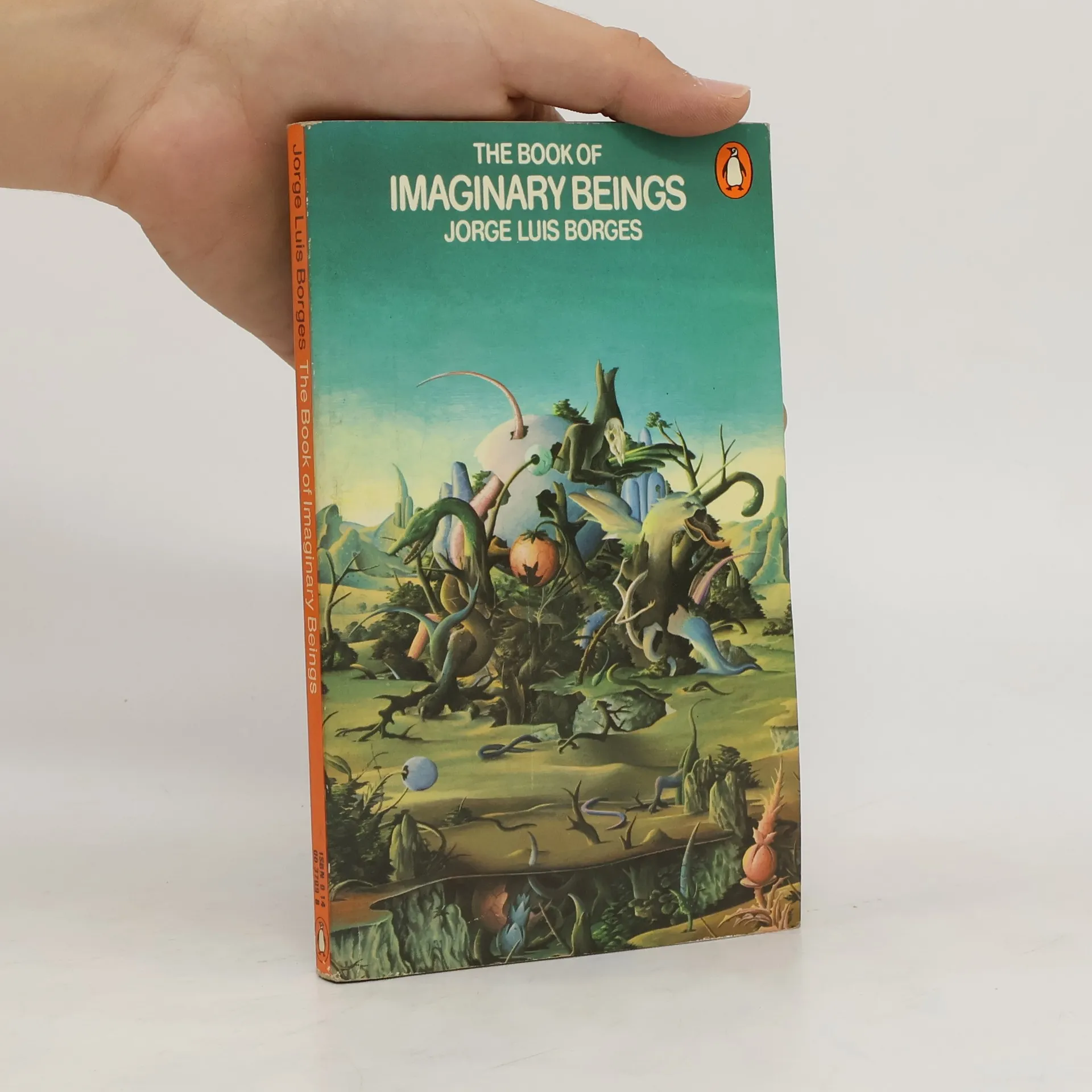
    • As we all know, there is a kind of lazy pleasure in useless and out-of-the-way erudition-The compilation and translation of this volume have given us a great deal of such pleasure; we hope the reader will share some of the fun we felt when ransacking the

      The Book of Imaginary Beings
      4.2
    • Jorge Luis Borges: The Last Interview

      • 184 pages
      • 7 hours of reading

      “Believe me: the benefits of blindness have been greatly exaggerated. If I could see, I would never leave the house, I’d stay indoors reading the many books that surround me.” —Jorge Luis Borges Days before his death, Borges gave an intimate interview to his friend, the Argentine journalist Gloria Lopez Lecube. That interview is translated for the first time here, giving English-language readers a new insight into his life, loves, and thoughts about his work and country at the end of his life. Accompanying that interview are a selection of the fascinating interviews he gave throughout his career. Highlights include his celebrated conversations with Richard Burgin during Borges's time as a lecturer at Harvard University, in which he gives rich new insights into his own works and the literature of others, as well as discussing his now oft-overlooked political views. The pieces combine to give a new and revealing window on one of the most celebrated cultural figures of the past century.

      Jorge Luis Borges: The Last Interview
      4.1
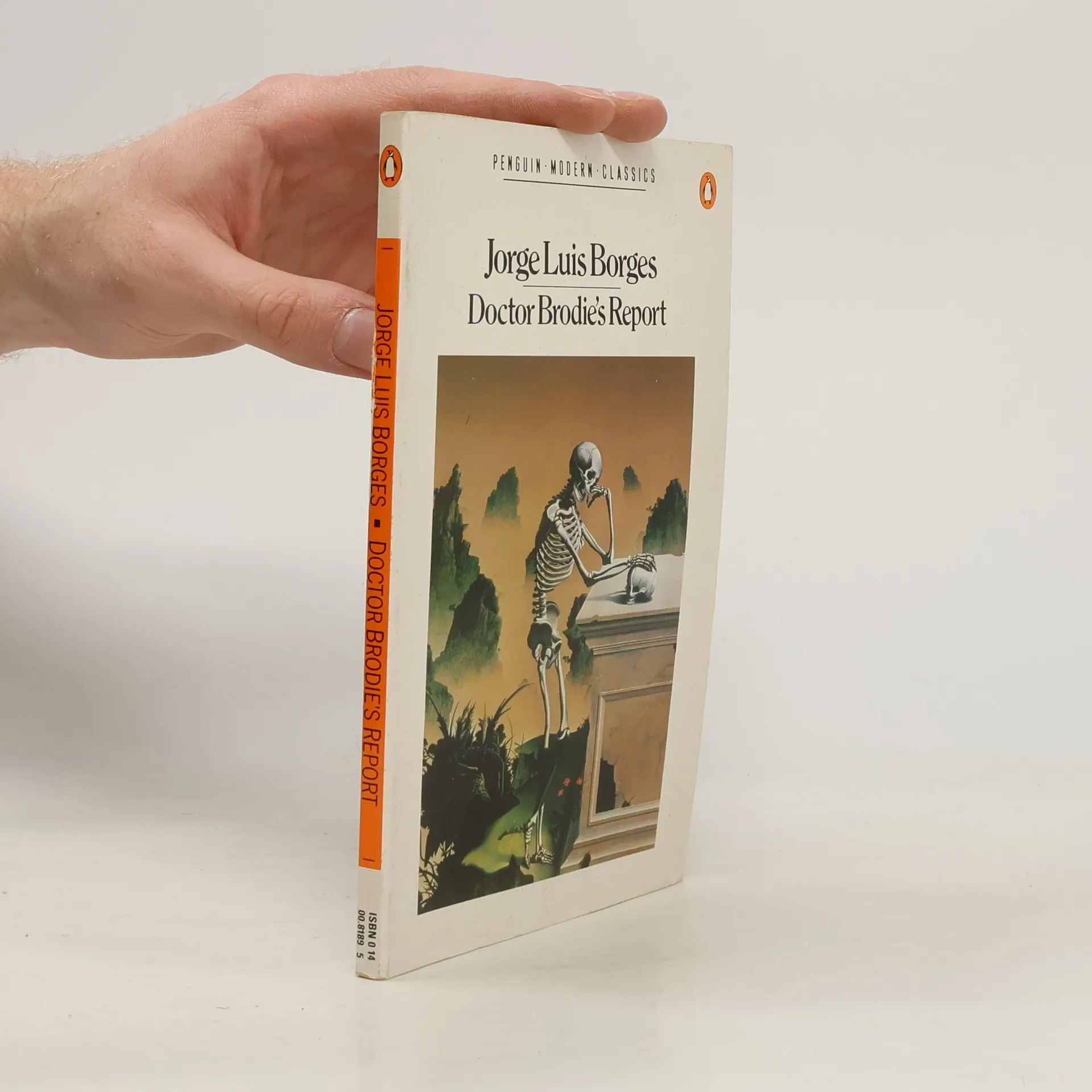
    • Doctor Brodie's Report

      • 105 pages
      • 4 hours of reading

      At the age of seventy, after a gap of twenty years, Jorge Luis Borges returned to writing short stories. In Brodie's Report, he returned also to the style of his earlier years with its brutal realism, nightmares & bloodshed. Many of these stories, including Unworthy & The Other Duel are set in the macho Argentinean underworld, & even the rivalries between artists are suffused with suppressed violence. Throughout, opposing themes of fate & free will, loyalty & betrayal, time & memory flicker in the recesses of these compelling stories, among the best Borges ever wrote.

      Doctor Brodie's Report
      4.1
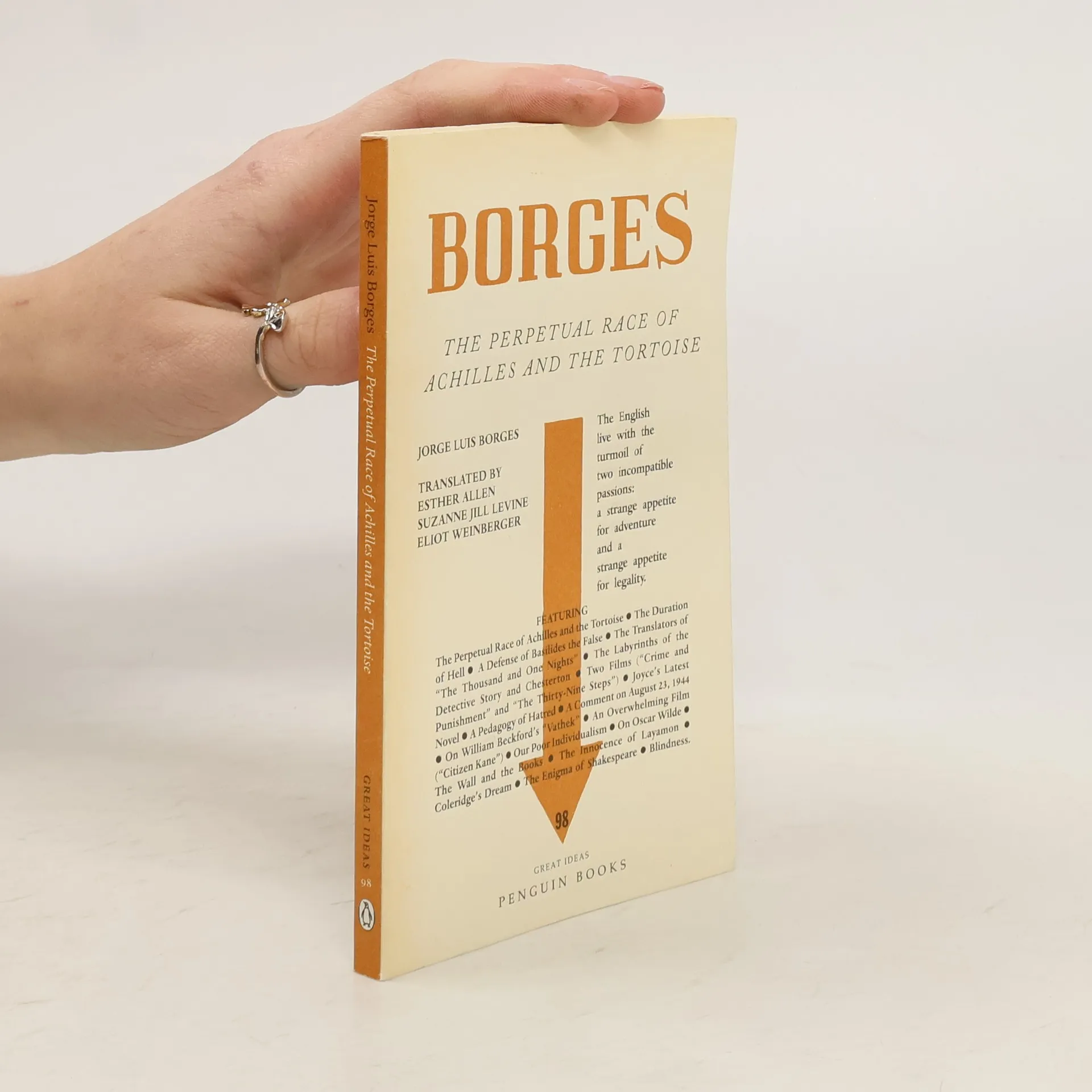
    • In this collection of wise, witty and fascinating essays, Borges discusses the existence (or non-existence) of Hell, the flaws in English literary detectives, the philosophy of contradictions, and the many translators of 1001 Nights. Varied and enthralling, these pieces examine the very nature of our lives, from cinema and books to history and religion.

      The Perpetual Race of Achilles and the Tortoise
      4.1
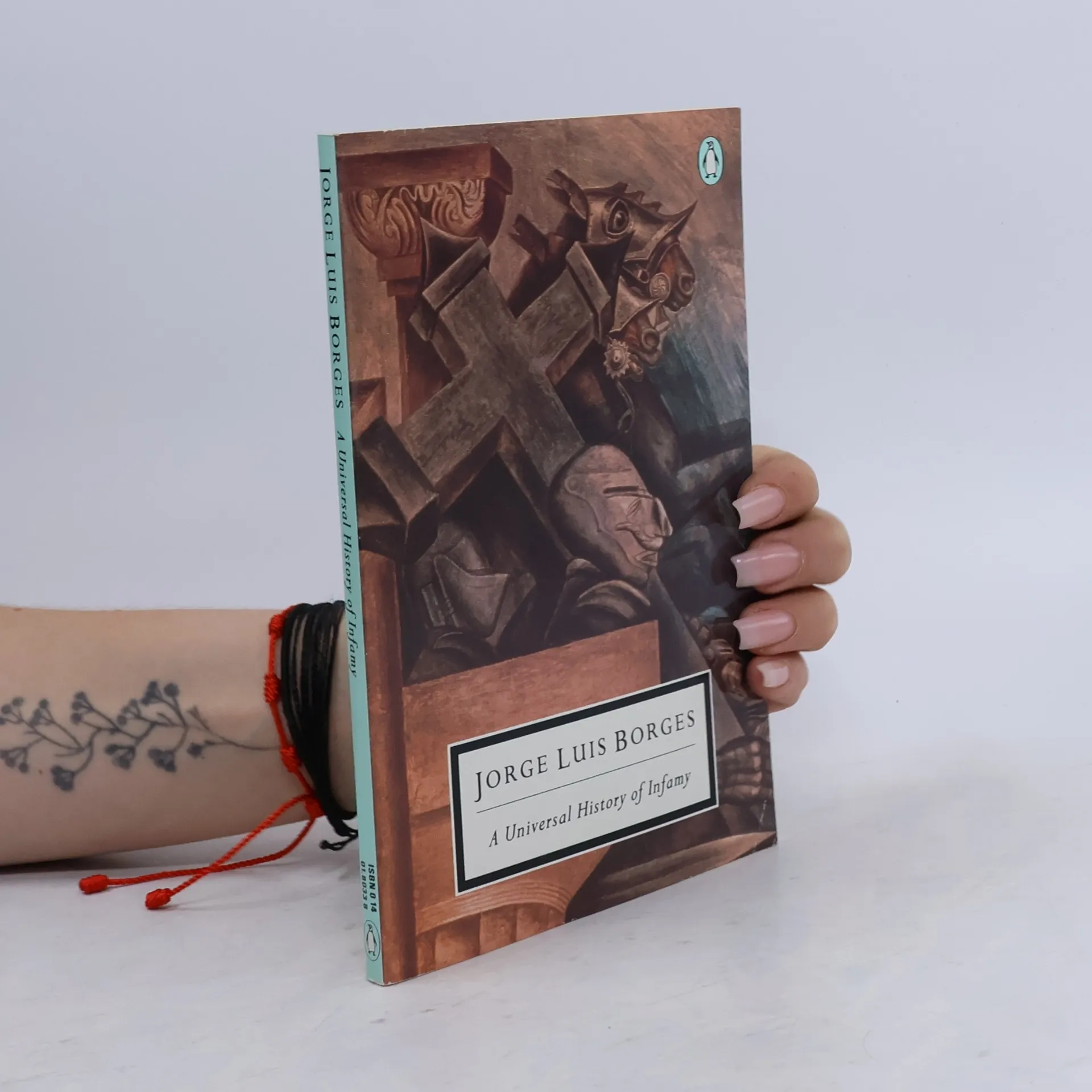
    • In his writing, Borges always combined high seriousness with a wicked sense of fun. Here he reveals his delight in re-creating (or making up) colorful stories from the Orient, the Islamic world, and the Wild West, as well as his horrified fascination with knife fights, political and personal betrayal, and bloodthirsty revenge. Spark-ling with the sheer exuberant pleasure of story-telling, this collection marked the emergence of an utterly distinctive literary voice.

      A Universal History of Infamy
      4.1
    • The Metamorphosis

      • 184 pages
      • 7 hours of reading

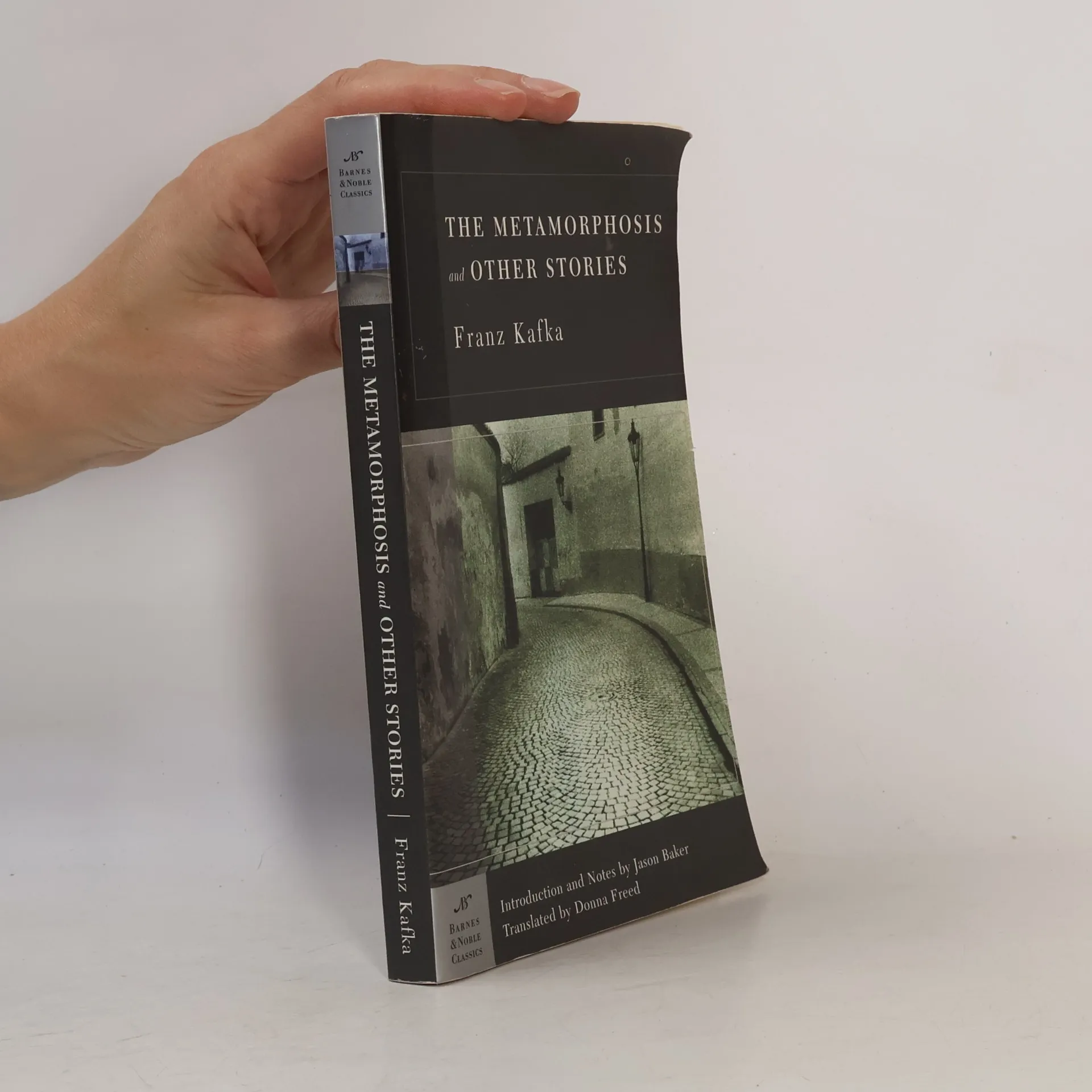
      The Metamorphosis (German: Die Verwandlung) is a novella by Franz Kafka, first published in 1915. The story begins with a traveling salesman, Gregor Samsa, waking to find himself transformed into a "monstrous vermin".

      The Metamorphosis
      4.1
    • Mirror of ink

      • 64 pages
      • 3 hours of reading

      Every book tells a story . . . And the 70 titles in the Pocket Penguins series are emblematic of the renowned breadth and quality that formed part of the original Penguin vision in 1935 and that continue to define our publishing today. Together, they tell one version of the unique story of Penguin Books. Jorge Luis Borges wrote playful and deeply imaginative short stories that explore philosophy, paradox and the nature of existence, and Penguin Modern Classics introduced many of his most famous works, including Labyrinths, The Aleph and Fictions, to a wide audience. This collection includes seven of his most famous tales, which intrigue, inspire and mesmerize through their singular genius.

      Mirror of ink
      4.0
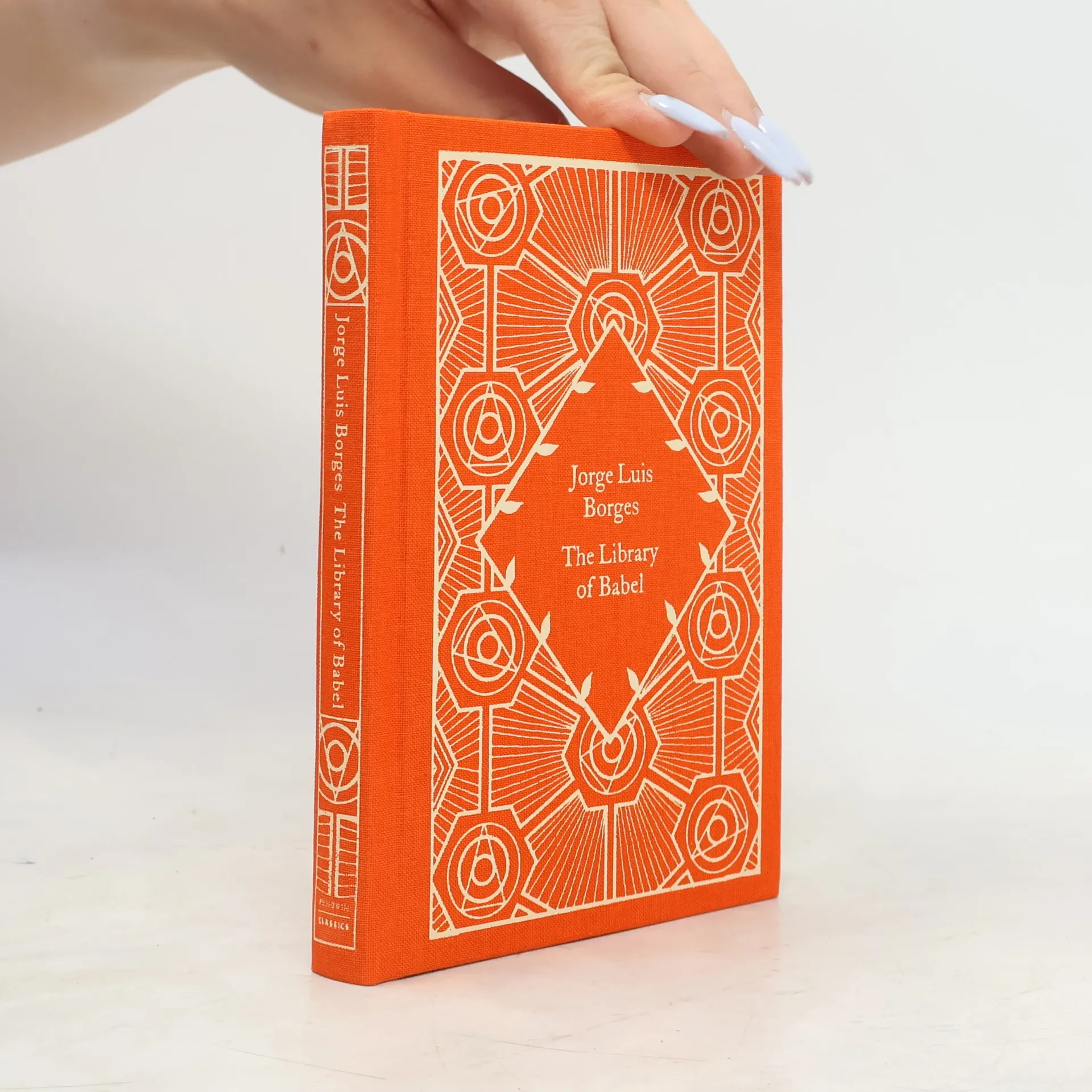
    • Jorge Luis Borges remains one of the most influential short story writers of the twentieth century, whose spellbinding tales of magic, mystery and murder are shot through with deep philosophical paradoxes. This collection brings together many of his greatest stories, including 'The Garden of Forking Paths', 'The Book of Sand' and 'Shakespeare's Memory'.

      The Library of Babel
      4.0
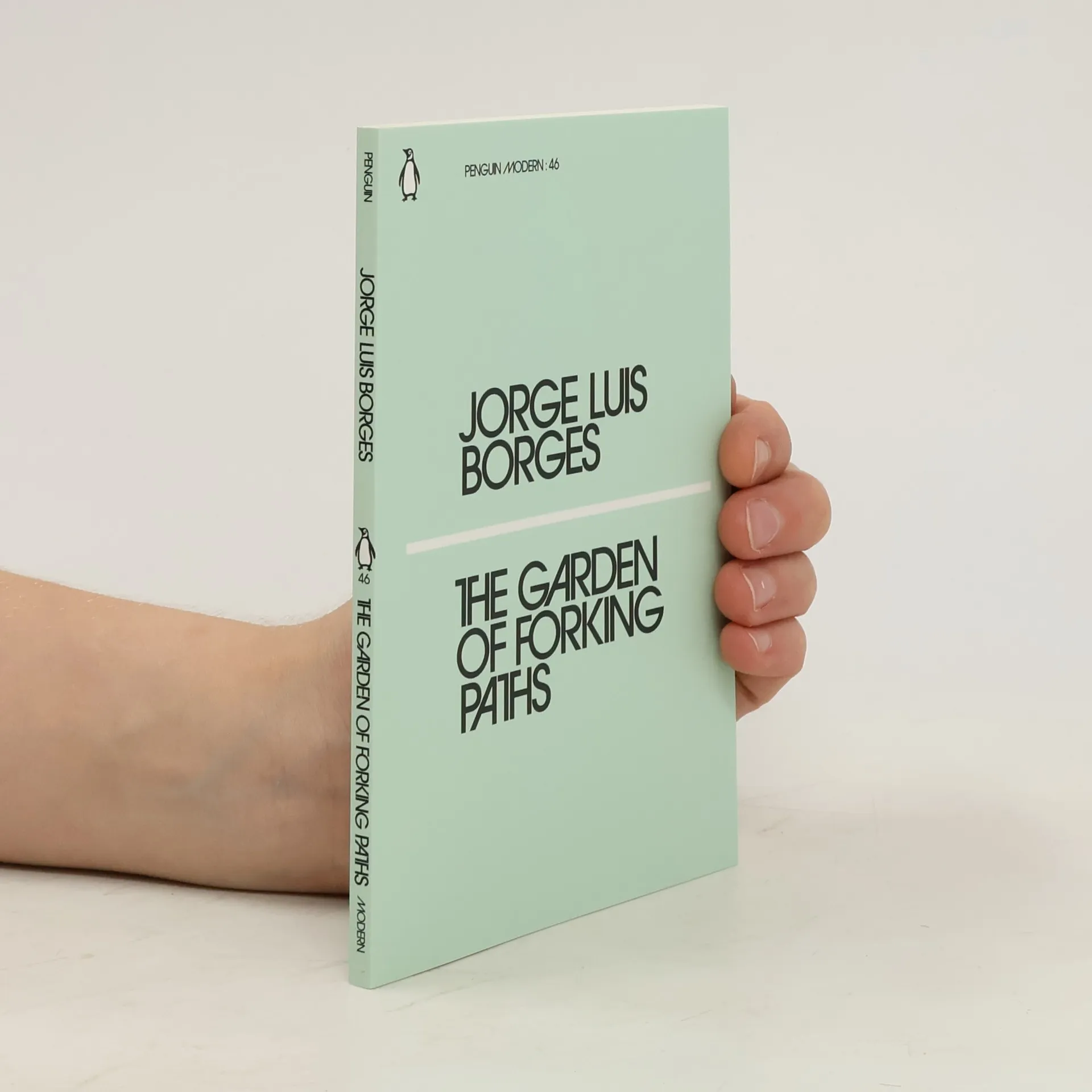
    • The Garden of Forking Paths

      • 64 pages
      • 3 hours of reading

      Summer was drawing to a close, and I realized that the book was monstrous.' These labyrinthine short stories dissolve the boundary between reality and illusion and describe the limits of infinity.

      The Garden of Forking Paths
      3.9
    • The World of the Short Story

      A 20th Century Collection

      • 847 pages
      • 30 hours of reading

      At age 82, Clifton Fadiman continues his prolific publishing career, here presenting 62 of the world's best short stories from 16 countries. His criteria? "Each story had to be both interesting and of high literary merit." Fadiman fulfills both requirements and much more, offering a cornucopia of superior 20th-century writers that includes Franz Kafka, D. H. Lawrence, Isaac Babel, F. Scott Fitzgerald, William Faulkner, Ernest Hemingway, John Cheever, Sean O'Faolain, Graham Greene, Robert Penn Warren, Colette, John Updike, Donald Barthelme, and James Thurber. (Regrettably, J. D. Salinger is not included due to lack of permission.) Here is a truly remarkable collection of this century's short stories that readers from all over the world will read with delight.

      The World of the Short Story
      3.8
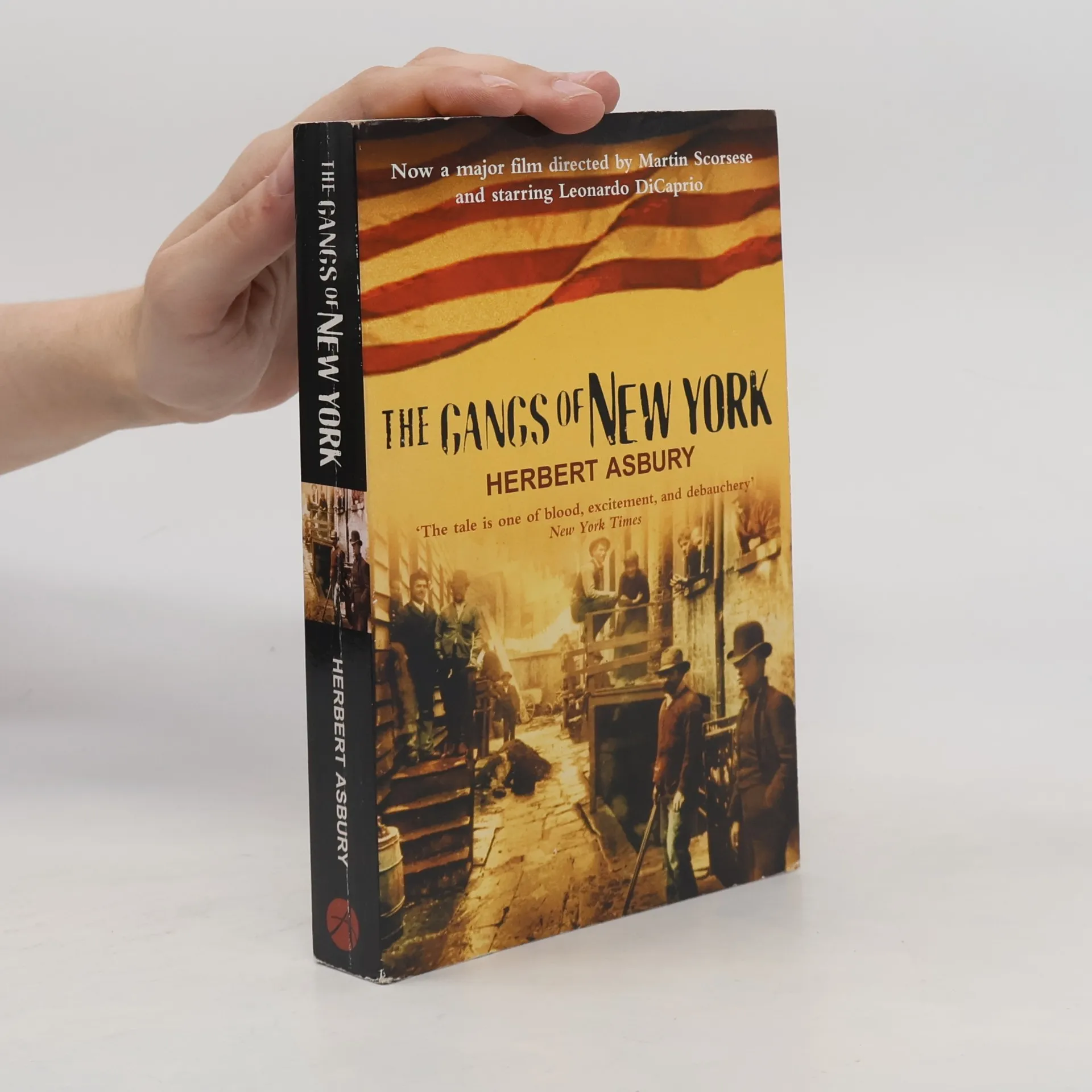
    • The basis of Martin Scorcese's acclaimed 2003 film, The Gangs of New York is a dramatic and entertaining glimpse at a city's dark past. Focusing on the saloon halls, gambling dens, and winding alleys of the Bowery and the notorious Five Points district, The Gangs of New York dramatically evokes the destitution and shocking violence of a turbulent era, when colorfully named criminals like Dandy John Dolan, Bill the Butcher, and Hell-Cat Maggie lurked in the shadows, and infamous gangs like the Plug Uglies, the Dead Rabbits, and the Bowery Boys ruled the streets. A rogues' gallery of prostitutes, pimps, poisoners, pickpockets, murderers, and thieves, Herbert Asbury's whirlwind tour through the low life of nineteenth-century New York has become an indispensible classic of urban history.

      The Gangs of New York
      3.6
    • Conversations - Volume 3

      • 208 pages
      • 8 hours of reading

      "I wrote a poem this morning, and one of the themes of the poem is that languages are not equivalent, that each language is a new way of feeling the world."--Jorge Luis Borges Recorded during Borges' final years, this third volume of his conversations with Osvaldo Ferrari offers a rare glimpse into the life and work of Argentina's master writer and favorite conversationalist. In Conversations: Volume 3, Borges and Ferrari discuss subjects as diverse as film criticism, fantastic literature, science fiction, the Argentinian literary tradition, and the works of writers such as Bunyan, Wilde, Joyce, and Yeats, among others. With his signature wit, Borges converses on the philosophical basis of his writing, his travels, and his fascination with religious mysticism. He also ruminates on more personal themes, including the influence of his family on his intellectual development, his friendships, and living with blindness. The recurrent theme of these conversations, however, is a life lived through books. Borges draws on the resources of a mental library that embraces world literature, both ancient and modern. He recalls the works that were a constant presence in his memory and maps his changing attitudes to a highly personal canon. These conversations are a testimony to the supple ways that Borges explored his own relation to numerous traditions--the conjunction of his life, his lucidity, and his imagination.

      Conversations - Volume 3
    • Borges esencial

      • 637 pages
      • 23 hours of reading

      El presente volumen incluye los textos íntegros de Ficciones y El Aleph, dos de sus obras narrativas más representativas, así como una selección de sus poemas y textos ensayísticos.The present volume includes the full texts of Fictions and The Aleph, two of his more representative narrative works, as well as a selection of his poems and essays.MAY 2017

      Borges esencial
      4.7
    • Spiegel und Maske

      • 243 pages
      • 9 hours of reading

      »Ich schreibe für mich selber, für meine Freunde und um das Verrinnen der Zeit weniger schmerzhaft zu verspüren.« Dieser Satz von Jorge Luis Borges steht wie ein Motto über den späten Erzählungen des berühmten argentinischen Schriftstellers, die er, bereits erblindet, in »David Brodies Bericht«, »Das Sandbuch« und »Shakespeares Gedächtnis« sammelte. Sie bieten phantastische Erzählungen, kriminalistische Glossen und autobiographische Geschichten. Daneben stehen abgründige Meditationen über Raum und Zeit – die metaphysischen Konstanten eines der erstaunlichsten Werke des 20. Jahrhunderts. »In meinem Schreibtisch in der Calle México bewahre ich das Gemälde auf, das jemand in Tausenden von Jahren malen wird, mit Substanzen, die heute noch über den ganzen Erdball verstreut sind.«

      Spiegel und Maske
      4.5
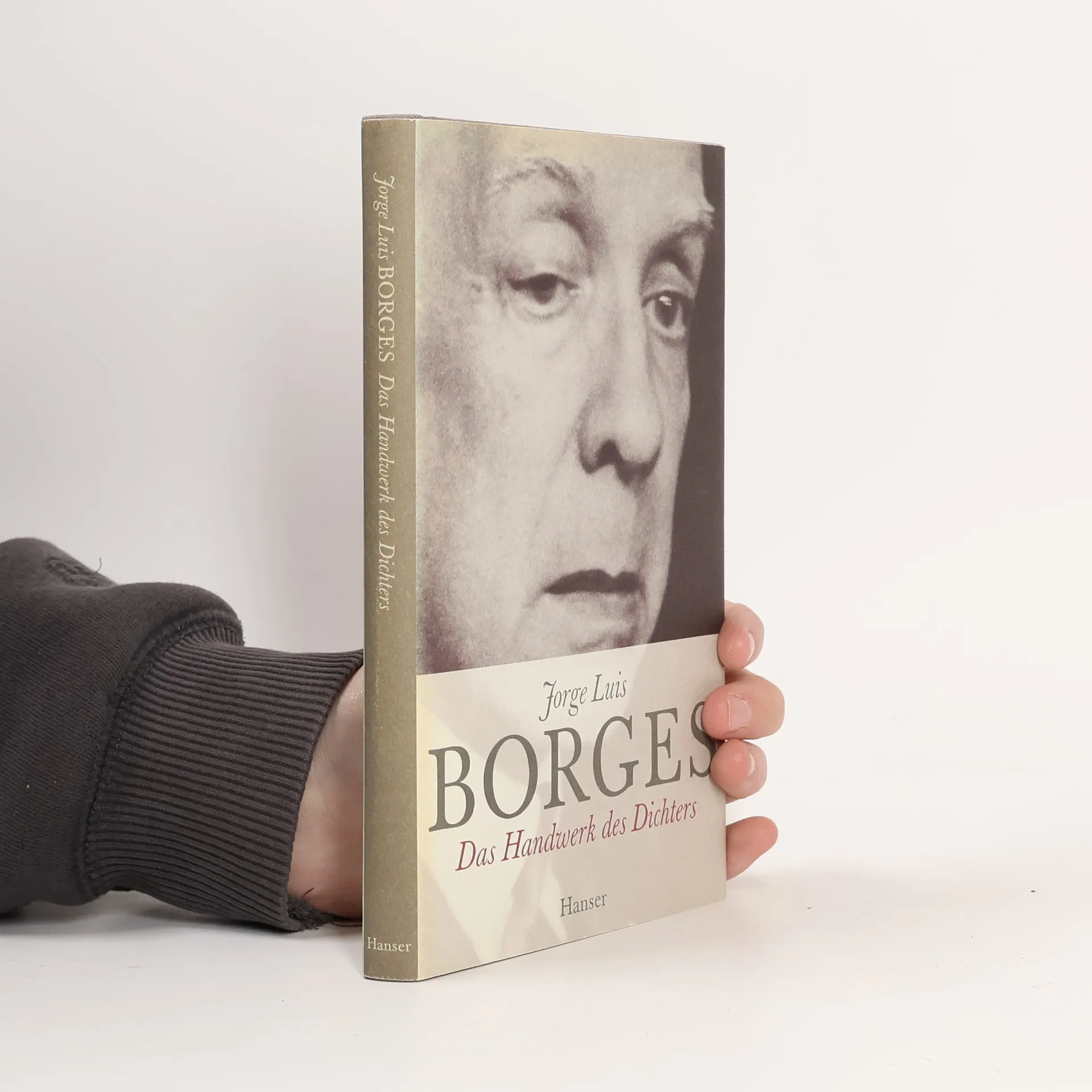
    • Das Handwerk des Dichters

      • 112 pages
      • 4 hours of reading

      Lang galten Jorge Luis Borges sechs legendäre Harvard-Vorlesungen aus dem Jahren 1967/1968 als verschollen, bis man endlich die Tonbänder eines Mitschnitts entdeckte. Der Fund war eine Sensation, denn in ihnen schreitet der zu dem Zeitpunkt halberblindete Lyriker, Erzähler, Essayist und Historiker den ganzen Umkreis seines Werkes ab und legt so die konzentrierteste Einführung in sein Werk und Denken vor: »Ich habe mein Leben damit verbracht, zu lesen, zu analysieren, zu schreiben (oder mich am Schreiben zu versuchen) und zu genießen. Ich fand, dass letzteres das wichtigste von allem war.« Dass das Glück des Lesens das Glück zu schreiben aufzuheben vermag, dass der Kommentar zu einem verlorenen Vers glänzender sein kann als die verschollenen Worte selbst, dass eine altnordische Metapher uns unmittelbarer berühren kann wie die Schilderung einer zeitgenössischen Kaffeehausszene – all diese großen Rätsel seines Werkes reicht er hier seinen Lesern weiter.› Das Handwerk des Dichters‹ ist der zentrale poetologische Text eines der größten Dichter des zwanzigsten Jahrhunderts.

      Das Handwerk des Dichters
      4.6
    • Altre inquisizioni

      • 187 pages
      • 7 hours of reading

      Los textos reunidos en Otras inquisiciones tocan temas muy queridos de Jorge Luis Borges: las relaciones entre espacio у tiempo, la previsión del futuro, la eternidad, el suicidio у la redención, el infinito, la lectura cabalista de la Escritura, los nombres de Dios, el infierno, el panteismo, la leyenda de Buda, el sabor de lo heroico, la refutación del tiempo, etc. Completan el volumen ensayos sobre Quevedo, Coleridge, Cervantes, Nathaniel Hawthorne, Paul Valery, Oscar Wilde, Chesterton, H.G.Wells, Franz Kafka, John Keats, Bernard Shaw у William Beckford.

      Altre inquisizioni
      4.4
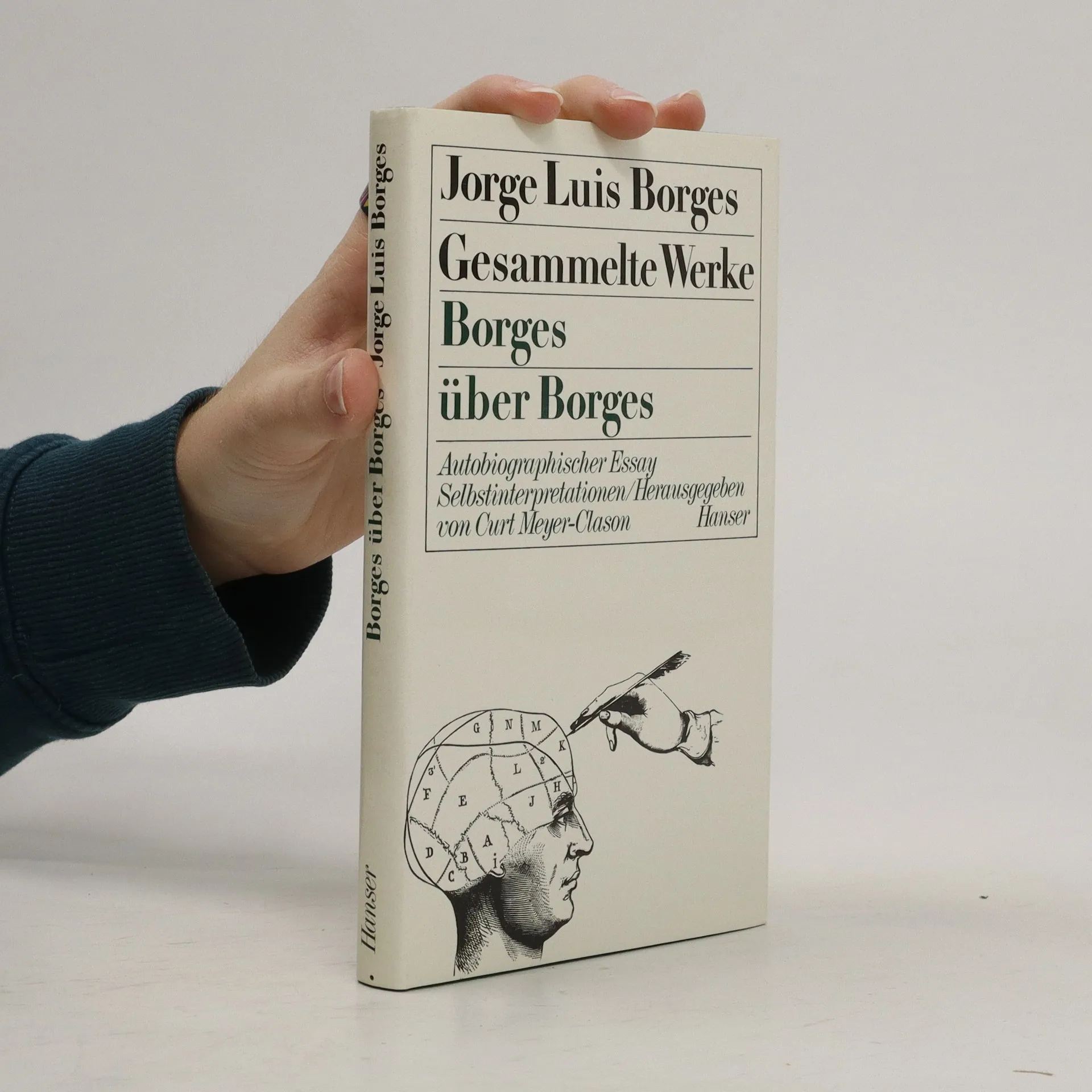
    • Gesammelte Werke

      • 148 pages
      • 6 hours of reading

      Inhalt: Autobiographischer Essay; Seminar über Fiktion; Seminar über Dichtung; Epilog. Der Band bietet authentische Selbstinterpretationen, die Borges' Seminaren an der Columbia University in New York entstammen.

      Gesammelte Werke
      5.0
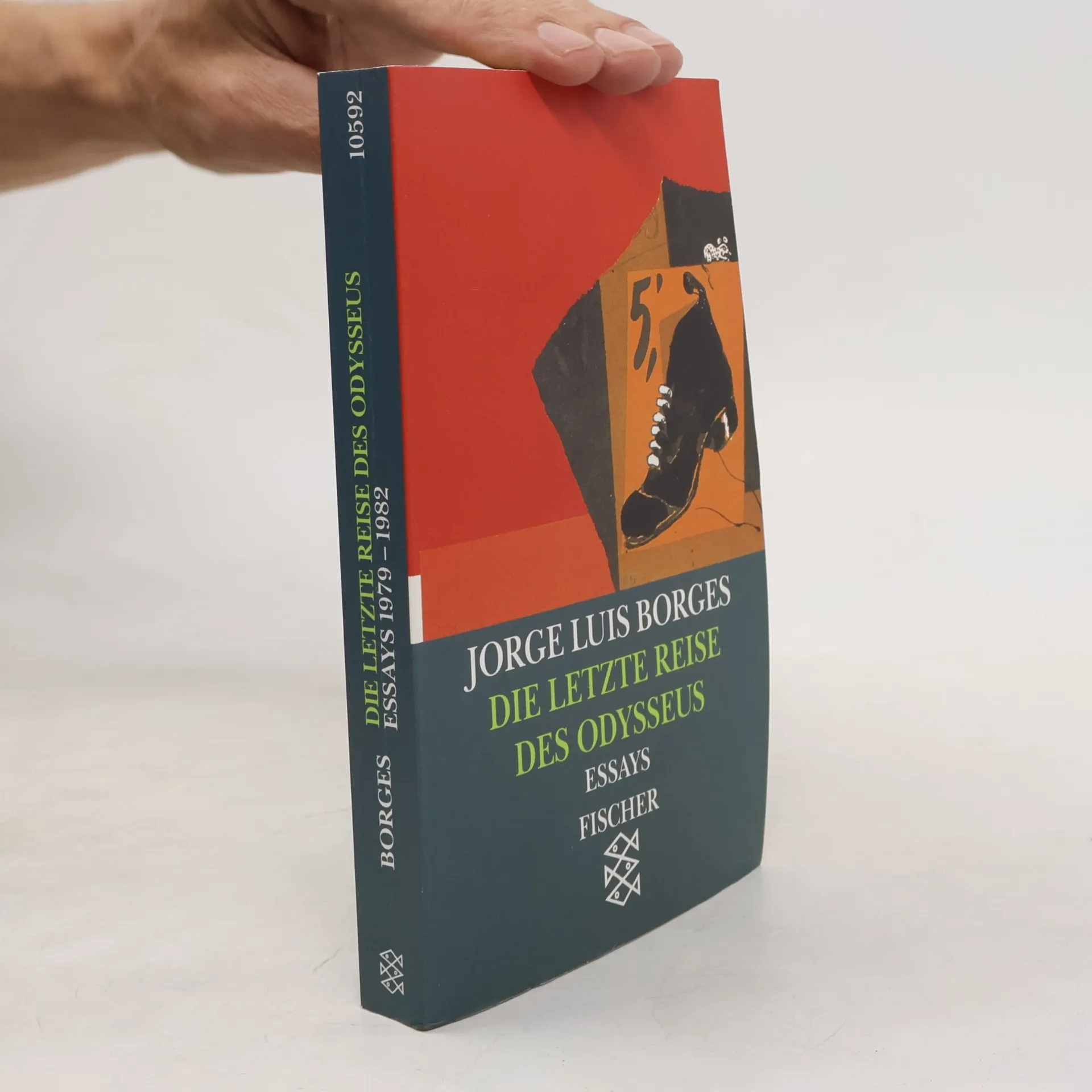
    • Die letzten Vorträge und Essays von Borges befassen sich noch einmal aus zum Teil überraschenden Blickwinkeln mit den Dingen, die ihn sein Leben lang beschäftigt haben: das Problem der Zeit, die Unsterblichkeit, die Kabbala und der Buddhismus, die Summe seines innigen Umgangs mit Dan-tes "Komödie", die Blindheit, "Die Dichtung, jenes mysteriöse Schachspiel, über das ich mich neigen werde, wenn ich gestorben bin".

      Die letzte Reise des Odysseus
      4.6
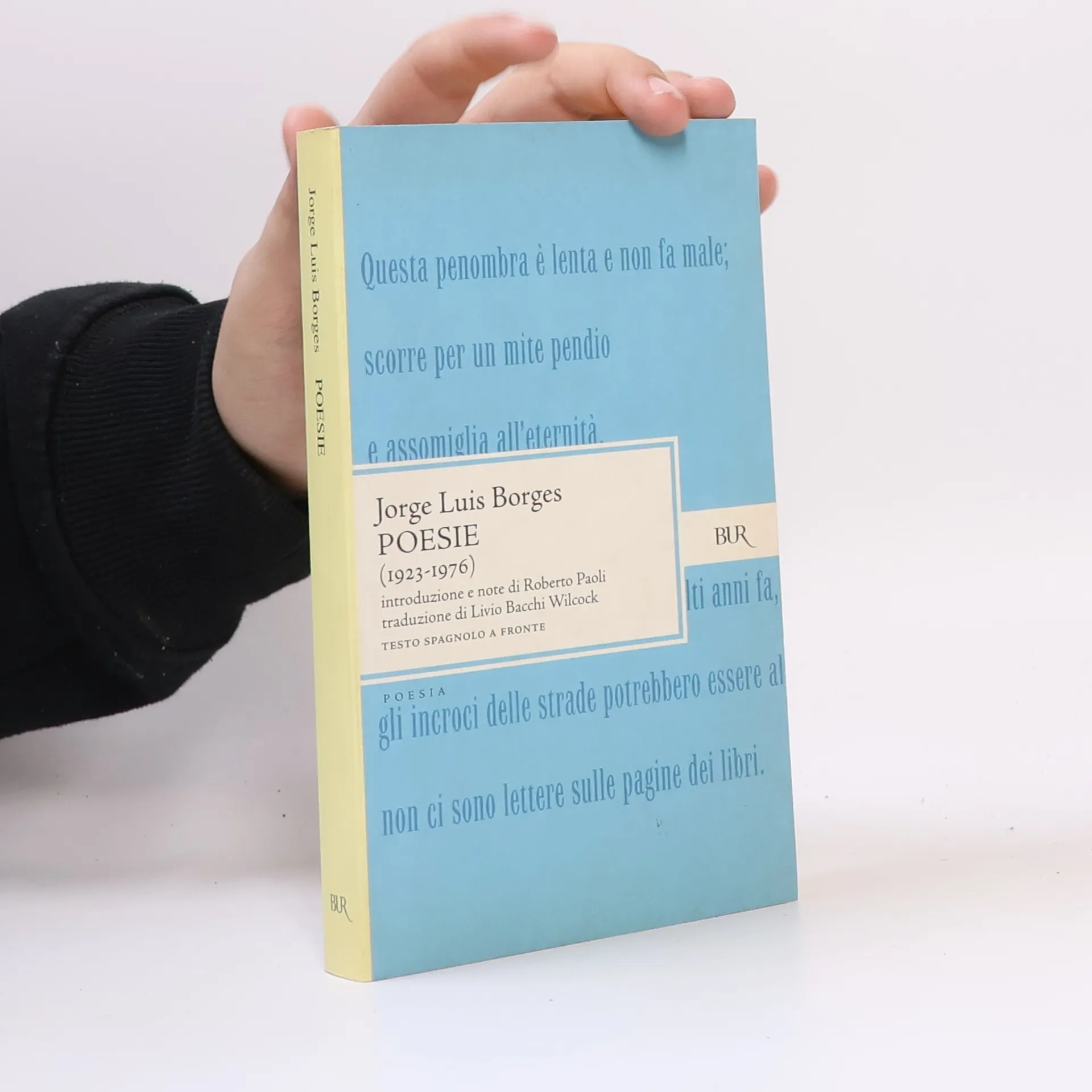
    • In una antologia personale, le più belle poesie di uno dei maggiori scrittori del XX secolo. Città che rivelano mille volti, ingannevoli, multiformi, cangianti, sempre uguali e diversi; i libri, la passione di una vita, riletti, che parlano, seducono, affascinano; i personaggi e le loro storie, gli orologi che segnano ore sempre diverse e uguali, gli specchi che riflettono e moltiplicano all'infinito una realtà sfuggente e indefinibile; i ricordi, i miti, la memoria...

      Poesie (1923-1976). Testo spagnolo a fronte
      4.4
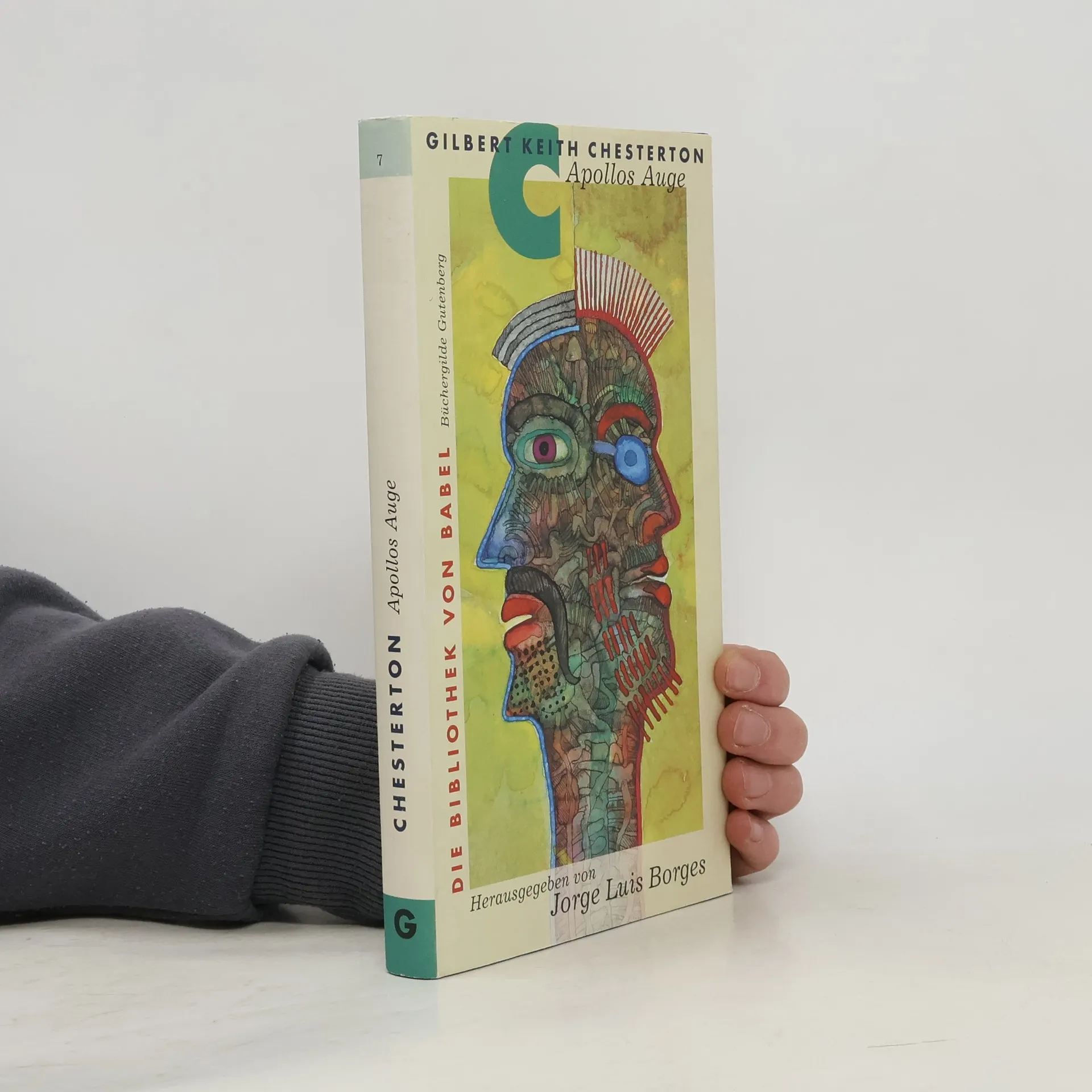
    • Aus dem ehemaligen Meisterdieb Flambeau ist durch Pater Browns Hilfe ein ehrbarer Privatdetektiv geworden. Als Flambeau dem Pater stolz sein neues Büro in London präsentiert, geschieht ein grausames Unglück, bei dem eine junge Frau ihr Leben verliert. Aber vielleicht war es gar kein Unglück? Undwas hat Flambeaus Hausgenosse, ein Priester der "Kirche des Apoll", mit dieser Sache zu tun?

      Apollos Auge
      4.7
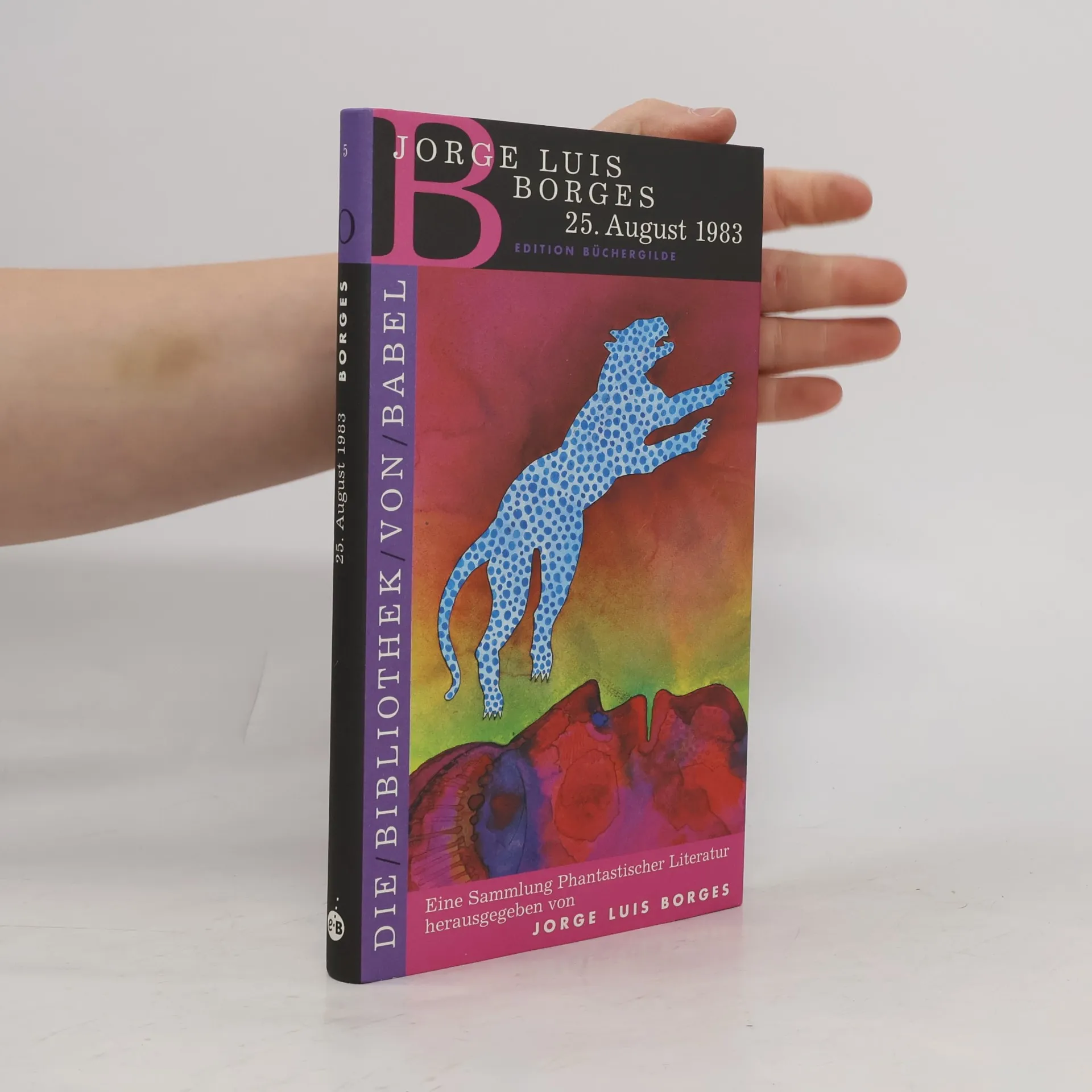
    • Fünf Erzählungen aus dem Bereich der phantastischen Literatur zeigen Borges’ Können, seine Lust an Grenzüberschreitungen und Gedankenexperimenten. Dieser Band, der auch ein Interview beinhaltet, gibt Auskunft über die schillernde und faszinierende Persönlichkeit des argentinischen Ausnahmeschriftstellers und Herausgebers der vorliegenden Reihe. „Borges’ dichterische Präsenz in diesem Jahrhundert übergreift Epochen und Kulturkreise, auch wenn sich Jahreszahlen und Orte nennen lassen.“ Martin Gregor-Dellin

      25. [Fünfundzwanzigster] August 1983 und andere Erzählungen
      4.5
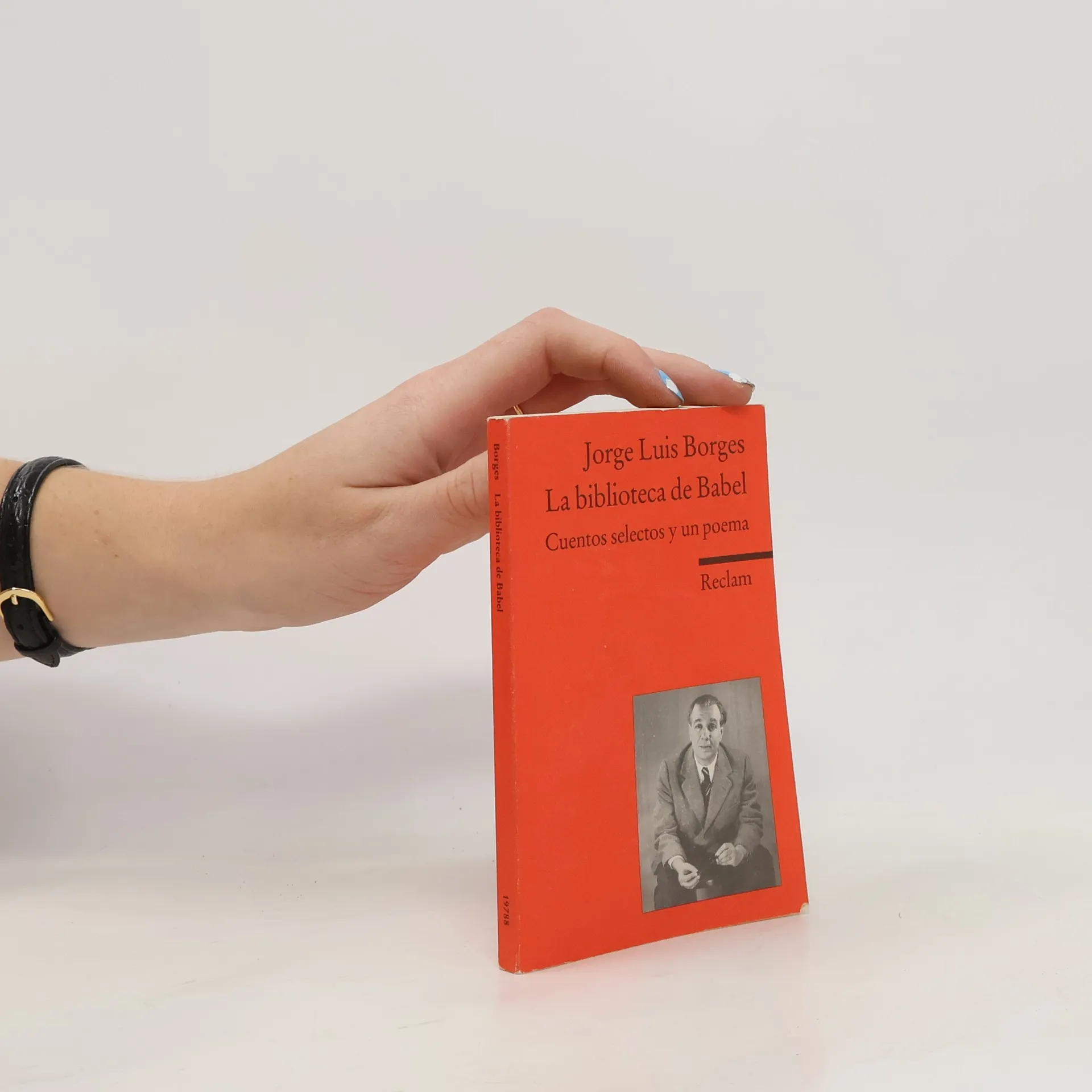
    • Spanische Literatur in Reclams Roter Reihe: das ist der spanische Originaltext – ungekürzt und unbearbeitet mit Worterklärungen am Fuß jeder Seite, Nachwort und Literaturhinweisen. Eine repräsentative Auswahl kürzerer und sprachlich nicht zu schwieriger Erzählungen aus dem Gesamtwerk des großen Argentiniers: La intrusa – Las ruinas circulares – La biblioteca de Babel – El sur – El milagro secreto – El libro de arena – El otro – La casa de Asterión – Deutsches Requiem – Los dos reyes y los dos laberintos – Hombre de la esquina rosada – La trama – Diálogo sobre un diálogo – El cautivo. Als Auftakt enthält die Anthologie Borges' Hommage an die deutsche Sprache: Al idioma alemán. Spanische Lektüre: Niveau B2 (GER) Sprachen: Spanisch, Deutsch

      La biblioteca de Babel
      4.4
    • Antologia da Literatura Fantástica

      • 448 pages
      • 16 hours of reading

      Numa noite de 1937, ao conversar sobre ficções fantásticas, três amigos – Jorge Luis Borges, Adolfo Bioy Casares e Silvina Ocampo – resolveram criar uma antologia com seus autores preferidos. Três anos depois, foi lançada a Antologia da literatura fantástica, consolidada em sua edição definitiva 25 anos depois, obtendo enorme sucesso não só de estima como de público. Do filósofo Martin Buber ao explorador Richard Burton, passando pela tradição dos contos orientais, além de Cortázar, Kafka, Cocteau, Joyce, Wells e Rabelais, são 75 histórias – não só contos, como fragmentos de romance e peças de teatro -- que nos apresentam uma literatura marcada pelo imaginário e por um modo diferente de representar a realidade.

      Antologia da Literatura Fantástica
      4.3
    • Cuentos memorables

      • 384 pages
      • 14 hours of reading

      25 años después de la muerte de Borges, Alfaguara recoge los relatos que él eligió como los más memorables de la literatura universal: Poe, Conrad, Kipling y Maupassant, entre otros, se dan cita en estas páginas. “No sé si soy un buen escritor; creo ser un excelente lector o, en todo caso, un sensible y agradecido lector.” Esta frase de Borges, citada infinidad de veces, sigue reencontrando su sentido inequívoco. El 26 de julio de 1935, en una sección de la revista argentina El Hogar titulada “Un cuento, joya de la literatura”, Borges explicaba por qué elegía el relato de May Sinclair “Donde su fuego nunca se apaga” como el cuento más memorable que había leído, al tiempo que mencionaba otros once. Esa declaración ha inspirado la presente antología, que reúne un variado grupo de magníficos relatos.

      Cuentos memorables
      4.3
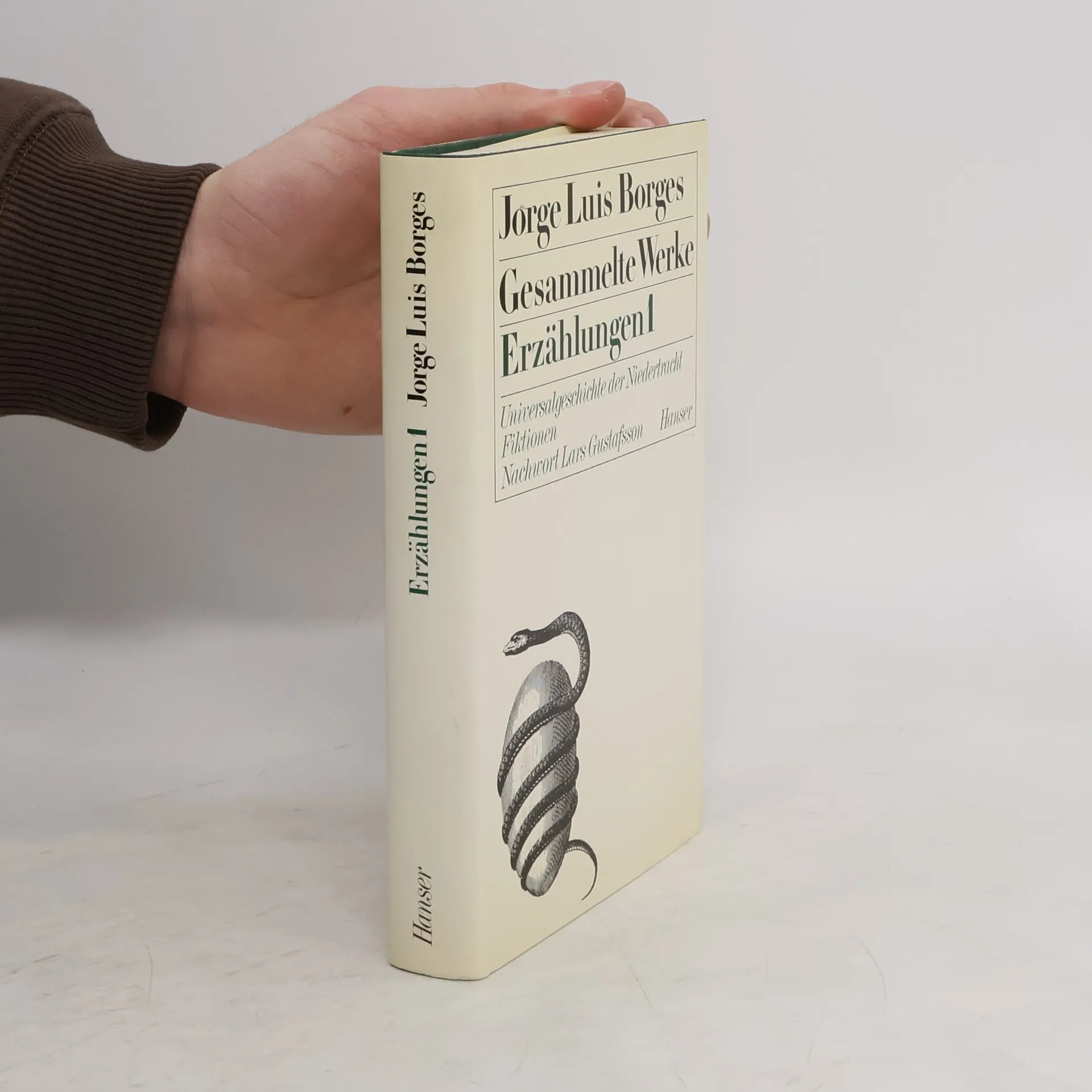
    • Inhalt: Universalgeschichte der Niedertracht; Etcetera; Fiktionen; Der Garten der Pfade, die sich verzweigen; Kunststücke. Verstand und Phantasie finden in den Erzählungen von Borges auf unvergleichliche Weise zusammen. Sie haben Borges Weltruhm eingebracht. »Die Größe des Borges liegt darin, daß er den Leser an Vergessenes erinnert, und die andere Größe des Borges ist es, den Leser zu zwingen, daß er lernt, auch an die Fragwürdigkeit dieses Weltengeheimnisses zu glauben …« DIE PRESSE, Wien

      Gesammelte Werke. Erzählungen
      4.5
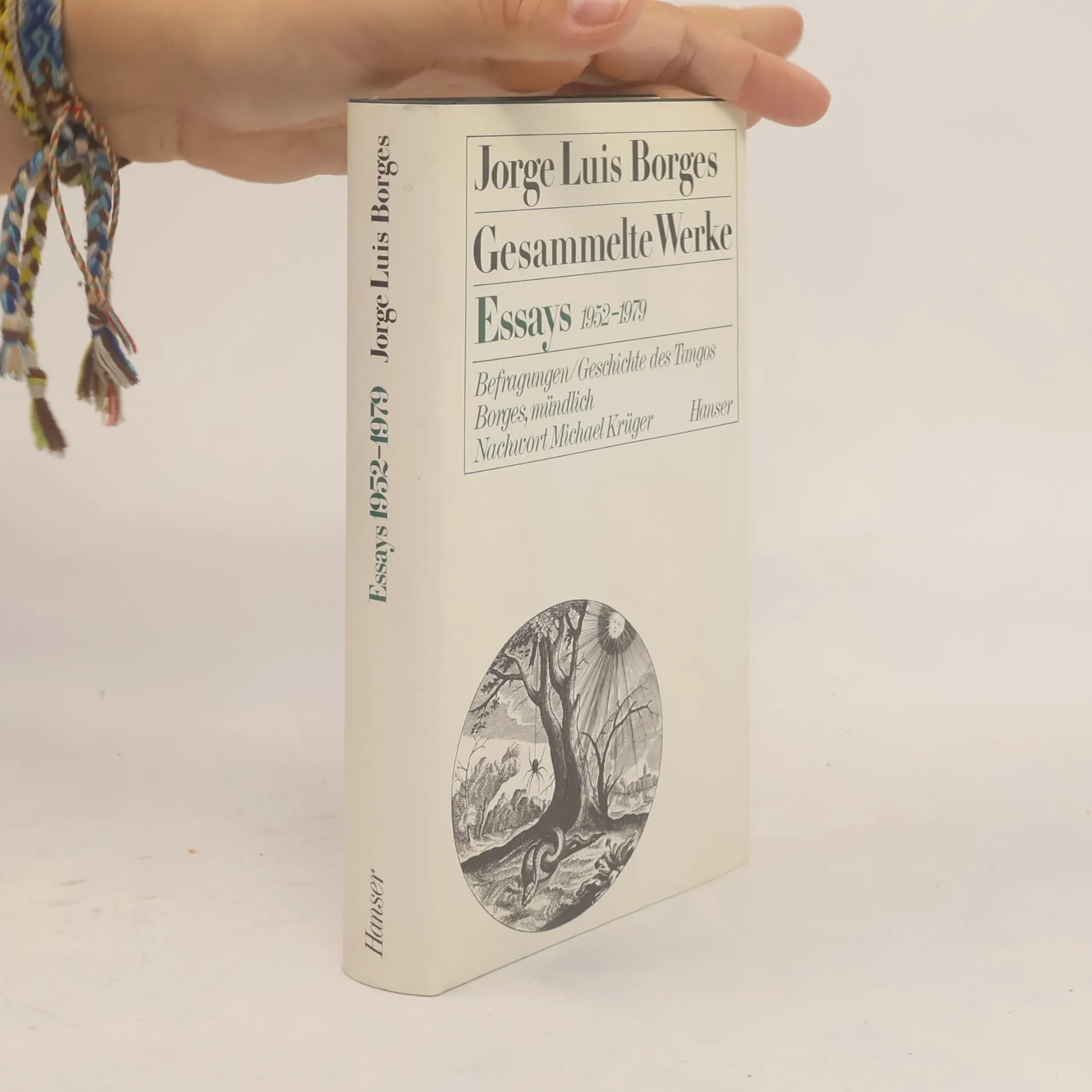
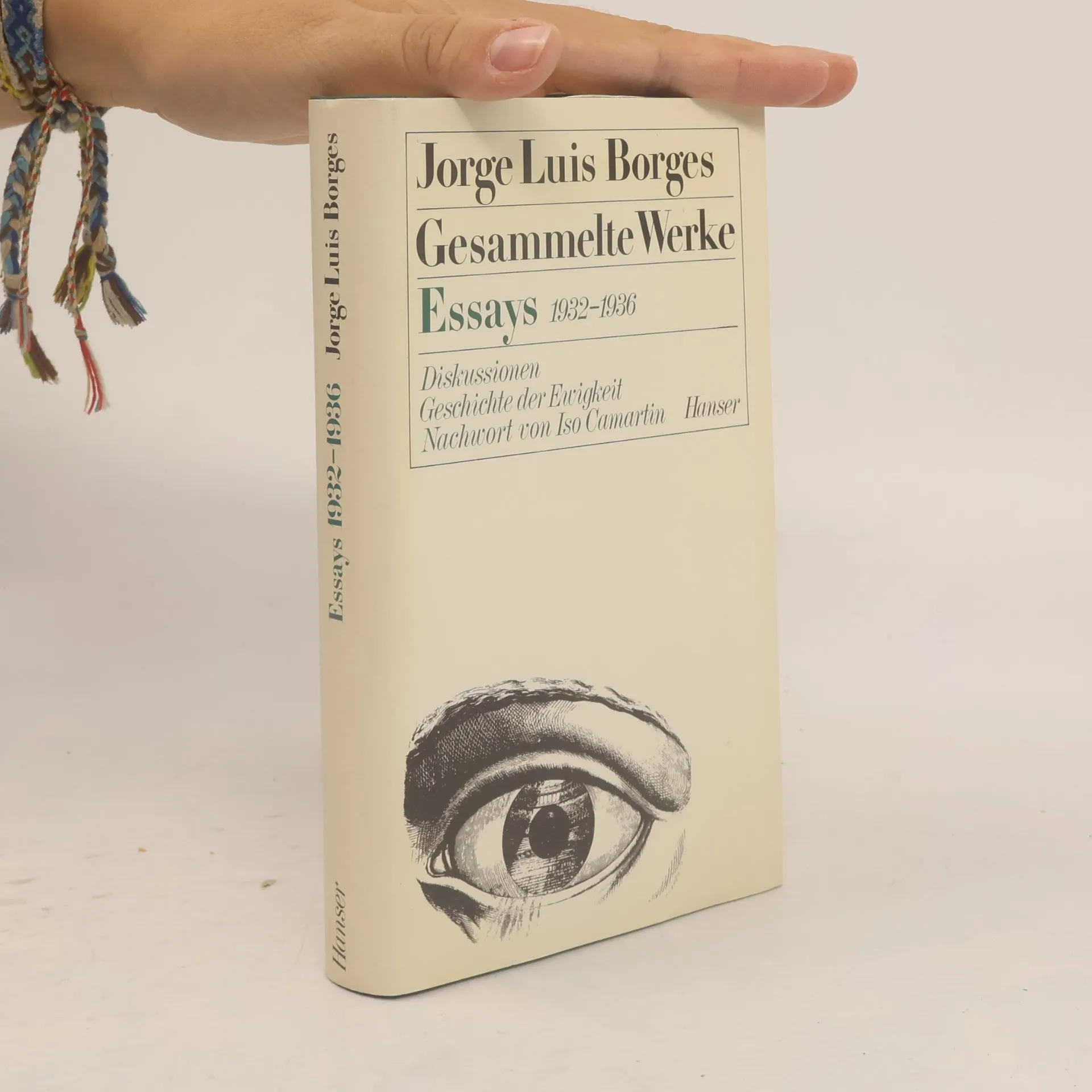
    • Gesammelte Werke. Essays

      • 308 pages
      • 11 hours of reading

      Inhalt: Diskussionen; Anmerkungen; Geschichte der Ewigkeit; Zwei Anmerkungen. Schon früh hat Borges den Grenzbereich zwischen Essay und Erzählung planmäßig ausgekundschaftet. So sind seine Texte mit dem Begriff »Essay«, wie er im Deutschen gebraucht wird, nur schwer zu vereinbaren. Es handelt sich nicht um Aufsätze, sondern um Anmerkungen, um Glossen, die nicht weniger literarisch sind als seine Erzählungen.

      Gesammelte Werke. Essays
      5.0
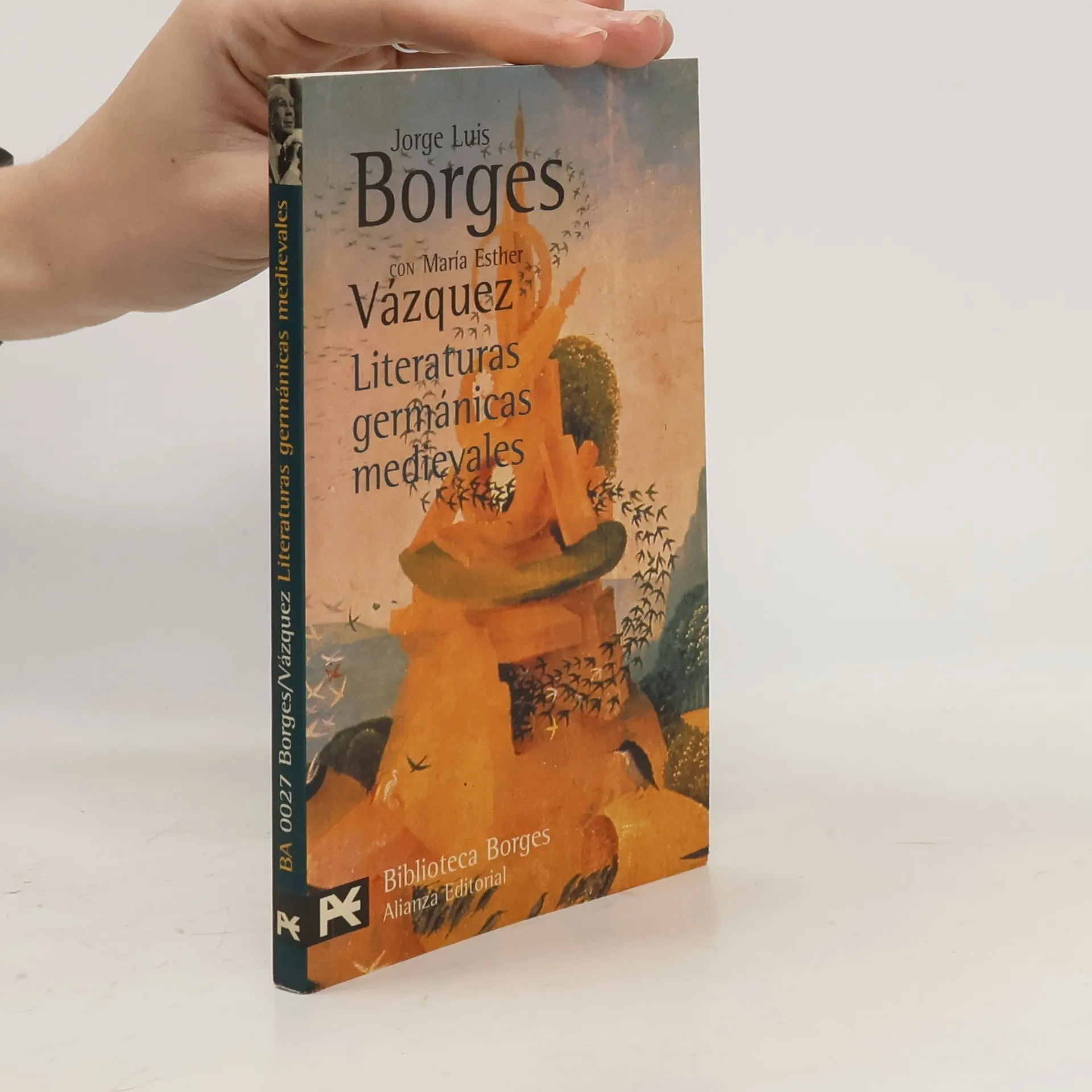
    • Literaturas germánicas medievales

      • 192 pages
      • 7 hours of reading

      Escrita en colaboración con María Esther Vázquez, esta obra de Jorge Luis Borges reconstruye los orígenes de tres literaturas - escandinava, alemana y de la Inglaterra sajona - alejadas entre sí en virtud de complejas vicisitudes históricas, pero surgidas de una raíz común; el territorio que Tácito denominó Germania, menos una región geográfica que un conjunto de tribus cuyos hábitos, lenguas, tradiciones y mitologías eran afines.

      Literaturas germánicas medievales
      4.3
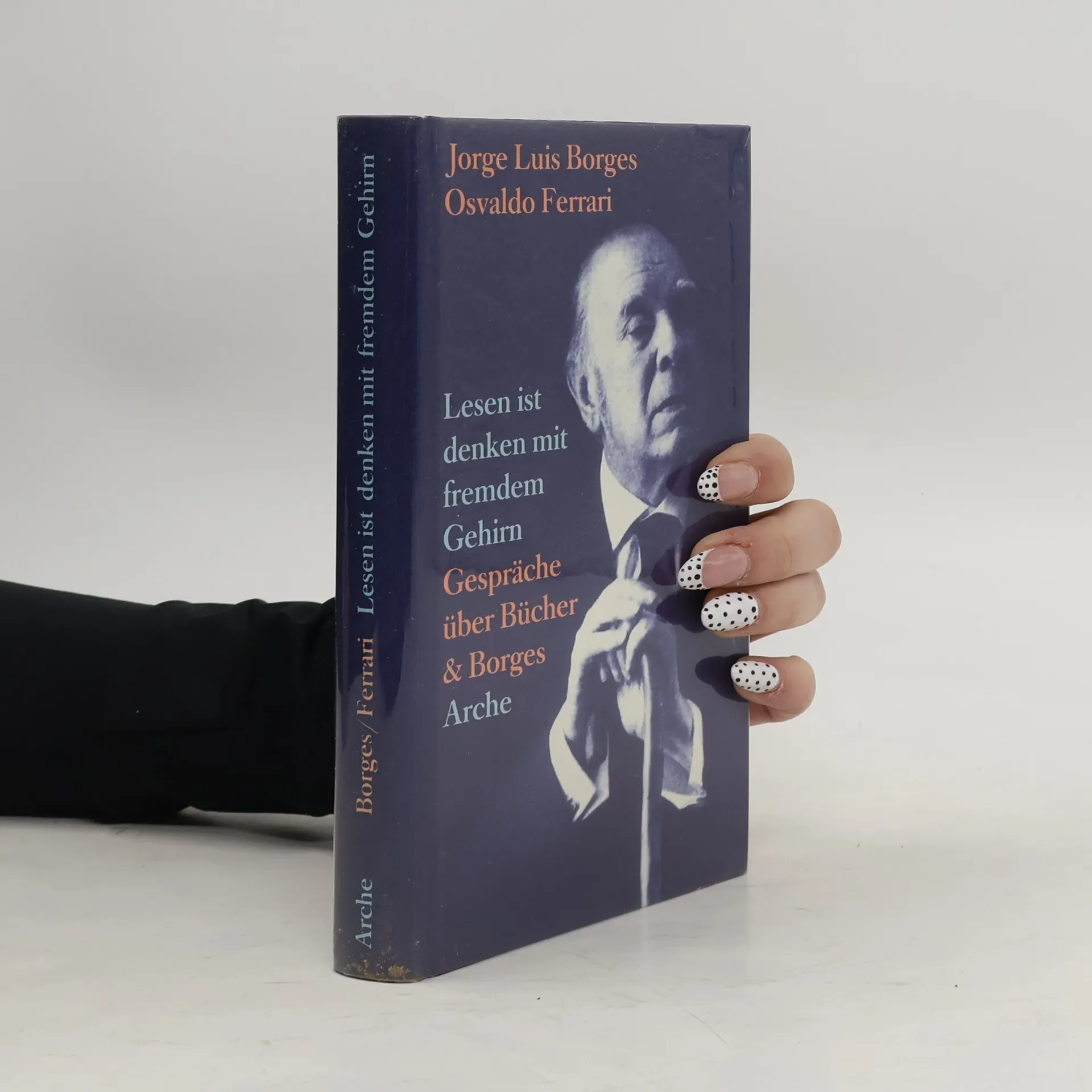
    • Lesen ist denken mit fremdem Gehirn

      • 305 pages
      • 11 hours of reading

      Es begann in Buenos Aires, in der Bibliothek seines Vaters, über die Borges einmal sagte, wahrscheinlich habe er nie aus ihr herausgefunden. Nach dem Tod des Vaters trat er eine Stelle in einer städtischen Bibliothek an, »neun Jahre soliden Unglücks«, aber er hatte Zeit zum Lesen – und zum Schreiben von (im Doppelsinn) phantastischen Erzählungen wie Die Bibliothek von Babel. Die vierte Bibliothek seines Lebens war die argentinische Nationalbibliothek, der Borges ab 1955 vorstand. Im selben Jahr erblindete er: »Eine Ironie Gottes, der mir zugleich die Bücher und die Nacht gab.« Die Bücher blieben, und von ihnen erzählte er dem argentinischen Autor Osvaldo Ferrari in dreißig kurzen Gesprächen zwischen 1984 und 1986. So kurz diese Dialoge sind, so reich das Innenleben, das sie offenbaren. Und Borges gewährt nicht nur Einblick in seine geistige Bibliothek, er erzählt von seinem Faible für Dolche und Messer, dass er sich von seiner Blindheit nicht das Reisen verderben lasse und davon, dass er dem Tod ungeduldig entgegensehe. Es entsteht ein Memoir in Fragmenten, reich an farbigen Anekdoten und verblüffenden Details – eine Fundgrube literarischer Perlen.

      Lesen ist denken mit fremdem Gehirn
      5.0
    • ET: Finzioni

      • 154 pages
      • 6 hours of reading

      «Debbo la scoperta di Uqbar alla congiunzione di uno specchio e di un'enciclopedia. [...] Il fatto accadde un cinque anni fa. Bioy Casares, che quella sera aveva cenato da noi, stava parlando d'un suo progetto di romanzo in prima persona, il cui narratore, omettendo o deformando alcuni fatti, sarebbe incorso in varie contraddizioni, che avrebbero permesso ad alcuni lettori - a pochissimi lettori - di indovinare una realtà atroce o banale. Dal fondo remoto del corridoio lo specchio ci spiava». Uscito in Argentina nel 1944 e tradotto da Franco Lucentini nel 1955, Finzioni è il libro che ha rivelato Borges in Italia, e che da allora ha acquistato anche da noi la statura di un classico contemporaneo. Diviso in due parti - Il giardino dei sentieri che si biforcano e Artifici - il volume è composto di racconti che di volta in volta sono fantastici, simbolisti, polizieschi, esoterici, tutti volti a creare una sorta di «enciclopedia illusoria» di cui Borges è il magistrale compilatore.

      ET: Finzioni
      4.3
    • Antología poética 1923-1977

      • 149 pages
      • 6 hours of reading

      Antología Poética 1923-1977 reúne una selección de poemas que, excluyendo cualquier enfoque académico, llevó a cabo el propio Jorge Luis Borges: ""Yo desearía que este volumen fuera leído sub quadam specie aeternitatis, de un modo hedónico, no en función de teorías, que no profeso, o de mis circunstancias biográficas. Lo he compilado hedónicamente; sólo he recogido lo que me agrada o lo que me agradaba en el instante en que lo elegí".

      Antología poética 1923-1977
      4.3
    • Borges fu una figura chiave del movimento poetico ultraista. Durante la prima guerra mondiale, studiò a Ginevra e poi si trasferì in Spagna, dove partecipò a vivaci dibattiti sul futuro della poesia. Nel 1921, nacque l'ultraismo, in sintonia con altre avanguardie del periodo. A Buenos Aires, fondò "Prisma" e "Proa", riviste che rappresentavano il movimento. Nel 1923, con la pubblicazione di Fervor de Buenos Aires, Borges affrontò critiche dai suoi compagni ultraisti, accusato di eccesso di sentimento nella sua lirica. Tra Fervor de Buenos Aires e Altre inquisizioni del 1952, passarono trent'anni che consacrarono Borges come un classico della cultura occidentale. Altre inquisizioni riflette un'arte dedicata al culto del raro e dell'immagine simbolica, esplorando temi come il destino, il sogno e l'enigma della creazione. Il libro ci guida attraverso labirinti culturali ironici e paradossali, senza temere verità presunte, ma rispettando la dignità dell'essere umano. Si tratta di un'opera di saggi letterari che offre anche un indice dei gusti di Borges, presentando ritratti inediti di scrittori famosi.

      Universale Economica - 674: Altre inquisizioni
      4.3
    • El jardín de senderos que se bifurcan

      • 93 pages
      • 4 hours of reading

      Escritor argentino (1899-1986). Su obra se inscribe esencialmente dentro de la poesía, el relato corto y el ensayo. En cualquiera de estos campos se muestra como un extraordinario creador, erudito, riguroso y con un profundo sentido crítico no exento de ironía. Los relatos reunidos en El jardín de senderos que se bifurcan (1941) son un buen ejemplo de su narrativa. Otras obras: El aleph (1949), El hacedor (1960). Ganador del premio Miguel de Cervantes en 1980. Contenido: - Prólogo - Tlön, Uqbar, Orbis Tertius - El acercamiento de Almotásim - Pierre Menard, autor del Quijote - Las ruinas circulares - La lotería de Babilonia - Examen de la obra de Herbert Quain - La Biblioteca de Babel - El jardín de senderos que se bifurcan

      El jardín de senderos que se bifurcan
      4.3
    • Poesie (1923-1976)

      • 317 pages
      • 12 hours of reading

      Un'antologia di poesie selezionate dallo stesso poeta ci introduce nel poliedrico universo borgesiano. Egli conosce come nessuno il piacere pericoloso della lettura. Gioca e falsifica. Fingendo di essere un istrione, si applica sempre nuove maschere sul volto. Fugge se stesso in altri se stessi, che lo inquietano ancor di più: si insegue e si nasconde attraverso simboli, ombre, tropi, metafore, enciclopedie, libri veri e immaginari, labirinti veri e sognati. Alla fine di questa lunghissima fuga nessuno può affermare se Borges abbia davvero trovato la propria identità o l'abbia eternamente smarrita. Il commento di Roberto Paoli rintraccia tutte le allusioni culturali del più dotto fra i poeti del XX secolo.Con bibliografia e cronologia della vita e delle opere.

      Poesie (1923-1976)
      4.3
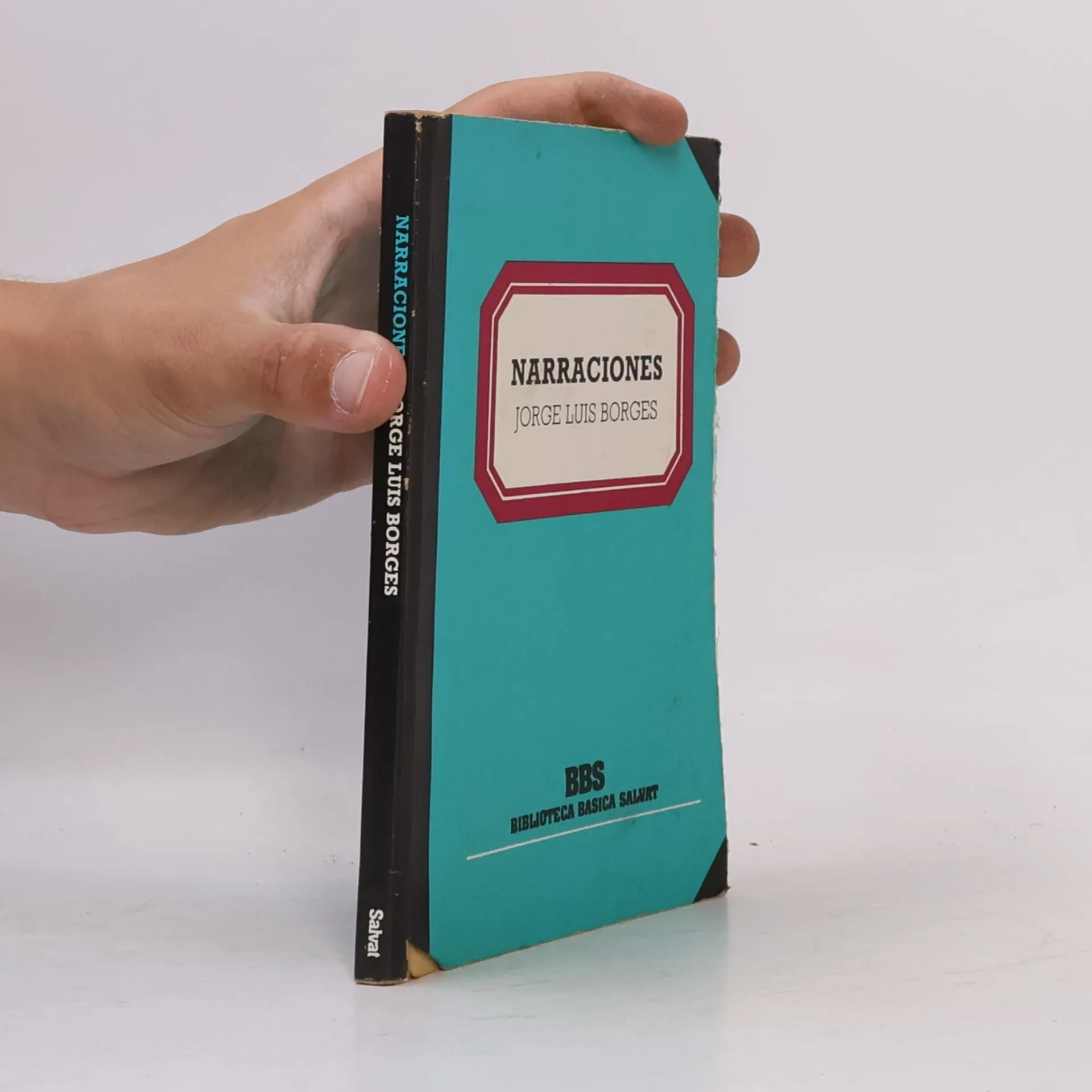
    • Aparecen reunidos en este volumen y rigurosamente seleccionados los relatos de Jorge Luis Borges que universalmente gozan de la más alta consideración. Entre ellos, «Hombre de la esquina rosada», «La biblioteca de Babel», «El aleph», «El informe de Brodie» y «El libro de arena». Este apretado panorama da una idea de la gran renovación de la escritura que Borges realiza mediante su fantástico poder de creación y su compleja elaboración intelectual. Antecede a los textos un extenso y documentado estudio de Marcos Ricardo Barnatán, que ha dedicado ya tres libros al estudio del autor y su obra.

      Narraciones
      4.3
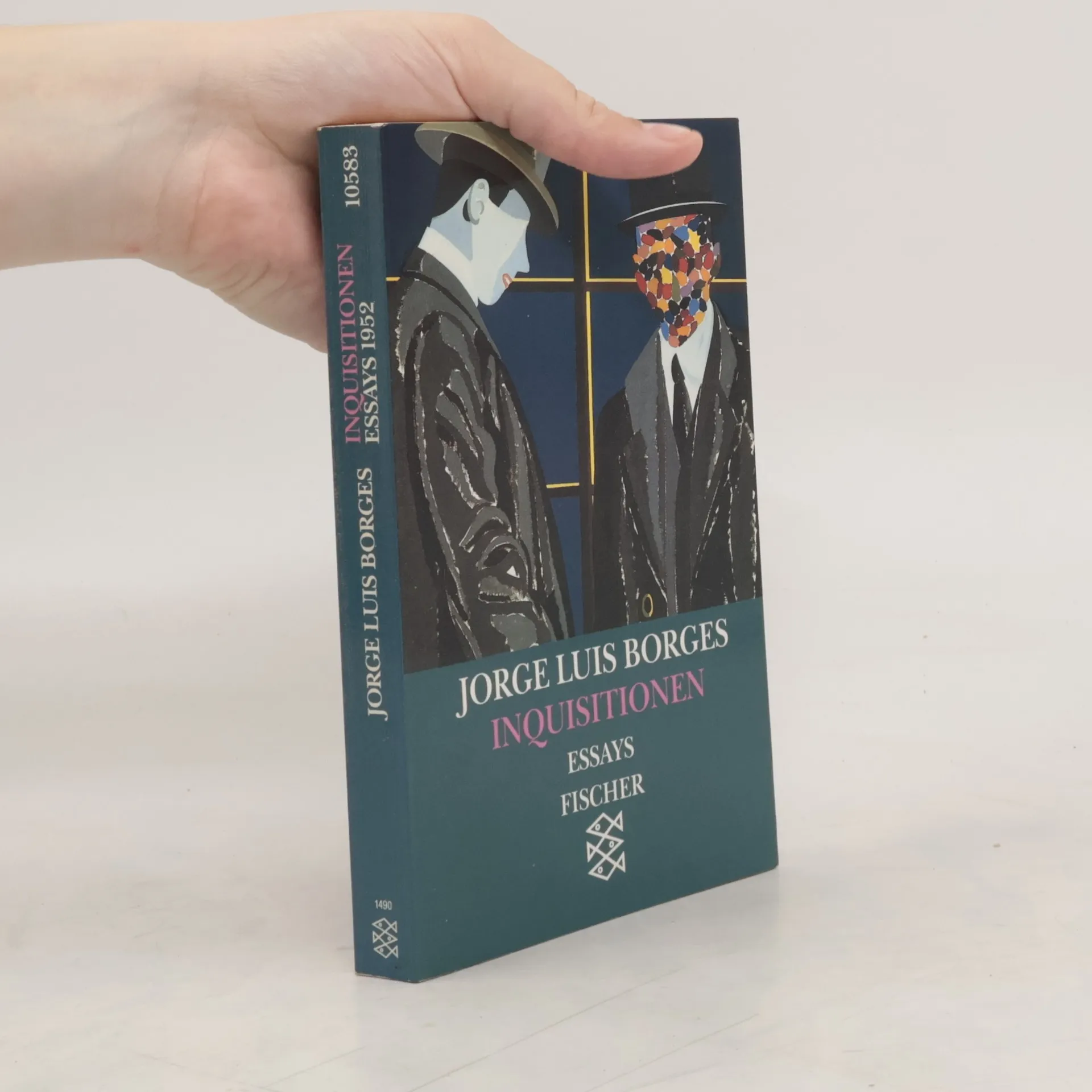
    • Inquisitionen

      • 237 pages
      • 9 hours of reading

      Dieser zuerst 1952 erschienene Band mit Essays zeigt die erstaunliche Vielfalt der Interessen und Denkansätze von Jorge Luis Boges und macht deutlich, weshalb sein Rang als geistvoller und eleganter Essayist einzigartig ist. Neben scharfsinnigen Analysen universaler Dinge – der ›Ästhetische Vorgang‹, Traum, Zeit, Sprache, Geschichte – finden sich zahlreiche Auseinandersetzungen mit Autoren und bestimmten, zum Teil nie vorher wahrgenommenen Aspekten ihrer Werke: Coleridge, Cervantes, Hawthorne, Valéry, Wilde, Chesterton, Wells, Kafka, Shaw u.a.

      Inquisitionen
      4.3
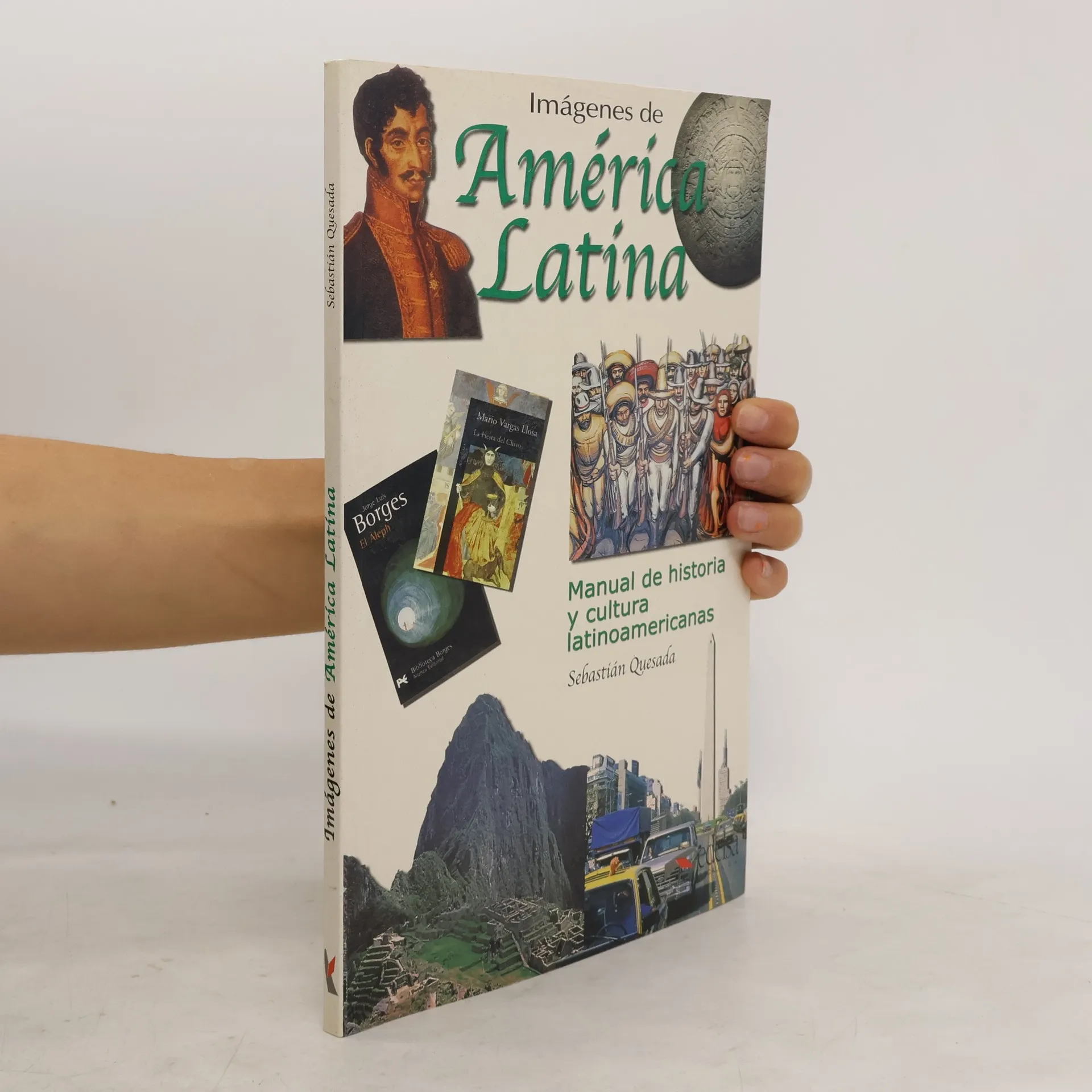
    • Imágenes de América Latina

      Manual de historia y cultura latinoamericanas

      • 140 pages
      • 5 hours of reading

      Material de practicas es un complemento al libro de cultura y civilizacion Imagenes de America Latina. En el se desarrolla la competencia discursiva y se profundiza en el conocimiento del lexico, a la vez que propone una reflexion intercultural sobre la realidad historica descrita en el manual.Este Material de practicas esta concebido para trabajar tanto en autonomia como en el aula. A partir de una misma estructura, el lector puede acercarse en cada capitulo a la historia de un modo activo, para lo cual se aprovechan los recursos ofrecidos por las nuevas texto en su contexto. Revision de los contenidos historicos.El orden del texto. Reflexion y practica con el vocabulario.La imagen del texto. Trabajo de escritura a partir de una imagen.Mas alla del texto. Diversidad de modelos textuales y trabajo sobre su contenido.Propuestas para el debate. Reflexion intercultural a partir del analisis de la realidad iberoamericana.Internet. Las nuevas tecnologias al servicio de la ensenanza intercultural.

      Imágenes de América Latina
      4.0
    • Die Bibliothek von Babel. Erzählung

      • 96 pages
      • 4 hours of reading

      Jorge Luis Borges, 1899 in Buenos Aires geboren, gründete schon als junger Mann mit Freunden zusammen literarische Zeitschriften. Sein erster Gedichtband erschien 1923. Von 1950 bis 1953 war er Präsident des argentinischen Schriftstellerverbands und von 1955 bis 1973 Direktor der Nationalbibliothek von Buenos Aires. 1961 erhielt er, zusammen mit Beckett, den Internationalen Literaturpreis Formentor, dem bis zu seinem Tod 1986 in Buenos Aires zahlreiche internationale Ehrungen folgten. Kaum ein Schriftsteller des 20. Jahrhunderts hat so viele andere Autoren beeinflusst wie Borges.

      Die Bibliothek von Babel. Erzählung
      4.2
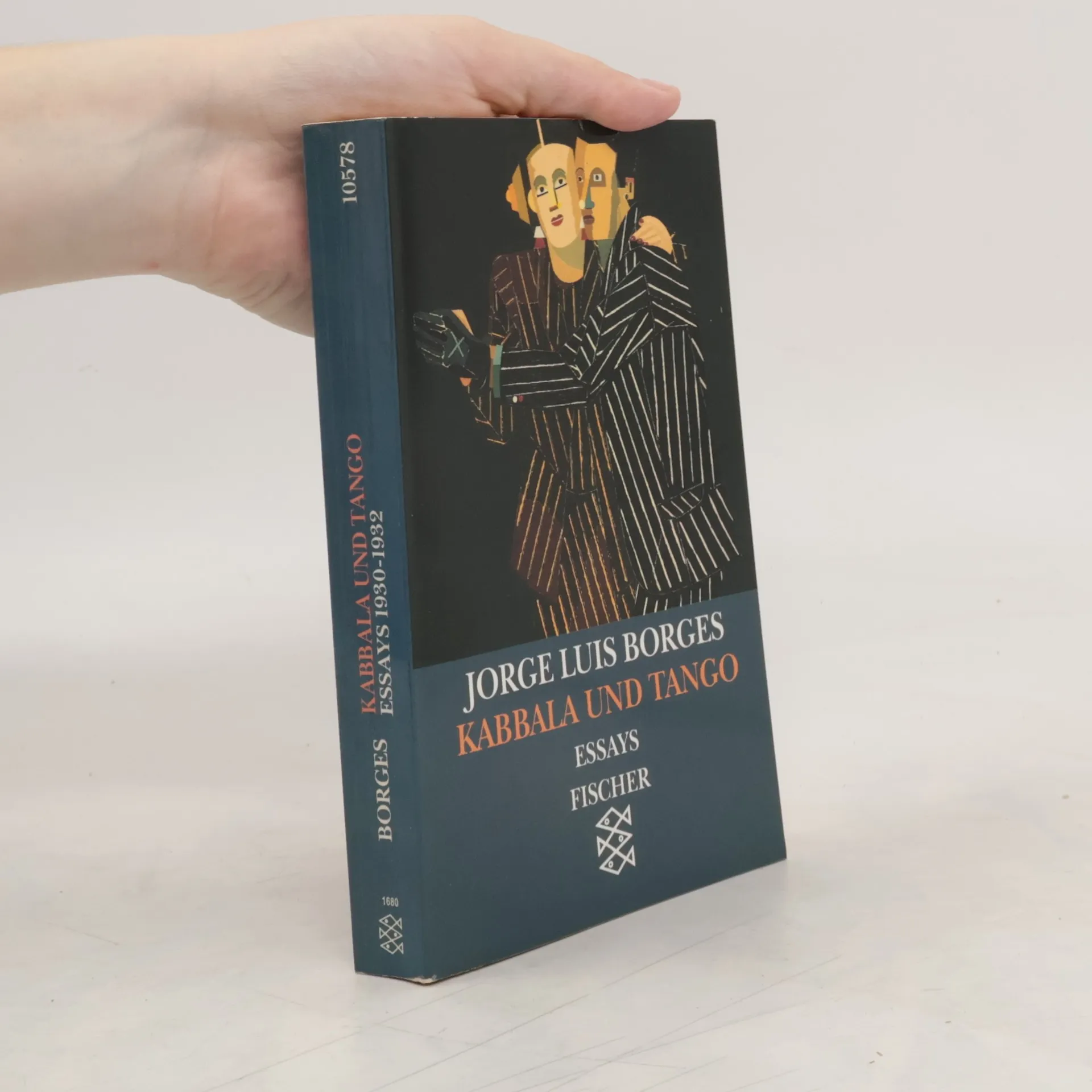
    • Kabbala und Tango

      • 317 pages
      • 12 hours of reading

      Der erste Teil dieses Bandes, "Evaristo Carriegcx", lag bisher auf Deutsch nicht vor. Der zweite Teil, "Diskussionen" (1932), ist Borges' erste "überlebende" Essaysammlung (drei frühere Bände wurden von ihm selbst unterdrückt). Borges hat sich immer darum bemüht, auch schwierige Dinge verständlich auszudrücken; die Klarheit und Präzision seiner Sprache ist ebenso beeindruckend wie die Vielfalt der Themen - von der Gaucho-Dichtung über Probleme des Realismus und Teilaspekte der gnostischen Kabbala bis zu scharfsinnigen Bemerkungen über Walt Whitman oder Flaubert.

      Kabbala und Tango
      4.2
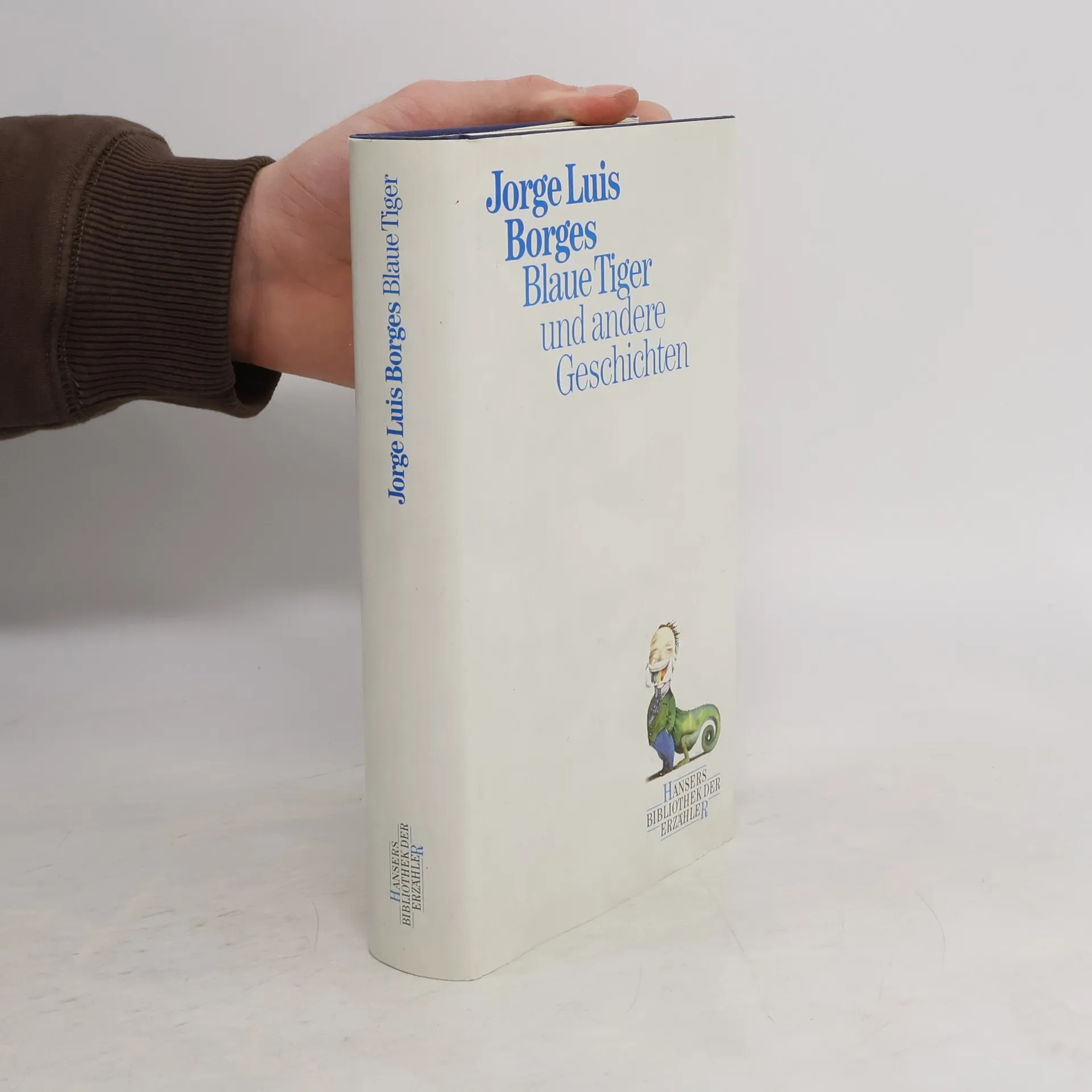
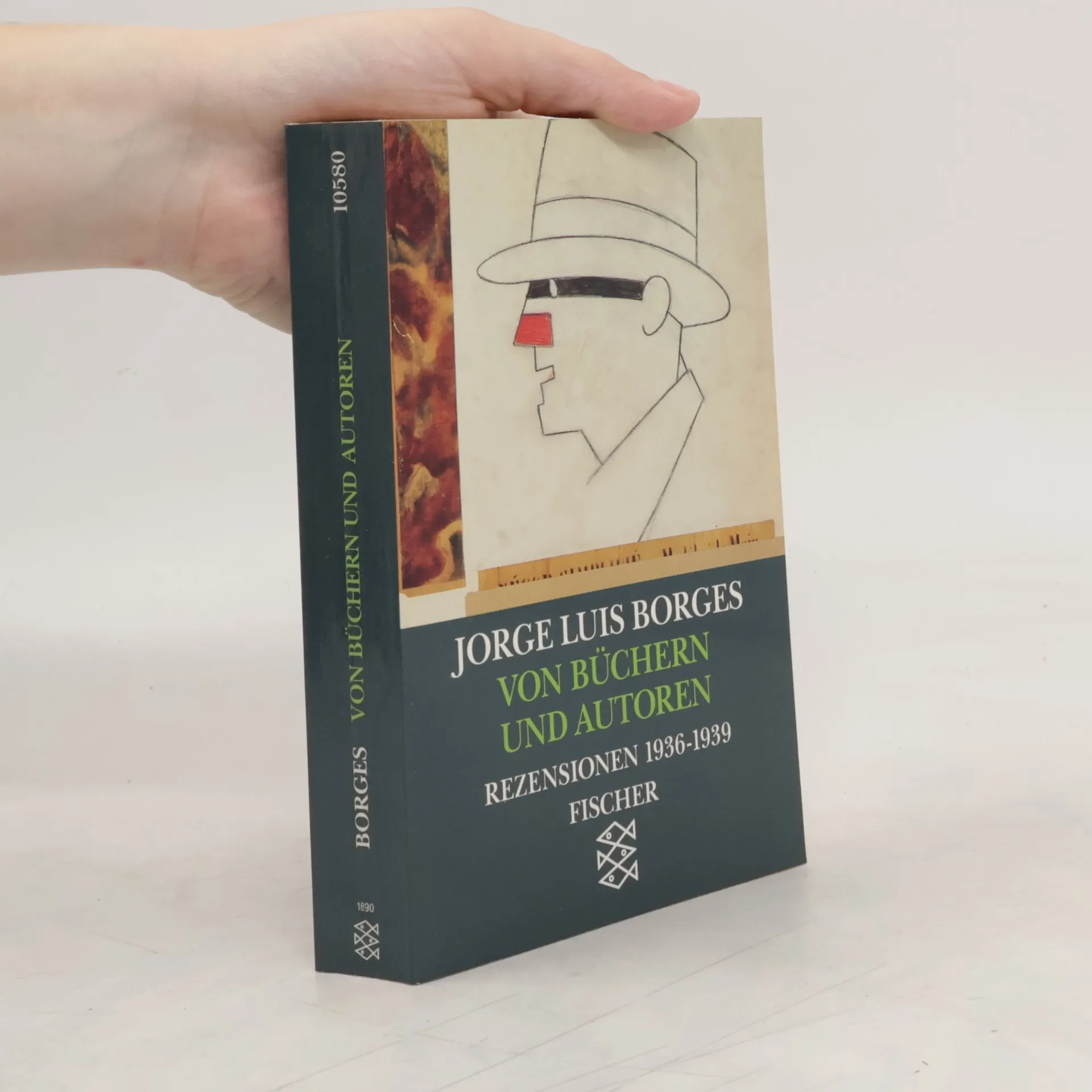
    • Von Büchern und Autoren

      • 374 pages
      • 14 hours of reading

      Der große Erzähler und Dichter Borges war zugleich einer der hellsichtigsten Kritiker seiner Zeit. Von 1936 bis1939 betreute er in Buenos Aires den Literaturteil der Zeitung »El Hogar« und verfasste dazu zahllose Autorenporträts, Rezensionen und Polemiken. Von Thomas Mann zu Kafka und Döblin, von Edgar Allen Poe bis T. S. Eliot und Virginia Woolf, von H. G. Wells zu James Joyce und Ernest Hemingway ist ihm in der Ferne von Buenos Aires scheinbar nichts entgangen. Und gleichzeitig begegnet uns in seinen Essays immer wieder die Signatur seines Werks: der Mensch, das Labyrinth, die Zeit.

      Von Büchern und Autoren
      4.0
    • Dieser Band vereint Kurzprosa und Lyrik von Jorge Luis Borges, darunter das Gedicht über die Ironie Gottes, Parabeln über Homer und Shakespeare sowie den sarkastischen »ornithologischen Gottesbeweis«. Die Themen und Formen sind vielfältig und bilden ein faszinierendes Labyrinth von Borges' Werk.

      Borges und ich. Gedichte und Prosa 1960
      4.2
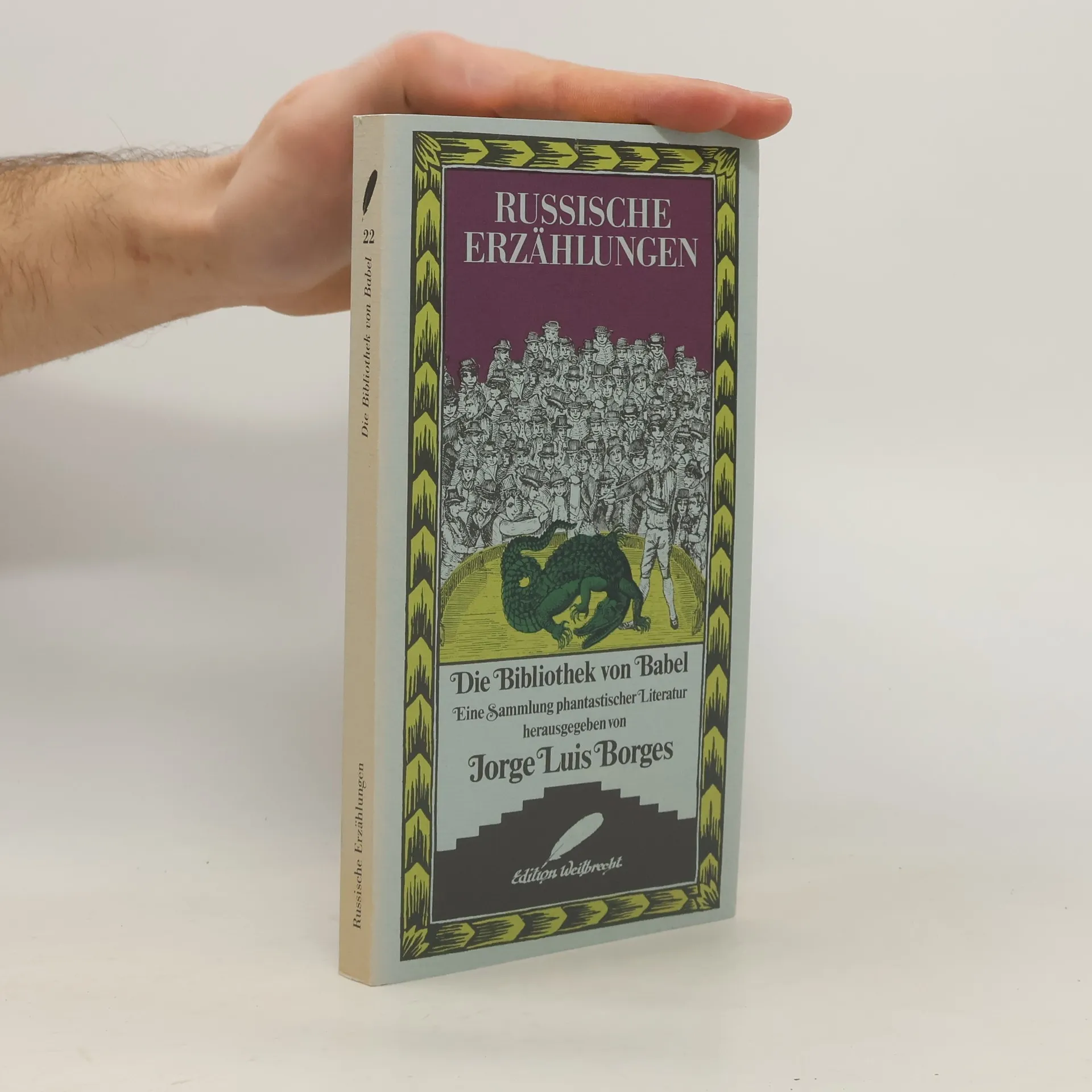
    • Russische Erzählungen

      • 197 pages
      • 7 hours of reading

      Am dreizehnten Januar des Jahres 1865 gegen halb ein Uhr vormittags äußerte Jelena Iwanowna, die Gattin Iwan Matwejewitsch, meines gebildeten Freundes, Kollegen und entfernten Verwandten den Wunsch, das Krokodil zu sehen, das in der Passage gegen Eintrittsgeld gezeigt wurde. Iwan Matwejewitsch hatte bereits seinen Auslandspass (weniger Krankheitshalber als aus Liebe an der Kultur) in der Tasche, war also auf Urlaub und daher an diesem Morgen vollkommen frei. Daher widersprach er nicht nur keineswegs dem unbezwingbaren Wunsch seiner Gattin, sondern wurde sogar selbst von ihrer Neugier angesteckt. "Eine ausgezeichnete Idee", sagte er zufrieden, "sehen wir uns das Krokodil an! Ehe man nach Europa reist, ist es gut, sich mit den Einwohnern jener Länder vertraut zu machen."Die Bibliothek von Babel ist eine einzigartige Sammlung von bisher weitgehend unbekannten Meisterwerken phantastischer Literatur aus drei Jahrhunderten, verfasst von weltberühmten Autoren. Jorge Luis Borges, der bedeutende lateinamerikanische Schriftsteller, wählte sie aus seinen persönlichen Lieblingsbüchern aus.

      Russische Erzählungen
      4.0
    • Die Erzählungen! Immer wieder die selben, vielzitierten Erzählungen. Doch Borges kann nicht erzählen, ohne zu denken, und nicht denken, ohne zu erzählen. Deshalb sind seine Essays nicht weniger phantastisch, radikal und fabelhaft als seine Ficciones - ja, vielleicht steckt in ihnen sogar der eigentliche Kern seiner Autorschaft. Sonderbar, daß sie in keiner handlichen Ausgabe auf dem Markt zu finden sind. Viele von ihnen nennen sich Historien, Träume oder Rätsel, und alle sprengen den hergebrachten Begriff des Essays und verleihen der Gattung einen neuen, irisierenden Glanz. Die frühesten unter diesen Stücken, kaum bekannt, sind achtzig Jahre alt, und sie wirken so frisch und überraschend wie am ersten Tag. Die Themen sind so vielfältig, daß man sich an den Kopf greift. Von der Kunst des Schmähens handeln sie, von der Dauer der Hölle, von Kabbalisten und Schildkröten, Denkmaschinen und Engeln. Bisher unbekannt war hierzulande, was Borges über die Deutschen, die Juden und den Zweiten Weltkrieg schrieb. Diese Texte widerlegen die schwarze Legende, derzufolge man es mit einem unpolitischen oder gar rechten Schriftsteller zu tun hat. Es ist kein Zufall, daß Borges sich so gerne mit Rechtfertigungen und Widerlegungen befaßt hat. Den Zeitgeist hat er stets verachtet, und zum Mainstream wird er nie gehören.

      Eine neue Widerlegung der Zeit und 66 andere Essays
      4.0
    • Prólogos con un prólogo de prólogos

      • 272 pages
      • 10 hours of reading

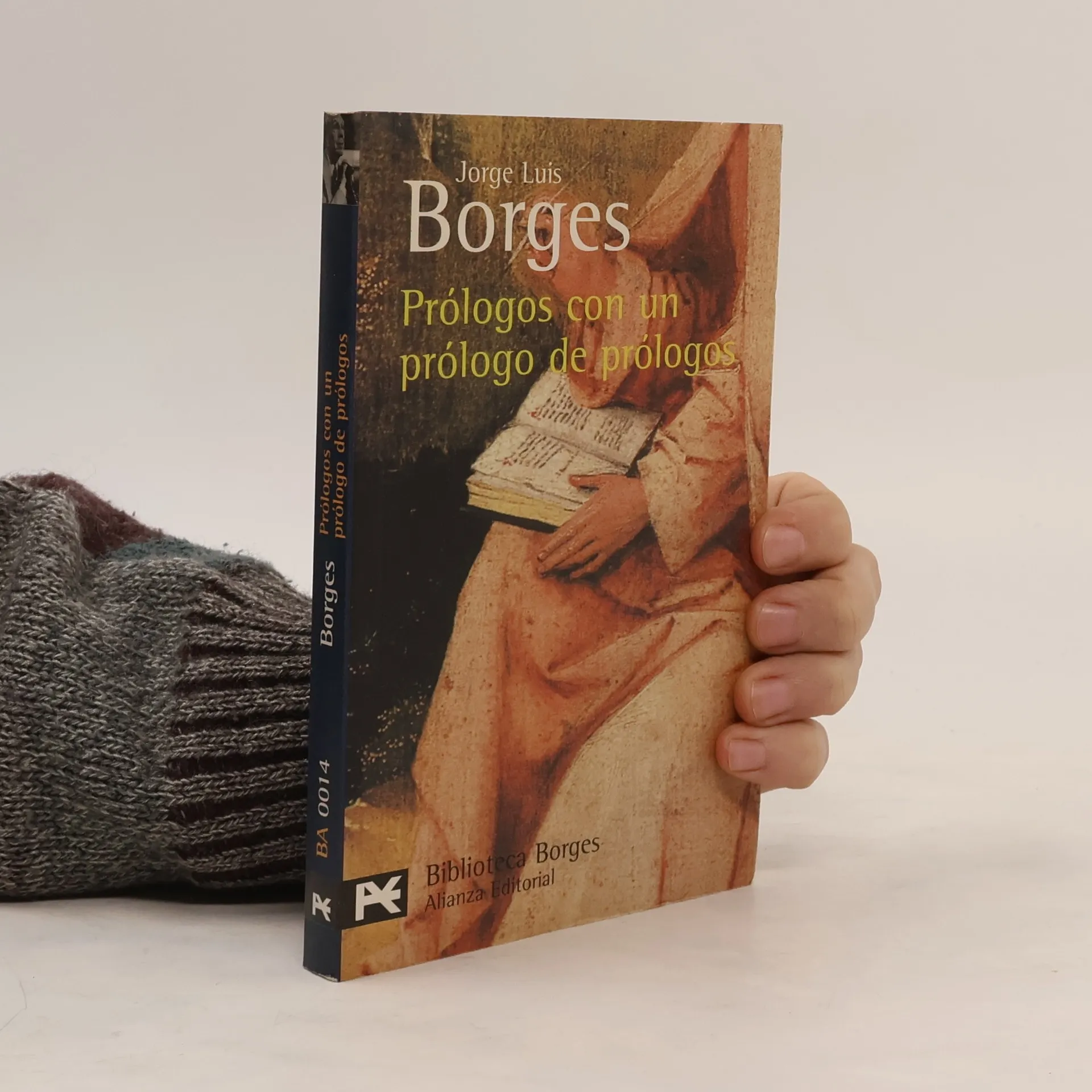
      Recopilación de prólogos diversos que abarcan desde 1923 a 1974, PRÓLOGOS CON UN PRÓLOGO DE PRÓLOGOS recoge decenas de textos dispersos pertenecientes a este peculiar género en el cual Jorge Luis Borges ejerció también su magisterio. En este volumen hallan eco, entre otros muchos avatares literarios: «las narraciones de un Cervantes que no había acabado aún de soñar el segundo Quijote, el mito genial de Facundo, la vasta voz continental de Walt Whitman, el ajedrez onírico de Lewis Carroll, las eleáticas postergaciones de Kafka, los concretos cielos de Swedenborg, el sonido y la furia de Macbeth...»

      Prólogos con un prólogo de prólogos
      4.2
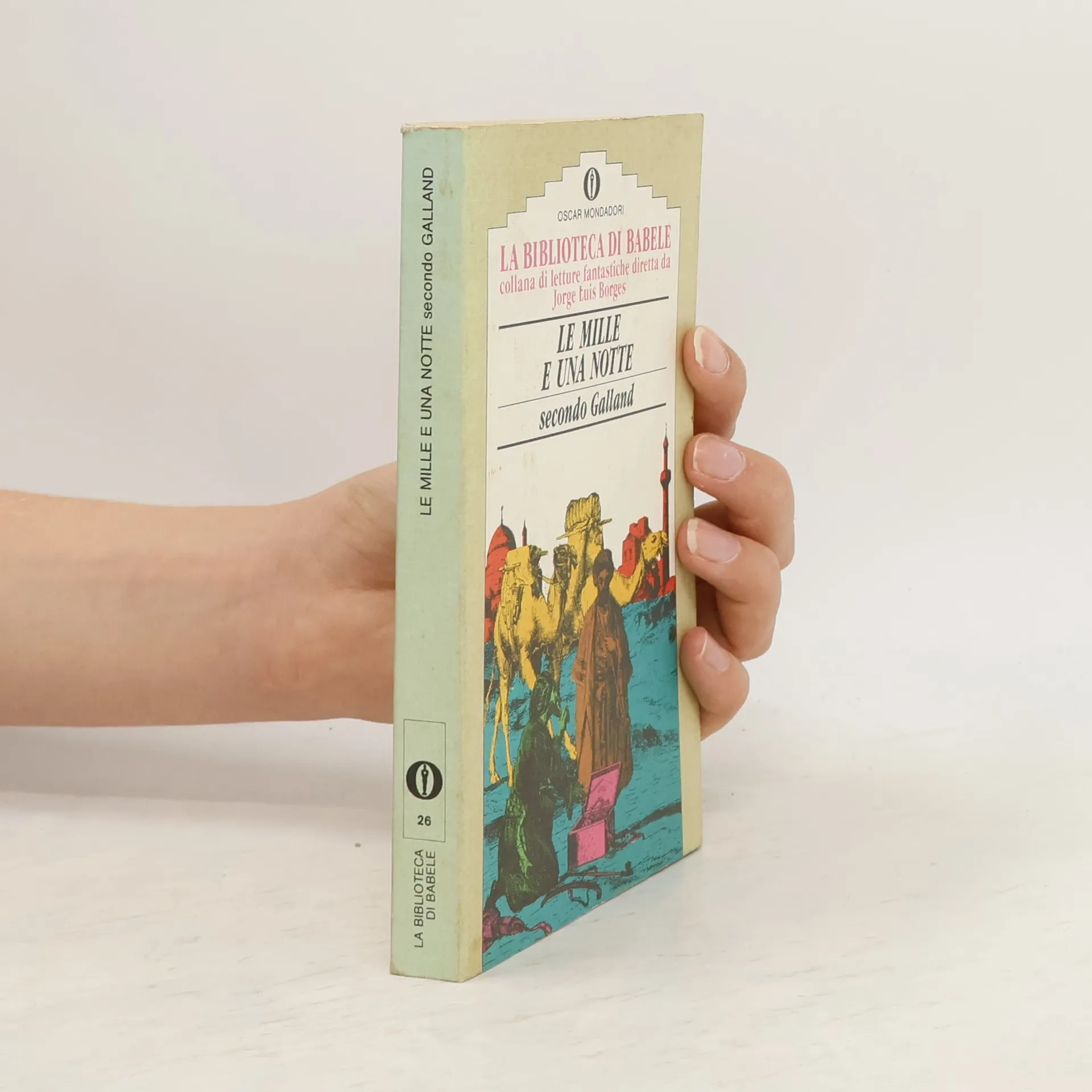
    • In questa edizione, libero da aggiunte arbitrarie, contaminazioni, interventi e censure, Le mille e una notte riacquista il suo fascino originario. A tessere la sterminata e labirintica trama di storie è Shahrazâd, eroina e affascinante odalisca. Per scampare alla condanna dello spieiato re Shahriyâr, che intende vendicare sulle vergini del suo regno il tradimento subito, Shahrazâd sfrutta le proprie doti affabulatorie offrendo al sovrano, notte dopo notte, racconti straordinari, rinchiusi l'uno nell'altro come in un sistema di scatole cinesi. Rapito dalla magia della narrazione, e dal fascino della cantastorie, Shahriyâr dimentica le ragioni dell'odio e annulla la condanna. Traduzione di Antoine Galland.

      La Biblioteca di Babele - 26: Le mille e una notte secondo Galland
      4.0
    • Besitz des Gestern

      • 216 pages
      • 8 hours of reading

      »Ich weiß, ich habe so viele Dinge verloren, daß ich sie nicht zählen könnte, und daß diese Verluste heute das sind, was mir gehört... Es gibt keine Paradiese als die verlorenen.« Jorge Luis Borges»Die Ziffer« und »Die Verschworenen« bilden die letzten beiden Gedichtbände des argentinischen Dichters.

      Besitz des Gestern
      4.0
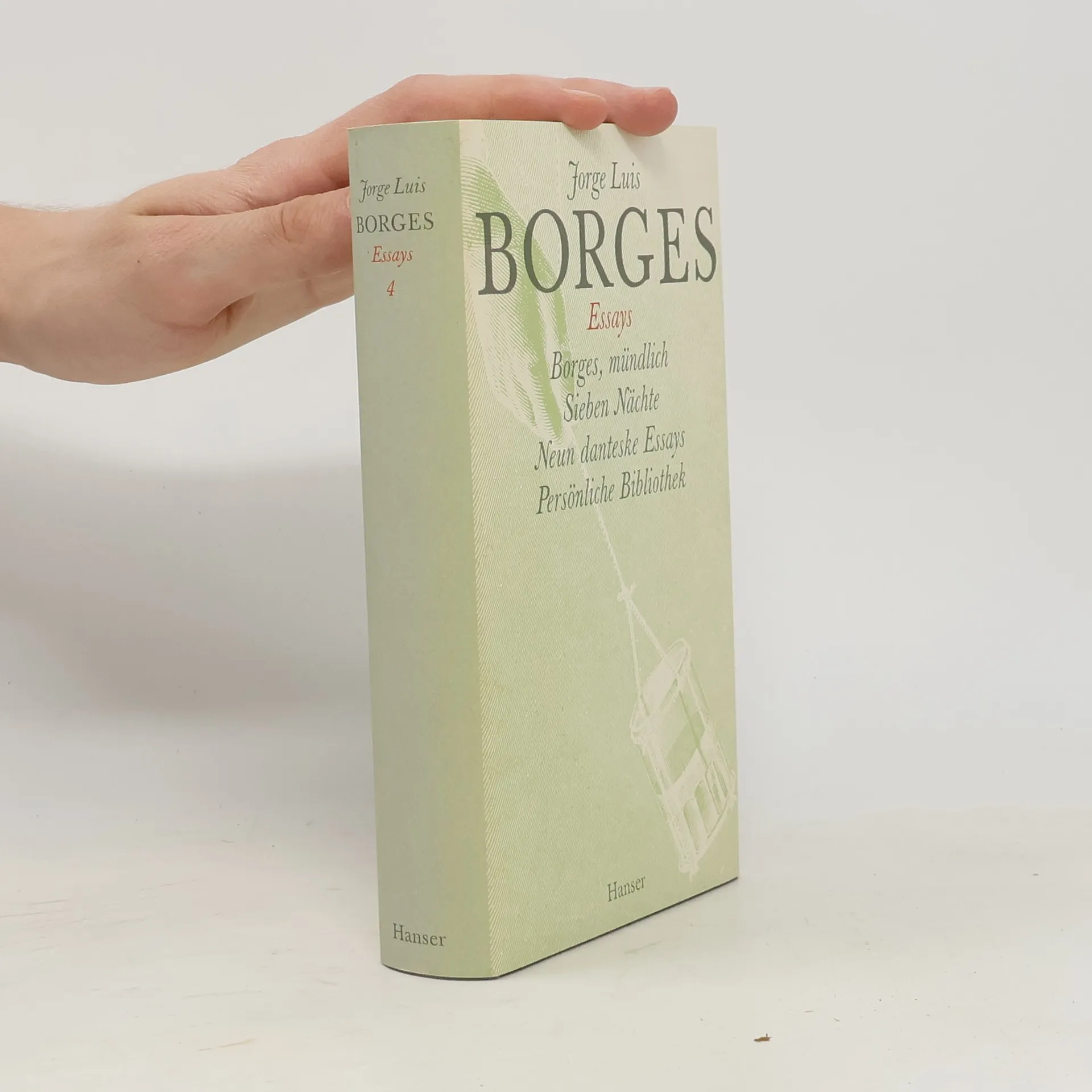
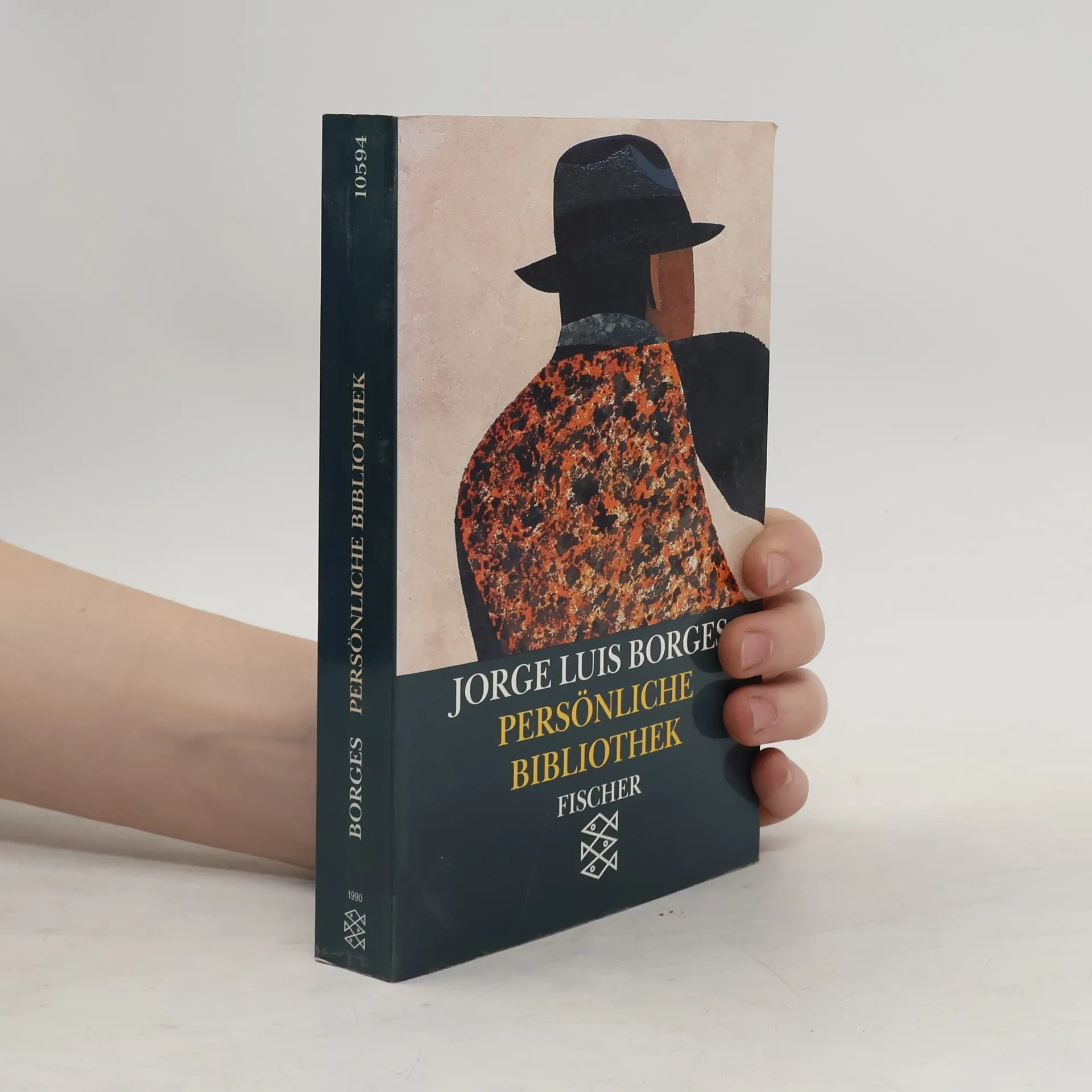
    • Persönliche Bibliothek

      • 361 pages
      • 13 hours of reading

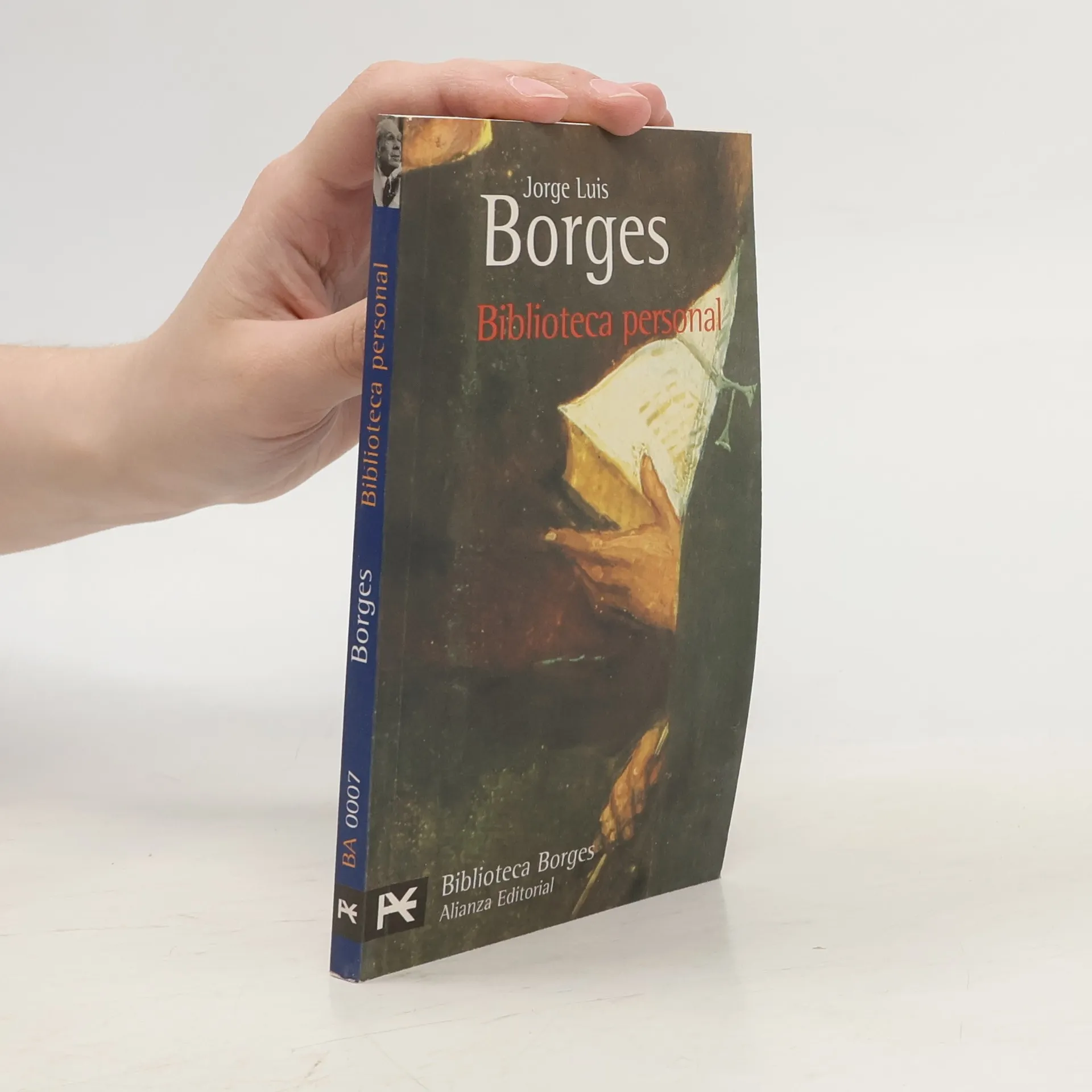
      Borges führt in diesem Band kenntnisreich und prägnant in die Werke hispanischer Autoren ein, wie Almafuerte, Bioy Casares, Cervantes, Sarmiento, Macedonio Fernández, Ascásubi, del Campo, Martín Fierro, aber auch in Bücher von Autoren, die ihn immer wieder beschäftigt haben, wie Bradbury, Carlyle, Gibbon, Melville und Valéry sowie Kafka und Whitman, die er beide auch selbst ins Spanische übersetzt hat. Dazuhin stellt Borges seine Lieblingsbücher vor - angefangen mit Tausendundeine Nacht bis zu Herodot, Voltaire, Shaw, Wells, Kipling, Chesterton, Cortázar, Rulfo u. a. Der Autor erschließt den Kosmos der Weltliteratur - und damit auch seinen eigenen.

      Persönliche Bibliothek
      4.0
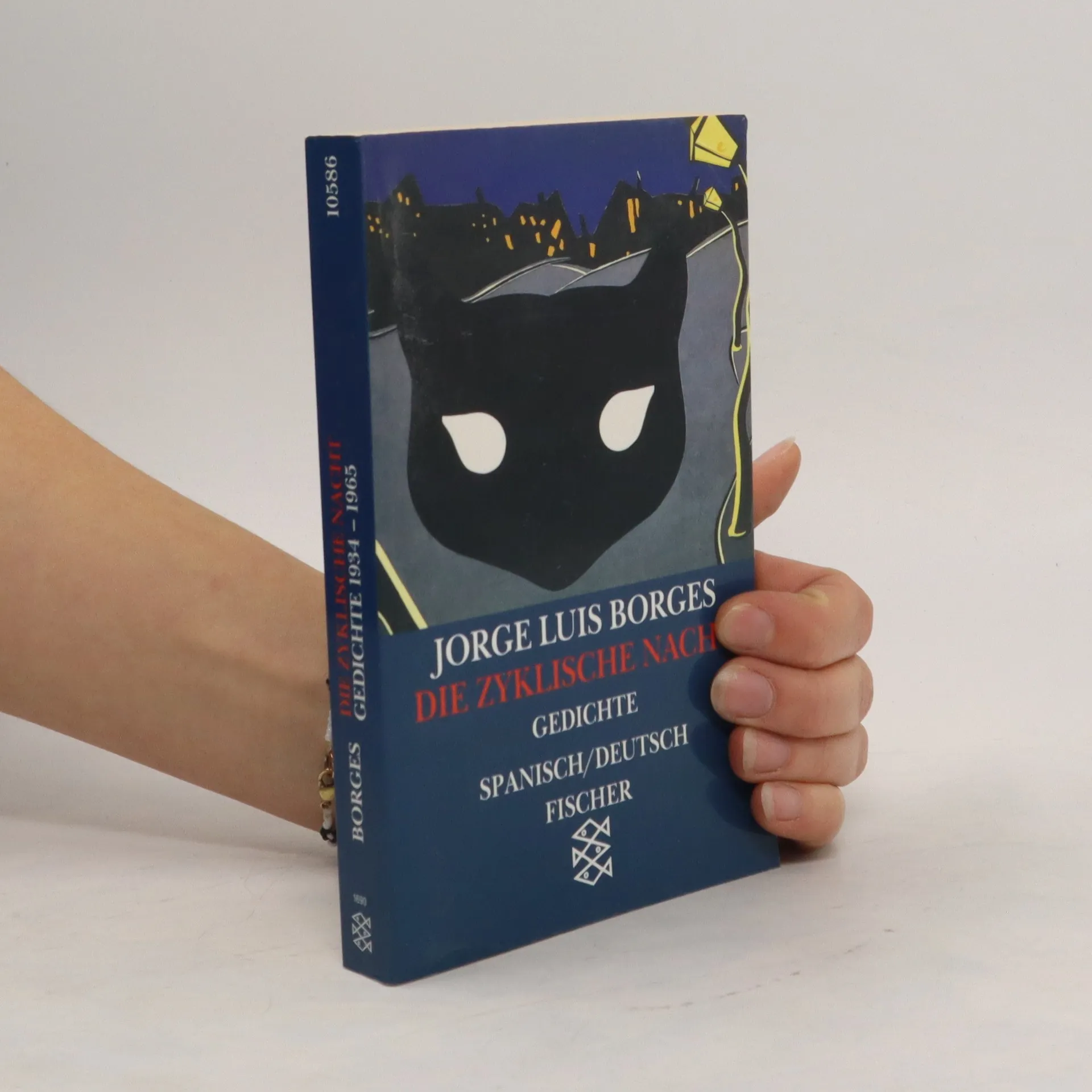
    • Die zyklische Nacht

      • 266 pages
      • 10 hours of reading

      Borges war als Essayist ein Erzähler und als Erzähler ein Dichter. Wie kein anderer Autor des 20. Jahrhunderts wechselte er die Gattungen und Formen, um schließlich doch nur ein Labyrinth zu zeichnen: das seines Werkes. In Gedichten von »Die zyklische Nacht« finden wir Hymnen an seine Heimatstadt Buenos Aires, Liebeserklärungen an den Tanz und die Milonga, Hymnen an die Nacht und ihre Geisel, die Schlaflosigkeit, sowie Widmungen an die großen Meister und Doppelgänger im Geiste. Die Gedichte aus mehr als drei Jahrzehnten spiegeln seine Entwicklung von einem Avantgardisten zum Klassiker der lateinamerikanischen Literatur.

      Die zyklische Nacht
      4.0
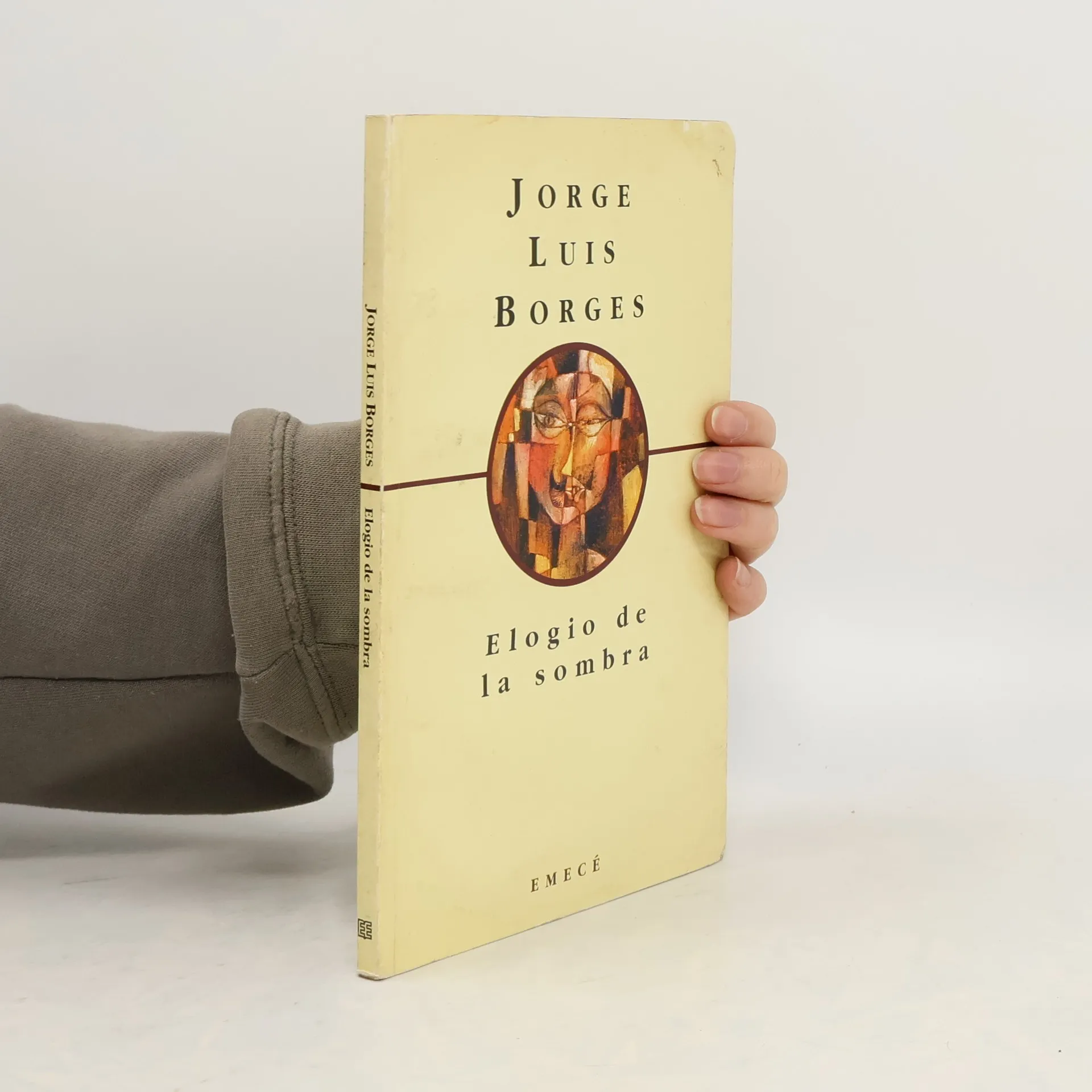
    • Elogio de la sombra

      • 86 pages
      • 4 hours of reading

      В издание включены рассказы из авторских сборников «Сад расходящихся тропок», «Вымыслы», «Создатель» и «Хвала тьме». Проза Борхеса поражает насыщенностью и глубиной, его изысканные сюжеты и остроумные эссе пленили не одно поколение читателей. Для всех, кто ценит тонкую игру ума и точное слово, произведения писателя являются неисчерпаемым источником интеллектуального наслаждения. Однако блаженны незнающие - ибо им еще предстоит вкусить этот плод.

      Elogio de la sombra
      4.1
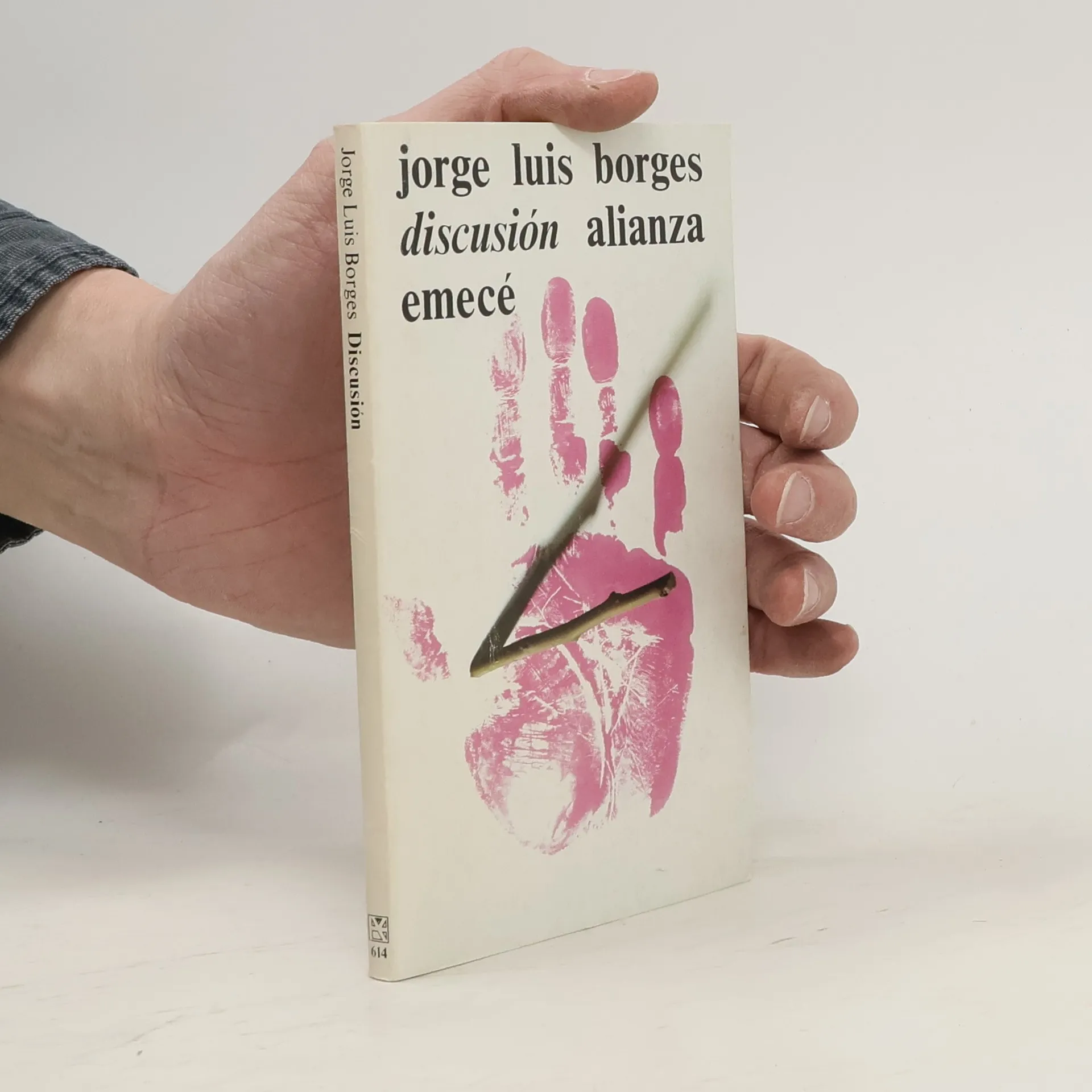
    • Discusión

      • 153 pages
      • 6 hours of reading

      En la obra de Jorge Luis Borges «la prosa convive con el verso» porque «acaso para la imaginacion ambas son iguales». Aparte de breves ensayos sobre cuestiones filosoficas у teologicas, como la paradoja de Aquiles у la tortuga о el misterio de la Santisima Trinidad, la mayoria de los textos recogidos en "Discusion" versan, sin embargo, sobre «las literaturas que honran las lenguas de los hombres», comprendiendo desde los dedicados al origen у evolucion de la literatura gauchesca a una vindicacion de «Bouvard у Pecuchet», pasando por Walt Whitman. Completan el volumen algunos comentarios dispersos sobre cine que incluyen criticas de peliculas de Chaplin, Sternberg, Fleming у Vidor.

      Discusión
      3.7
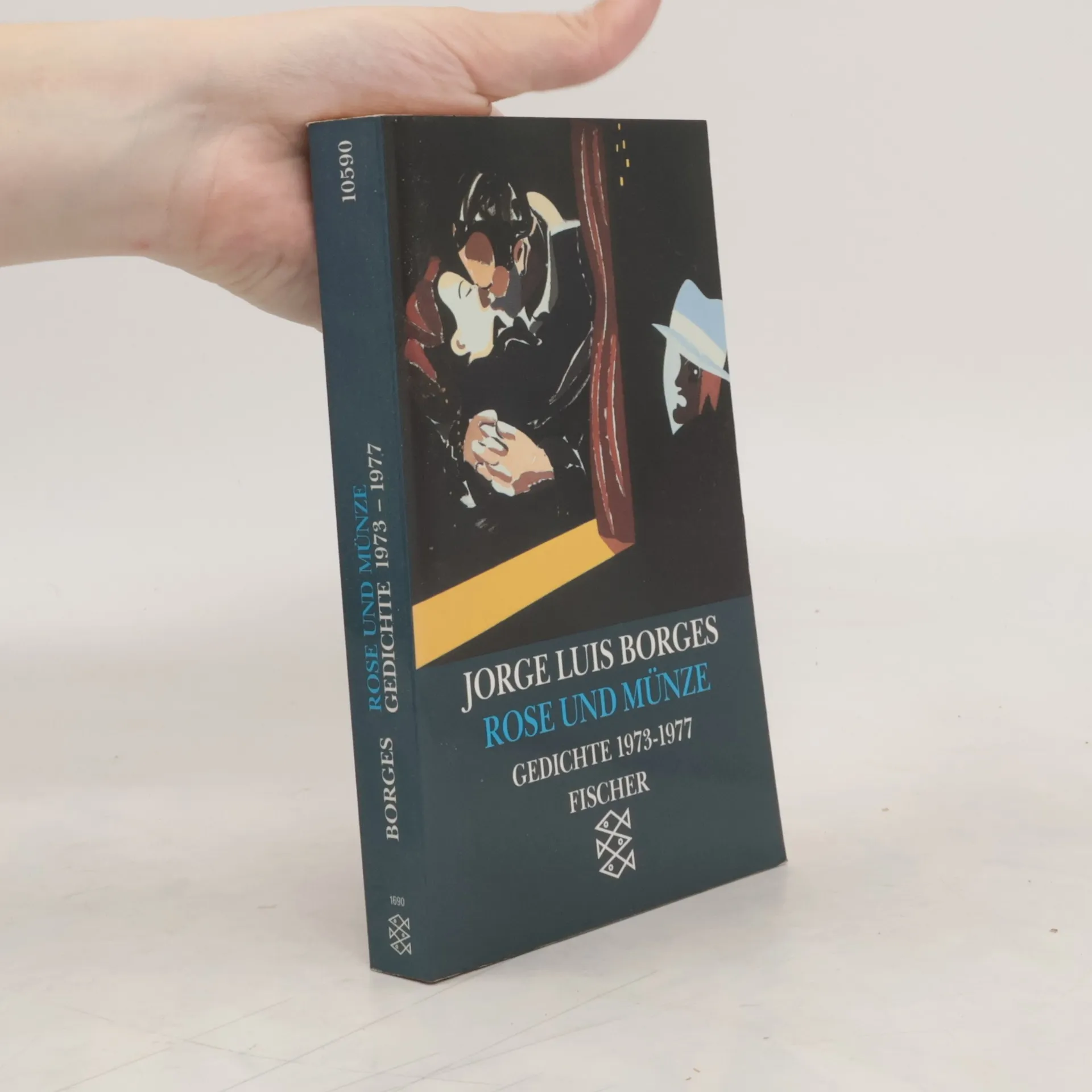
    • Rose und Münze

      • 288 pages
      • 11 hours of reading

      Erstmals vollständig, in den spanischen Originalen mit deutscher Parallelübersetzung, enthält dieser Band die Gedichte, die Borges zwischen 1973 und 1977 verfaßte. Es sind die Bände ›La rosa profunda / Die tiefe Rose‹, ›La moneda de hierro / Die eiserne Münze‹ und ›Historia de la noche / Geschichte der Nacht‹. Freie und gebundene Verse, Sonette und Elegien, Blicke ins eigene Innere, in die Vergangenheit, Verarbeitung der Zeit und der Bücher, aber auch die Alpträume der Gegenwart: Borges' einzigartiger poetischer Kosmos.

      Rose und Münze
      3.7
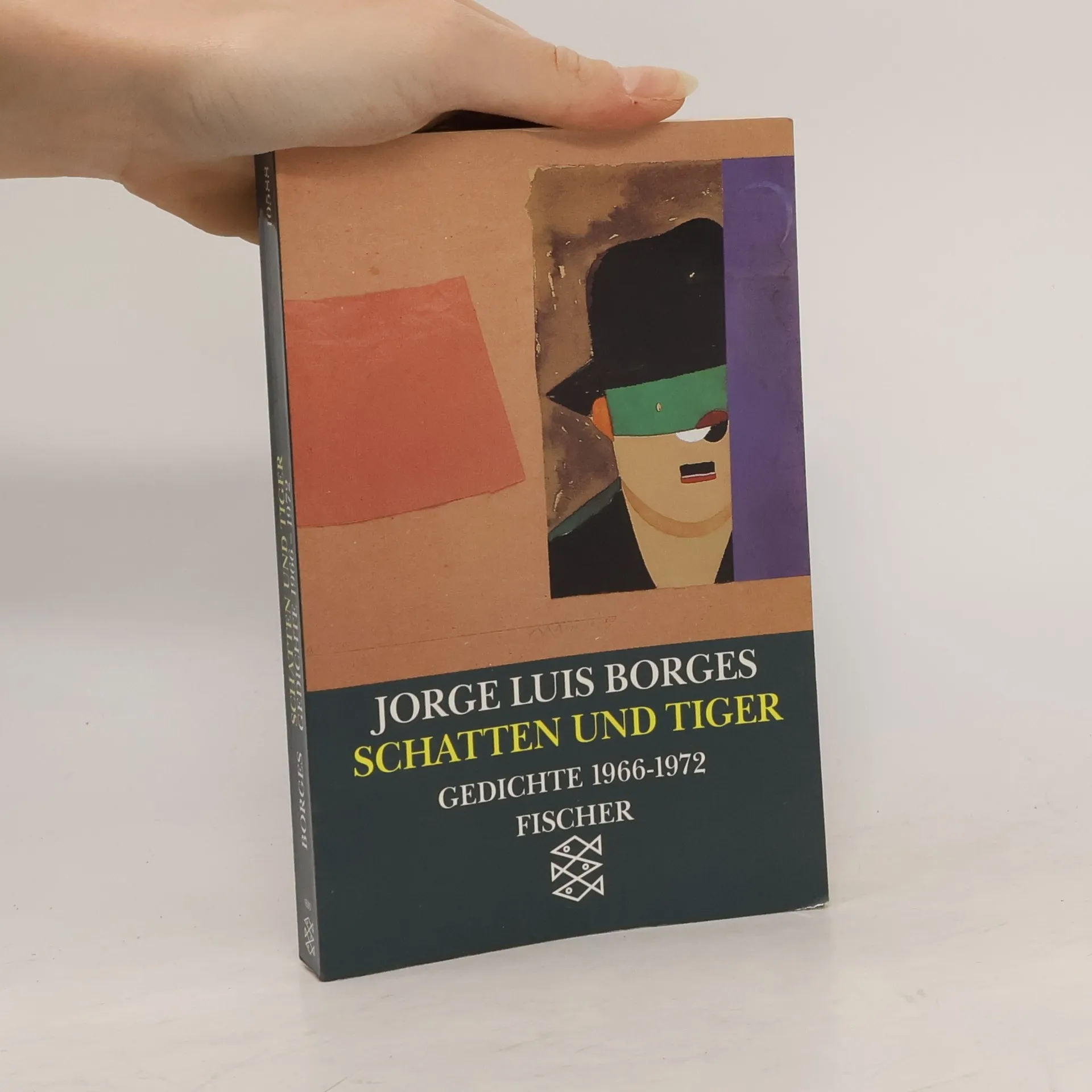
    • Schatten und Tiger

      • 232 pages
      • 9 hours of reading

      In »Schatten und Tiger« verbindet Jorge Luis Borges die Motive seiner Gedichte mit dem Thema des Alters und seiner allmählichen Erblindung, dem »Lob des Schattens«: »aber im Abend, der vielleicht aus Gold ist, / lächelt er angesichts des merkwürdigen Schicksals / und fühlte das eigenartige Glück / der alten geliebeten Dinge.«

      Schatten und Tiger
      3.9
    • El Libro De Arena / The Book of Sand

      • 105 pages
      • 4 hours of reading

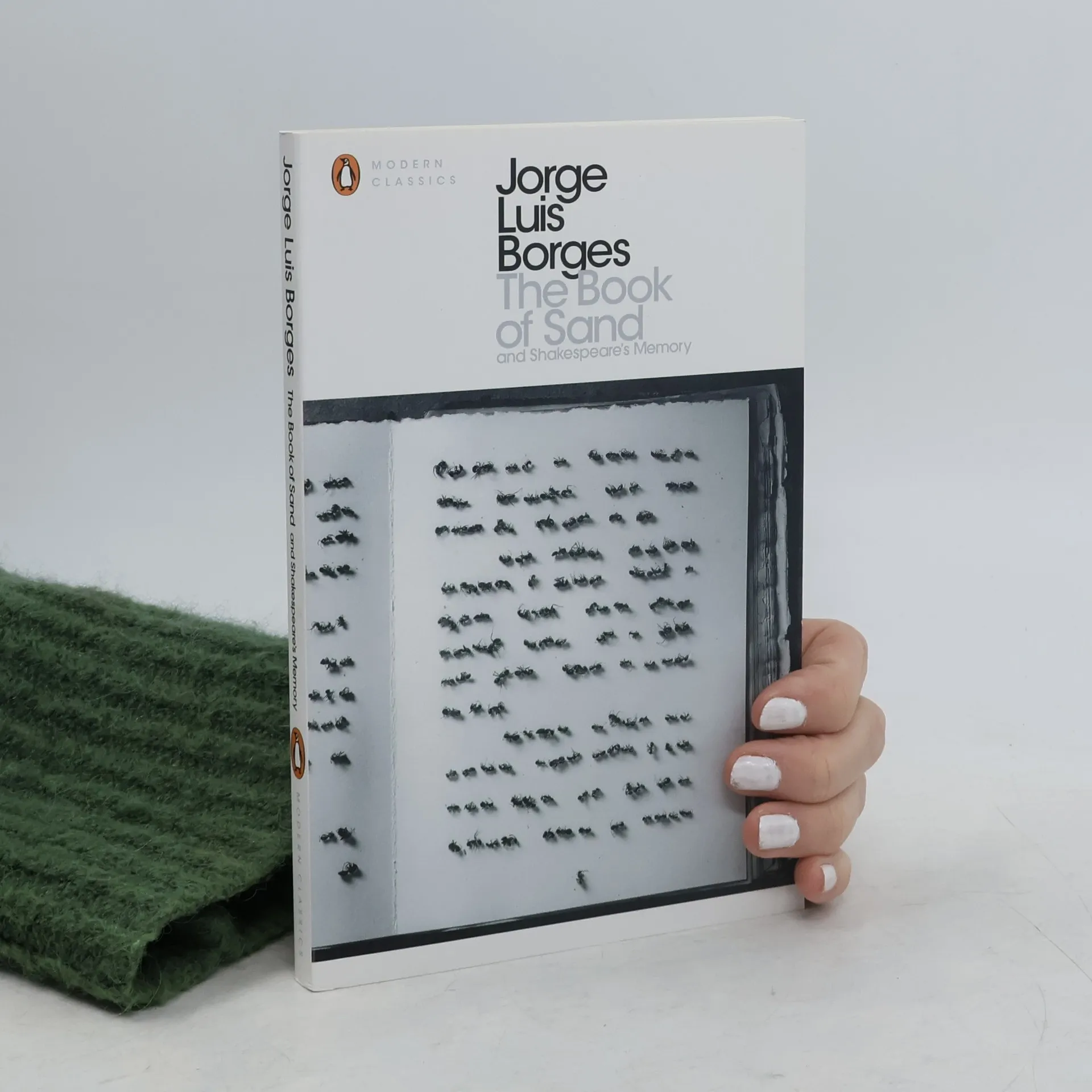
      El libro se inicia con "El Otro," donde Borges aborda el viejo tema del doble: los personajes son lo bastante distintos como para ser dos y lo bastante parecidos como para ser uno. El unico elemplo de cuento de amor es "Ulrica." Luego vienen, entre otros, "El Congreso," acerca de una empresa tan vasta que confunde al fin con el cosmos y con la suma de los dias; "La Secta de los Treinta," historia de una herejia posible; "Undr" y "El Espejo y la Mascara," sobre literaturas seculares que constan de una sola palabra; "El Soborno," que refleja la obsesion etica de los americanos del Norte; y finalmente, cierra el volumen "El Libro de Arena," objeto inconcebible.

      El Libro De Arena / The Book of Sand
      4.0
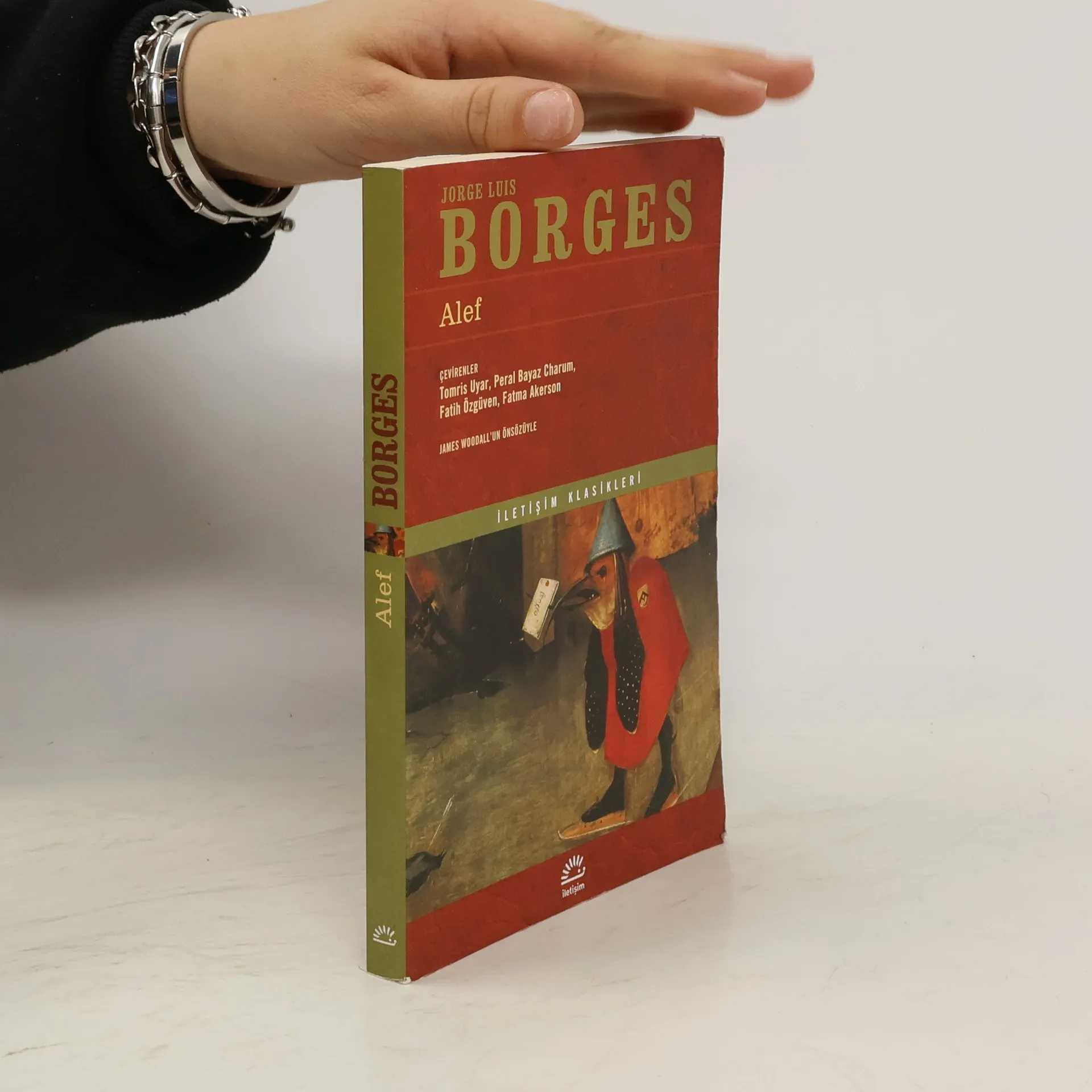
    • İletişim Klasikleri: Alef

      • 196 pages
      • 7 hours of reading

      Borges Alef’te düş ile gerçek, eski ile yeni, Batı ile Doğu arasındaki ikiliklerde gidip gelen bir zenginliğin anlatısını sunuyor. Borges’in en verimli döneminde yazdığı hikâyeleri bir araya getiren Alef, İbrani alfabesinin ilk harfi olan “alef”i merkezine alarak, bizi evrenin kökenine ve sonsuzluk düşüncesine götürüyor. Alef uzay boşluğundaki tüm noktaları kapsayan bir noktadır; bu noktadan içeri bakan kişi evreni görür ve onu kucaklar. Burası, sonsuzluğun hem başladığı hem bittiği yerdir. Zaman, kimlik ve ölümsüzlük temaları çevresinde kurulan Alef, farklı gerçeklik ve anlam katmanları vaat eden bir metin. Üstelik Borges’in bu kitapta okuruna bir de sürprizi var: Modern edebiyatın zaman ve uzam sihirbazı, kitapta sadece anlatıcı olarak yer almıyor, karşımıza hikâye kahramanı olarak da çıkıyor. “Jorge Luis Borges, kaderi ince, yıkıcı ve empatik bir tanrının çizimlerine göre cisimleştirir.” RICCARDO CAMPA

      İletişim Klasikleri: Alef
      4.1
    • Jorge Luis Borges, Argentiniens größter Autor und Klassiker der Weltliteratur, wird mit einer Sammlung nahezu unbekannter Texte gewürdigt, die seine zentralen Themen wie den Menschen im Labyrinth der Zeit behandeln. Diese erstmals auf Deutsch veröffentlichten Werke schließen die große Werkausgabe ab.

      Ein ewiger Traum. Essays
      3.0
    • Zwielicht und Pomp

      • 247 pages
      • 9 hours of reading

      H. Bustos Domecq ist ein weltberühmter Autor, den es aber nicht gibt: Gemeinsam mit seinem langjährigen Freund Adolfo Bioy Casares erfand Jorge Luis Borges einen Schriftsteller mit diesem Namen, den sie mit großem satirischem Geschick Geschichten erzählen ließen. Dieses Band beinhaltet die beiden Bücher Chroniken von Bustos Domecq und Neue Geschichten von Bustos Domecq. Im ersten Buch loben sie auf nahezu absurde Weise die Modernitäten der Zeit, mögen sie auch noch so unbrauchbar sein. Und im zweiten demonstrieren sie mit viel Witz, dass ein schlechter Erzähler selbst den besten Plot ruinieren kann. Heute abend Punkt acht werden Sie vor meinen Augen diesen Kuchen verdrücken, ohne auch nur einen Krümel übrig zu lassen. Sonst bringe ich sie um. Bustos Domecq

      Zwielicht und Pomp
      3.0
    • Jorge Luis Borges declared The Invention of Morel a masterpiece of plotting, comparable to The Turn of the Screw and Journey to the Center of the Earth. Set on a mysterious island, Bioy's novella is a story of suspense and exploration, as well as a wonderfully unlikely romance, in which every detail is at once crystal clear and deeply mysterious. Inspired by Bioy Casares's fascination with the movie star Louise Brooks, The Invention of Morel has gone on to live a secret life of its own. Greatly admired by Julio Cortázar, Gabriel García Márquez, and Octavio Paz, the novella helped to usher in Latin American fiction's now famous postwar boom. As the model for Alain Resnais and Alain Robbe-Grillet's Last Year in Marienbad, it also changed the history of film.

      The Invention Of Morel
      4.1