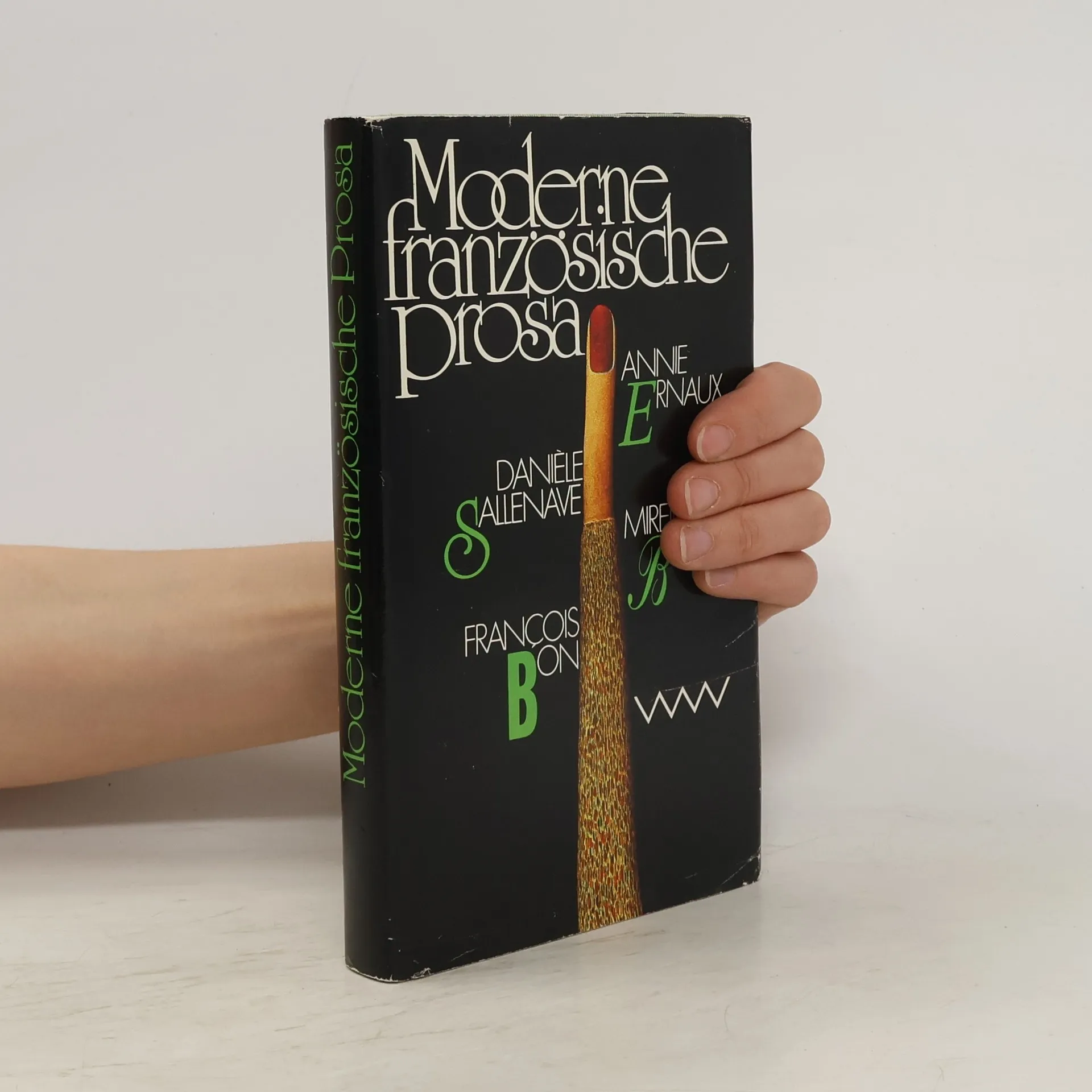
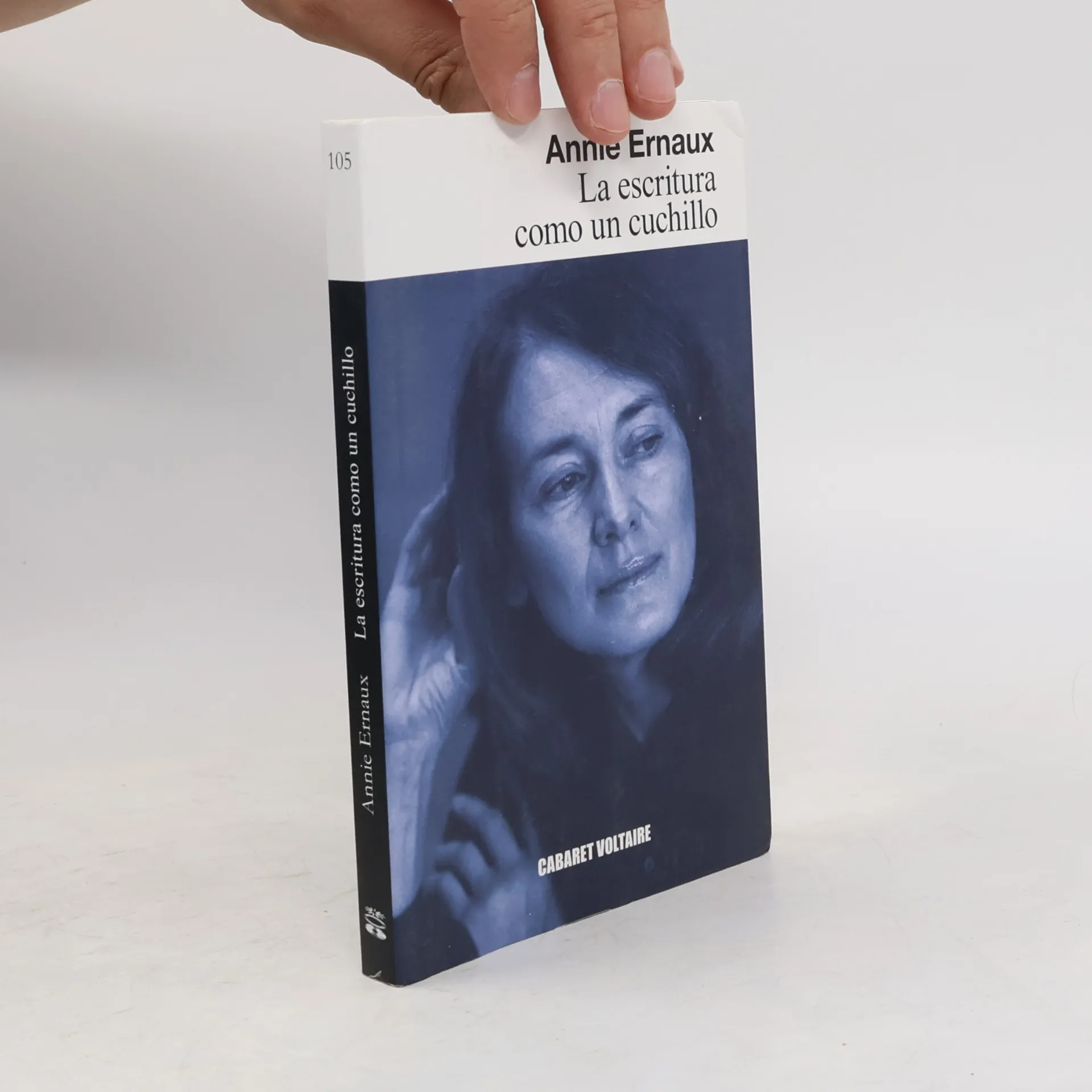
Annie Ernaux is a French writer whose work delves into autobiographical narratives and social mobility. She explores themes of life in France, particularly the relationship between social origins and personal development. Her writing is characterized by raw honesty and an analytical gaze into her own life experiences. Ernaux masterfully captures the complexities of family relationships and the influence of societal circumstances on identity formation.
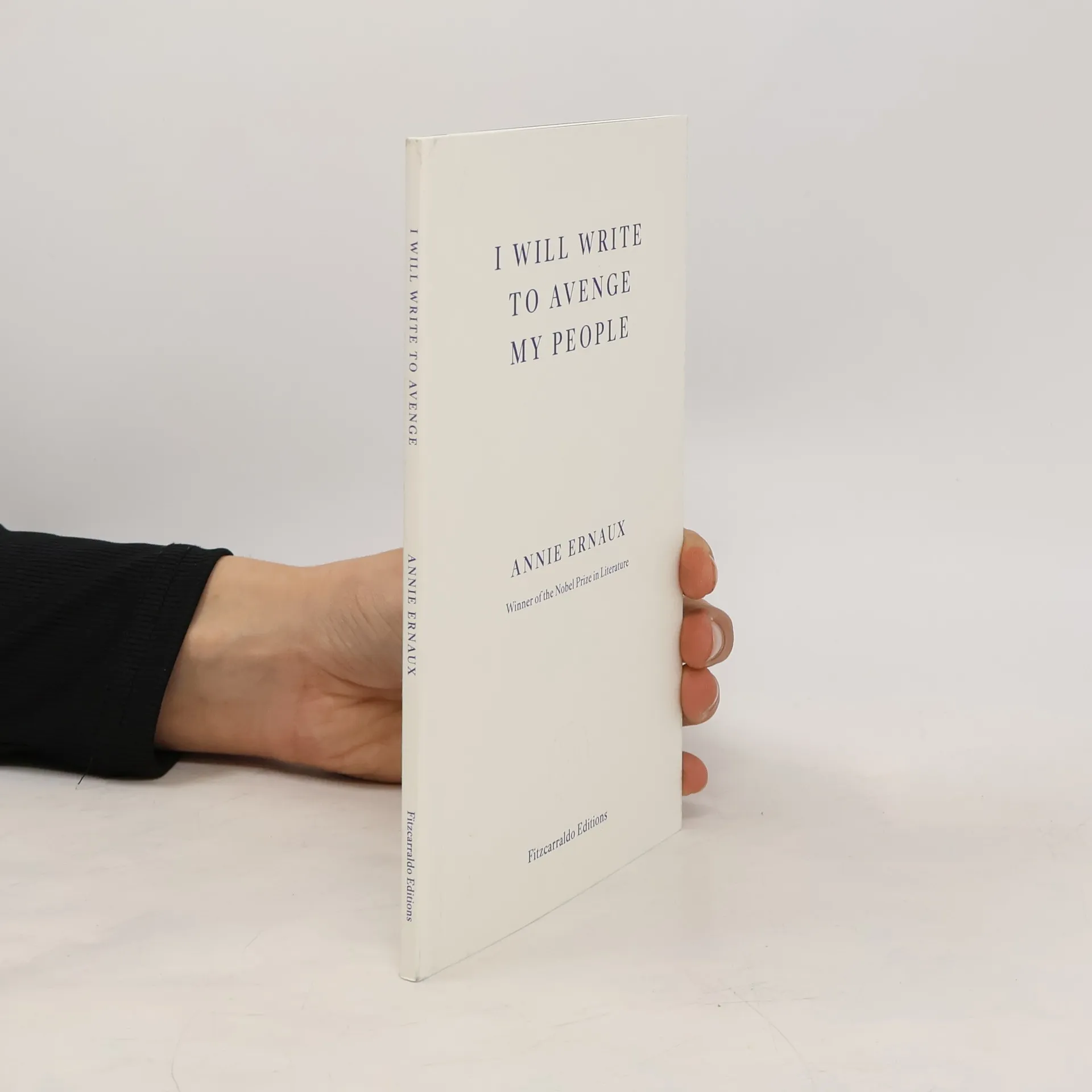
In 1963, Annie Ernaux, 23 and unattached, realizes she is pregnant. Shame
arises in her like a plague: understanding that her pregnancy will mark her
and her family as social failures, she knows she cannot keep that child. This
is the story, written forty years later, of a trauma Ernaux never overcame.
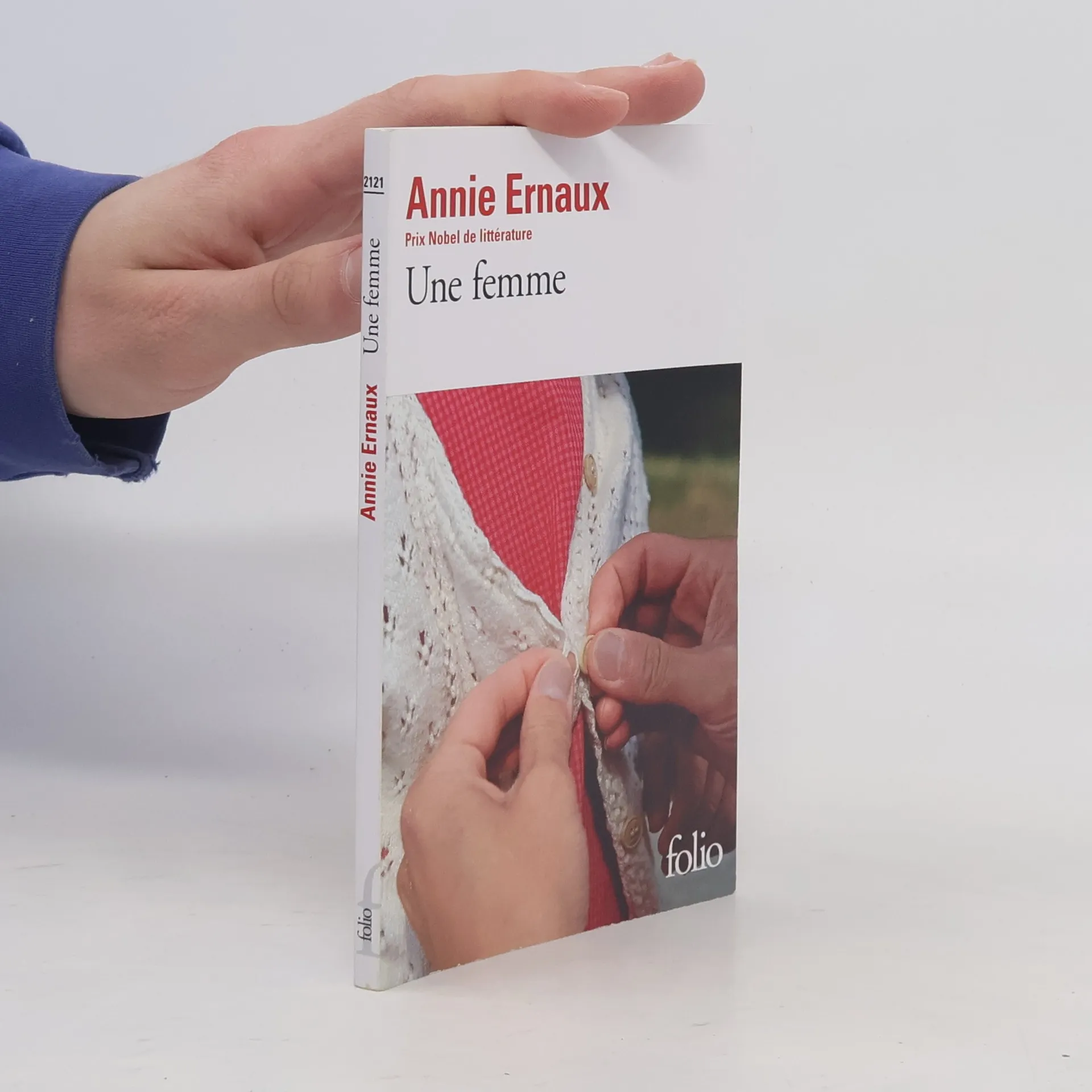
Upon her mother’s death from Alzheimer’s, Ernaux embarks on a daunting journey back through time, as she seeks to "capture the real woman, the one who existed independently from me, born on the outskirts of a small Normandy town, and who died in the geriatric ward of a hospital in the suburbs of Paris."She explores the bond between mother and daughter, tenuous and unshakable at once, the alienating worlds that separate them, and the inescapable truth that we must lose the ones we love. In this quietly powerful tribute, Ernaux attempts to do her mother the greatest justice she to portray her as the individual she was. She writes, "I believe I am writing about my mother because it is my turn to bring her into the world."
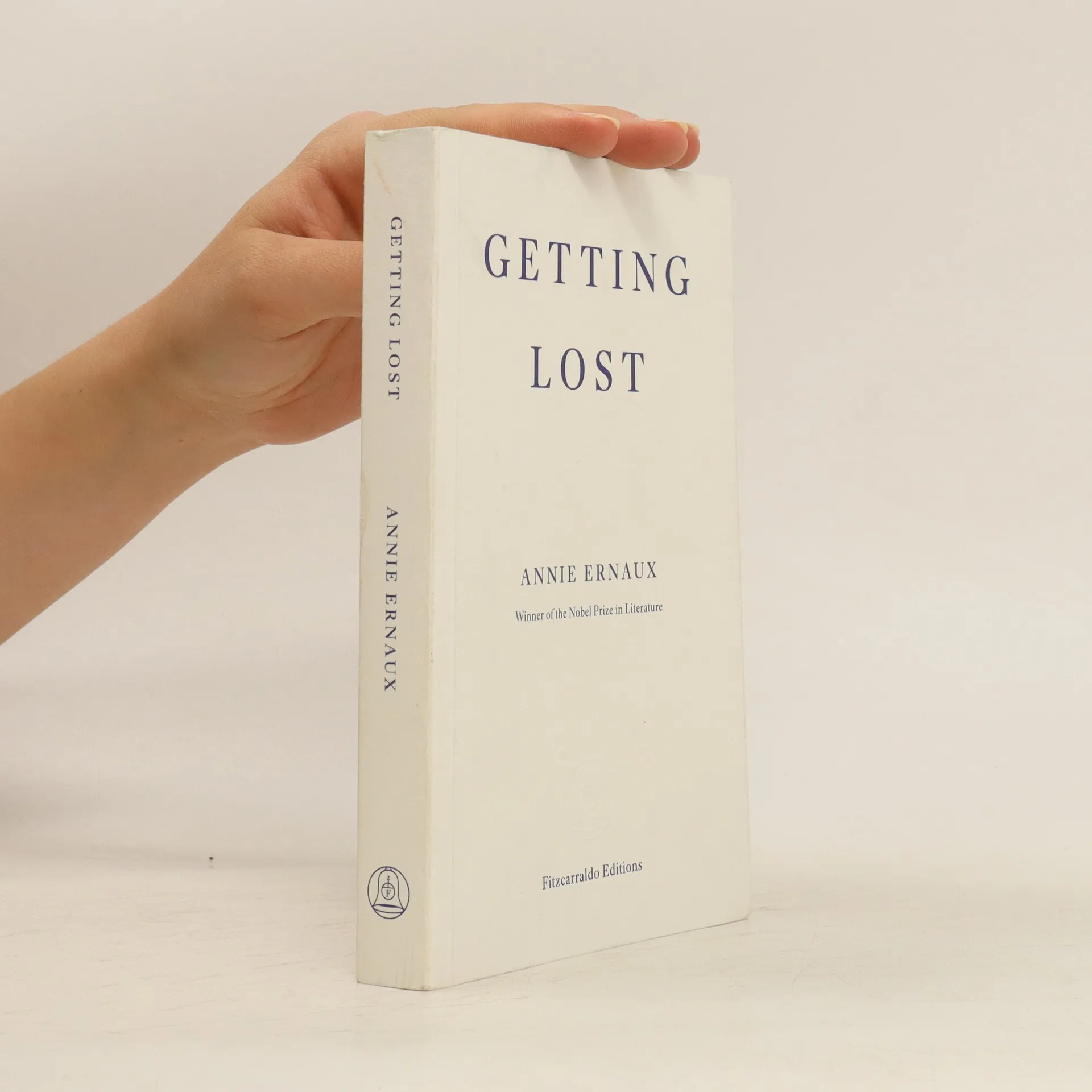
Getting Lost is the diary kept by Annie Ernaux during the year and a half she had a secret love affair with a younger, married man, a haunting record of a woman in the grips of love, desire and despair.
WINNER OF THE 2022 NOBEL PRIZE IN LITERATURE Twelve books written by 2022 Nobel Laureate Annie Ernaux and published by Seven Stories Press. The Annie Ernaux collection from Seven Stories Press includes: - The Years - Getting Lost - Simple Passion - A Girl's Story - Happening - Shame - A Man's Place - A Woman's Story - A Frozen Woman - I Remain in Darkness - Exteriors - The Possession The author of some twenty works of fiction and memoir, ANNIE ERNAUX is considered by many to be France's most important writer. In 2022, she was awarded the Nobel Prize in Literature. She has also won the Prix Renaudot for A Man's Place and the Marguerite Yourcenar Prize for her body of work. More recently she received the International Strega Prize, the Prix Formentor, the French-American Translation Prize, and the Warwick Prize for Women in Translation for The Years, which was also shortlisted for the Man Booker International Prize. Her other works include Exteriors, A Girl's Story, A Woman's Story, The Possession, Simple Passion, Happening, I Remain in Darkness, Shame, A Frozen Woman, and A Man's Place.
WINNER OF THE 2022 NOBEL PRIZE IN LITERATUREAn extraordinary evocation of a grown daughter’s attachment to her mother, and of both women’s strength and resiliency. I Remain in Darkness recounts Annie’s attempts first to help her mother recover from Alzheimer’s disease, and then, when that proves futile, to bear witness to the older woman’s gradual decline and her own experience as a daughter losing a beloved parent.I Remain in Darkness is a new high water mark for Ernaux, surging with raw emotional power and her sublime ability to use language to apprehend her own life’s particular music.A Washington Post Top Memoir of 1999
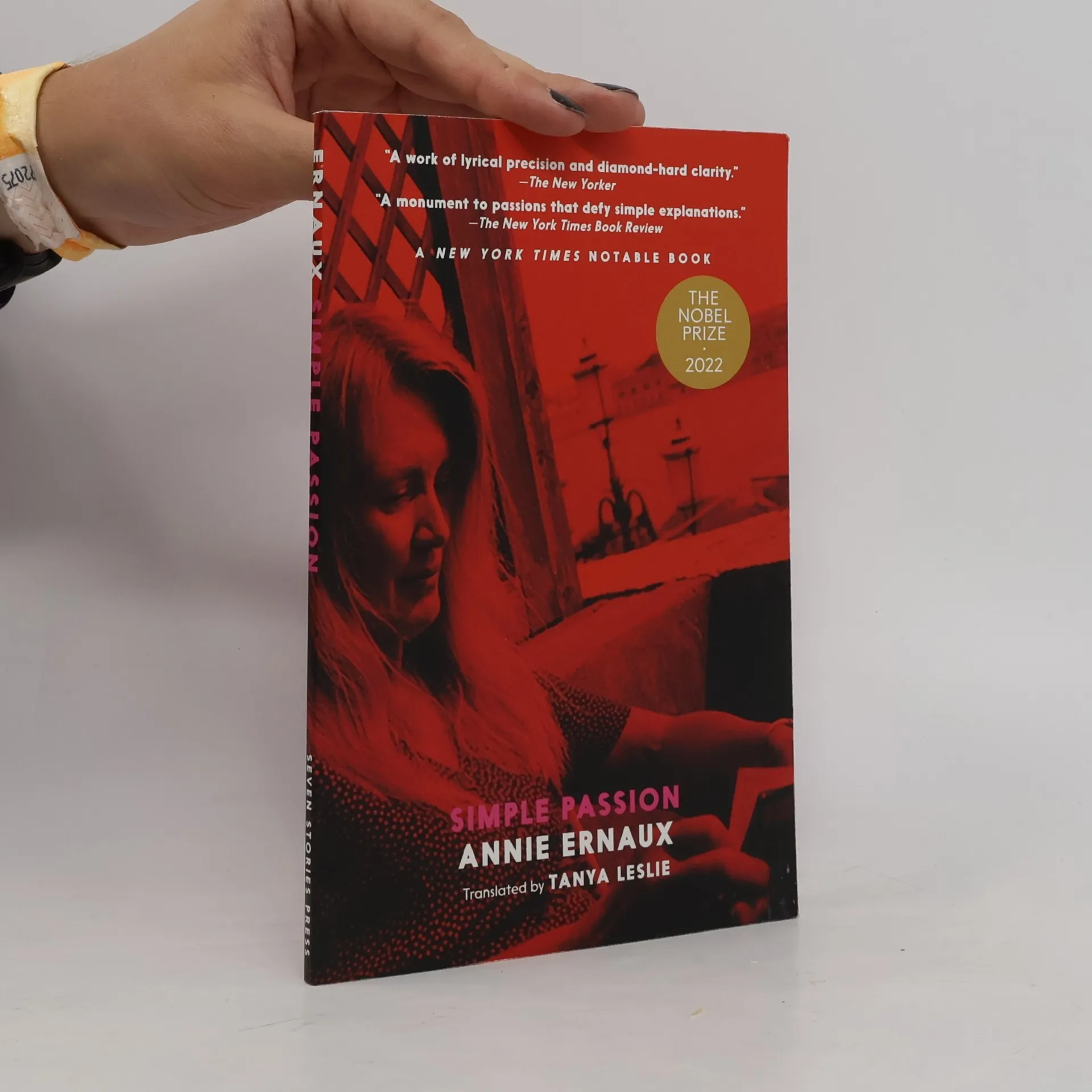
WINNER OF THE 2022 NOBEL PRIZE IN LITERATURE A New York Times Notable Book In her spare, stark style, Annie Ernaux documents the desires and indignities of a human heart ensnared in an all-consuming passion. Blurring the line between fact and fiction, an unnamed narrator attempts to plot the emotional and physical course of her 2 year relationship with a married foreigner where every word, event, and person either provides a connection with her beloved or is subject to her cold indifference. With courage and exactitude, she seeks the truth behind an existence lived entirely for someone else, and, in the pieces of its aftermath, she is able to find it.
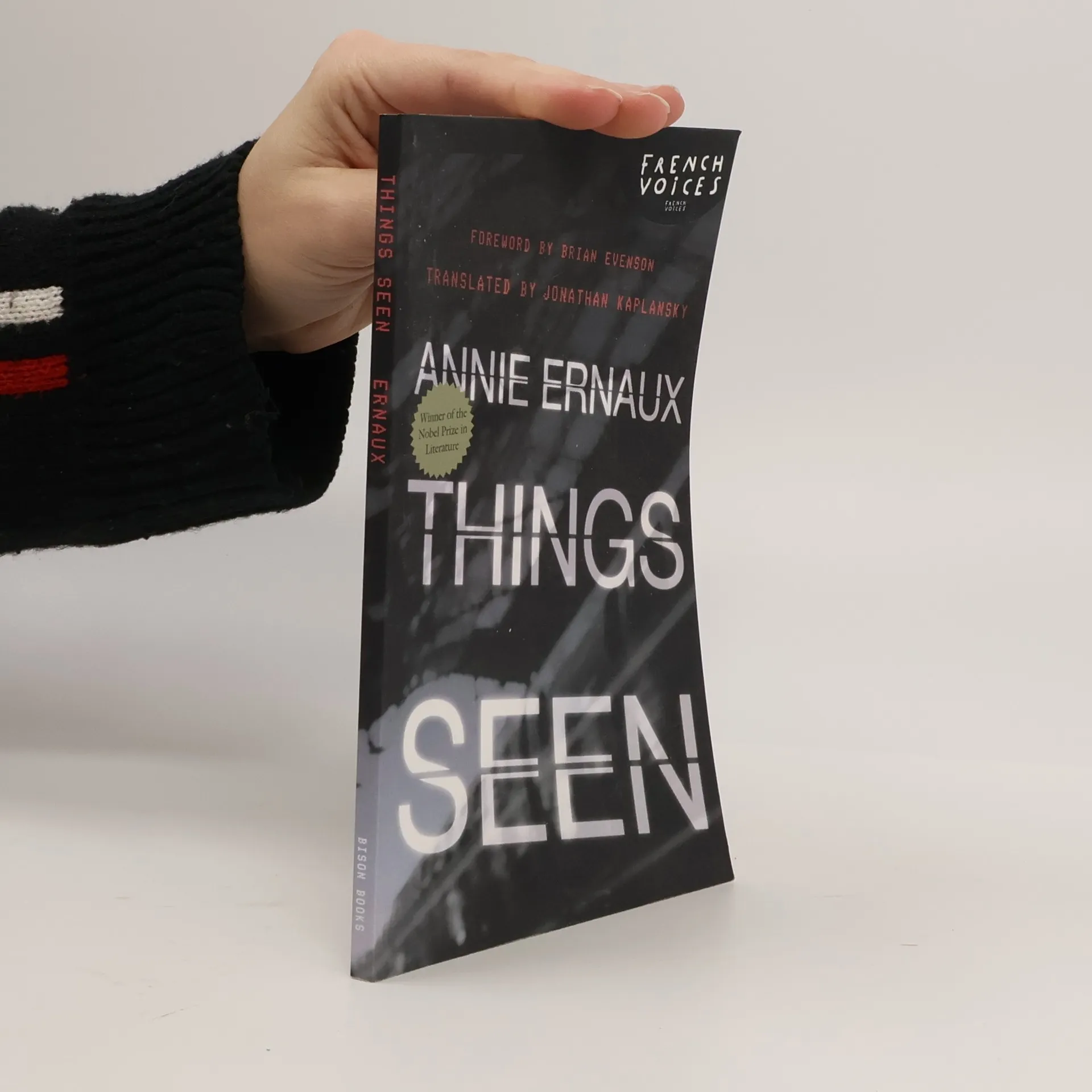
Annie Ernaux turns her penetrating focus on those points in life where the everyday and the extraordinary intersect, where things seen reflect a private life meeting the larger world. Ernaux's thought-provoking observations map the world's fleeting and lasting impressions on the shape of inner life.
Originally published in 1977, Do What They Say or Else tells the story of a
fifteen-year-old girl named Anne who lives with her working-class parents in a
small town in Normandy, France.
Barely educated and valued since childhood strictly for his labour, Ernaux's
father had grown into a hard, practical man who showed his family little
affection. Narrating his slow ascent towards material comfort, Ernaux's cold
observation in A MAN'S PLACE reveals the shame that haunted her father
throughout his life.
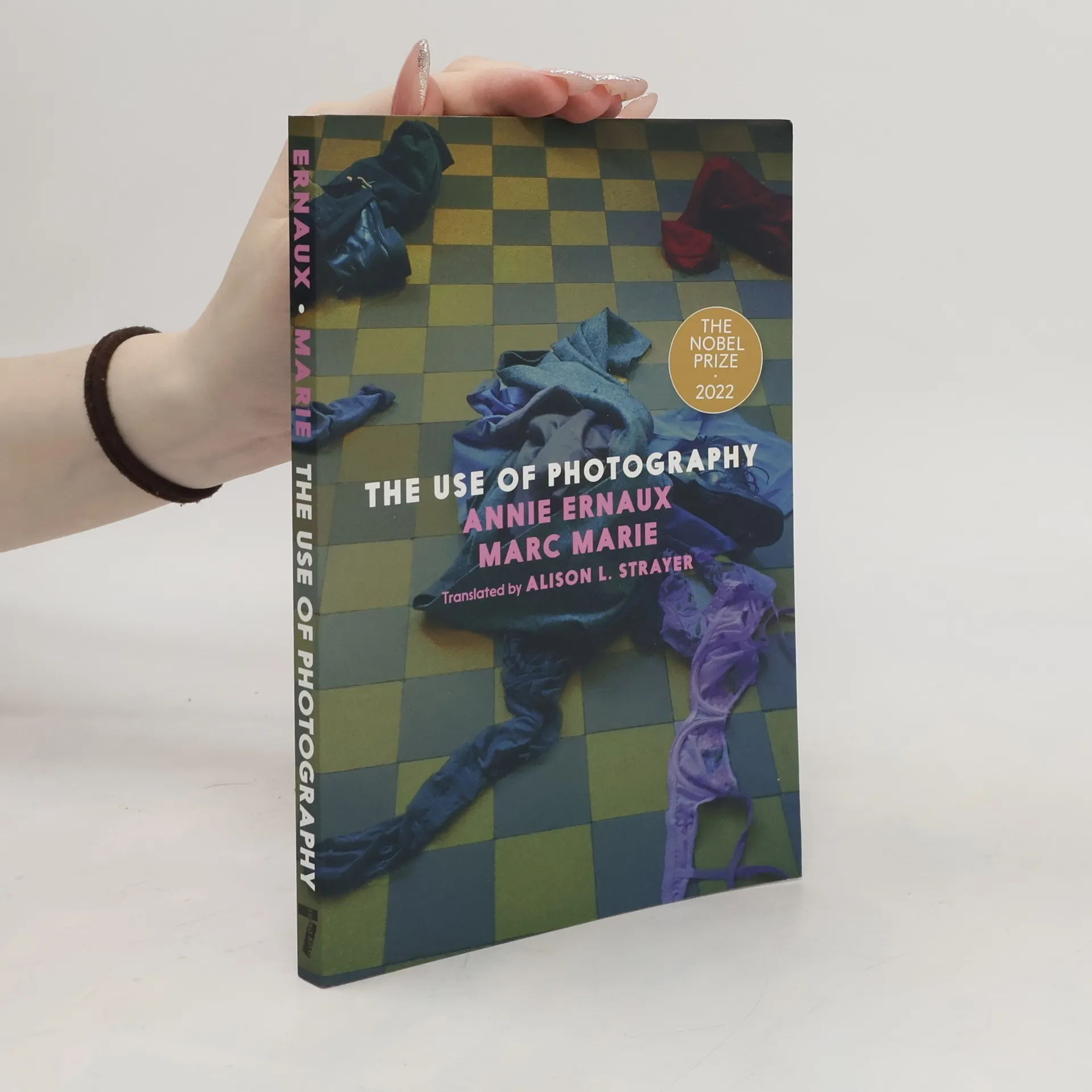
Often, since the beginning of our relationship, I was fascinated to discover upon waking the untidy dinner table, the moved chairs, our clothes tangled, thrown on the floor anywhere from the night before while making love. It was a different landscape each time. I wonder why the idea of photographing it did not come to me sooner. Nor why I never proposed this to any man. Perhaps I considered there was something vaguely shameful or unworthy about it. In a sense, it was less obscene for me to photograph Mr.'s sex. Perhaps I could only do it with that man and at that time in my life.
'My father tried to kill my mother one Sunday in June, in the early afternoon.' Thus begins Shame, the probing story of the twelve-year-old girl who will become the author herself, and the traumatic memory that will echo and resonate throughout her life. With the emotionally rich voice of great fiction and the analytical eye of a scientist, Annie Ernaux provides a powerful reflection on experience and the power of violent memory to endure through time, to determine the course of a life.
In her latest work, Annie Ernaux recounts a relationship with a student thirty years her junior - an experience that transforms her, briefly, back into the 'scandalous girl' of her youth. At once stark and tender, The Young Man is a taut encapsulation of Ernaux's relationship to time, memory and writing.
Britain's most prestigious literary magazine brings you the very best new fiction, memoir, reportage, poetry, photography and art from around the world. Granta consistently publishes innovative and prize-winning writing in each quarterly issue, such as 'Rain' by Colin Barrett and 'The Room-Service Waiter' by Tom Crewe (both winners of the 2024 O. Henry Prize for Short Fiction), as well as 'Theories of Care' by Sophie Mackintosh, which won the 2024 Pushcart Prize.
WINNER OF THE 2022 NOBEL PRIZE IN LITERATURE One of Annie Ernaux's most exciting and idiosyncratic works now in paperback for the first time In this novel, which takes the form of journal entries made over the course of seven years, Annie Ernaux concentrates on the ephemeral encounters that take place just on the periphery of a person's lived environment. She captures the feeling of contemporary living on the outskirts of a great city: tortured, chaotic, lyrical, and powerfully alive. Exteriors is in many ways the most ecstatic of Ernaux's books--the first in which she appears largely free of the haunting personal relationships she has written about so powerfully elsewhere, and the first in which she is able to leave the past behind her.
The collection features thirteen works by Annie Ernaux, the 2022 Nobel Laureate, showcasing her distinctive narrative style and exploration of personal and collective memory. Ernaux delves into themes of identity, gender, and societal norms, often drawing from her own experiences to reflect on broader cultural issues. This anthology highlights her contributions to literature and offers readers a profound insight into her thought-provoking perspectives.
Das Debüt der Nobelpreisträgerin – erstmals auf Deutsch
218 pages
8 hours of reading
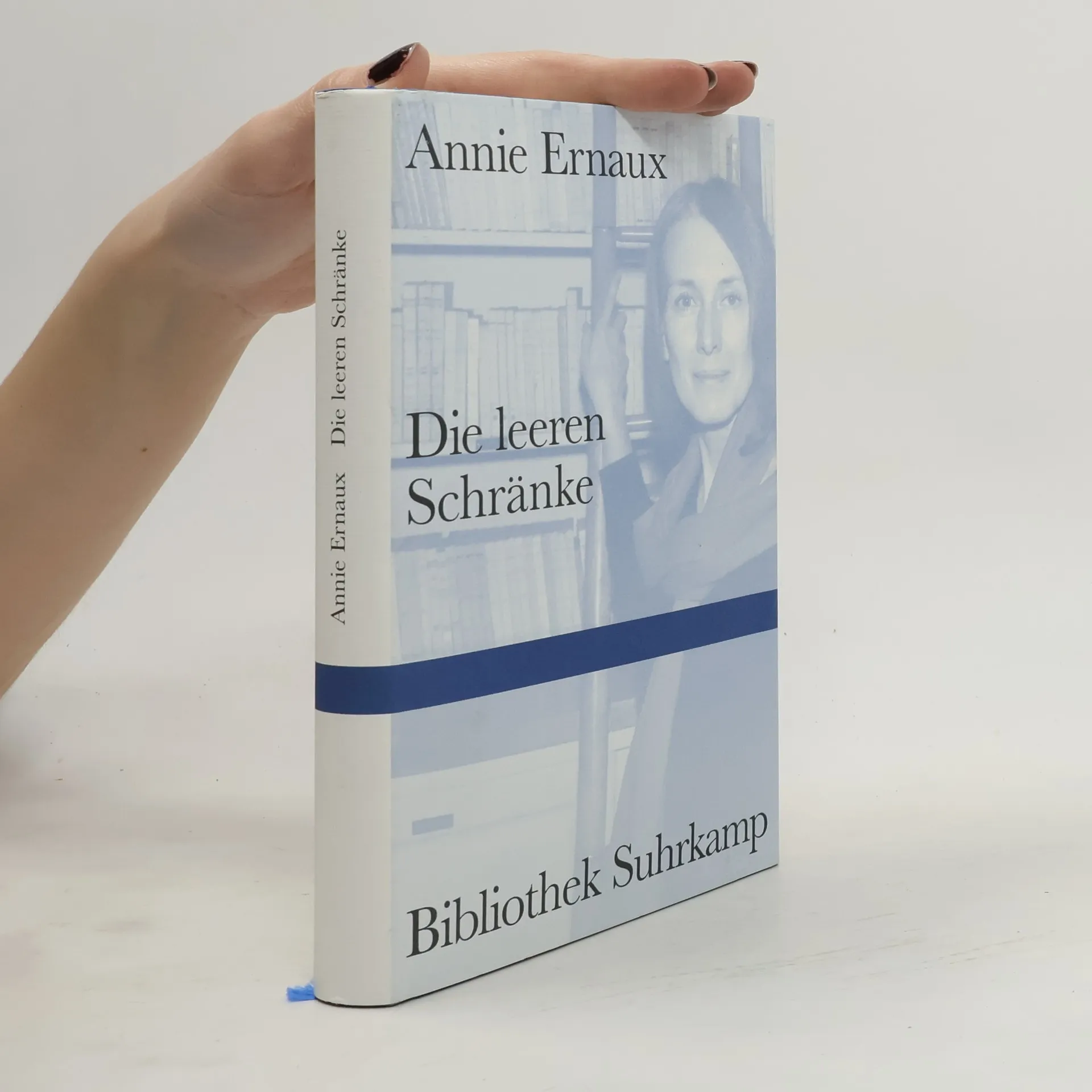
An einem Sonntag im Jahr 1961 sitzt die zwanzigjährige Literaturstudentin Denise Lesur in ihrem Zimmer und wartet – dass ihr Körper die Abtreibung vollzieht, die eine Engelmacherin im Verborgenen eingeleitet hat. Der gebildete, bourgeoise, selbstgewisse Marc hat Denise auf die Nachricht der Schwangerschaft hin direkt verlassen. Und das Milieu, das er verkörpert, hätte sich auch nie ganz in ihrem Körper beheimaten können. Während sie also wartet, denkt sie über ihre Kindheit und Jugend nach: Zerrissen zwischen dem Elternhaus – obgleich stolze Épicerie-Besitzer sind ihre Eltern den bescheidenen, ländlichen Verhältnissen der Herkunft nie wirklich entronnen – und den Mitschülerinnen jener besseren Schulen, auf die ihre guten Leistungen sie befördert hatten, fühlt sich Denise von beiden Seiten stets abgestoßen.
Vulgär und wütend, voller Ablehnung gegen die bürgerlichen Angepasstheiten – Annie Ernaux umkreist in
Die leeren Schränke
ein frühes einschneidendes Ereignis, das ihr gesamtes Leben prägen wird. Und erfindet dafür eine völlig neuartige, aufwühlende literarische Form.
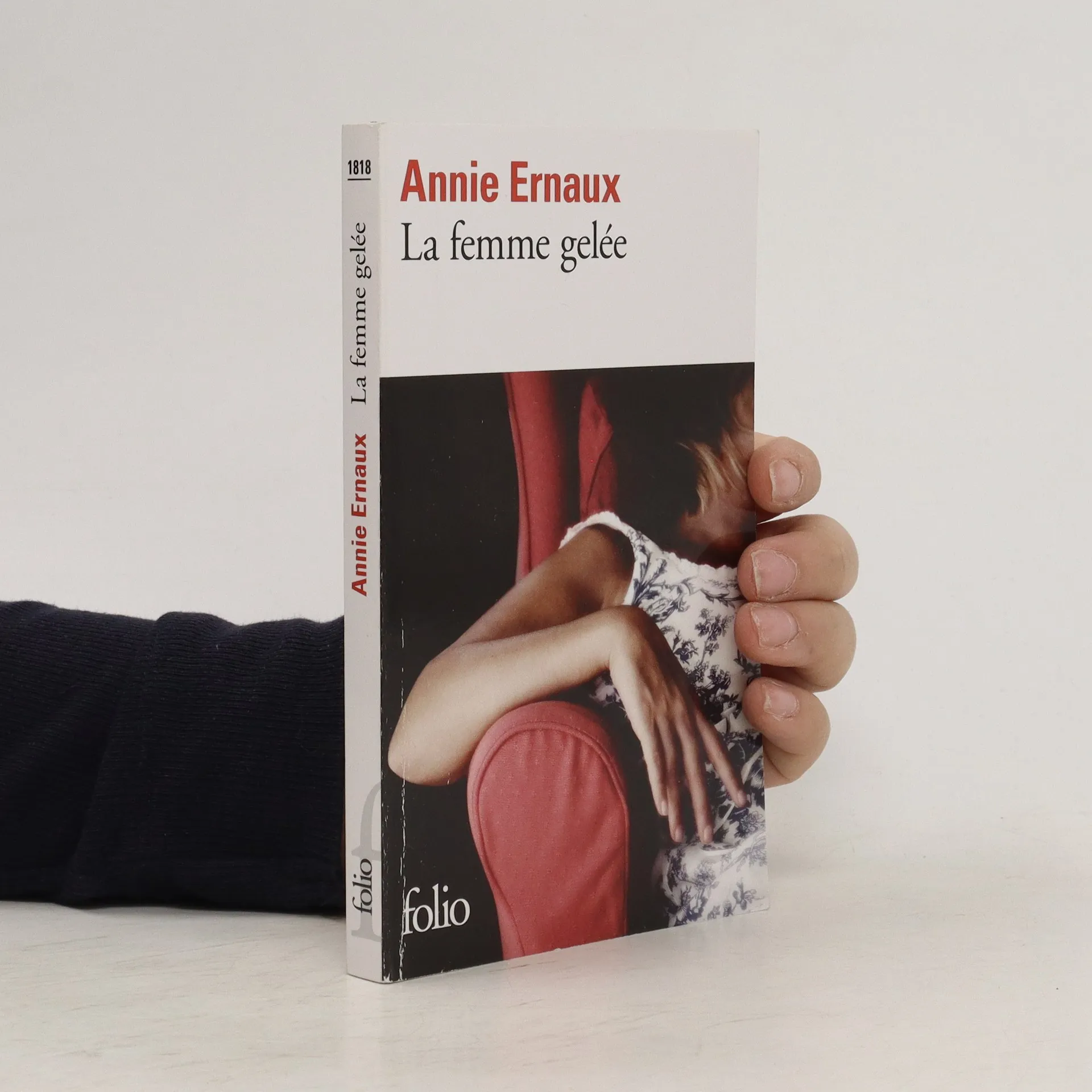
"Elle a trente ans, elle est professeur, mariée à un «cadre», mère de deux enfants. Elle habite un appartement agréable. Pourtant, c'est une femme gelée. C'est-à-dire que, comme des milliers d'autres femmes, elle a senti l'élan, la curiosité, toute une force heureuse présente en elle se figer au fil des jours entre les courses, le dîner à préparer, le bain des enfants, son travail d'enseignante. Tout ce que l'on dit être la condition «normale» d'une femme."--Back cover
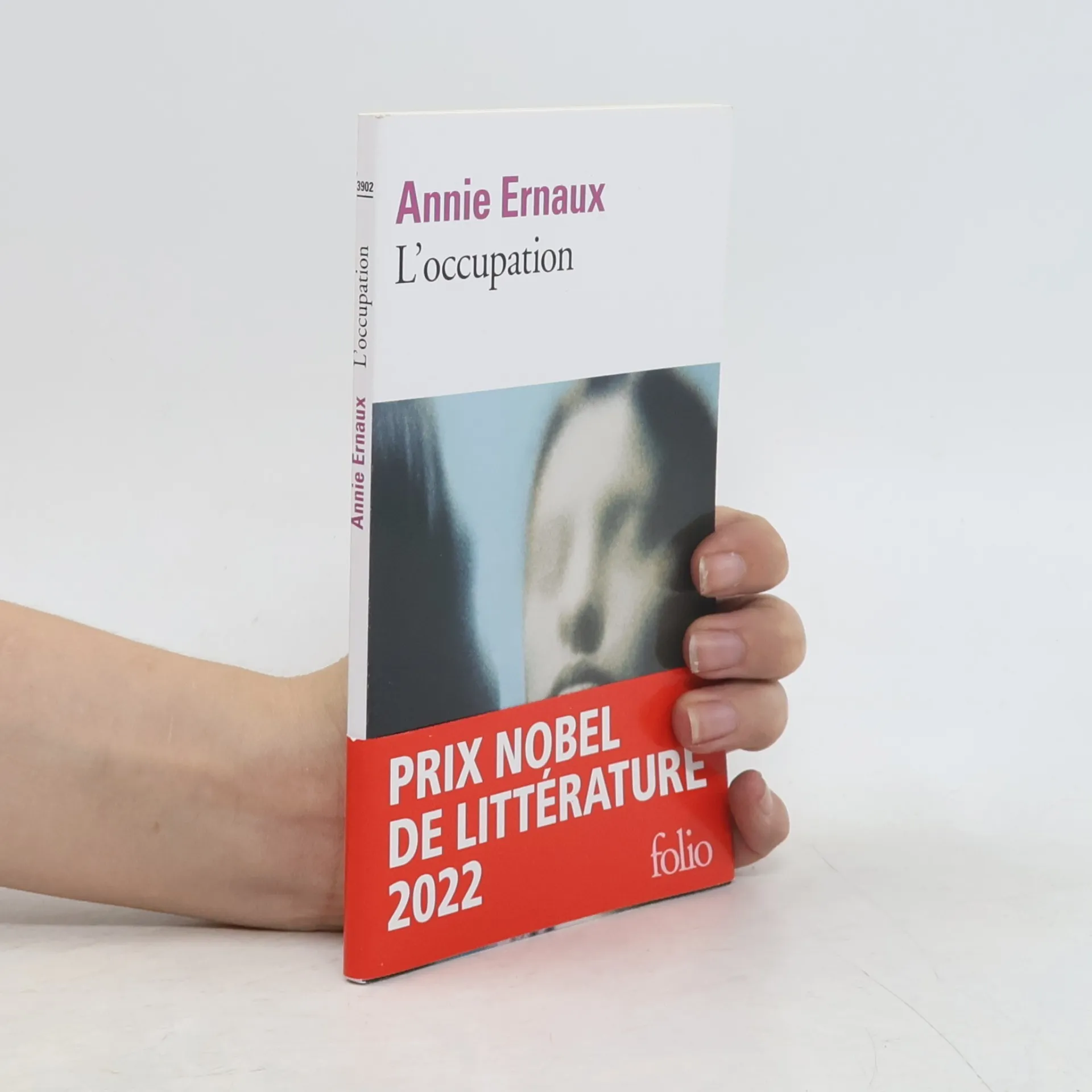
J'avais quitté W. Quelques mois après, il m'a annoncé qu'il allait vivre avec une femme, dont il a refusé de me dire le nom. A partir de ce moment, je suis tombée dans la jalousie. L'image et l'existence de l'autre femme n'ont cessé de m'obséder, comme si elle était entrée en moi. C'est cette occupation que je décris. A. E
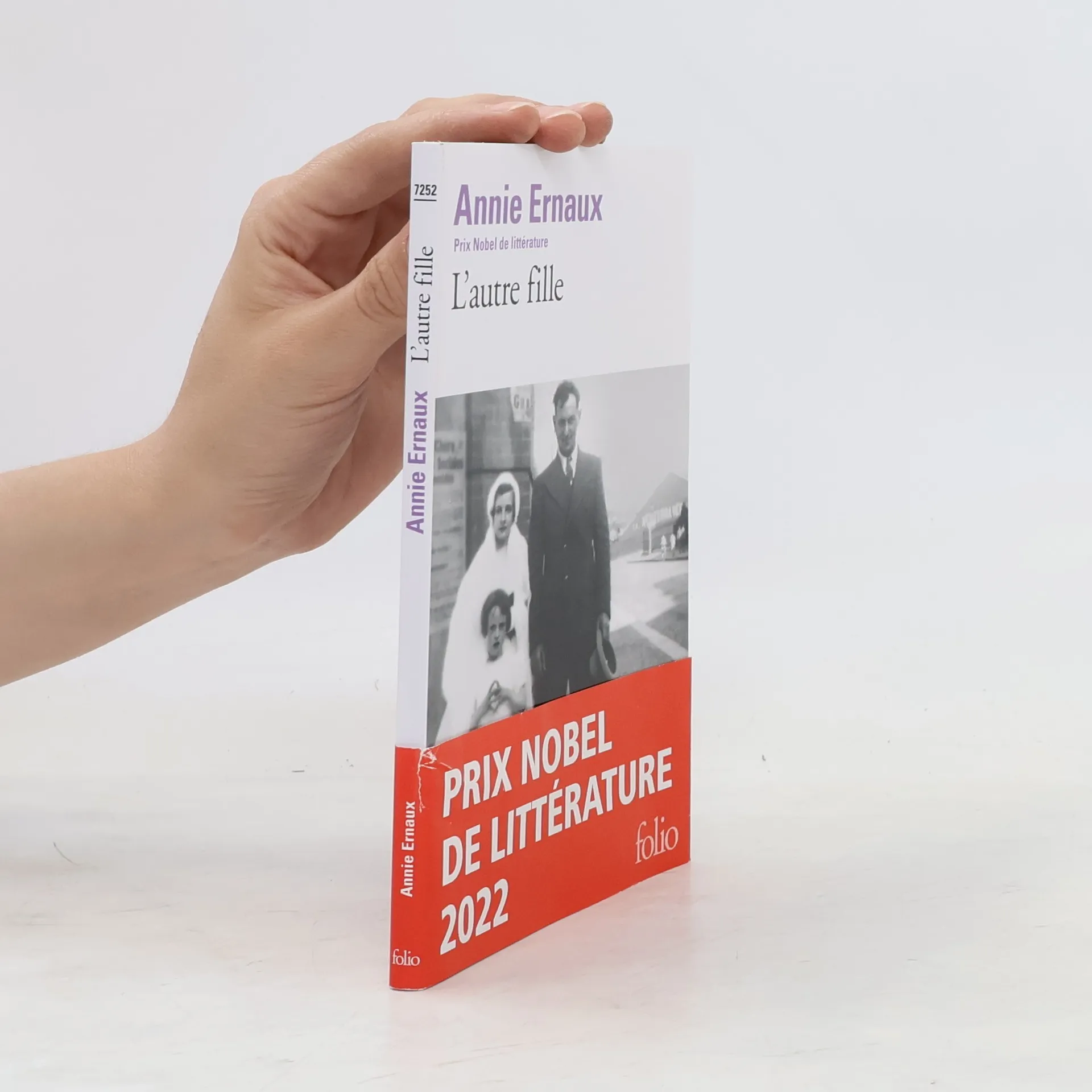
Yvetot, un dimanche d'août 1950. Annie, dix ans, joue dehors sur le chemin de la rue de l'Ecole, tandis que sa mère discute avec une cliente à proximité. La conversation révèle une confidence marquante : avant sa naissance, ses parents avaient une autre fille, morte à six ans de la diphtérie. Annie ne saura jamais rien de cette sœur inconnue et ne posera jamais de questions. Le silence, cependant, façonne l'identité d'Annie, construisant un récit autour de cette petite fille disparue. Les mots de sa mère, des photos, une tombe, des objets et un livret de famille contribuent à créer la fiction de cette "aînée" pour Annie, qui n'a accès qu'à des fragments de son existence. La question se pose : Annie est-elle autorisée à devenir ce qu'elle est grâce à la mort de sa sœur ? Bien que la première famille ait disparu, elle se reforme de manière identique, les histoires et les enfances se répétant de façon troublante. Pourtant, une distance infranchissable sépare les deux filles. En mesurant cette distance, l'auteur découvre le sens du mystère qui lui a été révélé ce dimanche-là, à l'âge de dix ans.
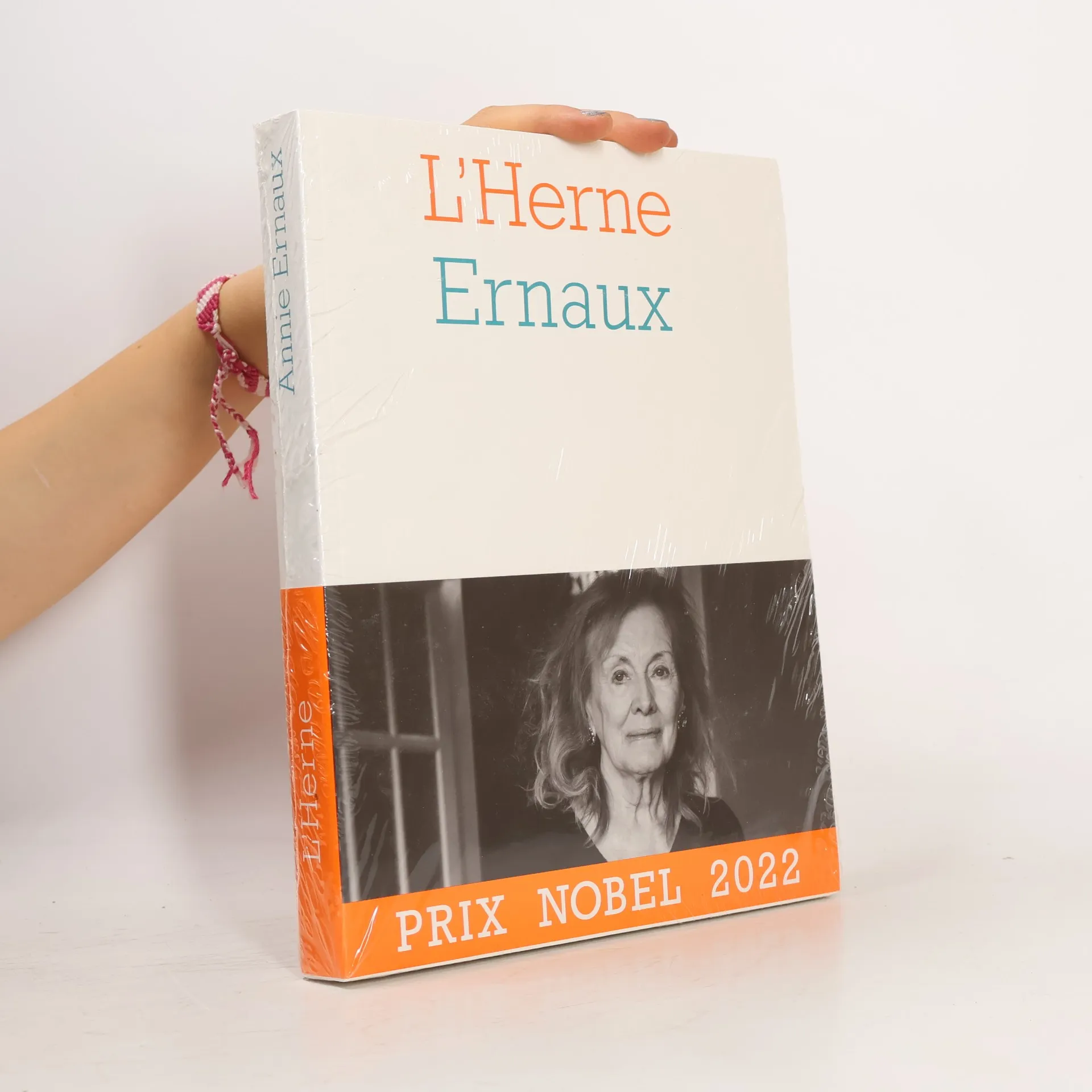
Annie Ernaux est aujourd’hui, de façon incontestable, l’un des auteurs français les plus (re)connus dans le paysage littéraire contemporain, son œuvre est traduite dans de nombreux pays et couronnée par de multiples prix (récemment encore le Prix Prince Pierre de Monaco). Ce volume qui lui est consacré permettra tout à la fois de satisfaire les lecteurs les plus érudits mais également de répondre à la curiosité littéraire d’un public de plus en plus large et fidèle.Mêlant regards critiques et interventions plus personnelles d’écrivains ou d’artistes, le Cahier explore autant les enjeux sociologiques, historiques et parfois psychanalytiques de l’œuvre d’Annie Ernaux que sa sensibilité intime. La multitude des intervenants, issus de milieux aussi divers que le cinéma, le théâtre, la littérature, la chanson et la recherche littéraire, vise à mettre en valeur les nombreuses facettes du travail d’Annie Ernaux. Certaines parties mettent l’accent sur des ouvrages précis, L’Événement, Les Années et Mémoire de fille, quand d’autres abordent les thématiques qui traversent toute l’œuvre ; écriture, voyages, engagement politique,… De nombreux extraits inédits du journal d’écriture d’Annie Ernaux témoignent par ailleurs du regard sans cesse éveillé que l’écrivaine pose sur le monde.
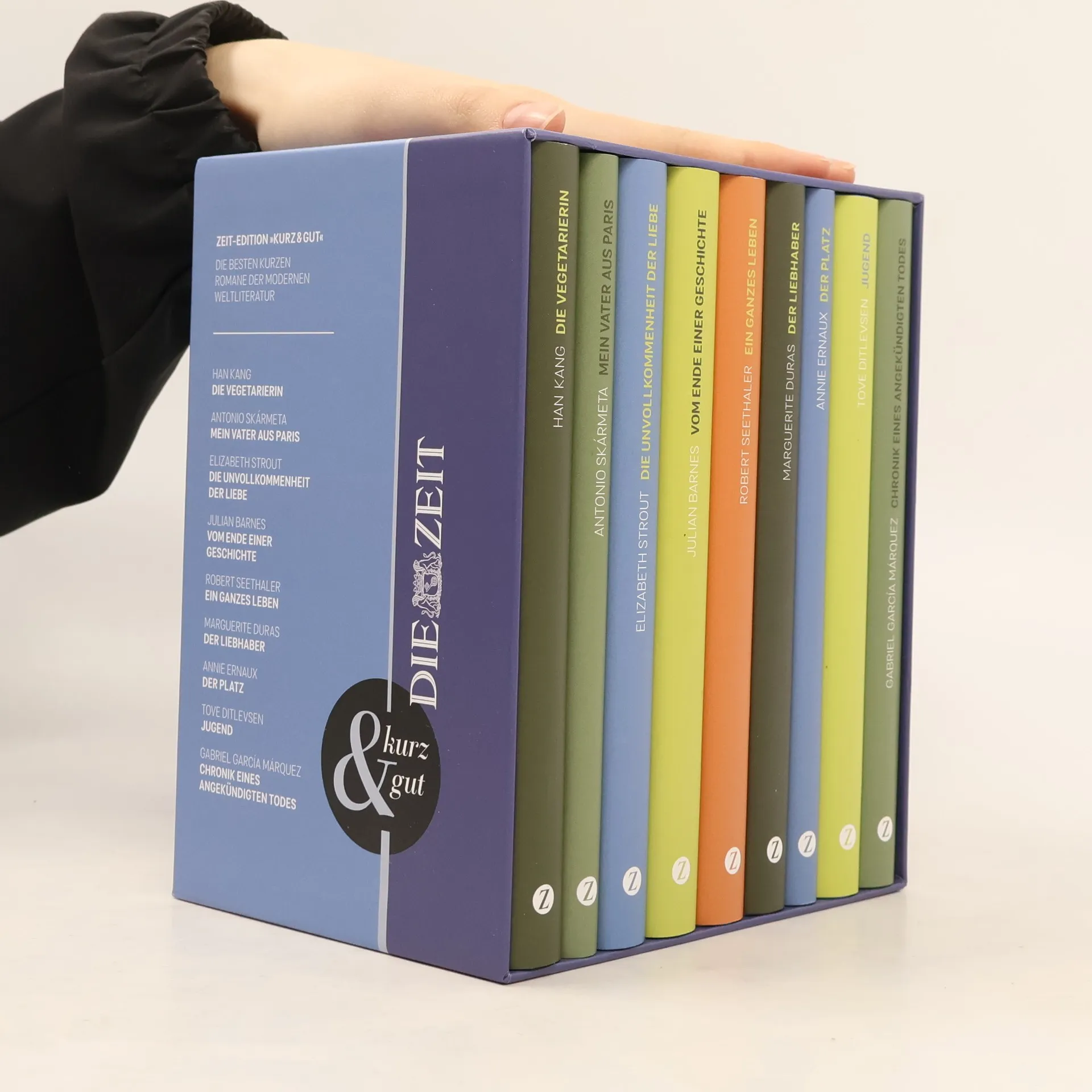
Die besten kurzen Romane der modernen Weltliteratur
9 volumes
Intensive Leseerlebnisse, kompakte Handlungen, verstaubar auch im kleinen Gepäck – kurze Bücher haben ihre ganz eigenen Stärken.
Die ZEIT-Edition »kurz & gut« versammelt neun außergewöhnliche, kurze Romane der modernen Weltliteratur. Sie erzählen ihre Geschichte auf maximal 190 Seiten und faszinieren durch ihre Prägnanz.
Ein Genuss für Liebhaber erstklassiger Literatur und alle leicht Reisenden, Eiligen und begeisterten Kurzleser. Dass die Kürze nicht auf Kosten der Qualität geht, beweisen zum Beispiel gleich drei Nobelpreisträger: Gabriel García Márquez, Annie Ernaux und Han Kang erzählen mit »Chronik eines angekündigten Todes«, »Die Vegetarierin« und »Der Platz« großartige Geschichten im schmalen Format. Auch die erfolgreichen Gegenwartsautoren Robert Seethaler und Elizabeth Strout benötigen mit ihren Romanen »Ein ganzes Leben« und »Die Unvollkommenheit der Liebe« nur wenige Seiten mehr, um die Schicksale einzelner Menschen für uns zum Leben zu erwecken.
Jeder der 9 Bände enthält ein exklusives Nachwort von ZEIT-Autorinnen und Autoren. Sie erklären Hintergründe, schildern das Besondere und stellen Zusammenhänge dar.
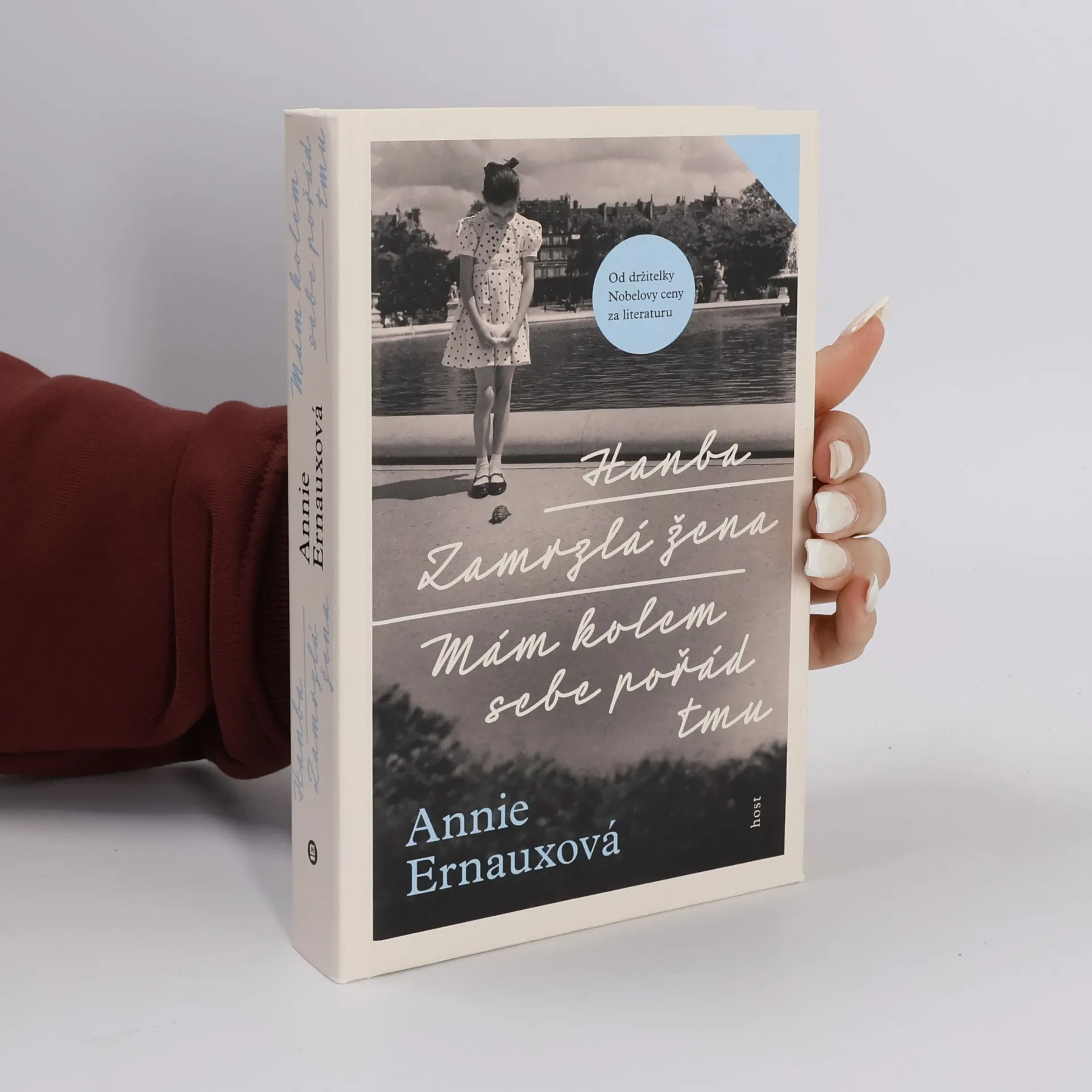
Tři autofikční prózy, inspirované různými obdobími autorčina života, spojuje jedna silná postava — spisovatelčina matka, žena dělnického původu, která udělala vše pro to, aby její dcera mohla vystudovat vysokou školu a stát se středoškolskou profesorkou; skrze dceřin úspěch matka realizovala svoji snahu dostat se z opovrhované dělnické třídy do nejvyšších pater francouzské intelektuální scény. Hanba (1997) zpracovává autorčiny vzpomínky na děsivou situaci, při níž se její otec pokusil matku zabít, a snaží se dobrat kořene pocitu hanby, kterým jako dvanáctiletá dívka během studia na církevní škole v roce 1952 neustále trpěla. V próze Zamrzlá žena (1981) se spisovatelka snaží vystopovat, proč se podvolila společenským konvencím a vzala na sebe veškerou péči o domácnost, ačkoli ji matka po celé dětství vedla k tomu, že se vdávat nebude, aby se mohla věnovat profesní kariéře. Mám kolem sebe pořád tmu (1997) jsou deníkové zápisky, ve kterých autorka popisuje návštěvy své matky, umístěné v léčebně s Alzheimerovou chorobou. V textu je zachyceno matčino tělesné a zejména duševní chátrání.
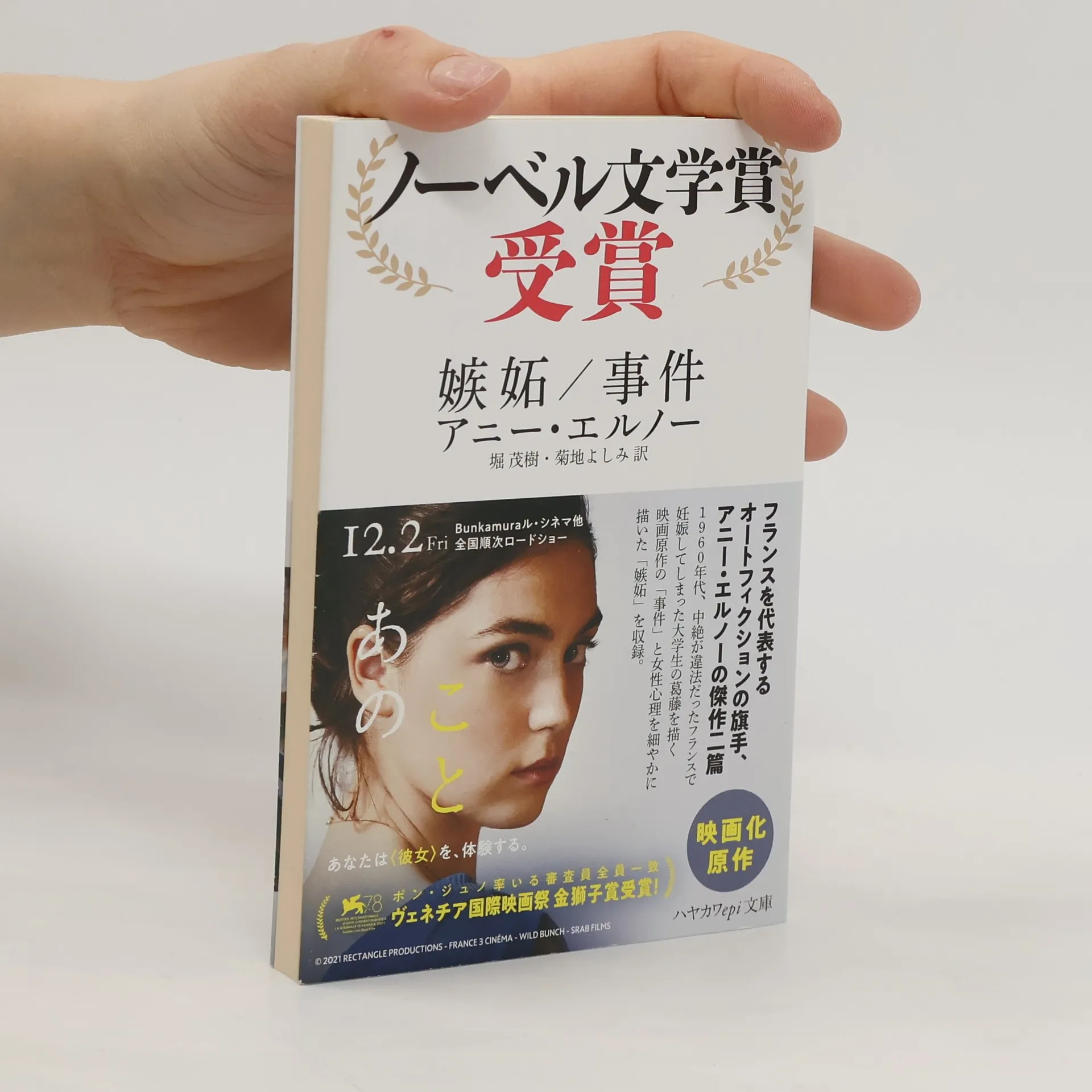
V roku 1963 si dvadsaťtriročná a slobodná Annie Ernaux uvedomí, že je tehotná. Zaplavuje ju hanba: chápe, že jej tehotenstvo poznačí ju a jej rodinu ako spoločenské zlyhanie, a vie, že si to dieťa nemôže nechať. Udalosť je príbeh, napísaný o štyridsať rokov neskôr, o traume, ktorú autorka nikdy neprekonala. Vo Francúzsku, kde boli interrupcie nezákonné, sa márne pokúšala vyvolať spontánny potrat. V strachu a zúfalstve nakoniec vyhľadala lekára a skončila na pohotovosti v nemocnici, kde takmer zomrela. Podľa knihy Audrey Diwan natočila rovnomenný film, ktorý získal Zlatého leva na Medzinárodnom filmovom festivale v Benátkach. V novele Mladý muž Annie Ernaux na niekoľkých stranách v prvej osobe rozpráva o vzťahu s mužom mladším o tridsať rokov. Táto skúsenosť ju na niekoľko mesiacov zmenila a vrátila ku „škandalóznemu dievčaťu“ jej mladosti. Tento text je kľúčom k čítaniu diela Annie Ernaux – k jej vzťahu k času a písaniu.