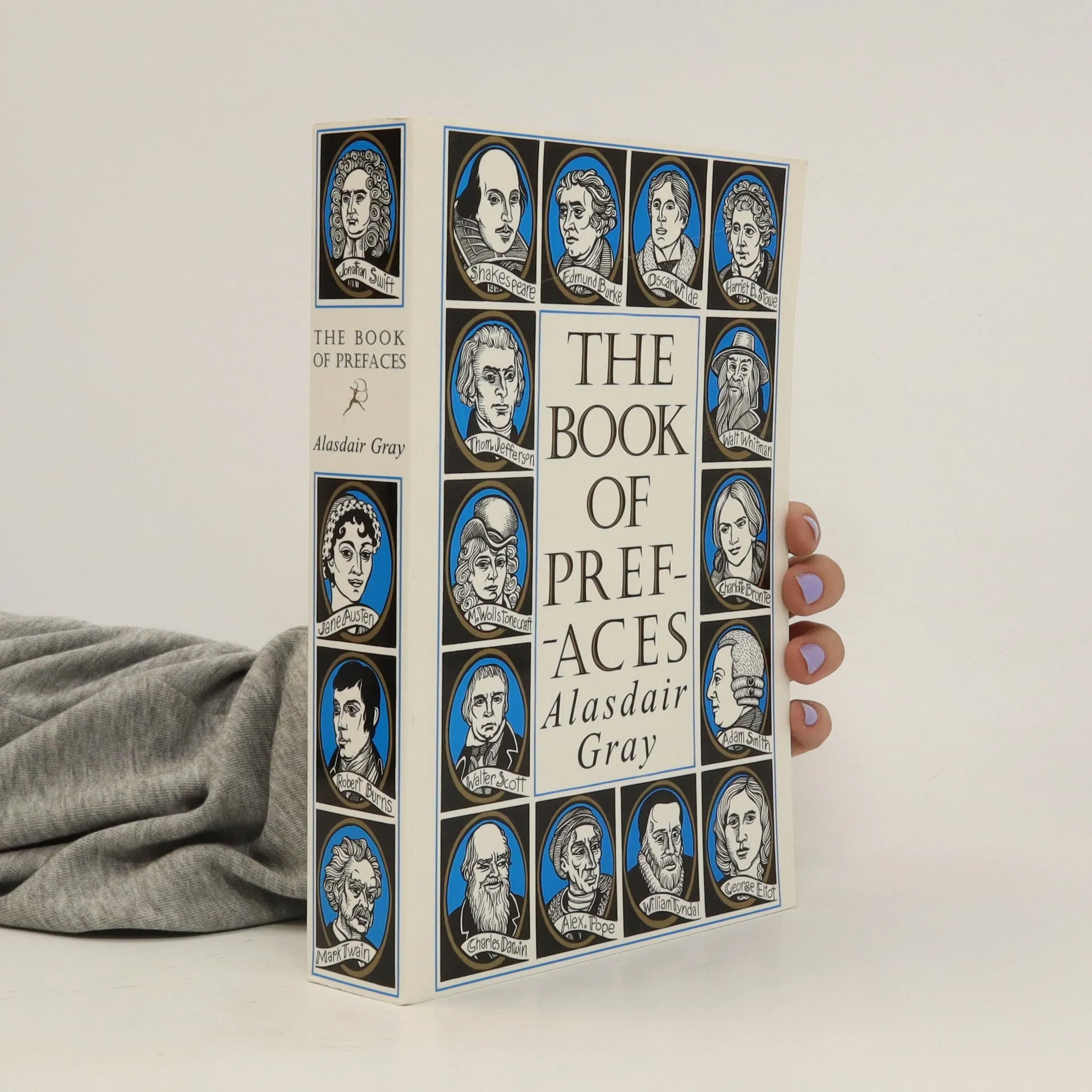
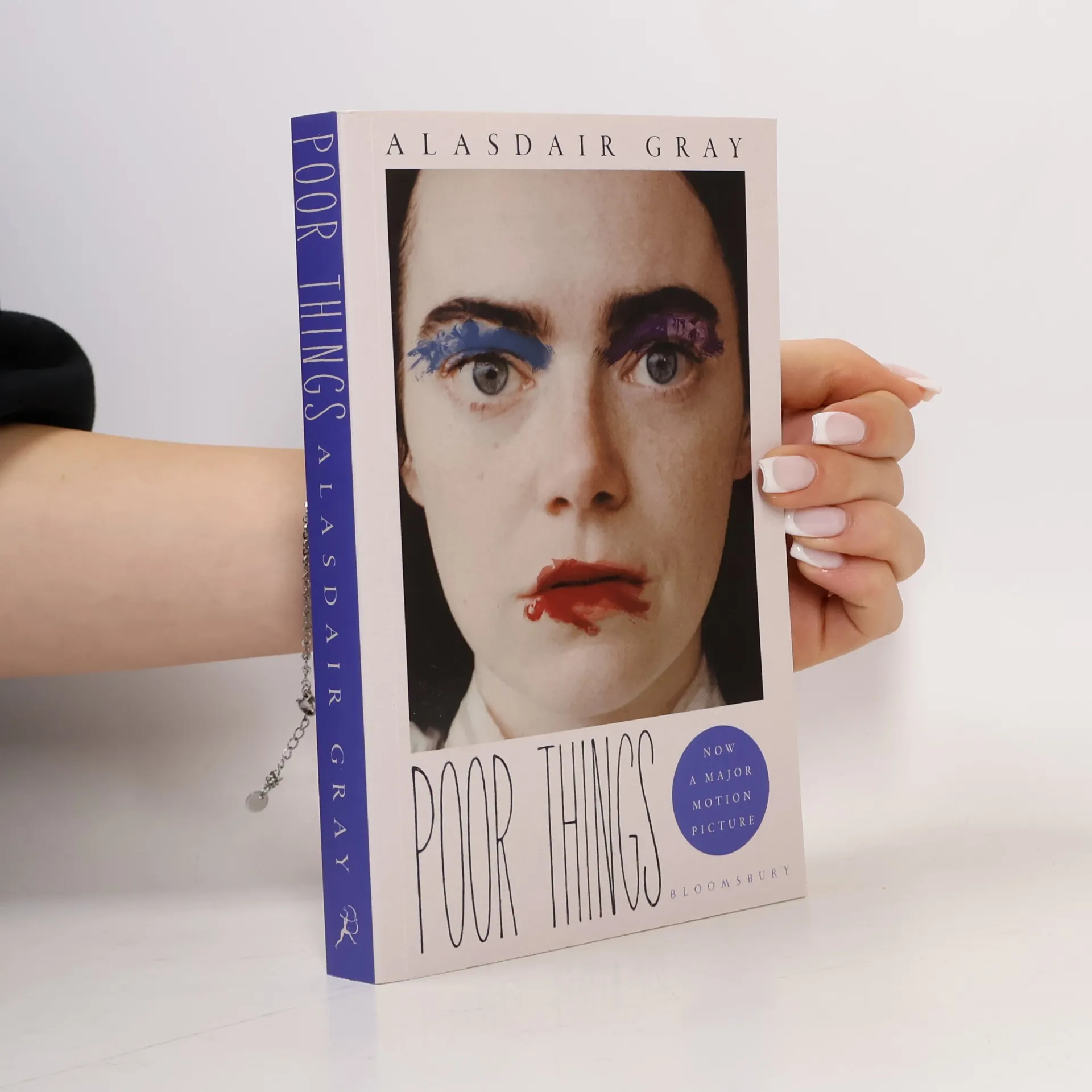
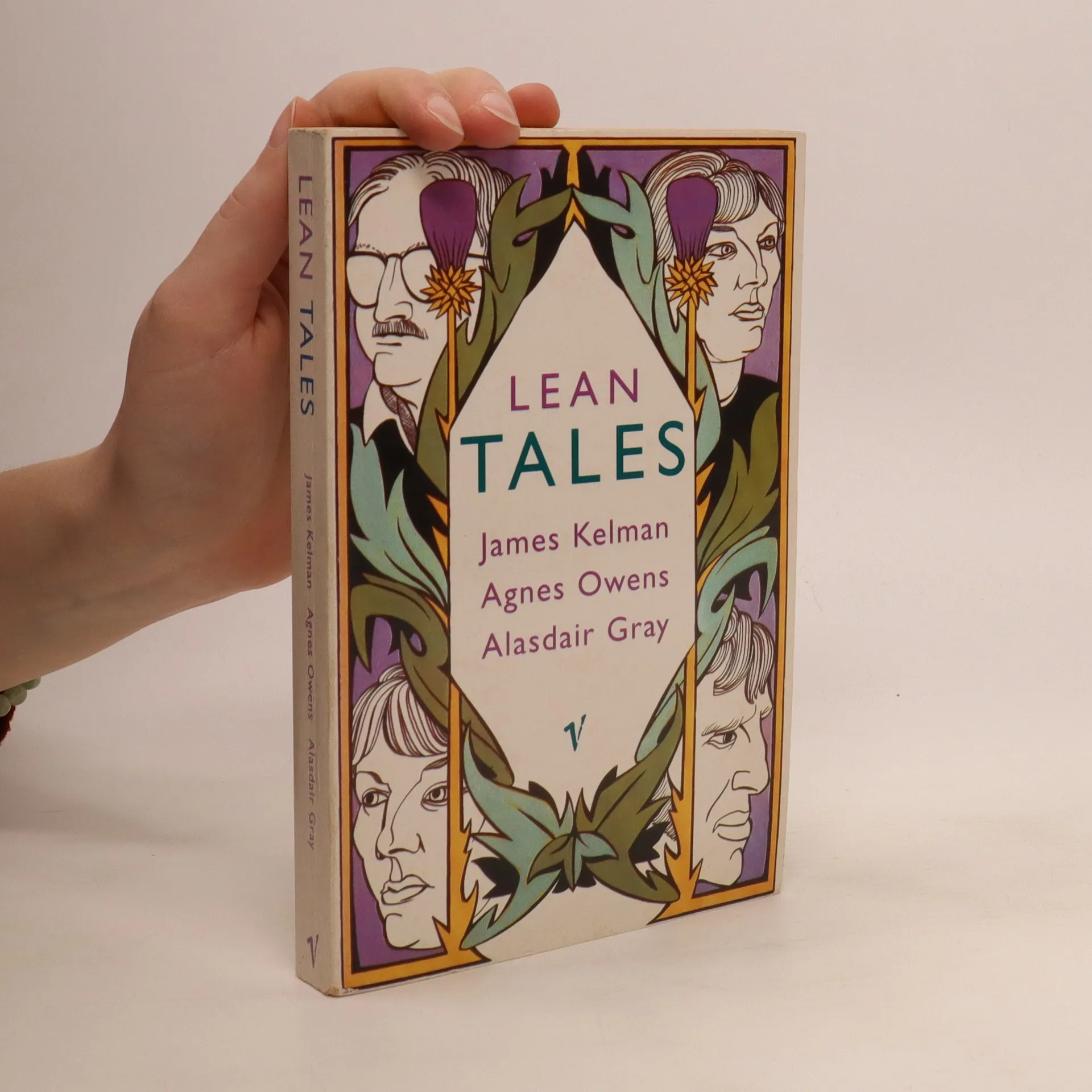
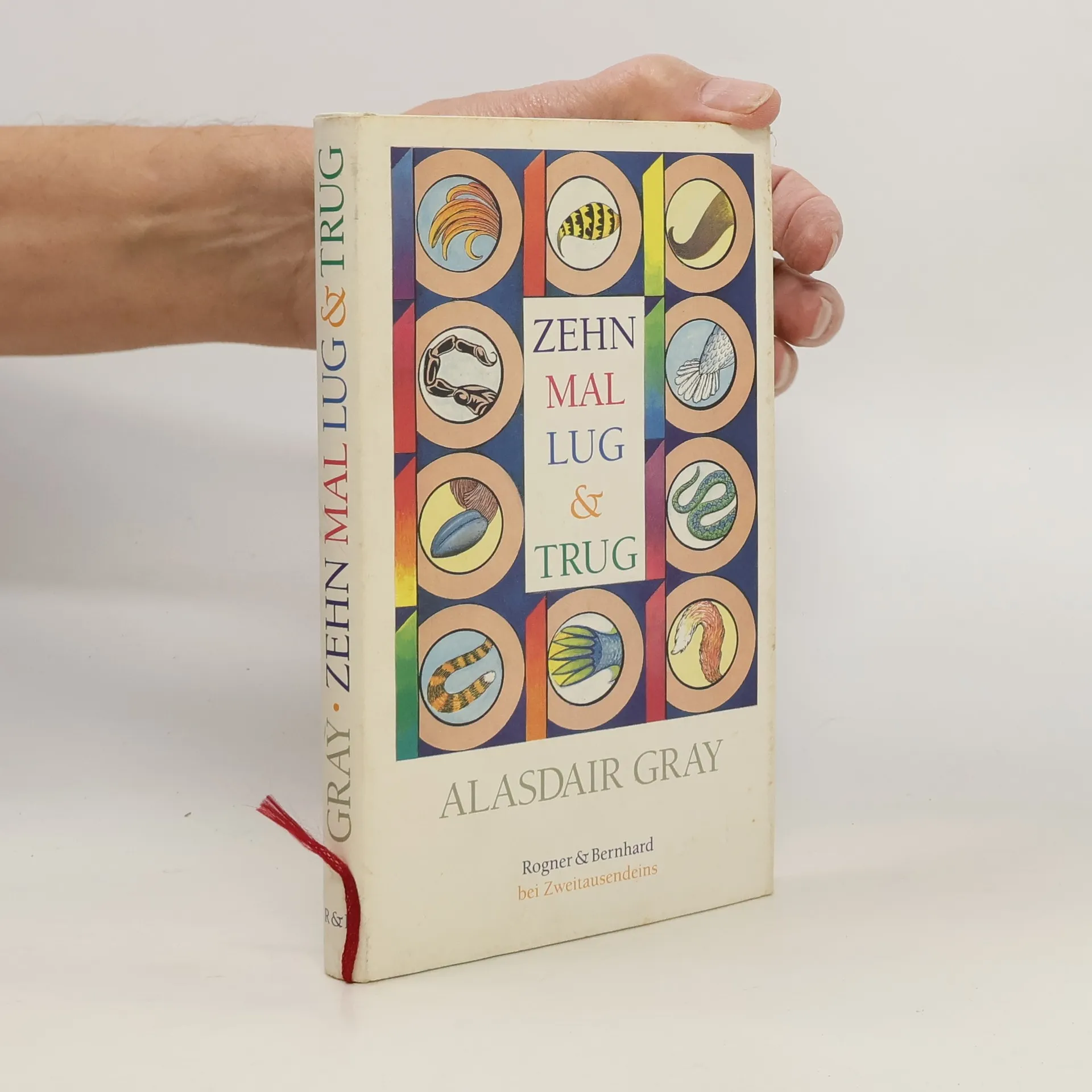
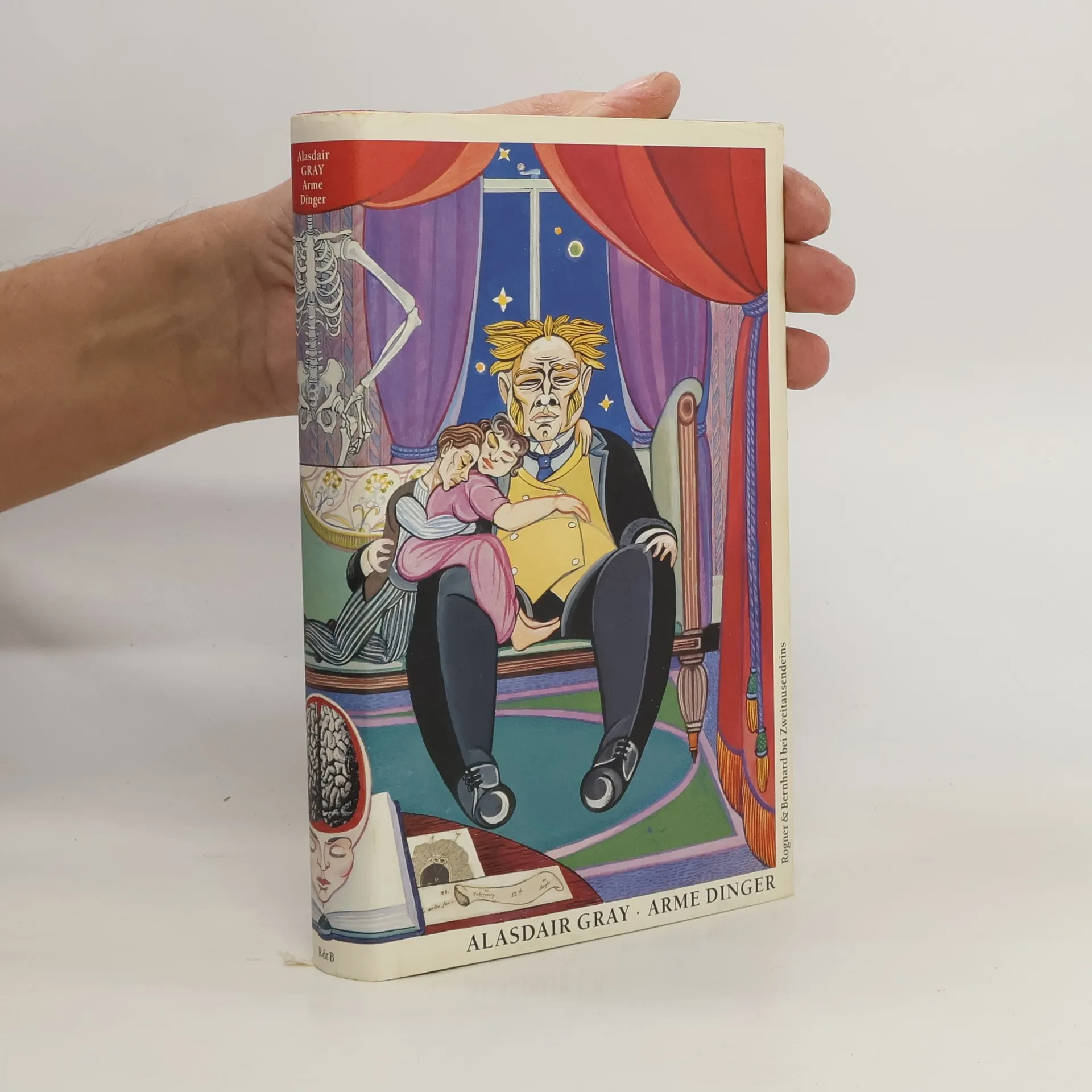
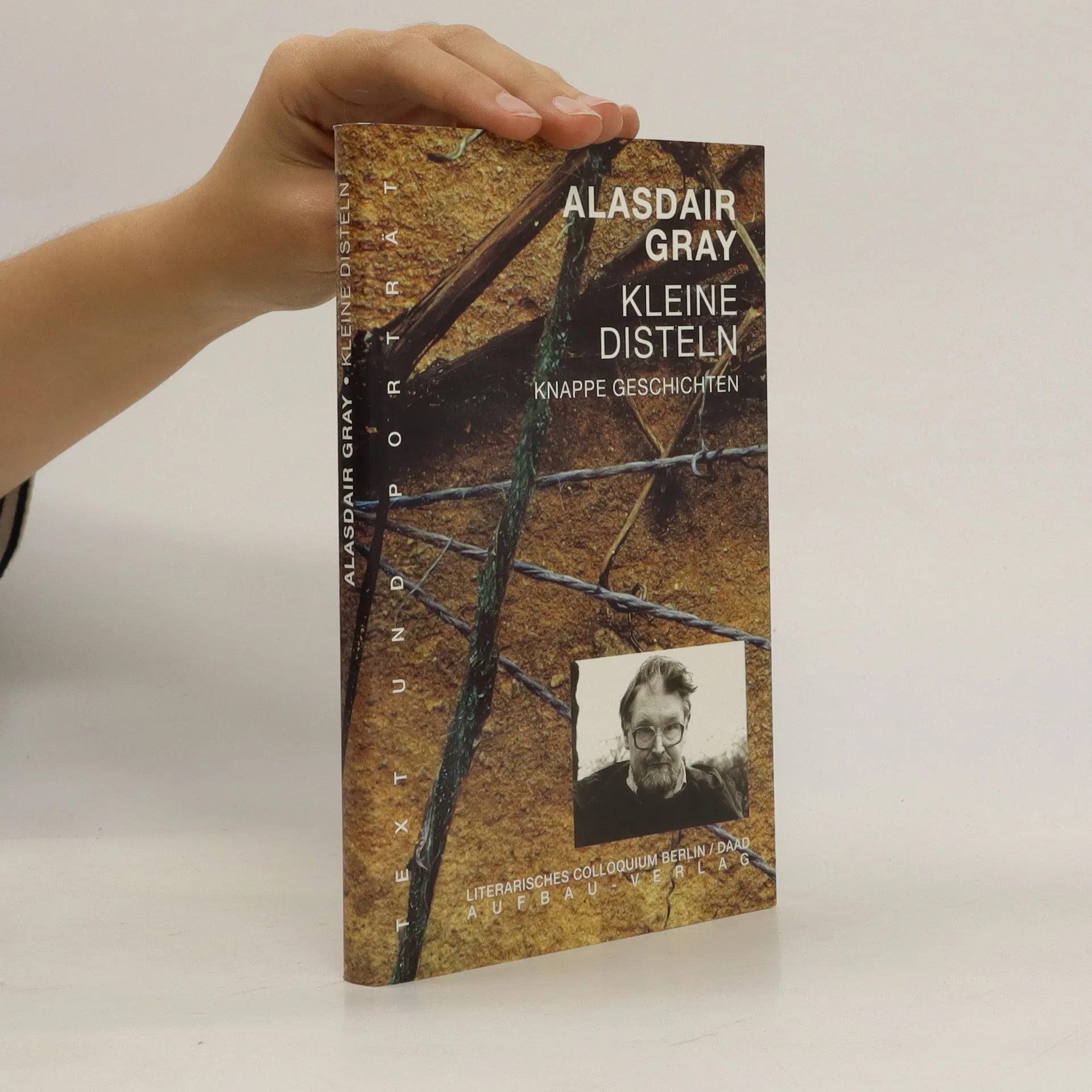
A Scottish writer whose works are a captivating blend of realism, fantasy, and science fiction. His innovative approach to writing, often enhanced with his own illustrations and unique typography, positions his creations as landmarks of postmodern literature. Compared to literary giants like Kafka and Borges, his novels and short stories delve into profound themes and have inspired a generation of subsequent Scottish authors. Gray's body of work stands as a testament to his visionary spirit and distinct perspective on the world.
'Grandly conceived, gorgeously realised, and sparklingly alert to the making not just of works of art, but of a language, this crammed compendium, so copiously yet lightly learned, so drolly self-reflexive, yet enticingly accessible, so exhilaratingly, quixotically magniloquent, is the last word in forewords.' Herald
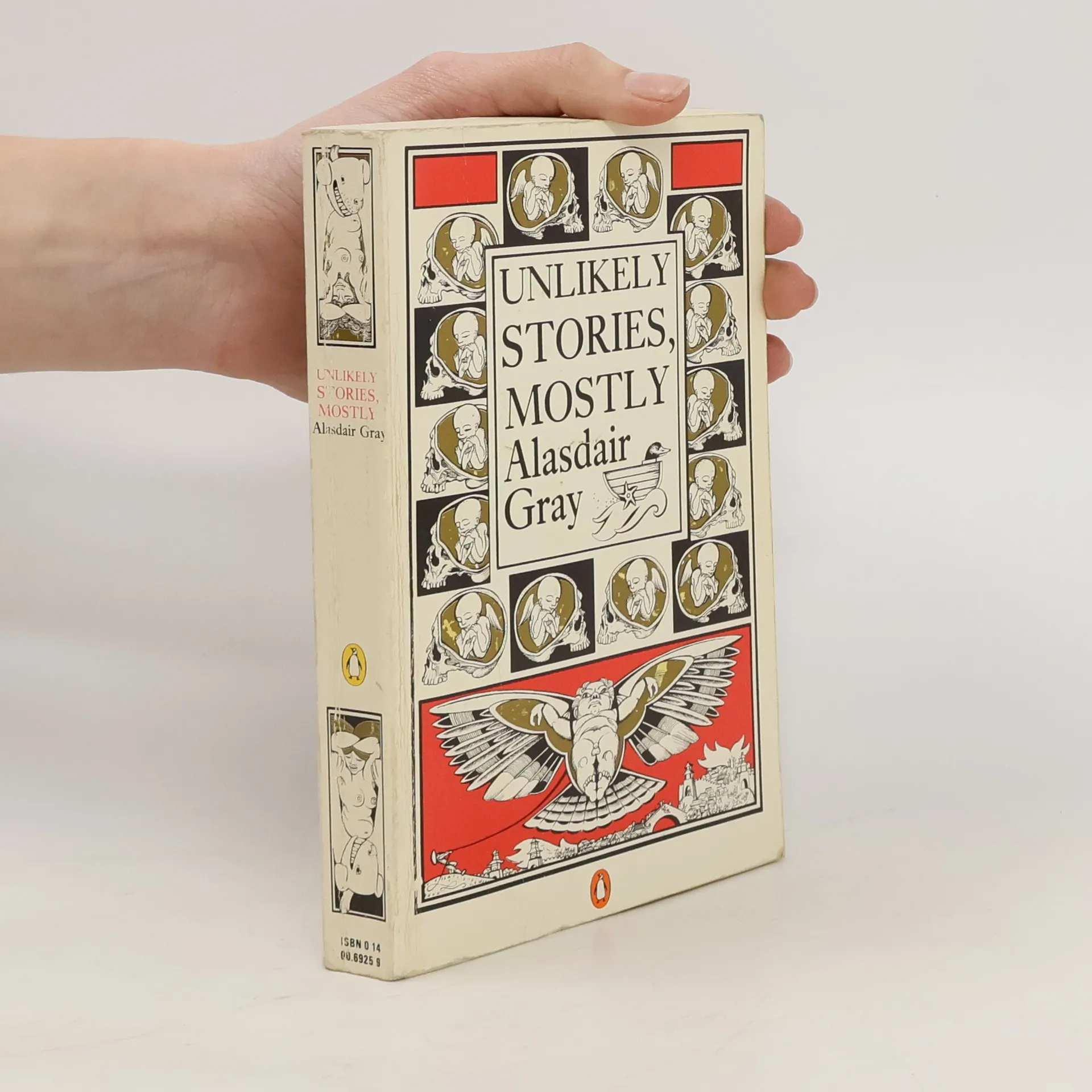
Describing etiquette, government, irrigation, education, clogs, kites, rumour, poetry, justice, massage, town-planning, sex and ventriloquism in an obsolete nation. Alasdair Gray was born in 1934. He obtained a diploma in Design and Mural Painting in 1957 and has since earned his living in Glasgow, mostly by painting and writing. Much of his fiction is published in Penguin, including 1982 Janine, Poor Things, Ten Tales Tall & True and Unlikely Stories, Mostly, from which Five Letters from an Eastern Empire is taken.
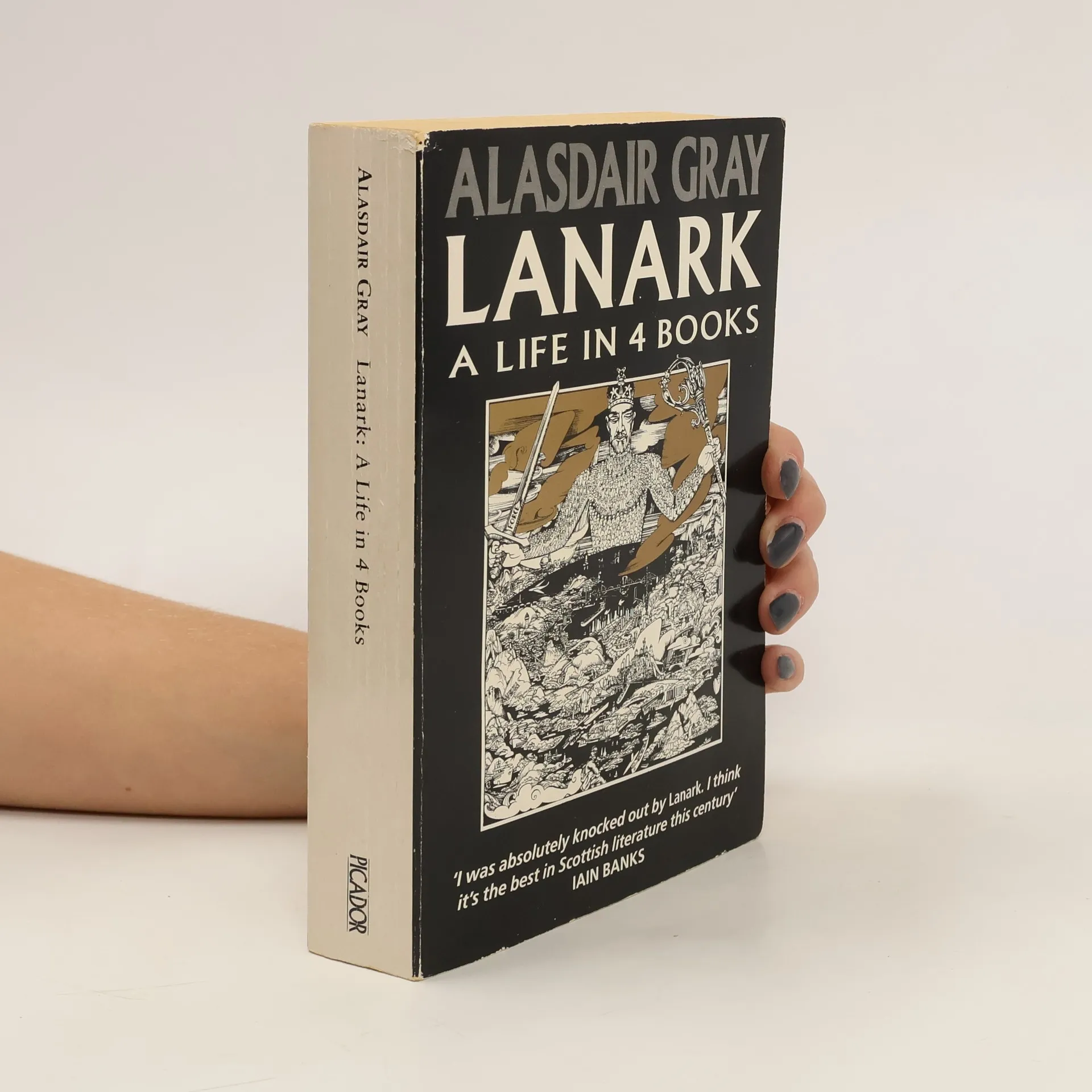
Duncan Thaw, the narrator, has to cope with a loveless family and the drudgery of growing to maturity in Glasgow. Elsewhere the author moves Thaw into fantasy when he sends him to Unthank, a city he is condemned to after his death. From the author of "Something Leather".
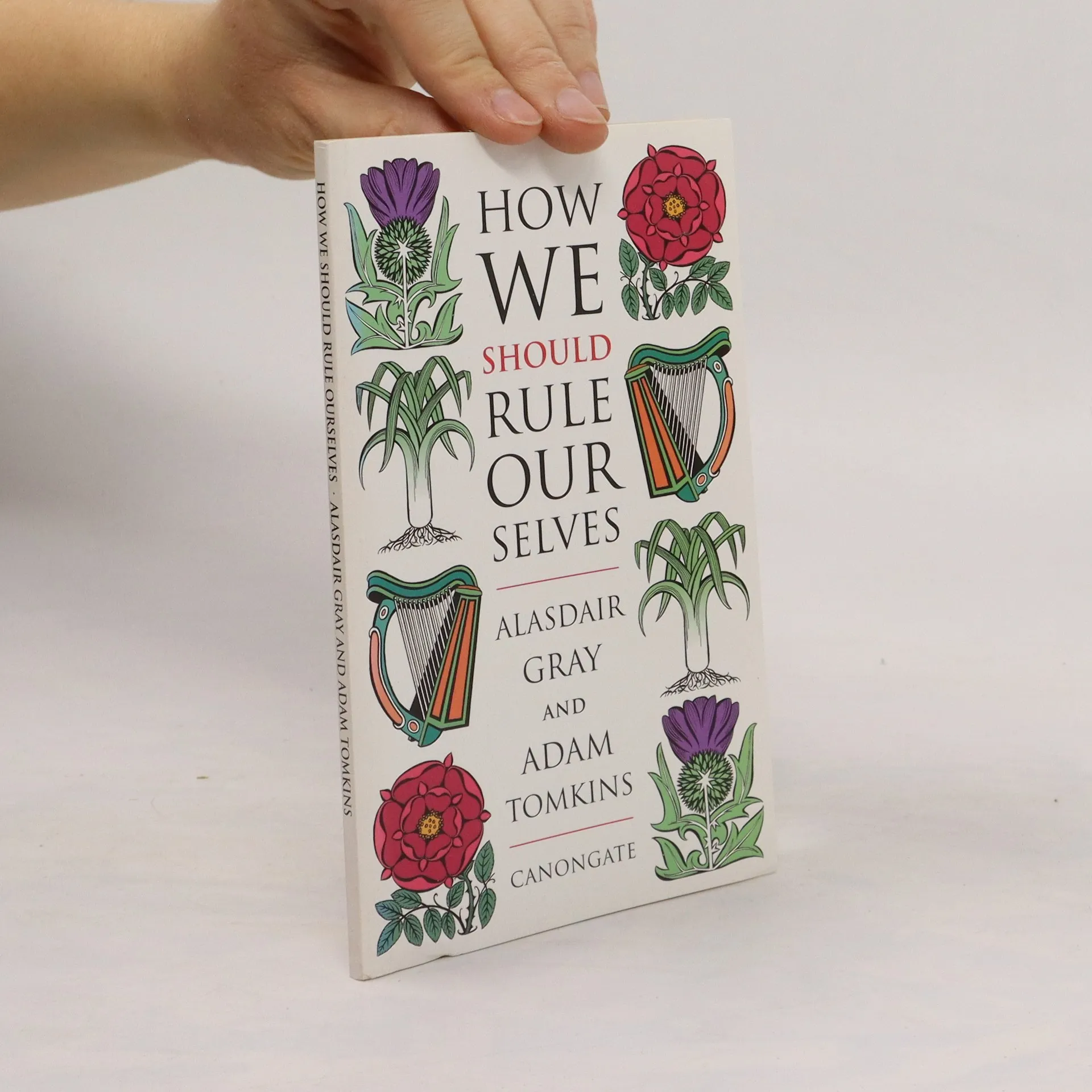
This pamphlet is for anyone alarmed by the present British government. It argues that the component nations of the United Kingdom can become true democracies only by declaring themselves republics. The authors are Alasdair Gray, writer of fiction and pamphlets such as Why Scots Should Rule Scotland, and Adam Tomkins, Professor of Public Law in the University of Glasgow and author of Public Law and Our Republican Constitution. Both are committed republicans.
WINNER OF FOUR ACADEMY AWARDS, FIVE BAFTAS, and TWO GOLDEN GLOBES. STARRING EMMA STONE, FROM THE DIRECTOR OF THE FAVOURITEWinner of the Whitbread Novel Award and the Guardian Fiction PrizeA life without freedom to choose is not worth having.Godwin Baxter's scientific ambition to create the perfect companion is realised when he finds the drowned body of the beautiful Bella, who he brings back to life in a Frankenstein-esque feat. But his dream is thwarted by Dr. Archibald McCandless's jealous love for his creation . . .But what does Bella think?This story of true love and scientific daring whirls the reader from the private operating-theatres of late-Victorian Glasgow through aristocratic casinos, low-life Alexandria and a Parisian bordello, reaching an interrupted climax in a Scottish church.________________________'A magnificently brisk, funny, dirty, brainy book' London Review of Books'Visionary, ornate and outrageous' The Independent'Witty and delightfully written' New York Times'A brilliant marriage of technique, intelligence, and art.' Kirkus Reviews'The greatest Scottish novelist since Sir Walter Scott' Anthony Burgess'Those who, like me, are unsure if they are Alasdair Gray fans or not, ought to fall on Poor Things with delight, and not just because of the almost excessive beauty of its appearance' Philip Hensher, Spectator
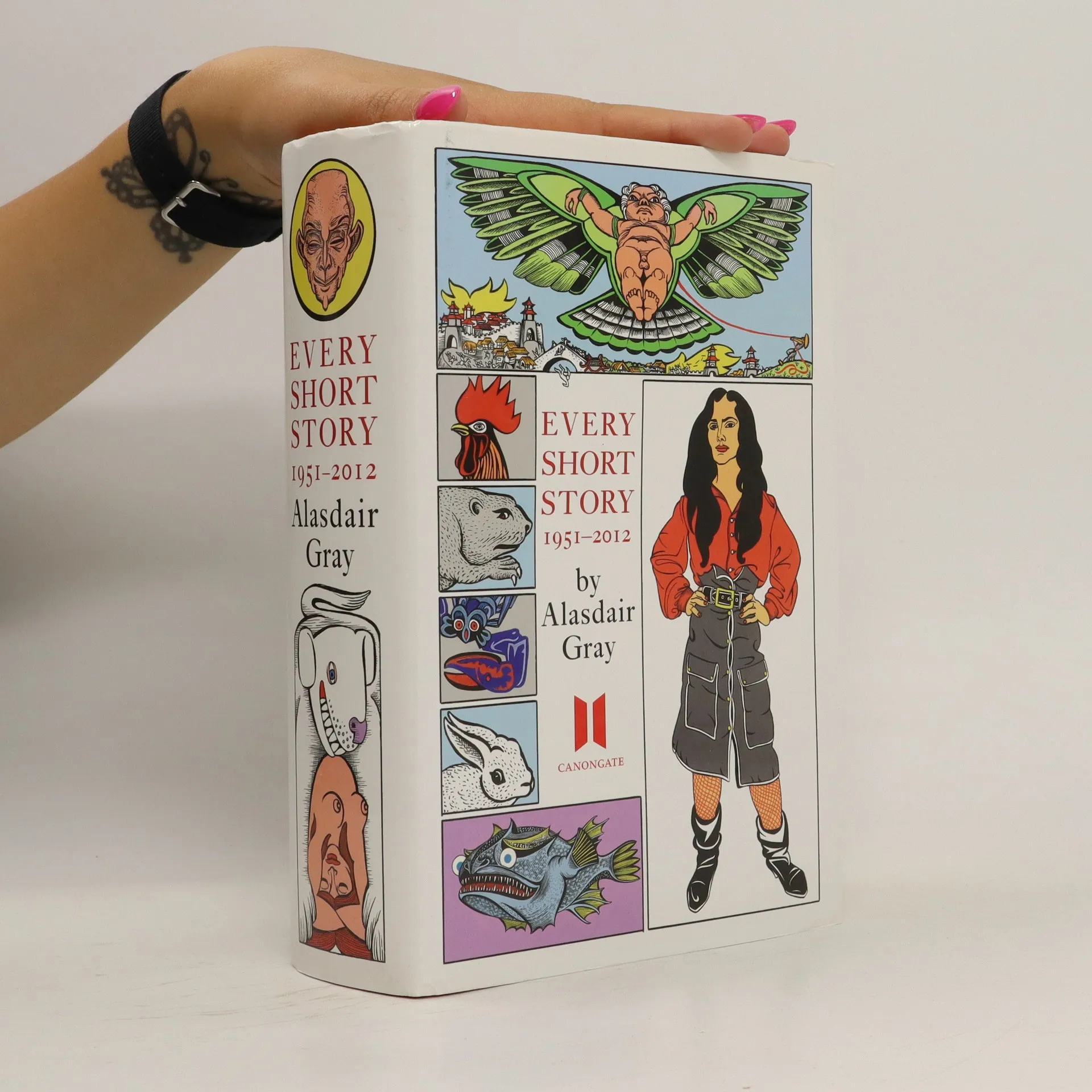
Each selection of stories is preceded by a detailed portrait, drawn by Gray, above a reproduction of the writer's signature. The collection ends, as do so many of Gray's books, with a chapter detailing how the book got written. Postscript is a detailed memoir of Gray and Kelman, among others, attending Philip Hobsbaum's writing group in the 70s and their friendship with Agnes Owens. Gray had agreed to produce another collection of short stories, but didn't have enough written to fill a book on his own. So he used his position to help friends that he thoughts deserved the boost of publication by a major London-based publishing house. His decision has since been vindicated and the collection is seen as an early display of three talents that would be of great importance to the boom in Scottish writing in the late-80s/early-90s. Owens has since had several well-received novels published and Kelman has won the Booker prize.
This brilliant new verse translation by Allen Mandelbaum captures the consummate beauty of the third and last part of Dante's Divine Comedy. The Paradiso is a luminous poem of love and light, of optics, angelology, polemics, prayer, prophecy, and transcendent experience. As Dante ascends to the Celestial Rose, in the tenth and final heaven, all the spectacle and splendor of a great poet's vision now becomes accessible to the modern reader in this highly acclaimed, superb dual language edition. With extensive notes and commentary. - from the publisher
The loves and lives of June, Senga and Donalda are told in this book which covers the period 1963 to 1990. Also featured are unhappy children, a liberal headmistress, a tobacconist's family, a commercial traveller, a lighthouse keeper and a pimp. From the author of "Lanark".
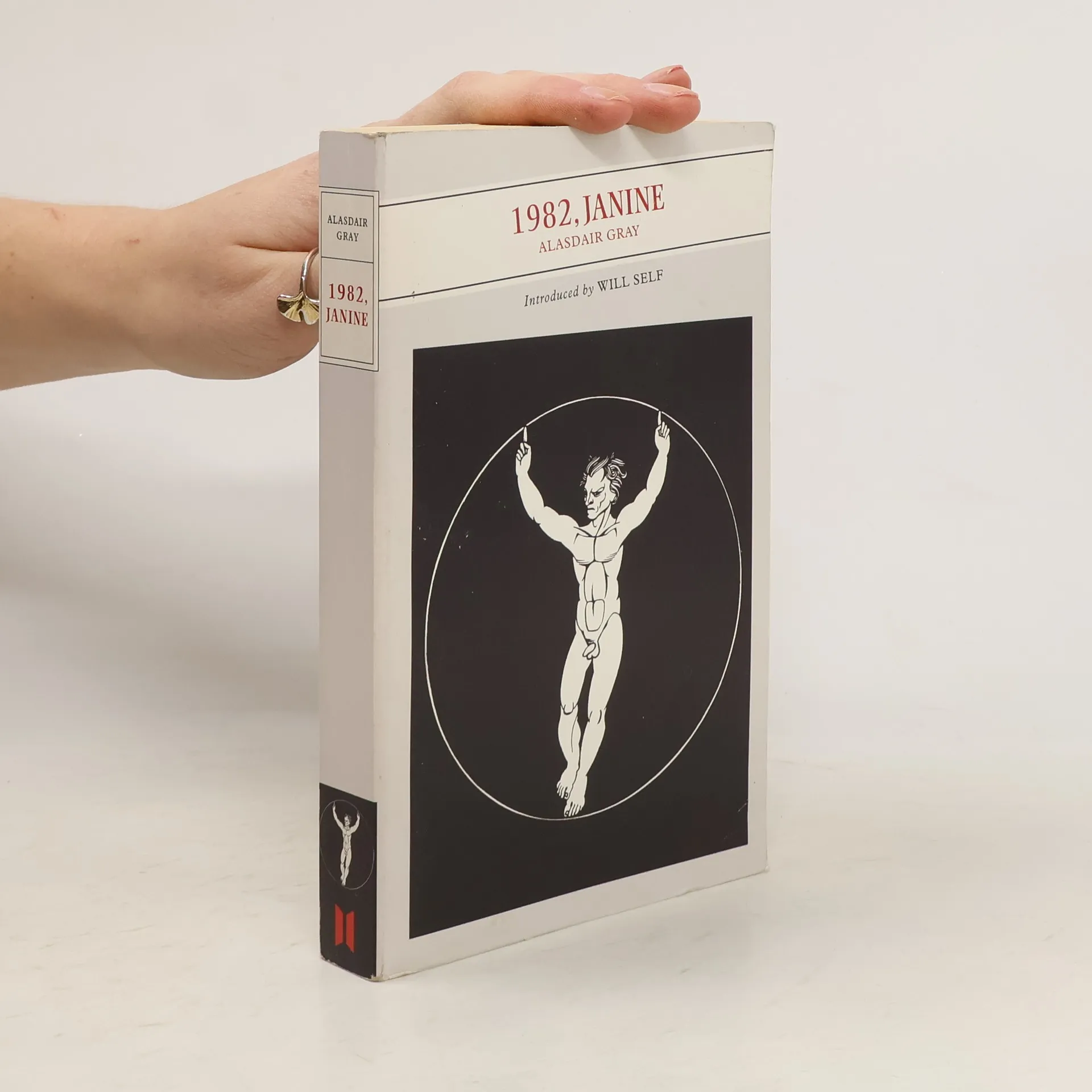
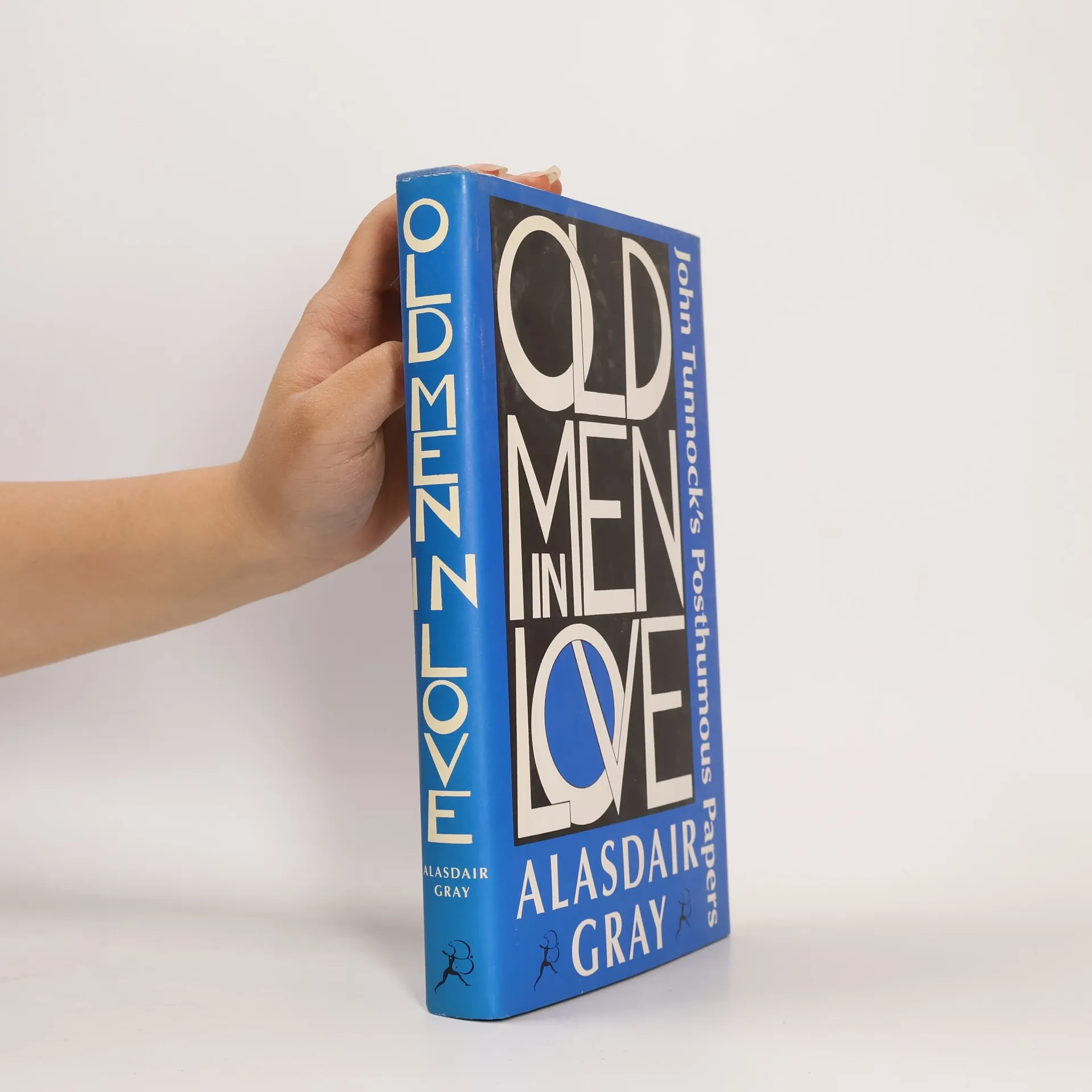
Old Men in Love, like The Arabian Nights, is about a storyteller whose stories contain other stories. As in Alasdair Gray's Lanark, 1982 Janine, Poor Things, and The Book of Prefaces, this one has many styles of narrative and location. Periclean Athens, Renaissance Florence, Victorian Somerset mingle with Britain under the New Labour Party, viewed from the West End of Glasgow. More than 50% is fact and the rest possible, but must be read to be believed.
Alasdair Gray's remarkable retelling of Dante's Divine Comedy; this edition
brings Gray's Hell, Purgatory and Paradise together into a single edition for
the first time
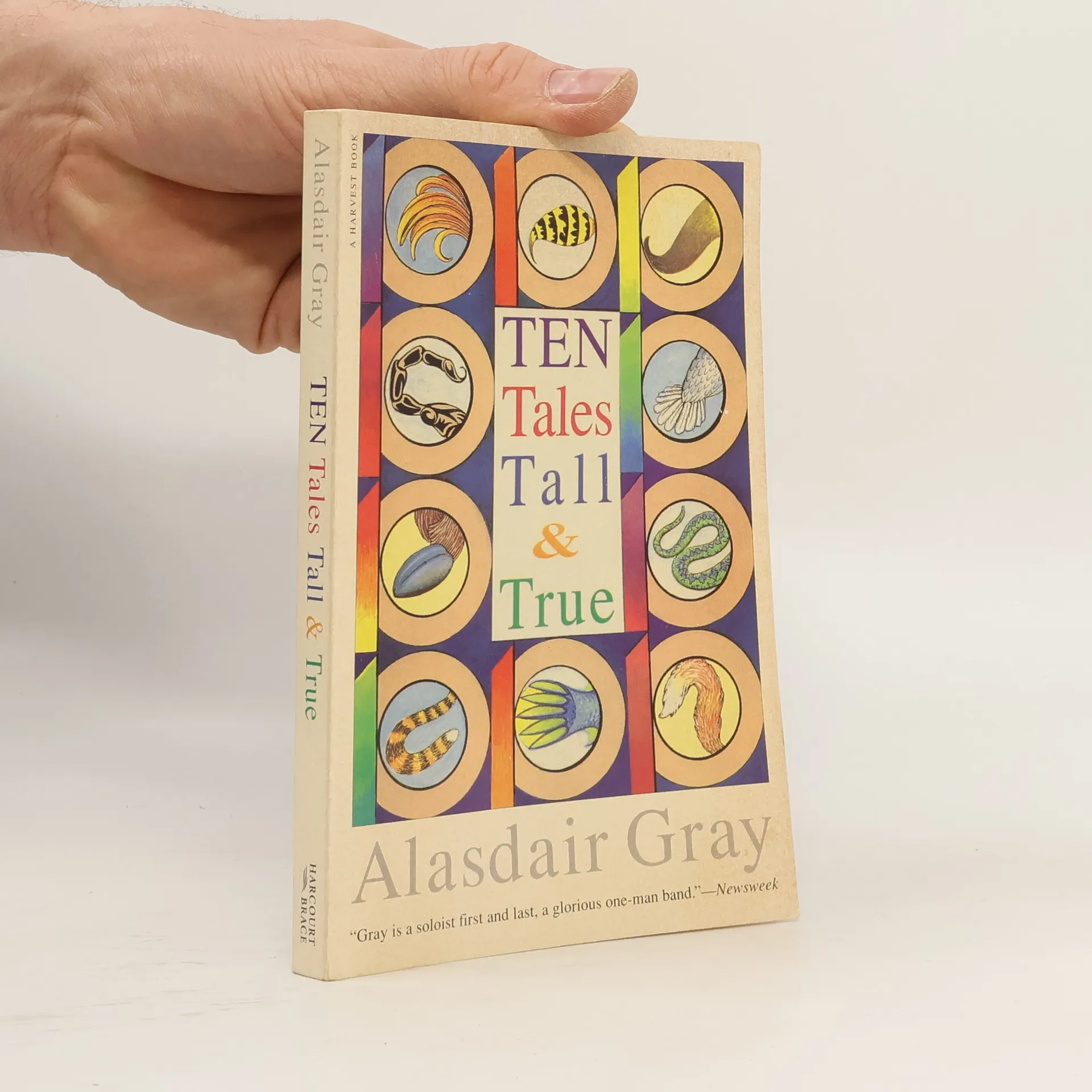
Gray serves up a dazzling mixture of social realism, sexual comedy,science fiction, and satire here. A New York Times Notabale Book of the Year, this is a "highly imaginative" (Newark Star-Ledger) collection of stories from "one of the sprightliest and wittiest of living prose writers" (San Francisco Chronicle). Illustrated by the Author.
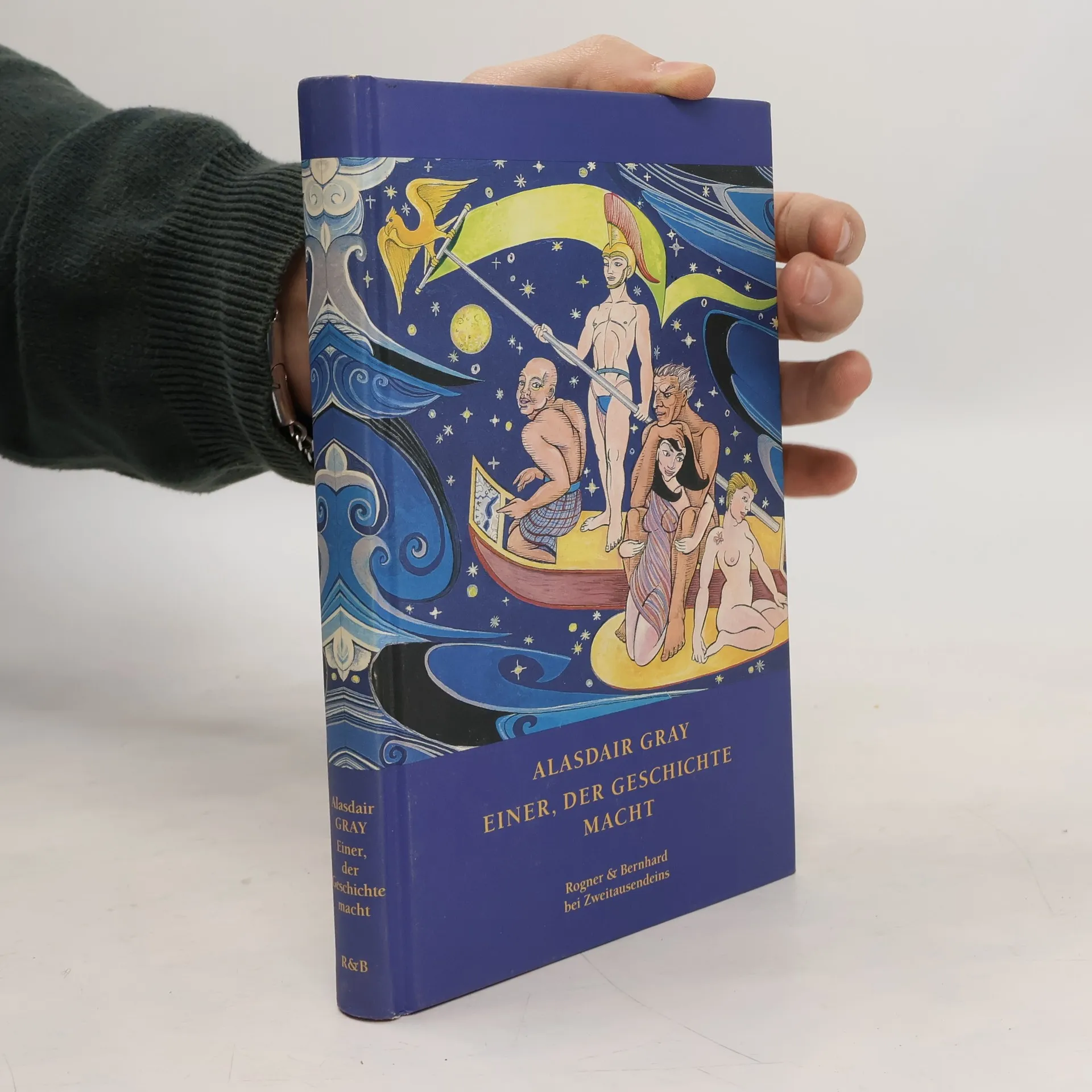
Die Menschen des 23. Jahrhunderts haben materielle wie psychische Not und Ausbeutung abgeschafft. Freilich ist ist dieses System umfassend praktizierter Ökologie und Weisheit weder ganz unproblematisch noch ungefährdet.
Aké zvláštne tajomstvo spôsobilo, že sa bohatá, krásna a búrlivá Bella Baxterová stala pre chudobného škótskeho študenta medicíny Archieho McCandlessa neodolateľná?
Bola to záhada jej pôvodu v dome jeho obludného priateľa Bohemunda Baxtera, génia, ktorého hlas dokázal roztrhnúť ušné bubienky?
Tento príbeh o skutočnej láske a vedeckej odvahe unáša čitateľa zo súkromných operačných sál neskoroviktoriánskeho Glasgowa cez aristokratické kasína a pochybné zákutia Alexandrie až do parížskeho nevestinca, aby sa napokon vrátil do Škótska a dočkal sa prekvapivých rozuzlení.
Grécky režisér Yorgos Lanthimos román Chudiatka v roku 2023 sfilmoval a získal Zlatého leva za najlepší film na Medzinárodnom filmovom festivale v Benátkach a štyroch Oscarov vrátane ceny za najlepší ženský herecký výkon v hlavnej úlohe pre Emmu Stone.