

Roger E. Olson is a professor of theology whose work delves into the rich history and diversity of Christian thought. His writings explore the evolution of theological ideas, presenting a mosaic of belief that has shaped Christianity. Olson's approach is analytical, aiming to illuminate the complexities of theological concepts for readers. He seeks to foster a deeper understanding of the Christian tradition.
In Against Liberal Theology, professor and theologian Roger E. Olson warns
progressive and mainline Christians against passively accepting liberal
theology without thinking through the consequences--namely, that liberal
Christianity may not be orthodox Christianity but a different religion
altogether.
The book explores the concept of cults, examining definitions, identification criteria, and the motivations behind why individuals join these groups. It offers an introduction to "unsafe sects" from an orthodox Christian viewpoint, providing insight into the cultural fascination with cults. Additionally, the author shares personal experiences with cults, enriching the discussion with firsthand accounts that illuminate the complexities surrounding these organizations.
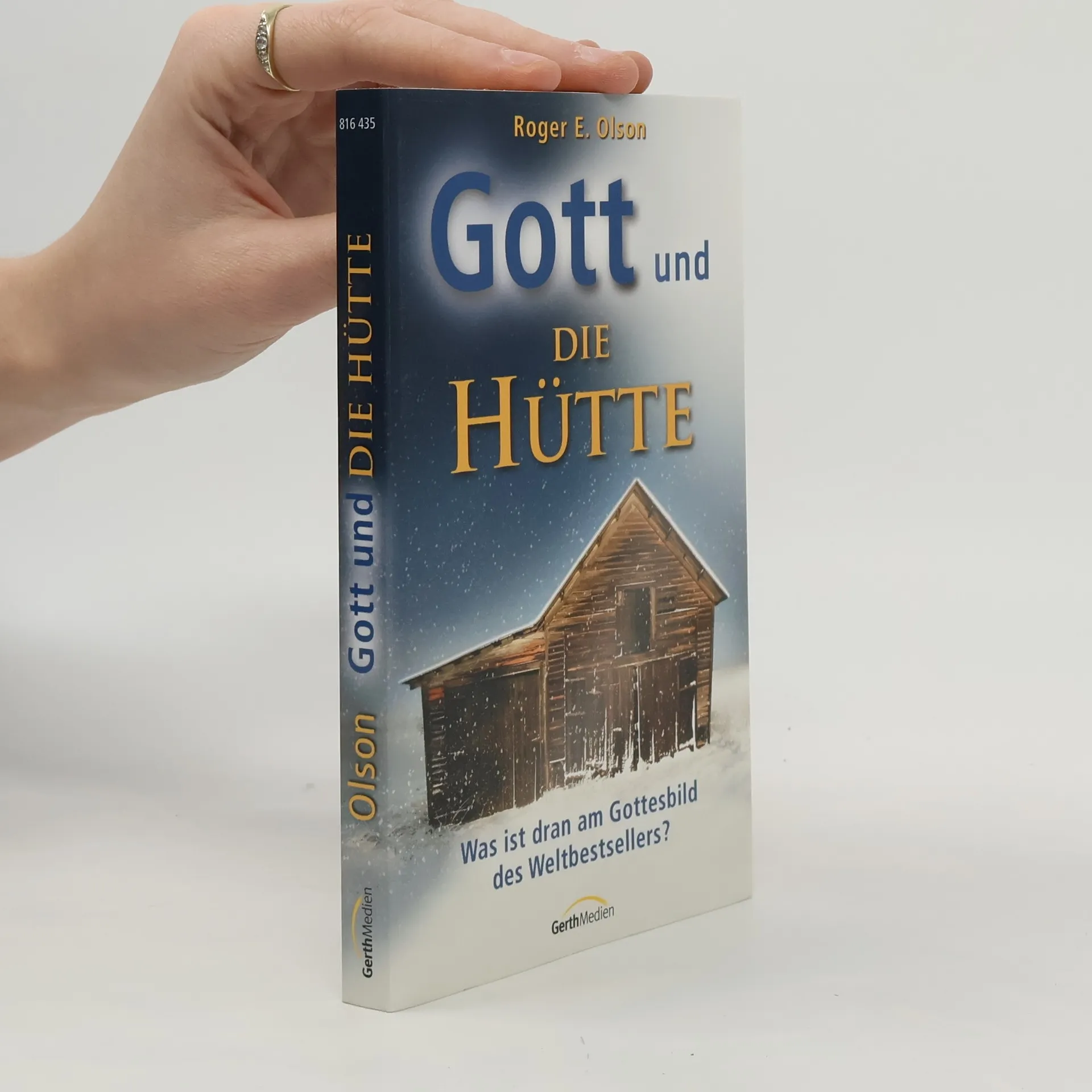
Nur wenige Bücher bewegen die Gemüter von Millionen Lesern zurzeit so sehr wie William P. Youngs Roman " gegeben werden, sind ebenso wundervoll wie provokant. Doch ist das Gottesbild, das in dem Roman vermittelt wird, wirklich biblisch? Der Theologe Roger E. Olson bietet kritischen Lesern einen fundierten Einblick in den meistdiskutierten Roman der letzten Jahre und macht sich auf die Suche nach der Wahrheit über Gott und Die Hütte.
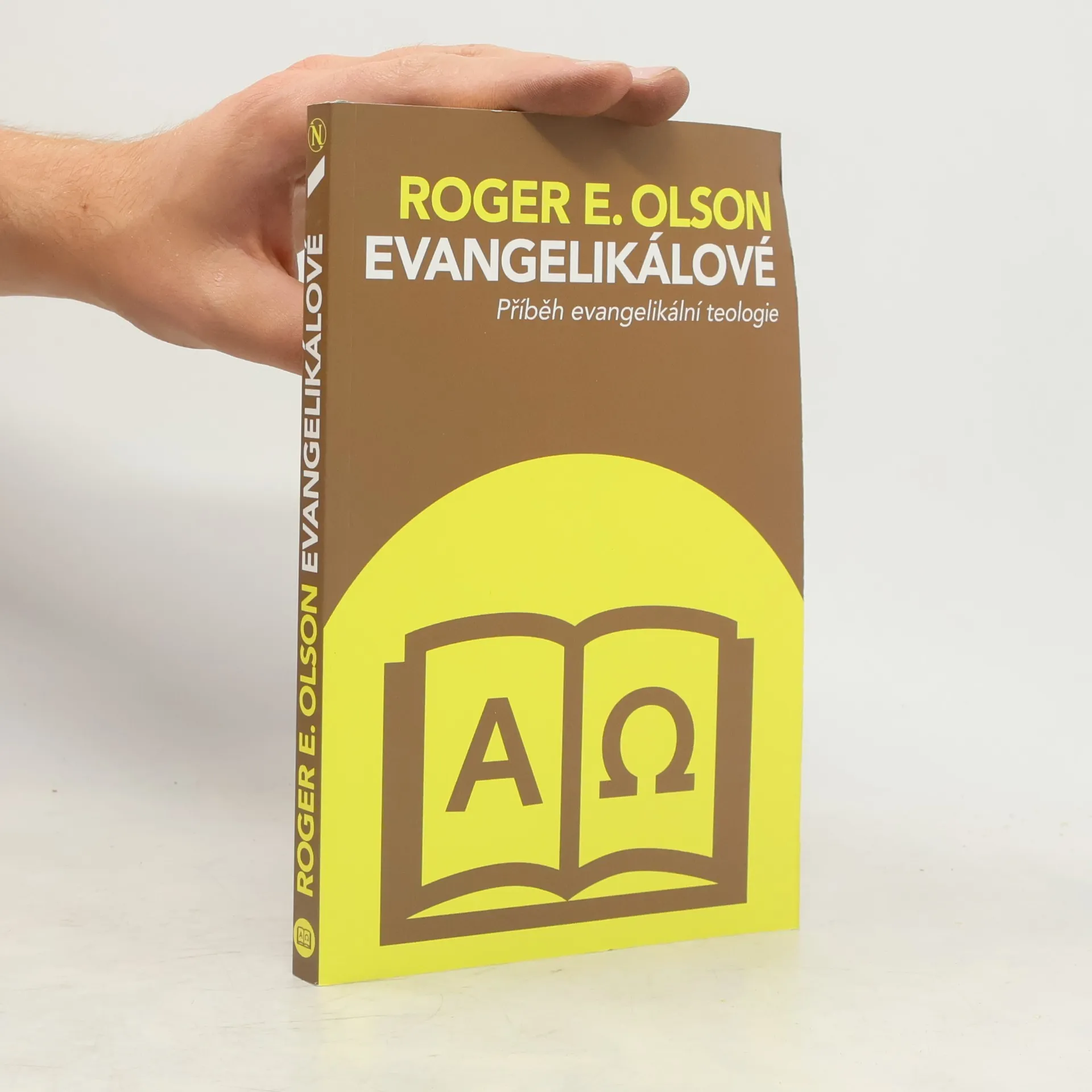
Roger E. Olson jako představitel post-konzervativního amerického evangelikalismu prezentuje evangelikální teologii jako příběh hnutí, které má své historické kořeny i milníky, ale zároveň napětí i zápasy o klíčové otázky ortodoxie a křesťanské identity. S otevřeností popisuje vnitřní dialog v rámci evangelikalismu mezi těmi, kdo chtějí jasně definovat jeho doktrinální hranice a "velkorysou ortodoxií" mnoha současných evangelikálních myslitelů. Olson představuje širší pohled na evangelikální teologii, která přiznává, že neexistuje něco jako "evangelikální magisterium", ale sada centrálních přesvědčení, které tvoří gravitační pole evangelikalismu, a umožňují mu zůstat teologicky konzervativním a konzistentním hnutím, ale také vést tvořivý dialog uvnitř i navenek. Historický i sociologický pohled na evangelikální hnutí v této knize je dobrým úvodem pro kohokoli, kdo se chce blíže seznámit s vývojem klíčových důrazů evangelikálního hnutí.