Focusing on Toon Boom's Animate software, this guide offers a comprehensive approach to creating high-quality 2D animations. It covers everything from scene setup to rendering, ensuring readers can effectively navigate the interface. Additionally, "Advanced Technique" boxes provide insights into the Pro and Harmony versions, making the book suitable for users at all skill levels. The content is designed for those interested in producing animations that can be showcased across various formats.
Adam Phillips Books
September 19, 1954
Adam Phillips is a British psychotherapist and essayist whose work delves into the intricacies of the human mind and its relationship with the body. He approaches psychoanalysis with a literary sensibility, viewing it as intrinsically linked to poetry rather than medicine. Phillips's essays are celebrated for their sharp wit and unsettling yet profound insights into themes of desire, doubt, and subjectivity. His distinctive prose style, often compared to that of distinguished literary figures, offers readers a unique and compelling exploration of the inner life.




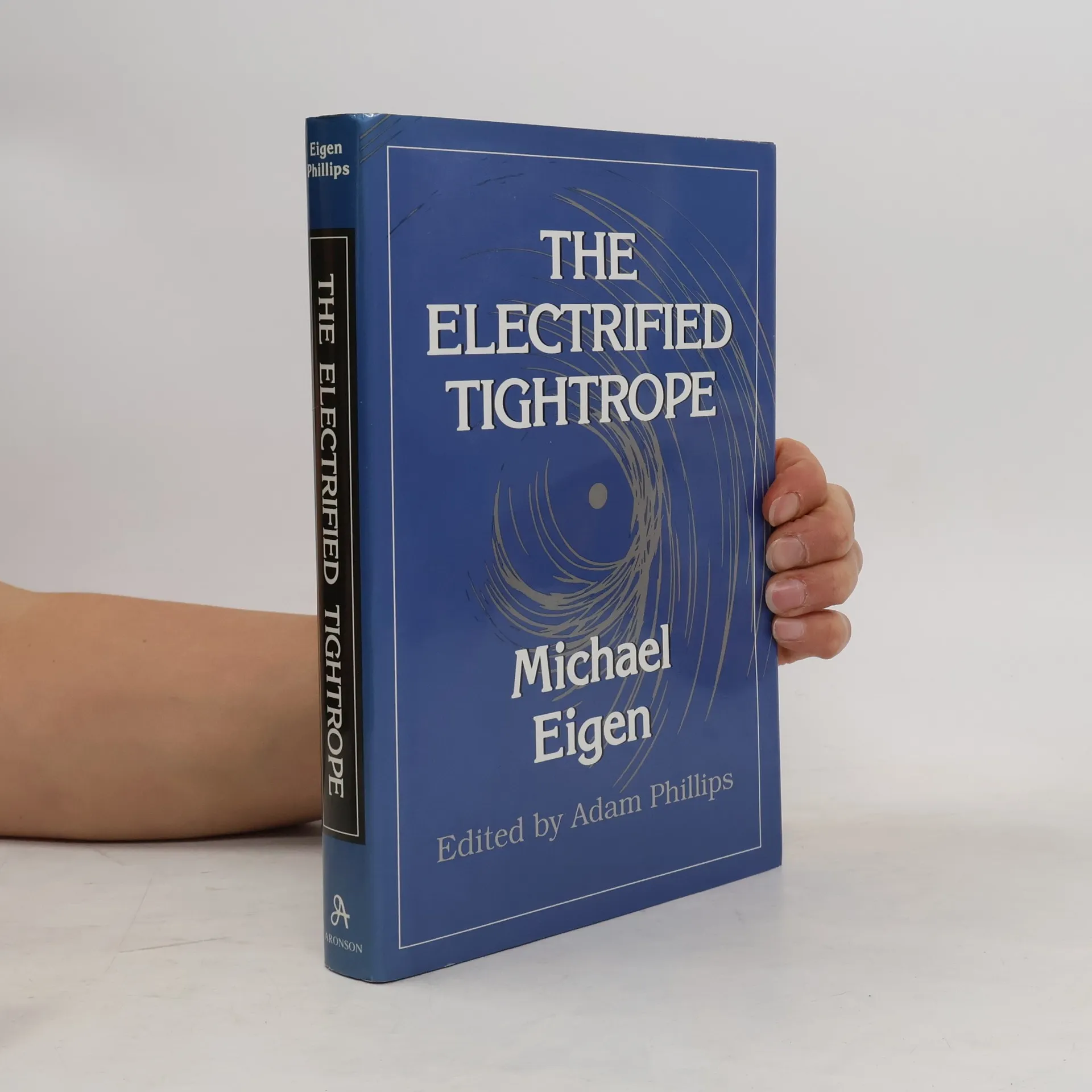
The Electrified Tightrope
- 289 pages
- 11 hours of reading
A collection of exceptional papers by Michael Eigen, selected and assembled by Adam Phillips, that represent 20 years of writing and 30 years of work. The papers examine the tension, caused by the conflict between poise and catastrophe, in the therapeutic relationship. This volume contains a thought-provoking introduction from Adam Phillips and includes introductory notes for the chapters and a detailed Afterword by Michael Eigen.
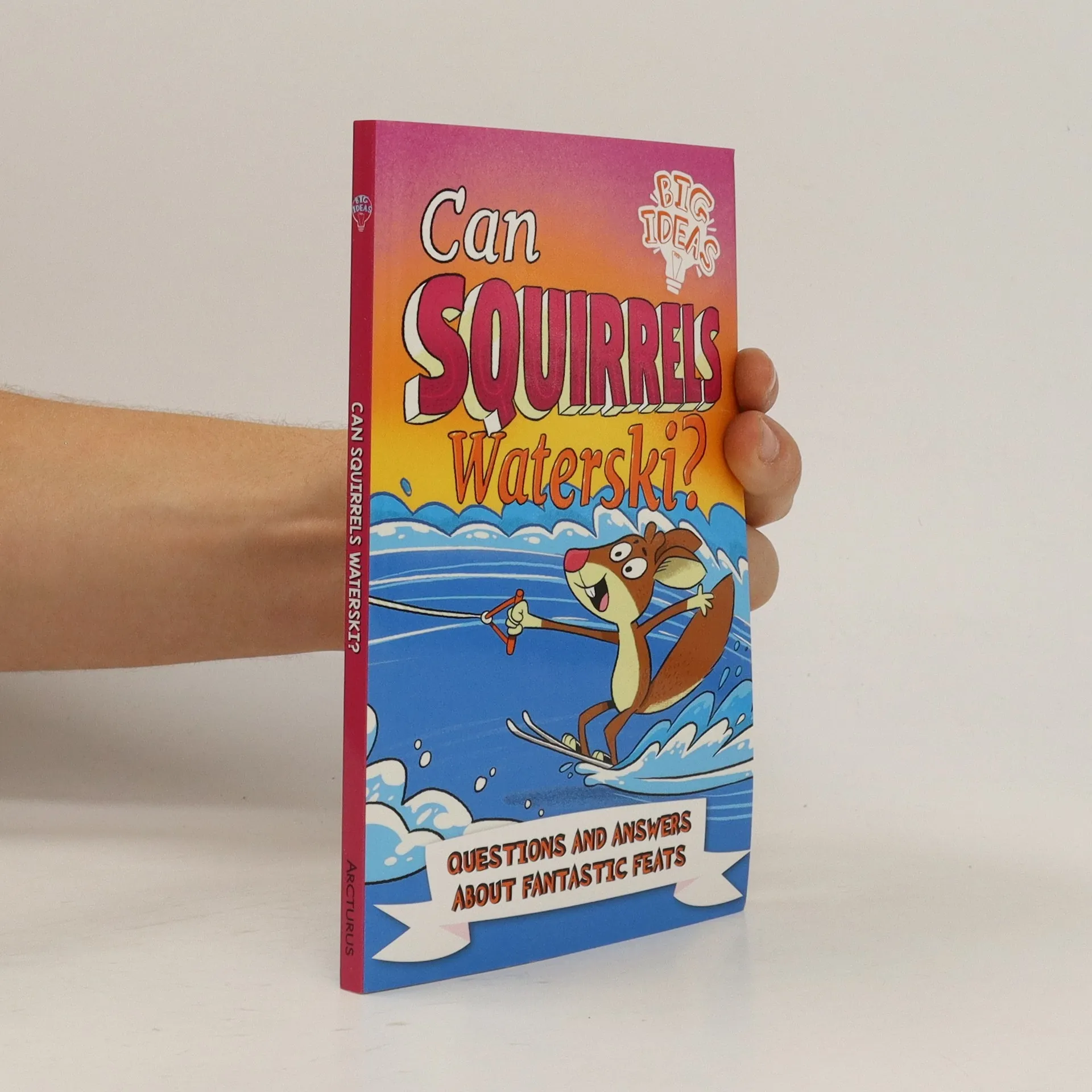
Can Squirrels Waterski?
- 128 pages
- 5 hours of reading
Can rats learn to surf? How fat was the fattest cat? How many Lego bricks would it take to reach the Moon?Find out the answers to these questions and many, many more in this fascinating fact book. With clear, engaging text and vibrant illustrations, kids can discover the world's fastest, biggest, oldest, and weirdest in an accessible and engaging way. Perfect for children aged 7+.ABOUT THE Big Ideas! is a dynamic, high-energy fun fact series for children. Packed with surprising facts, stats, and records that kids will just love to share, this series really has the wow factor. It's like a roller-coaster ride for your brain!
"Supercars is a comprehensive guide to the planet's dream wheels. From Porsche, Ferrari and Lamborghini to Aston Martin, Maserati and Pagani, all the supercar marques and their revolutionary cars are shown beautifully photographed. With detailed specifications, key stats and stories from behind the scenes, Supercars is an essential read for any true exotic car fan." -- taken from cover.
Derek Jarman's Caravaggio -- Notes -- Credits.
Promises, Promises
- 400 pages
- 14 hours of reading
Has psychoanalysis failed to keep its promise? What are psychoanalysis and literature good for? And what, if anything, have they got to do with each other? Promises, Promises is a delightful new collection of essays which sets out to make and break the links between psychoanalysis and literature. It confirms Adam Phillips as a virtuoso performer able to reach far beyond the borders of psychoanalytic discourse into art, drama, poetry and history. This collection gives us insights into anorexia and cloning, the work of Tom Stoppard and A.E. Housman, the effect of the Blitz on Londoners, Nijinsky's diary and Martin Amis's Night Train, and provides a case history of clutter. In a final essay, the author turns to the question - why sign up for analysis when you could read a book? Promoting everywhere a refreshing version of a psychoanalysis that is more committed to happiness and inspiration than to self-knowledge or some absolute truth, Promises, Promises reaffirms Adam Phillips as a writer whose work, in the words of one reviewer, 'hovers in a strange and haunting borderland between rigour and delight.'
Darwin's Worms
- 148 pages
- 6 hours of reading
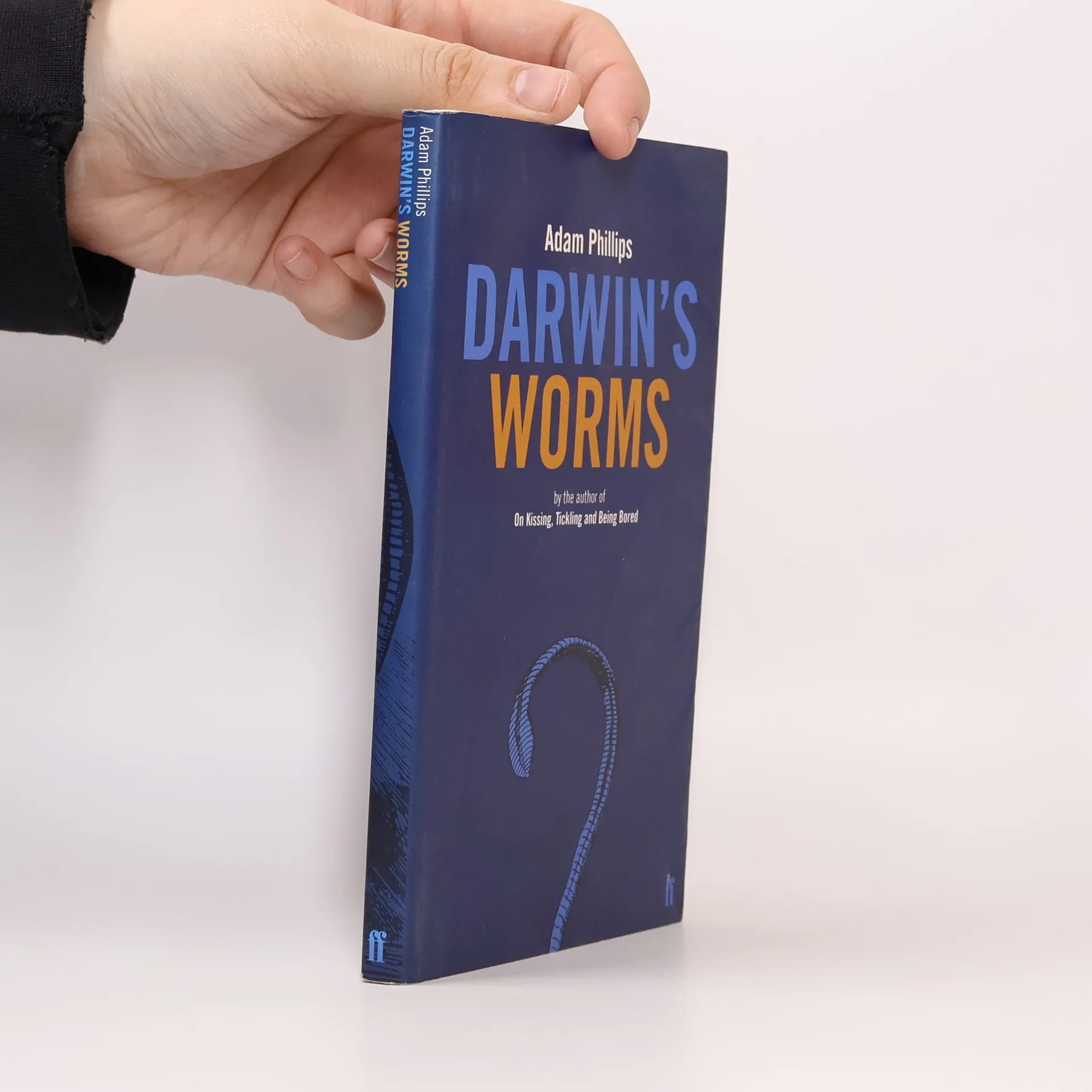
Adam Phillips has been called the 'psychotherapist of the floating world' and 'the closest thing we have to a philosopher of happiness'. In this extraordinary book he takes a look, via Freud and Darwin, at endings - at mortality, extinction and death. Darwin and Freud took God out of the big picture, leaving nothing between mankind and nature. Their ideas were met with righteous indignation. But today, whether or not we read Darwin and Freud, we speak a version of their languages. Most of us think of childhood and sexuality as sources of suffering, and we picture ourselves as animals struggling competitively for survival. Yet, as Adam Phillips argues, we are not merely trapped in a world of continuous loss. Taking as his examples Darwin's life-long fascination in lowly earthworms, and Freud's life-long antipathy to grubbing biographers, he unexpectedly finds much to celebrate. For both of these writers are interested, above all, in how destruction conserves life. They take their inspiration from fossils or from half-remembered dreams, and show how life is about what can be done with these humble remnants from the past. Darwin and Freud render ageing, accident and death integral, not alien, to our sense of ourselves. They teach us the art of transience.
The Penguin Freud Reader
- 592 pages
- 21 hours of reading
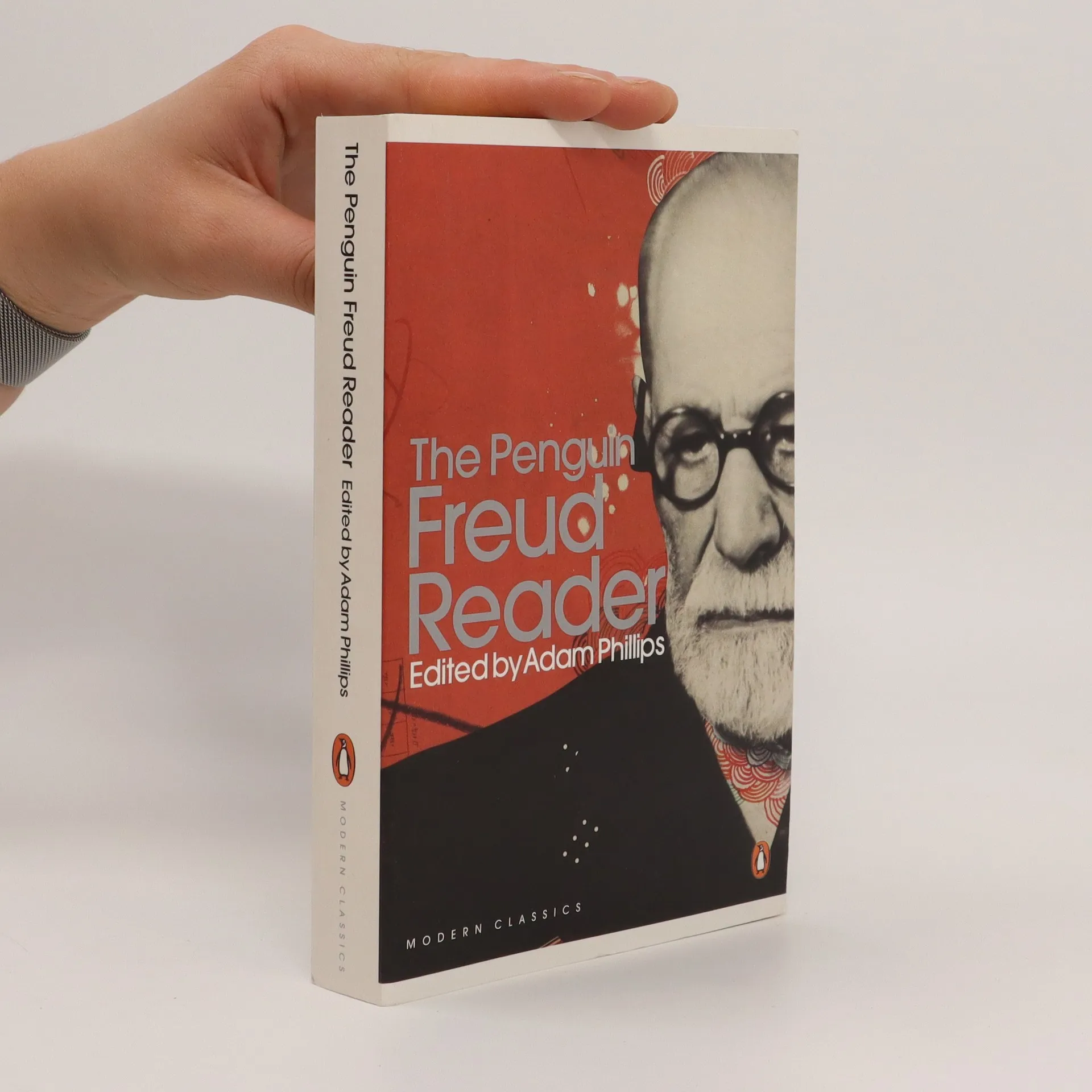
Here are the essential ideas of psychoanalytic theory, including Freud's explanations of such concepts as the Id, Ego and Super-Ego, the Death Instinct and Pleasure Principle, along with classic case studies like that of the Wolf Man.Adam Phillips's marvellous selection provides an ideal overview of Freud's thought in all its extraordinary ambition and variety. Psychoanalysis may be known as the 'talking cure', yet it is also and profoundly, a way of reading. Here we can see Freud's writings as readings and listenings, deciphering the secrets of the mind, finding words for desires that have never found expression. Much more than this, however, The Penguin Freud Reader presents a compelling reading of life as we experience it today, and a way in to the work of one of the most haunting writers of the modern age.
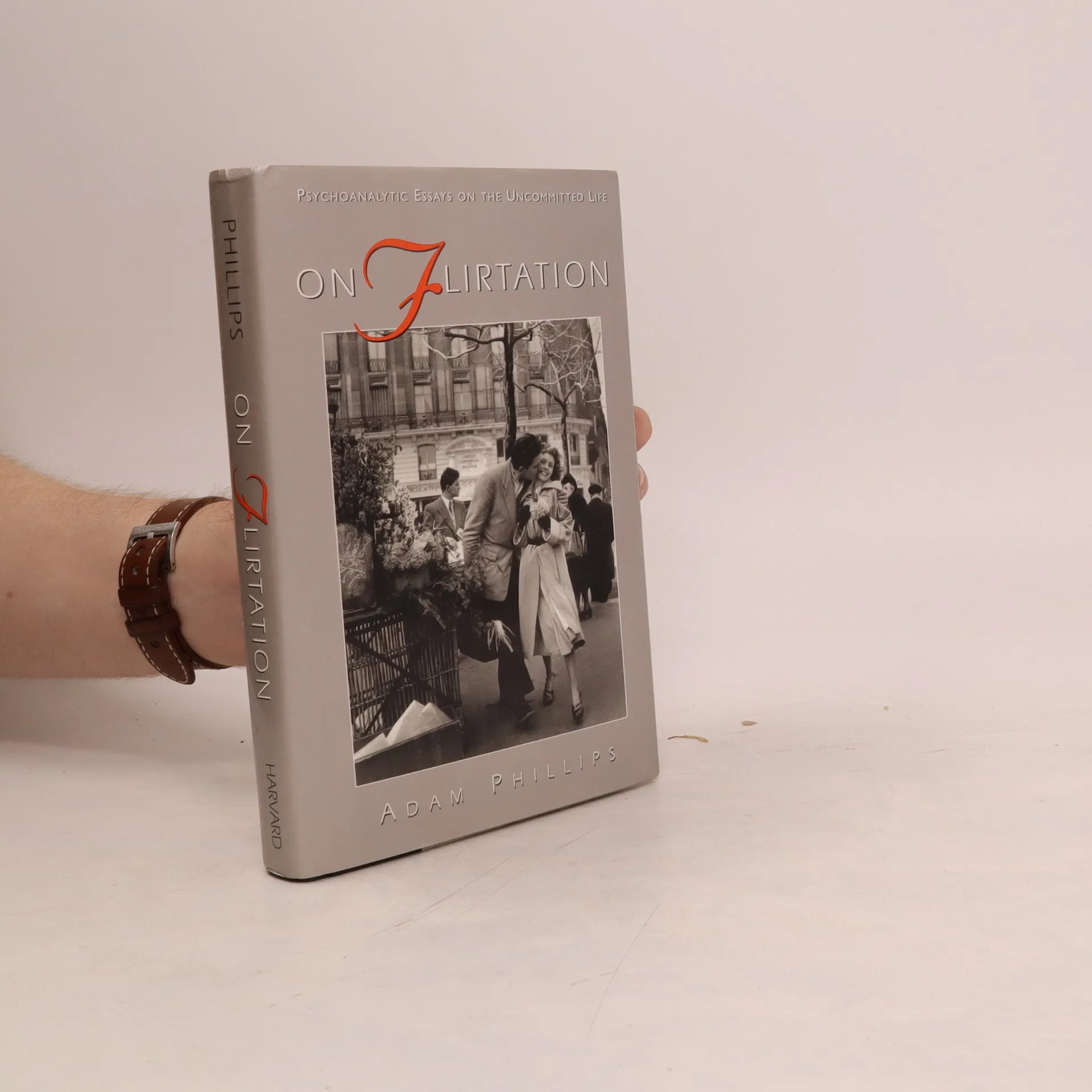
People tend to flirt only with serious things - madness, disaster, other people's affections. So is flirtation dangerous, exploiting the ambiguity of promises to sabotage our cherished notions of commitment? Or is it, as Adam Phillips suggests, a productive pleasure, keeping things in play, letting us get to know them in different ways, allowing us the fascination of what is unconvincing?
On Getting Better
- 112 pages
- 4 hours of reading
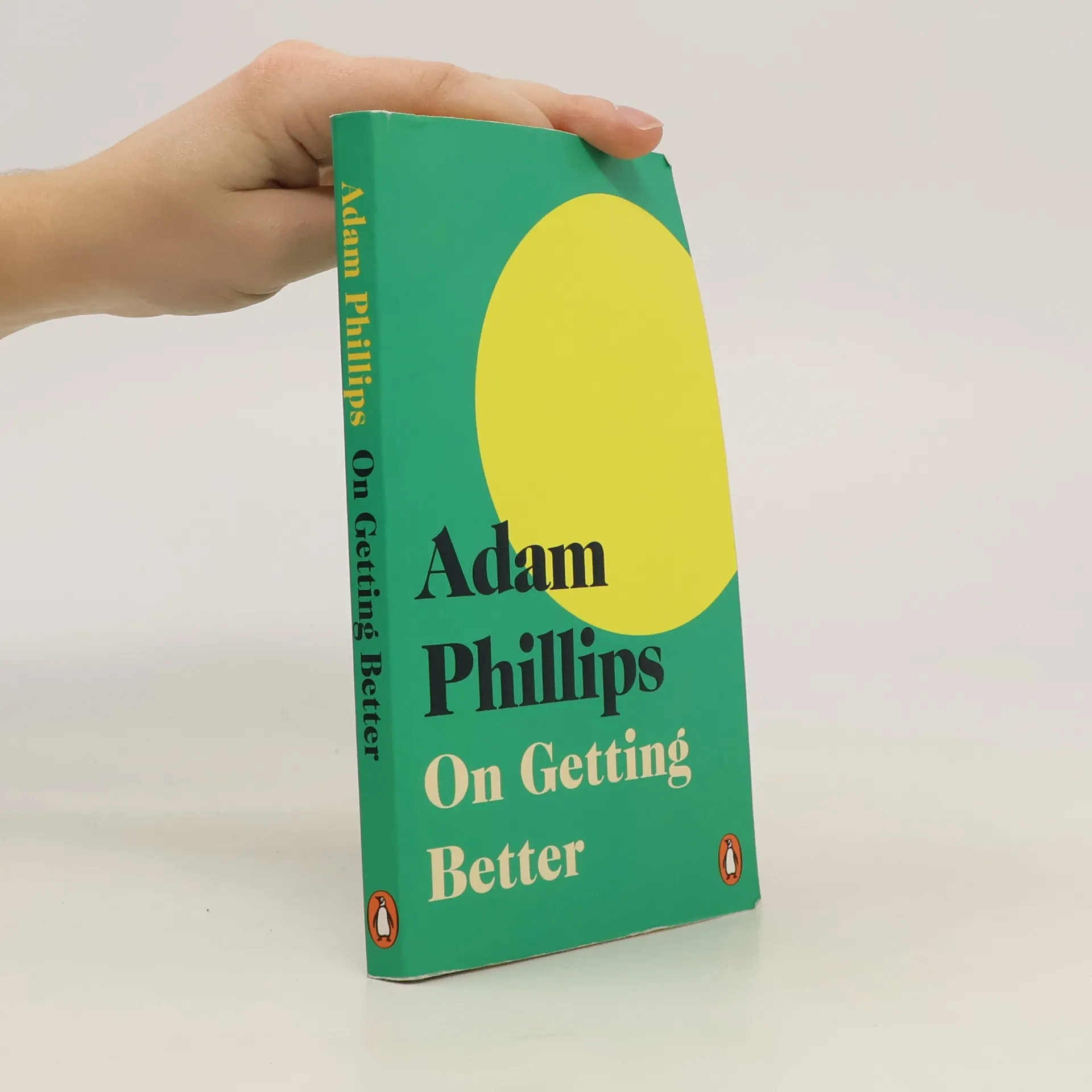
To talk about getting better - about wanting to change in ways that we might choose and prefer - is to talk about pursuing the life we want; in the full knowledge that our pictures of the life we want, of our version of a good life, come from or come out of what we have already experienced. (We write the sentences we write because of the sentences we have read.)How can we talk differently about how we might want to change, knowing that all change precipitates us into an uncertain future?In this companion book to On Wanting to Change , Adam Phillips explores how we might get better at talking about what it is to get better.
Thoughts and Things
- 136 pages
- 5 hours of reading
Leo Bersani’s career spans more than fifty years and extends across a wide spectrum of fields—including French studies, modernism, realist fiction, psychoanalytic criticism, film studies, and queer theory. Throughout this new collection of essays that ranges, interestingly and brilliantly, from movies by Claire Denis and Jean-Luc Godard to fiction by Proust and Pierre Bergounioux, Bersani considers various kinds of connectedness. Thoughts and Things posits what would appear to be an irreducible gap between our thoughts (the human subject) and things (the world). Bersani departs from his psychoanalytic convictions to speculate on the oneness of being—of our intrinsic connectedness to the other that is at once external and internal to us. He addresses the problem of formulating ways to consider the undivided mind, drawing on various sources, from Descartes to cosmology, Freud, and Genet and succeeds brilliantly in diagramming new forms as well as radical failures of connectedness. Ambitious, original, and eloquent, Thoughts and Things will be of interest to scholars in philosophy, film, literature, and beyond.
Gay Betrayals
- 101 pages
- 4 hours of reading
In 1997, during a symposium at Centre Pompidou, Leo Bersani presented a prescient critique of the assimilative tendencies that made 'gays melt into the very culture they like to think of themselves as undermining.' Mired in micropolitics, for Bersani, queer activism had relinquished the radical task of reconfiguring the horizon of the possible. Later published as 'Gay Betrayals', Bersani's intervention champions a truly disruptive vision of homosexuality, one that betrays the relational, identitarian and communitarian foundations of bourgeois heterosexual respectability through 'antimonogamous promiscuity'. Building on extensive artistic research into the politics of queer spaces and culture some 20 years later, artist duo Hannah Quinlan and Rosie Hastings revisit Bersani's polemic with a response in three acts. Through a kaleidoscopic array of drawings, preparatory sketches and egg tempera paintings, a narrative of everyday (homo)sociality comes into view. A series of statuesque figures are caught as they feel the outlines of existing power structures, try out new strategies of inclusivity and, ultimately, wrestle with the blurred lineaments of identity and community.
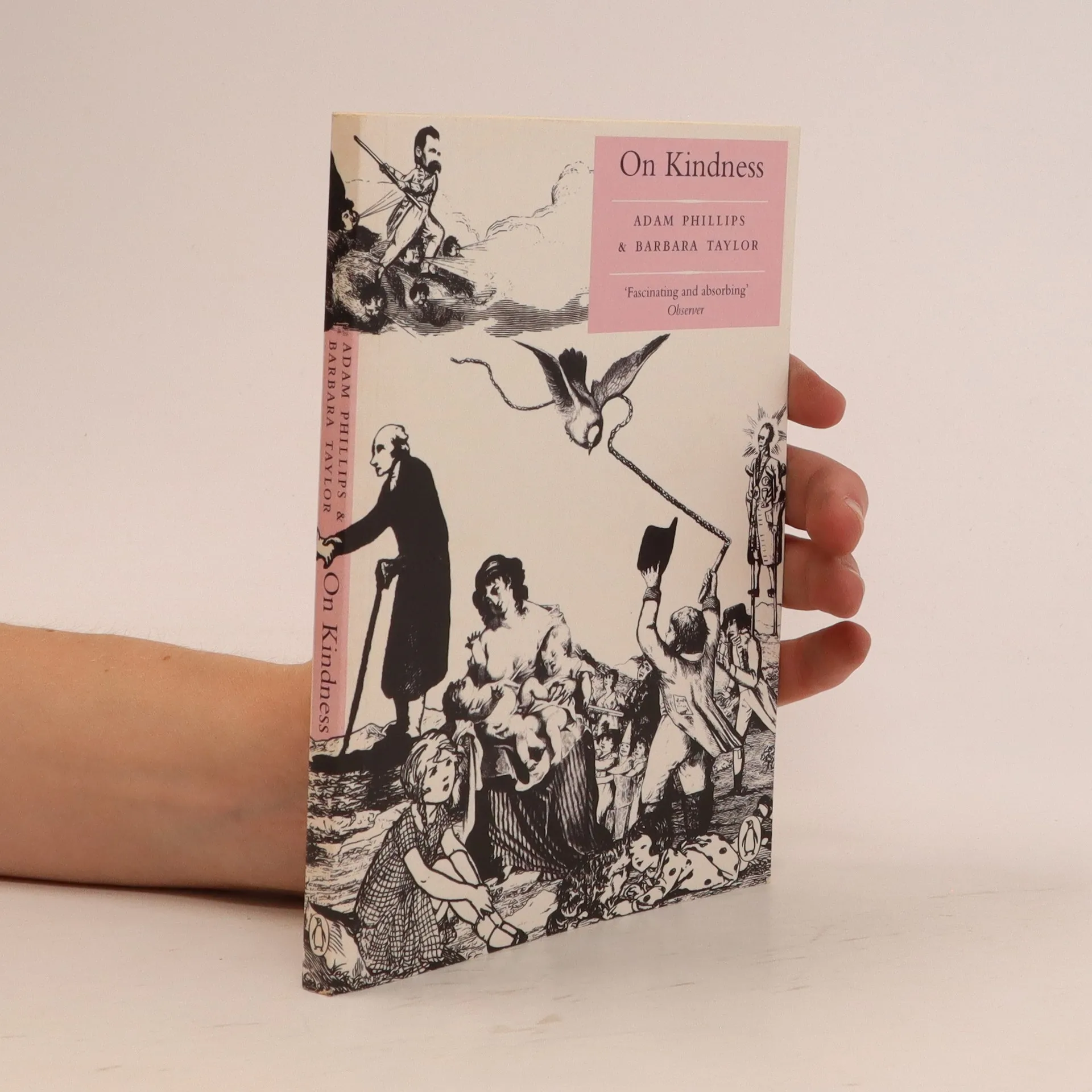
The pleasures of kindness have been well known since the dawn of western thought. Kindness, declared Marcus Aurelius, was mankind's 'greatest delight' - and centuries-worth of thinkers and writers have echoed him. But today many people seem to find these pleasures literally incredible. Instead of embracing the benefits of altruism, as a species we seem to be becoming deeply and fundamentally antagonistic to each other, with motives that are generally self-seeking. This book explains how and why this has come about, and argues that the affectionate life - a life lived in instinctive sympathetic identification with the vulnerabilities and attractions of others - is the one we should all be inclined to live. 'We mutually belong to one another,' as the philosopher Alan Ryan writes, and the good life is one 'that reflects this truth'. What the Victorians called 'open-heartedness' and the Christians 'caritas' remains essential to our emotional and mental health, for reasons both obvious and hidden, argue the authors of this elegant and indispensable exploration of the concept of kindness.
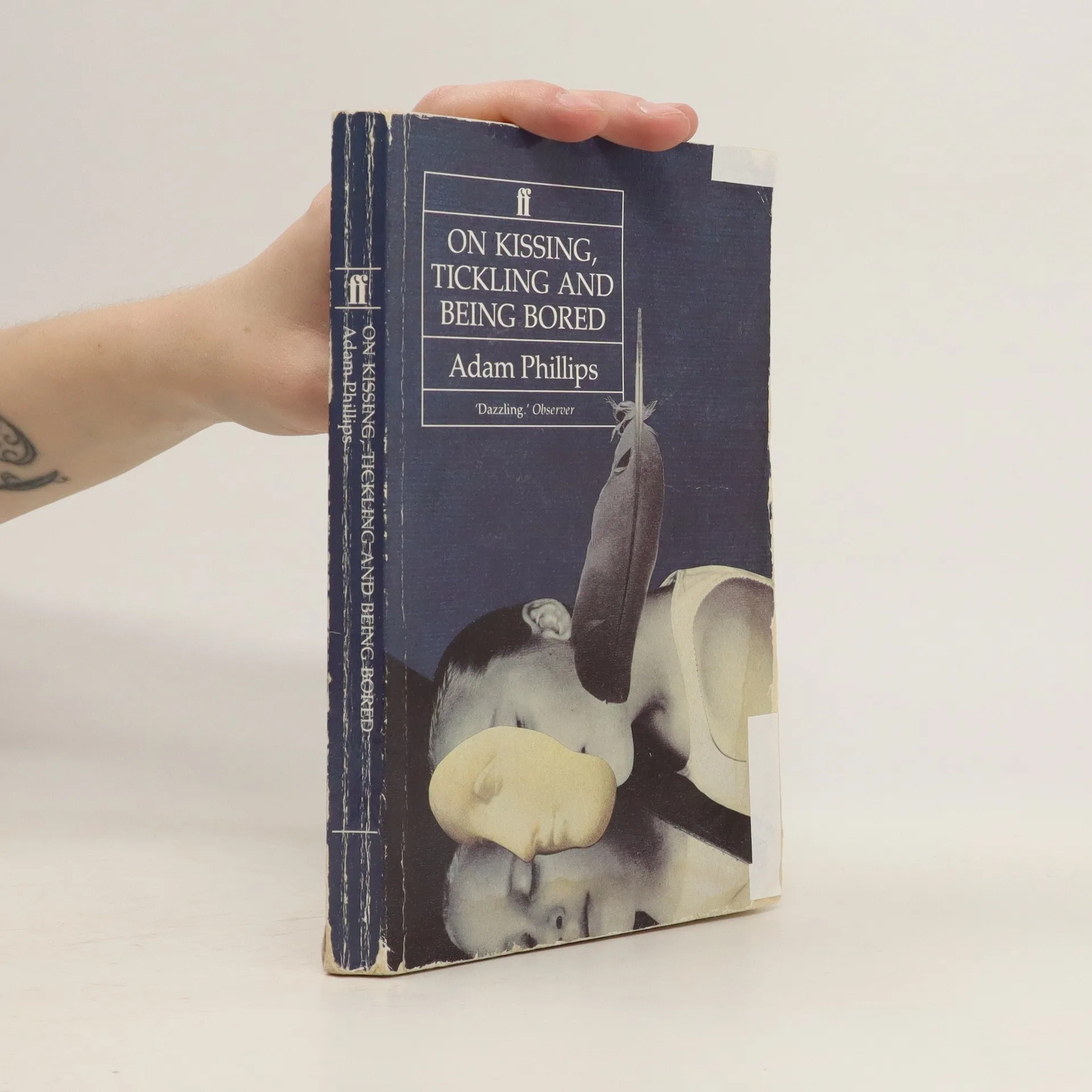
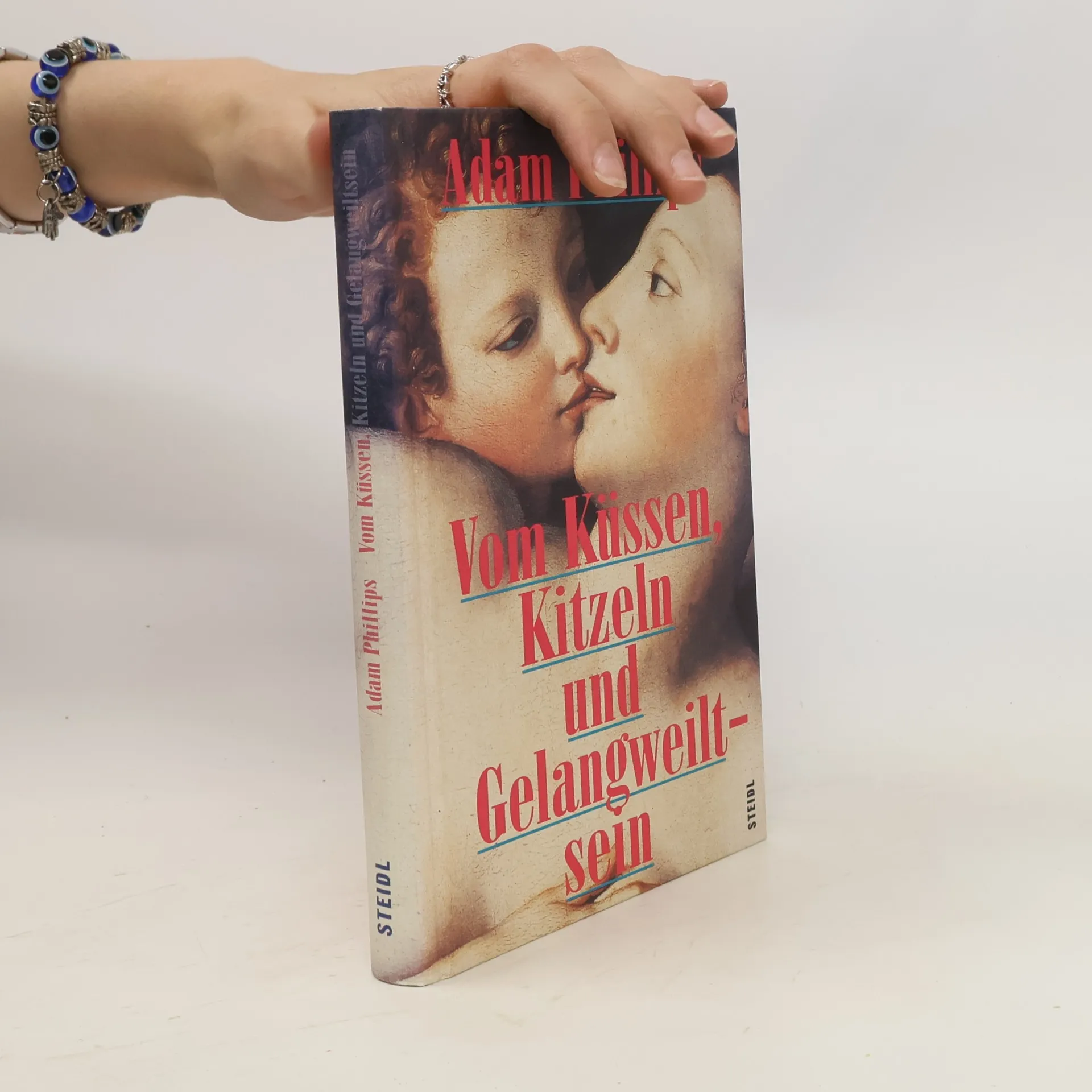
On Kissing, Tickling and Being Bored
- 143 pages
- 6 hours of reading
In this collection of psychoanalytic essays on a wide range of relatively unexplored subjects, the author evolves his own distinctive version of psychoanalysis as part of a wider cultural conversation. The essays combine literary and philosophical commentary with clinical vignettes.
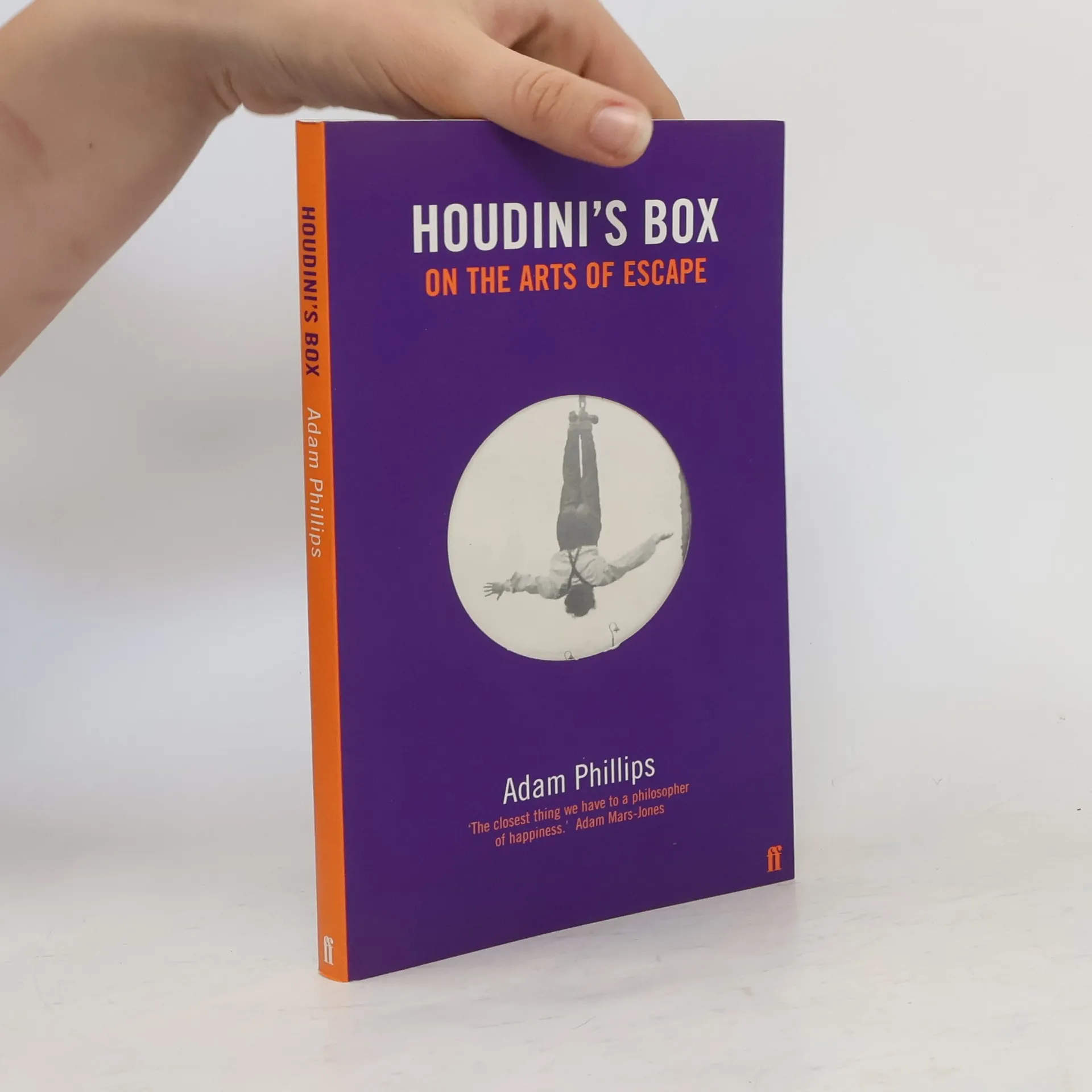
This book explores the lives of four different escape artists: a little girl playing her own wayward version of hide and seek; Harry Houdini who electrifies the world through a series of escapes; a man always in flight from women; and Emily Dickinson who spends her life in solitary confinement.
Attention seeking
- 144 pages
- 6 hours of reading
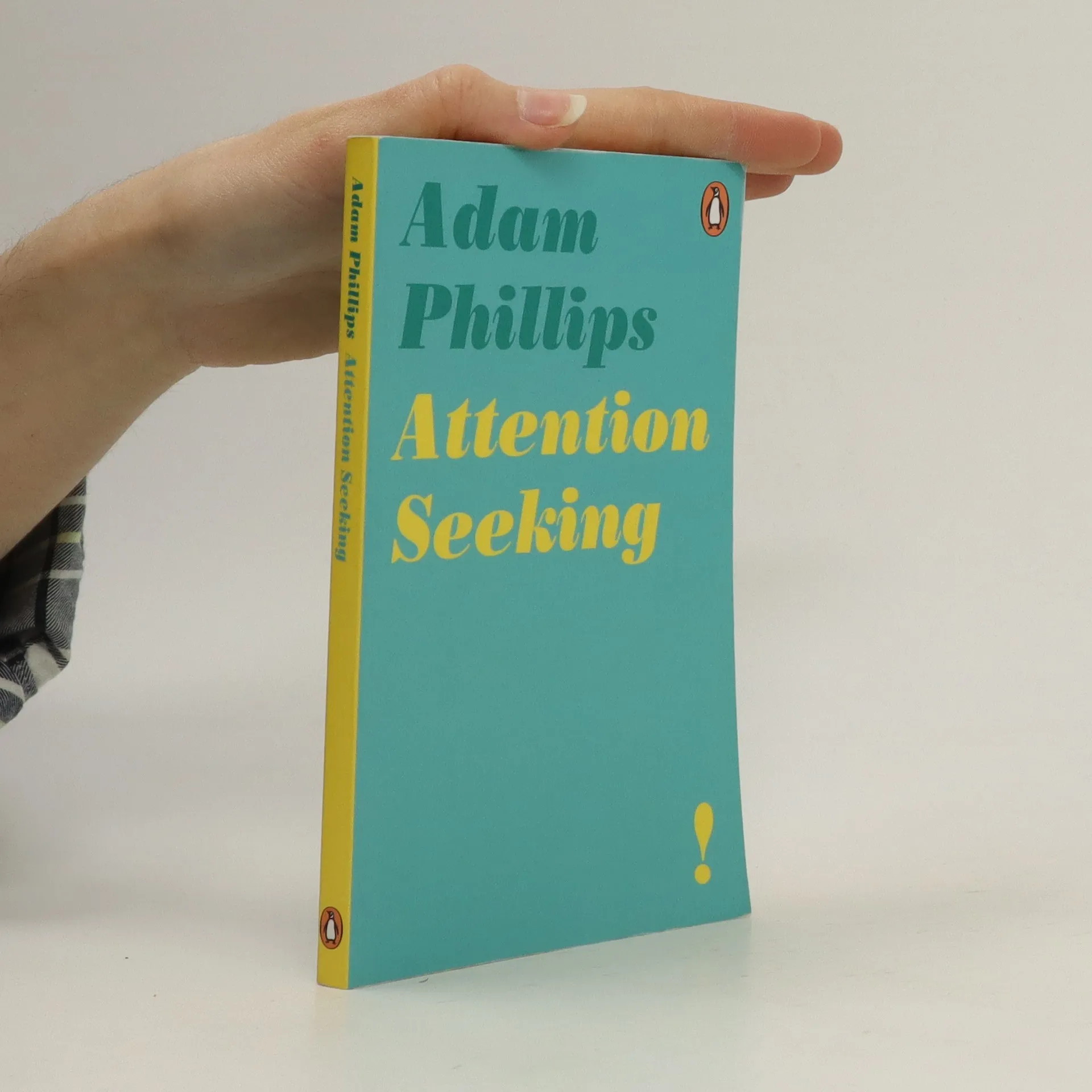
'Everything depends on what, if anything, we find interesting- on what we are encouraged and educated to find interesting, and what we find ourselves being interested in despite ourselves. There is our official curiosity and our unofficial curiosity (and psychoanalysis is a story about the relationship between the two) . . .' Based on three connected talks on the subject of attention, this pocket-sized book from Adam Phillips is a fascinating and memorable introduction to the nature and the uses of our attention.
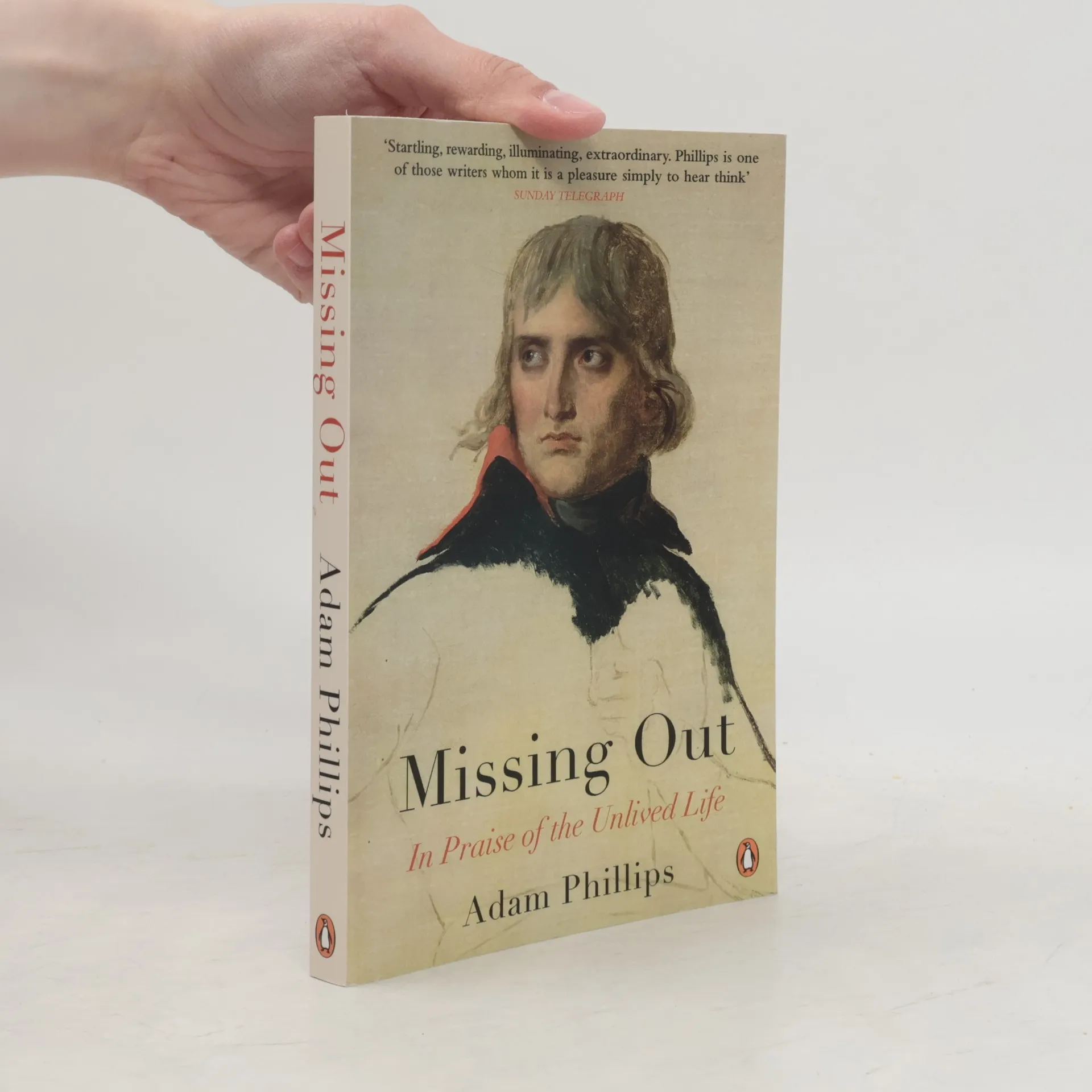
Missing Out In Praise of the Unlived Life
- 224 pages
- 8 hours of reading
All of us lead two parallel lives: the life we actually live and the one that we wish for and fantasise about. And this life unlived (the one that never actually happens, the one we might be living but for some reason are not) can occupy an extraordinary part of our mental life.
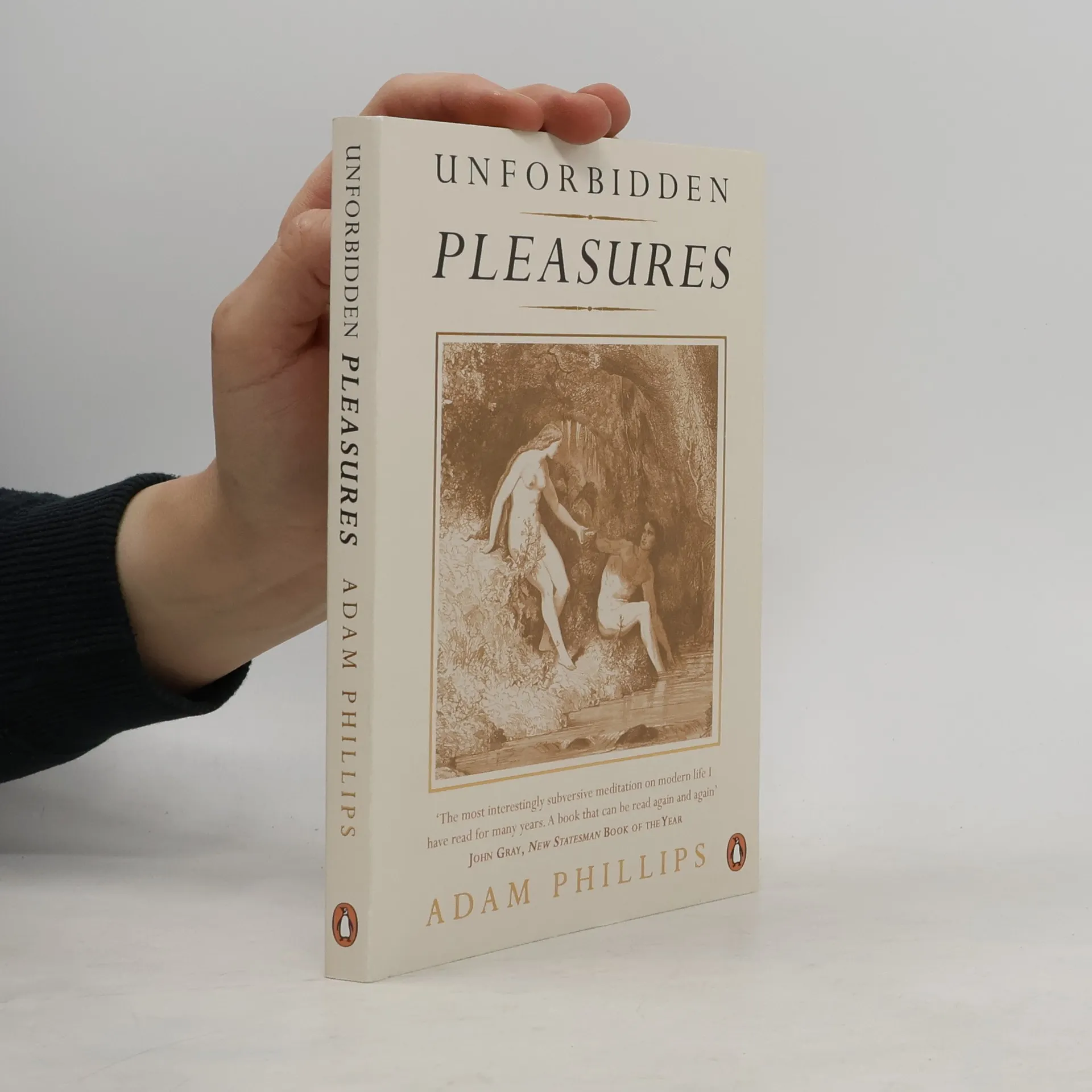
Unforbidden Pleasures
- 208 pages
- 8 hours of reading
So much has been written about forbidden pleasures. What about pleasures that are unforbidden? Society is fascinated by taboo - we spend our lives chasing illicit pleasures - but nobody pays much attention to all the unforbidden pleasures freely available to us every day. Could we be gaining just as much reward from these unnoticed, unforbidden indulgences as from the much-glorified forbidden - or even more? Starting with Oscar Wilde, Adam Phillips elegantly unfolds all the meanings and significances of the Unforbidden, from Genesis to Freud and his 20th century colleagues. Unforbidden Pleasures explores the philosophical, psychological and social complexities that govern human desire and shape our reality.
Sex is often the closest they can get.' All the present controversies about the family are really discussions about monogamy. Monogamy is so much taken for granted as the foundation of the family and of family values that, as with anything that seems essential, we are very wary of being critical of it.
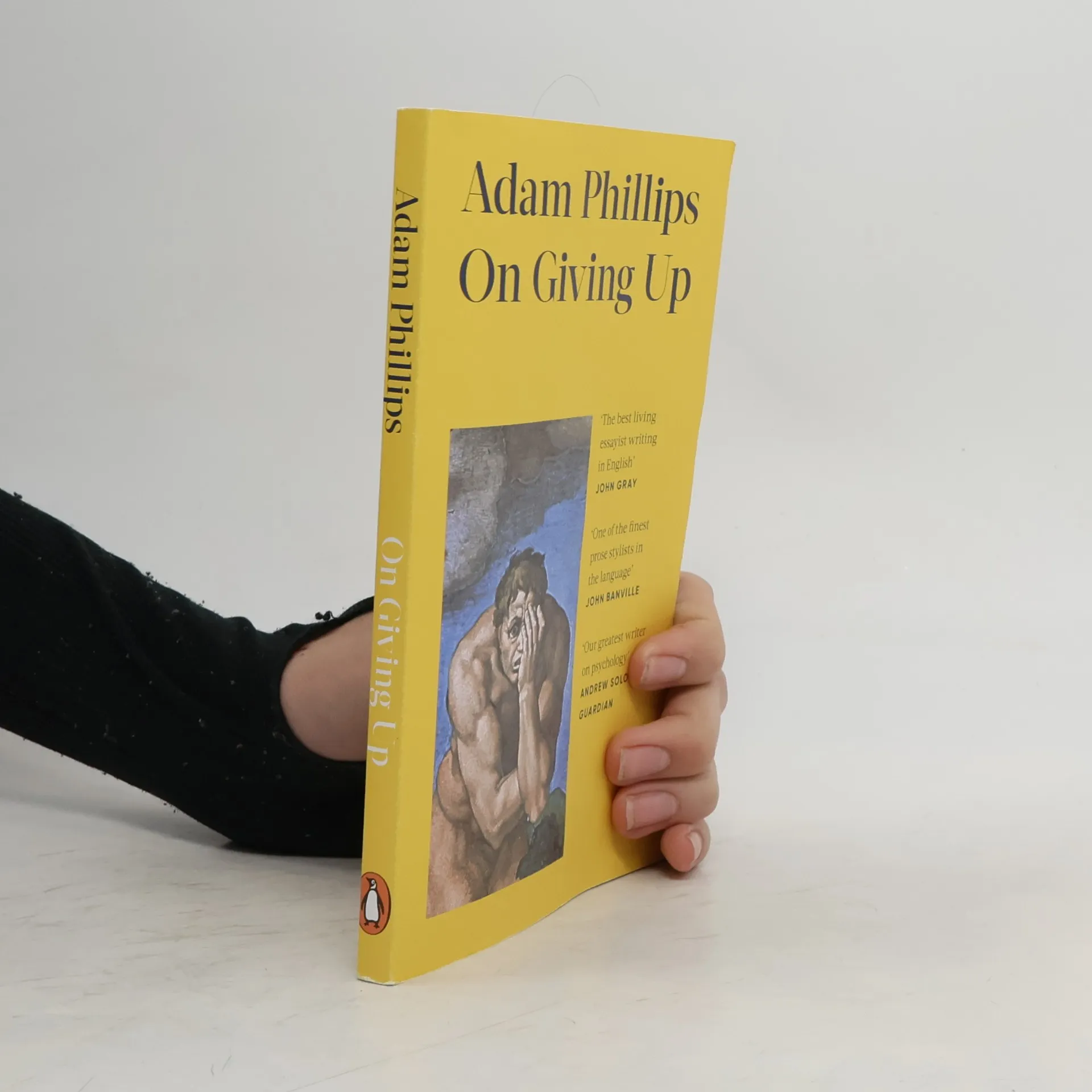
On Giving Up
- 240 pages
- 9 hours of reading
The book offers profound insights and wisdom, exploring themes of generosity and kindness. It delves into the complexities of human experience, encouraging readers to reflect on their own lives and relationships. With a thoughtful narrative, it aims to inspire compassion and understanding, making it a valuable read for those seeking deeper meaning and connection in their everyday interactions.
Baudelaire and Freud
- 268 pages
- 10 hours of reading
This title is part of UC Press's Voices Revived program, which commemorates University of California Press’s mission to seek out and cultivate the brightest minds and give them voice, reach, and impact. Drawing on a backlist dating to 1893, Voices Revived makes high-quality, peer-reviewed scholarship accessible once again using print-on-demand technology. This title was originally published in 1977.
Vom Küssen, Kitzeln und Gelangweiltsein
- 184 pages
- 7 hours of reading
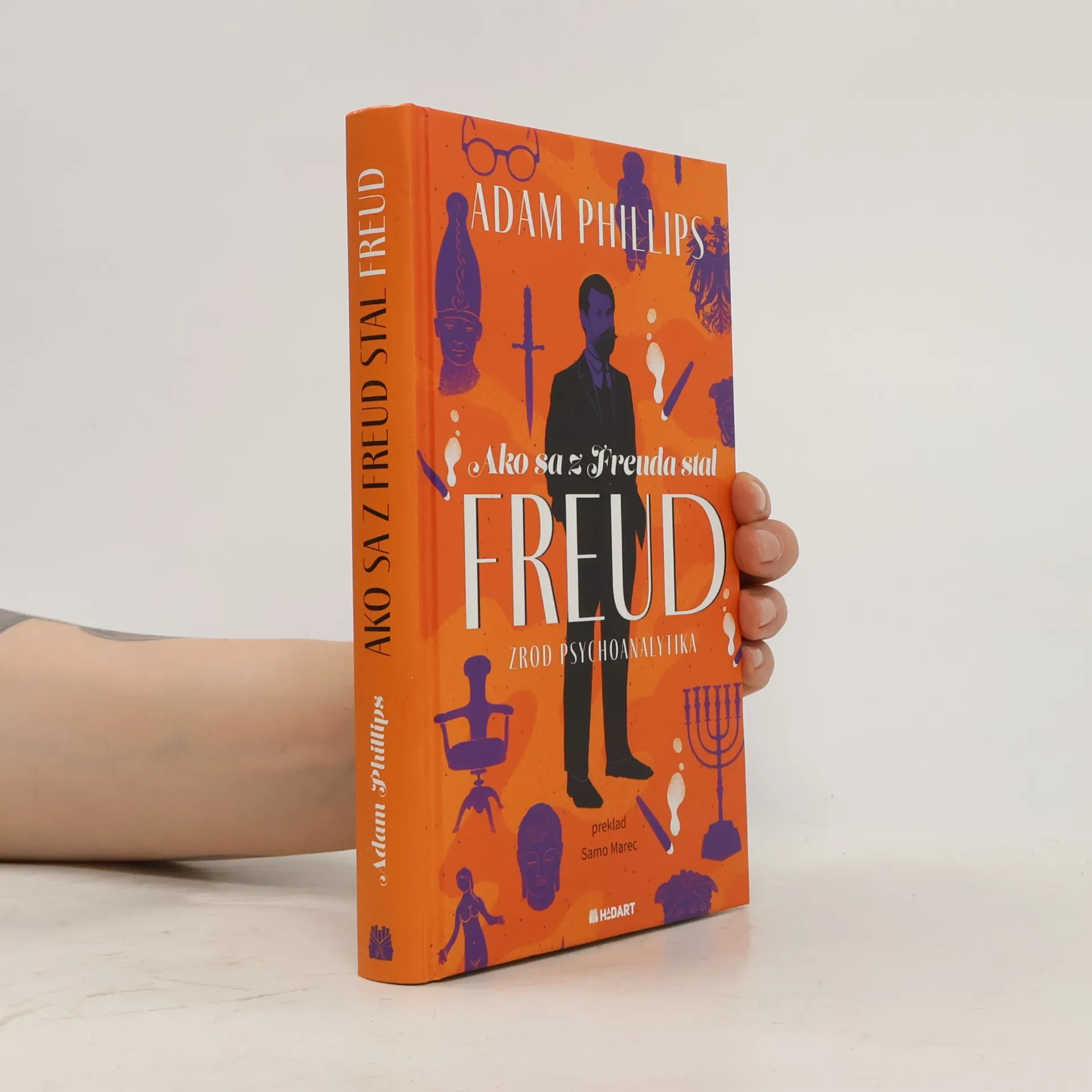
Ako sa z Freuda stal FREUD. Zrod psychoanalytika
- 196 pages
- 7 hours of reading
Ako sa z Freuda stal FREUD je príbeh mladého Sigmunda a jeho životného osudu, ktorý ho priviedol k titulu otec psychoanalýzy. Adam Phillips, popredný odborník venujúci sa Freudovmu životu, sa zameral na doteraz nezdokumentovaný život mladého chlapca vyrastajúceho v moravskom mestečku Příbor až po kariéru úspešného akademika a lekára. Freud bol najstarším, a protežovaným, synom židovských prisťahovalcov z východnej Európy. Phillips naznačuje, že psychoanalýza, ktorú Freud vymyslel, je odrazom psychológie imigranta. Psychoanalýza bola Freudov spôsob, ako sa vyrovnával s osudom Židov v Európe na konci 19. a začiatku 20. storočia. Bolo to obdobie paradoxov na jednej strane nebývalej slobody, na druhej rýchlo rastúceho útlaku.