

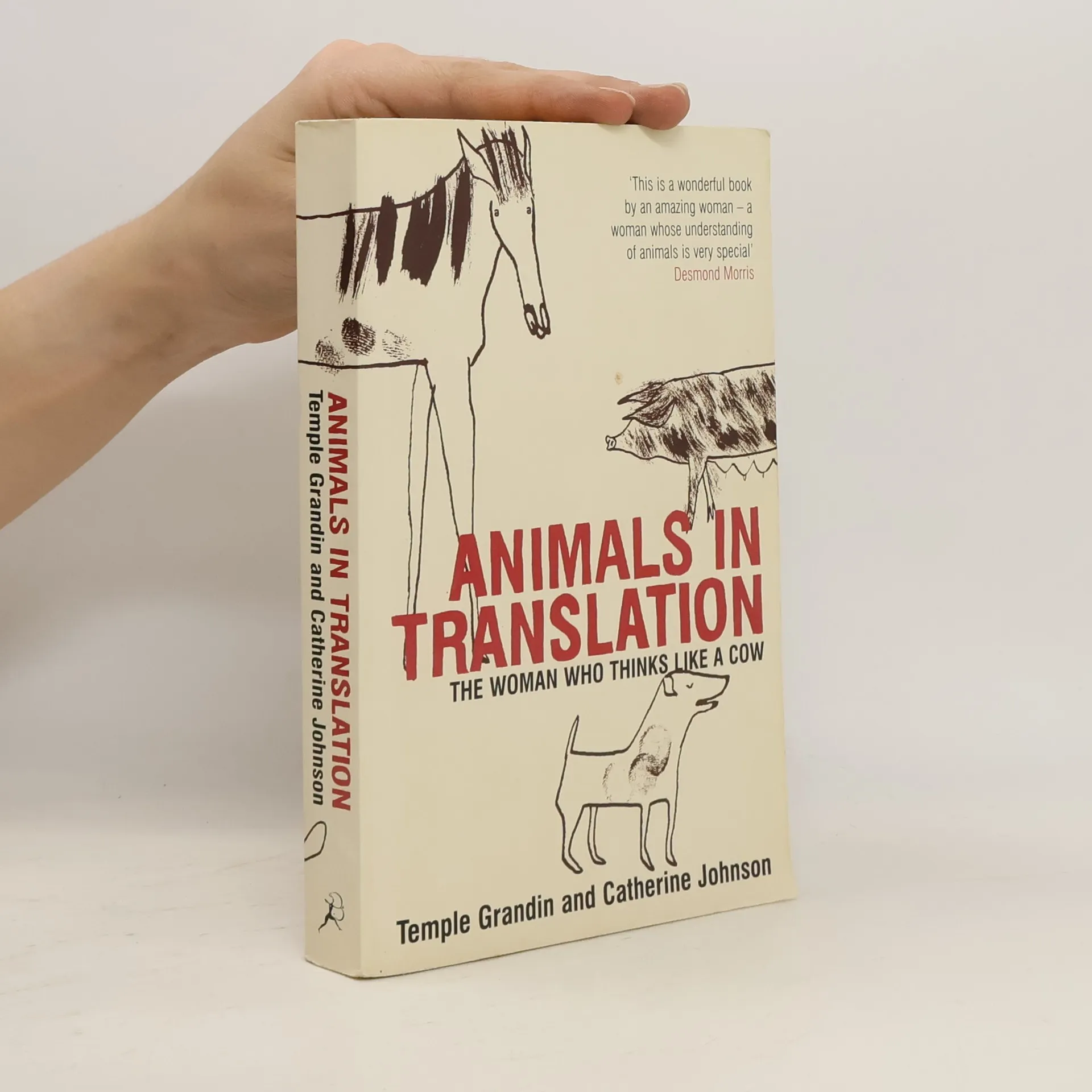
Temple Grandin, fascinated by animals since childhood, connects the autistic perspective with animal behavior. She helps farmers understand their animals' issues, highlighting differences in visual perception. "Animals in Translation" offers insights into animal behavior and autism, featuring practical advice and a troubleshooting guide for animal care.
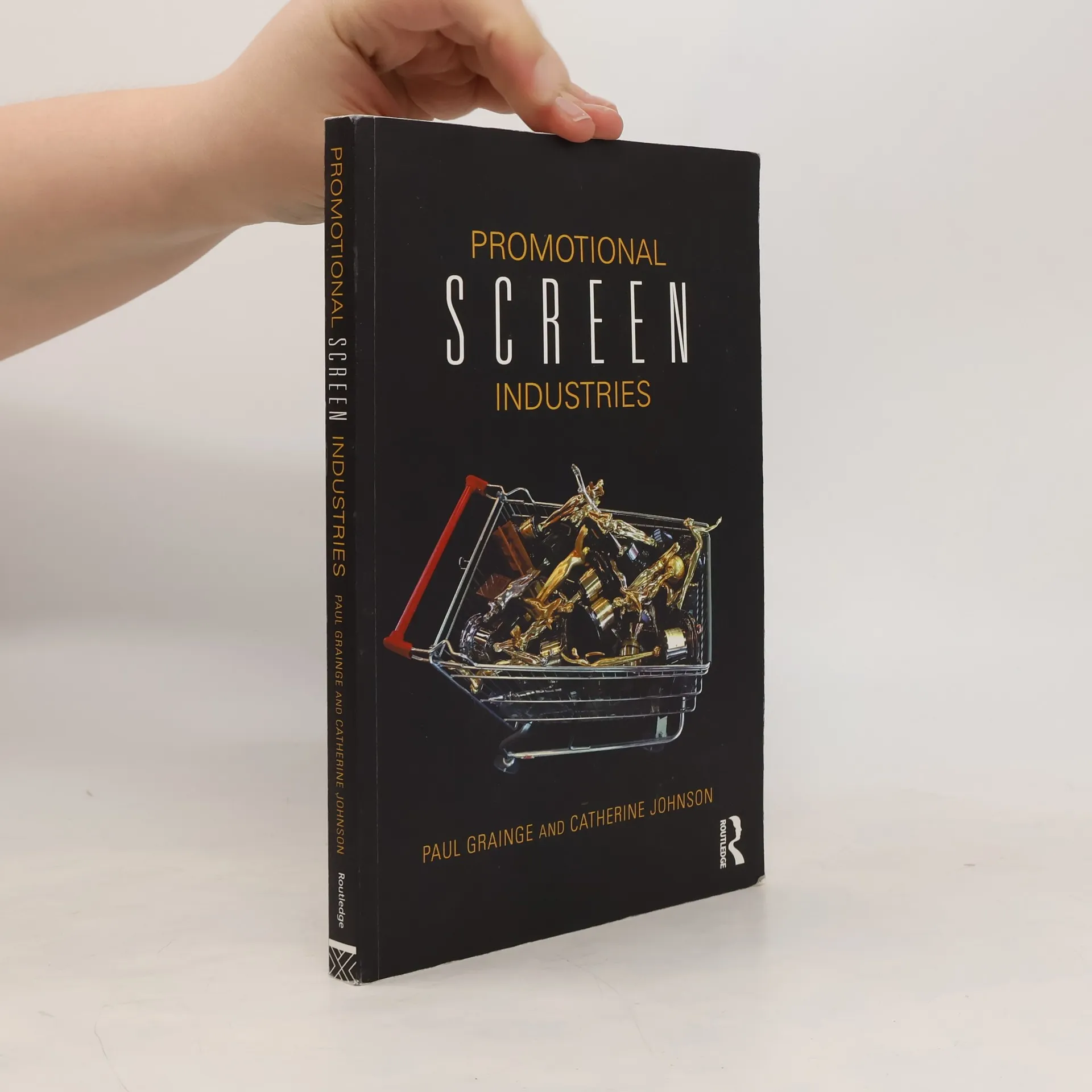
From the trailers and promos that surround film and television to the ads and brand videos that are sought out and shared, promotional media have become a central part of contemporary screen life. Promotional Screen Industries is the first book to explore the sector responsible for this thriving area of media production. With case studies on mobile communication, television, film and live events, this timely book offers a compelling examination of the industrial configurations and media forms, such as ads, apps, promos, trailers, digital shorts, branded entertainment and experiential media, that define promotional screen culture at the beginning of the twenty-first century.
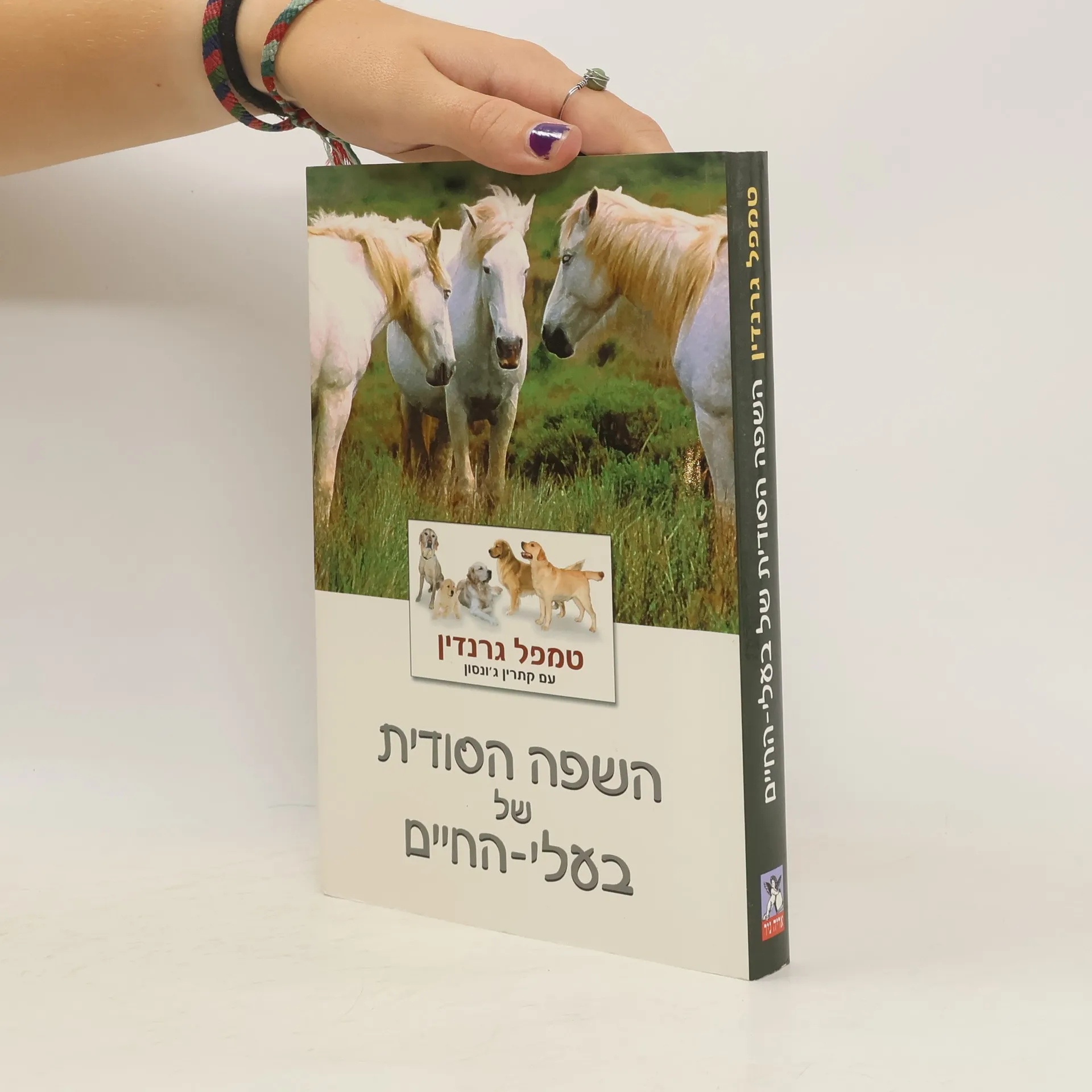
Animals in Translation is the culmination of Temple Grandin's extraordinary life's work, drawing upon the latest research, her distinguished career as an animal scientist and her own experience of being autistic. With co-author Catherine Johnson, Grandin argues that while 'normal people' convert experience into words and abstractions, animals and autistics process the world as sensory information - specific pictures, sights and sounds. This difference is the key to understanding how animals see, think and feel. As much a revelation about life with autism as it is about life with animals, Animals in Translation explores pain, fear, aggression, love, friendship, communication and learning in a startling book that will change the way you think about animals.
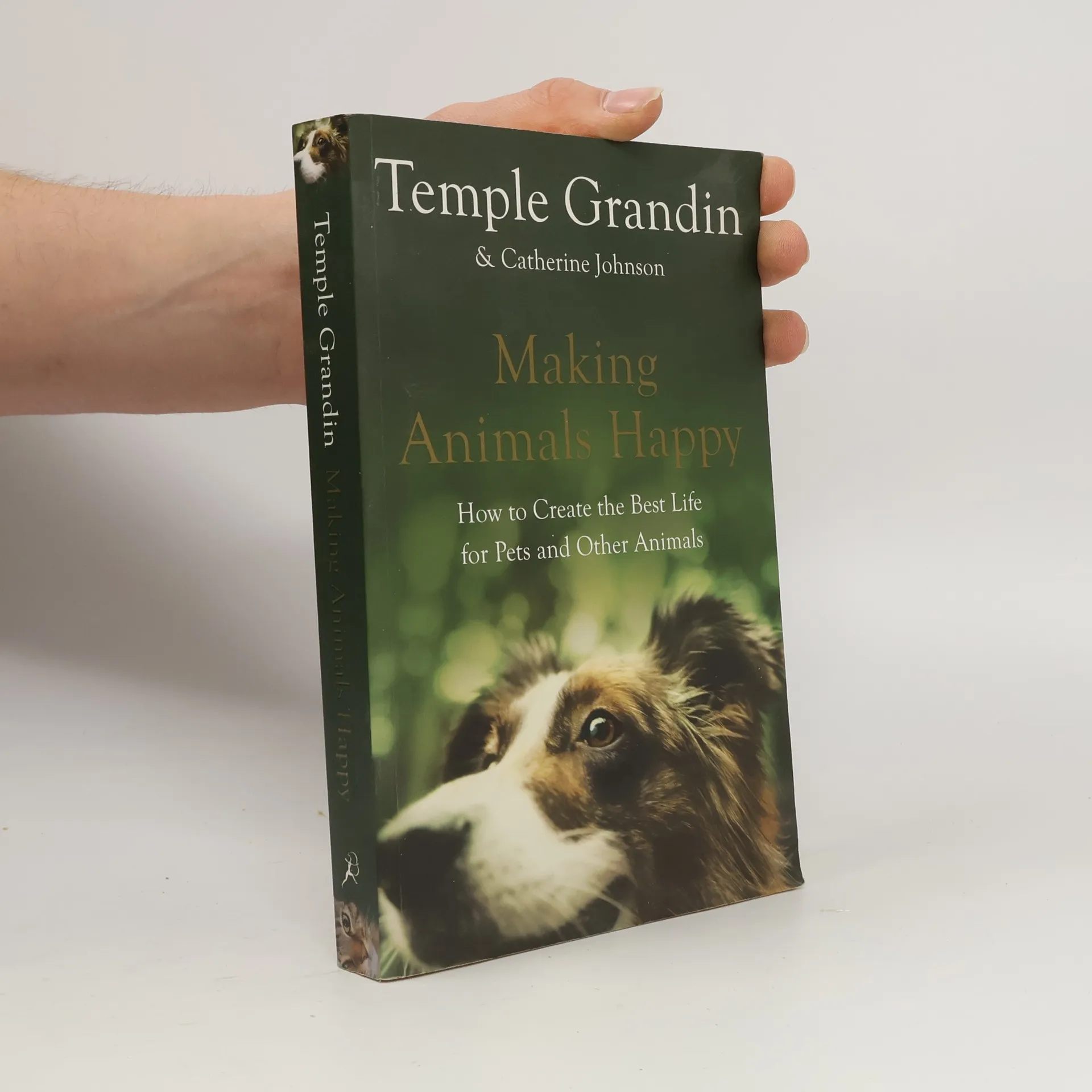
Drawing on the latest scientific research and her own work with animals, the author discusses the emotional needs of animals and how to fulfill them, challenging common myths about animal emotions, mental stimulation, and emotional well-being.
The narrative emphasizes the significance of honesty and the essence of true friendship, highlighting that while one may feel beautiful, there are always others who may surpass them in beauty and talent. It explores the dangers of overconfidence and self-praise, illustrating how such attitudes can lead to isolation from others.
Stefanie lives on a run-down council estate in the East End of London with her seriously depressed mother. It is only her interest in photography that keeps Stefanie going. Then there is a racist attack in which her boyfriend may be involved. Stefanie finds her loyalties divided and she hassome difficult choices to make.
A diciotto anni Temple Grandin si costruì una macchina per gli abbracci. Aveva visto che le mucche diventavano mansuete dentro la gabbia di contenimento usata dal veterinario per visitarle, e aveva intuito che uno strumento simile avrebbe potuto calmare anche lei. Così, con due assi di compensato che si stringevano dolcemente ai lati di una panca, realizzò lo strano congegno. Che funzionò a meraviglia. E Temple, giovane autistica con molti problemi di relazione, capì di avere una speciale affinità con gli animali. E capì che per essere felice avrebbe dovuto studiarli e stare con loro il più possibile. Quel che non sapeva è che varie altre – e non meno spiazzanti – scoperte avrebbero fatto di lei uno dei più famosi esperti del comportamento animale, e che quelle scoperte avrebbero anche modificato il modo di trattare gli animali stessi. «Temple Grandin ci svela, grazie alla sua ottica privilegiata e, ancor più importante, usando della sua speci$ca competenza, gli aspetti più affascinanti del comportamento e della cognizione animale, e cioè la loro percezione del mondo; i loro sentimenti; la loro aggressività; il loro dolore e la loro sofferenza; come e cosa pensano e, infine, cosa essa intende per genialità animale». Danilo Mainardi