The fox knows many things, the Greeks said, but the hedgehog knows one big thing. In his most comprehensive work, Ronald Dworkin argues that value in all its forms is one big thing: that what truth is, life means, morality requires, and justice demands are different aspects of the same large question. He develops original theories on a great variety of issues very rarely considered in the same book: moral skepticism, literary, artistic, and historical interpretation, free will, ancient moral theory, being good and living well, liberty, equality, and law among many other topics. What we think about any one of these must stand up, eventually, to any argument we find compelling about the rest. Skepticism in all its forms—philosophical, cynical, or post-modern—threatens that unity. The Galilean revolution once made the theological world of value safe for science. But the new republic gradually became a new empire: the modern philosophers inflated the methods of physics into a totalitarian theory of everything. They invaded and occupied all the honorifics—reality, truth, fact, ground, meaning, knowledge, and being—and dictated the terms on which other bodies of thought might aspire to them, and skepticism has been the inevitable result. We need a new revolution. We must make the world of science safe for value.
Ronald Dworkin Books
Ronald Dworkin was an American legal philosopher whose influential works shaped contemporary debate in law and political philosophy. His theory of law as integrity stands as one of the most significant conceptions of the nature of law. Dworkin engaged with profound questions of justice and interpretation, leaving an indelible mark on legal thought. His approach emphasized the ethical underpinnings of legal systems and their connection to political ideals.


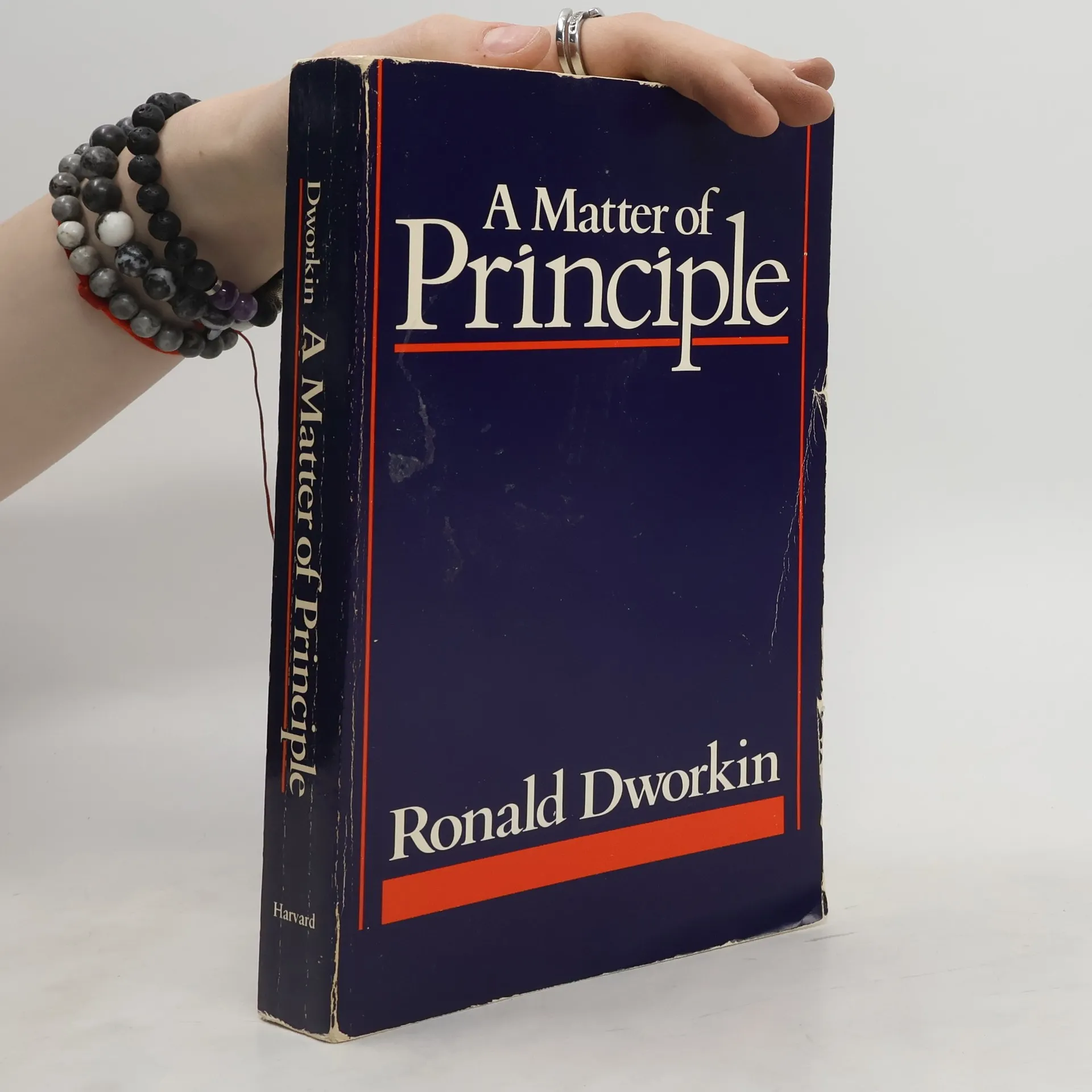

A Matter of Principle
- 480 pages
- 17 hours of reading
This is a book about the interplay of urgent political issues and hotly debated questions of moral philosophy. The controversies it joins are old; but history has given them fresh shape. Dworkin addresses questions about the Anglo-American legal system as protector of individual rights and as machinery for furthering the common good.
Law's Empire
- 484 pages
- 17 hours of reading
Law's Empire provides a judicious and coherent introduction to the place of law in our lives.
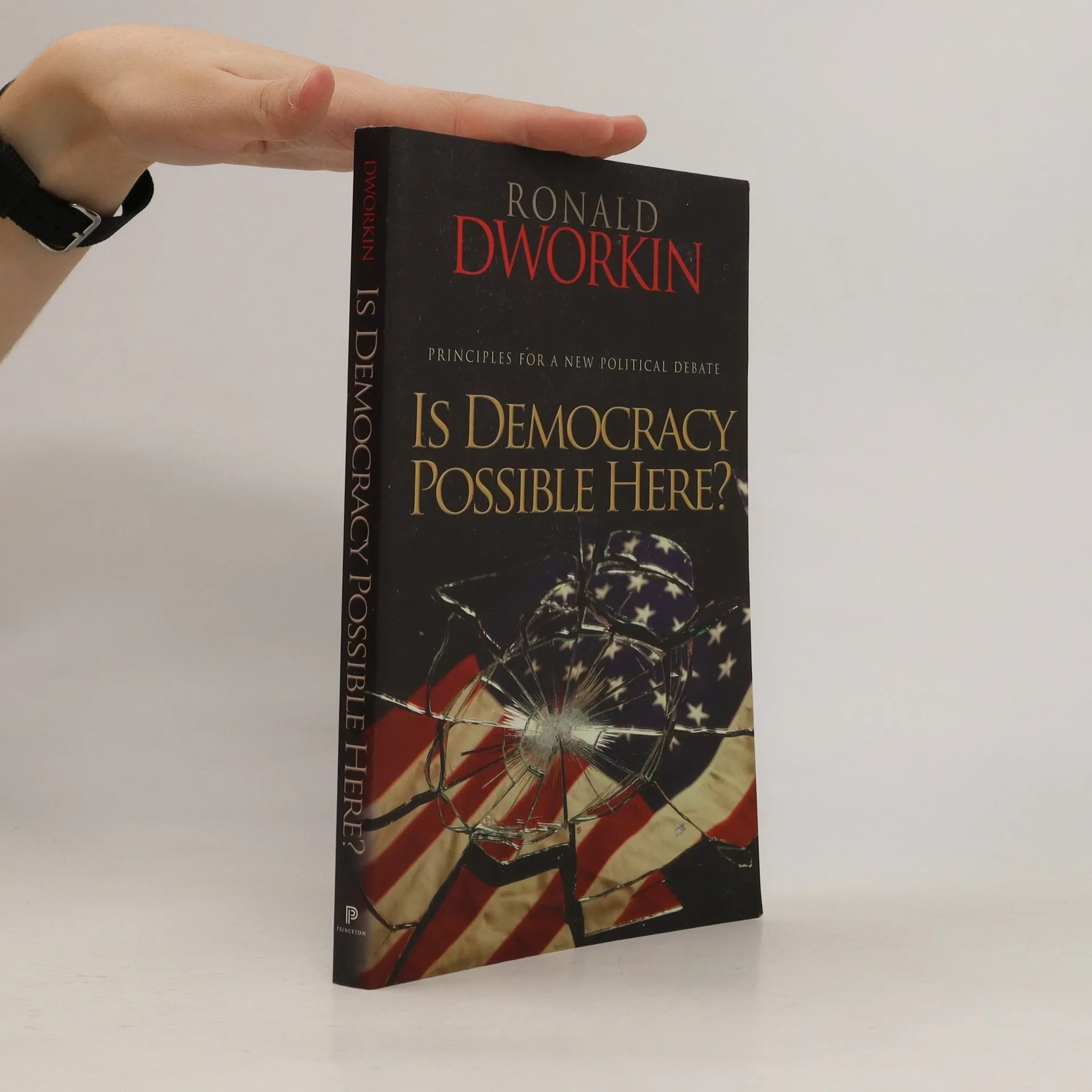
Is Democracy Possible Here?
- 192 pages
- 7 hours of reading
Politics in America are more polarized and trivialized than ever, with fierce battles between the right and left resembling contact sports. This deeply depressing political culture, as noted by Ronald Dworkin, is ill-equipped to tackle social justice or emerging threats like terrorism. Yet, can hope for change emerge? Dworkin, a prominent legal and political philosopher, identifies core principles of personal and political morality that can unite citizens. He argues that recognizing these shared principles can foster substantial political discourse and replace contempt with mutual respect, enabling democracy's full promise to be realized. The two core principles he emphasizes are: first, the intrinsic and equal value of each human life; and second, the inalienable personal responsibility of individuals to identify and realize value in their lives. Dworkin explores the implications of these principles for human rights, the role of religion in public life, economic justice, and the essence of democracy. He posits that liberal conclusions naturally arise from these principles, which challenge the goals of religious conservatives and current tax and social policies, as well as aspects of the War on Terror. Ultimately, Dworkin aims to persuade Americans across the political spectrum—and citizens of similar cultures worldwide—that they can and must defend their convictions through their interpretations of these shared values.
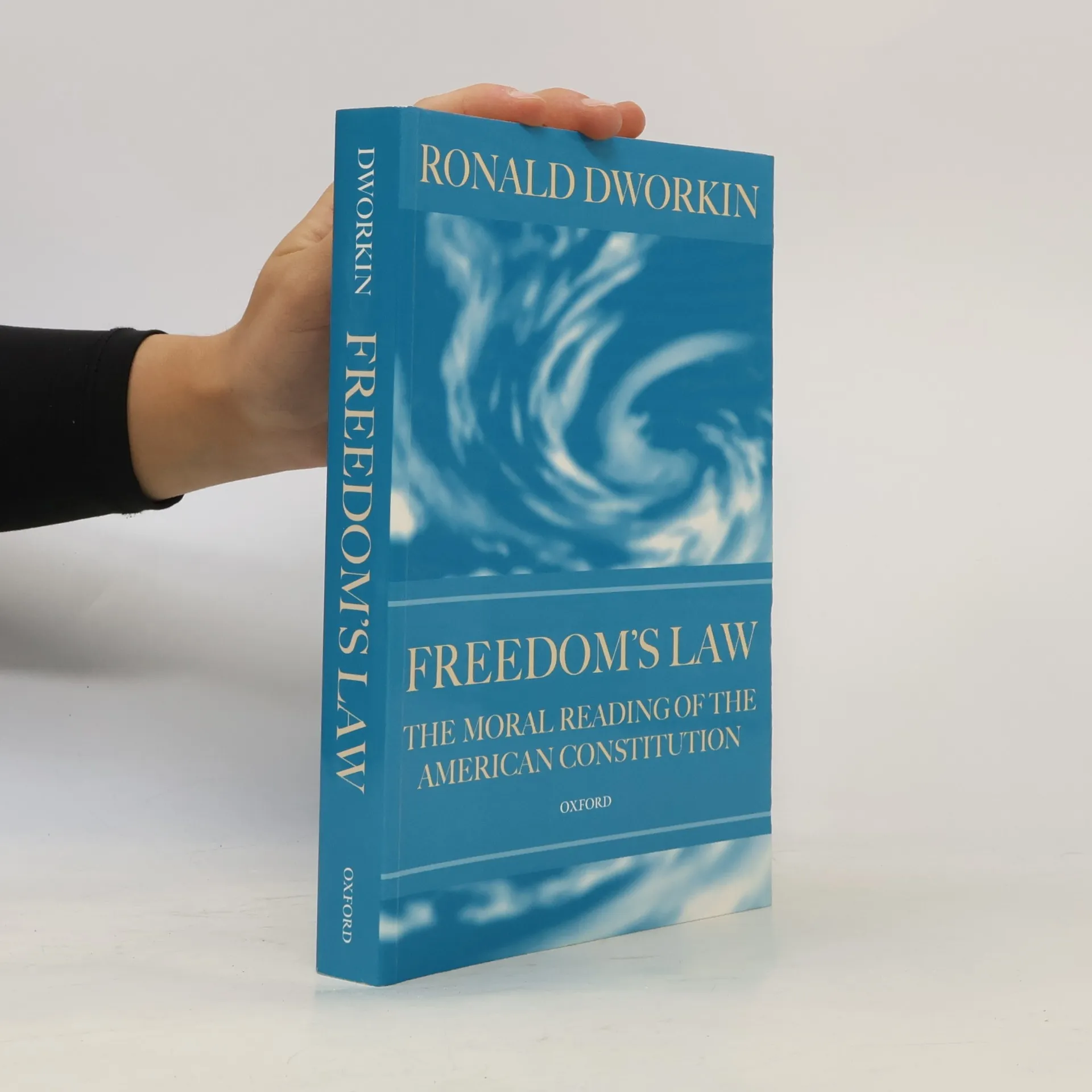
Written by the world's best-known political and legal theorist, Freedom's Law: The Moral Reading of the American Constitution is a collection of essays that discuss almost all of the great constitutional issues of the last two decades, including abortion, euthanasia, capital punishment, homosexuality, pornography, and free speech. Professor Dworkin offers a consistently liberal view of the Constitution and argues that fidelity to it and to law demands that judges make moral judgments. He proposes that we all interpret the abstract language of the Constitution by reference to moral principles about political decency and justice. His `moral reading therefore brings political morality into the heart of constitutional law. The various chapters of this book were originally published separately and are now drawn together to provide the reader with a rich, full-length treatment of Dworkin's general theory of law.
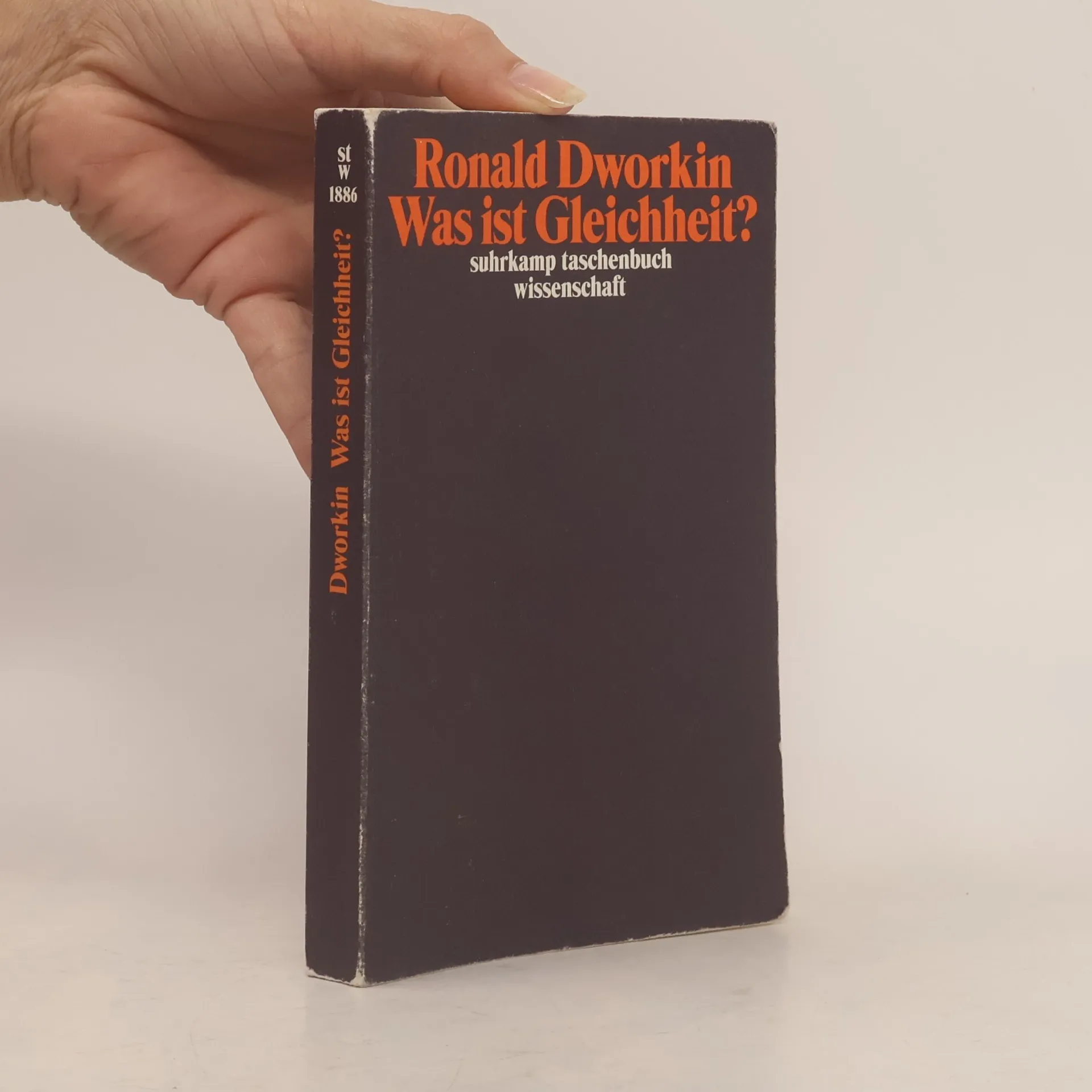
Suhrkamp Taschenbuch Wissenschaft - 1886: Was ist Gleichheit?
- 288 pages
- 11 hours of reading
Ronald Dworkin ist einer der herausragenden Philosophen, dessen Arbeiten zum Egalitarismus nur noch durch das Werk von John Rawls übertroffen werden. Mit Was ist Gleichheit? liegen nun zentrale Texte Dworkins erstmals in deutscher Sprache vor. Sie entwickeln eine Theorie der Ressourcengleichheit, der zufolge eine Gesellschaft dann gerecht ist, wenn in ihr alle Ressourcen gleich verteilt sind. Dies bedeutet für Dworkin nicht, daß alle Menschen das gleiche Niveau an Wohlstand oder Lebenszufriedenheit erlangen können oder daß dies überhaupt wünschenswert wäre. Zwar sollte ein Staat individuell unabwendbare Unglücksfälle zu kompensieren suchen, es ist aber nicht seine Aufgabe, die Vor- und Nachteile zu egalisieren, die sich aus eigenverantwortlichen Entscheidungen ergeben. Gerechtigkeit, so Dworkins zentrale These, erfordert vor allem eine gleiche Ausgangsposition für alle.
I Trofei: Felicità artificiale. Il lato oscuro del benessere
- 316 pages
- 12 hours of reading
Das Zentrum wahrer Religiosität, so der bekennende Atheist Albert Einstein, sei die Ehrfurcht vor den Mysterien des Universums, deren höchste Weisheit wir nur rudimentär begreifen können. In diesem Sinne bezeichnete er sich als tiefreligiös. Doch was ist religiös an einer Haltung, in der Gott keine Rolle spielt? Ronald Dworkin beschäftigte sich in seinen Einstein-Vorlesungen mit dieser Frage. Er definiert Religion als eine Sicht auf die Welt, die von einem tiefen Glauben an objektive Werte getragen wird – etwa an die Würde der Geschöpfe, die Erfüllung oder das Versagen eines Lebens und die unerklärliche Schönheit, die über unsere Sinnesorgane hinausgeht. Theisten teilen diese Werte, glauben jedoch, dass sie gottgegeben sind. Dworkin hingegen argumentiert, dass die Idee eines Gottes aus der Existenz dieser Werte hervorgeht. Der Glaube an Gott ist eine Möglichkeit, dies auszudrücken, aber nicht die einzige. Das Buch erkundet den Perspektivwechsel, der mit einem gottlosen Verständnis von Religion verbunden ist, und reicht von Physik über Politik bis zum Recht. Es schließt mit einer eindrucksvollen Reflexion über Tod und Unsterblichkeit und präsentiert das Vermächtnis eines bekennenden religiösen Atheisten, der den Blick für das Wesentliche weitet.
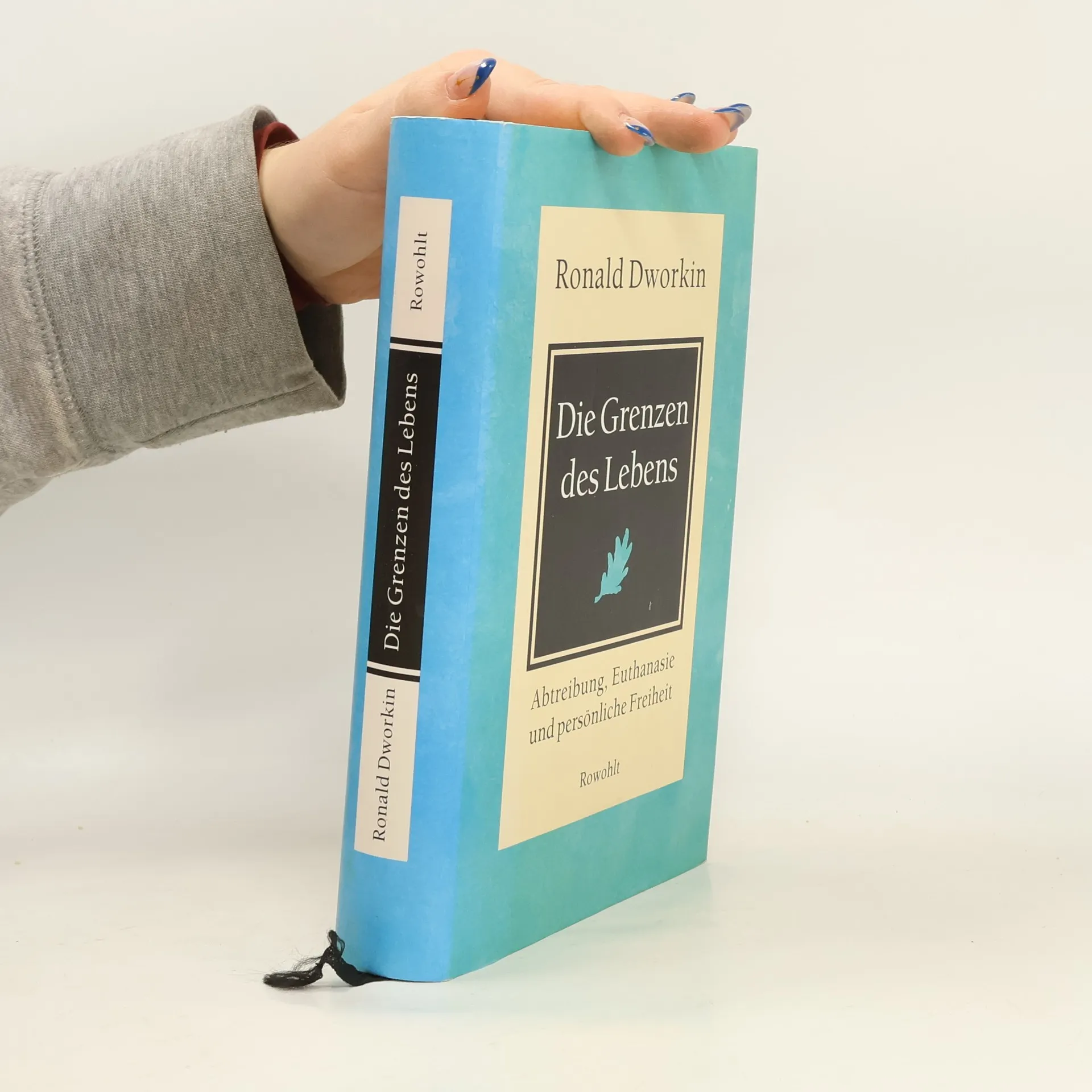
Die Grenzen des Lebens
- 374 pages
- 14 hours of reading
Susanne Höbel, geboren 1953 in Unna, studierte in Birmingham Literatur und übersetzte u. a. Nadine Gordimer, John Updike, William Faulkner, Thomas Wolfe und Graham Swift. Sie lebt in Hamburg und Südengland. Cornelia Holfelder-von der Tann, geboren 1950, beschloss nach dem Studium (Anglistik, Germanistik, Romanistik) und einem Lehramtsreferendariat, es mit dem literarischen Übersetzen zu probieren und ist seither hauptberuflich dabeigeblieben. 2021 wurde sie mit dem Übersetzerpreis für langjähriges Übersetzen, „Rebekka“, ausgezeichnet.
Když se práva berou vážně
- 455 pages
- 16 hours of reading
Dnes klasické dílo právní a politické filosofie je ucelenou studií o lidských právech a liberálním pojetí právního státu. Dworkin předestírá své teze o přirozenoprávním konceptu a staví se do opozice vůči konceptu pozitivněprávnímu (především proti svému předchůdci na stolici právní vědy v Oxfordu H. L. A. Hartovi).
Ríša práva
- 536 pages
- 19 hours of reading
Ríša práva, ktorá je jednou z najdôležitejších prác v rámci filozofie práva, sa po prvý raz dostáva k čitateľom v slovenskom preklade Dezidera Kamhala. Popredný americký filozof Ronald Dworkin v nej predstavuje svoju teóriu morálneho odôvodnenia práva, ktorá spája či prepája osobnú morálku, právne zdôvodnenie a politickú legitimitu. Ponúka tak odpoveď na otázku ako chápať právo a zároveň ponúka politickú teóriu, ktorá zdôvodňuje takéto chápanie práva. Slovenské vydanie knihy dopĺňa aktuálny doslov Alexandra Bröstla.
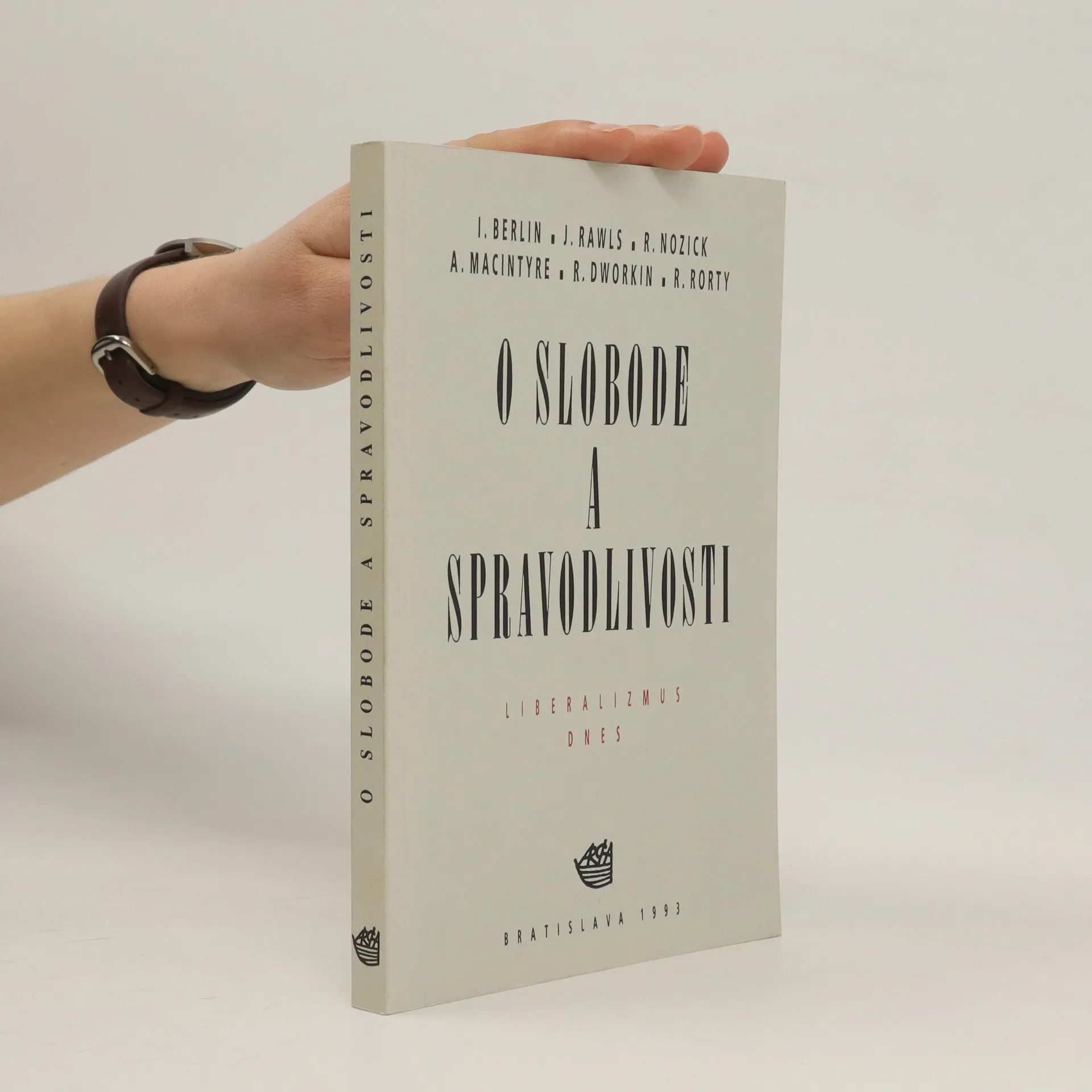
O slobode a spravodlivosti
- 256 pages
- 9 hours of reading
Zborník filozofov hlásiacich sa k liberalizmu.