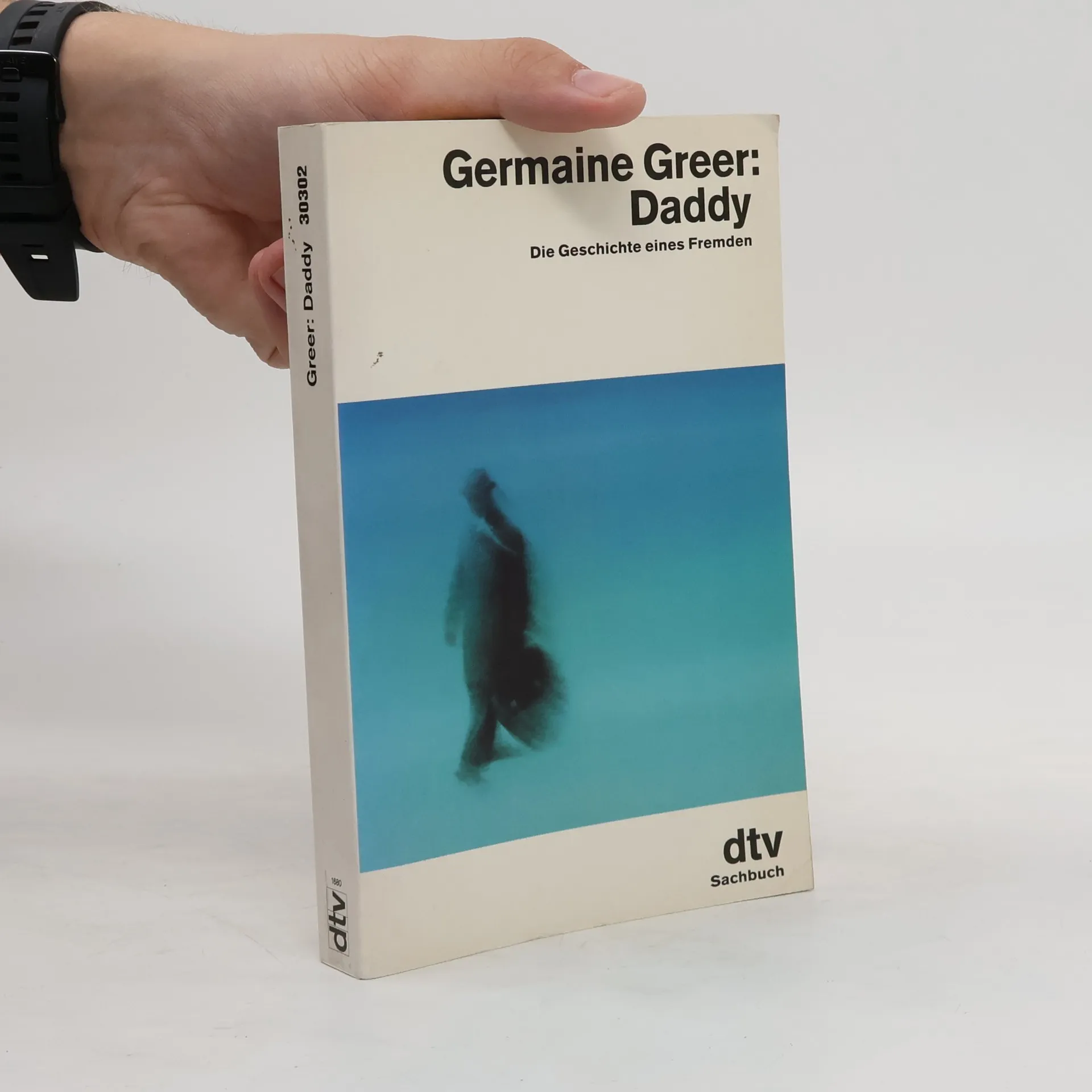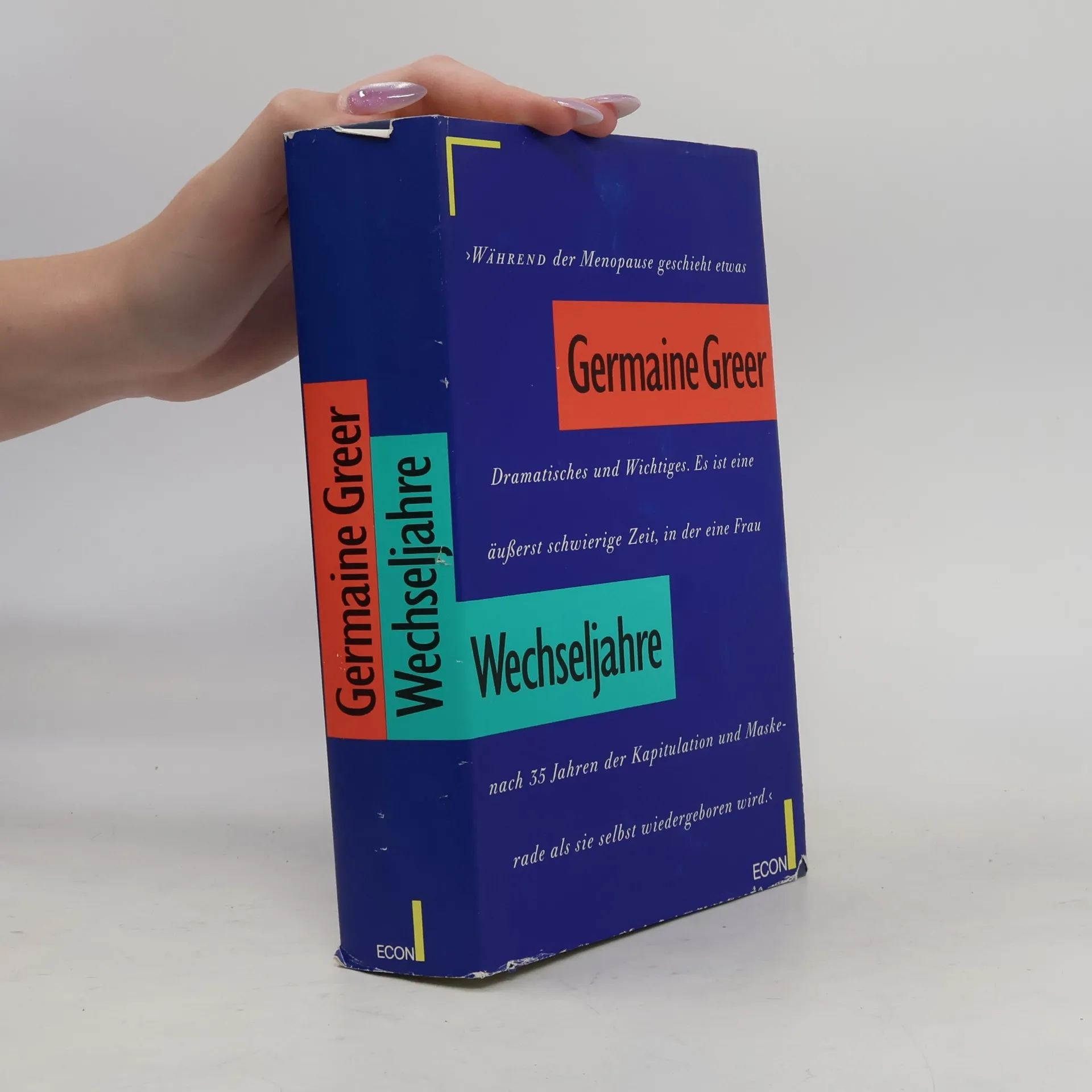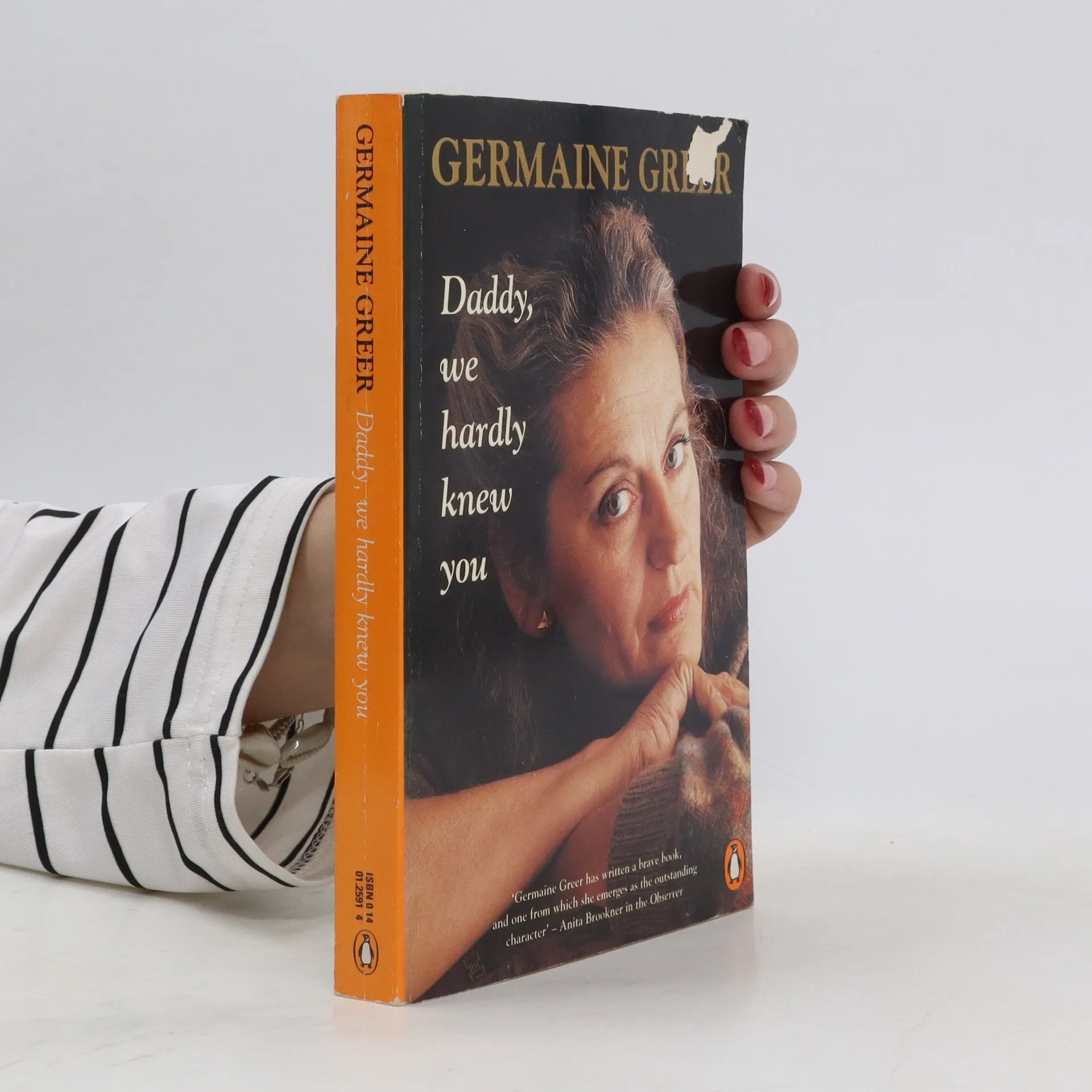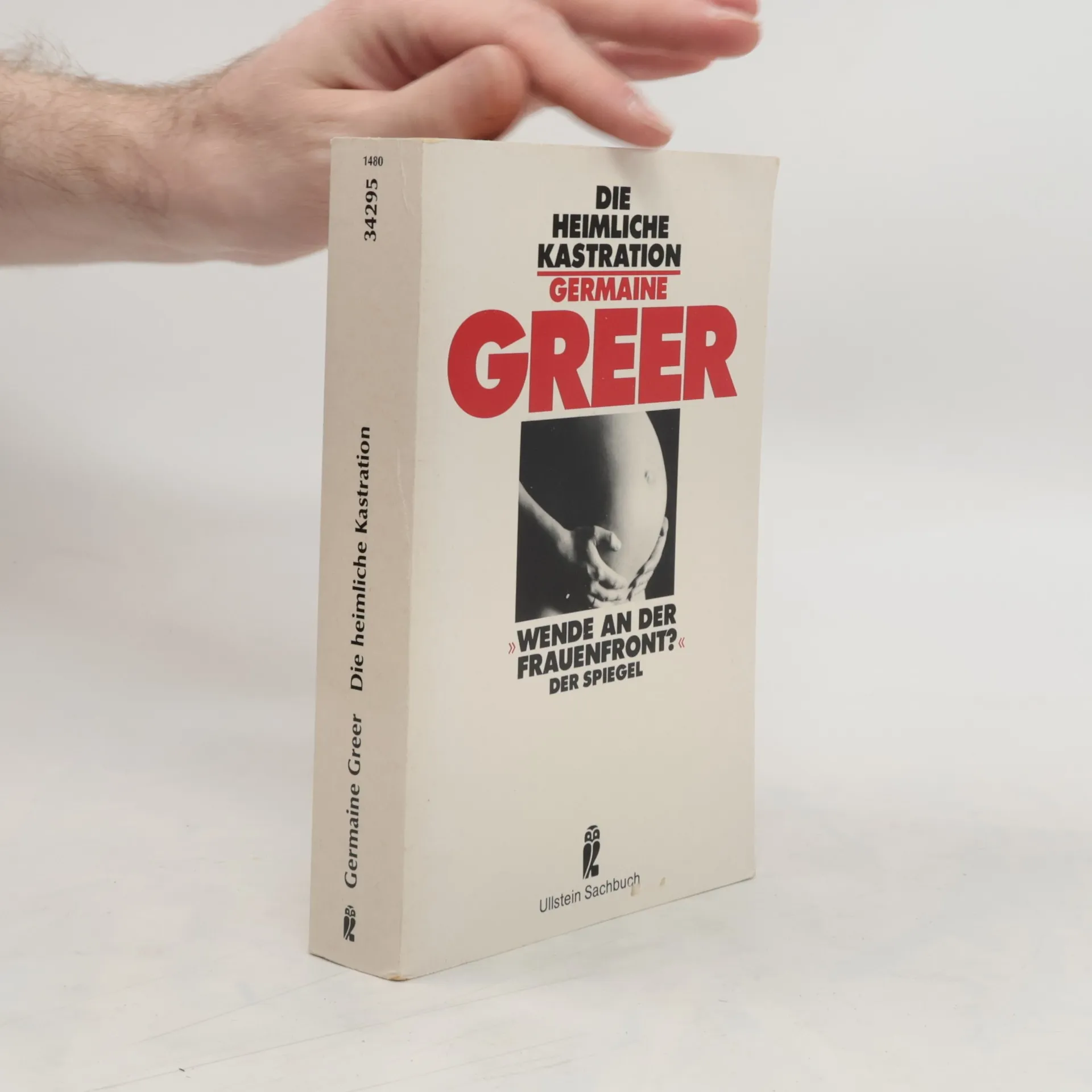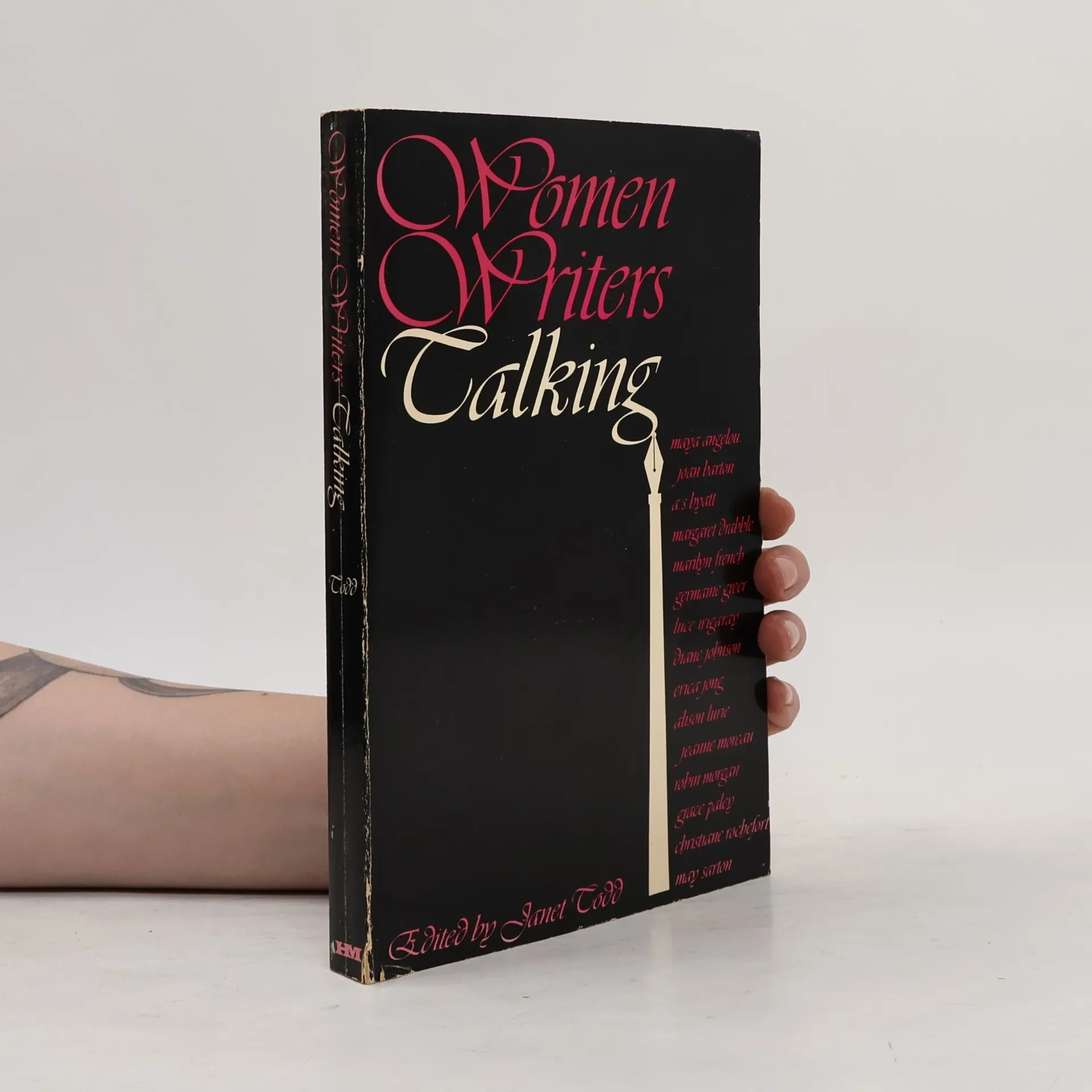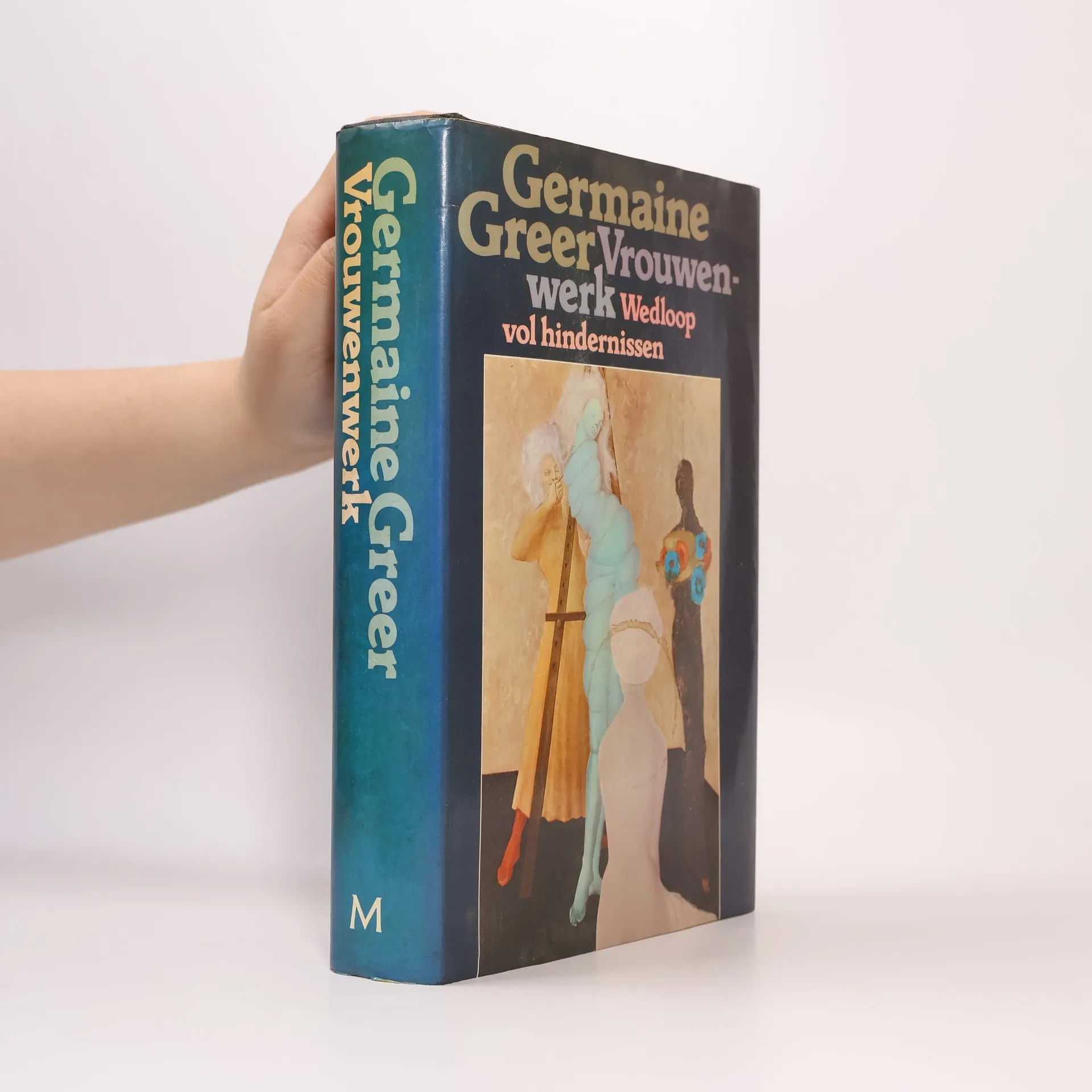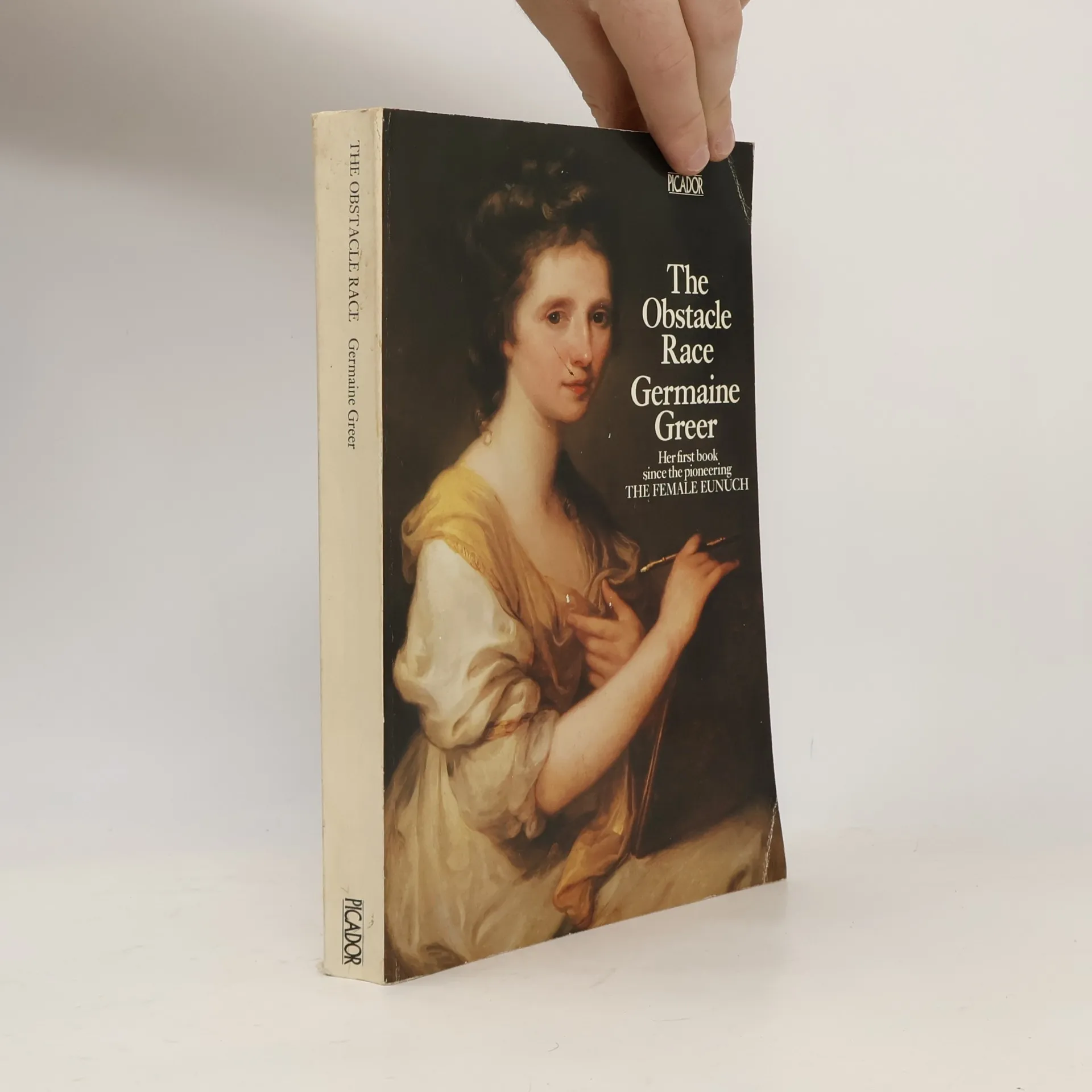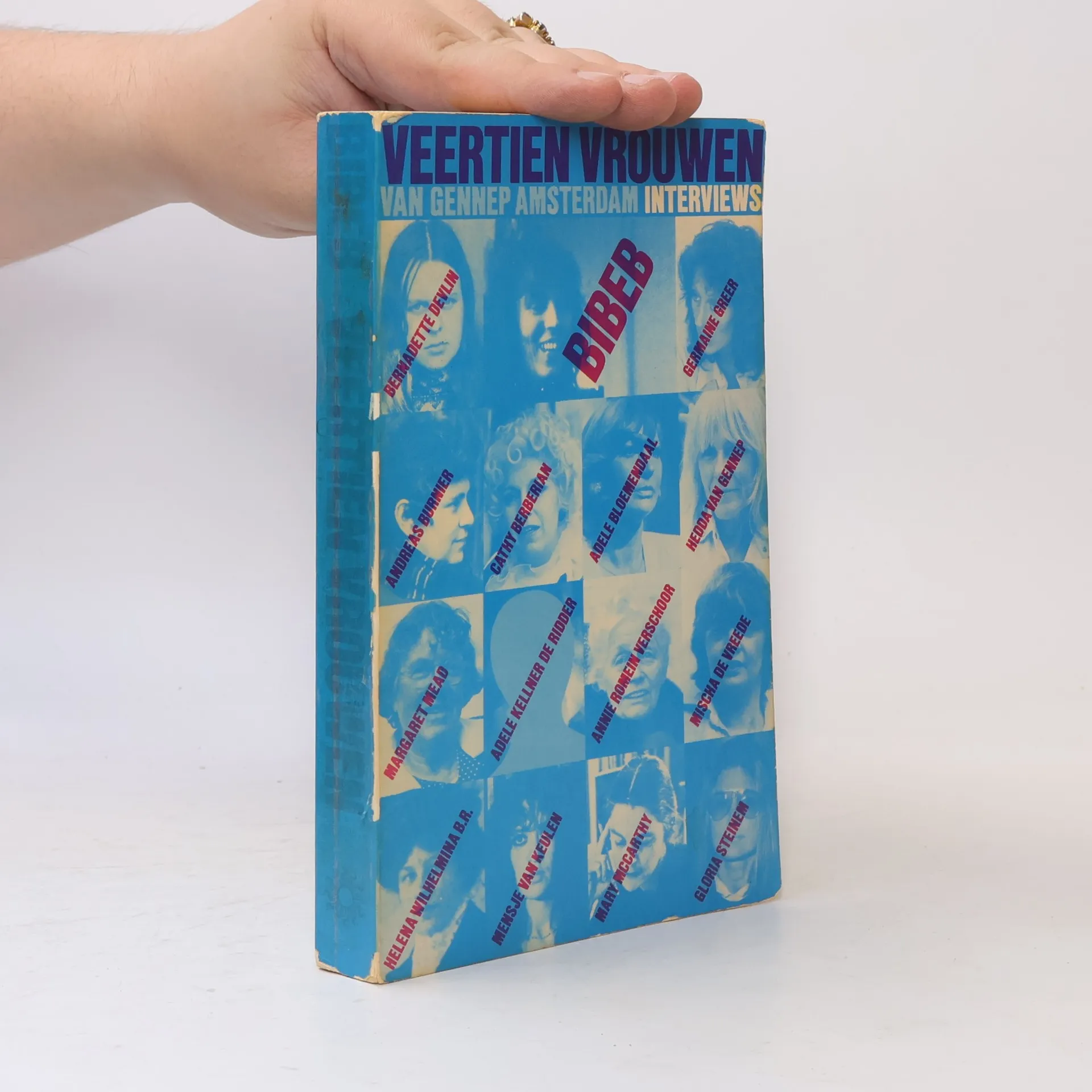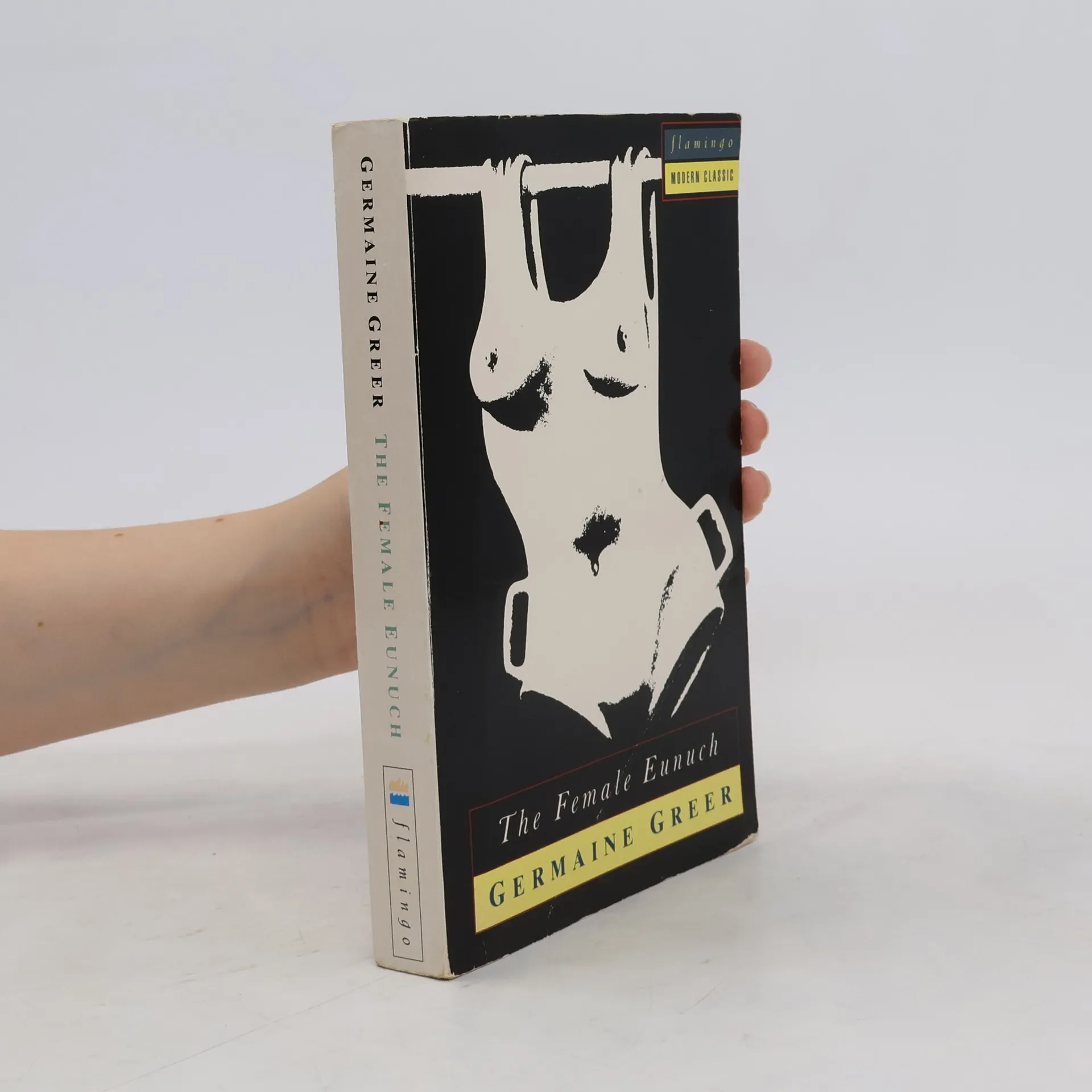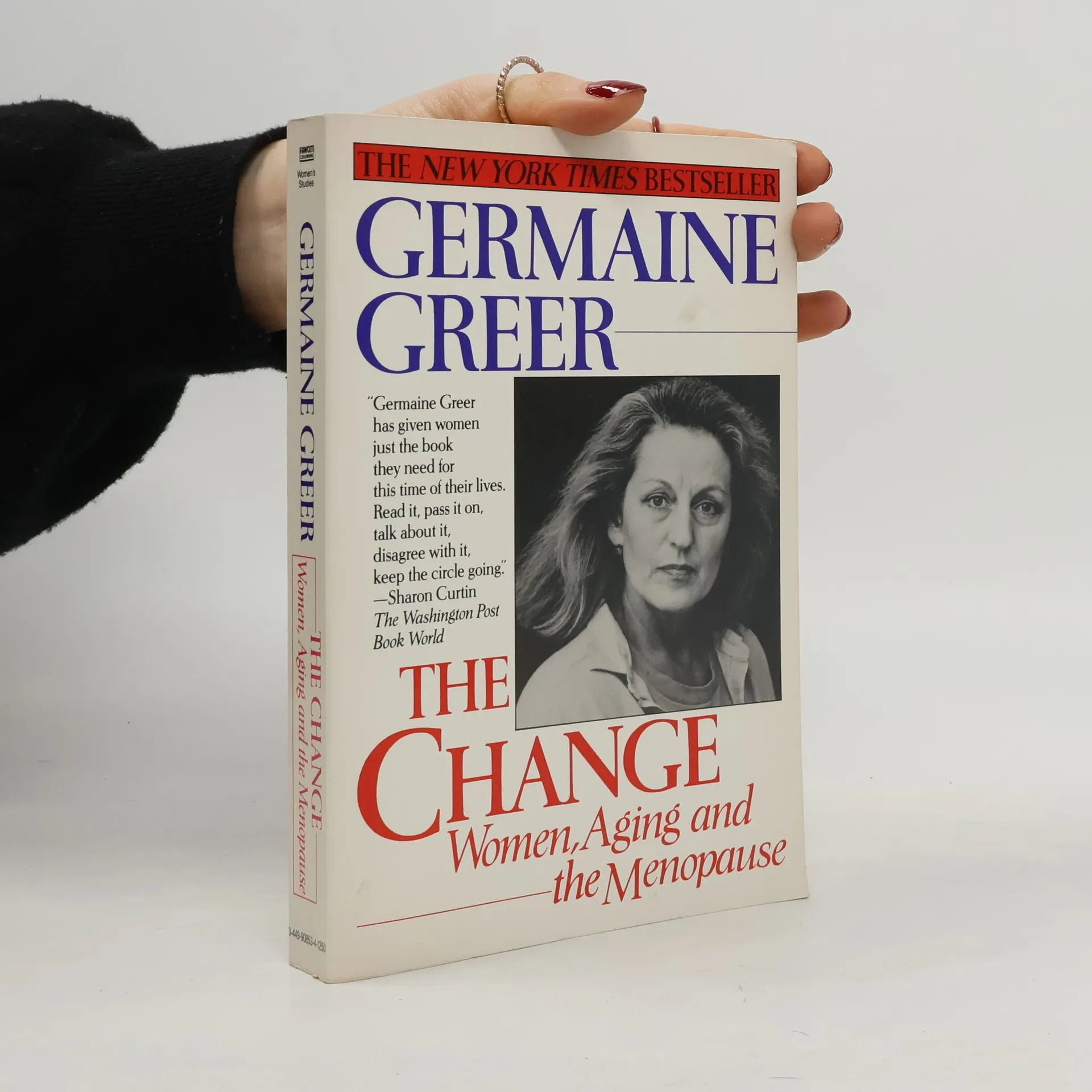
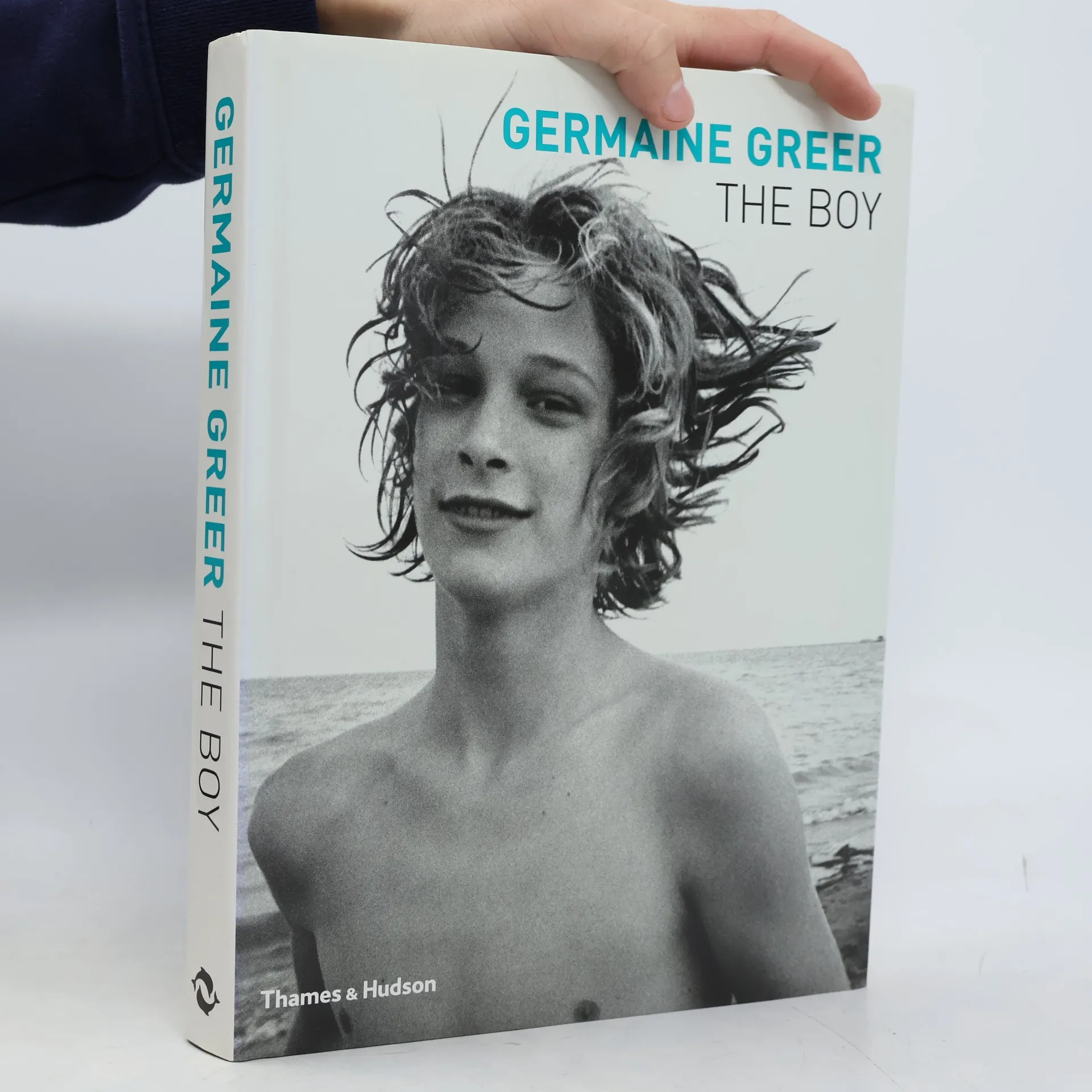
Germaine Greer is an Australian-born writer, journalist, and scholar of early modern English literature, widely recognized as a pivotal feminist voice of the late 20th century. Her ideas have sparked controversy since her groundbreaking work became an international bestseller, catapulting her to fame and drawing both adoration and criticism. Greer's writing delves into the examination and deconstruction of gender norms and societal expectations, employing a style that is often provocative and thought-provoking. Her literary significance lies in her unwavering challenge to patriarchal structures and her advocacy for female autonomy and liberation.
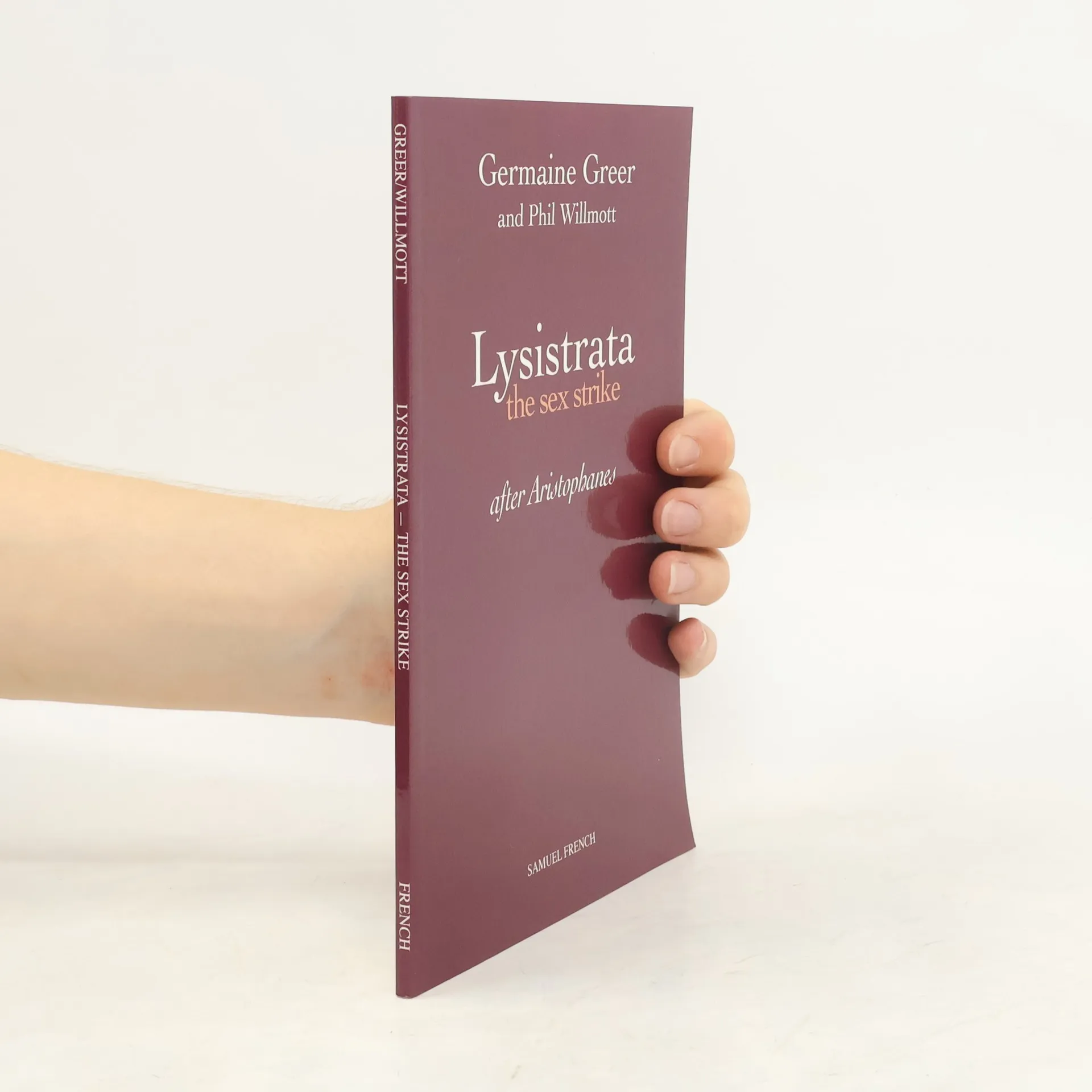
Period Ancient Greek Athens is in the grip of a futile, destructive war with
Sparta and its men are fighting abroad, taken away from their wives and
families for long periods at a time. The women of Athens have had enough.
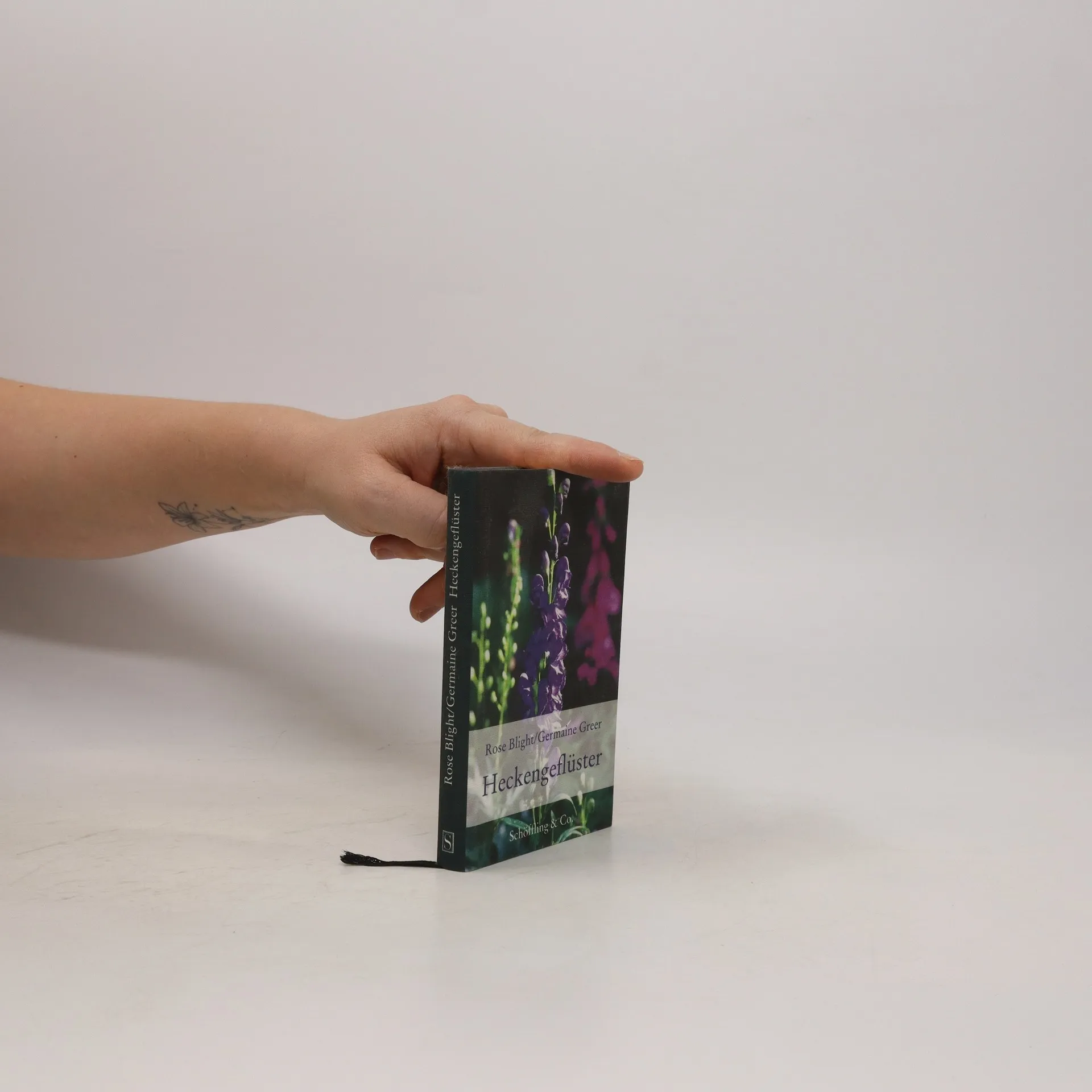
»Im Büchlein HECKENGEFLÜSTER erwartet Sie Bösartiges aus dem geplagten Leben einer Londoner Gärtnerin in einer hübschen Verpackung in witziger Form zu Papier gebracht. Übles gibt's da einiges, wie beispielsweise Kinder, die Rosen zerhacken oder Bauarbeiter, die Abfall durch die Äste der Linden schmeißen. Auch Nachbarn, Hunde, Passanten und Touristen zählen zu den Plagen einer Gärtnerin in der englischen Hauptstadt und kriegen ihr Fett ab. Doch nicht nur daheim, auch in fremden Gärten stößt die Autorin auf unliebsame Überraschungen...« sofagaertnerin. blogspot. com
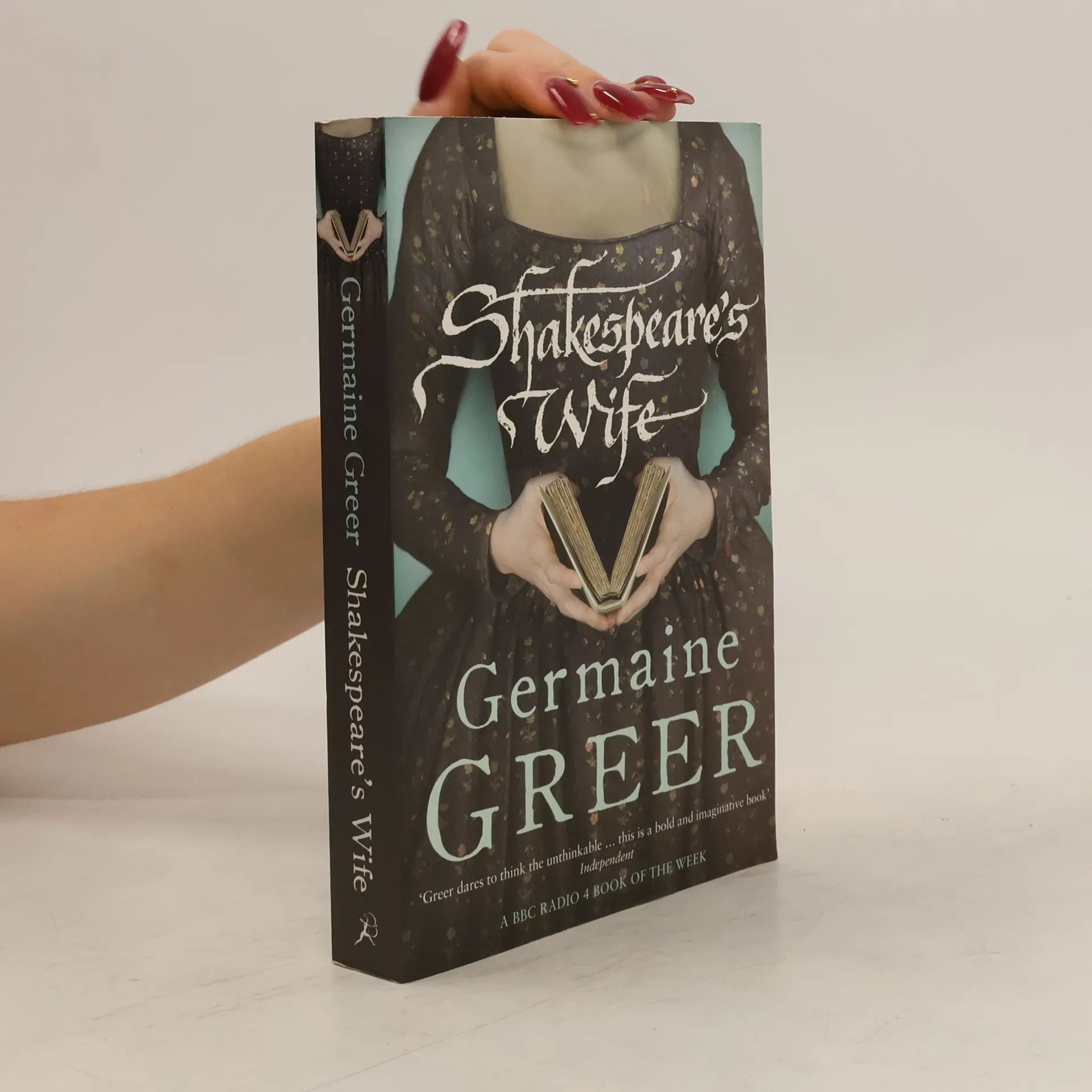
Presents hypotheses about the life of the farmer's daughter who married
Shakespeare. This book asks questions, opens fields of investigation and
research, and rights the wrongs done to Ann Shakespeare.
This publication documents the exhibition Stella Paintings, the first major solo show in the UK by the enfant terrible of British art. Stella Vine's paintings are exuberant, funny and irreverent. She is notorious for her portraits of Kate Moss and disturbing images of Princess Diana and the heroin victim Rachel Whitear, but she also paints her mother and her son from photographs and memory. Born in 1969 in Northumberland, Stella Vine studied painting part-time at Hampstead School of Art in 1999. Her work has been included in solo and group exhibitions in the UK and internationally, notably New Blood at the Saatchi Gallery in 2004 when she first came to public attention. Stella Vine currently lives and works in London. This fully illustrated publication accompanies the exhibition Stella Paintings held at Modern Art Oxford, July - September 2007.
This title explores various themes related to boys, highlighting their sensuality, flirtatiousness, and vulnerability, from being passive love objects to soldier boys and the female gaze.
With a mix of passionate rhetoric and sharp humor, Germaine Greer tackles contemporary issues facing women at the turn of the century. She critiques societal norms and "lifestyle feminists," advocating for a more holistic understanding of womanhood. From workplace challenges to personal choices like abortion and body image, Greer offers insightful commentary on the persistent discrimination and exploitation women endure globally. Her vibrant and provocative style makes this sequel essential for anyone invested in the evolution of feminism.
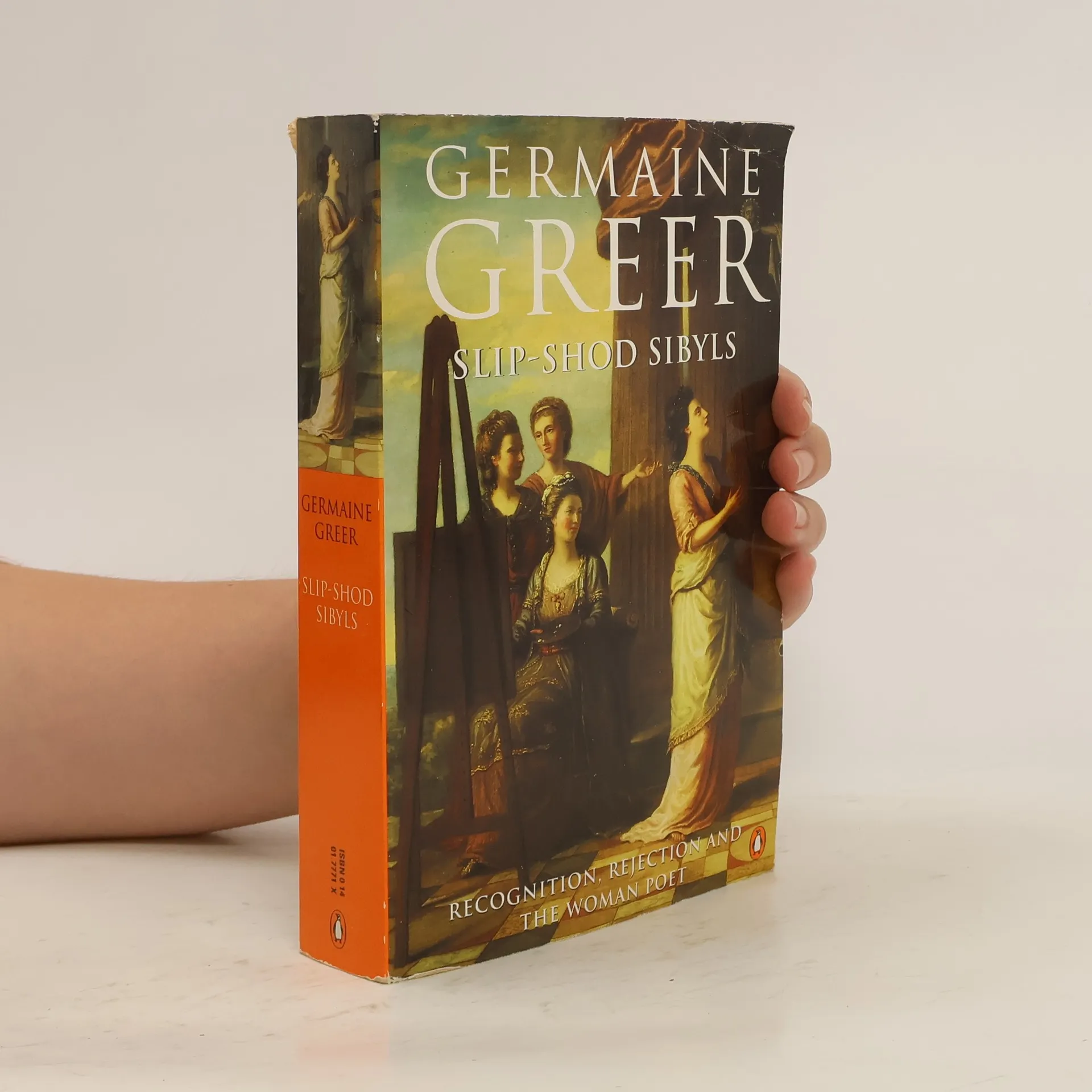
The term "slip-shod sibyls", adapted from a gibe of Alexander Pope, encapsulates the common contempt for the half-educated women who dared to expose themselves in the pre-1900 literary market-place. In this collection, Germaine Greer argues that the problem is not that such women were ignored but that, when most women were unable to express themselves in written form at all, and only a tiny minority dared to write in metre, the female poet was given undue attention, flattered and exploited only to be rejected and humiliated in her own lifetime and forgotten by posterity. She argues that what has come down to us is largely unworthy of inclusion in the canon. In many cases, the texts are inauthentic and cannot be relied upon to represent women's work or women's sensibility. As much of the poetry is intensely derivative, it cannot be evaluated by readers unfamiliar with the poets' models. This study examines the life and work of an extraordinary group of women - from the myth of Sappho to the dishonesty of Katherine Philips, the enduring mysteries of Aphra Behn and the tragic tale of Letitia Landon, forced to masquerade as "The Child of Song".
With outrage and compassion, insight and scholarship, the internationally bestselling author of The Female Eunuch confronts the subject of menopause. "A brilliant, gutsy, exhilarating, bruising, exasperating fury of a book".--The New York Times Book Review.