Engaging with contemporary cultural and political issues, this journal serves as a vital resource for readers interested in exploring the intersections of these fields. It offers insightful perspectives and discussions that are crucial for understanding today's societal dynamics.
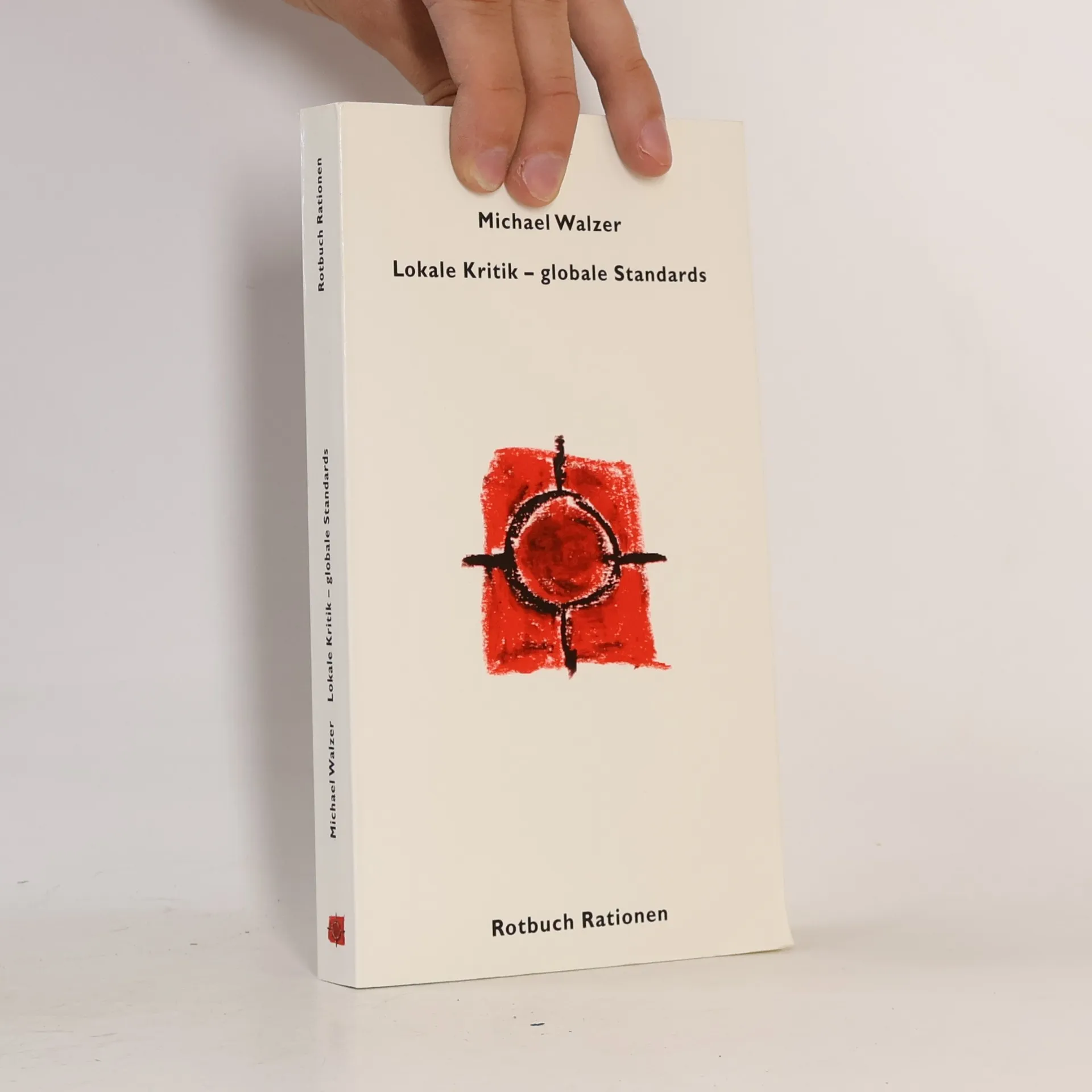
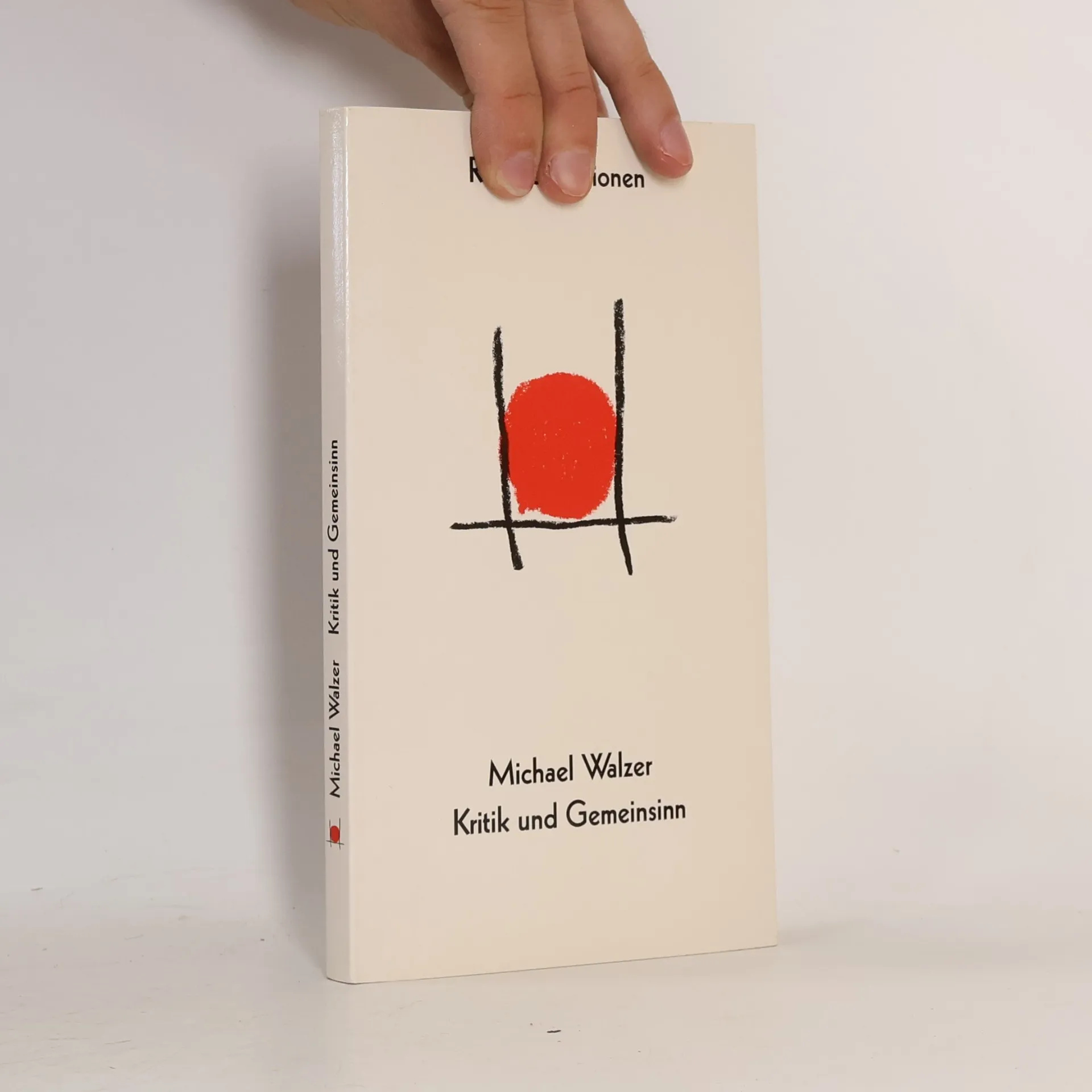
Michael Walzer Books
March 3, 1935
Michael Walzer is a profound American political philosopher whose work delves into the complexities of justice, war, and social critique. He is known for his insightful analyses of ethics and politics, exploring themes such as just wars, nationalism, and economic fairness. Walzer's writings bridge theoretical concepts with real-world issues, offering a distinctive perspective on societal challenges. His intellectual contributions highlight the importance of reasoned public discourse on matters of political obligation and tolerance.



Just and Unjust Wars
- 416 pages
- 15 hours of reading
A penetrating investigation into moral and ethical questions raised by war, drawing on examples from antiquity to the present Just and Unjust Wars has forever changed how we think about the ethics of conflict. In this modern classic, political philosopher Michael Walzer examines the moral issues that arise before, during, and after the wars we fight. Reaching from the Athenian attack on Melos, to the Mai Lai massacre, to the current war in Afghanistan and beyond, Walzer mines historical and contemporary accounts and the testimony of participants, decision makers, and victims to explain when war is justified and what ethical limitations apply to those who wage it.
Thick and Thin
- 120 pages
- 5 hours of reading
Revising and extending the arguments he put forth in Spheres of Justice, the author frames his ideas about justice, social criticism, and national identity in light of the new political world that has arisen in the past decade.
The Paradox of Liberation
- 192 pages
- 7 hours of reading
A thought-provoking reflection on why secular national liberation movements are so often challenged by militant religious revivals Many of the successful campaigns for national liberation in the years following World War II were initially based on democratic and secular ideals. Once established, however, the newly independent nations had to deal with entirely unexpected religious fierceness. Michael Walzer, one of America's foremost political thinkers, examines this perplexing trend by studying India, Israel, and Algeria, three nations whose founding principles and institutions have been sharply attacked by three completely different groups of religious revivalists: Hindu militants, ultra-Orthodox Jews and messianic Zionists, and Islamic radicals. In his provocative, well-reasoned discussion, Walzer asks, Why have these secular democratic movements been unable to reproduce their political culture beyond one or two generations? In a postscript, he compares the difficulties of contemporary secularism to the successful establishment of secular politics in the early American republic--thereby making an argument for American exceptionalism but gravely noting that we may be less exceptional today.
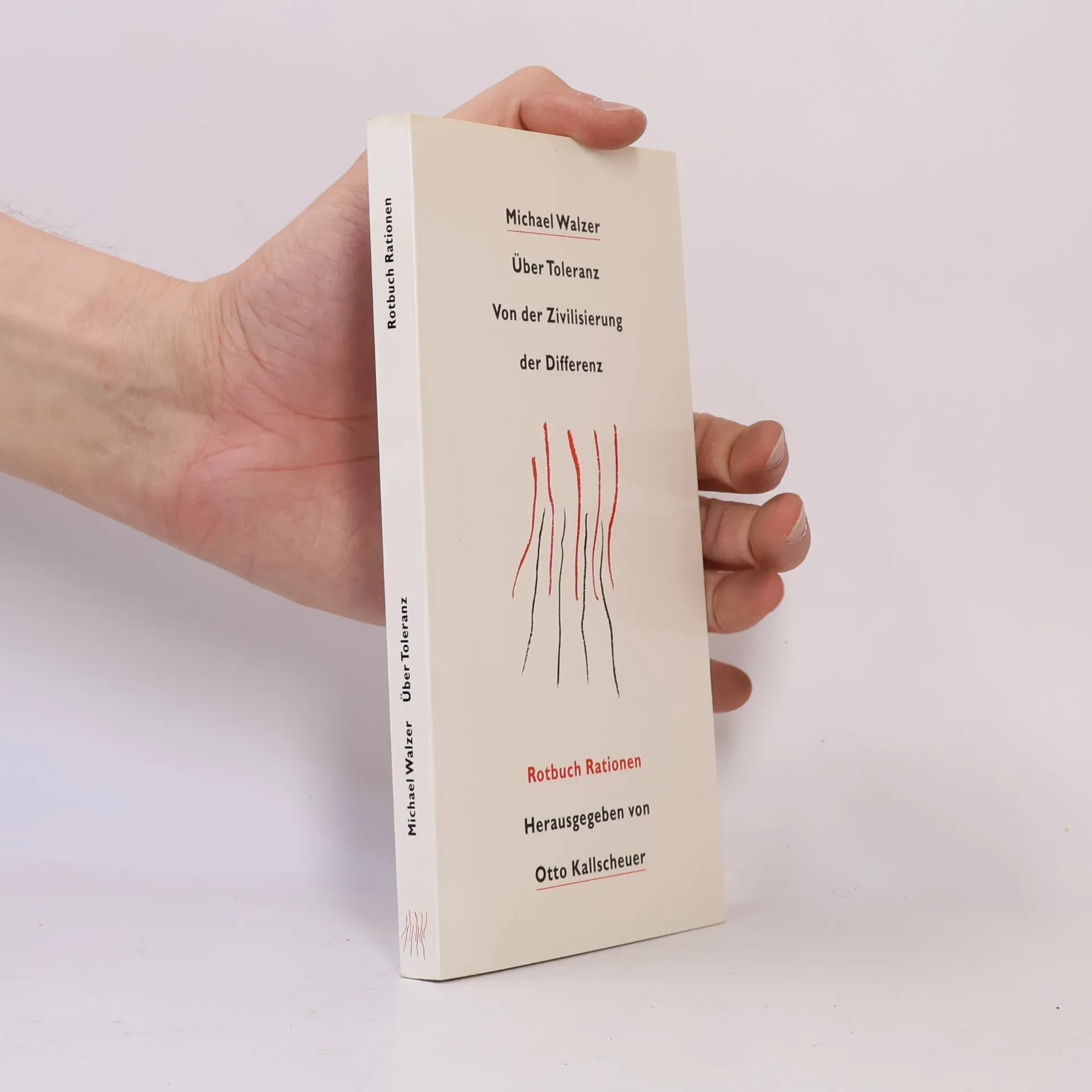
On Toleration
- 126 pages
- 5 hours of reading
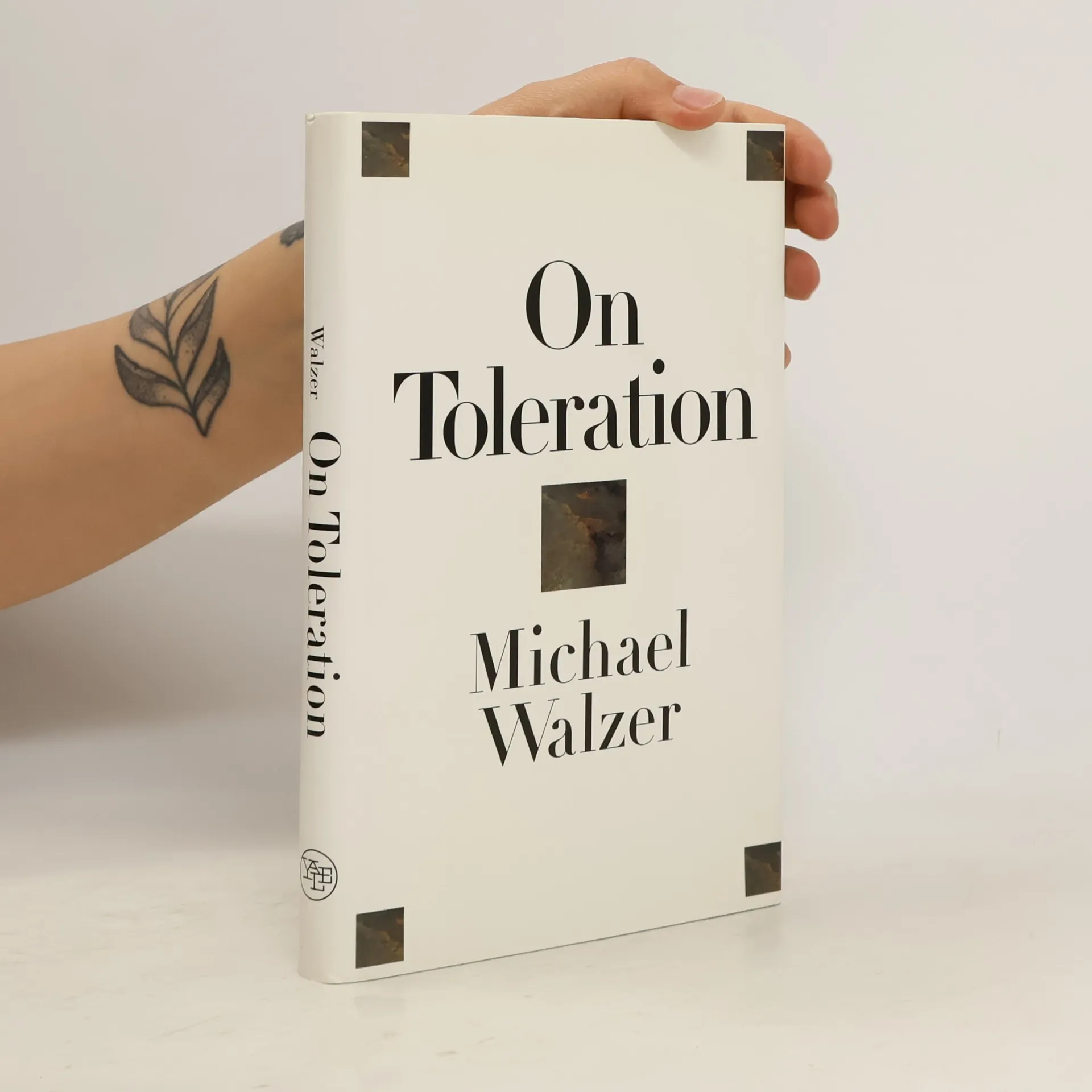
What kinds of political arrangements enable people from different national, racial, religious, or ethnic groups to live together in peace? In this book one of the most influential political theorists of our time discusses the politics of toleration. Michael Walzer examines five "regimes of toleration" -from multinational empires to immigrant societies- and describes the strengths and weaknesses of each regime, as well as the varying forms of toleration and exclusion each fosters. Walzer shows how power, class, and gender interact with religion, race, and ethnicity in the different regimes and discusses how toleration works- and how it should work- in multicultural societies like the United States. Walzer offers an eloquent defense of toleration, group differences, and pluralism, moving quickly from theory to practical issues, concrete examples, and hard questions. His concluding argument is focused on the contemporary United States and represents an effort to join and advance the debates about "culture war," the "politics of difference," and the "disuniting of America." Although he takes a grim view of contemporary politics, he is optimistic about the possibiliity of coexistence: cultural pluralism and a common citizenship can go together, he suggests, in a strong and eqalitarian democracy.
Justice is Steady Work
- 260 pages
- 10 hours of reading
One of the world's most influential political theorists reflects on justice, on war and on the key political issues of our time--
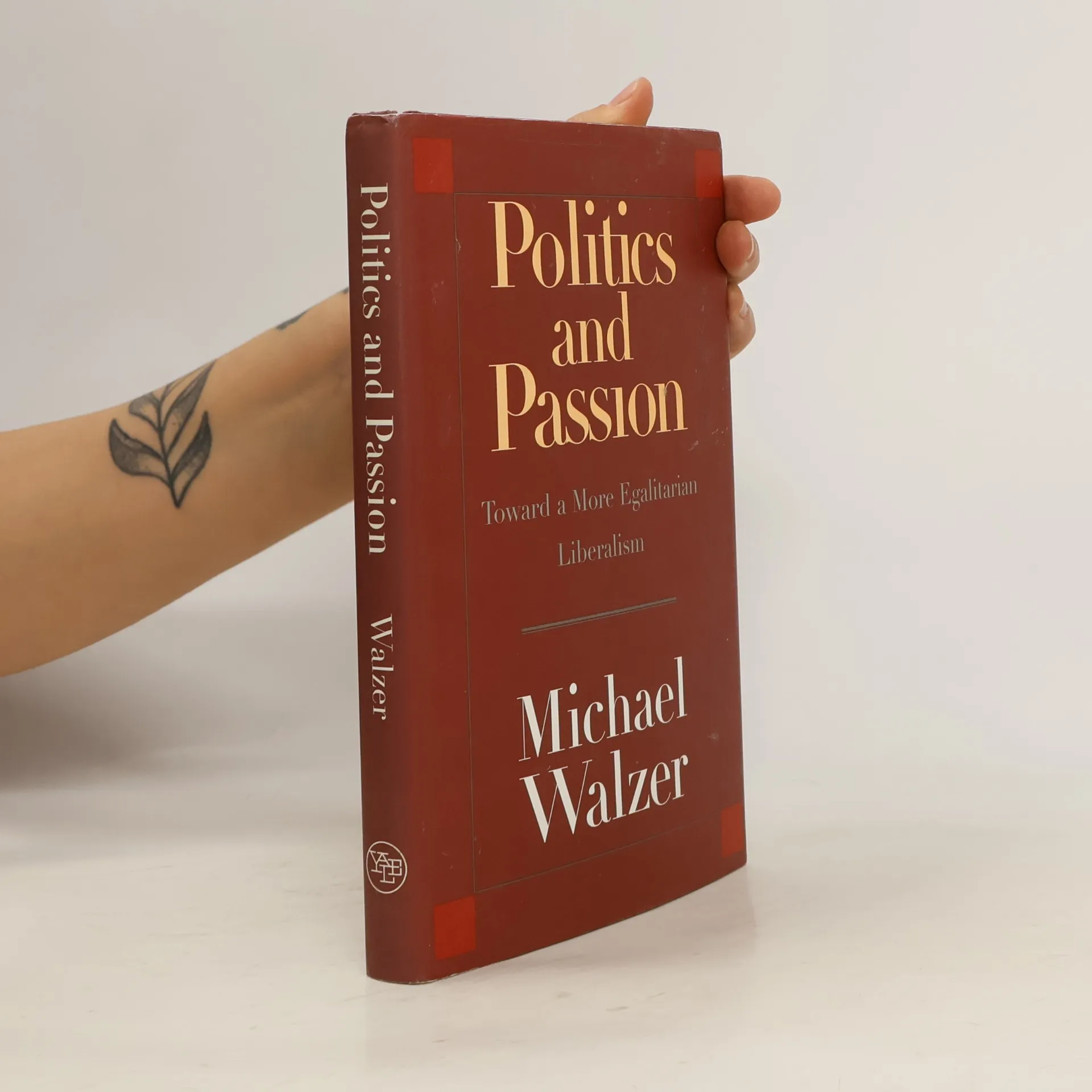
Liberalism is egalitarian in principle, but why doesn’t it do more to promote equality in practice? In this book, the distinguished political philosopher Michael Walzer offers a critique of liberal theory and demonstrates that crucial realities have been submerged in the evolution of contemporary liberal thought. In the standard versions of liberal theory, autonomous individuals deliberate about what ought to be done—but in the real world, citizens also organize, mobilize, bargain, and lobby. The real world is more contentious than deliberative. Ranging over hotly contested issues including multiculturalism, pluralism, difference, civil society, and racial and gender justice, Walzer suggests ways in which liberal theory might be revised to make it more hospitable to the claims of equality. Combining profound learning with practical wisdom, Michael Walzer offers a provocative reappraisal of the core tenets of liberal thought. Politics and Passion will be required reading for anyone interested in social justice—and the means by which we seek to achieve it.
Pluralism, Justice, and Equality
- 318 pages
- 12 hours of reading
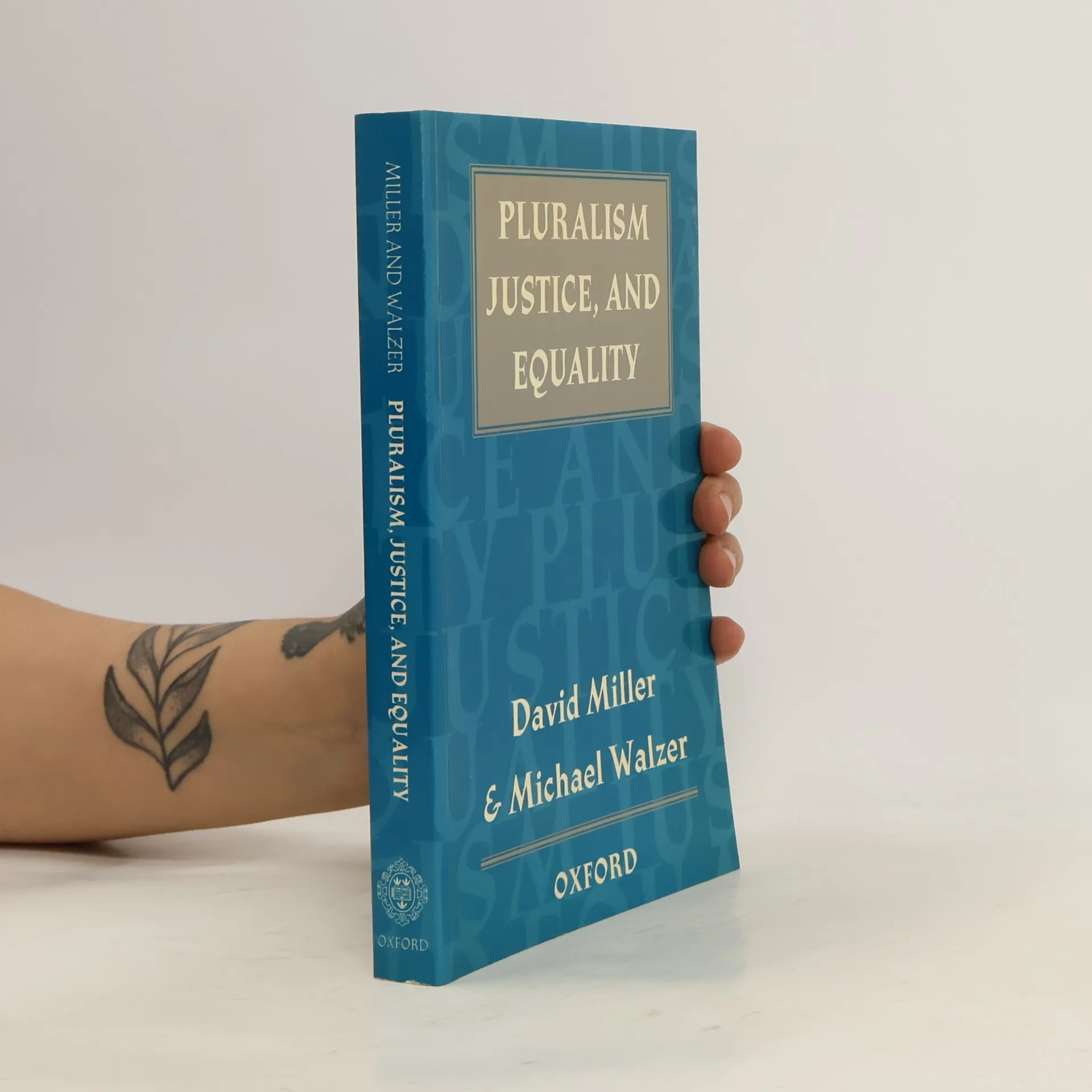
The essays in this book by a group of leading political theorists assess and develop the central ideas of Michael Walzer's path-breaking Spheres of Justice . Is social justice a radically plural notion, with its principles determined by the different social goods that men and women allocate to one another? Is it possible to prevent the unequal distribution of money and power from distorting the allocation of other goods? Are there universal principles of justice which apply regardless of context? These and other related questions are pursued in depth by the contributors.
Erklärte Kriege - Kriegserklärungen
- 150 pages
- 6 hours of reading
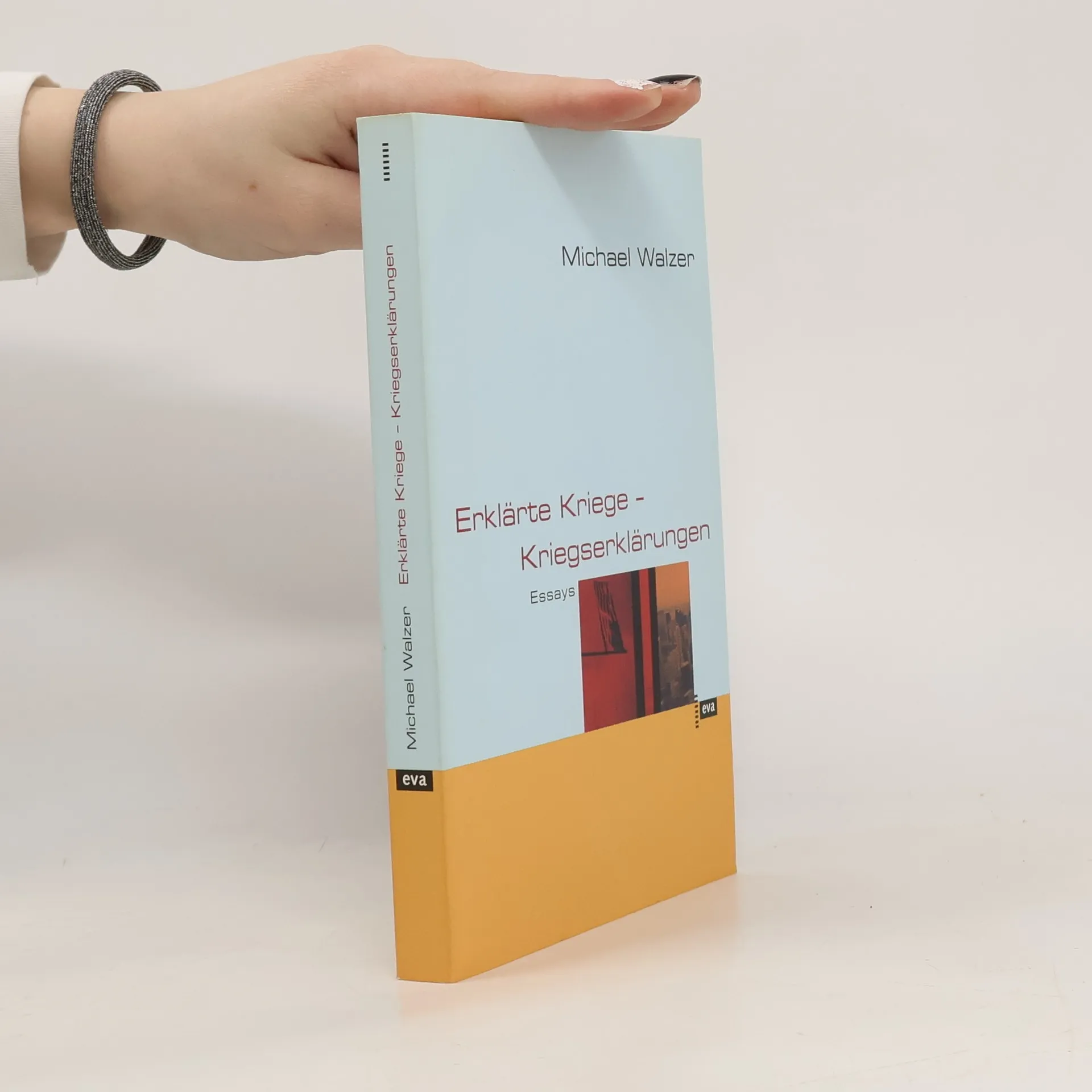
Gibt es einen gerechten Krieg und wie ließe er sich begründen? Fände sich eine Begründung, welches wären die Folgen? Unter diesen beiden Leitfragen beschäftigt sich Michael Walzer seit 30 Jahren mit den Formen staatlicher Gewalt. Der hier vorliegende Band versammelt die Stationen dieser Auseinandersetzung mit dem Ziel, sie für die aktuelle Debatte, den Kampf gegen den Terror und das Selbstverständnis kritischer Gesellschaftsbetrachtung, fruchtbar zu machen. Der erste Teil fragt: Wie ist eine Ethik des Krieges beschaffen? Und wie steht es um die Politik der militärischen Intervention aus humanitären Gründen? Im zweiten Teil werden die wichtigsten Stationen seit dem Ende des Vietnamkriegs aufgeführt: die militärischen Einsätze in Somalia, im Golfkrieg und im Kosovo. Am Ende stehen selbstverständlich Überlegungen zum gerechten Krieg nach dem 11. September. Hier ist eine glaubwürdige linke Position zu formulieren, heißt für ihn zweierlei: sich von einer reflexhaften Solidarität mit den „Verdammten dieser Erde“ zu lösen und - in durchaus patriotischer Absicht - die Verwundbarkeit der eigenen Gesellschaft samt ihrer Institutionen anzuerkennen und ihre Werte zu verteidigen.
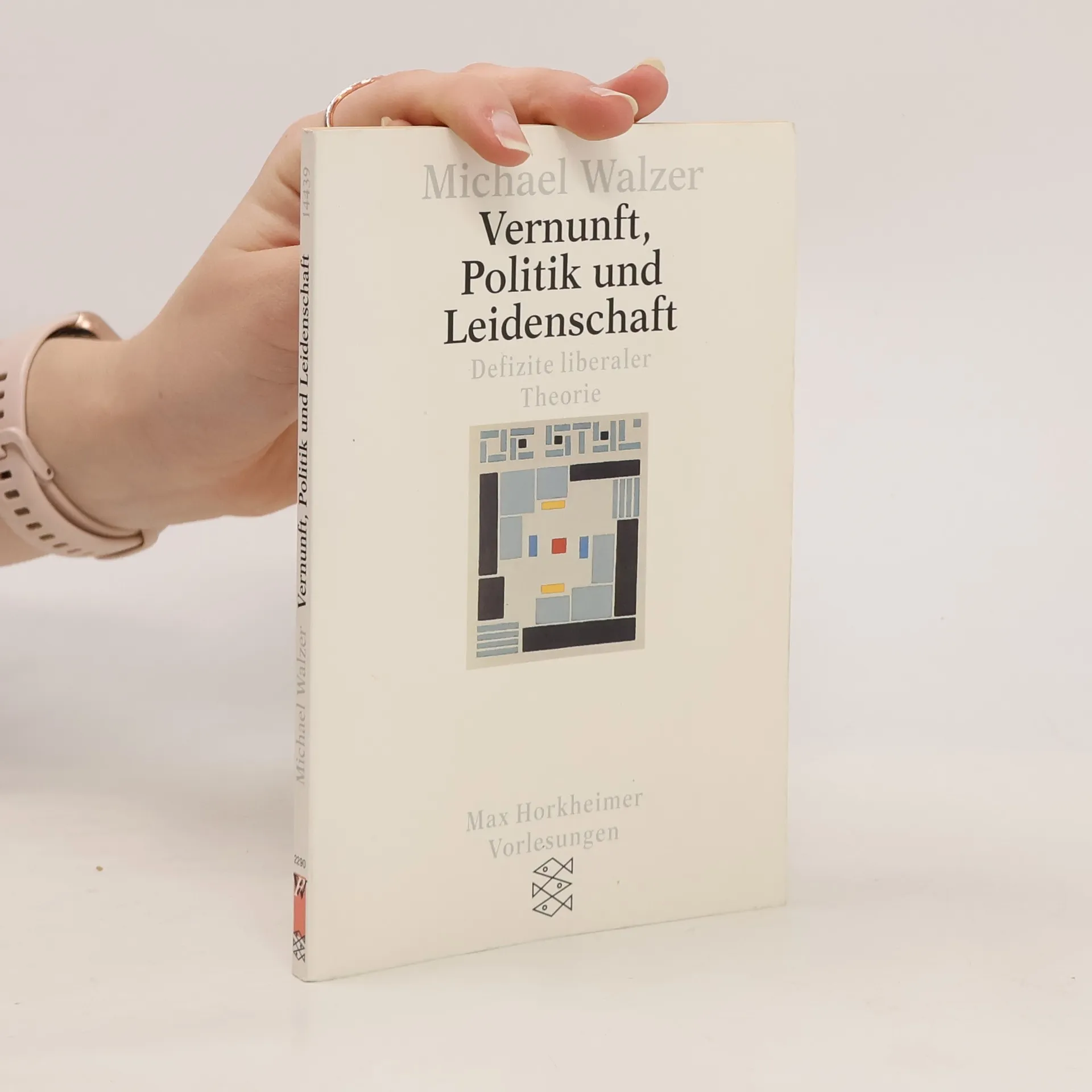
Vernunft, Politik und Leidenschaft
- 93 pages
- 4 hours of reading
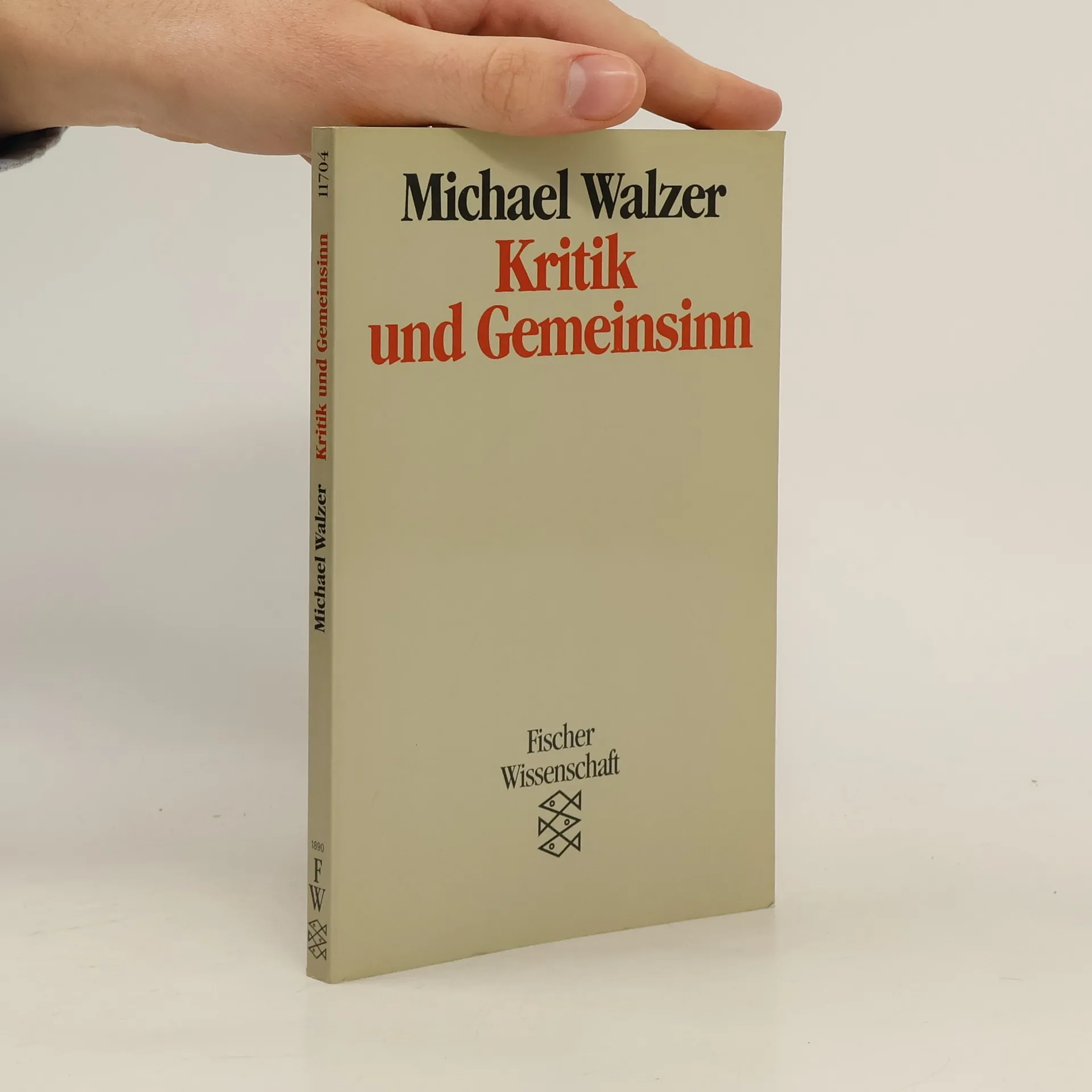
Der Kommunitarismus sei ein sinnvolles Korrektiv liberaler Politiktheorie, wenn auch kein substantielles politisches Programm - so argumentierte Michael Walzer in seinem vielbeachteten Aufsatz über „Die kommunitaristische Kritik am Liberalismus“. Seine 'Max Horkheimer Vorlesungen' sind eine Vertiefung dieser Kritik an liberalistischer Theorie und Praxis. Im ersten Kapitel korrigiert Walzer das Bild vom autonomen Individuum, das einzig aufgrund seiner eigenen freien Wahl sich bestimmten Gemeinschaften oder Bewegungen anschließe. Das zweite Kapitel arbeitet heraus, daß rationale, wohlabgewogene Entscheidungen nur einen kleinen Teil des realen politischen Prozesses in Demokratien ausmachen. Soziale Konflikte verschiedener Größenordnungen sind ungleich bestimmendere Realitäten. Im dritten Teil schließlich behandelt Walzer die Rolle der Leidenschaften in der Politik, welche die liberalen Theoretiker gemeinhin herunterspielen, weil sie ins Bild vernünftiger Entscheidungsfindung nicht recht passen wollen. Diese drei Defizite sind in den Augen Walzers dafür verantwortlich, daß liberale Theorie in ihren zeitgenössischen Versionen die realen Situationen und Konfliktfälle ungerechtfertigter Ungleichheit eher ausblendet, als zu ihrer Beseitigung beiträgt.
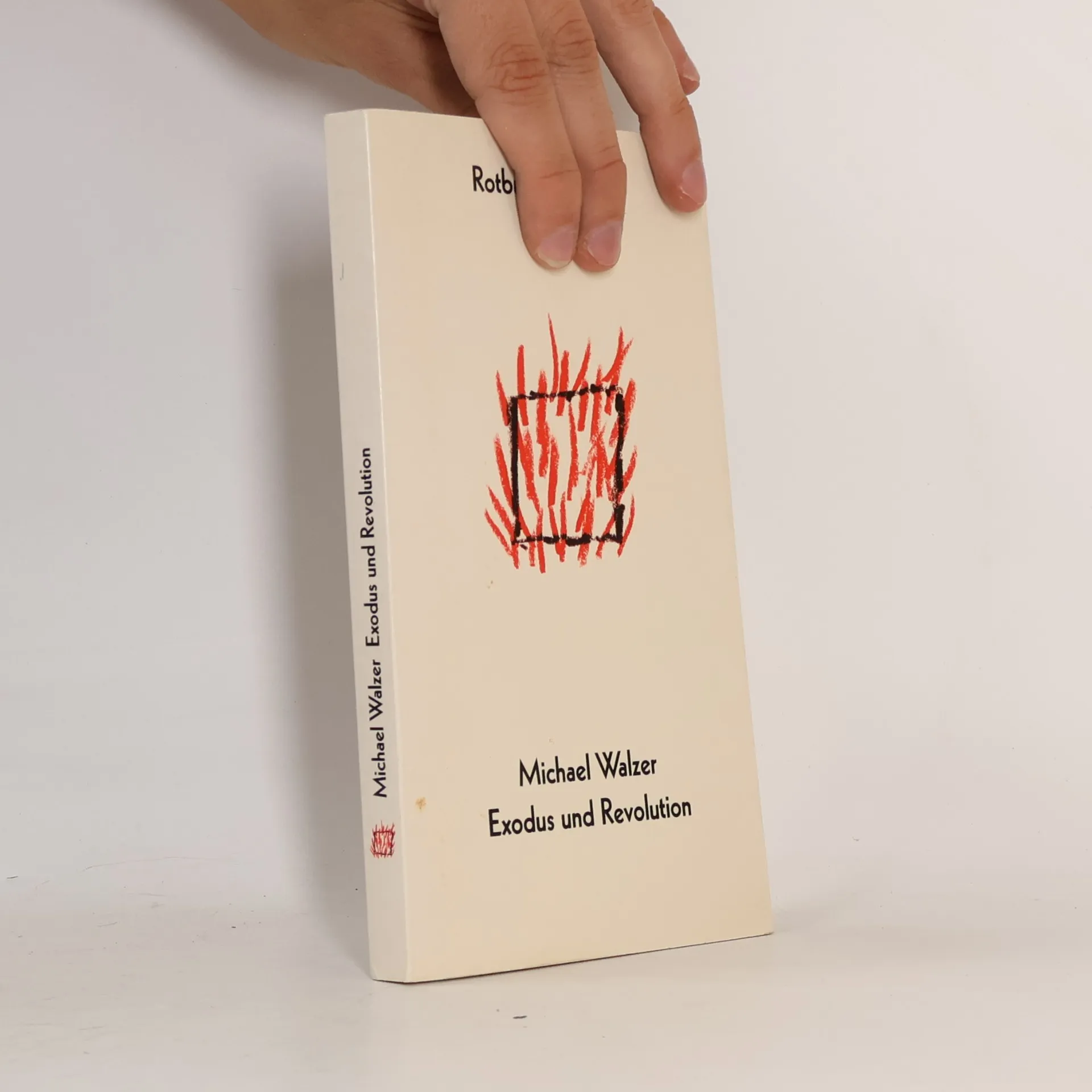
Exodus und Revolution
- 171 pages
- 6 hours of reading
Die biblische Erzählung des Exodus, die den Weg vom Ägypten in die Wüste und ins gelobte Land beschreibt, wird seit Jahrhunderten als Metapher für Befreiung und Revolution gedeutet. Diese große Geschichte hat das Erzählen anderer Geschichten inspiriert, von Savonarola über Calvin bis hin zu Cromwell und den Puritanern sowie zur modernen Befreiungstheologie. Michael Walzer, ein bedeutender amerikanischer politischer Philosoph, bietet in diesem faszinierenden Werk seinen Kommentar zum Exodus-Text an. Er entschlüsselt die verschiedenen Bedeutungen des Exodus und beleuchtet die Tradition des politischen Radikalismus. Walzer thematisiert die Natur der Unterdrückung (Ägypten), die Herausforderungen der Befreiung (das Murren in der Wüste) und die Bedeutung individueller Entscheidungen im Kontext des Gesellschaftsvertrags, der Rechte und Pflichten für das kollektive Leben definiert (der Bund). Er präsentiert das gelobte Land nicht als utopisches Paradies, sondern als einen besseren Ort im Vergleich zu Ägypten. Der Weg dorthin führt durch die Wüste, und es gibt nur einen Weg: Hand in Hand zu gehen und zu marschieren.
Alte Kriege - Neue Kriege
- 200 pages
- 7 hours of reading
Michael Walzer untersucht in "Alte und Neue Kriege" die Fragen nach der Gerechtigkeit von Kriegen und deren Begründung. Die ergänzte Neuausgabe, herausgegeben von Otto Kallscheuer, berücksichtigt auch die jüngsten Konflikte.
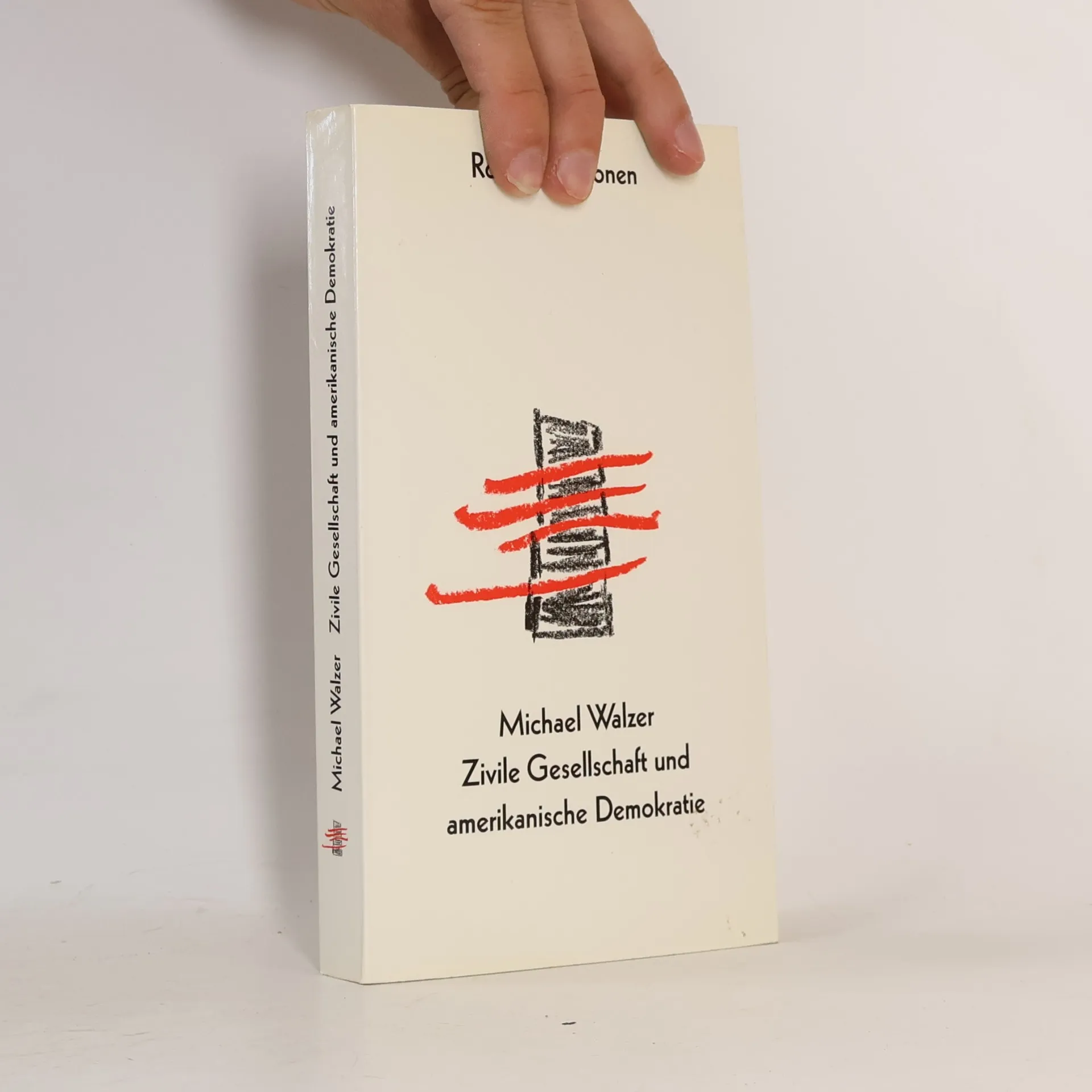
Zivile Gesellschaft und amerikanische Demokratie
- 266 pages
- 10 hours of reading
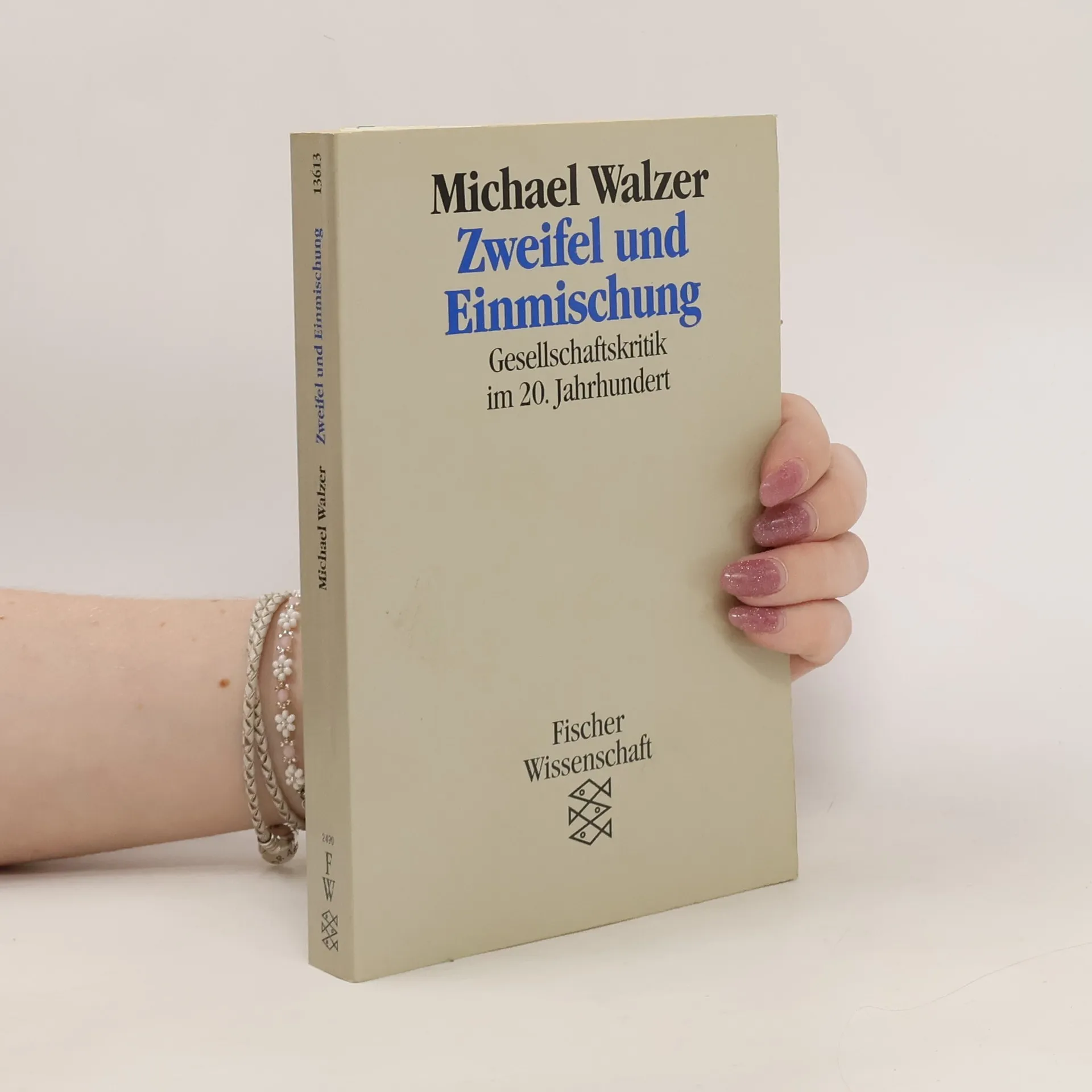
Zweifel und Einmischung
- 352 pages
- 13 hours of reading
Dieses Buch verbreitet keine „Lehre“. Aber es hilft uns zu verstehen, aus welchen Antrieben und zu welchem Ende der Gesellschaftskritiker die Gesellschaft kritisiert, an der er teilhat und in der er lebt. Seit Julien Bendas bitterer Abrechnung mit den Beflissenheitsgesten der Intellektuellen angesichts der Macht und der Mächtigen ist das Thema der politischen und ideologischen Verführbarkeit des Geistes immer wieder debattiert worden, aus konkretem Anlaß und unter wechselnden Vorzeichen. Das harte Problem, das hinter diesen Auseinandersetzungen steht, ist das der Verantwortung des Intellektuellen in der Gesellschaft. Michael Walzer erörtert diese Fragen an herausragenden Gesellschaftskritikern des 20. Jahrhunderts: Julien Benda, Randolph Bourne, Martin Buber, Antonio Gramsci, Ignazio Silone, George Orwell, Albert Camus, Simone de Beauvoir, Herbert Marcuse, Michel Foucault, Breyten Breytenbach. Sein Buch ist ein Beitrag zur Ortsbestimmung des „eingreifenden Denkens“ in der Epoche der öffentlichen Vorbehalte gegenüber der Rolle der Intellektuellen und der Selbstvorbehalte der Intellektuellen gegenüber ihren gesellschaftlichen Optionen oder Hoffnungen.
Sphären der Gerechtigkeit
- 478 pages
- 17 hours of reading
Die wissenschaftliche Gerechtigkeitsdebatte, jahrelang dominiert von John Rawls’ »Theorie der Gerechtigkeit«, erhielt 1983 durch Michael Walzer eine bedeutende Wendung. In Abgrenzung von Rawls und anderen Gerechtigkeitstheoretikern entwickelte Walzer in seinem inzwischen klassisch gewordenen Werk seine Vision einer »komplexen Gleichheit«. Er geht davon aus, dass wahre Gerechtigkeit nicht durch einen wörtlich verstandenen Gleichheitsbegriff verwirklicht werden kann: Vielmehr verlangen verschiedene wichtige Güter – Reichtum, Macht, Arbeit, Liebe – auch verschiedene Modi der Verteilung. Walzer setzt sich nachdrücklich für einen neuen pluralistischen Gleichheitsbegriff ein, der bis heute nichts an Aktualität verloren hat.
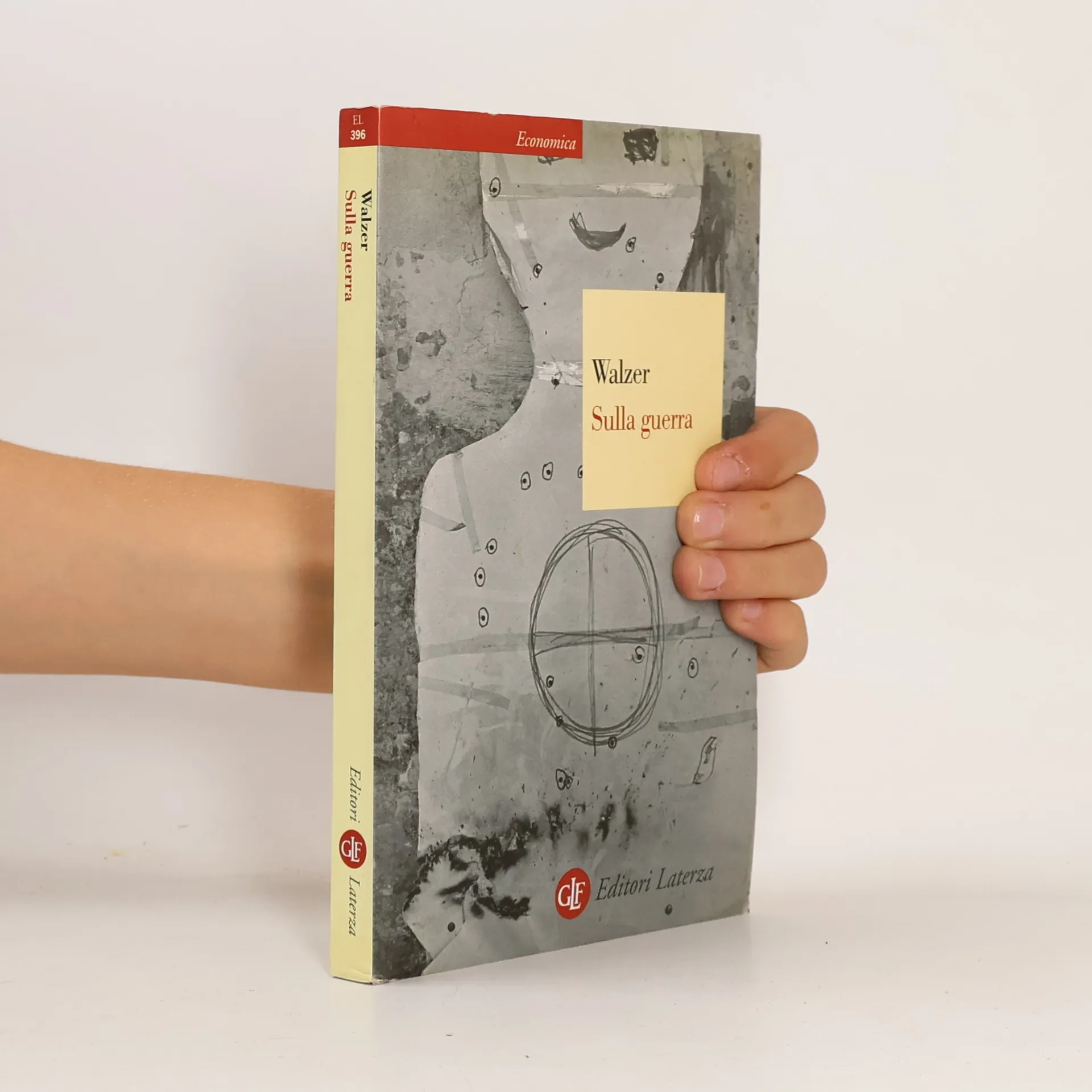
Economica Laterza - 396: Sulla guerra
- 203 pages
- 8 hours of reading
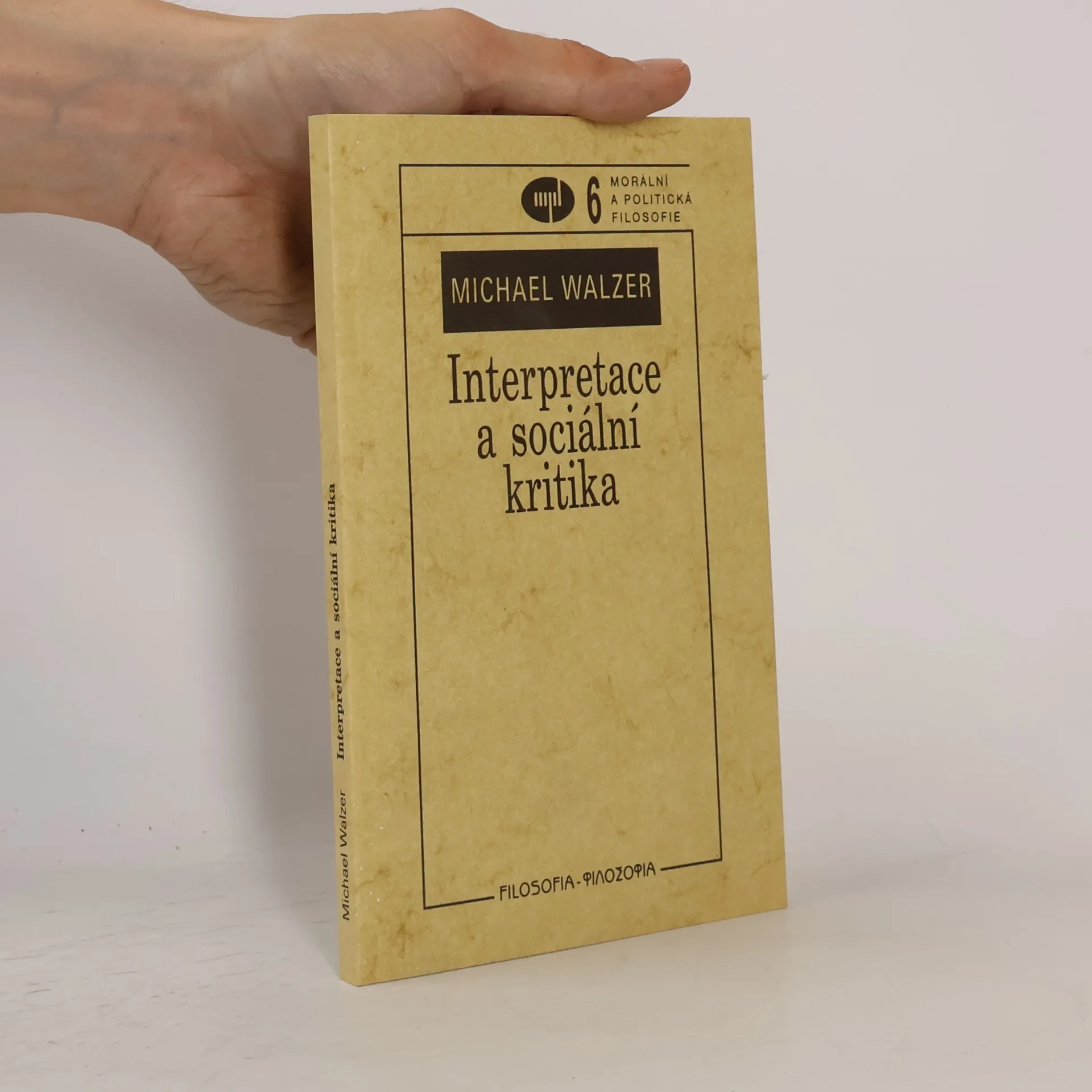
Interpretace a sociální kritika.
- 151 pages
- 6 hours of reading
Autor se v knize pokouší poskytnout filosofický rámec chápání sociální kritiky jako společenské praxe. Odůvodňuje tezi, že nejvhodnější je chápat sociální kritiku jako kritickou interpretaci.
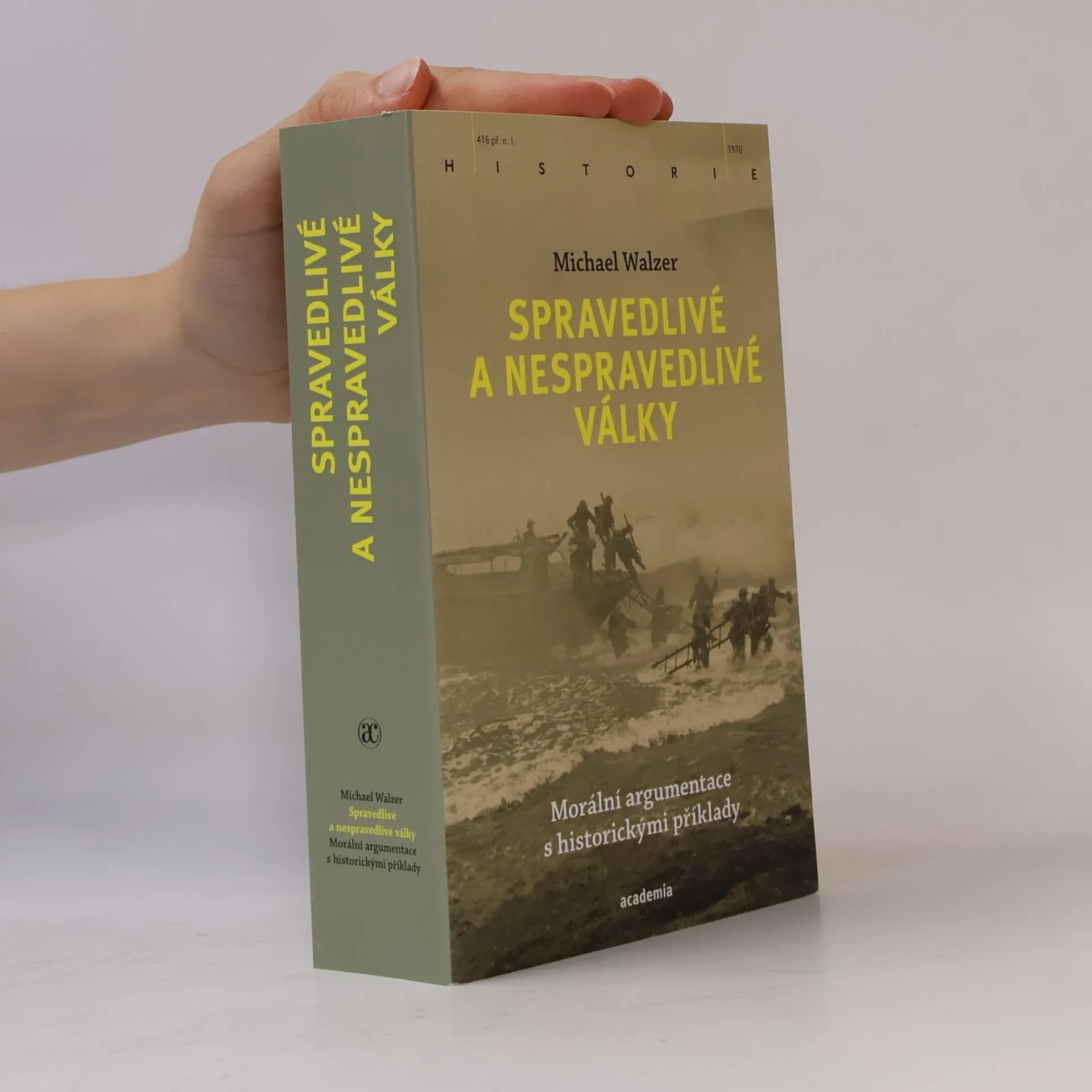
Spravedlivé a nespravedlivé války: Morální argumentace s historickými příklady
- 560 pages
- 20 hours of reading
Kniha je označována jako nejvýznamnější dílo současnosti v teorii spravedlivé války. Poprvé byla vydána v roce 1977 a nyní vychází česky s novou předmluvou a doslovem. Zkoumá morální otázky, jež vyvstávají před válkami, které vedeme, během nich a po nich. Úvahy a argumentaci doplňují historické ilustrace – od útoku Athéňanů na Mélos přes masakr v My Lai až po Afghánistán a ještě dál. Walzer těží z historických líčení, svědectví účastníků, z historických rozhodnutí a vyprávění obětí, aby vysvětlil, kdy je válka oprávněná a kdy ty, kteří válku vedou, omezují etické limity.
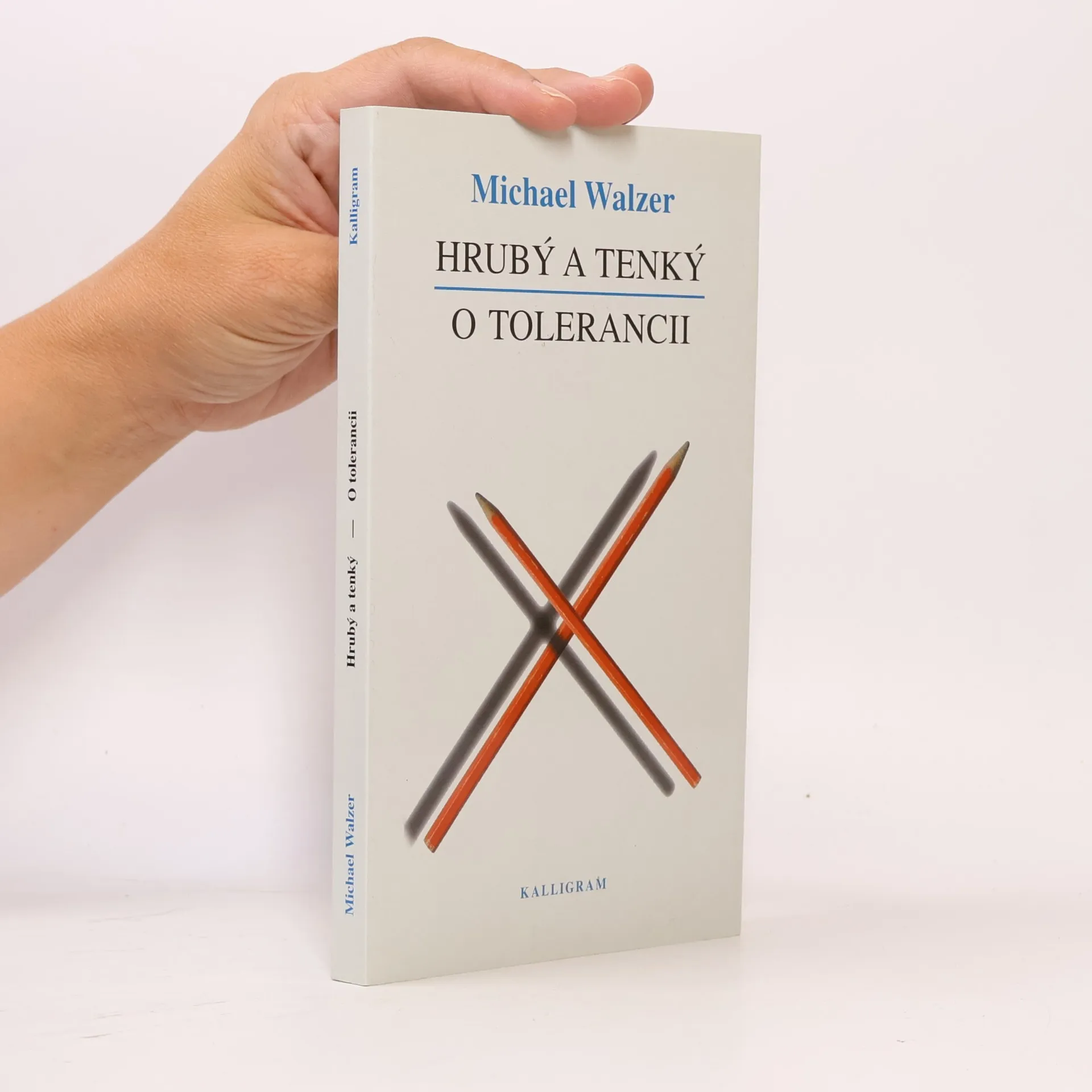
Hrubý a tenký / O tolerancii
- 237 pages
- 9 hours of reading
Dve diela významného amerického filozofa o morálke a politike. Dielo Hrubý a tenký je o výzvach, uprostred ktorých sa po kolapse komunistických režimov ocitol svet a postkomunistické režimy zvlášť, o tom, ako v tejto zložitej spleti distribuovať dobro a spravodlivosť. Druhá práca O tolerancii dopĺňa túto myšlienku úvahami o režimoch tolerancie, o tom, ako môže tolerancia fungovať v podmienkach náboženskej, rasovej, etnickej, kmeňovej rôznorodosti.