
Explore the latest books of this year!
Bookbot

George Weigel

    April 17, 1951

    This American author and political activist primarily engages with ethics and public policy, often focusing on the relationship between religion and liberal democracy. His work explores the challenges of a free society within the context of capitalism, emphasizing the moral dimensions of political life. He acts as a significant intellectual voice seeking to connect theological thought with the practical issues of the contemporary world. His analyses are valuable for understanding the deeper philosophical underpinnings of political and social systems.

    George Weigel
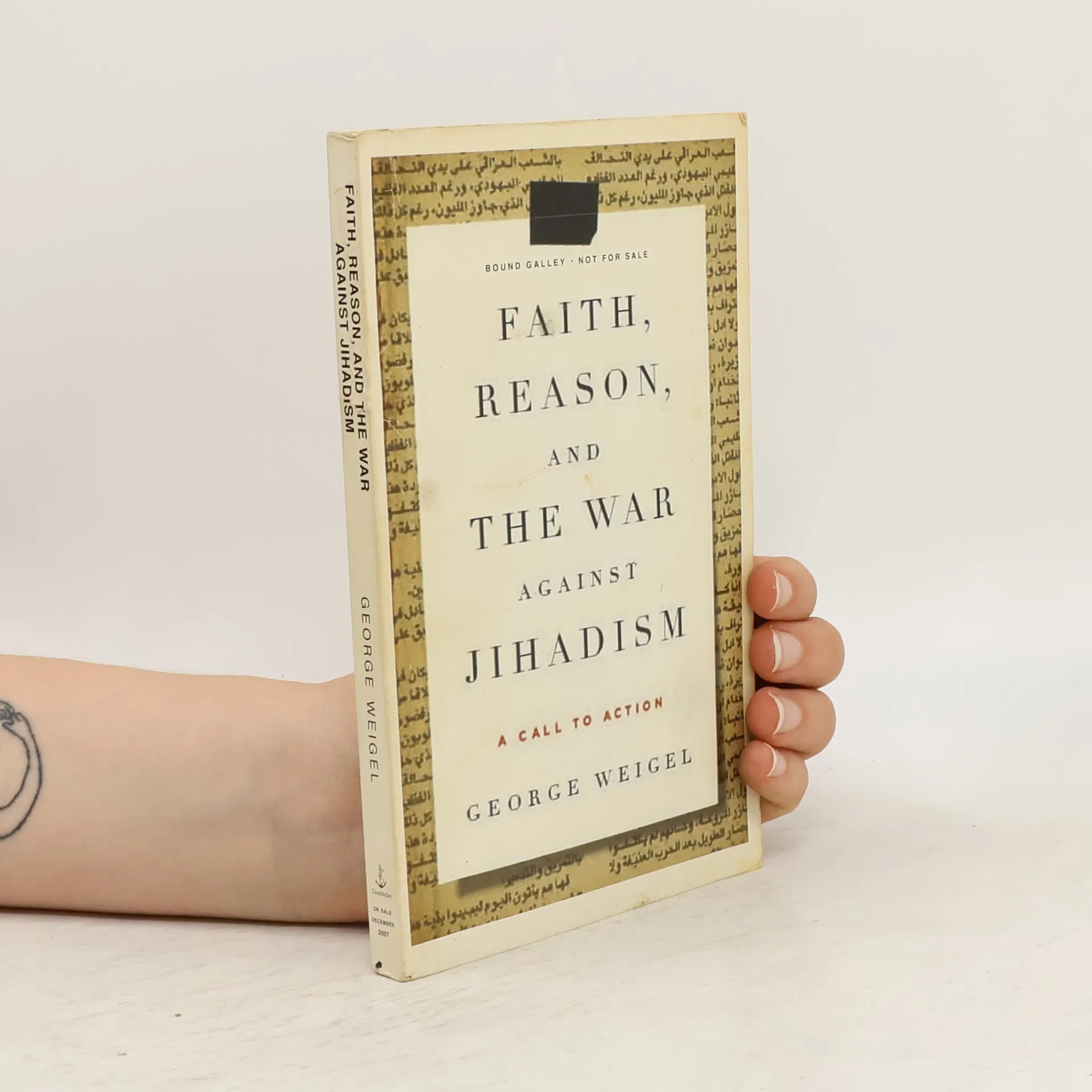
    Faith, Reason, and the War Against Jihadism
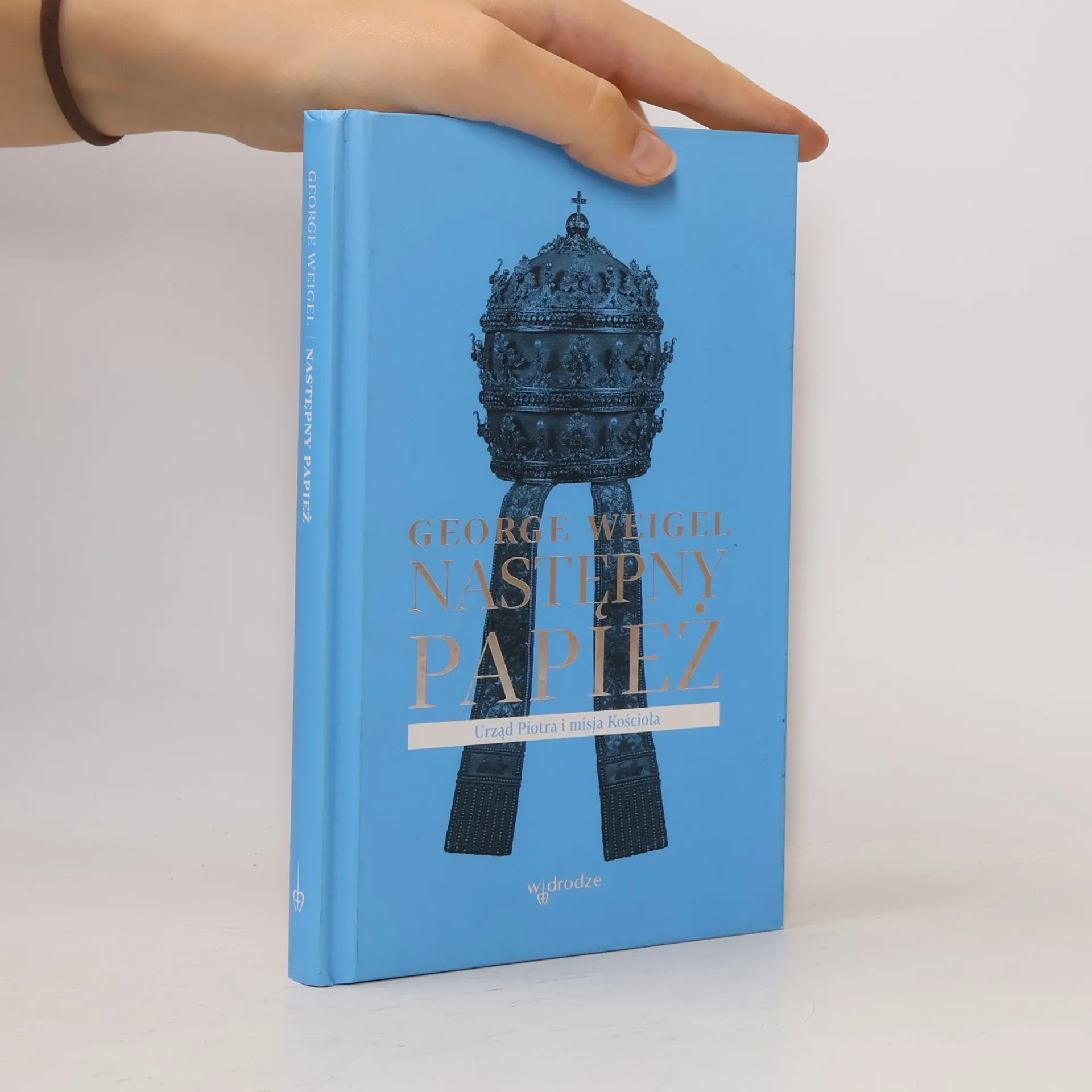
    Next Pope: The Office of Peter and a Church in Mission
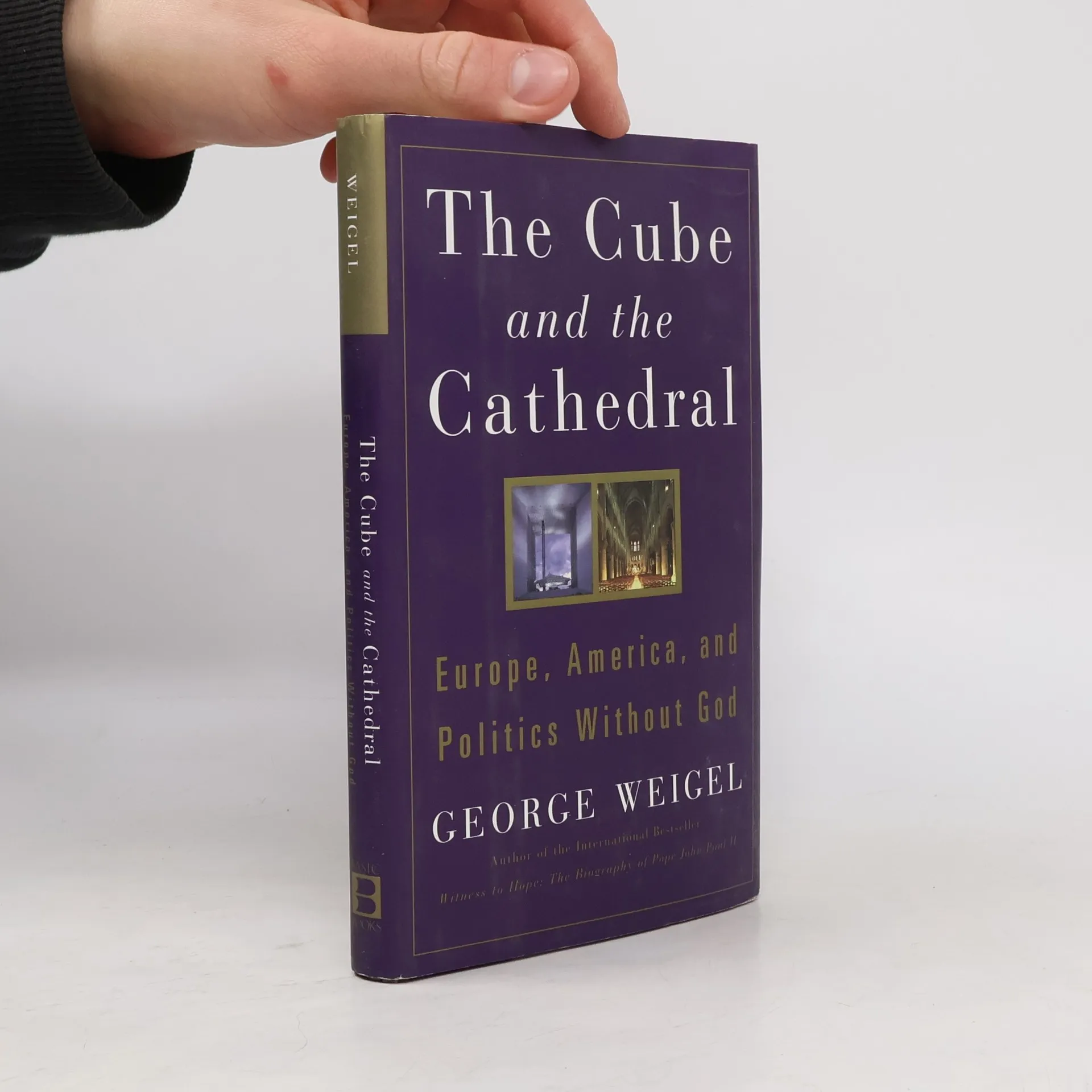
    Not Forgotten: Elegies For, and Reminiscences Of, a Diverse Cast of Characters, Most of Them Admirable
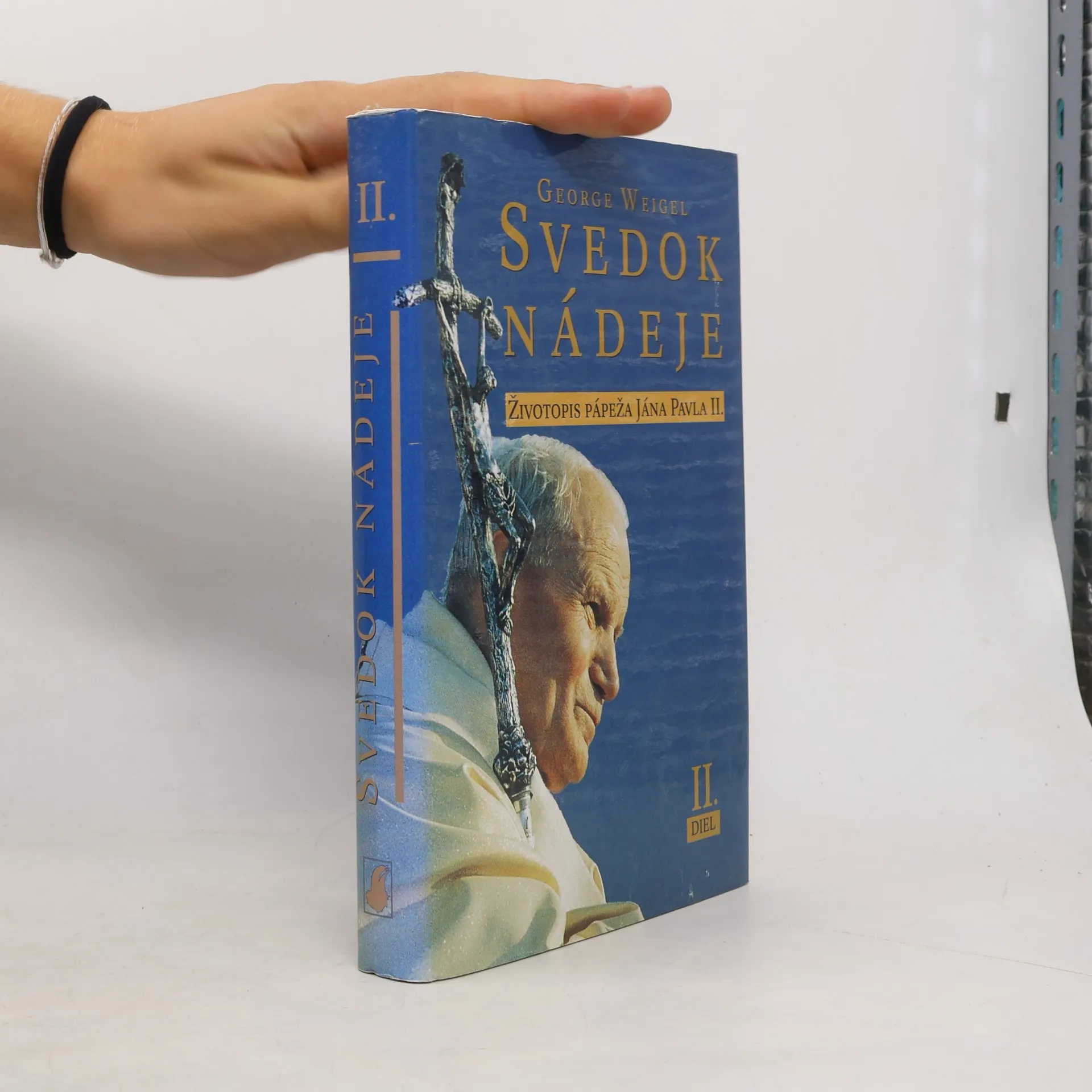
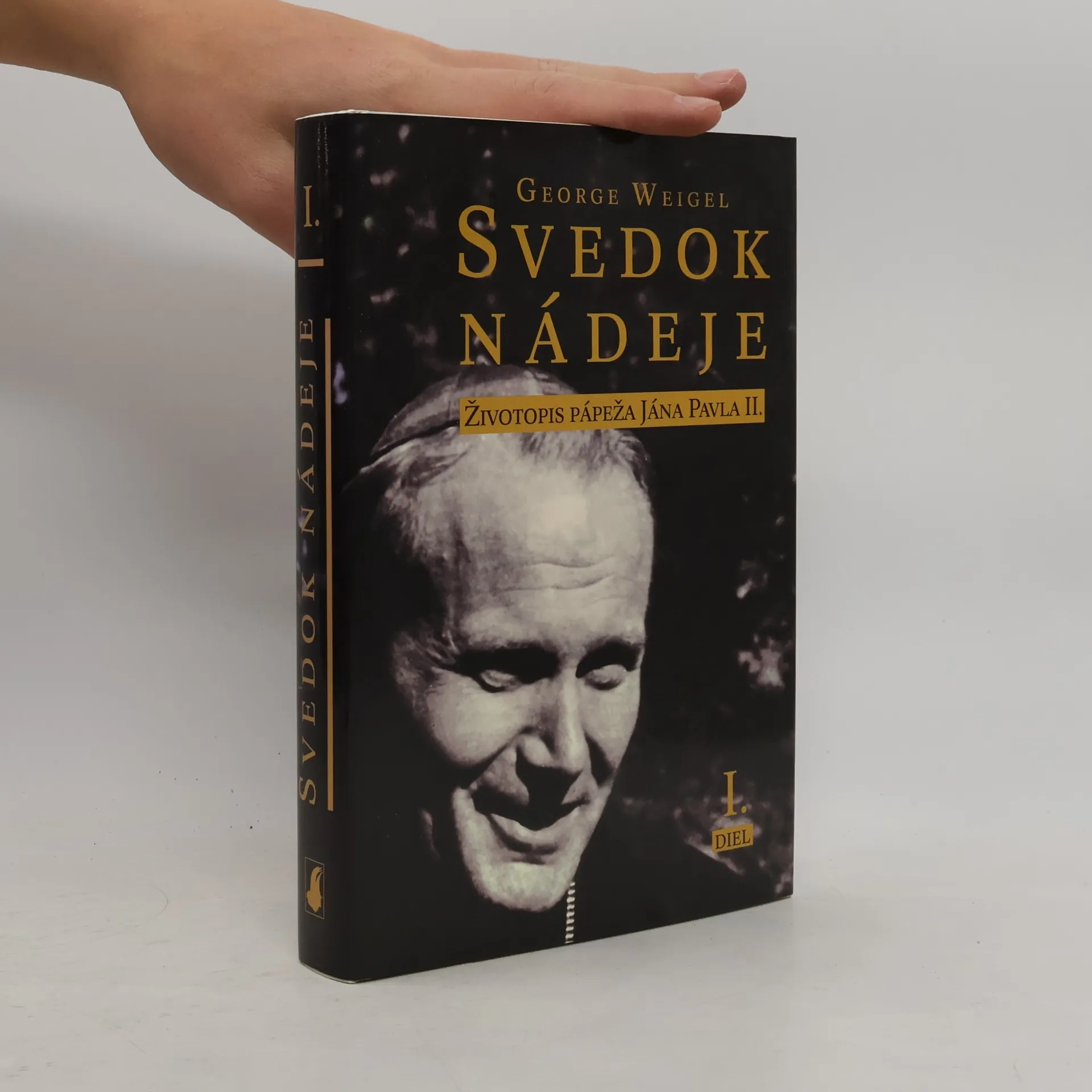
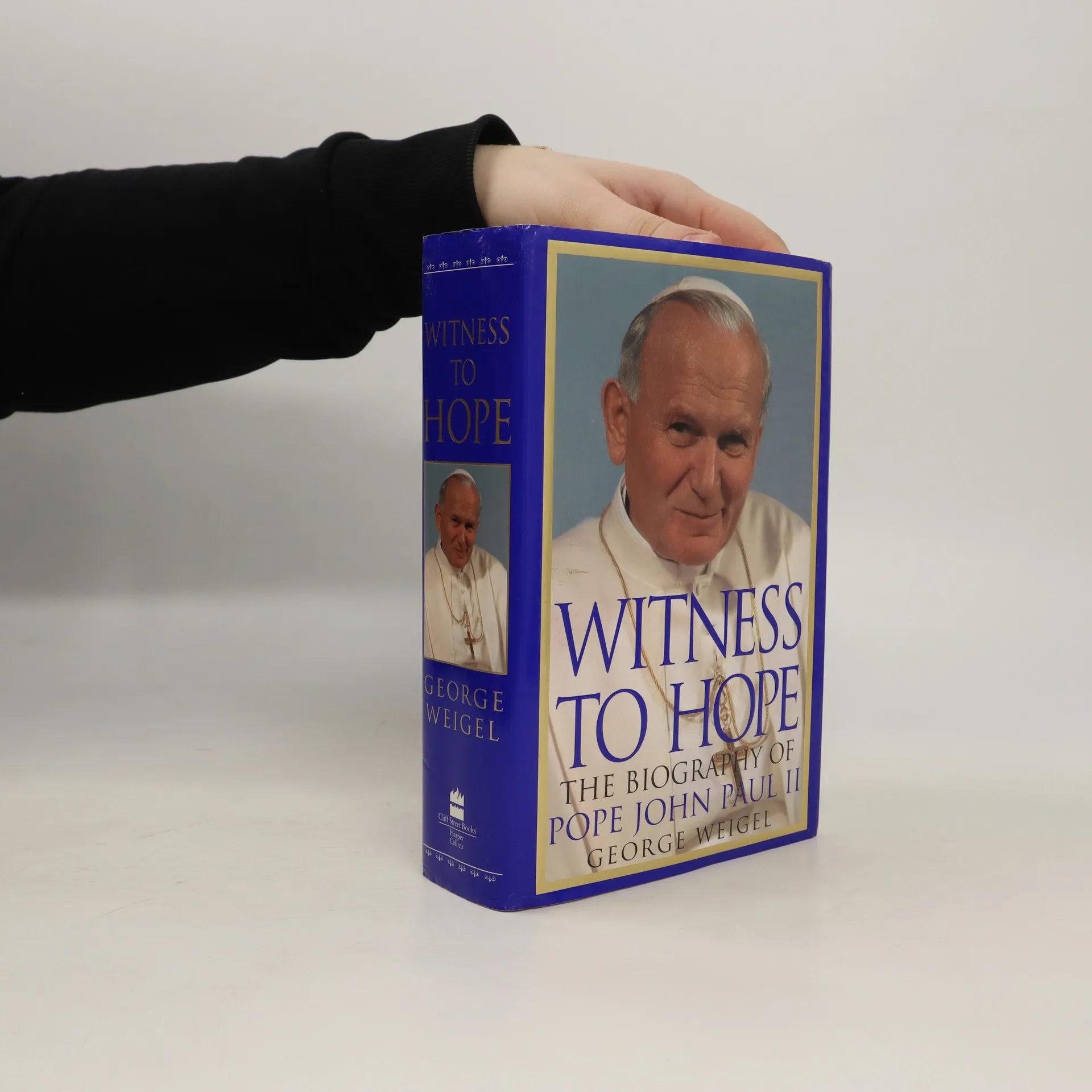
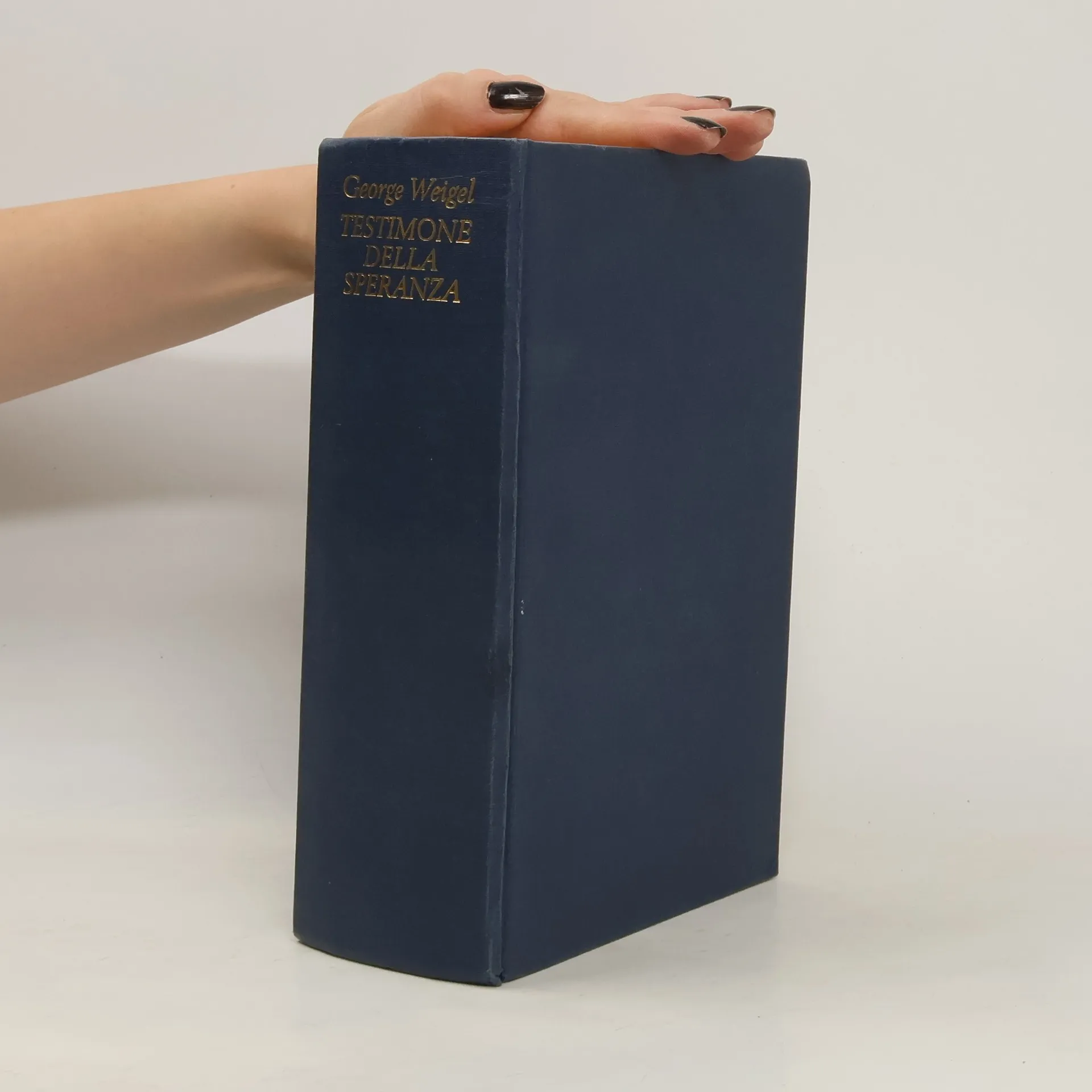
    Witness to Hope
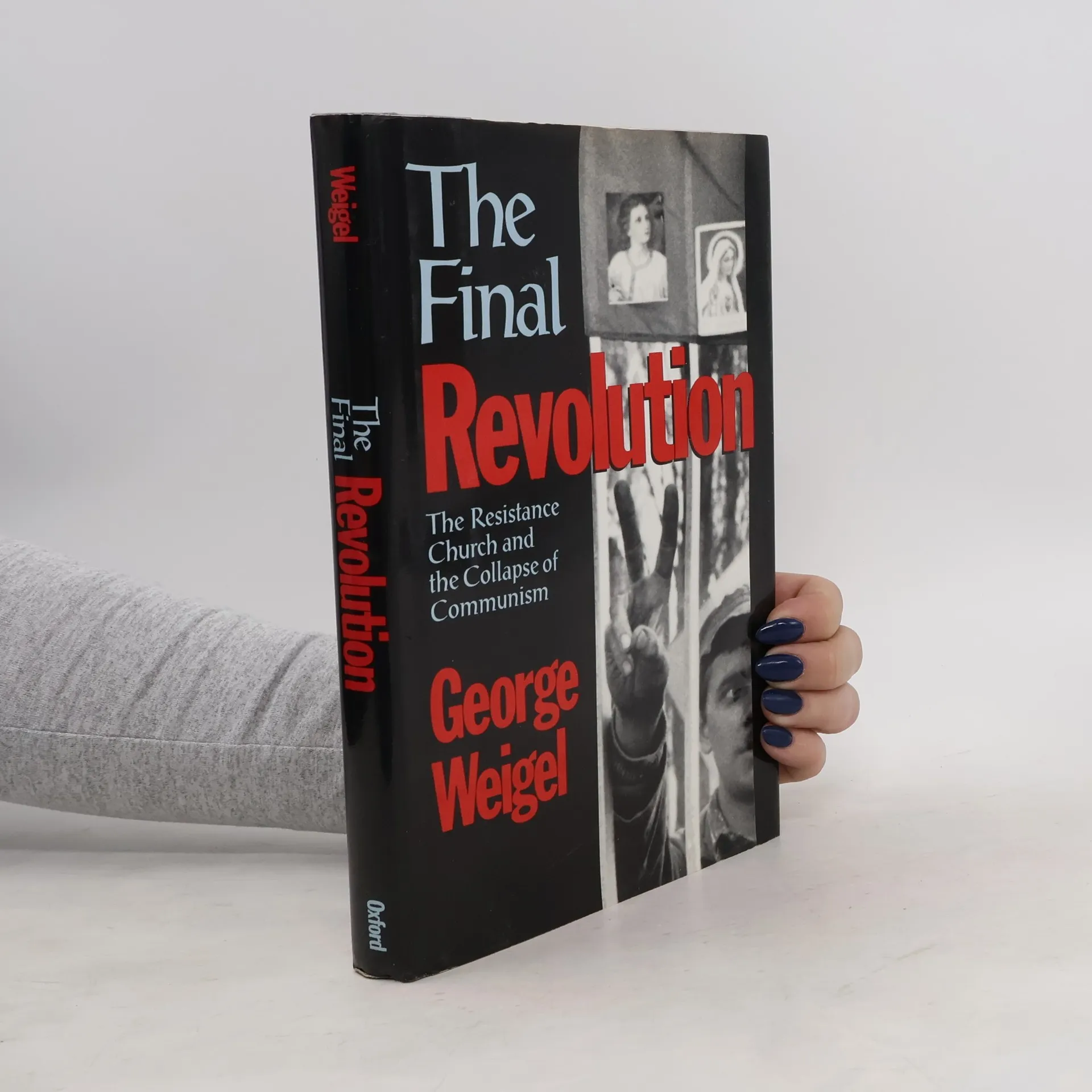
    The Final Revolution
    Letters to a Young Catholic
    • Letters to a Young Catholic

      • 368 pages
      • 13 hours of reading
      4.5(78)Add rating

      For the faithful, the doubtful, and the searchers of every age, these letters convey the power of the Catholic faith that is at once personal and universal, timely and eternal. In this remarkable exploration of the Catholic world, prominent Catholic author and papal biographer George Weigel offers a luminous collection of letters to young Catholics, not-so-young Catholics, and curious souls who wonder what it means to be Catholic today. Weigel takes readers on an epistolary tour of Catholic landmarks -- from Chartres Cathedral to St. Mary's Church in Greenville, South Carolina; from the Holy Sepulcher in Jerusalem to G.K. Chesterton's favorite pub in Oxford; and from the grave of a modern martyr in Warsaw to the Sistine Chapel. Weaving together insights from history, literature, theology, and music, Weigel illuminates the beliefs that give Catholicism its distinctive texture and explores the theological importance of grace, prayer, vocation, sin and forgiveness, suffering, and -- most importantly -- love. To a world that sometimes seems closed and claustrophobic, he suggests, Christian humanism offers a world with windows and doors -- and a skylight.
      Letters to a Young Catholic
    • The collapse of communism in central and eastern Europe--the Revolution of 1989--was a singularly stunning event in a century already known for the unexpected. How did people divided for two generations by an Iron Curtain come so suddenly to dance together atop the Berlin Wall? Why did people who had once seemed resigned to their fate suddenly take their future into their own hands? Some analysts have explained the Revolution in economic terms, arguing that the Warsaw Pact countries could no longer compete with the West. But as George Weigel argues in this thought-provoking volume, people don't put their lives, and their children's futures, in harm's way simply for better cars, refrigerators, and TVs. Something else--something more--had to happen behind the iron curtain before the Wall came tumbling down. In The Final Revolution, Weigel argues that that "something" was a revolution of conscience. The human turn to the good, to the truly human, and, ultimately, to God, was the key to the political Revolution of 1989. Weigel provides an in-depth exploration of how the Catholic Church shaped the moral revolution inside the political revolution. Drawing on extensive interviews with key leaders of the human rights and resistance movements, he opens a unique window into the soul of the Revolution and into the hearts and minds of those who shaped this stirring vindication of the human spirit. Weigel also examines the central role played by Pope John Paul II in confronting what V'aclav Havel called communism's "culture of the lie," and he suggests what the future role of the Church might be in consolidating democracy in the countries of the old Warsaw Pact. The "final revolution" is not the end of history, Weigel concludes. It is the human quest for a freedom that truly satisfies the deepest yearnings of the human heart. The Final Revolution illustrates how that quest changed the face of the twentieth century and redefined world politics in the year of miracles, 1989

      The Final Revolution
    • The Definitive Biography of Pope John Paul II Witness to Hope is the authoritative biography of one of the singular figures -- some might argue the singular figure -- of our time. With unprecedented cooperation from John Paul II and the people who knew and worked with him throughout his life, George Weigel offers a groundbreaking portrait of the Pope as a man, a thinker, and a leader whose religious convictions defined a new approach to world politics -- and changed the course of history. As even his critics concede, John Paul II occupied a unique place on the world stage and put down intellectual markers that no one could ignore or avoid as humanity entered a new millennium fraught with possibility and danger. The Pope was a man of prodigious energy who played a crucial yet insufficiently explored role in some of the most momentous events of our time, including the collapse of European communism, the quest for peace in the Middle East, and the democratic transformation of Latin America. This updated edition of Witness to Hope explains how this "man from a far country" did all of that, and much more -- and what both his accomplishments and the unfinished business of his pontificate mean for the future of the Church and the world.

      Witness to Hope
    • The collection features essays originally published across various media, including newspapers and magazines, showcasing George Weigel's insights. Many pieces stem from his weekly column, The Catholic Difference, reflecting on themes of faith, culture, and contemporary issues. This compilation offers readers a thoughtful exploration of Catholic thought and its relevance in today's world.

      Not Forgotten: Elegies For, and Reminiscences Of, a Diverse Cast of Characters, Most of Them Admirable
    • The Catholic Church is on the verge of a transition of great consequence. As Catholic theologian, historian, and papal biographer George Weigel notes, the next pope will probably have been a teenager or a very young man during the Second Vatican Council (1962-1965); he may even have been a child during those years. Thus the next pope will not have been shaped by the experience of the Council and the immediate debates over its meaning and reception like Pope John Paul II, Pope Benedict XVI, and Pope Francis. The next pope, Weigel writes, "will be a transitional figure in a different way than his immediate predecessors. So it seems appropriate to ponder now what the Church has learned during the pontificates of these three conciliar popes--and to suggest what the next pope might take from that learning." Drawing on his personal discussions with John Paul II, Benedict XVI, and Francis, as well as his decades of experience with Catholics from every continent, George Weigel examines the major challenges confronting the Catholic Church and its 1.3 billion believers in the twenty-first century: challenges the next pontificate must address as the Church enters new, uncharted territory. To what is the Holy Spirit calling this Church-in-transition? What are the qualities needed in the man who will lead the Church from the Chair of Saint Peter? Weigel proposes what the Catholic leaders of the future, especially the next pope, must do to remain faithful to the Holy Spirit's summons to renewed evangelical witness, intensified missionary fervor, and Christ-centered reform in the wake of grave institutional failures, mission confusion, counter-witness, and the secularist challenge to biblical faith. --Book jacket

      Next Pope: The Office of Peter and a Church in Mission
    • To Sanctify the World

      • 368 pages
      • 13 hours of reading

      A leading Catholic intellectual argues that the humanist teachings of the highly controversial Second Vatican Council are essential to the future of the Catholic church

      To Sanctify the World
    • The End and the Beginning

      Pope John Paul II -- The Victory of Freedom, the Last Years, the Legacy

      • 590 pages
      • 21 hours of reading

      “As March gave way to April in the spring of 2005 and the world kept vigil outside the apostolic palace in Rome, the pontificate of Pope John Paul II, then drawing to a poignant end, was already being described as one of the most consequential in two millennia of Christian history.” With these words, world-renowned author and NBC Vatican analyst George Weigel begins his long-awaited sequel to the international bestseller Witness to The Biography of Pope John Paul II. More than ten years in the making, The End and the Pope John Paul II—The Victory of Freedom, the Last Years, the Legacy tells the dramatic story of the Pope’s battle with communism in light of new and recently disclosed information and brings to a close Weigel’s landmark portrait of a man who not only left an indelible mark on the Catholic Church, but also changed the course of world history. When he was elected pope in the fall of 1978, few people had ever heard of the charismatic Karol Wojty³a. But in a very short time he would ignite a revolution of conscience in his native Poland that would ultimately lead to the collapse of European communism and death of the Soviet Union. What even fewer people knew was that the KGB, the Polish Secret Police, and the East German Stasi had been waging a dangerous, decades-long war against Wojty³a and the Vatican itself. Weigel, with unprecedented access to many Soviet-era documents, chronicles John Paul’s struggle against the dark forces of communism. Moreover, Weigel recounts the tumultuous last years of John Paul’s life as he dealt with a crippling illness as well as the “new world disorder” and revelations about corruption within the Catholic Church. Weigel’s thought-provoking biography of John Paul II concludes with a probing and passionate assessment of a man who lived his life as a witness to hope in service to the Christian ideals he embraced.

      The End and the Beginning
    • To poruszająca książka, która przymusza czytelnika do przemyślenia swej wiary oraz katolickości. George Weigel sprowokował nią już debatę w kolegium kardynalskim, a teraz rozpoczyna ją w Kościele na całym świecie. To publikacja o wyzwaniach nowego papieża, który w świecie pełnym zamętu będzie musiał łączyć wierność tradycji z odwagą pioniera nowej ewangelizacji. Maciej Zięba OP, dominikanin, teolog, filozof, publicysta.

      Następny papież. Urząd Piotra i misja Kościoła