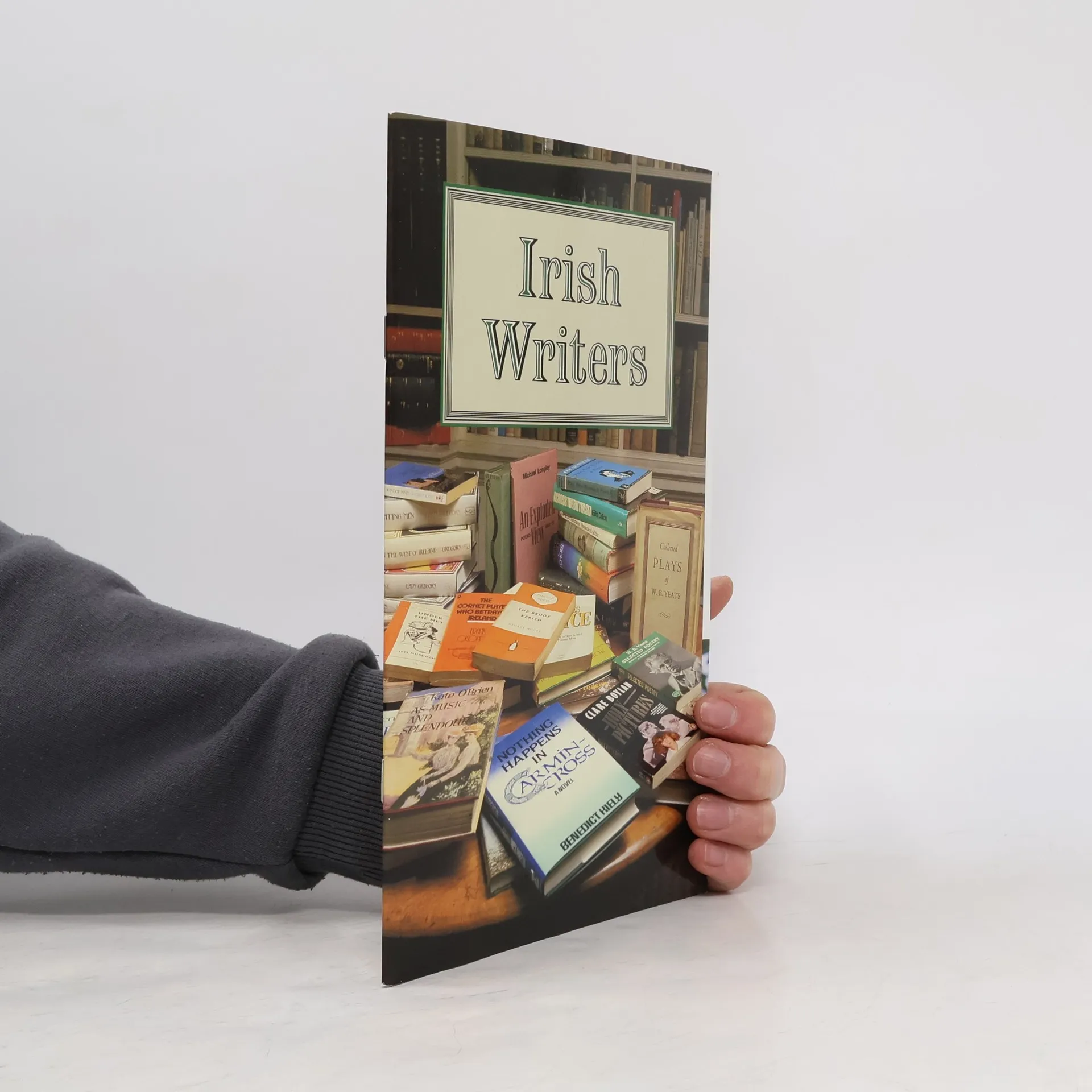
Irish Writers 1886 - 1986
- 24 pages
- 1 hour of reading
The Irish Heritage 57 Published to mark the Centenary of Eason and Son Limited


This author is an acclaimed poet, critic, novelist, and educator. Her work frequently delves into themes of Irish identity and cultural heritage. Through her distinctive prose and poetry, she explores complex human relationships and societal issues. Her approach to writing is deeply thoughtful and literarily sophisticated.

The Irish Heritage 57 Published to mark the Centenary of Eason and Son Limited
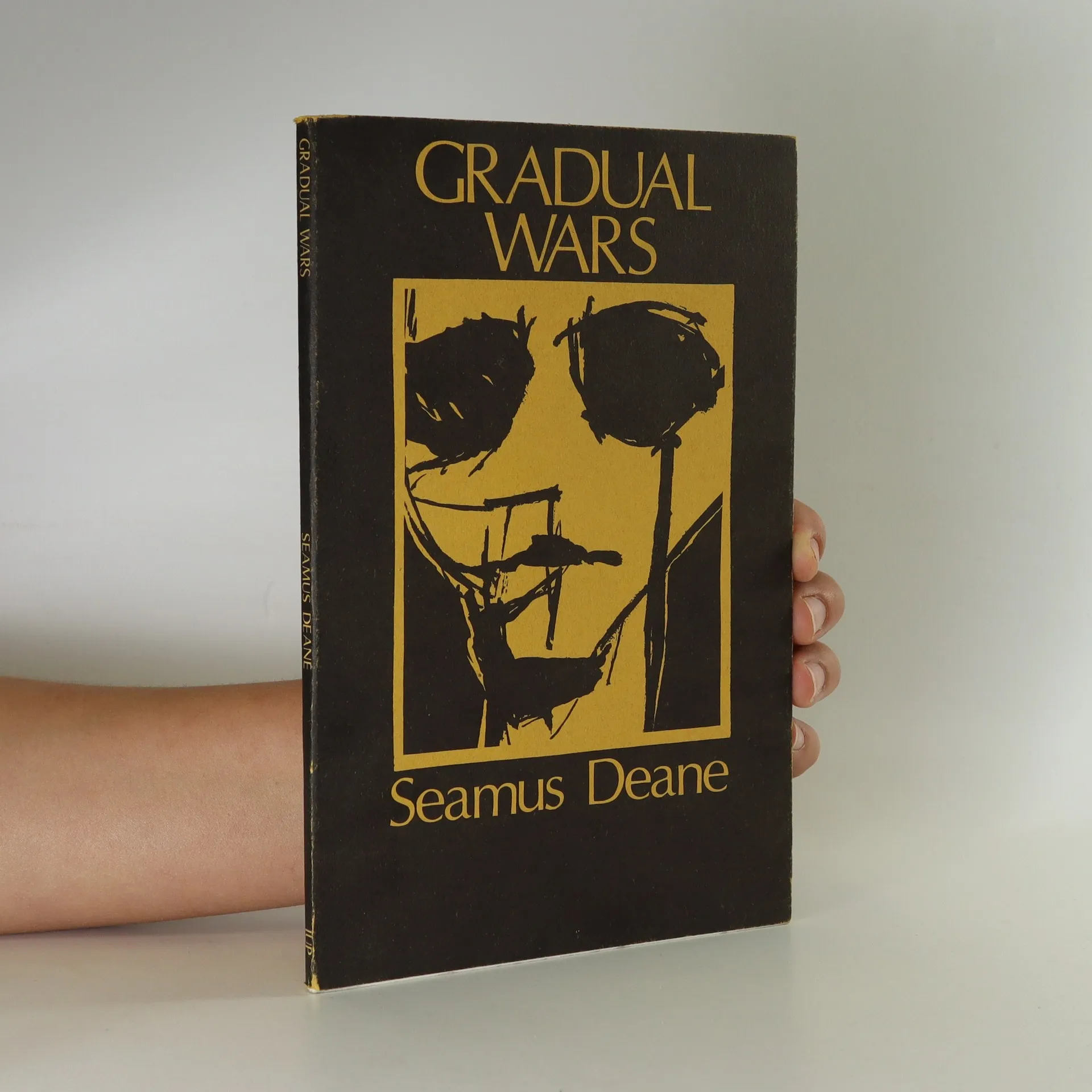
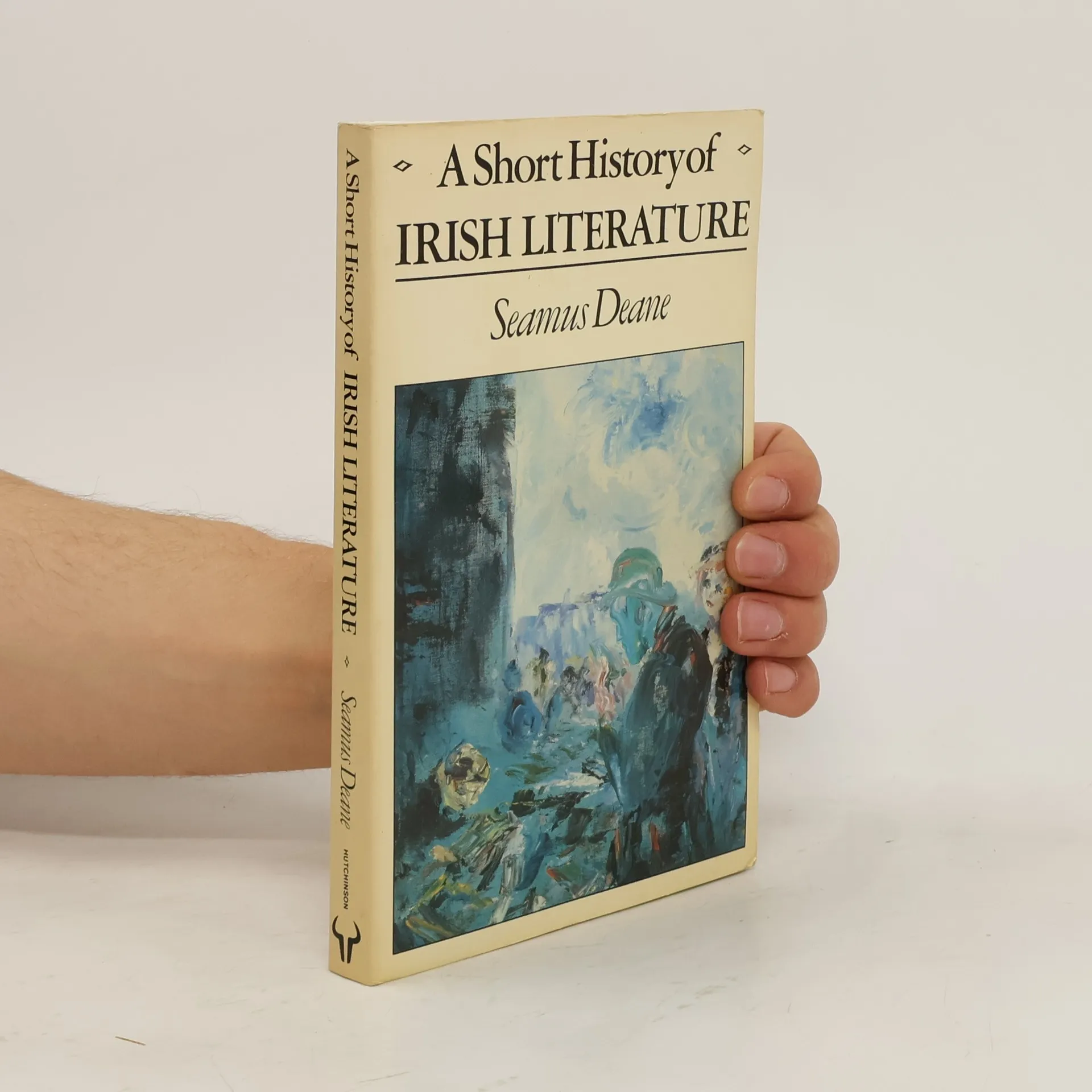
A survey of 200 years of Irish writing, this book offers analytic accounts of key Irish works and authors.
Seamus Deane, one of Ireland's most important critics, assesses here the place of literature in "a colonial or neo-colonial culture like ours, where the naming of the territory has always been ... a politically charged act." The force of Deane's A Short History of Irish Literature derives precisely from his naming of the territory. With insight, erudition, and a razor-keen style, he locates Irish writers within the island's traumatic history. His aim is to show how literature has been inescapably allied with historical interpretation and with political allegiance.
The book examines the development of a distinct national tradition in Irish literature, beginning with the impact of Edmund Burke's writings during the French Revolution. It explores key works from authors like Gerald Griffin, Bram Stoker, and James Joyce, highlighting themes of national identity, conflict, and the tension between modernity and tradition. The narrative reveals how Irish print culture, encompassing novels, songs, and poems, navigates the complexities of its colonial legacy, ultimately leading to a deeper understanding of Ireland’s literary achievements.
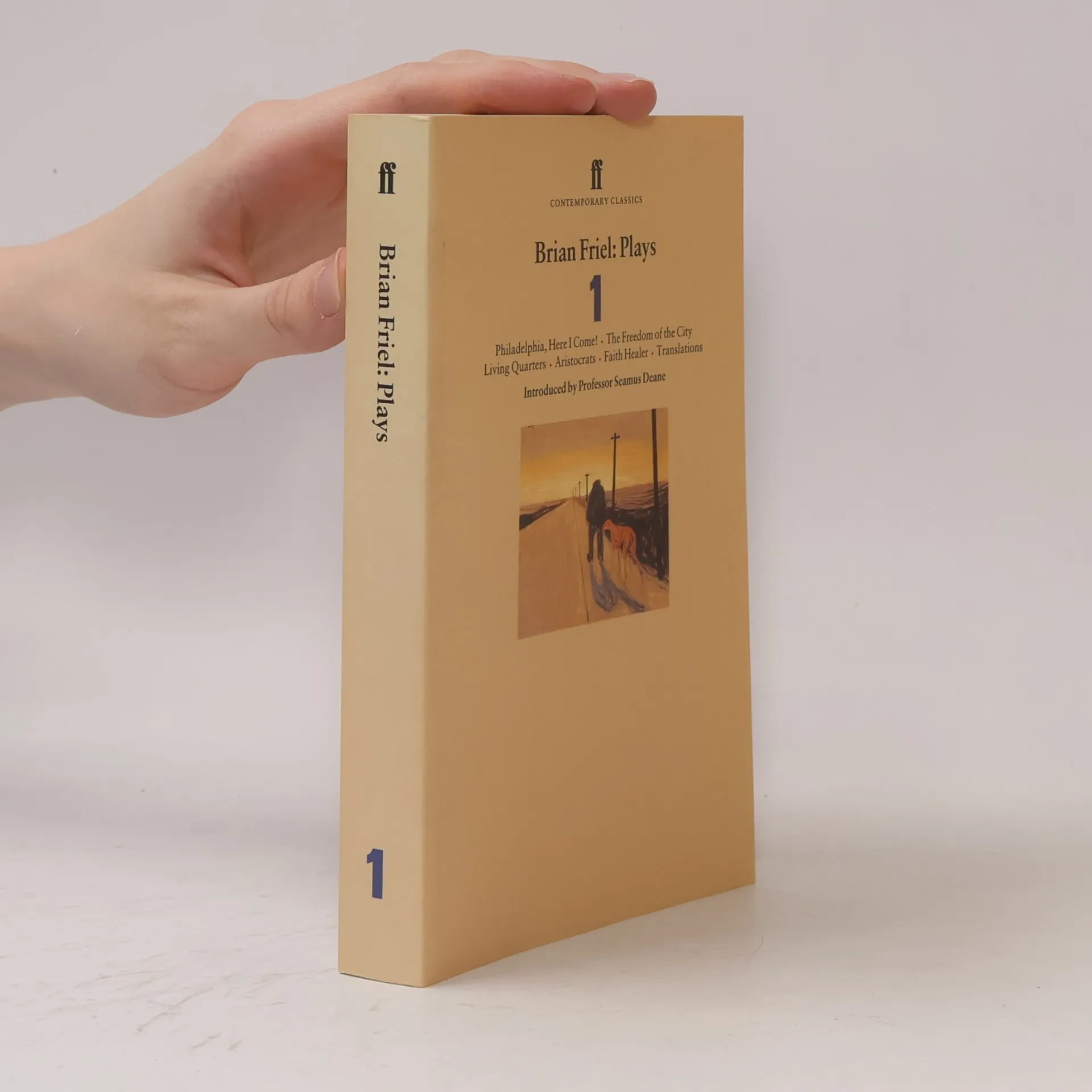
A collection of six plays by Irish playwright Brian Friel.
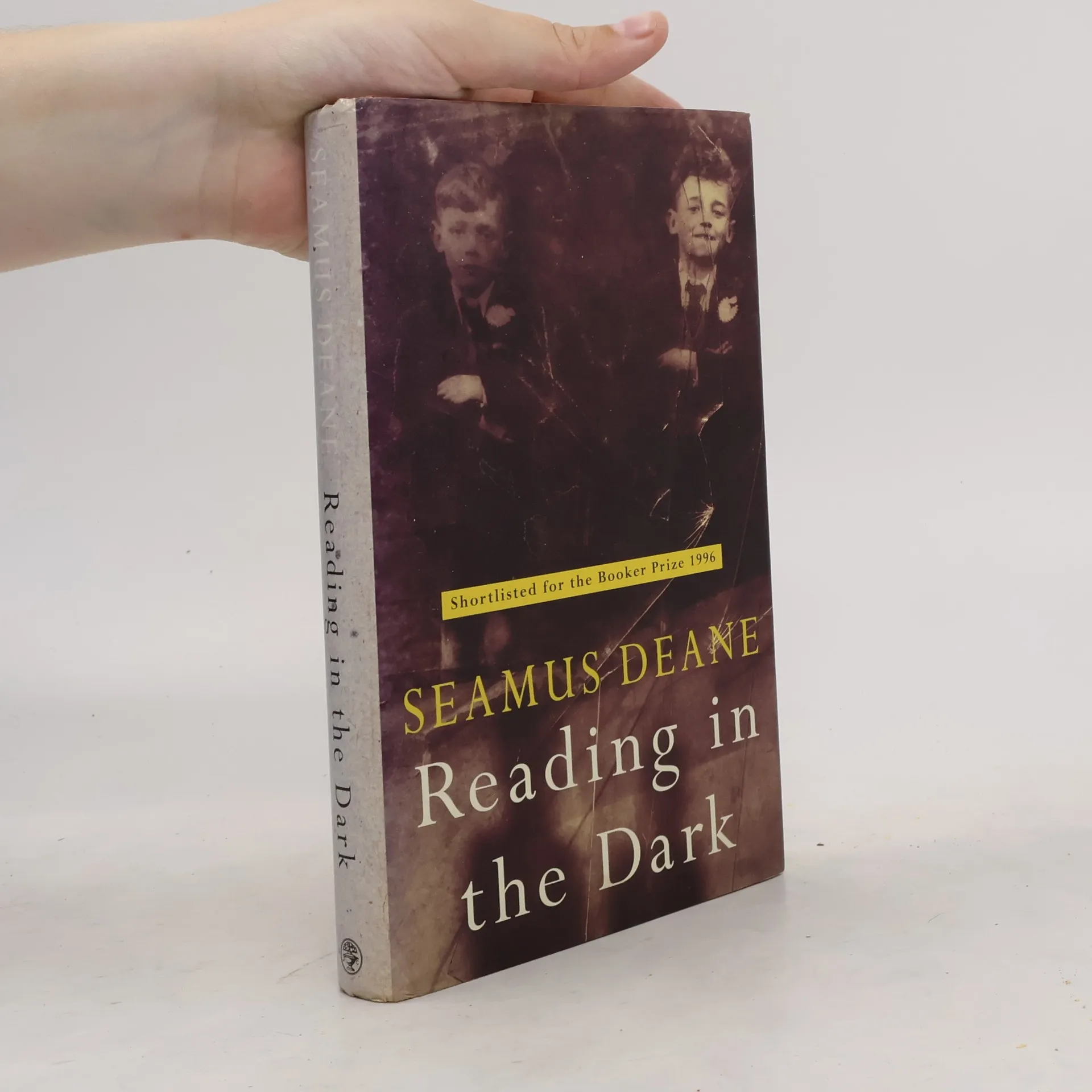
The story is told from the point of view of an unnamed young Irish Catholic boy living in a poor area of Derry. This novel-in-stories is about both the boy's coming of age and the Troubles of Northern Ireland, from the partition of the island in the early 1920s until July 1971, just after the violent Battle of the Bogside took place in Derry. The setting mirrors mid-twentieth century Derry leading into the Troubles. While the narrator is surrounded with violence, chaos, and sectarian division, Derry serves as the place where he grows up, both physically and mentally. Despite the surrounding events, the narrator's tone never slips into complete despair, but maintains a sense of hope and humour throughout.
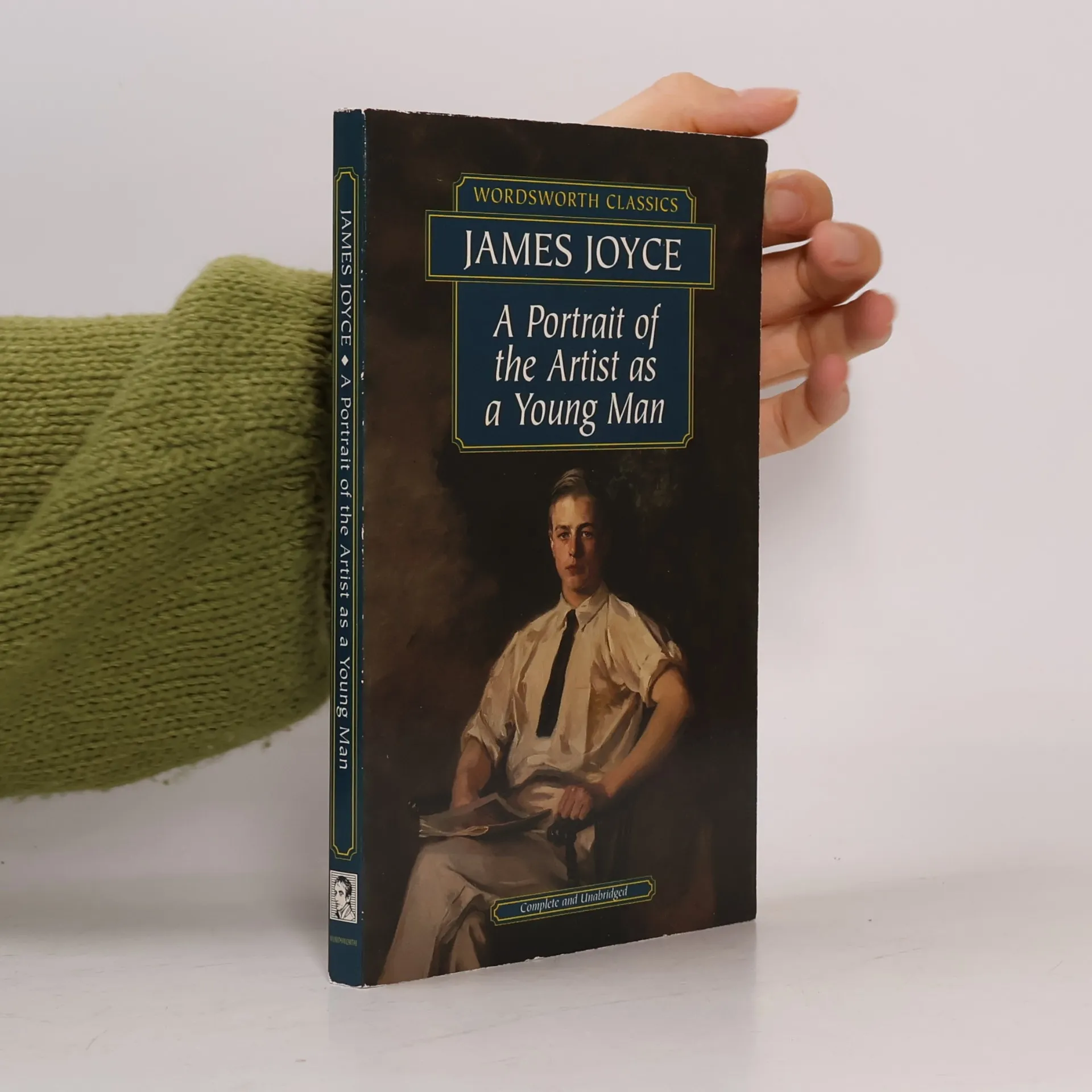
"James Joyce's A Portrait of the Artist as a Young Man (1916) is one of the twentieth century's great coming-of-age novels. This Norton Critical Edition is based on Hans Walter Gabler's acclaimed text and is accompanied by his introduction and textual notes. John Paul Riquelme provides explanatory notes to deepen the reader's appreciation for Joyce's masterpiece." ""Backgrounds and Contexts" is topically organized: "Political Nationalism: Irish History, 1798-1916," "The Irish Literary and Cultural Revival," "Religion," and "Aesthetic Backgrounds." Fourteen illustrations accompany the documents." ""Criticism" begins with John Paul Riquelme's overview of A Portrait of the Artist as a Young Man's structure. Twelve diverse interpretations of his work follow, by Kenneth Burke, Umberto Eco, Hugh Kenner, Helene Cixous, John Paul Riquelme, Karen Lawrence, Maud Ellmann, Bonnie Kime Scott, Joseph Valente, Marian Eide, Pericles Lewis, adn Jonathan Mulrooney. A Selected Bibliography is also included."--BOOK JACKET.
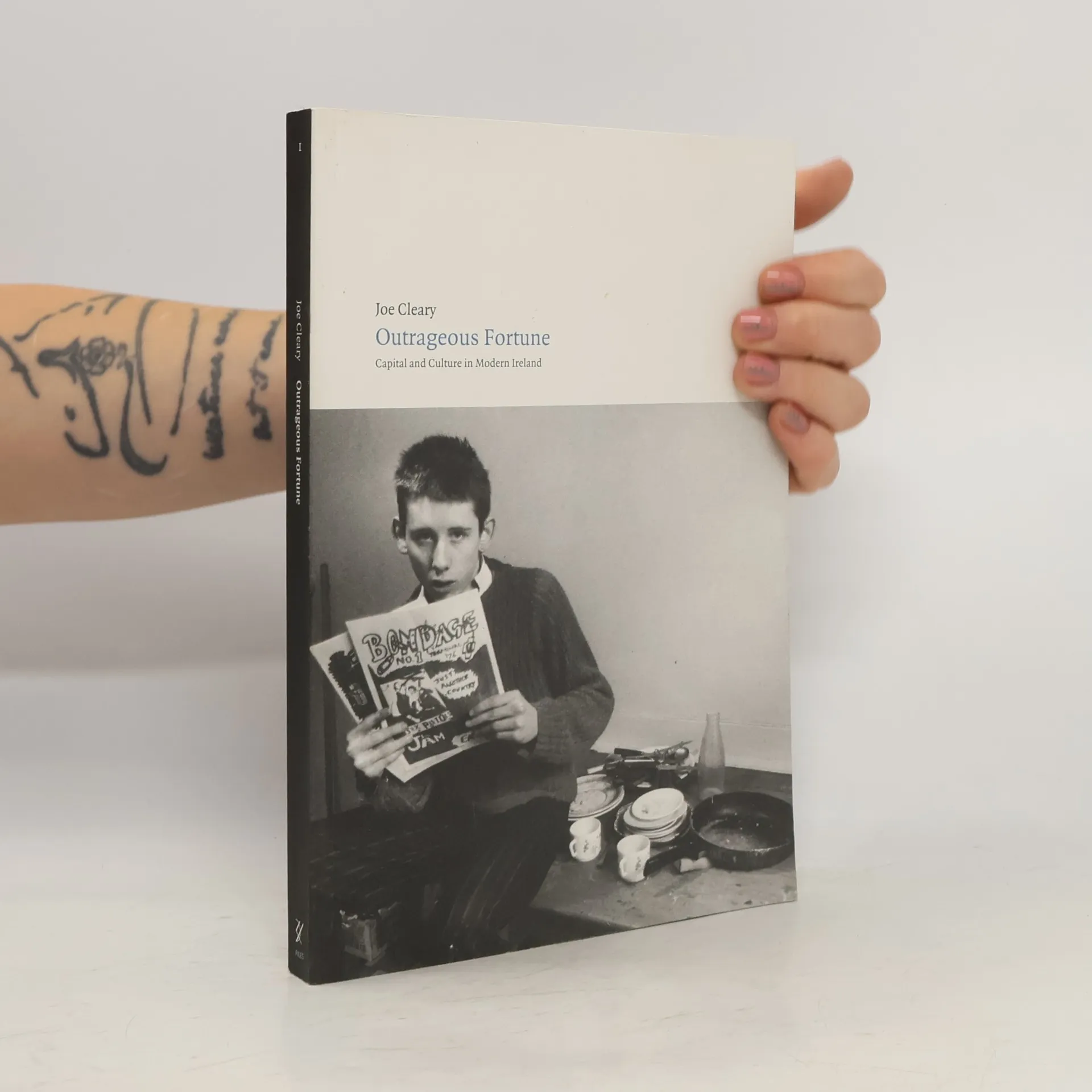
Capital and Culture in Modern Ireland
Did Ireland produce a more radical and ambitious literature in the straitened circumstances of the first half of the twentieth century than it has managed to do since it began to modernize and become more affluent from the 1960s onwards? Has Irish modernism ceded place to a prevailing naturalism that seems gritty and tough-minded, but that is in reality aesthetically conservative and politically self-thwarted? Does the fixation with de Valera s Ireland in recent narrative represent a necessary settling of accounts with a dark, abusive history or is it indicative of a worrying inability on the part of Irish artists and intellectuals to respond to the very different predicaments of the post-Cold War world? These are some of the questions addressed in OUTRAGEOUS FORTUNE. Scanning literature, theatre, film and music, Joe Cleary probes the connections between capital, culture and criticism in modern Ireland. He includes readings of James Joyce and the Irish modernists, the naturalists Patrick Kavanagh, John McGahern and Edna O Brien, and comments too on what he terms the neo-naturalism of Marina Carr, Patrick McCabe and Martin McDonagh. He concludes with a provocative analysis of the cultural achievement of the Pogues.
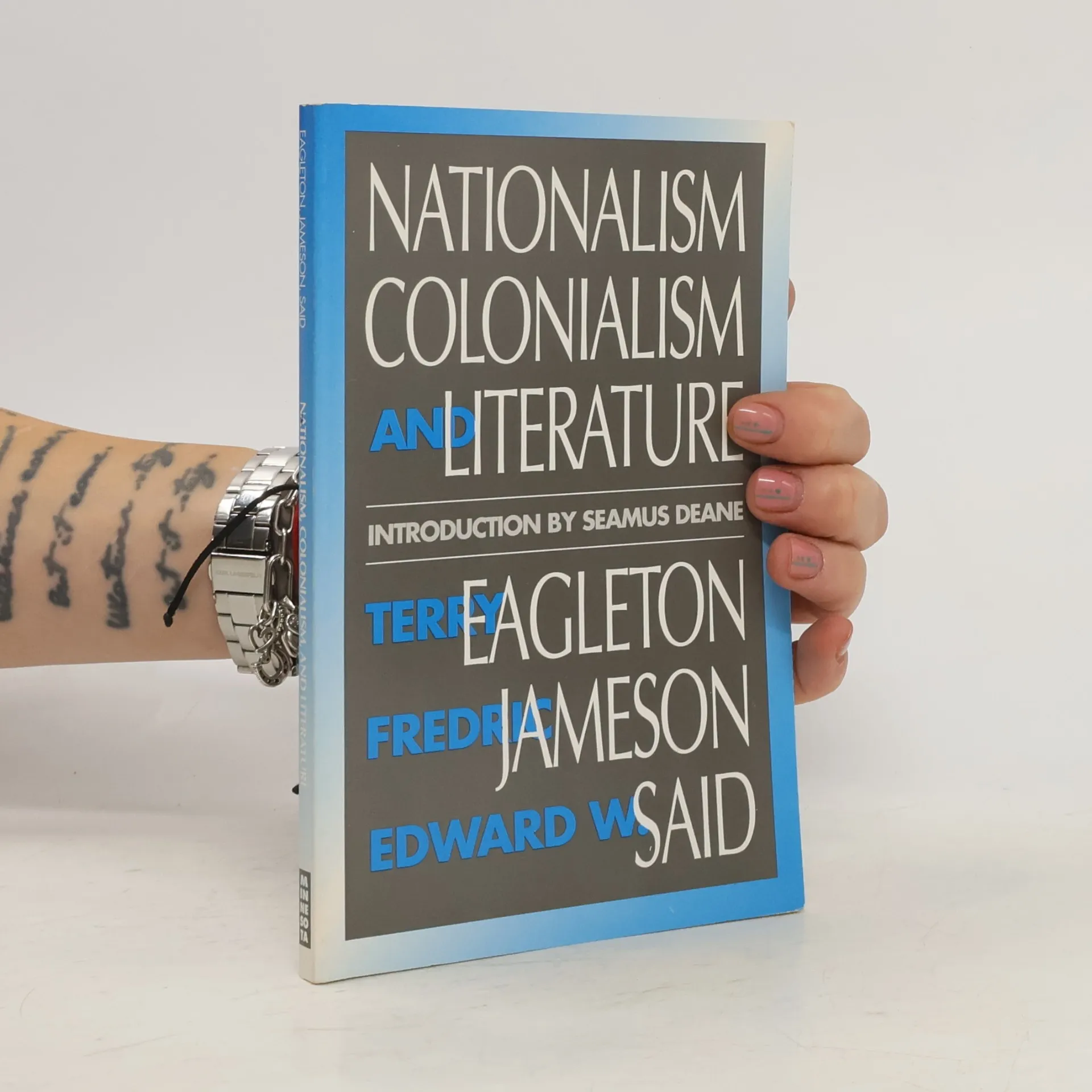
The three essays constituting this volume were originally published as individual pamphlets by the Field Day Theatre Company, in Derry, Northern Ireland. Each deals with the question of nationalism and the role of cultural production as a force in understanding and analyzing the aftermath of colonization. The authors’ diverse perspectives are demonstrated by the essays’ respective titles: Eagleton, Nationalism: Irony and Commitment; Jameson, Modernism and Imperialism; and Said, Yeats and Decolonization. The essays have implication beyond their immediate topics, bearing upon questions of feminism, decolonization, and modernism to illuminate problems that belong to other groups and regions.