

Russell Kirk was a prominent intellectual figure whose prolific writings deeply influenced modern conservative thought and literary criticism for over forty years. His work explored a vast spectrum of subjects, including political theory, educational philosophy, ethical questions, and social themes, delivered with a distinctive intellectual rigor. Kirk’s prose is marked by a profound engagement with tradition and a keen analytical eye for the nuances of culture and society. His essays and books continue to resonate, offering readers enduring insights into perennial values and contemporary challenges.
Focusing on the evolution of conservative thought, this influential work explores the principles and values that define American conservatism. Kirk delves into the ideas of key conservative thinkers, highlighting their impact on modern political philosophy. The book emphasizes tradition, moral order, and the importance of community, making a compelling case for the relevance of conservatism in contemporary society. Through a historical lens, it offers insights into the ideological battles that have shaped American political discourse.
Exploring the foundations of American Conservatism, this influential work delves into the philosophical underpinnings and historical development of conservative thought. Kirk presents a comprehensive analysis of key conservative figures and ideas, emphasizing tradition, morality, and the importance of community. The book serves as both a critique of liberalism and a call to uphold conservative values in the face of modern challenges, making it a pivotal text for understanding the evolution of political thought in the twentieth century.
2015 Reprint of 1953 Edition. Full Facsimile of the original edition. Not reproduced with Optical Recognition Software. In attempting to clarify the spirit of conservatism, Kirk turns his attention to three broad fields-political philosophy, religious thought, and imaginative literature. Following Burke, whom he calls the first truly modern conservative thinker, he studies the work of John Adams, Walter Scott, Calhoun, Fenimore Cooper, Tocqueville, Nathaniel Hawthorne, Benjamin Disraeli, Cardinal Newman, George Santayana, and T.S. Eliot and others. Vigorously written, the book represents conservatism as an ideology born of sound intellectual traditions.
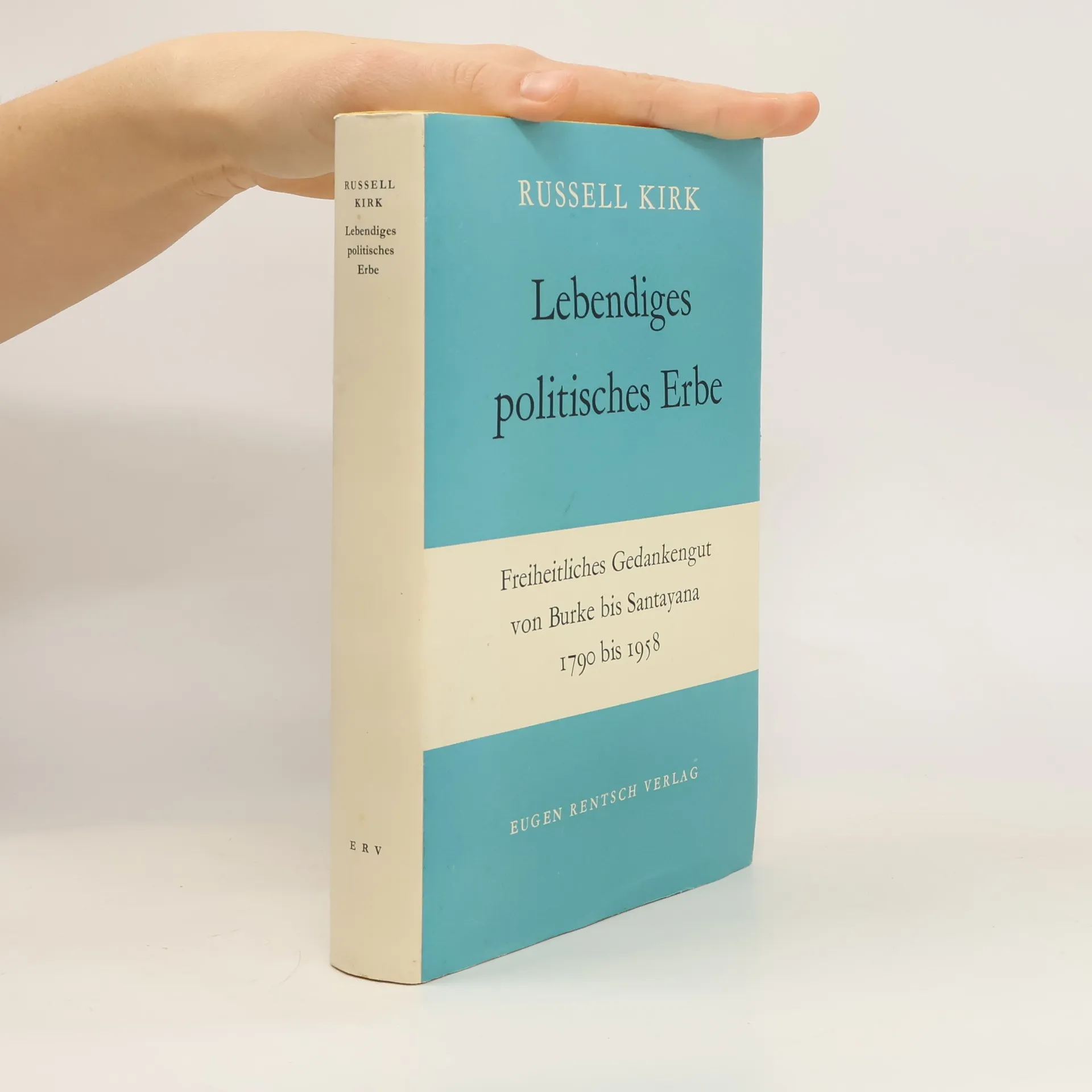
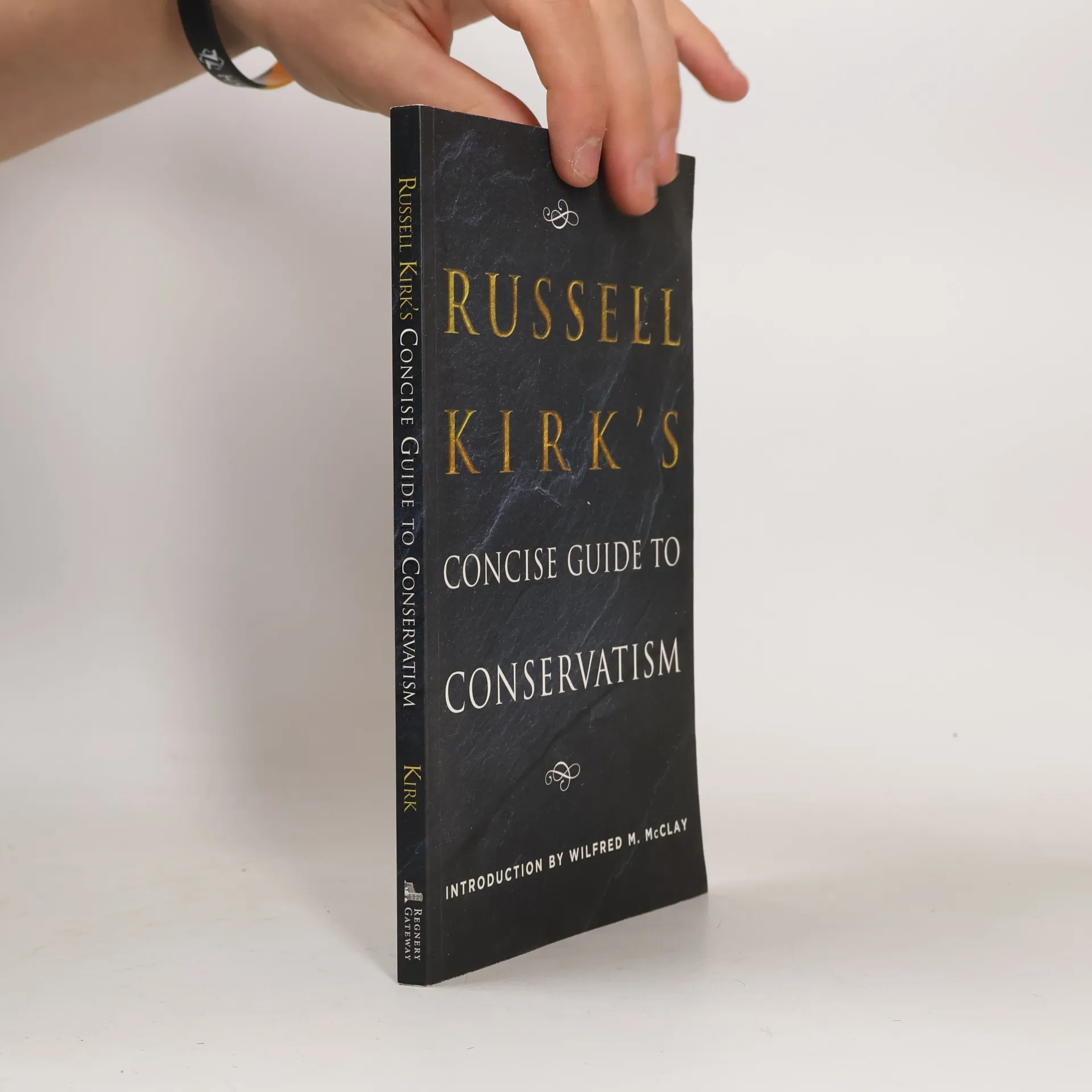
Exploring the evolution of intellectual conservatism, this abridged edition highlights key figures from Edmund Burke to T.S. Eliot, showcasing their influence on the development of modern American conservatism. Russell Kirk's insightful analysis presents a compelling argument for the significance of conservative thought in shaping political discourse throughout the twentieth century, making it an essential read for anyone interested in the foundations of conservative ideology.
While in Las Vegas on his way to a family Fourth of July celebration, FBI bomb expert Paul Grale hears a deep blast and sees the smoke rising. In an unfolding nightmare, Grale discovers his sister, brother-in-law, and many friends were caught up in the explosion. Grief stricken, he is pulled from the main bomb investigation to sift orphan leads. Quietly he begins a relentless search for the bomb maker. When the FBI suspects his friend and disgruntled former drone pilot for the blast, Grale thinks they're getting it all wrong. Propelled by deep personal loss and an intense need to do the right thing, he picks his way through the smallest of leads and into a maze of twists, turns, and sudden dead ends. When he uncovers another threat, time is already quickly running out. With the lives of so many at stake, Grale won't let himself fail--and he won't rest until there's justice for his family. Adrenalized, gripping, and all too timely, Signature Wounds brings terror to Vegas and introduces FBI special agent and bomb tech Paul Grale, a man whose specialized skill and fierce determination are a lethal combination.
When Grale is tasked with investigating a series of coordinated bombings in LA, he's forced to leave his vulnerable niece alone in Vegas. But when she disappears, things become explosively personal.
Jedno z najważniejszych dzieł Russella Kirka (1918-1994), klasyka myśli
konserwatywnej, który wywarł wielki wpływ na powojenne losy konserwatyzmu w
Stanach Zjednoczonych. Jego poszukiwania źródeł amerykańskiego porządku są
opowieścią o fundamentach i ewolucji cywilizacji zachodniej, zwłaszcza w jej
anglosaskim nurcie. Kirk rozważa dylematy polityki, duchowości i kultury,
które od starożytności po wiek XIX były tematem gorących sporów ideowych i
religijnych oraz zaciętych walk politycznych, wiodąc jednak do wytworzenia się
wartych konserwowania i ochrony obyczajów, reguł i praw. Jego książka jest
szczególnie aktualna w czasie, gdy tradycyjne porządki są w wielu krajach
Zachodu ostro zwalczane, a ich obrońcy skutecznie spychani na margines.
Podobnie jak w przypadku wielu innych pojęć, być może słowo porządek
najłatwiej jest wyjaśnić, analizując jego przeciwieństwo brak porządku. Życie
pozbawione porządku to życie chaotyczne i żałosne. Jeśli społeczeństwo
zostanie dotknięte wszechobecnym brakiem porządku, wielu jego członków zginie.
A jeśli członkowie społeczeństwa pozbawieni są duchowego porządku, porządek
zewnętrzny wspólnoty nie będzie mógł trwać.[...] Jeśli naszym duszom brak
porządku, popadamy w nienormalność, stajemy się niezdolni do kontrolowania
naszych odruchów. Jeśli porządku brak naszej wspólnocie, popadamy w anarchię,
każdy staje się wrogiem każdego. Bowiem, jak w szesnastym wieku napisał
Richard Hooker, W społeczeństwie publicznym nie istnieje życie bez porządku,
ponieważ jego brak rodzi dezorientację. Ten zbawczy porządek jest wynikiem
ponad trzech tysięcy lat ludzkich wysiłków.
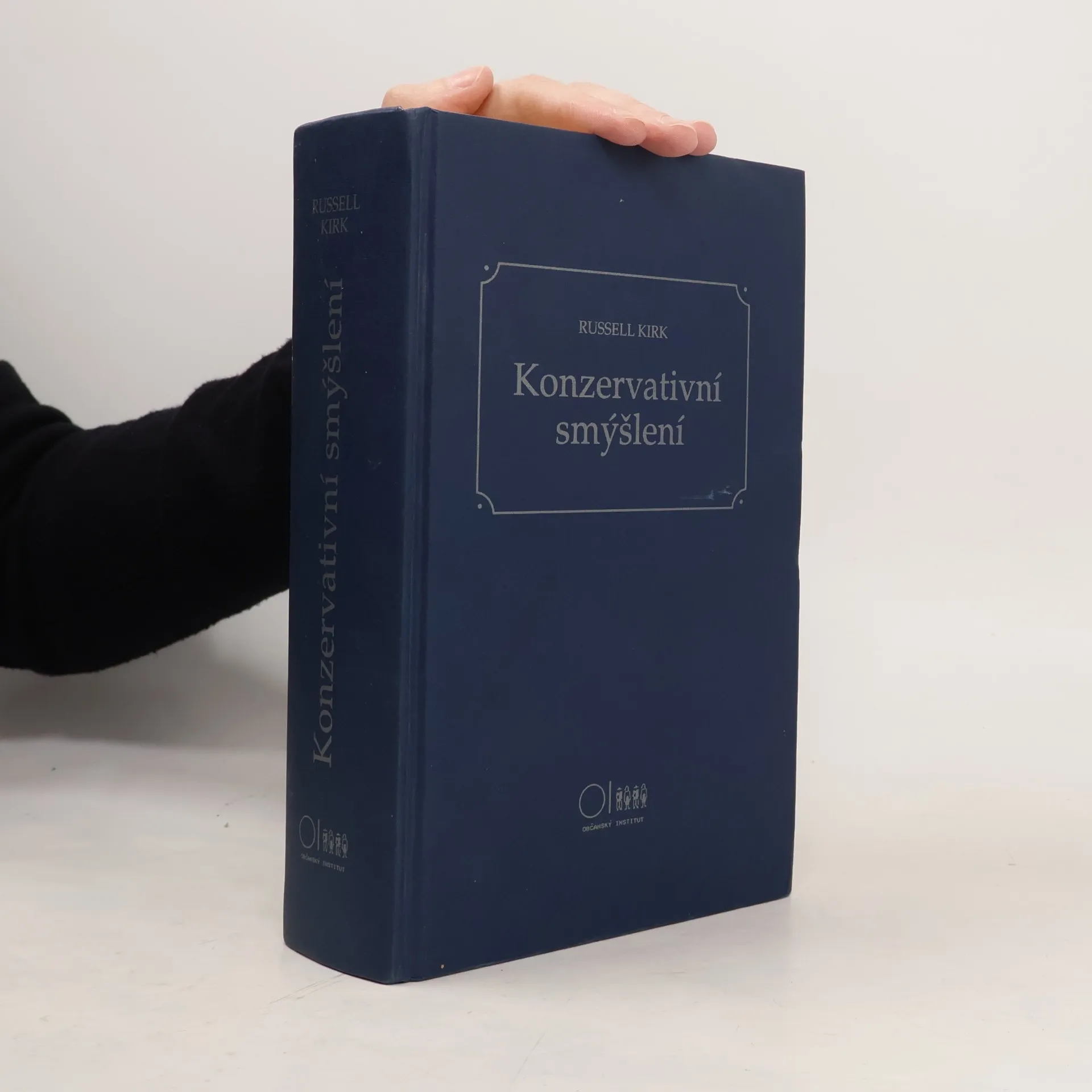
Obšírný exkurs do dějin idejí. Konservativní smýšlení popisuje intelektuální rozpoložení či charakterový typ, který v otázkách lidského údělu a existence miluje věci trvalé a pečuje o ně.