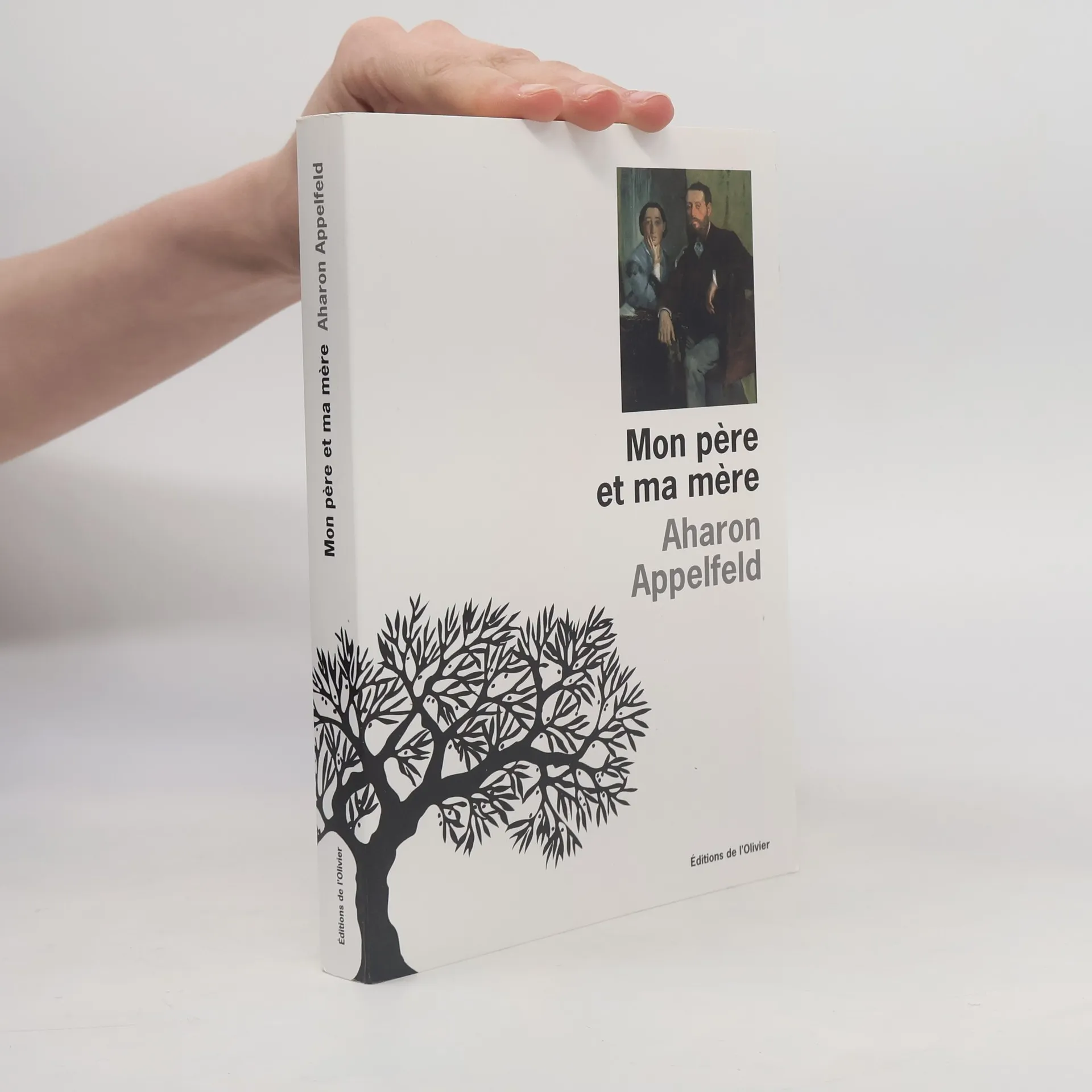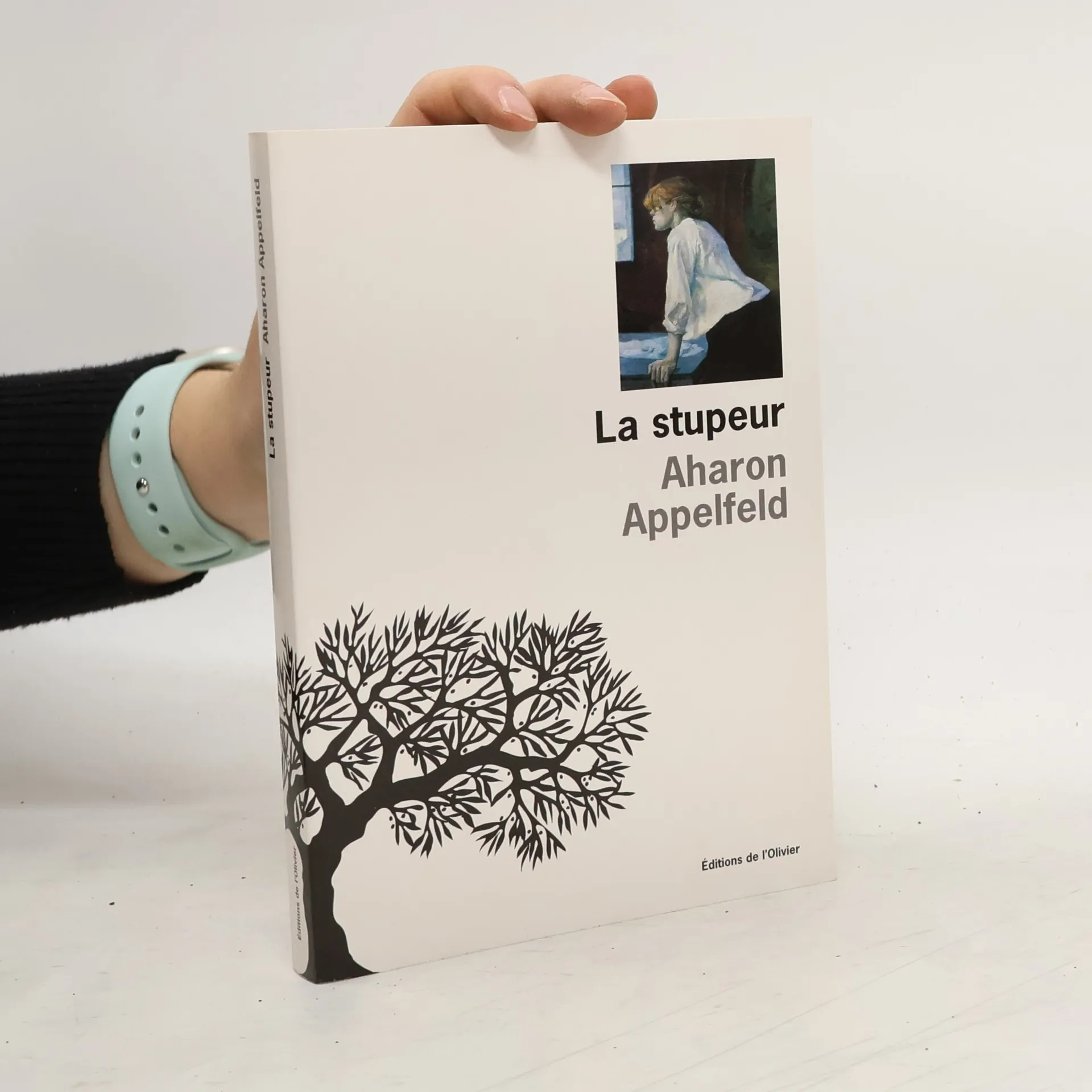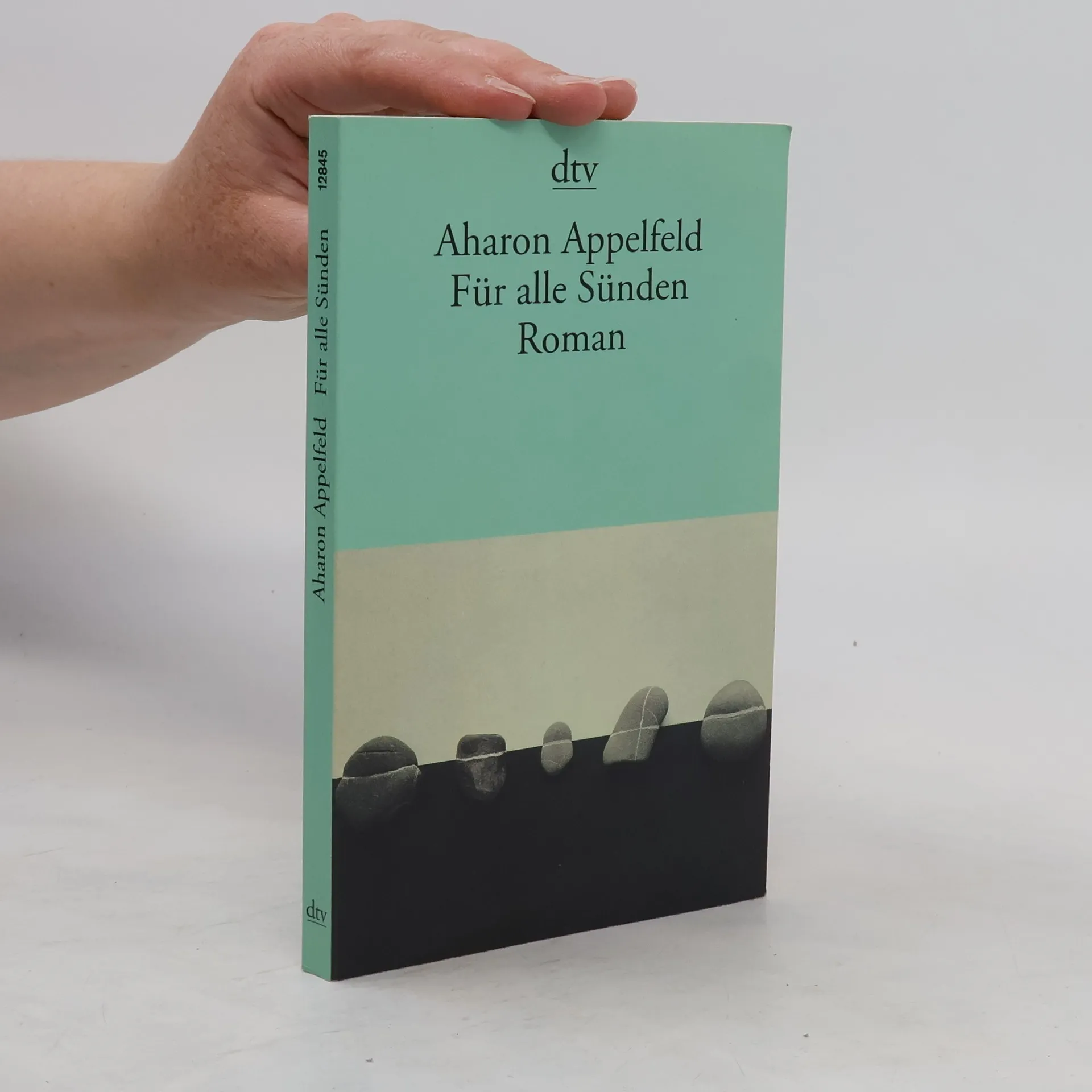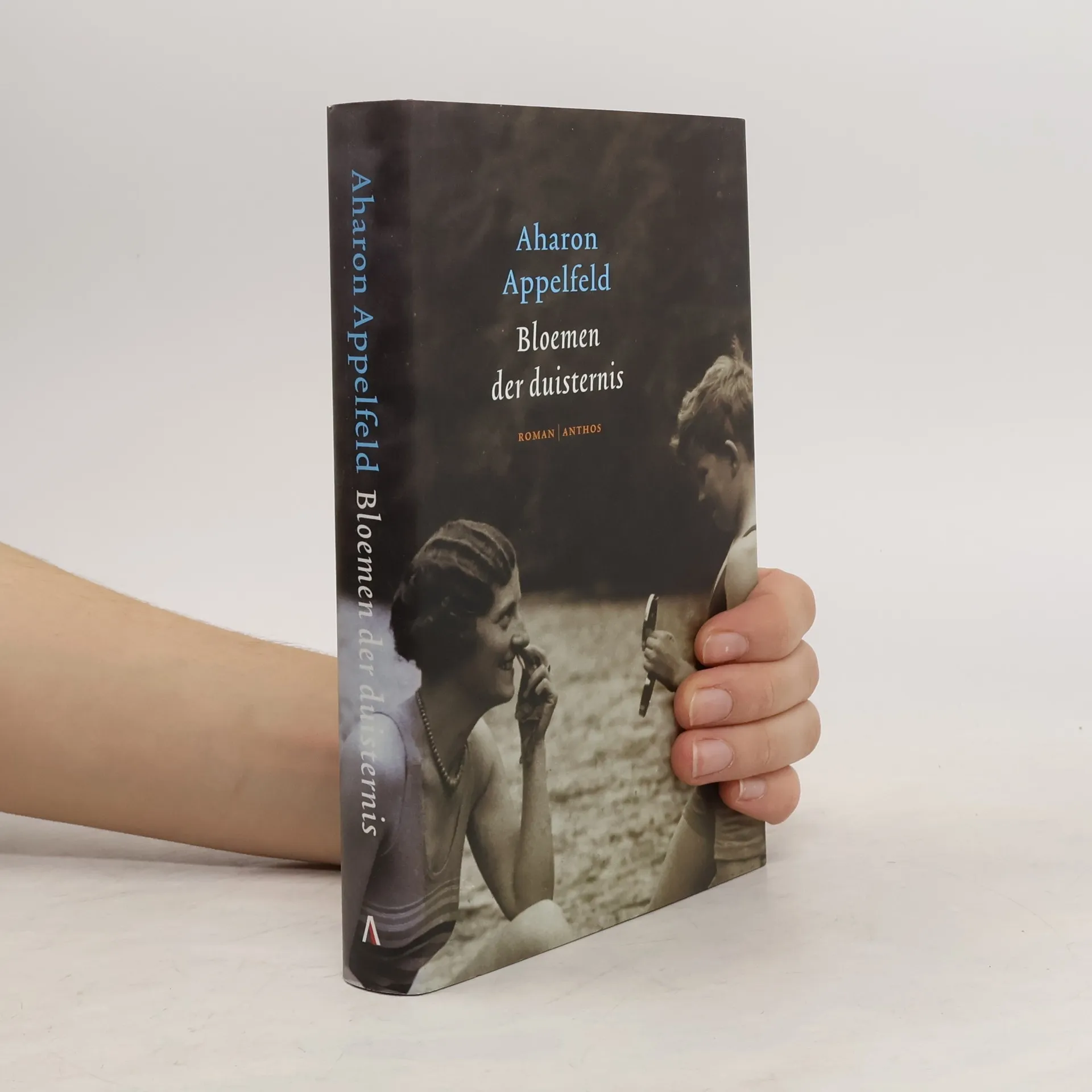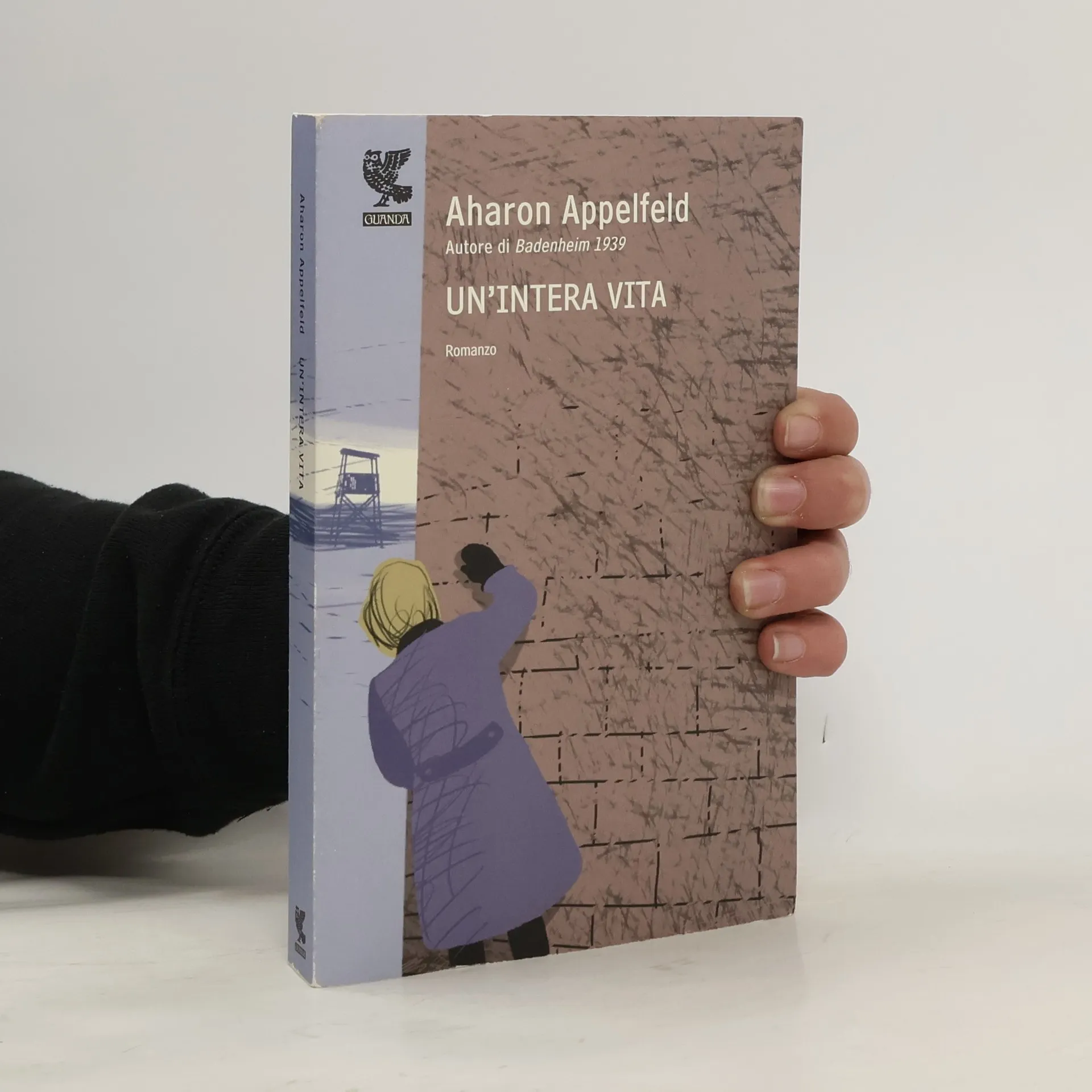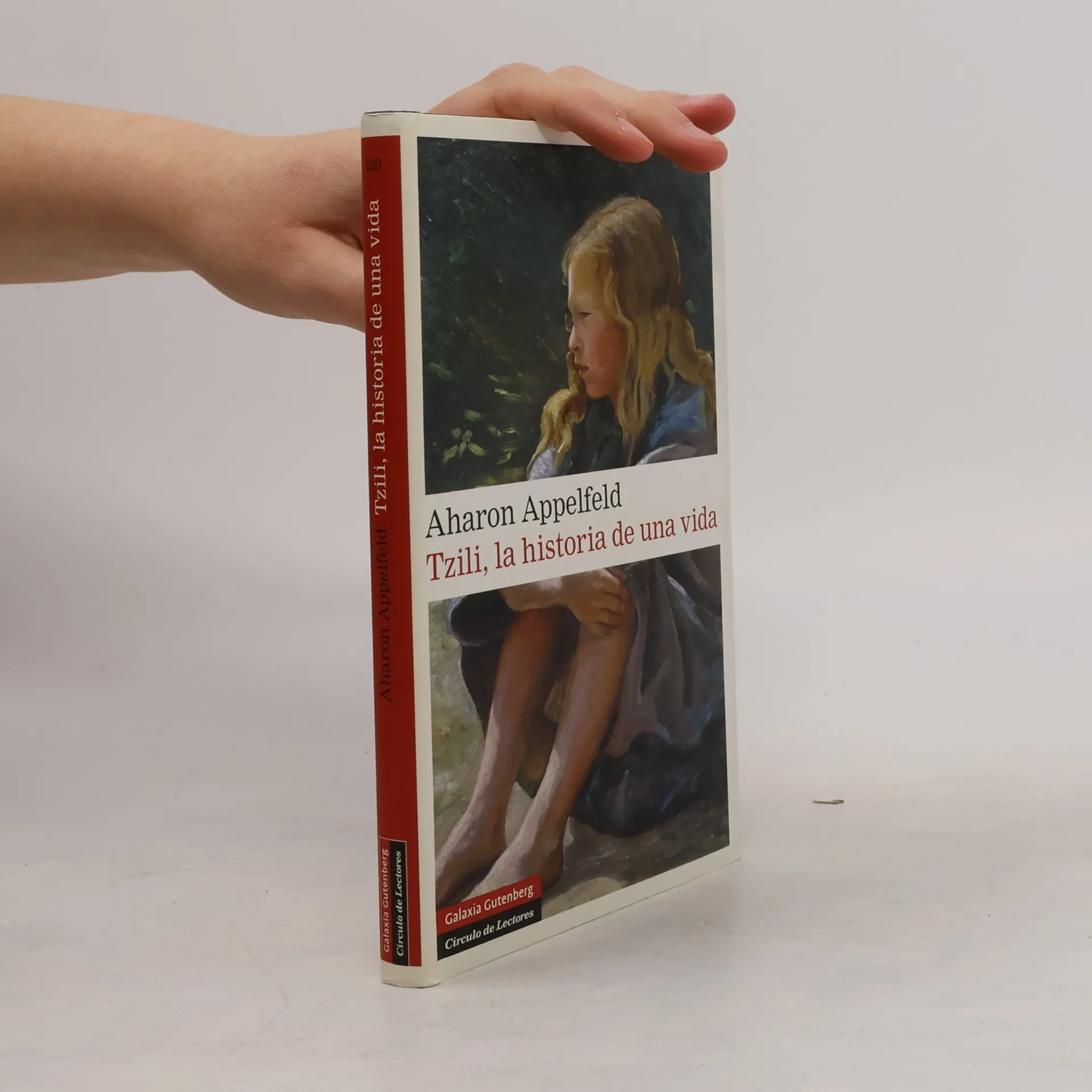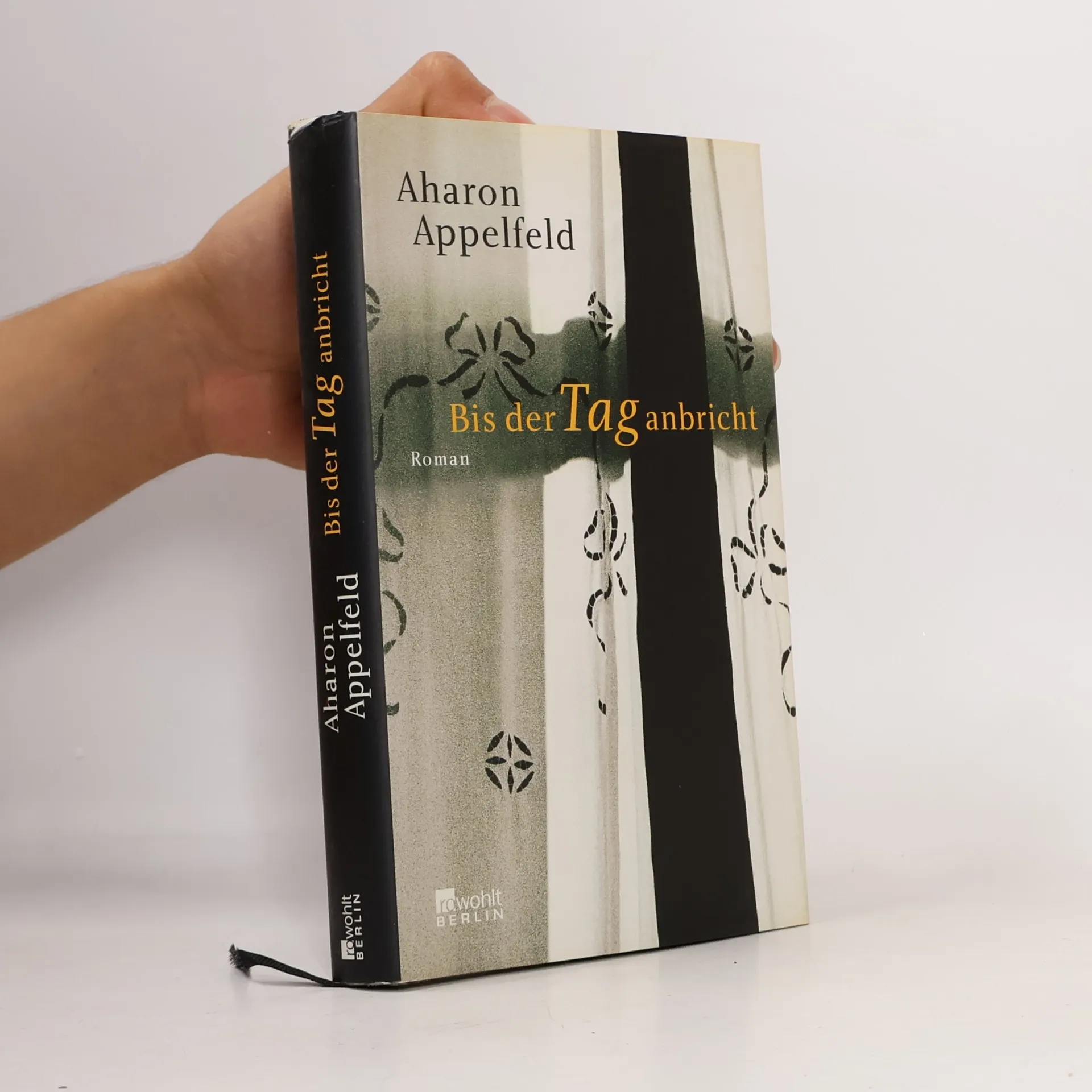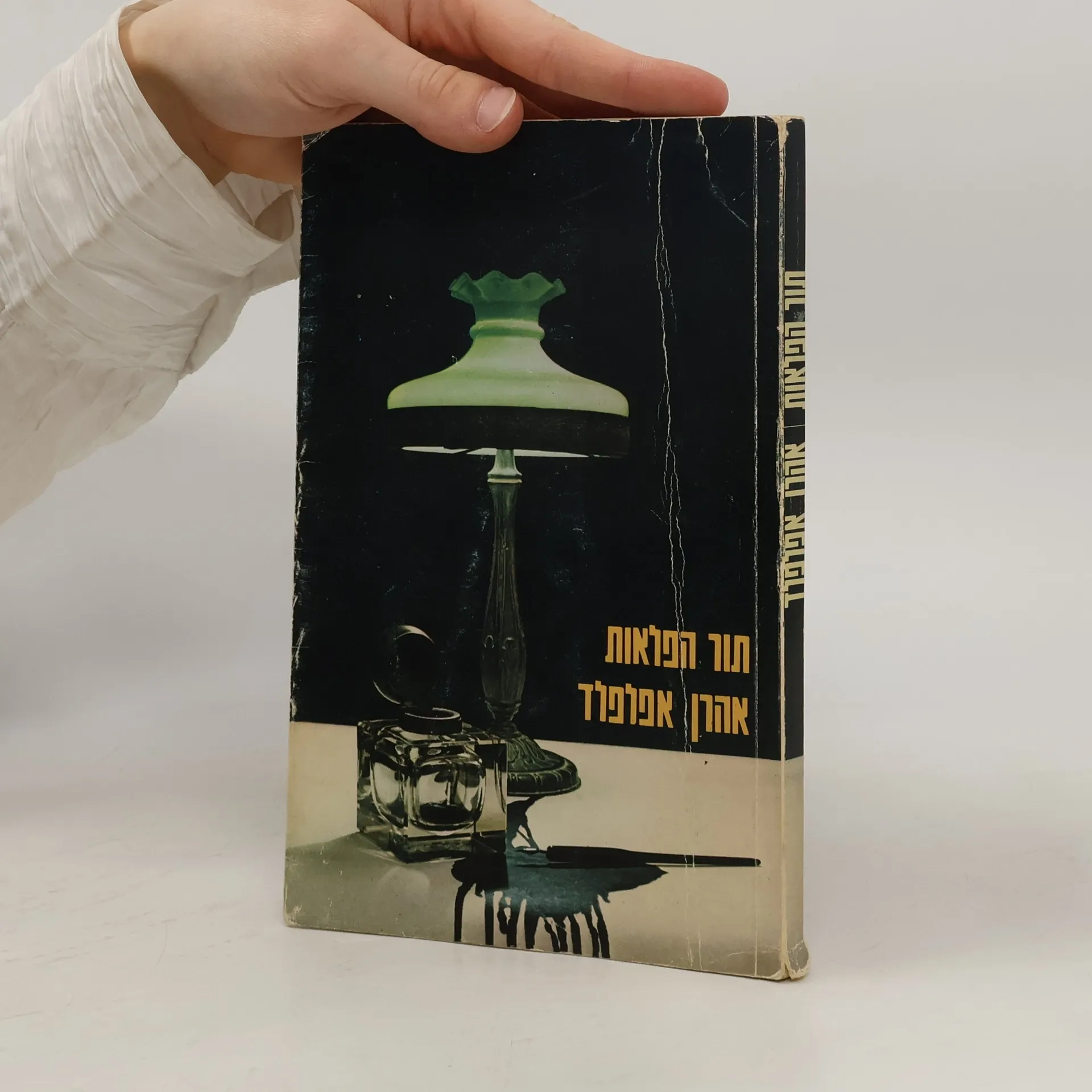
Explore the latest books of this year!
Bookbot

Aharon Appelfeld

    February 16, 1932 – January 4, 2018

    Aharon Appelfeld is widely celebrated for his profound contributions to literature, exploring the complexities of human experience with exceptional depth and nuance. His extensive body of work delves into themes of memory, identity, and survival, often set against the backdrop of historical upheaval. Appelfeld's distinctive prose is characterized by its lyrical quality and its ability to evoke powerful emotions, making his narratives both poignant and unforgettable. He is recognized globally for his significant literary achievements and his enduring impact on contemporary fiction.

    Aharon Appelfeld
    The Conversion
    Poland, a Green Land
    The Man Who Never Stopped Sleeping
    Badenheim 1939
    The Story of a Life
    To the Edge of Sorrow
    • To the Edge of Sorrow

      • 468 pages
      • 17 hours of reading

      Battling numbing cold, ever-present hunger, and German soldiers determined to hunt them down, four dozen resistance fighters--escapees from a nearby ghetto--hide in a Ukrainian forest, determined to survive the war, sabotage the German war effort, and rescue as many Jews as they can from the trains taking them to concentration camps. Their leader is relentless in his efforts to turn his ragtag band of men and boys into a disciplined force that accomplishes its goals without losing its moral compass. And so when they're not raiding peasants' homes for food and supplies, or training with the weapons taken from the soldiers they have ambushed and killed, the partisans read books of faith and philosophy that they have rescued from abandoned Jewish homes, and they draw strength from the women, the elderly, and the remarkably resilient orphaned children they are protecting. When they hear about the advances being made by the Soviet Army, the partisans prepare for what they know will be a furious attack on their compound by the retreating Germans. In the heartbreaking aftermath, the survivors emerge from the forest to bury their dead, care for their wounded, and grimly confront a world that is surprised by their existence--and profoundly unwelcoming
      To the Edge of Sorrow
    • Aharon Appelfeld was the child of middle-class Jewish parents living in Romania at the outbreak of World War II. He witnessed the murder of his mother, lost his father, endured the ghetto and a two-month forced march to a camp, before he escaped. Living off the land in the forests of Ukraine for two years before making the long journey south to Italy and eventually Israel and freedom, Appelfeld finally found a home in which he could make a life for himself. Acclaimed writer Appelfeld’s extraordinary and painful memoir of his childhood and youth is a compelling account of a boy coming of age in a hostile world.

      The Story of a Life
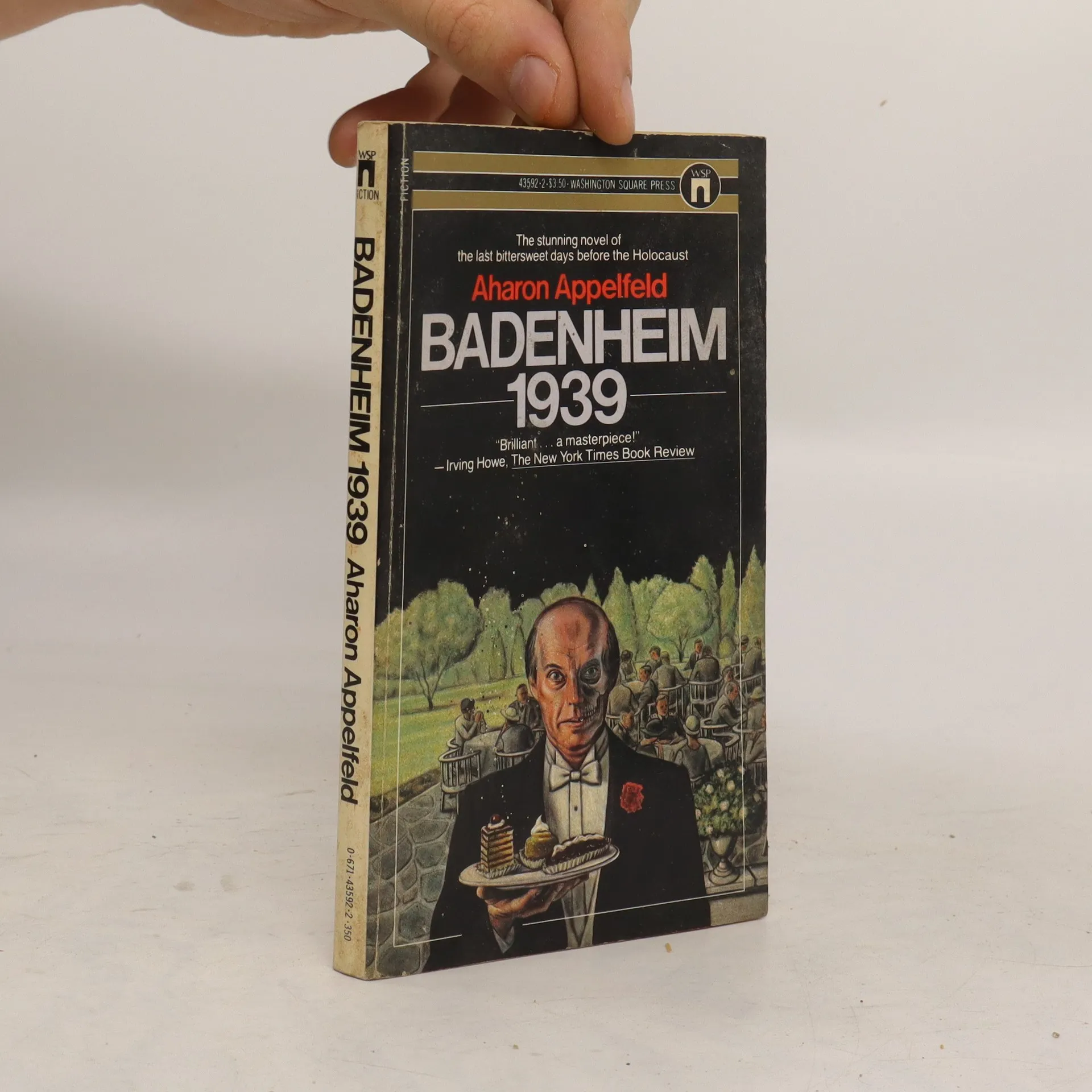
    • It is the spring of 1939. In months Europe will be Hitler's, and Badenheim, a resort town vaguely in the orbit of Vienna, is preparing for its annual summer season. Soon the vacationers arrive, as they always have, a sample of Jewish middle-class life. The story unfolds as a matter-of-factly as a Chekhov play, its characters so deeply held by their defensive trivia that they manage to misconstrue every signal of their fate, until these signals take on the lineaments of disaster. "The writing flows seamlessly...a small masterpiece." Irving Howe, NEW YORK TIMES BOOK REVIEW "As real as Kafka's unnamed Prague...imbued with a Watteau-like melancholy." Gabriel Annan, NEW YORK REVIEW OF BOOKS "Magical...gliding from a kind of romantic realism into universal allegory." Peter Prescott, NEWSWEEK "The sorcery of Badenheim 1939 [lies in] the success with which the author has concocted a drab narrative involving rather ordinary characters and made their experienced profoundly symbolic yet never hollow." Christopher Lehmann-Haupt, NEW YORK TIMES

      Badenheim 1939
    • Poland, a Green Land

      • 240 pages
      • 9 hours of reading
      3.7(199)Add rating

      "A Tel Aviv shopkeeper visits his parents' Polish birthplace in an attempt to come to terms with their complex legacy-and is completely unprepared for what he finds there. Yaakov Fine's practical wife and daughters are baffled by his decision to leave his flourishing dress shop for a ten-day trip to his family's ancestral village in Poland. Struggling to emerge from a midlife depression, Yaakov is drawn to Szydowce, intrigued by the stories he'd heard as a child from his parents and their friends, who would wax nostalgic about their pastoral, verdant hometown in the decades before 1939. The horrific years that followed were relegated to the nightmares that shattered sleep and were not discussed during waking hours. When he arrives in Krakow, Yaakov enjoys the charming sidewalk cafes and relaxed European atmosphere, so different from the hurly burly of Tel Aviv. And his landlady in Szydowce-beautiful, sensual Magda, with a tragic past of her own-enchants him with her recollections of his family. But when Yaakov attempts to purchase from the townspeople the desecrated tombstones that had been stolen from Szydowce's plowed-under Jewish cemetery, a very different Poland emerges, one that shatters Yaakov's idyllic view of the town and its people, and casts into sharp relief the tragic reality of Jewish life in Poland-past, present, and future. In this novel of revelation and reconciliation, Aharon Appelfeld once again mines lived experience to create fiction of powerful, universal resonance"-- Provided by publisher

      Poland, a Green Land
    • The Conversion

      A novel

      • 240 pages
      • 9 hours of reading
      3.7(73)Add rating

      Set in an Austrian city before the Holocaust, the narrative follows Karl, a young civil servant whose recent conversion to Christianity is intended to secure a high government position. However, as he faces a political crisis, his past resurfaces, challenging his beliefs and forcing him to confront his identity. The story explores themes of faith, ambition, and the complexities of personal choices against a backdrop of societal upheaval.

      The Conversion
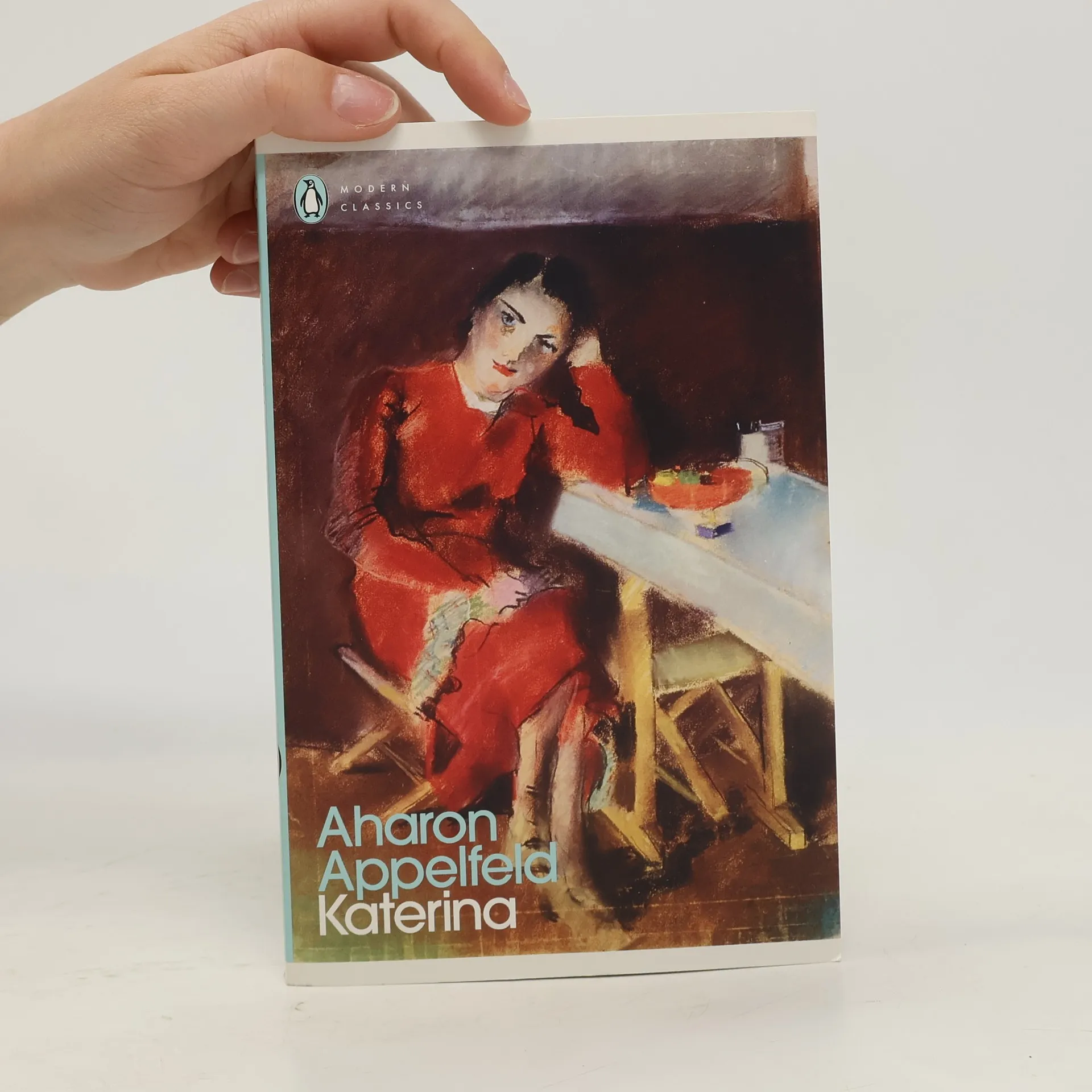
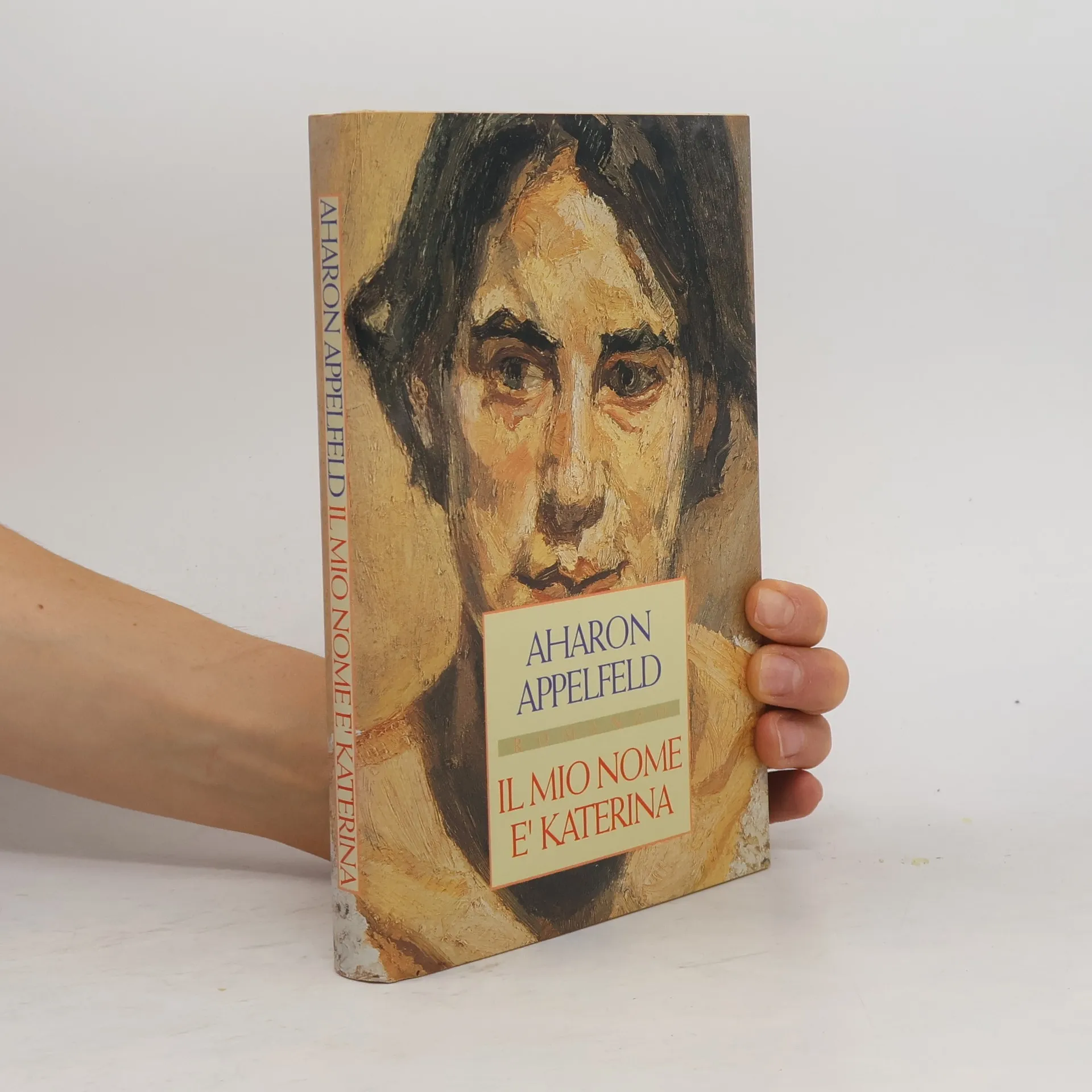
    • The teenage Katerina flees her abusive home in a poor, Christian village in the 1880s, finding work and shelter in the home of a Jewish family, and in the warmth of their family life and beauty of their Jewish rituals she begins to know safety for the first time. Their life is brutally disrupted when a pogrom is wrought upon the family, and Katerina finds herself alone again. Decades later, having suffered and retaliated for that suffering, she looks out of the window of her prison cell and sees the trains carrying Jews across Europe. Released from prison into the chaos following the end of World War II, a now elderly Katerina is devastated to find a world that has been emptied of its Jews and that is not at all sorry to see them gone. Ever the outsider, Katerina realizes that she has survived only to bear witness to the fact that they had ever existed at all. A rare glimpse into Jewish and gentile life in Eastern Europe in the nineteenth century, Katerina explores the long origins of the Holocaust, alongside darkness and light, cruelty and mercy.

      Katerina
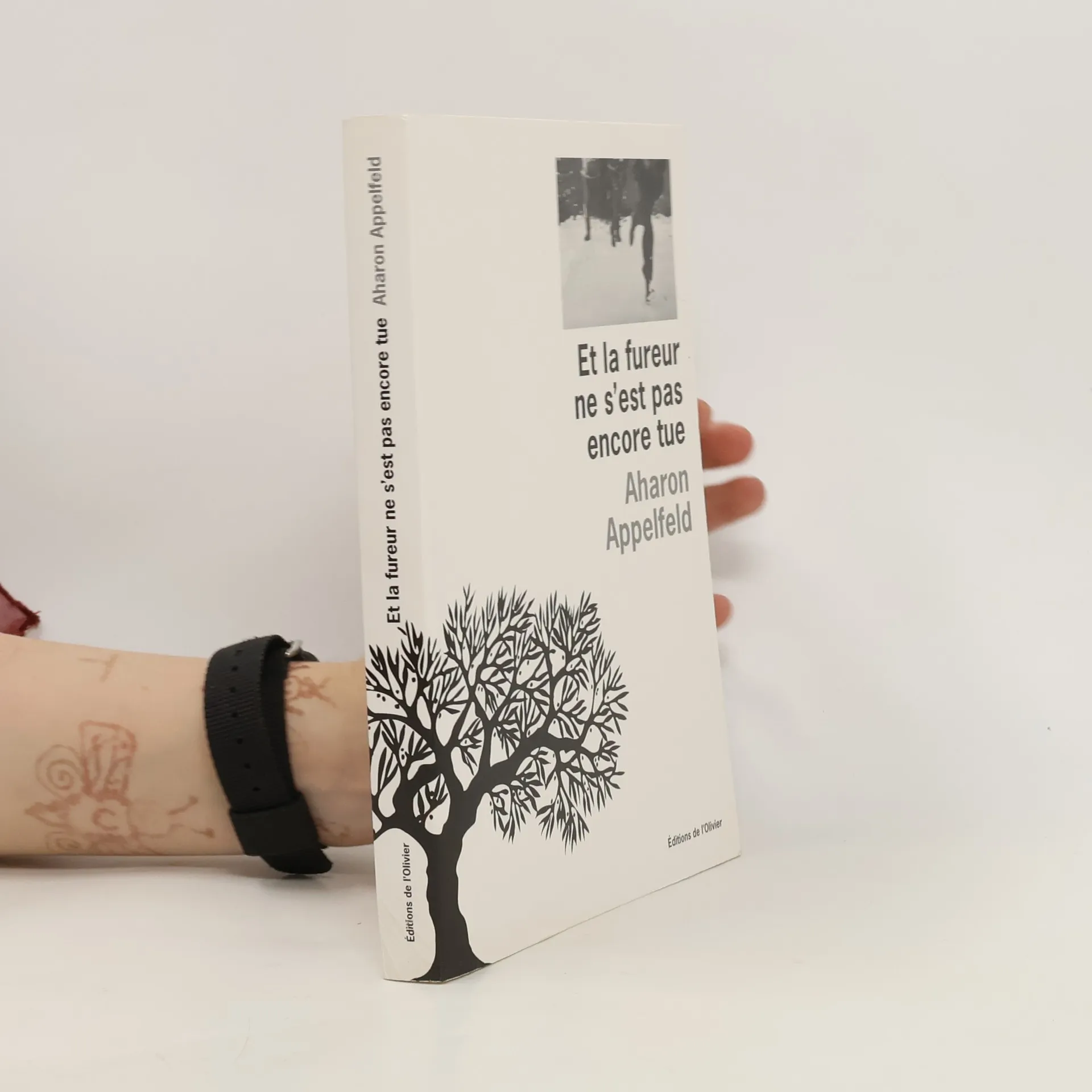
    • A cinquante ans, Bruno Brumhart revient sur sa vie. Une enfance confortable, chérie par ses parents, des juifs communistes, un mystérieux accident dont il n'a aucun souvenir et qui l'a privé d'une main, et l'innommable : le ghetto, la déportation, sa fuite du camp et son errance dans la forêt. Comment retourner dans un monde qui a ordonné, ou laissé faire, la destruction des siens ? Bruno sait que seule la force d'une profonde fraternité peut apporter la dignité indispensable pour survivre. Il décide alors de transformer un château, qu'il a acheté près de Naples, en lieu d'accueil pour les autres survivants, d'en faire une "étape" sur le chemin du retour.

      Et la fureur ne s'est pas encore tué
    • Mitten im Zweiten Weltkrieg: Der elfjährige Michael bleibt auf der Flucht bei Sergej zurück, einem Freund seines Vaters. Der ukrainische Veteran zieht als Landstreicher umher, seit er sein Augenlicht verloren hat. Doch Sergej kümmert sich um den Jungen, nun Janek genannt. Er bringt ihm alles bei, was er weiß, auch, wie man sein eigenes Leben schützt, mit Angst, Hunger und Kälte lebt. Sie ziehen von Dorf zu Dorf, müssen sich durchschlagen, werden von Bauern angegriffen. Doch zusammen überstehen der Junge und der alte Mann jede Gefahr, und sie erleben auch Freuden – Janek begegnet einem Mädchen, eine zarte Liebe. Auf ihrem Weg durch Nacht und Wälder lernen sie, mit der Vergangenheit umzugehen, ohne sich von ihr überwältigen zu lassen, Janek vom Judenhass, den er erleben musste, Sergej von der Wiederbegegnung mit einer Frau, die er einst liebte und verließ. Einer der letzten großen Romane aus dem Alterswerk Aharon Appelfelds. Eine Geschichte über eine Reise voller Schrecken und Abenteuer, über Freundschaft und Nähe und darüber, wie man allem Dunklen trotzt – so mitreißend wie eindringlich erzählt von einem großen, altersweisen Autor.

      Sommernächte