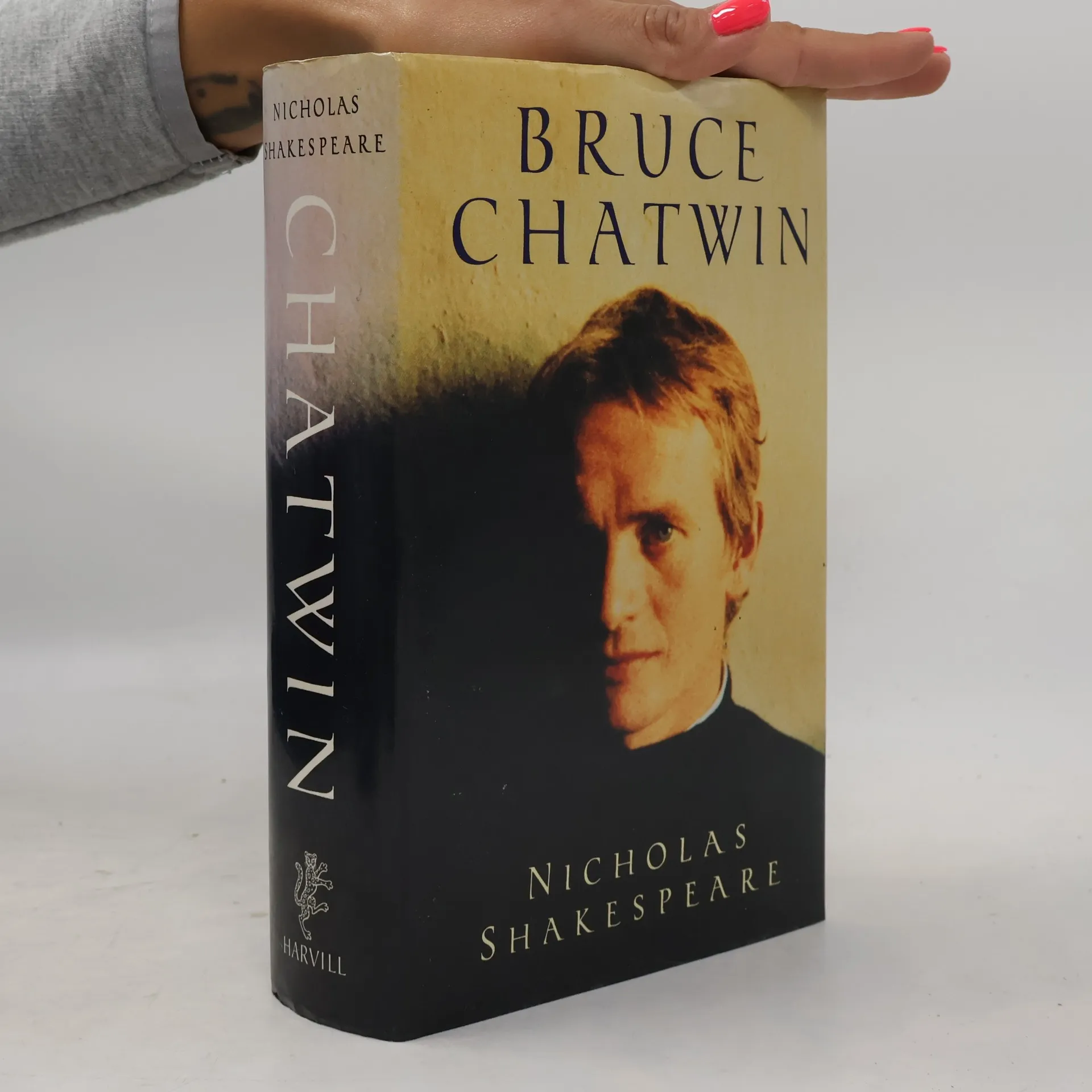
Bruce Chatwin was an English novelist and travel writer whose works often delve into themes of journey, culture, and human existence. His distinctive style blends lyrical prose with a keen observational eye, blurring the lines between fact and fiction to explore profound truths about the human condition. Chatwin masterfully weaves personal experiences with broader historical and cultural tapestries, inviting readers to contemplate our place in the world and the nature of nomadic existence. His writing is characterized by a unique voice that captures the spirit of adventure and the deep-seated human search for meaning.
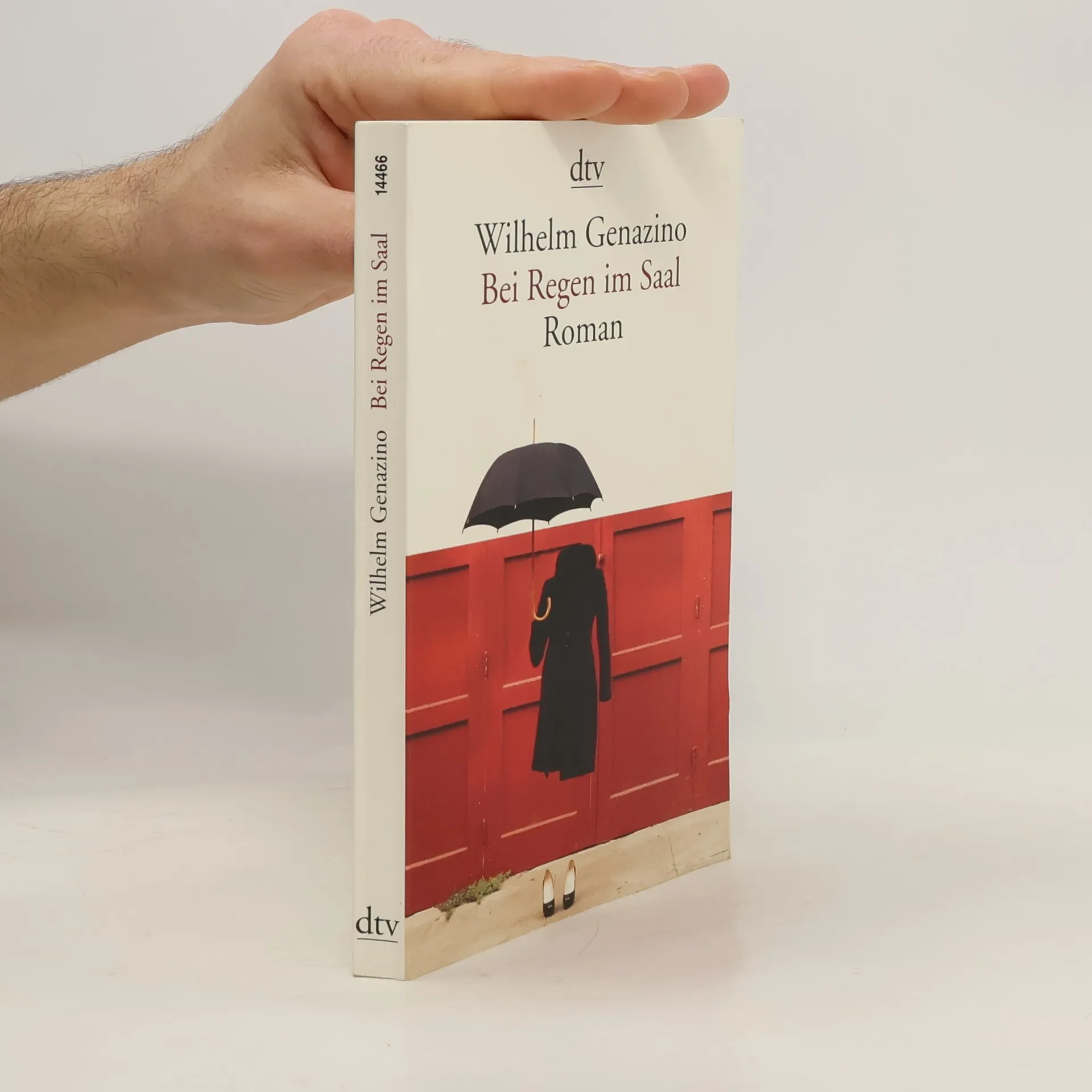
Das Abseits als sicherer Ort Reinhard, ein schlecht rasierter, promovierter Mittvierziger ohne Perspektive, hangelt sich halbherzig durchs Leben. Sonja, die Frau an seiner Seite, will nicht länger zusehen, wie er sich zunehmend vernachlässigt und ins gesellschaftliche Aus manövriert. Sie verlässt ihn und heiratet einen anderen, der fest im Leben zu stehen scheint. Die vermeintliche Stabilität des »Normalen« allerdings bietet ihr keine Rettung, nur gähnende Langeweile. Kann es ein Happy End im sozialen Abseits geben? Mit Witz und Genauigkeit erkundet Wilhelm Genazino den schmalen Grat, der Eigenbrötelei vom Absturz trennt.
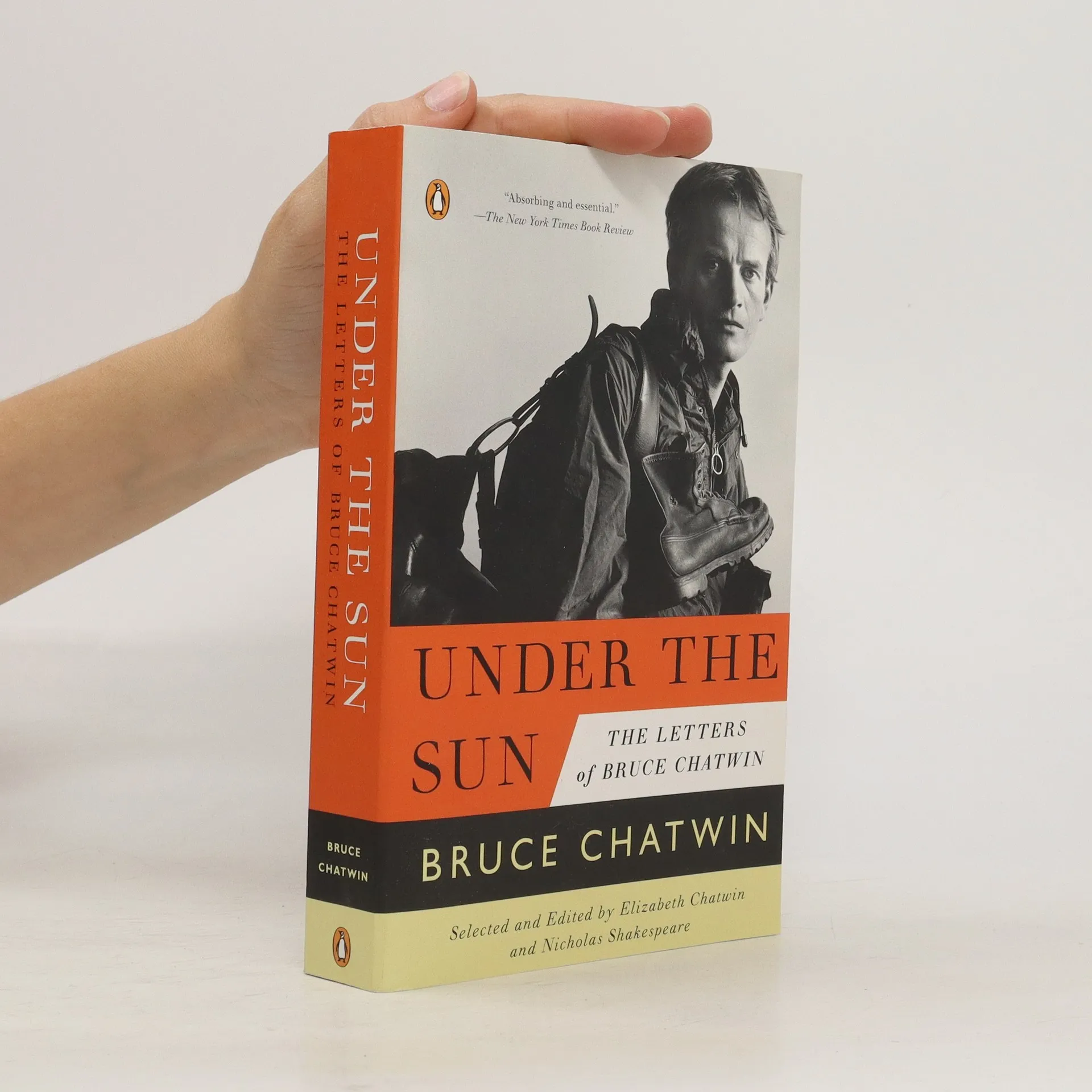
"Wonderful...the closest we are ever going to get to a Chatwin autobiography." -William Dalrymple, The Times Literary Supplement (London) The celebrated author of such beloved works as In Patagonia and The Songlines, Bruce Chatwin was a nomad whose desire for adventure and enlightenment was made wholly evident by his writing. This marvelous selection of letters-to his wife, to his parents, and to friends, including Patrick Leigh Fermor, James Ivory, and Paul Theroux- reveals a passionate man and a storyteller par excellence. Written with the verve and sharpness of expression that first marked him as an author of singular talent, Chatwin's letters provide a window into his remarkable life and strikingly detailed insights regarding his literary ambitions and tastes.
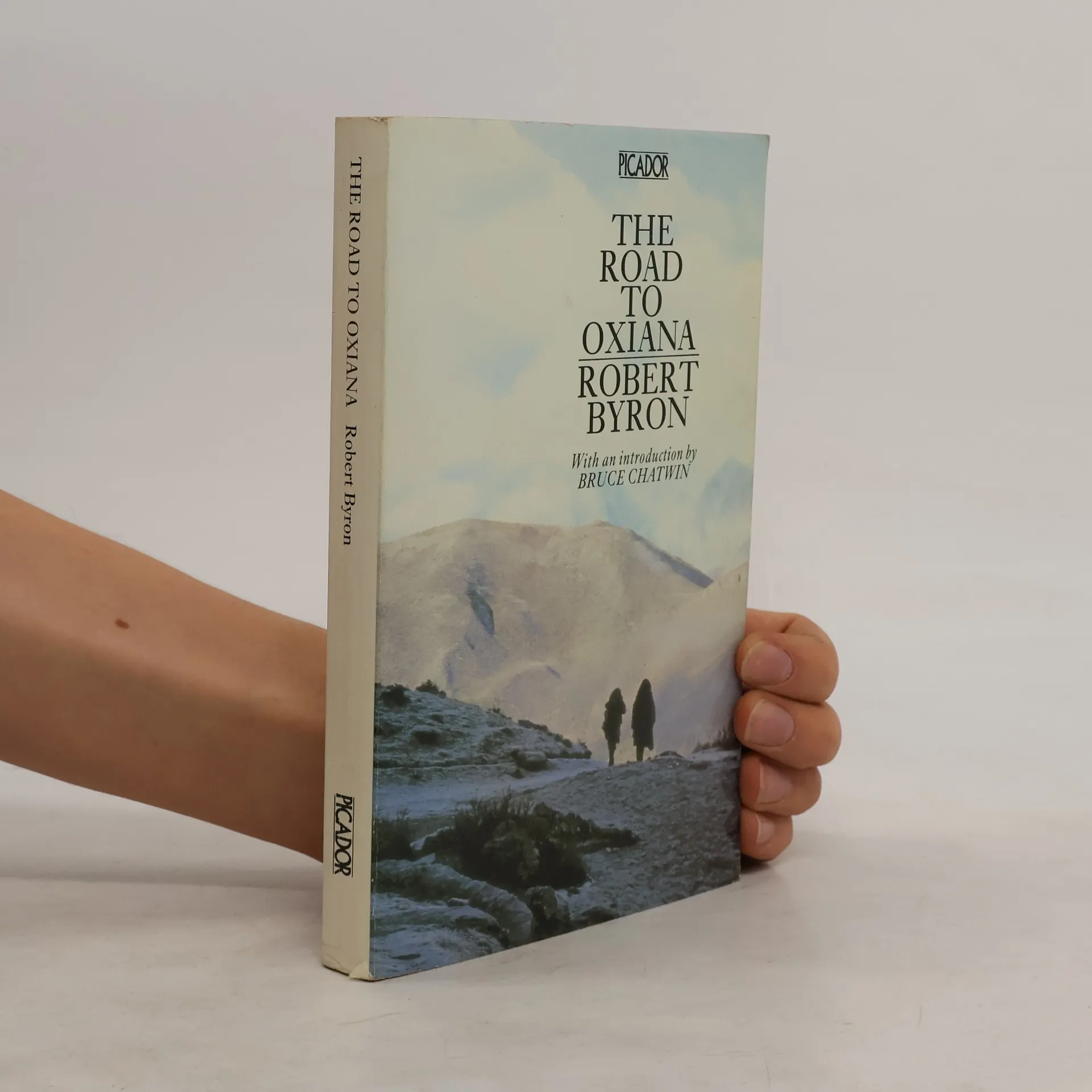
In 1933 the delightfully eccentric Robert Byron set out on a journey through the Middle East via Beirut, Jerusalem, Baghdad and Teheran to Oxiana -the country of the Oxus, the ancient name for the river Amu Darya which forms part of the border between Afghanistan and the Soviet Union. His arrival at his destination, the legendary tower of Qabus, although a wonder in itself, it not nearly so amazing as the thoroughly captivating, at times zany, record of his adventures. In addition to its entertainment value, The Road to Oxiana also serves as a rare account of the architectural treasures of a region now inaccessible to most Western travellers. When Paul Fussell "rediscovered" The Road to Oxiana in his recent book Abroad, he whetted the appetite of a whole new generation of readers. In his new introduction, written especially for this volume, Fussell writes: "Reading the book is like stumbling into a modern museum of literary kinds presided over by a benign if eccentric curator. Here armchair travellers will find newspaper clippings, public signs and notices, official forms, letters, diary entries, essays on current politics, lyric passages, historical and archaeological dissertations, brief travel narratives (usually of comic-awful delays and disasters), and--the triumph of the book--at least twenty superb comic dialogues, some of them virtually playlets, complete with stage directions and musical scoring."
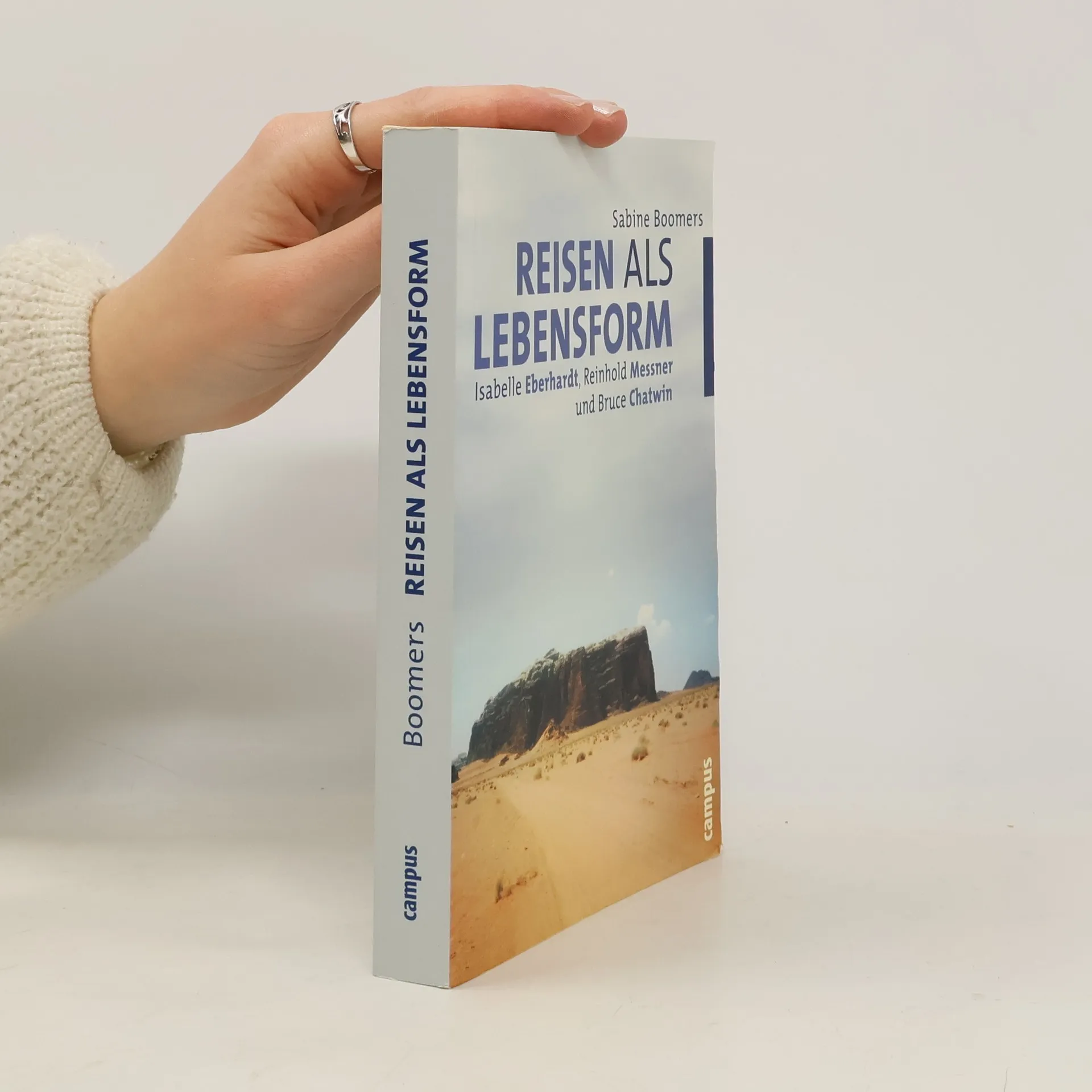
Isabelle Eberhardt, Reinhold Messner und Bruce Chatwin
360 pages
13 hours of reading
Reisen und Identität in der Moderne Während manche das Ende des Reisens im „globalen Dorf“ diagnostizieren, ist zumindest die Reisesehnsucht - neben der Urlaubsroutine - in den westlichen Gesellschaften ungebrochen. Sabine Boomers beleuchtet die gegenwärtige Praxis des Reisens vor dem Hintergrund moderner Identitätssuche und beschreibt in Isabelle Eberhardt, Reinhold Messner und Bruce Chatwin drei verschiedene Typen des obsessiven Unterwegsseins. Diese Dauerreisenden erleben stellvertretend für das Publikum, was zu einem grundlegenden Begehren des modernen Menschen wurde: Sich im Reisen als anderer zu erfahren, das Selbst im Fremden zu entdecken und trotz der vermuteten Selbstfremdheit zu Ganzheit und Sinn zu finden.
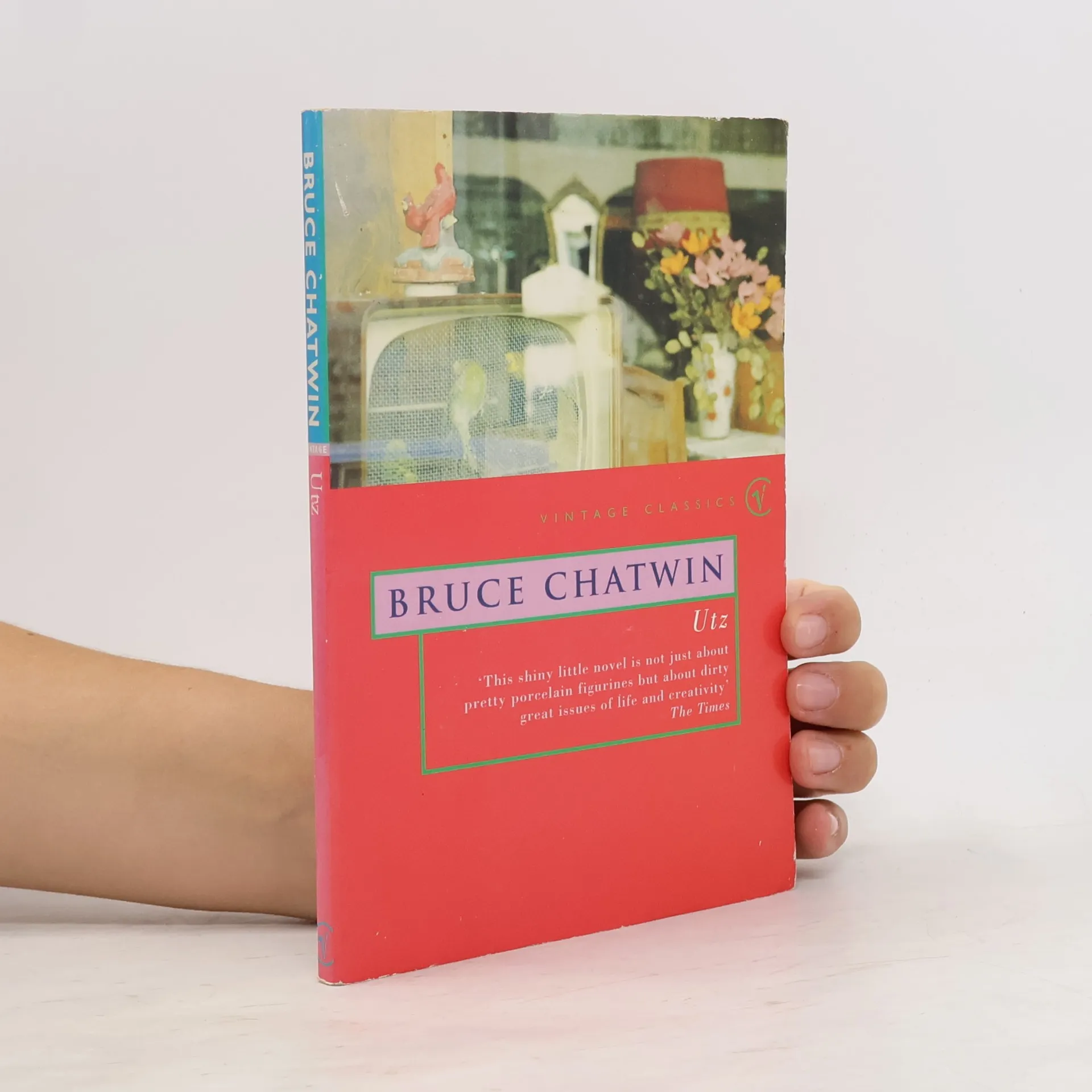
Ultimo libro pubblicato da Chatwin, questo romanzo fu subito salutato come "una gemma squisita, compatta, luccicante, riccamente sfaccettata". Secondo Susannah Clapp il protagonista di Utz (1988) ricorda assai da vicino un collezionista praghese di porcelane che Kate Foster, un colega di Sotheby's, "conobbe una trentina d'anni fa e di cui parlò a Bruce, il quale non molto tempo dopo andò a cercarlo... Era un uomo molto freddo e cinico, con una voce sottile e aspra e uno sguardo acuto, un uomo forse un po' grigio, ma di grande vigore intellettuale... la sua biografia si rispecchia, almeno a grandi linee, in quela di Utz: la collezione e la sua inspiegabile scomparsa, i dettagli dei pezzi più significativi, gli attriti con le autorità cecoslovacche, il matrimonio con la governate, il ristorante frequentato dai militanti del Partito".
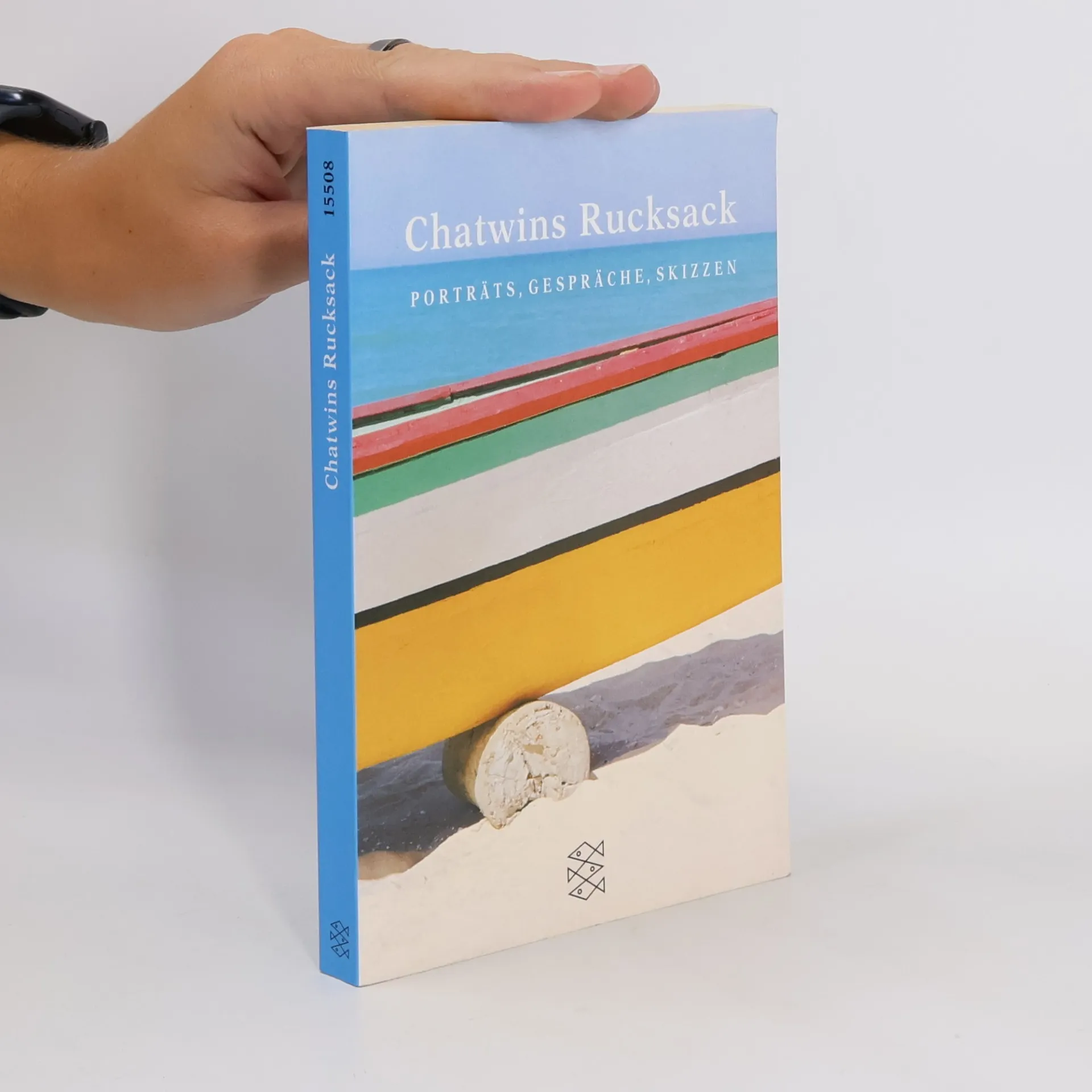
Betrat Bruce Chatwin einen Raum, bezauberte er alle durch seine Erzählungen - ein Wanderer, der über Nacht bleibt und aus seinem Rucksack eine Geschichte nach der anderen zieht. In „Chatwins Rucksack“ tritt er uns noch einmal entgegen, erklärt in einem langen Gespräch seine Kunst des Findens, macht uns in Porträts mit seinen Freunden bekannt.
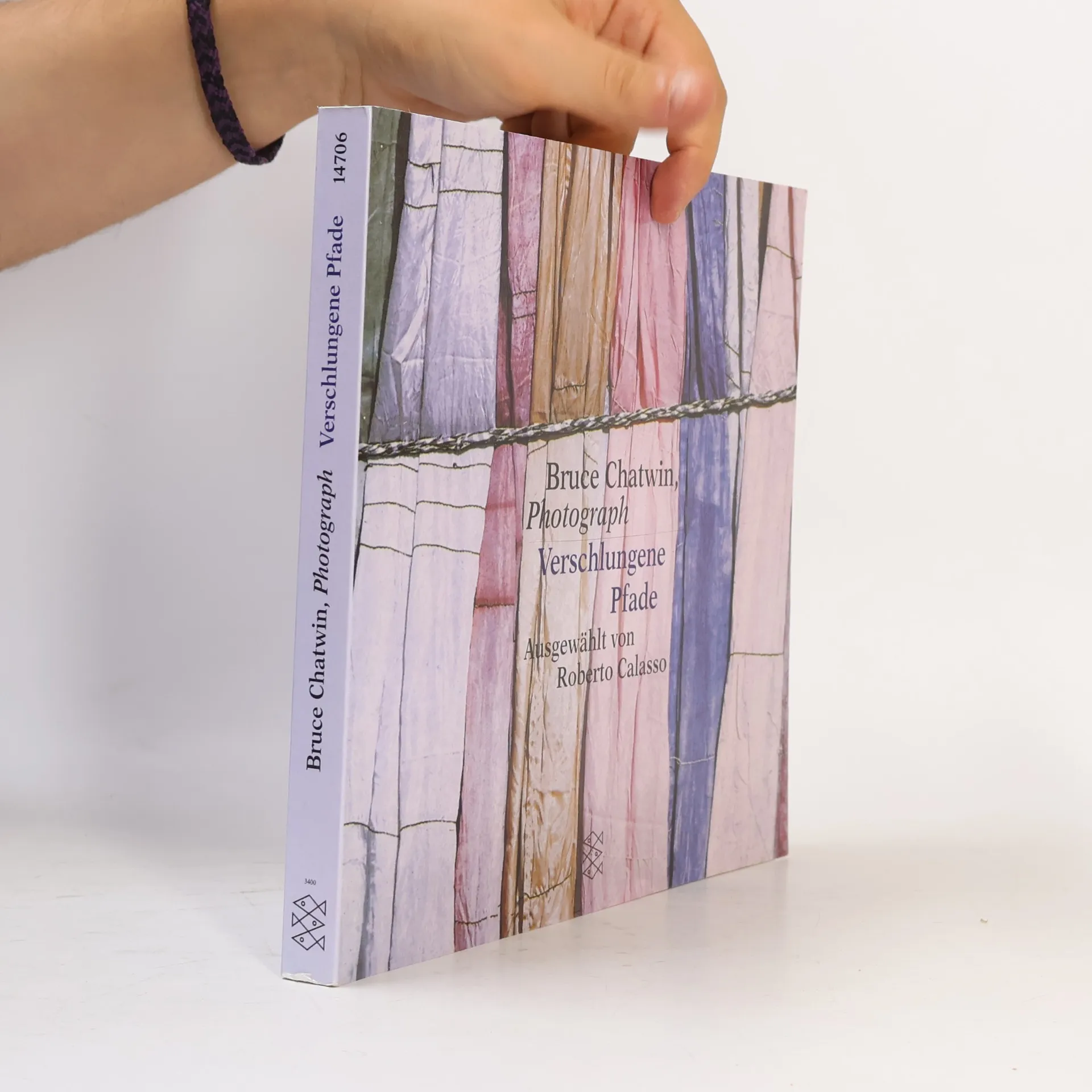
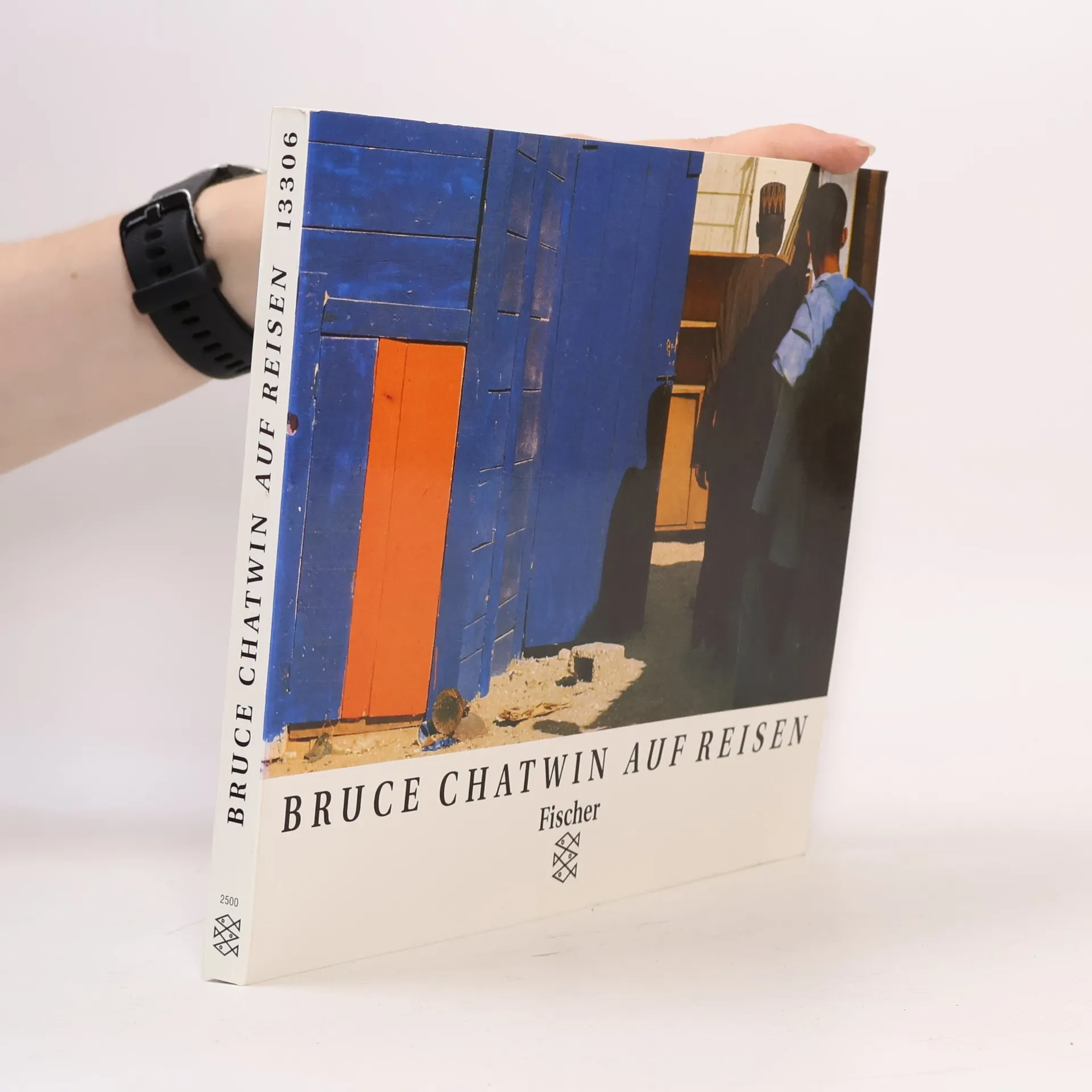
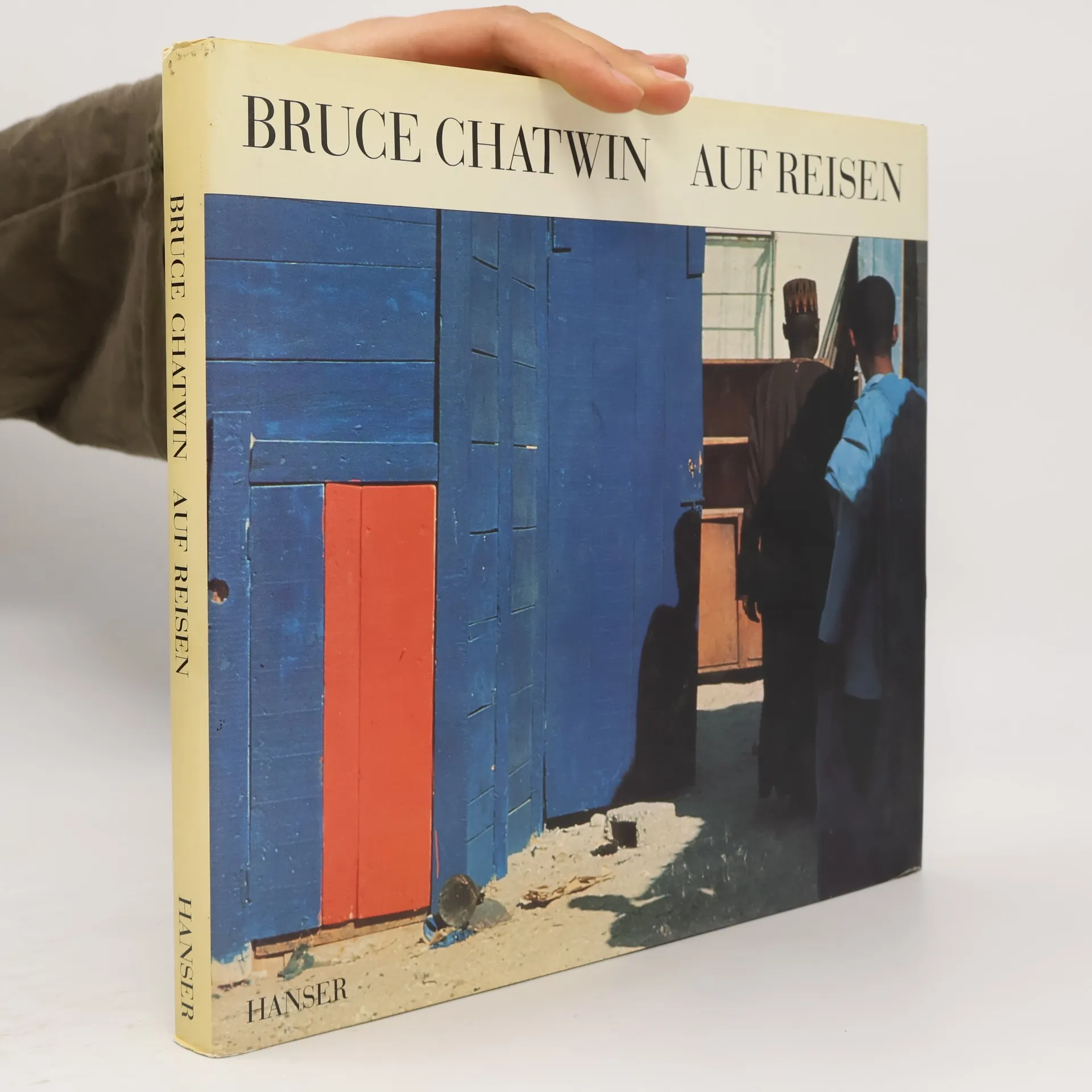
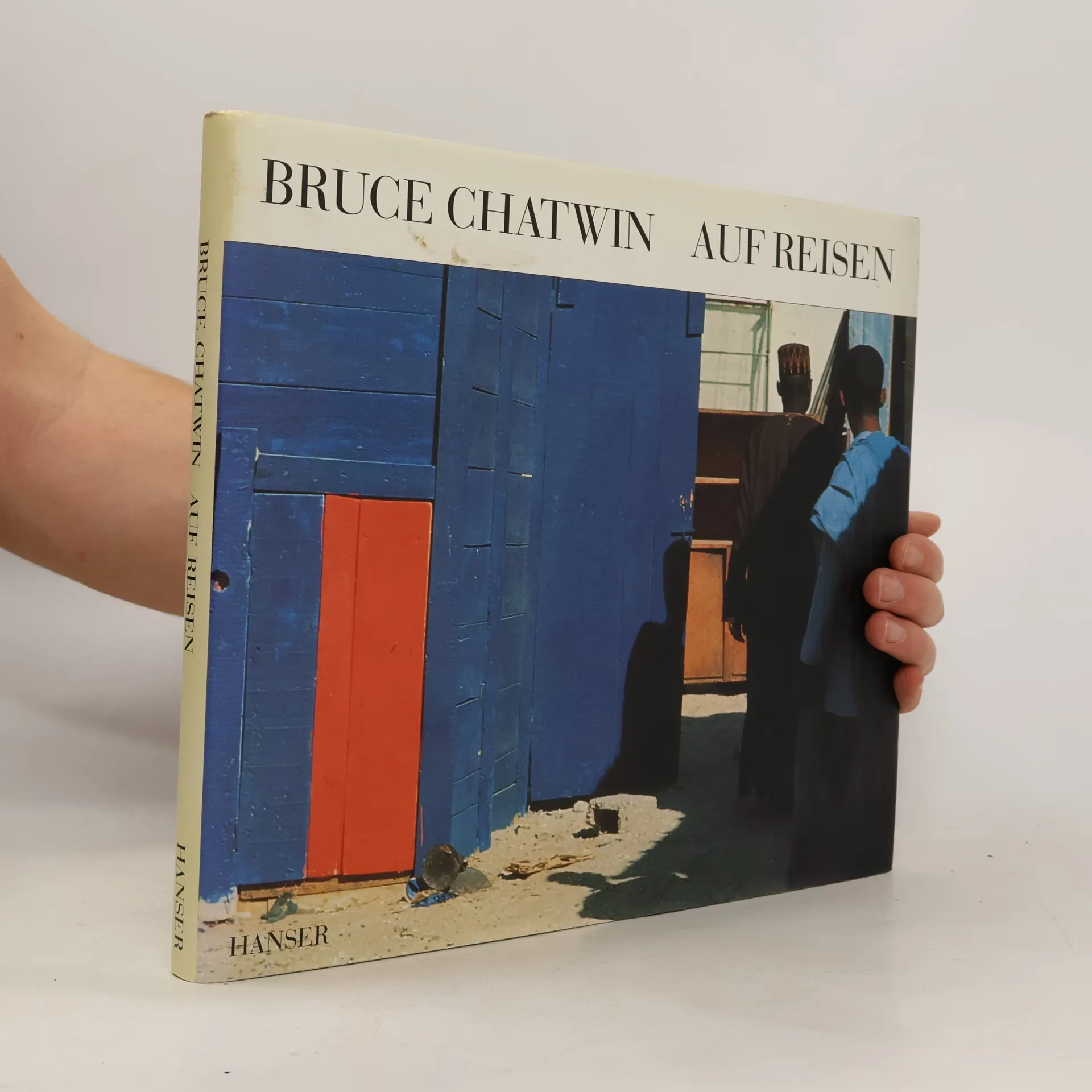
Auf seinen zahlreichen Reisen hat Bruce Chatwin, Wanderer aus Leidenschaft, auch fotografiert. Ein farbig dekorierter Torbogen in Tunesien, das bizarre Arrangement bunter Kissen in einem Schaufenster der Türkei, die tintenblauen Rauchfahnen aus den Schloten einer Ölraffinerie im Iran. Die Fotografien zeigen Menschen, Städte und Landschaften, deren Physiognomien ganze Geschichten erzählen. Die Bilder dokumentieren auch Chatwins schiere Freude an Farben und Formen und seinen verblüffenden Sinn für das Schöne noch im kleinsten Detail.
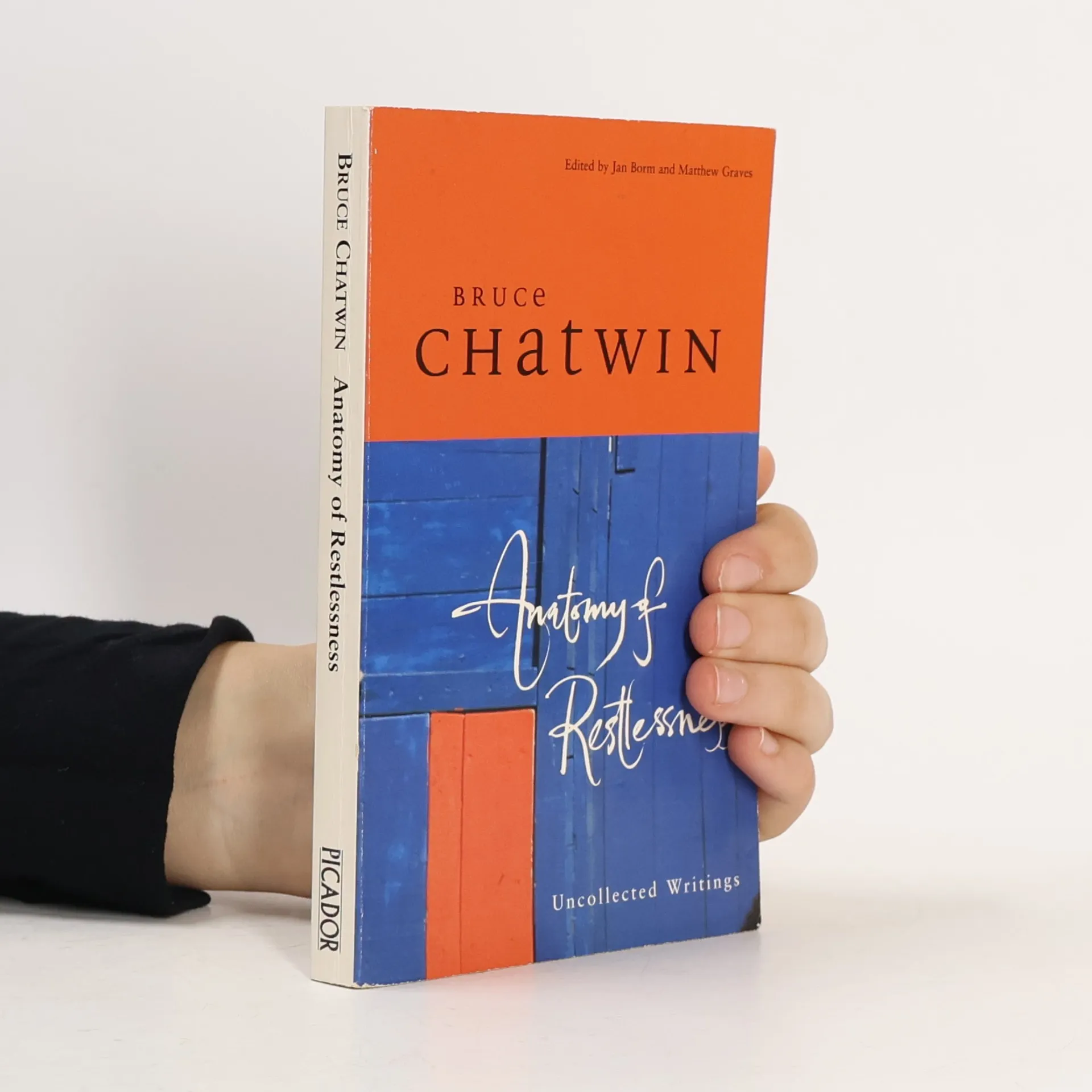
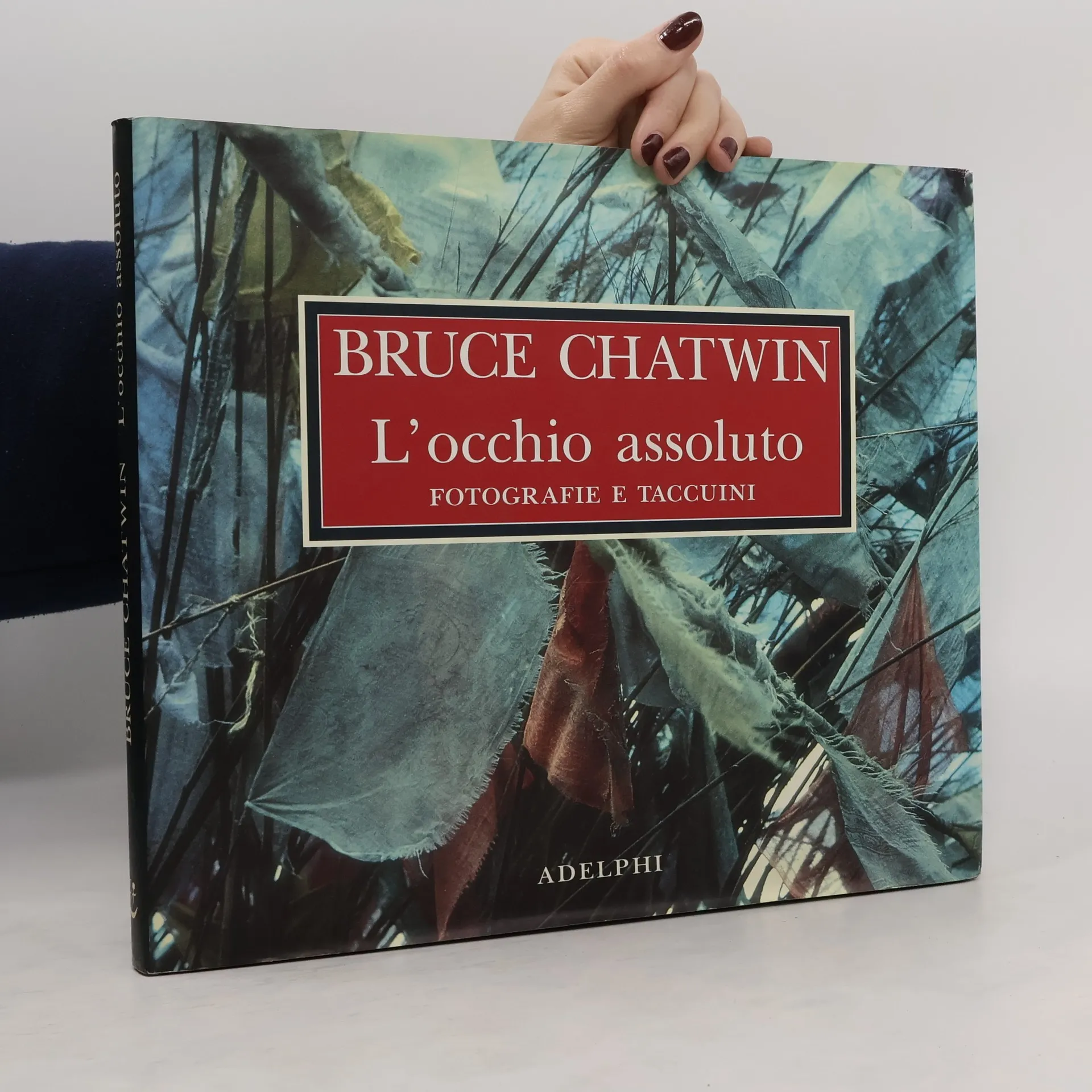
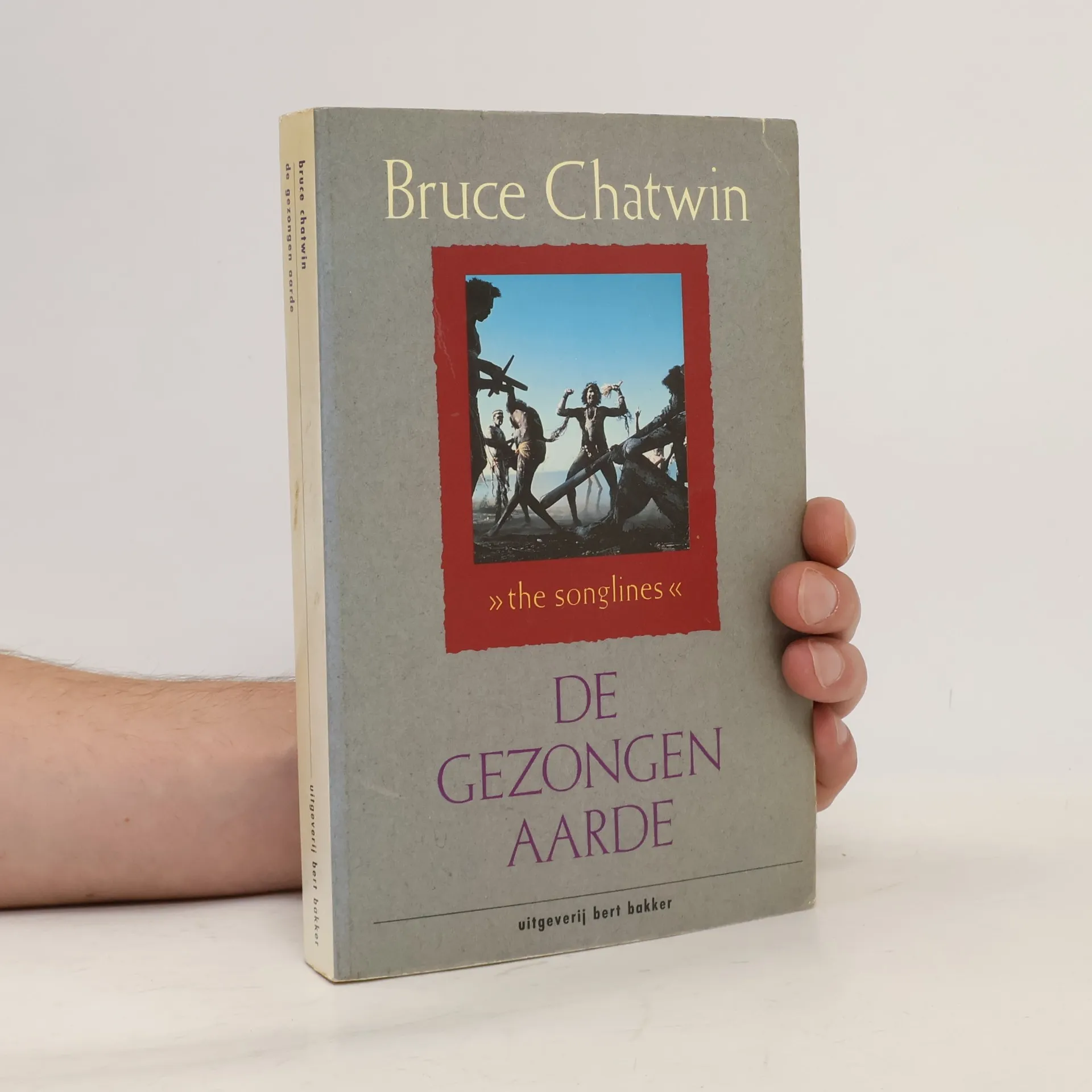
Per i lettori che amano Bruce Chatwin, questo libro diventa un breviario; per chi lo conosce meno, è un'introduzione alle sue esperienze e idee, un viaggio alla scoperta di Chatwin. In alcune parti, specialmente nelle notizie autobiografiche e nella lettera al suo editore Tom Maschler, Chatwin rivela il fondo della sua inquietudine di migrante, devoto all'«alternativa nomade». Ma perché il nomadismo è un'alternativa alla civiltà? Le risposte emergono attraverso scritti che coprono vent'anni della sua vita, dal 1968 al 1987, riflettendo le sue varie incarnazioni: esperto d’arte, giornalista, esploratore e narratore. Il libro include racconti brevi, storie di viaggio (dalla Patagonia alla Toscana, dall’Africa a Capri) e ritratti di figure come Konrad Lorenz e Curzio Malaparte. Inoltre, presenta abbozzi di un libro-sogno sul nomadismo, che Chatwin abbandonò ritenendolo «impubblicabile». Questo progetto doveva essere un atto di fede: «Il nomade rinuncia; medita in solitudine; abbandona i rituali collettivi». È anche un’autoanalisi per rispondere a una domanda fondamentale: «Perché divento irrequieto dopo un mese nello stesso posto?». La pubblicazione avviene in Inghilterra e Italia nel 1996.
Bruce Chatwin, "Englands meistgepriesener travel writer" (DIE ZEIT) und Wanderer aus Leidenschaft, hat auf seinen vielen Reisen auch photographiert. Der vorliegende Band versammelt Bilder aus Patagonien und Westafrika, aus Afghanistan und Nepal, Peru, England und den USA. Chatwins immense Beobachtungsgabe und sein ausgeprägter Schönheitssinn manifestieren sich in den Bildern ebenso wie in den beigefügten Reisenotizen.
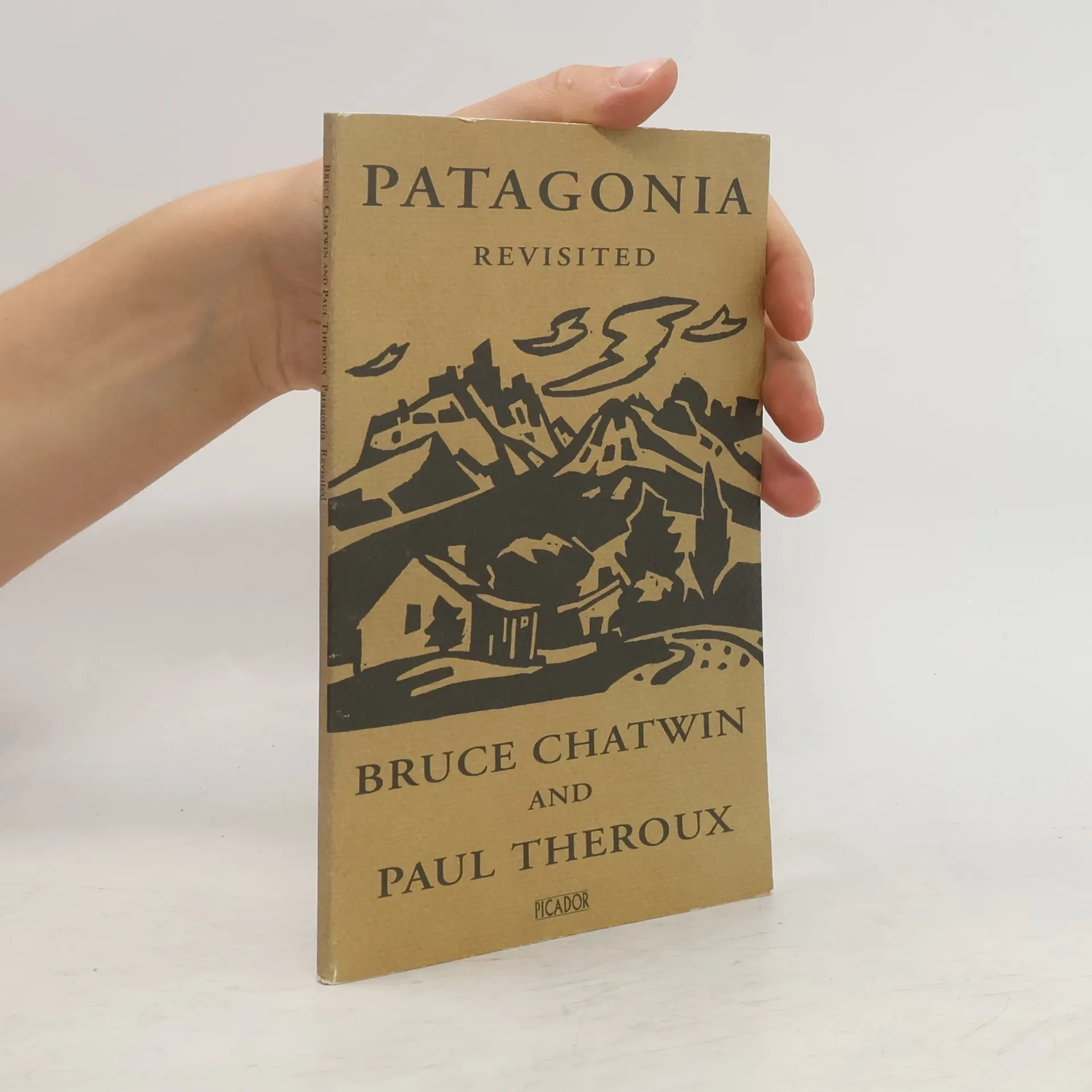
Since its discovery by Magellan in 1520, Patagonia was known as a country of black fogs and whirlwinds at the end of the inhabited world. It immediately lodged itself in the imagination as a metaphor for "the ultimate", the point beyond which one could not go. In this book, Chatwin and Theroux join forces to explores the instances in which the "final capes of exile" have affected the literary imagination, and to track down some of the extraordinary travellers, past and present, from W.H. Hudson, to Captain Joshua Slocum and Butch Cassidy. Paul Theroux has won the Whitbread Literary Award. This book had its origins in an entertainment the writers gave for The Royal Geographical Society, at a time when Theroux was following Chatwin's "In Patagonia" with "The Old Patagonian Express".
Осип Мандельштам (1891–1938) — одна из ключевых фигур русской культуры XX века, ее совершенно особый и самобытный поэтический голос. «В ремесле словесном я ценю только дикое мясо, только сумасшедший нарост», — так определял Мандельштам особенность своей прозы с ее афористичной, лаконичной, плотной языковой тканью.
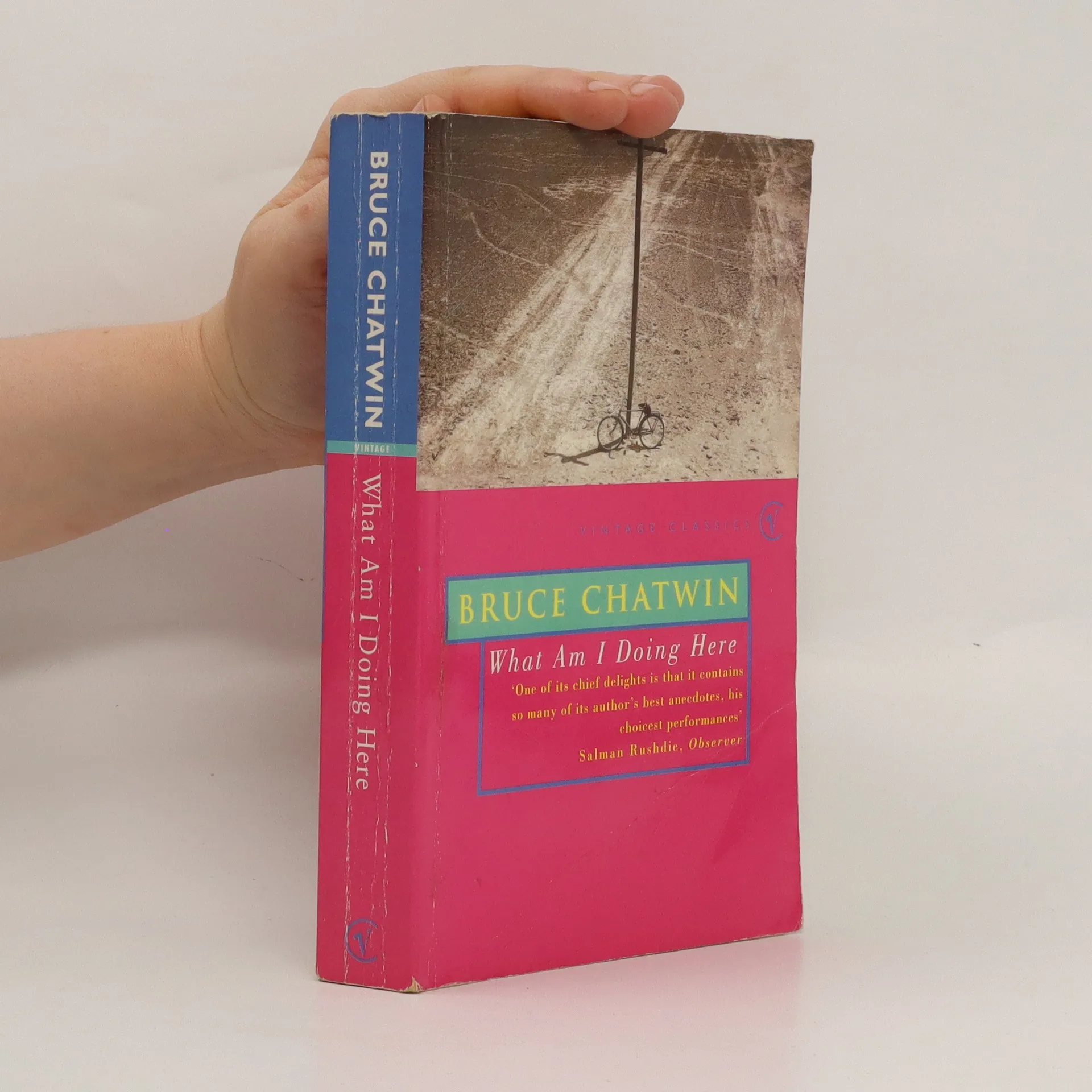
In this collection of profiles, essays and travel stories, Chatwin takes us to Benin, where he is arrested as a mercenary during a coup; to Boston to meet an LSD guru who believes he is Christ; to India with Indira Ghandi when she attempted a political comeback in 1978; and to Nepal where he reminds us that 'Man's real home is not a house, but the Road, and that life itself is a journey to be walked on foot'
A story of ideas in which two companions, traveling and talking together, explore the hopes and dreams that animate both them and the people they encounter in Central Australia's almost uninhabitable regions.
SHORTLISTED FOR THE BOOKER PRIZE. Bruce Chatwin's bestselling novel traces the fortunes of the enigmatic and unconventional hero, Kaspar Utz. Despite the restrictions of Cold War Czechoslovakia, Utz asserts his individuality through his devotion to his precious collection of Meissen porcelain. Although Utz is permitted to leave the country each year, and considers defecting each time, he is not allowed to take his porcelain with him and so he always returns to his Czech home, a prisoner both of the Communist state and of his collection.
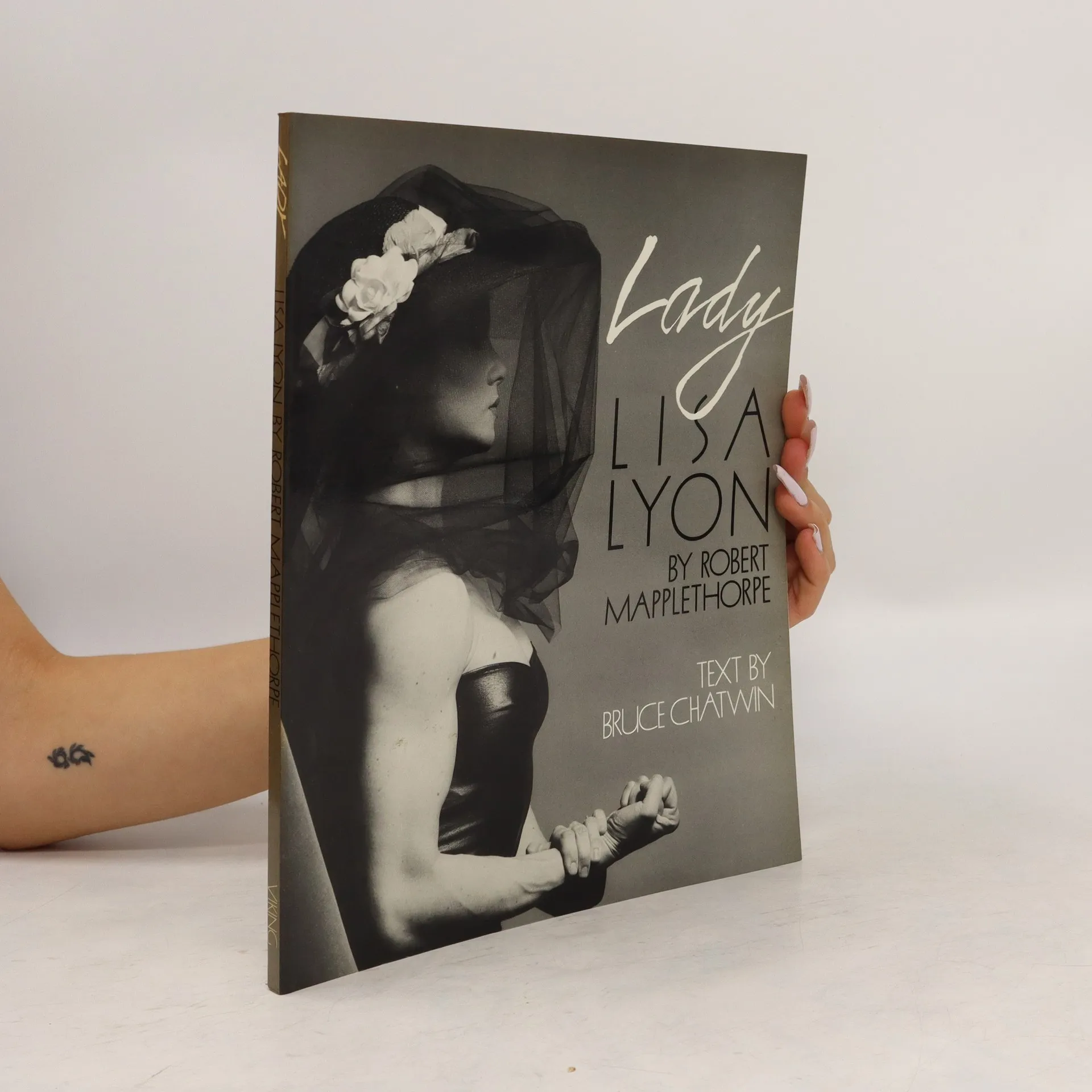
Mapplethorpe's provocative portrait of Lisa Lyon, the first World Women's Bodybuilding Champion. A commanding work of photography by a modern master of the art.
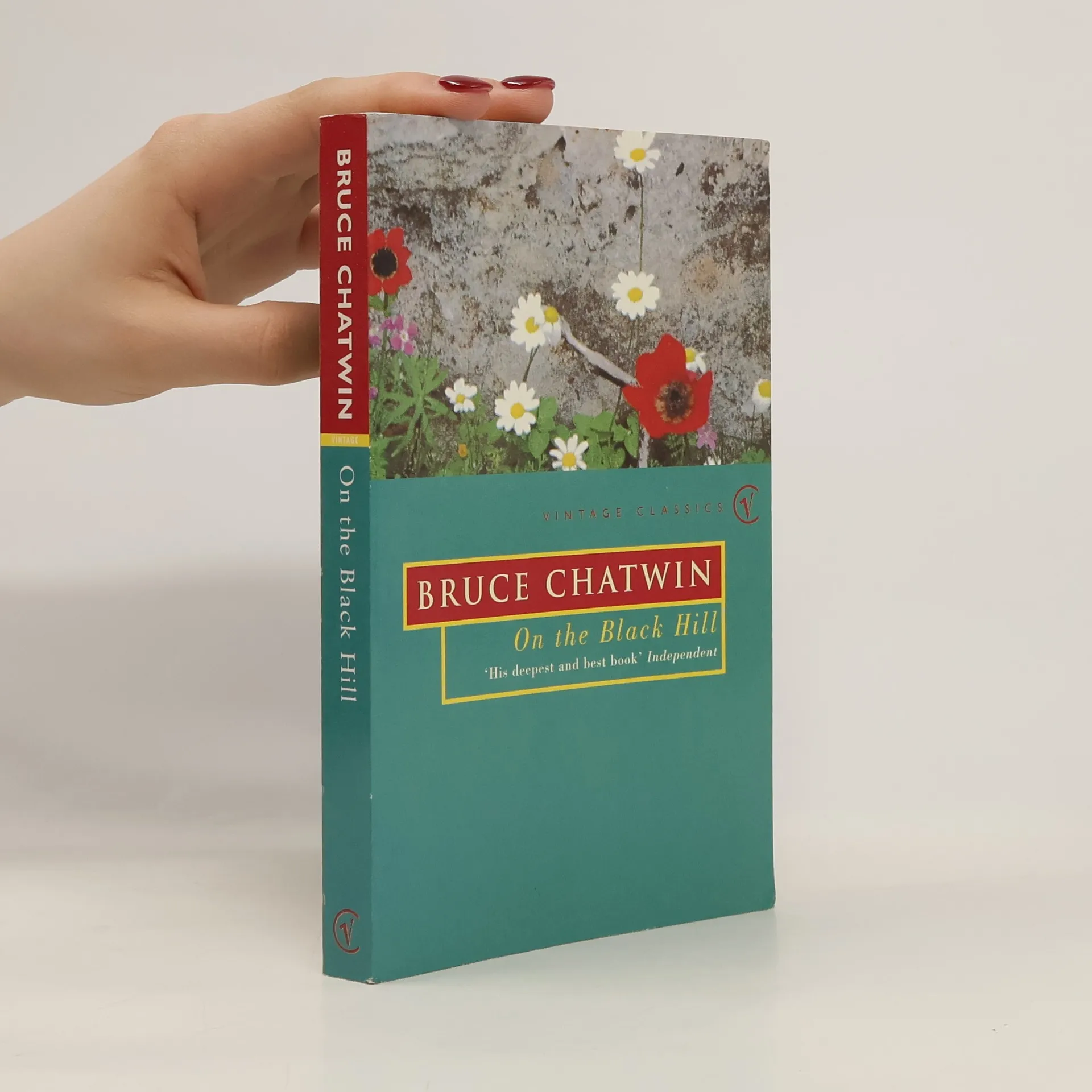
On the Black Hill is an elegantly written tale of identical twin brothers who grow up on a farm in rural Wales and never leave home. They till the rough soil and sleep in the same bed, touched only occasionally by the advances of the twentieth century. In depicting the lives of Benjamin and Lewis and their interactions with their small local community Chatwin comments movingly on the larger questions of human experience.
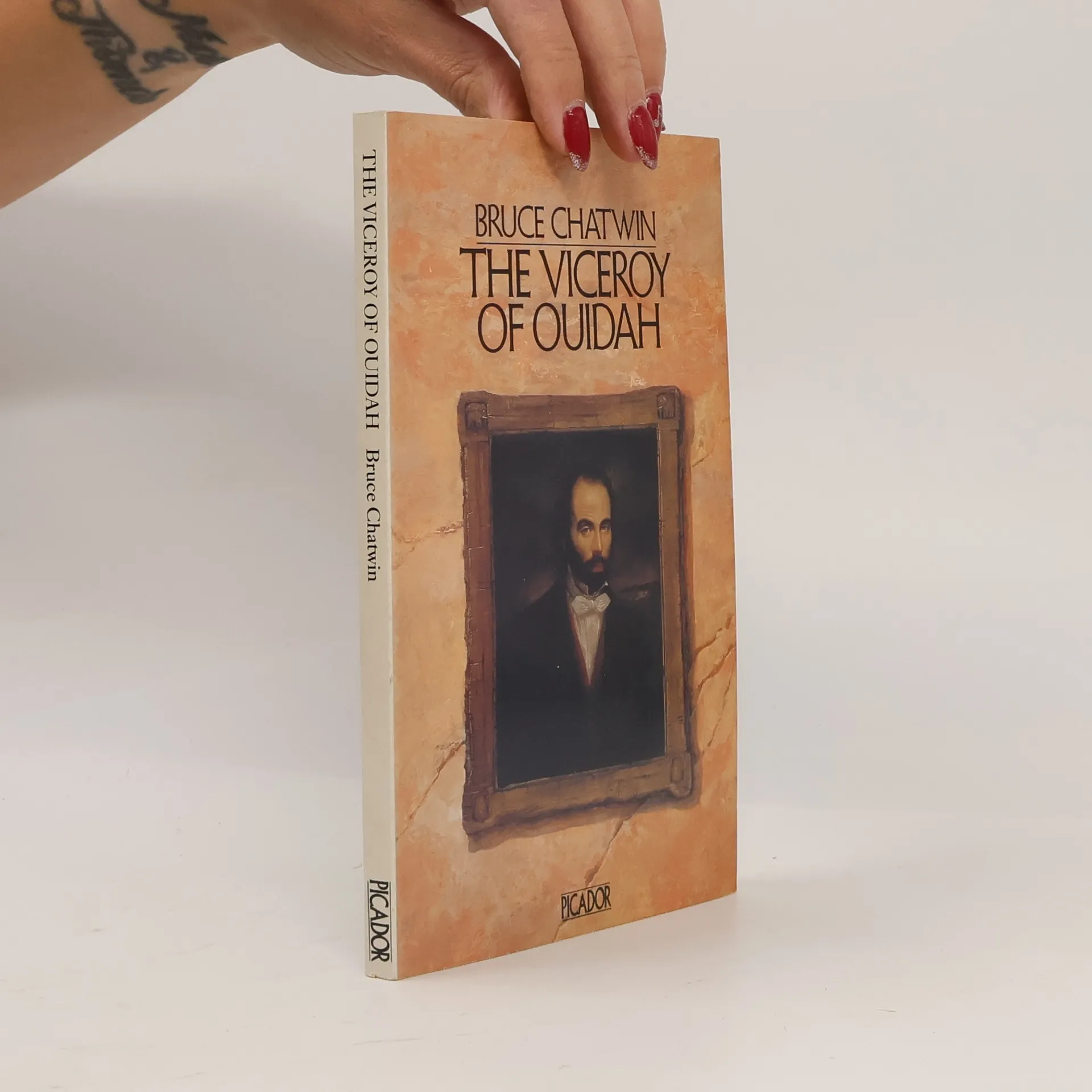
In this vivid, powerful novel, Chatwin tells of Francisco Manoel de Silva, a poor Brazilian adventurer who sails to Dahomey in West Africa to trade for slaves and amass his fortune. His plans exceed his dreams, and soon he is the Viceroy of Ouidah, master of all slave trading in Dahomey. But the ghastly business of slave trading and the open savagery of life in Dahomey slowly consume Manoel's wealth and sanity.
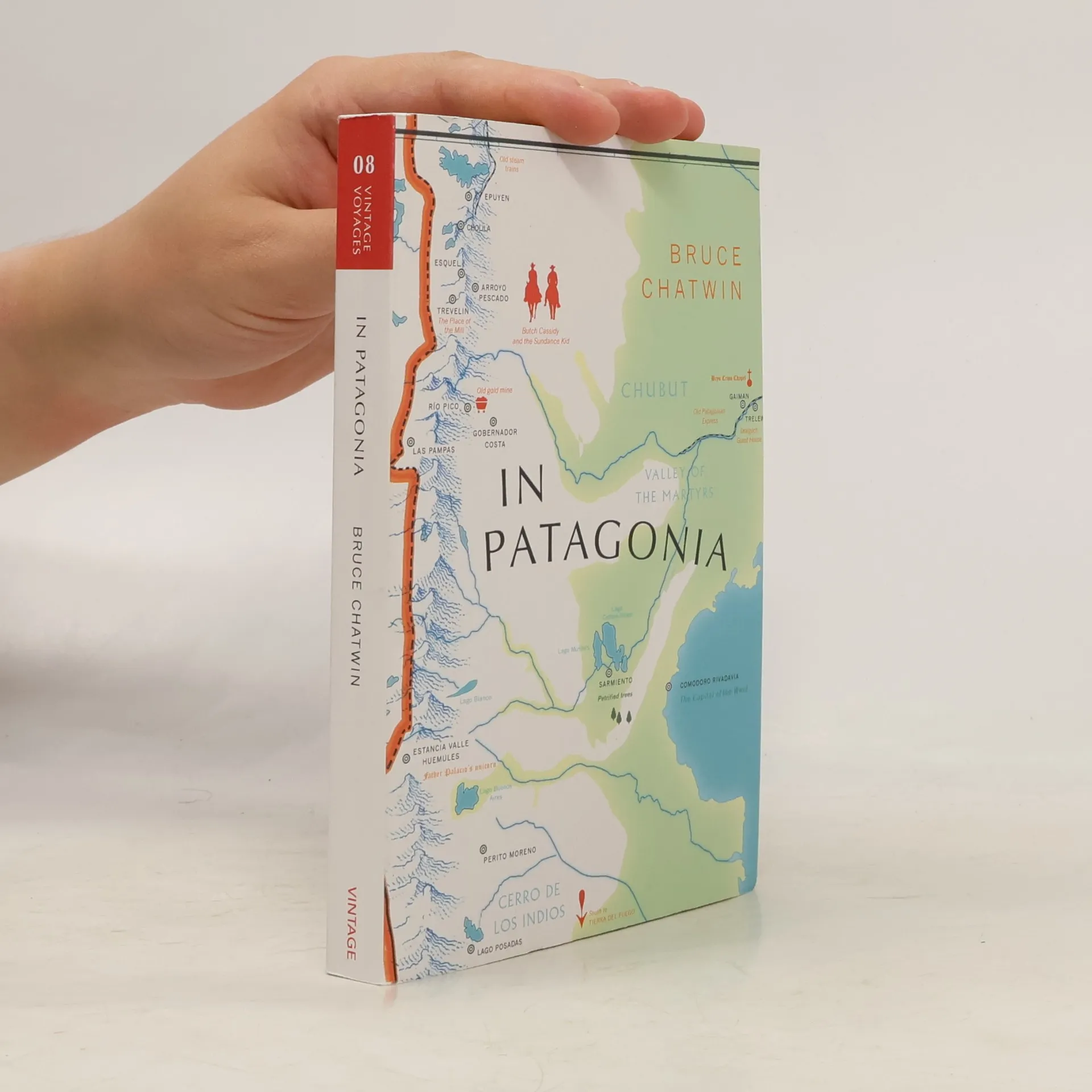
When Bruce Chatwin's In Patagonia was published in 1977 it heralded the arrival of a startling new talent in British literature. Critics were surprised and spellbound by a story of an adventure which blurred the boundaries between travel writing, biography, history and memoir. All readers recognised its timeless quality - Auberon Waugh went as far as to call it 'a classic'. Forty years later, Chatwin's first book continues to inspire generations of travellers and writers. This 40th anniversary edition celebrates the enduring status of In Patagonia and includes a host of material from the archive to recreate the book's genesis and publication.