David Malouf is a celebrated Australian author whose works are distinguished by their profound psychological insights and elegant prose. His novels delve into themes of identity, memory, and the intricate connections between past and present. Through his poetry and fiction, he captures the beauty and fragility of human experience, often exploring the deep resonance between people and the landscapes they inhabit. Malouf's literary contribution is marked by intellectual depth and a poetic sensibility that invites readers to contemplation.
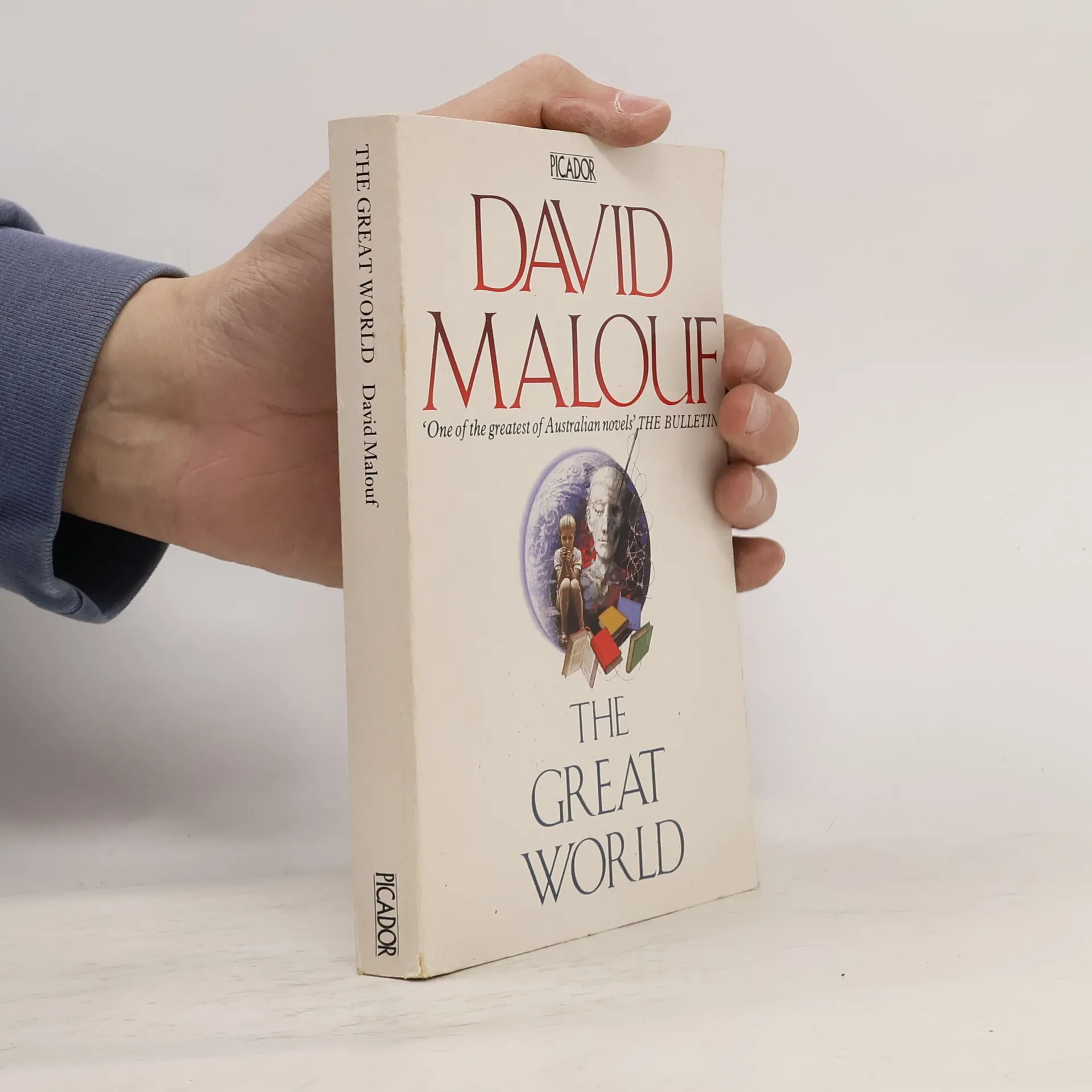
The Great World gives a voice to the Australian experience of war; of the young men who have enlisted to fight other people's battles. Ranging over 70 years of Australian life, it is a novel of self-knowledge and lost innocence, of survival and witness.
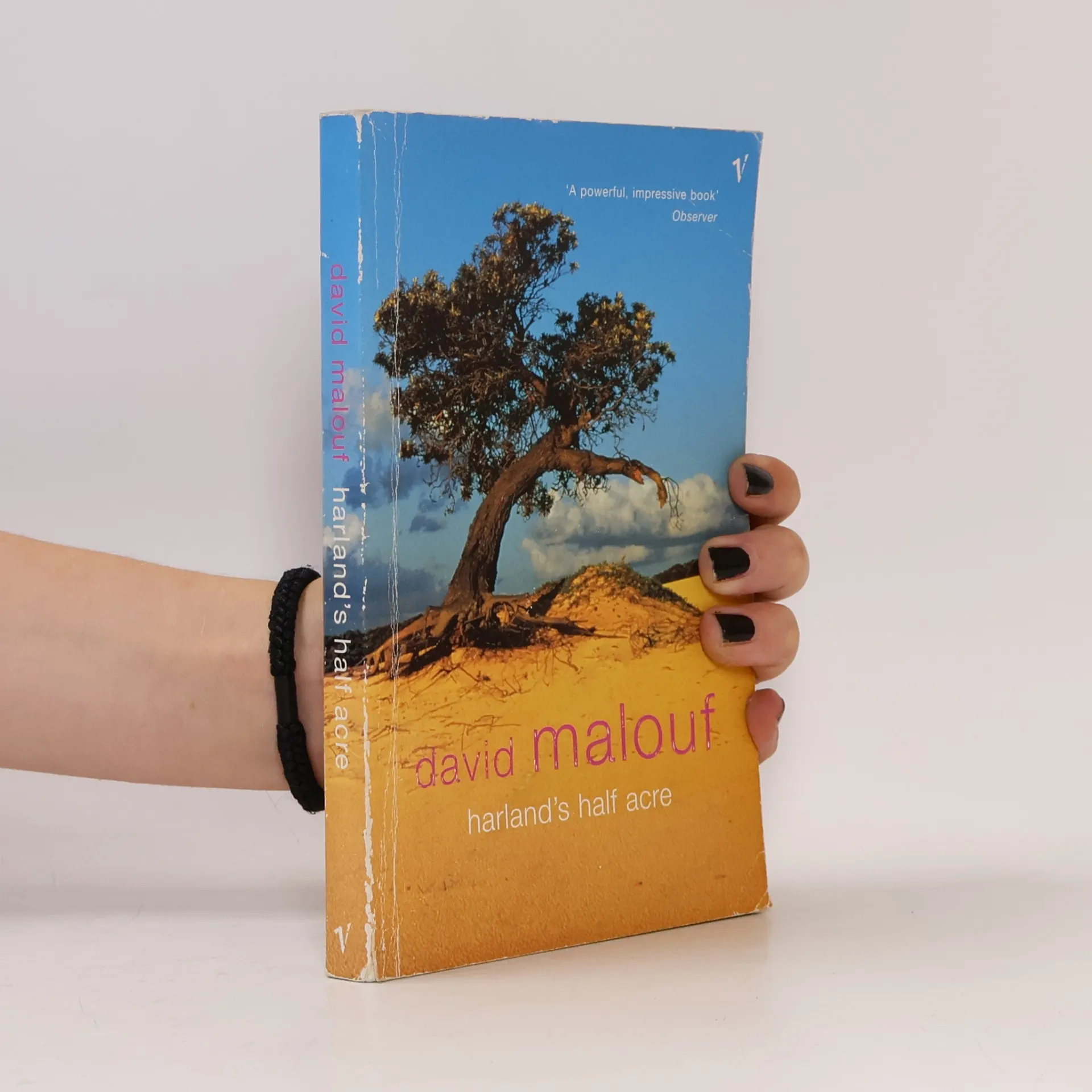
Born on a poor dairy farm in Queensland, Frank Harland's life is centred on
his great artistic gift, his passionate love for his father and four brothers
and his need to repossess, through a patch of land, his family's past.
Paperback edition of the first collection of short stories by the internationally award-winning poet and novelist. First published in 1985, it was awarded that year's Vance Palmer Award for Fiction, one of the Victorian Premier's literary awards. The author's other works include TJohnno' and THarland's Half Acre'.
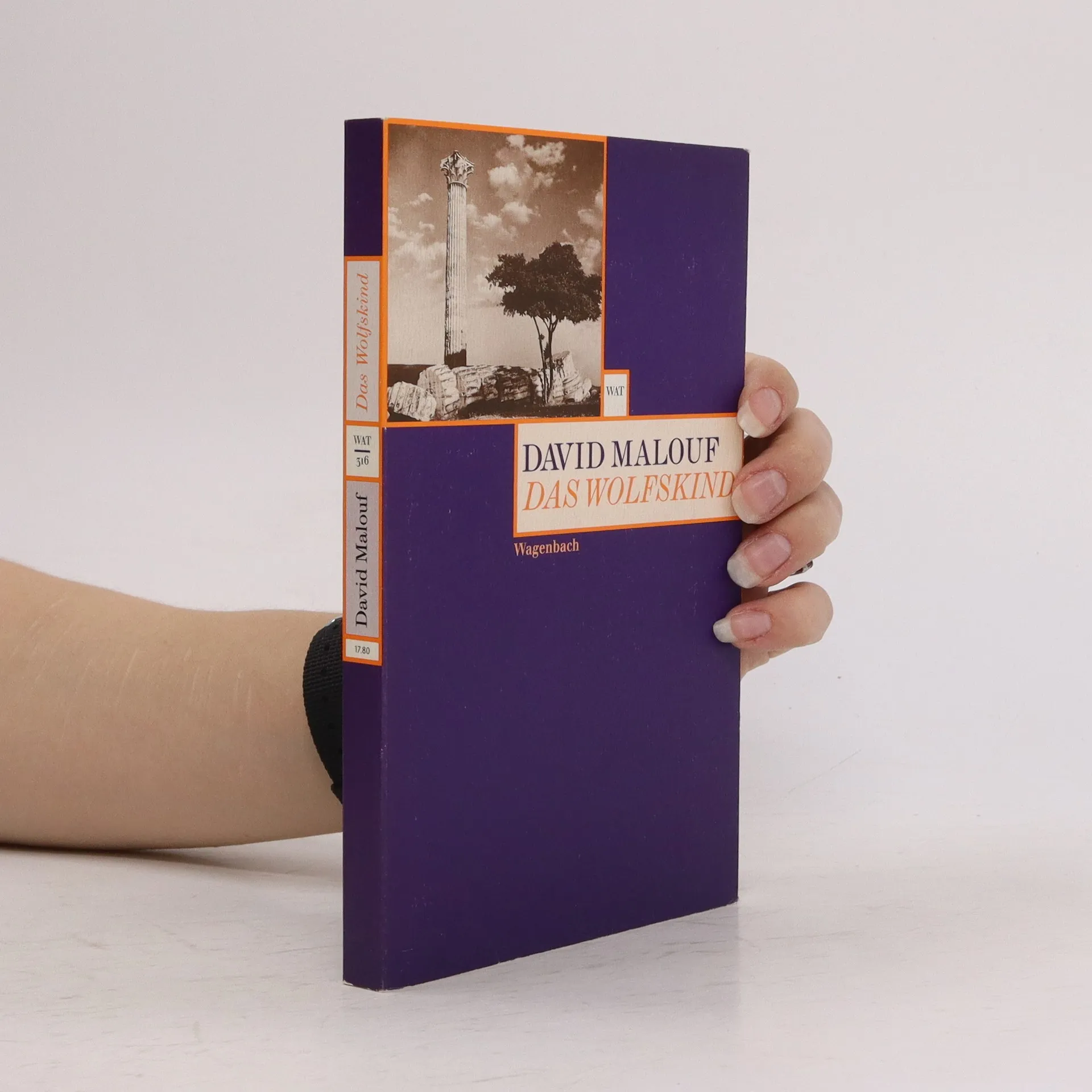
In the first century A.D., Publius Ovidius Naso, the most urbane and irreverent poet of imperial Rome, was banished to a remote village on the edge of the Black Sea. From these sparse facts, Malouf has fashioned an audacious and supremely moving novel. Marooned on the edge of the known world, exiled from his native tongue, Ovid depends on the kindness of barbarians who impale their dead and converse with the spirit world.Then he becomes the guardian of a still more savage creature, a feral child who has grown up among deer. What ensues is a luminous encounter between civilization and nature, as enacted by a poet who once cataloged the treacheries of love and a boy who slowly learns how to give it. A work of unusual intelligence and imagination, full of surprising images and insights...One of those rare books you end up underlining and copying out into notebooks and reading out loud to friends.--The New York Times Book Review
In the streets of an ordinary Italian town, the people go about their everyday lives. In an old apartment block above them, a young man pores over photographs and plans, dedicated to his life's most important project. Day by day, in his imagination, he is rehearsing for his greatest performance. Yet when his moment comes, nothing could have prepared him for what happens...
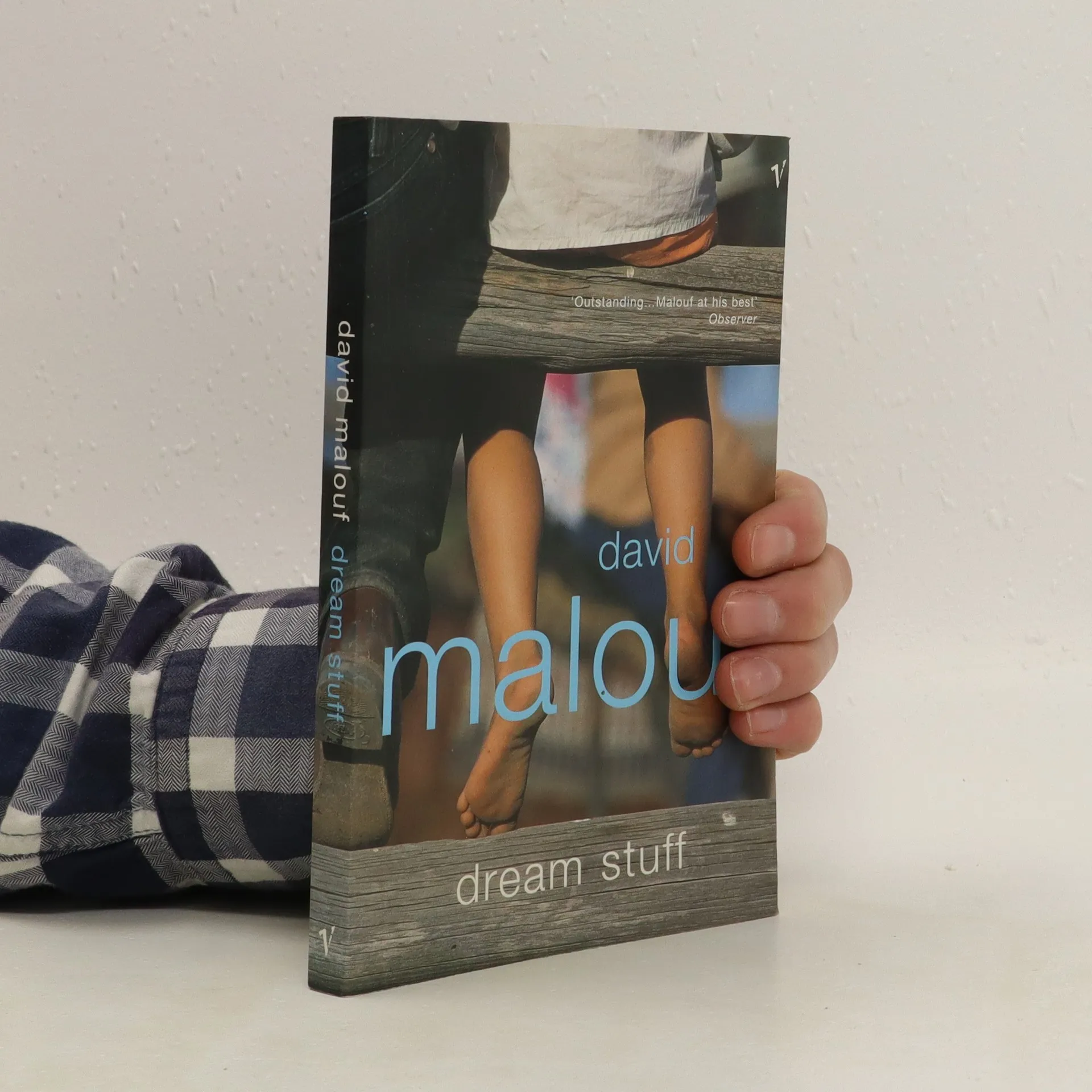
A young man going off to war tries to make sense of his place in the world he is leaving; a composer's life plays itself out as a complex domestic cantata; an accident on a hunting trip speaks volumes, which its inarticulate victim never could; and a down-to-earth woman stubbornly tries to keep her feet on the ground at Ayers Rock. Malouf's men and women are together but curiously alone, looking for something they seem to have missed, or missed out on, in life. Powerfully rooted in the heat and the dust of the vast Australian continent, this is a heartbreakingly beautiful and richly satisfying collection by a master storyteller, one of the great writers of our time.
A complex history comes down to us, through household jokes and anecdotes, odd family habits, and irrational superstitions, that forever shapes what we see and the way in which we see it. Written with humour and uncompromising intelligence, 12 Edmondstone Street is an unforgettable portrait of one man's life.
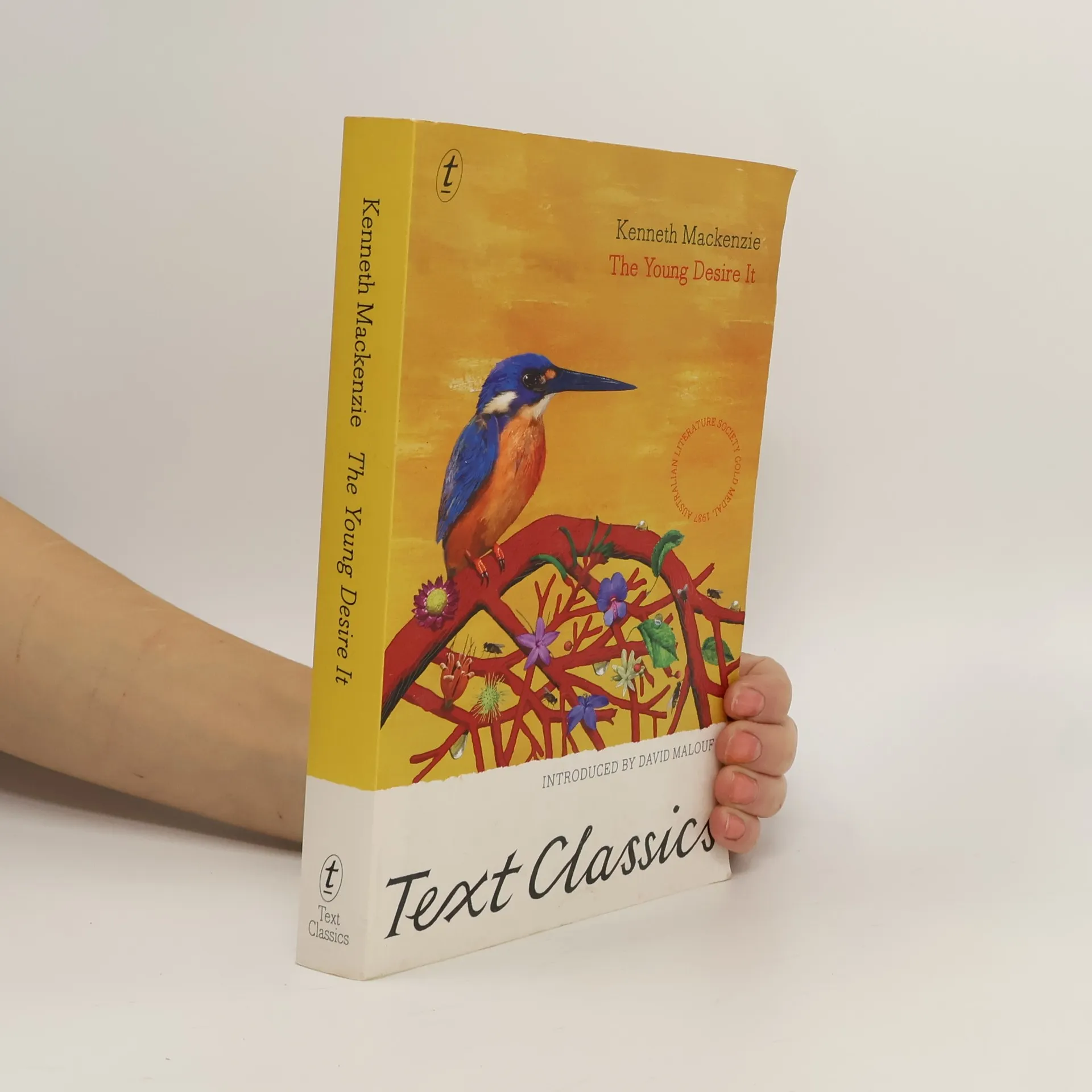
In the late afternoon of a day in February, that hottest of Australian summer months, when a brutal sun stood bronze above the river flats which you may see from the dormitory windows of Chatterton, Charles came to the school with his mother, walking from the railway station to the gates by a private path across a burnt, untidy field, overhung with Cape lilacs that still drooped, dusty and melancholy...In the lower part of his belly fear kicked and pulsed like a child in the womb, ready to be born. Fifteen-year-old Charles Fox is sent away to boarding school, innocent, alone and afraid. There one of his masters develops an intense attachment to him. But when Charles meets Margaret, a girl staying at a nearby farm for the holidays, he is besotted, and a passionate, unforgettable romance begins. Published in London in 1937 to wide acclaim, The Young Desire It is a stunning debut novel about coming of age: an intimate and lyrical account of first love, and a rich evocation of rural Western Australia. It won the Australian Literature Society Gold Medal, and is now back in print for the first time in years with a new introduction by David Malouf.
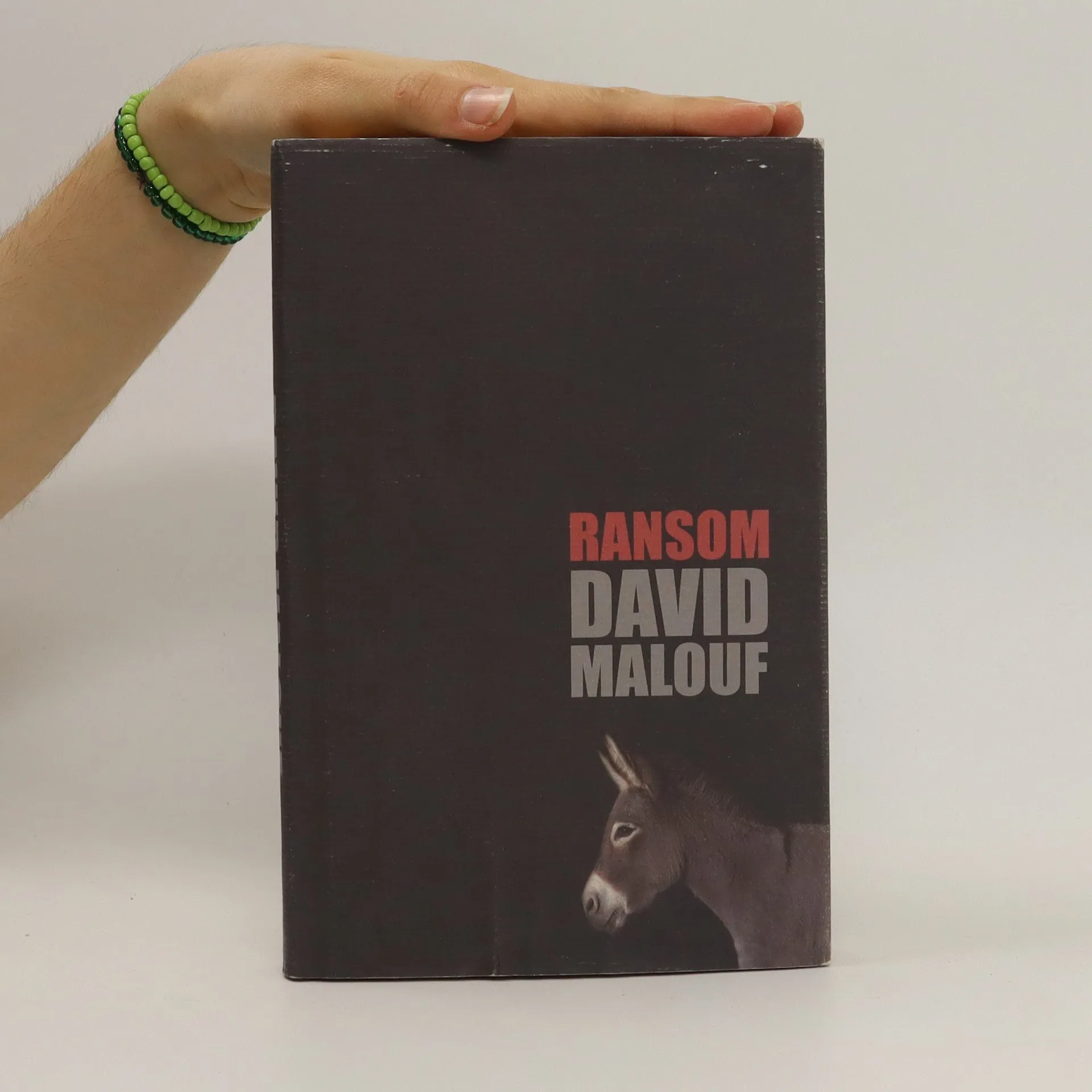
A reimagination of one of the most famous stories in all of literature-Achilles's slaughter and desecration of Hector, and Priam's attempt to ransom his son's body in Homer's "The Iliad"-Ransom is the first novel in more than a decade from David Malouf, arguably Australia's greatest living writer. A novel of suffering, sorrow, and redemption, "Ransom "tells the story of the relationship between two grieving men at war: fierce Achilles, who has lost his beloved Patroclus in the siege of Troy; and Priam, king of Troy, whose son Hector killed Patroclus and was in turn savaged by Achilles. Each man's grief demands a confrontation with the other's if it is to be resolved: a resolution more compelling to both than the demands of war. And when the aged father and the murderer of his son meet, "the past and present blend, enemies exchange places, hatred turns to understanding, youth pities age mourning youth."
Winner of the IMPAC Award and Booker Prize nominee In this rich and compelling novel, written in language of astonishing poise and resonance, one of Australia's greatest living writers gives an immensely powerful vision of human differences and eternal divisions. In the mid-1840s a thirteen-year-old British cabin boy, Gemmy Fairley, is cast ashore in the far north of Australia and taken in by aborigines. Sixteen years later he moves back into the world of Europeans, among hopeful yet terrified settlers who are staking out their small patch of home in an alien place. To them, Gemmy stands as a different kind of challenge: he is a force that at once fascinates and repels. His own identity in this new world is as unsettling to him as the knowledge he brings to others of the savage, the aboriginal. "Breathtaking...To read this remarkable book is to remember Babylon well, whether you think you've been there or not." --The New York Times Book Review
From the image of a small boy entranced by his mother's GI Escort, yet still hoping for the return of a father 'missing in action', to the portrait of an adult writer trying to piece together a defining image of his late father, these outstanding stories conjure up with sharp intensity the memories and events that make a man. These powerfully vivid stories range over more than a century of Australian life, from green tropical lushness to 'blacksoil country', from scrub and outback to city streets - evoking dark shadows beneath a bright sun, and lives shaped by the ghosts of history and the rhythms of unruly nature.
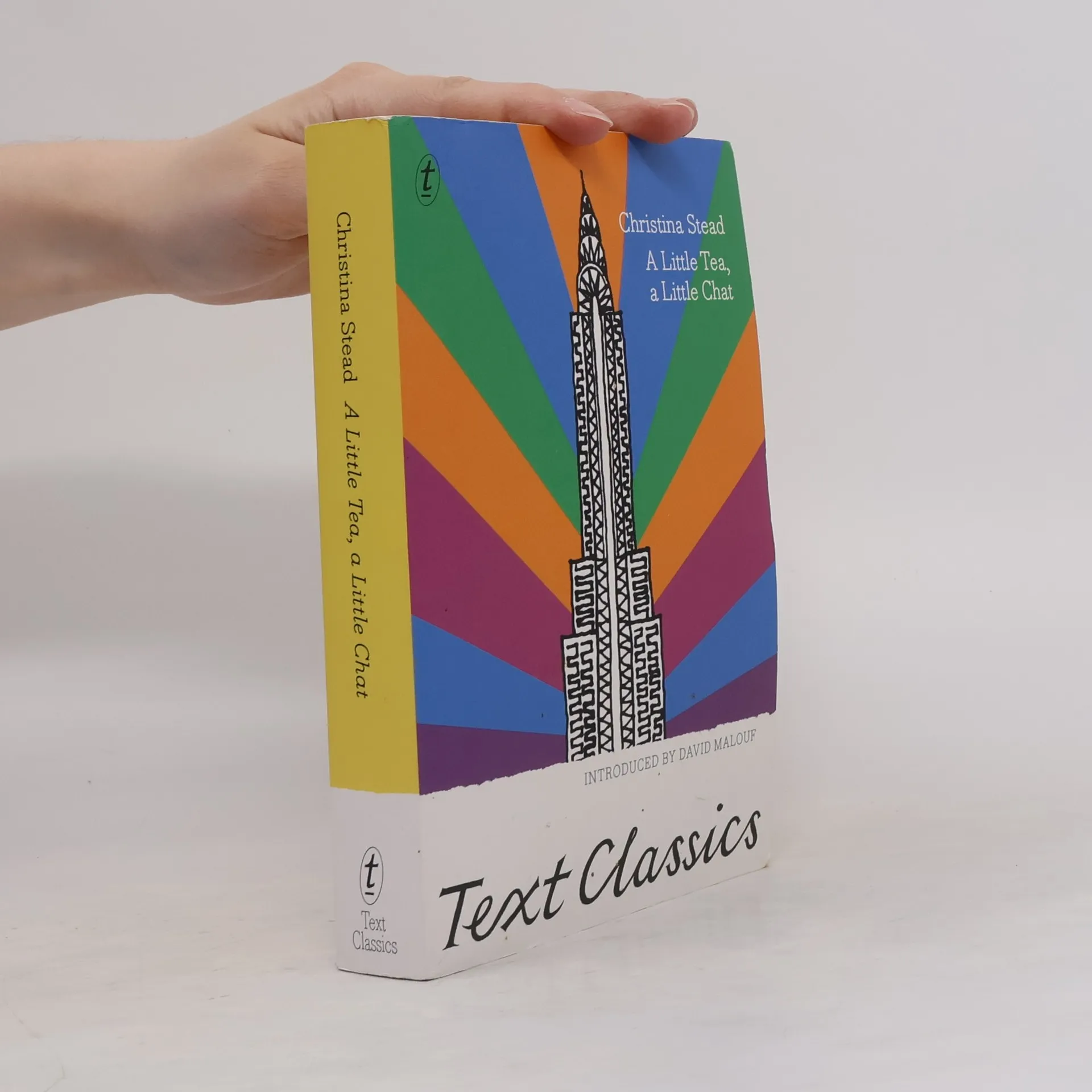
The story follows Robert Grant, a charismatic yet unscrupulous businessman in New York, whose life takes a turn when he encounters Barbara Kent, a formidable woman who challenges his ways. As their relationship develops, Robert's questionable actions come to light, leading to a confrontation that tests his character and ambitions. The narrative explores themes of love, deception, and the consequences of a reckless lifestyle.
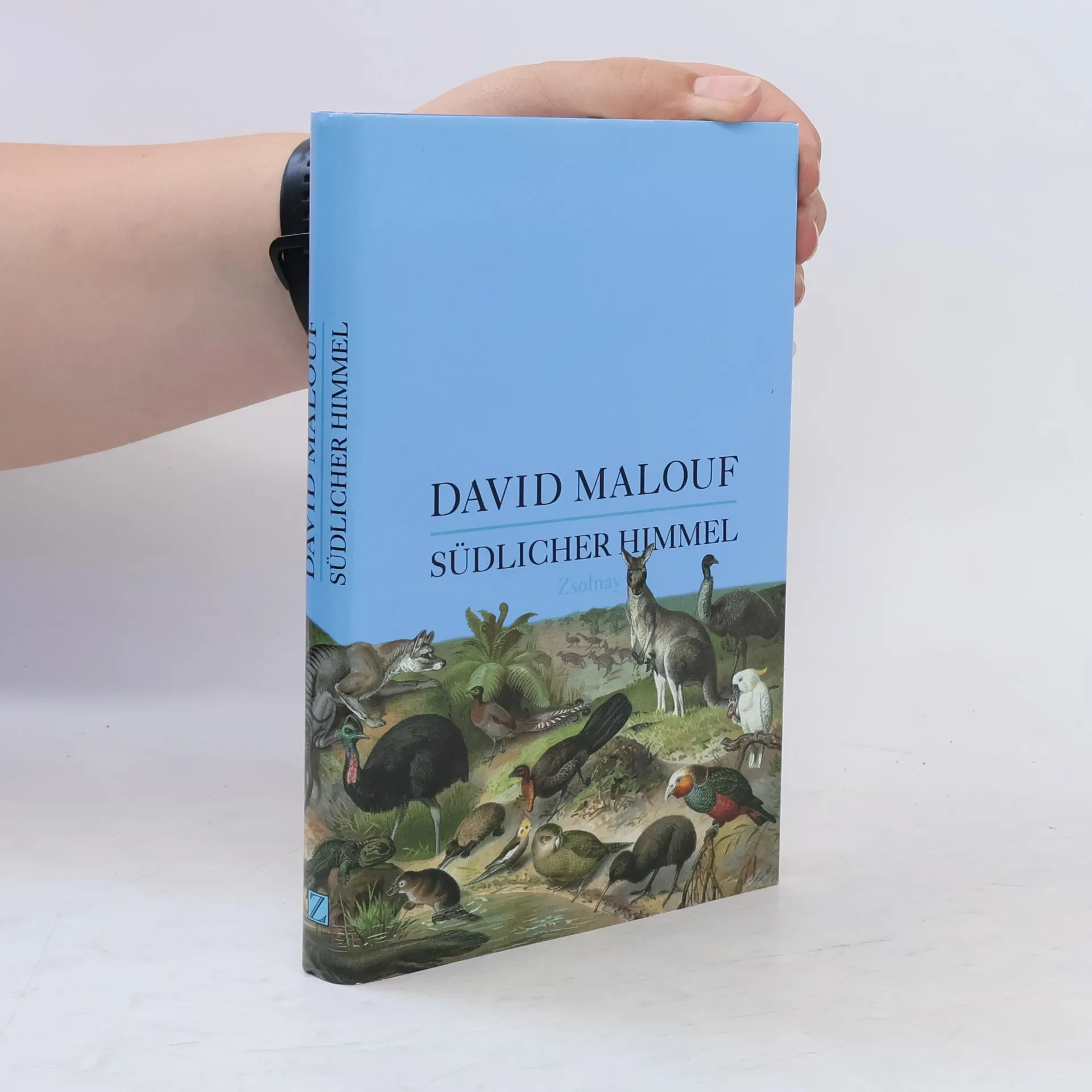
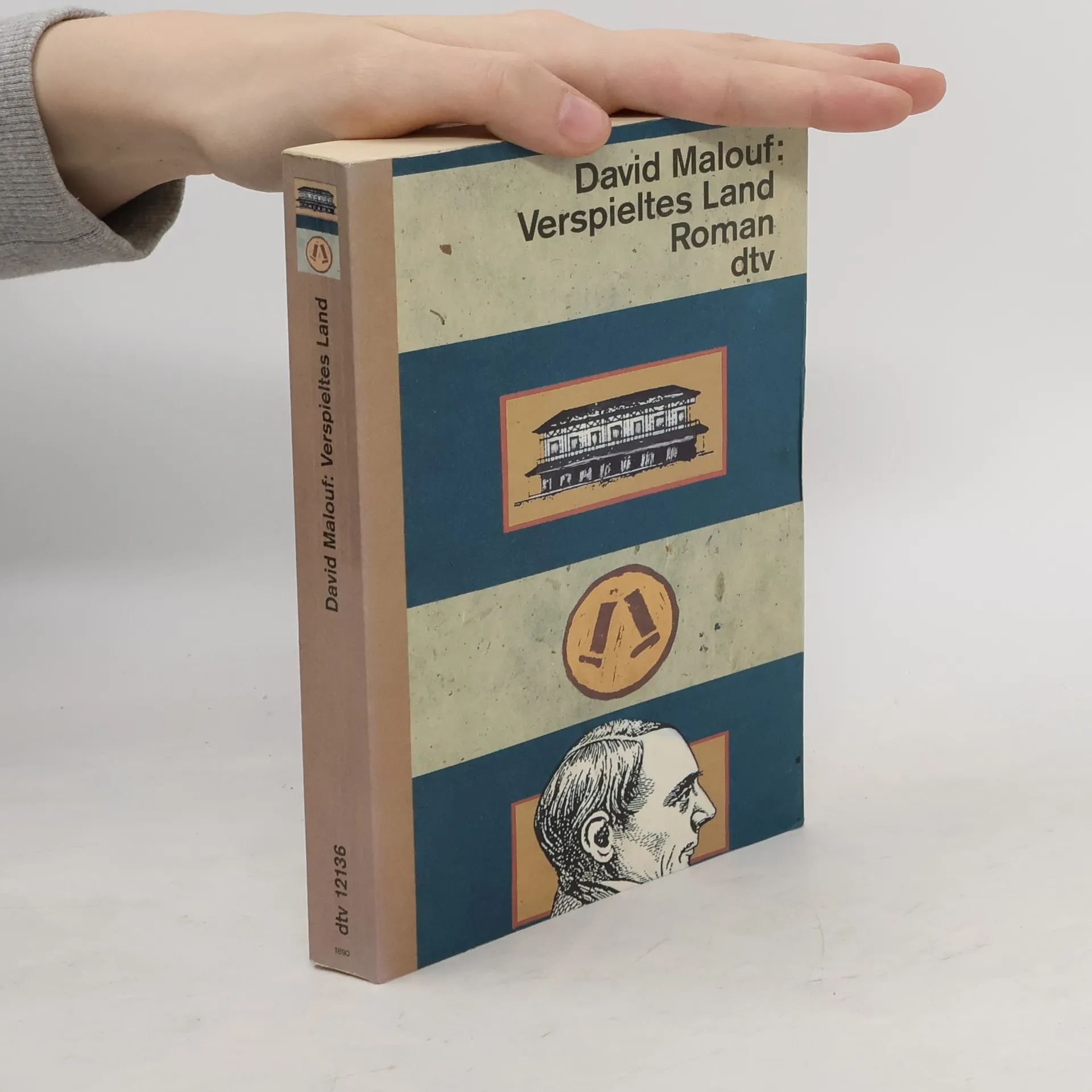
Die Harlands kamen wie alle weissen Australier übers Meer, und wie alle Australier suchen sie auf dem neuen Kontinent doch ihre alte Heimat. So atmen sie erleichtert auf, als sie auf ihrem Treck in Queensland grüne Weiden fanden, fast so grün wie zu Hause in Irland. Doch in wenigen Generationen verspielten sie ihr sumpfigen Wiesen, das stolze Herrenhaus verkam. Der Maler Frank Harland ist besessen von der Idee, die verlorene Heimat ein zweites Mal zu gewinnen und die Geheimnisse der Kindheit wiederzuentdecken.