This book presents a distinctive life story illustrated through watercolours, blending art with narrative. Each page offers a visual journey that enhances the emotional depth of the experiences shared, inviting readers to explore the interplay between the illustrations and the personal journey depicted. The combination of vivid imagery and storytelling provides a refreshing perspective on life's complexities and beauty.
Edward O. Wilson Book order (chronological)
June 10, 1929 – December 26, 2021
Edward Osborne Wilson was an American biologist and theorist whose work focused on myrmecology, the study of ants. He was a two-time Pulitzer Prize winner for General Non-Fiction. Wilson is renowned for his scientific contributions, his advocacy for environmentalism, and his secular-humanist views on religious and ethical matters. His writing often explores the interconnectedness of biology, ethics, and humanity's place within the natural world.



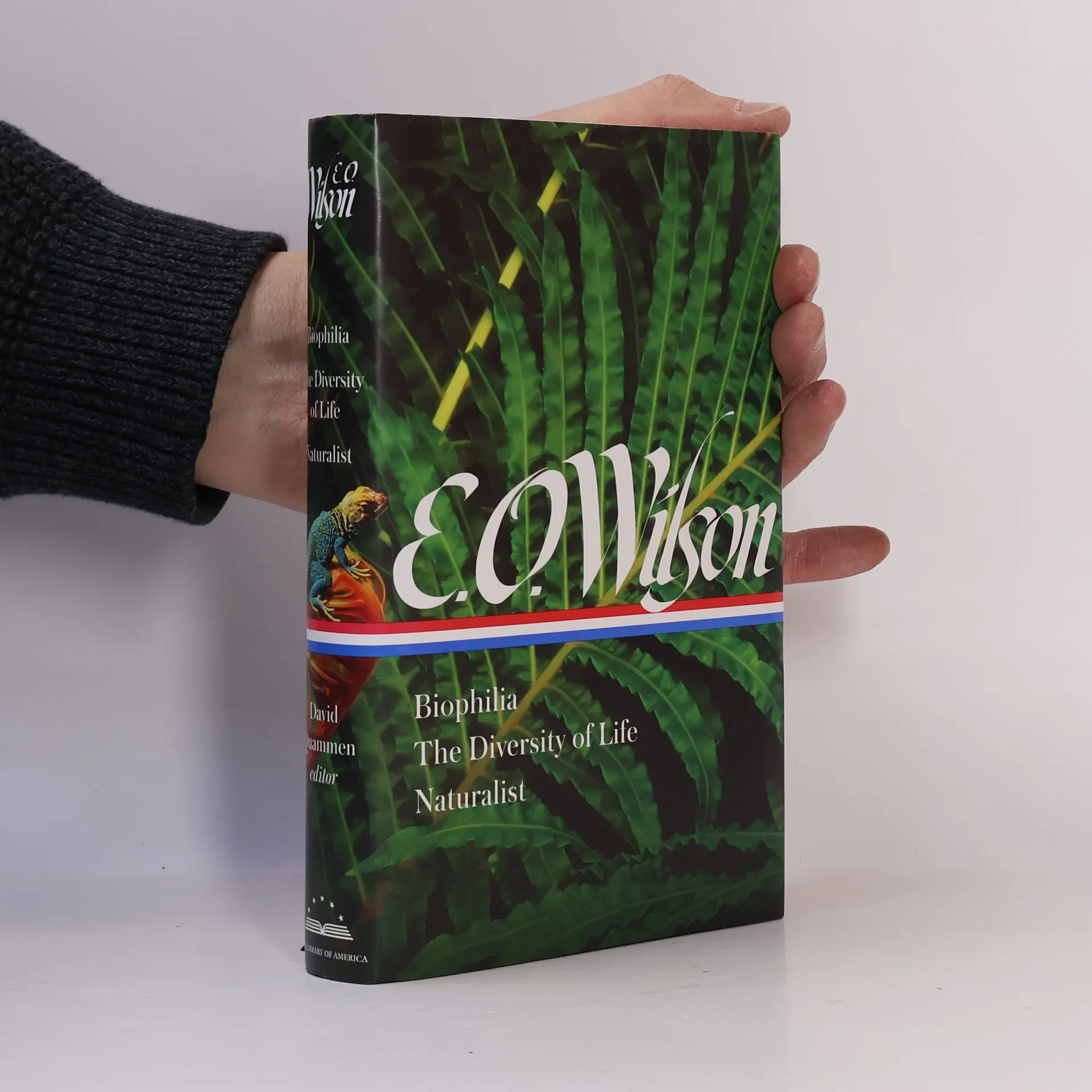
E. O. Wilson: Biophilia, the Diversity of Life, Naturalist (Loa #340)
- 1150 pages
- 41 hours of reading
This collected edition features the works of a Pulitzer Prize-winning author and esteemed biologist, showcasing the wonders of biodiversity amidst the urgent challenges of climate change and mass extinction. It offers profound insights into the intricate relationships within ecosystems and emphasizes the importance of preserving the planet's diverse life forms.
This book brings together some of Wilson's most profound and significant writings on the rich diversity of life on Earth, our place in it, and our obligation to conserve the planet's fragile ecosystems
Tales from the Ant World
- 240 pages
- 9 hours of reading
"Summary Edward O. Wilson recalls his lifetime with ants-from his first boyhood encounters in the woods of Alabama to perilous journeys into the Brazilian rainforest." Ants are the most warlike of all animals, with colony pitted against colony. ... Their clashes dwarf Waterloo and Gettysburg," writes Edward O. Wilson in his most finely observed work in decades. In a myrmecological tour to such far-flung destinations as Mozambique and New Guinea, the Gulf of Mexico's Dauphin Island and even his parents' overgrown yard back in Alabama, Wilson thrillingly evokes his nine-decade-long scientific obsession with more than 15,000 ant species. Wryly observing that "males are little more than flying sperm missiles" or that ants send their "little old ladies into battle," Wilson eloquently relays his brushes with fire, army, and leafcutter ants, as well as more exotic species: the Matabele, Africa's fiercest warrior ants; Costa Rica's Basiceros, the slowest ants in the world; and New Caledonia's Myrmecia apicalis, the most endangered of them all. A personal account by one of our greatest scientists, Tales from the Ant World is an indispensable volume for any lover of the natural world"-- Provided by publisher
Portrait of the Spy as a Young Man
- 304 pages
- 11 hours of reading
A thrilling SOE spy novel by a former special forces officer who is 'poised to inherit the mantle of John le Carre'
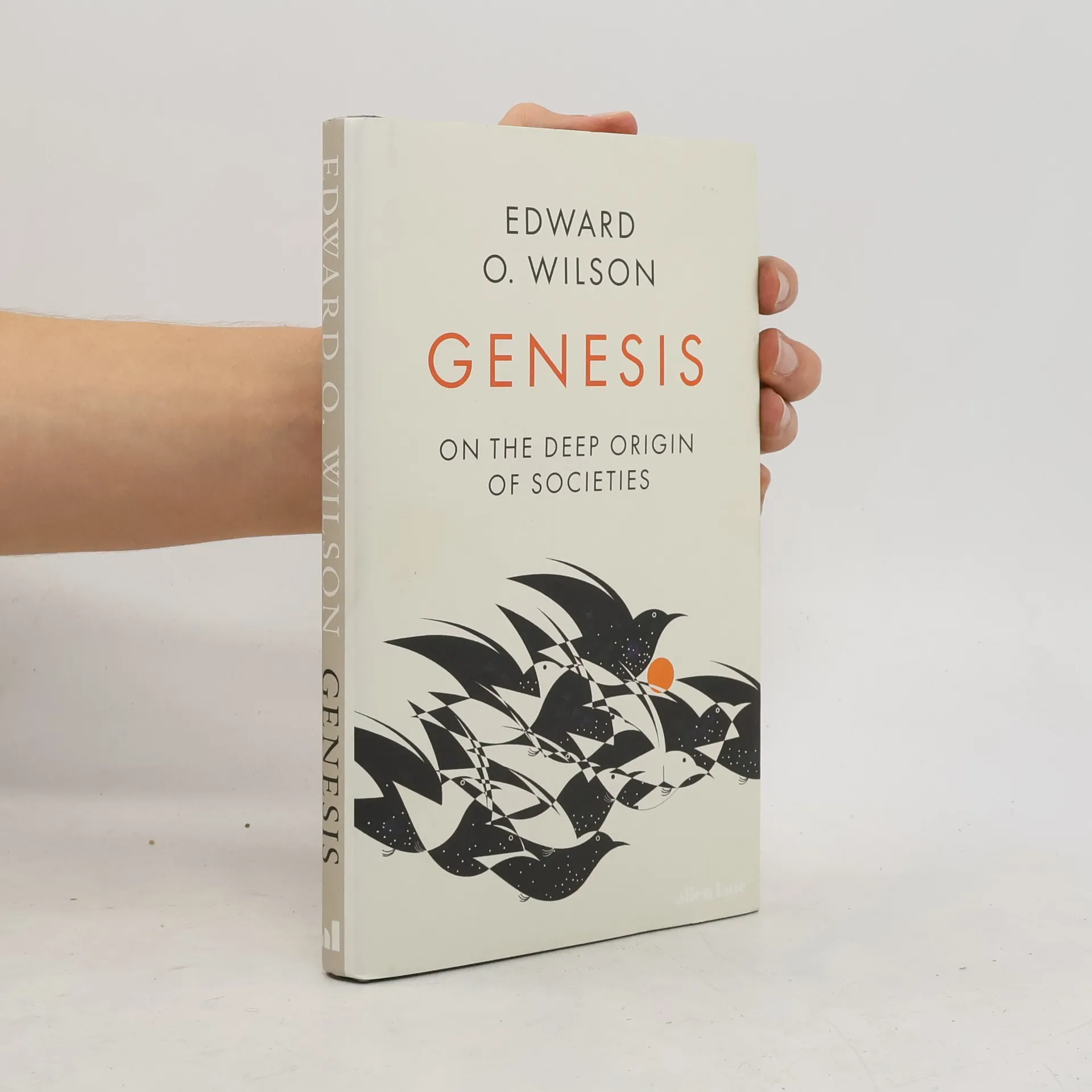
Genesis
- 160 pages
- 6 hours of reading
Asserting that religious creeds and philosophical questions can be reduced to purely genetic and evolutionary components, and that the human body and mind have a physical base obedient to the laws of physics and chemistry, Genesis demonstrates that the only way for us to understand human behaviour fully is to study the evolutionary histories of nonhuman species. Of these, Wilson demonstrates that at least seventeen -- among them the African naked mole rat and the sponge-dwelling shrimp -- have been found to have advanced societies based on altruism and cooperation. Whether writing about midges who 'dance about like acrobats' or schools of anchovies who protectively huddle 'to appear like a gigantic fish, or proposing that human society owes a debt of gratitude to 'postmenopausal grandmothers' and 'childless homosexuals', Genesis is a pithy yet pathbreaking work of evolutionary theory filled with the lyrical biological and humanistic observations for which Wilson is known.
South Atlantic Requiem
- 384 pages
- 14 hours of reading
A brilliant, eye-opening espionage thriller by a former special forces officer 'now at the forefront of spy writing'
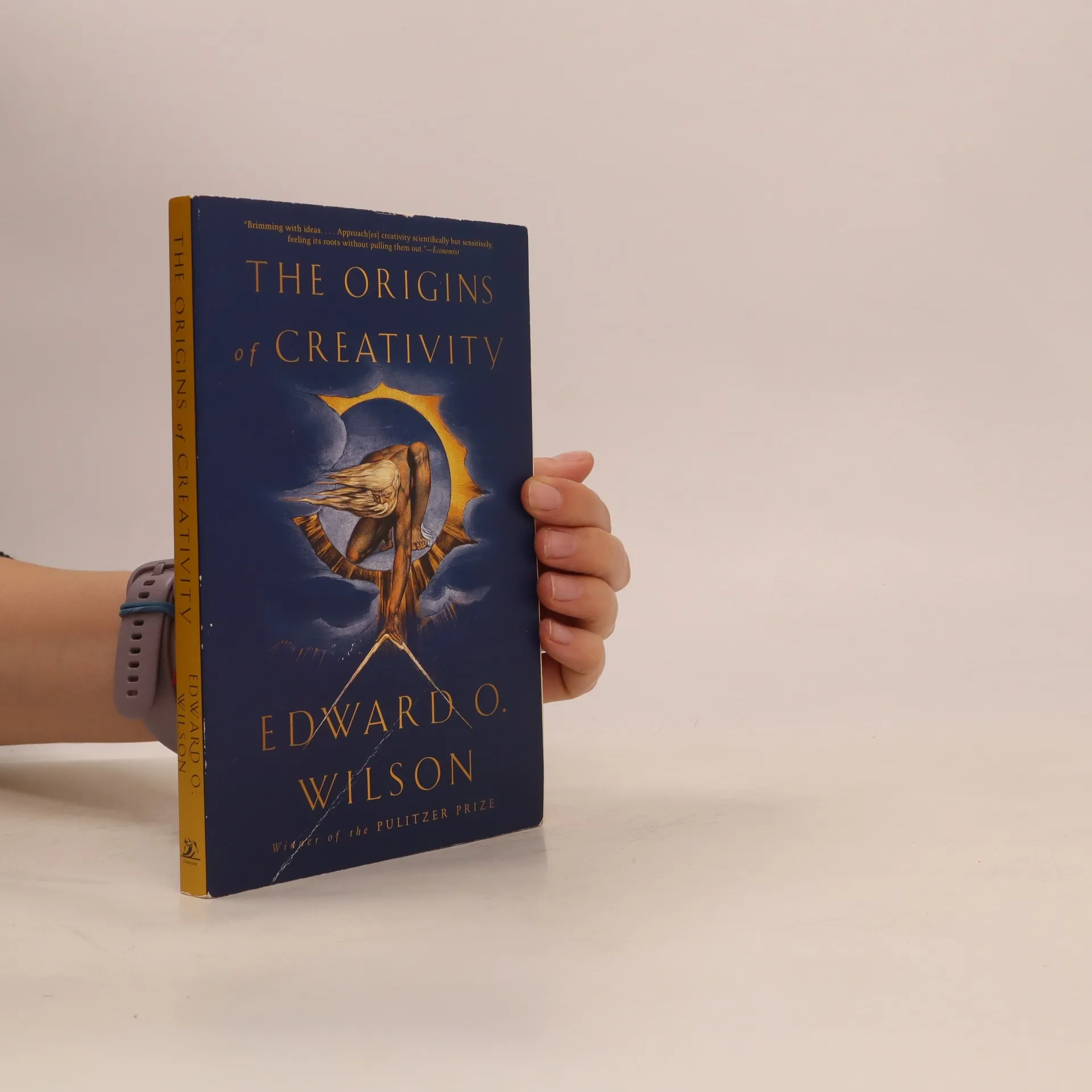
The Origins of Creativity
- 240 pages
- 9 hours of reading
"Reflecting on the deepest origins of language, storytelling, and art, Wilson demonstrates how creativity began not ten thousand years ago, as we have long assumed, but over one hundred thousand years ago in the Paleolithic age. Chronicling this evolution of creativity from primate ancestors to humans, The Origins of Creativity shows how the humanities, spurred on by the invention of language, have played a largely unexamined role in defining our species. And in doing so, Wilson explores what we can learn about human nature from a surprising range of creative endeavors--the instinct to create gardens, the use of metaphors and irony in speech, and the power of music and song. Our achievements in science and the humanities, Wilson notes, make us uniquely advanced as a species, but also give us the potential to be supremely dangerous, most worryingly in our abuse of the planet. The humanities in particular suffer from a kind of anthropomorphism, encumbered by a belief that we are the only species among millions that seem to matter, yet Wilson optimistically reveals how researchers will have to address this parlous situation by pushing further into the realm of science, especially fields such as evolutionary biology, neuroscience, and anthropology."-- Provided by publisher
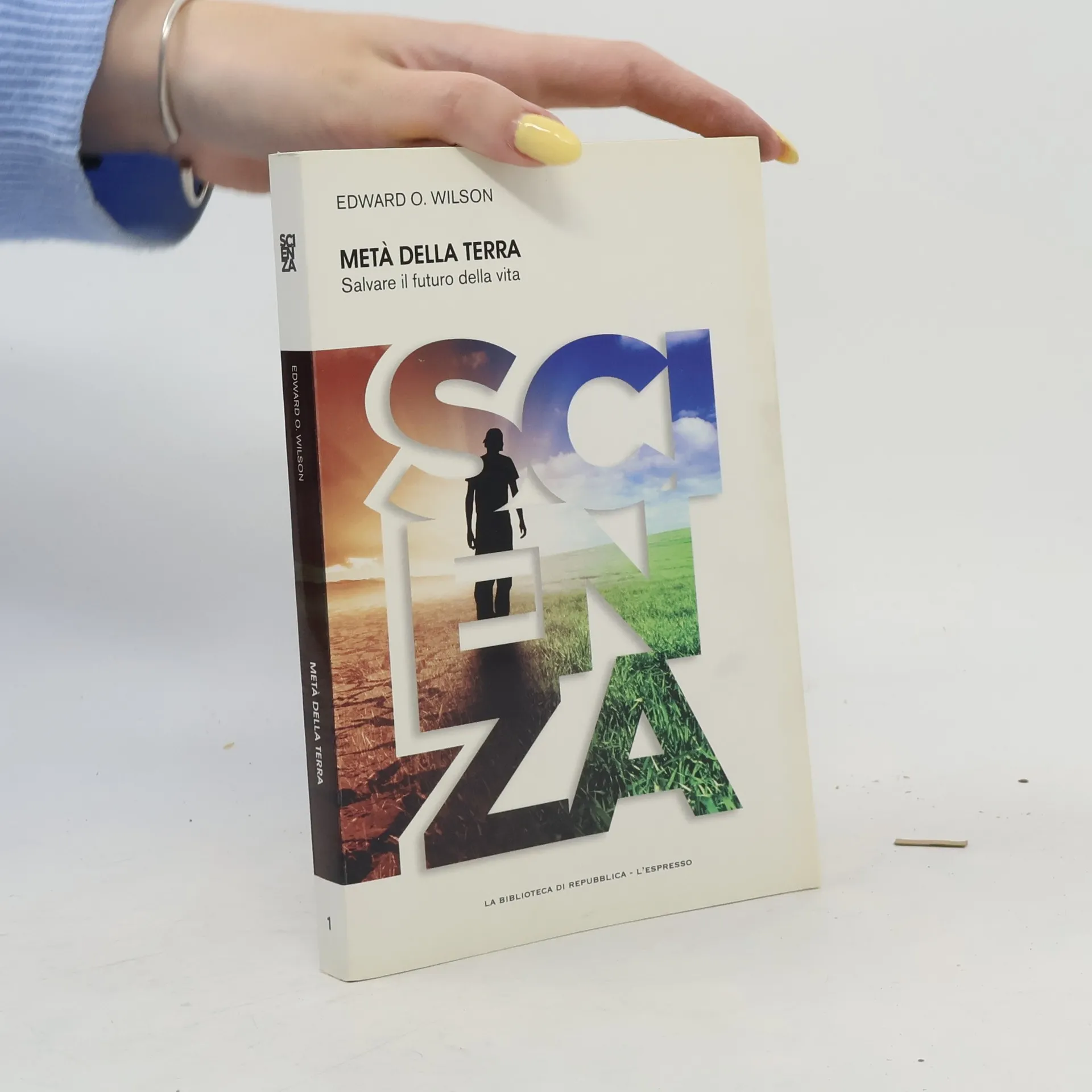
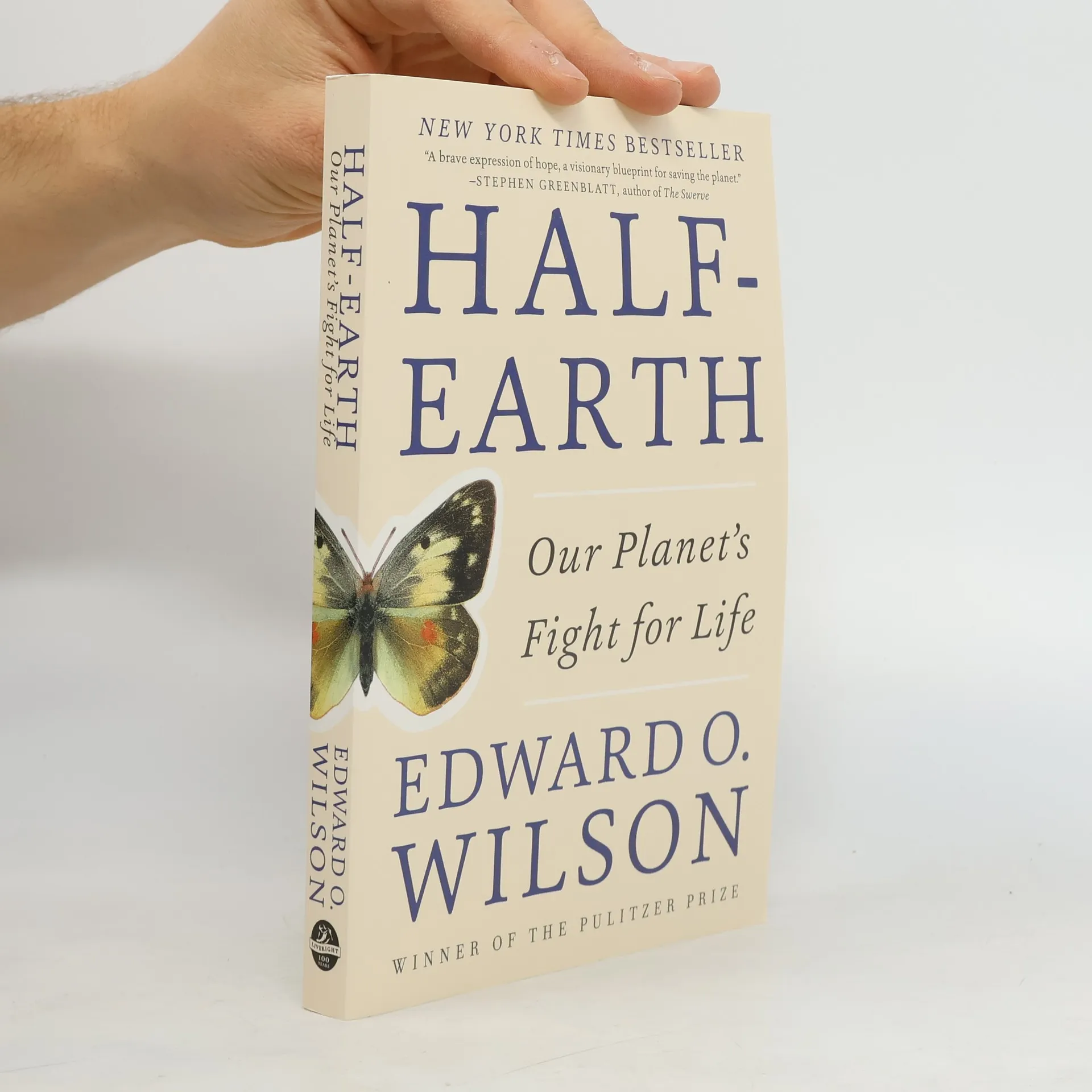
Sull’impatto dell’uomo sulla natura, che ormai sta creando danni incalcolabili alla biosfera, sono state ipotizzate centinaia di misure, che si sono però rivelate blande e inefficaci e che mai hanno portato risultati concreti. Stanco di assistere a questi fallimenti, il premio Pulitzer Edward Wilson – biologo da sempre interessato al rappporto tra l’uomo e le altre specie animali – propone una soluzione radicale, proporzionale alla gravità del problema che abbiamo di fronte: destinare metà del pianeta a noi e metà a un’immensa e inviolabile riserva naturale per milioni di specie animali e vegetali. Non è utopia ma un sogno che il progresso umano può realizzare, scrive Wilson, che dedica buona parte del libro a spiegare cosa fare e soprattutto dove farlo: delle alture della Mongolia al Congo, dall’Amazzonia alla Papua Nuova Guinea. Un viaggio affascinante per salvare il pianeta.[AUTORE] Edward O. Wilson è un biologo statunitense, fondatore del campo di ricerca della sociobiologia. Ha scritto più di venti libri, due dei quali hanno vinto il Pulitzer. Codice Edizioni ha pubblicato nel 2004 Il futuro della vita e nel 2015 Il significato dell’esistenza umana.
Half-Earth
- 272 pages
- 10 hours of reading
The worlds greatest naturalist (Jeffrey Sachs) proposes a plan to save Earths imperiled biosphere.
A Very British Ending
- 352 pages
- 13 hours of reading
A gripping espionage thriller about an establishment plot to take control of 1970s Britain, by a writer who is 'poised to inherit the mantle of John le Carre'
The Whitehall Mandarin
- 384 pages
- 14 hours of reading
A captivating spy thriller taking the reader from 60s sex scandals to the Vietnam War, by a former special forces officer who is 'poised to inherit the mantle of John le Carre'
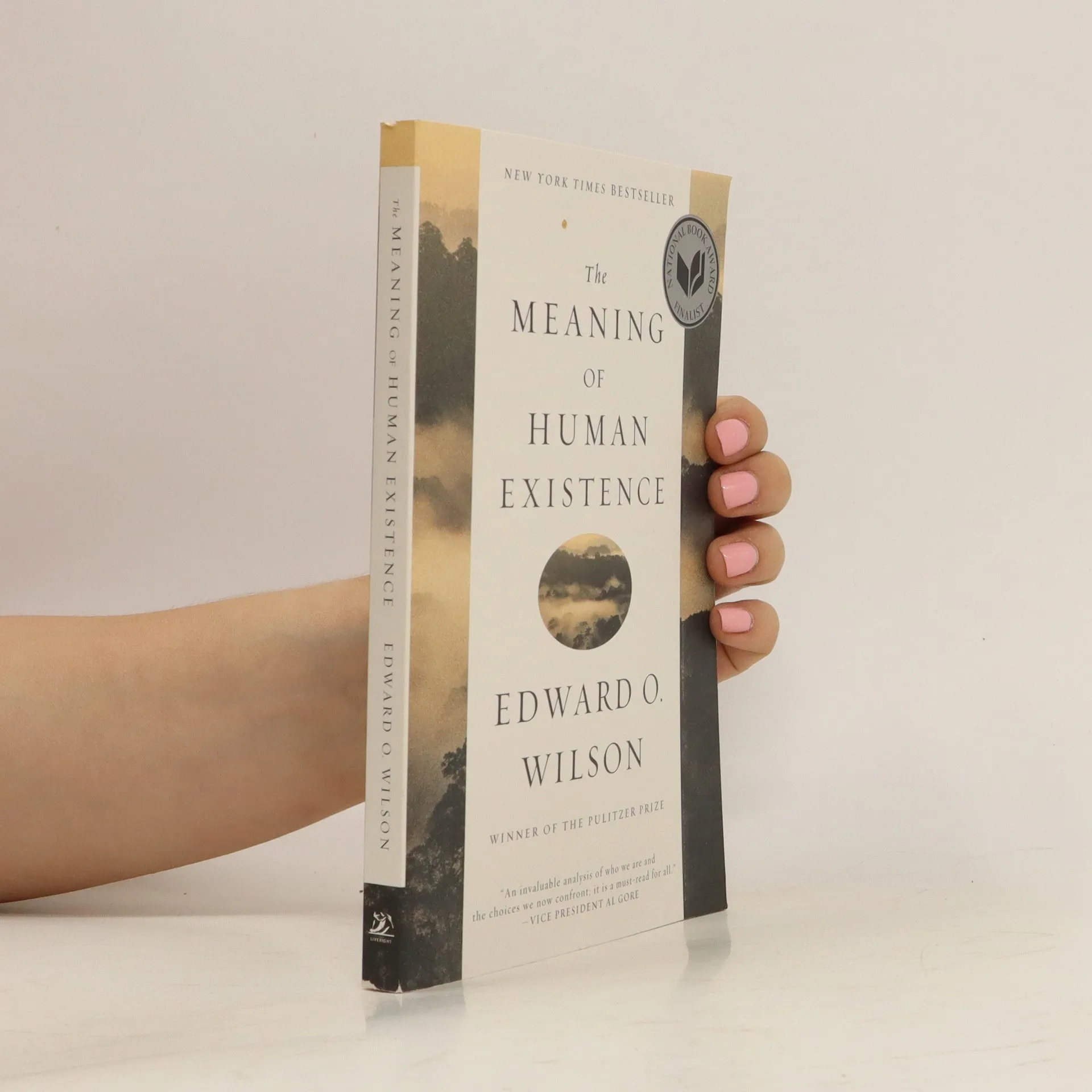
The Meaning of Human Existence
- 208 pages
- 8 hours of reading
A twenty-first-century philosophical argument against mechanistic views of human life outlines expansive and advanced theories on human behavior to consider how humans are supremely different from all other species
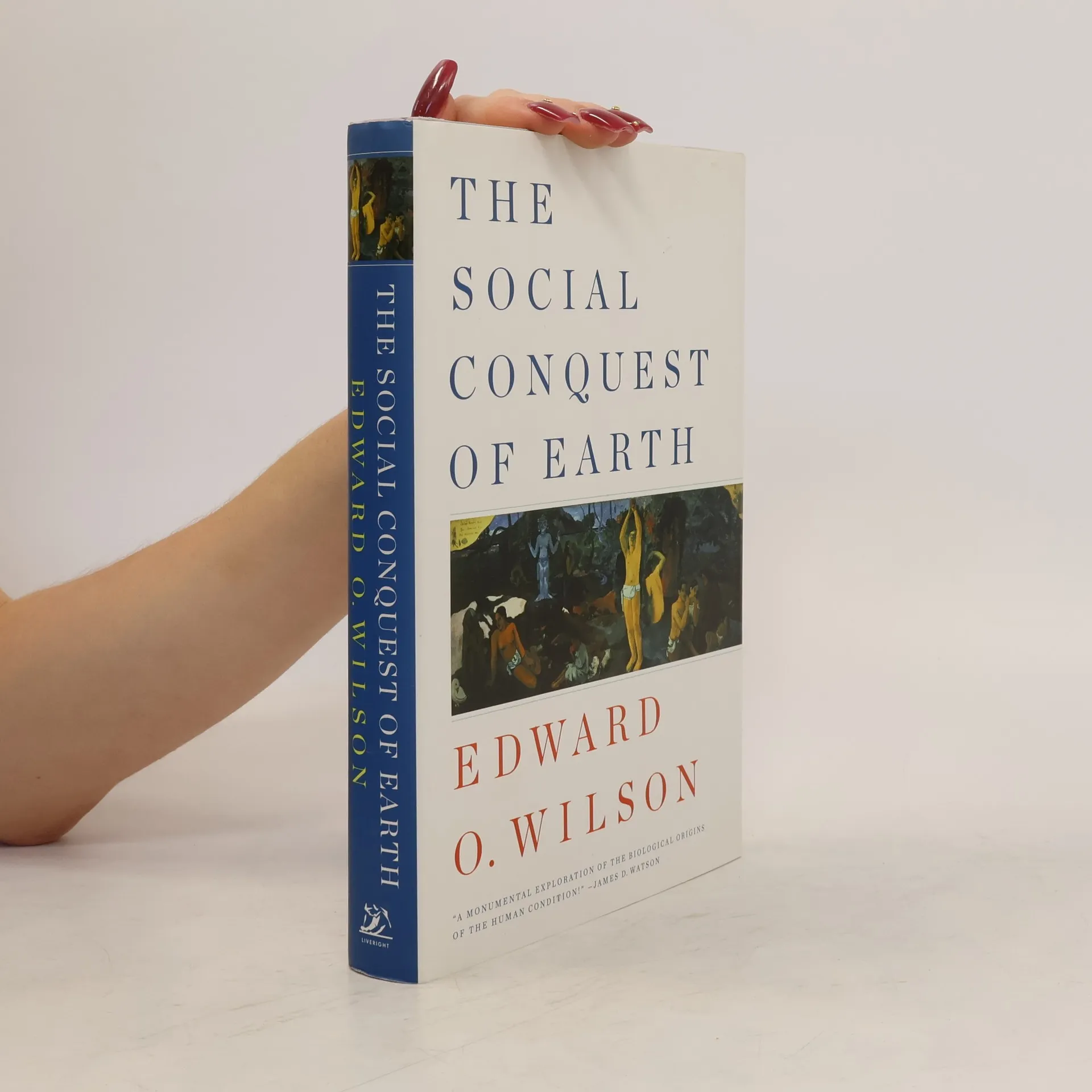
The Social Conquest of Earth
- 330 pages
- 12 hours of reading
In a generational work of clarity and passion, one of the greatest living scientists directly addresses these three fundamental questions of religion, philosophy, and science. Includes 90 illustrations.
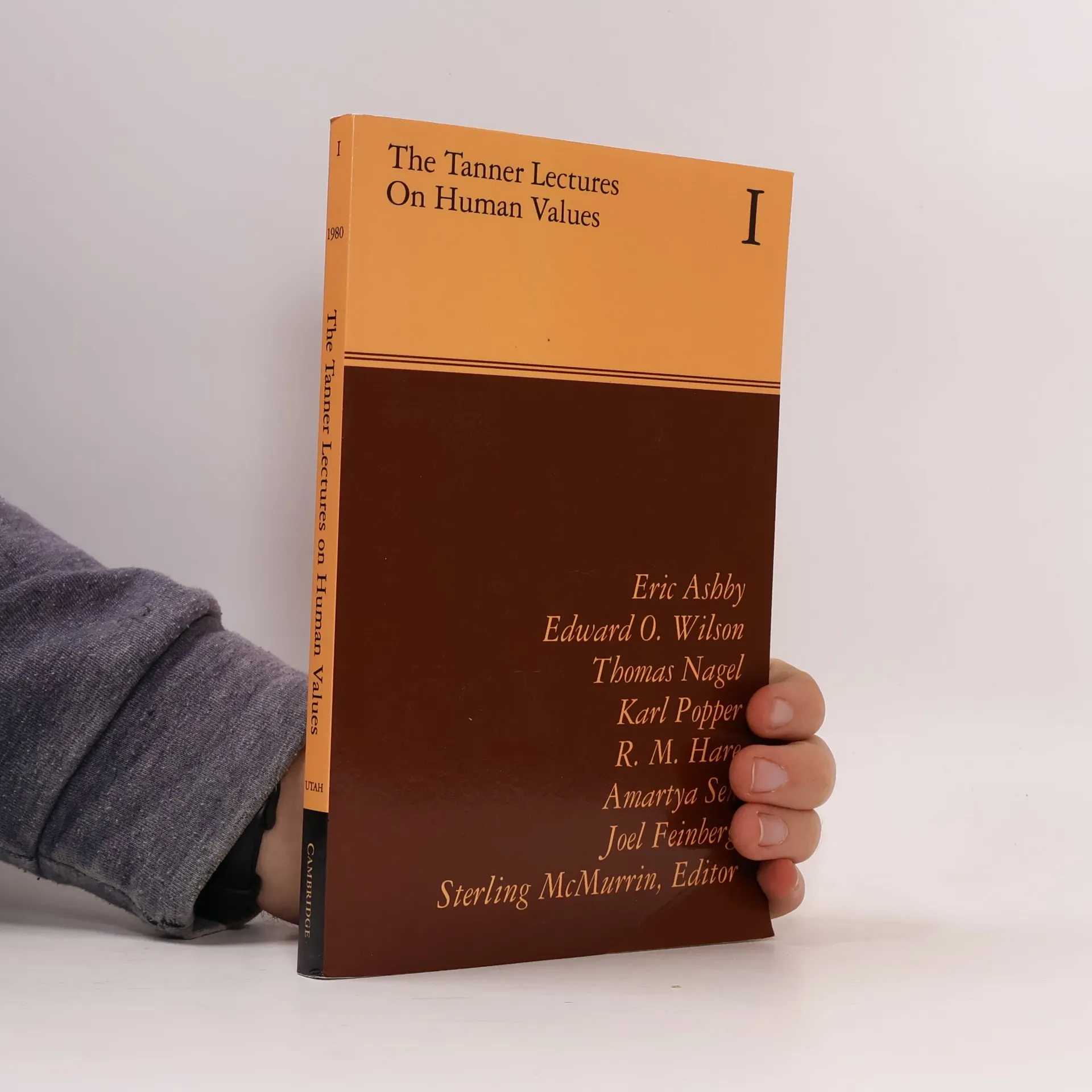
The Tanner Lectures on Human Values
- 270 pages
- 10 hours of reading
A prestigious series of lectures that are international and intercultural, and transcend ethnic, national, religious, and ideological distinctions.
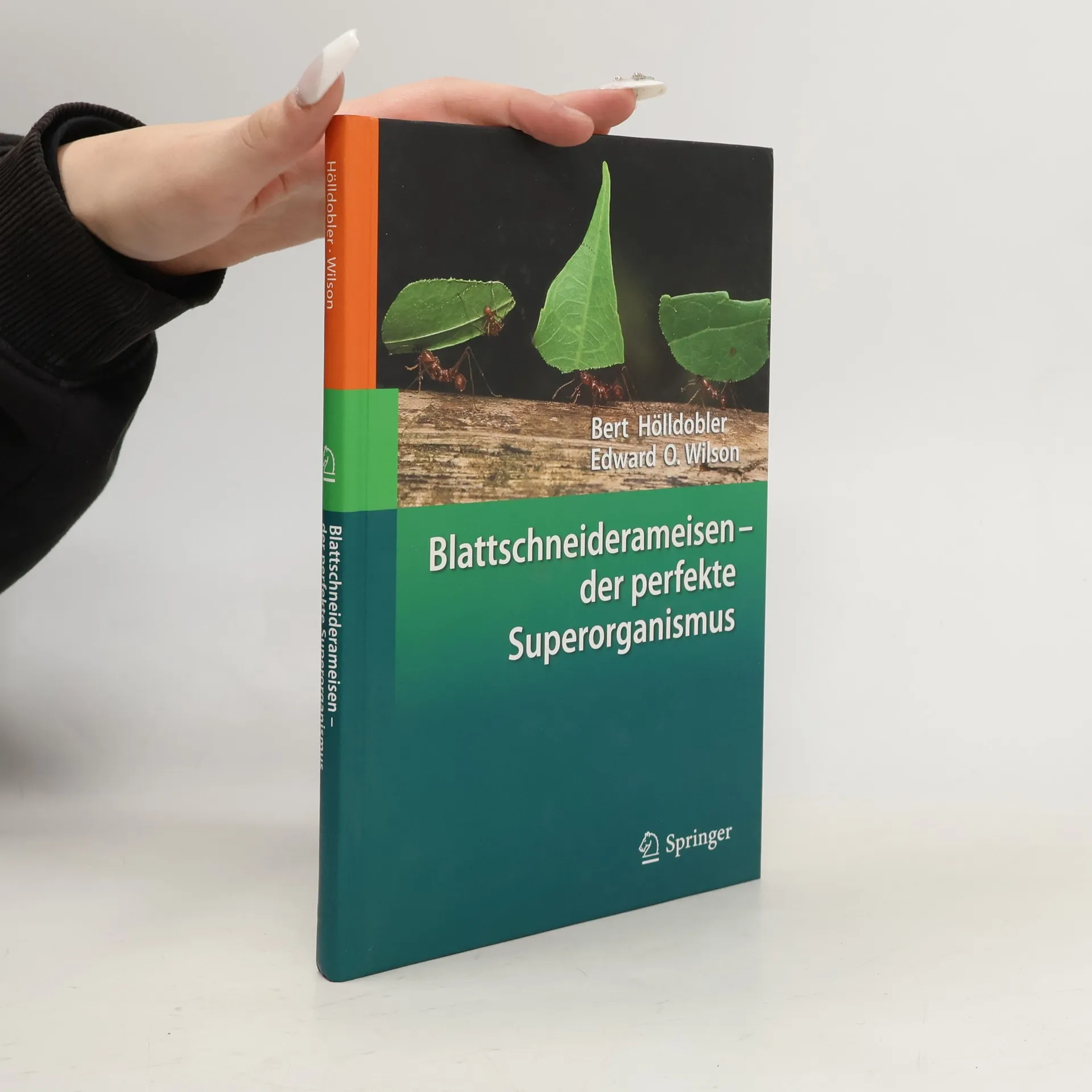
Blattschneiderameisen – der perfekte Superorganismus
- 166 pages
- 6 hours of reading
Blattschneiderameisen herrschen über Wälder, Wiesen und Ackerland – von Louisiana bis Patagonien. Jede Ameisen-Kolonie umfasst fast fünf Millionen Arbeiterinnen, alles Töchter einer einzigen Königin. Ihr Nest kann sich auf eine Länge von bis zu knapp 10 Meter erstrecken, bestehend aus Hunderten von Kammern. Das weltberühmte Autorenduo liefert mit dem Band die detaillierteste Beschreibung einer Ameisenspezies, die es je gab. Das mit exzellenten Fotos versehene Werk wendet sich sowohl an gebildete Laien als auch an ein wissenschaftliches Publikum.
The Midnight Swimmer
- 304 pages
- 11 hours of reading
A brilliant Cuban Missile Crisis spy thriller by a former special forces officer who is 'poised to inherit the mantle of John le Carre'
The Darkling Spy
- 304 pages
- 11 hours of reading
A spy thriller that will change your view of the Cold War forever, by a former special forces officer and 'the thinking person's John le Carre'
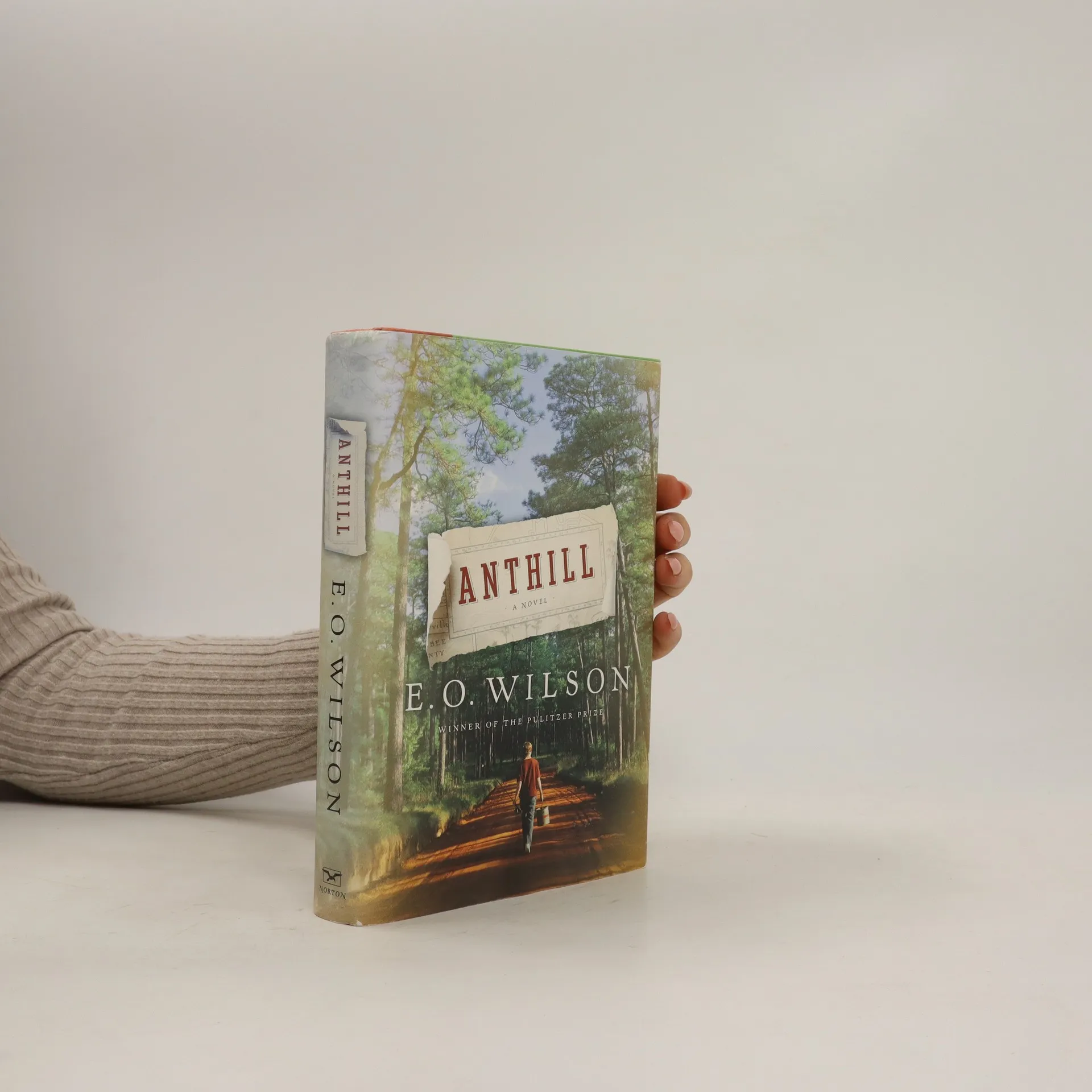
Anthill : a novel
- 378 pages
- 14 hours of reading
Astonishing, inspirational, even magical: a naturalist's novel about an Alabama boy who heroically tries to save a sacred forest.
This book offers a comprehensive and authoritative introduction to evolutionary biology, covering its history, philosophy, and latest findings. It begins with major essays that explore key empirical and theoretical questions, such as speciation, adaptation, paleontology, and evolutionary development (evo devo), and concludes with discussions on the social and political implications of evolutionary biology today. The second section features an encyclopedic array of concise entries on influential figures like Aristotle, Linnaeus, Louis Leakey, and Jean Lamarck, as well as notable scientists such as T. H. Huxley, E. O. Wilson, Joseph Felsenstein, and Motoo Kimura. Topics range from altruism and amphibians to evolutionary psychology, the Piltdown Man, the Scopes trial, and social Darwinism. Readers will gain insights into the history and philosophy of evolution, the nuances of the science, and the complex relationships between evolutionary study, religion, philosophy, and society. Released at the beginning of the Darwin Year of 2009, marking the 200th anniversary of Charles Darwin's birth and the 150th anniversary of the publication of the Origin of Species, this volume serves as a fitting tribute to the science that Darwin initiated.
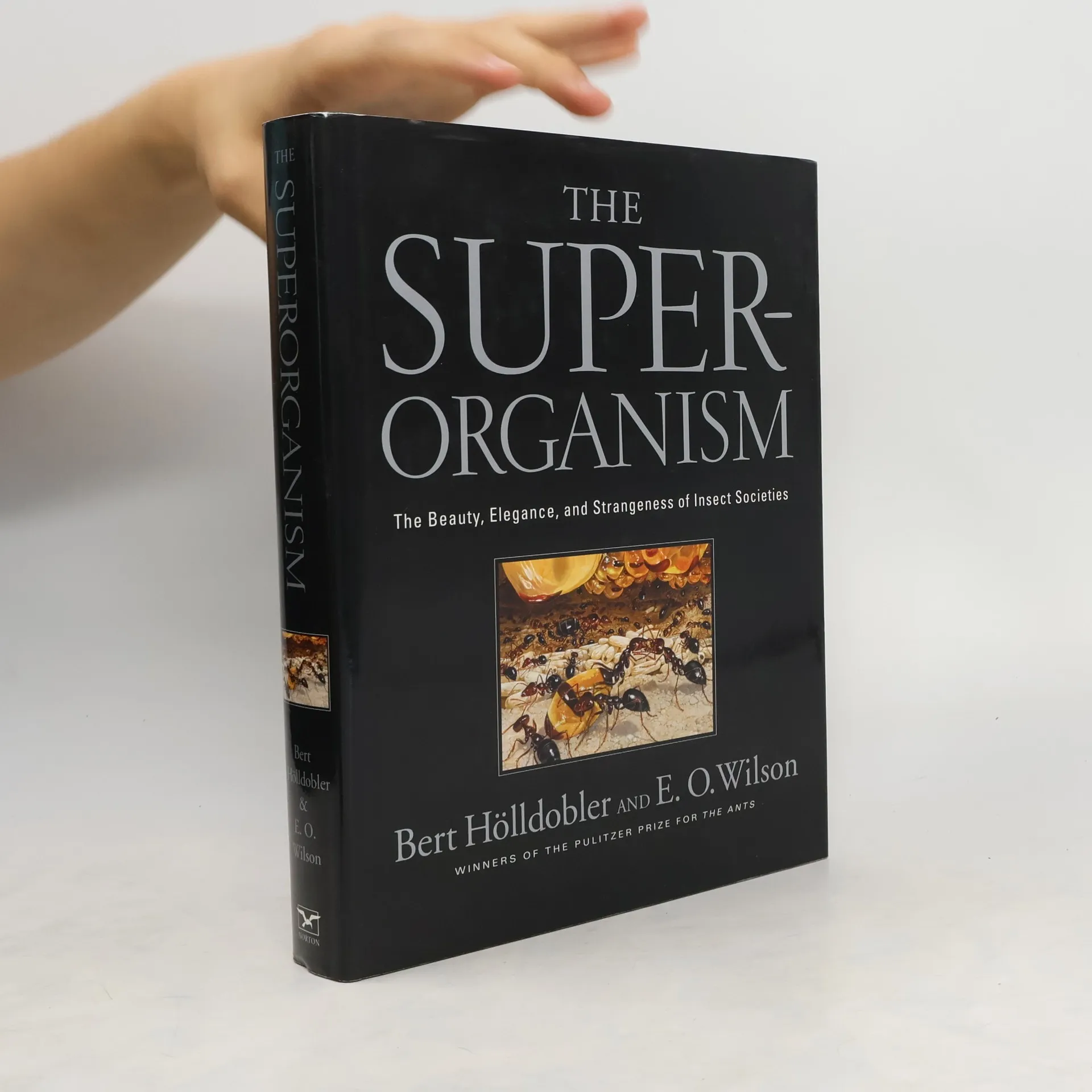
The Superorganism
The Beauty Elegance And Strangeness Of Insect Societies
- 556 pages
- 20 hours of reading
The Pulitzer Prize-winning authors of "The Ants" render the extraordinary lives of the social insects--ants, bees, wasps, and termites--in this visually spectacular volume. 110 color and 100 black-and-white illustrations.
The Envoy
- 288 pages
- 11 hours of reading
The brilliant opening novel in the Catesby series, by a former special forces officer who is 'poised to inherit the mantle of John le Carre'
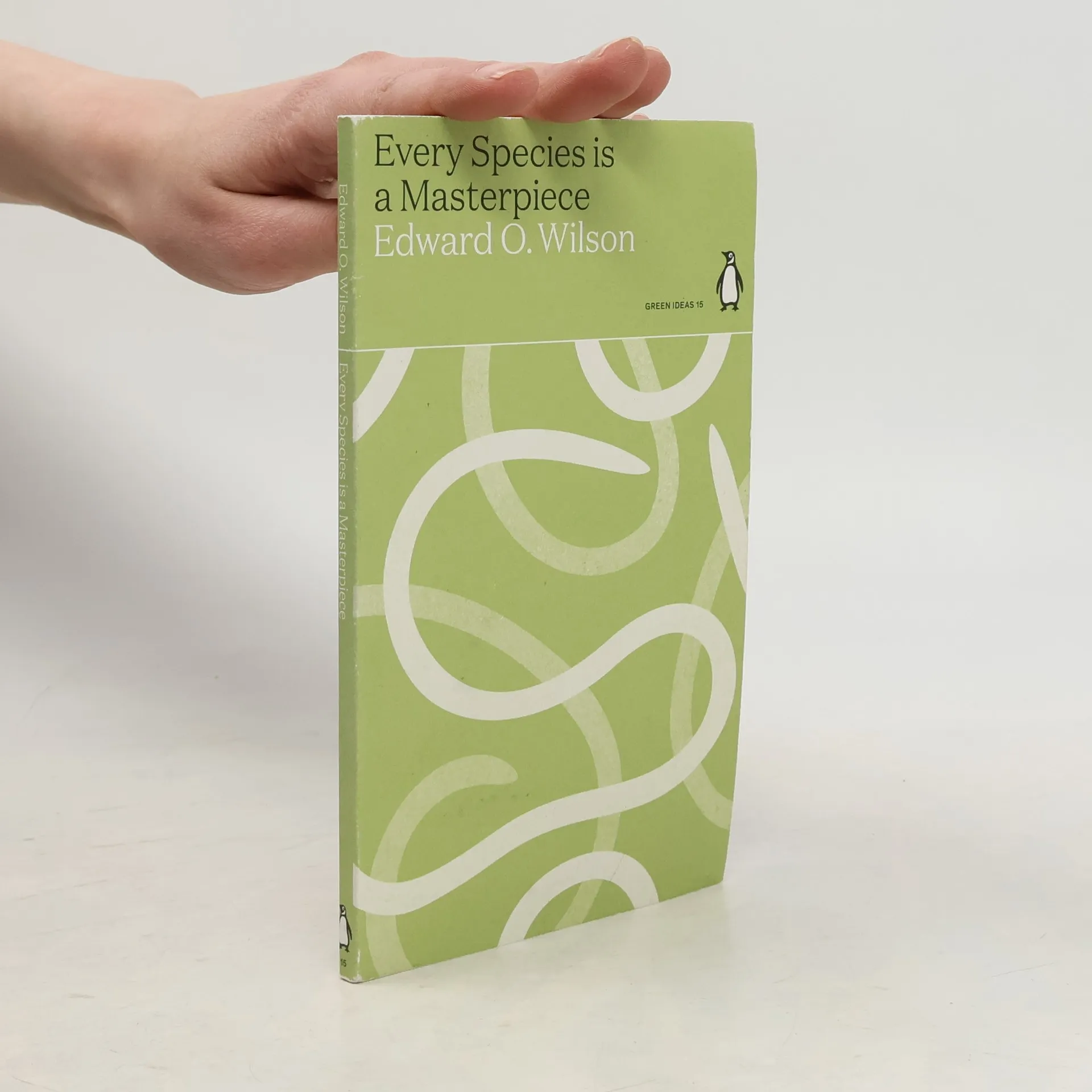
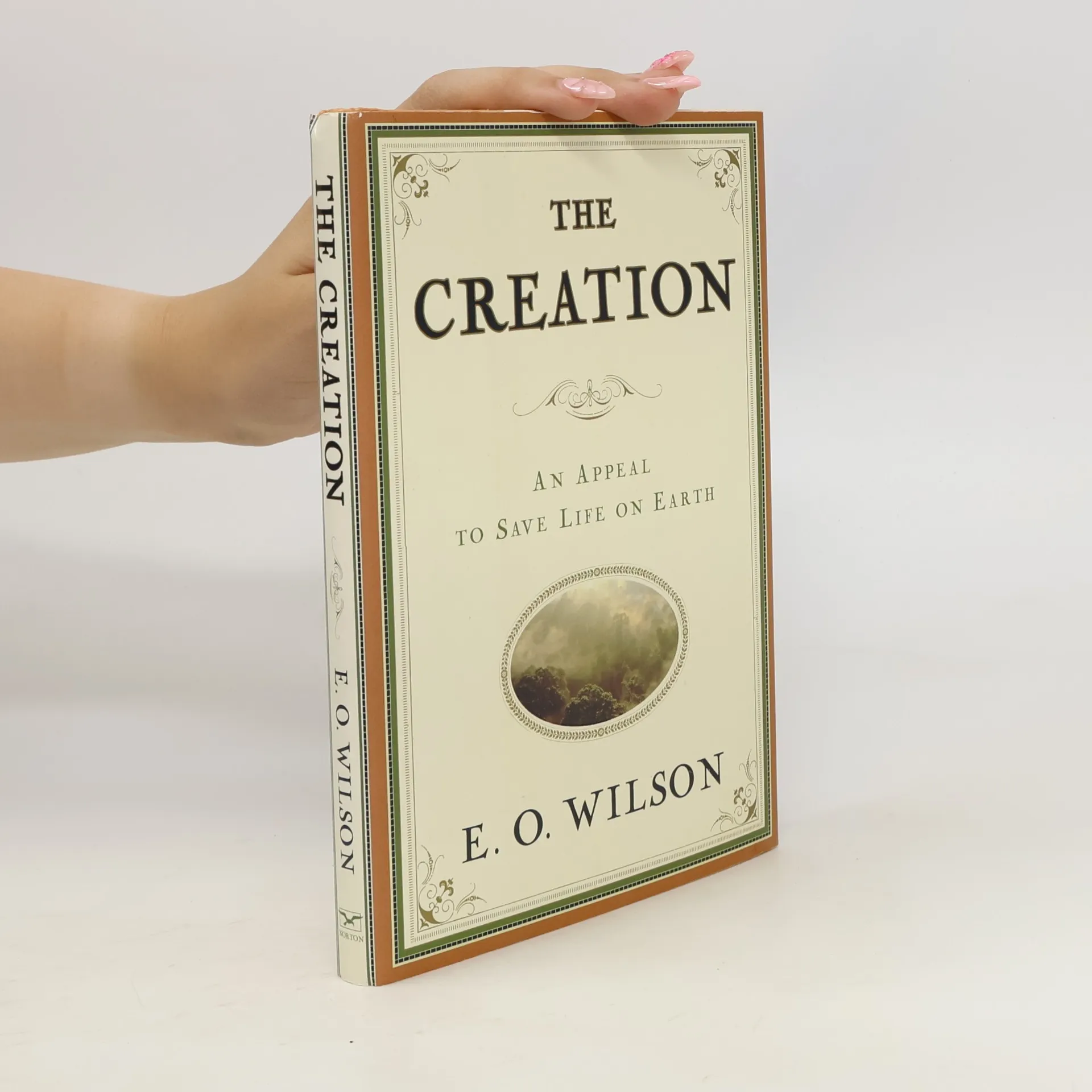
In this daring work, Edward O. Wilson proposes an alliance between science and religion to save Earth's vanishing biodiversity. He addresses a pastor, sharing a sense of shared faith and mutual respect, and urges a meeting on common ground to confront the urgent crisis facing the planet. Wilson emphasizes that the defense of living Nature transcends religious and ideological divides, serving the interests of all humanity. He warns that the Creation is in deep trouble, echoing the concerns of Rachel Carson's "Silent Spring," but with a broader focus on the survival of our planet. Drawing on his expertise as an entomologist, Wilson predicts that half of Earth's species could face extinction by the century's end. Unlike typical critiques of fundamentalism, Wilson seeks to engage with Christians on their terms, framing his message as a heartfelt letter to a Southern Baptist minister. He implores religious leaders to recognize the catastrophic damage to the planet and to join in efforts to prevent further destruction. Optimistically, Wilson believes that solutions exist and that a shared vision can unite scientists and pastors, fostering collaboration despite their ideological differences.
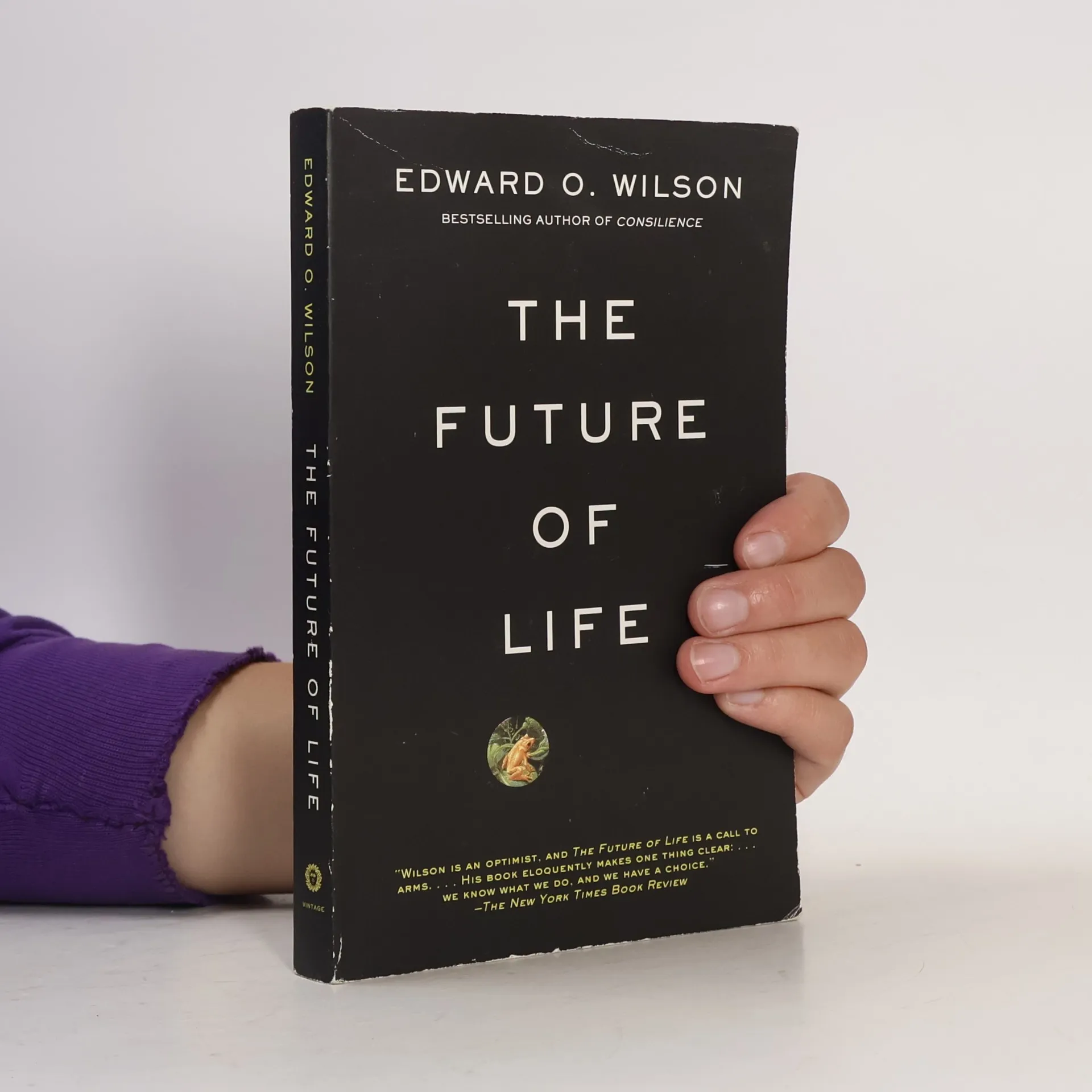
Focusing on the urgent environmental crises, Edward O. Wilson addresses the alarming mass extinctions threatening our planet. In his most personal work, he combines his scientific expertise with a hopeful vision for the future, outlining a practical and economically viable plan to preserve our natural treasures. His eloquent and insightful approach encourages readers to engage deeply with the fate of the environment, making this book essential for anyone invested in ecological well-being.
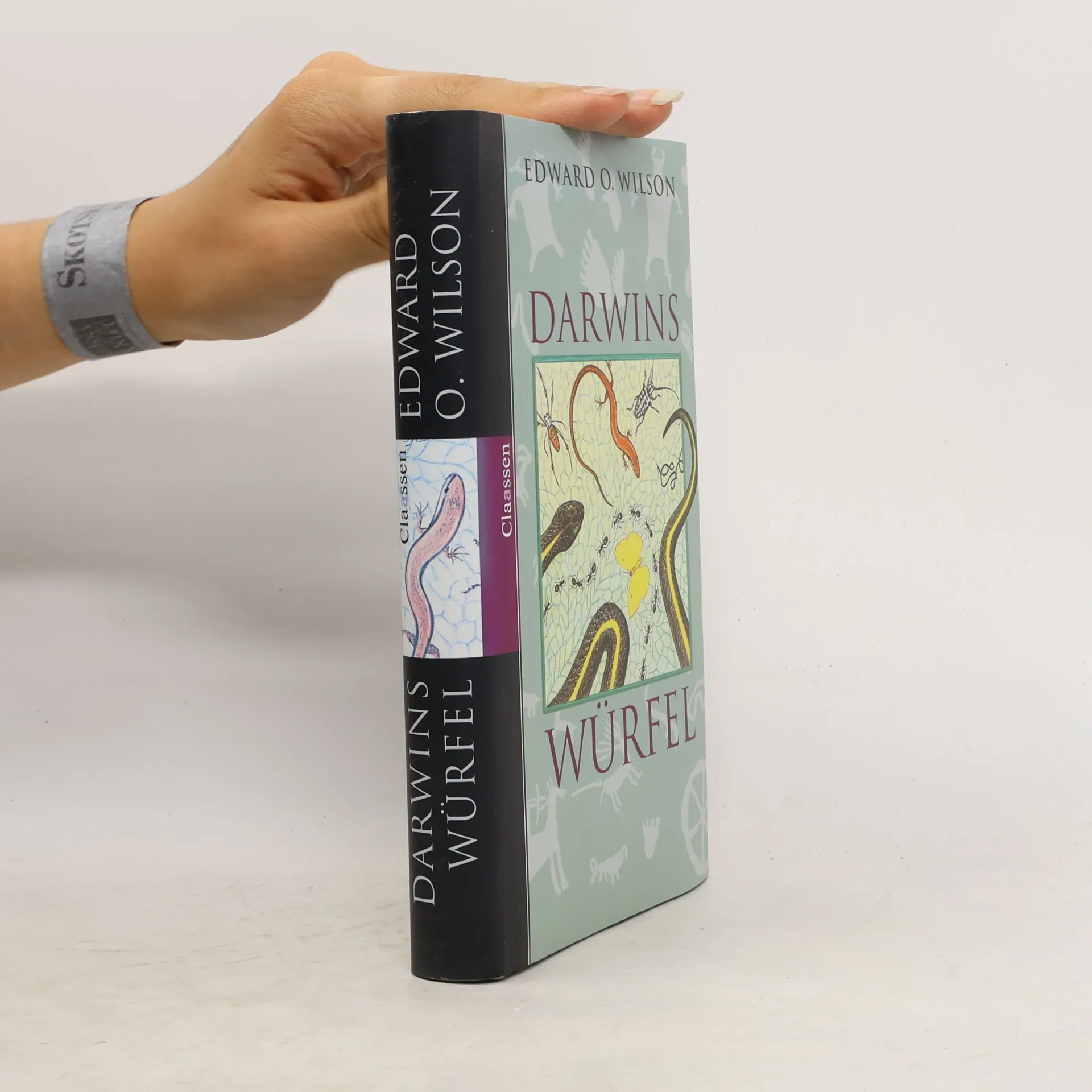
Darwins Würfel
- 247 pages
- 9 hours of reading
Archipelago - The Islands of Indonesia
From the Nineteenth-Century Discoveries of Alfred Russel Wallace to the Fate of Forests and Reefs in the Twenty-First Century
- 266 pages
- 10 hours of reading
The Indonesian archipelago is a land of timeless natural beauty that in the twenty-first century faces unprecedented environmental degradation. It was also the biological laboratory of Alfred Russel Wallace, who, working independently of Charles Darwin, discovered the theory of evolution by natural selection.Wallace, who traveled for eight years in the archipelago, was one of the greatest field naturalists and nature writers of his century. No one was more skilled in observing and describing living things. A prodigious collector, he was the first to bring living birds of paradise to the West. And he was a great thinker, a theorist as formidable as any on earth. This magnificent account of a true explorer sweeps from the time of Wallace's nineteenth-century discoveries in biogeography to the looming biodiversity crisis of the twenty-first century—from the exploration of natural wonders to the exploitation of natural resources. The result is a history that powerfully portrays the intricate connections of human life and natural life.This unique story, published by the University of California Press in cooperation with The Nature Conservancy, is resplendently presented with maps, archival materials, and more than 200 color photographs. A portion of the proceeds from this book will go toward conservation efforts in Indonesia
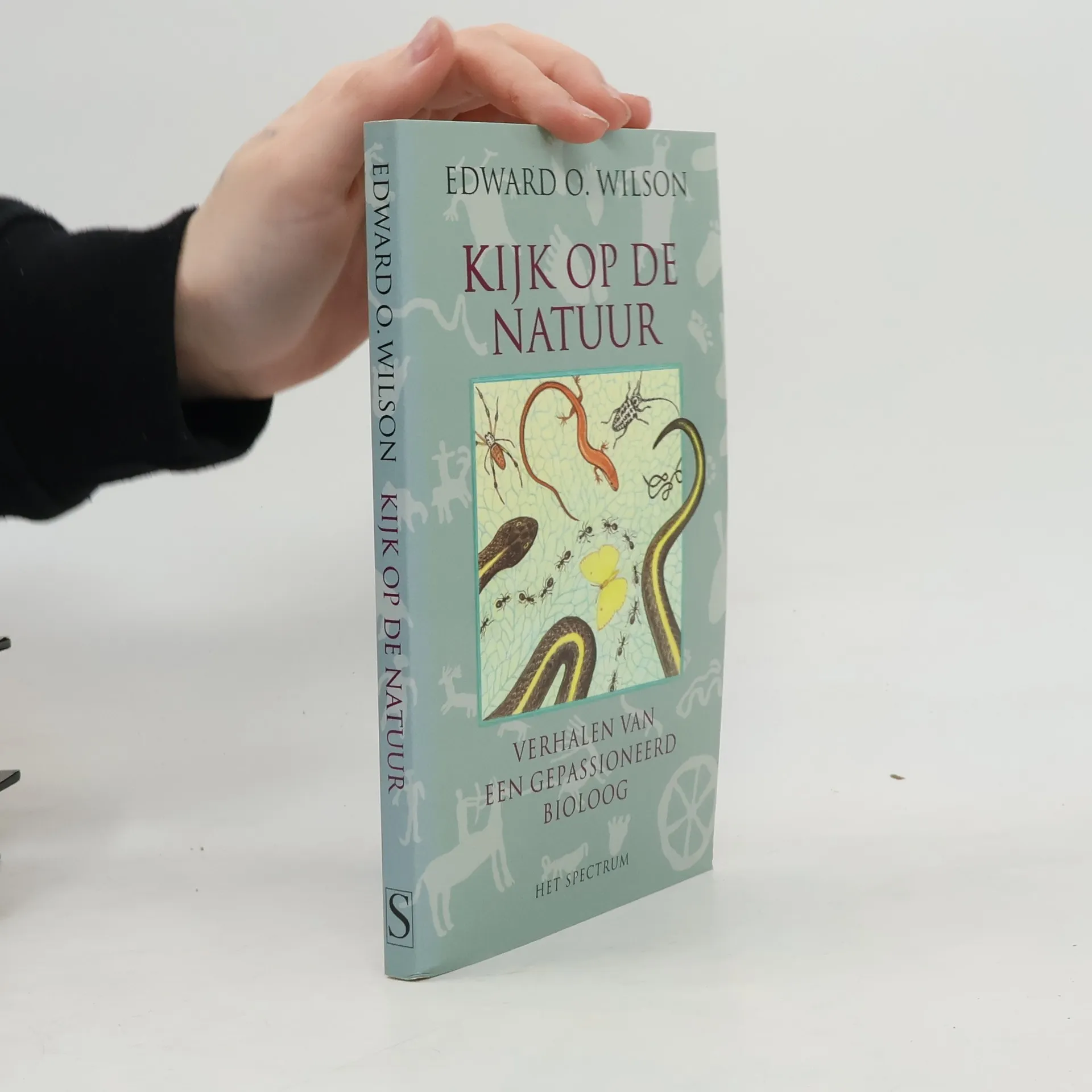
Kijk op de natuur
- 140 pages
- 5 hours of reading
Verhalen over biologische onderwerpen met als rode draad een evolutionaire kijk op gedrag van mens en dier.
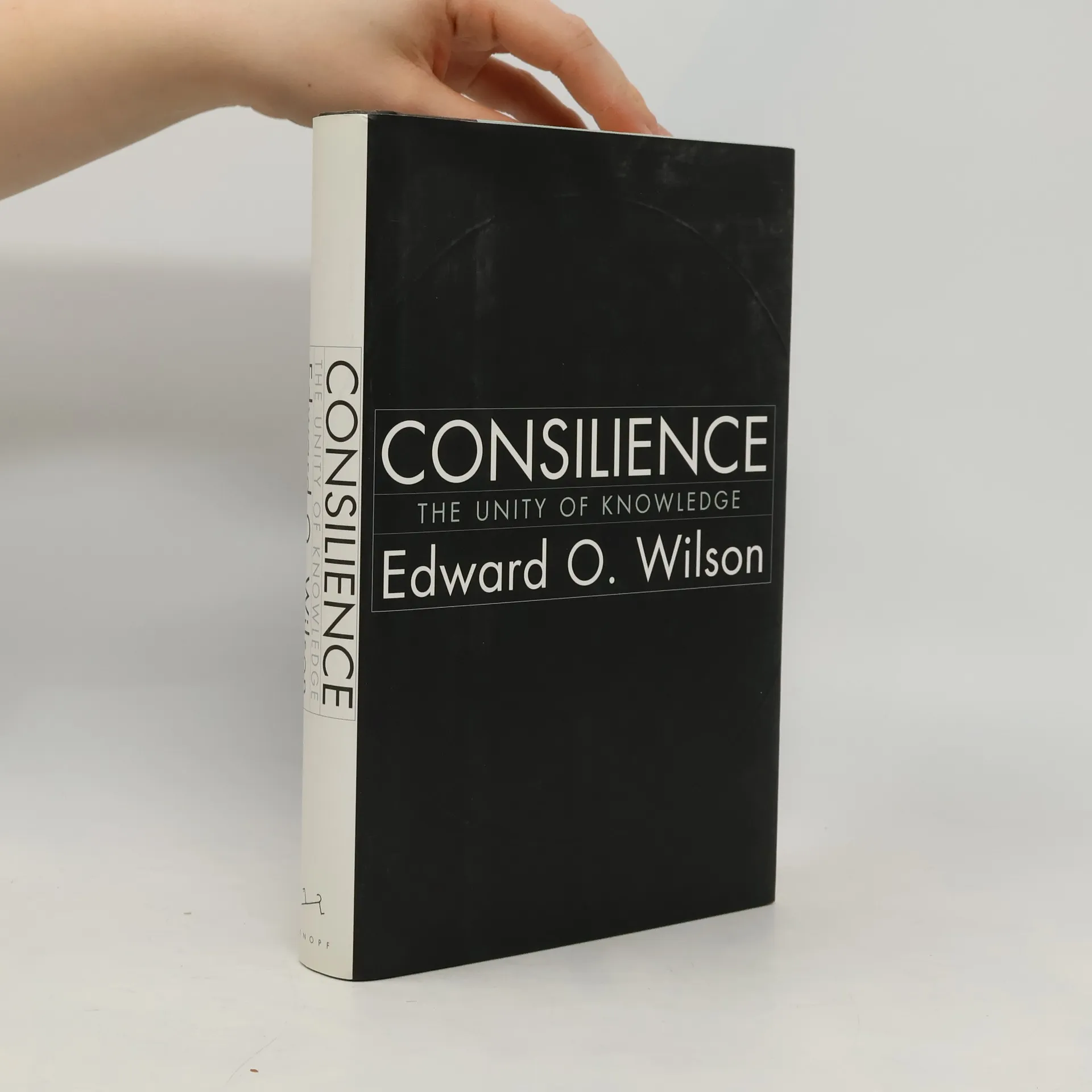
An enormous intellectual adventure, this groundbreaking new book showcases Wilson's argument for what he calls consilience--the proof that everything in our world is organized by a small number of fundamental natural laws that comprise the principles governing every branch of learning.
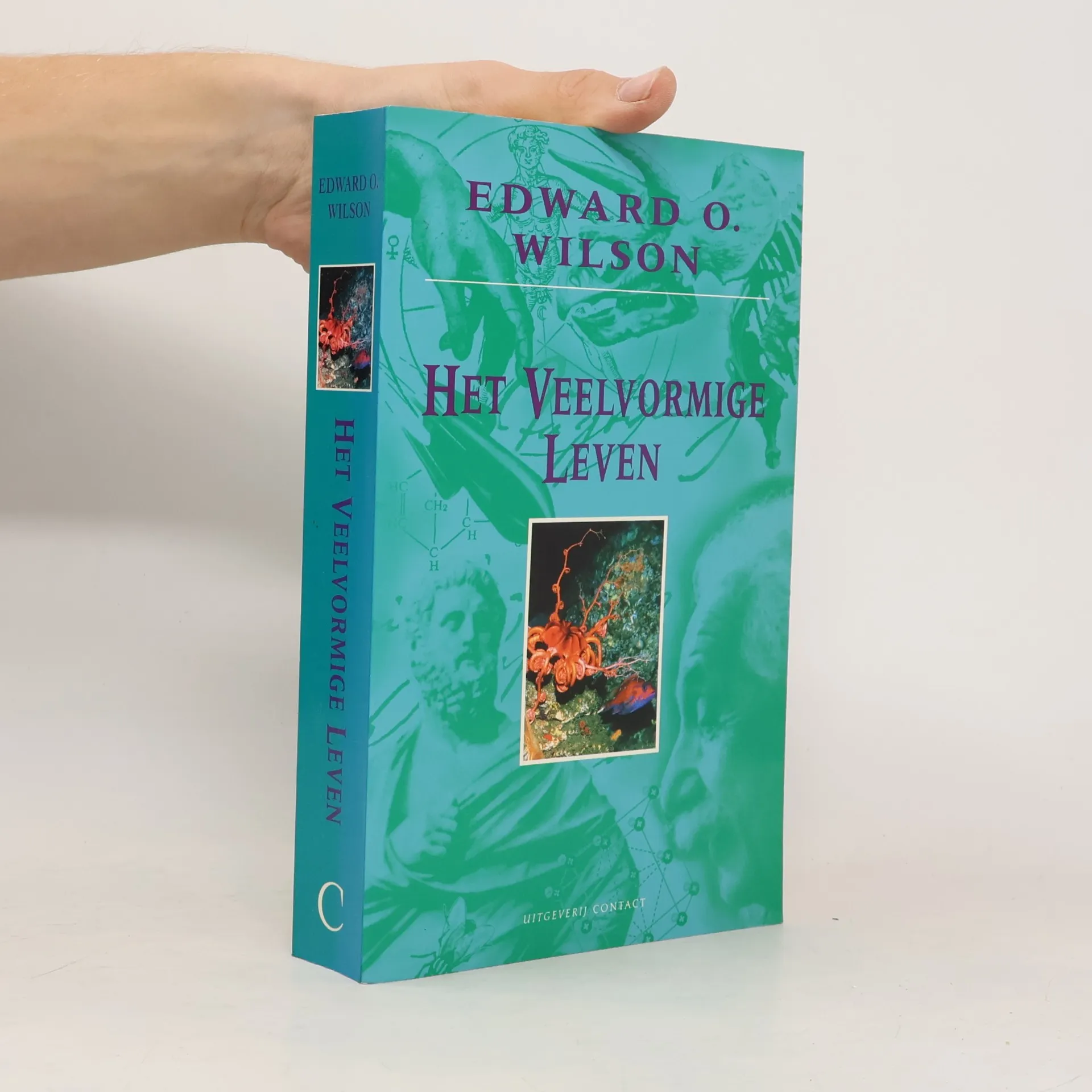
Het veelvormige leven kan beschouwd worden als een magistraal overzicht van de wetenschap van het leven op onze planeet in al zijn wonderbaarlijke rijkdom en variatie. Een overzicht bovendien waarin een rasbioloog zijn nieuwsgierigheid en bewondering voor alles wat de natuur voortbrengt voor de lezer voelbaar maakt. Maar terwijl biologen de natuur steeds beter leren begrijpen wordt het ook duidelijk dat diezelfde natuur in een enorme crisis verkeert. Volgens Wilson zijn we bezig 'een Rembrandt of Vermeer op te stoken om een maaltje te koken'. Een onontgonnen rijkdom aan soorten zal verdwijnen, nog voordat hij in kaart gebracht is. Gevoed door zijn verbluffende kennis en door zijn grote liefde voor de natuur houdt Wilson een krachtig pleidooi voor een nieuwe ecopolitiek, waarin zowel natuurbescherming als economische vooruitgang één doel hebben: het behoud van het veelvormige leven op aarde.
Naturalist
- 416 pages
- 15 hours of reading
In Naturalist, Wilson describes for the first time both his growth as a scientist and the evolution of the science he has helped define. He traces the trajectory of his life - from a childhood spent exploring the Gulf Coast of Alabama and Florida to life as a tenured professor at Harvard - detailing how his youthful fascination with nature blossomed into a lifelong calling. He recounts with drama and wit the adventures of his days as a student at the University of Alabama and his four decades at Harvard University, where he has achieved renown as both teacher and researcher. As the narrative of Wilson's life unfolds, the reader is treated to an inside look at the origin and development of ideas that guide today's biological research. Theories that are now widely accepted in the scientific world were once untested hypotheses emerging from one man's broad-gauged studies. Throughout Naturalist, we see Wilson's mind and energies constantly striving to help establish many of the central principles of the field of evolutionary biology. The story of Edward O. Wilson's life provides fascinating insights into the making of a scientist and a valuable look at some of the most thought-provoking ideas of our time.
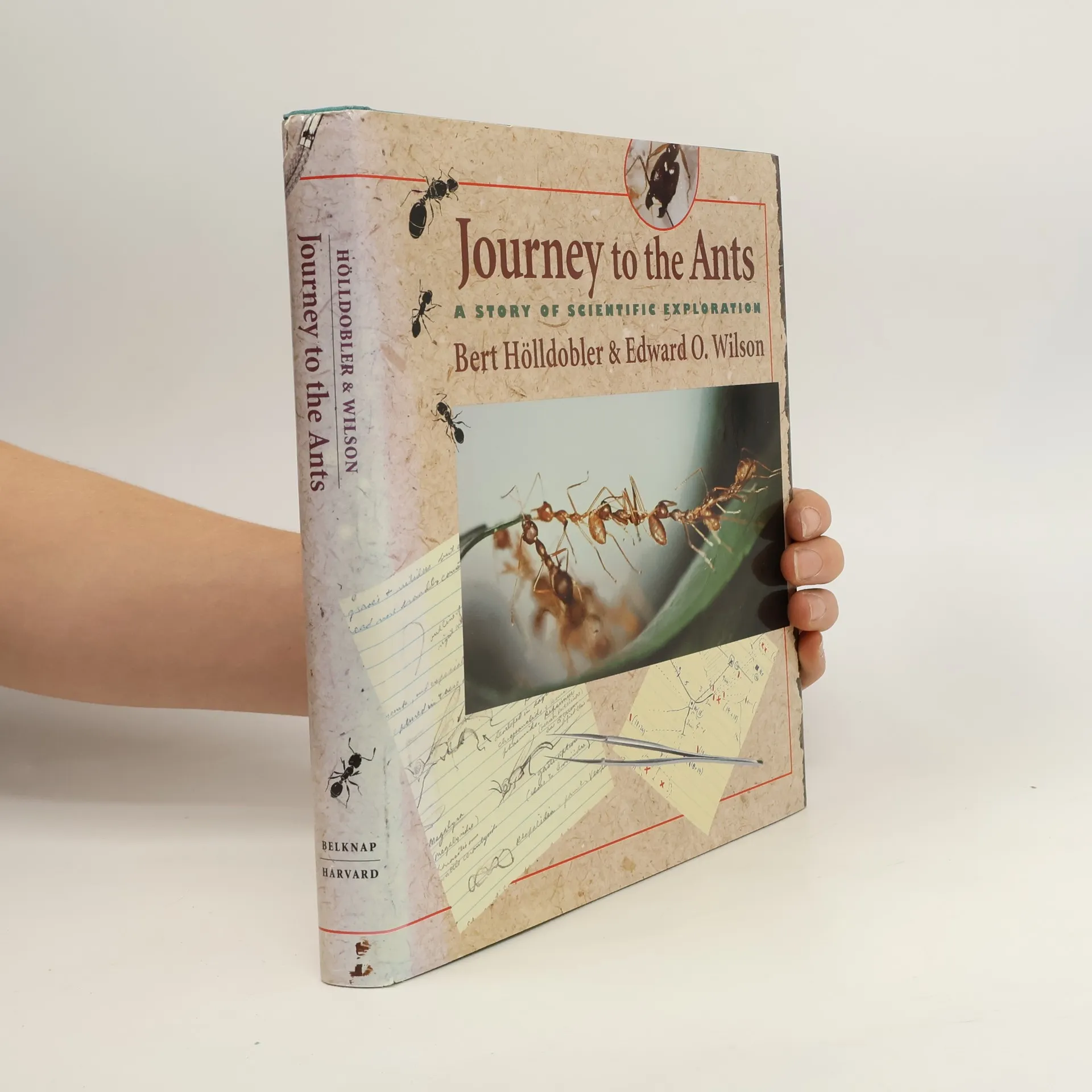
Journey to the Ants: A Story of Scientific Exploration
- 303 pages
- 11 hours of reading
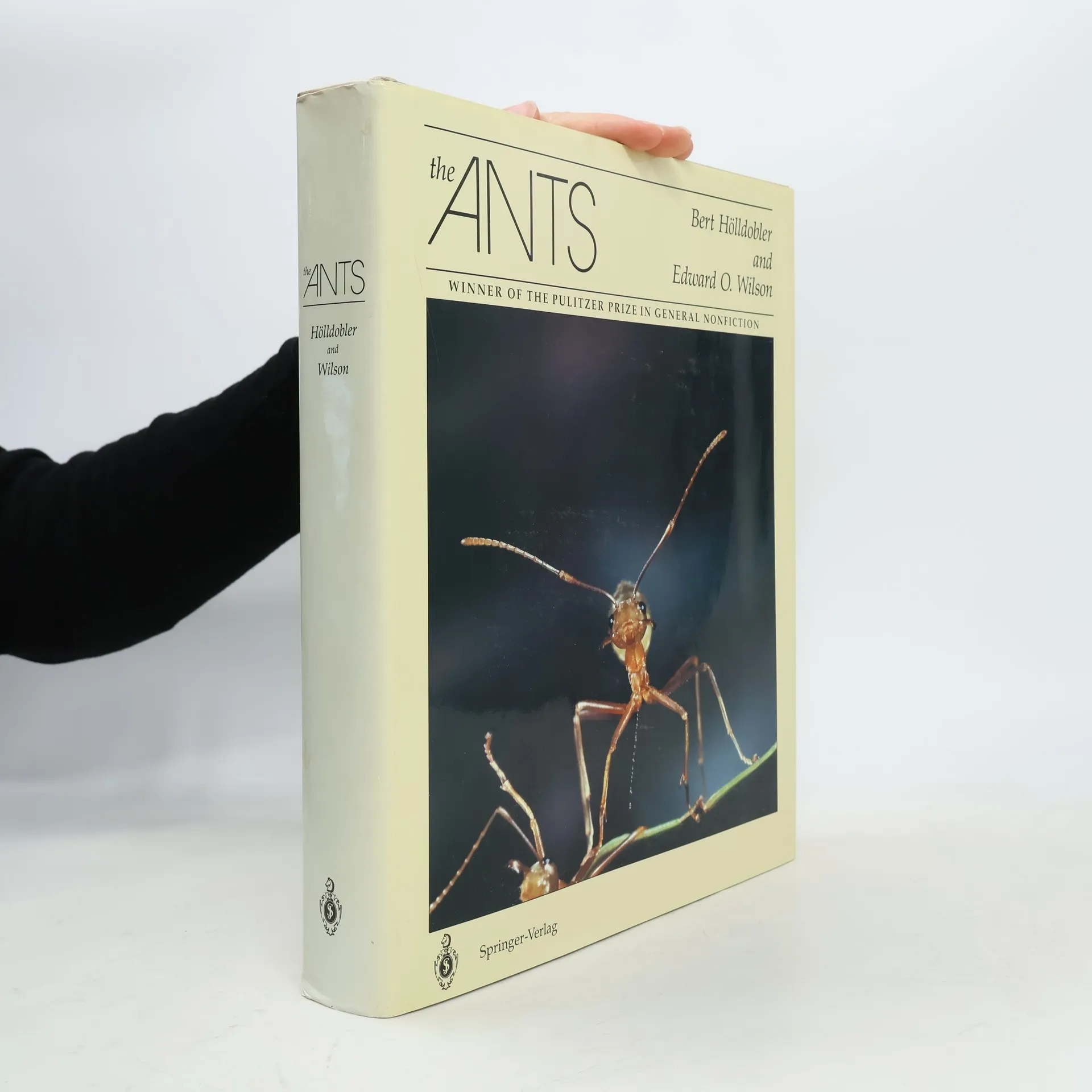
Hailed as "a masterpiece" by Scientific American and as "the greatest of all entomology books" by Science, Bert Holldobler and Edward O. Wilson's monumental treatise The Ants also was praised in the popular press and won a Pulitzer Prize. This overwhelming success attests to a fact long known and deeply felt by the authors: the infinite fascination of their tiny subjects. This fascination finds its full expression in Journey to the Ants, an overview of myrmecology that is also an eloquent tale of the authors' pursuit of these astonishing insects
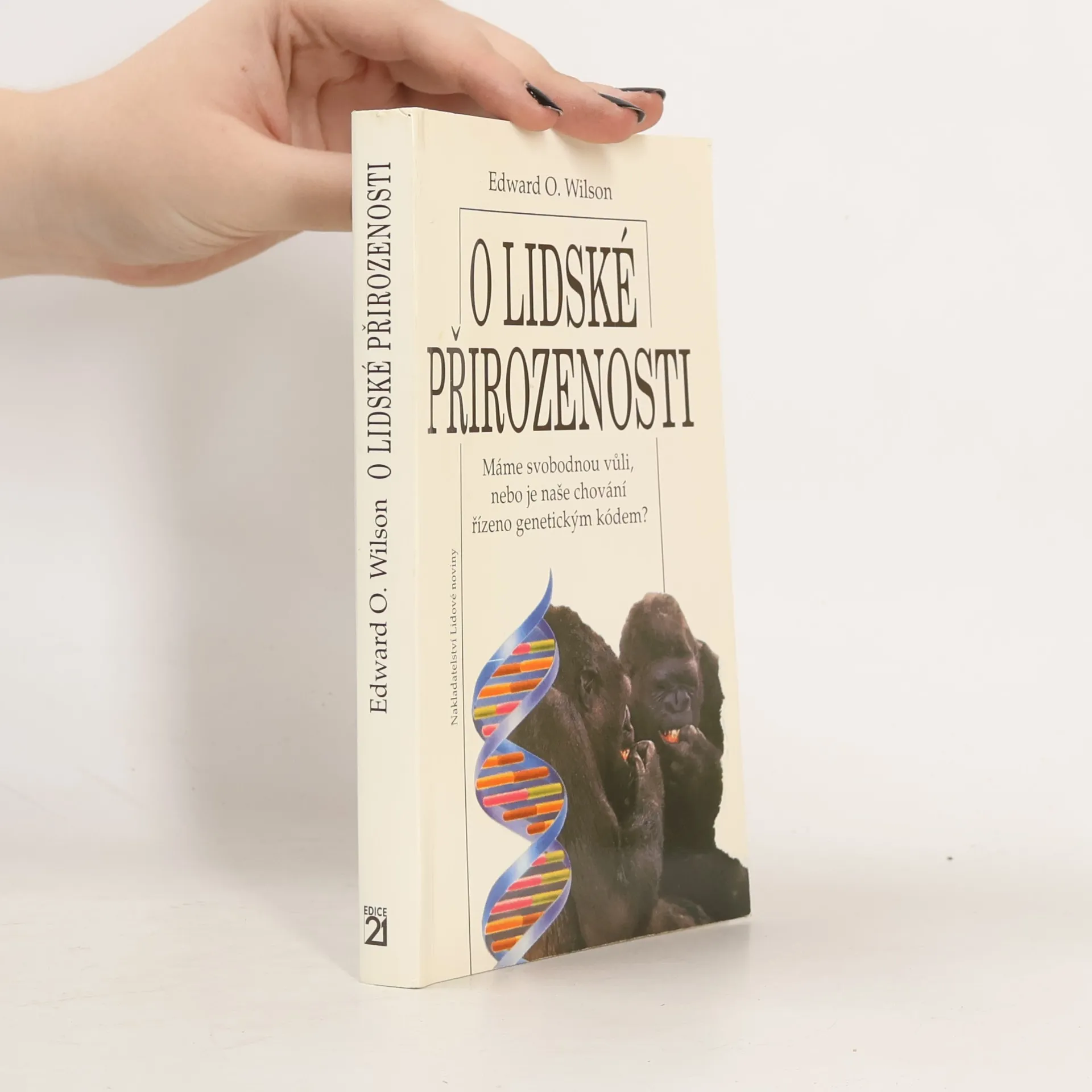
Podtitul: „Máme svobodnou vůli, nebo je naše chování řízeno genetickým kódem?“
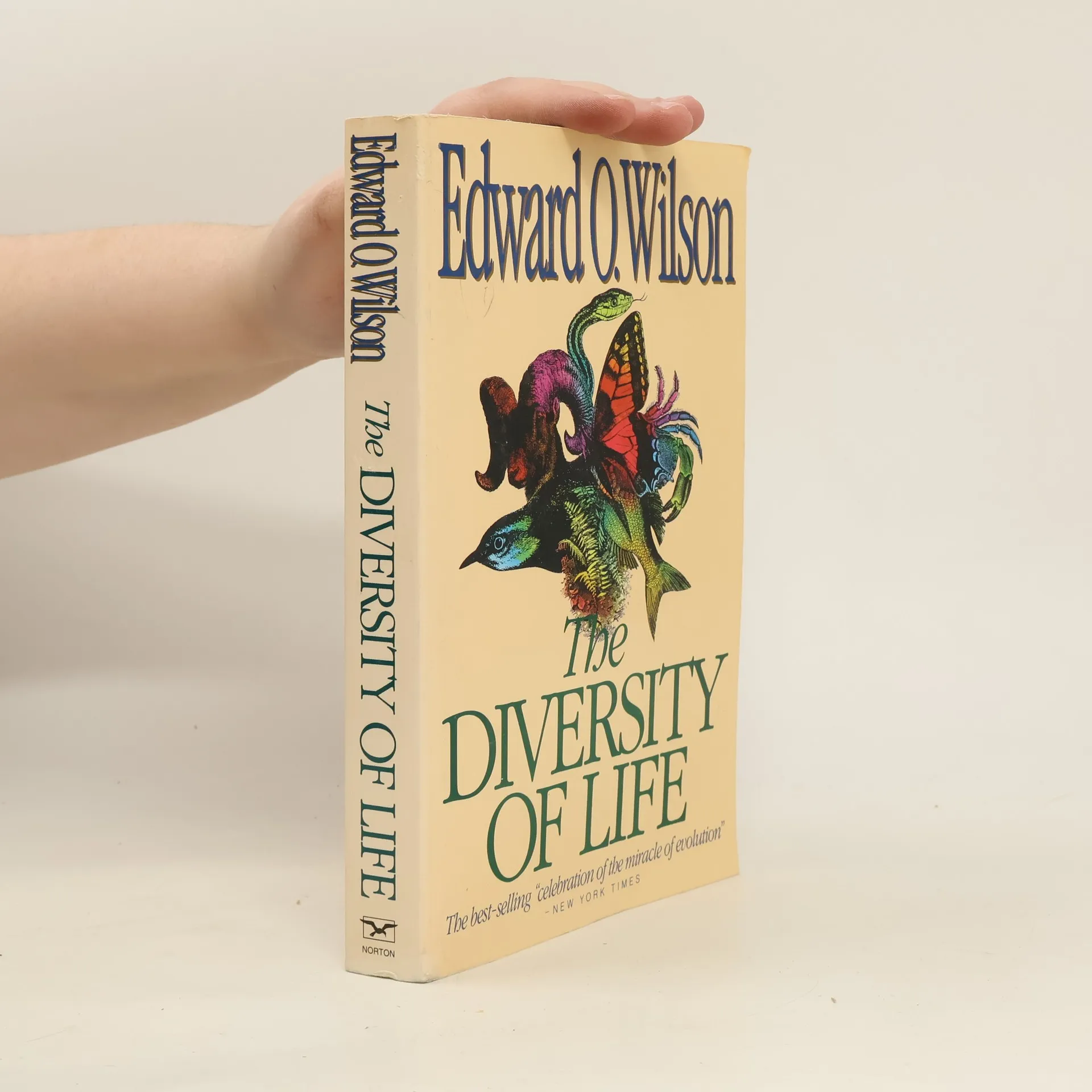
The Diversity of Life
- 424 pages
- 15 hours of reading
Harvard Professor and two-time Pulitzer Prize winner Edward Wilson takes readers through time--tracing the processes that create new species, the five cataclysmic events that have disrupted evolution over the past 600 million years, and how humans are destroying diversity at a projected rate of 20 percent over the next 30 years.
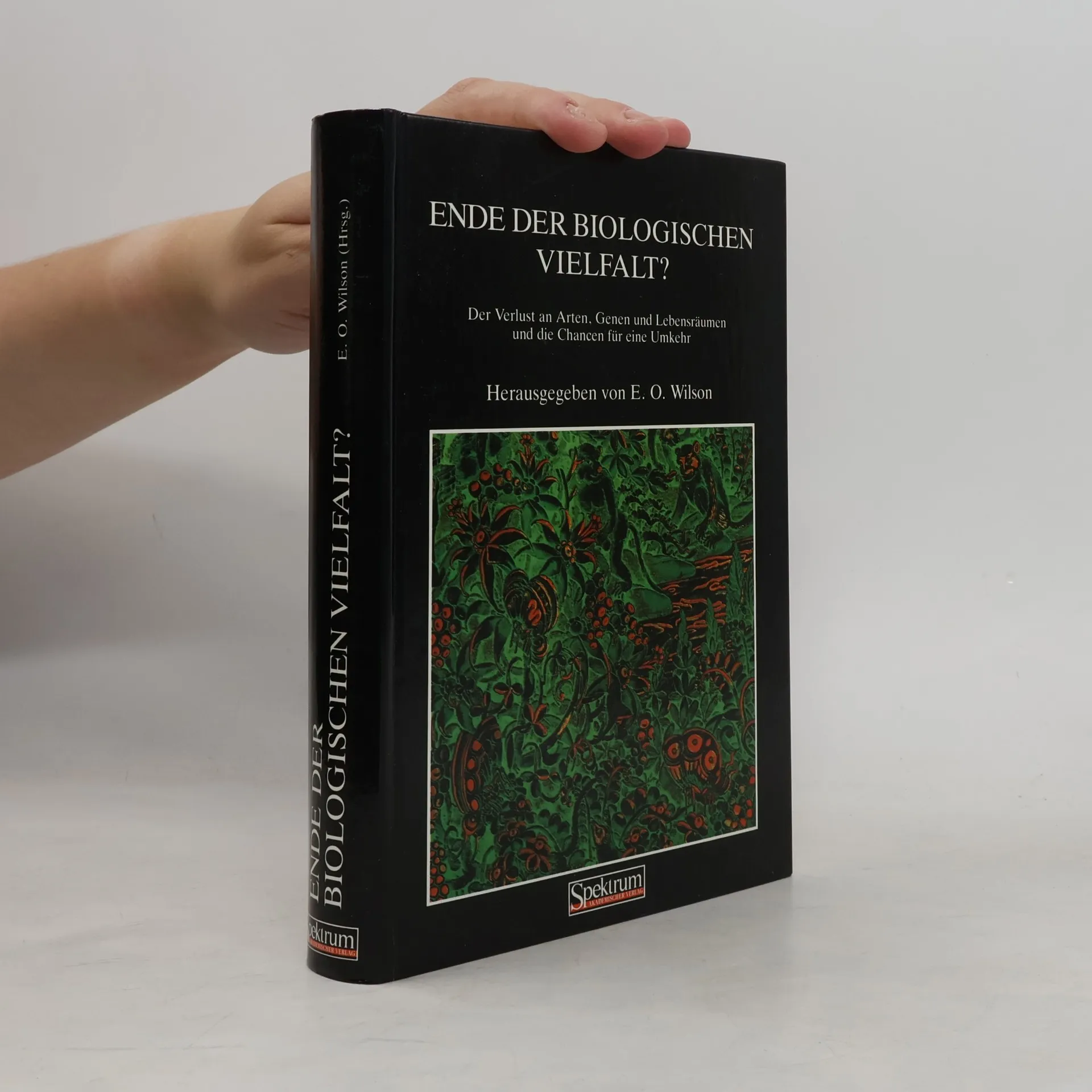
Ende der biologischen Vielfalt?
- 557 pages
- 20 hours of reading
From the Arctic to South Africa - one finds them everywhere: Ants . Making up nearly 15% of the entire terrestrial animal biomass, ants are impressive not only in quantitative terms, they also fascinate by their highly organized and complex social system. Their caste system, the division of labor, the origin of altruistic behavior and the complex forms of chemical communication makes them the most interesting group of social organisms and the main subject for sociobiologists. Not least is their ecological importance: Ants are the premier soil turners, channelers of energy and dominatrices of the insect fauna.
The eminent biologist reflects on his own response to nature and the aesthetic aspects of his exploration of natural systems in an intensely personal essay that examines the essential links between mankind and the rest of the living world.
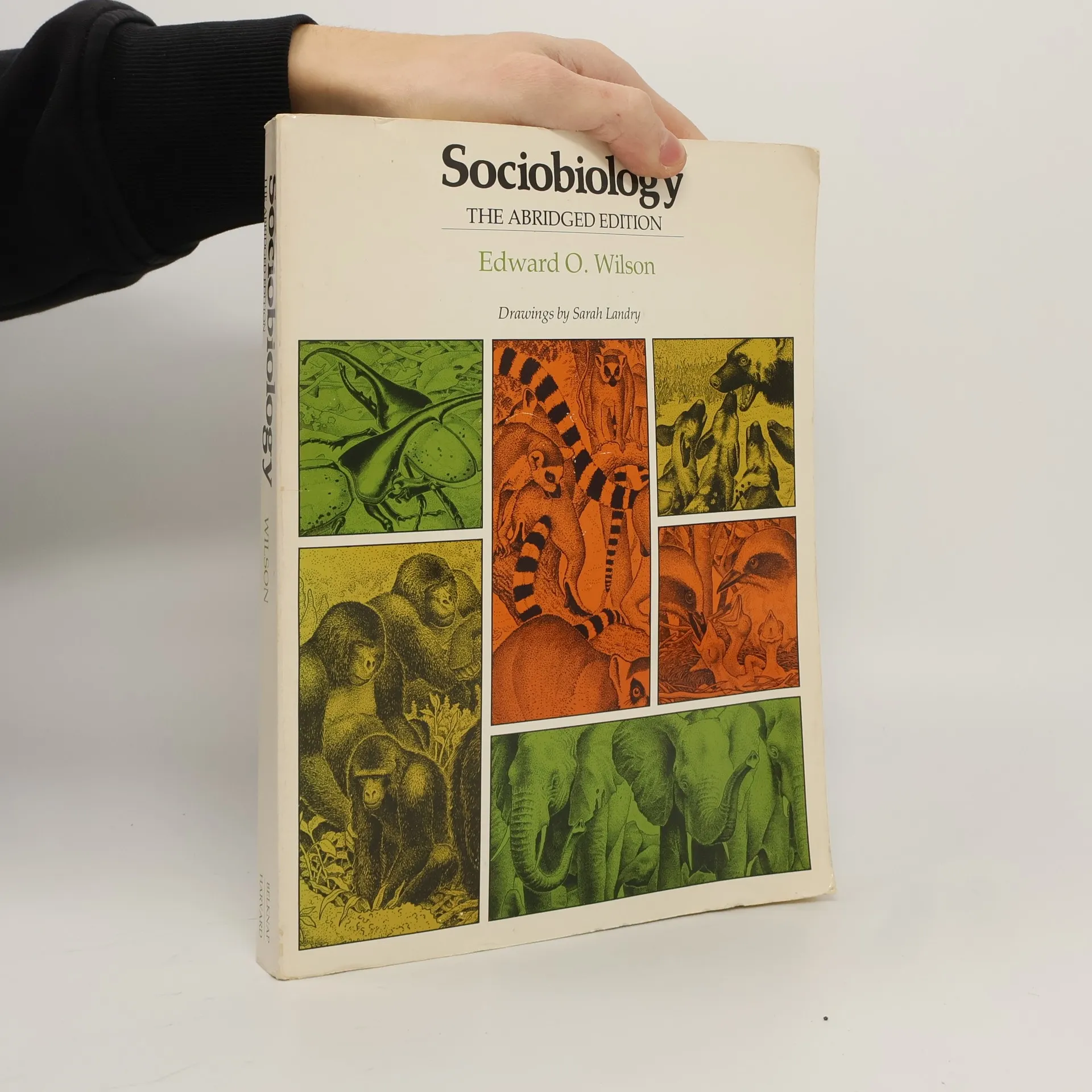
"An evolutionary event" wrote John Pfeiffer in the New York Times Book Review when Sociobiology was published in 1975, "announcing for all who can hear that we are on the verge of breakthroughs in the effort to understand our place in the scheme of things." Praised by many and damned by some, Sociobiology provided the framework for a new science--the study of the biological basis for social behavior in every species, from the lowliest amoeba colony to modern human society. In this abridged edition, Edward O. Wilson trims his monumental work to its essential argument and most compelling examples. He retains the full basic structure of the original book, while eliminating the technical discussions and data summaries. Because of the unusual amount of interest and commentary it has generated, the final chapter on human social behavior remains virtually intact. The book has been completely reset to accommodate a convenient 8 1/2 x 11 format, and Sarah Landry's superb drawings of animal societies still accompany the text. New students and general readers can discover for themselves what sociobiology is all about and why there is so much furor surrounding it.
View a collection of videos on Professor Wilson entitled "On the Relation of Science and the Humanities" In his new preface E. O. Wilson reflects on how he came to write this book: how "The Insect Societies" led him to write "Sociobiology," and how the political and religious uproar that engulfed that book persuaded him to write another book that would better explain the relevance of biology to the understanding of human behavior.
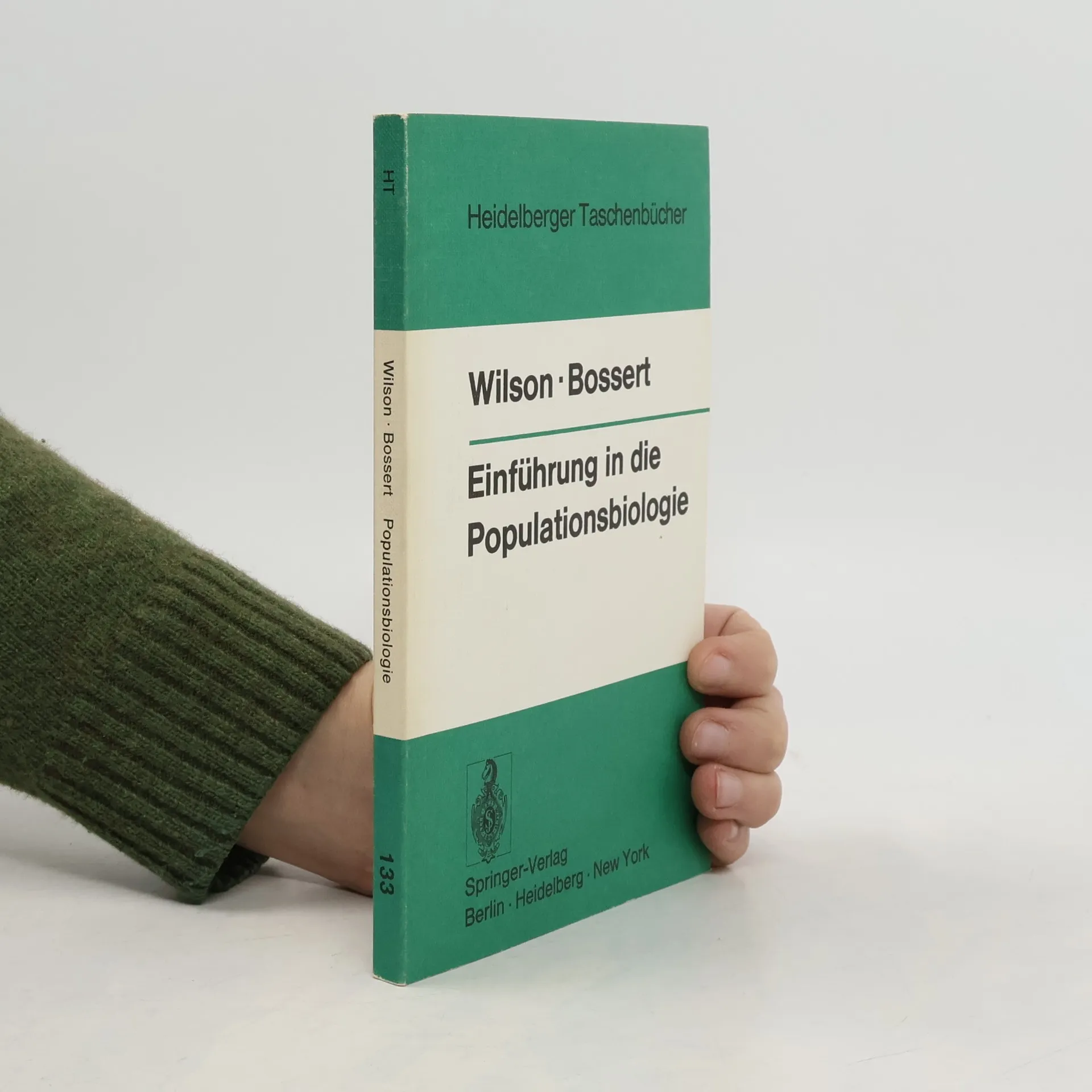
Heidelberger Taschenbücher - 133: Einführung in die Populationsbiologie
- 178 pages
- 7 hours of reading
1973 168 S., 21 cm Softcover, Berlin [u.a.] : Springer,
The Insect Societies
- 548 pages
- 20 hours of reading
A study of insect sociology, presenting individual investigations of wasps, ants, bees, and termites, and discussing caste, behavior, communication, symbioses, and other topics. "This first comprehensive study of social insects since the 1930s includes more than 250 illustrations and covers all aspects of classification, evolution, anatomy, physiology, and behavior of the higher social insects-the ants, social wasps and bees, and termites. Since the publication of W.M. Wheeler's "The Social Insects" in 1928 and Franz Maidl's "Die Lebensgewohnheiten und Instinkte der staatenbildenden Insekten" in 1934, the literature on social insects has increased enormously and entirely new ways of studying insect societies have developed. Mr. Wilson reinterprets here the knowledge on the subject through the concepts of modern biology-from biochemistry to evolutionary theory and population ecology. He reviews the evolution of parental care and other primitive forms of social behavior throughout the arthropods and investigates various forms of symbiosis between the social insects and other anthropods. He also compares insect and vertebrate societies in basic theoretical terms, showing how unified sociobiology is possible if developed as a branch of population biology" -- Book Jacket.