Theurgy is presented as a spiritual practice aimed at connecting with planetary spirits and angels, embodying wisdom and light. The book explores the ancient sages' teachings on the significance of understanding the hierarchies of these divine beings. It emphasizes that a pure and selfless lifestyle is essential for gaining the powers needed to achieve communion with these higher entities, highlighting the transformative journey towards spiritual enlightenment.
Not to be confused with a book of the same name, by Porphyry's student Iamblichus, this condensed portrayal of Pythagoras served as an overview of the Pythagorean philosophy for centuries.
Porfyriova sbírka čtyřiačtyřiceti Sentencí nestejné délky je pokusem zachytit základní principy Plotinovy nauky týkající se vztahu duše a těla, charakteristik tělesného a netělesného, intelektu v jeho jednotě a mnohosti i ,,toho, co vše přesahuje", o němž žádnou nauku podat nelze. Řecko-české vydání připravila Lenka Karfíková.
The book is a facsimile reprint of a scarce antiquarian work, preserving its historical significance despite potential imperfections like marks and notations. It aims to protect and promote important literature by offering an affordable, high-quality modern edition that remains faithful to the original text.
Containing His Four Books On Abstinence From Animal Food, His Treatise On The Homeric Cave Of The Nymphs (1823)
292 pages
11 hours of reading
Exploring ethical and spiritual dimensions, this collection features four works by Porphyry advocating for abstinence from animal products. It delves into the philosophical reasons behind this practice, alongside a treatise on the Homeric Cave of the Nymphs, unpacking its symbolism and mythology from the Odyssey. The book, published in 1823, serves as a valuable resource for understanding Porphyry's contributions to ancient Greek thought, while also being a facsimile reprint that aims to preserve and promote important literary works.
Im neuplatonischen Philosophen Porphyrios erwuchs dem jungen Christentum im 3. Jahrhundert ein philosophischer Gegner von solcher Gefährlichkeit, daß das vorliegende Buch von den christlichen Machthabern in der Antike vollständig vernichtet wurde; auch frühe Widerlegungsschriften christlicher Theologen erlitten dasselbe Schicksal, weil noch zu viele gefährliche Zitate enthalten waren. Hier kann deswegen nur eine fragmentarische Rekonstruktion aus anderen Widerlegungsschriften gegeben werden. Die philosophischen Argumente von Porphyrios sind trotz christlicher Verfolgung nicht erledigt, Porphyrios ist nicht widerlegt (Harnack). Aus neuplatonischer Sicht erscheinen die Christen als Atheisten, die die Tradition der heidnischen römischen Religiosität untergraben. Die Christen befördern in ihrem „fremdländischen Tollwahn“ keine echten Bildung und sittliche Reifung der Menschen, sondern fixieren sie im Status ihrer Kreatürlichkeit. Jesus, den Evangelisten und Paulus, die von niederen Emotionen und Widersprüchlichkeiten gekennzeichnet seien, setzt Porphyrios implizit das hellenistische platonische Bild einer „Angleichung an Gott“, einer Vergöttlichung aus eigener Kraft entgegen.
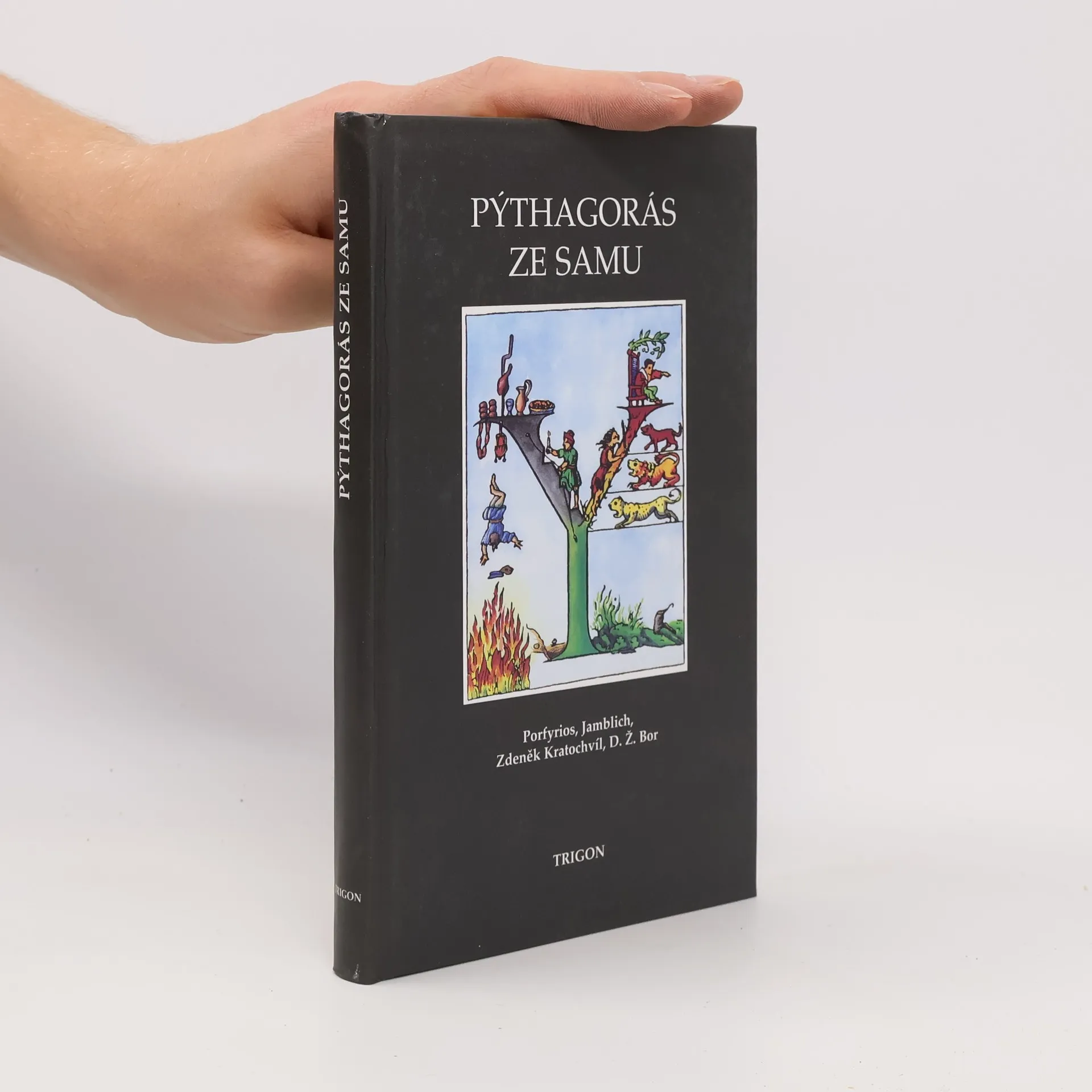
Kniha o životě, dílu, době a následnících řeckého filozofa. Obsahuje tři hlavní texty od tří autorů (Porfyrios: Život Pýthagorův, Iamblich: Život Pýthagorův, Z. Kratochvíl: Pýthagorejství archaické doby), drobné texty Zlomky od Pýthagora a jeho následovníků a doslov od D. Ž. Bora.