Okakura Kakuzō was an influential Japanese scholar and aesthetician who significantly contributed to the development of Japanese arts. Outside his home country, he is primarily remembered as the author of 'The Book of Tea', a work that delves into Japanese culture and philosophy through the lens of the tea ceremony. Okakura aimed to introduce and advocate for Asian art and culture in the West, seeking to foster greater understanding and balance between East and West. His writings, predominantly in English, left a notable impact on Western thinkers and artists interested in Asian spirituality and aesthetics.
Reflections from the world-renowned Japanese scholar Okakura Kakuzo's classic
The Book of Tea filter through the exquisite pages of this adult colouring
book, bringing a love of tea, art, life, and nature together as one.
This book, from the series Primary Sources: Historical Books of the World (Asia and Far East Collection), represents an important historical artifact on Asian history and culture. Its contents come from the legions of academic literature and research on the subject produced over the last several hundred years. Covered within is a discussion drawn from many areas of study and research on the subject. From analyses of the varied geography that encompasses the Asian continent to significant time periods spanning centuries, the book was made in an effort to preserve the work of previous generations.
This book has been considered by academicians and scholars of great significance and value to literature. This forms a part of the knowledge base for future generations. We have represented this book in the same form as it was first published. Hence any marks seen are left intentionally to preserve its true nature.
Tee entwickelte sich von einem Heilmittel zu einem kulturellen Genuss, der im achten Jahrhundert in China und im fünfzehnten Jahrhundert in Japan als "Teeismus" gefeiert wurde. Dieser Kult verehrt das Schöne im Alltag und verkörpert Reinheit, Harmonie und die Romantisierung der gesellschaftlichen Ordnung.
" La cérémonie du thé est un culte basé sur l'adoration du beau parmi les vulgarités de l'existence quotidienne. Il inspire à ses fidèles la pureté et l'harmonie. Il est essentiellement le culte de l'Imparfait, puisqu'il est un effort pour accomplir quelque chose de possible dans cette chose impossible que nous savons être la vie. " Kakuzo Okakura.
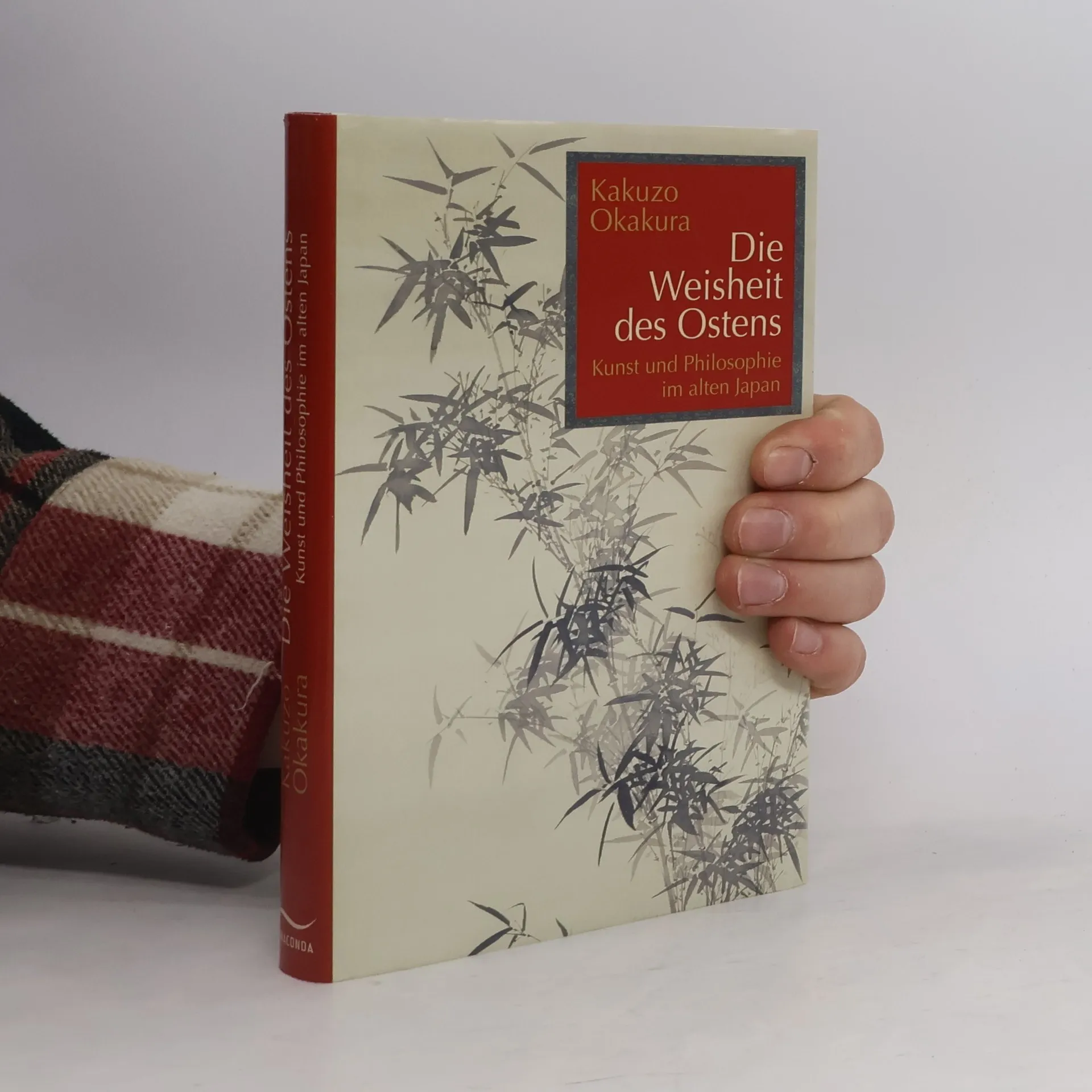
Im asiatischen Raum, besonders aber in Japan, sind Kunst und Weisheitslehren seit jeher untrennbar miteinander verknüpft – künstlerische Werke sind stets das Spiegelbild einer philosophischen Weltsicht, die unmittelbar aus dem alltäglichen Leben erwächst. Der japanische Kunsthistoriker Kakuzo Okakura (1863–1913), bekannt durch sein berühmtes »Buch vom Tee«, widmet sich in »Die Weisheit des Ostens«, erstmals 1904 erschienen, diesen Wechselwirkungen der Kunst mit Taoismus und Konfuzianismus und erweist sich dabei als ebenso begeisterter wie versierter Vermittler zwischen asiatischer Kultur und westlicher Welt.
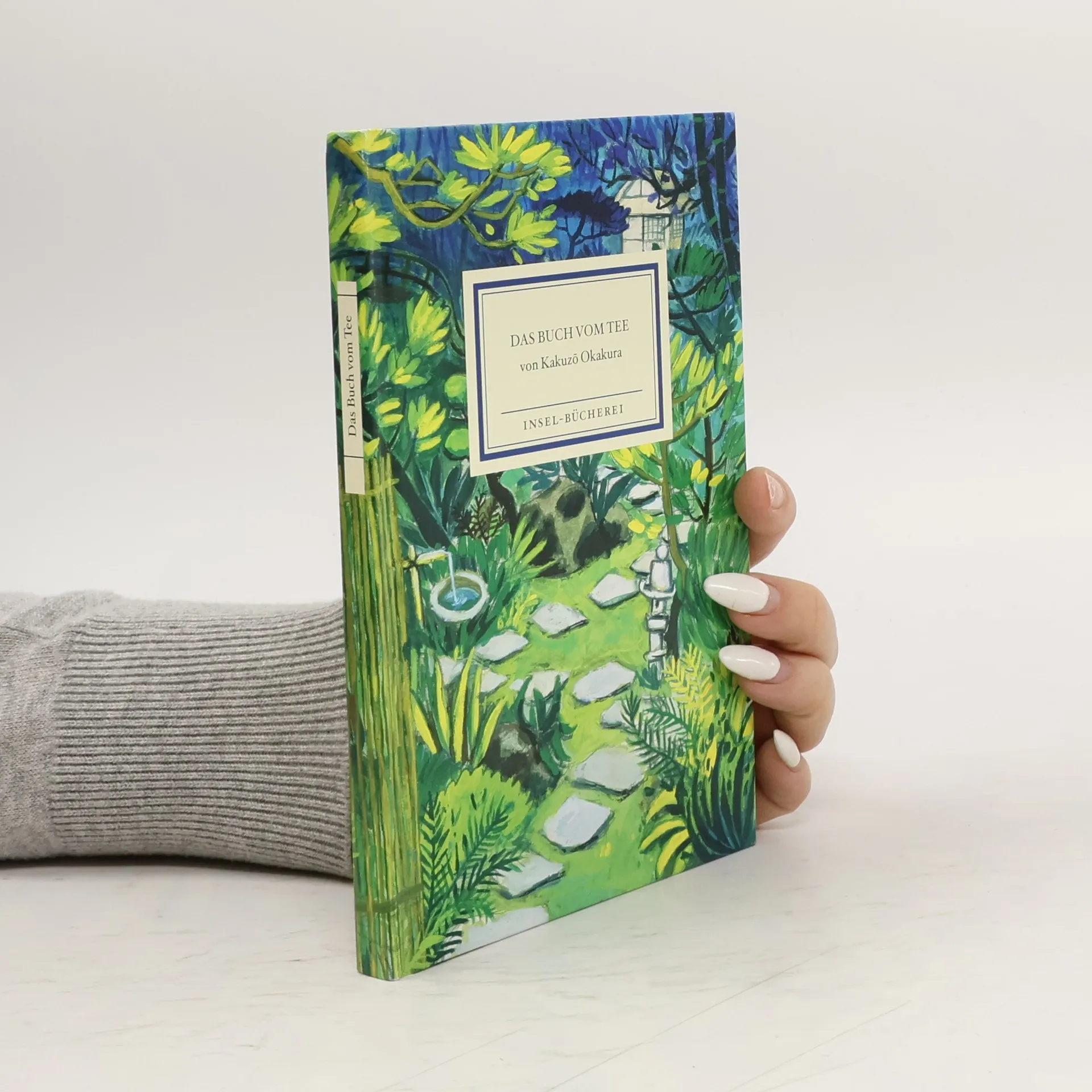
Kakuzo Okakuras legendäres Buch vom Tee erschien erstmals 1906 und ist ein Klassiker, wenn von der japanischen Teekultur die Rede ist. Die Teezeremonie – das ist nicht nur die Zubereitung, das Teegerät, der Raum, sondern es geht dabei immer auch um die Verfeinerung der Sinne, die Vollendung der Form, den Rhythmus der Bewegungen, die die Zeremonie zum Kunstwerk werden lassen. »Teeismus« nennt Okakura die Philosophie des Tees und beschreibt anschaulich, wie in Japan schon im 8. Jahrhundert der Tee zum Kult wurde und wie er von dort aus seinen Siegeszug um die Welt antrat. Okakuras berühmteste Schrift wird jetzt mit den hinreißenden Illustrationen von Alexandra Klobouk und Eva Gonçalves in der Insel-Bücherei neu aufgelegt.
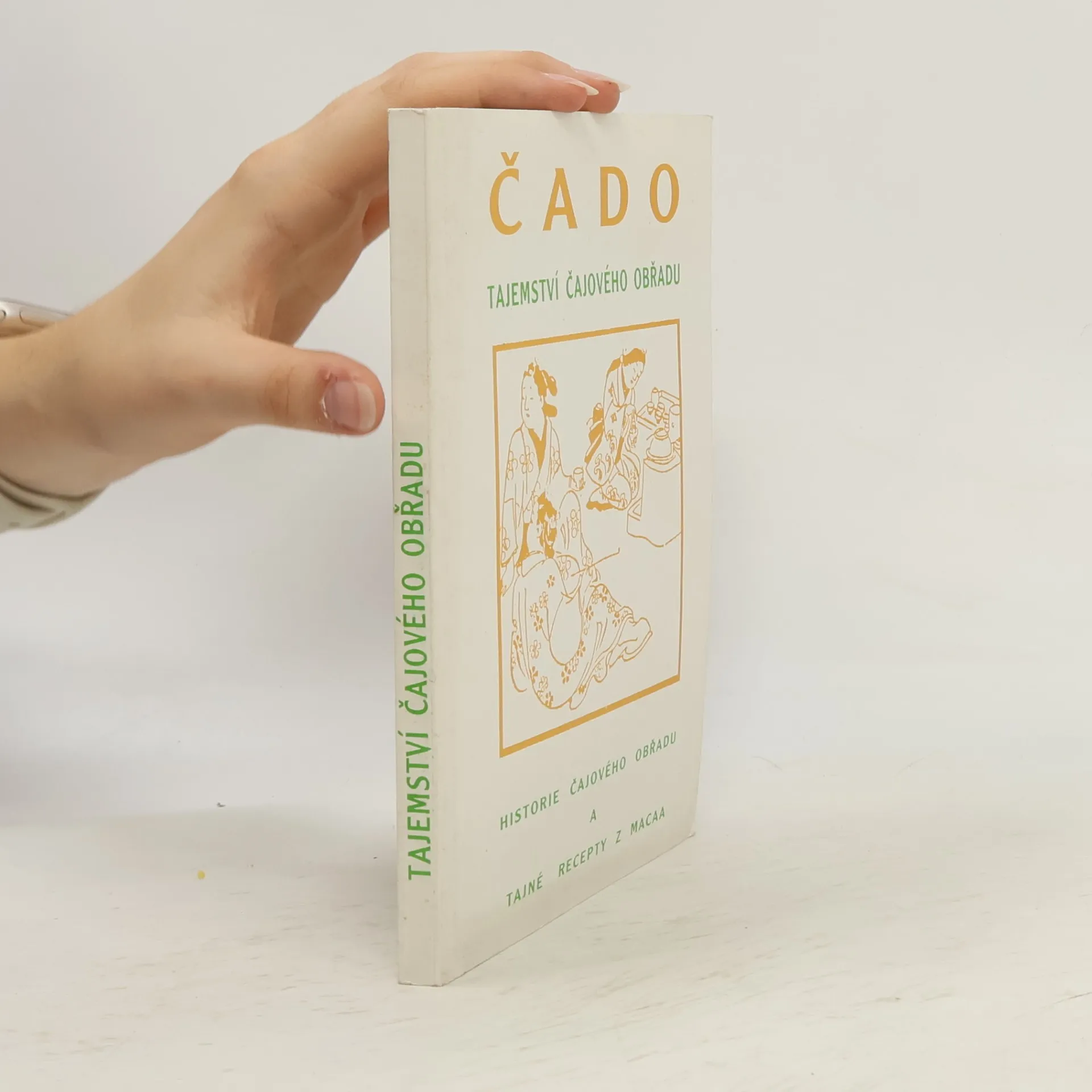
Přehledná historie čaje a úvod do filosoficko-estetických aspektů čajového obřadu a jeho významu v kontextu japonské kultury a zenového buddhismu. Kniha obsahuje: Historie čajového obřadu / podle japonských pramenů sestavil F.H. Richard -- Kniha o čaji / Kakuzo Okakura -- Tajné recepty z Macaa / Ana Maria Amaro.