Piccola biblioteca Adelphi - 823: Sull'eguaglianza di tutte le cose
Lezioni americane
- 214 pages
- 8 hours of reading


Carlo Rovelli is an Italian theoretical physicist and writer whose work delves into the realms of quantum gravity and the history and philosophy of science. A key figure in the development of loop quantum gravity, his writings are characterized by a profound exploration of the nature of reality and our place within it. Rovelli masterfully bridges complex scientific concepts with poetic sensibility, making fundamental questions of existence accessible to a broad audience. He regularly contributes essays and articles to prominent Italian newspapers, sharing his insights with clarity and grace.




Lezioni americane
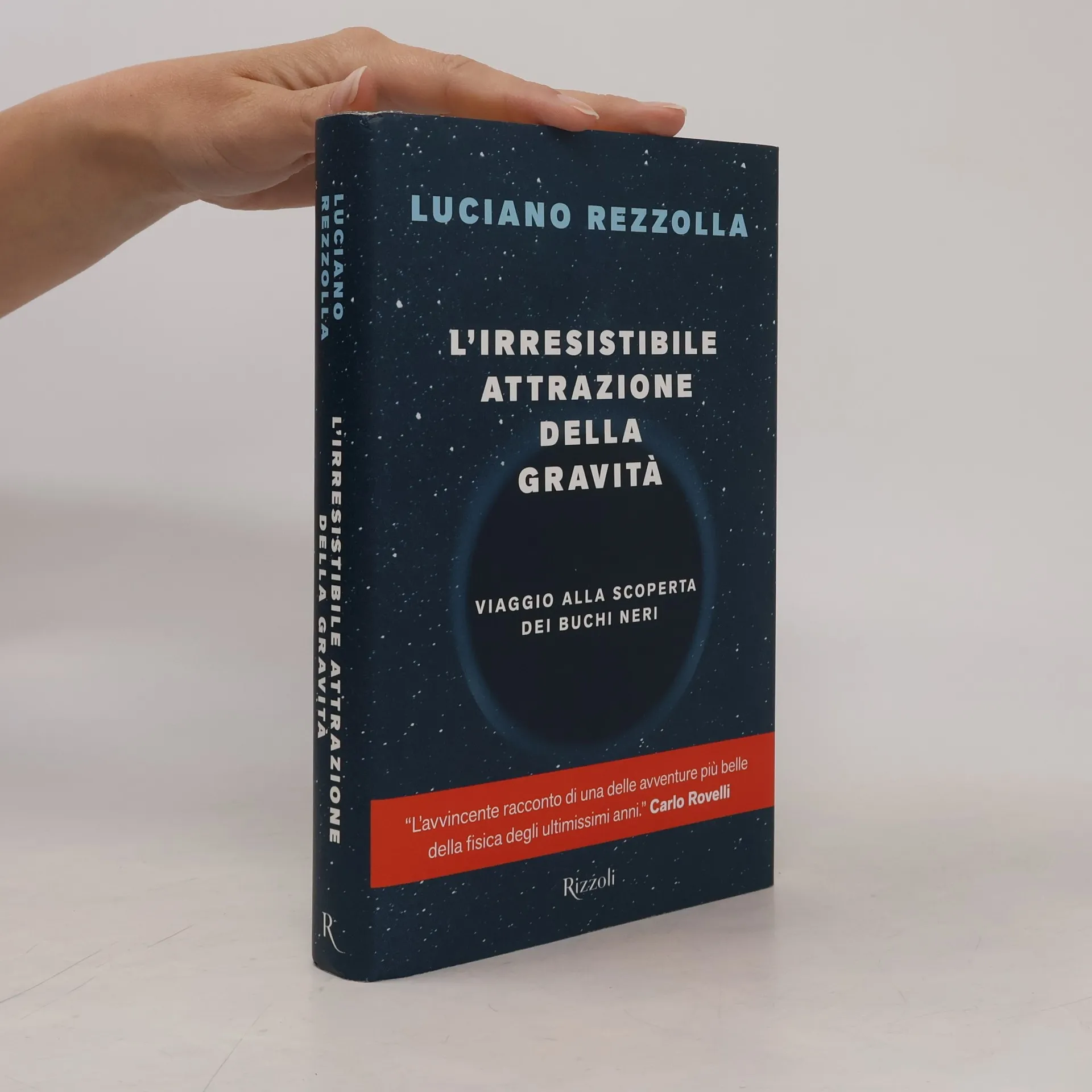
Un viaggio affascinante nel nuovo e strano mondo dei buchi bianchi, con il fisico Carlo Rovelli. Iniziamo un percorso nel cuore di un buco nero, oltre il suo orizzonte, per scivolare in questa fessura dell'universo. Mentre ci immergiamo, vedremo la geometria piegarsi e sentiremo le equazioni stringersi attorno a noi. Alla fine, supereremo i resti di una stella, profondi e densi, che cadono sempre più in basso. E poi - il fondo. Dove il tempo e lo spazio finiscono, e nasce il buco bianco. Con leggerezza e magia, Rovelli traccia l'avventura della sua ricerca all'avanguardia, l'incertezza e la gioia di andare dove non siamo ancora stati. Ci guida verso il confine tra teoria e esperimento, invitandoci a oltrepassarlo, per vivere la febbre e l'inquietudine della scienza. Ecco la vita straordinaria di un buco bianco.
A mesmerizing trip to the strange new world of white holes. Rovelli traces the ongoing adventure of his own cutting-edge research, of the uncertainty and joy of going where we've not yet been
In this short book, renowned theoretical physicist and author Carlo Rovelli gives a straightforward introduction to Einstein's General Relativity, our current theory of gravitation. Focusing on conceptual clarity, he derives all the basic results in the simplest way, taking care to explain the physical, philosophical and mathematical ideas at the heart of "the most beautiful of all scientific theories". Some of the main applications of General Relativity are also explored, for example, black holes, gravitational waves and cosmology, and the book concludes with a brief introduction to quantum gravity. Written by an author well known for the clarity of his presentation of scientific ideas, this concise book will appeal to university students looking to improve their understanding of the principal concepts, as well as science-literate readers who are curious about the real theory of General Relativity, at a level beyond a popular science treatment.
Viaggio alla scoperta dei buchi neri
Helgoland is a treeless island in the North Sea where the twenty-three-year-old Werner Heisenberg made the crucial breakthrough for the creation of quantum mechanics, setting off a century of scientific revolution. Full of alarming ideas (ghost waves, distant objects that seem to be magically connected, cats that appear both dead and alive), quantum physics has led to countless discoveries and technological advancements. Today our understanding of the world is based on this theory, yet it is still profoundly mysterious... As scientists and philosophers continue to fiercely debate the meaning of the theory, Rovelli argues that its most unsettling contradictions can be explained by seeing the world as fundamentally made of relationships rather than substances. We and everything around us exist only in our interactions with one another. This bold idea suggests new directions for thinking about the structure of reality and even the nature of consciousness.
Cesta ke kvantové gravitaci. Kvantování gravitace patří k největším problémům dnešní teoretické fyziky. Nejde o nic menšího než o správné propojení tří pilířů moderní fyziky, jimiž jsou obecná relativita, kvantová teorie a statistická fyzika. A protože Einsteinova obecná relativita vysvětluje gravitaci deformací prostoročasu,klíčové je pochopit, co znamená kvantum prostoru a času. Právě o to se (možná úspěšně!) pokusila skupina předních teoretiků, mezi něž patří autor knihy Carlo Rovelli. Skvěle napsaná kniha (vůbec první na toto téma) z pera jednoho z hlavních tvůrců smyčkové kvantové gravitace vám vysvětlí podrobnosti. A porozumíte jim. Protože Rovelli má vzácný talent s nadhledem vysvětlovat vrcholné vědecké teorie jasně a podmanivě, aniž by podlehl svodům komplikovaného matematického aparátu. Ne nadarmo se jeho popularizační knihy staly světovými bestselery.
One of the most inspiring and counter-intuitive thinkers of our age, the bestselling author of Seven Brief Lessons on Physics, transforms the way we think about the world with his reflections on science, history and humanity In this collection of writings, the logbook of an intelligence always on the move, Carlo Rovelli follows his curiosity and invites us on a voyage through science, history, philosophy and politics. Written with his usual clarity and wit, these pieces range widely across time and space: from Newton's alchemy to Einstein's mistakes, from Nabokov's butterflies to Dante's cosmology, from travels in Africa to the consciousness of an octopus, from mind-altering psychedelic substances to the meaning of atheism. Charming, pithy and elegant, this book is the perfect gateway to the universe of one of the most influential scientists of our age.
Meine Suche nach den Grundlagen des Universums
Was ist Zeit? Wir messen sie immer nur im Vergleich mit etwas anderem, einem Stern oder einem Pendel, und selbst dann gehen die Uhren nicht immer gleich, wie Einstein zeigte. Brauchen wir sie also, um die Grundlagen unseres Universums zu erklären? Nein, sagt Carlo Rovelli und skizziert ein neues Modell davon, was die Welt im Innersten zusammenhält. Zugleich ist dies das bislang persönlichste Buch des weltbekannten Physikers, der uns erzählt, wie ein Grundlagenforscher zu seinen Ideen kommt und warum revolutionäres Denken immer ein Abenteuer mit ungewissem Ausgang ist. «Carlo Rovelli beweist, wie verführerisch Wissenschaft sein kann.» La Repubblica
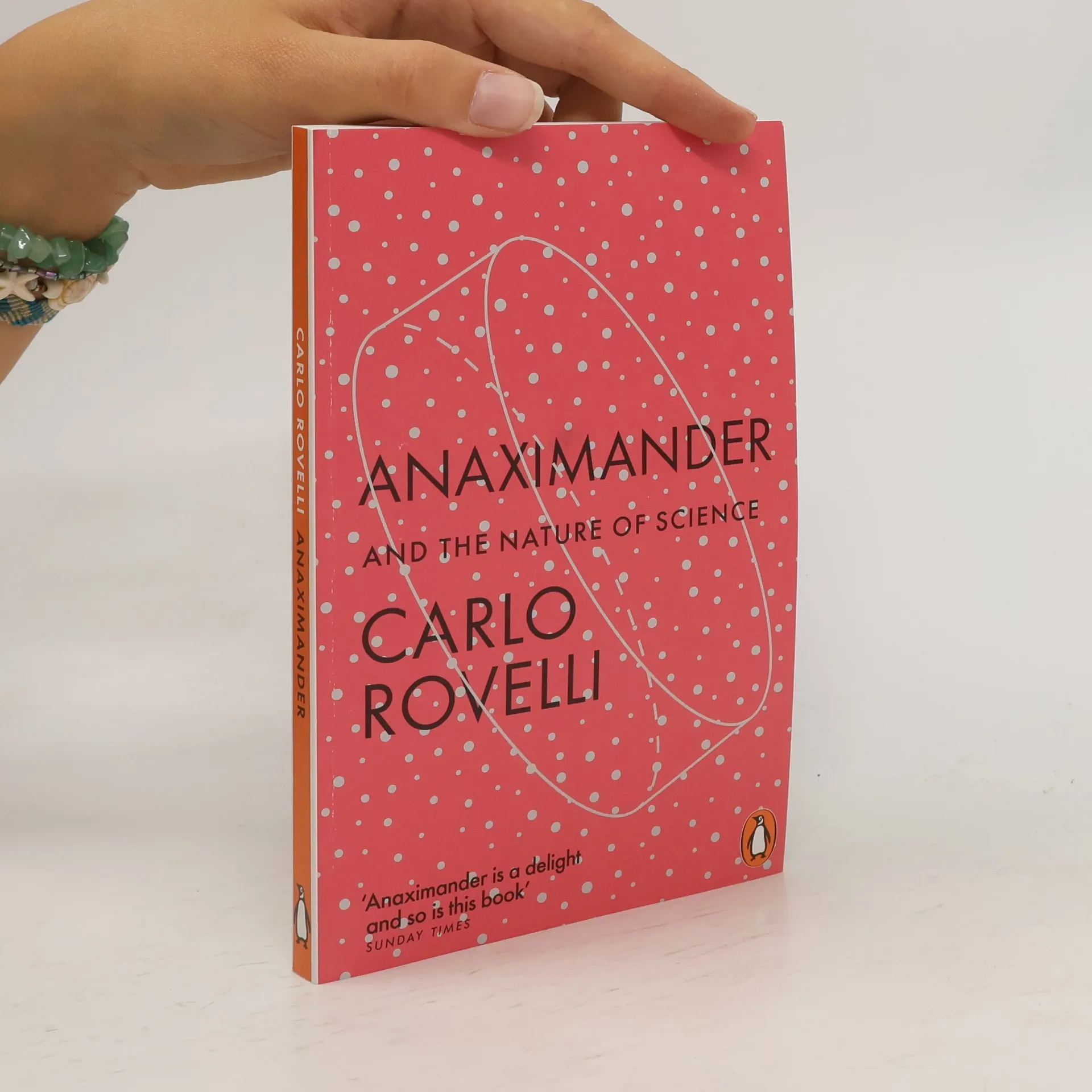
Recognized as a TLS Book of the Year, this title offers a compelling exploration of its themes, engaging characters, and thought-provoking narrative. The author masterfully weaves intricate plots that challenge perceptions and invite readers to reflect on deeper societal issues. With a unique perspective and captivating prose, the book stands out in its genre, promising an enriching reading experience that resonates long after the final page is turned.
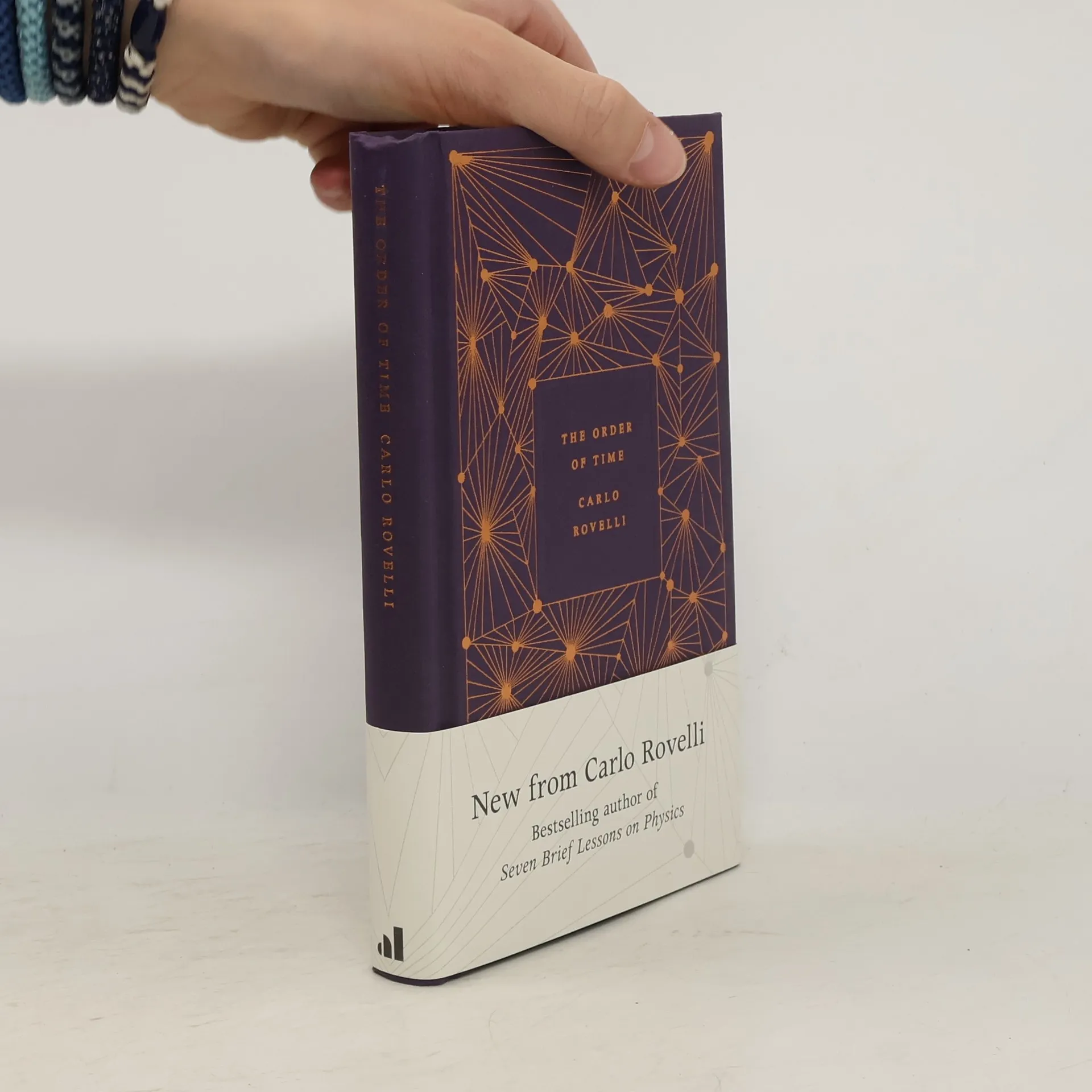
THE SUNDAY TIMES NUMBER ONE BESTSELLER 'Modern physics has found its poet. A captivating, fascinating, profoundly beautiful book' - John Banville 'The new Stephen Hawking' - Sunday Times The bestselling author of Seven Brief Lessons on Physics takes us on an enchanting, consoling journey to discover the meaning of time 'We are time. We are this space, this clearing opened by the traces of memory inside the connections between our neurons. We are memory. We are nostalgia. We are longing for a future that will not come.' Time is a mystery that does not cease to puzzle us. Philosophers, artists and poets have long explored its meaning while scientists have found that its structure is different from the simple intuition we have of it. From Boltzmann to quantum theory, from Einstein to loop quantum gravity, our understanding of time has been undergoing radical transformations. Time flows at a different speed in different places, the past and the future differ far less than we might think, and the very notion of the present evaporates in the vast universe. With his extraordinary charm and sense of wonder, bringing together science, philosophy and art, Carlo Rovelli unravels this mystery. Enlightening and consoling, The Order of Time shows that to understand ourselves we need to reflect on time -- and to understand time we need to reflect on ourselves. Translated by Simon Carnell and Erica Segre
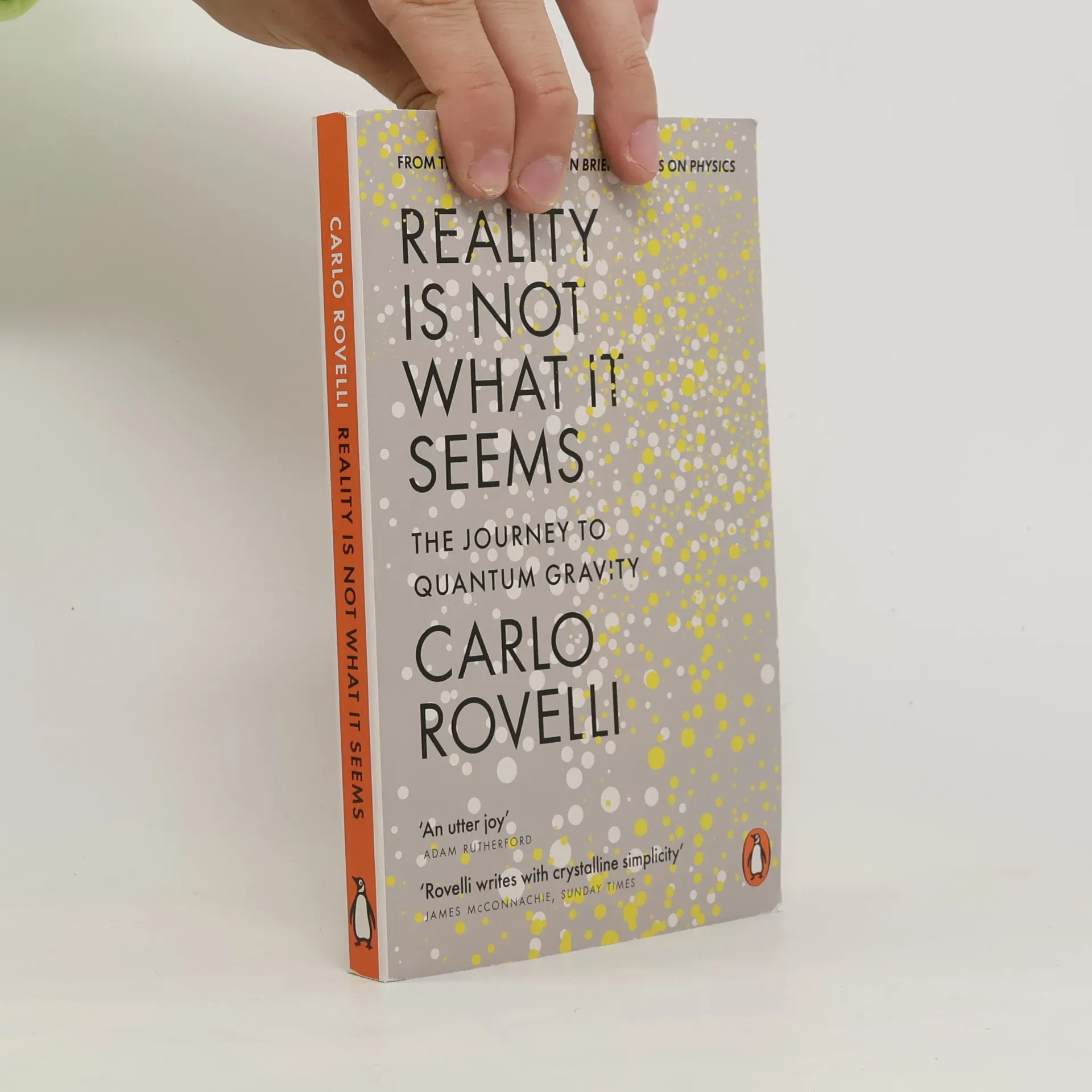
What are time and space made of? Where does matter come from? And what exactly is reality? Scientist Carlo Rovelli has spent his life exploring these questions and pushing the boundaries of what we know. Here he explains how our image of the world has changed throughout centuries. From Aristotle to Albert Einstein, Michael Faraday to the Higgs boson, he takes us on a wondrous journey to show us that beyond our ever-changing idea of reality is a whole new world that has yet to be discovered.
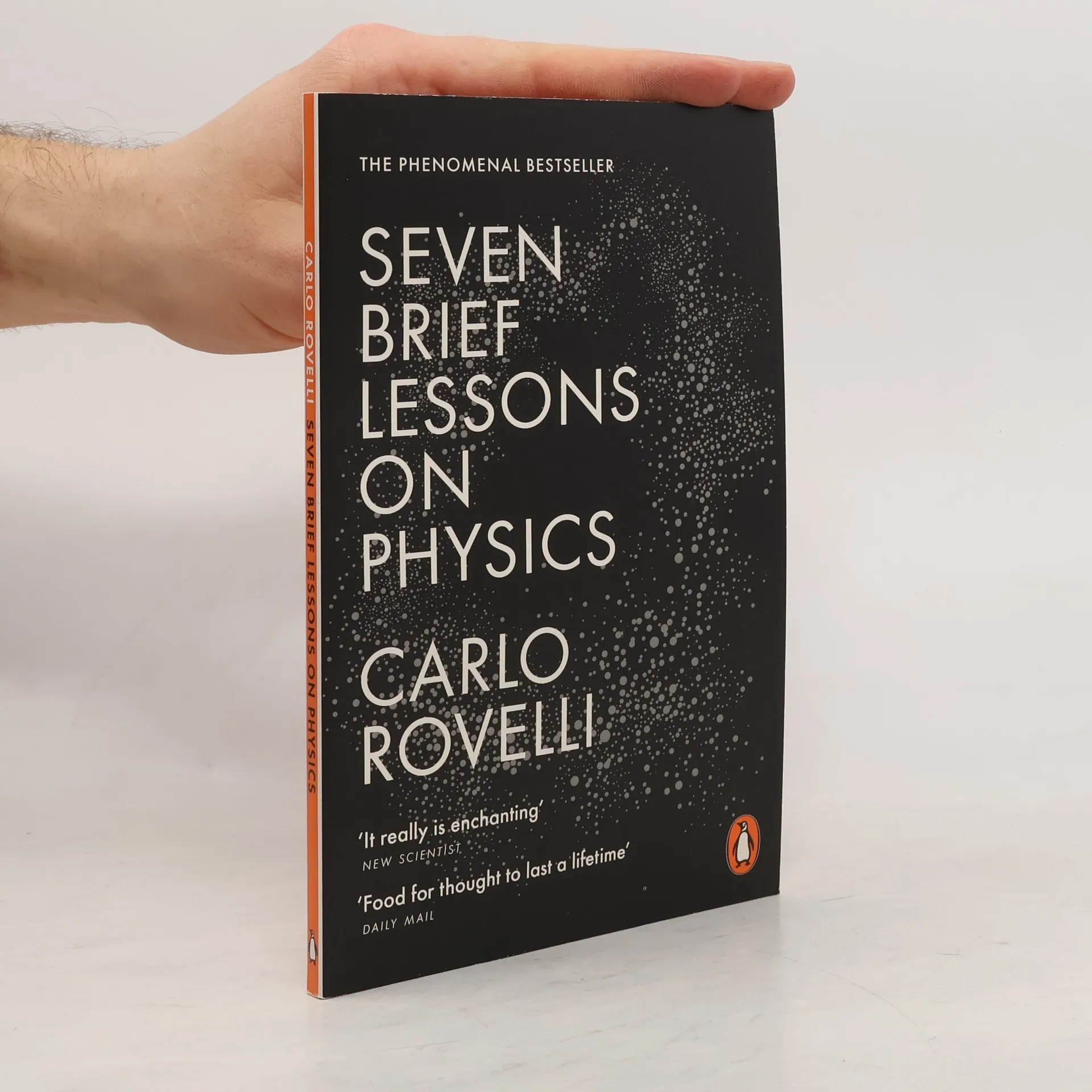
In this mind-bending introduction to modern physics, Carlo Rovelli explains Einstein's theory of general relativity, quantum mechanics, black holes, the complex architecture of the universe, elementary particles, gravity, and the nature of the mind. Not since Richard Feynman's celebrated best-seller Six Easy Pieces has physics been so vividly, intelligently and delightfully revealed.
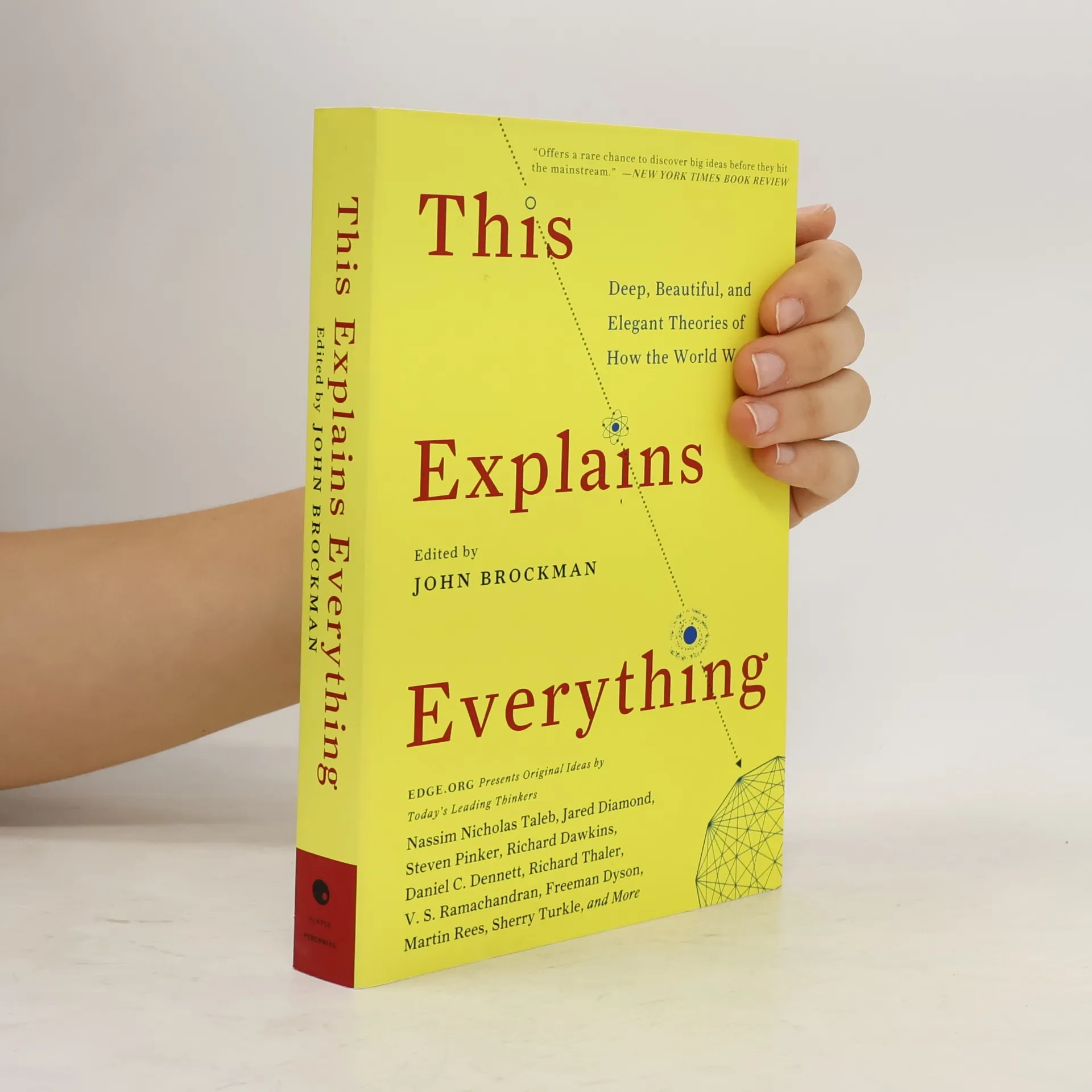
In This Explains Everything, John Brockman, founder and publisher of Edge.org, asked experts in numerous fields and disciplines to come up with their favorite explanations for everyday occurrences. Why do we recognize patterns? Is there such a thing as positive stress? Are we genetically programmed to be in conflict with each other? Those are just some of the 150 questions that the world's best scientific minds answer with elegant simplicity. With contributions from Jared Diamond, Richard Dawkins, Nassim Taleb, Brian Eno, Steven Pinker, and more, everything is explained in fun, uncomplicated terms that make the most complex concepts easy to comprehend.