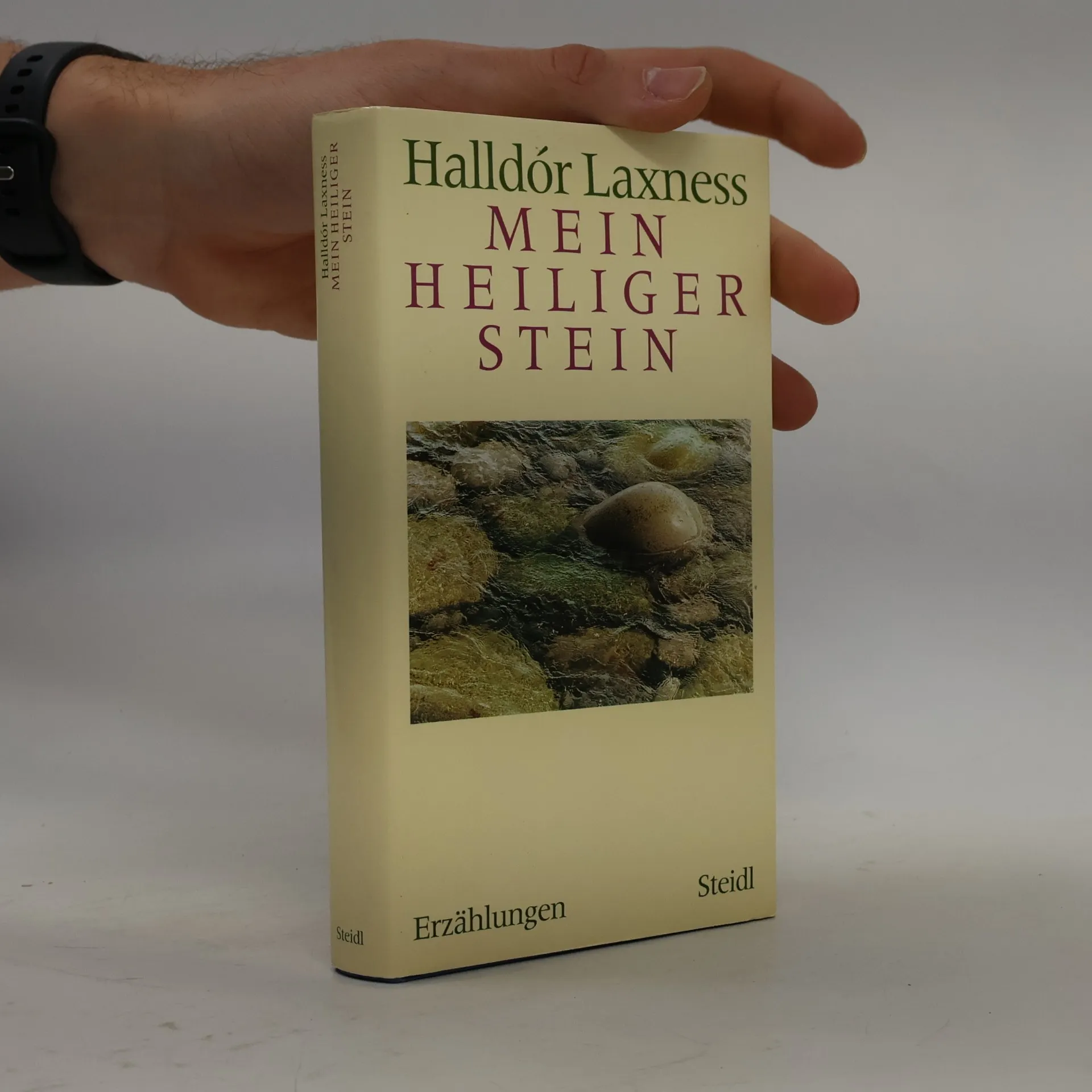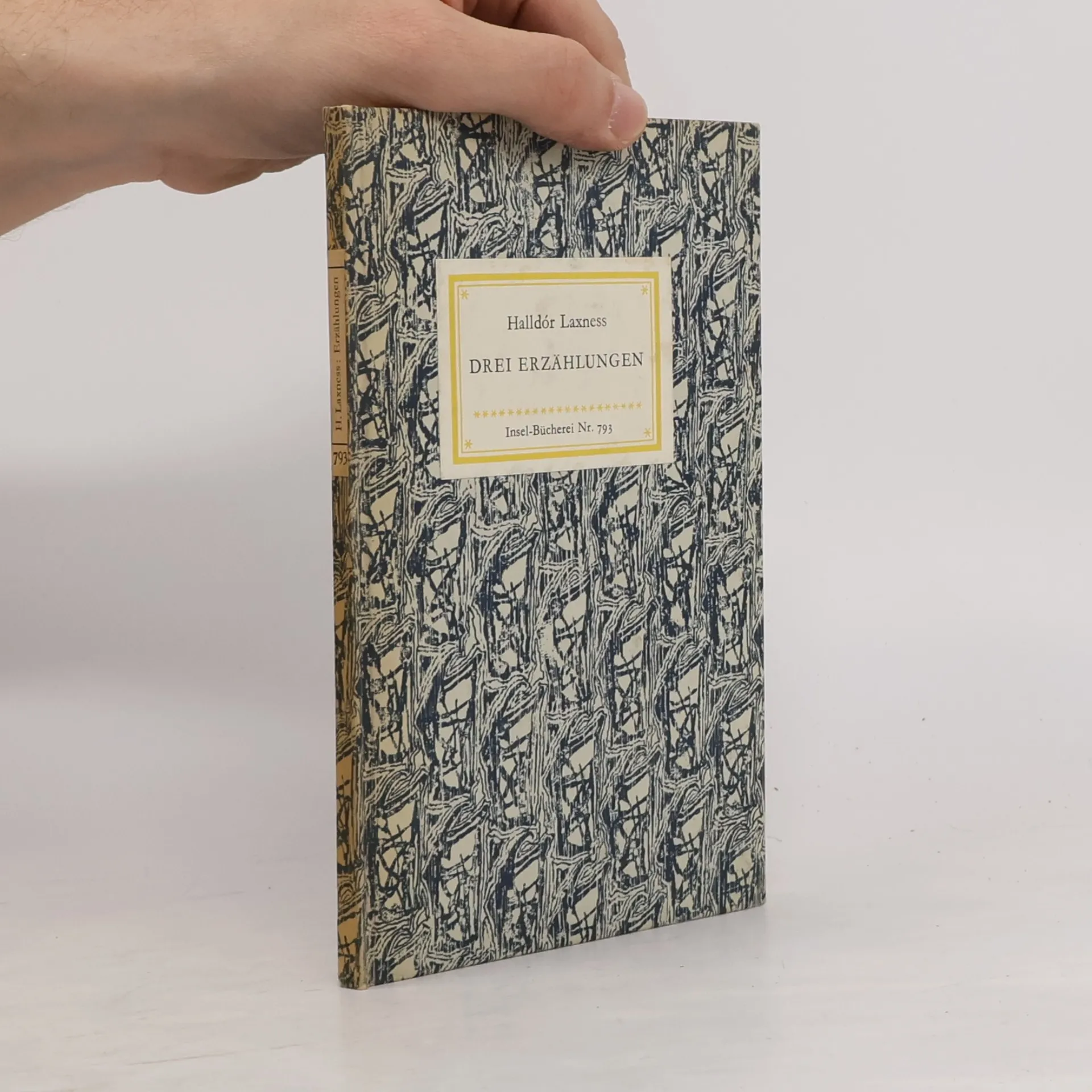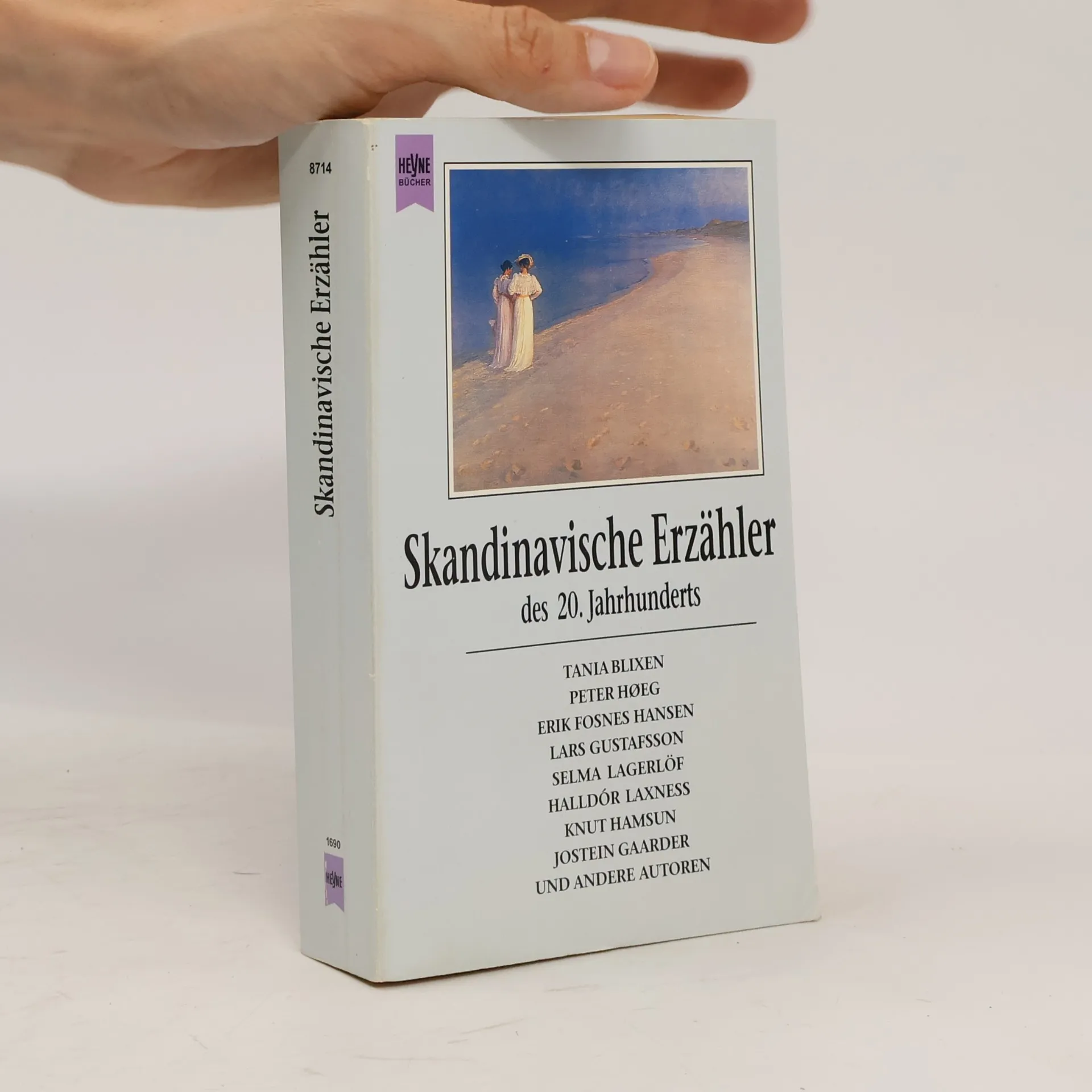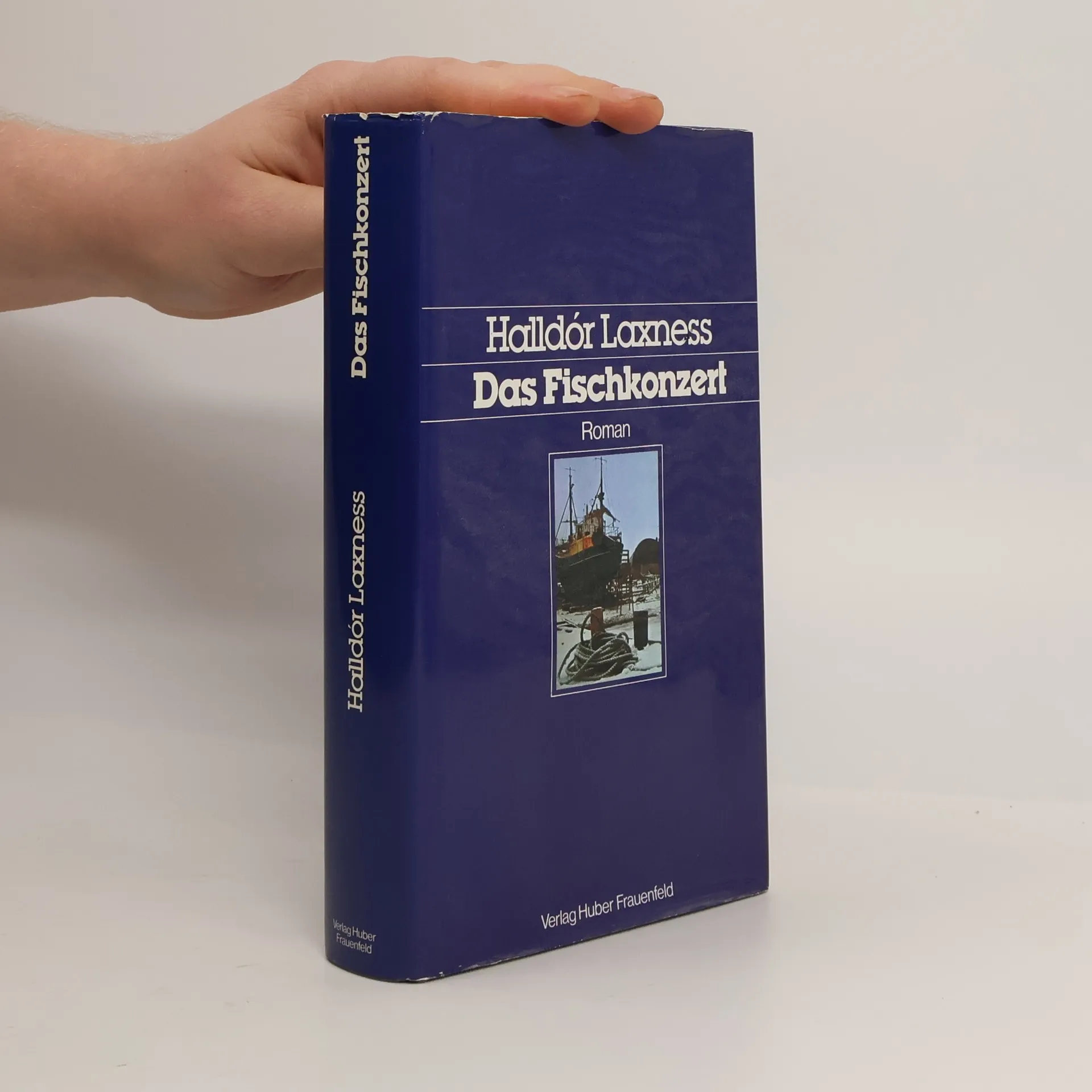




Explore the latest books of this year!
Bookbot

Halldór Laxness

    April 23, 1902 – February 8, 1998

    Halldór Laxness, a Nobel laureate in Literature, is celebrated for his prolific literary output spanning novels, short stories, poetry, and plays. His work, often shaped by his upbringing in Iceland and his political leanings, delves into profound human experiences and societal critiques. Laxness's distinctive style and his masterful evocation of the Icelandic landscape and spirit cement his status as a pivotal 20th-century author. His compelling narratives continue to engage and resonate with readers globally.

    Halldór Laxness
    The Atom Station
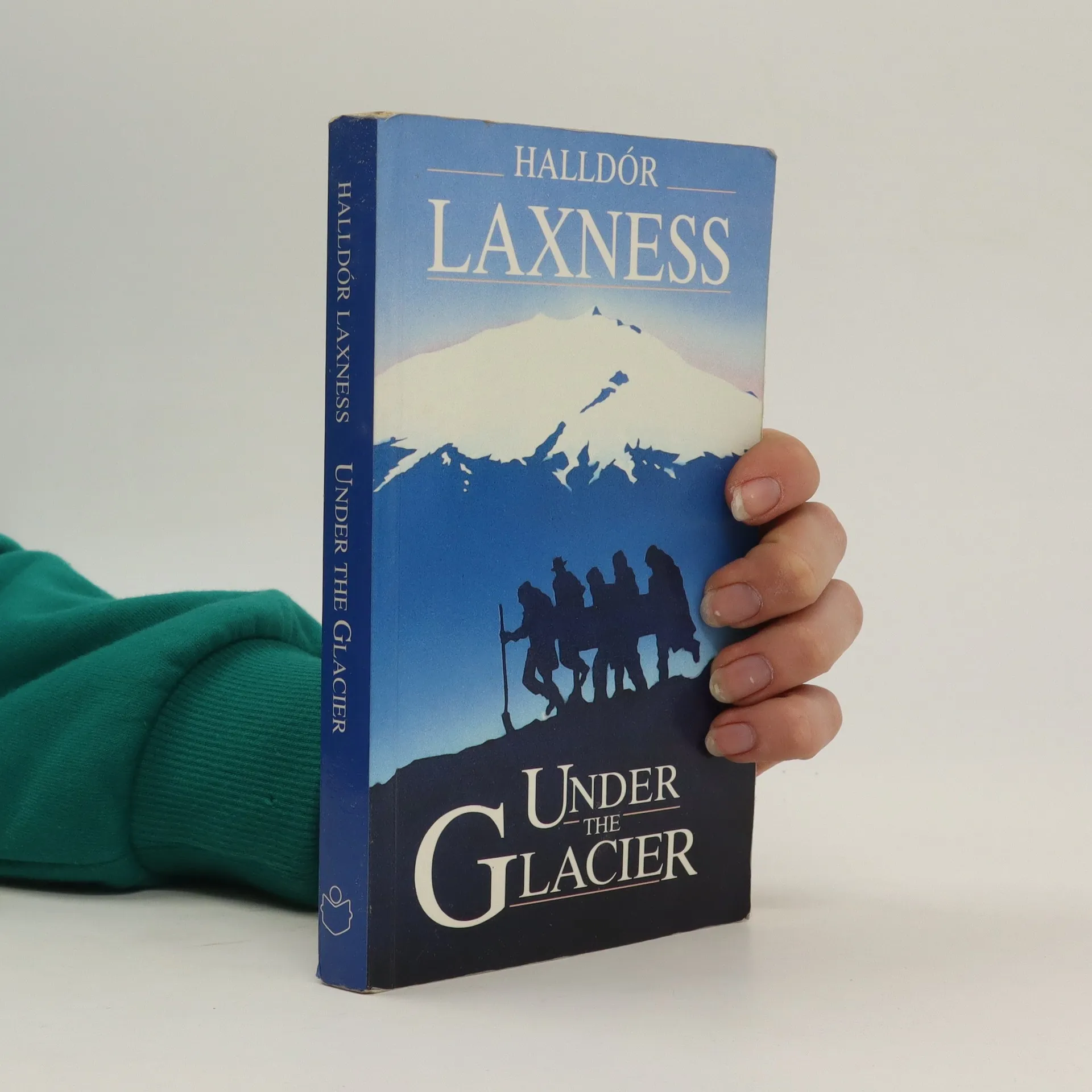
    Under the Glacier
    Iceland's Bell
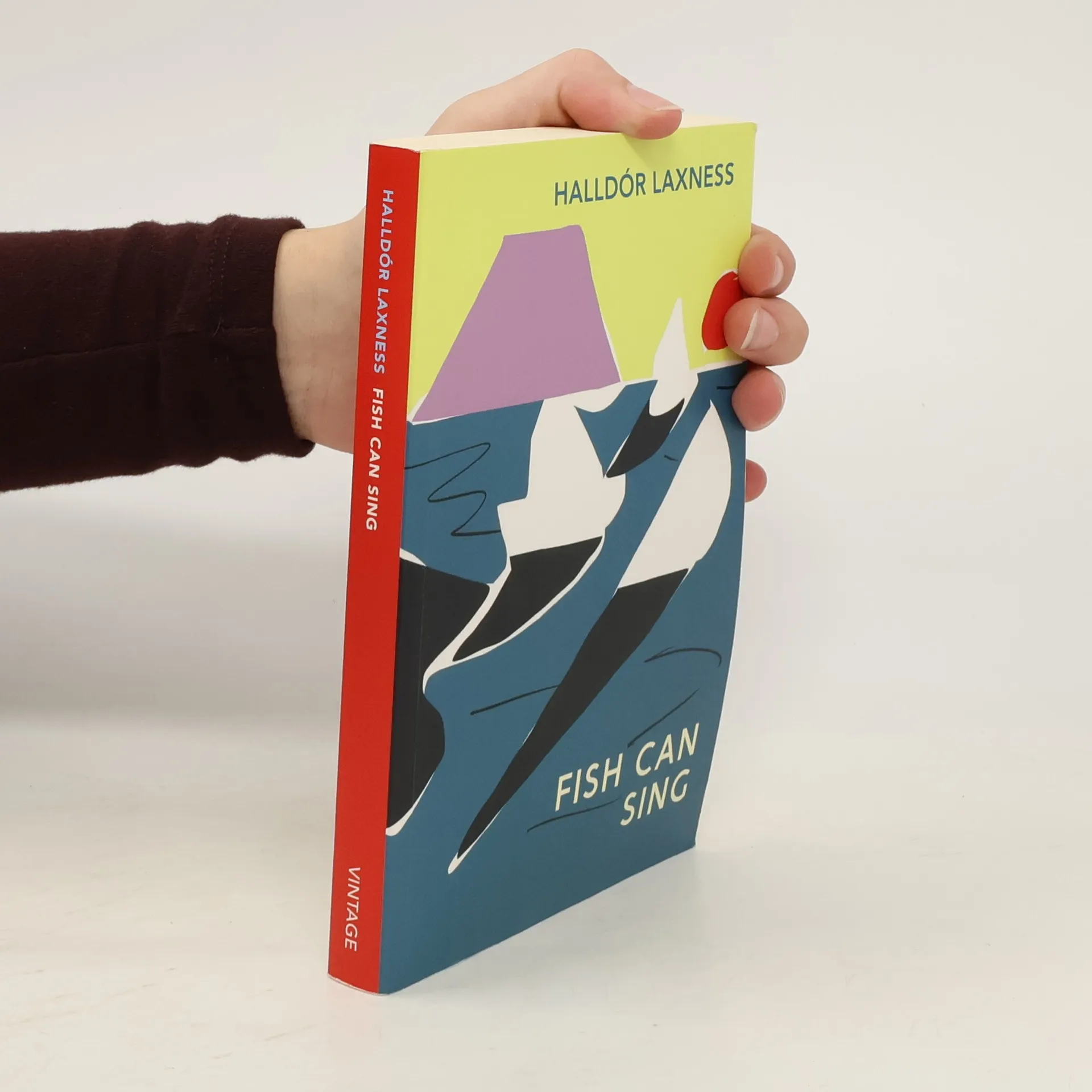
    Fish Can Sing
    Independent People
    Salka Valka
    • Salka Valka

      • 496 pages
      • 18 hours of reading
      4.4(93)Add rating

      "Late one snowy midwinter night, in a remote Icelandic fishing village, a penniless woman arrives by boat. She comes with her daughter, the young but gutsy Salka Valka. The two must forge a life in this remote place, where everyone is at the mercy of a single wealthy merchant, and where everything revolves around fish. After her mother's tragic death, Salka grows into a fiercely independent-minded adult - cutting off her hair, educating herself and becoming an advocate for the town's working class. A coming-of-age story, a feminist tale, a lament for Iceland's poor - this is the funny, tender, epic story of Salka Valka."--

      Salka Valka
    • Independent People

      • 544 pages
      • 20 hours of reading
      4.2(10293)Add rating

      First published in 1946, this is a humane, epic novel set in rural Iceland. Bjartus is a sheep farmer determined to eke a living from a blighted patch of land. Nothing, not merciless weather, nor his family, will come between him and his goal of financial independence. Only Asta Solillja, the child he brings up as his daughter, can pierce his stubborn heart. As she grows up, keen to make her own way in the world, Bjartus's obstinacy threatens to estrange them forever. Written by the Nobel prize-winner dubbed the 'Tolstoy of the North', this is a magnificent portrait of the eerie Icelandic landscape and one man's dogged struggle for independence. 'There are good books and there are great books and there may be a book that is something still more- it is the book of your life' New York Review of Books

      Independent People
    • Fish Can Sing

      • 288 pages
      • 11 hours of reading
      3.9(264)Add rating

      Abandoned as a baby, Alfgrimur is content to spend his days as a fisherman living in the turf cottage outside Reykjavik with the elderly couple he calls grandmother and grandfather. But the narrow horizons of Alfgrimur's idyllic childhood are challenged when he starts school and meets Iceland's most famous singer, the mysterious Garoar Holm. schovat popis

      Fish Can Sing
    • Iceland's Bell

      • 448 pages
      • 16 hours of reading
      3.9(1507)Add rating

      Sometimes grim, sometimes uproarious, and always captivating, Iceland’s Bell by Nobel Laureate Halldór Laxness is at once an updating of the traditional Icelandic saga and a caustic social satire. At the close of the 17th century, Iceland is an oppressed Danish colony, suffering from extreme poverty, famine, and plague. A farmer and accused cord-thief named Jon Hreggvidsson makes an improper joke about the Danish king and soon after finds himself a fugitive charged with the murder of the king’s hangman.In the years that follow, the hapless but resilient rogue Hreggvidsson becomes a pawn entangled in political and personal conflicts playing out on a far grander scale. Chief among these is the star-crossed love affair between Snaefridur, known as “Iceland’s Sun,” a beautiful, headstrong young noblewoman, and Arnas Arnaeus, the king’s antiquarian, an aristocrat whose worldly manner conceals a fierce devotion to his downtrodden countrymen. As their personal struggle plays itself out on an international stage, Iceland’s Bell creates a Dickensian canvas of heroism and venality, violence and tragedy, charged with narrative enchantment on every page.

      Iceland's Bell
    • Nobel laureate Halldór Laxness’s Under the Glacier is a one-of-a-kind masterpiece, a wryly provocative novel at once earthy and otherworldly. At its outset, the Bishop of Iceland dispatches a young emissary to investigate certain charges against the pastor at Sn?fells Glacier, who, among other things, appears to have given up burying the dead. But once he arrives, the emissary discovers that this dereliction counts only as a mild eccentricity in a community that regards itself as the center of the world and where Creation itself is a work in progress.What is the emissary to make, for example, of the boarded-up church? What about the mysterious building that has sprung up alongside it? Or the fact that Pastor Primus spends most of his time shoeing horses? Or that his wife, Ua (pronounced “ooh-a,” which is what men invariably sputter upon seeing her), is rumored never to have bathed, eaten, or slept? Piling improbability on top of improbability, Under the Glacier overflows with comedy both wild and deadpan as it conjures a phantasmagoria as beguiling as it is profound.

      Under the Glacier
    • The Atom Station

      • 204 pages
      • 8 hours of reading
      3.5(867)Add rating

      When the Americans make an offer to buy land in Iceland to build a NATO airbase after the Second World War, a storm of protest is provoked throughout the country. Narrated by a country girl from the north, the novel follows her experiences after she takes up employment as a maid in the house of her Member of Parliament.

      The Atom Station
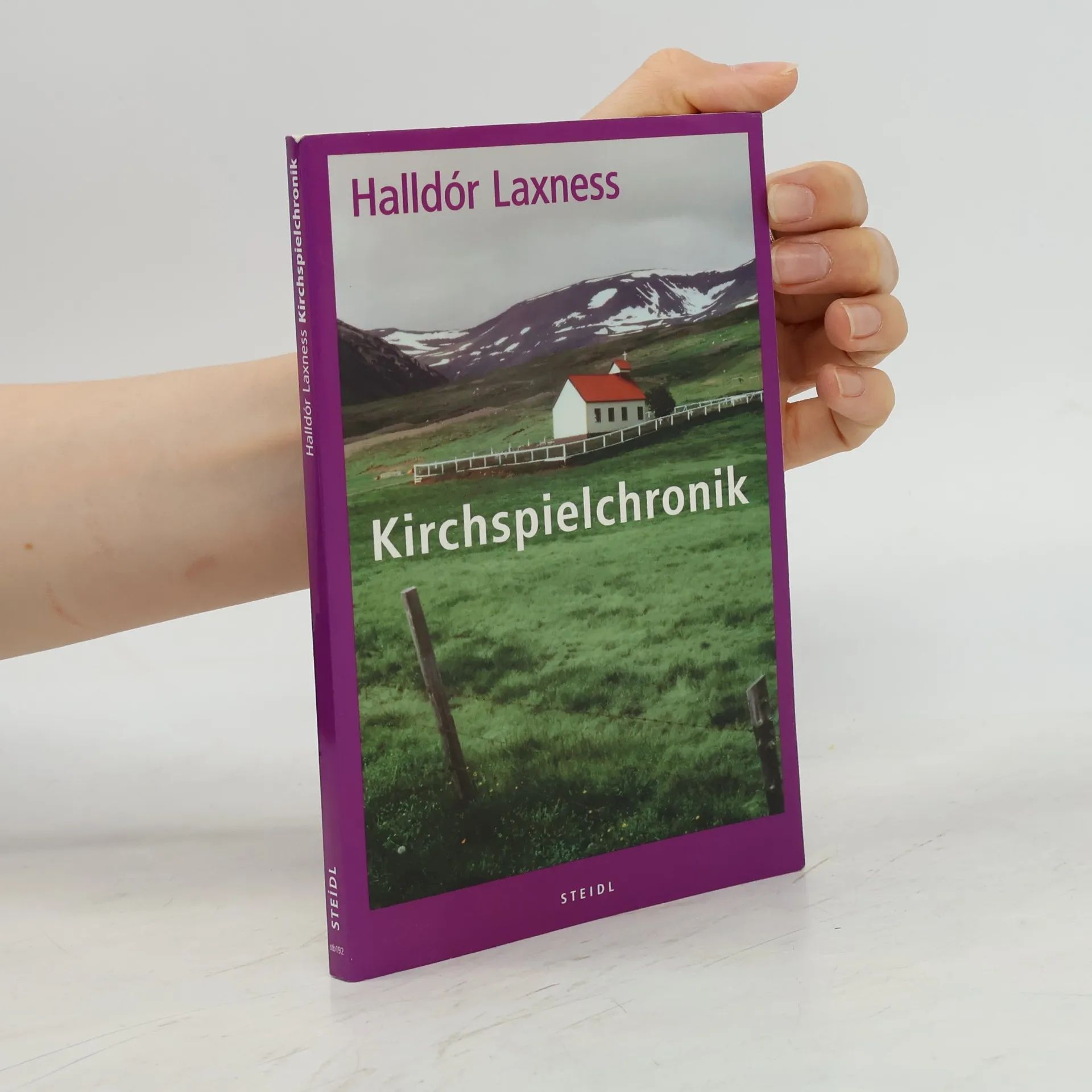
    • Eine Kirche soll abgerissen werden, aber mit ihr beseitigt man nicht die Erinnerungen, die sich in zwei Jahrhunderten an sie geheftet haben. Dieser Roman des isländischen Schriftstellers und Literaturnobelpreisträgers erzählt von ganz einfachen und zugleich sehr besonderen Menschen in einer weltabgeschiedenen Gegend voller Magie.

      Kirchspielchronik
    • In diesem 1929 veröffentlichten Werk versucht Halldór Laxness, seine Landsleute zu erziehen, indem er ihnen die Erkenntnisse aus seinen Reisen im Ausland näherbringt. Er erklärt Frauen den Bubikopf, will den Bauern die schwankende Gangart abgewöhnen und empfiehlt der Bevölkerung das Zähneputzen. Diese Anregungen mögen merkwürdig oder überheblich erscheinen, doch zu Beginn des 20. Jahrhunderts war Island stark isoliert, ohne Urbanität, Industrie und bürgerliche Kultur. Laxness beobachtete den rasanten Wandel, der sowohl positive als auch negative Entwicklungen mit sich brachte, und sah eine große Gefahr im Verlust der nationalen Identität sowie in der Flucht ins Ausland. Er warnte eindringlich davor, die Insel zu verlassen. Als erster moderner Intellektueller seines Landes erkannte er die Risiken und Chancen des Wandels und stellte Fragen zu den großen und kleinen Dingen des Lebens und deren Wechselwirkungen. Diese Essays, die nun erstmals in deutscher Sprache vorliegen, laden heutige Leser dazu ein, sich neu zu hinterfragen und an den Anfang zurückzukehren. Halldór Laxness, 1902 in Reykjavik geboren, war ein vielreisender Schriftsteller, der 1955 den Nobelpreis für Literatur erhielt und 1998 in der Nähe von Reykjavik starb.

      Das Volksbuch