This author is considered the father of Japanese mystery fiction. Through his writing and criticism, he profoundly influenced the development of the genre in Japan. His works are crucial for understanding the origins of Japanese mystery. His legacy continues to shape the genre.
Renowned as a master of Japan's golden age of crime and mystery fiction, Edogawa Rampo, whose real name was Hirai Taro, played a significant role in Japanese Modernism. His work has left a lasting impact on both popular and literary culture in contemporary Japan, showcasing his influence and enduring legacy in the genre.
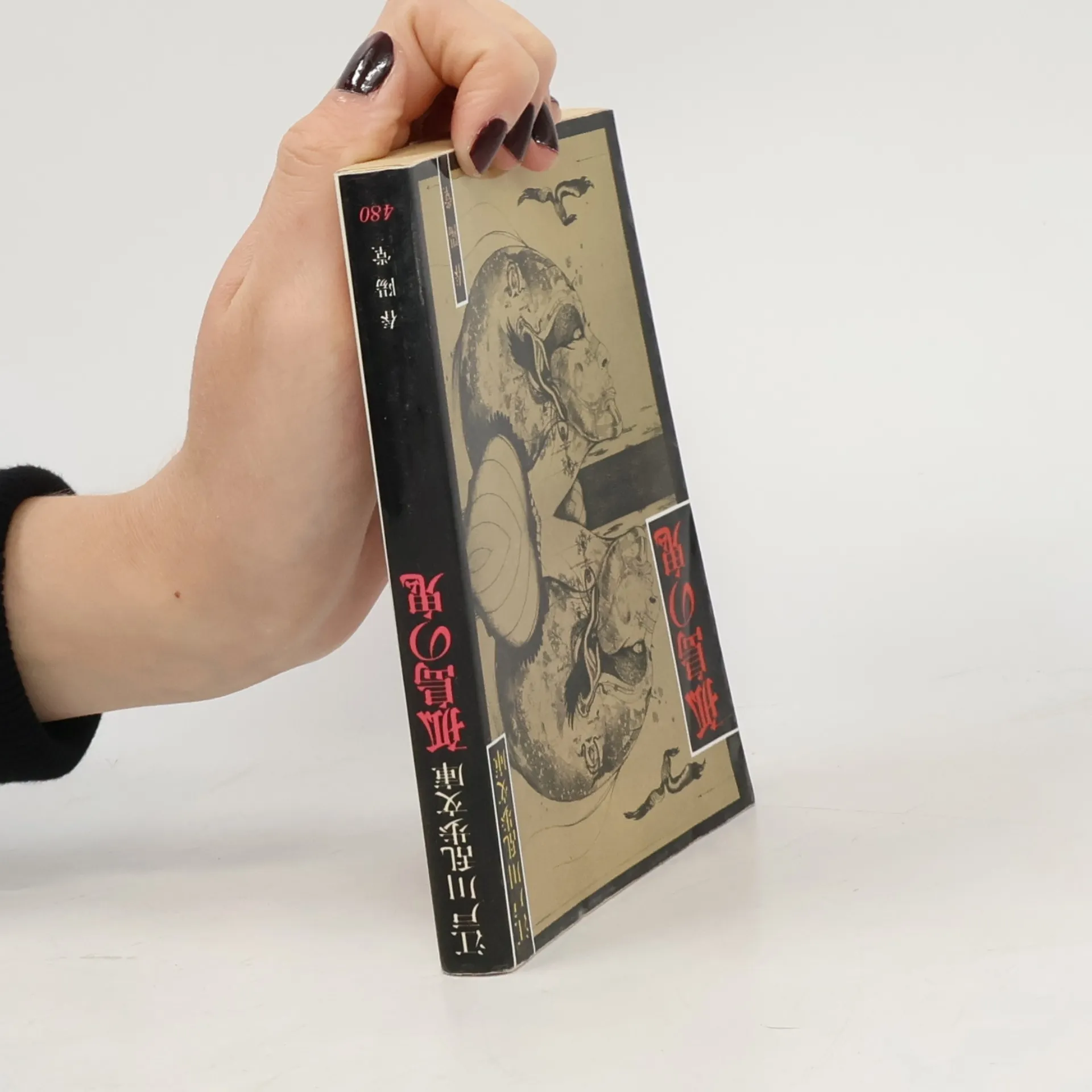
Set in modern Tokyo, this final volume of the Kaiki series uncovers the hidden mysteries beneath its contemporary facade. It features a collection of stories that delve into the eerie and uncanny aspects of Japanese literature, showcasing peculiar characters and unsettling occurrences. The compilation is selected and annotated by Higashi Masao, a noted expert in the genre, providing insights into the supernatural elements woven into Japan's cultural tapestry.
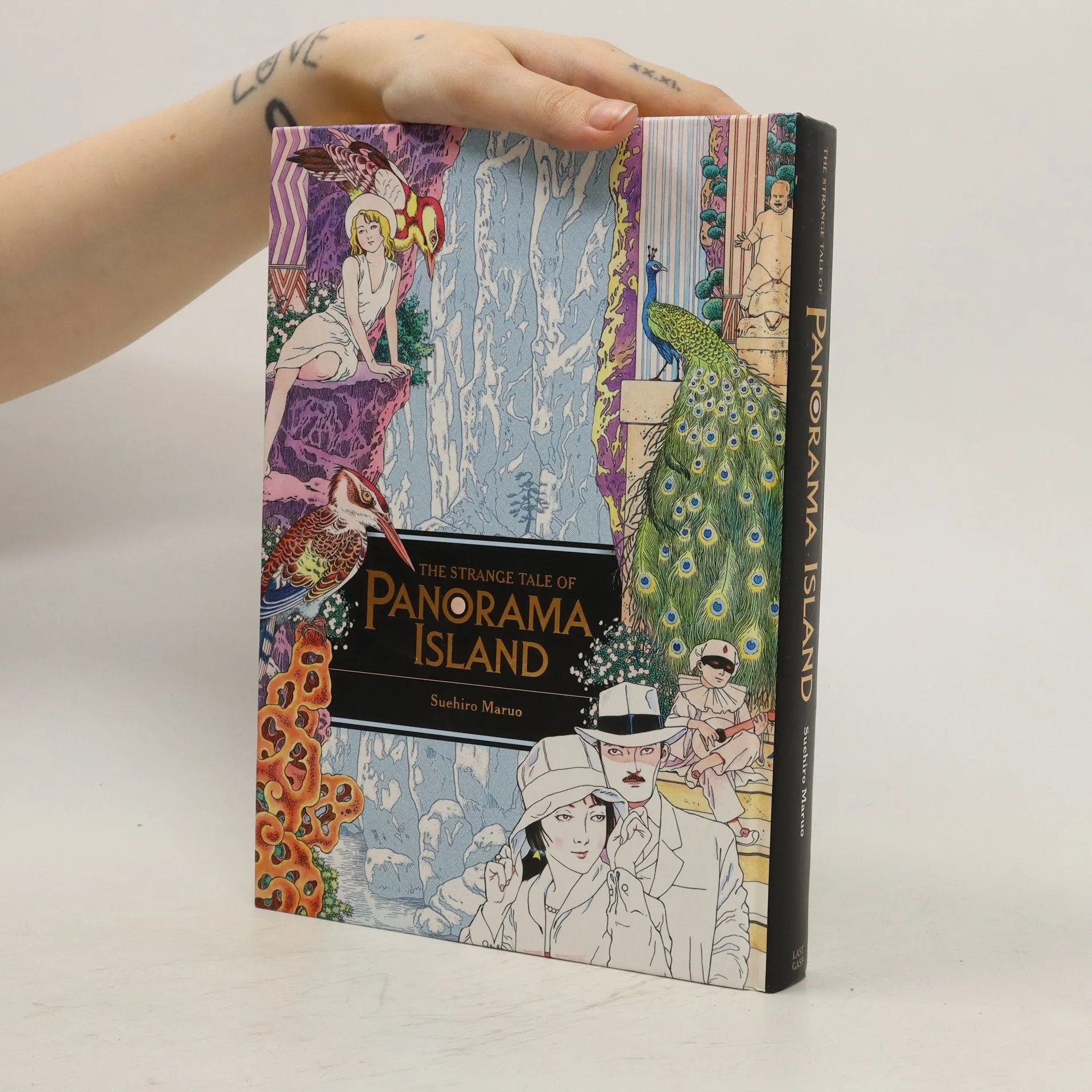
Follows the twisted path of failed novelist Hitomi Hirosuke, who bears an uncanny resemblance to a former classmate, the son of a rich industrialist. Learning of the rich man's sudden passing, Hitomi fakes his own death, digs up and hides the other man's body and then washes himself up starving on a beach near the home of the dead man's family. Stunning artwork by master manga artist Suehiro Maruo deftly illustrates this Japanese pulp classic in fine detail.
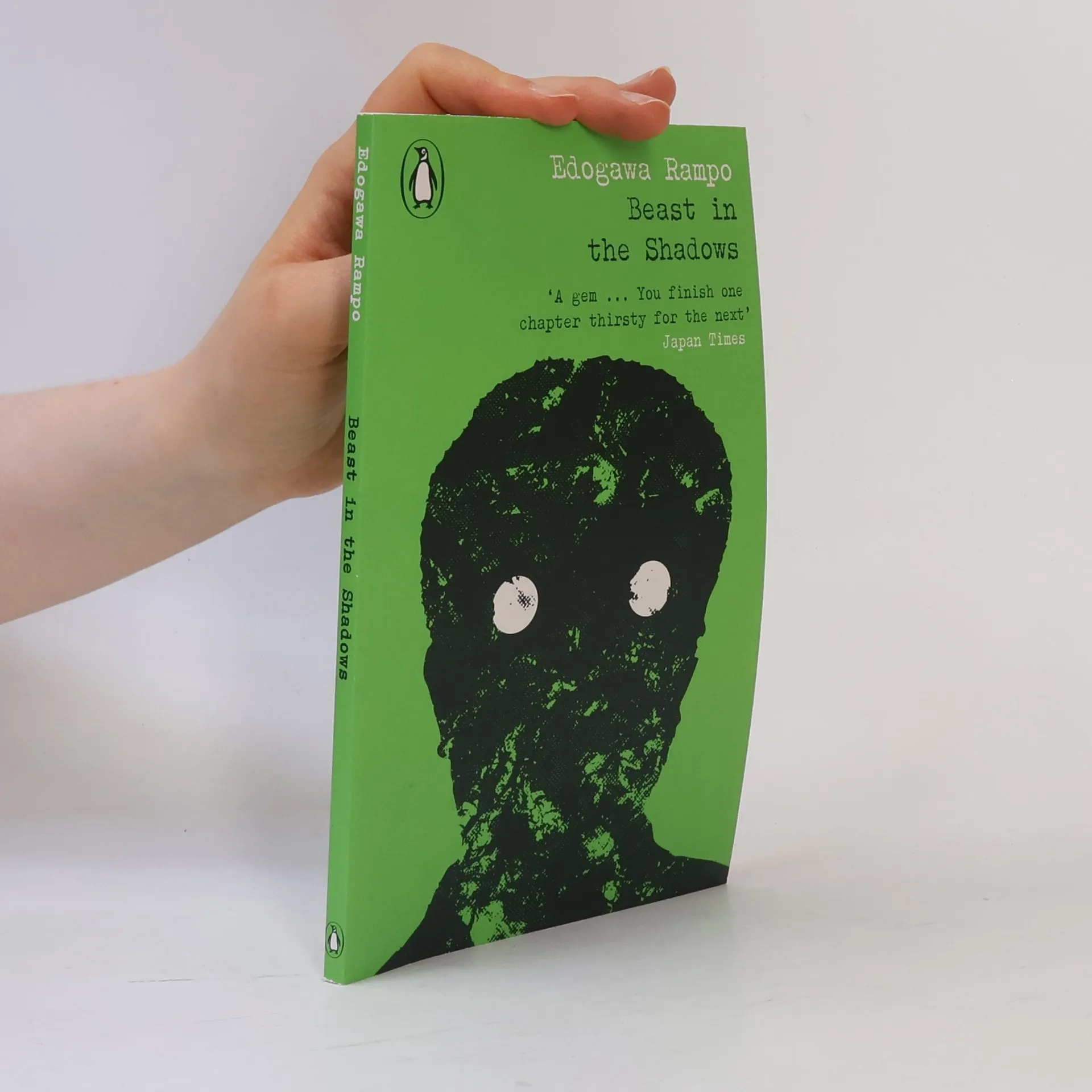
Set in 1930s Tokyo, the story revolves around a master thief who uses disguises to evade capture, leaving the city in turmoil. With the renowned detective Akechi Kogoro away on business, his young assistant, 12-year-old Kobayashi Yoshio, must step up to the challenge. Tasked with tracking down the elusive criminal, Yoshio faces the daunting responsibility of protecting the city until his mentor can return to restore order.
A reclusive writer of detective stories, Oe Shundei, has gone missing, leaving behind a suspicious trail of blackmailing letters to a former lover. Another detective novelist, his rival, is the only one who can find him. A sequence of macabre and appalling events follows.
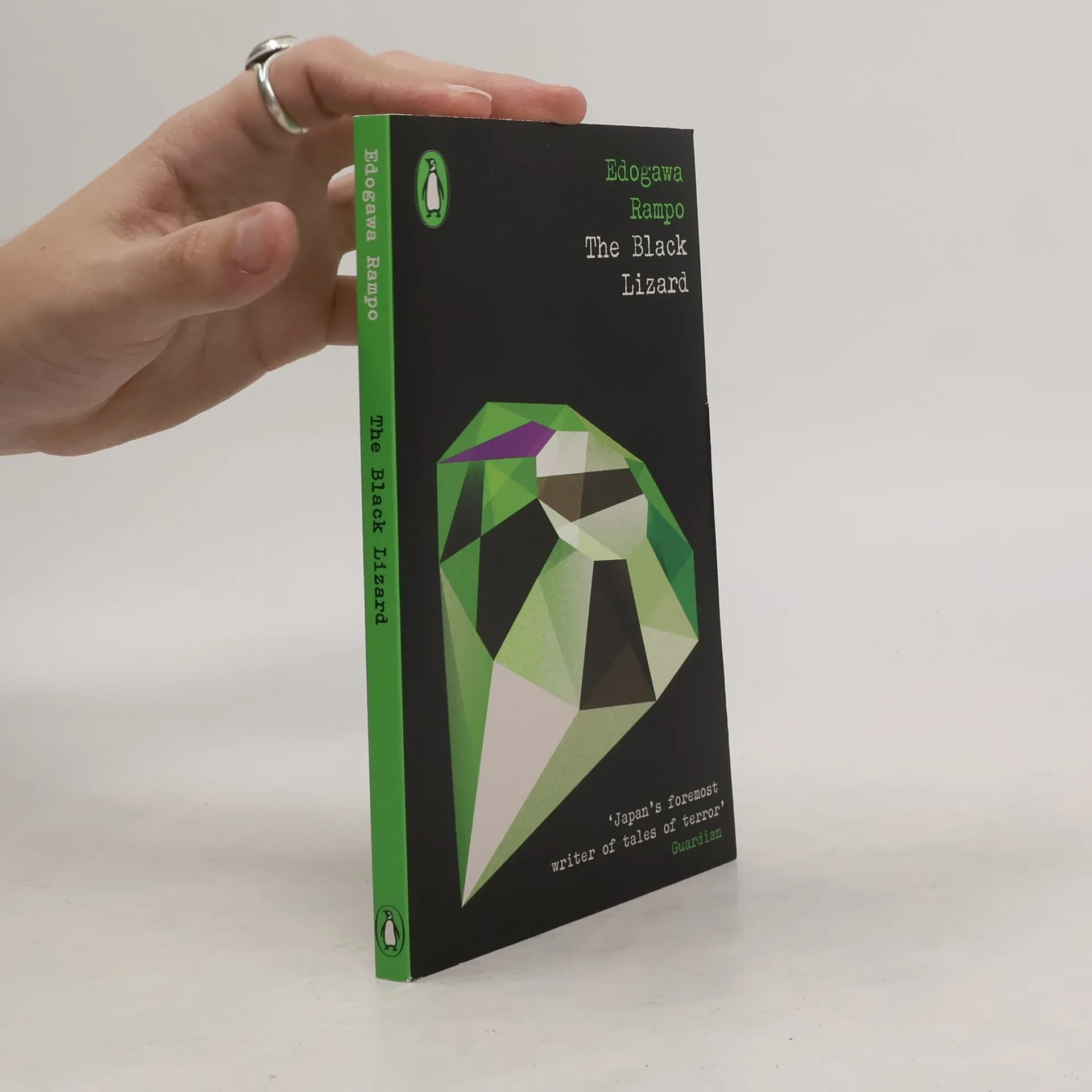
Gold Mask is Edogawa Rampo's sixth novel featuring detective Akechi Kōgorō, as he investigates the crime spree of the uncanny costumed “Gold Mask.” Lovers of crime fiction will be delighted to discover that this resourceful thief, confounding Akechi’s every move, is none other than Maurice Leblanc's famous "gentleman burglar," Arsene Lupin! Given Lupin's obvious influence on Rampo's own Fiend with Twenty Faces, this work serves as a fascinating precursor to his Boy Detectives series, and marks another major step in the development of Japanese detective fiction in the period between the Wars.The novel was originally published as a newspaper serial in 1930-31, and has since been collected and released by a variety of publishers, including a revised children's edition from Poplar as part of the Boy Detectives series and in the definitive Kōbunsha edition of Rampo's complete works, on which this translation is based.
A super-criminal - as deadly as she is beautiful - wagers all in an epic battle with a master detective, Akechi Kogoro. No trick is too elaborate, no disguise too fantastic as the two perfectly matched antagonists take turns to outwit each other.
"Spiegelhölle" umfasst acht Meisterwerke des modernen japanischen Kriminalromans von Edogawa Rampo. Seine Figuren, getrieben von Lust und Eitelkeit, überschreiten Tabus und enden oft in Perversion und Mord. Rampos Werke forderten die Zensur heraus, wie die verbotene Erzählung "Die Raupe". Seit den 50ern wird der Edogawa-Rampo-Preis verliehen.
Die Ausrottung der Menschheit! Kontaktverbote, patrouillierende Polizisten, die ständige Angst, sich zu infizieren: Das Coronavirus hat die Welt verändert. Soziale Distanz ist die neue Normalität. Die Auswirkungen der Pandemie haben auch der Wirtschaft schwer zugesetzt, selbst die Firma von Makotos Vater kämpft ums finanzielle Überleben. Eines Tages sitzt Makoto mit drei weiteren Mitschülern im Klassenzimmer, als sich die Welt plötzlich erneut dramatisch verändert: Die gesamte Menschheit ist auf einen Schlag verschwunden – bis auf Makoto und seine drei Klassenkameraden! Ein postapokalyptischer Survival-Thriller aus der Feder von Edogawa Edogawa, dem Schöpfer von THE VOTE! In seinem neusten Werk entwirft der Ausnahmeautor eine postpandemischen Dystopie, die mit ihrer beklemmend realistischen Atmosphäre einen ungeahnten Lesesog entwickelt.
Ein postapokalyptischer Survival-Thriller über die Ausrottung der Menschheit! Kontaktverbote, patrouillierende Polizisten, die ständige Angst, sich zu infizieren: Das Coronavirus hat die Welt verändert. Soziale Distanz ist die neue Normalität. Die Auswirkungen der Pandemie haben auch der Wirtschaft schwer zugesetzt, selbst die Firma von Makotos Vater kämpft ums finanzielle Überleben. Eines Tages sitzt Makoto mit drei weiteren Mitschülern im Klassenzimmer, als sich die Welt plötzlich erneut dramatisch verändert: Die gesamte Menschheit ist auf einen Schlag verschwunden – bis auf Makoto und seine drei Klassenkameraden! Band 2 des postapokalyptischen Survival-Thrillers aus der Feder von Edogawa Edogawa , dem Schöpfer von THE VOTE ! In seinem neusten Werk entwirft der Ausnahmeautor eine postpandemischen Dystopie, die mit ihrer beklemmend realistischen Atmosphäre einen ungeahnten Lesesog entwickelt. In 5 Bänden abgeschlossen Dies ist Band 2 der Serie. Ein fesselnder Manga, der die Grenzen zwischen Fiktion und Realität verschwimmen lässt und zum Nachdenken über unsere eigene Welt anregt.
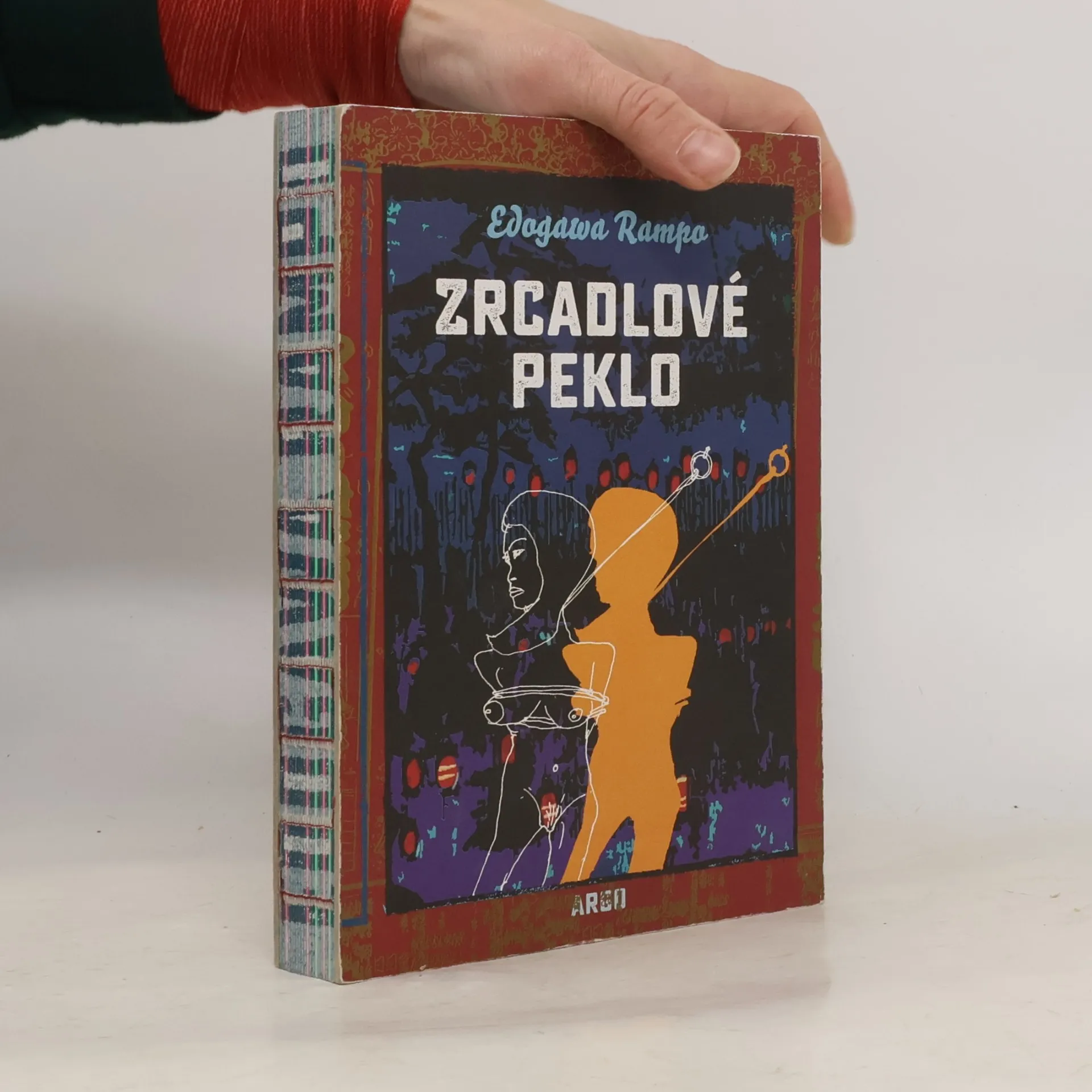
Kniha šesti povídkami a jednou novelou představuje rozmanitou tvorbu Edogawy Rampa (1894–1965), zakladatele japonské varianty detektivního žánru. Inspirace Edgarem Allanem Poem, podle kterého si autor zvolil svůj tvůrčí pseudonym a která ho vedla k psaní příběhů s tajemstvím, je zjevná i v atmosféře jeho textů. V pozdější tvorbě se přiklonil spíše ke groteskním a erotickým tématům – je považován za zakladatele žánru ero guro nansensu („erotický groteskní nonsens“). Často se pohybuje na pomezí žánrů, rád pracuje také s prvky hororu. Mnoho jeho příběhů bylo zfilmováno.
Edogawa Rampo (1894-1965) bývá často označován jako japonský Edgar Allan Poe a i v současné době stále patří mezi nejoblíbenější autory detektivního žánru s hororovými a erotickými prvky. Mnoho jeho povídek bylo zfilmováno nebo zpracováno do podoby komiksů.
V tomto příběhu do služeb markýze Ogavary vstupuje mladý Takehiko Shoji a zamiluje se do jeho manželky Yumiko. Zdá se, že jeho city opětuje, ale Shoji se cítí nesvůj: Himeda a Murakoshi, bývalí její milenci umírají za podezřelých okolností. Případu se ujímá proslulý detektiv Kogoro Akechi.
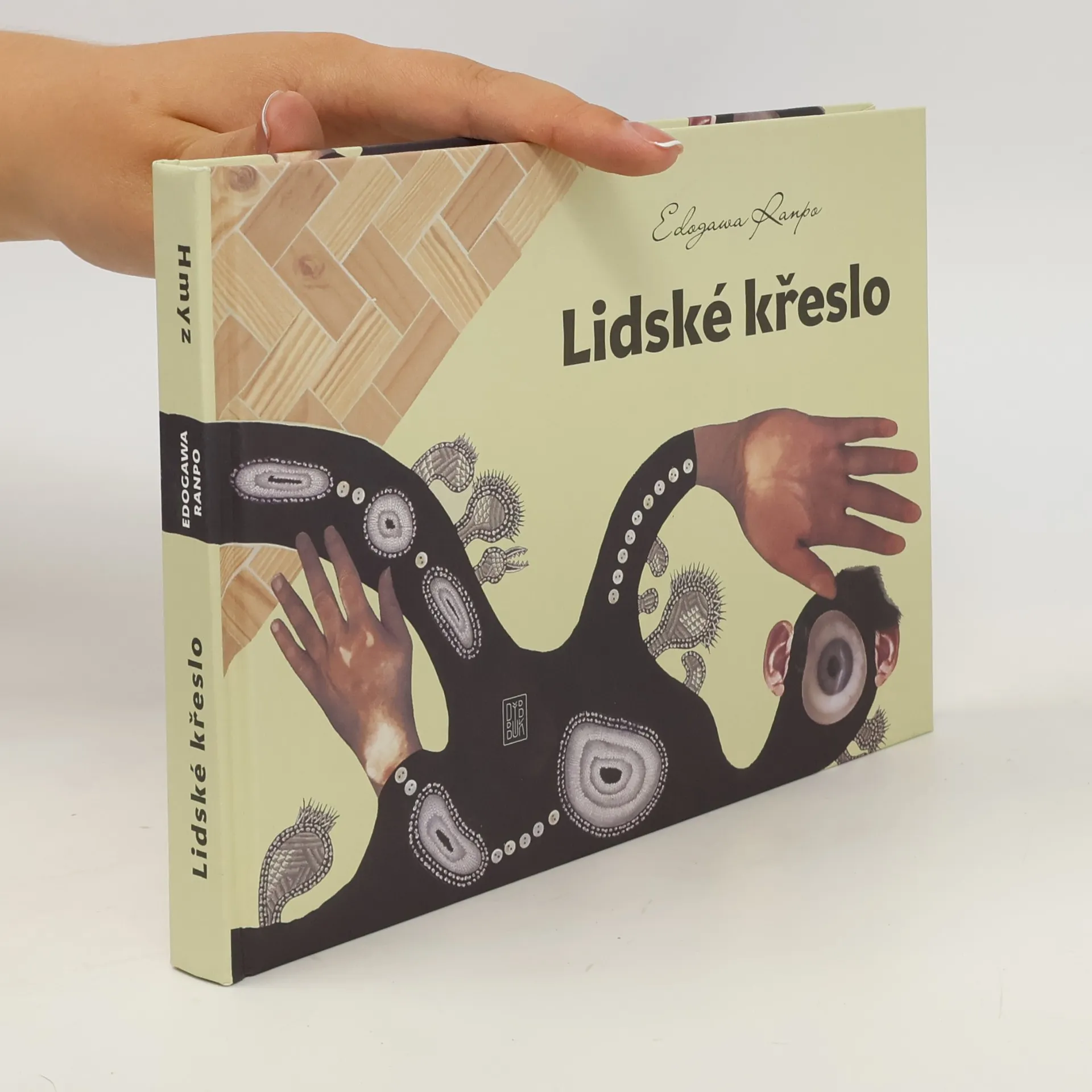
V této knize dochází k setkání výtvarníka Jana Švankmajera s dvěmi hororovými povídkami kultovního japonského spisovatele Edogawa Ranpy. Jak ostatně Švankmajer popisuje, setkání s Ranpovým dílem bylo uhrančivé kvůli „taktilnosti“, která ho vzrušuje a dlouhodobě zajímá. Se zpracováváním „hmatovosti“ v umění ostatně pracuje již od poloviny sedmdesátých let, a to nejen ve filmu, ale i ve svých výtvarných objektech i ilustracích. Ranpovy netradiční povídky jsou výzvou k jistému experimentování s hranicí pouhé knižní ilustrace, která se většinou chápe jako subtilní dopovězení, doprovod k převládajícímu textu. Švankmajer jde jinou cestou a nabourává takovou představu – chce svými ilustracemi poskytnout čtenářům další rozměr, tedy jisté zpřítomnění smyslových a hmatových pocitů. Zároveň se v takovém ztvárnění nezapře jeho filmové vidění – rozfázovaná „animace“ dodává povídce rozměr v tradici stroboskopu, resp. v tradici pověstného Linnettova „kineografu“, čili řadě obrázků jdoucích za sebou a vytvářejících pomocí listování iluzi pohybu.