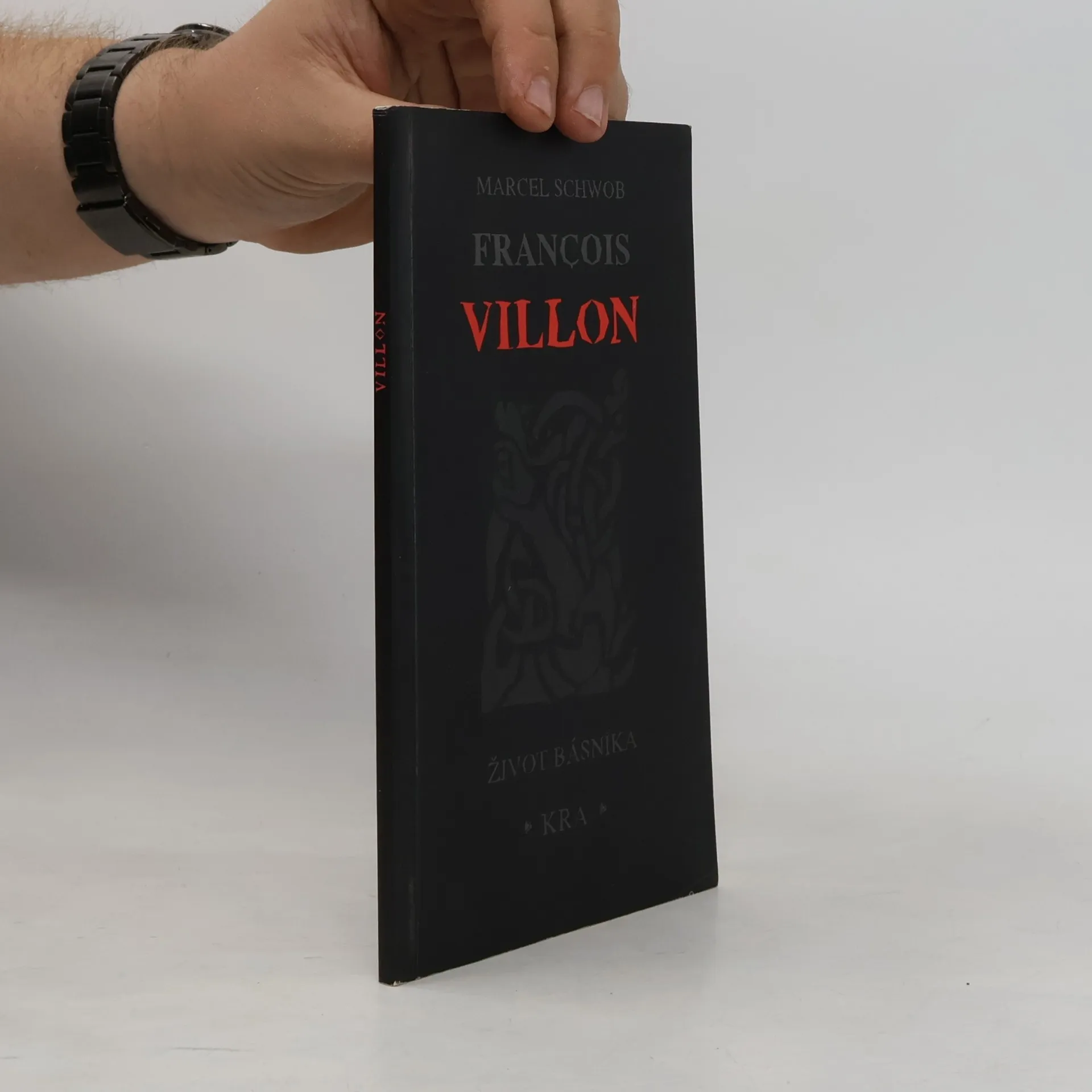
Marcel Schwob was a pivotal figure in French Symbolist literature, noted for his exploration of complex psychological states and the darker facets of human nature. He employed a precise, highly stylized prose that captivated readers with its evocative atmosphere. Schwob's work often delved into themes of identity, memory, and illusion, utilizing innovative narrative techniques that foreshadowed modern literary approaches. His distinctive voice and literary depth offer a profound reading experience.
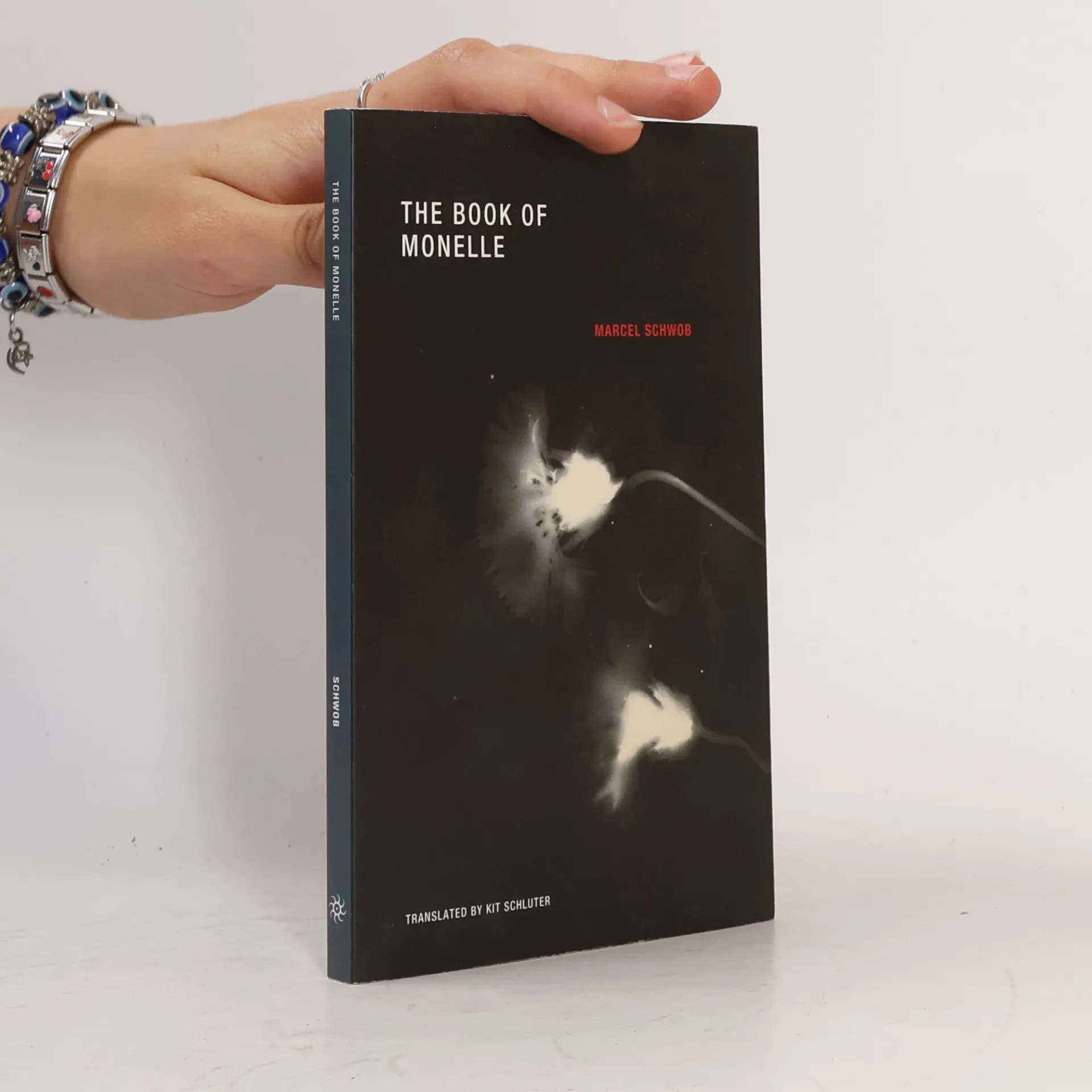
"The Book of Monelle" was the result of Schwob's intense emotional suffering over the loss of his love, a "girl of the streets" named Louise, whom he had befriended in 1891 and who succumbed to tuberculosis two years later. Transforming her into the innocent prophet of destruction, Monelle, Schwob tells the stories of her various sisters: girls succumbing to disillusionment, caught between the misleading world of childlike fantasy and the bitter world of reality.
Featuring a collection of short stories, this work marks the English debut of Marcel Schwob's "Double Heart," originally published in 1891. Each story was first showcased in the daily newspaper L'Écho de Paris, where Schwob was part of a group of writers tasked with delivering regular contributions. Translated by Brian Stableford, the collection offers a glimpse into Schwob's early literary style and the vibrant literary culture of his time.
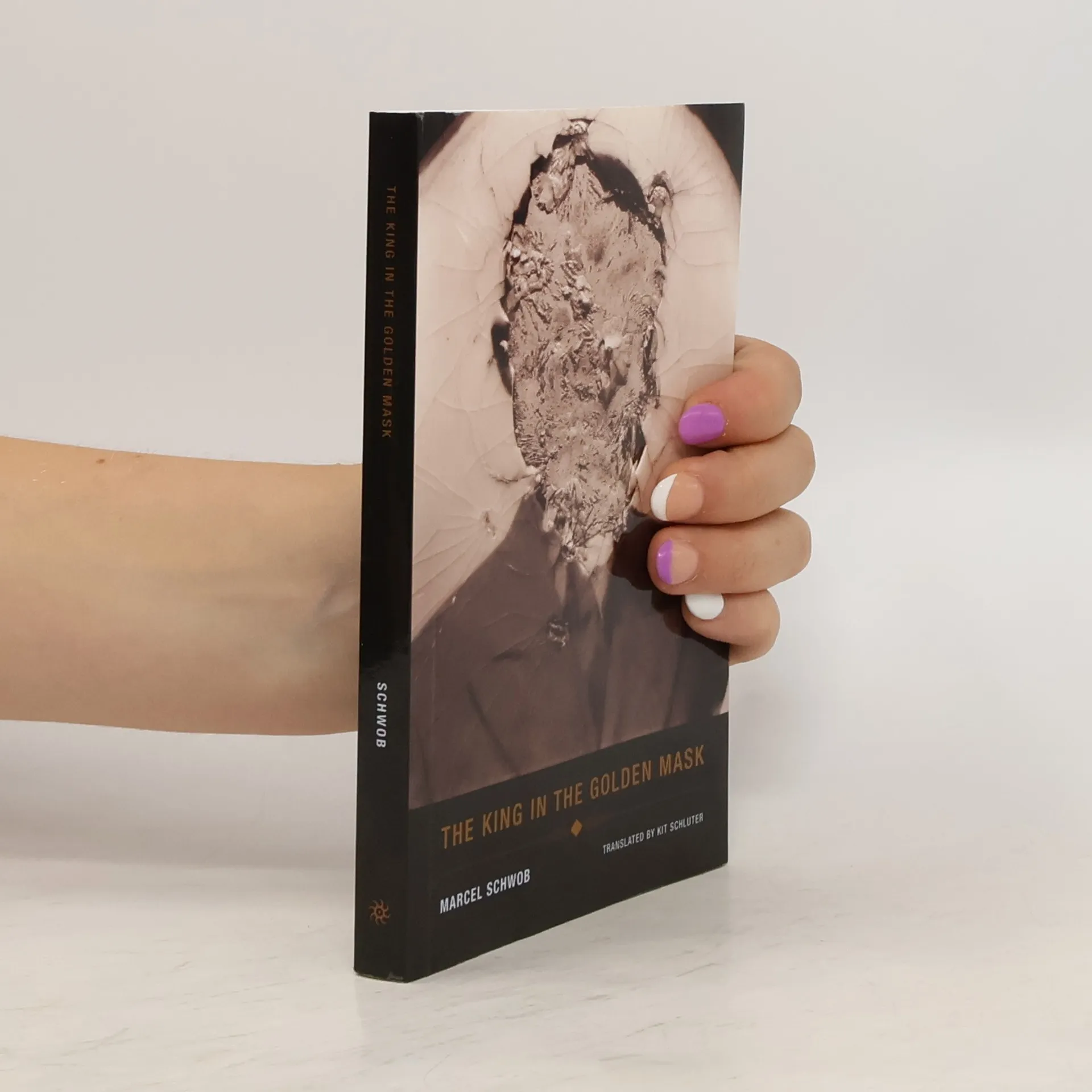
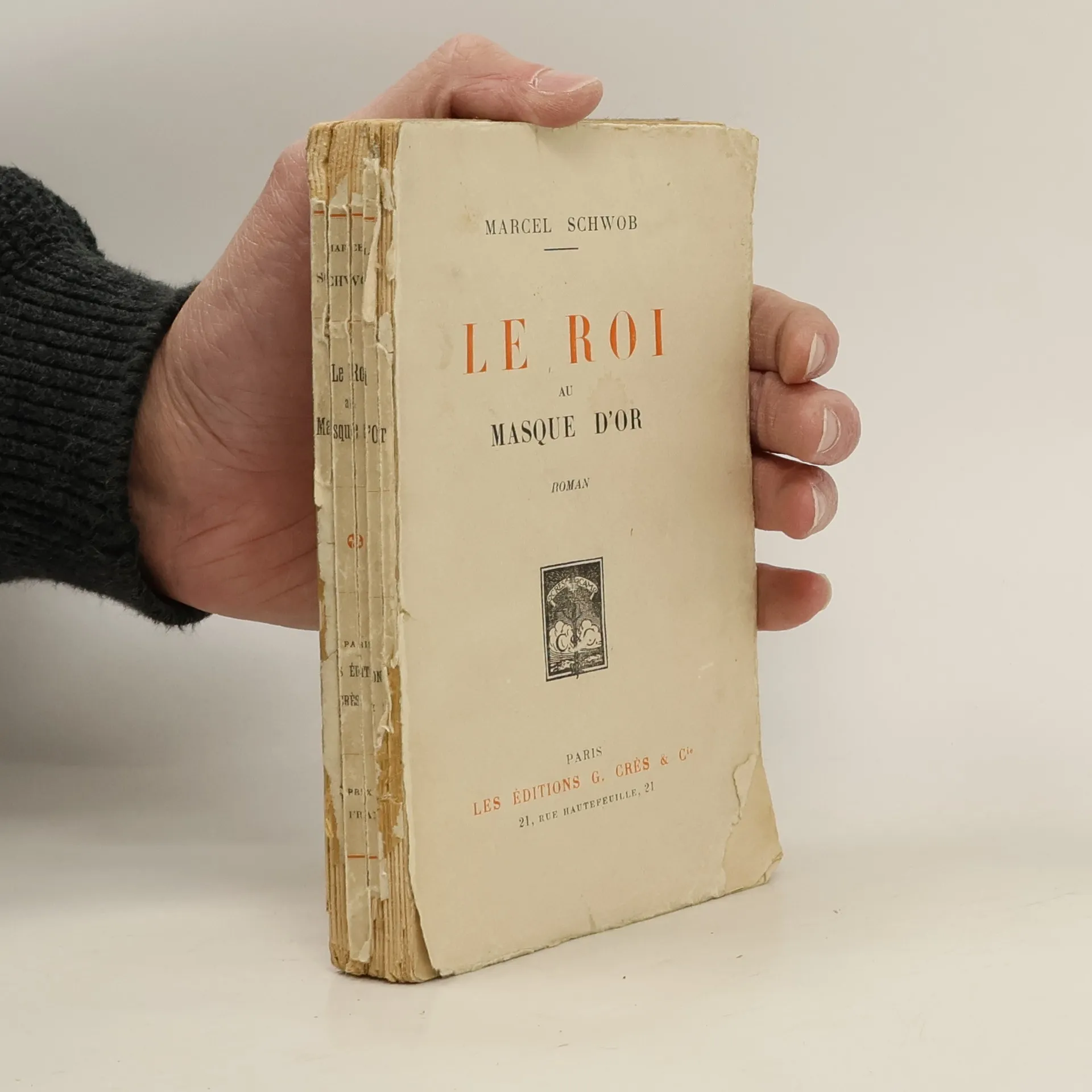
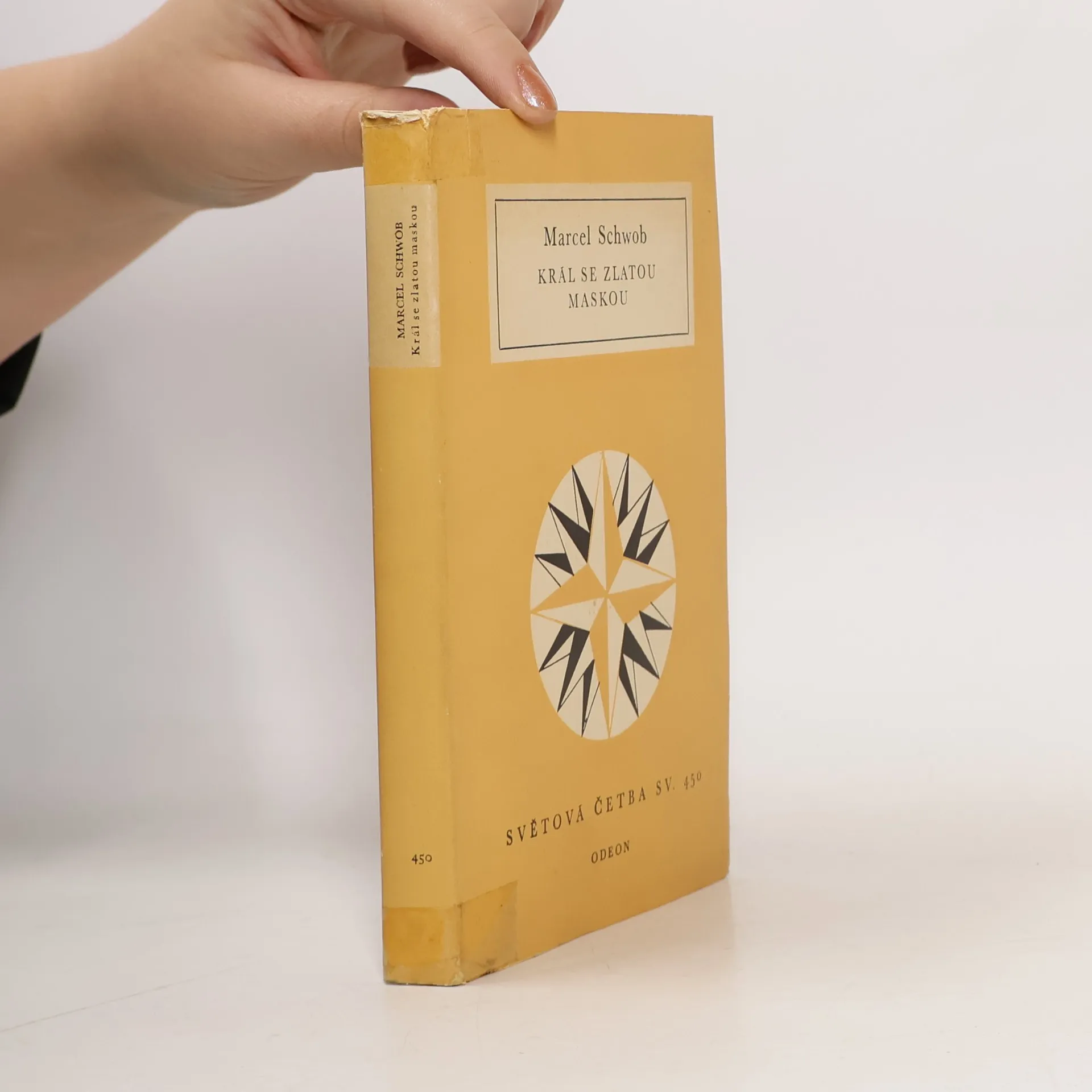
"First published in French in 1892 and never before translated fully into English, The King in the Golden Mask gathers 21 of Marcel Schwob's cruelest and most erudite tales. Melding the fantastic with historical fiction, these stories describe moments of unexplained violence both historical and imaginary, often blending the two through Schwob's collaging of primary source documents into fiction. Brimming with murder, suicide, royal leprosy and medieval witchcraft, Schwob's stories portray clergymen furtively attending medieval sabbaths, Protestant galley slaves laboring under the persecution of Louis XIV and dice-tumbling sons of Florentine noblemen wandering Europe at the height of the 1374 plague. These writings are of such hallucinatory detail and linguistic specificity that the reader is left wondering whether they aren't newly unearthed historical documents. To read Schwob is to encounter human history in its most scintillating form as it comes into contact with this unparalleled imagination"--Page 4 of cover
Imaginary Lives remains, over 120 years since its original publication in French, one of the secret keys to modern literature: under-recognized, yet a decisive influence on such writers as Apollinaire, Borges, Jarry and Artaud, and more contemporary authors such as Roberto Bolaño and Jean Echenoz. Drawing from historical influences such as Plutarch and Diogenes Laërtius, and authors more contemporary to him such as Thomas De Quincey and Walter Pater, Schwob established the genre of fictional biography with this collection: a form of narrative that championed the specificity of the individual over the generality of history, and the memorable detail of a vice over the forgettable banality of a virtue. Imaginary Lives remains, over 120 years since its original publication in French, one of the secret keys to modern literature: under-recognized, yet a decisive influence on such writers as Apollinaire, Borges, Jarry and Artaud, and more contemporary authors such as Roberto Bolaño and Jean Echenoz. Drawing from historical influences such as Plutarch and Diogenes Laërtius, and authors more contemporary to him such as Thomas De Quincey and Walter Pater, Schwob established the genre of fictional biography with this collection: a form of narrative that championed the specificity of the individual over the generality of history, and the memorable detail of a vice over the forgettable banality of a virtue.--Amazon.prime
Nineteen stories showcase the literary talent of Marcel Schwob, blending previously published newspaper works with never-before-seen manuscripts. Translated into English for the first time by Sue Boswell, these tales offer a unique glimpse into Schwob's imaginative world, highlighting his innovative narrative style and rich themes. The collection invites readers to explore the depth and diversity of Schwob's storytelling, making it a significant addition to literary studies and a treat for fans of classic literature.
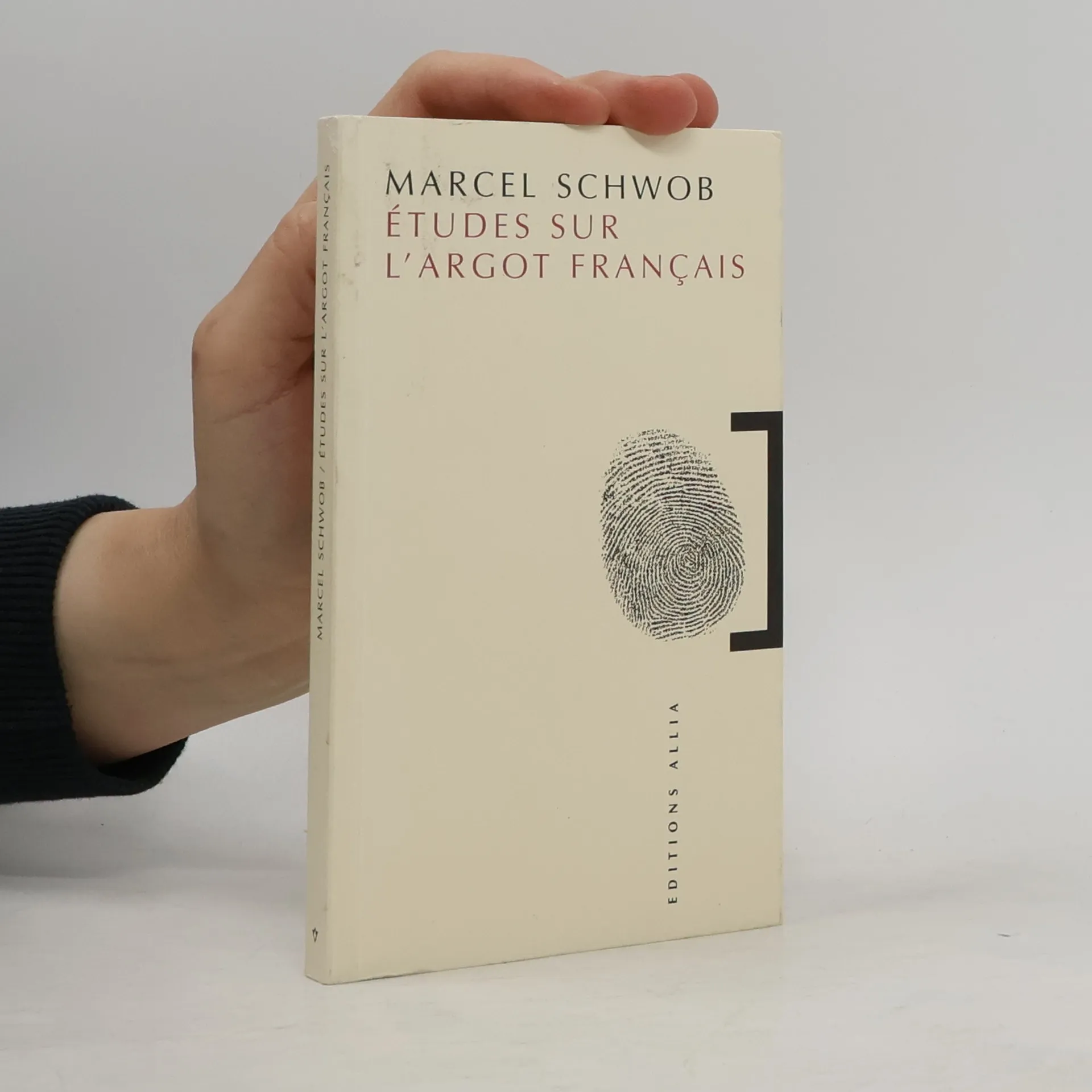
On peut dire que les travaux entrepris jusqu'à présent pour étudier l'argot ont été menés sans méthode. Le procédé d'interprétation n'a guère consisté qu'à voir partout des métaphores. Ce procédé nous paraît avoir méconnu le véritable sens des métaphores et de l'argot. Les métaphores sont des images destinées à donner à la pensée une représentation concrète. Ce sont des formations spontanées, écloses le plus souvent chez des populations primitives, très rapprochées de l'observation de la nature. L'argot est justement le contraire d'une formation spontanée. C'est une langue artificielle, destinée à n'être pas comprise par une certaine classe de gens. On peut donc supposer a priori que les procédés de cette langue sont artificiels.
Der Protagonist, ein umherstreifender Goliard und Pfaff, reflektiert über sein Leben und die Versuchungen, denen er begegnet. Inmitten seiner Armut und des erbettelten Lebens findet er Freude in der Natur und den Stimmen der Kinder. Er äußert Besorgnis über die grausamen Taten böser Menschen und sucht Trost im Glauben an den Heiland. Seine Gedanken sind geprägt von einer gewissen Unschuld und einer kindlichen Freude, während er sich selbst als leichtlebig und ungebildet beschreibt. Die Metaphern der Heuschrecke und der Frühling symbolisieren seine Unbeschwertheit und das Streben nach Glück.
Seducido por la obra y la vida aventurera de Stevenson, Schwob (Chaville, 1867 - París, 1905), autor de culto al que se deben raras obras maestras como Vidas Imaginarias o El libro de Monelle, comete en 1901 la mayor locura de su vida: ignorando su delicado estado de salud, se embarca en compañía de su inseparable criado Ting, en el vapor «Ville de la Ciotat» ¡rumbo a Samoa! Inicia entonces una correspondencia continua -como un salvador hilo de Ariadna, como un íntimo diario de a bordo- con su amada Marguerite y en ella le relata las peripecias, anécdotas y penalidades de la travesía y describe los cambiantes paisajes exóticos que descubre a cada paso a lo largo de aquel tortuoso y agotador viaje en barco a las antípodas.
Básnické vyprávění rozdělení do tří částí. Alan je vychováván svou bábou uhlířkou v rozlehlém hvozdu a nedokáže si představit nic kromě zelených hlubin lesa. Po bouři, která skácí některé ze stromů, poprvé spatří noční nebe; od té doby touží vyjít z hvozdu ven na rovinu a také roznítit hvězdy. Bibliofilní vydání.
Výbor z próz (Mimy, 1893; Křížová výprava dětí, 1896; Podvojné srdce, 1891; Král se zlatou maskou, 1892; Knížka o Monelle, 1894; Smyšlené životy, 1896) francouzského prozaika, kritika a esejisty, nejtypičtějšího představitele francouzské symbolistické prózy. V básnických prózách sugestivně evokuje a básnickou vizí dotváří příběhy ze starých dob i současnosti, ukazuje tragiku událostí, vyjadřuje hrůzu z osudové nevyhnutelnosti a završuje vše lidsky soucitným pohledem.