
Explore the latest books of this year!
Bookbot

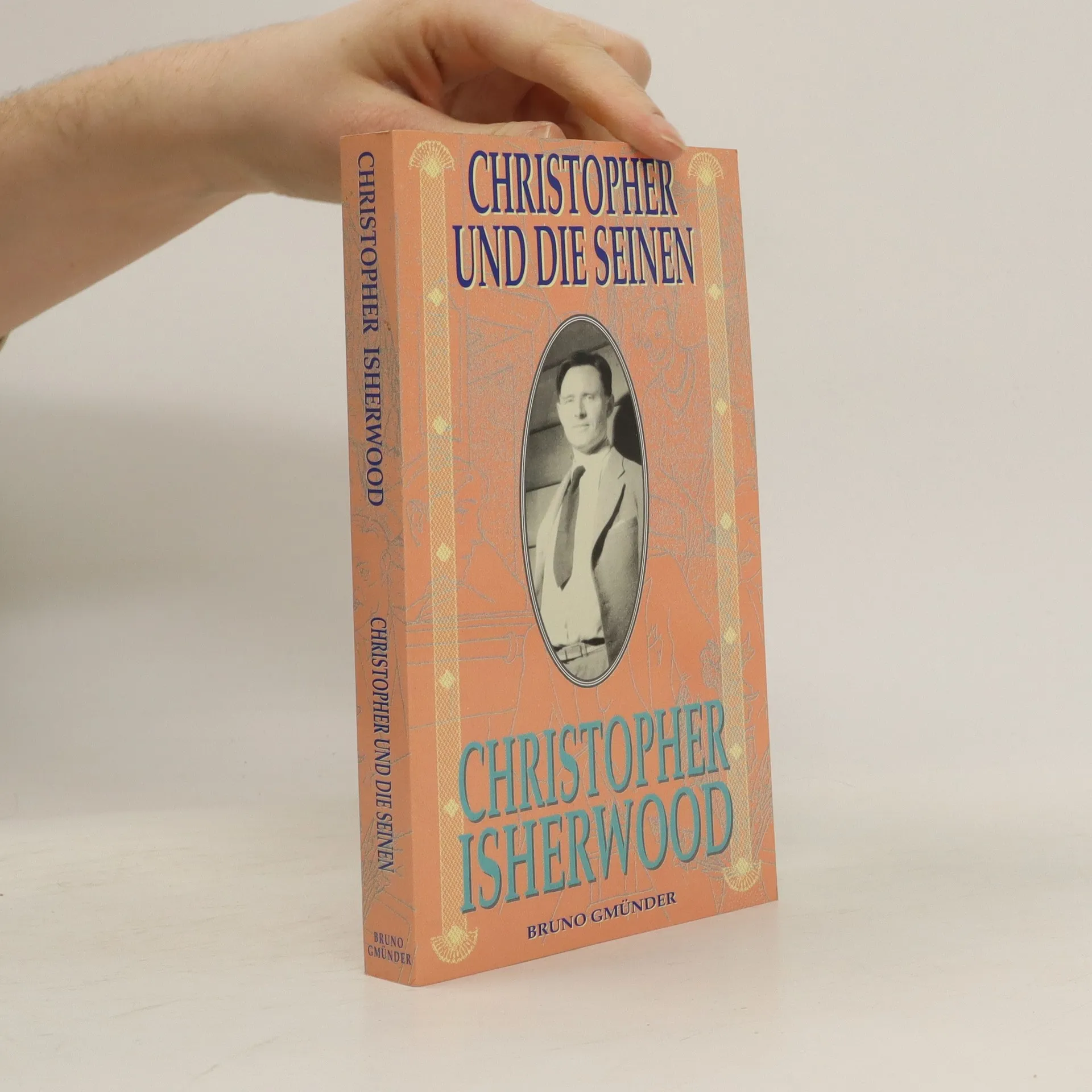
Christopher Isherwood

    August 26, 1904 – January 4, 1986

    Christopher Isherwood was a novelist, playwright, screenwriter, autobiographer, and diarist whose work often explored themes of homosexuality and personal identity within turbulent historical periods. His formative years in Berlin, marked by both burgeoning self-discovery and the shifting political landscape of the 1930s, provided fertile ground for his most celebrated writings. Isherwood's prose is distinguished by its keen observational power and its unflinching examination of human relationships. Later in life, he turned to autobiography and spiritual themes, notably his conversion to Hinduism.

    Christopher Isherwood
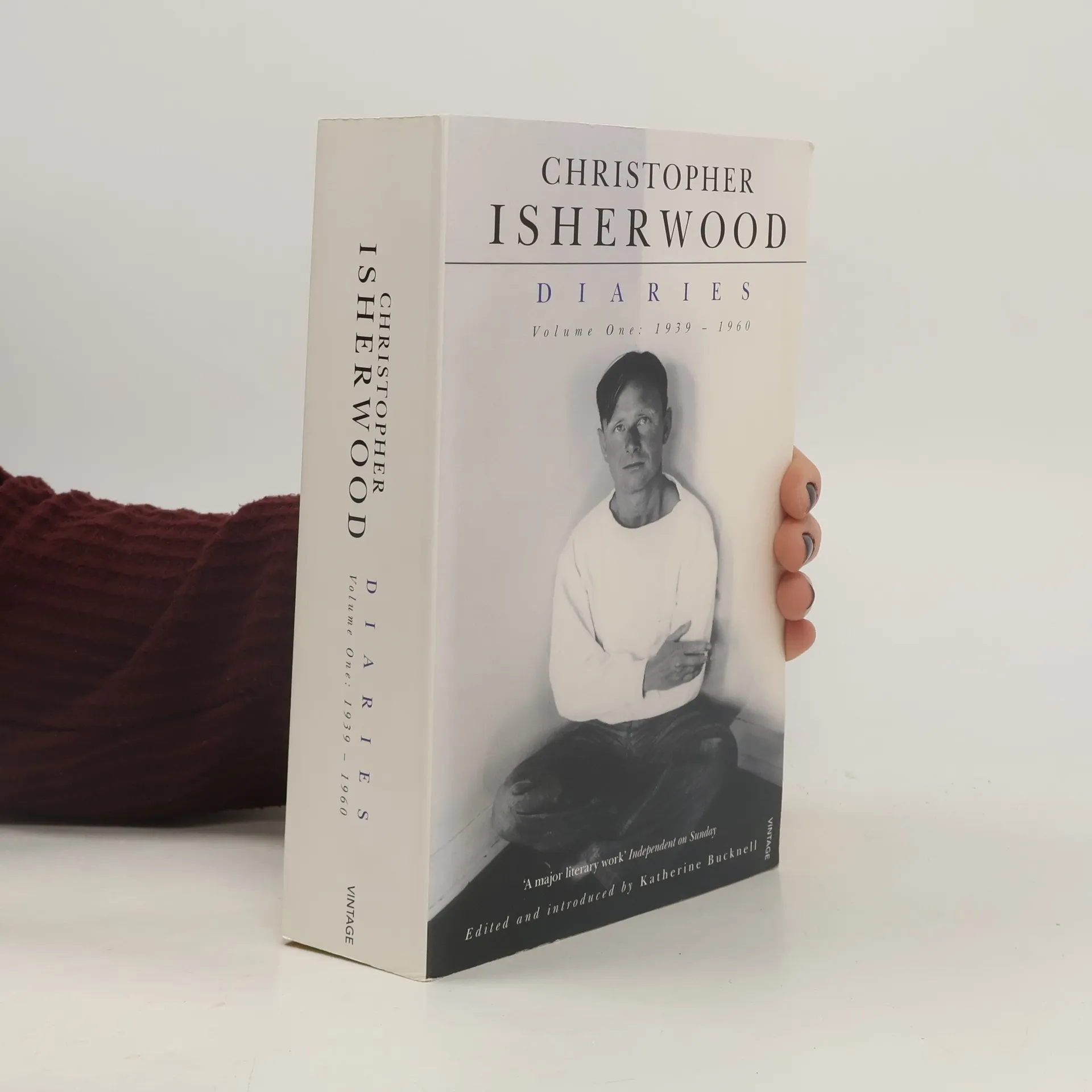
    Diaries Volume One: 1939-1960
    Christopher Isherwood Diaries Volume 1
    The Sixties
    Where Joy Resides
    Liberation Diaries, Volume Three
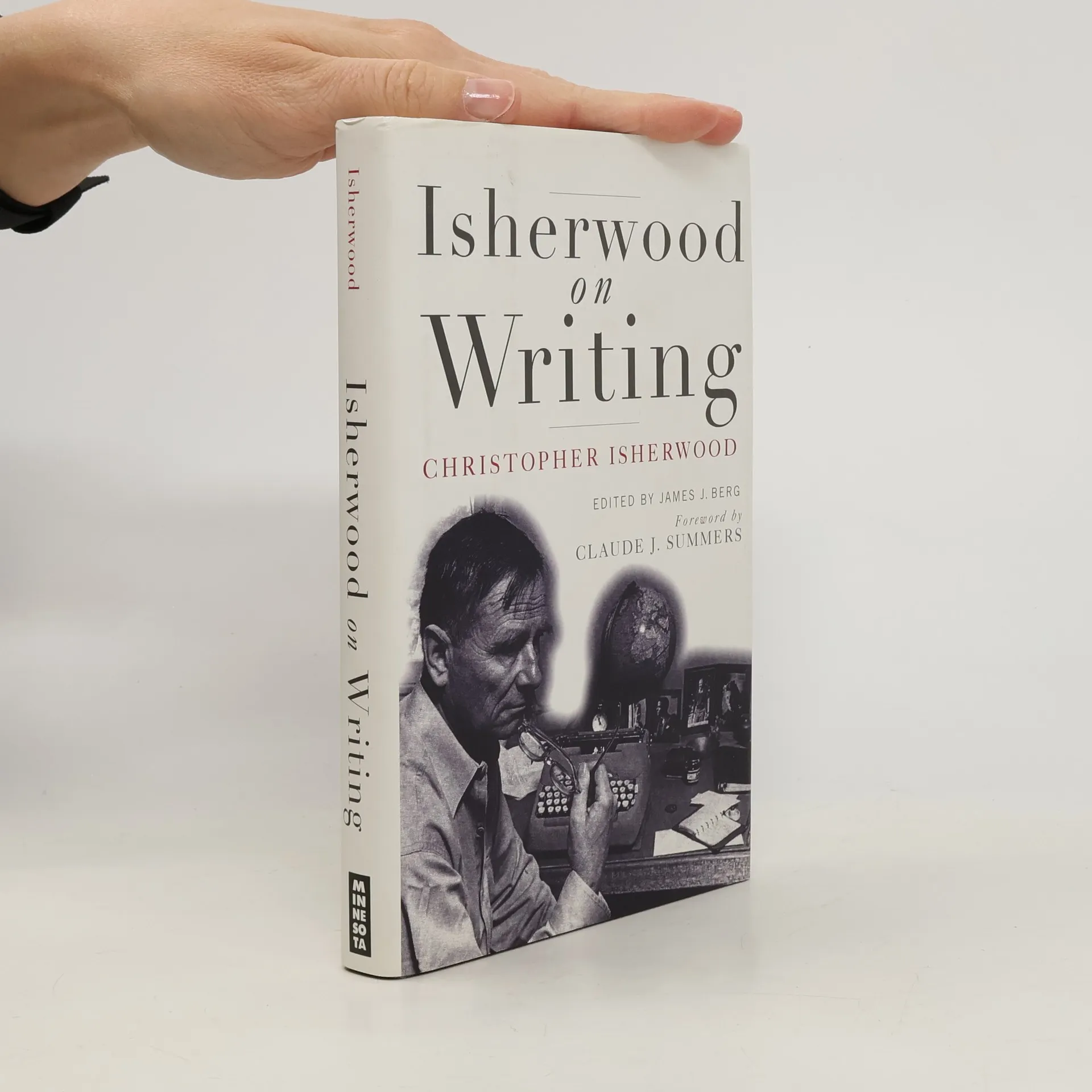
    Isherwood on Writing: The Complete Lectures in California
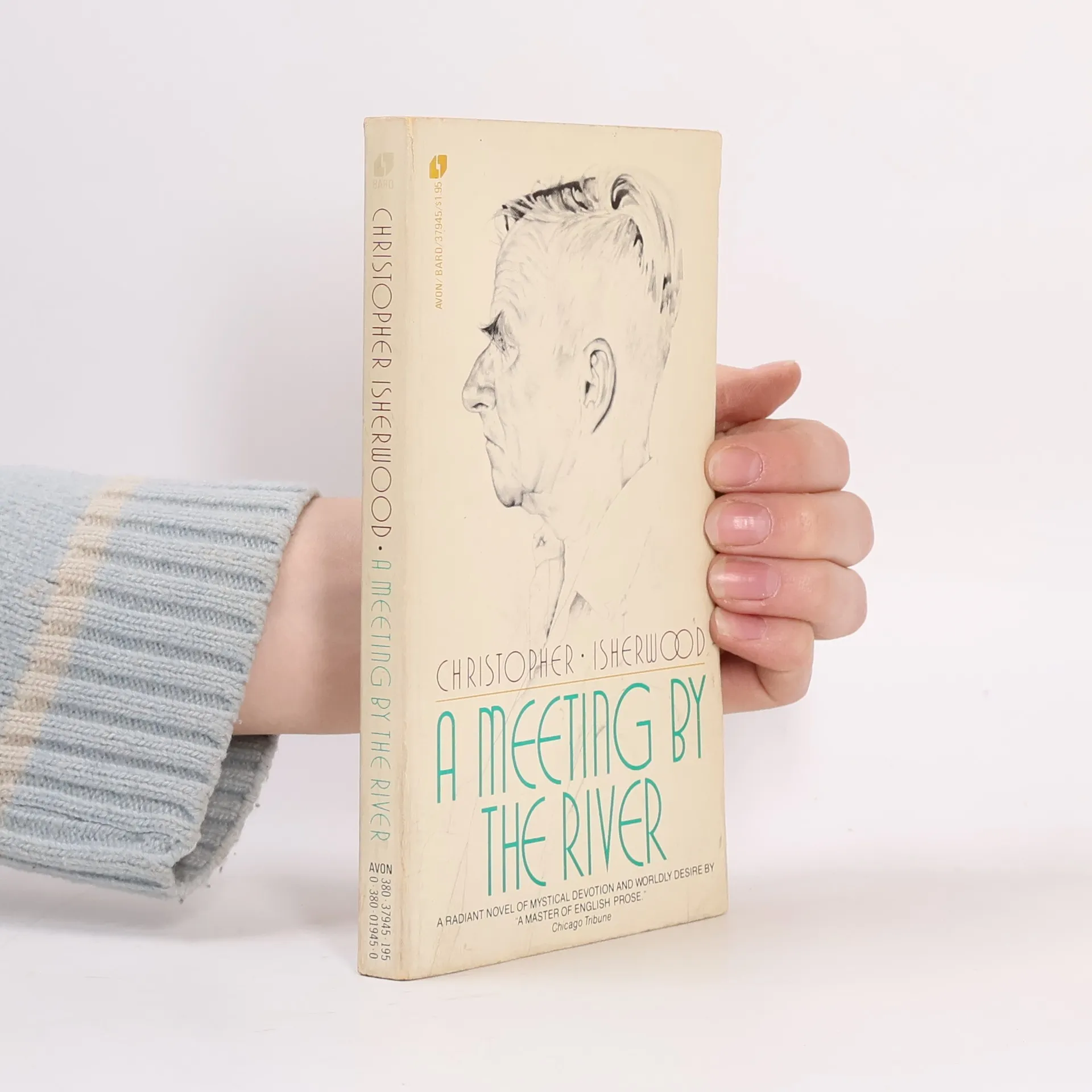
    • Isherwood's lectures on writing and writers, now all available for the first time In the 1960s, Christopher Isherwood gave an unprecedented series of lectures at California universities about his life and work. During this time Isherwood, who would liberate the memoir and become the founding father of modern gay writing, spoke openly for the first time about his craft--on writing for film, theater, and novels--and spirituality. Isherwood on Writing brings these free-flowing, wide-ranging public addresses together to reveal a distinctly American Isherwood at the top of his form. This updated edition contains the long-lost conclusion to the second lecture, published here for the first time, including its discussion of A Single Man, his greatest novel, and A Meeting by the River, his final novel.

      Isherwood on Writing: The Complete Lectures in California
      4.5
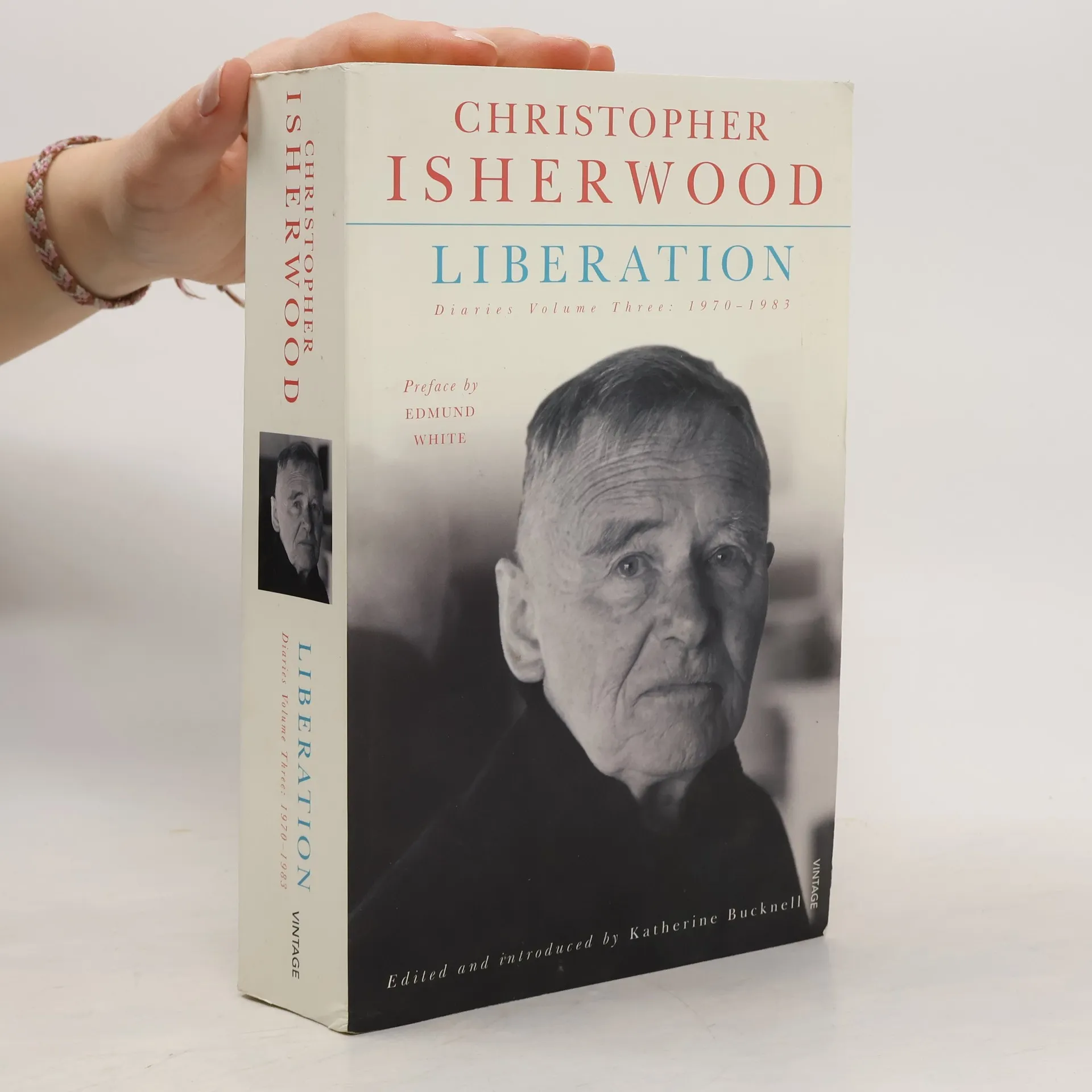
    • In the final volume of Christopher Isherwood's diaries, he reflects on aging with humor and curiosity. He explores Hinduism, writes his last works, and engages with the vibrant art scenes of the 1970s alongside his partner, Don Bachardy. The narrative captures a rich tapestry of cultural encounters amid significant historical events.

      Liberation Diaries, Volume Three
      4.3
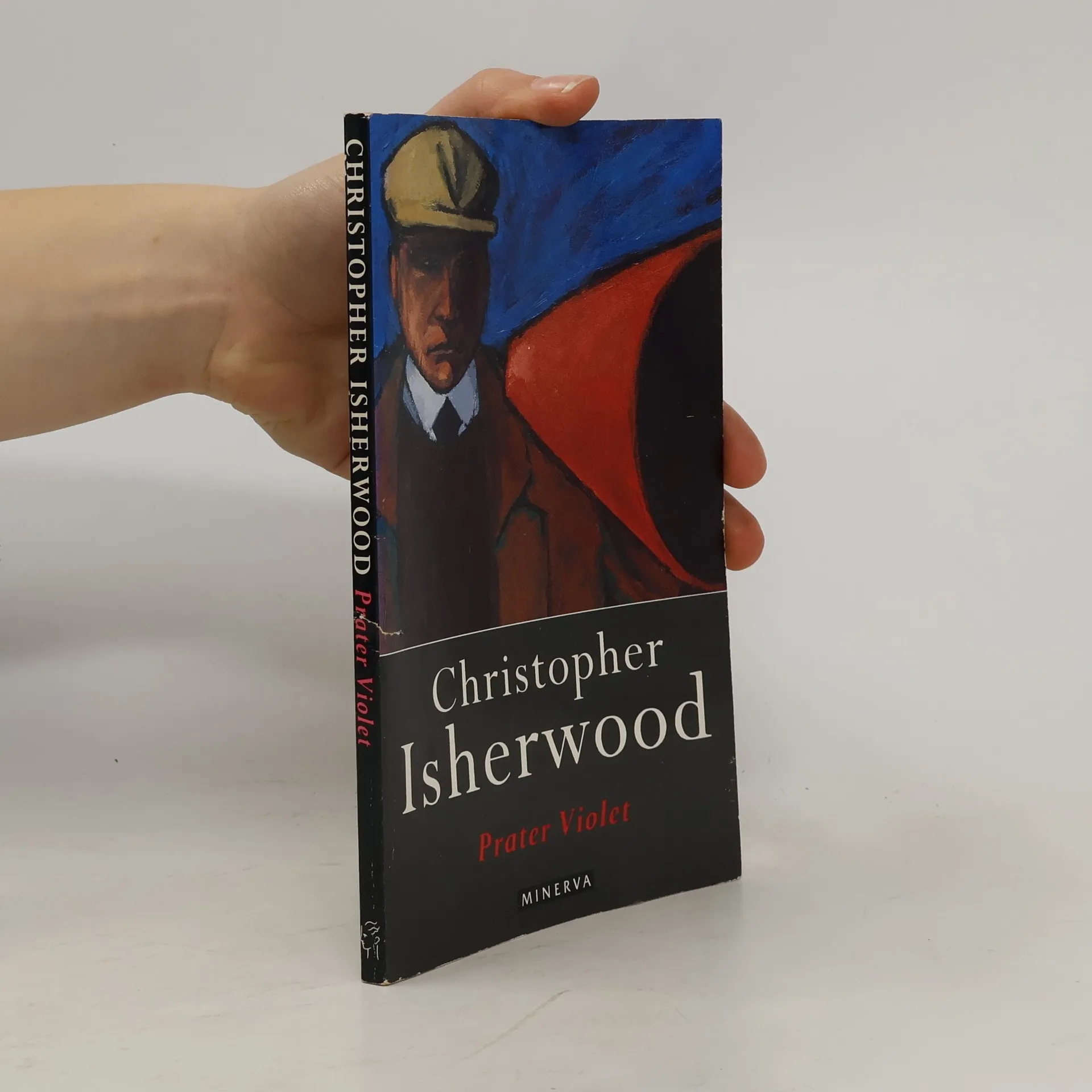
    • Isherwood anthology that include two complete novels, PRATER VIOLET and A SINGLE MAN, and excerpts from several other works including THE BERLIN STORIES, which was the inspiration for the popular musical and film CABARET.

      Where Joy Resides
      4.2
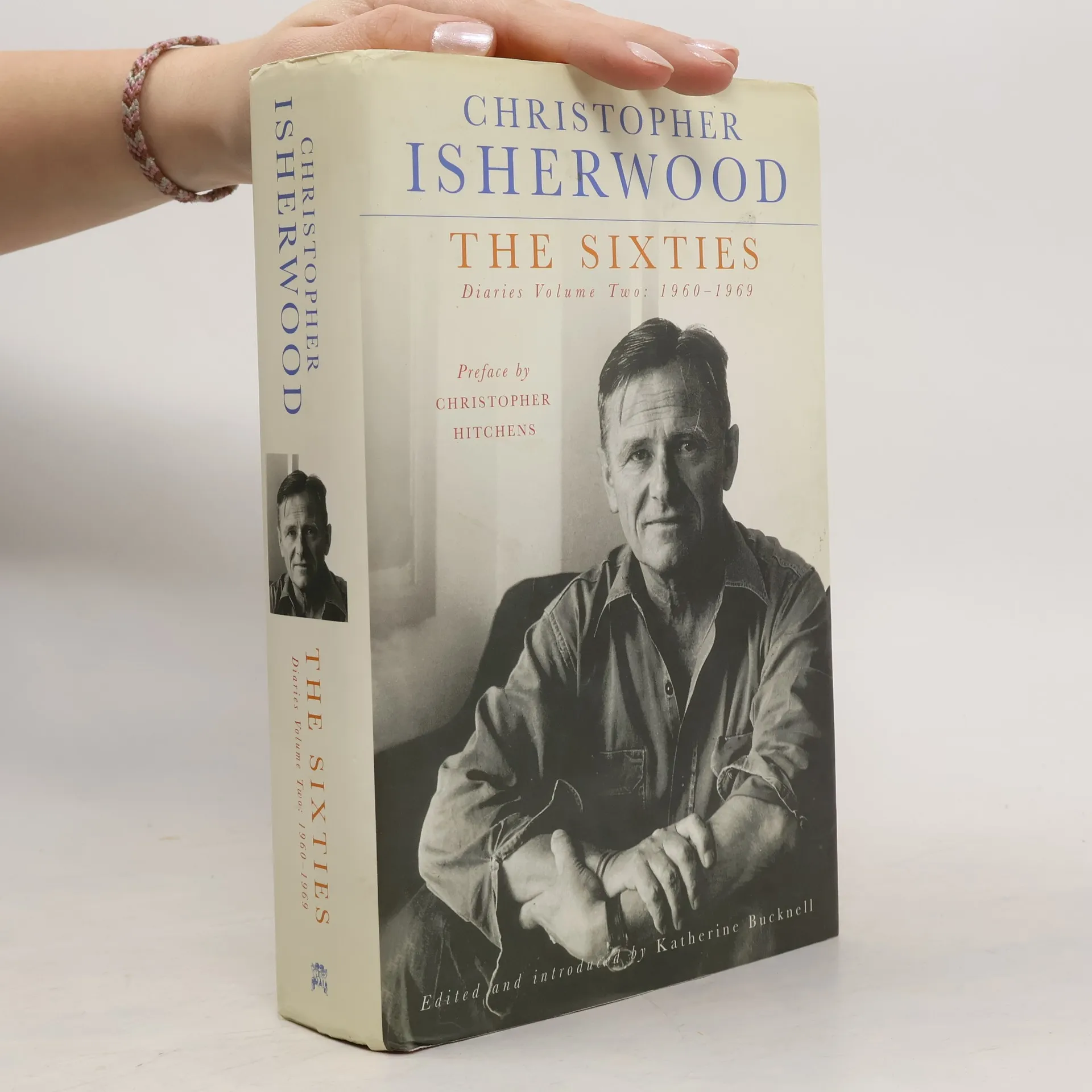
    • The Sixties

      • 800 pages
      • 28 hours of reading

      This second volume of Christopher Isherwood's remarkable diaries opens on his fifty-sixth birthday as the fifties give way to the decade of social and sexual revolution. číst celé

      The Sixties
      3.0
    • Christopher Isherwood Diaries Volume 1

      • 1104 pages
      • 39 hours of reading

      In spare, luminous prose these diaries describe Isherwood's search for a new life in California; his work as a screenwriter in Hollywood, his pacifism during World War II and his friendships with such gifted artists and intellectuals as Garbo, Chaplin, Thomas Mann, Charles Laughton, Gielgud, Olivier, Richard Burton and Aldous Huxley.

      Christopher Isherwood Diaries Volume 1
      4.0
    • At times pious, at times profane but always unashamedly honest, "The Diaries of Christopher Isherwood" provide an inside look at the life and times of one of the most celebrated writers of the century. Chronicling Isherwood's life from 1939, when he emigrated to the United States, until 1960, these entries cover some of the most turbulent years of his career and give readers unprecedented insight into the major turning points in his life. Here, Isherwood relates the spiritual crisis he went through as World War II began, his discipleship (along with Aldous Huxley and Gerald Heard) with the Hindu monk Swami Prabhavananda and his decision to become a pacifist. Here also are his accounts of his intense social life in Hollywood, his career as a screenwriter and his many sexual affairs. Readers will be particularly fascinated by his revealing anecdotes and gossip about the literary greats (such as W. H. Auden, Thomas Mann, E. M. Forster, and Tennessee Williams) and movie stars (such as Greta Garbo, Charlie Chaplin and Sir Laurence Olivier) of the time.

      Diaries Volume One: 1939-1960
      4.0
    • A Single Man

      • 192 pages
      • 7 hours of reading

      "Welcome to sunny surburban 1960s Southern California. George is a gay middle-aged English professor, adjusting to solitude after the tragic death of his young partner. He is determined to persist in the routines of his former life. We follow him over the course of an ordinary twenty-four hours. Behind his British reserve, tides of grief, rage, and loneliness surge- but what is revealed is a man who loves being alive despite all the everyday injustices."--back cover

      A Single Man
      4.1
    • Down There on a Visit

      • 368 pages
      • 13 hours of reading

      WITH A NEW INTRODUCTION BY PHILIP HENSHERBerlin, the Greek Islands, London and California. Often regarded as the best of his novels, Down There on a Visit tells the vivid stories of Isherwood's life that, together with The Berlin Novels, were to have comprised his great unfinished epic novel.

      Down There on a Visit
      4.1
    • The Berlin novels

      • 512 pages
      • 18 hours of reading

      Includes Mr Norris Changes Trains and Goodbye to Berlin , the inspiration for the stage and screen musical Cabaret . It is a haunting evocation of the gathering storm of the Nazi terror and a portrait of Bohemian Berlin - a city and a world on the very brink of ruin.

      The Berlin novels
      4.1
    • The World in the Evening

      • 284 pages
      • 10 hours of reading

      A deeply introspective book about war, religion, and sexuality. Against the backdrop of World War II, The World in the Evening charts the emotional development of Stephen Monk, an aimless Englishman living in California. After his second marriage suddenly ends, Stephen finds himself living with a relative in a small Pennsylvania Quaker town, haunted by memories of his prewar affair with a younger man during a visit to the Canary Islands. The world traveler comes to a gradual understanding of himself and of his newly adopted homeland. When first published in 1953, The World in the Evening was notable for its clear-eyed depiction of European and American mores, sexuality, and religion. Today, readers herald Christopher Isherwood's frank portrayal of bisexuality and his early appreciation of low and high camp.

      The World in the Evening
      4.0