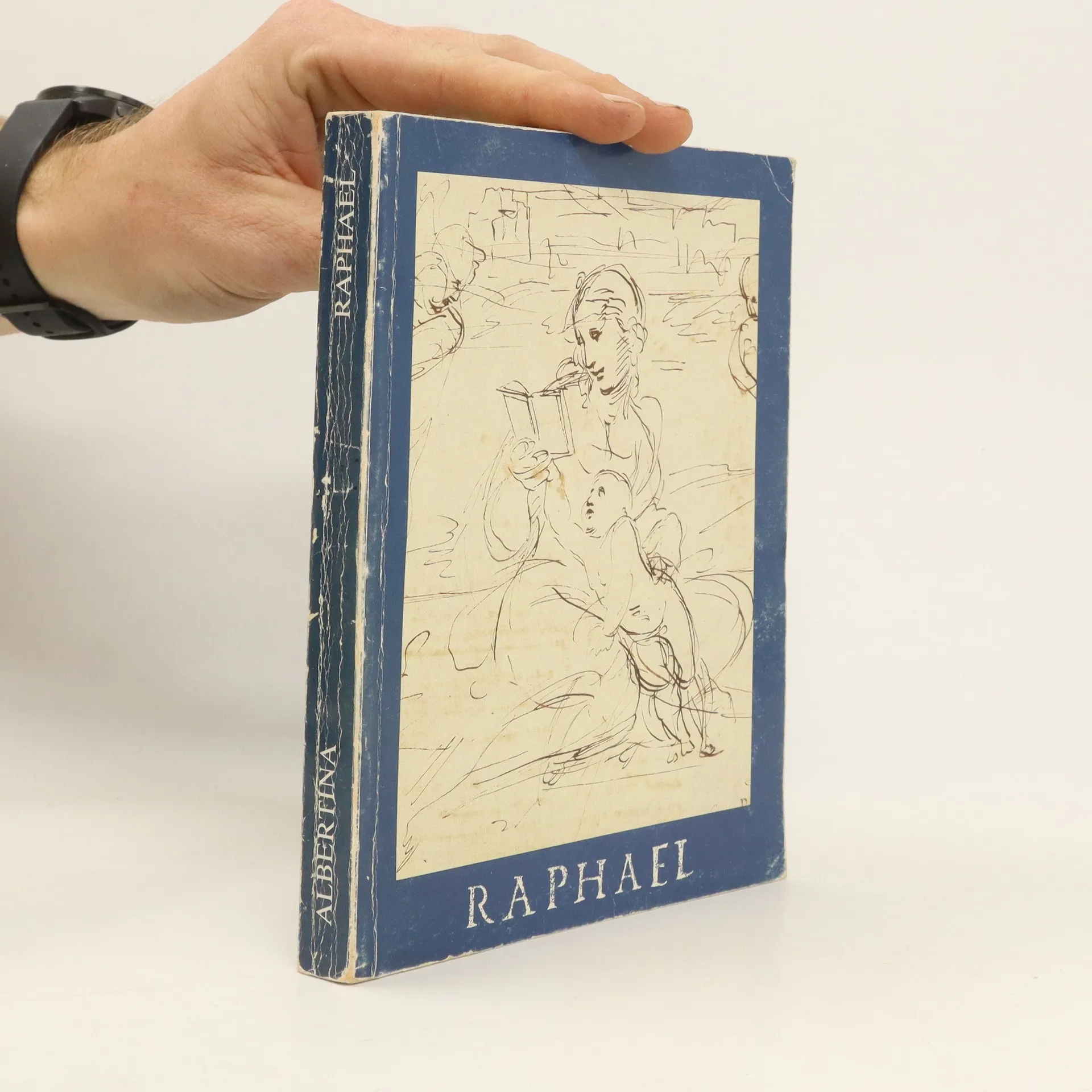
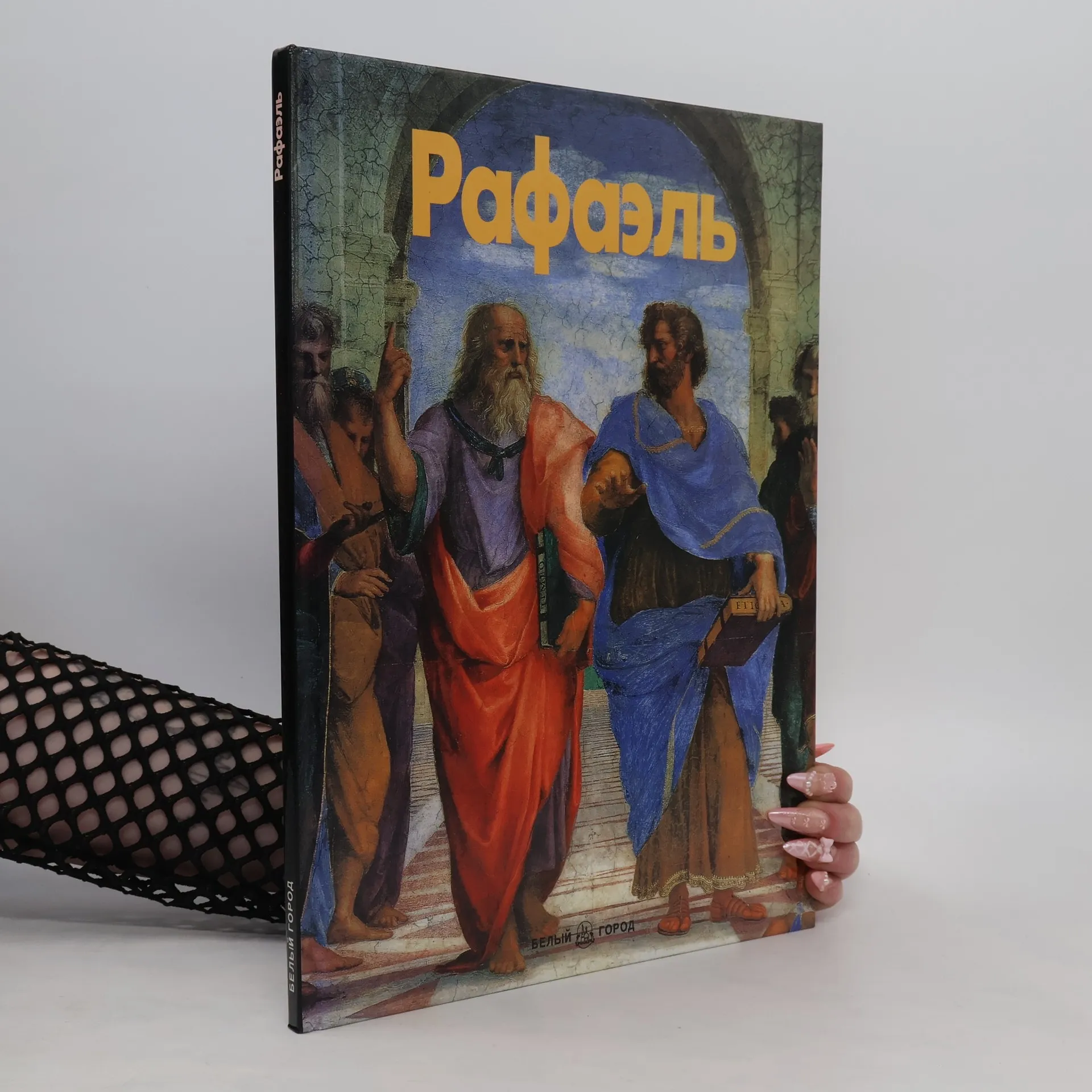
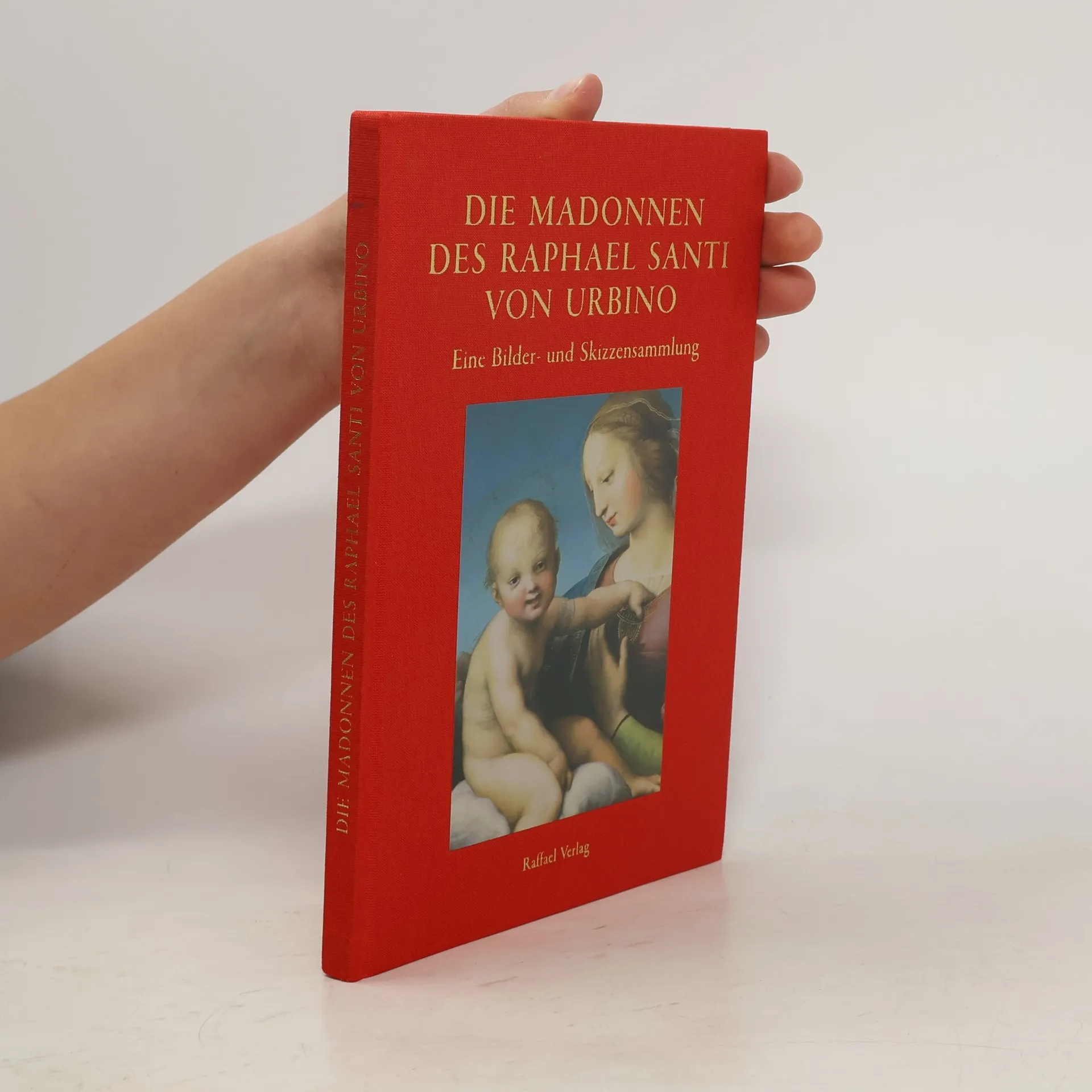
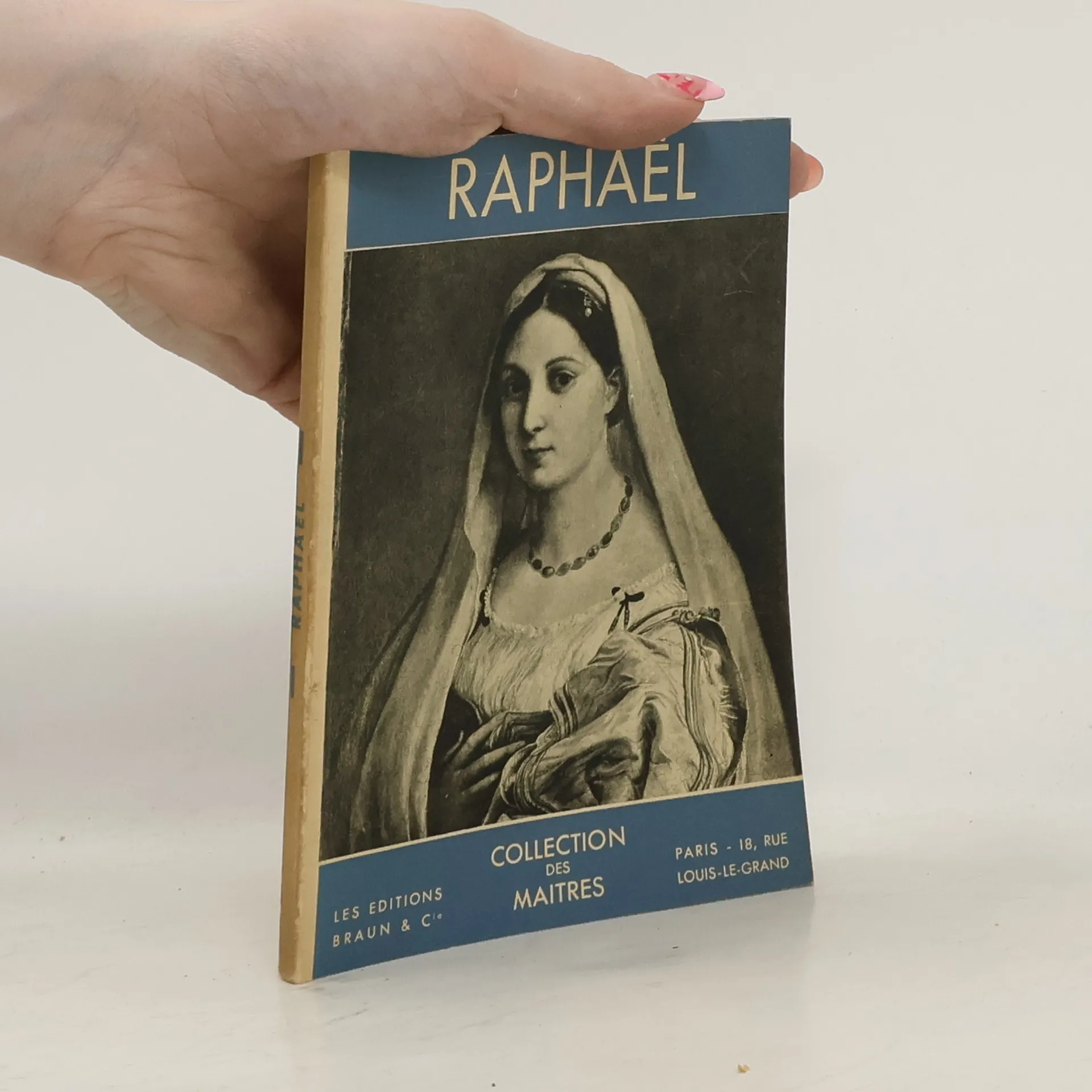
Raphael
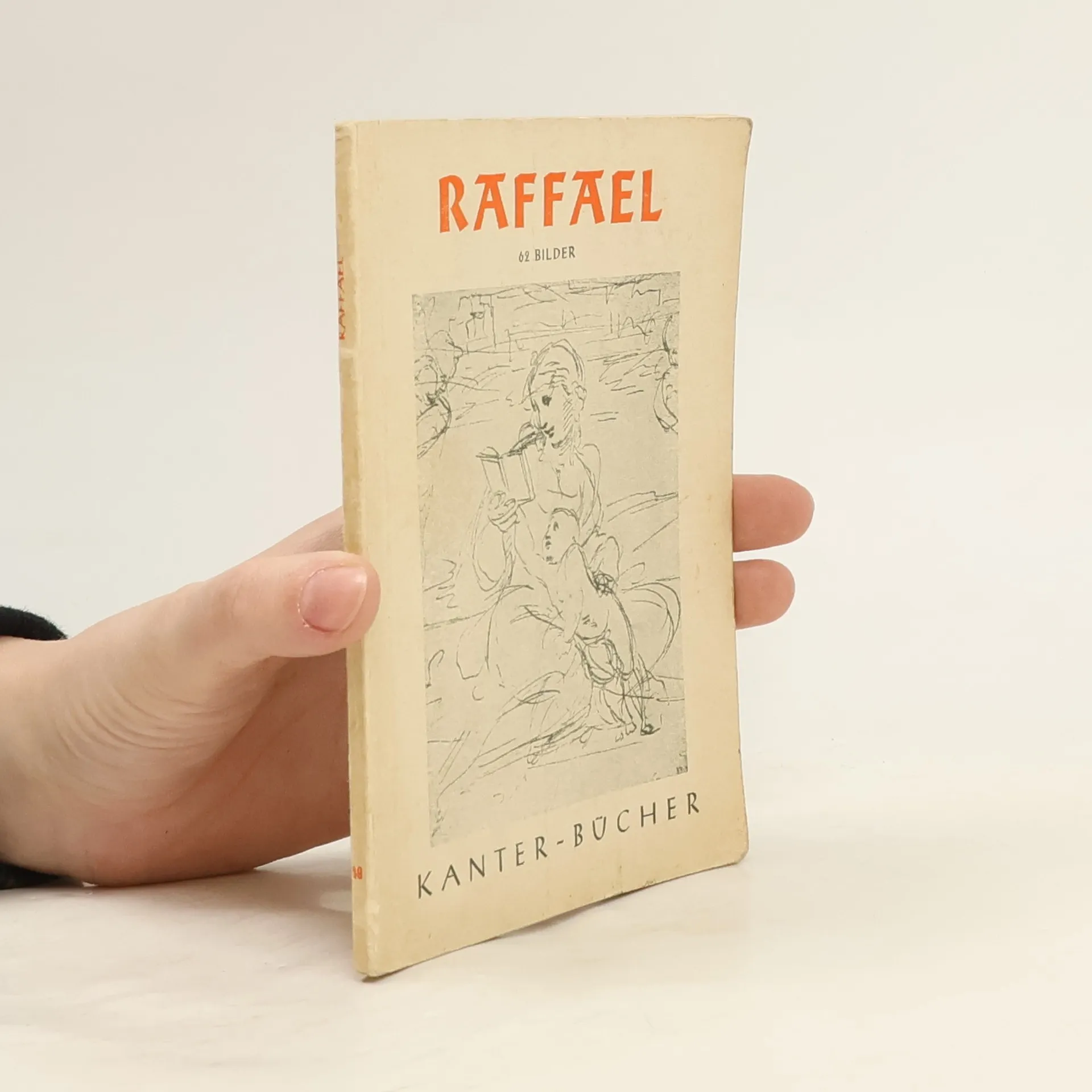
- 62 pages
- 3 hours of reading
Contains a brief study of the artist's life and work, followed by reproductions of important works. Text in English.



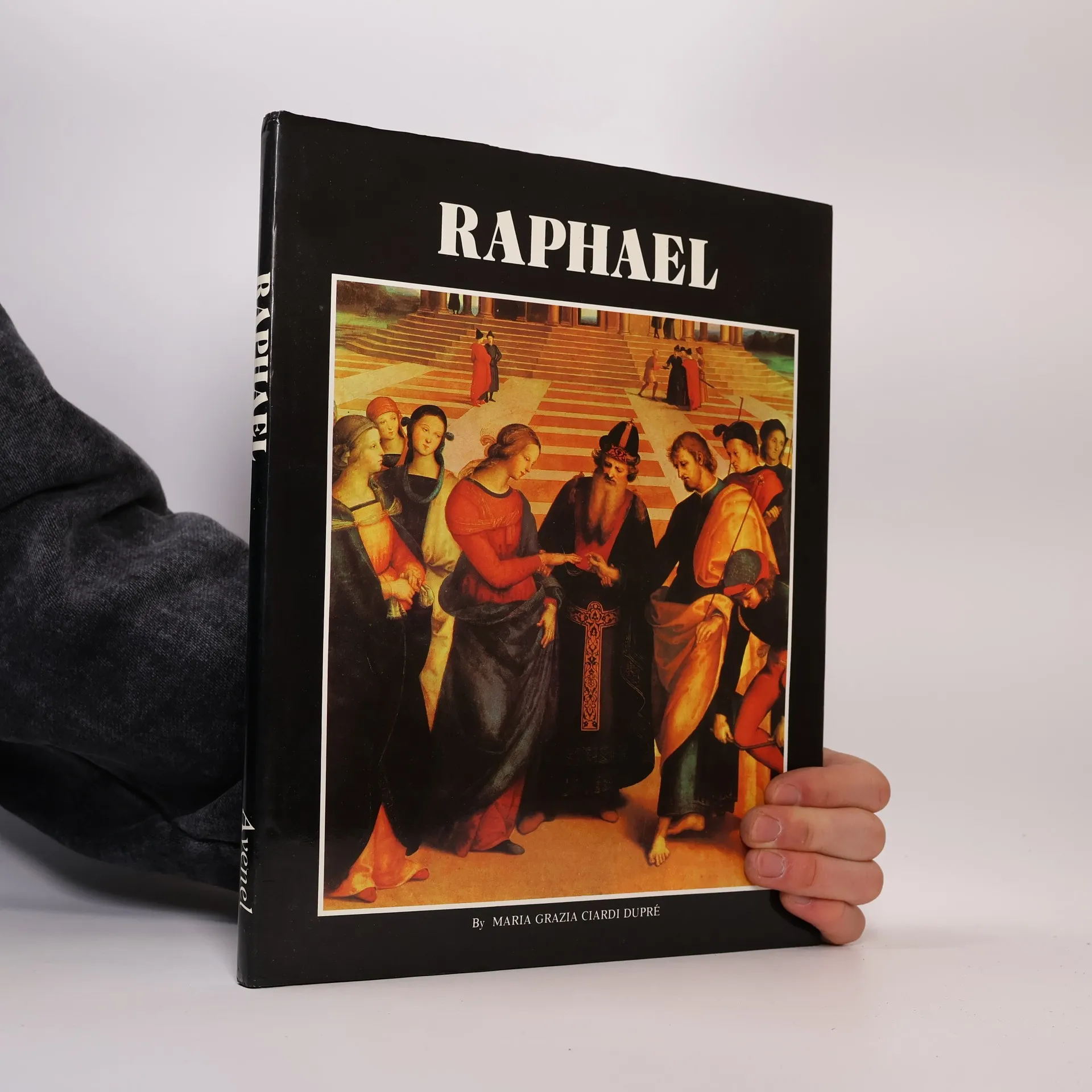
Contains a brief study of the artist's life and work, followed by reproductions of important works. Text in English.
The Story of the Bindo Altoviti Portrait
Five centuries ago a stunningly beautiful young man with flowing blond locks sat for a portrait by Raphael. In the artist’s dynamic conception, Bindo Altoviti turns as if to speak to his Florentine bride, Fiammetta. Ardently admired over the years, as it is today, Raphael’s portrait was also coolly received by more than one influential critic who cast a shadow on its reputation. This gloriously illustrated book tells the story of the portrait’s creation and of its unexpected trajectory through history.Focusing on viewers’ responses to Bindo Altoviti, the book describes the transformation of the picture from a family treasure into a supposed self-portrait of the artist; its public display in Munich, where first it was celebrated, then dismissed by skeptics claiming that it was neither of nor by Raphael; and its acquisition by canny English dealers who lured the panel out of Nazi Germany. Purchased as a Raphael by American collector Samuel H. Kress, the painting was donated in 1943 to the newly opened National Gallery of Art, where Bindo’s image has beguiled visitors ever since.
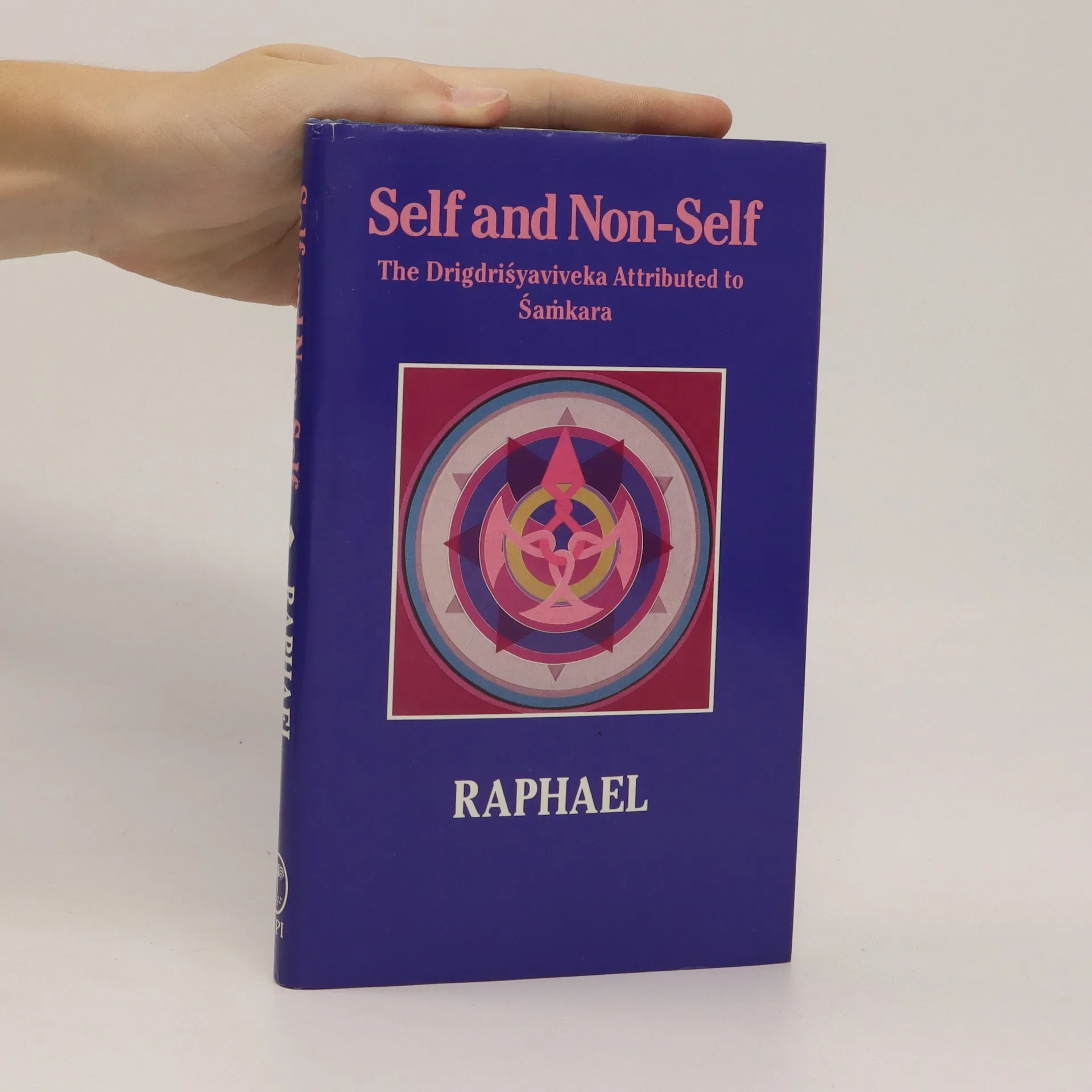
This book is an enquiry into the concept of the 'self', transcending the barriers of 'non-self' and realizing the non-dual Consciousness within and without. This concept is the central theme of Advaita Vedanta. The Drg-drsya-viveka is a short treatise of forty-six Sanskrit verses which analyses the illusory perceptions of names and forms in the states of dreams and waking as well. The commentator gives a scientific explanation of the meaning of Self and Non Self , helping the reader to discriminate and separate the observer (drk) from the observed objects (drsya).
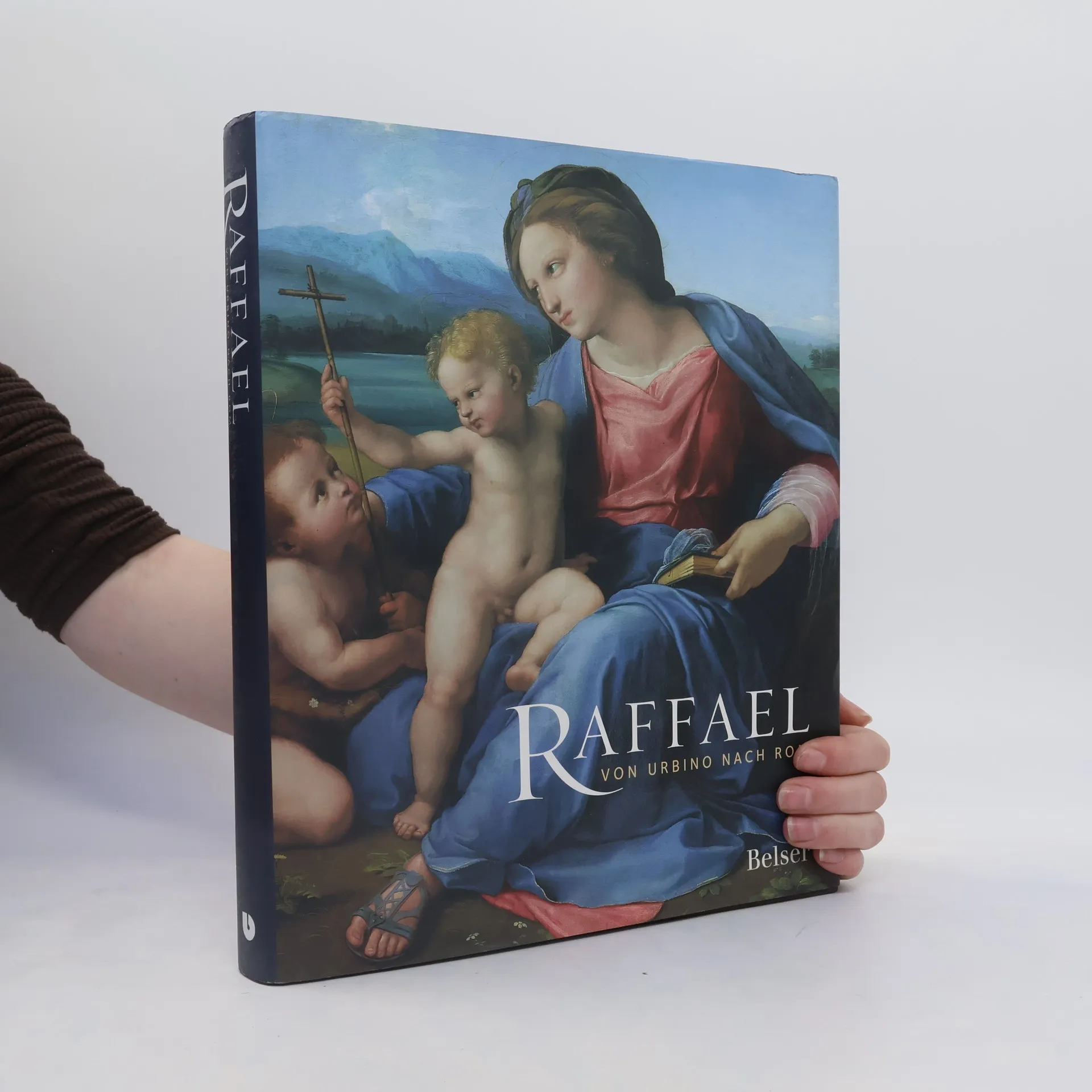
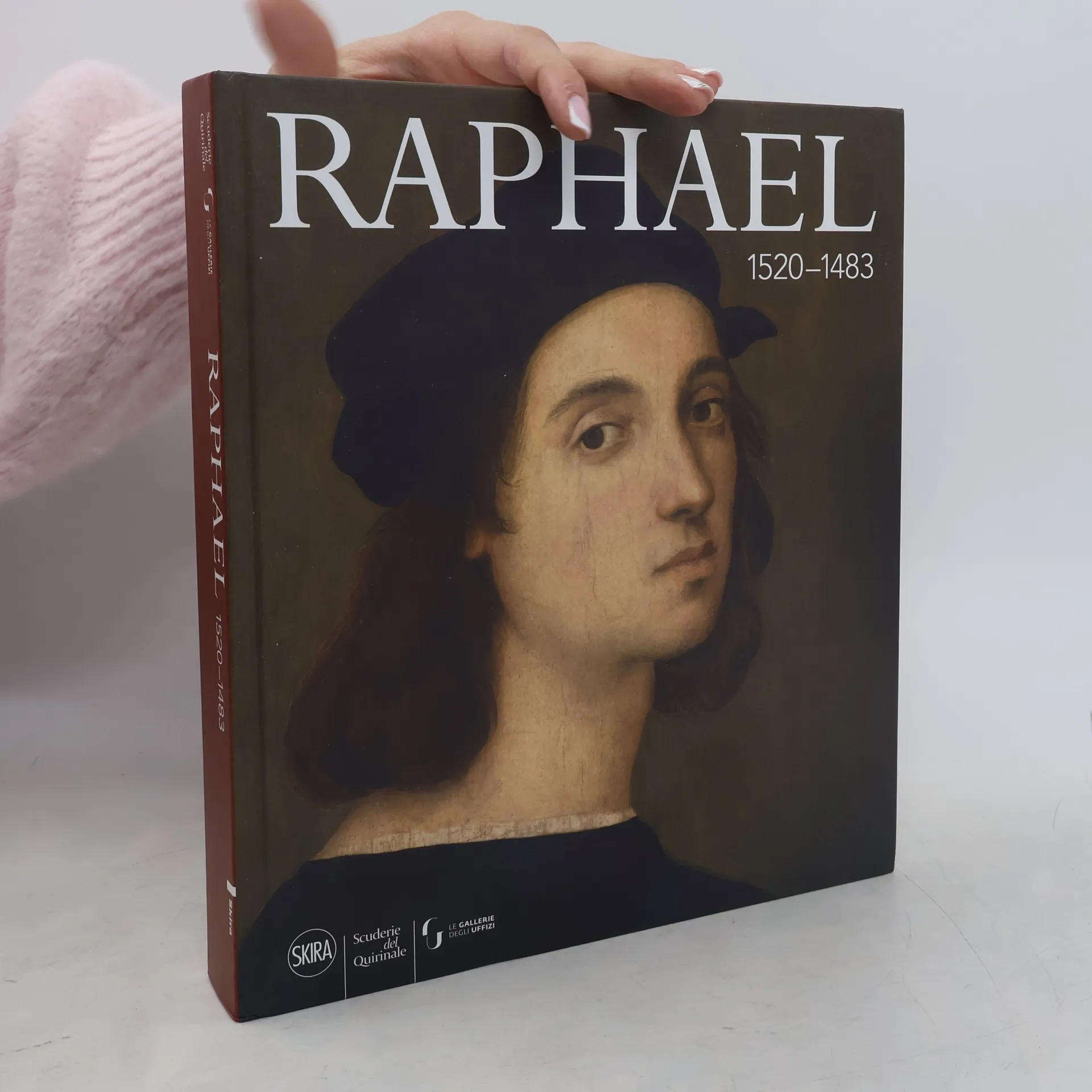
A tribute to the master of Urbino on the 500th anniversary of his death, this significant exhibition in 2020 showcases the painter's legacy. Published in collaboration with major museums, the monograph offers a unique retrospective journey through Raphael's life, exploring his connection to the ancient world and Rome, guiding readers from his death in 1520 back to his formative years in Urbino, Città di Castello, Perugia, and Siena. The publication features contributions from an esteemed scientific committee, with each member curating a section of the catalogue, introducing their essays alongside detailed entries of the works. Raphael (1483-1520) is celebrated as the quintessential High Renaissance painter, and despite his early death at 37, his influence as a classicism paragon shaped European painting until the mid-19th century. Born in Urbino to court painter Giovanni Santi, Raphael likely began his training there, influenced by Mantegna, Paolo Uccello, and Piero della Francesca. His early works were also shaped by Perugino. From 1500 to 1508, he worked across central Italy, gaining recognition as a portraitist and Madonna painter. In 1508, at 25, he was summoned to Pope Julius II's court for the papal apartments' redecoration, evolving into a master portraitist and history painter, eventually becoming the architect in charge of St. Peter's after Bramante's death in 1514.
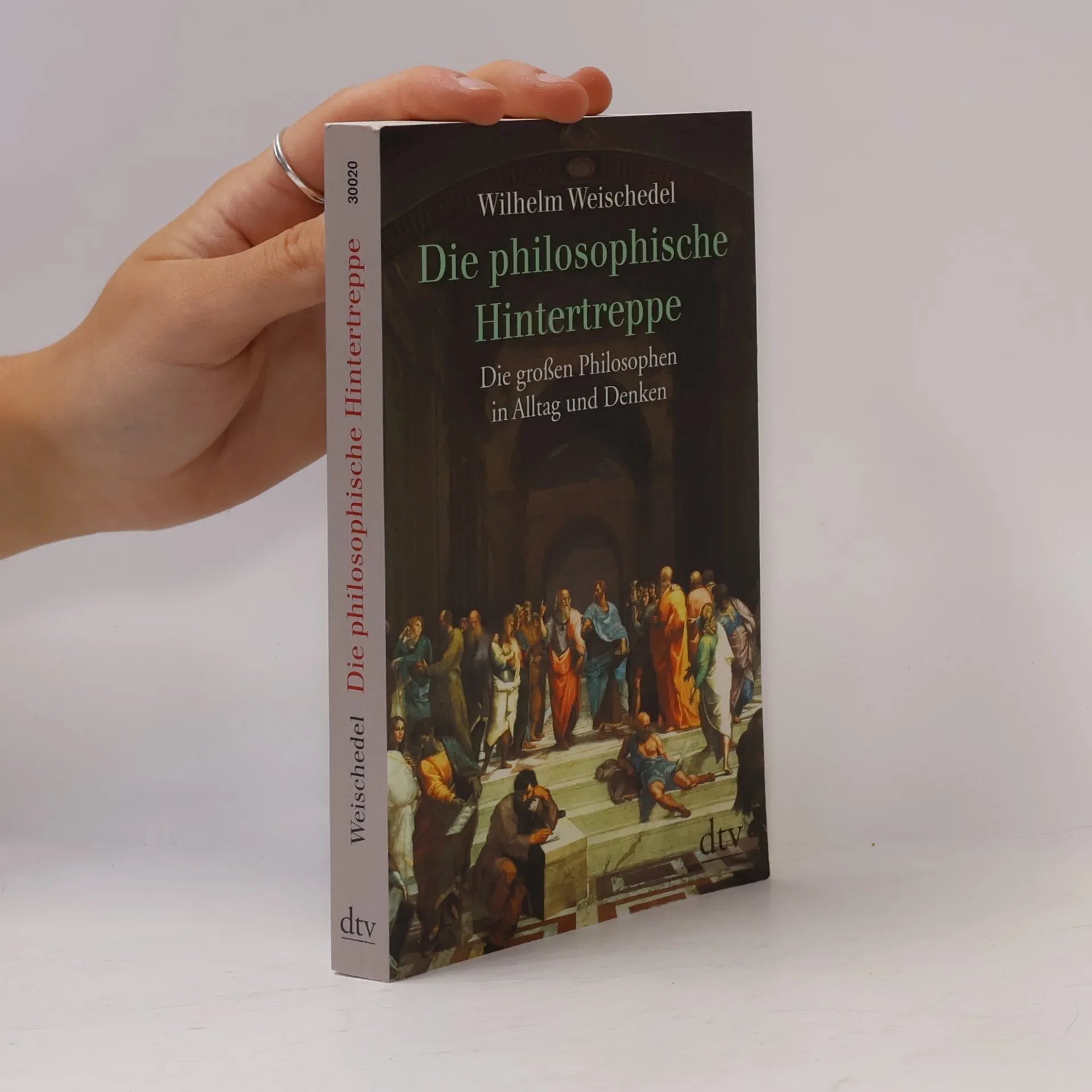
Die großen Philosophen in Alltag und Denken
34 große Philosophen in Alltag und Denken - Die philosophische Hintertreppe - bk356; Nymphenburger Verlag; Wilhelm Weischedel; Paperback; 1980
Collection des maitres
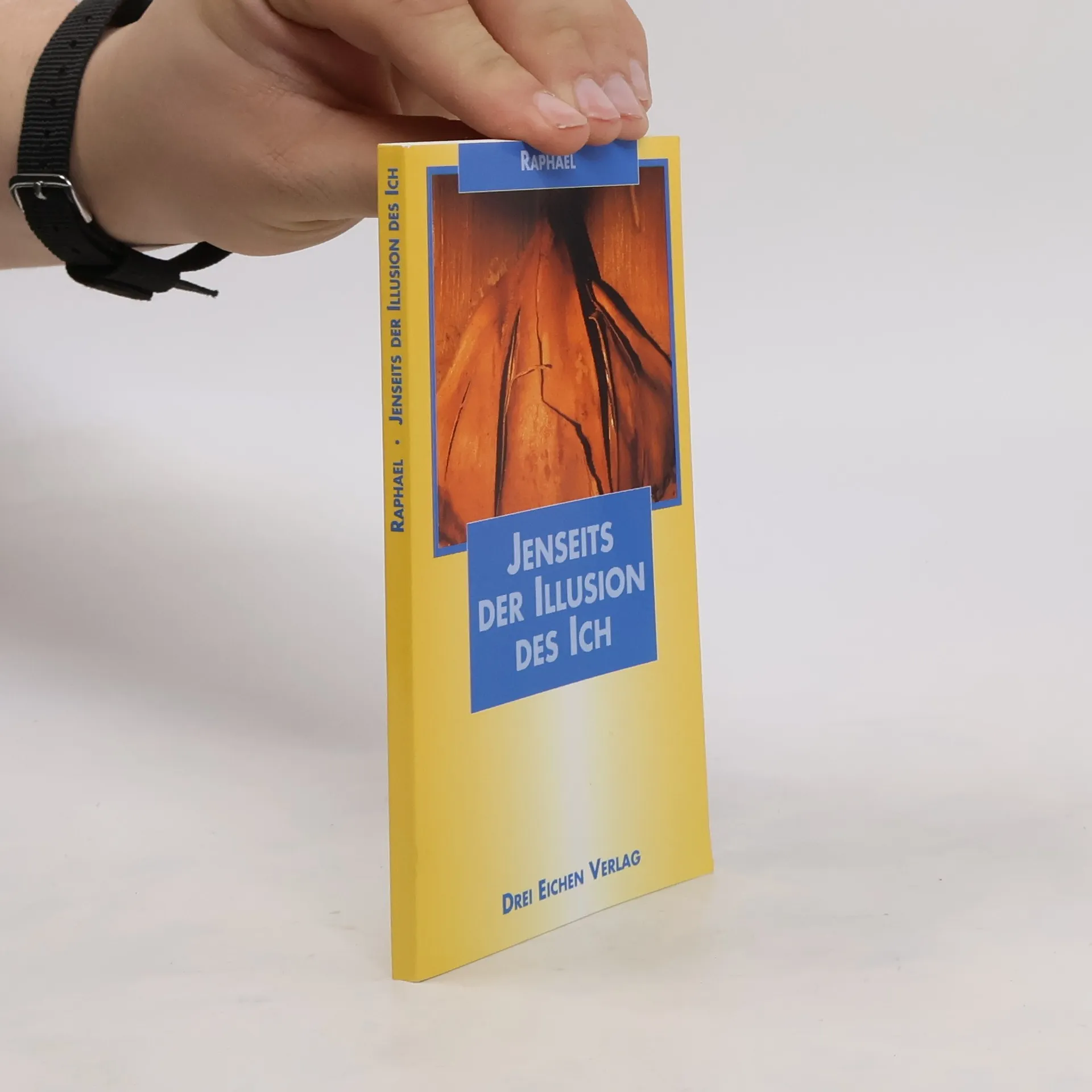
Raphael schenkt dem Leser eine tiefsinnige Meditation über das Geheimnis der Liebe im Geiste der Philosophie Platons. Ein Buch voller Poesie und Anmut, das sich dem unsterblichen Mysterium der Liebe auf eine Art und Weise nähert, wie sie Sokrates mit seinen Schülern praktizierte. Die Liebe wird emporgehoben aus der Banalität des Alltags und ihrer eigentlichen Bestimmung zugeführt – der kosmischen Verschmelzung gleichgestimmter Seelen. Ein Werk, das über den Geist das Herz verwandelt!
Innerhalb von nur 10 Jahren entwickelte sich Raffael von einem begabten Maler von Kirchendekorationen in der italienischen Provinz zu einem der größten Meister in der künstlerischen Gestaltung von historischen und mythologischen Themen überhaupt. Der brillant illustrierte Katalog beschreibt eindrucksvoll die dramatische Evolution eines der wichtigsten Maler der Kunstgeschichte. Dabei beleuchten die Essays und Katalogeinträge nicht nur die reichen Bestände der National Gallery, sondern bringen auch die großen internationalen Leihgaben (u. a. aus Washington, Paris, St. Petersburg und Florenz) nahe. Erstmalig so vereint, lassen sie diese große Ausstellung zu Raffael zu einem Höhepunkt des Ausstellungskalenders werden lassen.
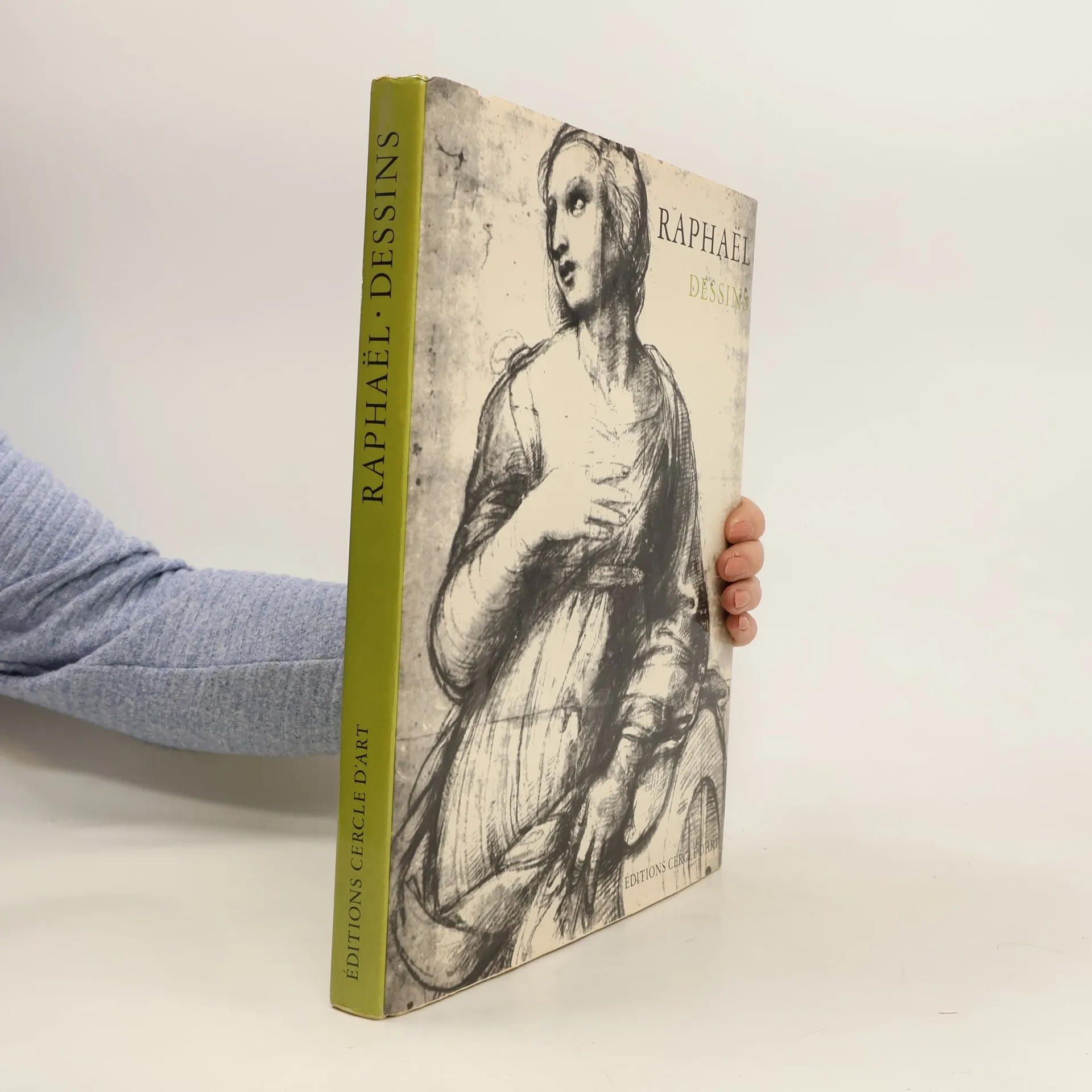
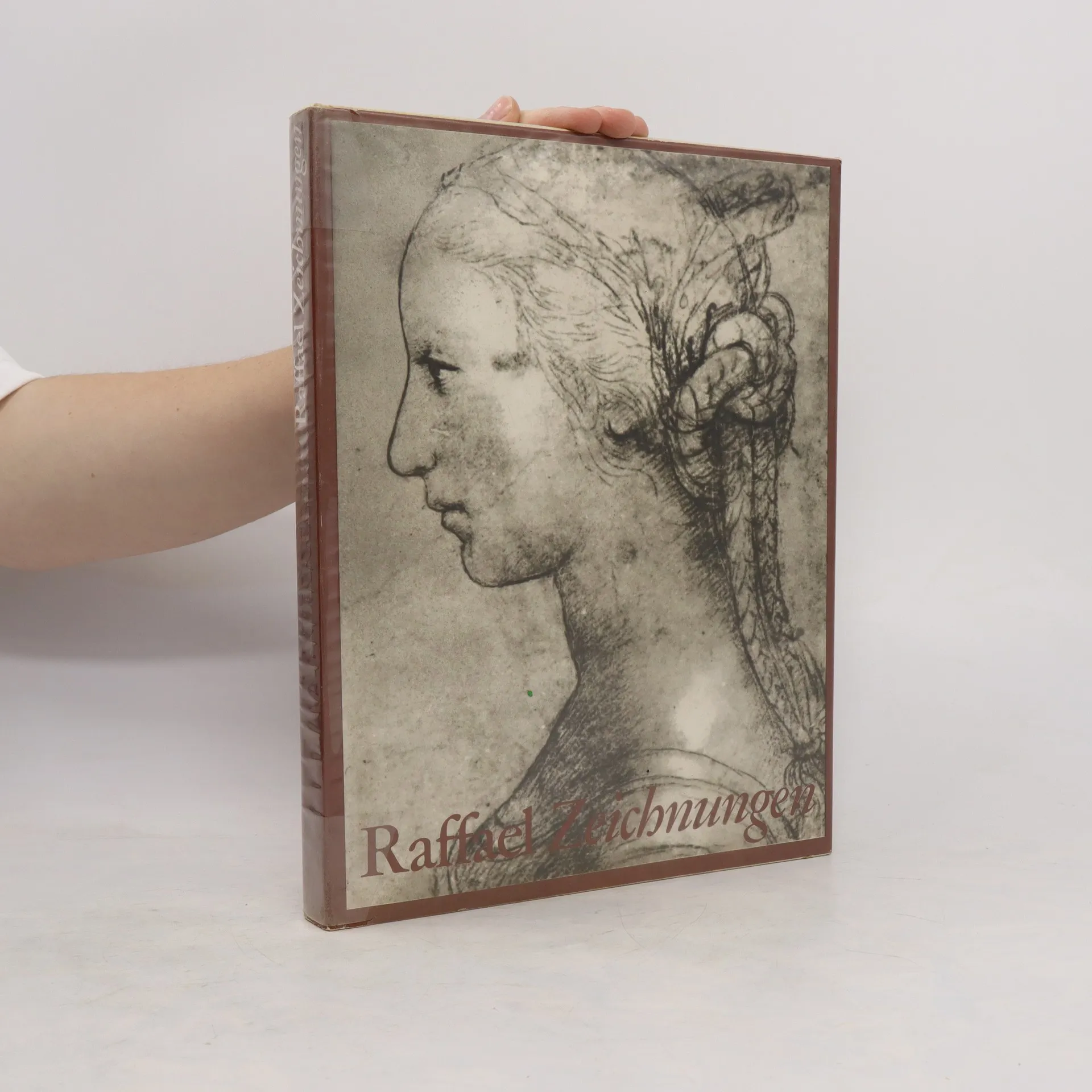
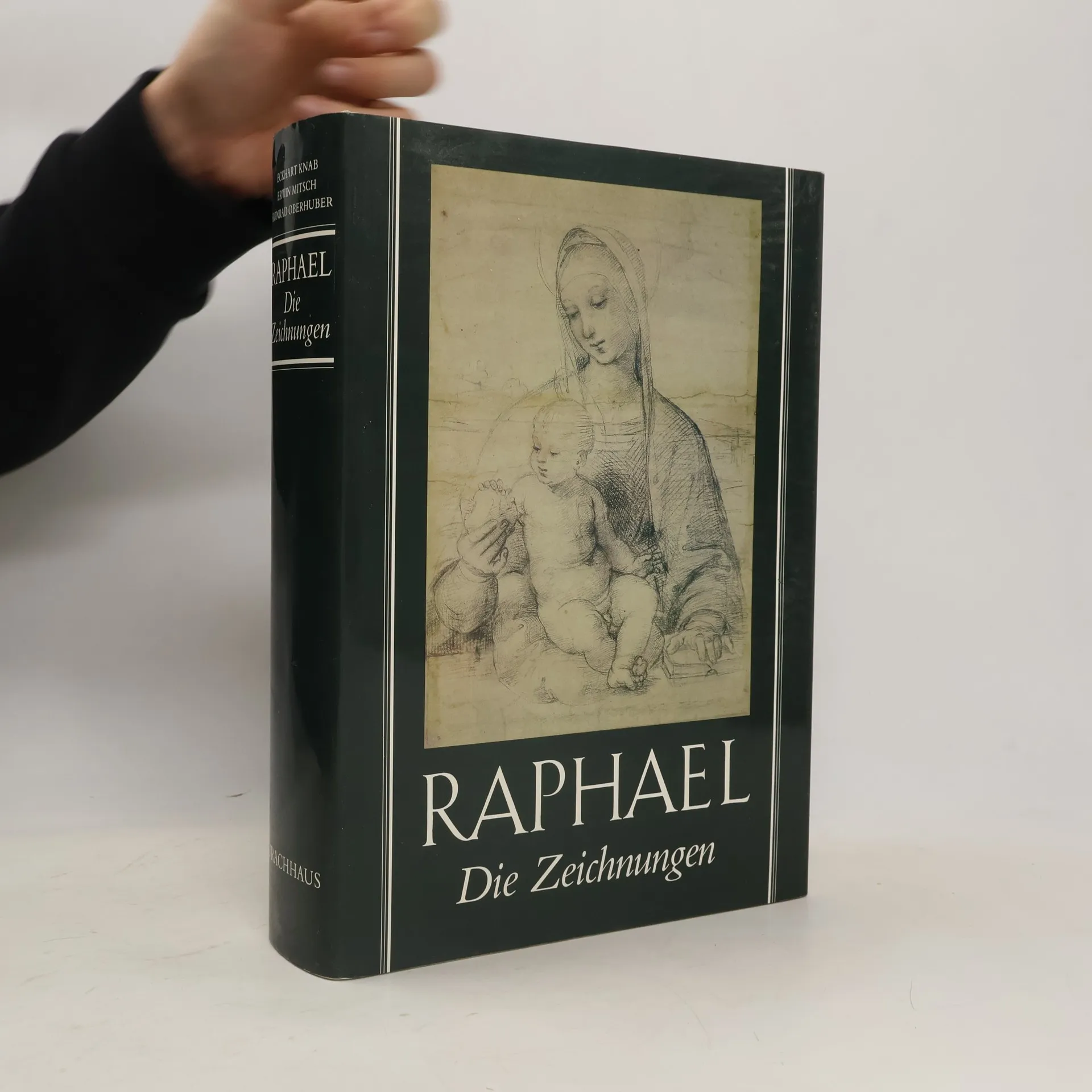
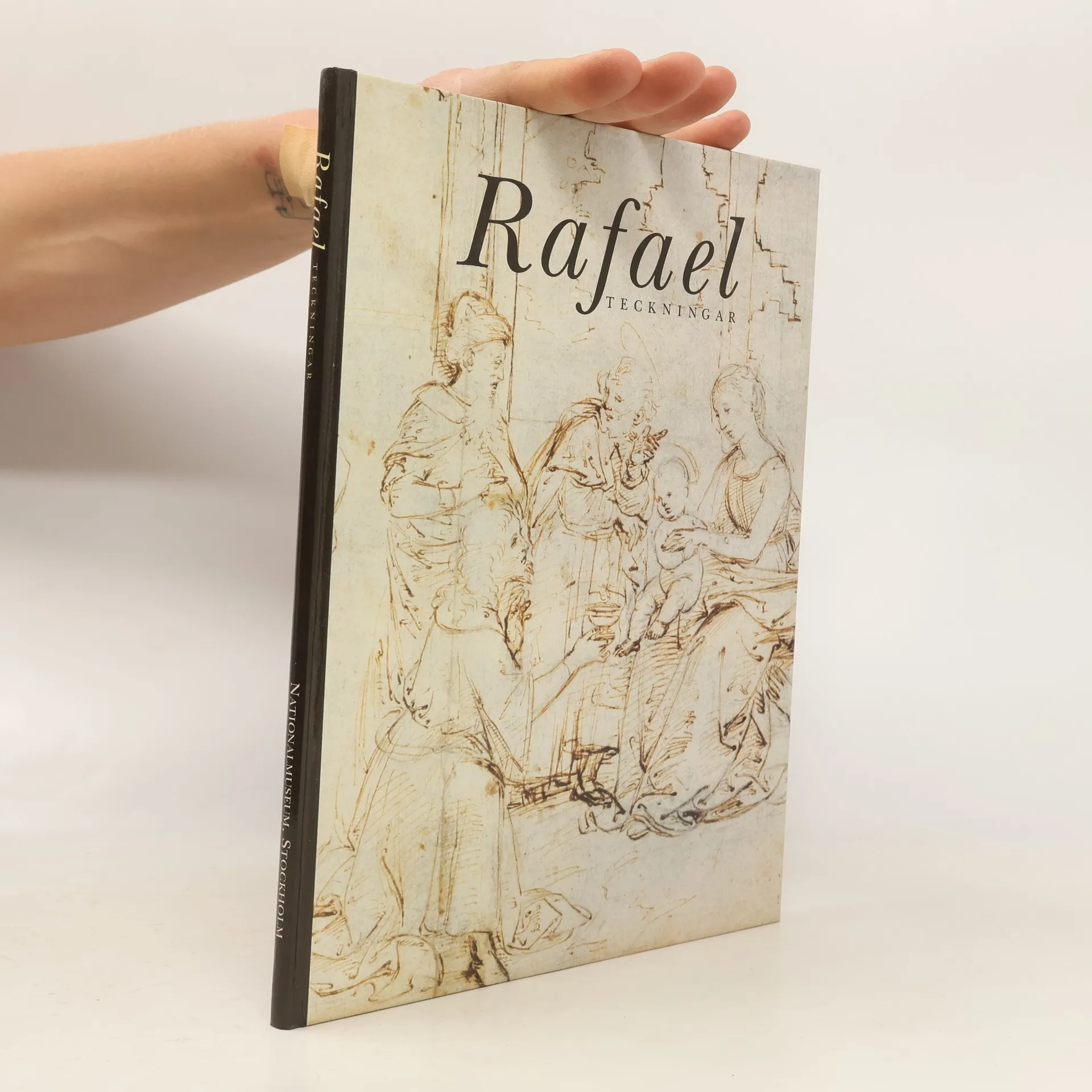
Raffael is a true universal genius of the High Renaissance, renowned as a painter and architect in Florence and Rome, working under the patronage of popes and princes. His masterful drawings illustrate his thought and working processes from initial design to final composition. This volume gathers around 150 drawings and paintings, encompassing all significant projects of the artist. Raffael (1483-1520) ranks among the most important masters in art history, alongside Leonardo da Vinci and Michelangelo. The most significant and beautiful drawings and paintings presented here provide an overview of all his creative phases, from the early Umbrian period through his years in Florence to his time in Rome. This wealth of material allows for an examination of Raffael's design methods and his preparatory processes for panel and canvas paintings as well as frescoes. Another focus is on the materials he used, such as silverpoint, pen, ink, charcoal, and red chalk, to achieve specific artistic objectives.
Erlebnisse einer Weltreise
Zweiundsechzig Bilder
Swedish English