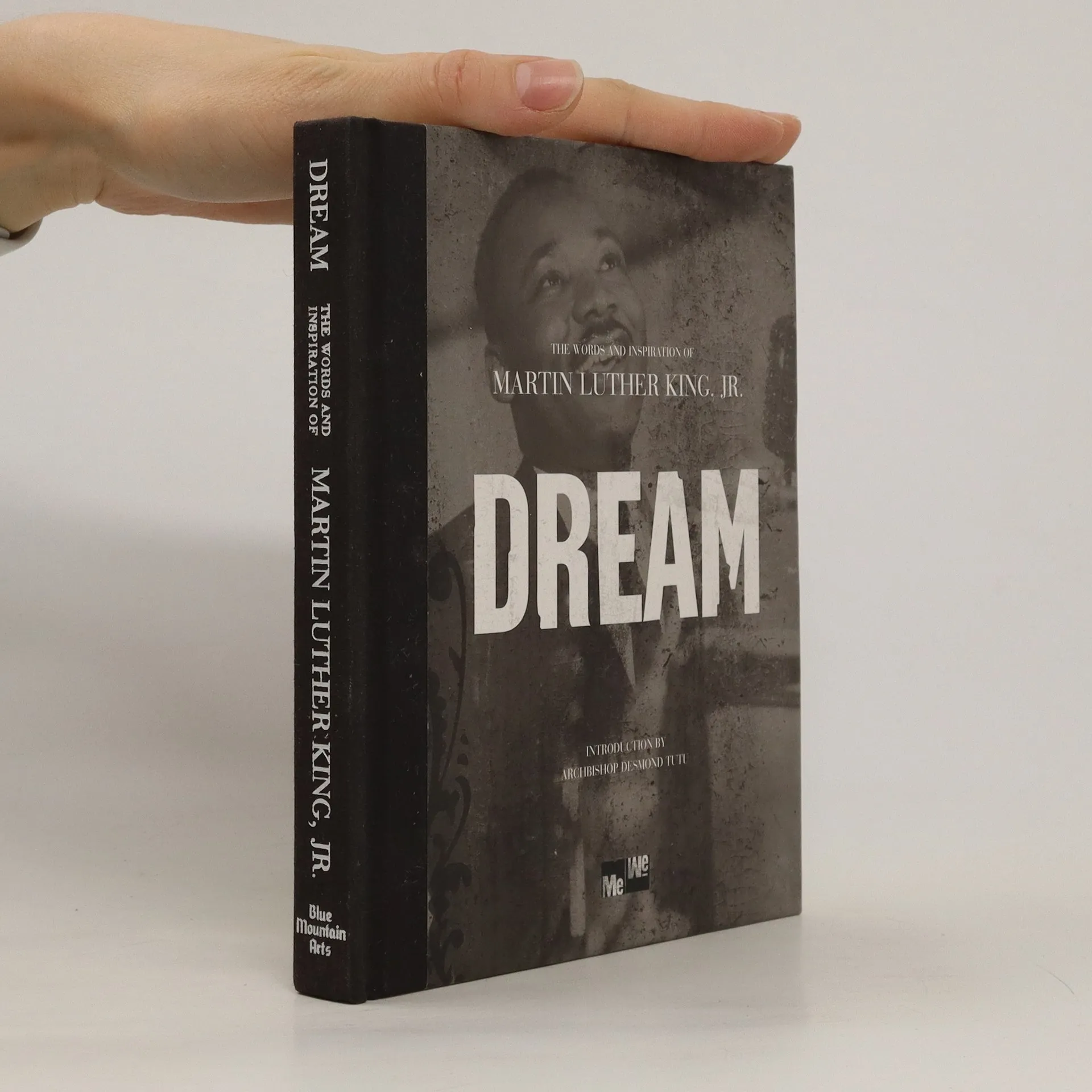
A beautiful collectible edition celebrating the 60th anniversary of Dr. Martin Luther King Jr's legendary speech at the March on Washington, part of Dr. King's archives published exclusively by HarperCollins. On August 28, 1963, Dr. Martin Luther King Jr. stood before thousands of Americans who had gathered at the Lincoln Memorial in Washington, D.C. in the name of civil rights. Including the immortal words, "I have a dream," Dr. King's keynote speech would energize a movement and change the course of history. With references to the Gettysburg Address, the Emancipation Proclamation, the Declaration of Independence, the U.S. Constitution, Shakespeare, and the Bible, Dr. King's March on Washington address has long been hailed as one of the greatest pieces of writing and oration in history. Profound and deeply moving, it is as relevant today as it was sixty years earlier. This beautifully designed hardcover edition presents Dr. King's speech in its entirety, paying tribute to this extraordinary leader and his immeasurable contribution, and inspiring a new generation of activists dedicated to carrying on the fight for justice and equality.
Martin Luther King Books
Martin Luther King Jr. emerged as a pivotal leader in the American civil rights movement, leveraging his role as a Baptist minister to unite and inspire. He masterfully employed oratory, most famously in his "I Have a Dream" speech, to raise public consciousness and advocate for equality. King championed civil disobedience and non-violent means to dismantle segregation and racial discrimination. His powerful words and unwavering commitment to justice continue to resonate, inspiring movements for social change globally.

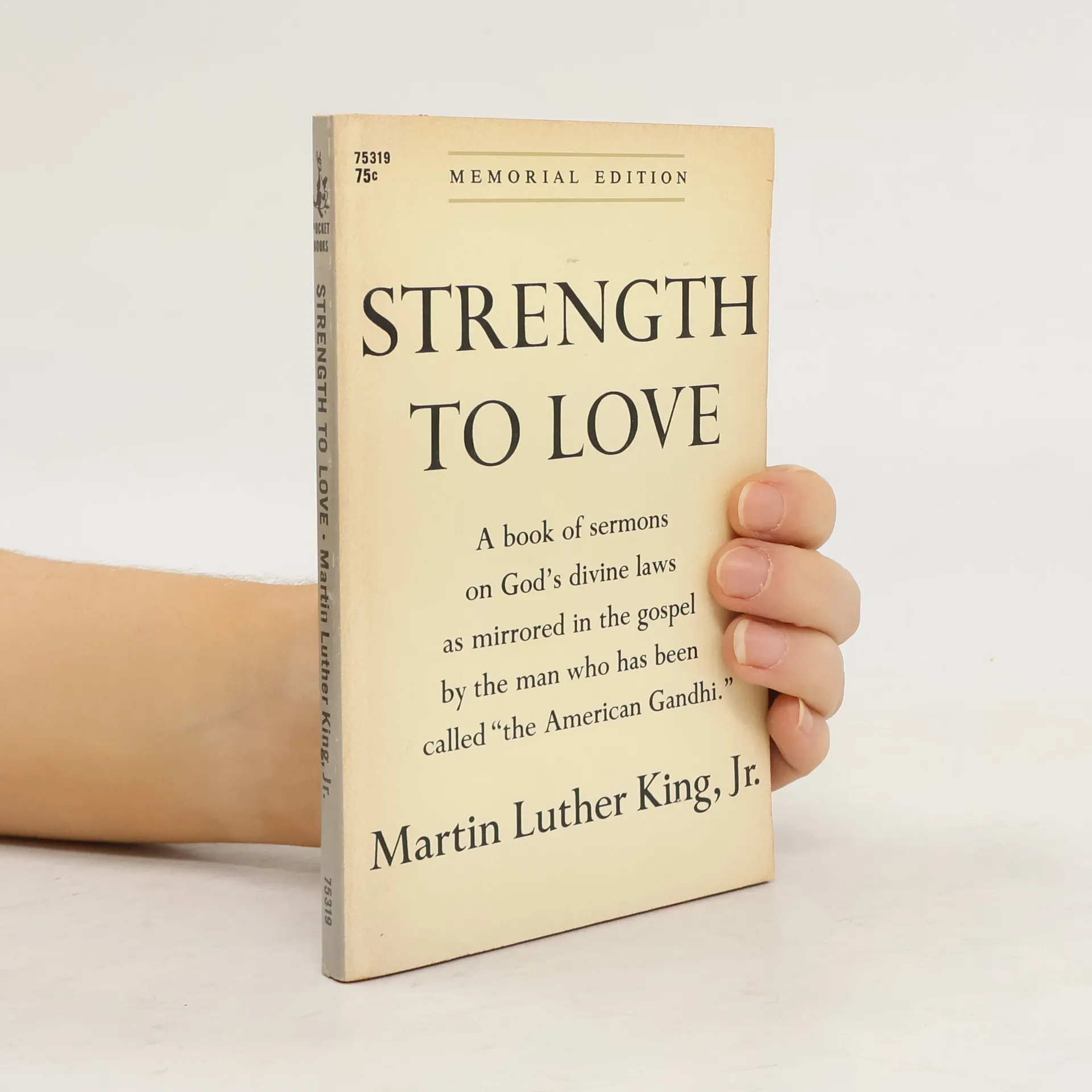
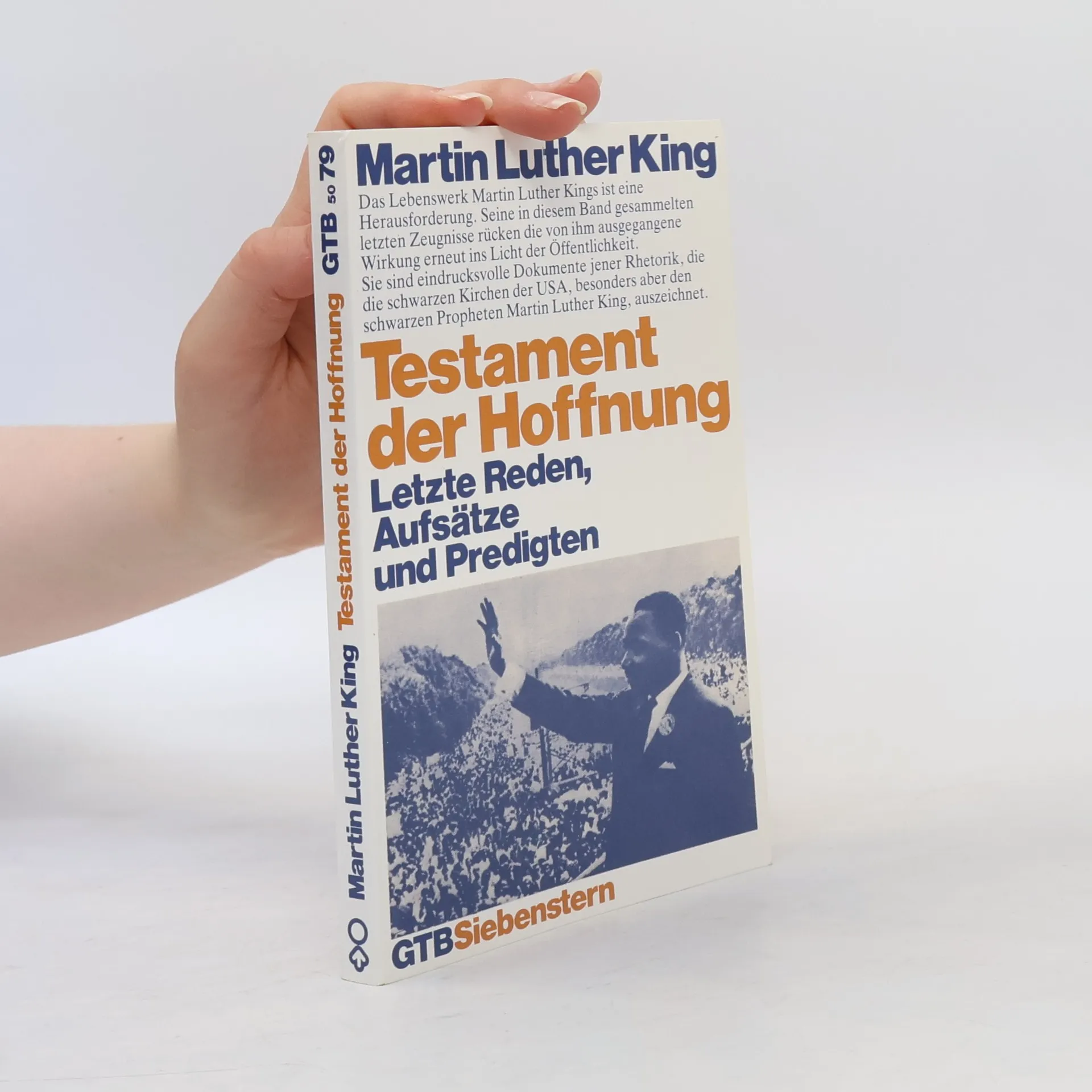
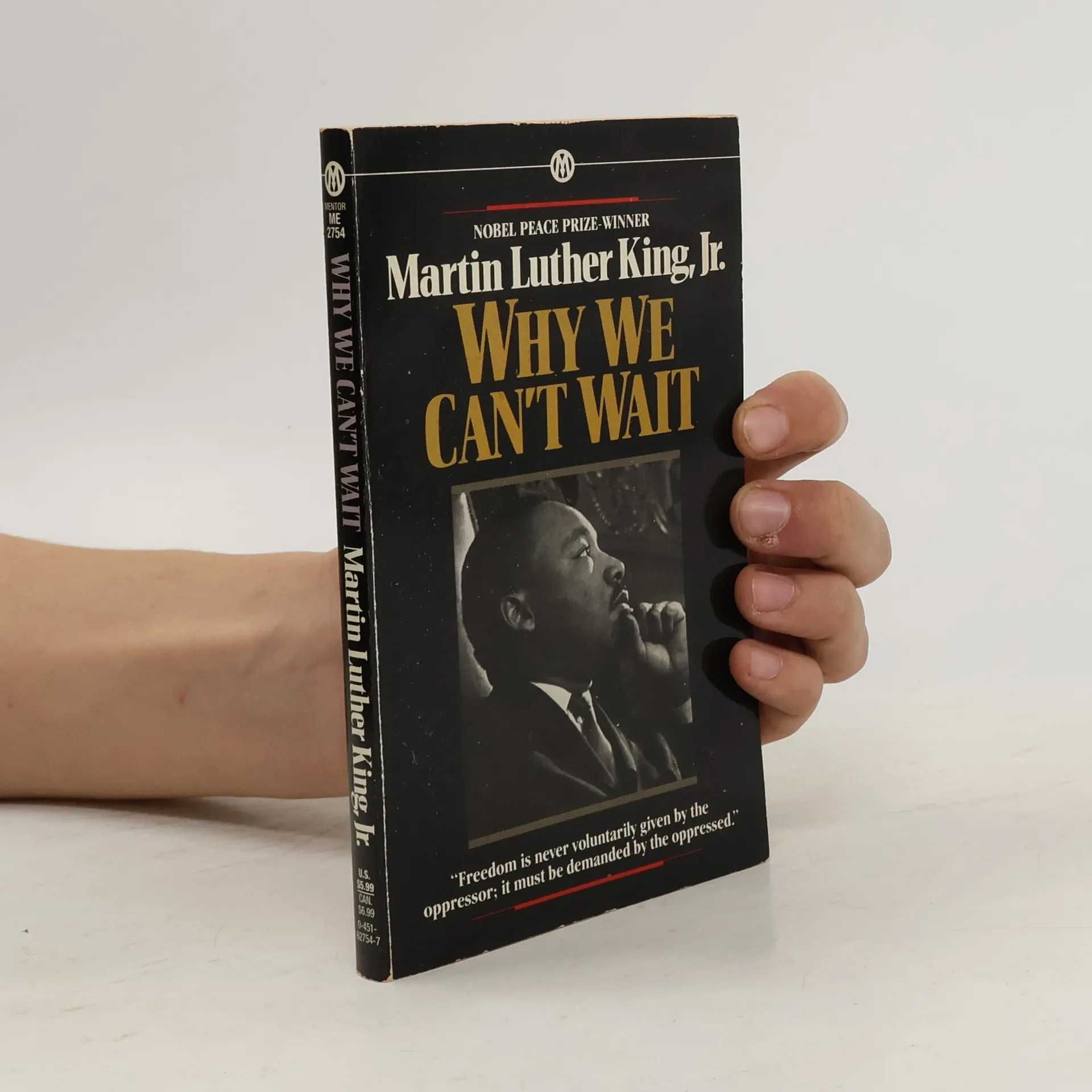
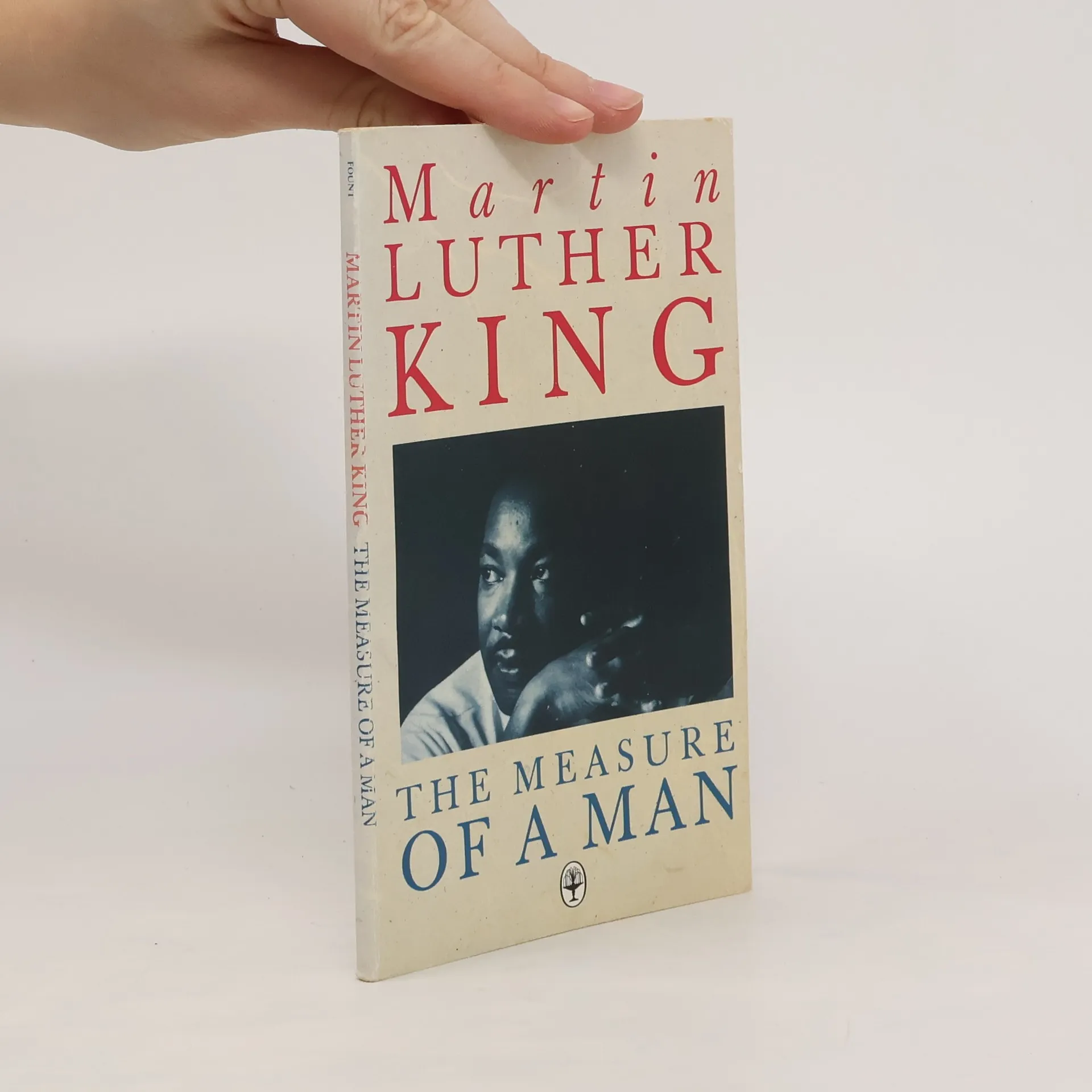

2013 Reprint of 1959 Edition. Exact facsimile of the original edition, not reproduced with Optical Recognition Software. In August 1958 Dr. Martin Luther King, Jr., preached two sermons, "What is Man?" and "The Dimensions of a Complete Life," at the first National Conference on Christian Education of the United Church of Christ at Purdue University. In response to demands made by conference attendees, King allowed publication of the addresses. With King's consent, the sermons were published by the Christian Education Press in a short book entitled, "The Measure of a Man." The press and King arranged for proceeds to be shared evenly, after the former had recovered its costs of publication. King first developed the theme of "What Is Man?" during his seminary days. King believed the sermon's title to be "one of the most important questions confronting any generation," proposing that man is many things: "a biological being," "a being of spirit" who is "made in the image of God" and "sinners in need of God's divine grace."
Letter from Birmingham Jail
- 64 pages
- 3 hours of reading
Oppressed people cannot remain oppressed forever.
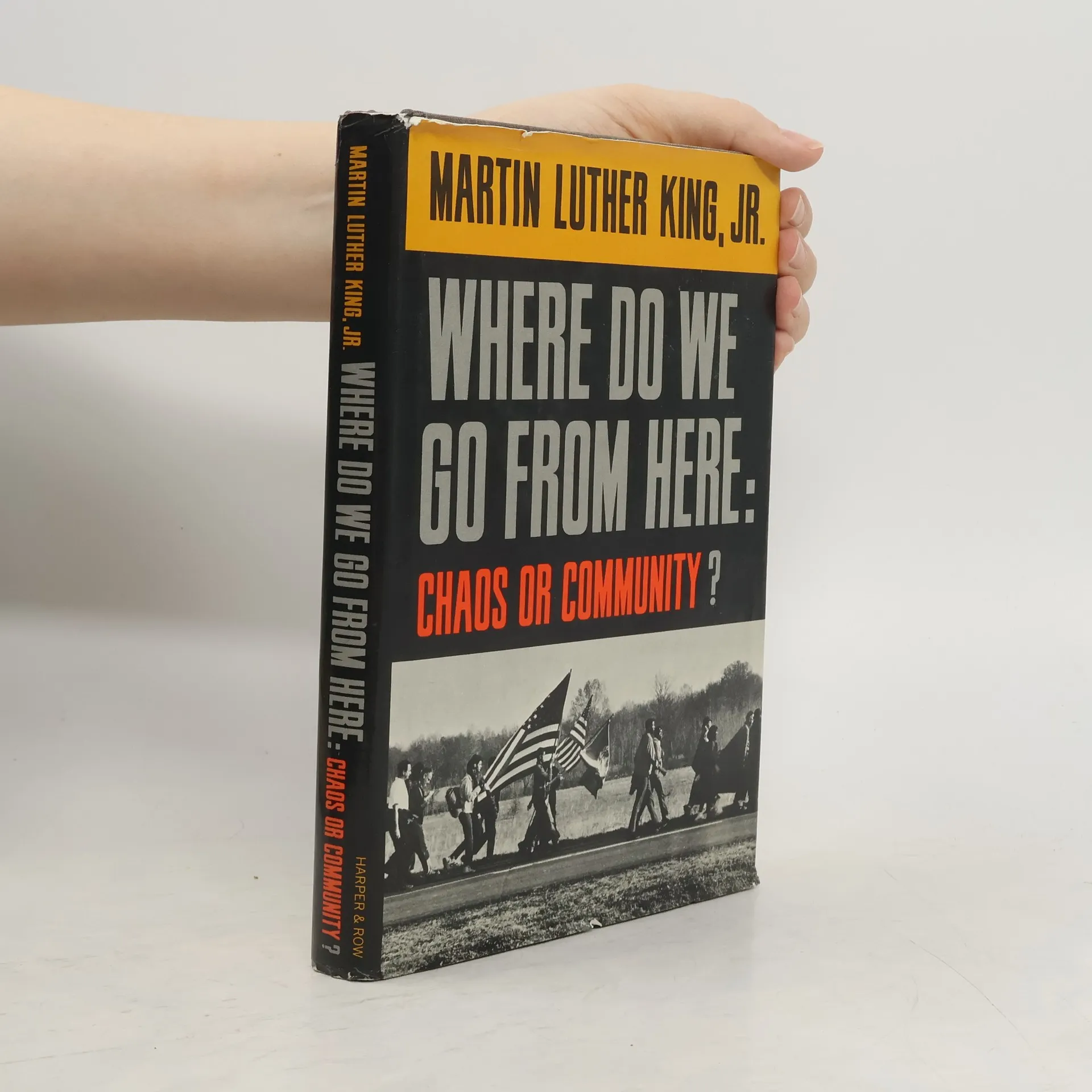
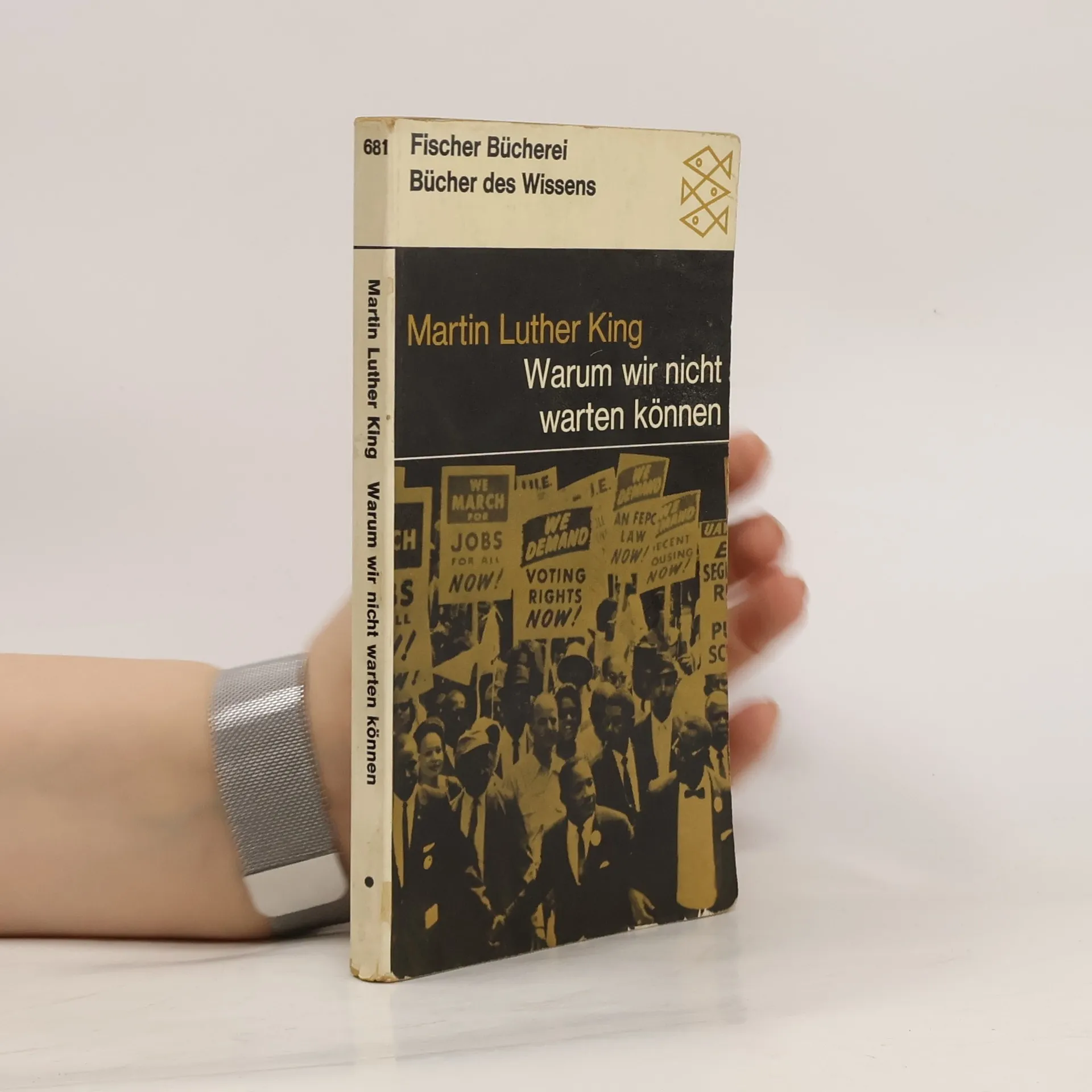
Explains the Afro-American's dissatisfaction with the slow progress in attaining equal rights that are long overdue
"We've got some difficult days ahead," civil rights activist Martin Luther King, Jr., told a crowd gathered at Memphis's Clayborn Temple on April 3, 1968. "But it really doesn't matter to me now because I've been to the mountaintop. . . . And I've seen the promised land. I may not get there with you. But I want you to know tonight that we as a people will get to the promised land." These prohetic words, uttered the day before his assassination, challenged those he left behind to see that his "promised land" of racial equality became a reality; a reality to which King devoted the last twelve years of his life. These words and other are commemorated here in the only major one-volume collection of this seminal twentieth-century American prophet's writings, speeches, interviews, and autobiographical reflections. A Testament of Hope contains Martin Luther King, Jr.'s essential thoughts on nonviolence, social policy, integration, black nationalism, the ethics of love and hope, and more.
Dr. King's sermons blend Christian teachings with his revolutionary concepts of love and nonviolence, advocating these principles as powerful tools against hate and oppression. This collection highlights his profound insights and moral philosophy, emphasizing the importance of compassion and peaceful resistance in the struggle for justice and equality. Through his eloquent words, readers are invited to reflect on the transformative power of love in the face of adversity.
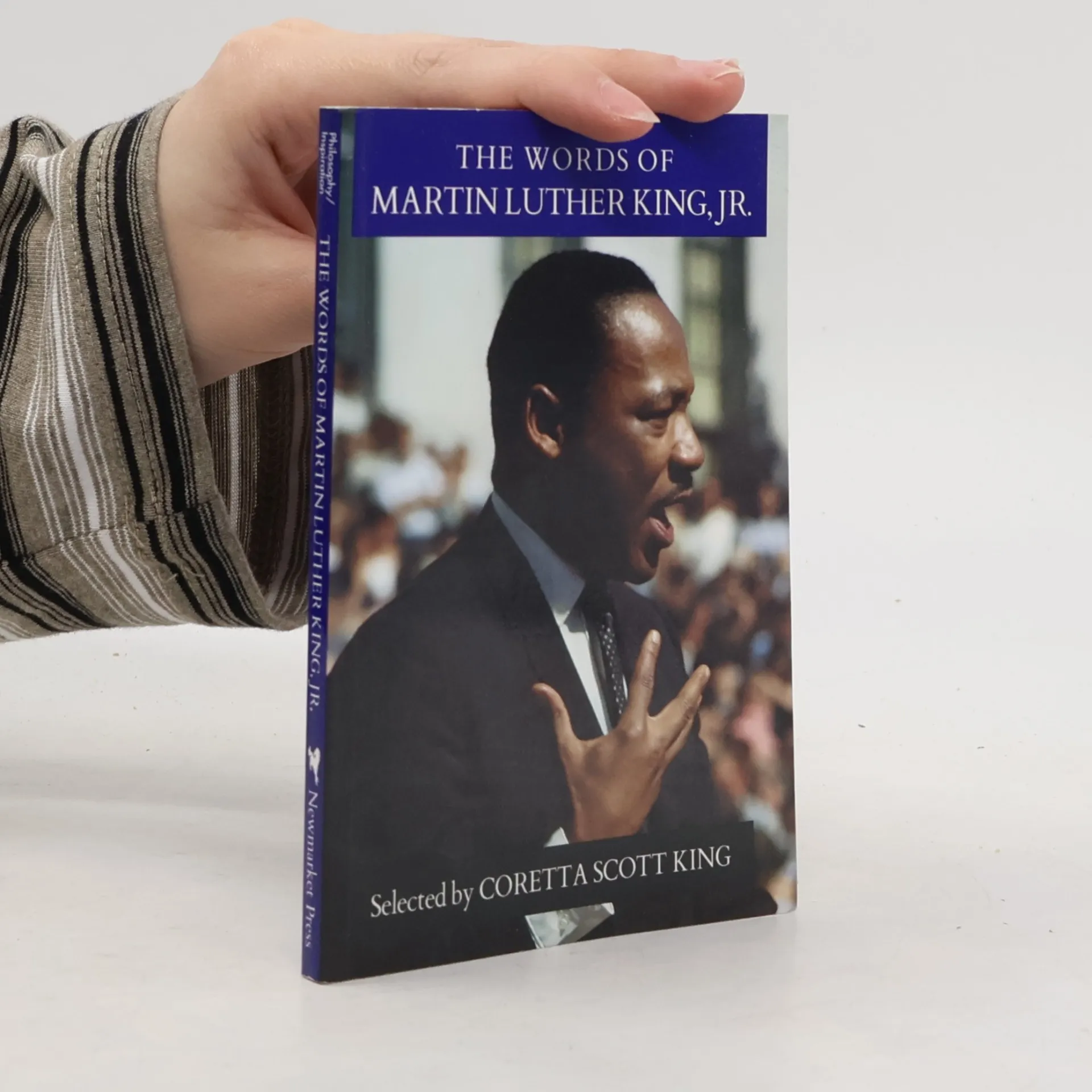
More than 120 quotations on the community of man, racism, civil rights, justice and freedom, faith and religion, nonviolence, and peace.
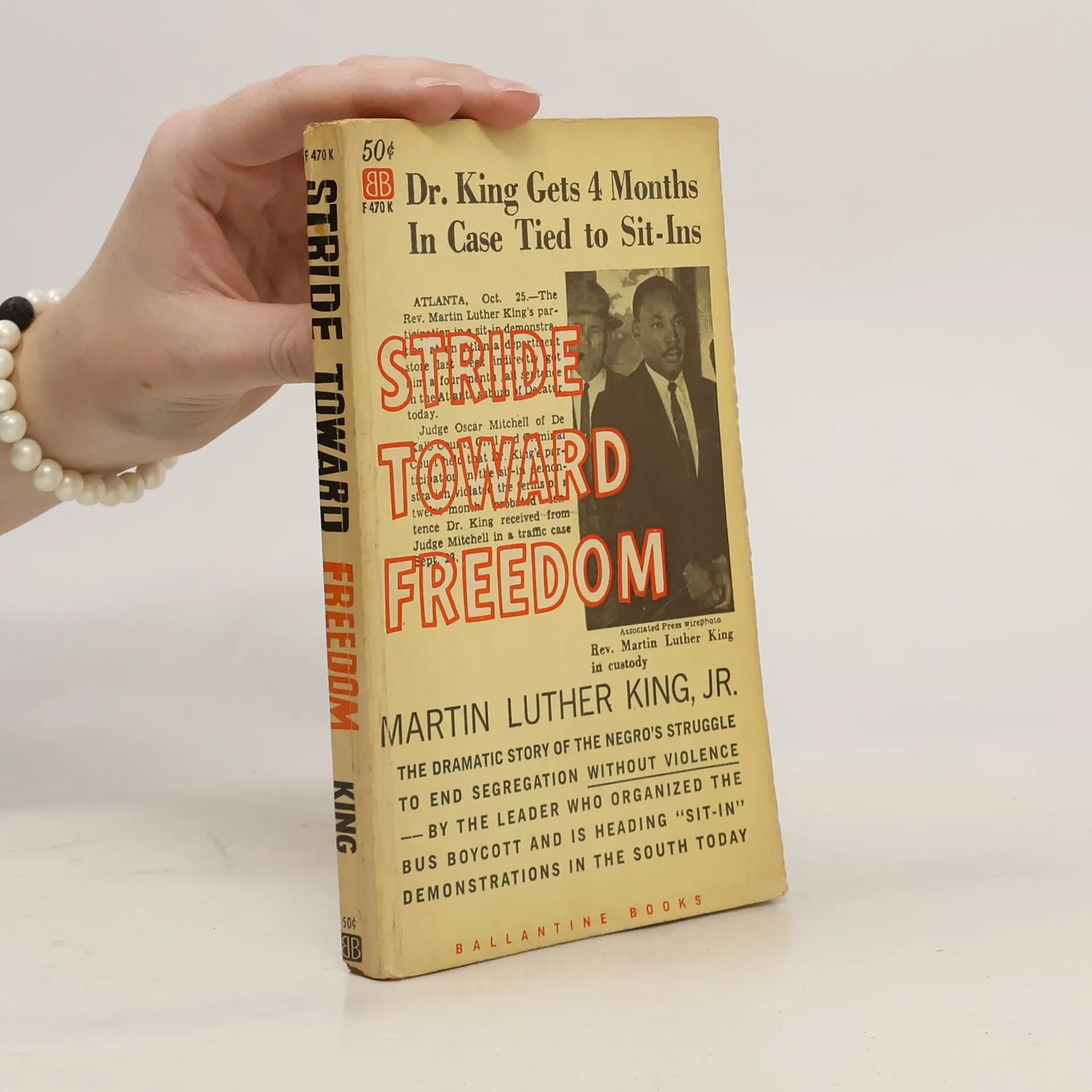
The inspiring account of the march towards American Civil Rights, as told by Martin Luther King, Jr.
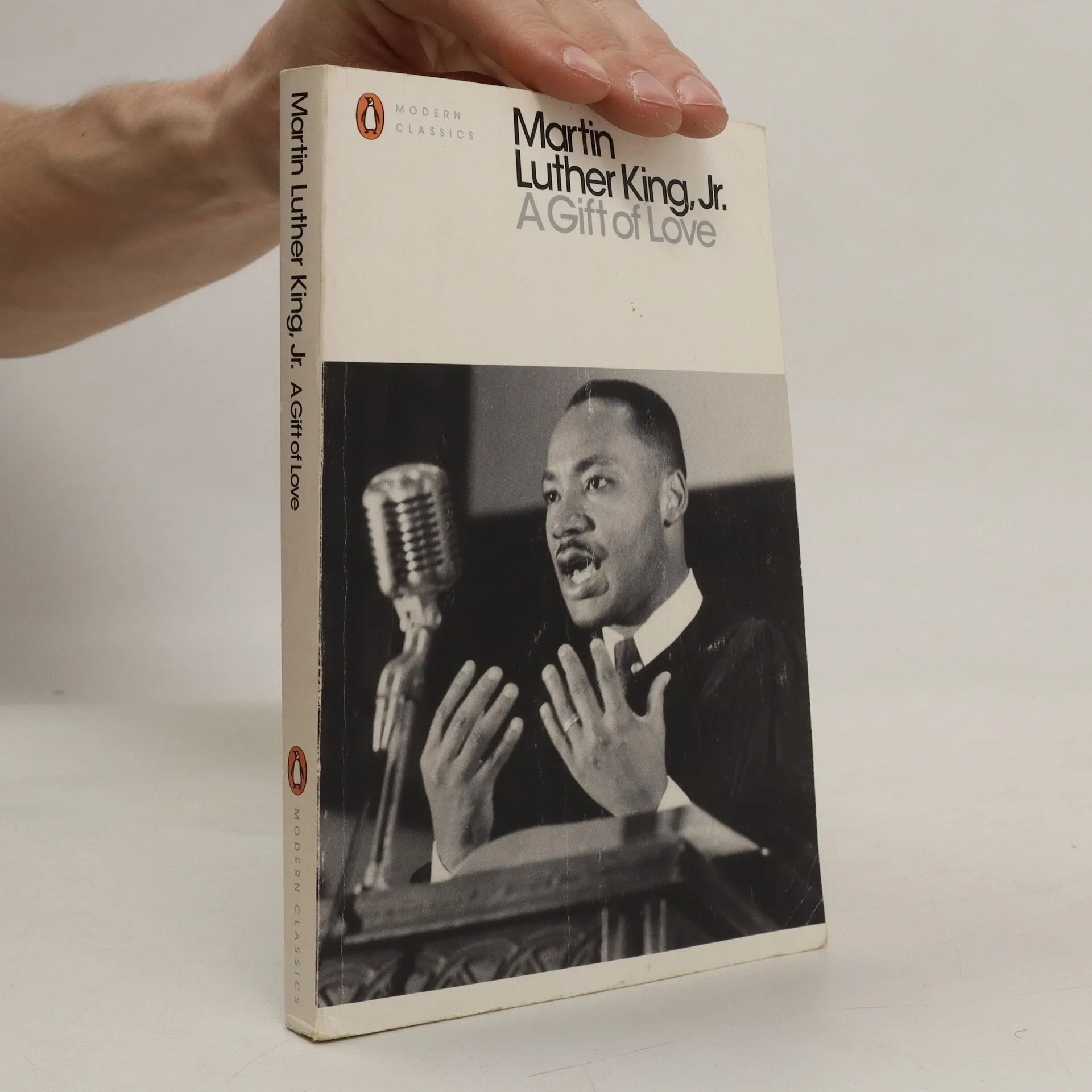
A Gift of Love
- 224 pages
- 8 hours of reading
'[He] inspired a generation ... He changed the course of history' Barack Obama As Martin Luther King, Jr. prepared for the Birmingham campaign in early 1963, he drafted the final sermons for Strength to Love, a volume of his best-known lectures. King had begun working on the sermons during a fortnight in jail in July 1962 and A Gift of Love includes these classic sermons, along with two new lectures. Drawing inspiration from both his Christian faith and the non-violent philosophy of Mahatma Gandhi, A Gift of Love illustrates King's vision of love and peaceful action as social and political forces for change.
A collection of words and inspiration by four of the 20th Century's most preeminent humanitarians. Each book in this series features an introduction by Archbishop Desmond Tutu.
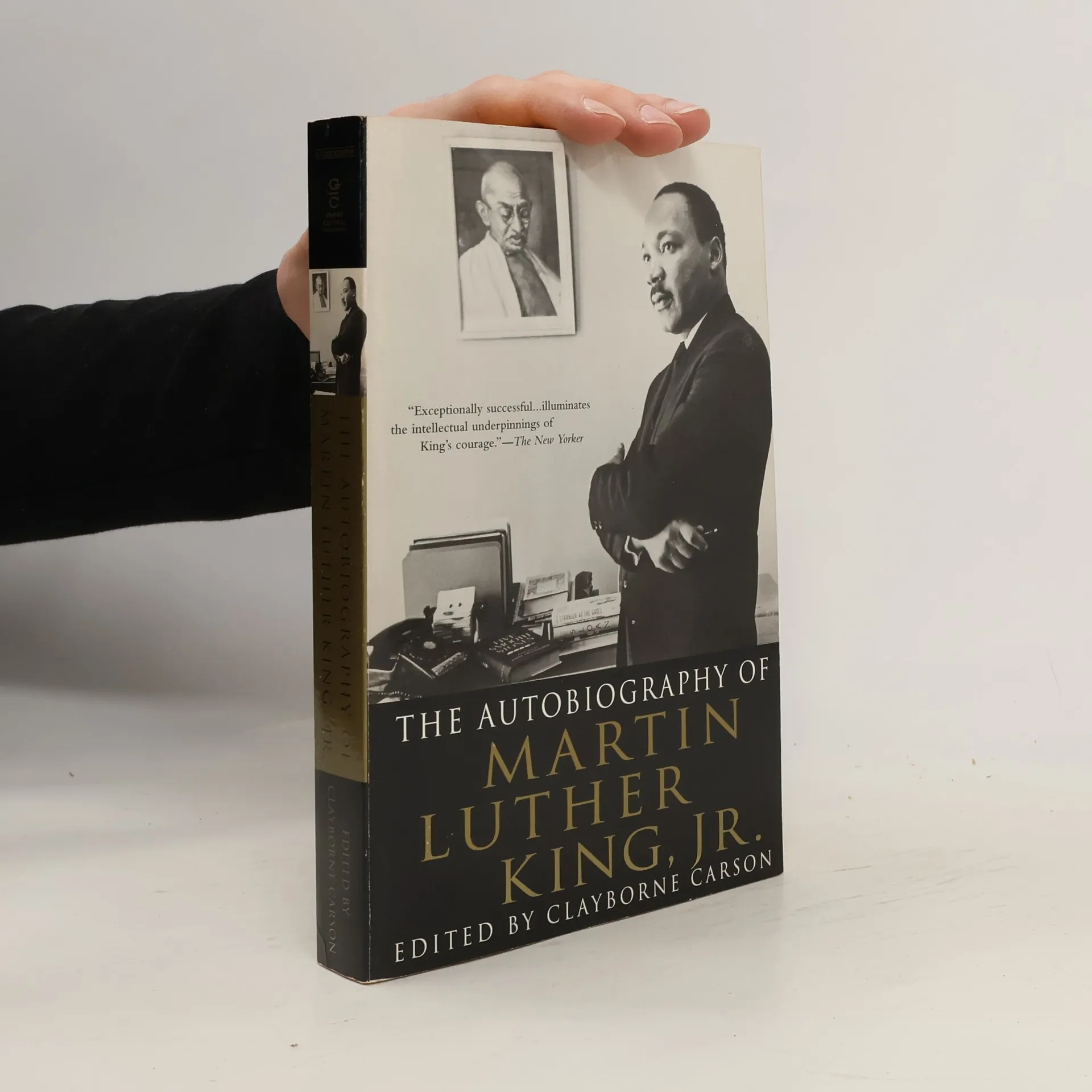
Autobiography of Martin Luther King, Jr
- 416 pages
- 15 hours of reading
This definitive box set includes all the landmark speeches of the great orator and American leader Martin Luther King, Jr., from his inspirational "I Have a Dream" to his firey "Give Us the Ballot." Comprised of recordings previously included in A Call to Conscience and A Knock at Midnight, THE ESSENTIAL BOX SET is a must-have for any home, library, or school collection.
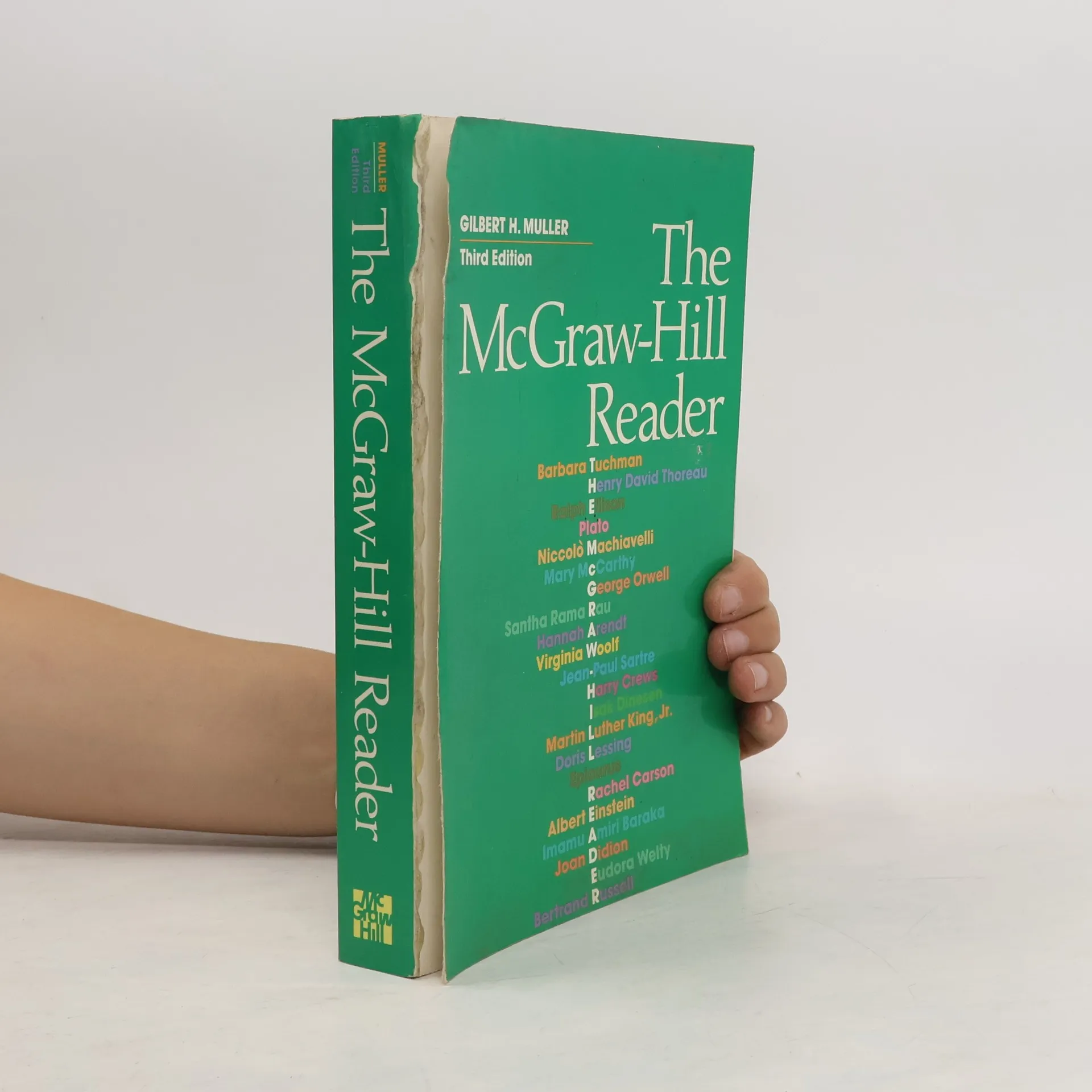
The McGraw-Hill Reader: Third Edition
- 725 pages
- 26 hours of reading
Approaching a liberal arts tradition in the classroom, across the curriculum, and beyond, The McGraw-Hill Reader offers rich and diverse readings in education, the social sciences, business and economics, the humanities, and the sciences. This new eleventh edition offers a new focus on reading and composing across various media; it includes over 100 selections from prominent thinkers and writers; each essay was chosen to provoke critical thought and encourage effective writing.
Maori
- 287 pages
- 11 hours of reading
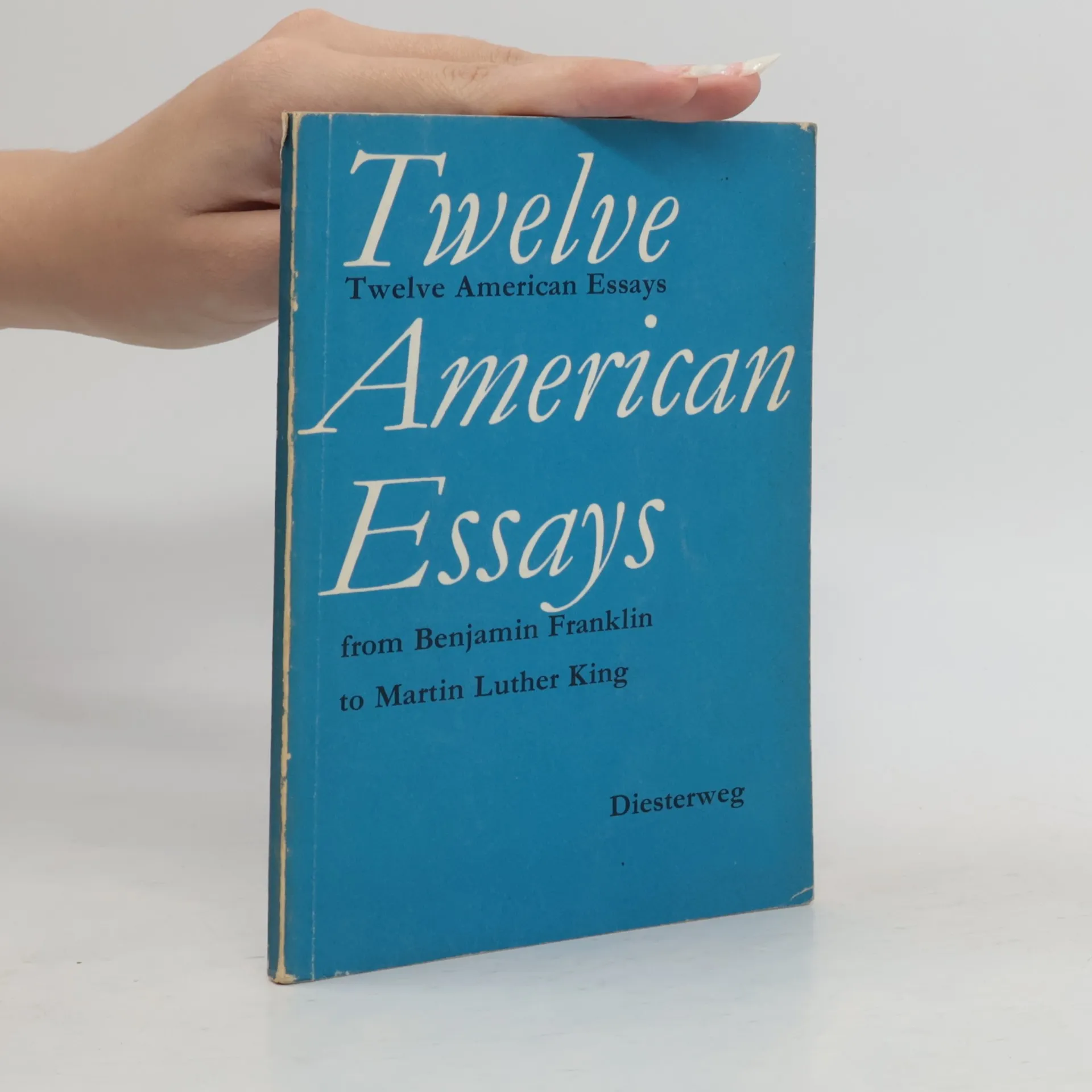
Twelve American Essays
From Benjamin Franklin to Martin Luther King
Uscito nel 1963 e pubblicato in Italia con il titolo "La forza di amare", questo e sicuramente uno dei libri piu famosi di Martin Luther King in italiano. Un'opera intensa, forte, dal messaggio piu che mai attuale, che parla ancora oggi a tutti noi. Un libro in cui si fondono mirabilmente - raggiungendo un equilibrio forse ineguagliato - le due "anime" di King: il pastore cristiano, che fa del sermone il mezzo preferito per rivolgersi ai fratelli, lui che non aveva intenzione di fare altro che rimanere un pastore, e l'attivista per i diritti civili, in un'epoca in cui la segregazione razziale macchiava ancora con la sua vergogna la nazione americana. Oggi il libro viene riproposto al pubblico italiano in una nuova edizione, nel 50 anniversario dell'assassinio dell'autore (4 aprile 1968), con l'aggiunta di un testo totalmente inedito in Italia, in cui King raccoglie le impressioni suscitategli da un recente viaggio in Terra Santa. Un viaggio che lo segno in maniera indelebile: Non dimentichero mai quello che ho provato dentro di me.
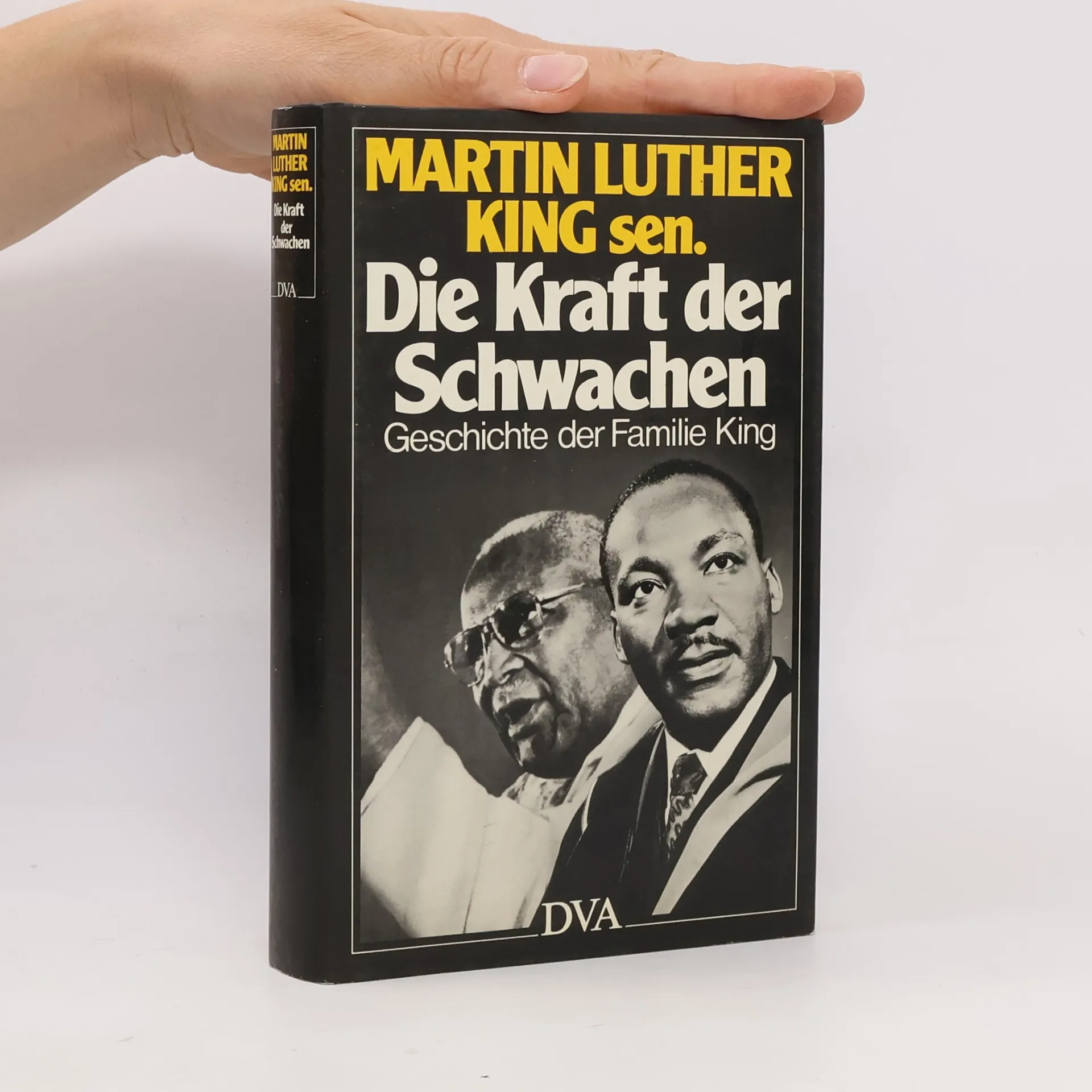
Die Kraft der Schwachen
- 262 pages
- 10 hours of reading
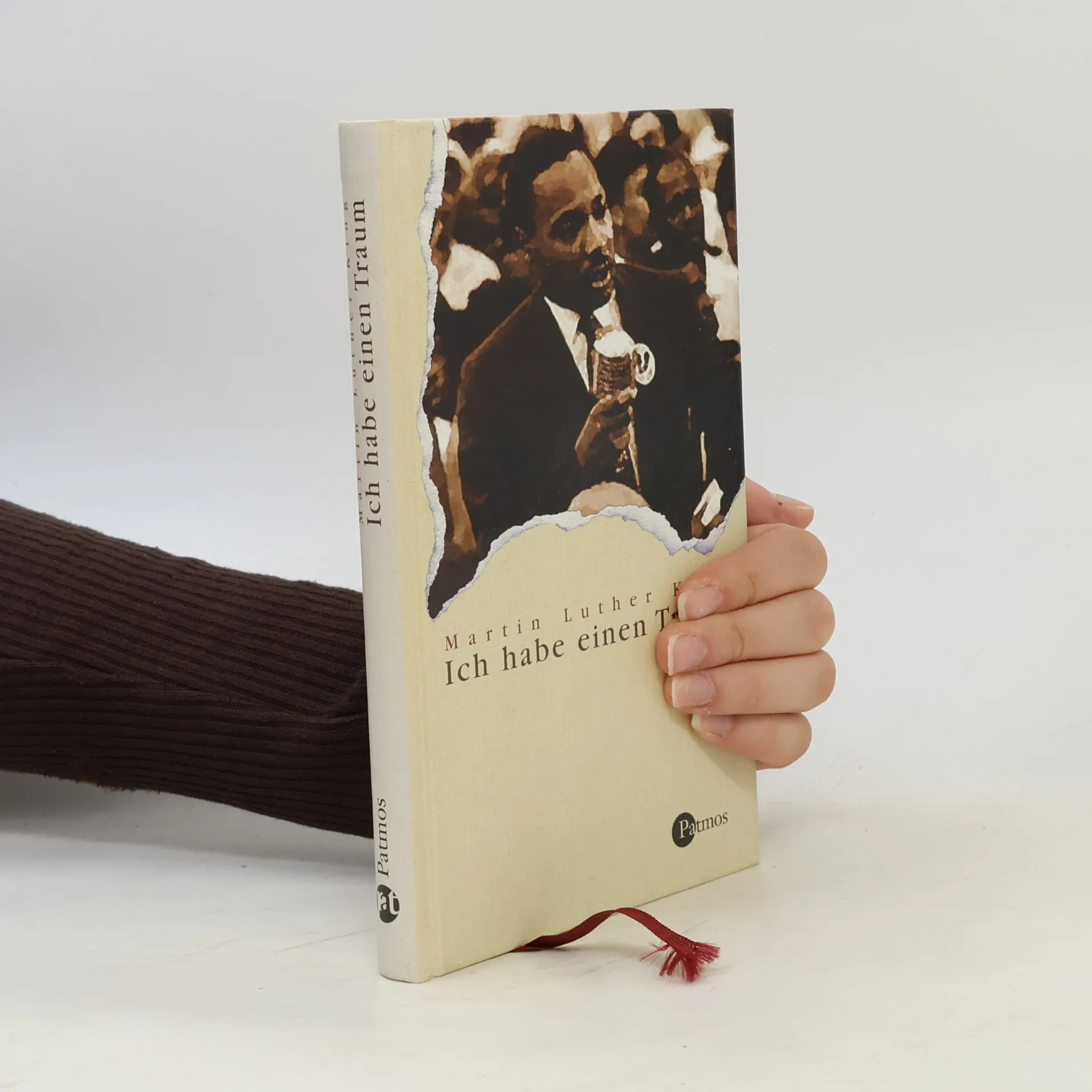
Ich habe einen Traum
- 140 pages
- 5 hours of reading
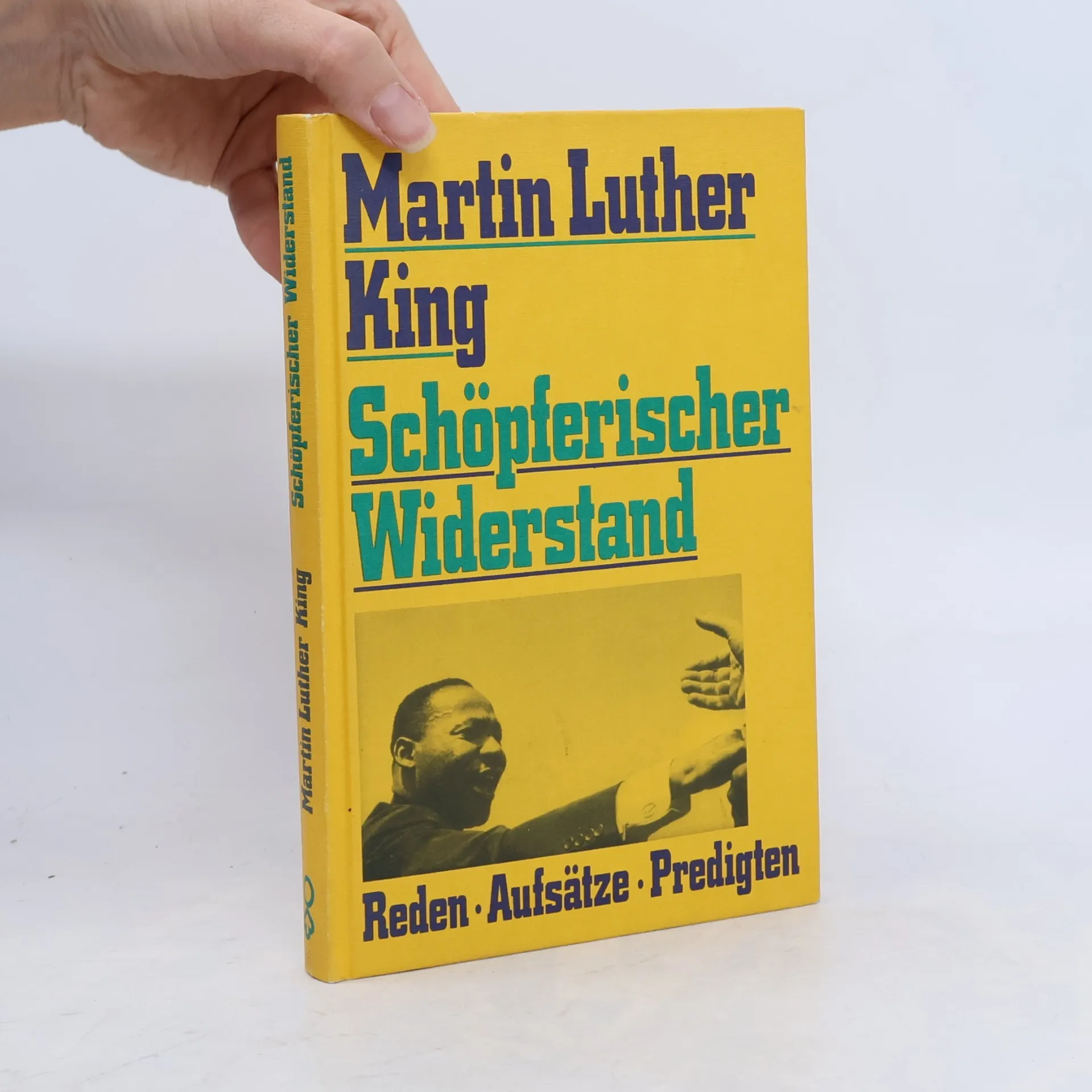
„Glauben Sie mir, wenn ich vor dem Problem stünde, würde ich den Kriegsdienst aus Gewissensgründen verweigern. Ich würde nicht einmal als Militärgeistlicher dienen.“ gestand Martin Luther King einem Reporter 1967 und bezog damit klare Stellung zum Vietnamkrieg. Denn, so King „. es ist unsere Aufgabe, für die Schwachen zu sprechen, für die, die keine Stimme haben, für die Opfer unserer Nation, für die, die sie Feinde nennt, denn keine von Menschen angefertigte Erklärung kann diese zu weniger machen als zu unseren Brüdern.“ Die Reden, Aufsätze und Predigten des 1968 ermordeten schwarzen Bürgerrechtlers und Friedensnobelpreisträgers zählen inzwischen zu den Klassikern der „Weltbotschaften“, sein legendärer Ausspruch „Ich habe einen Traum“ ist immer noch Hoffnungsträger für die unterdrückten Völker dieser Erde. Bezeichnend auch, dass der Martin-Luther-King-Day einer der wenigen offiziellen Feiertage in den USA ist, eine Nation verneigt sich damit vor den Visionen eines echten Pazifisten. Seine Texte zeigen, wie Wut und Hass umgewandelt werden können zu schöpferischer Kraft in jedem Menschen, und sie sind heute aktueller denn je.
Schöpferischer Widerstand
- 151 pages
- 6 hours of reading
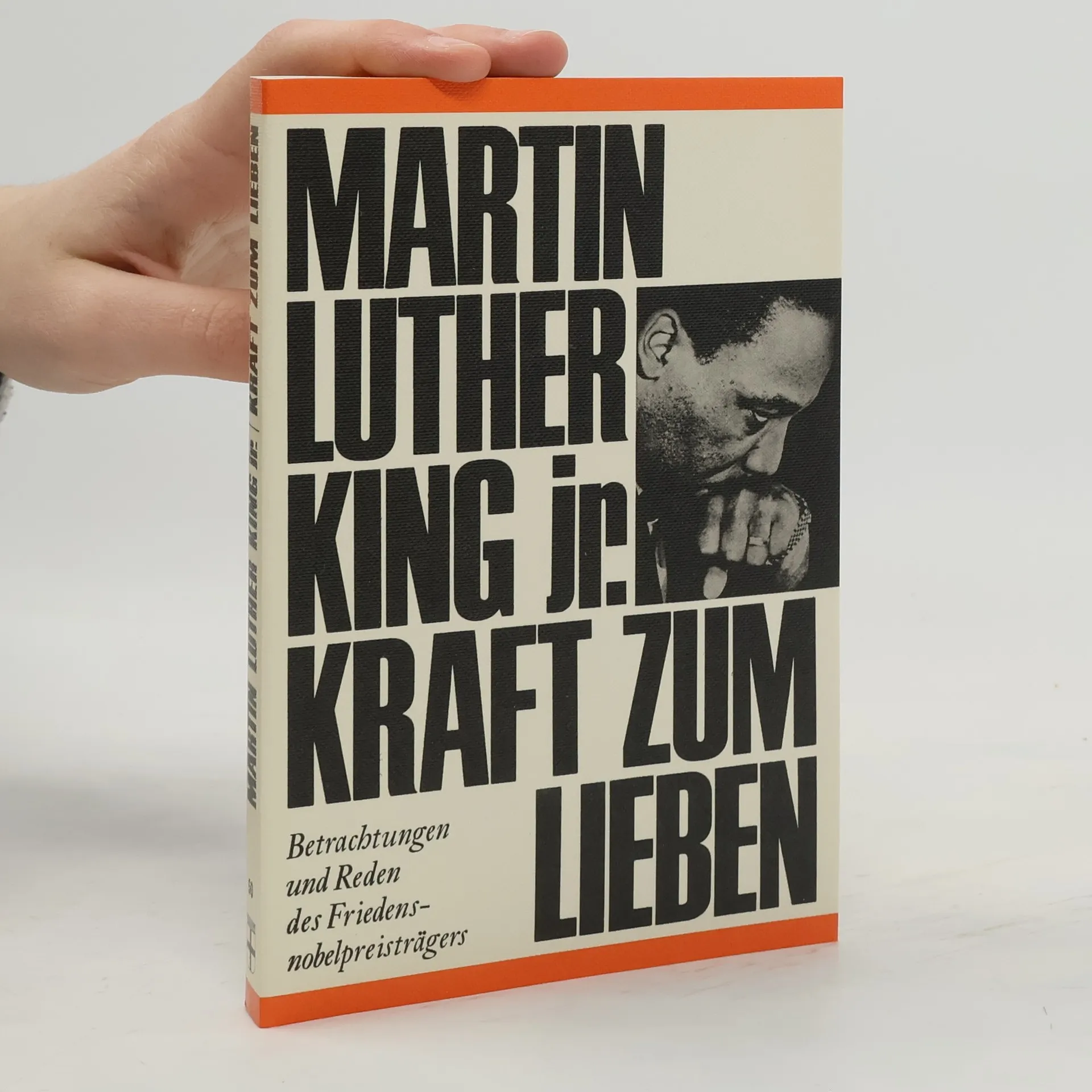
Kraft zum Lieben
- 234 pages
- 9 hours of reading
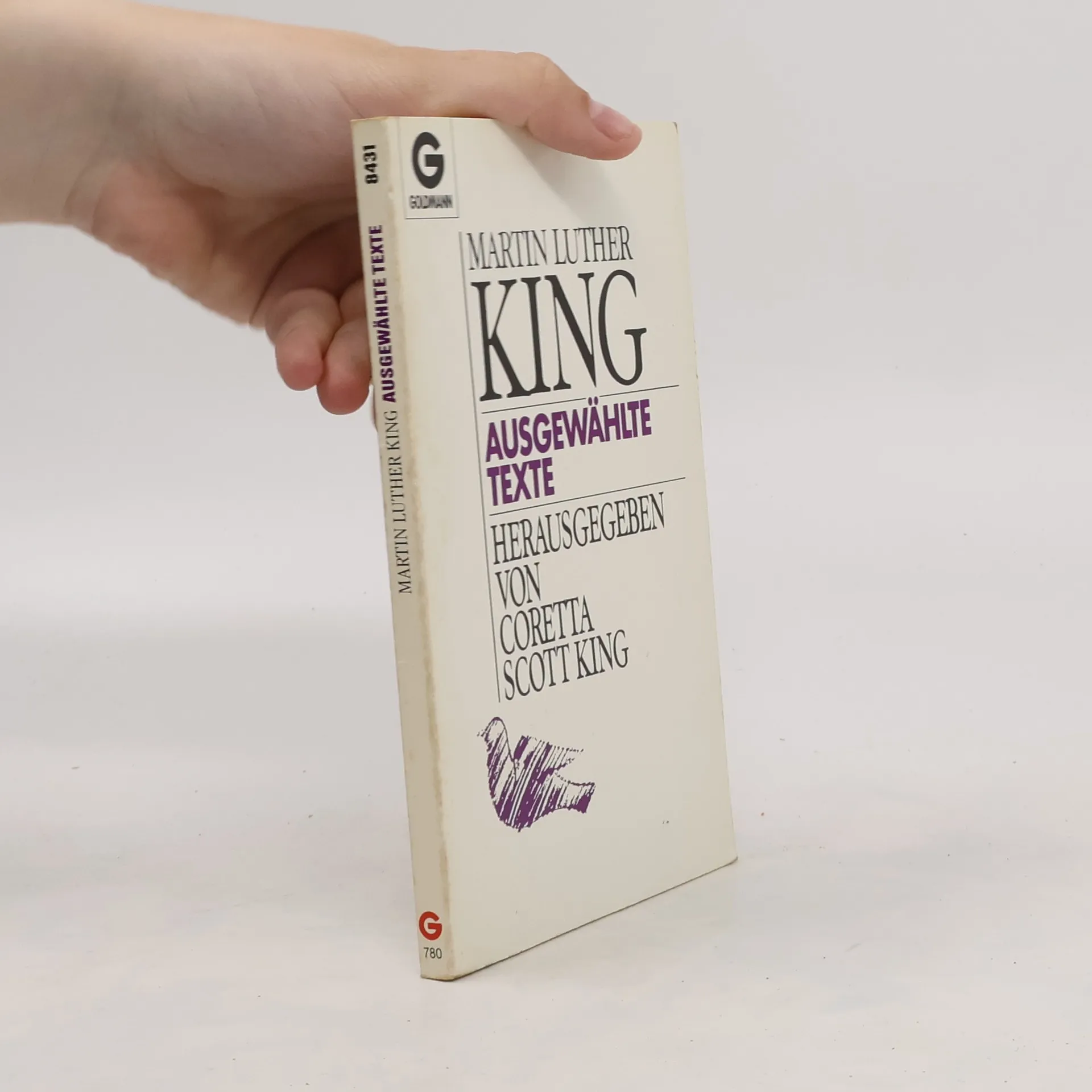
Ausgewählte Texte
- 126 pages
- 5 hours of reading
«Wenn ich von Liebe spreche, meine ich nicht irgendein sentimentales oder weichliches Gefühl. Ich spreche von ihrer Kraft, die alle großen Religionen als das einigende Prinzip des Lebens erkannt haben. Liebe ist der Schlüssel, der die Tür zur höchsten Wirklichkeit aufschließt»
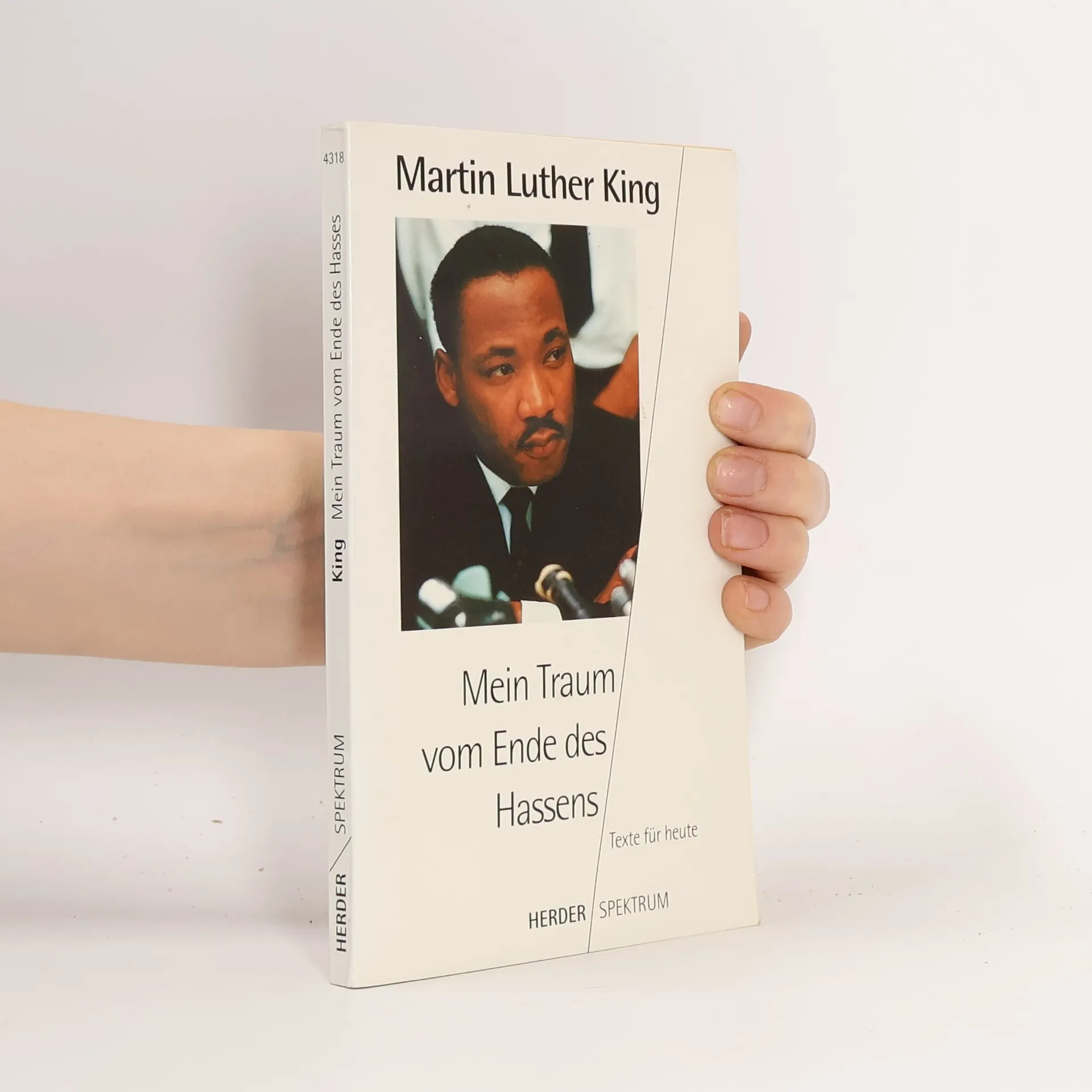
Mein Traum vom Ende des Hassens. Texte für heute. Hrsg. v. Hans-Eckehard Bahr u. Heinrich Grosse
- 135 pages
- 5 hours of reading
Hrsg. Bahr, Hans-Eckehard ; Grosse, Heinrich. 135 S.
Licht-Bilder
- 47 pages
- 2 hours of reading
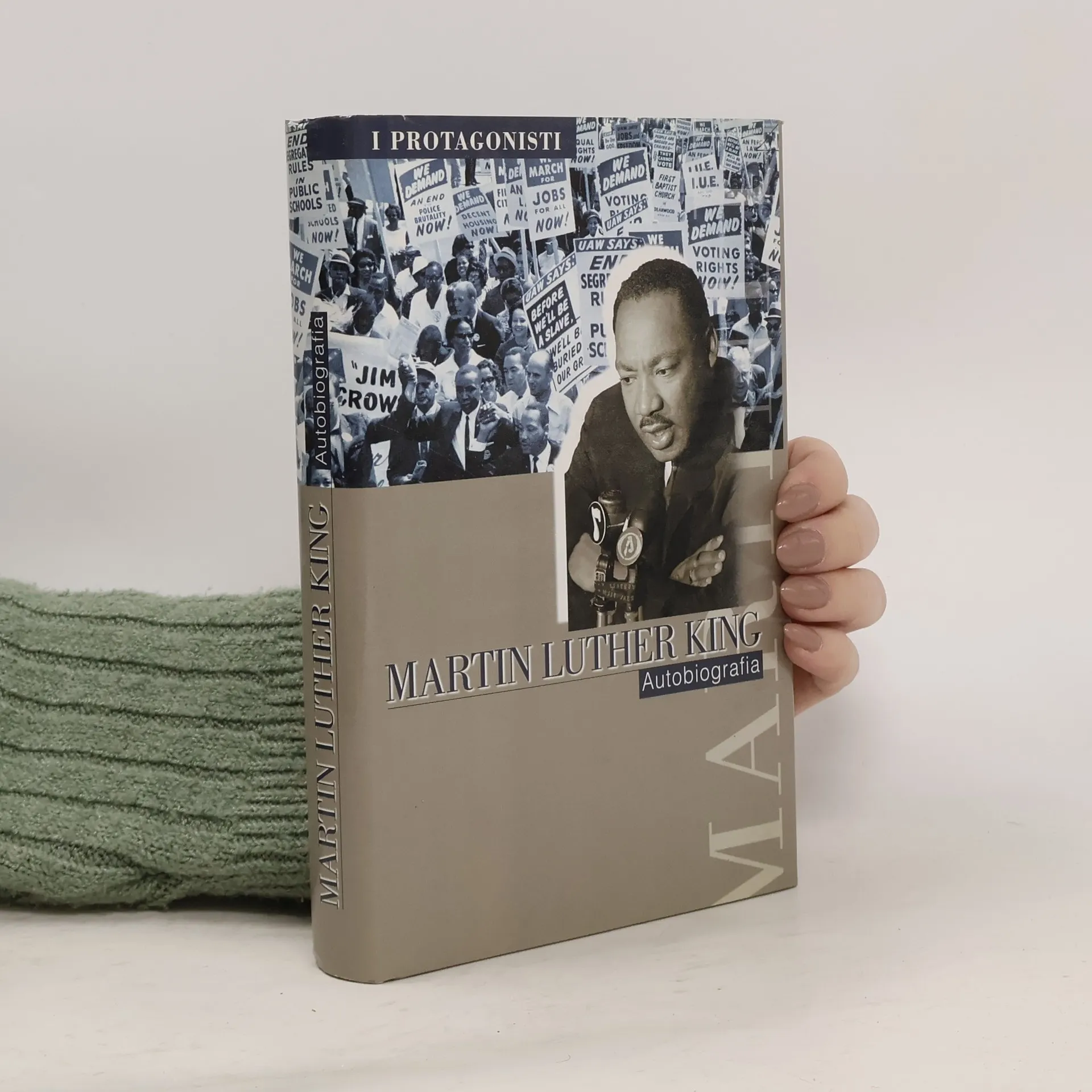
Martin Luther King
Autobiografia
Erklärungen Martin Luthers zum Brief des hl. Paulus an die Galater
- 375 pages
- 14 hours of reading
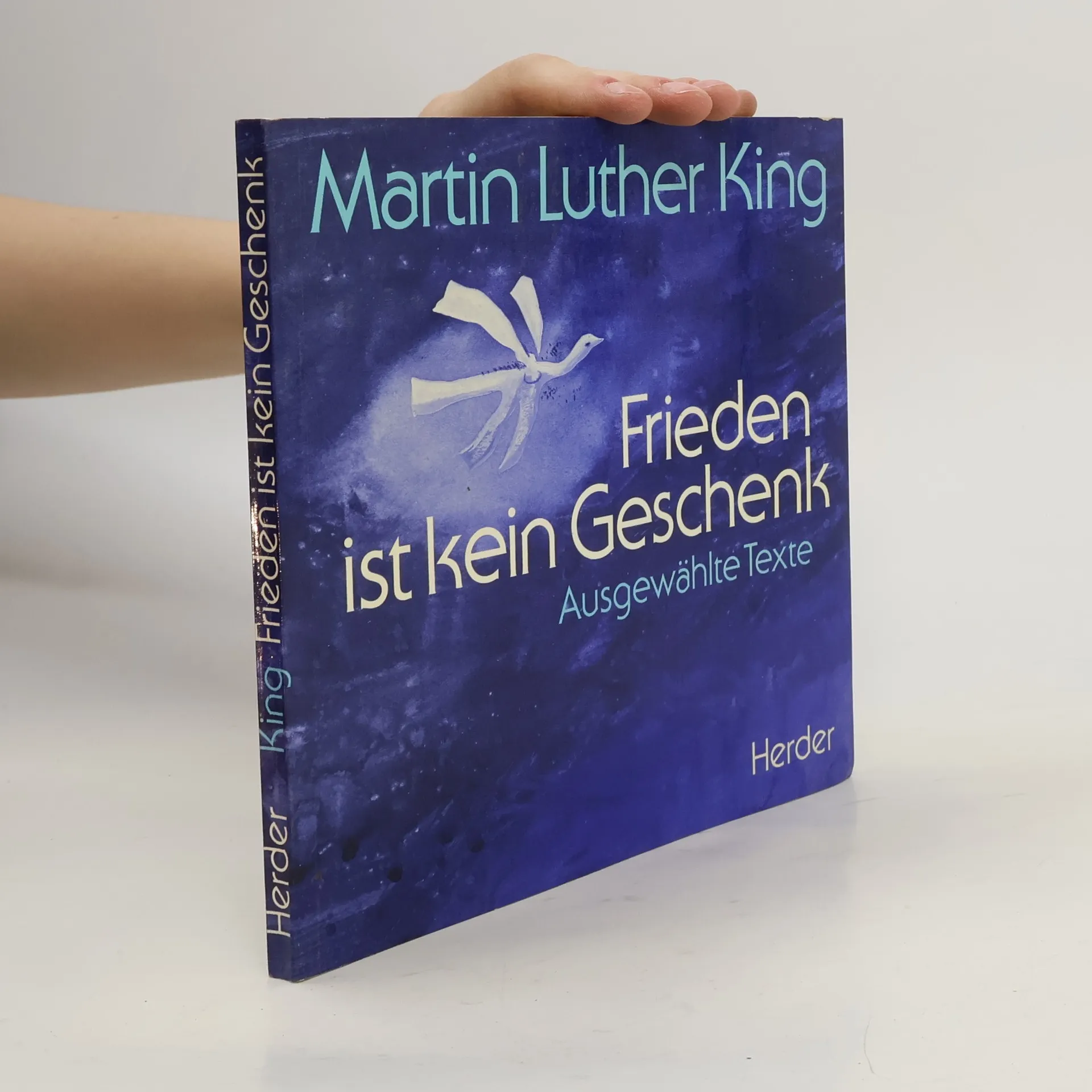
Frieden ist kein Geschenk. Ausgewählte Texte
- 91 pages
- 4 hours of reading
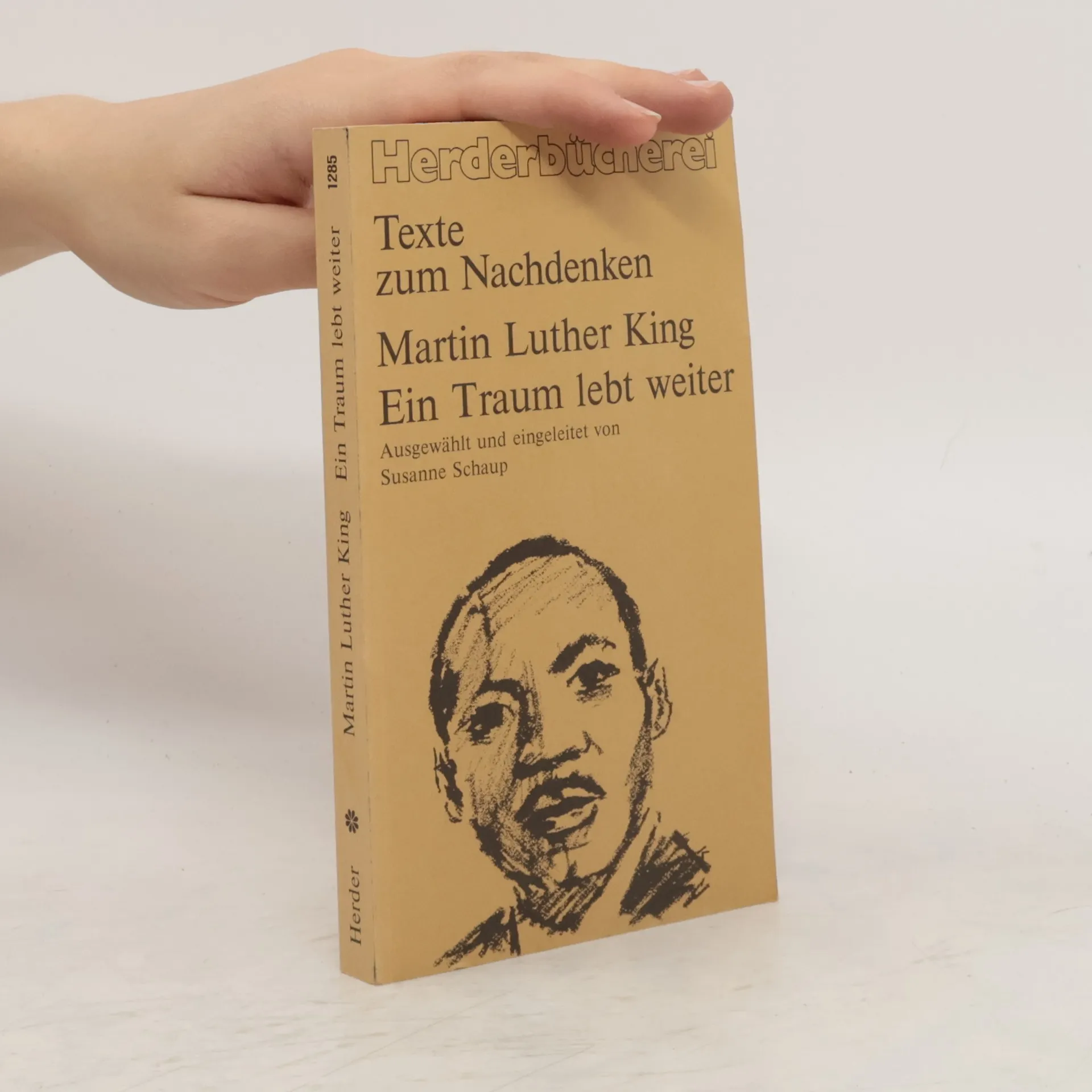
Ein Traum lebt weiter
- 157 pages
- 6 hours of reading
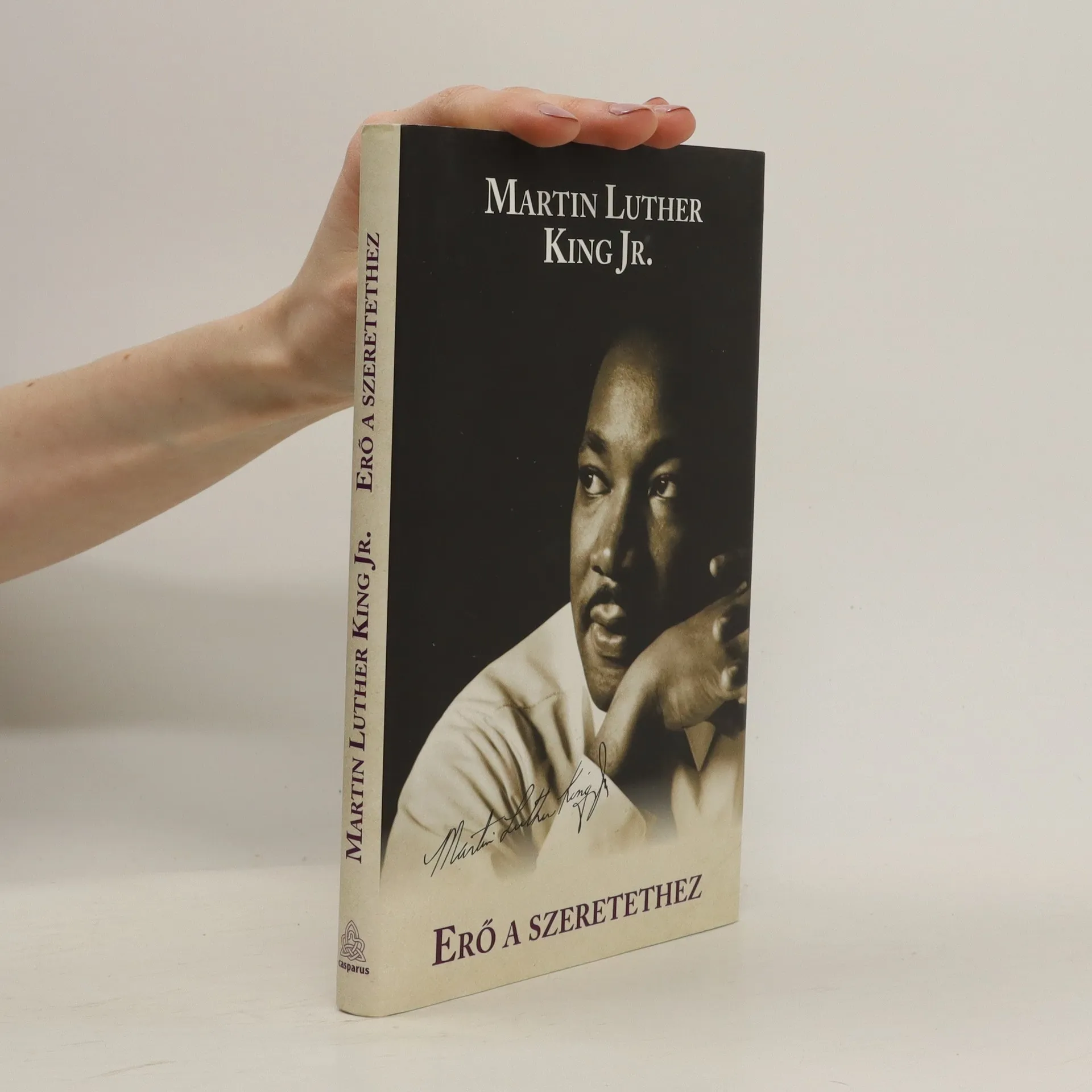
Erő a szeretethez
- 192 pages
- 7 hours of reading
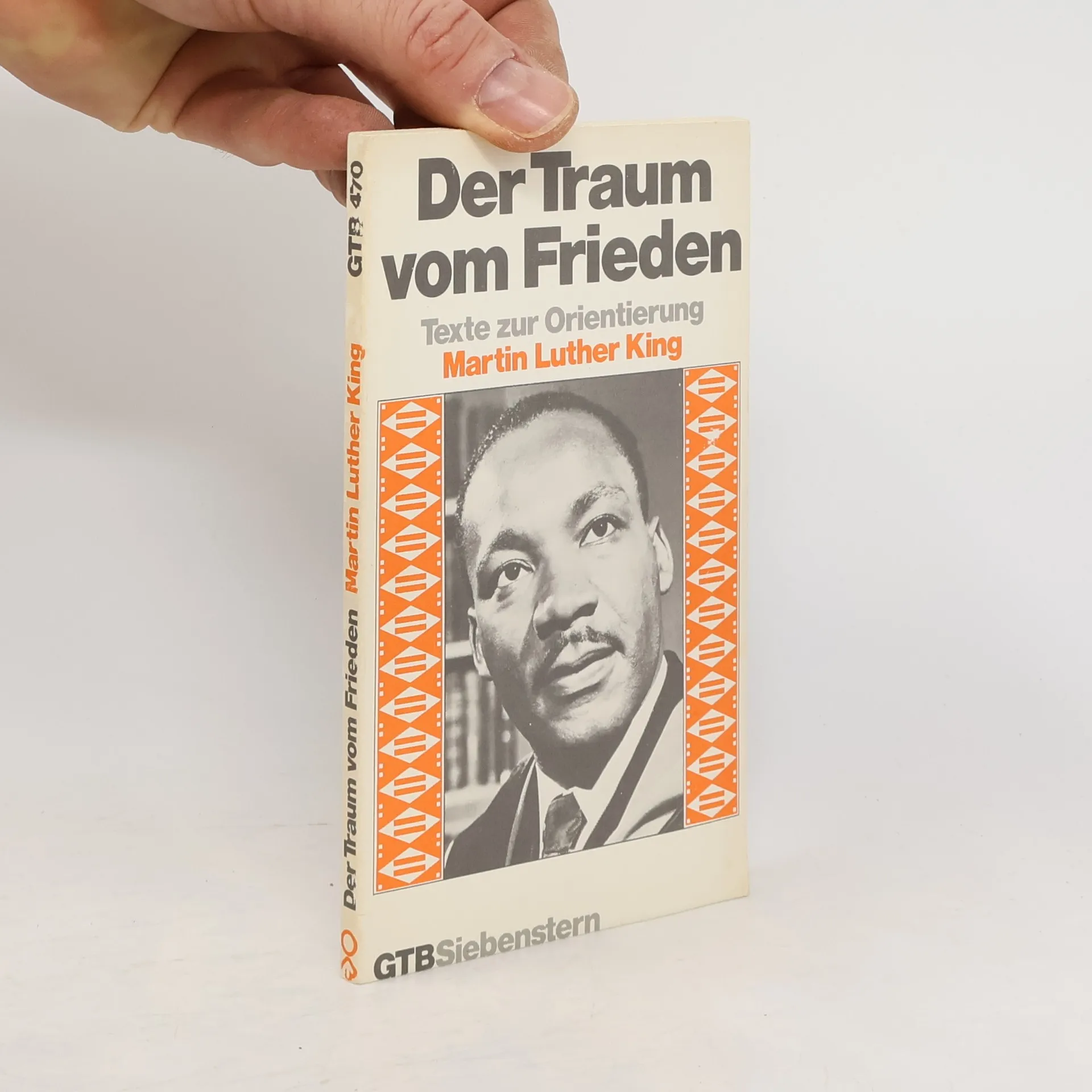
Der Traum vom Frieden
- 61 pages
- 3 hours of reading
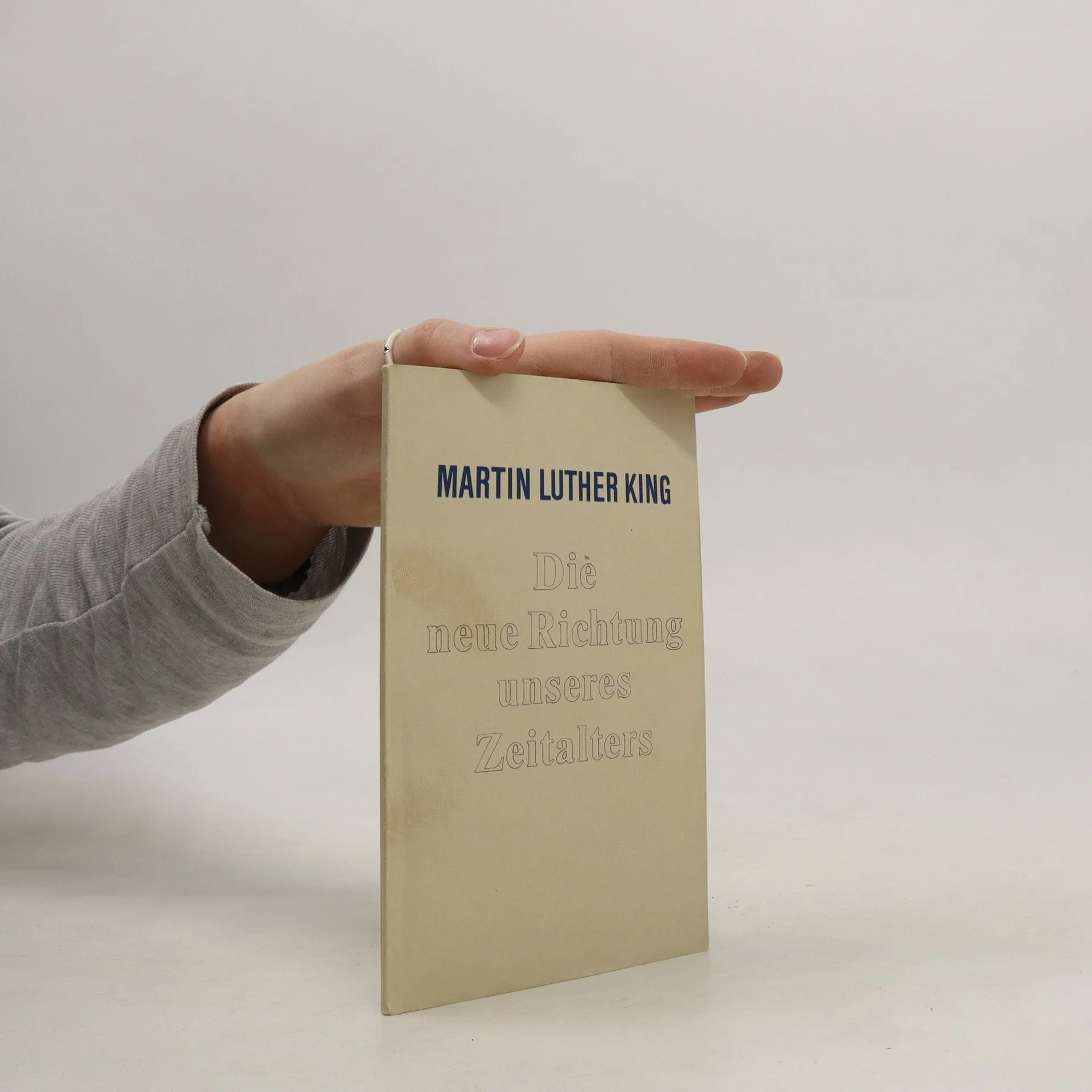
Die neue Richtung unseres Zeitalters
- 47 pages
- 2 hours of reading
Thompson-Studienbibel
- 1938 pages
- 68 hours of reading
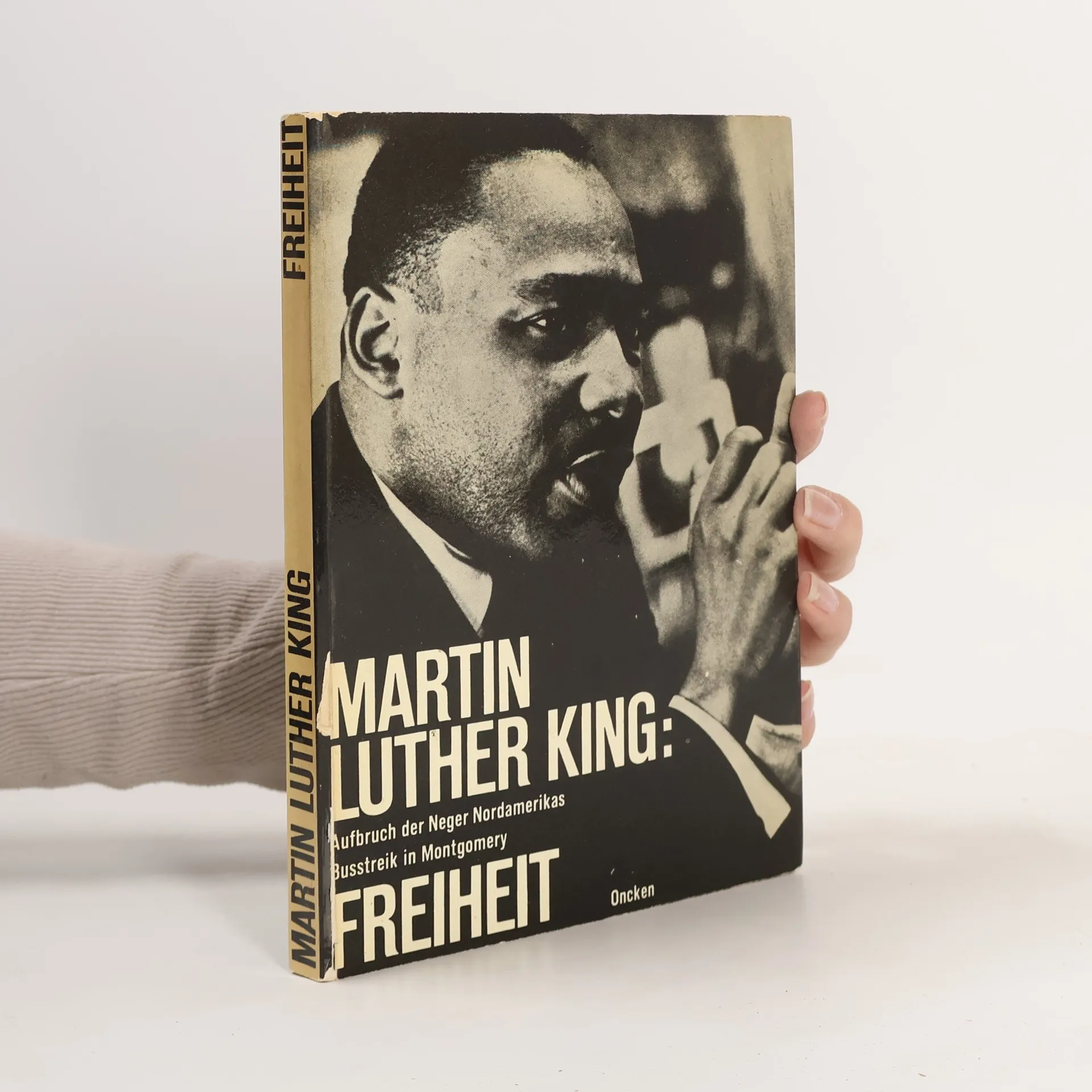
Relaas en analyse van de in 1968 vermoorde zwarte predikant over aanleiding en verloop van de busboycot in Montgomery (Alabama) in 1955.
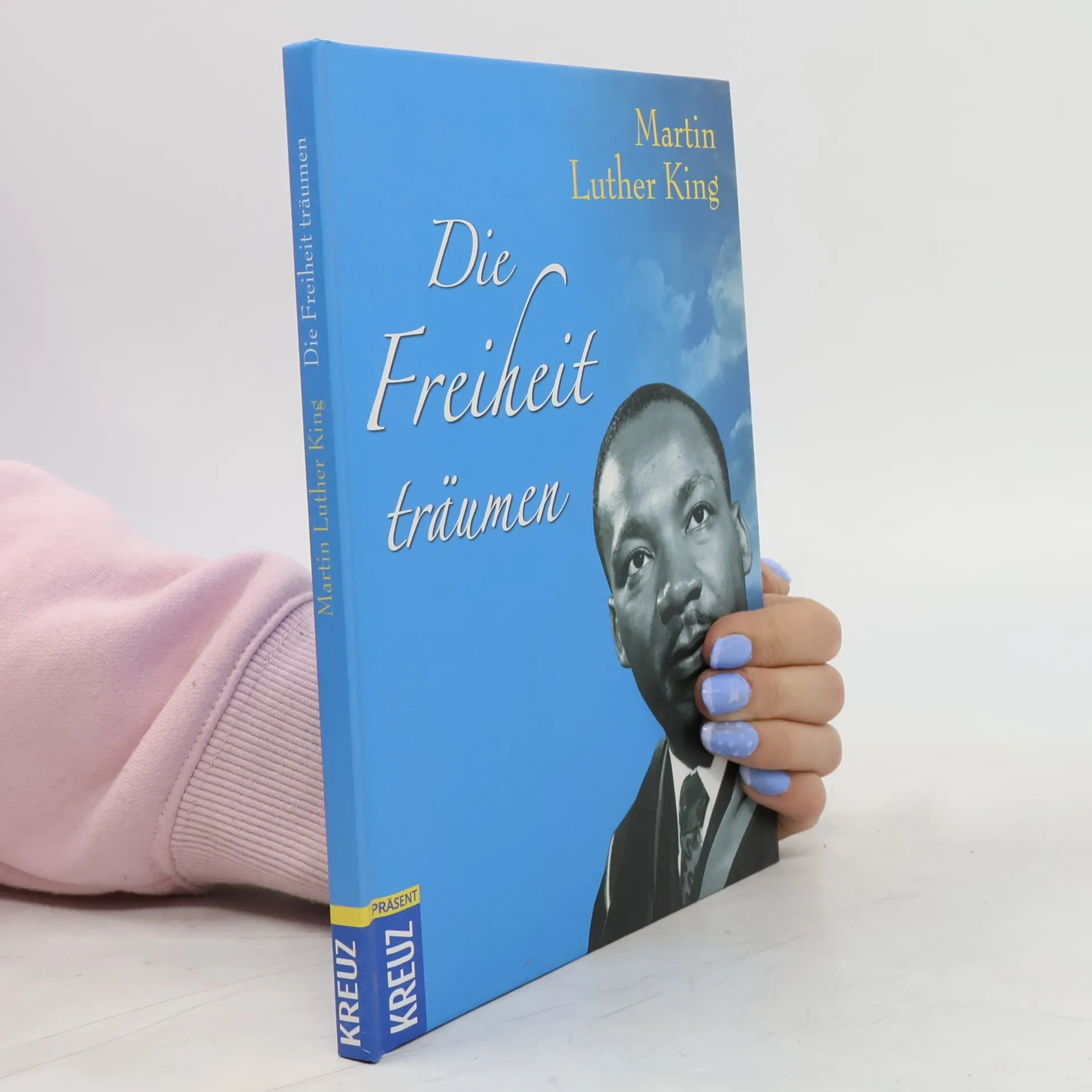
Die Freiheit träumen
- 44 pages
- 2 hours of reading
Martin Luther
An den christlichen Adel deutscher Nation
Ausgewählte Kostbarkeiten
- 63 pages
- 3 hours of reading