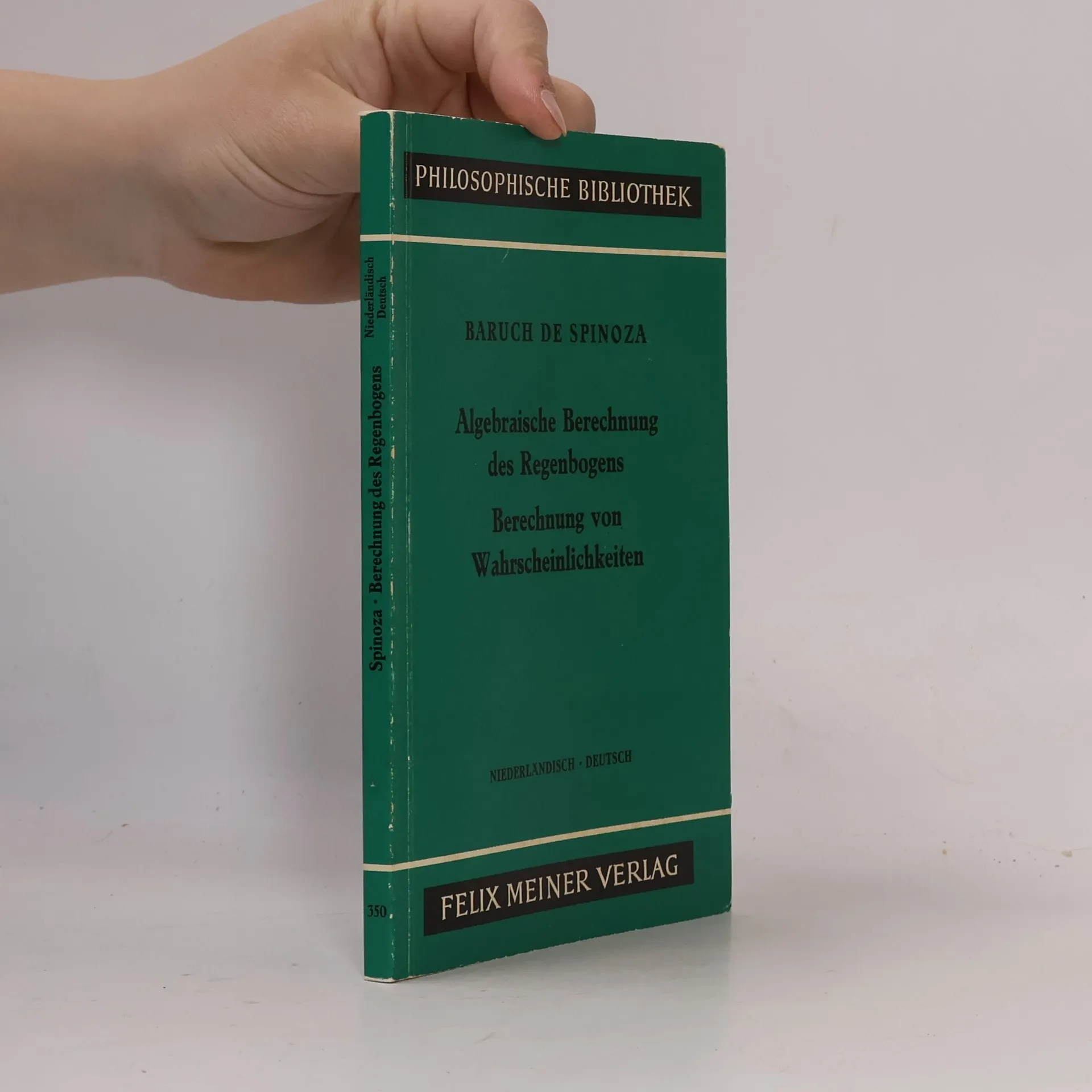
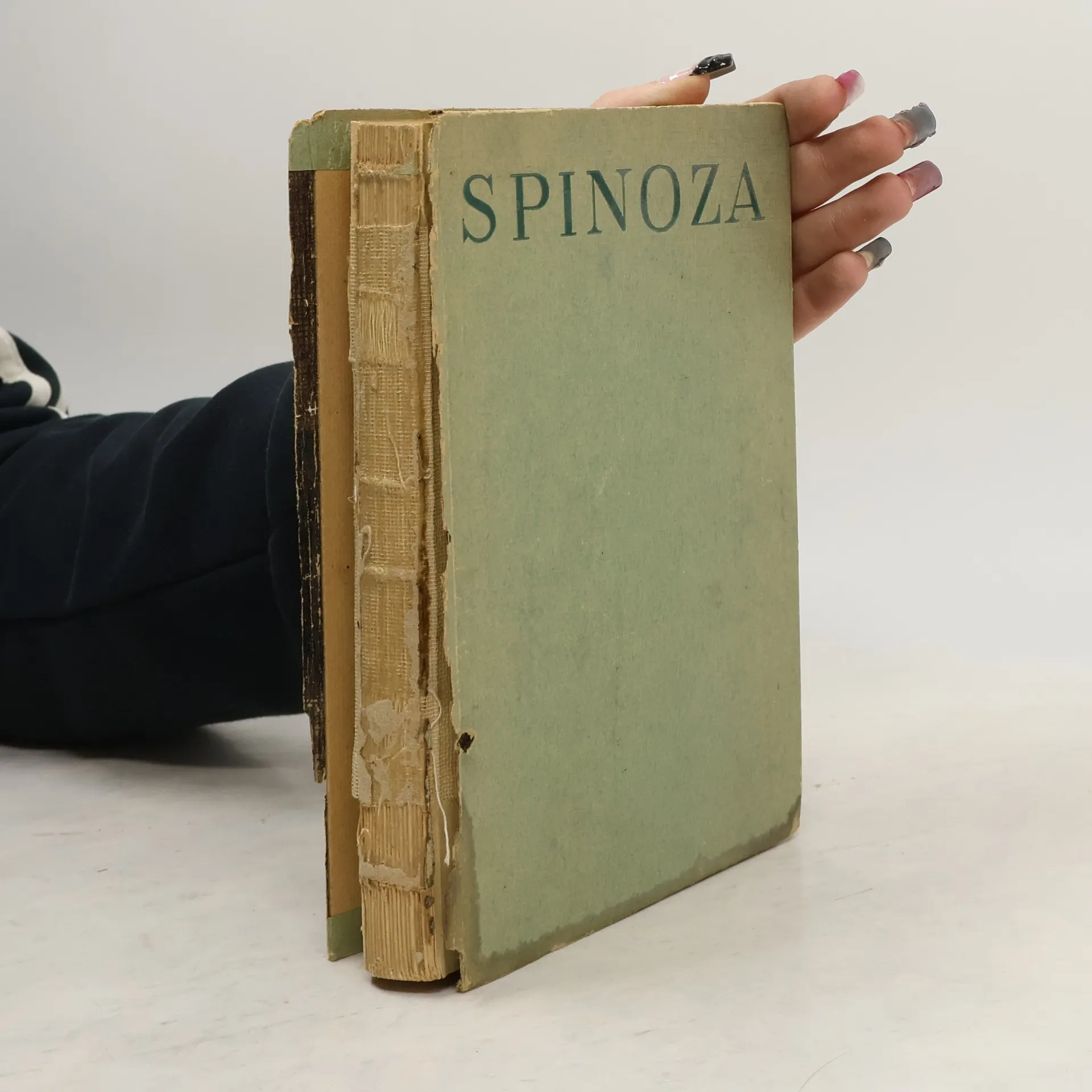
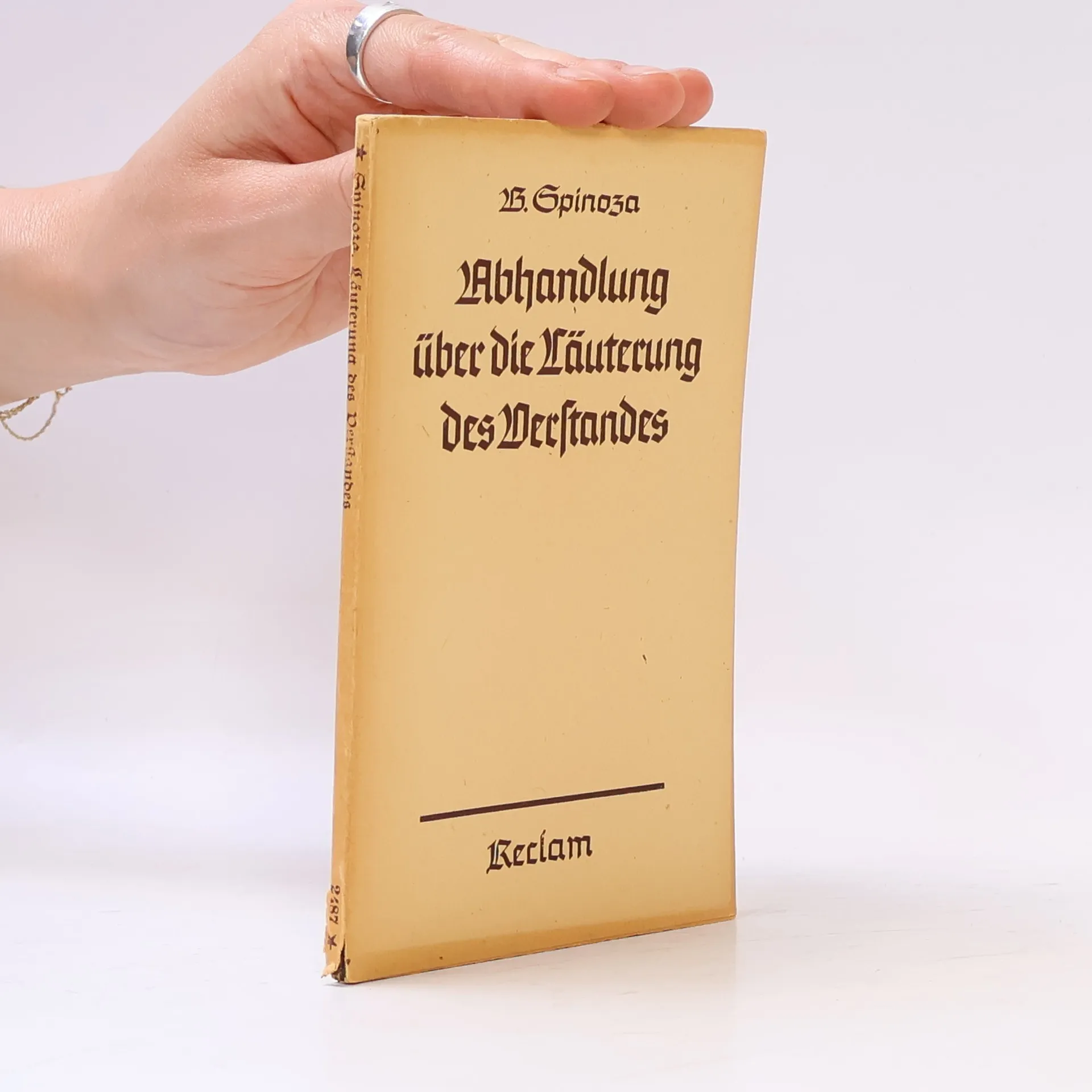
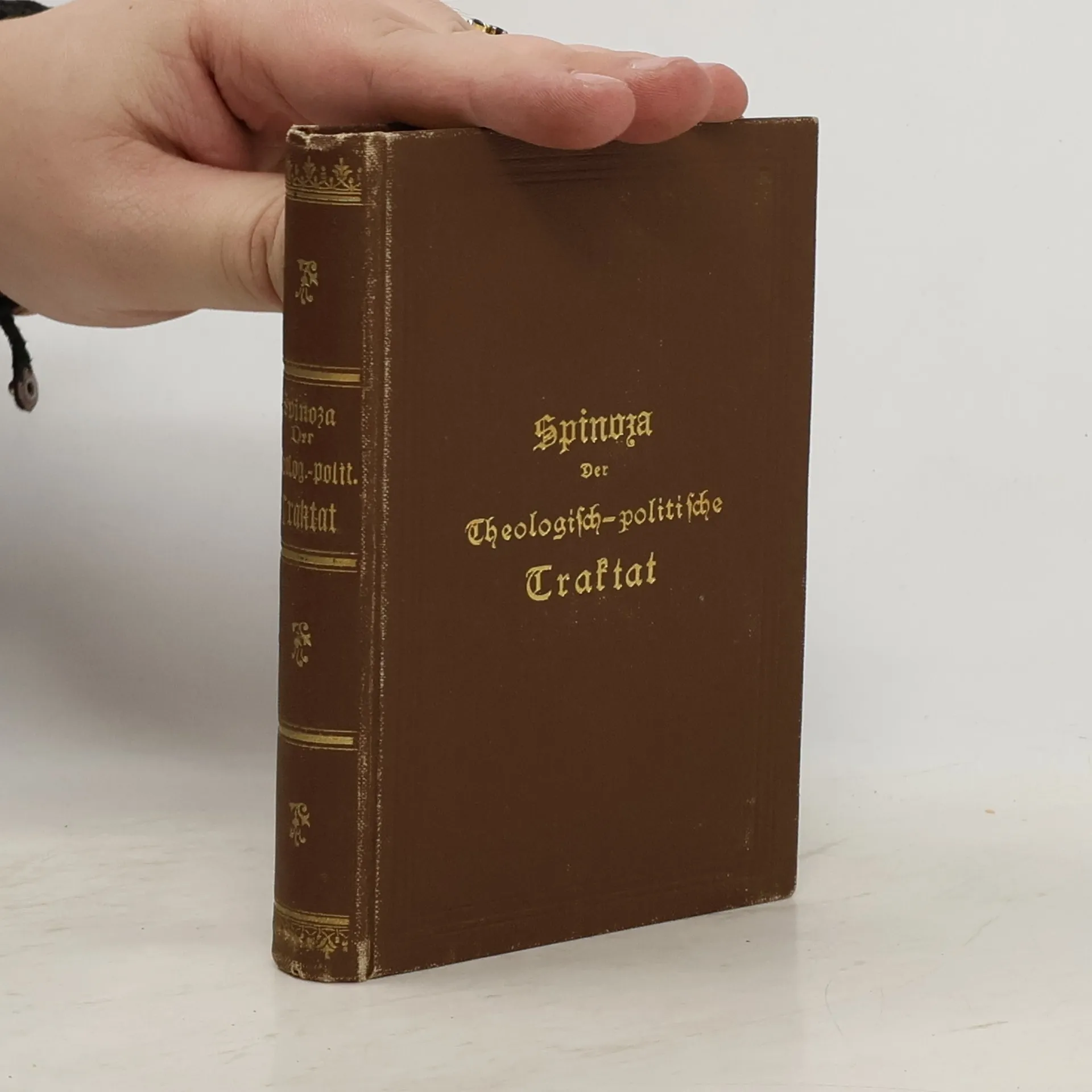
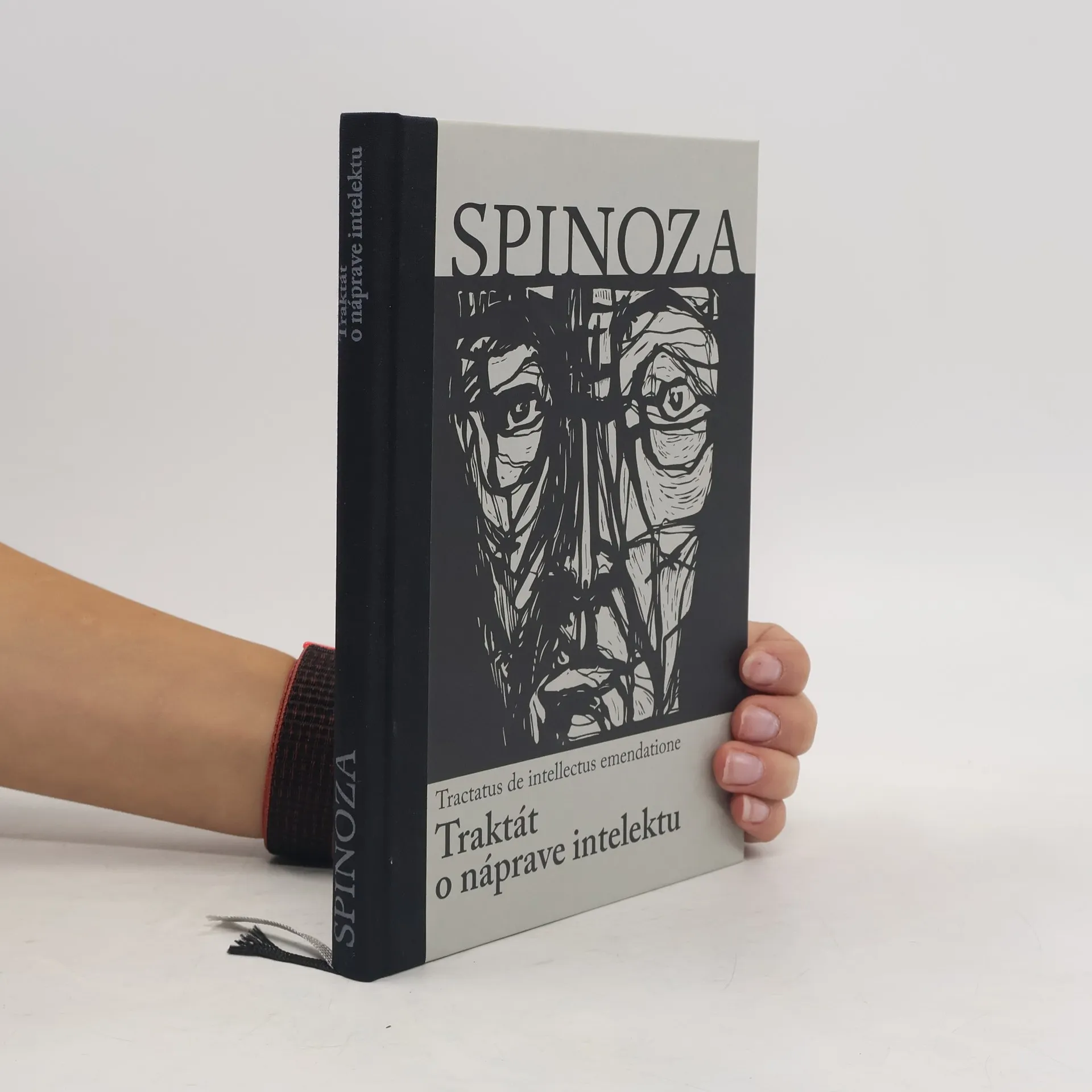
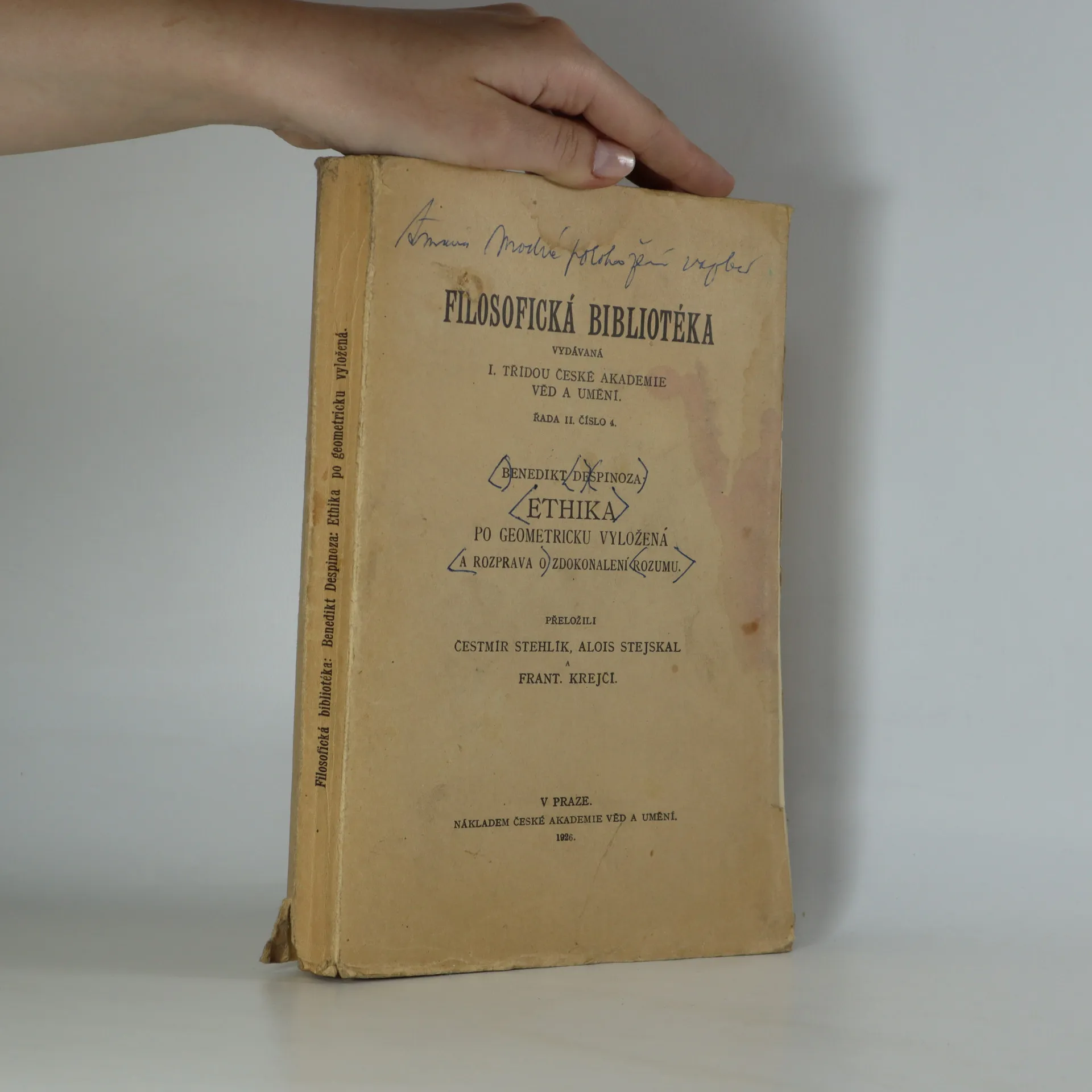
Benedictus de Spinoza Books

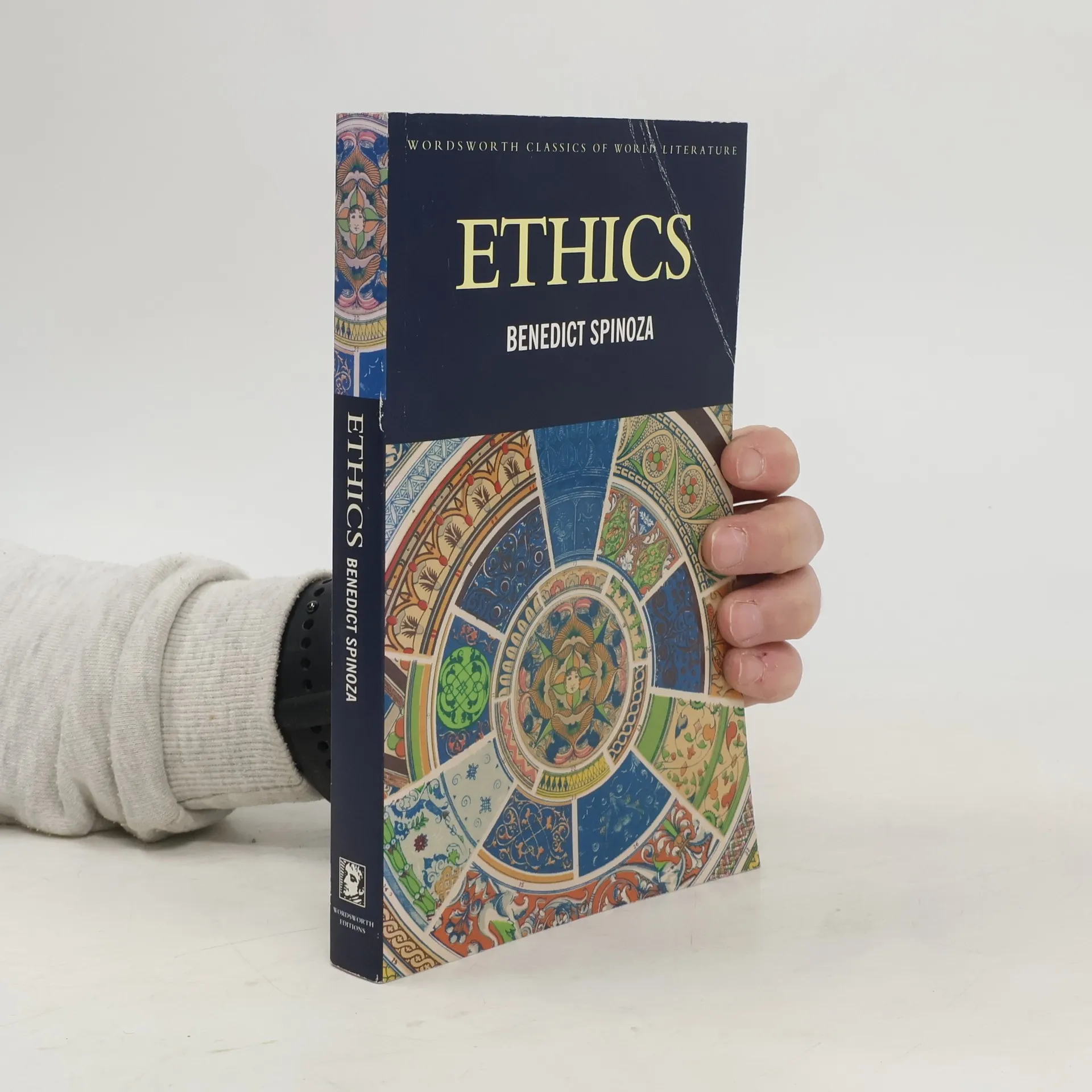


Complete Works
- 992 pages
- 35 hours of reading
The only single edition of the Spinoza corpus available in English, this volume features Samuel Shirley's pre-eminent translations of Ethics; Theological-Political Treatise; Treatise on the Emendation of the Intellect; Metaphysical Thoughts; The Letters; Principles of Cartesian Philosophy; and Political Treatise. Also includes The Short Treatise on God, Man, and His Well-Being, and Hebrew Grammar. Michael Morgan provides a general Introduction that places Spinoza in Western philosophy and culture, and sketches the philosophical, scientific, and religious moral and political dimensions of Spinoza's thought. Brief introductions to each work give succinct historical and philosophical overviews. A bibliography and index are also included.
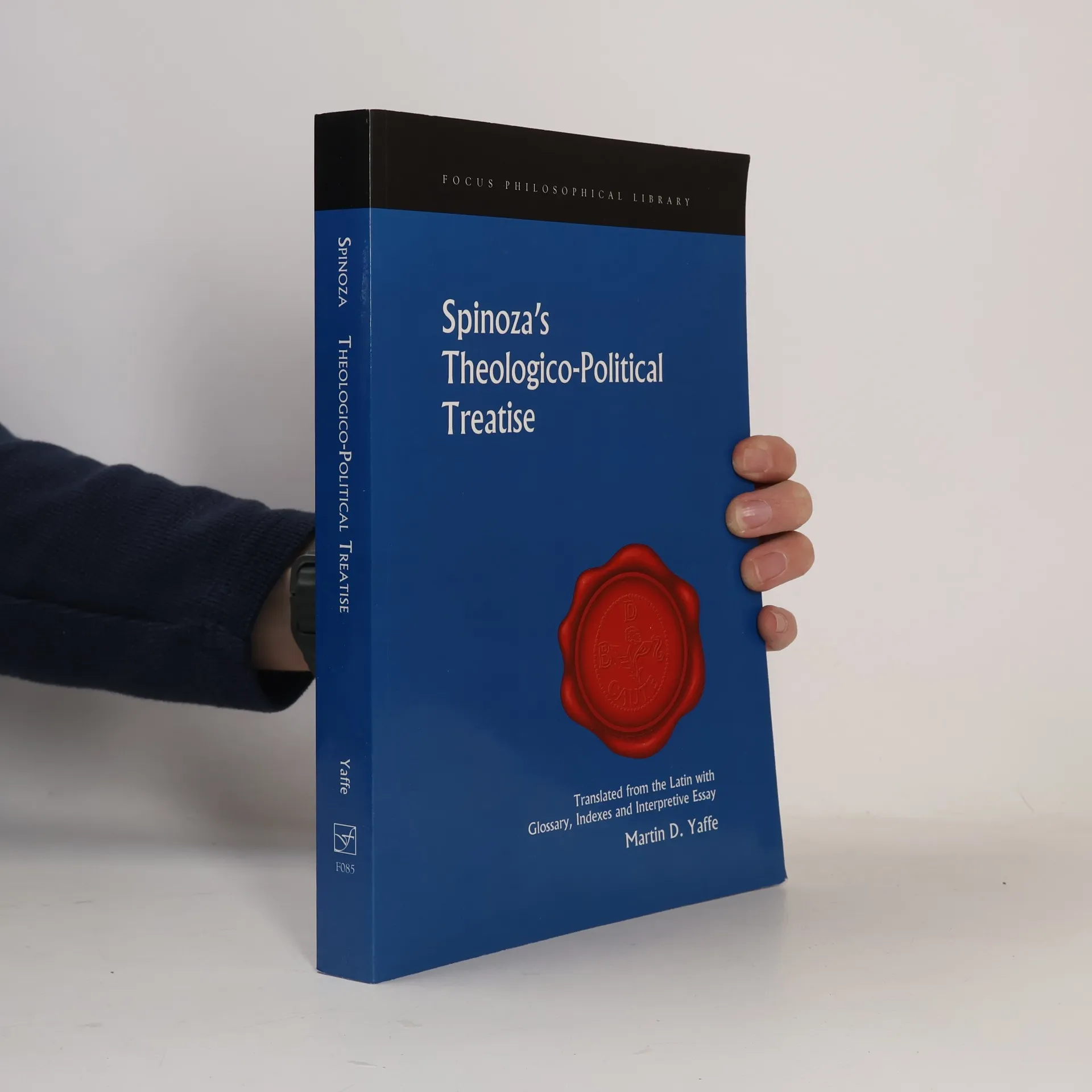
Theologico-Political Treatise
containing some dissertations by which it is shown not only that the freedom of philosophizing can be granted in keeping with piety and the peace of the republic, but that it cannot be removed unless along with that very piety and the peace of the republic
- 464 pages
- 17 hours of reading
A complete English translation of this controversial and provocative criticism of religious intolerance and a defense of secular government. Includes substantive notes, a glossary of terms, various indices, and an interpretive essay.
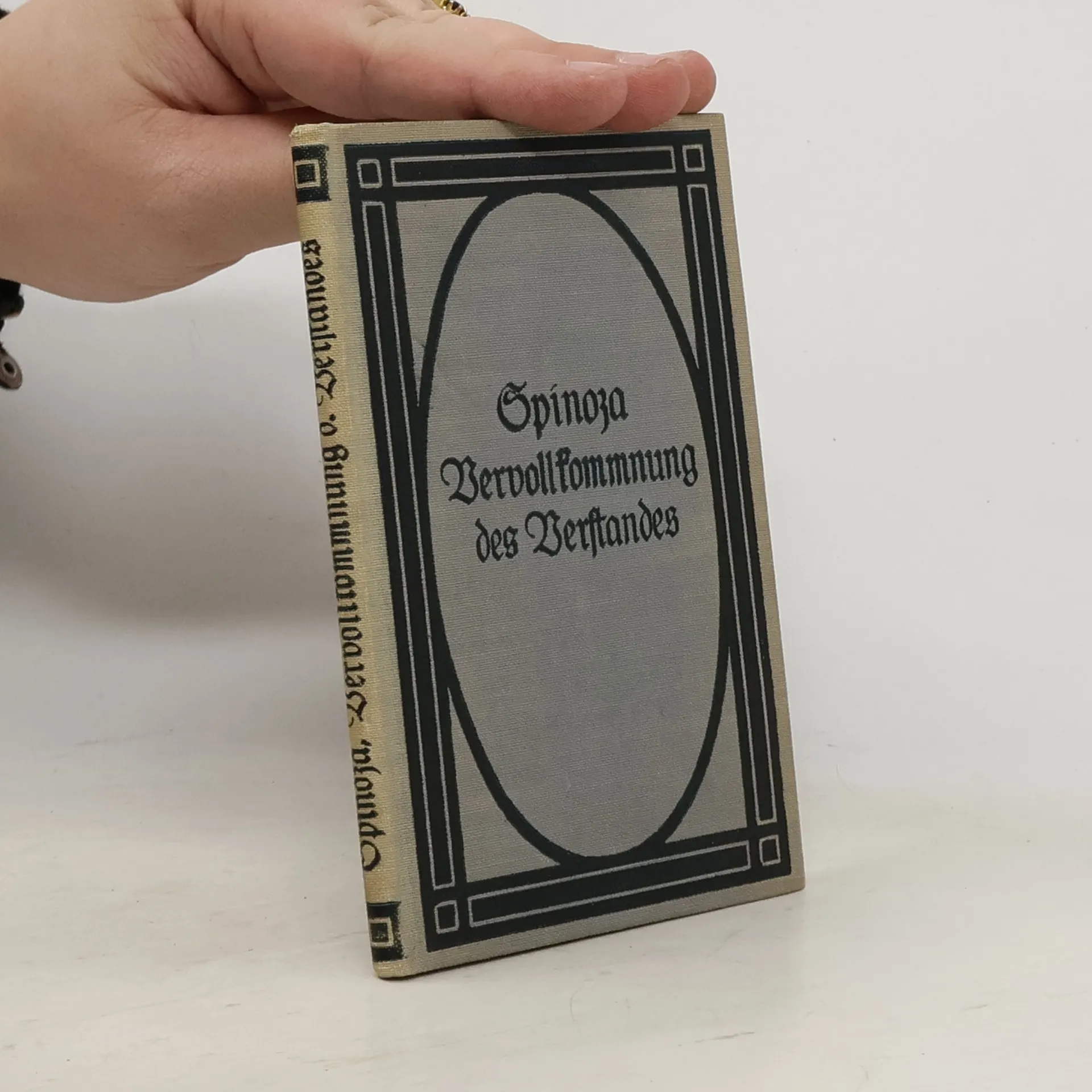
On the Improvement of the Understanding.
- 68 pages
- 3 hours of reading
After experience had taught me that all the usual surroundings of social life are vain and futile; seeing that none of the objects of my fears contained in themselves anything either good or bad, except in so far as the mind is affected by them, I finally resolved to inquire whether there might be some real good having power to communicate itself, which would affect the mind singly, to the exclusion of all else: whether, in fact, there might be anything of which the discovery and attainment would enable me to enjoy continuous, supreme, and unending happiness.
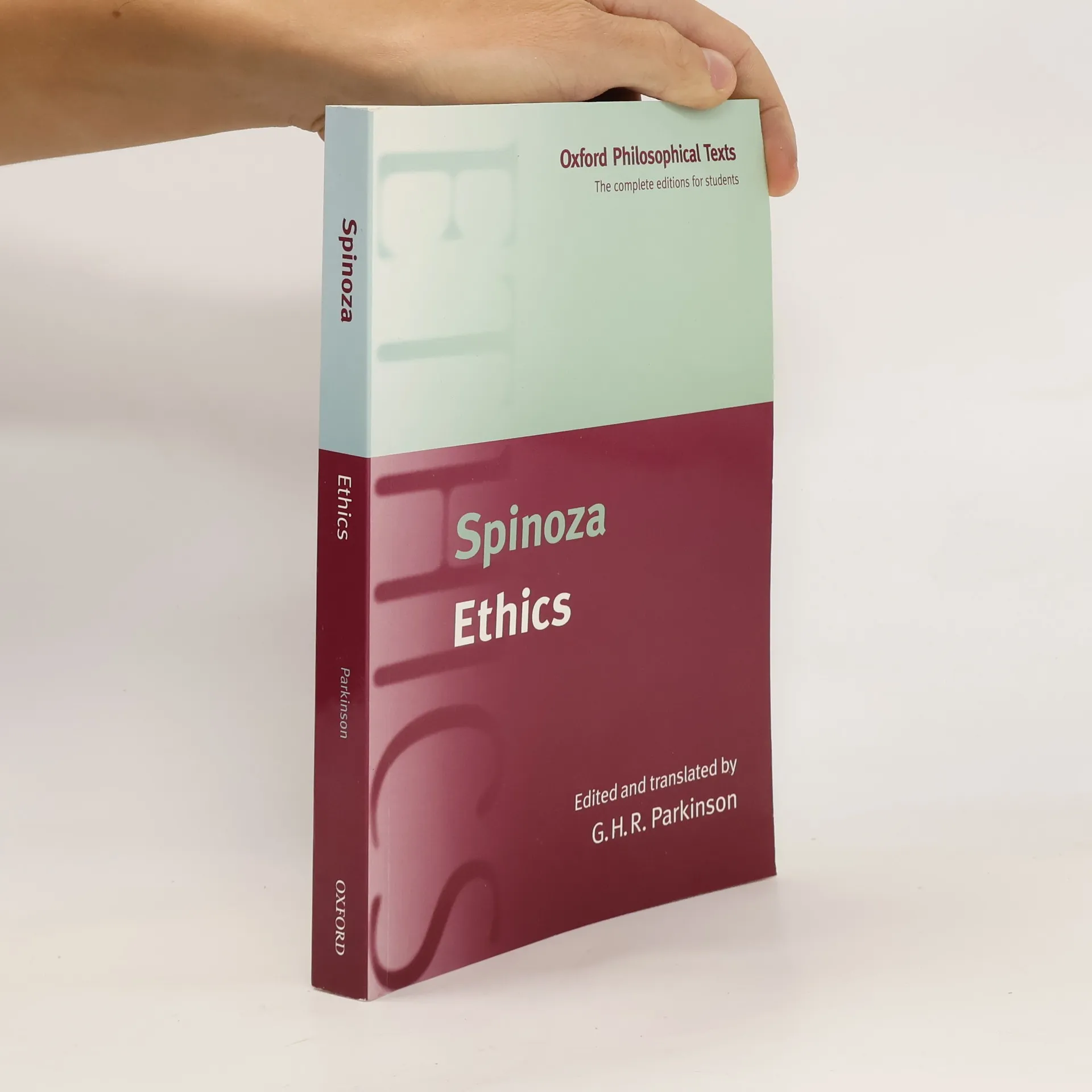
Ethics
- 400 pages
- 14 hours of reading
Translated by W.H.White and A.K.Stirling. With an Introduction by Don Garrett. Benedict de Spinoza lived a life of blameless simplicity as a lens-grinder in Holland. And yet in his lifetime he was expelled from the Jewish community in Amsterdam as a heretic, and after his death his works were first banned by the Christian authorities as atheistic, then hailed by humanists as the gospel of Pantheism. His Ethics Demonstrated in Geometrical Order shows us the reality behind this enigmatic figure. First published by his friends after his premature death at the age of forty-four, the Ethics uses the methods of Euclid to describe a single entity, properly called both 'God' and 'Nature', of which mind and matter are two manifestations. From this follow, in ways that are strikingly modern, the identity of mind and body, the necessary causation of events and actions, and the illusory nature of free will.
The Oxford Philosophical Texts series features authoritative editions of key philosophical works from antiquity to modernity. Each volume offers a well-structured text accompanied by a comprehensive introduction from a leading expert, providing students with critical insights into the intellectual context, structure, and significance of the main arguments, along with explanations of unfamiliar terms and references. A full bibliography and index are also included. The series aspires to create a definitive collection of essential texts in the Western philosophical tradition, serving as a reliable resource for both students and educators. Spinoza's Ethics, a classical yet challenging philosophical work, employs rigorous logical deduction within a geometrical framework. It explores human nature, the rational way of living, the essence of God, and the concept of true freedom. This edition features a new translation by G.H.R. Parkinson and includes a thorough guide to understanding Spinoza's ideas. The extensive introduction covers Spinoza's biography, his writing style, an overview of Ethics, and a summary of its contents. Additional resources include a glossary of terms and detailed notes on the text.
Tractatus de Intellectus Emendatione et de Via: Qua Optime in Veram Rerum Cognitionem Dirigitur
- 96 pages
- 4 hours of reading
Spinoza Selected Works Collection
- 442 pages
- 16 hours of reading
Featuring significant philosophical writings, this collection showcases Baruch Spinoza's most influential works, including "Ethics," which explores the nature of reality and human emotions, "Theologico-Political Treatise," addressing the relationship between religion and state, and "On the Improvement of the Understanding," which offers insights into epistemology and the pursuit of knowledge. Together, these texts highlight Spinoza's profound contributions to philosophy and his enduring impact on modern thought.
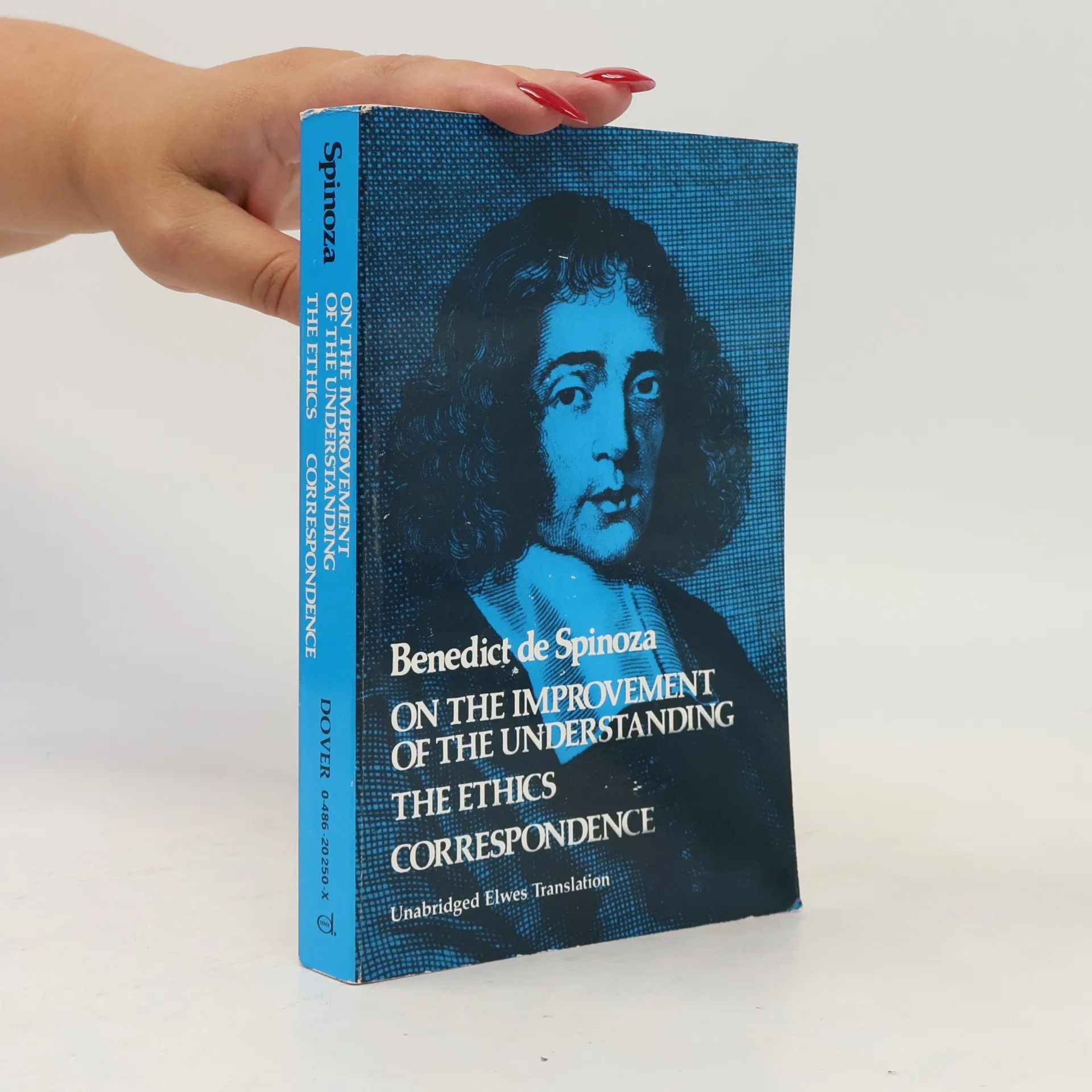
Chief Works: On the Improvement of the Understanding, The Ethics, Correspondence - Unabridged Elwes Translation
- 420 pages
- 15 hours of reading
First published in 1955 under the title Works of Spinoza, Volume 2. An unabridged & unaltered republication of the Bohn Library edition originally published by George Bell & Son in 1883.
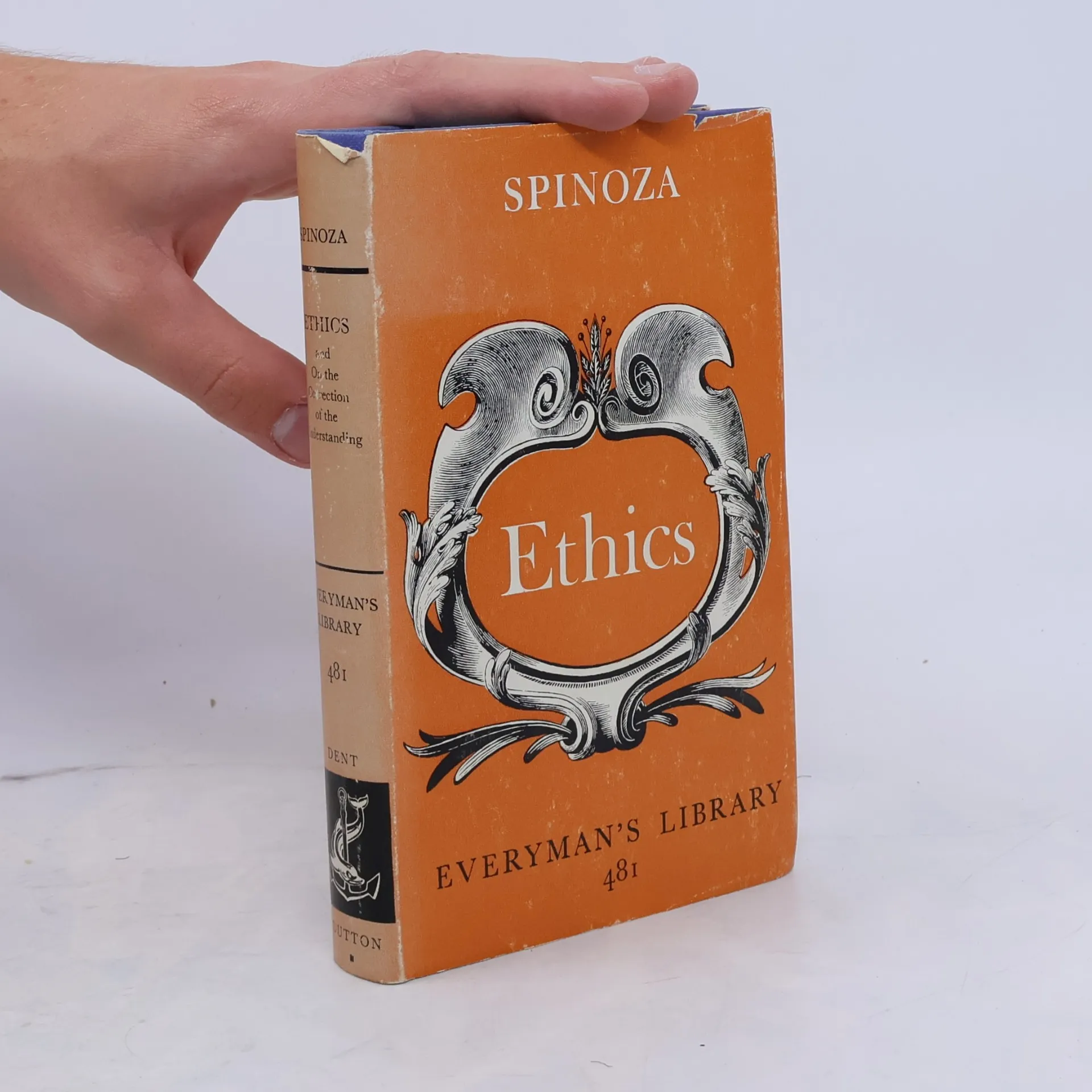
Everyman's Library - 481: Ethics
- 312 pages
- 11 hours of reading
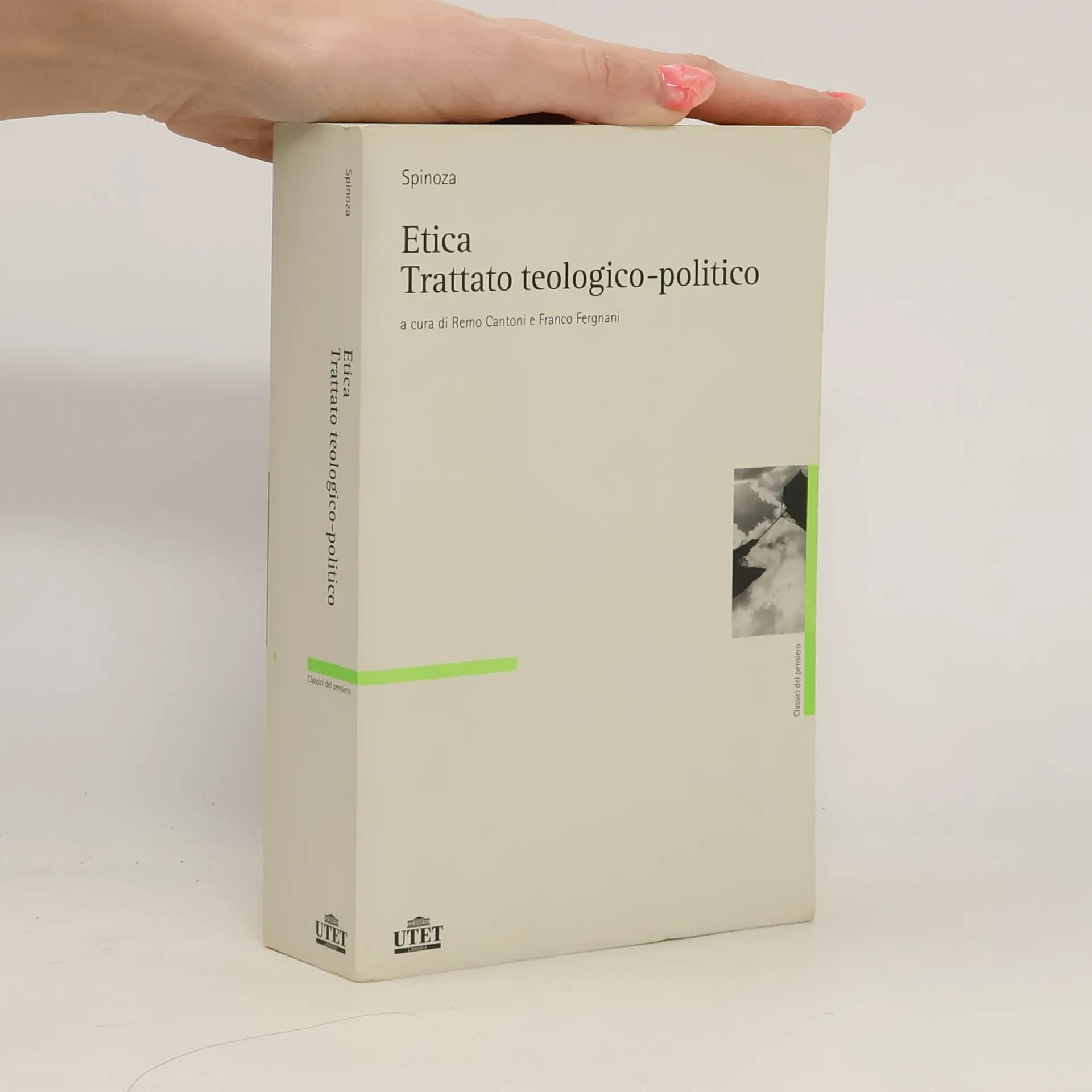
Classici del Pensiero: Etica / Trattato teologico-politico
- 732 pages
- 26 hours of reading
Vissuto in un'epoca intollerante e segnata da conflitti, Baruch Spinoza fu bandito nel 1656 dalla comunità ebraica di Amsterdam con una scomunica severa. Paladino della libertà di pensiero, ha affascinato lettori nel corso dei secoli con le sue teorie filosofiche e la sua figura controversa, spesso avvolta da leggenda. Uomo di vasta cultura, partecipò ai dibattiti religiosi e sociali del suo tempo, esprimendo la necessità di una radicale secolarizzazione della teologia tradizionale, incompatibile con l'ortodossia ebraica e cristiana. Sebbene non fosse un teorico dell'ateismo, il suo sistema non contempla un Dio trascendente; tuttavia, presenta un Dio, il "Deus sive Natura", che si manifesta attraverso la ragione e le leggi della natura e della società. Questo volume include l'opera più importante del filosofo olandese, pubblicata postuma nel 1677, l'"Ethica ordine geometrico demonstrata", insieme al "Tractatus theologico-politicus", l'unico libro pubblicato durante la sua vita, un manifesto contro il fanatismo. In un'epoca di roghi e inquisizione, il pensiero di Spinoza si distingue per la sua radicalità.
Classici del pensiero - 4: Etica/Trattato teologico politico
- 741 pages
- 26 hours of reading
Spinoza è considerato l'iniziatore dell'ateismo, poiché partendo dalle idee di Cartesio, introdusse un metodo razionalista nella ricerca della comprensione di Dio e dell'uomo, che abbatté una serie di dogmi religiosi fino ad allora indiscutibili. Sebbene non negasse mai l'esistenza di un creatore supremo, il suo pensiero fornì forza argomentativa al laicismo crescente dei secoli successivi in Occidente, iniziato in parte dal movimento di riforma di cui era stato testimone. Nella sua etica, Spinoza sostiene che nell'ordine morale tutte le cose sono neutre: il bene e il male sono determinati dalle necessità e dagli interessi umani. Da questa logica, i valori non sono altro che creazioni arbitrarie dell'uomo. Nel Trattato teologico-politico, opera che all'epoca fu duramente censurata e criticata, sottolinea la necessità della libertà di pensiero dell'uomo, la quale, secondo la sua logica, trova spazio solo in uno Stato democratico, inteso come il potere supremo, unico garante dell'unità e della sicurezza della società che lo costituisce.
Die Ethik ist Spinozas Hauptwerk, an dem er von 1662 bis 1675 gearbeitet hat. Sie enthält das Ganze seiner Philosophie, die er - wie kein anderer bedeutender Philosoph - in einem einzigen Werk zusammengefaßt hat. Das in fünf Teile gegliederte Werk enthält im ersten Teil eine Theorie elementarer Strukturen der Welt, im zweiten Teil eine Theorie menschlichen Erkennens und in den restlichen drei Teilen eine Ethik vernünftigen menschlichen Handelns, auf die - wie der Titel Ethik signalisiert - die gesamte Philosophie hinausläuft. Die vorliegende Edition stützt sich auf Gebhardts kritische Ausgabe (Spinoza Opera Bd. II, 1925), verbessert den lateinischen Text aber unter Berücksichtigung der Ergebnisse der jüngsten Texterforschung. Die Übersetzung - die erste deutschsprachige seit der von O. Baensch aus dem Jahre 1905 - wertet die neuerbrachten Forschungen zur Philosophie Spinozas aus und vermag so den Gehalt dieser schwer zugänglichen Philosophie angemessener als bisher zu erschließen.
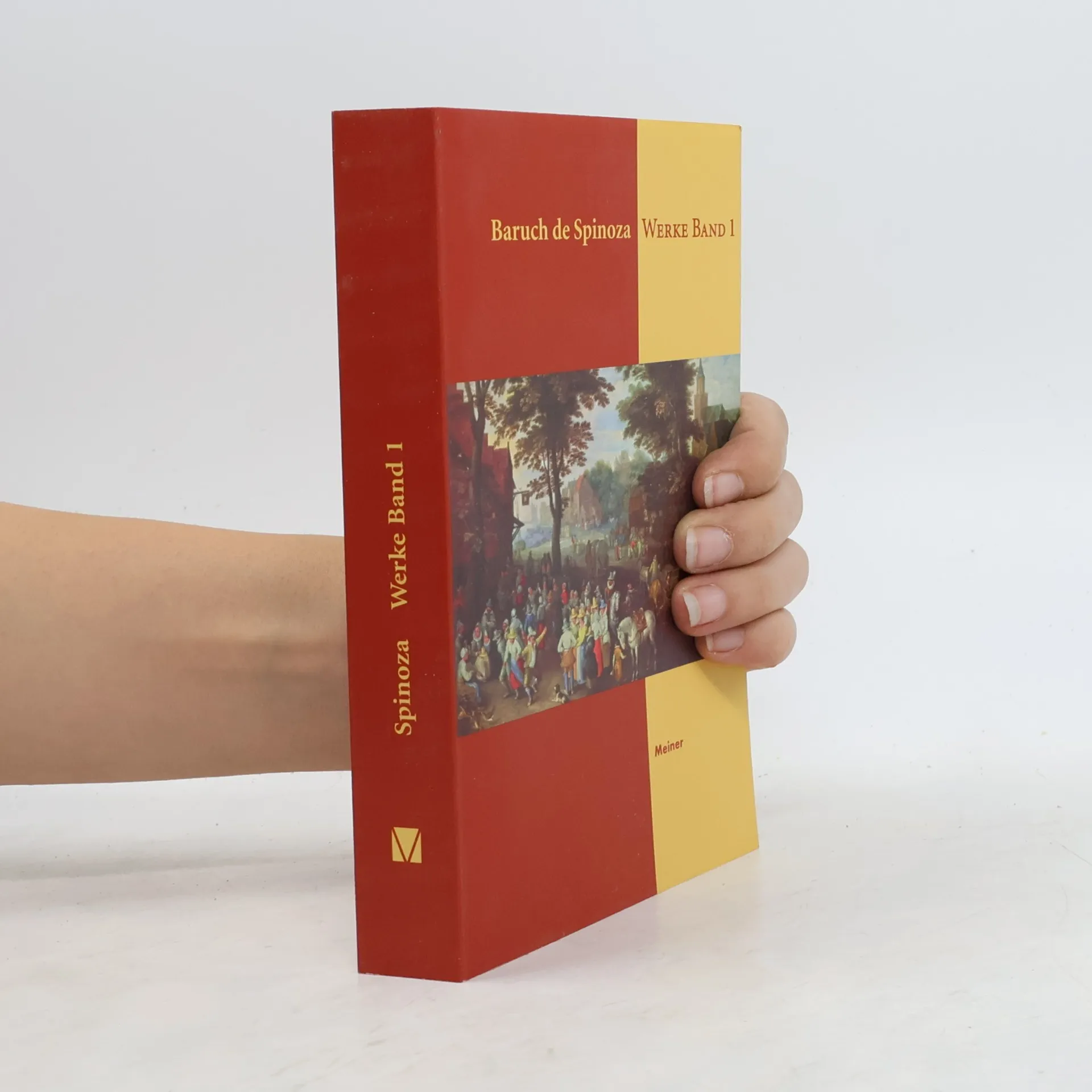
Baruch de Spinoza, ein bedeutender Rationalist, verfasste Werke zu theologischen, erkenntnistheoretischen, politischen und ethischen Themen. In seinem Hauptwerk ›Ethica‹ wendet er mathematisch-logische Methoden auf naturphilosophische, moralische und theologische Fragestellungen an, was zu einem neuen Weltbild führt, in dem Gott und Natur eins sind. Diese Lehre, die Spinoza zu Lebzeiten zur Verdammnis und zum Ausschluss aus der jüdischen Gemeinde führte, hatte historisch weitreichende Auswirkungen. Die vorliegende Ausgabe beinhaltet die philosophischen Hauptwerke Spinozas. Band I enthält den einzigen von Spinoza selbst editierten Teil seiner Werke, wobei die Übersetzung von Carl Gebhardt (neu bearbeitet von Günter Gawlick, Hamburg 1976) für den deutschen Text gewählt wurde. Der lateinische Text basiert auf der Heidelberger Ausgabe (1924, 2. Aufl. 1974) und enthält relevante Korrekturen aus der Forschung sowie wichtige Lesarten und Spinozas Annotations. Band II bietet den lateinischen Text zusammen mit der deutschen Übersetzung von Berthold Auerbach. Notwendige Korrekturen und Erläuterungen sind im Anhang enthalten, und der lateinische Text wurde anhand der Heidelberger Ausgabe und der Originaldrucke überprüft. Wichtige Lesarten werden ebenfalls dokumentiert.
Sämtliche Werke
- 576 pages
- 21 hours of reading
"Sämtliche Werke" ist ein hochwertiger Nachdruck der Originalausgabe von 1871, herausgegeben von Hansebooks. Der Verlag fokussiert sich auf die Erhaltung historischer Literatur aus verschiedenen Themenbereichen und macht seltene Werke zugänglich, um historisches Wissen für die Zukunft zu bewahren.
Menschen wären niemals abergläubisch, wenn sie alle ihre Umstände nach festen Regeln steuern könnten oder wenn sie immer vom Glück begünstigt wären: aber da sie häufig in Nöte getrieben werden, in denen Regeln nutzlos sind, und oft zwischen Hoffnung und Angst schwanken, bedingt durch die Ungewissheit der gierig begehrten Gunst des Schicksals, sind sie folglich meist sehr geneigt zur Glaubenssucht. Der menschliche Geist wird in Zeiten des Zweifels leicht in die eine oder andere Richtung beeinflusst, besonders wenn Hoffnung und Angst um die Oberhand kämpfen, obwohl er gewöhnlich stolz, übermäßig zuversichtlich und eitel ist.
Band 1: Kurze Abhandlung von Gott, dem Menschen und dessen Glück Ethik in geometrischer Ordnung dargestellt Band 2: Theologisch-politischer Traktat Band 3: Descartes ’ Prinzipien der Philo sophie in geometrischer Weise dargestellt Abhandlung über die Verbesserung des Verstandes Politischer Traktat
Postquam experientia me docuit omnia consueta circumstantia vitae socialis vana et inutilia esse; cum nullae res timorum meorum in se ipsis aliquid boni aut mali contineant, nisi quatenus mens ab eis afficitur, tandem statui quaerere an esset aliquod verum bonum, quod se communicare posset, quod mentem singulariter afficeret, ad omne aliud exclusum: an re vera esset aliquid, cuius inventio et adeptio me sineret continuam, supremam, et interminabilem felicitatem frui.
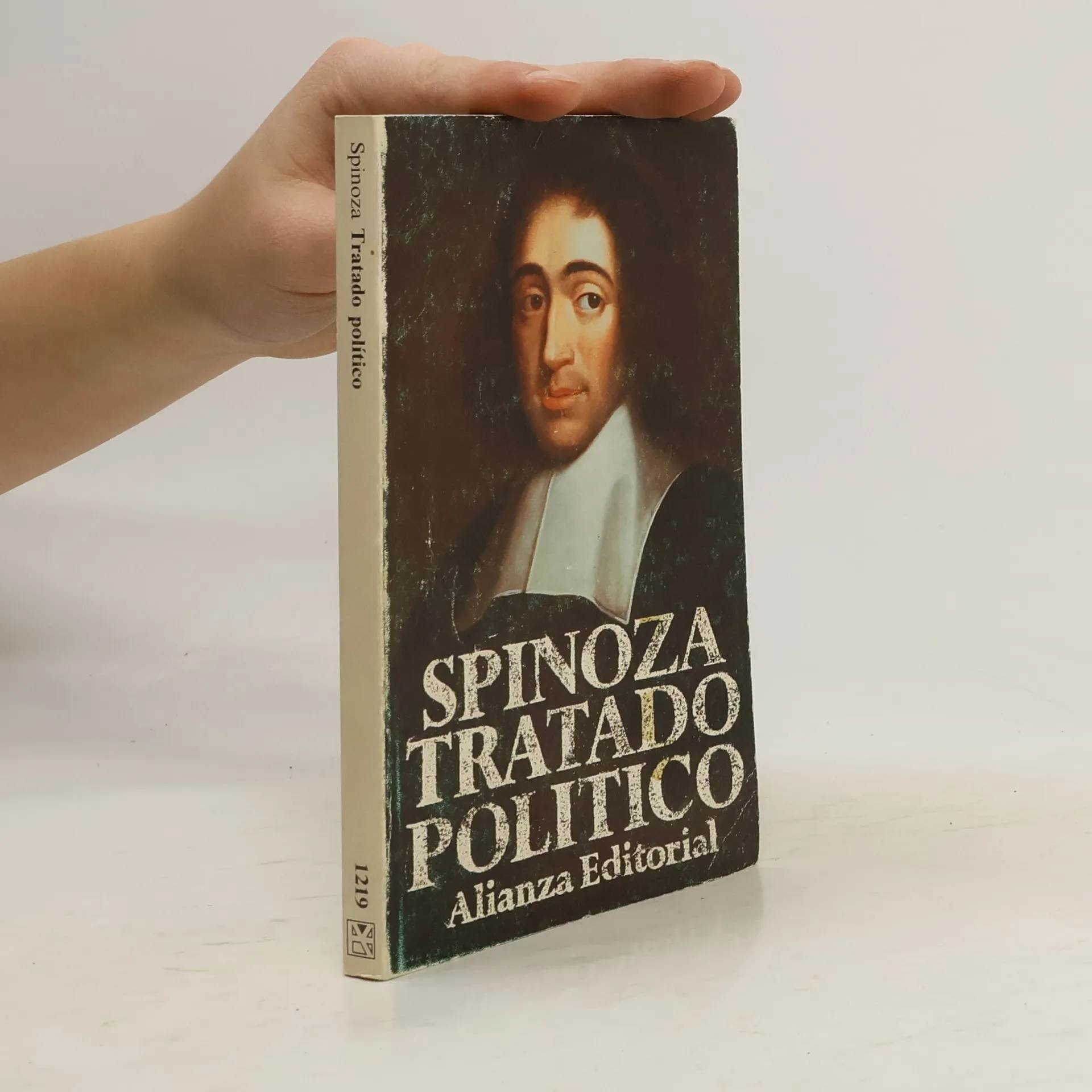
Tratado político
- 235 pages
- 9 hours of reading
Redactado por Spinoza (1632-1677) al final de su vida, el Tratado político significa la culminación de su pensamiento acerca de las relaciones entre el poder, el derecho, la libertad y la moral. La primera parte, que abarca cinco capítulos, vuelve sobre las reflexiones en torno a los fundamentos del Estado, anteriormente expuestas en el Tratado teológico-político y en la Ética , y su mayor novedad estriba en la profundización del estudio sobre la naturaleza del derecho político. La segunda parte, casi totalmente original, describe la organización de las tres formas clásicas de gobierno y, aunque la muerte le impidiera concluir la sección dedicada a la democracia, el examen de la monarquía y de la aristocracia permite a Spinoza analizar con minuciosidad el funcionamiento de la maquinaria estatal. Atilano Domínguez Basalo explica, en su prólogo a la obra, las claves últimas de un pensamiento tan rico como complejo: «La “anomalía” o el enigma de Spinoza consiste en que, partiendo de una metafísica panteísta y determinista, deduce, con toda lógica, una política humanista, progresista y liberal, y que, inspirándose en un filósofo materialista y absolutista [Hobbes], defiende, por encima de todo, la libertad de pensamiento y quiere conciliar el poder de la multitud con la seguridad del Estado».
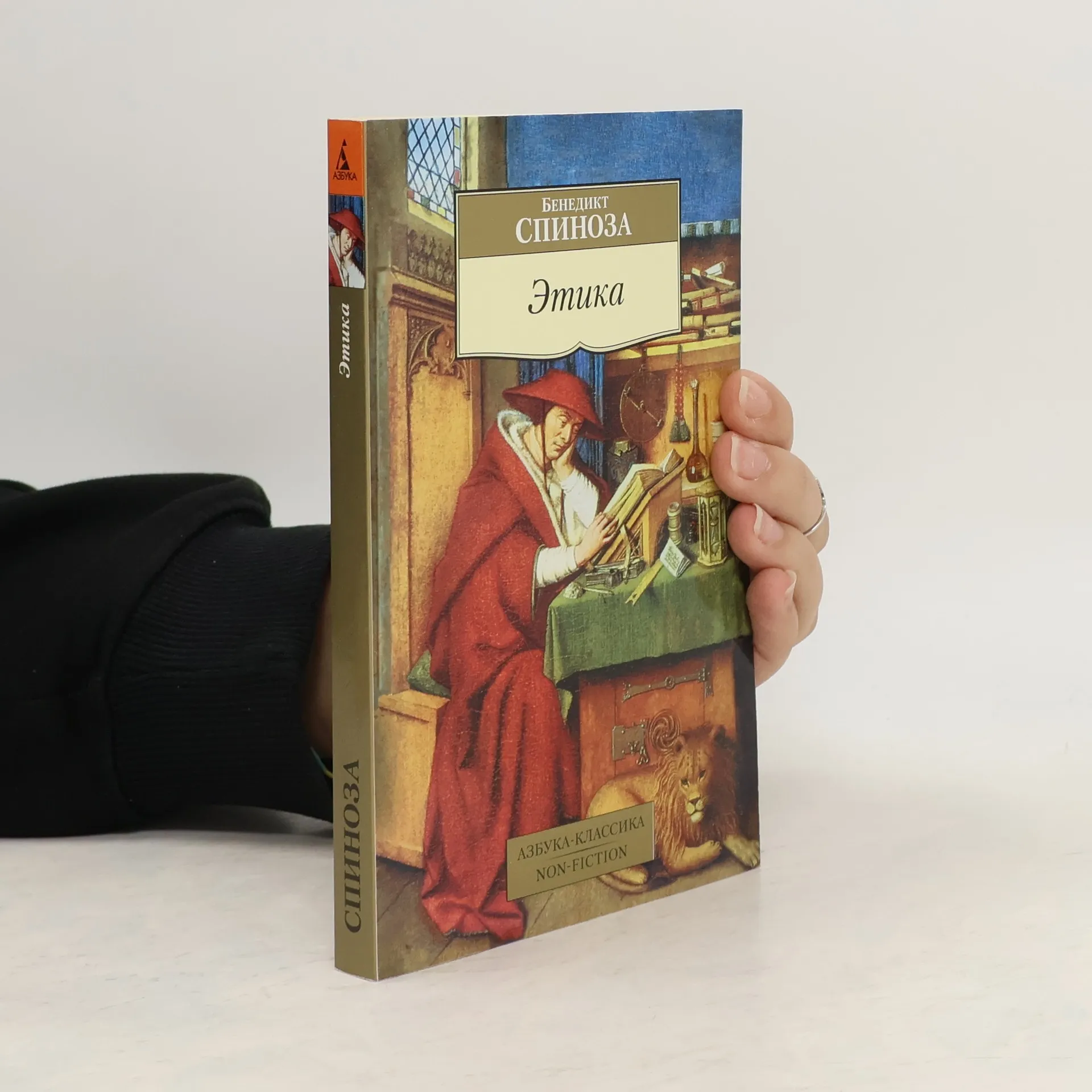
Азбука-Классика: Этика
- 336 pages
- 12 hours of reading
Бенедикт Спиноза — один из величайших философов-рационалистов. Его сочинения составляют эпоху в истории европейской мысли, и их изучение стало необходимым моментом всех учебных курсов по метафизике. Характерной чертой трактатов Спинозы является строгая последовательность мысли и четкая организация текста. Идеи Спинозы, особенно его центрального произведения, «Этики», оказали мощное воздействие на культуру XVII–XIX столетий: Спинозу любили, читали, толковали, с ним спорили не только такие философы, как Беркли, Юм, Шеллинг, Гегель, но и великие ученые, просветители, поэты — Дидро, Гередер, Гете. Тексты Спинозы, вошедшие в настоящее издание, позволят читателю получить достаточно полное представление о творчестве и идеях этого нидерландского мыслителя.
Examen rationnel de l'Ancien Testament pour montrer que la liberté de pensée et d'expression est compatible avec la vie religieuse. La vraie religion consiste en la pratique d'une piété simple, indépendante de la spéculation philosophique.
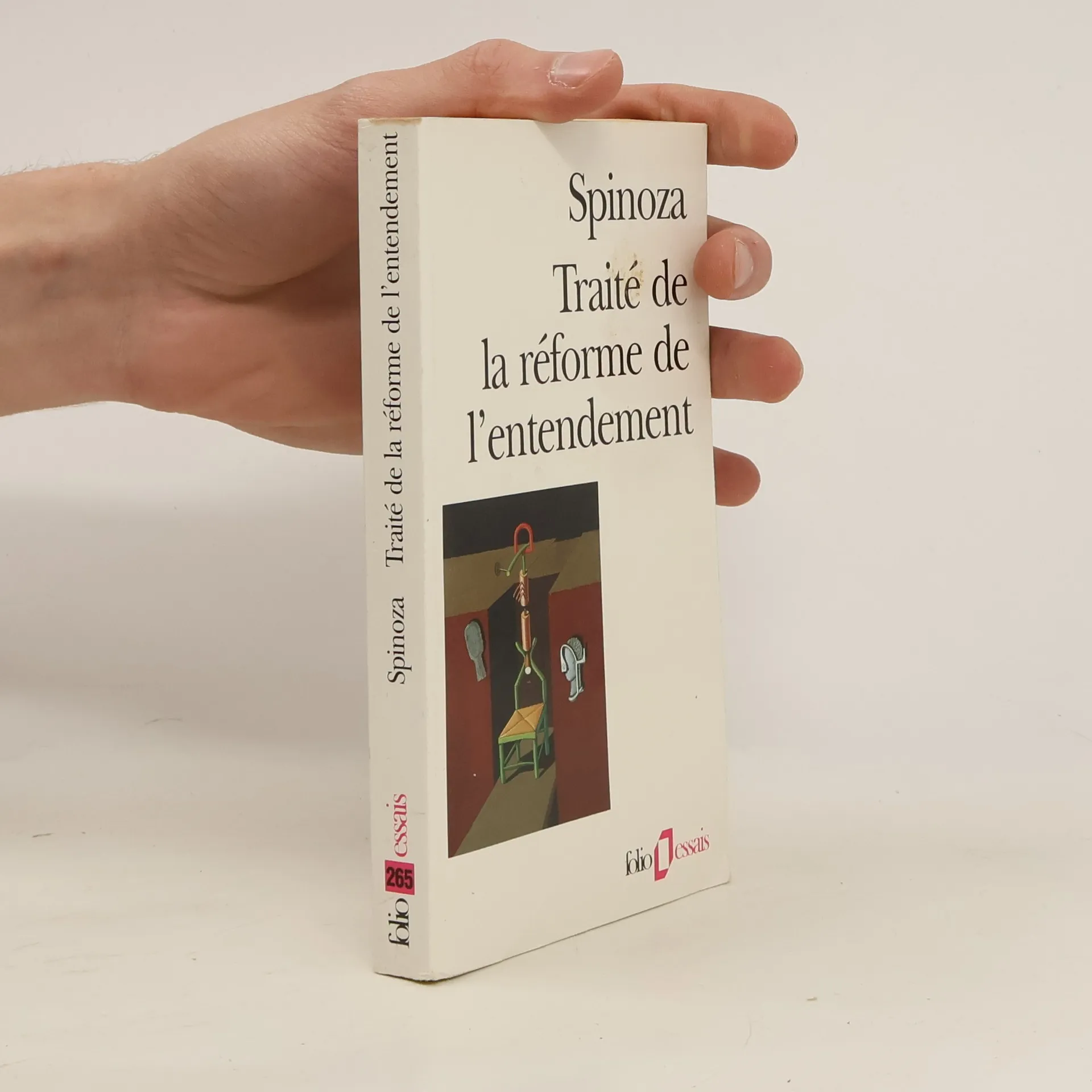
Traité de la réforme de l'entendement
- 257 pages
- 9 hours of reading
Après que l'expérience m'ait appris que tous les environnements habituels de la vie sociale sont vains et futiles ; voyant que nul des objets de mes peurs ne contenait en lui-même rien de bon ou de mauvais, sauf dans la mesure où l'esprit en est affecté, j'ai finalement résolu de m'enquérir s'il pourrait exister un véritable bien ayant le pouvoir de se communiquer, qui affecterait l'esprit seul, à l'exclusion de tout le reste : s'il pourrait en fait y avoir quelque chose dont la découverte et l'atteinte me permettraient de jouir d'un bonheur continu, suprême et sans fin.
Sämtliche Werke 5
- 217 pages
- 8 hours of reading
"Nachdem mir die Erfahrung gezeigt hatte, dass alle gewohnten Umgebungen des sozialen Lebens vergeblich und sinnlos sind; da ich sah, dass keines der Objekte meiner Ängste in sich selbst etwas Gutes oder Schlechtes enthielt, es sei denn, insofern der Geist von ihnen betroffen ist, beschloss ich schließlich zu untersuchen, ob es ein echtes Gut geben könnte, das die Macht hat, sich selbst zu vermitteln und das den Geist allein, unter Ausschluss aller anderen Dinge, beeinflussen könnte: ob es tatsächlich etwas geben könnte, dessen Entdeckung und Erreichung es mir ermöglichen würde, kontinuierliches, höchstes und unendliches Glück zu genießen."
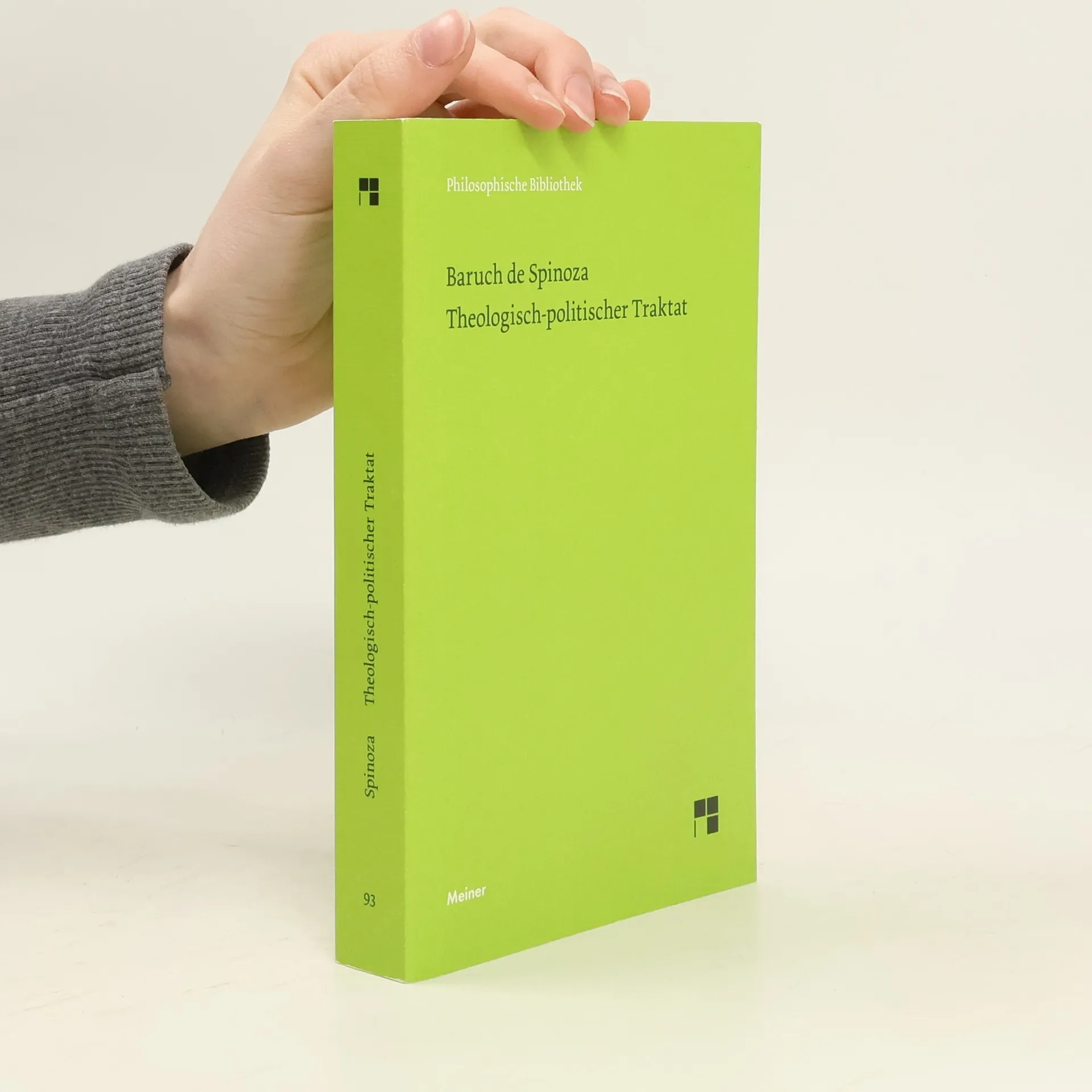
Theologisch-politischer Traktat
Sämtliche Werke, Band 3
Spinoza entwickelt in seinem Traktat die Grundlagen von Toleranz in der Religion und Liberalität in der Politik und plädiert vehement für die Freiheit philosophischen Denkens. Er wendet sich gegen ein falsches Religionsverständnis der zeitgenössischen Theologen und legt – als einer der ersten Denker – die Bibel historisch-kritisch und nicht dogmatisch aus. Spinoza erörtert die im Feld des Religiösen aufgewiesene Freiheit im Hinblick auf den besten Staat und zeigt, dass die Freiheit zu philosophieren die unabdingbare Voraussetzung für Frieden im Staat ist. Die Neuausgabe des Textes enthält neben einer Einführung und erläuternden Anmerkungen des Herausgebers auch ein Verzeichnis der Bibelstellen sowie ein Namen- und Sachregister.
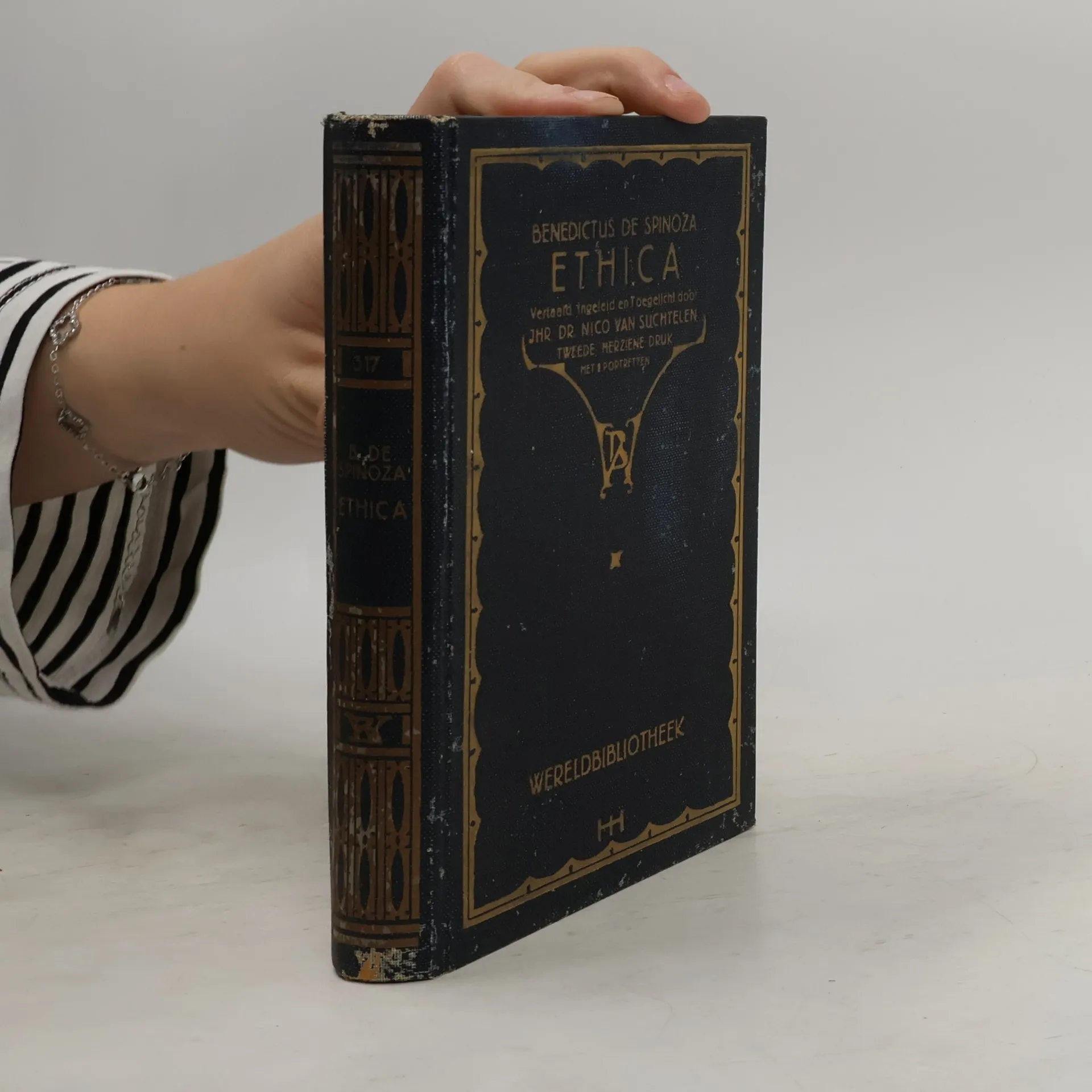
Ethica
Vertaald, Ingeleid en Toegelicht door JHR. DR. NICO VAN SUCHTELEN
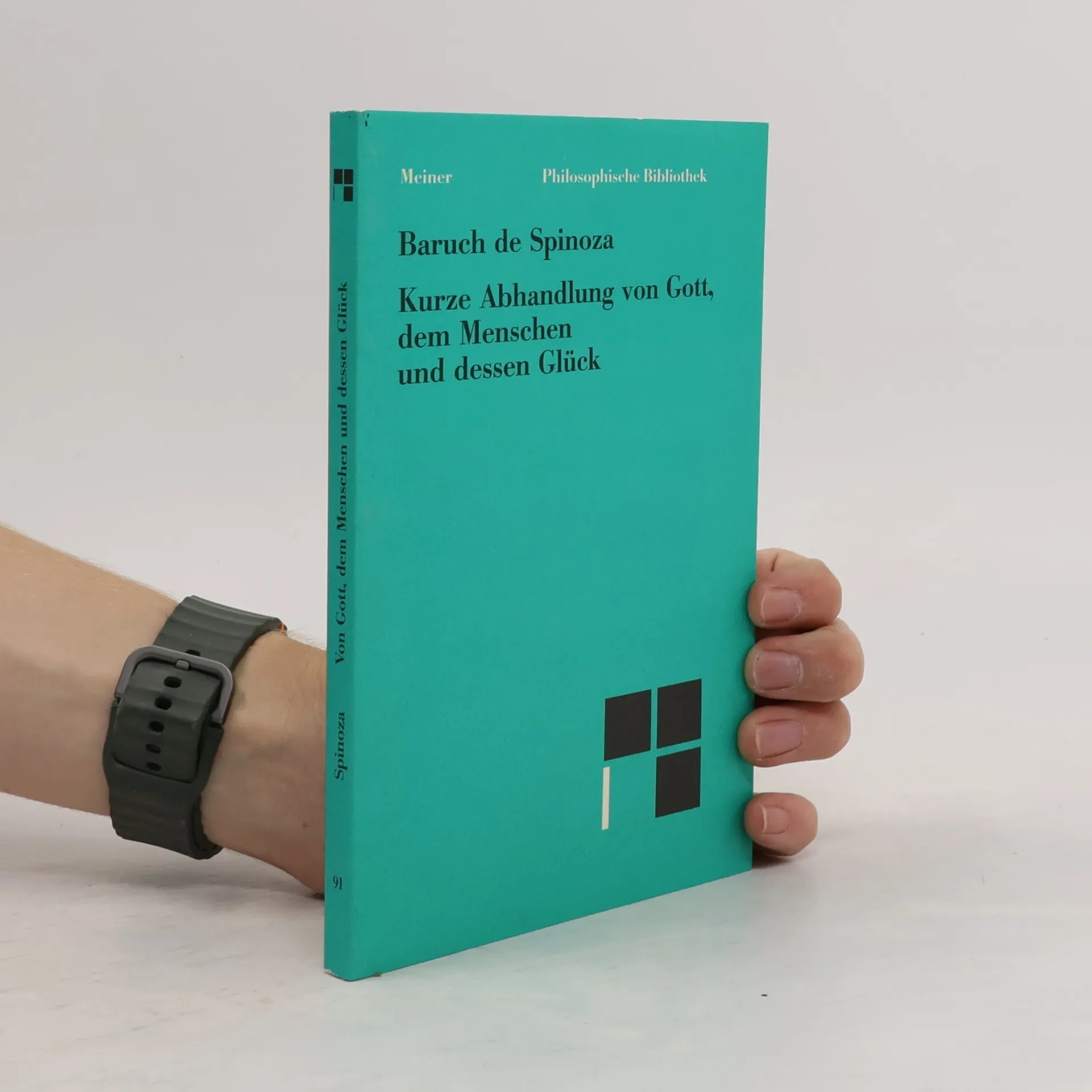
Philosophische Bibliothek - 91: Kurze Abhandlung von Gott, dem Menschen und dessen Glück
- 182 pages
- 7 hours of reading
This is a reproduction of a book published before 1923. This book may have occasional imperfections such as missing or blurred pages, poor pictures, errant marks, etc. that were either part of the original artifact, or were introduced by the scanning process. We believe this work is culturally important, and despite the imperfections, have elected to bring it back into print as part of our continuing commitment to the preservation of printed works worldwide. We appreciate your understanding of the imperfections in the preservation process, and hope you enjoy this valuable book.
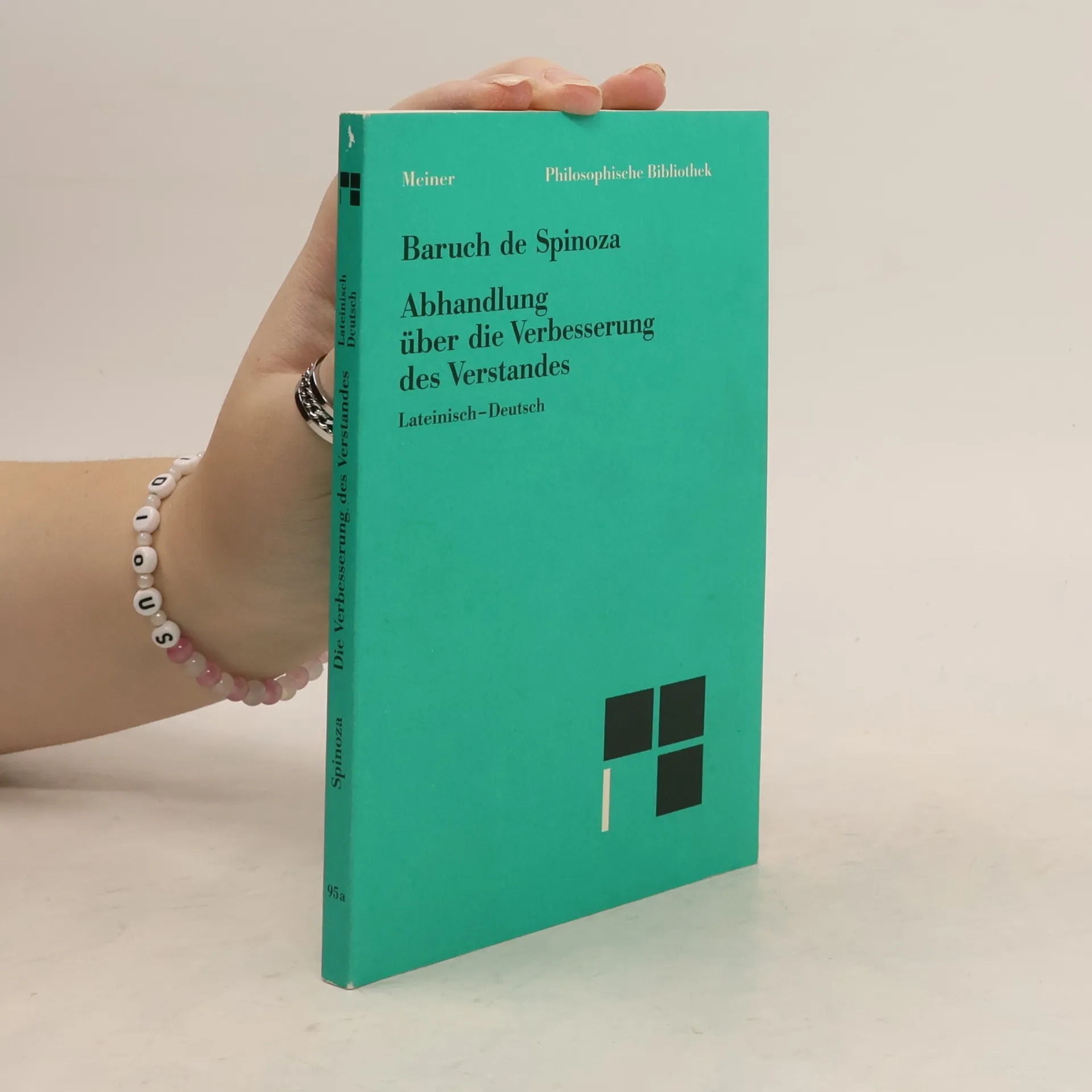
Philosophische Bibliothek - 95a: Abhandlung über die Verbesserung des Verstandes
Lateinisch-Deutsch
- 122 pages
- 5 hours of reading
"After experience had taught me that all the usual surroundings of social life are vain and futile; seeing that none of the objects of my fears contained in themselves anything either good or bad, except in so far as the mind is affected by them, I finally resolved to inquire whether there might be some real good having power to communicate itself, which would affect the mind singly, to the exclusion of all else: whether, in fact, there might be anything of which the discovery and attainment would enable me to enjoy continuous, supreme, and unending happiness."
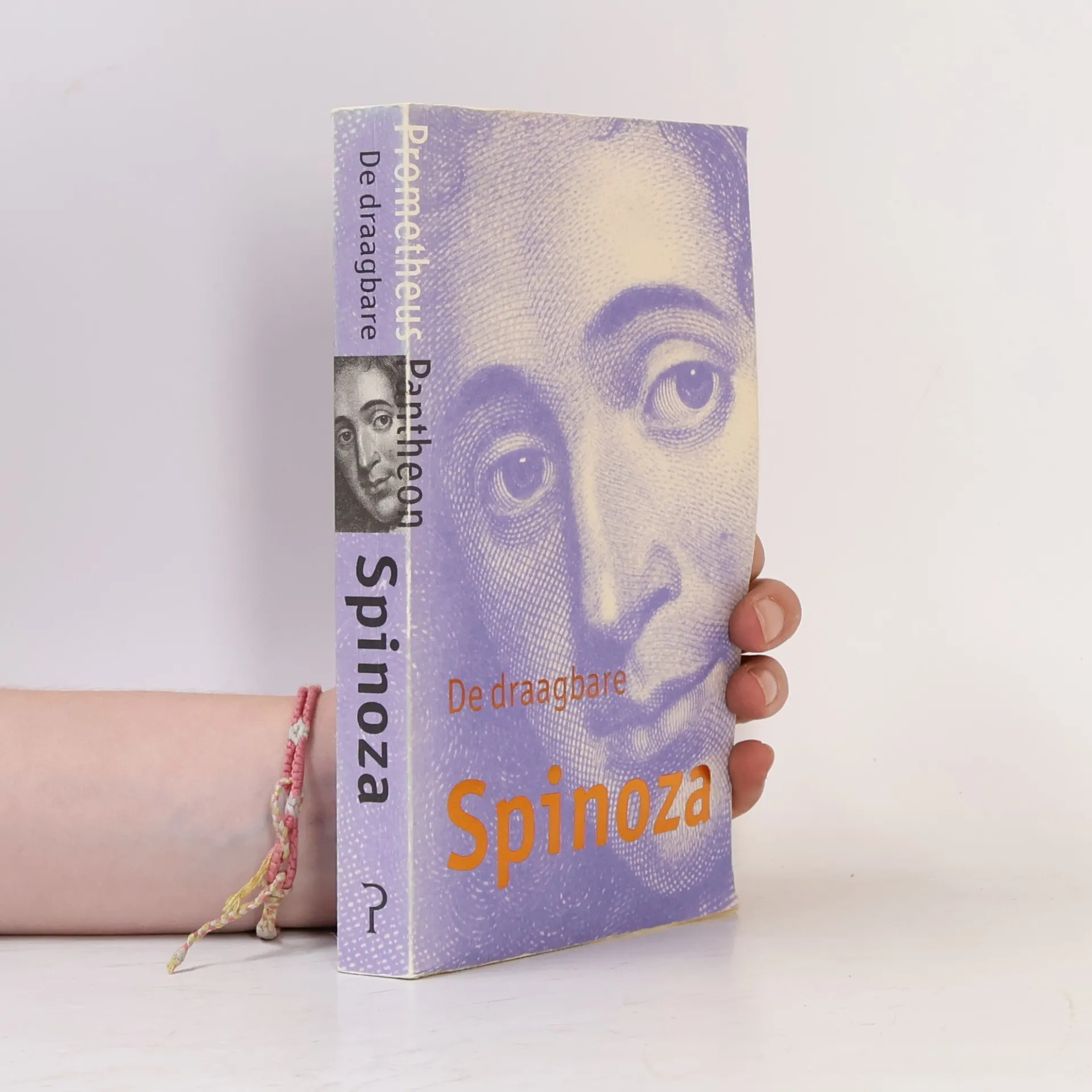
Prometheus Pantheon: De draagbare Spinoza
- 264 pages
- 10 hours of reading
Sämtliche Werke
Band I.
Traktát o náprave intelektu
- 152 pages
- 6 hours of reading
Raný metodologický spis (1660-1662) novovekého holandského filozofa Barucha Spinozu v novom slovenskom preklade a bilingválnej latinsko-slovenskej verzii. Hoci ide o kratšie a nikdy nedokončené dielo, podľa niektorých názorov predstavuje Logiku k Spinozovej Etike. Jeho ústrednými motívmi sú otázka pravdivého poznania, možnosti jeho realizácie a súvisiace formulovanie metód “prečistenia” intelektu založených predovšetkým na správnom rozlišovaní medzi intelektom a predstavivosťou.
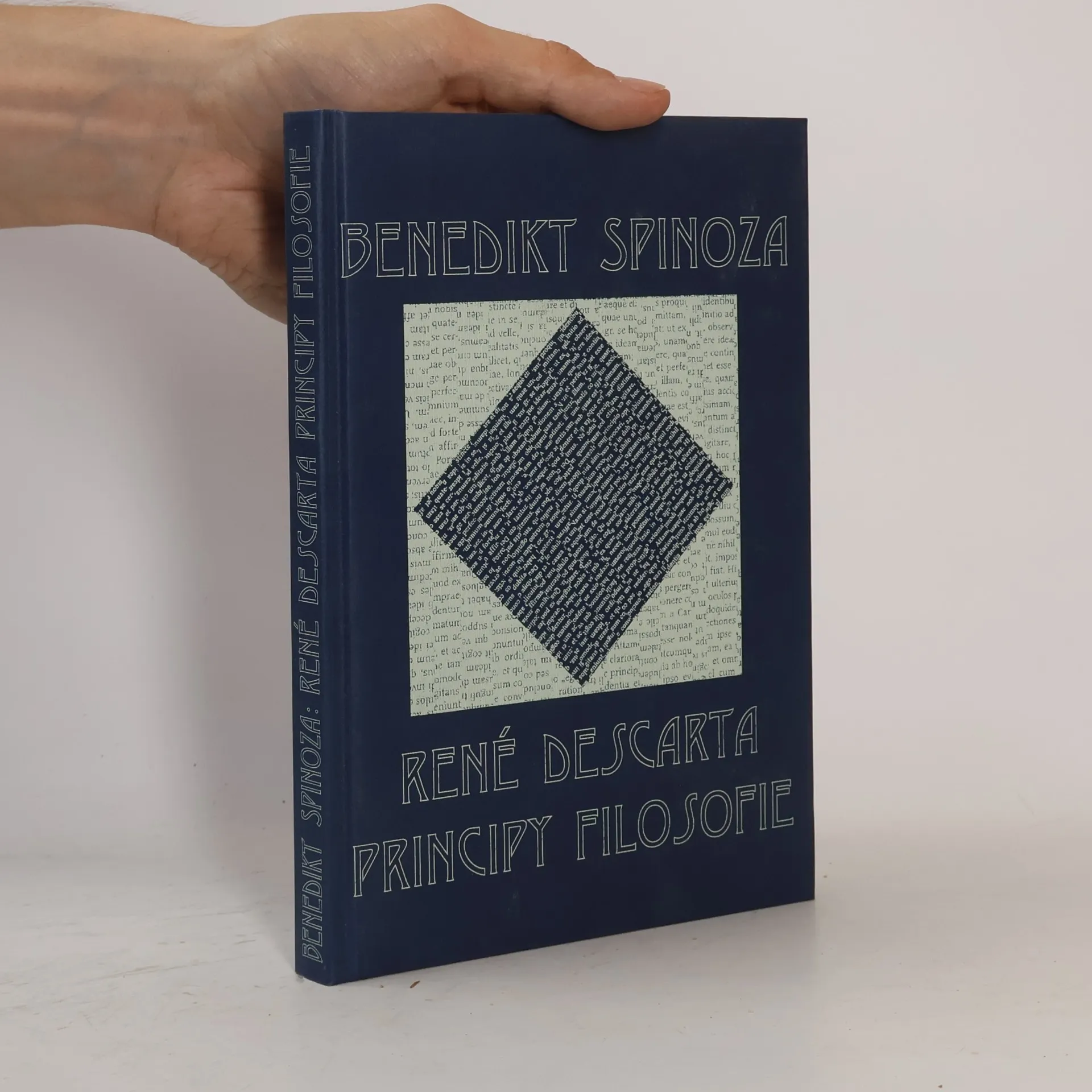
Principy filosofie René Descarta
- 241 pages
- 9 hours of reading
Významný holandský filozof interpretuje myšlenkovou koncepci průkopníka kartezianismu z díla "Principy filozofie". Prostřednictvím analýzy jsou některé ideové pilíře karteziánské filozofie popřeny: omezenost lidského poznání, zcela odlišná interpretace rozdílu mezi vůlí a rozumem, zavržení karteziánského konceptu mysli jakožto substance a odmítnutí úvah o "cogito-sum". Holandský filozof židovského původu rovněž kriticky zkoumá některé principy i ideové závěry karteziánské fyziky, především Descartovy zákony pohybu těles. Detailní rozbor základních východisek přírodní filozofie a nové přírodovědné soustavy využívá geometrickou metodu demonstrace. Originální interpretace základního spisu karteziánské filozofie...
Promyšlení vůdčích motivů filosofie René Descarta ze Spinozovy vlastní filosofické pozice. Dodatek k "René Descarta Principy filosofie", který čtenáře vpravuje do stylu myšlení Barucha Spinozy, stejně jako mu umožňuje sledovat postupnou proměnu pojetí ústředních motivů ve Spinozově "Etice", a tak sledovat konstituci jednoho ze základních epochálních postojů v dějinách metafyziky.
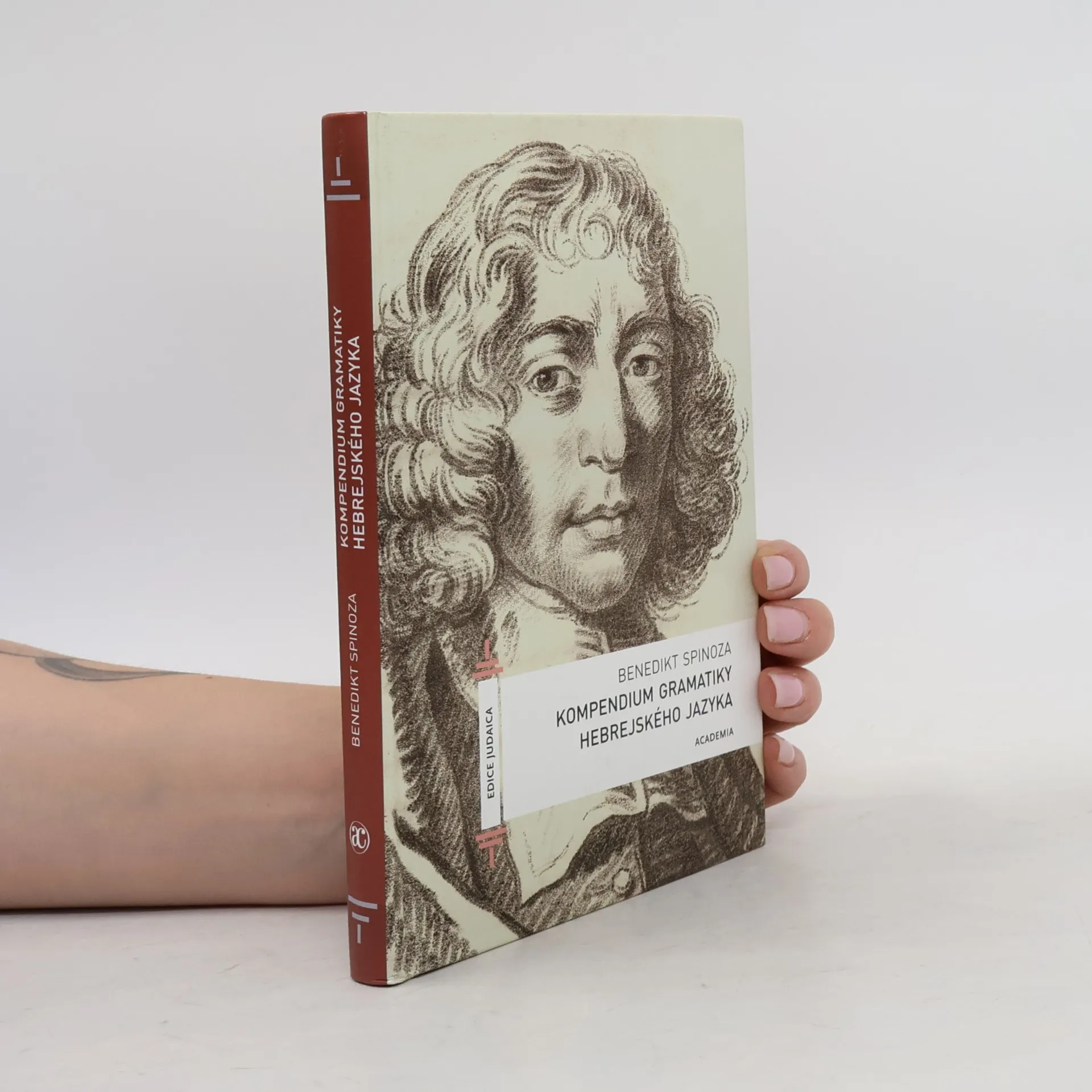
Compendium grammatices linguae hebraeae je jedním z posledních děl Benedikta Spinozy (1632–1677). Tematicky zde filosof navazuje na problematiku pojednanou již v Traktátu teologicko-politickém; nezbytnou podmínku pro jakékoliv diskuse o teologických otázkách totiž spatřoval v důkladné znalosti pramenného jazyka. Na rozdíl od předchozích zvyklostí usiluje o zcela sekulární a na Bibli nezávislé pojetí. Význačným rysem spisu je teorie lingvistického monismu, tj. nauka o slovních druzích, které jsou Spinozou v rámci hebrejštiny chápány téměř výhradně jako jména a jejich deriváty. Téma prapůvodní dokonalosti jazyka, historickokritický přístup k náboženské tradici, ale také základní ontologická koncepce holandského filosofa, to vše je zde syntetizováno do nového celku. Studium tohoto spisu zprostředkovává čtenáři neobvyklý pohled na Spinozovo myšlenkové dílo, zejména pokud jde o některé motivy z židovské tradice v něm obsažené. Zároveň představuje zajímavý dokument jazykovědy 17. století, který je v řadě aspektů srovnatelný s dobovými lingvistickými projekty, ať již se jedná o univerzální gramatiku port-royalské školy, nebo o umělé jazyky vytvořené na filosoficko-logickém základě. Přeložil a úvodní studií a poznámkami doplnil Pavel Vrtílka.
Sämtliche Werke
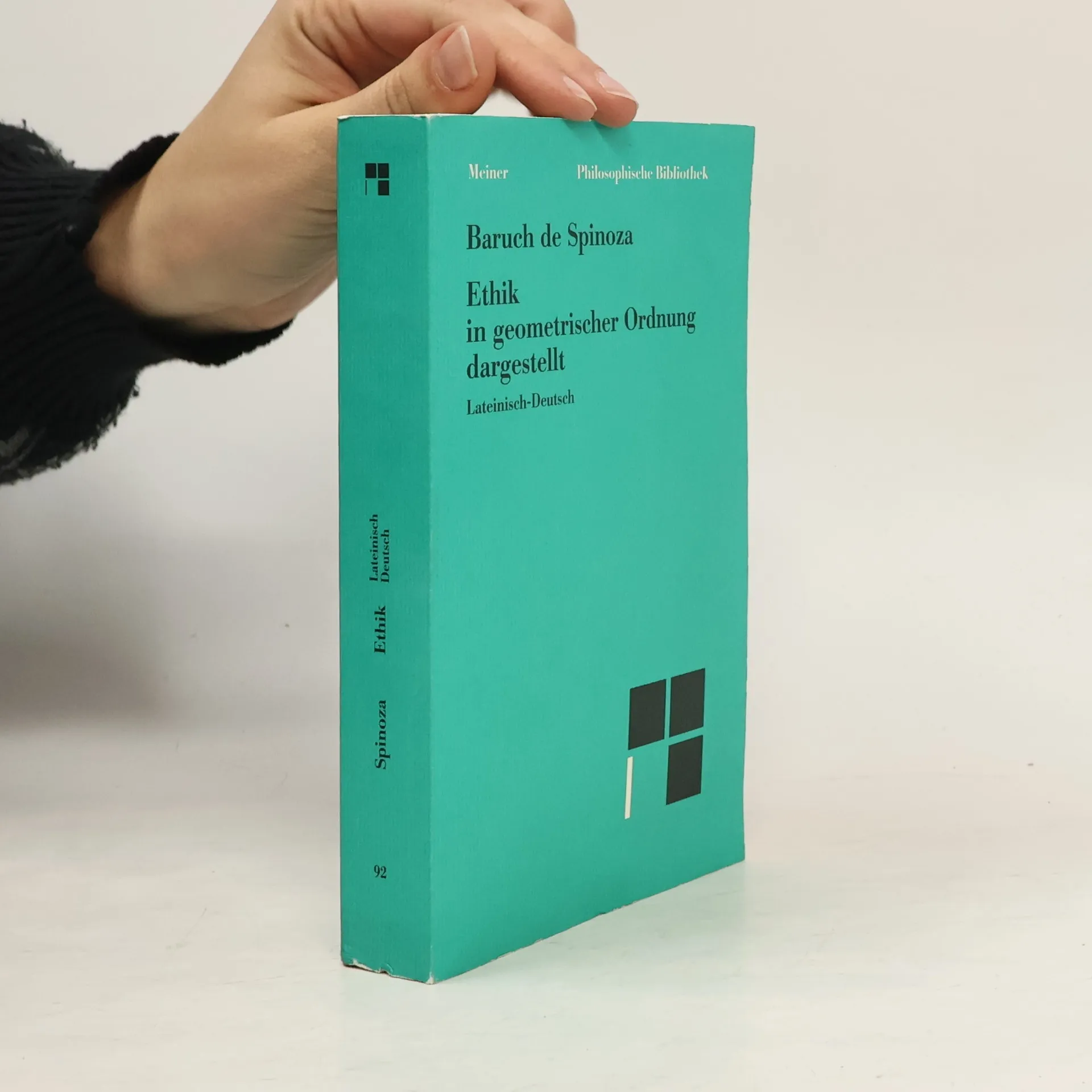
Ethik, in geometrischer Ordnung dargestellt : Lateinisch-Deutsch / neu übers., hrsg., mit einer Einl. vers. von Wolfgang Bartuschat
- 612 pages
- 22 hours of reading
Die „Ethik“ ist Spinozas Hauptwerk, an dem er von 1662 bis 1675 gearbeitet hat. Sie enthält das Ganze seiner Philosophie, die er – wie kein anderer bedeutender Philosoph – in einem einzigen Werk zusammengefaßt hat. Das in fünf Teile gegliederte Werk enthält im ersten Teil eine Theorie elementarer Strukturen der Welt, im zweiten Teil eine Theorie menschlichen Erkennens und in den restlichen drei Teilen eine Ethik vernünftigen menschlichen Handelns, auf die – wie der Titel „Ethik“ signalisiert – die gesamte Philosophie hinausläuft.