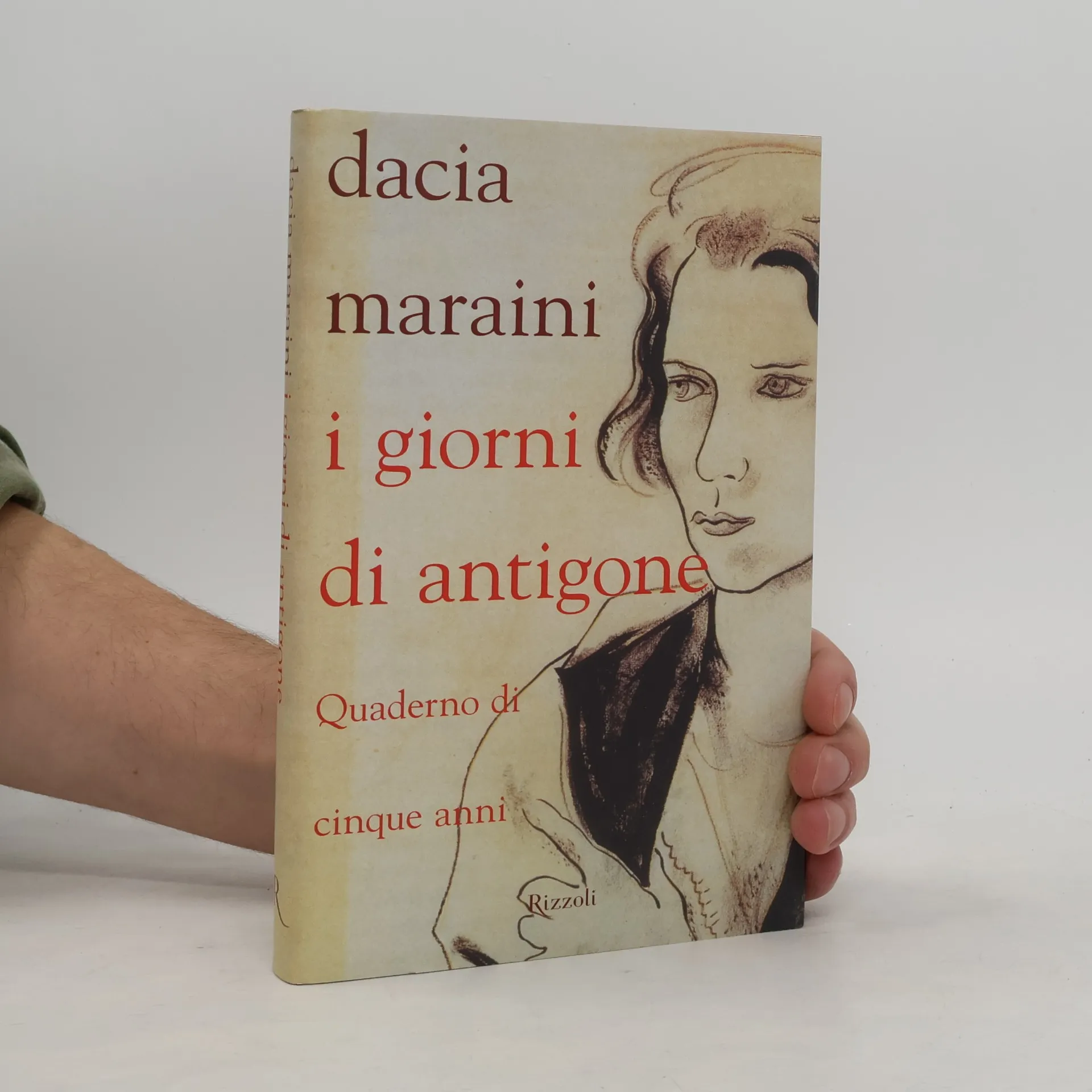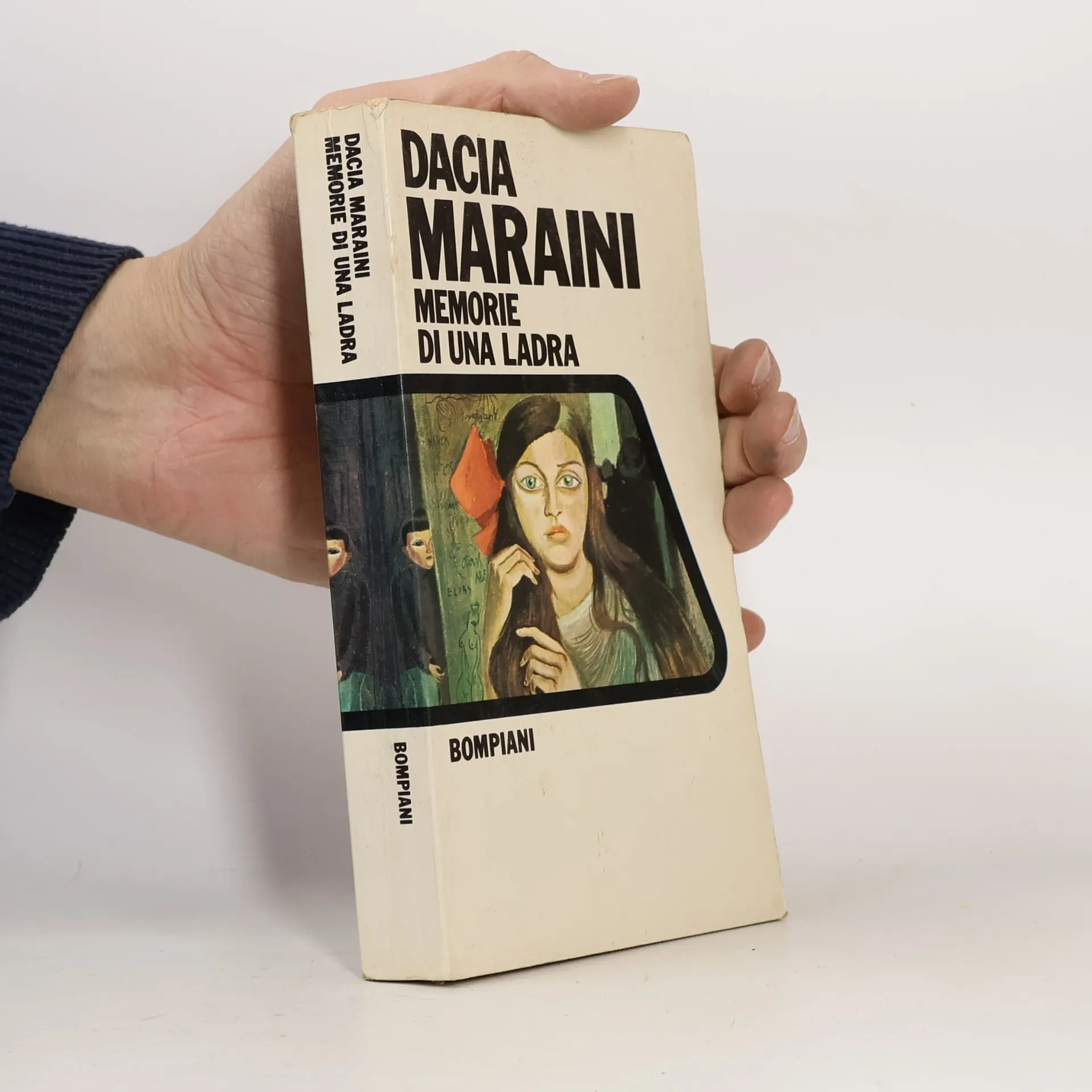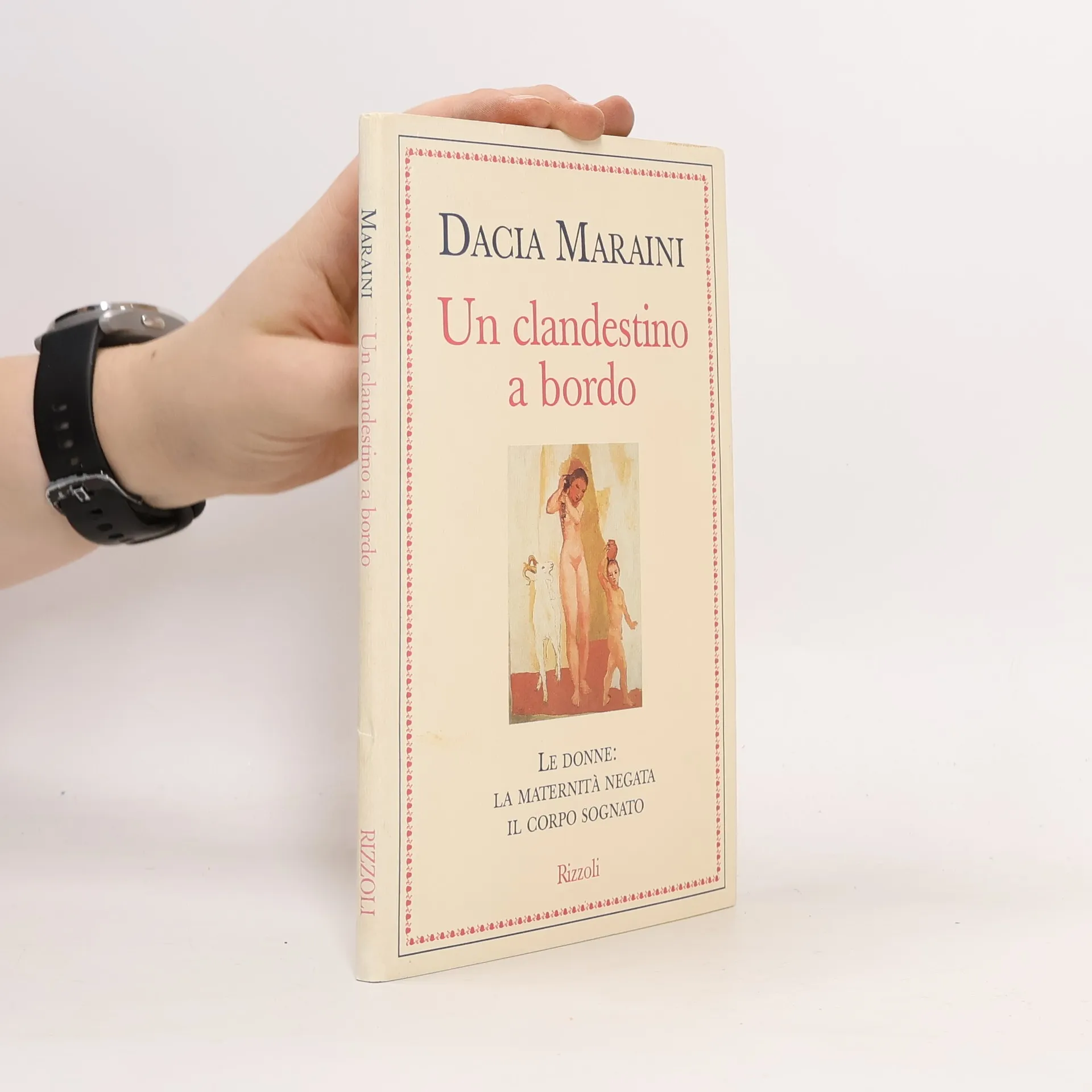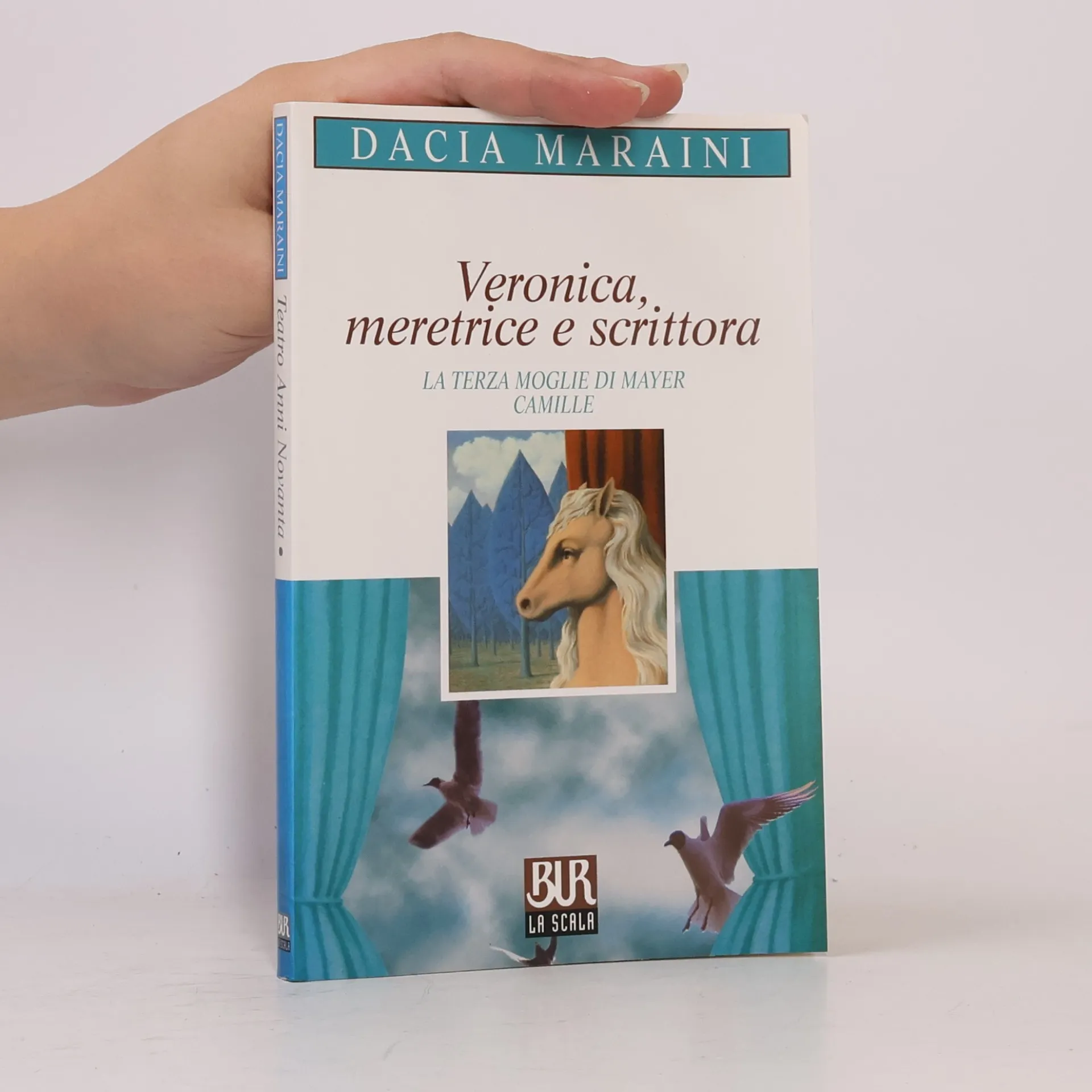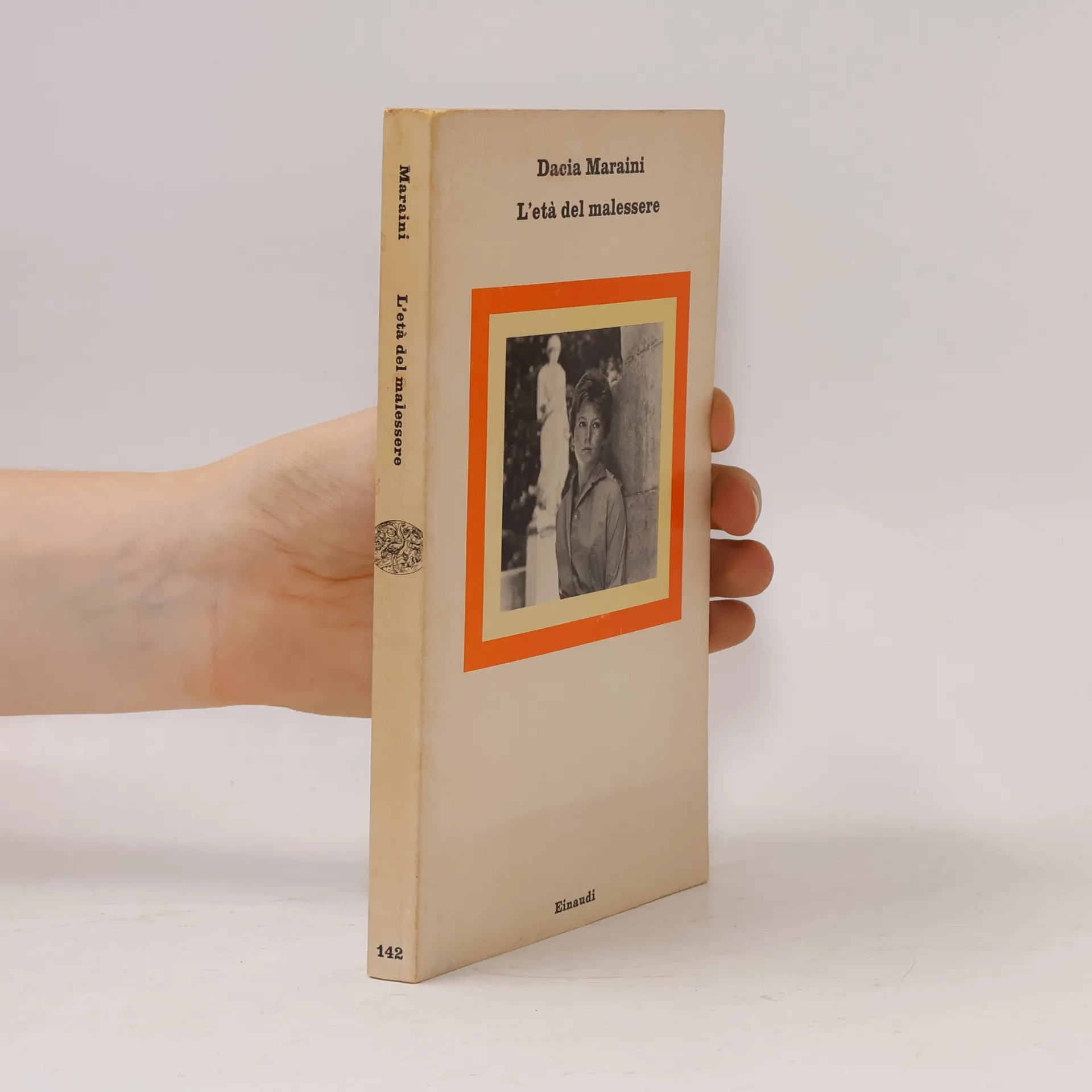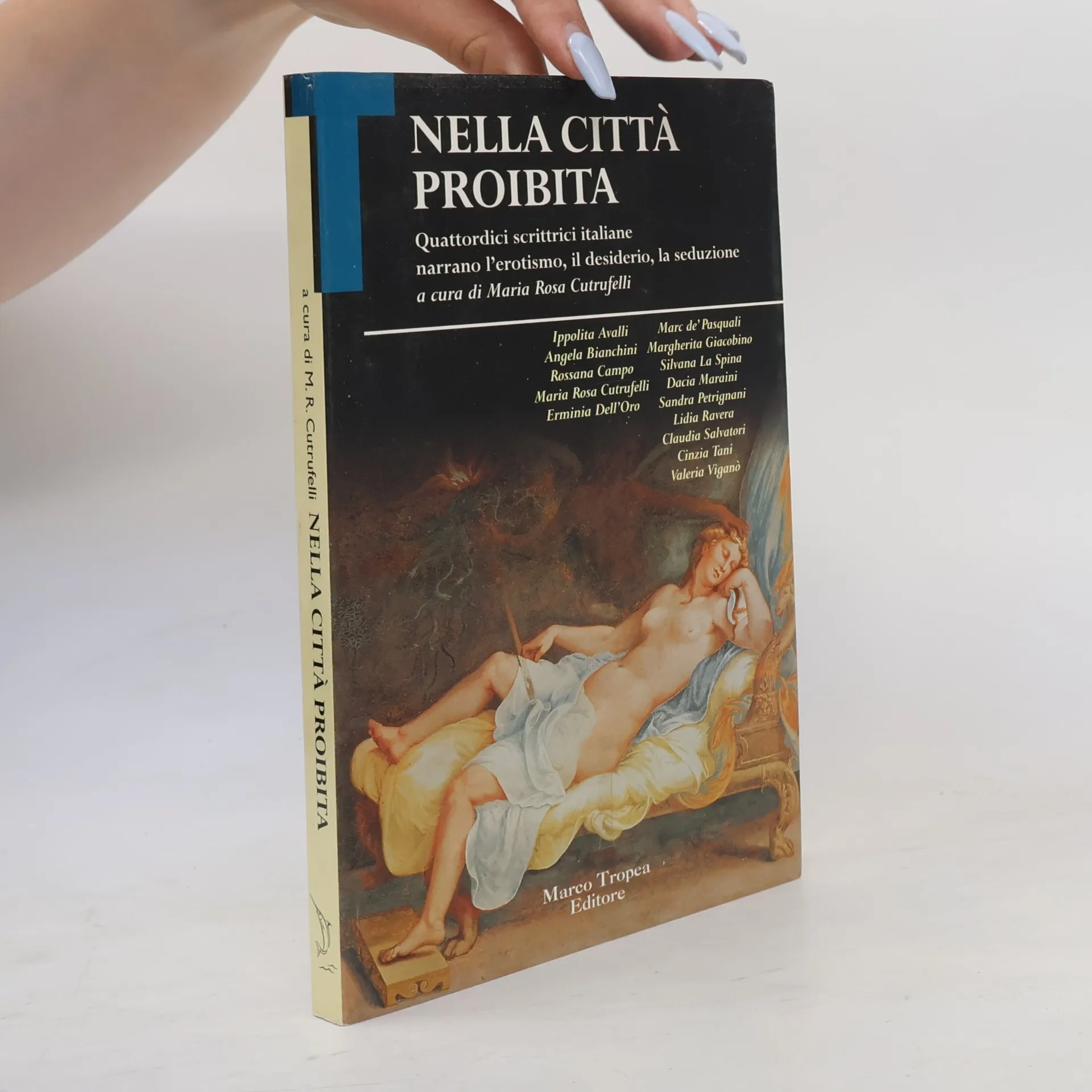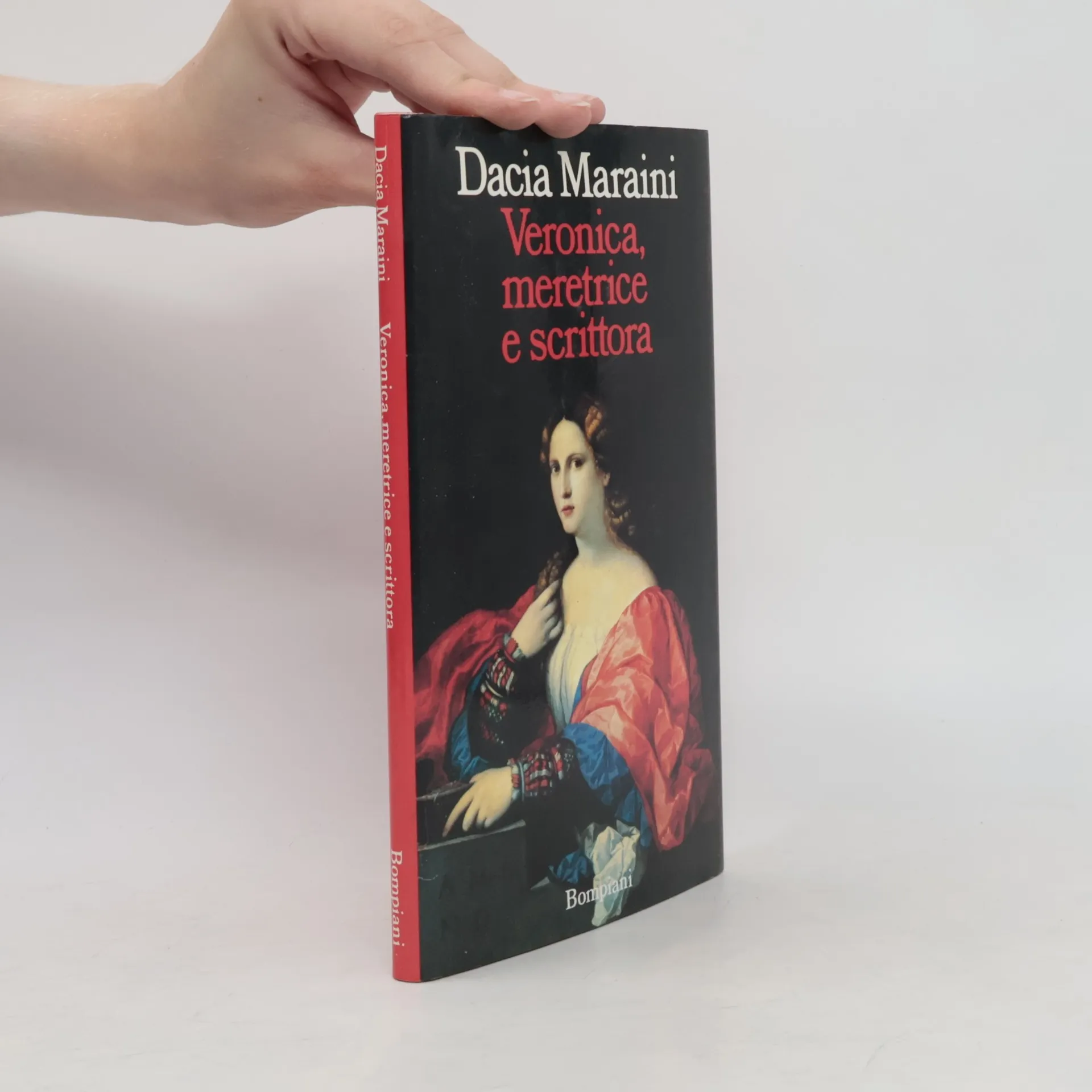

Explore the latest books of this year!
Bookbot

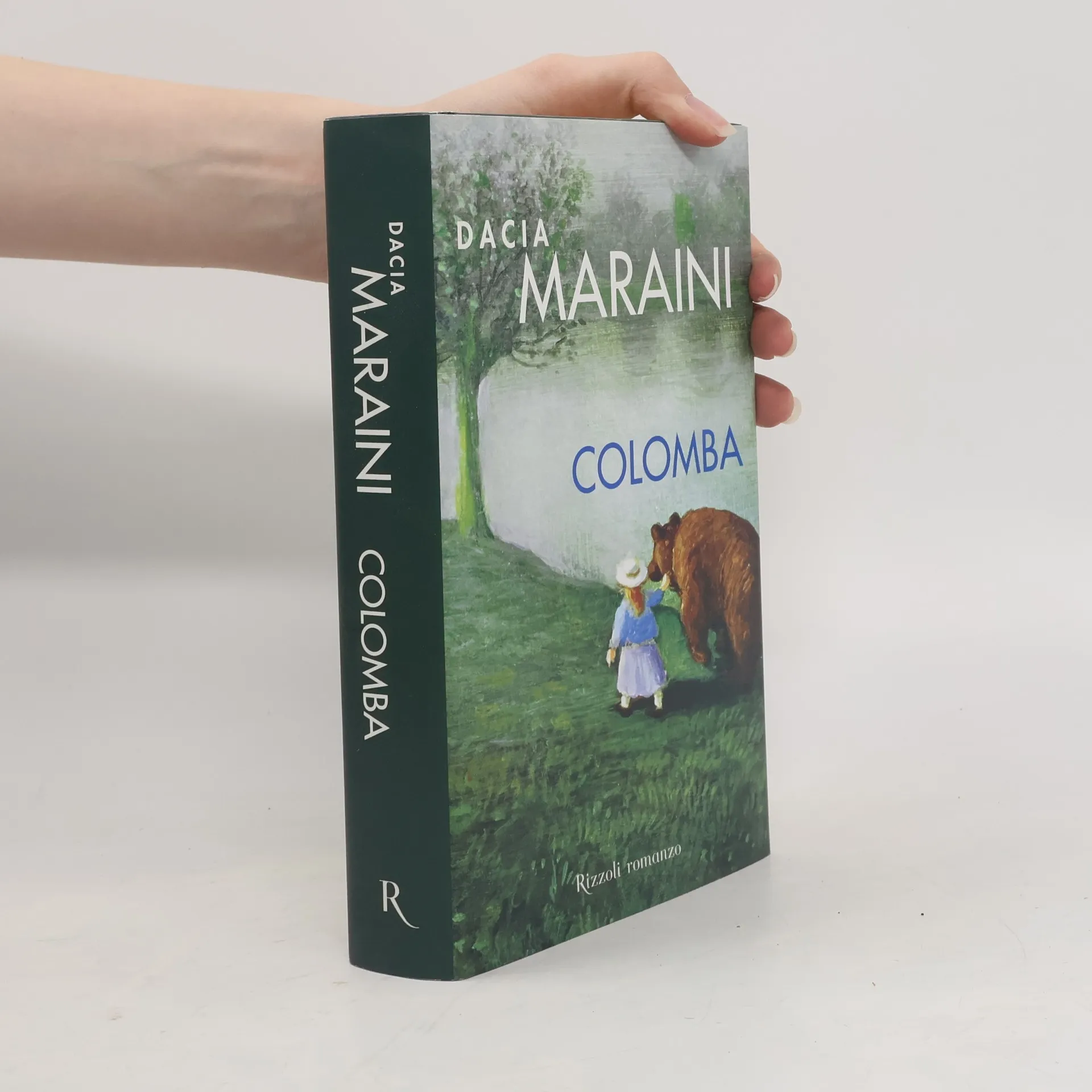
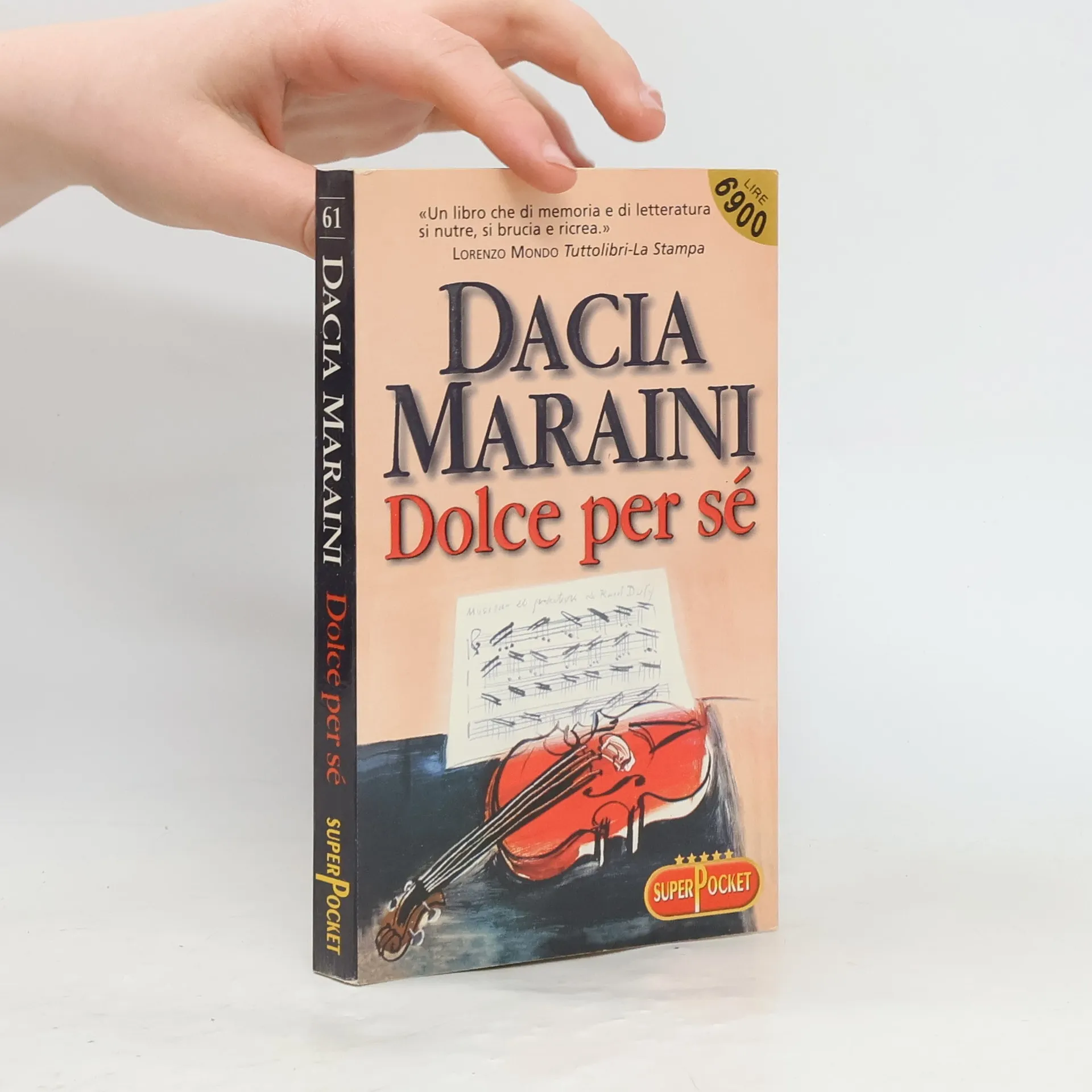
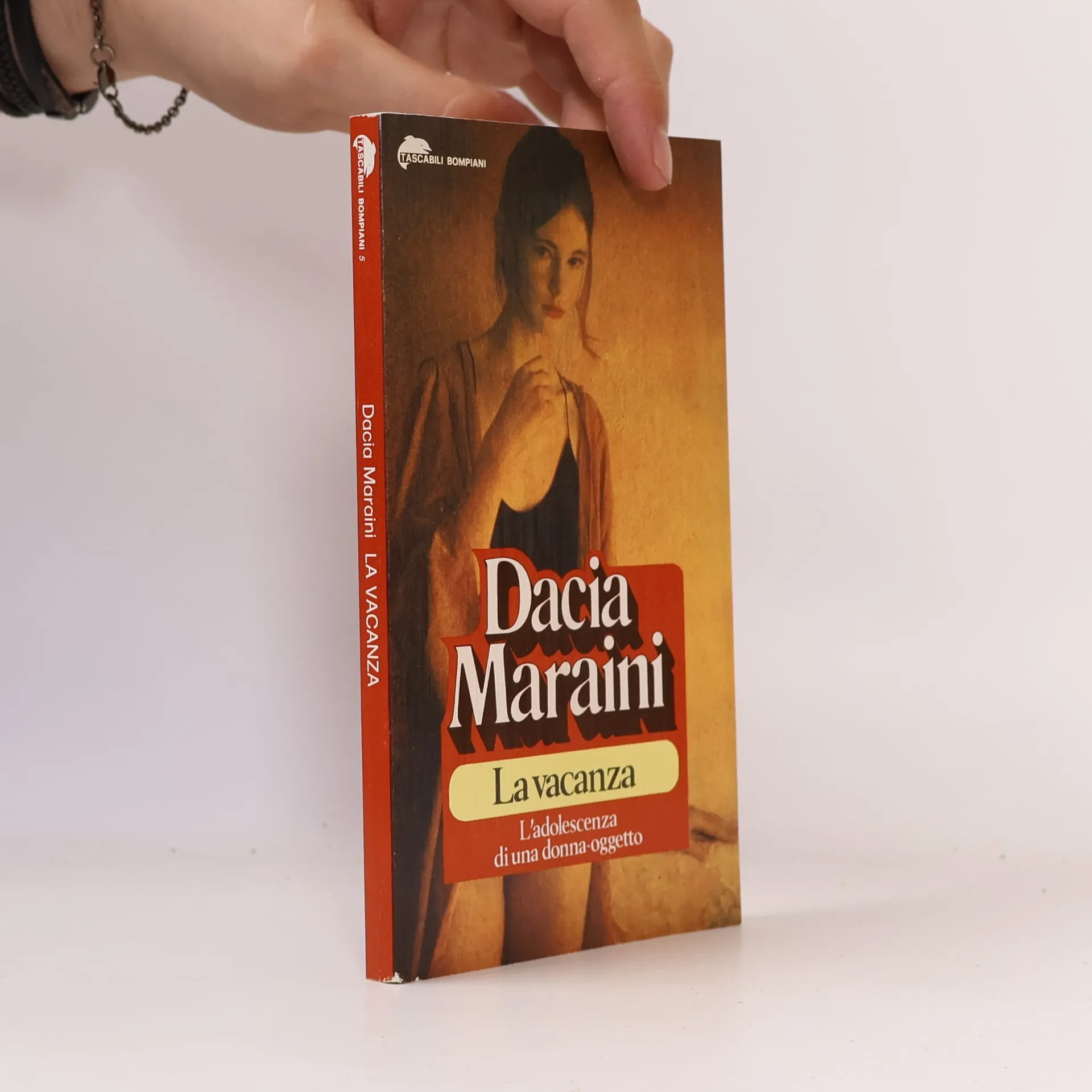
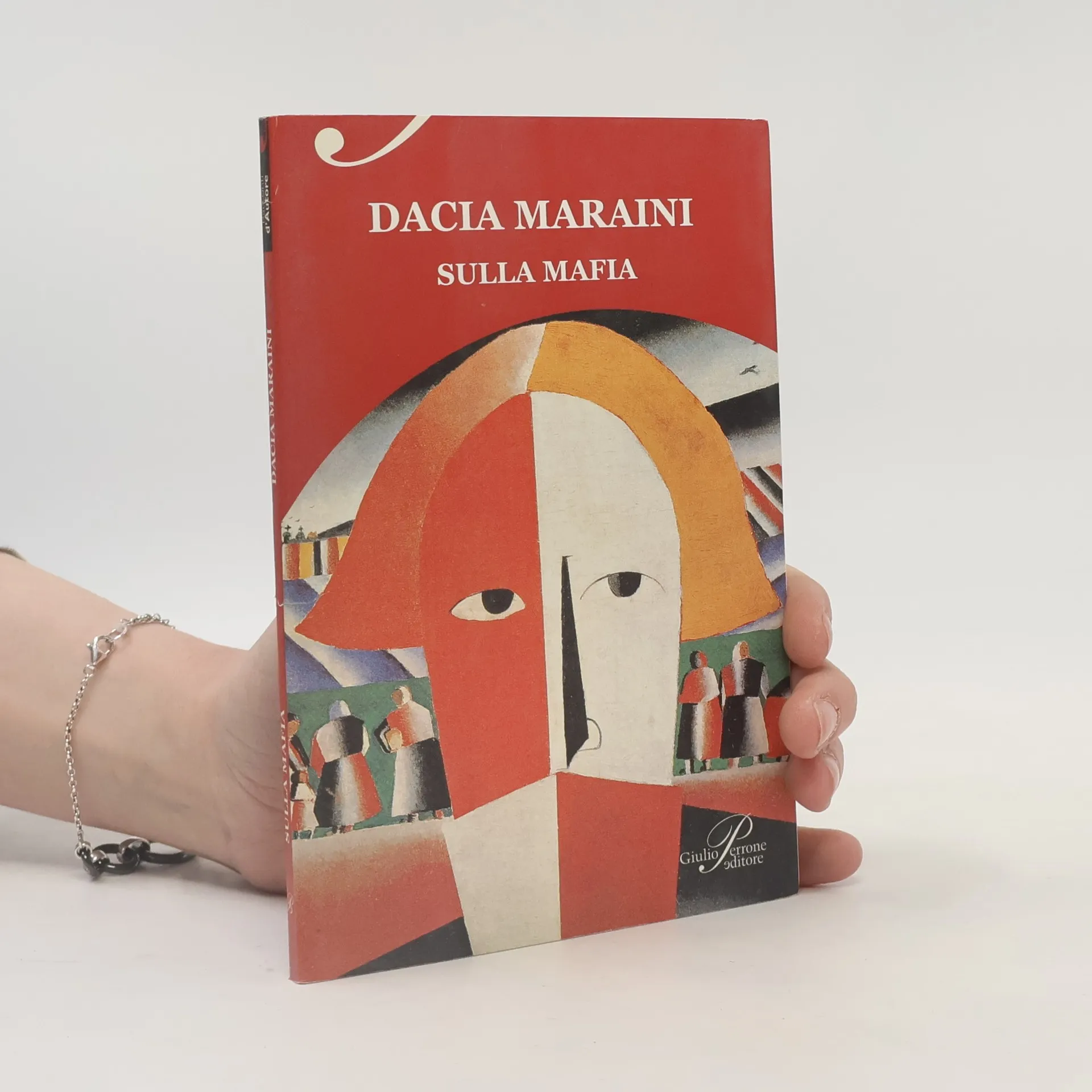
Dacia Maraini

    November 13, 1936

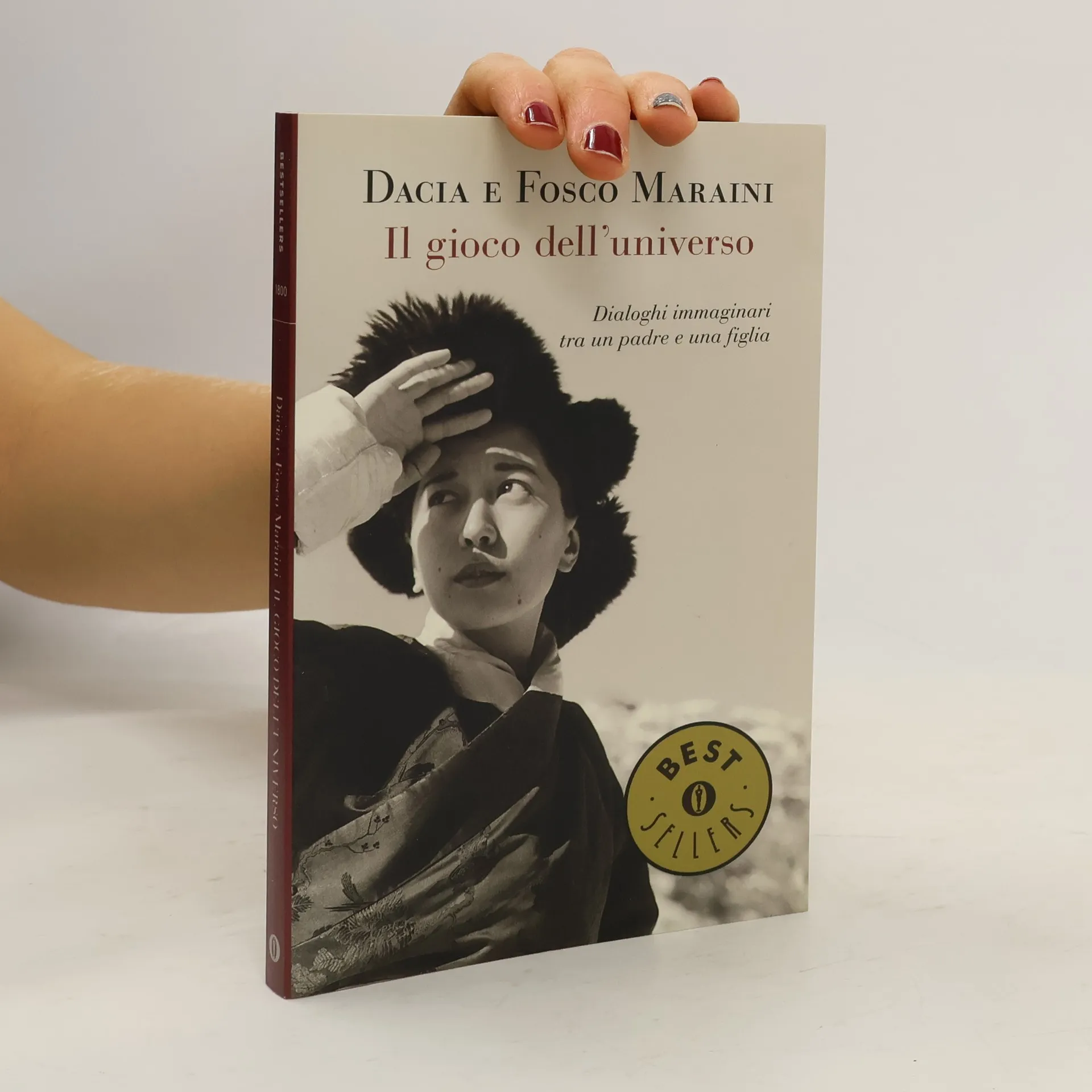
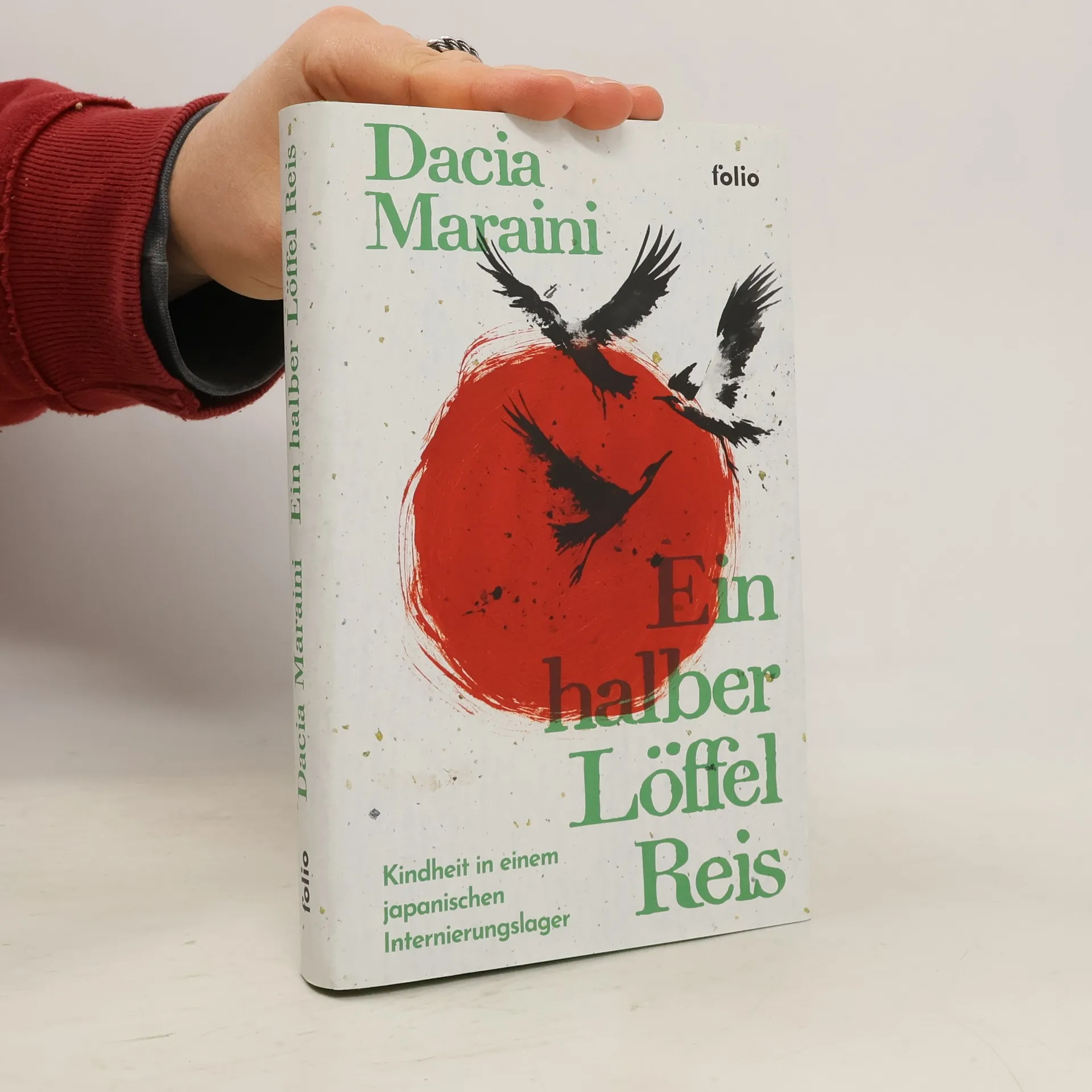
    Dacia Maraini is an Italian author whose work centers on women's issues, encompassing numerous plays and novels. Her writing delves into the depths of female experiences and perspectives, often exploring complex interpersonal dynamics and the societal roles of women. Through her distinctive literary voice, Maraini enriches Italian literature with narratives that amplify often-unheard voices and concerns.

    Dacia Maraini
    Ehetagebuch
    Il diritto di morire
    The Silent Duchess
    Train to Budapest
    In Praise of Disobedience
    Life, Brazen and Garish
    • Life, Brazen and Garish

      • 162 pages
      • 6 hours of reading

      A year in the life of three modern women, a grandmother, her daughter, and her granddaughter, living together under one roof, each struggling with love, revolt, reality in different (st)ages of existence. Their interactions are chronicled through each woman's stylistically varied voice as reported in three distinct forms of communication: diary entries, letters, and audio recordings. Despite appearances of conflicting perspectives, in the end their ardent solidarity promises their survival.

      Life, Brazen and Garish
      4.0
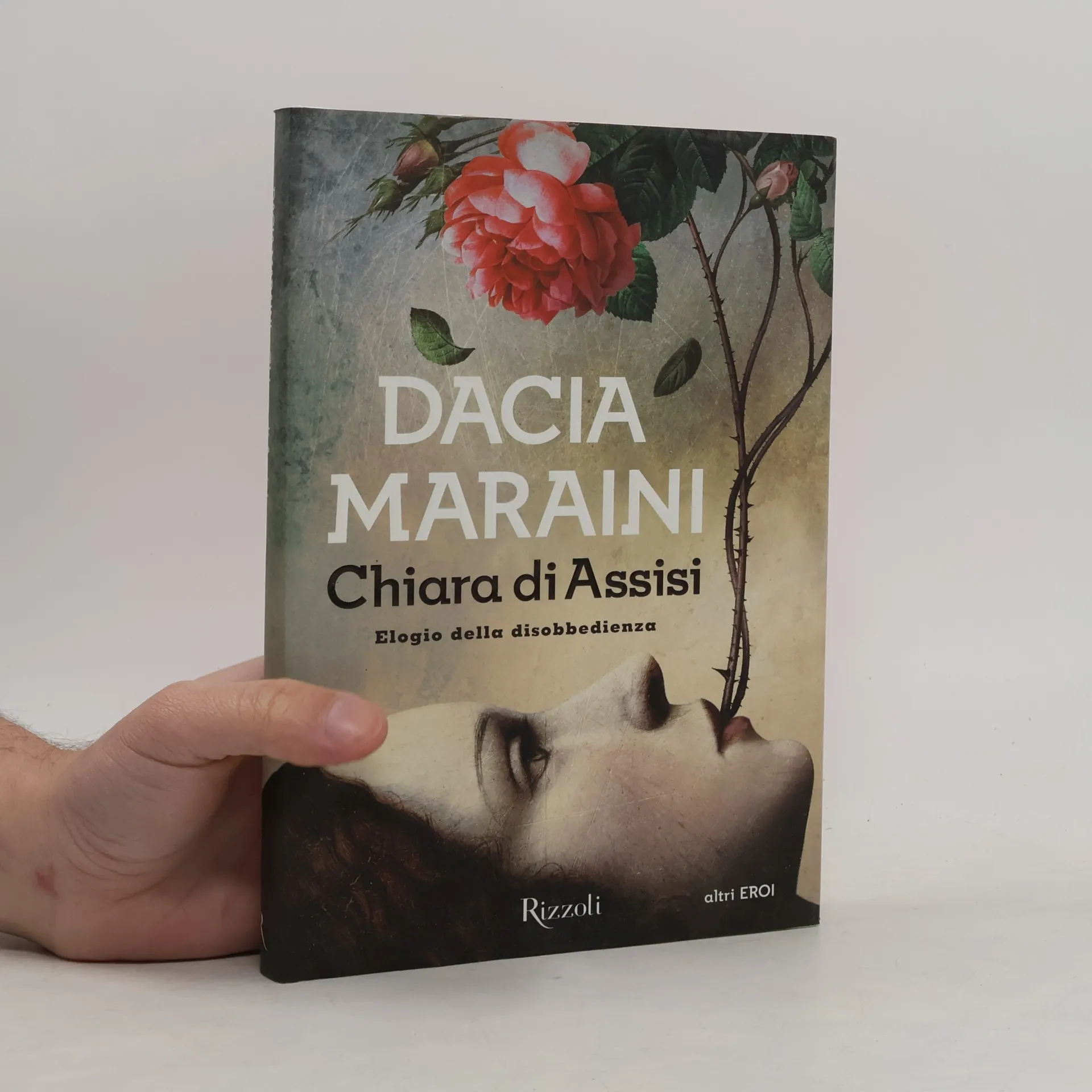
    • In Praise of Disobedience

      • 250 pages
      • 9 hours of reading

      An author receives a mysterious e-mail begging her to tell the story of Clare of Assisi, the thirteenth-century Italian saint. At first annoyed by the request, the author begins to research Saint Clare and becomes captivated by her life. We too are transported into the strange and beautiful world of medieval Italy, witnessing the daily rituals of convent life. At the center of that life is Saint Clare, a subversive and compelling figure full of contradictions: a physically disabled woman who travels widely in her imagination, someone unforgivingly harsh to herself yet infinitely generous to the women she supervises, a practitioner of self-abnegation who nevertheless knows her own worth. A visionary who liberated herself from the chains of materialism and patriarchy, Saint Clare here becomes an inspirational figure for a new generation of readers.

      In Praise of Disobedience
      3.6
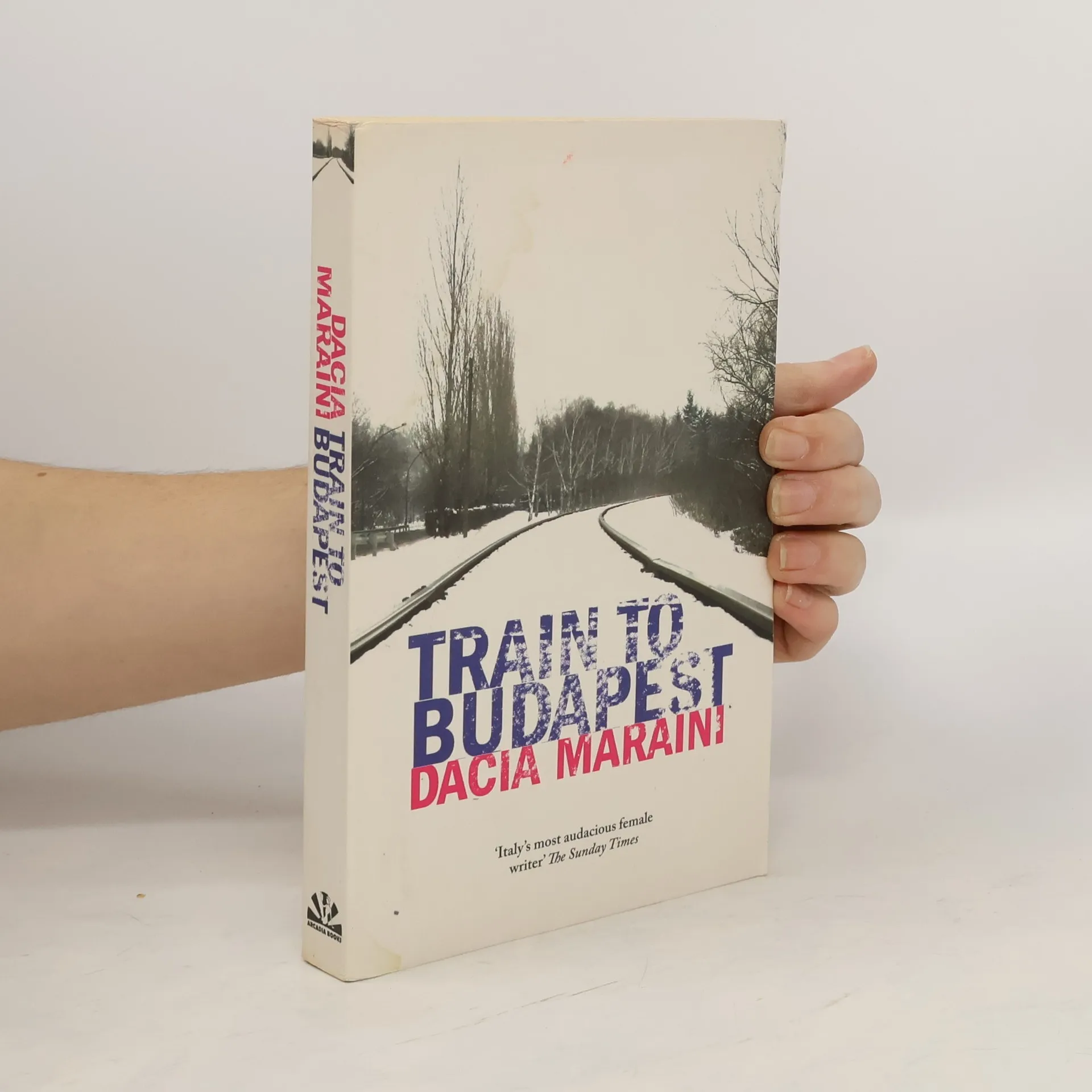
    • Train to Budapest

      • 342 pages
      • 12 hours of reading

      1956: Amara, a young Italian journalist, is sent to report on the growing political divide between East and West in post-war central Europe. She also has a more personal mission: to find out what happened to Emanuele, her childhood friend and soulmate from pre-war Florence. Emanuele and his family were Jews transported by the Nazis from wartime Vienna. So she visits the Holocaust museum at Auschwitz, and Budapest, where she is caught up in the tumultuous events of the October rising against the Soviet Union. Along the way she meets many other survivors, each with their own story to tell. But did Emanuele survive the war or, like so many other Viennese Jews, did he die in Auschwitz or a ghetto in Poland?

      Train to Budapest
      4.0
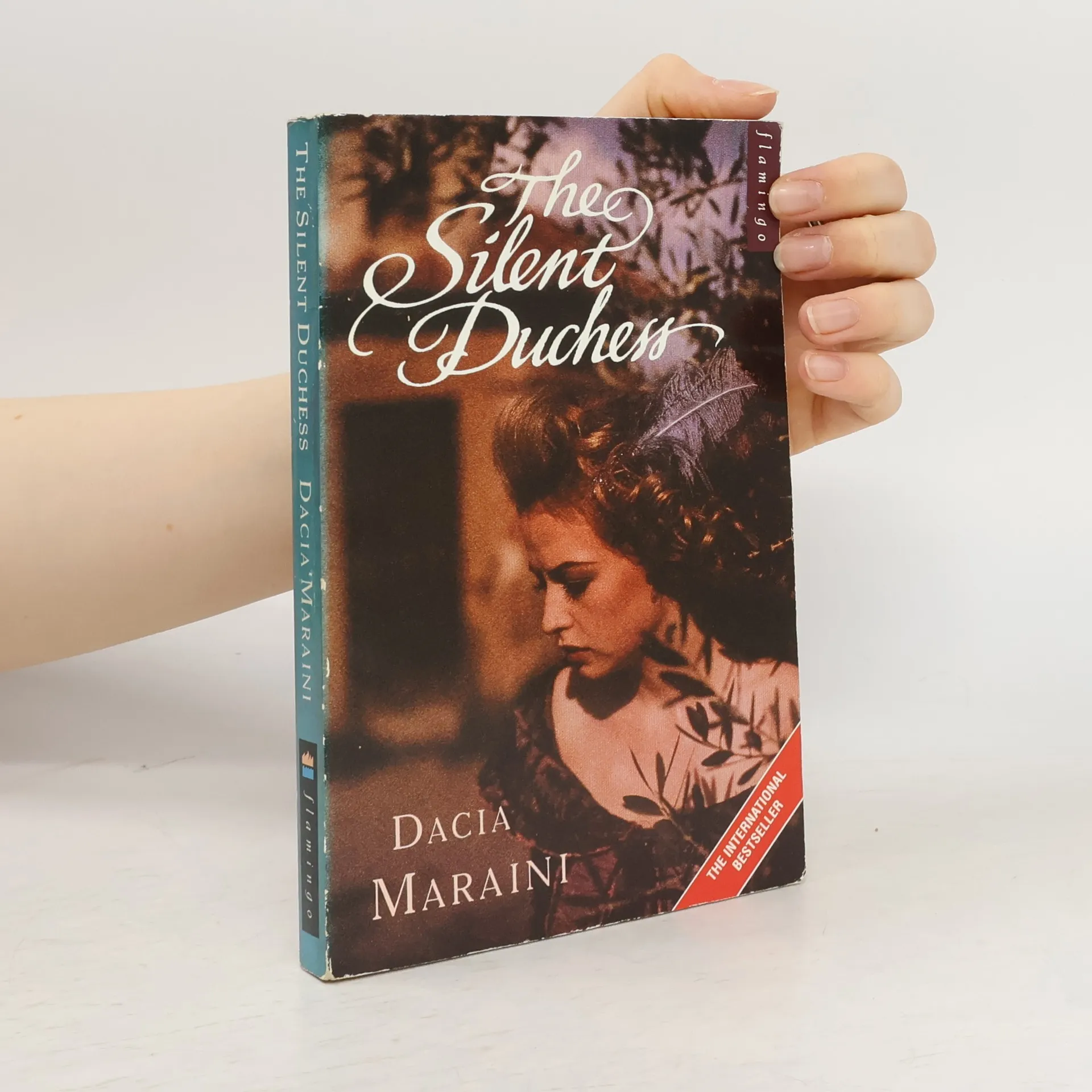
    • The Silent Duchess

      • 235 pages
      • 9 hours of reading

      The international bestseller from Italy's foremost woman writer—now in paperback. Dacia Maraini is a finalist for the 2011 Man Booker International Prize Set in Sicily in the early eighteenth-century, the novel tells the story of Marianna, the daughter of an aristocratic family and the victim of a mysterious childhood trauma that has left her deaf and mute, trapped in a world of silence. In luminous language that conveys both the keen visual sight and the deep human insight possessed by her remarkable main character, Dacia Maraini captures the splendor and the corruption of Marianna's world and the strength of her unbreakable spirit.

      The Silent Duchess
      3.7
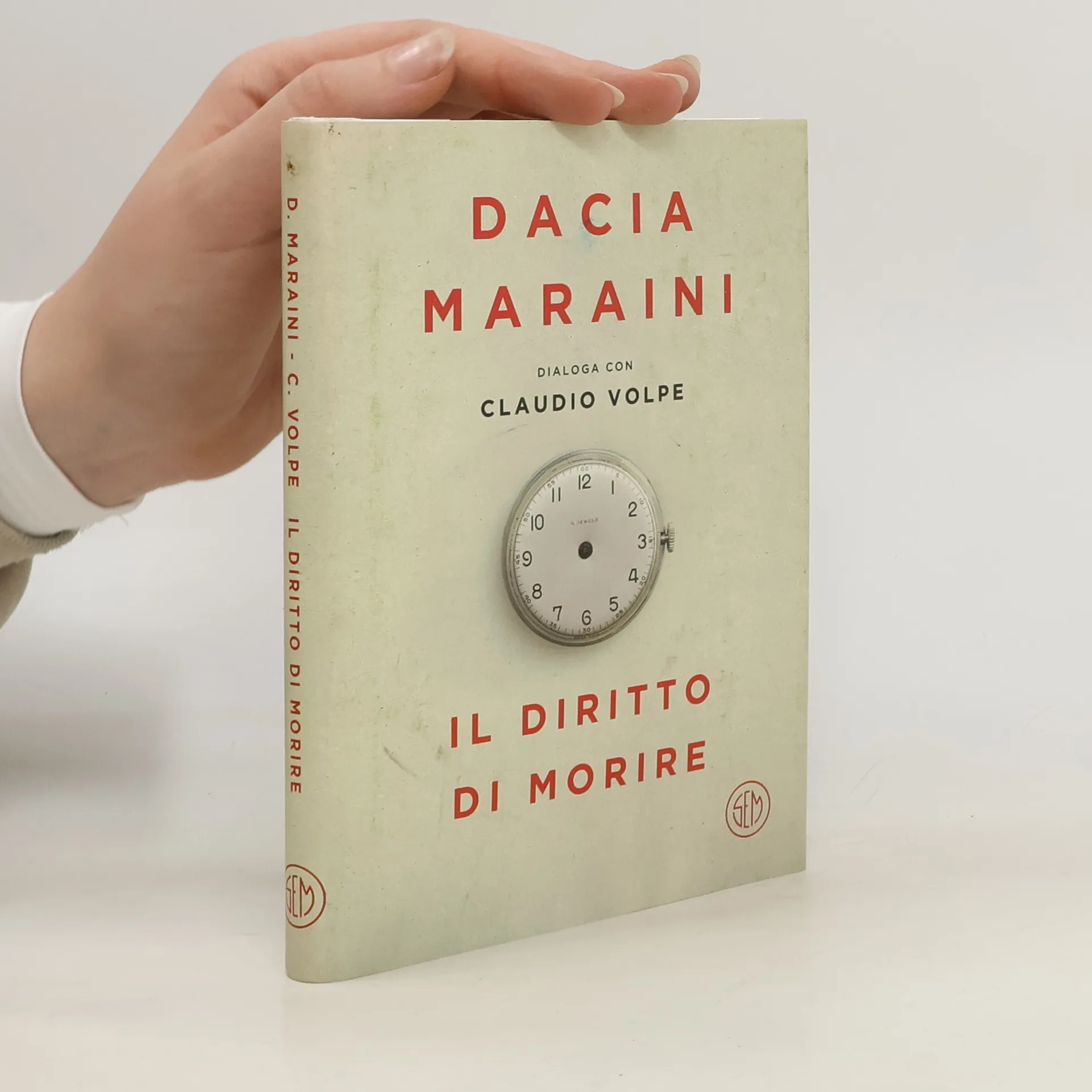
    • Il diritto di morire

      • 124 pages
      • 5 hours of reading

      Il mondo cambia velocemente, la tecnologia trasforma le nostre abitudini quotidiane, anche le più consolidate. La morale da un lato e le leggi dall’altro faticano a tenere il passo. Eppure, certi temi, certe questioni ci impongono una riflessione attenta, puntuale, veloce. Dacia Maraini, una delle più note e apprezzate scrittrici di oggi, dialoga in questo piccolo, densissimo e illuminante libro con il giurista Claudio Volpe sulla delicata questione del ‘fine vita’. È ammis­sibile che una persona decida di morire, a prescindere dalla sua condizione fisica e di salute? La libertà di togliersi la vita può essere considerata una libertà degna? Si tratta di un diritto che, in estremo, può es­sere sancito da una legge, tenendo conto che comunque la Costituzione afferma che «nessuno può essere obbligato a un determi­nato trattamento sanitario» e che mai è consentito «violare i limiti imposti dal rispetto della persona umana»? Dalle parole di Maraini e Volpe emergono molti spunti di riflessione, anche suscitati dalla cronaca di ogni giorno. Muovendosi fra il mondo giuridico-normativo e quello delle testimonianze dirette, della letteratura e della mitologia antica, Il diritto di morire, con parole semplici e un tono sempre riguardoso, perfino commovente, aiuta il lettore a ragionare senza pregiudizi di sorta, sempre al riparo dal luogo comune, su un tema cruciale della nostra contemporaneità.
      Il diritto di morire
      5.0
    • Geraubte Liebe

      Geschichten

      'Frauen und Männer werden gleich geboren, erst unsere Kultur macht sie ungleich.' Dacia Maraini Die Hoffnung der Frauen auf Liebe ist, so scheint es, durch nichts zu erschüttern. Doch wird sie oft herbe enttäuscht. In Die heimliche Braut, Die Nacht der Eifersucht und sechs weiteren Geschichten erzählt Dacia Maraini von Frauen, die von der Liebe träumen und sich spät – zu spät – gegen Übergriffe wehren. Ihr Umfeld bietet ihnen wenig Hilfe. Die Strukturen begünstigen die alten Muster, und Krisen verschärfen das Problem. Wie jetzt in Europa: Allein 2013 sind in Italien 124 Frauen von ihren Partnern, Ex-Partnern oder Liebhabern ermordet worden. Die Autorin möchte ihre Leserinnen und Leser aufrütteln. Schonungslos und radikal, dabei sachlich und stilistisch brillant, vermittelt sie bewegende Einblicke in eine häusliche Kultur, die zum Himmel schreit. Ein Buch, das lange nachwirkt – und die Sehnsucht weckt, vieles anders zu machen.

      Geraubte Liebe
      4.4
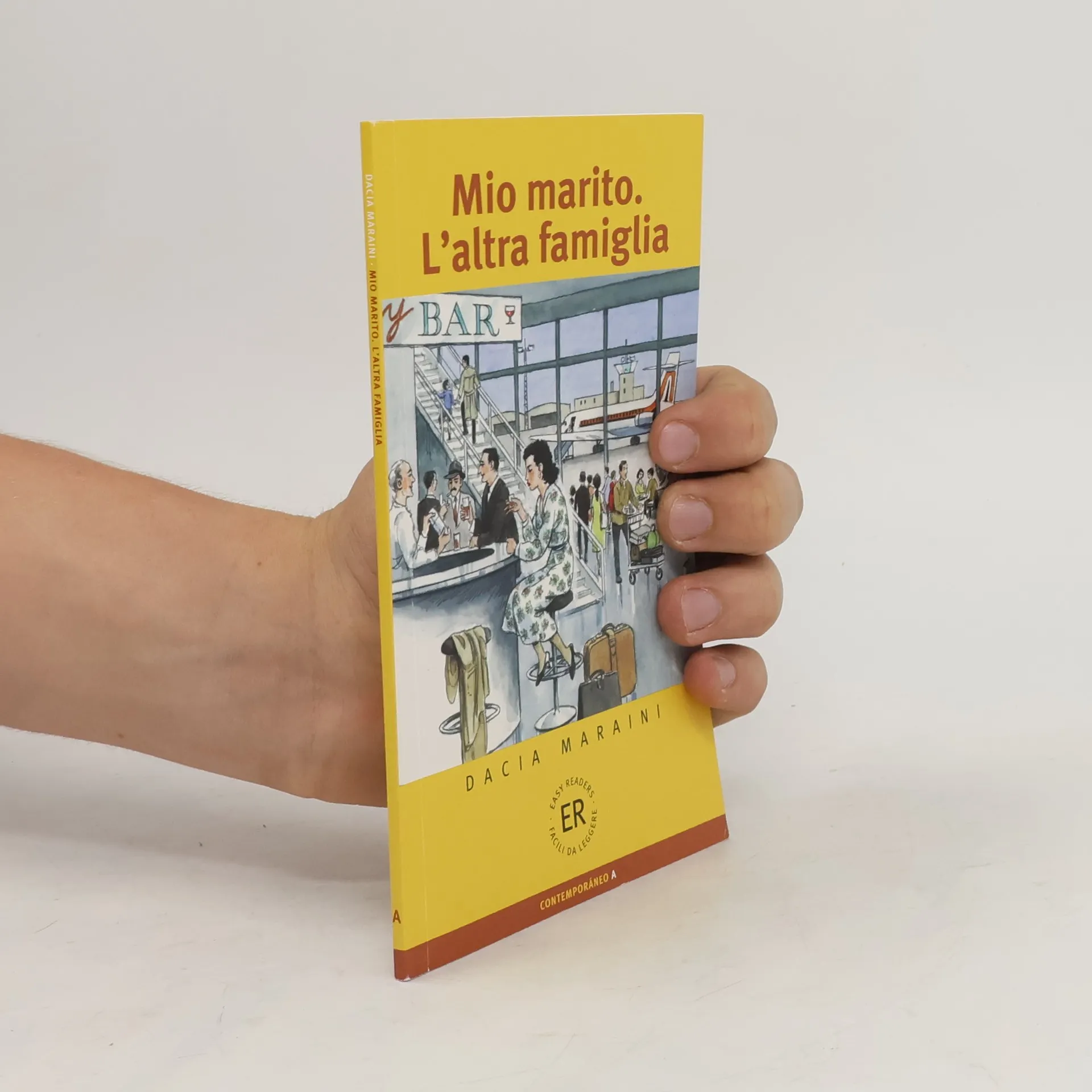
    • Mio marito. L' altra famiglia

      • 46 pages
      • 2 hours of reading

      Questi due racconti di Dacia Maraini evidenziano i problemi della condizione femminile

      Mio marito. L' altra famiglia
      4.0
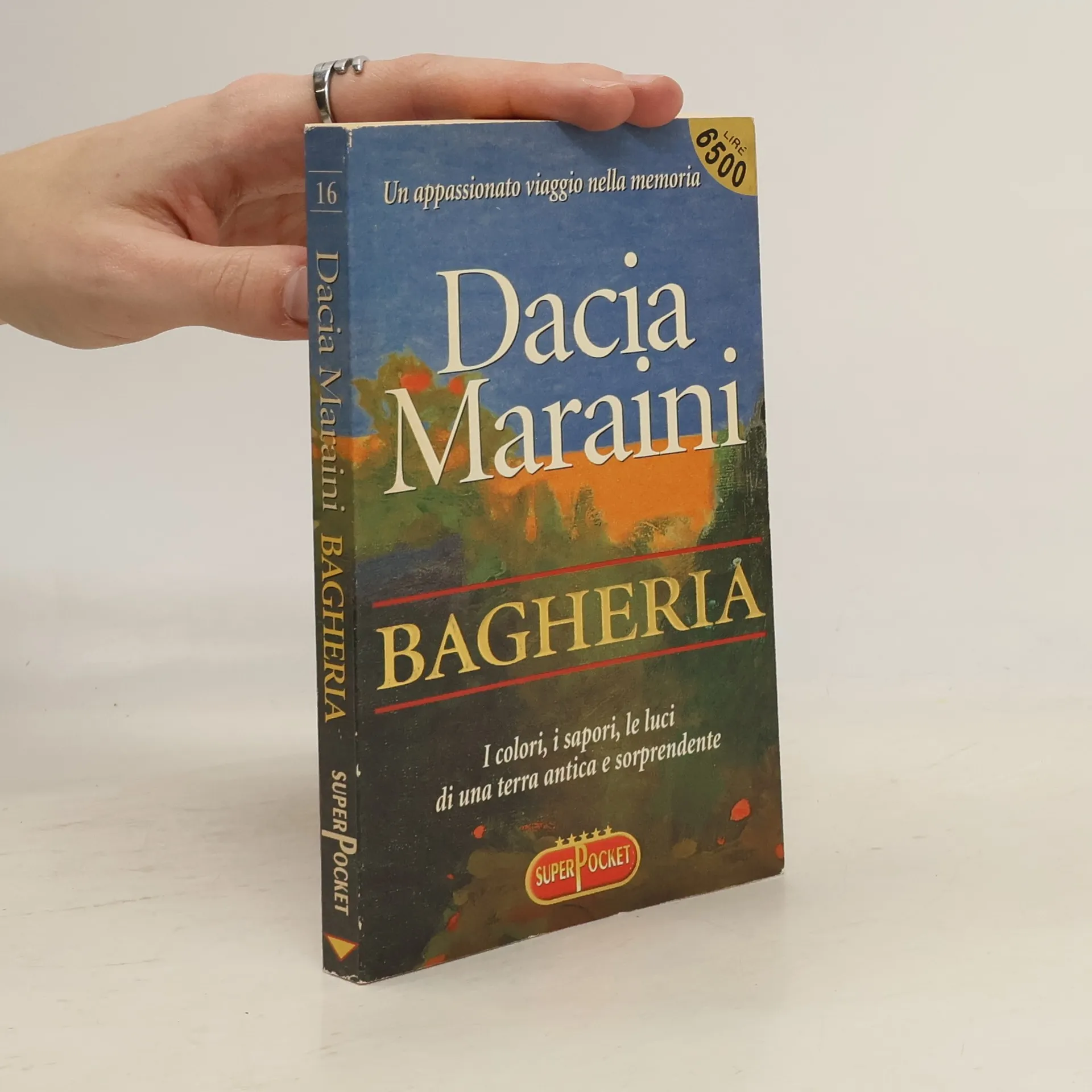
    • Un lungo racconto autobiografico che ritrae, con affetto e partecipazione, la Sicilia, la cittadina di Bagheria, l'atmosfera in cui la Maraini approda da bambina dopo due durissimi anni di prigionia in un campo di concentramento giapponese. Dai ricordi, dai sapori, dagli odori, emerge tutto un mondo fatto di affetti profondi, di scoperte del sesso, della natura e poi la mafia, lo scempio edilizio, l'arroganza di una società che sconvolge.

      Bagheria
      4.2