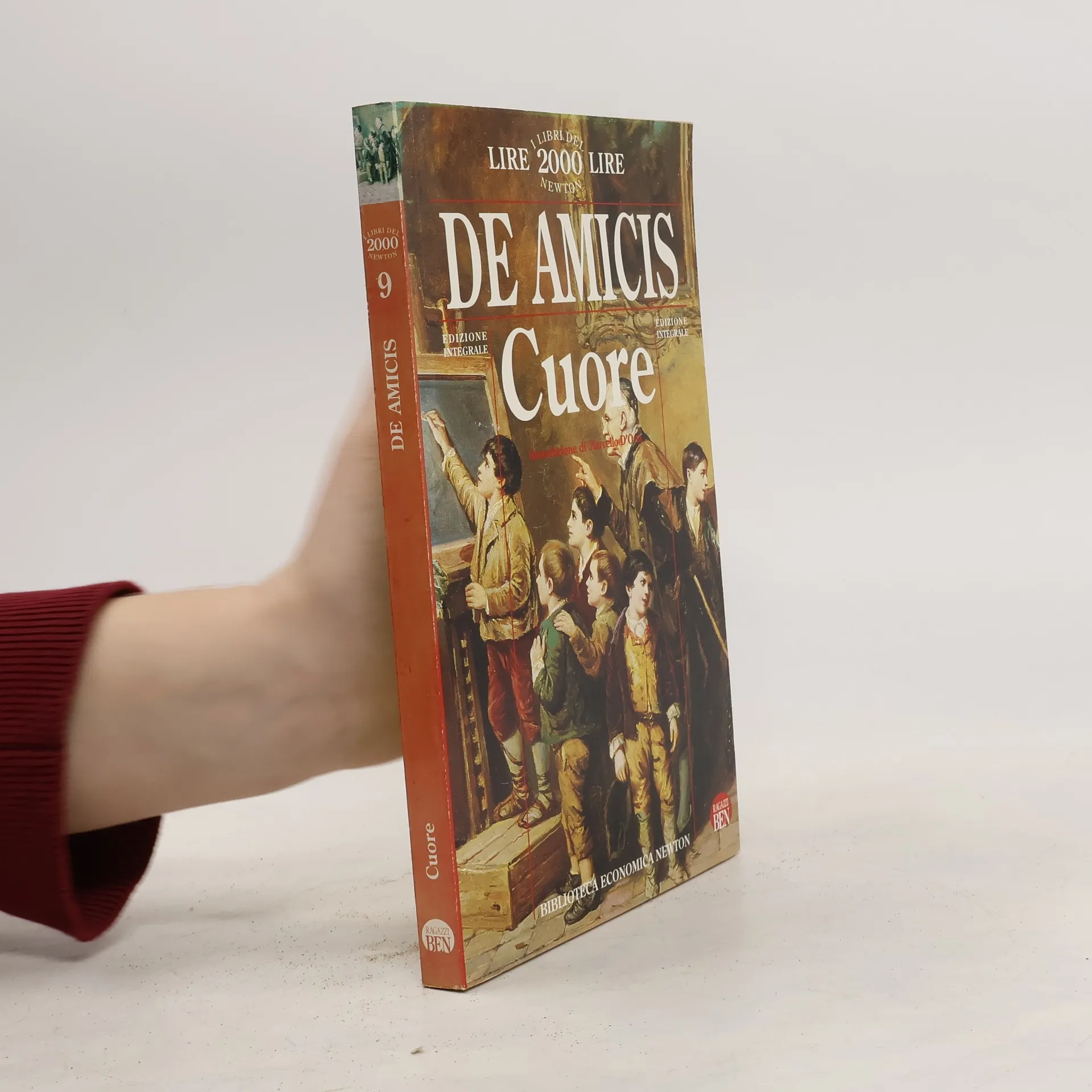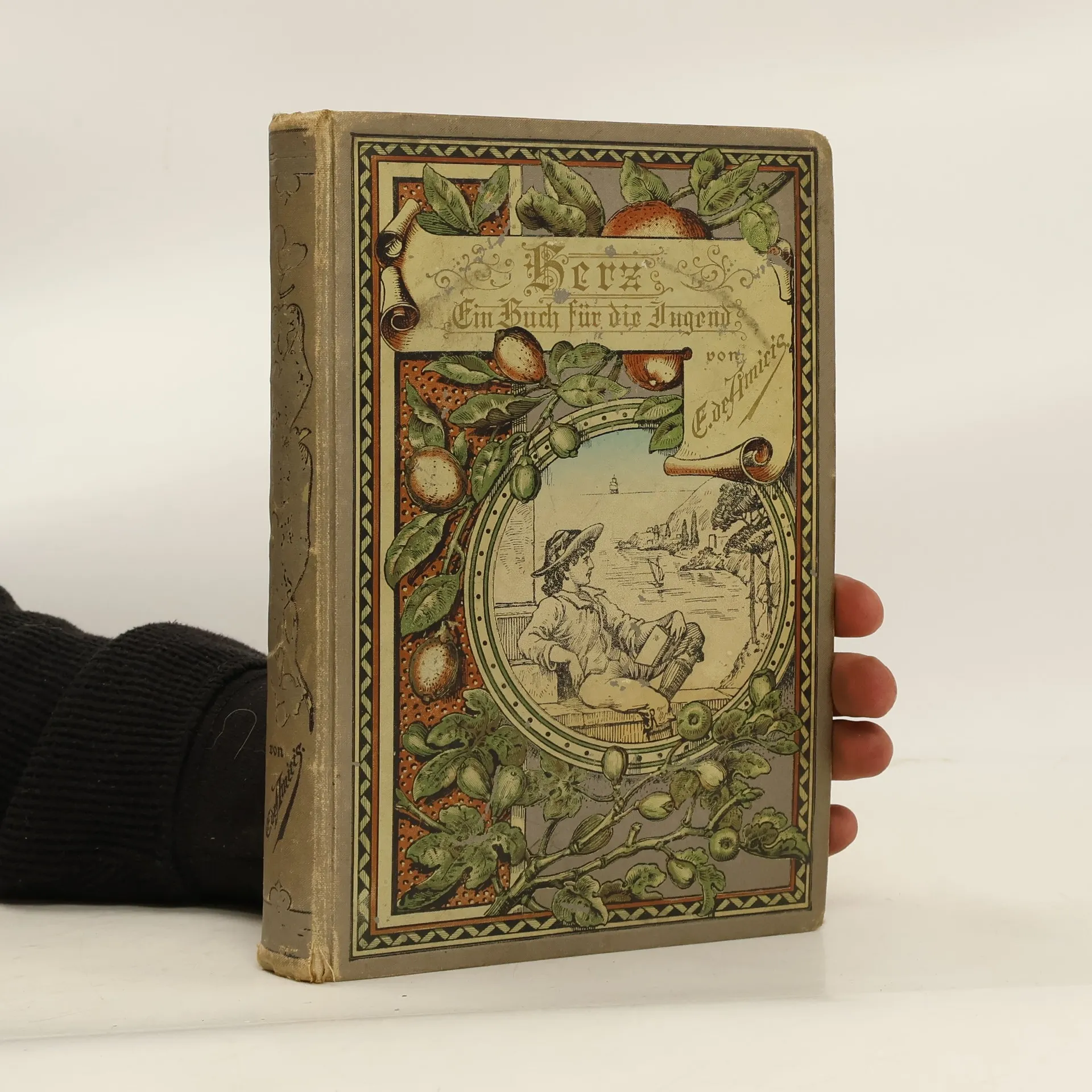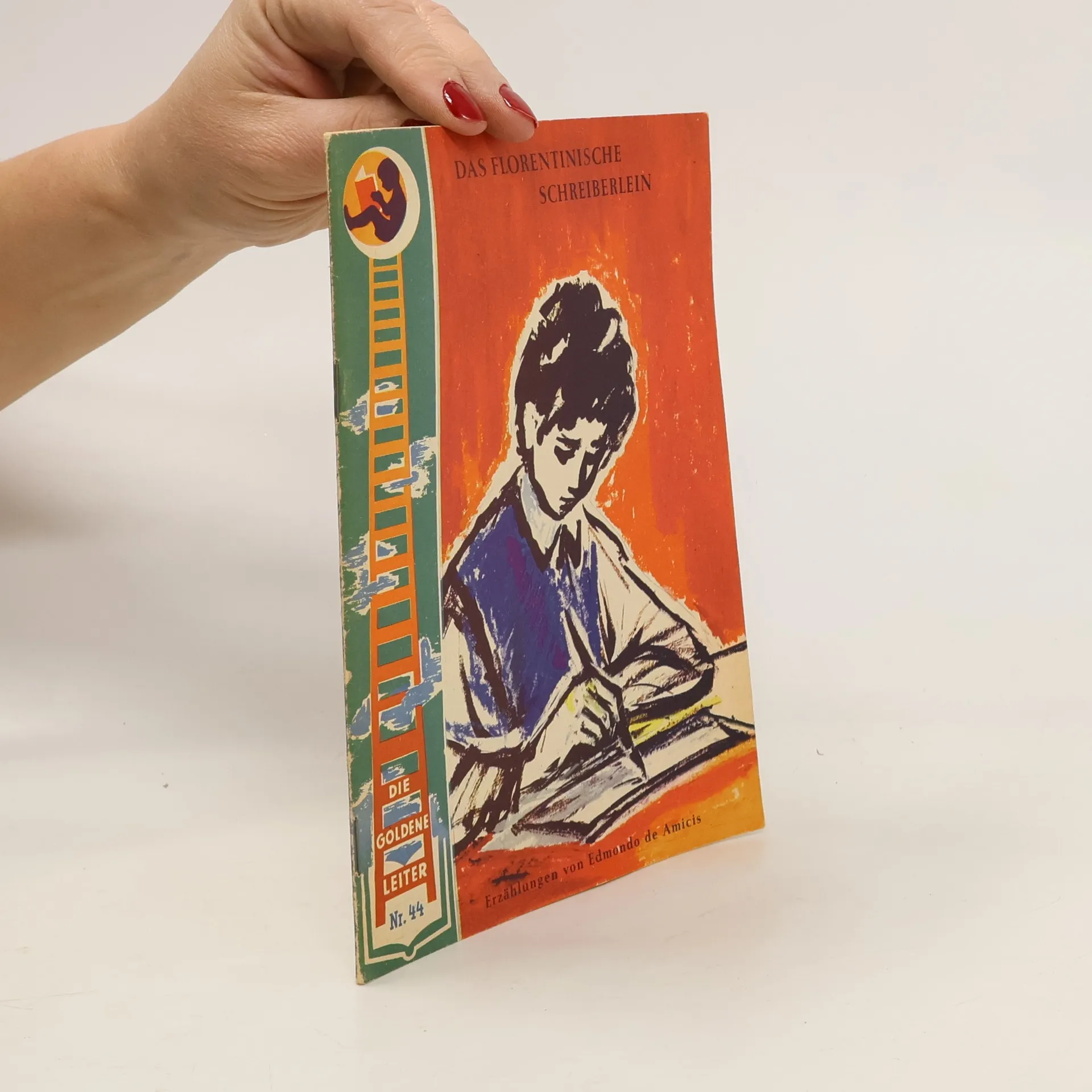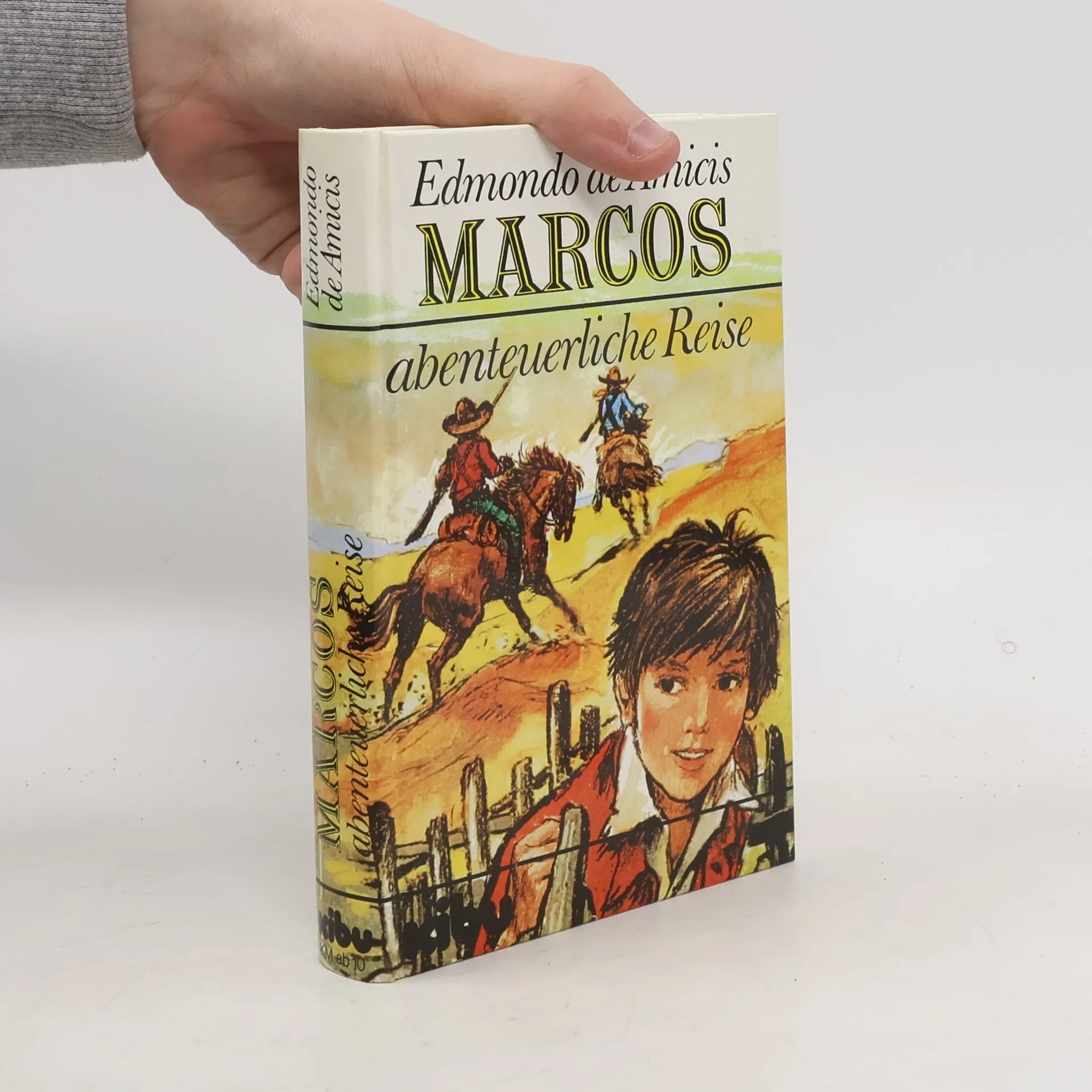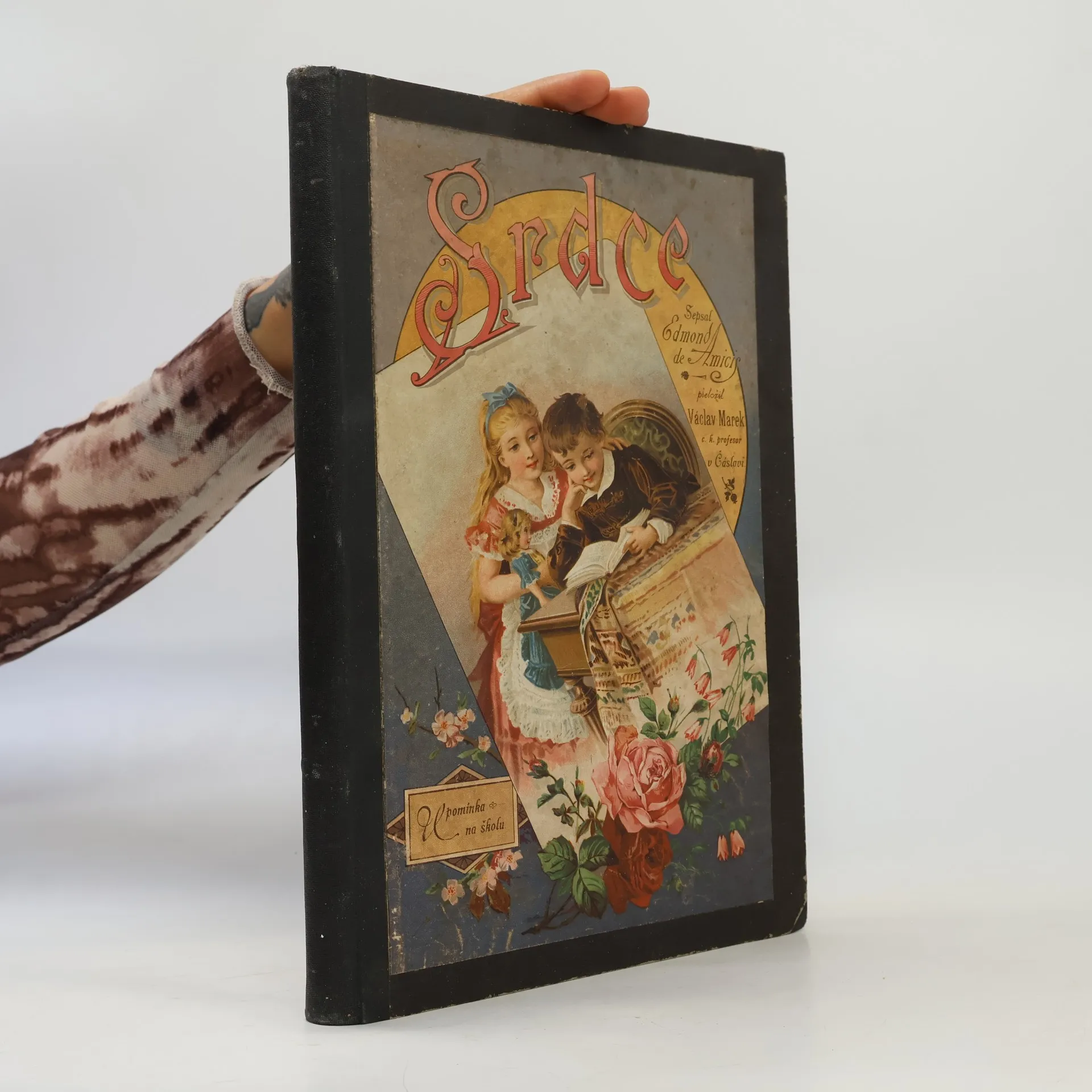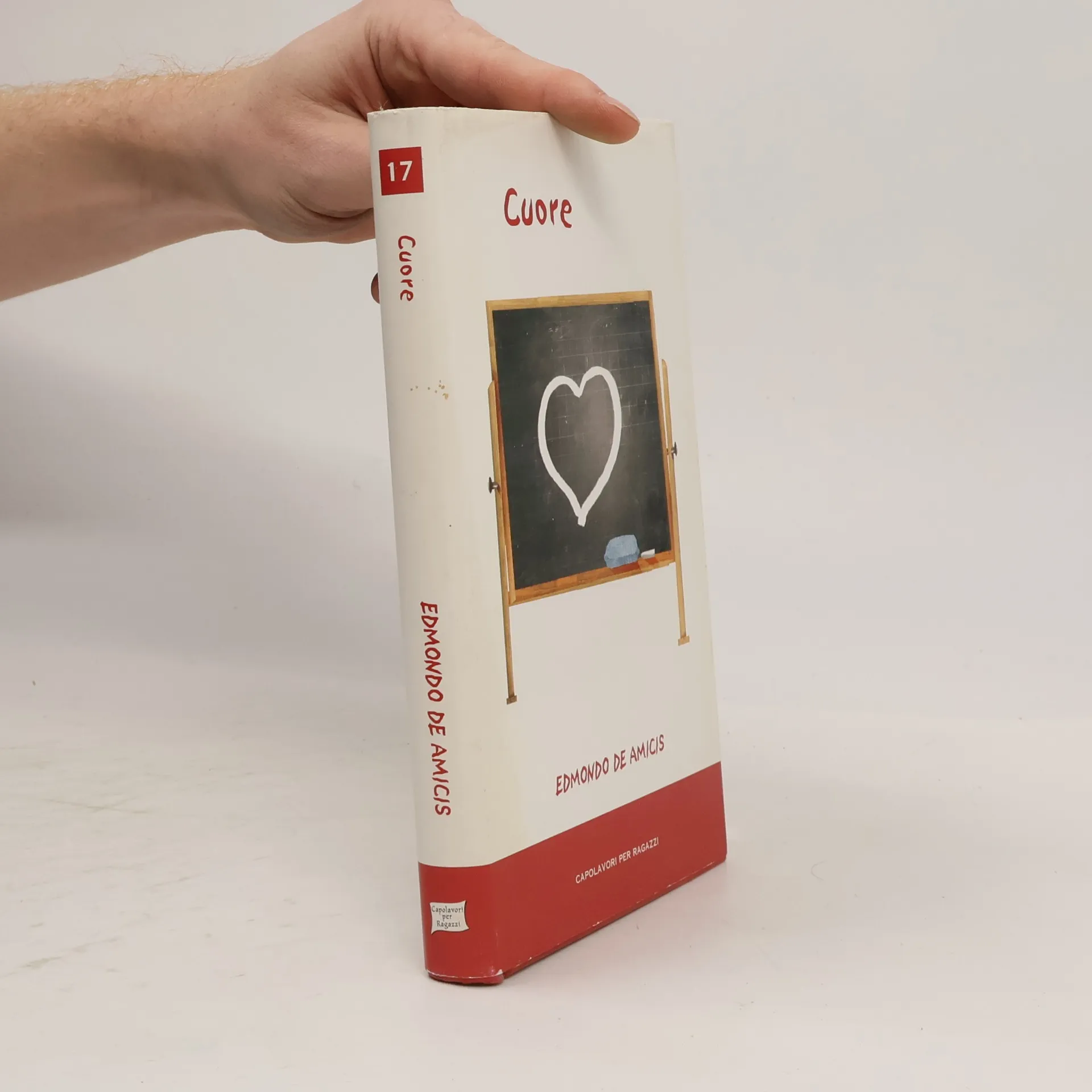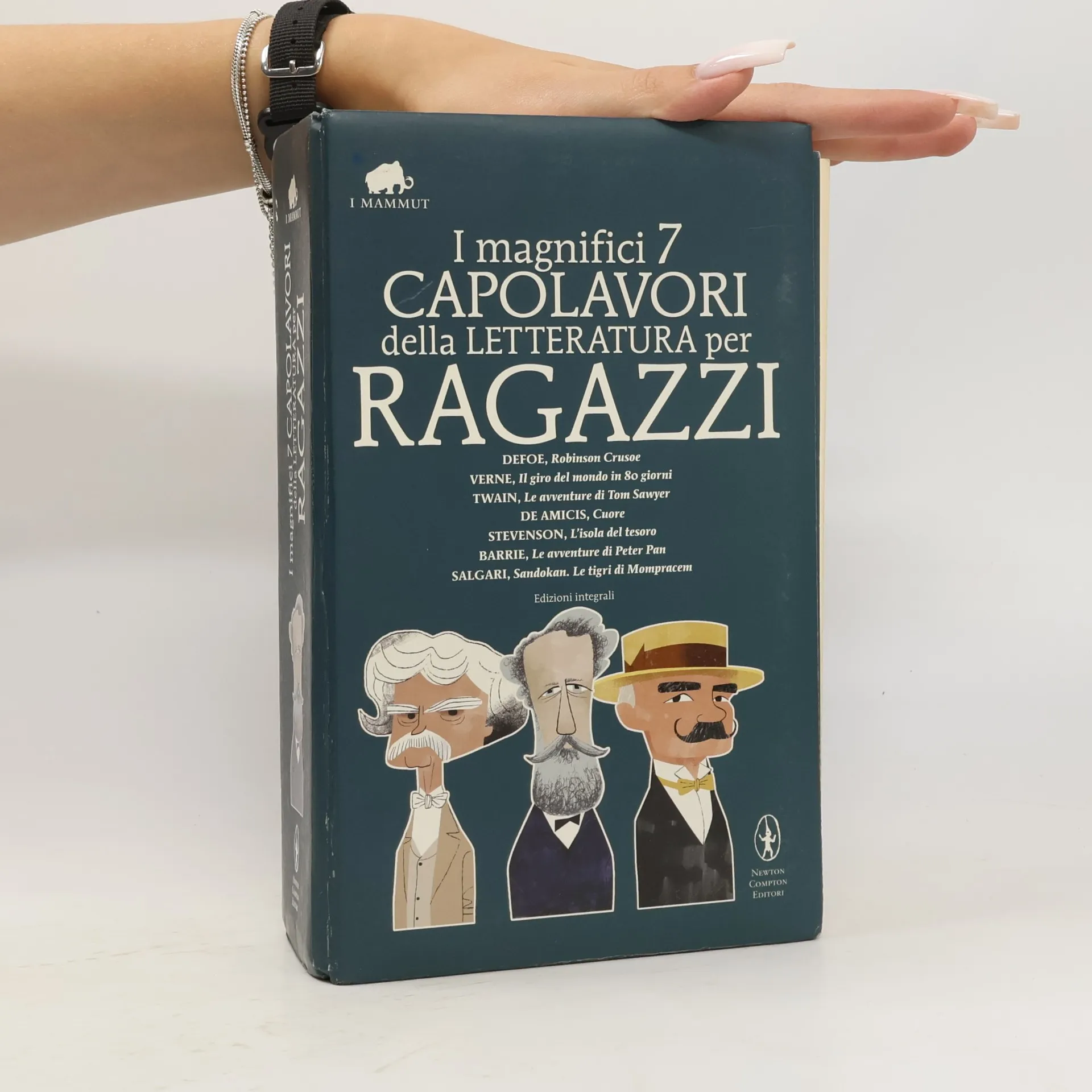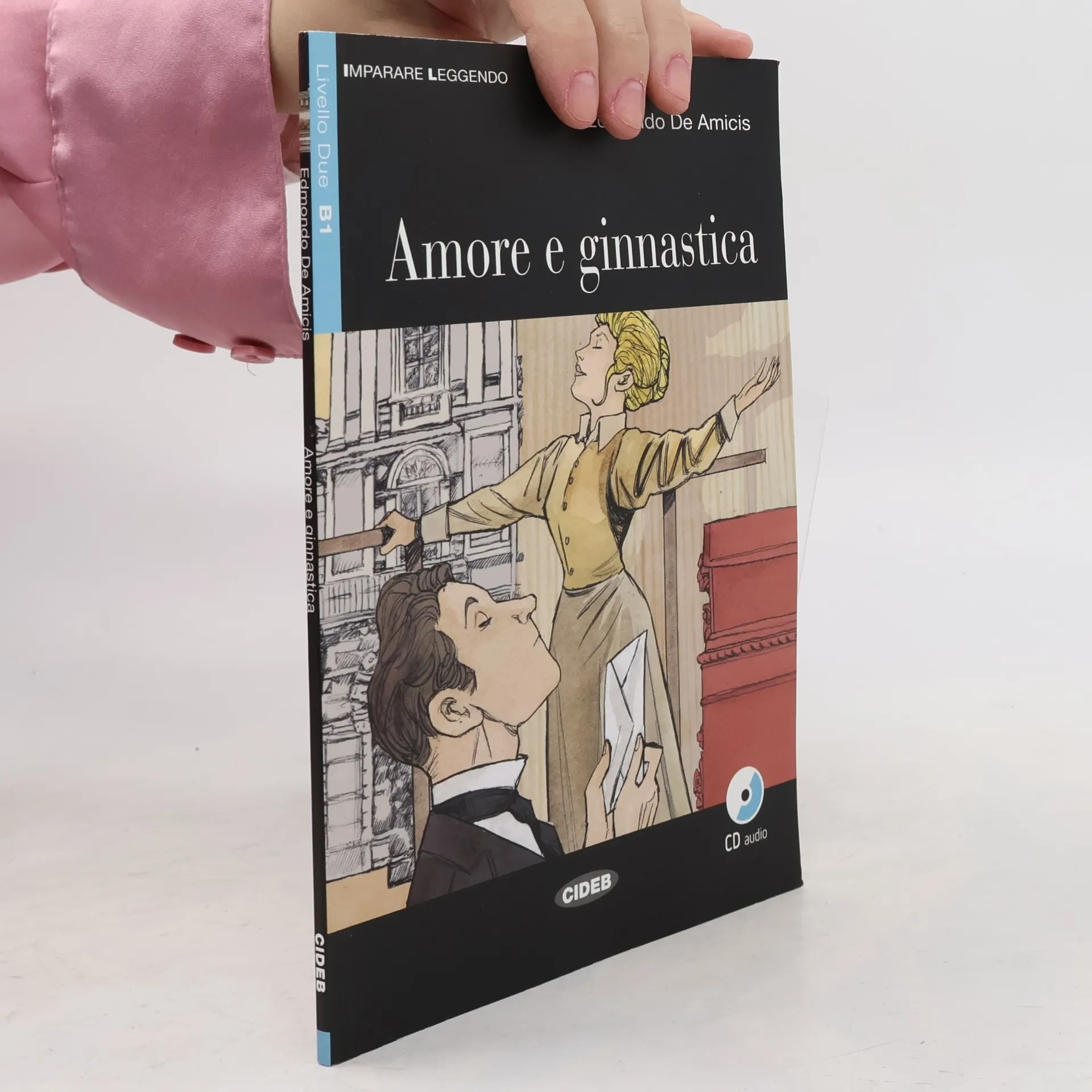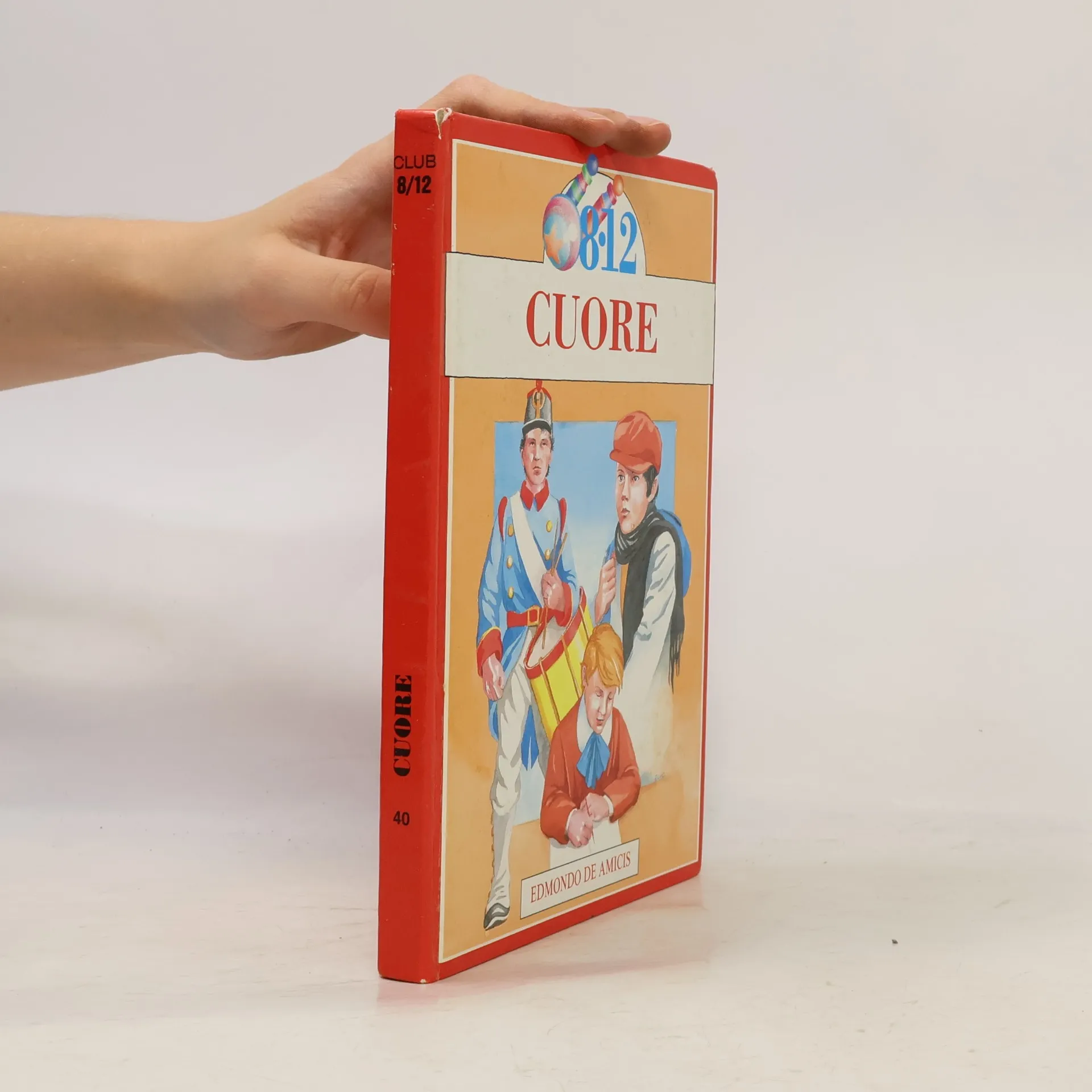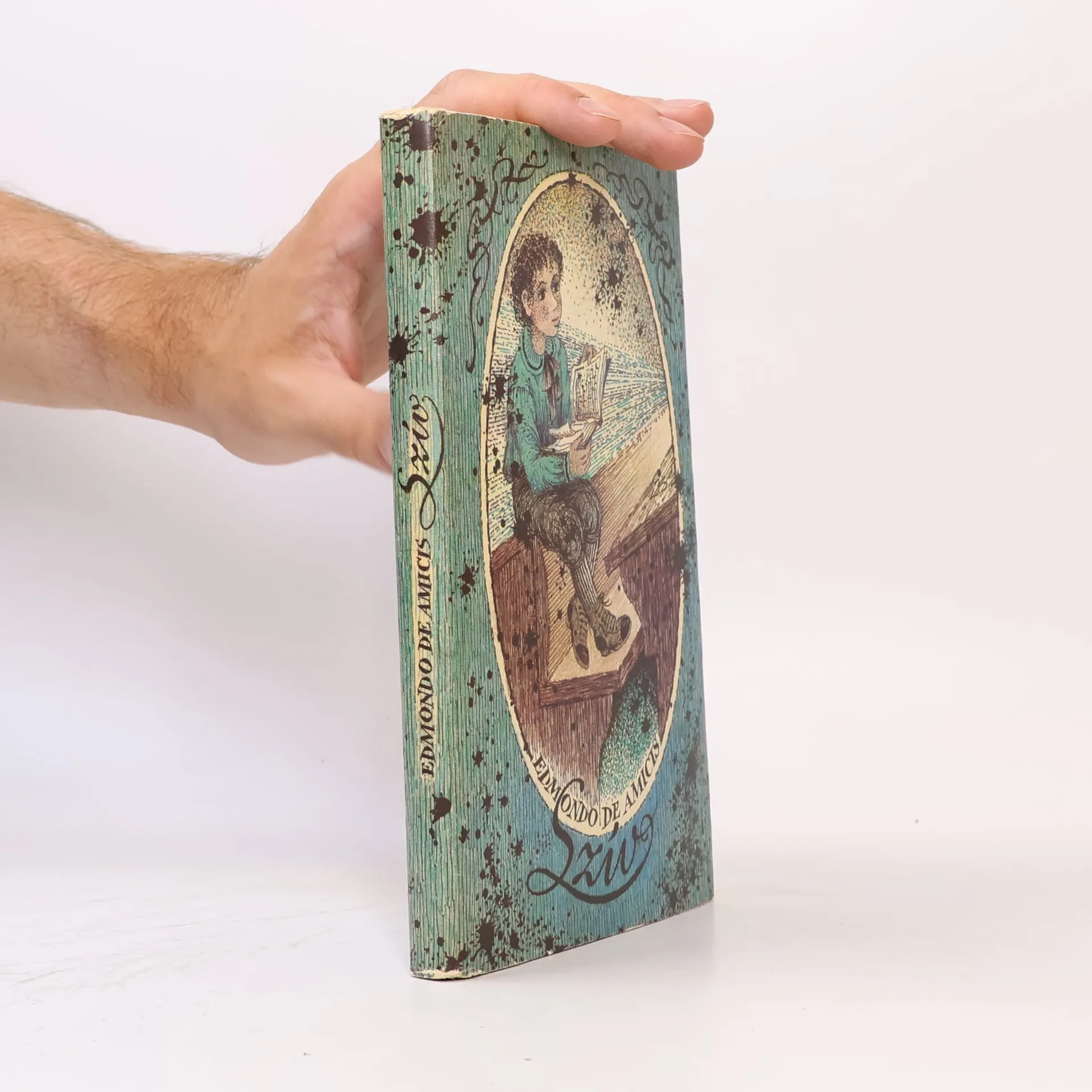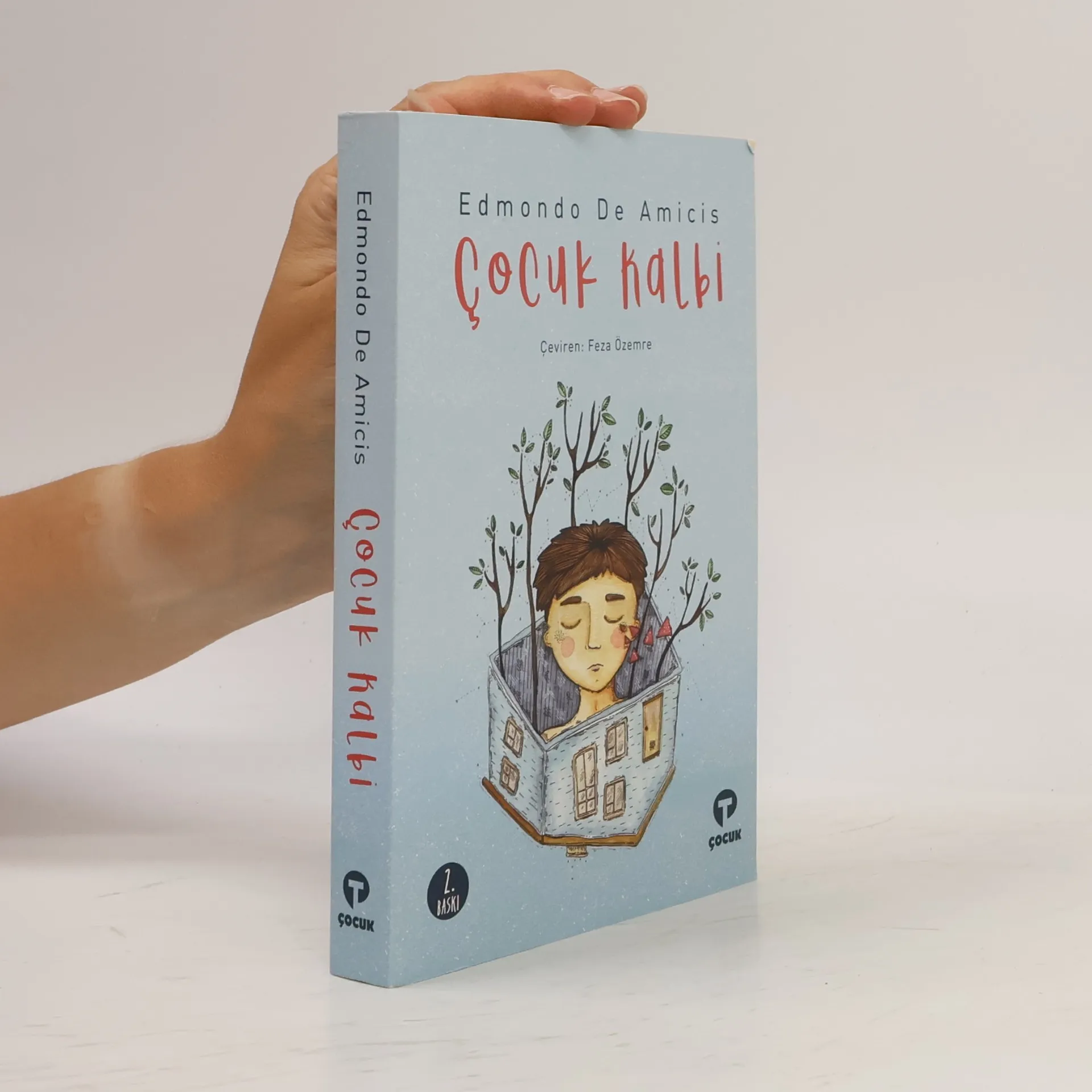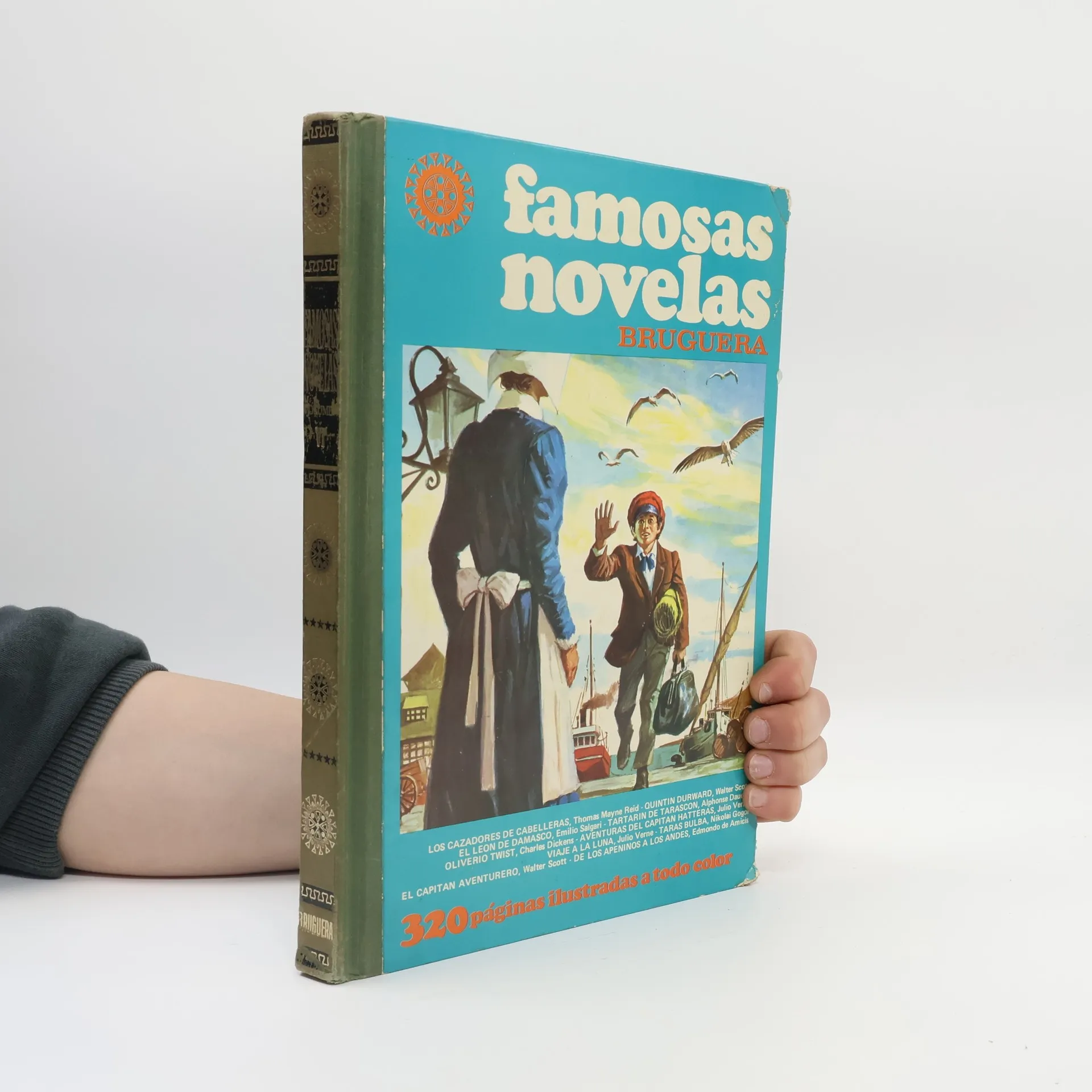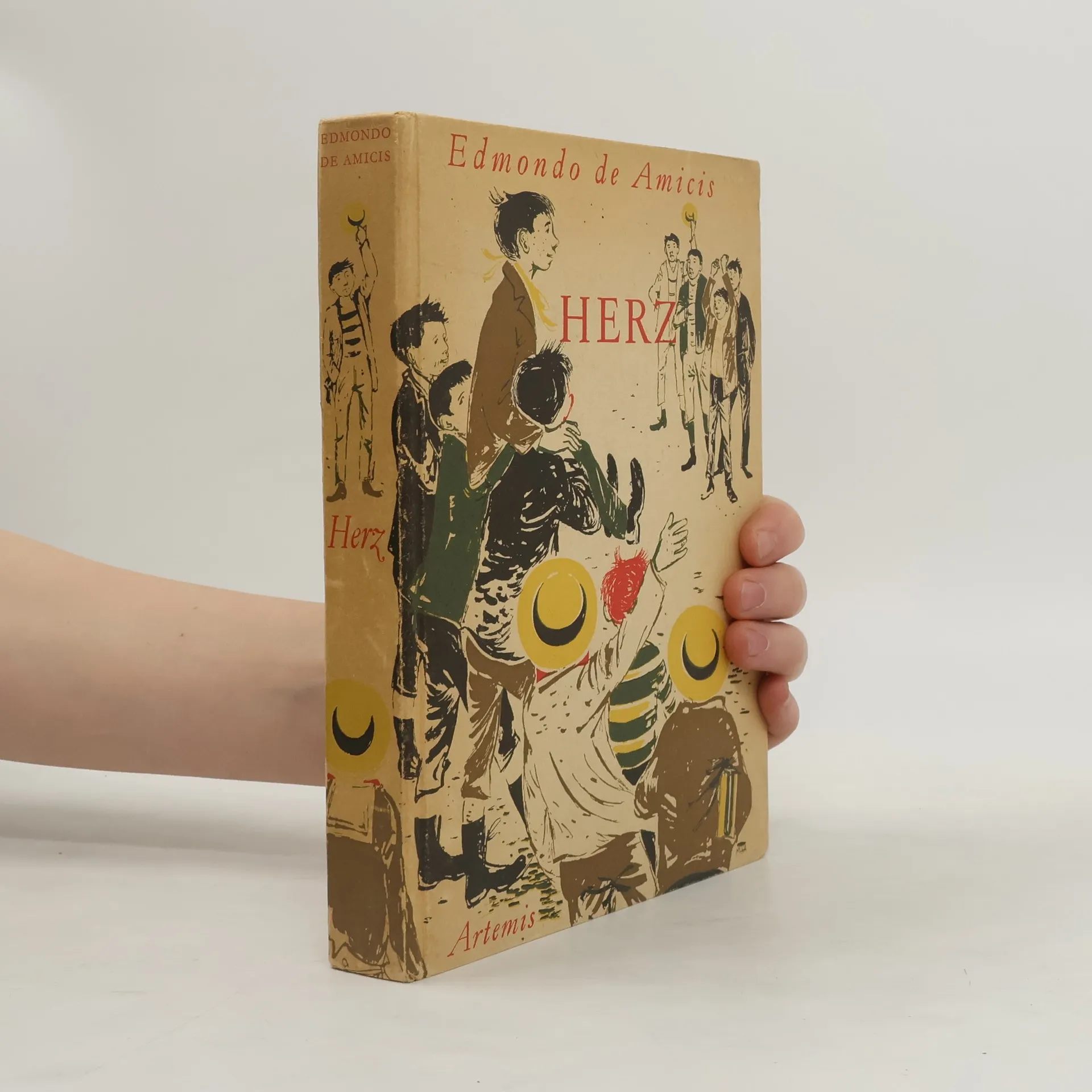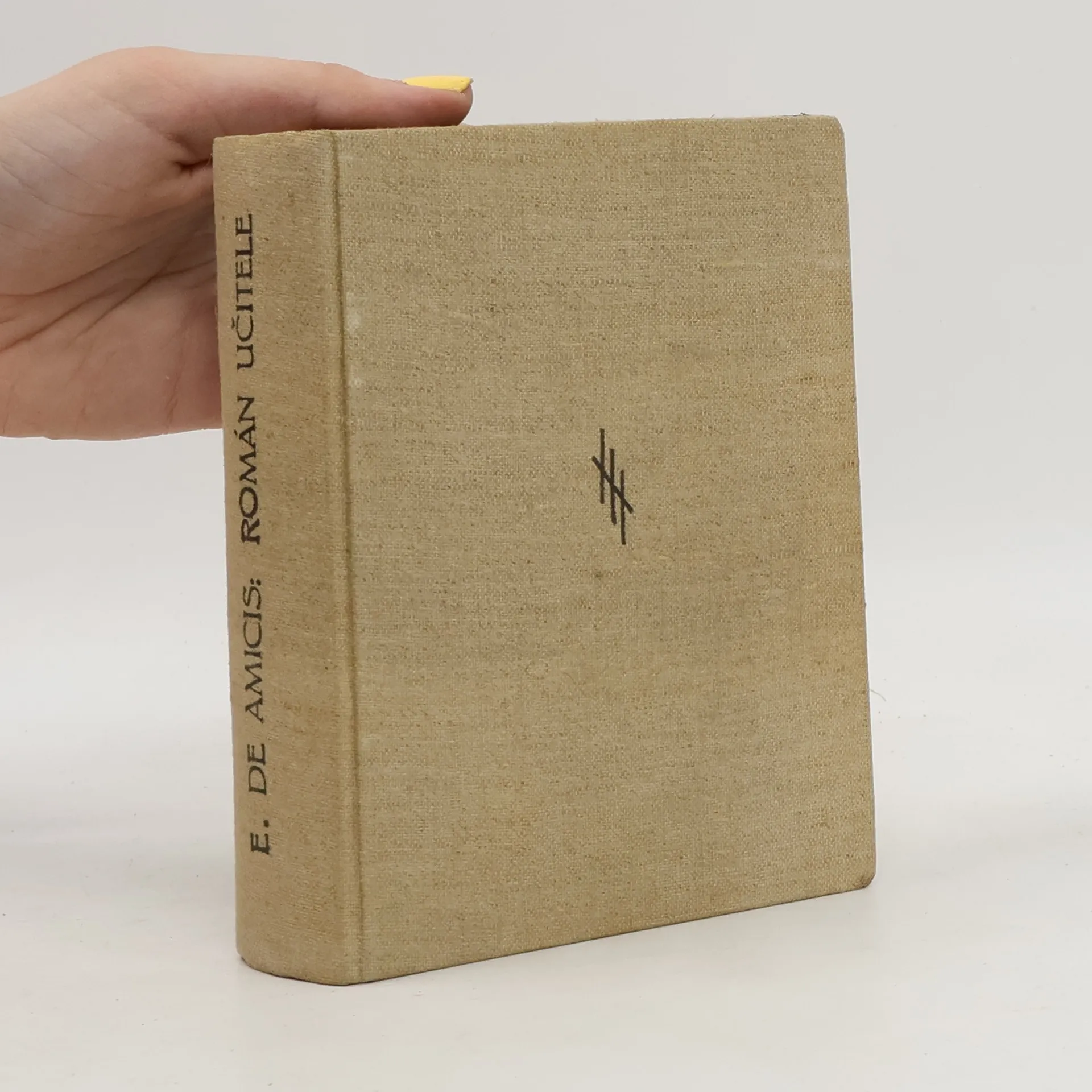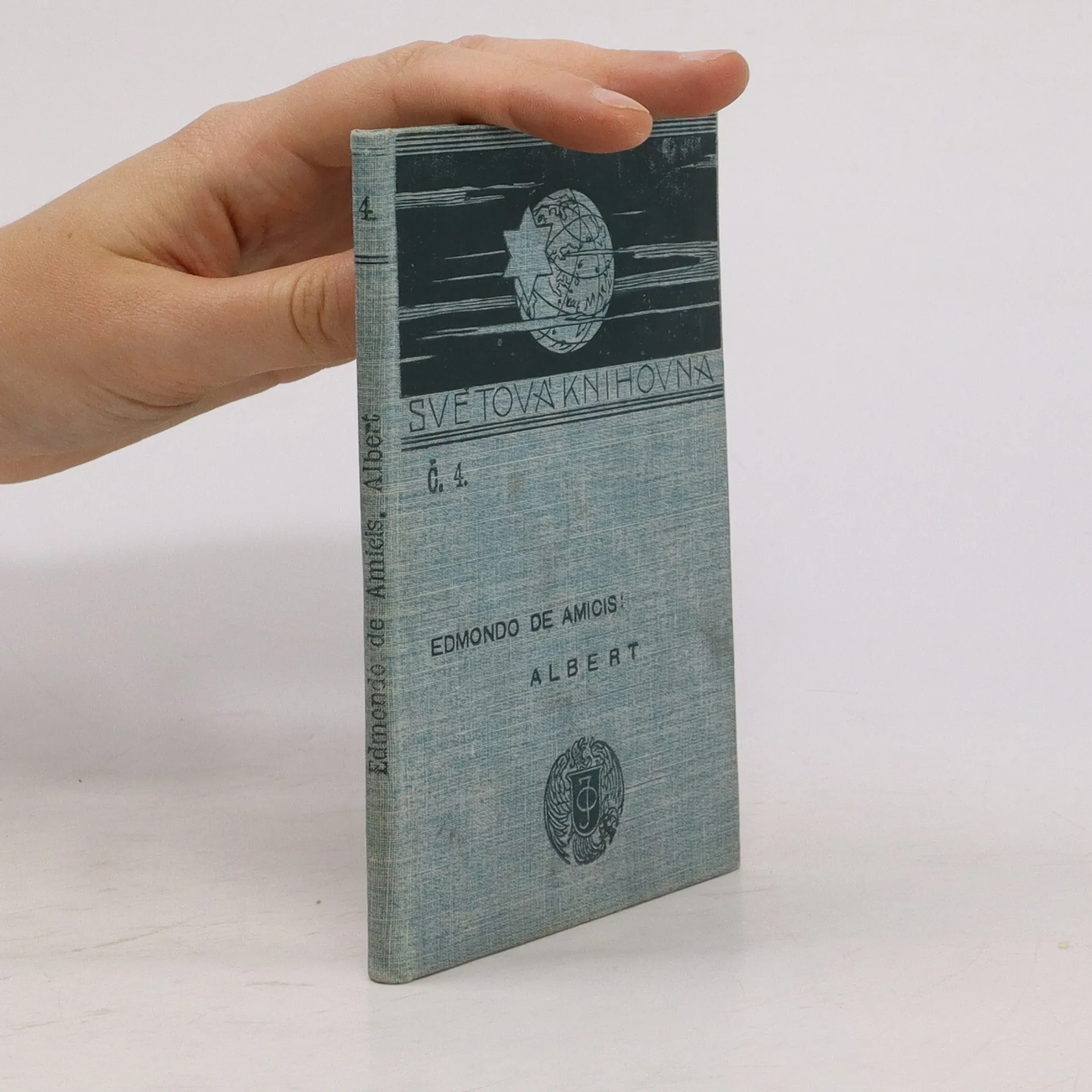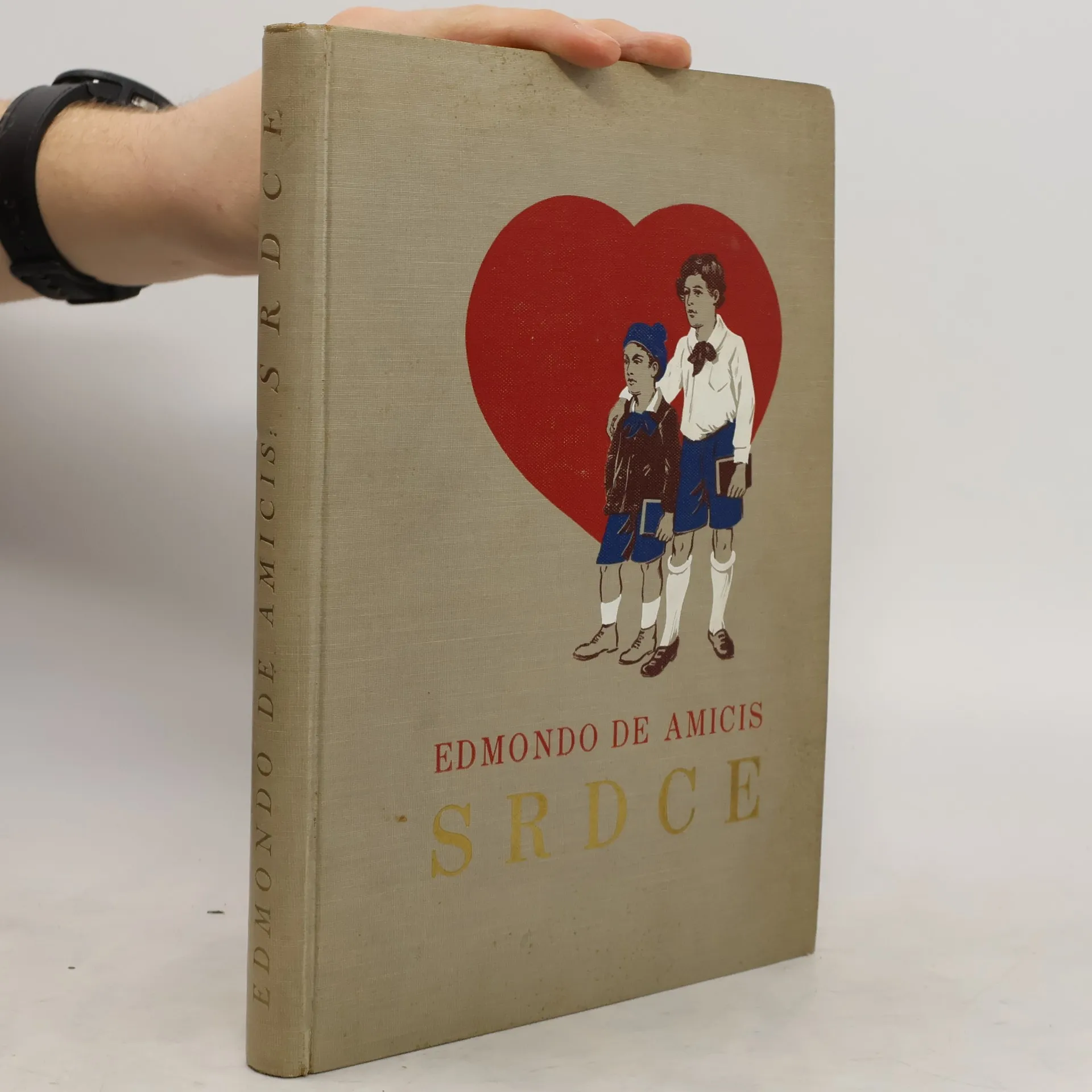

Edmondo de Amicis was an Italian novelist, journalist, and poet. He gained renown primarily as an author of children's stories that focused on moral education and patriotism. His style is often characterized as sentimental and idealized, emphasizing emotional impact on young readers. De Amicis left an indelible mark on children's literature with his novel and insightful perspective on the world of children.
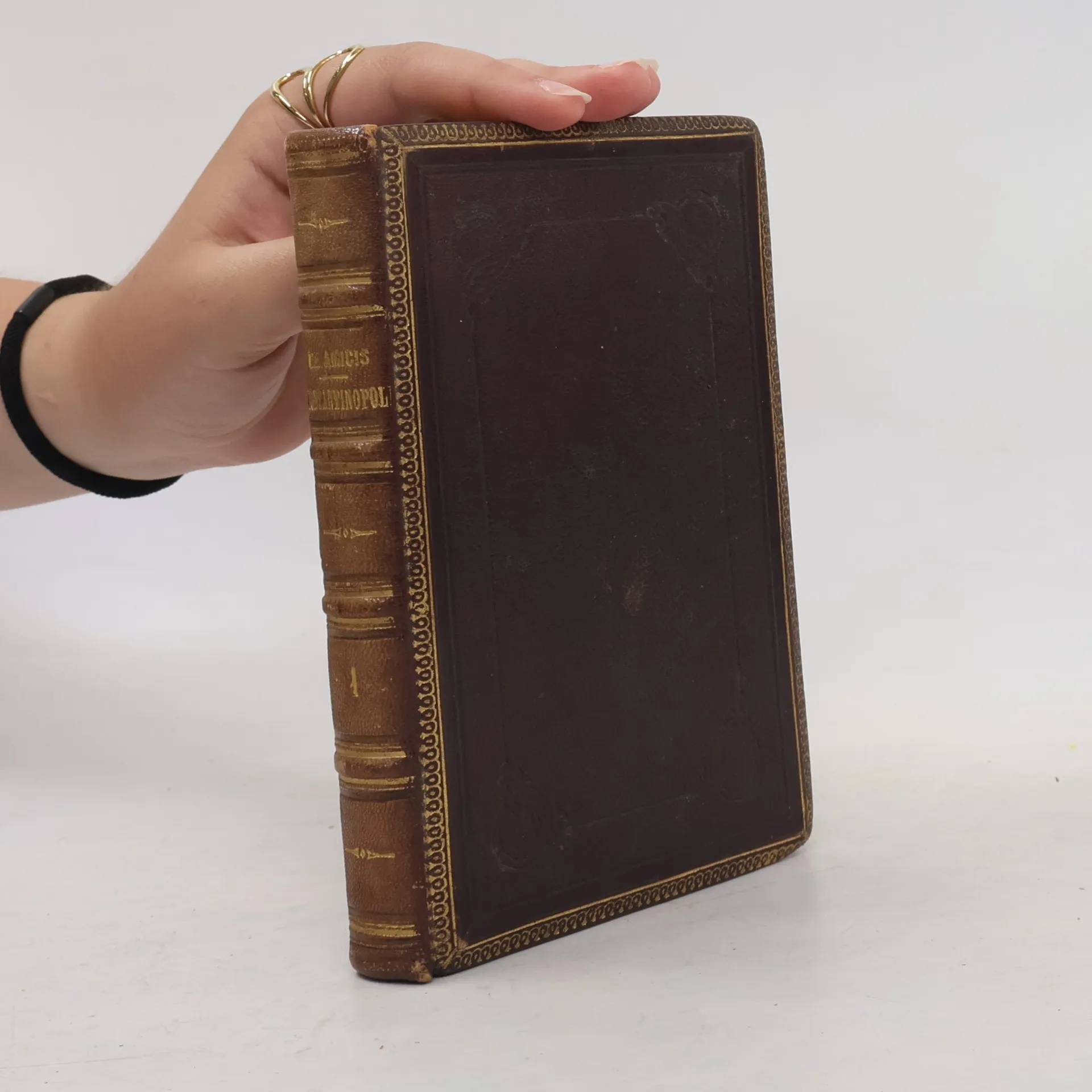
A remarkable nineteenth-century account of Istanbul - which begins with a
dazzling description of the city gradually appearing through the fog as the
author's ship approaches the harbour - Constantinople expertly combines
personal anecdote, breathtaking visual observation and entertaining historical
information.
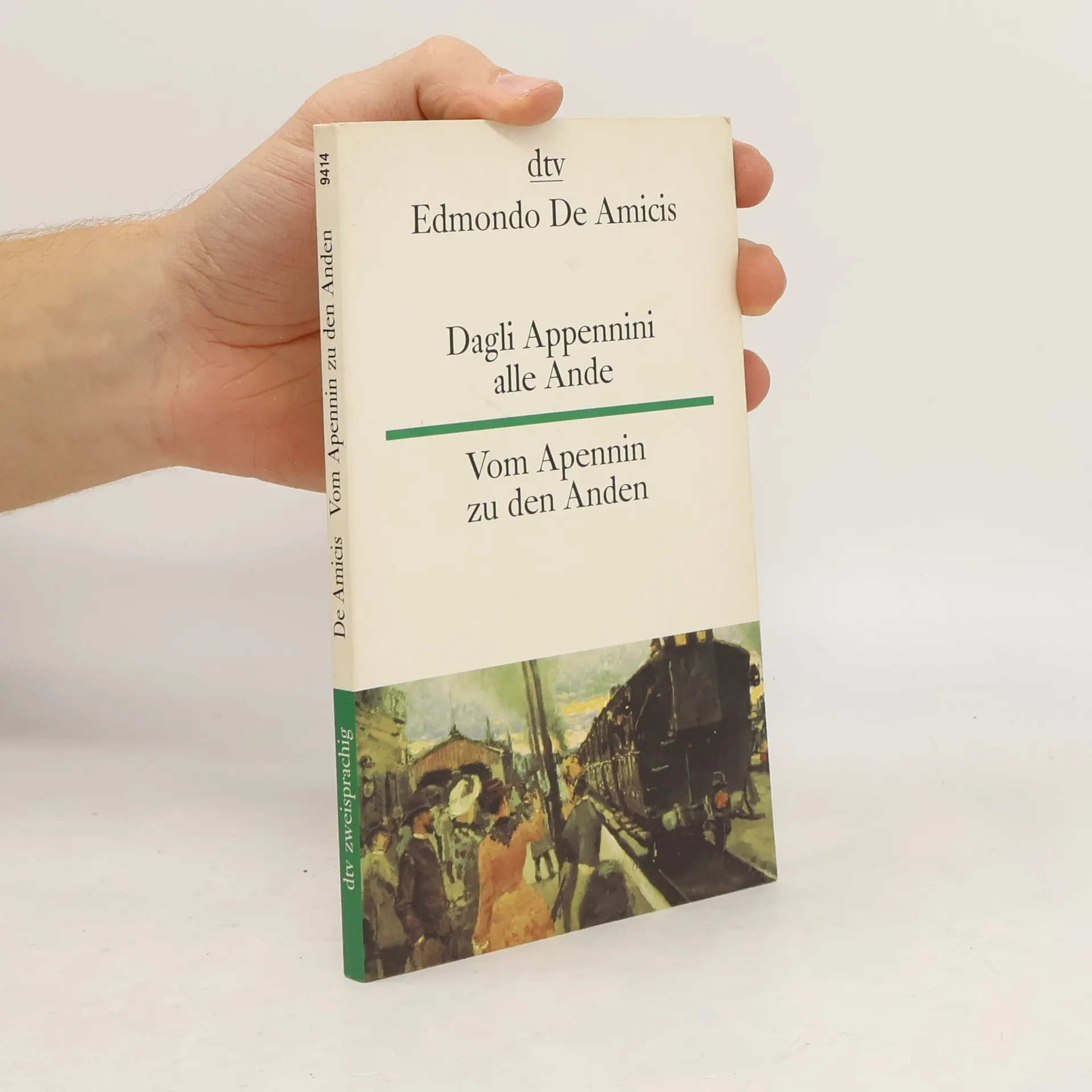
As a first-time visitor to London, De Amicis was awestruck by the bustle and magnificence of the Victorian metropolis and wrote a number of sketches in his trademark witty, observational style, which made him one of the best-selling travel writers of his age. Originally conceived as a series of newspaper articles and later published in volume form, De Amici's 'Memories of London' brings back to life all the bygone charm of the capital of the British Empire. De Amici's impressions are paired here with a piece written by one of his contemporaries, the French writer Louis Laurent Simonin, which leaves the city's opulence and granduer behind and offers an uncompromising look at the poverty and squalor of its most deprived areas.
Spain and the Spaniards - Volume 2 is an unchanged, high-quality reprint of the original edition of 1895. Hansebooks is editor of the literature on different topic areas such as research and science, travel and expeditions, cooking and nutrition, medicine, and other genres. As a publisher we focus on the preservation of historical literature. Many works of historical writers and scientists are available today as antiques only. Hansebooks newly publishes these books and contributes to the preservation of literature which has become rare and historical knowledge for the future.
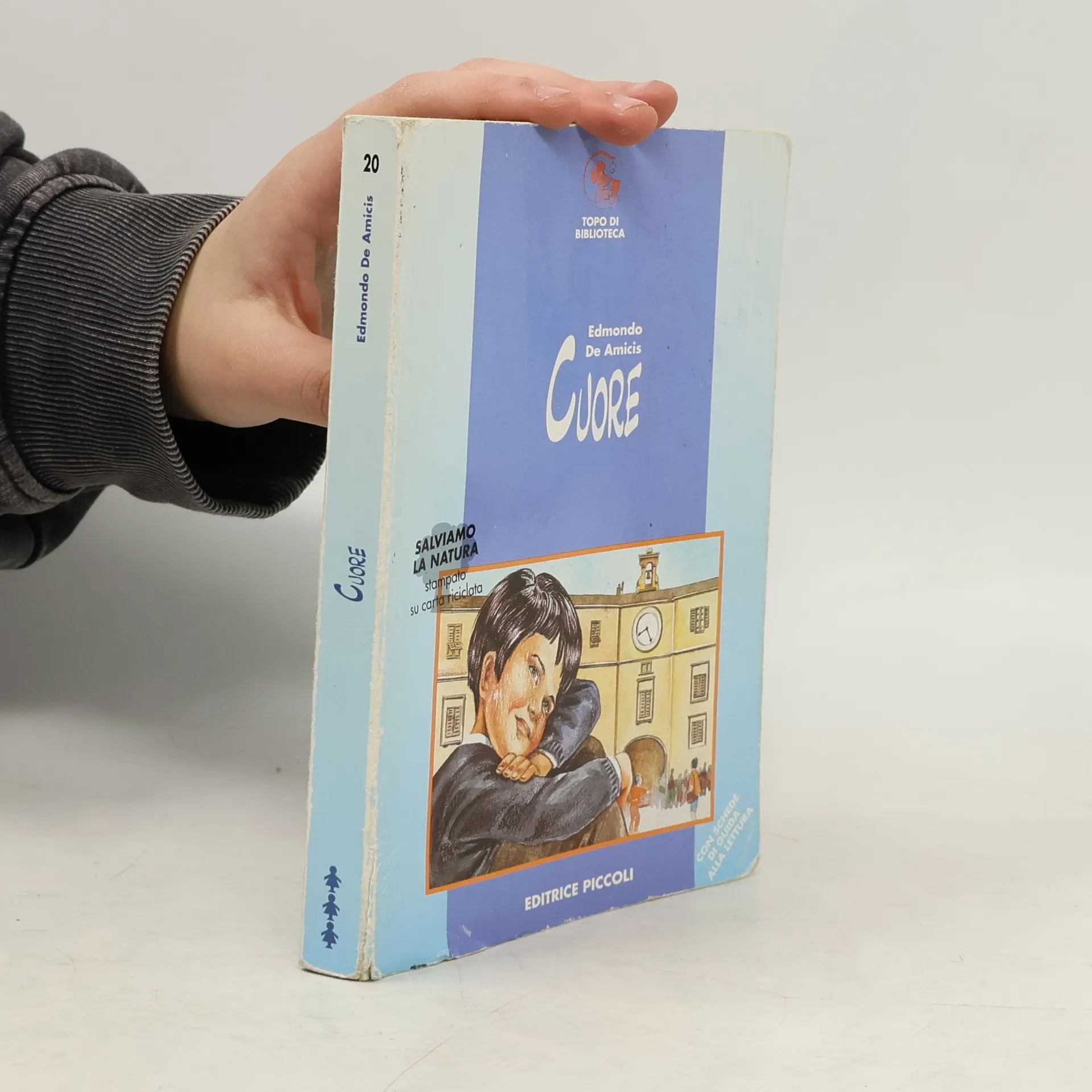
Edmondo De Amicis (1846 - 1908) was an Italian novelist, journalist, poet and short-story writer. His best-known book is Cuore, a children's novel translated into English as Heart. De Amicis fought in the battle of Custoza during the Third Independence War, a defeat of Savoy forces against the Austrian Empire. In Florence, he wrote his first sketches dealing with his frontline experience, collected as La vita militare ("Military Life", 1868), and first published by the journal of the Ministry of Defense, L'Italia Militare. In 1870, he joined the staff of the journal La Nazione in Rome, and his correspondence at the time later served as base for his travel writings: Spagna (1873), Olanda (1874), Ricordi di Londra (1874), Marocco (1876), Constantinople (1878), Ricordi di Parigi (1879).
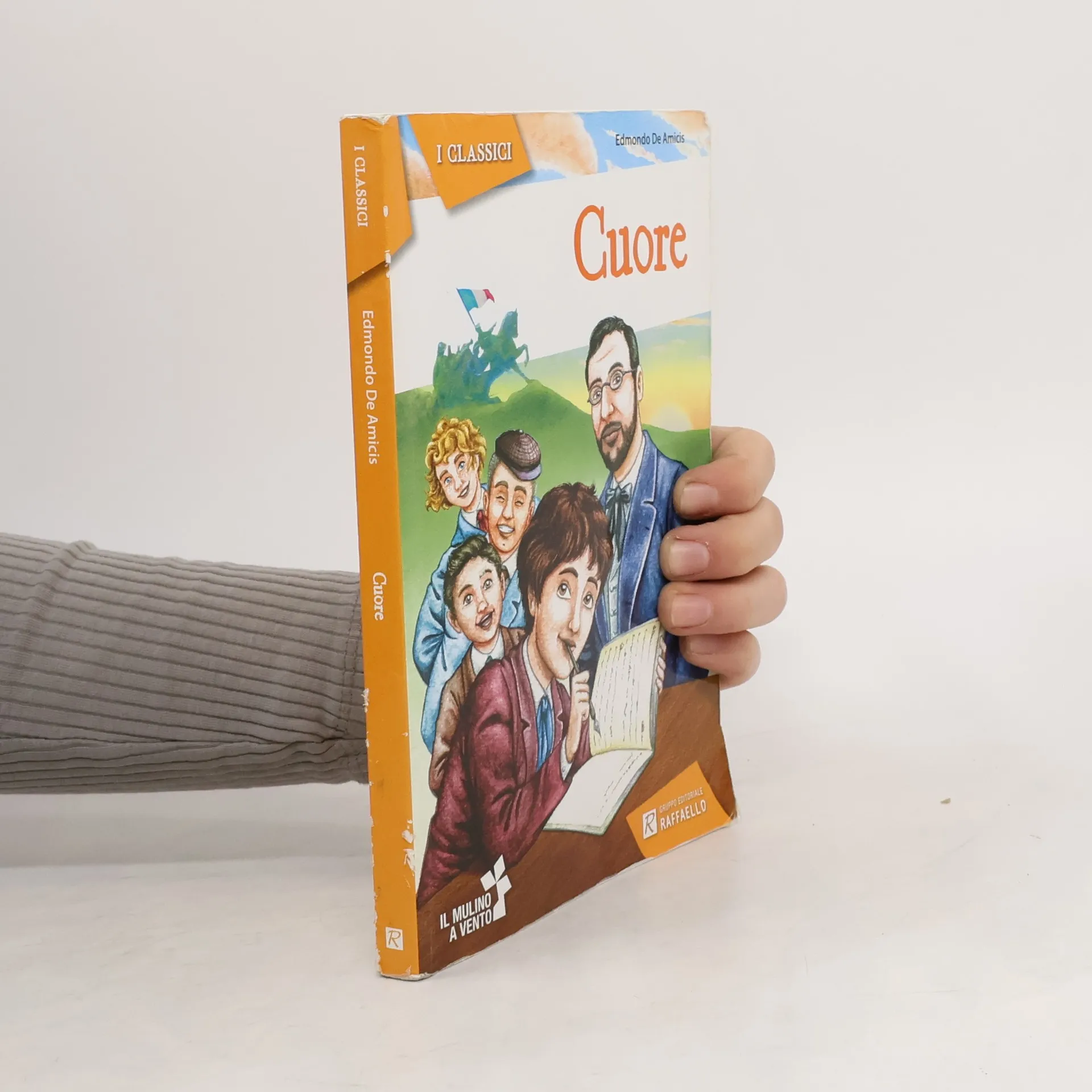
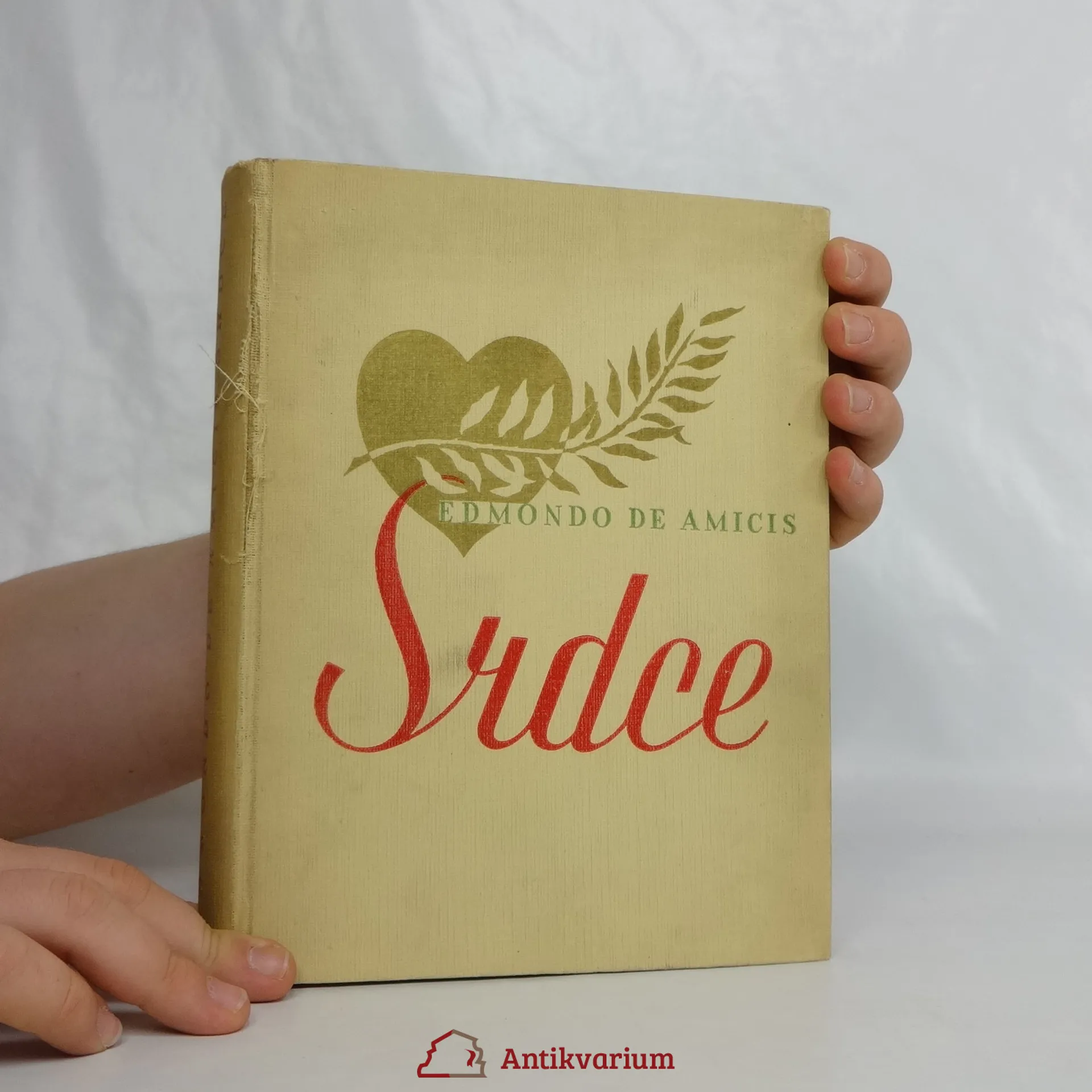
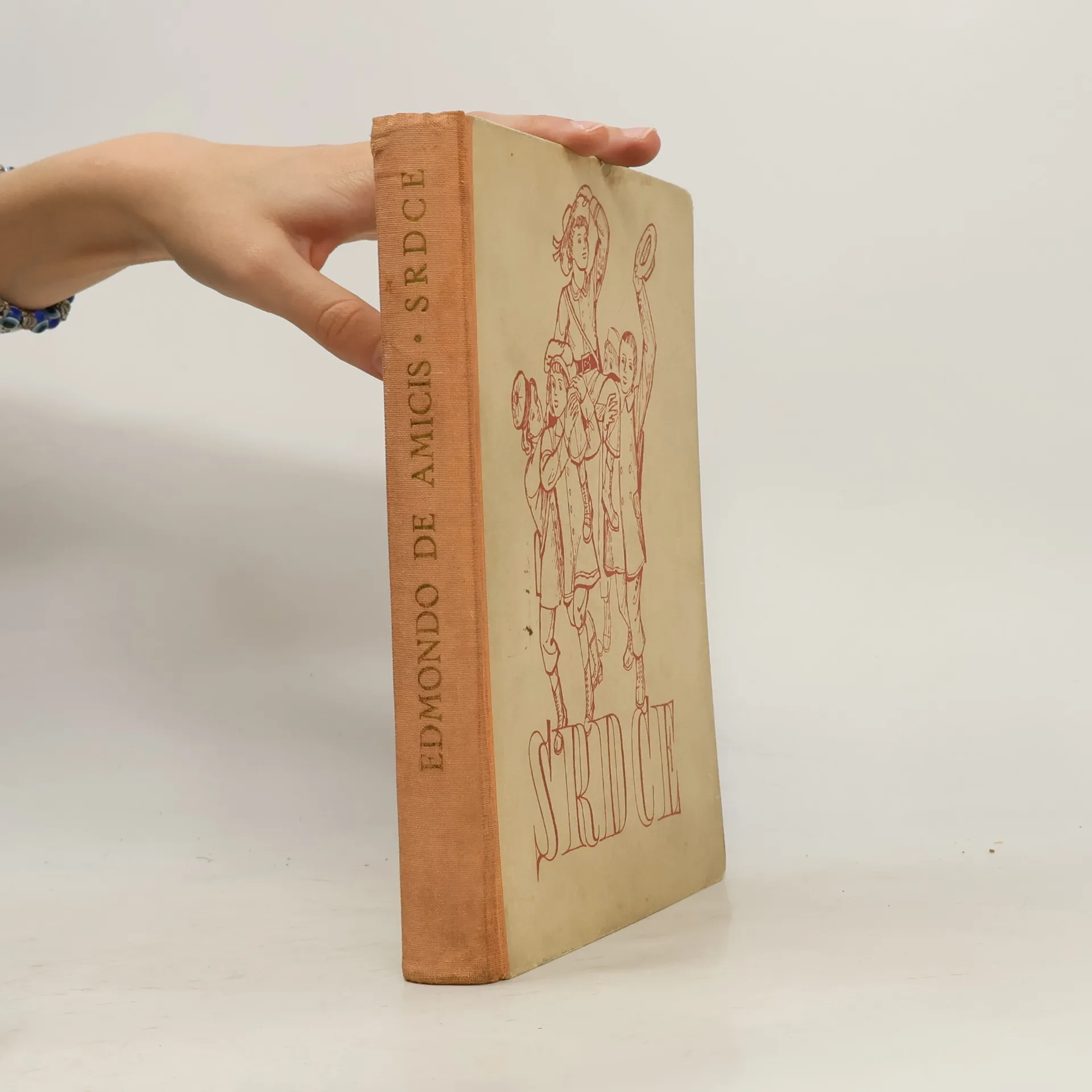
Deníkové záznamy žáka italské základní školy se ihned po svém prvním vydání staly pro desítky generací dětských čtenářů „nejkrásnější knihou jejich dětství“. Pro mnohé se tento příběh plný obětavosti, ušlechtilosti, příkladnosti, lásky a přátelství stal celoživotním vzorem. Kniha byla erbovním titulem Masarykovy první republiky
Le bref retour d'un fils... La déchéance d'un " homme d'honneur "... Un bon repas apprécié tardivement... Un enfant qui se refuse à dormir... Une fille qui montre qu'elle vaut plus qu'un garçon... Un curieux personnage plus soucieux de son orthographe que la morale... La confession du fils au chevet du père mourant... Est surpris qui voulait surprendre...
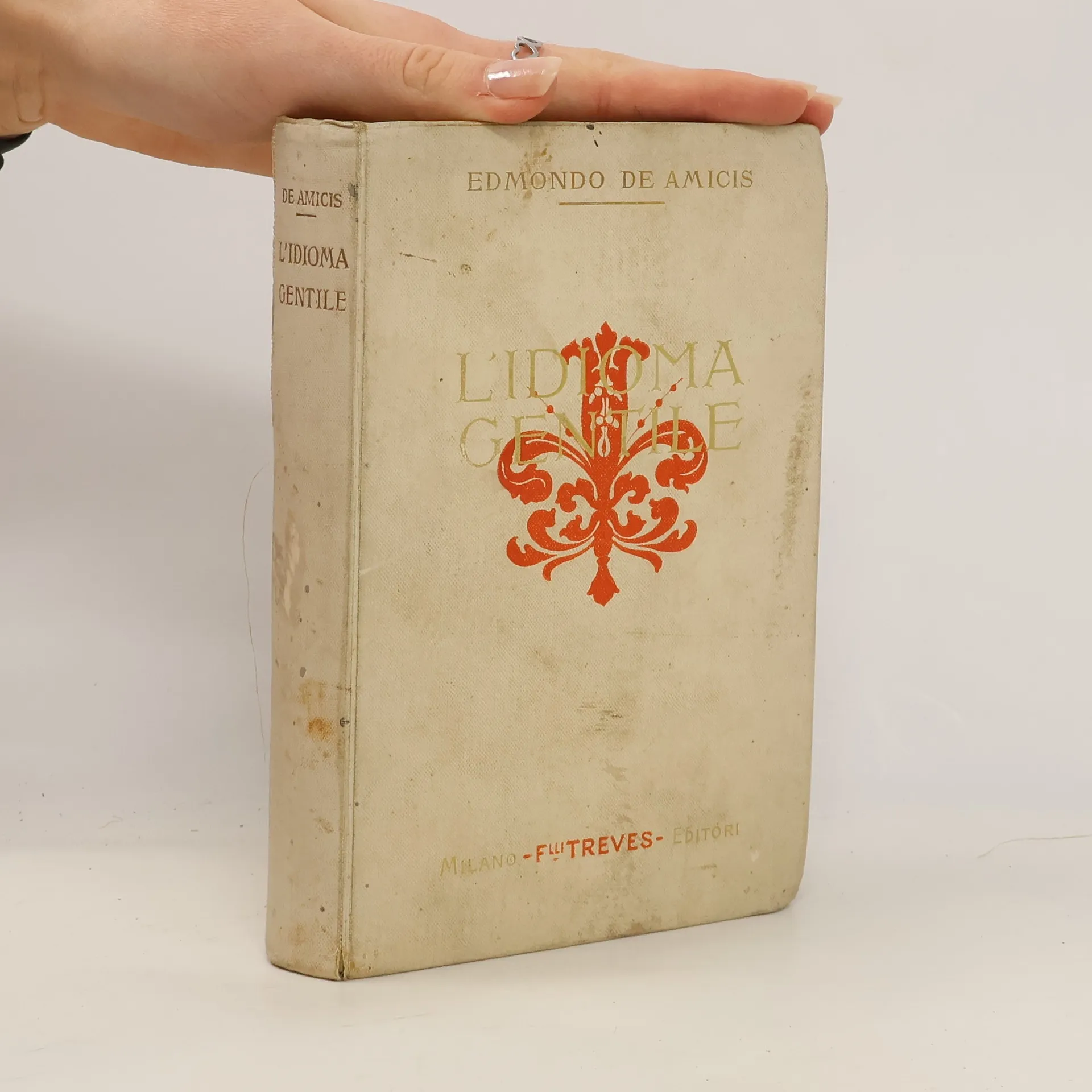
L'idioma gentile è, ovviamente, la lingua italiana. E per tanti anni, e per molte generazioni, il saggio di De Amicis è stato un manuale divertente e colto sull'uso corretto dell'italiano, sulle origini di parole e modi di dire, sugli errori, sui solecismi e le brutture di termini nuovi. Naturalmente, oggi, molte delle parole condannate e dei modi di dire rifiutati sono correntemente entrati nell'uso e accettati da tutti. Ma è anche vero che oggi, in presenza dello strapotere linguistico dell'inglese (americano), dell'impoverimento della lingua italiana causato da un linguaggio anche televisivo ridotto ai minimi termini, il libro acquista una nuova attualità e verrà letto come un saggio storico.