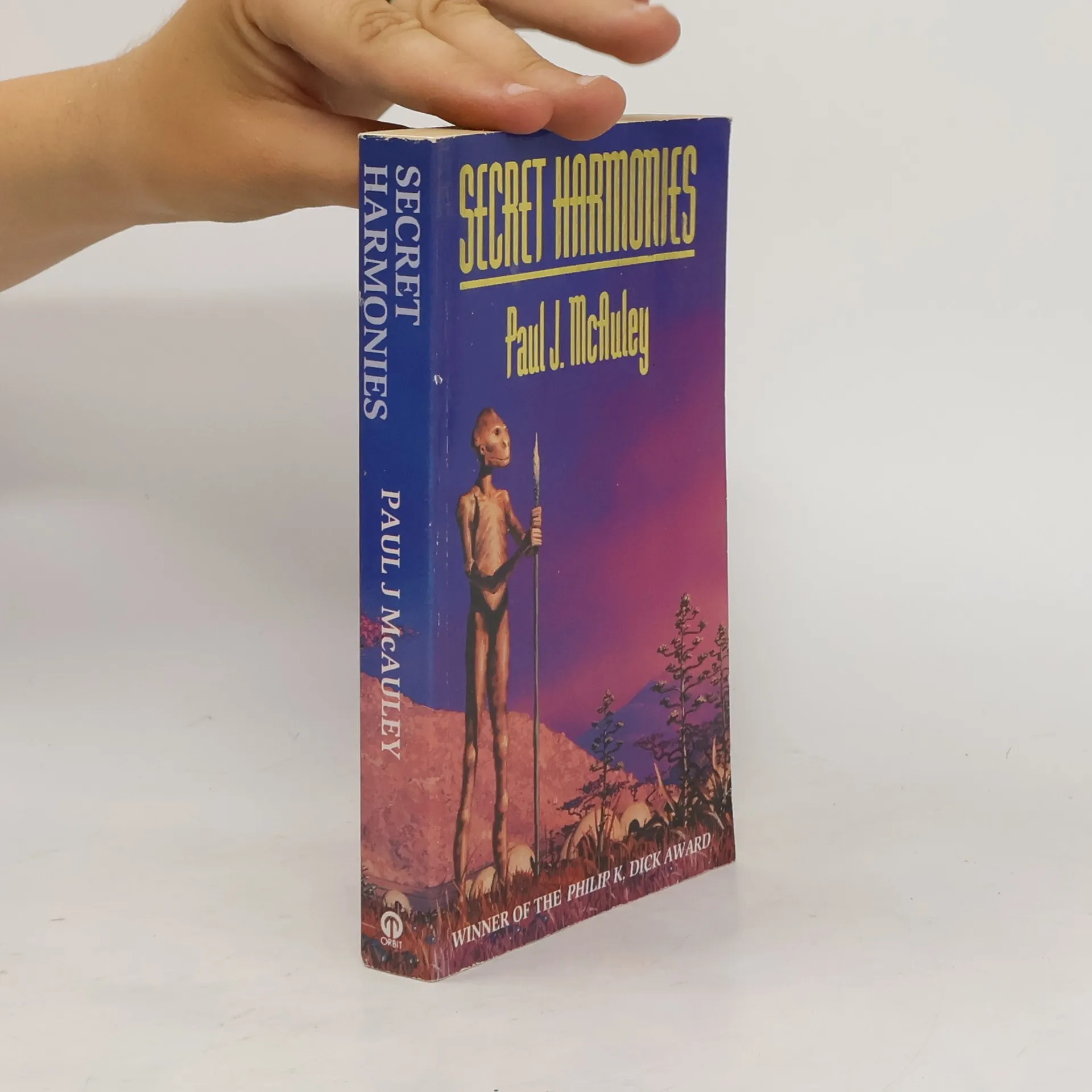
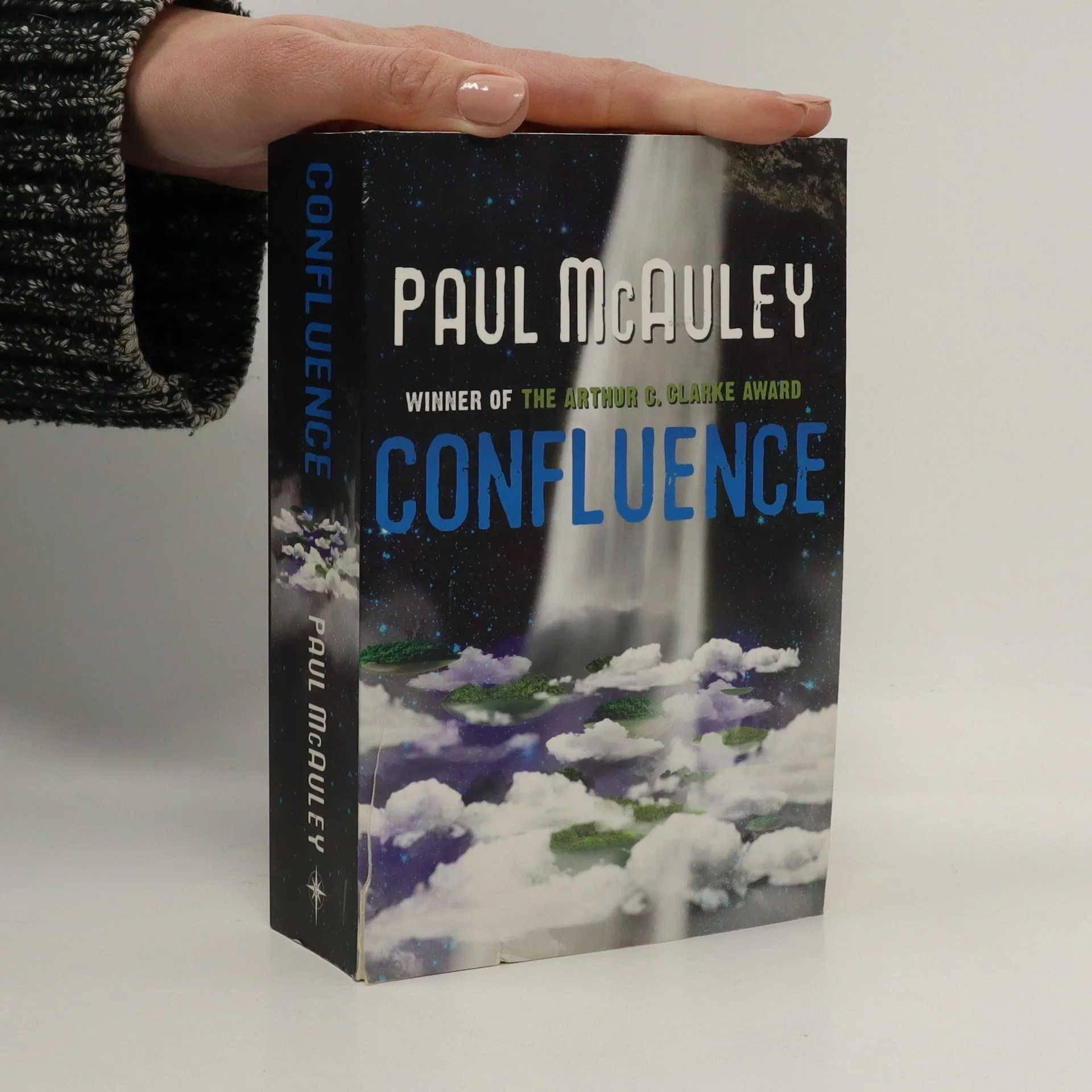
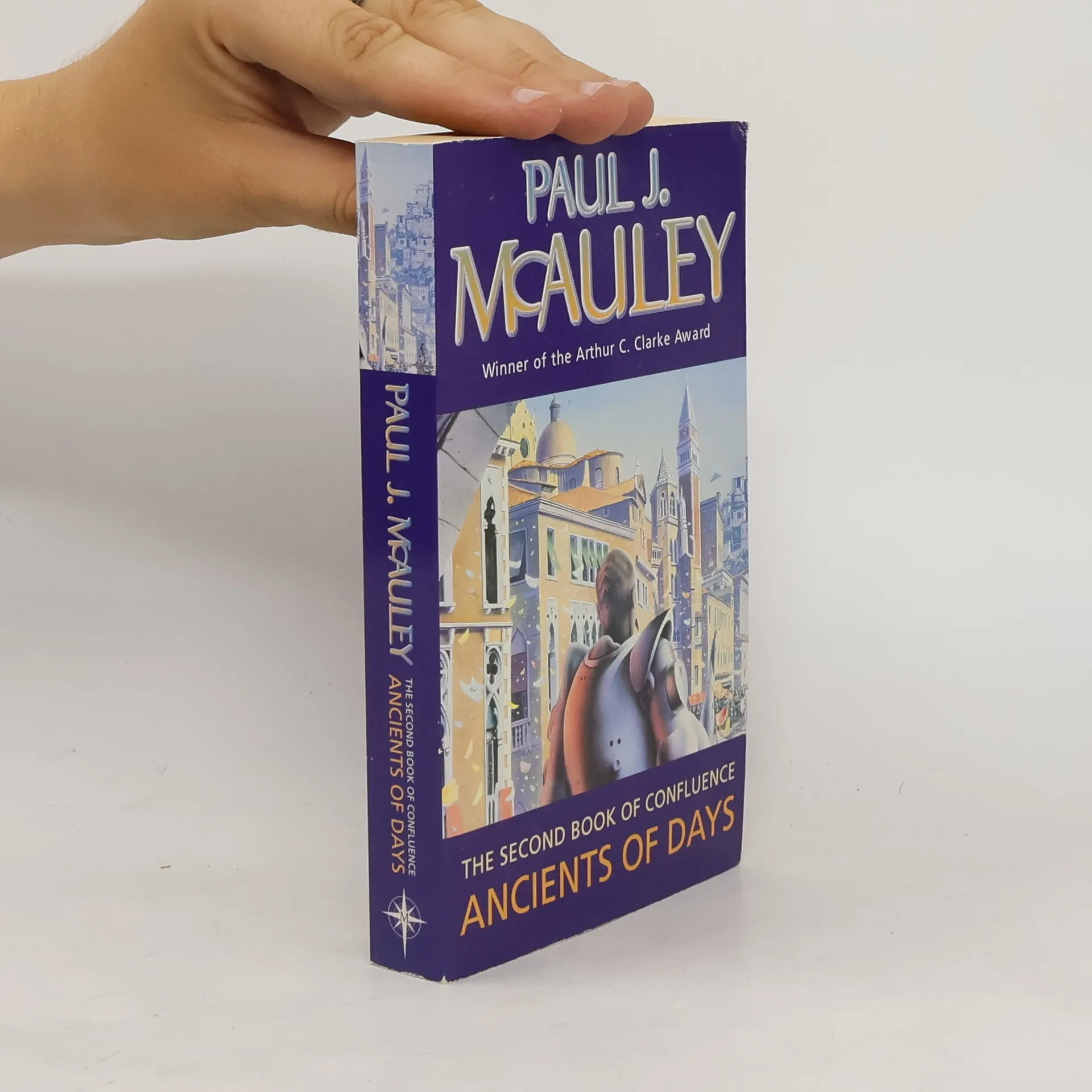
Confluence is riven by a civil war fired by the heresies of the last humans, the Ancients of Days. And the Great River, lifeblood of the inhabited part of the world, is failing. Yama was found as a baby on the breast of a dead woman in a boat on the Great River. He has two ambitions: to fight against the heretics, and to solve the mystery of his birth. Yama has the ability to control the machines which maintain the fabric of the world. As he journeys, so his powers increase, but his understanding of them is still limited and he finds himself becoming the unwilling focus of a dispute in the ancient and gigantic Palace of the Memory of the People.
Paul J. McAuley Books
April 23, 1955
Paul McAuley is a British author of science fiction. His works often explore themes such as genetic engineering, artificial intelligence, and the future of humanity. McAuley is known for his detailed world-building and complex characters. His stories delve into the dark and intricate aspects of technology and its impact on society.


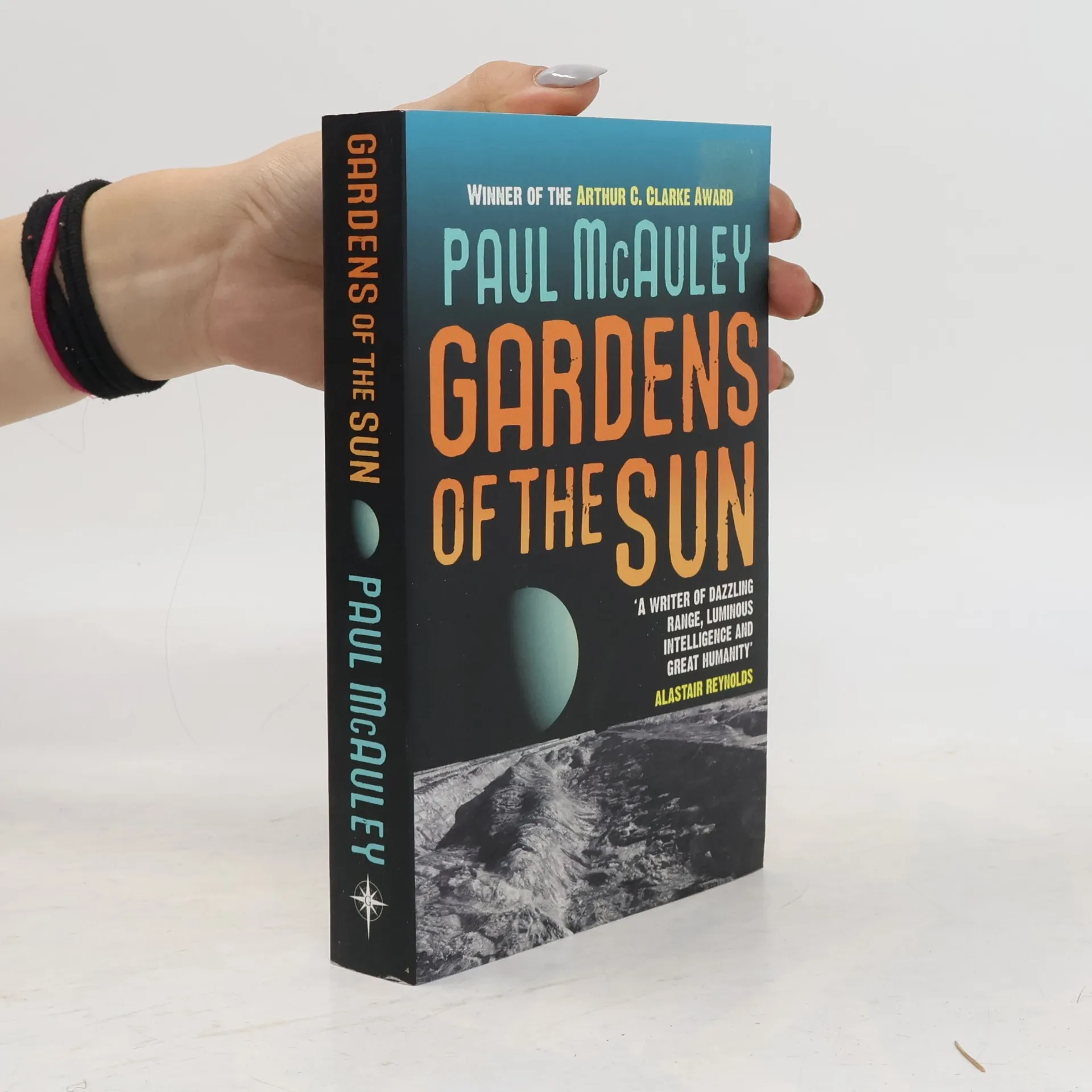
Gardens of the Sun
- 448 pages
- 16 hours of reading
'A writer of dazzling range, luminous intelligence and great humanity' Alastair Reynolds
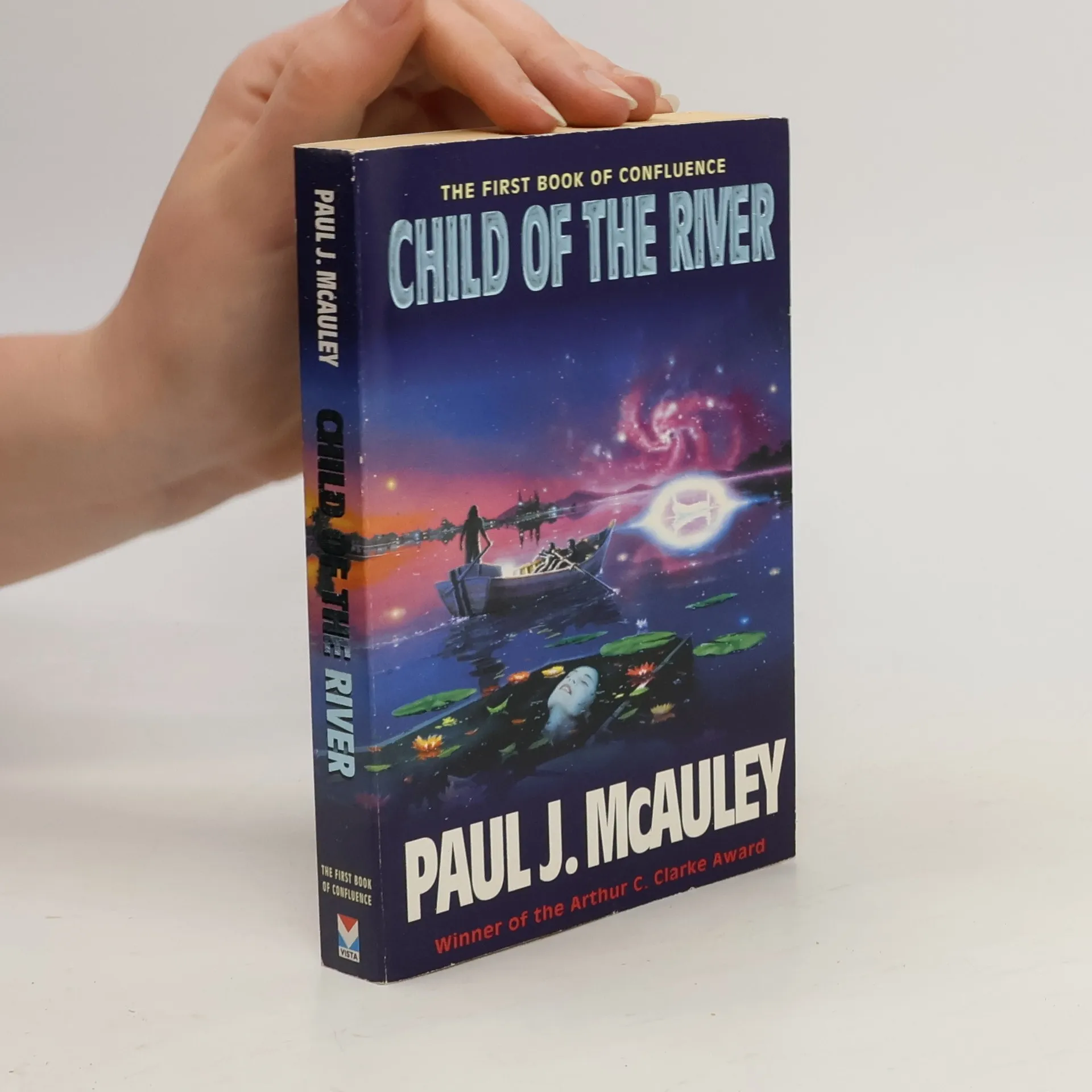
Child of the River
- 350 pages
- 13 hours of reading
Untold millennia ago, the Preservers made the world called Confluence and peopled it with ten thousand extraordinary bloodlines shaped from beasts of every sort Then the Preservers abandoned their creation -- leaving behind their law, their bureaucracies, and their trillions of machines, awake or slumbering, in the soil and the water and the air. In the gods' absence war came and a dangerous heresy arose that split the world in two. But a babe swept in on the great river, cradled in the arms of death -- the last and, perhaps, greatest of a remarkable bloodline -- signaling the beginning of the end times. And as Yama grows to young manhood, every hairbreadth escape and unanticipated adventure will bring him one step closer to the staggering truth about his heritage and his purpose ... and about a world that is not what it appears to be.
Brazil
- 96 pages
- 4 hours of reading
Widely believed to be Terry Gilliam's best film, Brazil's brilliantly imaginative vision of a retro-futuristic bureaucracy has had a lasting influence on genre cinema. Exploring its complex history and relationship with other dystopias, Paul McAuley explains why this satire on the unchecked power of the state is more relevant than ever.
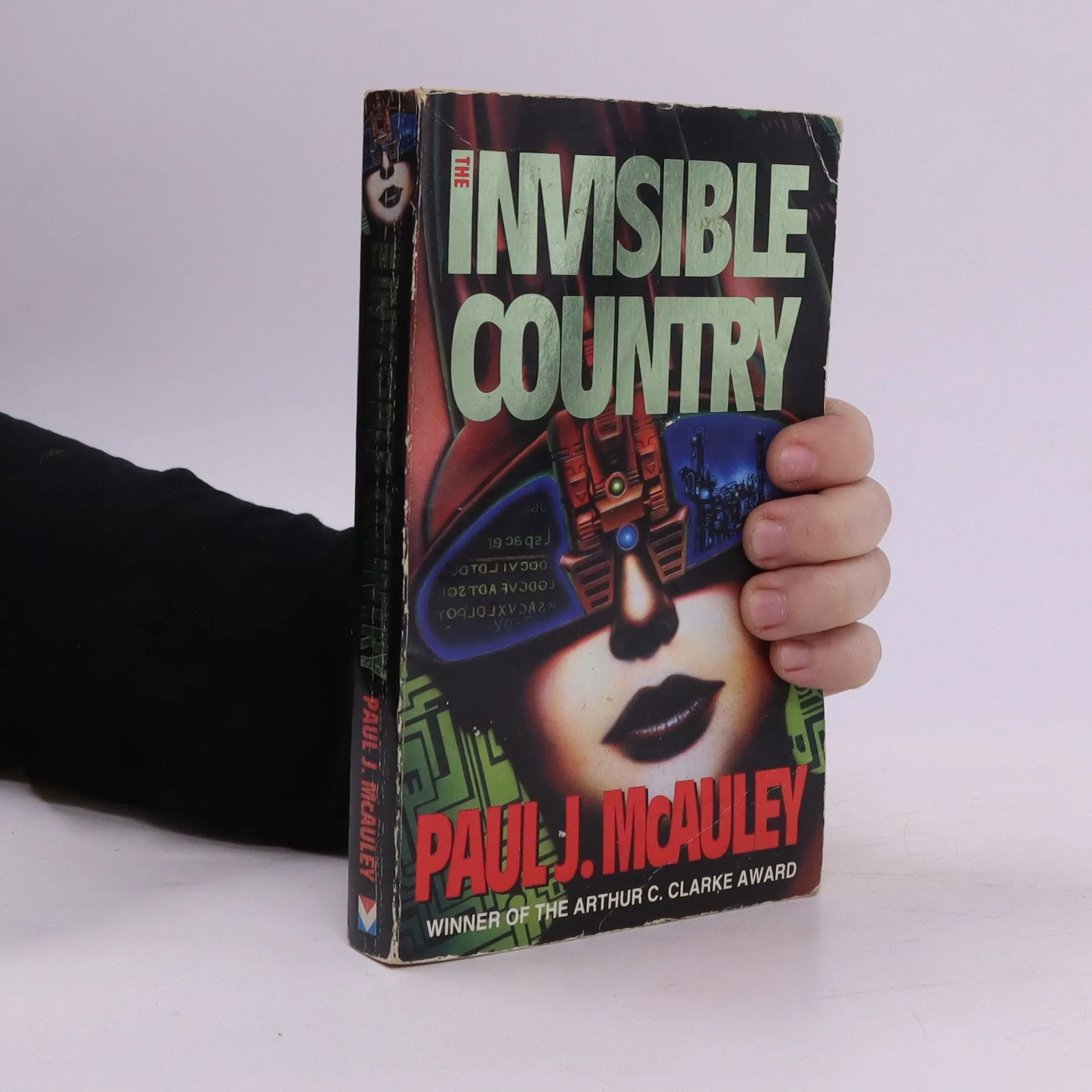
The Invisible Country
- 320 pages
- 12 hours of reading
In these nine extraordinary tales, acclaimed author Paul J. McAuley illuminates the unseen and the unimaginable with brilliant prose and incandescent conceptual daring. These stories explore the wonders and dangers of biotechnology and its and travel from a distant alternate past to a breathtaking far-flung future. in sixteenth century Venice, transformed by a premature Industrial Revolution, a physician mourning his daughter's passing meets a mountebank with the power to raise the dead. In a tomorrow of raw and terrible beauty, revolutionaries struggle to free genetically engineered creatures fated to die in combat games and violent sexual encounters. And ten million years in the future, on an artificial world orbiting an immense black hole, a civilization of awesome strangeness and complexity created -- and abandoned -- by God-like Preservers is about to meet the human ancestors of its makers. Enter "The Invisible Country" -- and prepare to be dazzled.
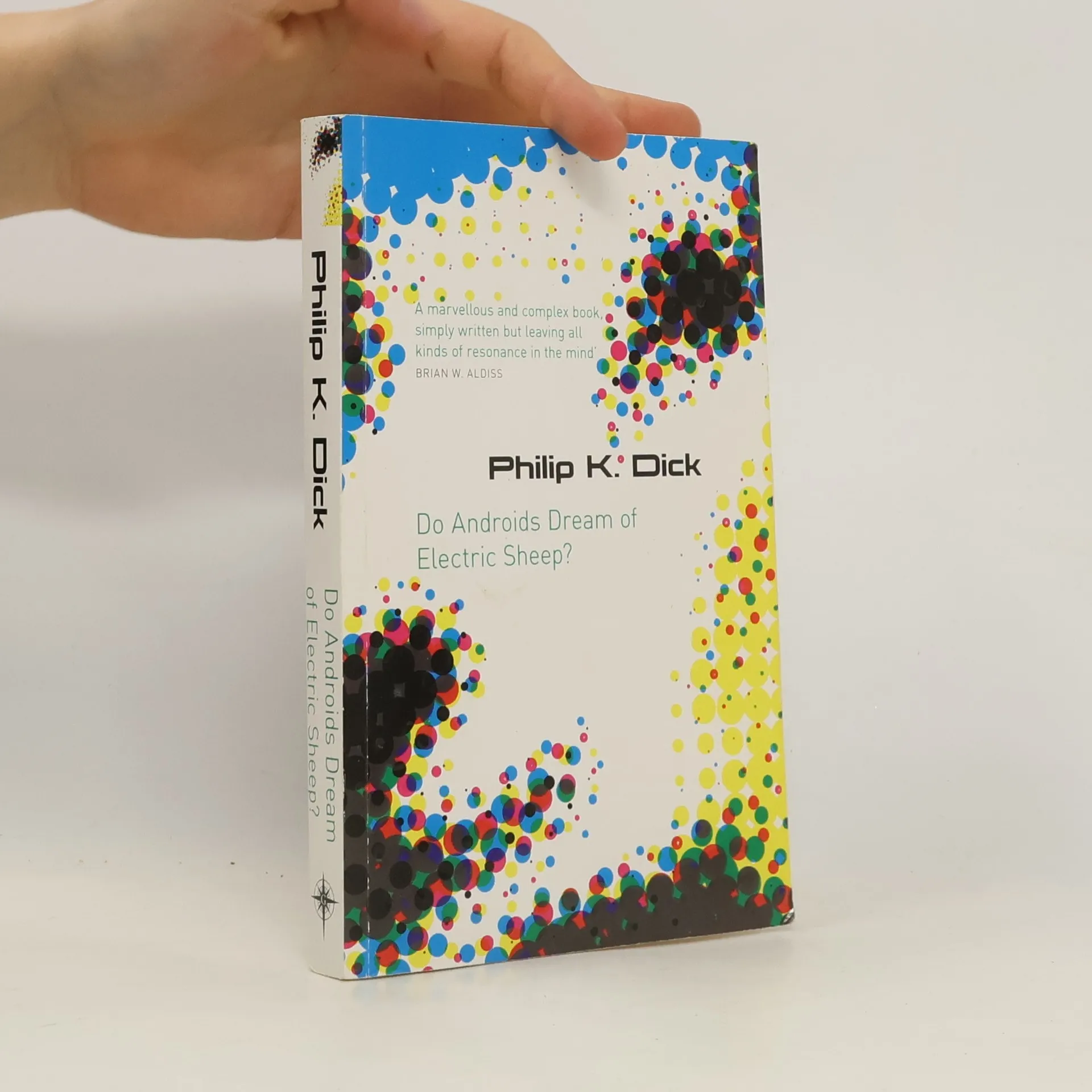
Do Androids Dream of Electric Sheep?
- 214 pages
- 8 hours of reading
World War Terminus has left the Earth devastated. Those humans who have chosen to stay on Earth have to deal with the radioactive fallout leftover from the war. Bounty hunter Rick Deckard is one of those who has chosen to stay. When one of his colleagues is injured on the job, Rick takes over his big assignment. He must track down and 'retire' six sophisticated androids which have been banned from the planet.
The planet Elysium is long settled, but troubles lay underneath the seeming paradise. Citizens of the Port of Plenty have benefited from new technology, but settlers across the planet are left to fend for themselves.
The Quiet War
- 320 pages
- 12 hours of reading
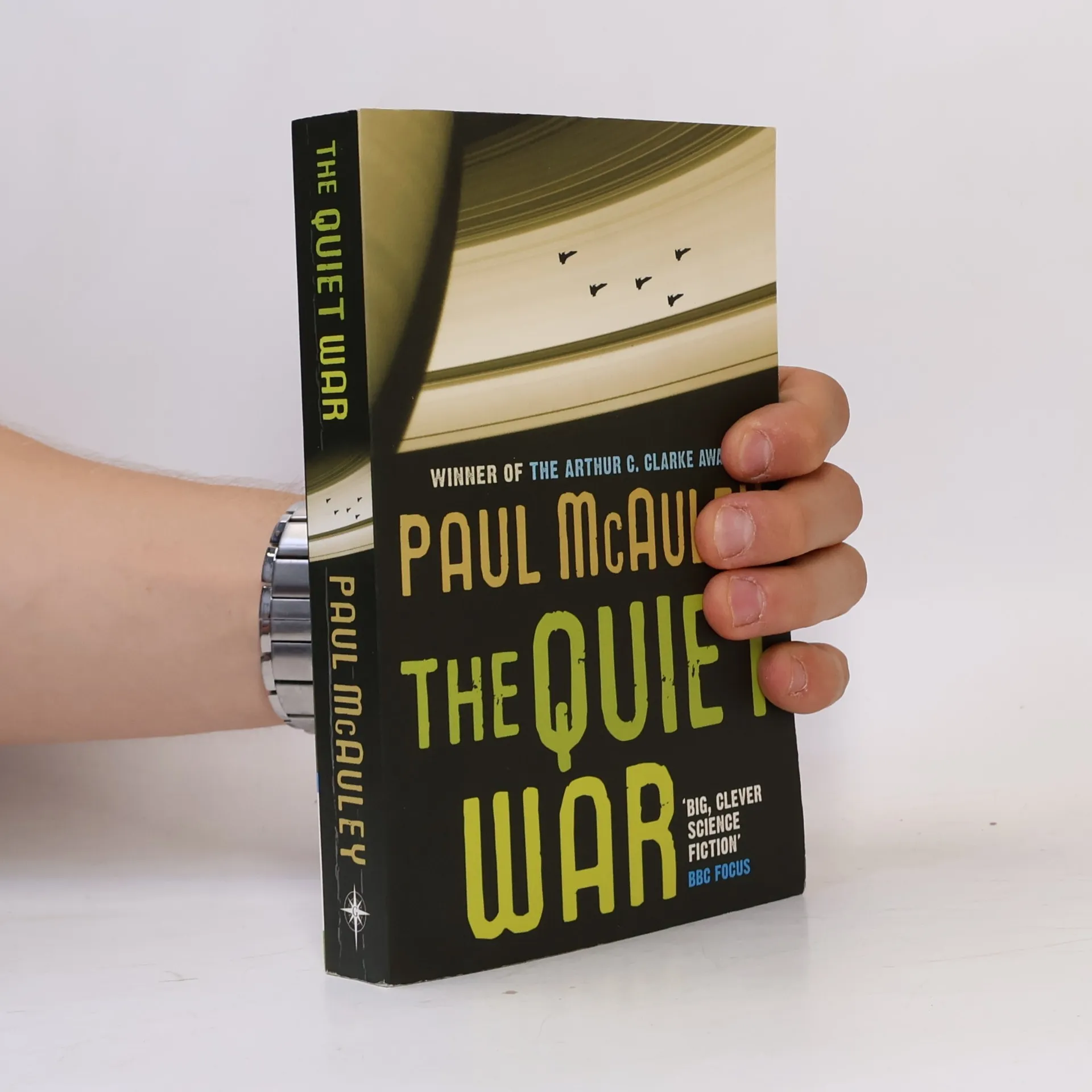
This exotic, fast-paced space opera turns on a single question: who decides what it means to be human?
Year's Best SF 6
- 512 pages
- 18 hours of reading
Science fiction as short fiction is a favorite form of the genre, and David G. Hartwell's Year's Best series consistently delivers humor, drama, style, and surprises. The Sixth Edition features a diverse array of stories, showcasing the creativity of various authors. Highlights include Paul J. McAuley's novelette "Reef," David Brin's thought-provoking short story "Reality Check," and Robert Silverberg's engaging "The Millennium Express." Tananarive Due's "Patient Zero" and Ken MacLeod's "The Oort Crowd" add depth to the collection, while M. Shayne Bell's "The Thing About Benny" and Brian Stableford's "The Last Supper" offer unique narratives. Joan Slonczewski's "Tuberculosis Bacteria Join UN" and Howard Waldrop's "Our Mortal Span" explore intriguing concepts, complemented by David Langford's "Different Kinds of Darkness." Norman Spinrad's "New Ice Age, or Just Cold Feet?" and Stephen Dedman's "The Devotee" further enrich the anthology. Other notable contributions include Chris Beckett's "The Marriage of Sky & Sea," Ursula K. Le Guin's "The Birthday of the World," and Greg Egan's novella "Oracle." The collection concludes with memorable stories from Nancy Kress, Brian W. Aldiss, Stephen Baxter, and Ted Chiang, ensuring a captivating reading experience for fans of the genre.
Into Everywhere
- 384 pages
- 14 hours of reading
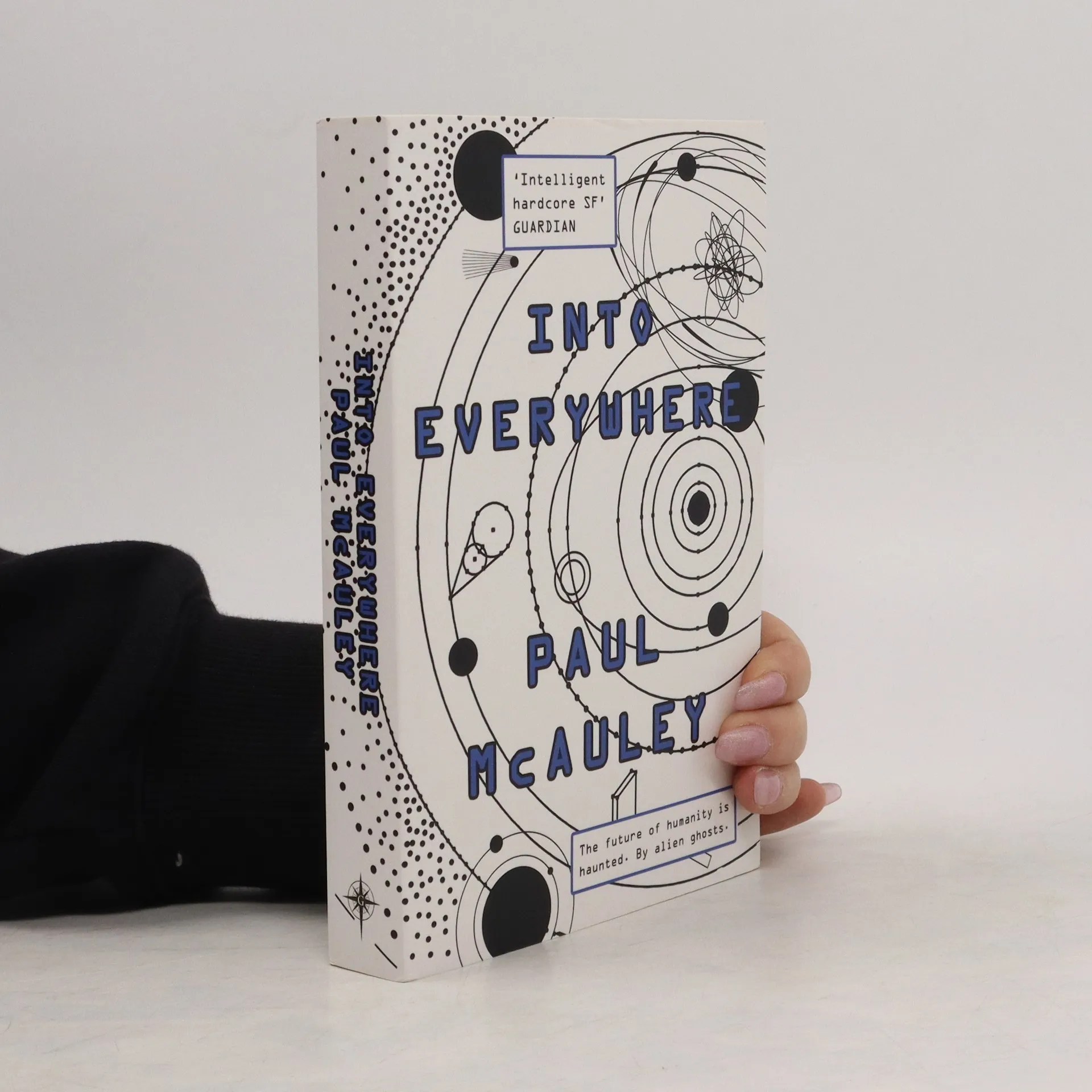
The Jackaroo gave humanity access to alien worlds and technologies, yet we still know nothing about them. As humanity spreads wider into the universe, will we discover what secrets they are hiding?
In the Mouth of the Whale
- 376 pages
- 14 hours of reading
In the brilliant new hard SF novel from Arthur C. Clarke Award-winning author Paul McAuley, a war between human and posthuman civilisations is about to erupt.
War of the Maps
- 432 pages
- 16 hours of reading
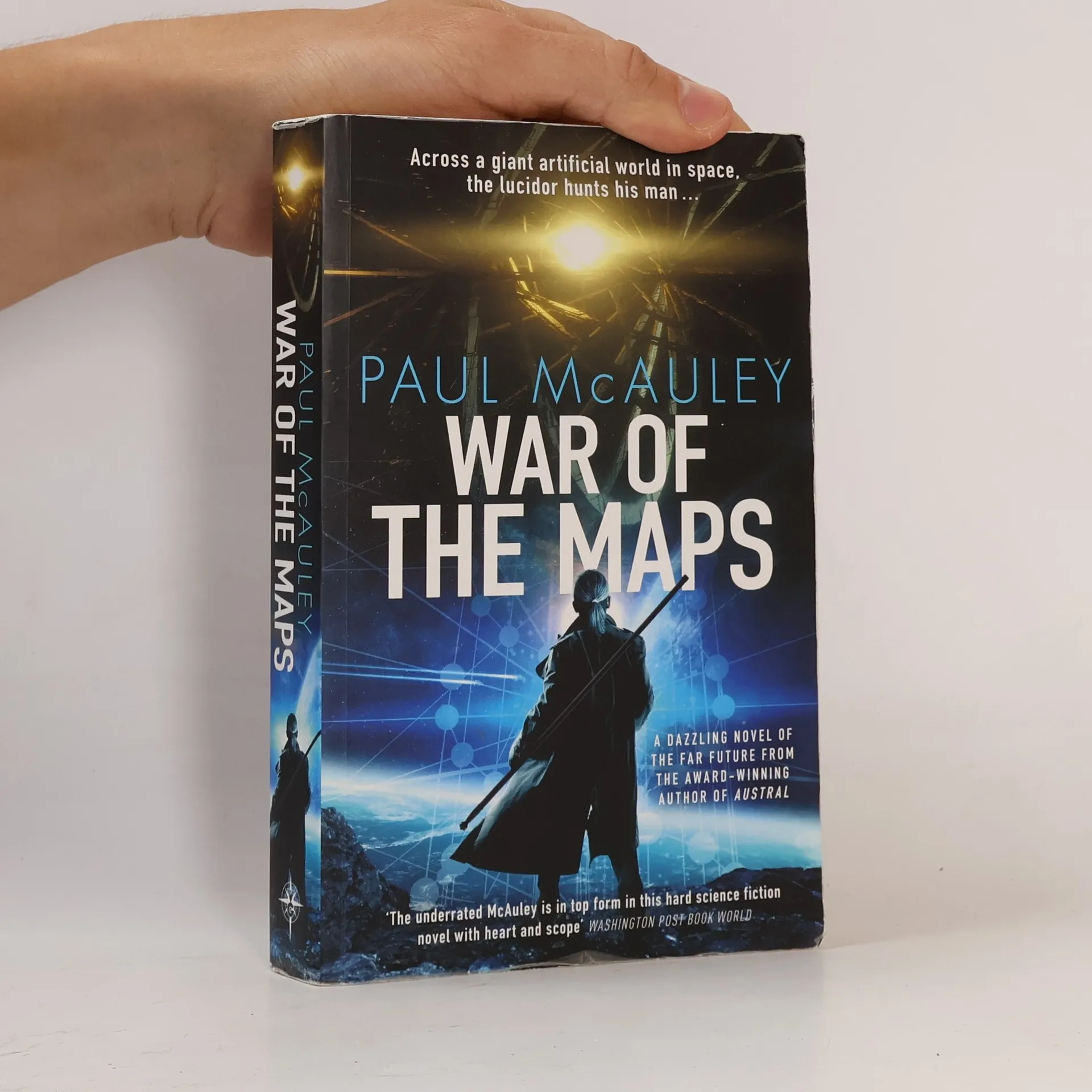
Across a massive structure hanging in space, the lucidor hunts a criminal. The maps of the world are under attack from an unknown genetic invader, but nothing is more important than justice.
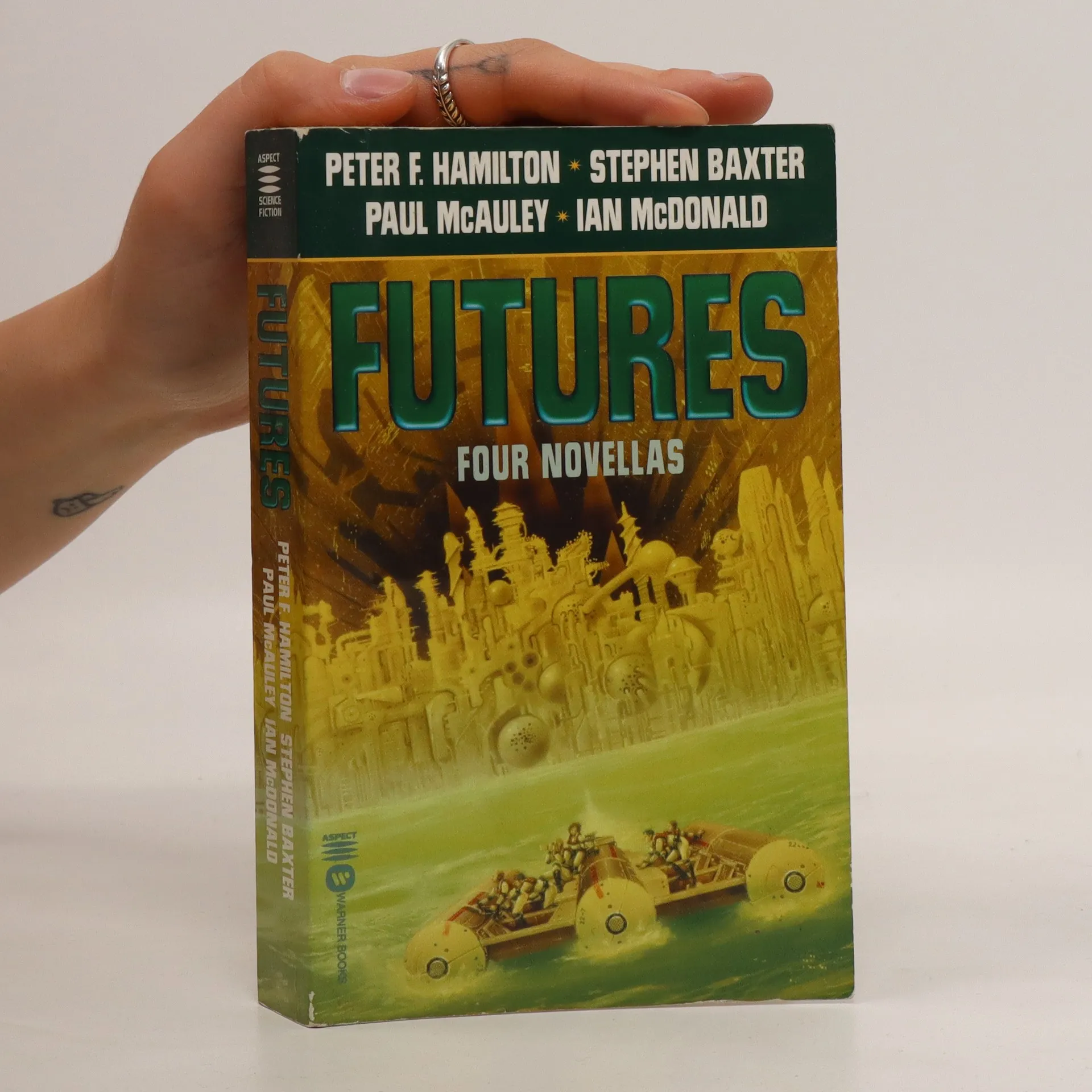
Futures. Four Novellas
- 384 pages
- 14 hours of reading
This collection of four novellas of humanity's struggle for survival in the far future features "Watching Trees Grow" by Peter F. Hamilton; "Reality Dust" by Stephen Baxter; "Making History" by Paul McAuley; and "Tendeleo's Story" by Ian McDonald.
Evening's Empires
- 374 pages
- 14 hours of reading
ARTHUR C. CLARKE AWARD-winning author Paul McAuley concludes his thrilling epic of war between post-humans in the far future.
WHAT WILL BECOME OF US? In the deep future beyond the burn line of the Anthropocene and the extinction of humanity, the city states of an intelligent species of bear have fallen to a mind-wrecking plague. The bears' former slaves, a peaceable, industrious and endlessly curious people, believe that they have inherited the bounty and beauty of their beloved Mother Earth. But are they alone? After the death of his master, a famous scholar, Pilgrim Saltmire vows to complete their research into sightings of so-called visitors and their sky craft. To discover if they are a mass delusion created by the stresses of an industrial revolution, or if they are real - a remnant population of bears which survived the plague, or another, unknown intelligent species. Risking his reputation and his life, Pilgrim's search for the truth takes him from his comfortable home in the shadow of a great library to his tribe's former home on the chilly coast of the far south, and the gathering of a dangerous cult in the high desert. Whether or not the visitors are real, one thing is certain. Pilgrim's world and everything he thought he knew about his people's history will be utterly changed. McAuley's fabulous far future, impacted by the consequences of global warming, colonisation and historical injustices, explores and reflects our own challenges while telling a fast paced story of discovery and adventure.
A novel which centres on the discovery of an enigmatic star travelling towards the solar system from the galactic core, having been accelerated to a considerable fraction of the speed of light half a million years ago. The author won the Philip K. Dick Award for Four Hundred Billion Stars.
The Secret of Life
- 518 pages
- 19 hours of reading
It's 2025 and the Earth is irreparably damaged. Then a miracle. Scientists at the Chinese Martian base have discovered the 'Chi' - an active micro-organism several kilometres below the surface. It has super evolved and is able to swap DNA at will, maximizing its survival whatever the environment.
Austral
- 276 pages
- 10 hours of reading
A dazzling new science fiction novel from the multiple award winning author of SOMETHING COMING THROUGH
The story of Wei Lee, the most unlikely Messiah since L.Ron Hubbard. It is set on Mars 600 years after the Yankees tried to terraform it, and failed, and 500 years after the Red Chinese took over and finished the job. The author won the Philip K. Dick Award for "Eternal Light".
Something Coming Through
- 384 pages
- 14 hours of reading
The aliens are here. And they want to help. The extraordinary new project from one of the country's most acclaimed and consistently brilliantly SF novelists of the last 30 years. Something Coming Through and its sequel Into Everywhere will extend, explore and complete the near future shared by the popular and highly acclaimed short stories in the Jackaroo sequence, including 'The Choice', which won the 2012 Theodore Sturgeon Memorial Award. They present new perspectives on one of the central ideas of science and science-fiction - are we alone in the universe? - through two separate narratives. Something Coming Through is set in a recognisable but significantly different near future London: half-ruined by a nuclear explosion, flooding and climate change; altered by the arrival of aliens who call themselves the Jackaroo. Into Everywhere moves from a desert world littered with the ruins and enigmatic artifacts of a dozen former clients of the Jackaroo, through a quest across a brutally pragmatic interstellar empire, to a world almost as old as the universe.
Pasquale's Angel
- 384 pages
- 14 hours of reading
On the eve of the Medici Pope's visit, an assassin has struck down an assistant to the immortal Raphael. It is a crime that draws a young artist named Pasquale and the investigative reporter Niccolo Macchiaveglia into the deepest shadows of their gray city--where there are fouler deaths to follow, and grave intrigues of war, withccraft and science. HC: AvoNova.
Fairyland
- 373 pages
- 14 hours of reading
In the 21st century change is the certainty amidst endless civil wars and technological revolutions. Europe is divided between the First World bourgeoisie, made rich by nanotechnology and the cheap slave labour of the genetically engineered Dolls, and the Fourth World of refugees and homeless displaced by war.
400 Billion Stars
- 240 pages
- 9 hours of reading
A superb SF novel from one of the genre's most accomplished writers.
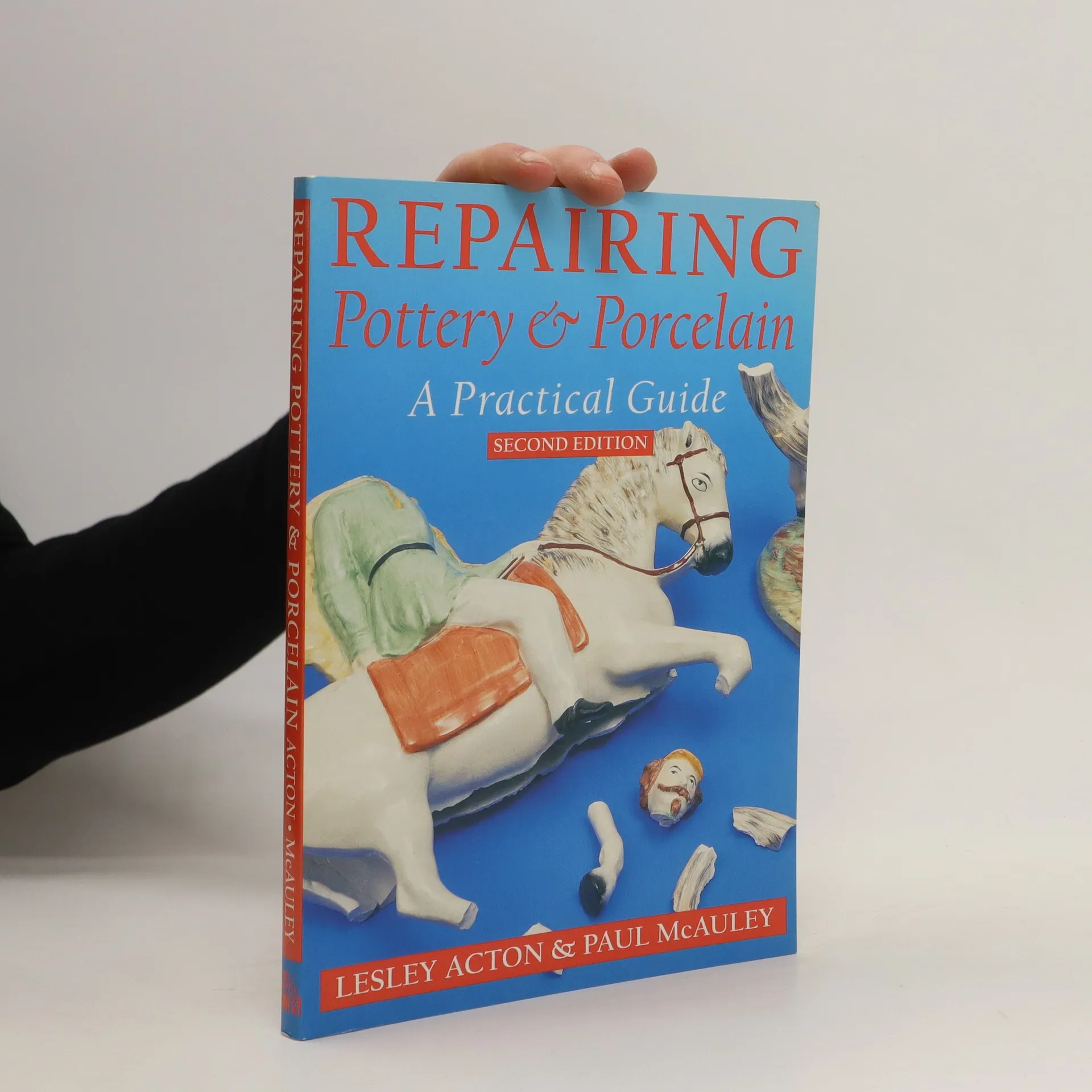
Repairing pottery & porcelain: A practical guide
- 112 pages
- 4 hours of reading
A step-by-step guide to repairing pottery and porcelain, from the simplest plate to the most complex figurine. There is advice on which materials to use, the methods and techniques of joining, and how to disguise the join afterwards. The authors also discuss how much work to do in terms of conservation and restoration, and offer suggestions. The volume should be suitable for home-owners, collectors and ceramists of all levels.
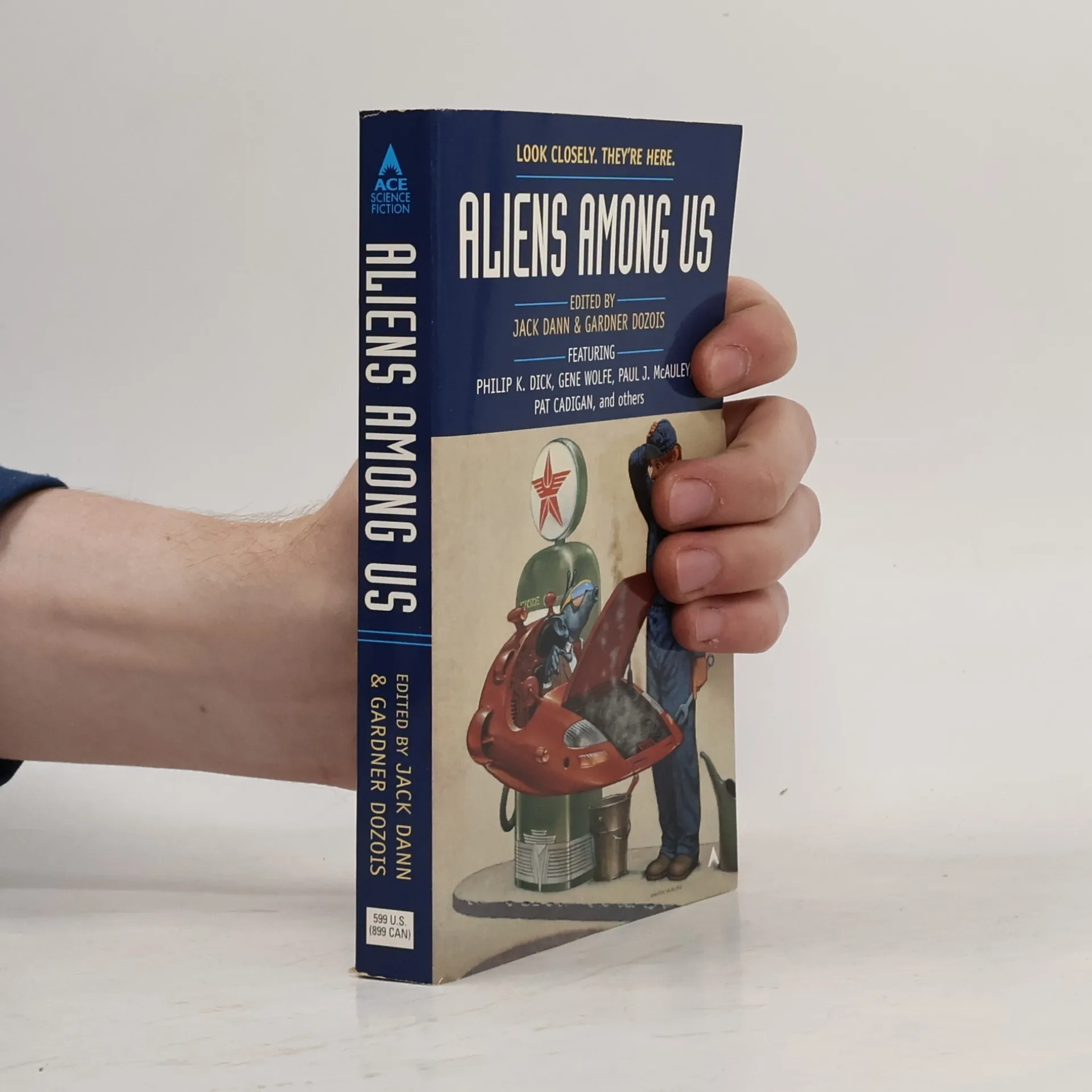
Aliens Among Us
- 304 pages
- 11 hours of reading
In this thought-provoking collection of short stories, some of the most ingenious talents in science fiction explore the secret lives of the aliens who walk among us....Includes stories by:Philip K. Dick Gene Wolfe Paul J. McAuley Pat Cadigan Theodore Sturgeon Kim Newman and others!ix • Preface (Aliens Among Us) • (2000) • essay by Jack Dann and Gardner Dozois1 • The Other Celia • (1957) • shortstory by Theodore Sturgeon21 • Residuals • (1997) • novelette by Paul J. McAuley and Kim Newman48 • Eight O'Clock in the Morning • (1963) • shortstory by Ray Nelson55 • Expendable • (1953) • shortstory by Philip K. Dick62 • The Reality Trip • (1970) • shortstory by Robert Silverberg83 • Decency • (1996) • shortstory by Robert Reed100 • The Mindworm • (1950) • shortstory by C. M. Kornbluth117 • Popeye and Pops Watch the Evening World Report • (1996) • shortstory by Eliot Fintushel128 • The Autopsy • (1980) • novella by Michael Shea171 • Or All the Seas With Oysters • (1958) • shortstory by Avram Davidson183 • Angel • (1987) • shortstory by Pat Cadigan202 • Among the Hairy Earthmen • (1966) • shortstory by R. A. Lafferty216 • I'm Too Big but I Love to Play • (1970) • novelette by James Tiptree, Jr.236 • The Hero as Werwolf • (1975) • shortstory by Gene Wolfe254 • Motherhood, Etc. • (1993) • novelette by L. Timmel Duchamp
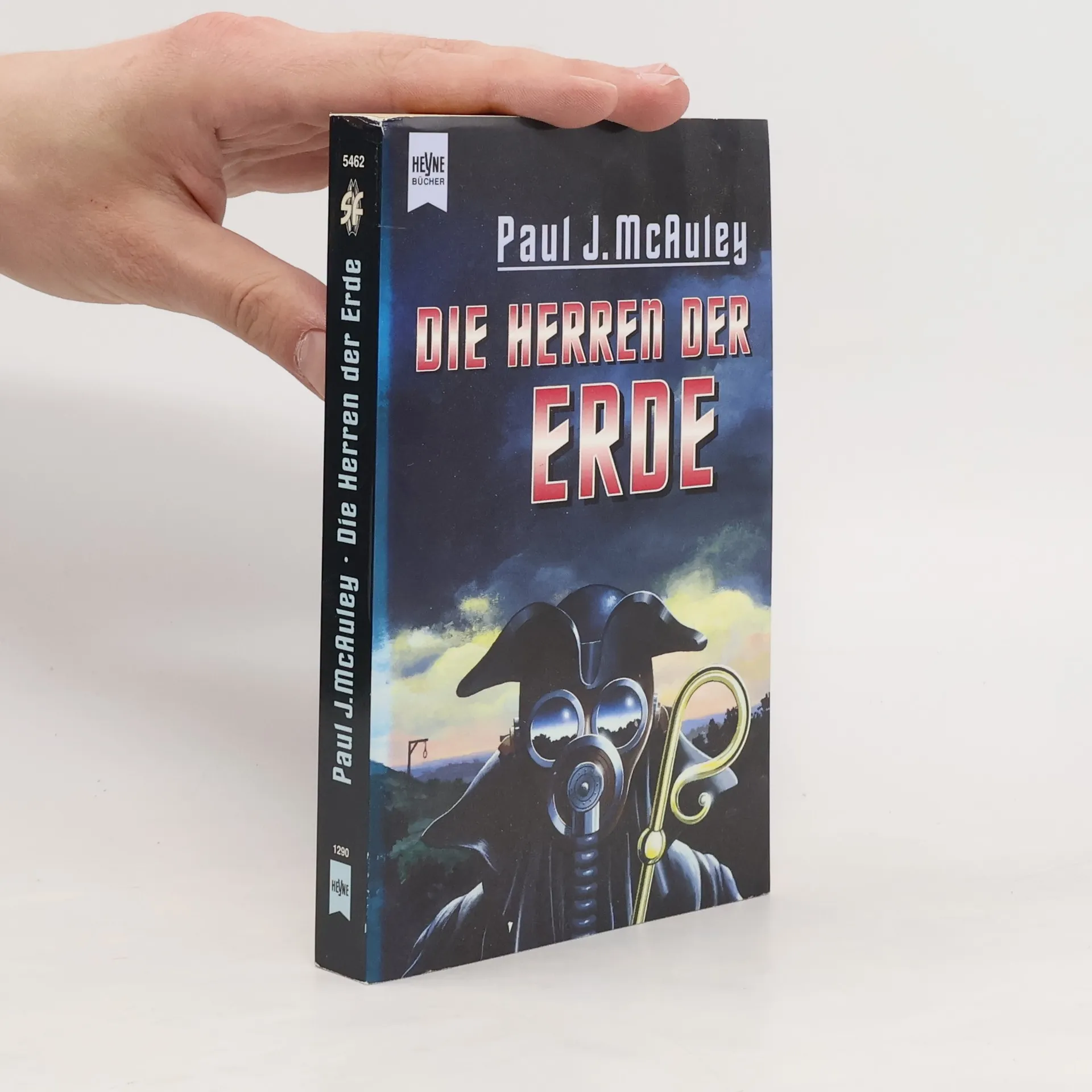
Die Herren der Erde
- 301 pages
- 11 hours of reading
In einem Kolonieschiff im dreiunddreißigsten Jahrhundert leben Mitglieder eines religiösen Kults, der die Erde verlassen hat, um eine eigene Welt zu finden. Ihr Anführer, Seraph, hat seinen Verstand in die Computer des Schiffs heruntergeladen, ist jedoch verstummt, verführt von einem Sirenengesang, der aus einem schwarzen Loch kommt. Eingeklemmt in der Umlaufbahn um das Nichts sind Seraphs Anhänger von seinem Schweigen verwirrt, und als der Doktor mit seinem Freund Fyne ankommt, um ein wütendes Tyger-Fieber zu heilen, das seinen Begleiter befallen hat, findet er eine Welt am Rande des Chaos.
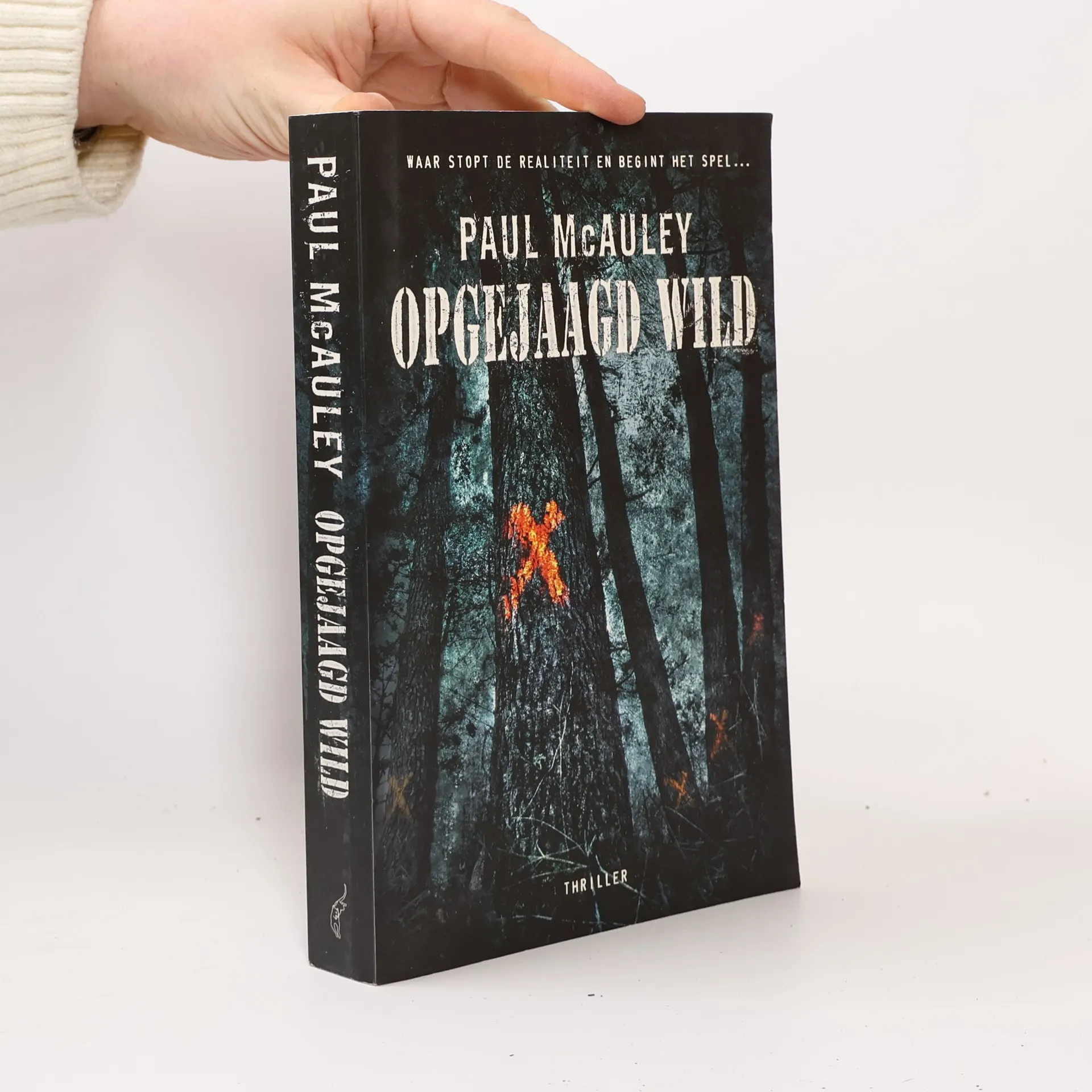
Opgejaagd wild
- 333 pages
- 12 hours of reading
Een jonge vrouwelijke rechercheur raakt verzeild in een luguber virtueel spel op leven en dood waarbij ze een psychopathische computerfreak moet uitschakelen.
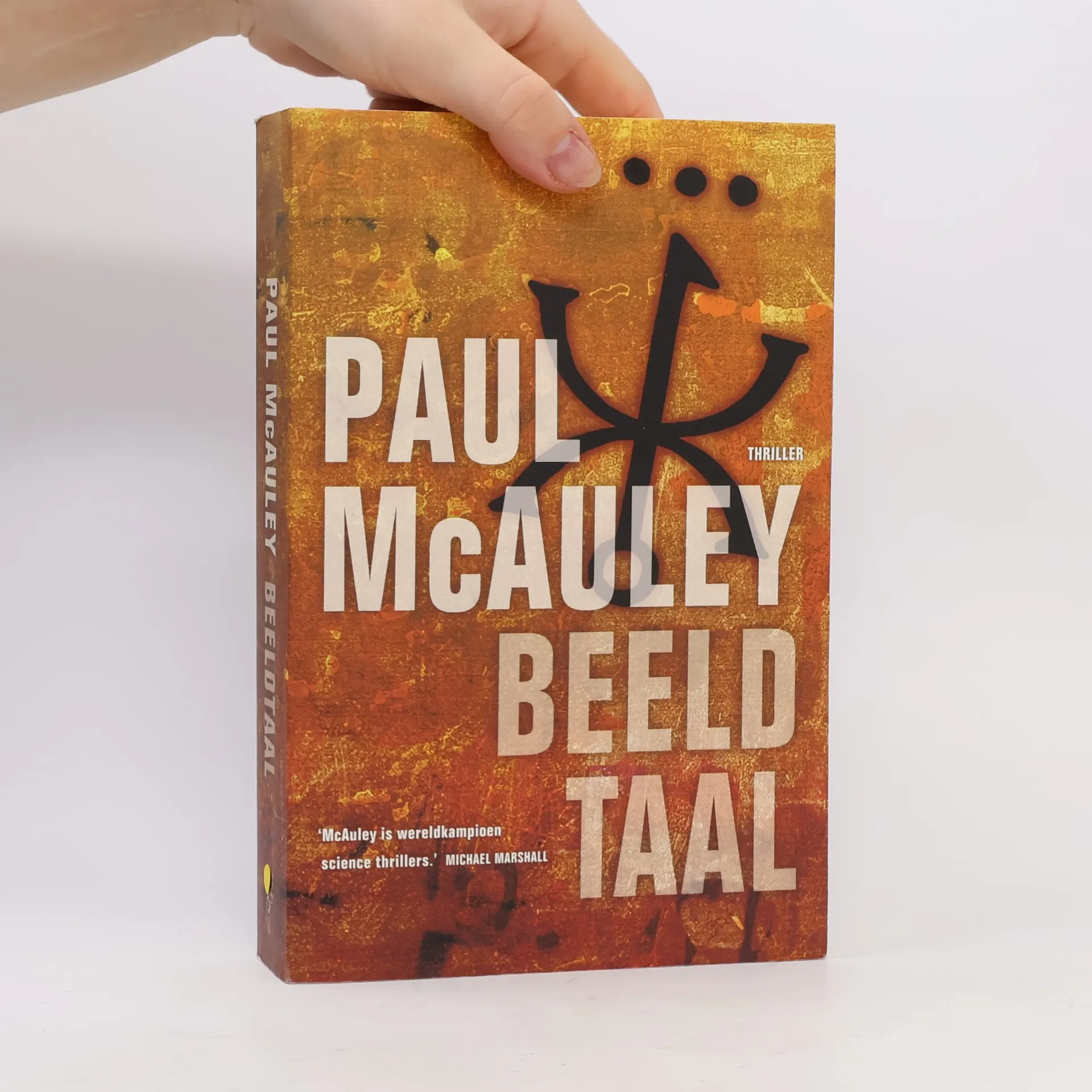
Beeldtaal
- 431 pages
- 16 hours of reading
Wanneer een jonge Engelsman op het spoor komt van glyphs, eeuwenoude tekens die het onderbewuste van de mens kunnen manipuleren, ontdekt hij dat huurlingen ze als wapens in hun eigen oorlog willen inzetten.
Tutte le storie di Frankenstein
- 512 pages
- 18 hours of reading
Continuano i Mammoth Book curati da Stephen Jones. Dopo Terrore, Vampiri, Zombi e Lupi Mannari, questa volta il protagonista è Frankenstein. L'antologia inizia con il romanzo originale, il Frankenstein di Mary Shelley e continua con una panoramica dei migliori racconti e romanzi brevi che sull'argomento. I Racconti: Frankenstein, ovvero il Prometeo moderno di Mary W. Shelley Una nuova vita di Ramsey Campbell Il creatore di R. Chetwind-Hayes Meglio morto di Basil Copper La Creatura cerca conforto di Nancy Kilpatrick Gli omini di Robert Bloch El Sueño de la Razón di Daniel Fox Pithecanthropus Rejectus di Manly Wade Wellman In pratica un omicidio di John Brunner L'ultimo treno di Guy N. Smith Il mastino di Frankenstein di Peter Tremayne L'invenzione madre di Graham Masterton L'eredità di Frankenstein di Adrian Cole Comunicazione interrotta di Dennis Etchison Il mostro di Poppi di Lisa Morton Illusione di vita di Karl Edward Wagner Una donna completa di Roberta Lannes Ultima chiamata per i figli dello shock di David J. Schow Chandira di Brian Mooney Il paradiso del collezionista di Kim Newman La tentazione del dottor Stein di Paul J. McAuley Ricevere è meglio di Michael Marshall Smith Punto d'arrivo di David Case Frankenstein di Jo Fletcher
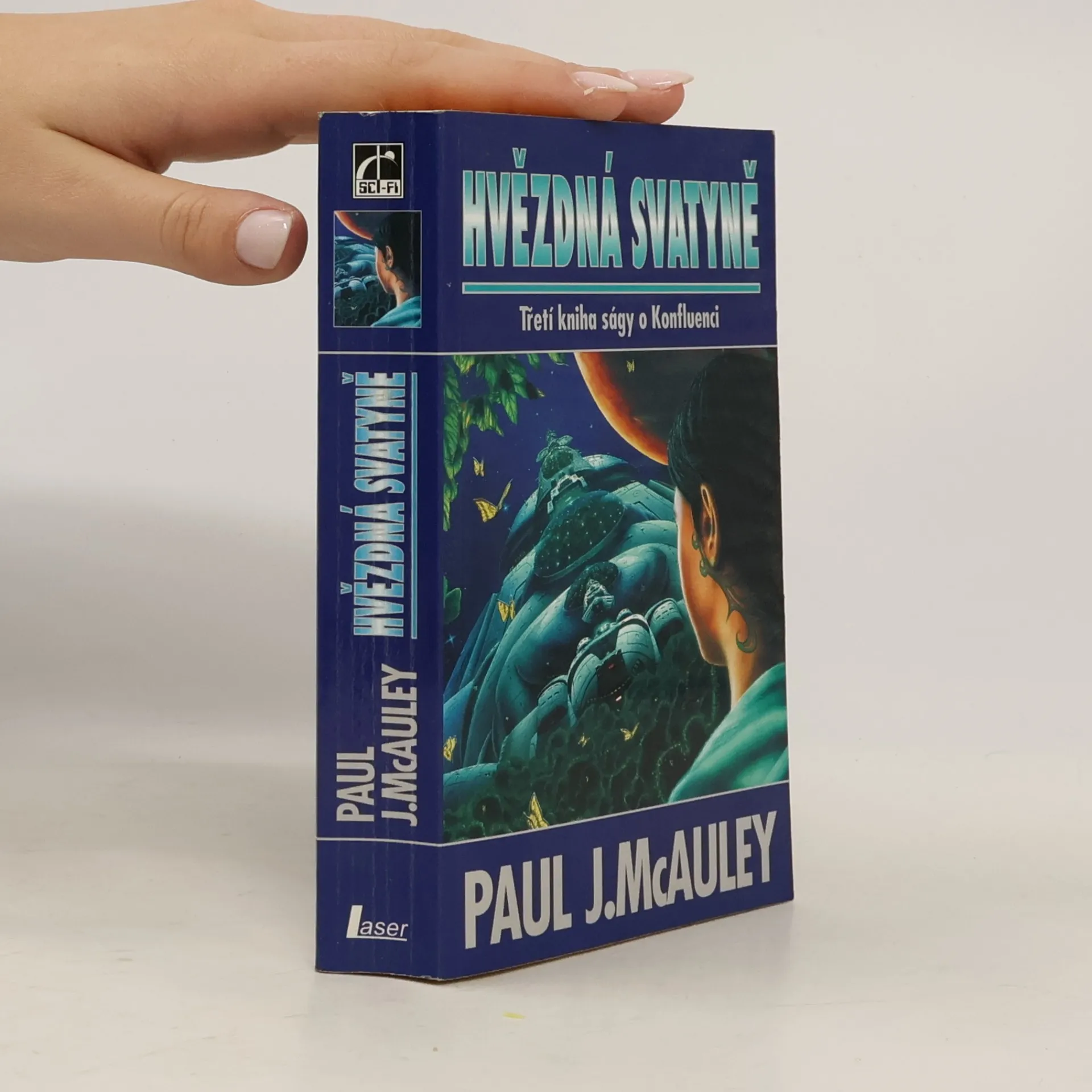
Lidé, kteří v daleké budoucnosti osídlili umělou planetu upravenými zvířecími rasami, jež obdařili inteligencí, zmizeli za horizontem událostí, stále jsou však na Konfluenci uctívámi jako Ochránci. Mladý Yamamanama se po dlouhém a obtížném putování, během něhož získává a zase ztrácí přátele, dozvídá, že je potomkem Stavitelů, mocné pokrevní linie, která podle příkazů Ochránců planetu zkonstruovala. Jeho narození je však dosud zahaleno tajemstvím, neboť všichni Stavitelé jsou již celé věky mrtví. Yamu se snaží ovlivnit záhadná Angela, která se vrátila s lodí Předků dnů z cesty dlouhé pět milionů let a zasela na Konfluenci kacířské myšlenky, kvůli nimž se nyní vede válka. Yama zoufale prchá před prefektem Corinem, padne však do léčky zrádného doktora Dismase, jemuž se podařilo Yamu zákeřným úskokem ovládnout a využívá jeho schopností proti vojsku teokratů. Yamu čeká boj na život a na smrt s lidmi i zdivočelými stroji, aby však mohl zachránit i Konfluenci, musí se vydat na strastiplnou cestu nejen do vesmíru, ale i proti proudu času.