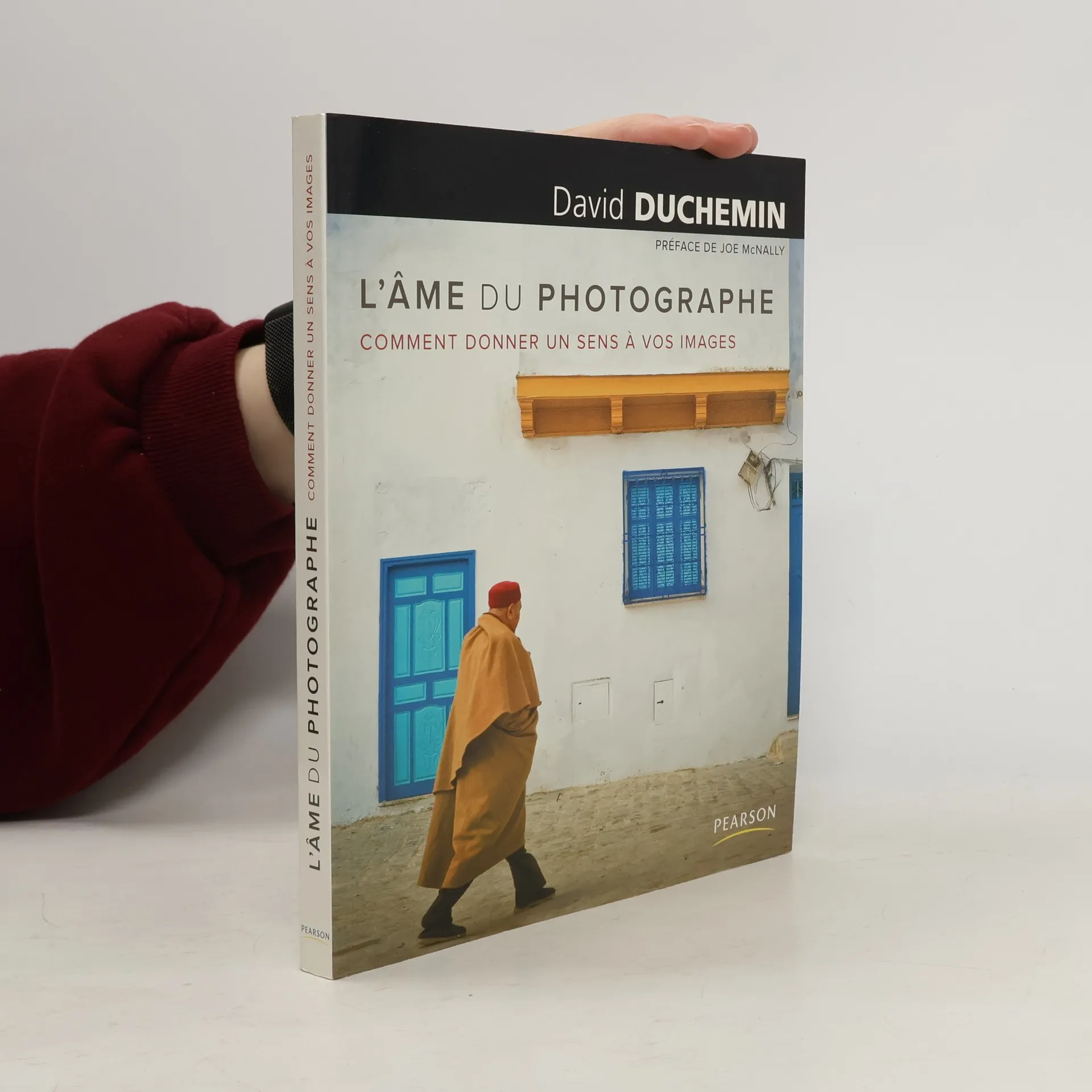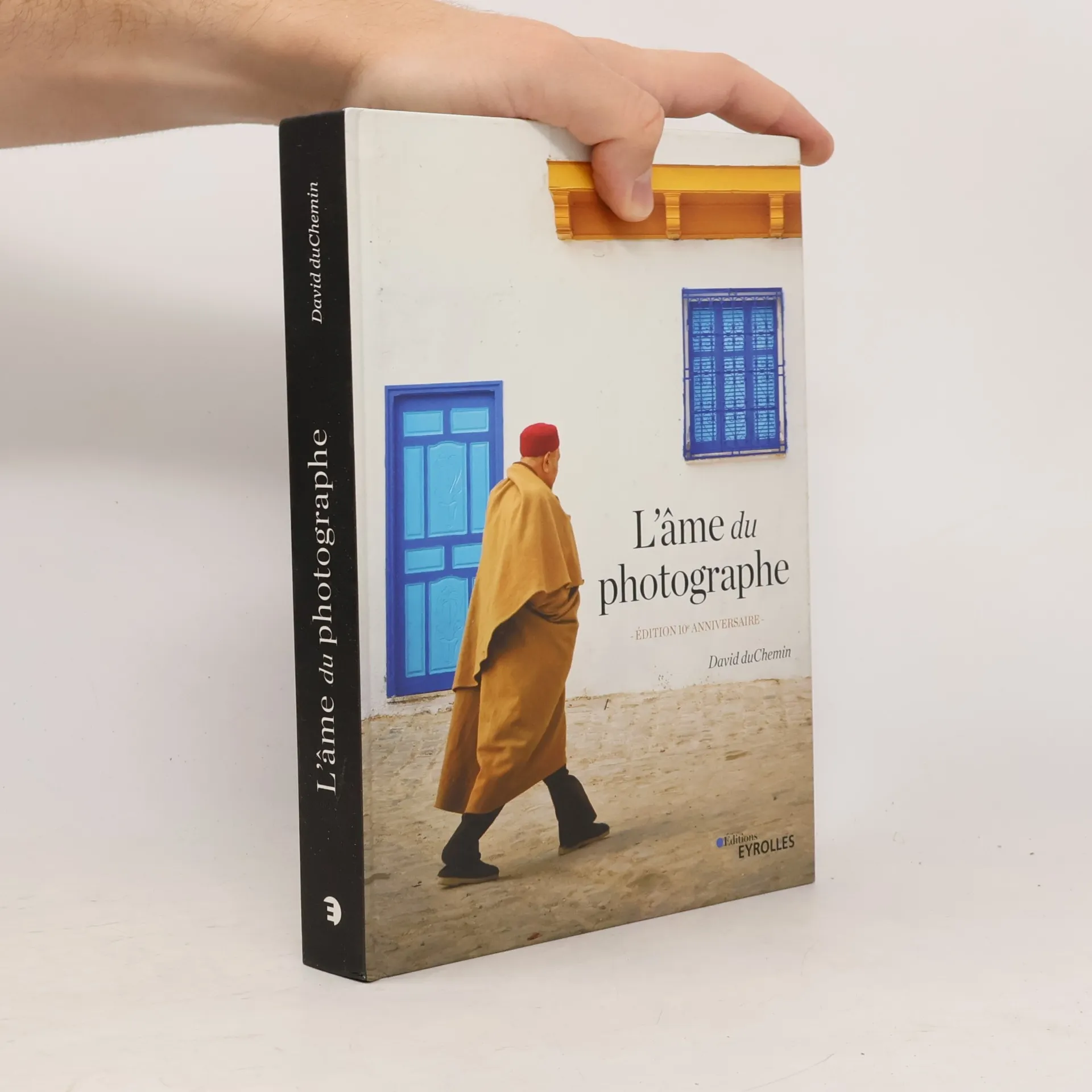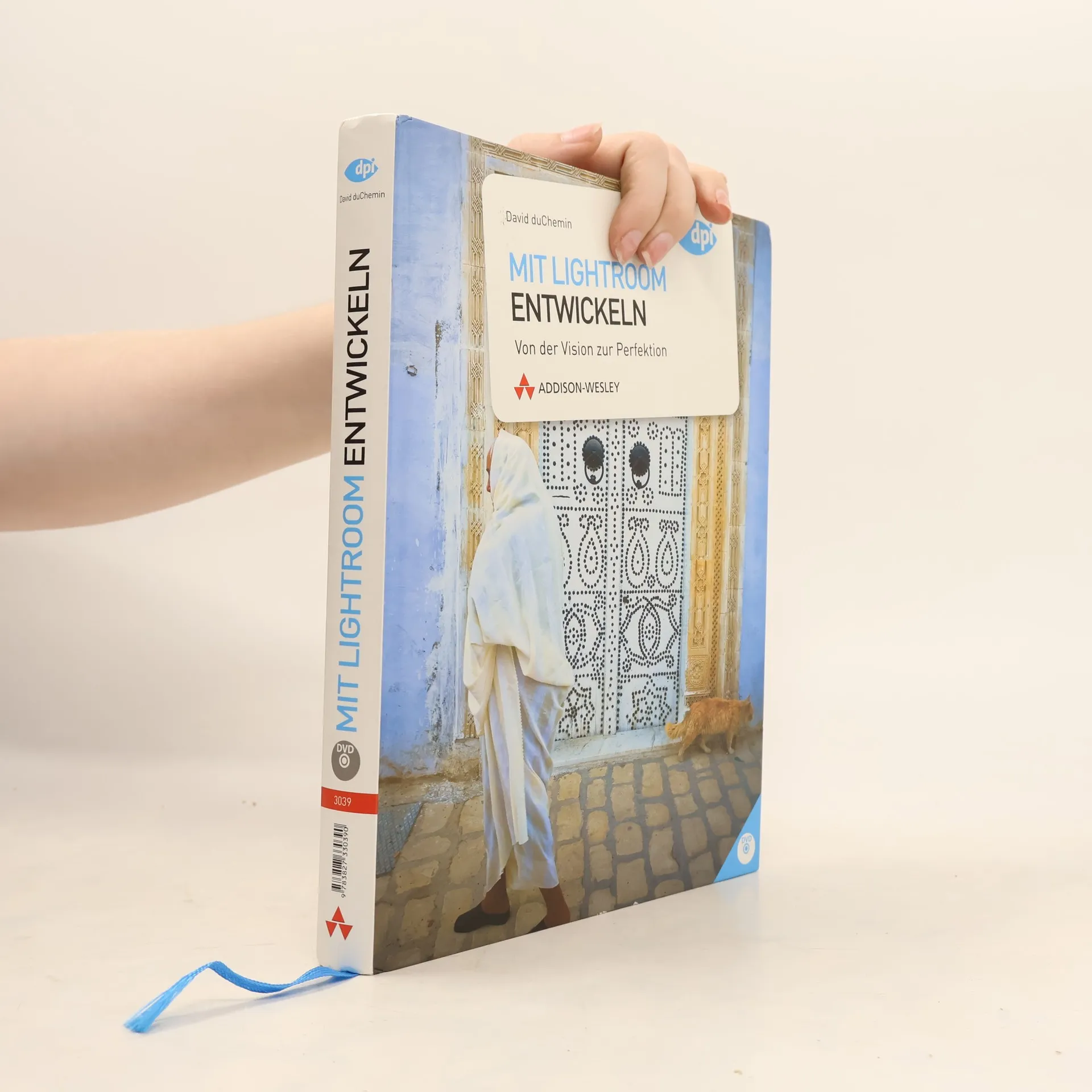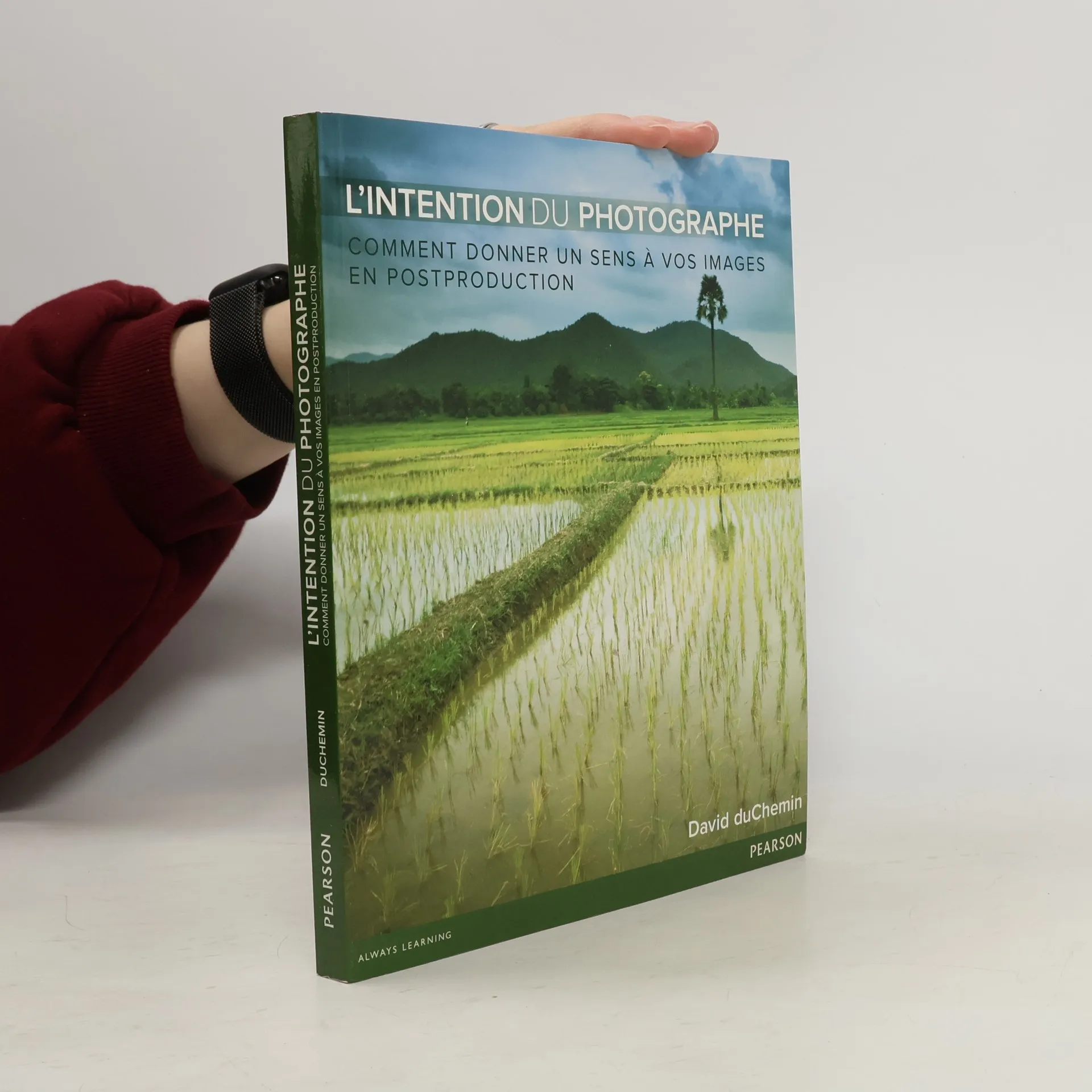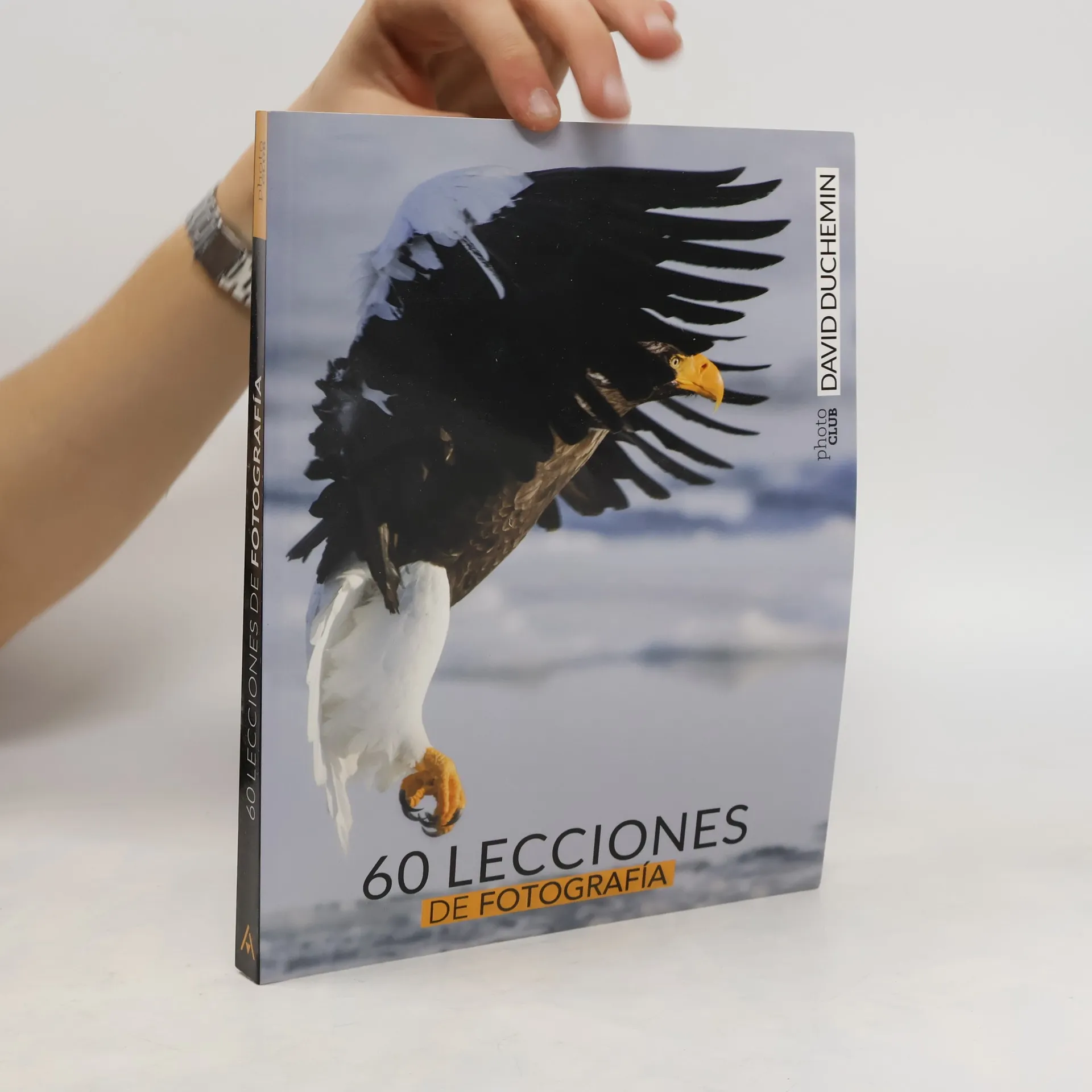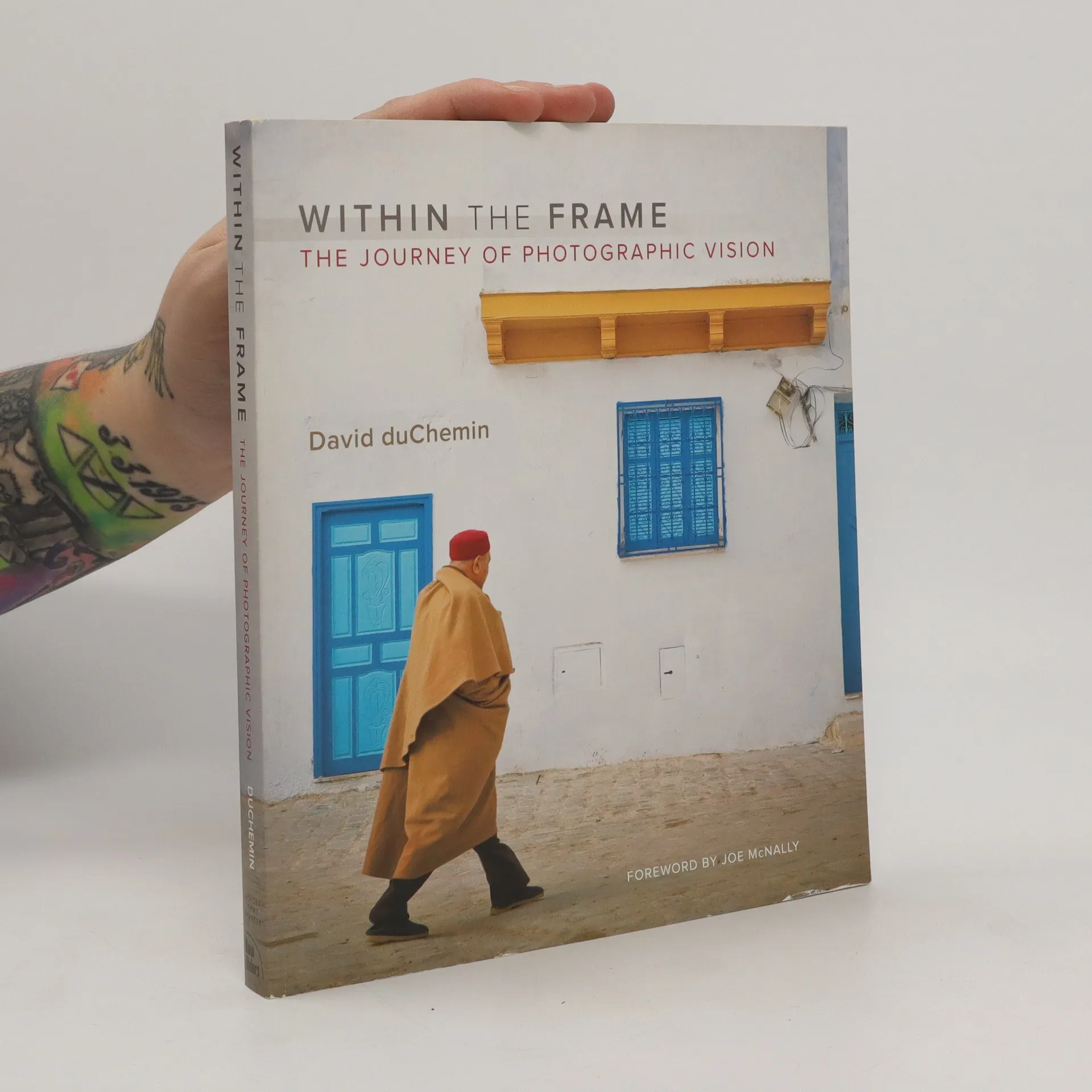
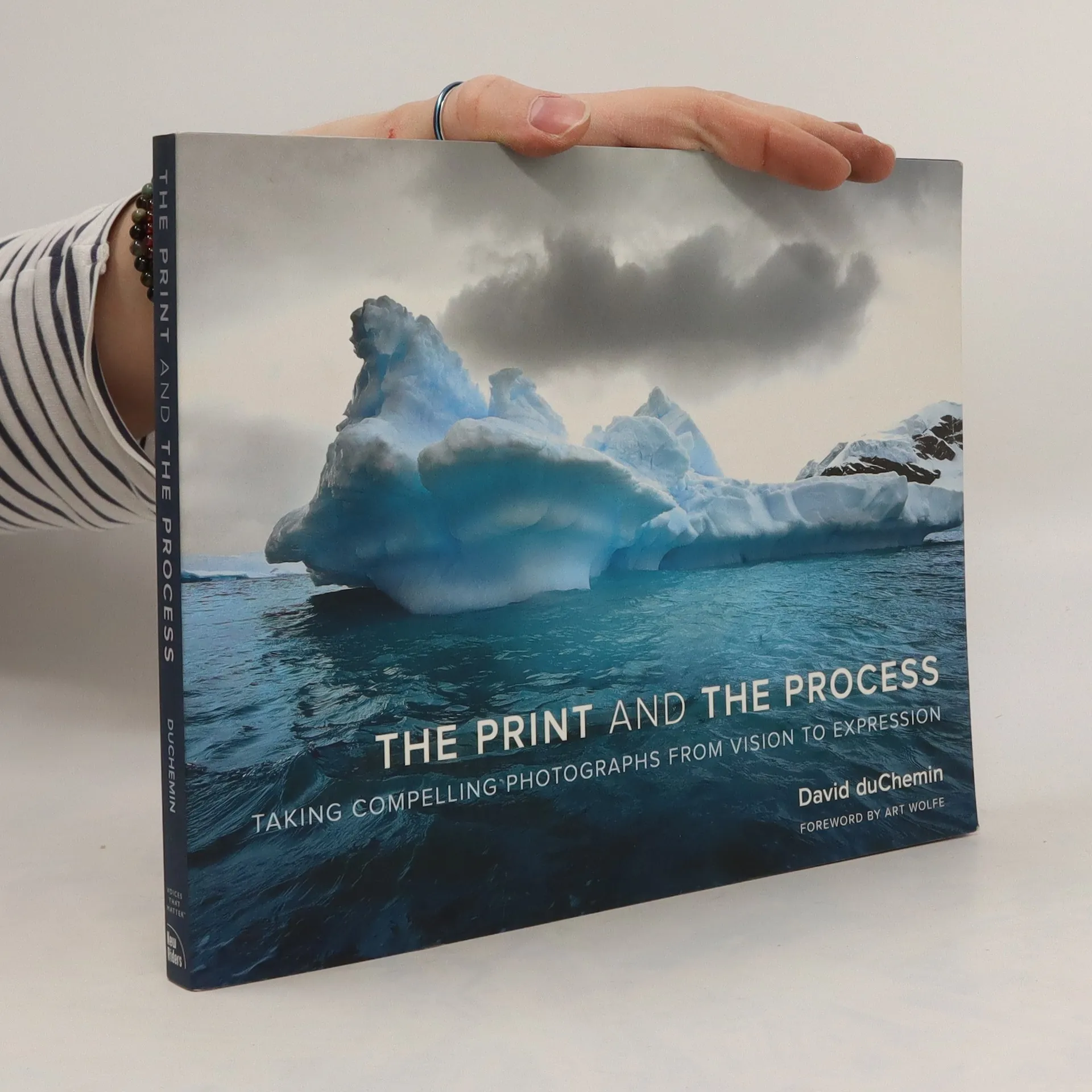
Exploring the essence of photography, David duChemin delves into the subjective nature of what constitutes "good" photography. He challenges readers to consider their own definitions and perspectives, prompting deeper reflection on the artistry and intention behind capturing images. Through thought-provoking questions, the book encourages photographers to connect more meaningfully with their craft and the stories they wish to convey through their work.
Featuring universal themes that resonate across time, this classic offers both inspiration and practical guidance. Its stunning photography complements the insightful content, making it a valuable resource for readers seeking real-world wisdom. Perfect for newcomers and those revisiting its messages, the book serves as a reminder of enduring truths.
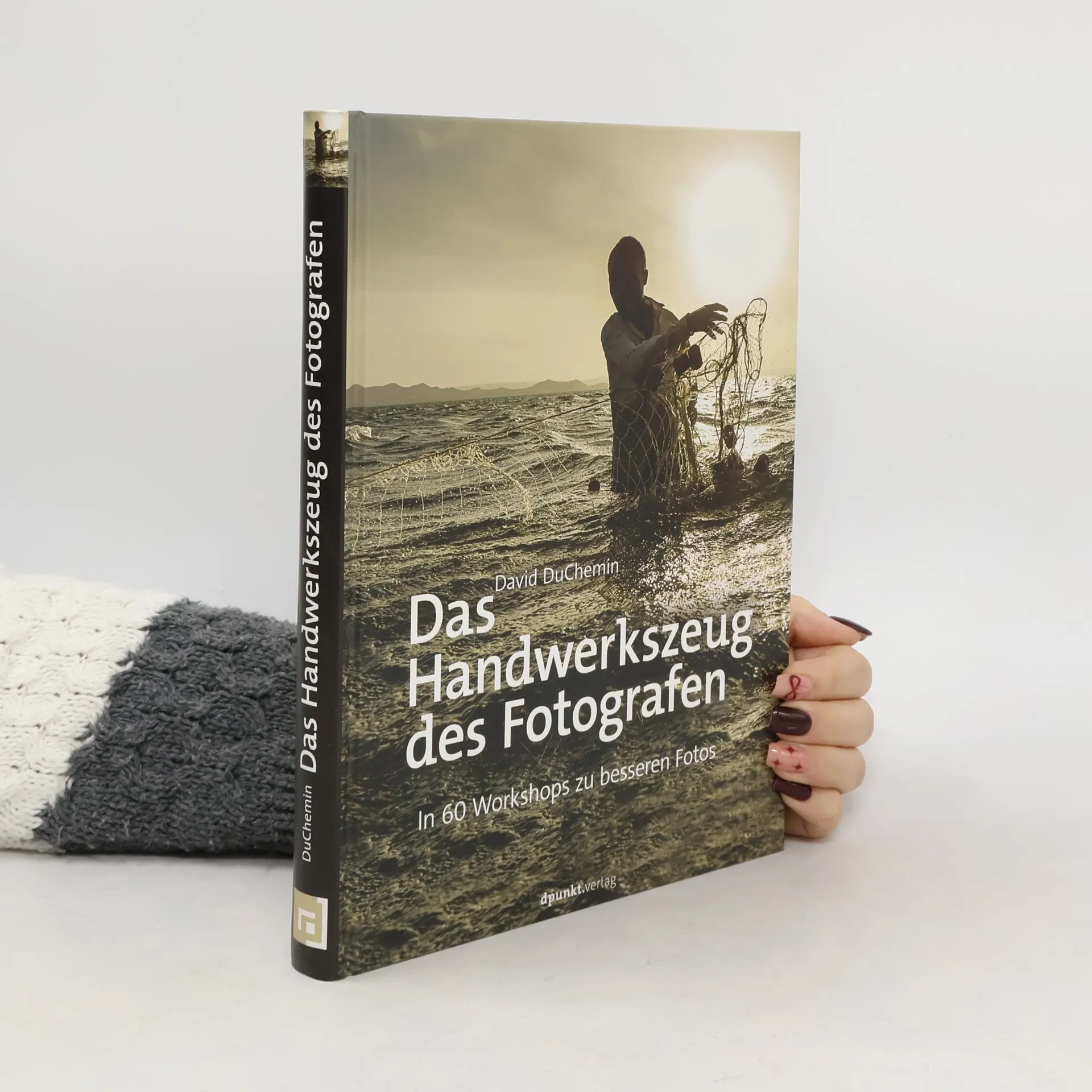
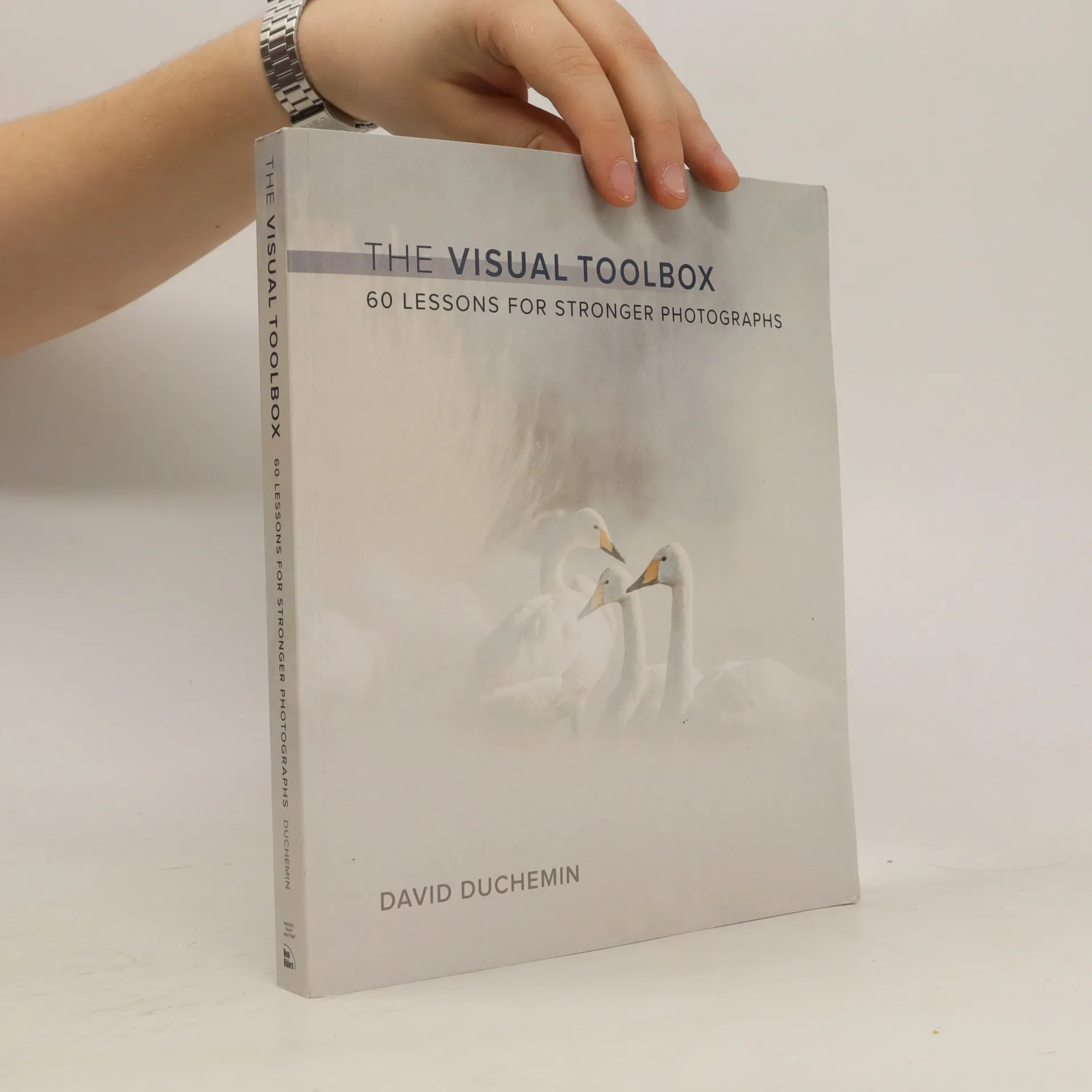
"The Visual Toolbox is photographer David duChemin's curriculum for learning not just how to use a camera--but how to make stronger photographs. He has developed 60 lessons, each one a stepping stone to becoming more proficient with the tools of this art, and the means to create deeper visual experiences with your images. David introduces you to the technical side of the craft but quickly moves on to composition, the creative process, and the principles that have always been responsible for making great photographs; he shows you these principles and invites you to play with them, turn them on their heads, and try a different approach to create beautiful, compelling images with your camera."--Publisher's description.
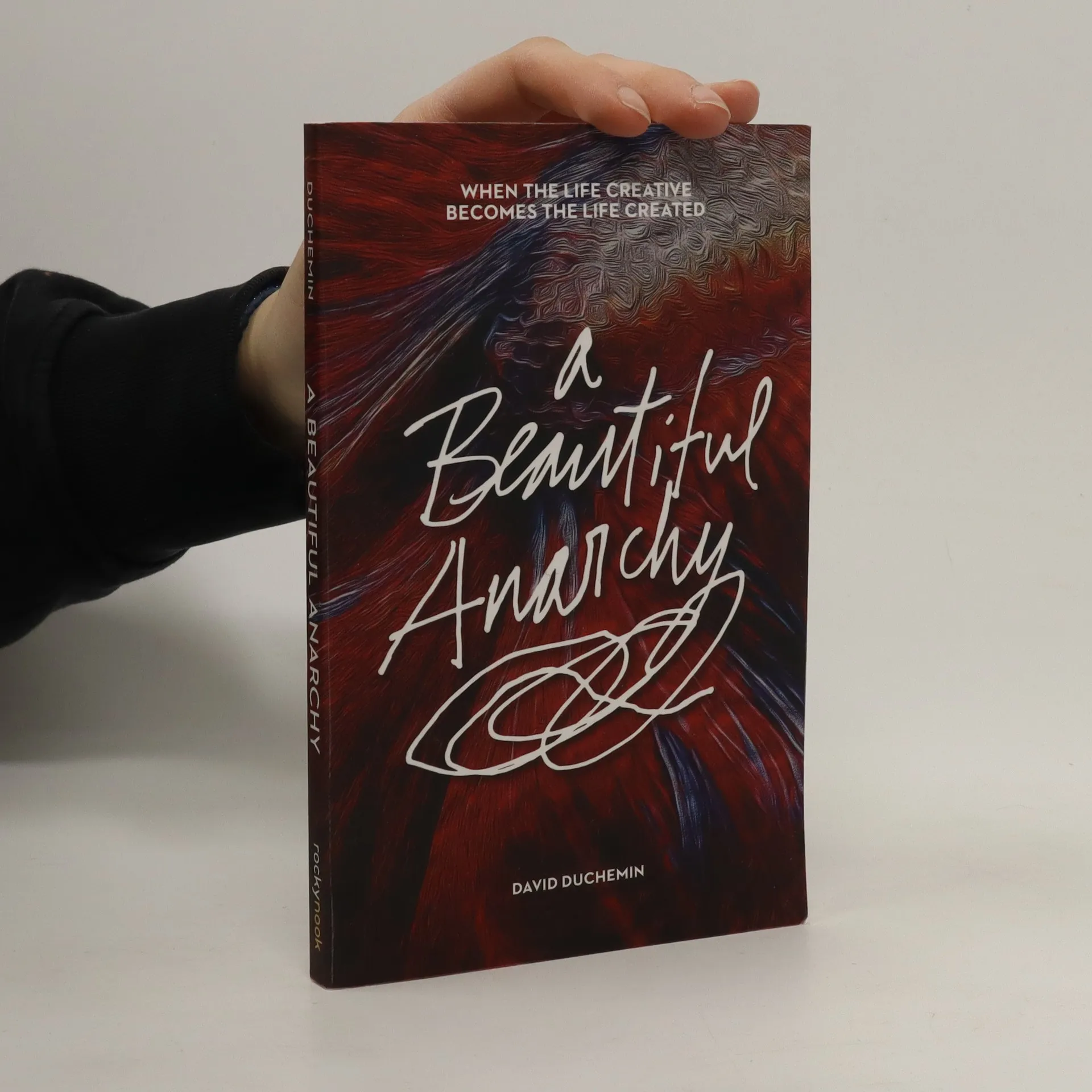
A Beautiful Anarchy is a vulnerable, honest, and insightful book about the human longing to create, whether you're creating a family, a business, a book, or a photograph. Your greatest creation can be an intentional life lived on your own terms. What is our life but a chance to make the greatest art of all? If you already identify as a creative person, this book is an invitation to more intentionally explore your creative process. If you've ever said, "But I'm not really creative," it's a call to exhume a part of yourself that desperately needs to get out and breathe. This is an honest discussion about creativity and the obstacles that stand in your way on that journey. It's an invitation to consider the creative in all of us, and to recognize that your best work will always be done when you colour outside the lines and listen first to your own voice. Truly exceptional, authentic lives have never belonged to the talented or the fearless, but to those who find the courage to do their work, and to be themselves.
Exploring the art of photography, this book delves into the intricacies of camera techniques and the creative challenges faced by photographers. It emphasizes the journey of picture-making, highlighting the emotional and artistic processes involved in capturing compelling images. Through practical insights and reflections, readers are encouraged to embrace their unique vision and navigate the complexities of visual storytelling.
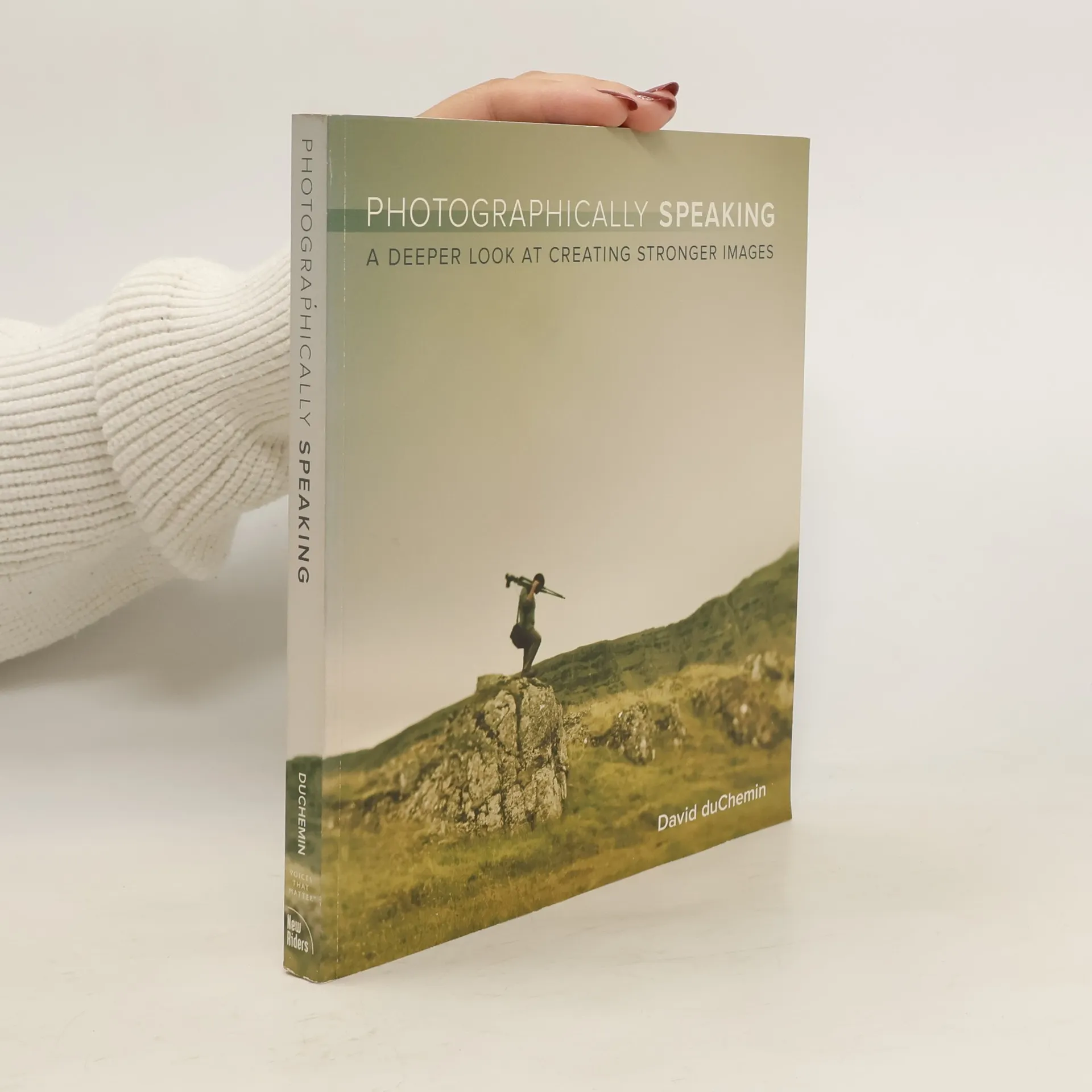
In this follow-up to the bestselling "Within the Frame," duChemin offers a practical primer on visual language. The overarching question at the heart of this book is, "What makes a good photograph?" Why is this important? Because once a photographer understands what makes a good photograph--once he or she learns the visual language--then that photographer is well on the way to being able to "speak" that language, creating stronger images that communicate and connect his or her intention with the viewer.
"David duChemin presents four monographs, with a series of 30 prints from each project: Venice, Iceland, Kenya, and Antarctica. After each set of photographs, duChemin takes the reader behind the scenes to discuss the motivation behind the project, and in turn discusses each image with regard to how it was conceived, composed, or post-processed ... both behind the camera and in the digital darkroom"--P. [4] of cover.
In this personal book full of real-world wisdom and incredible images, duChemin shows budding photographers both the how and the why of finding, chasing, and expressing their vision with a camera. He covers how to tell stories, and the technology and tools available in order to tell those narratives.
Lernen Sie zu sehen, wie Ihre Kamera sieht Verstehen Sie, wie Kreativität funktioniert (und wie nicht) Finden und meistern Sie Herausforderungen, um an ihnen zu wachsen Beim Fotografieren formen wir Bilder unserer Motive aus Licht, Raum und Zeit. Wie bei jedem Handwerk erfordert dies die technische Beherrschung unseres Werkzeugs, der Kamera. Doch wir müssen uns auch ihre Sicht- und Arbeitsweise zu eigen machen, bevor wir versuchen können, uns über sie auszudrücken. Diese Verbindung von Technik und Kreativität ist der Ausgangspunkt dieses Buches. David duChemin zeigt darin, wie Sie im Spannungsfeld von Licht, Raum und Zeit kreative Freiheit erlangen, indem Sie Ihr Handwerk beherrschen, Ihre Wahrnehmung schulen, fokussierter arbeiten, an Herausforderungen wachsen und lernen, mit Frustration und Inspirationsmangel umzugehen. In 20 Essays und mit über 100 Fotografien lehrt duChemin Sie zu den kreativen Möglichkeiten jenseits der bloßen Kamerafunktionen zu finden. Packend und immer auf den Punkt geschrieben ist dieses Buch nicht nur eine große Inspiration, sondern ein wertvoller Leitfaden für Ihre eigene kreative Reise zu ganz persönlichen Bildern.