Explore the latest books of this year!
Bookbot

John D. Barrow

    November 29, 1952 – September 26, 2020

    John D. Barrow explored the profound connections between life and the universe, and the nature of human understanding through his work. His writings offered novel perspectives on ultimate questions that bridge science and religion. He approached these grand inquiries with a traditional deistic view of the cosmos. Barrow's intellectual contributions fostered new ways of contemplating existence.

    John D. Barrow
    The anthropic cosmological principle
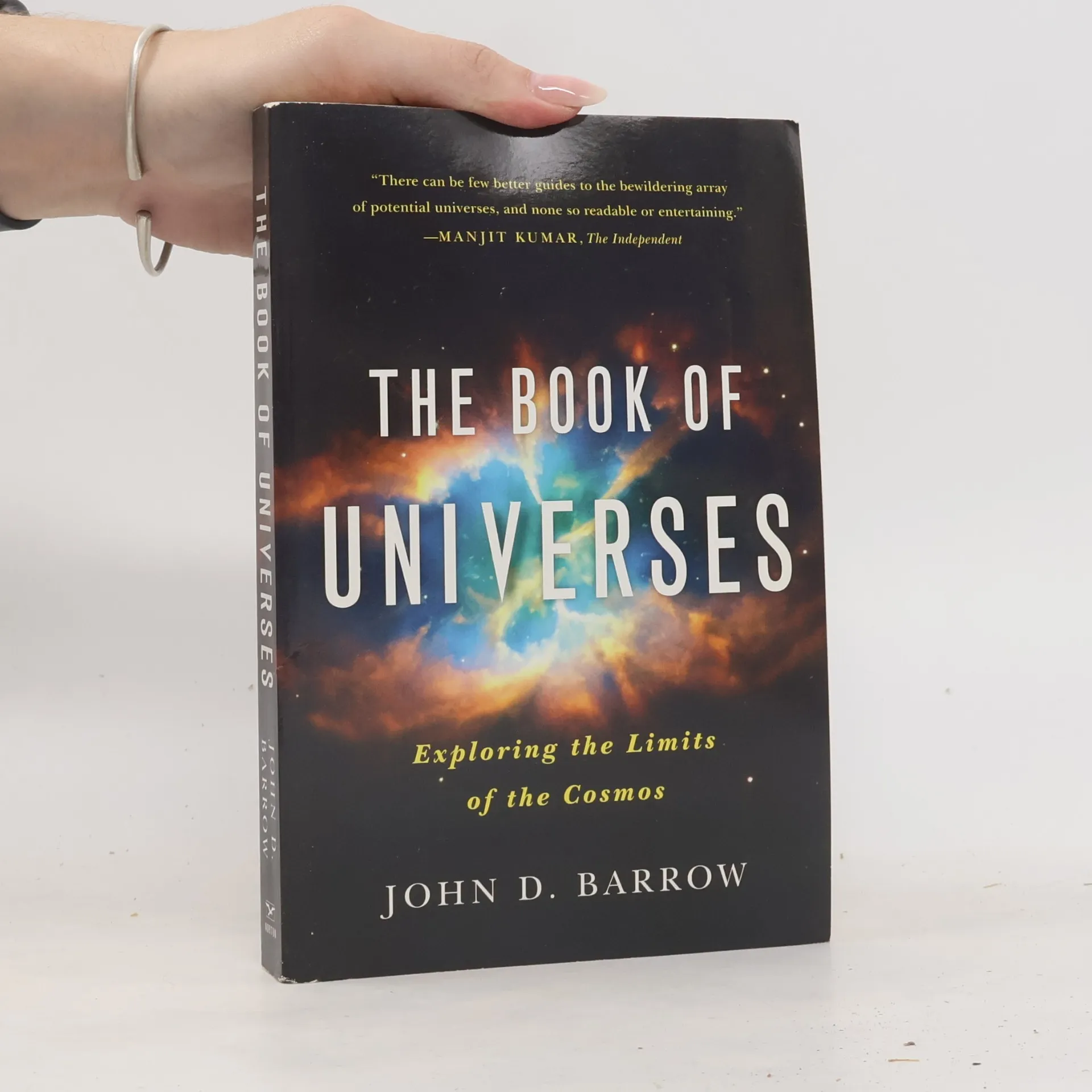
    The Book of Universes
    The Infinite Book
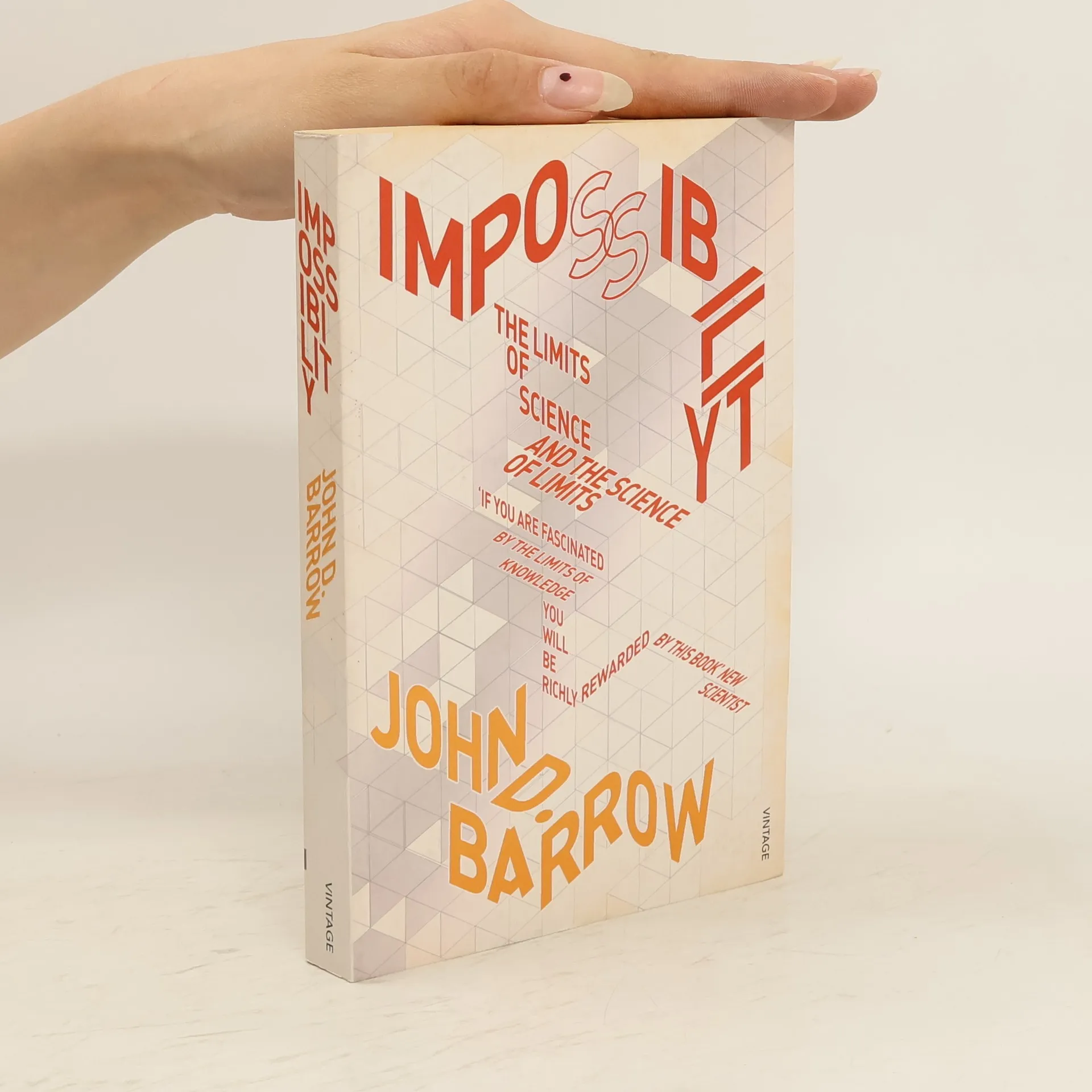
    Impossibility: the Limits of Science and the Science of Limits
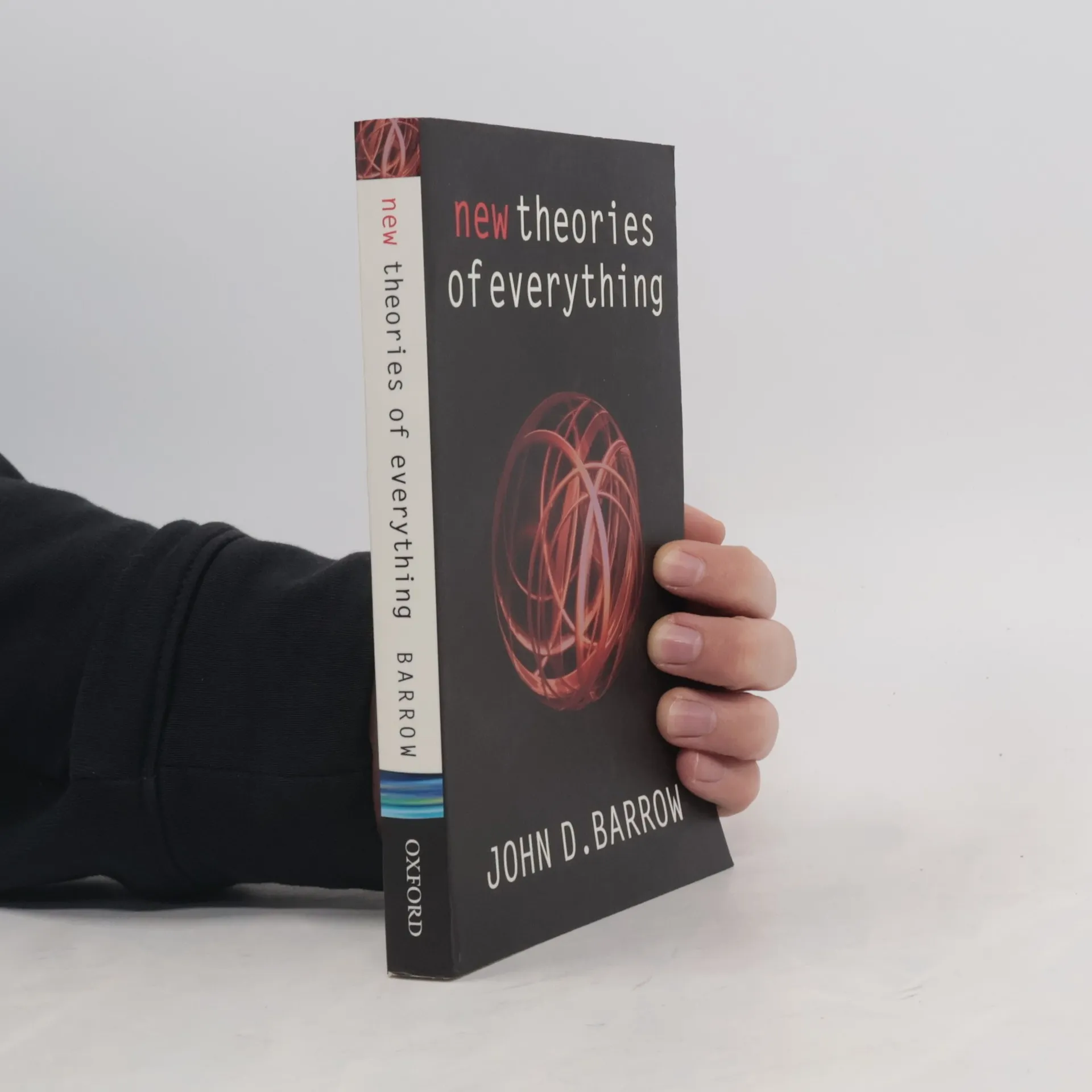
    New Theories of Everything
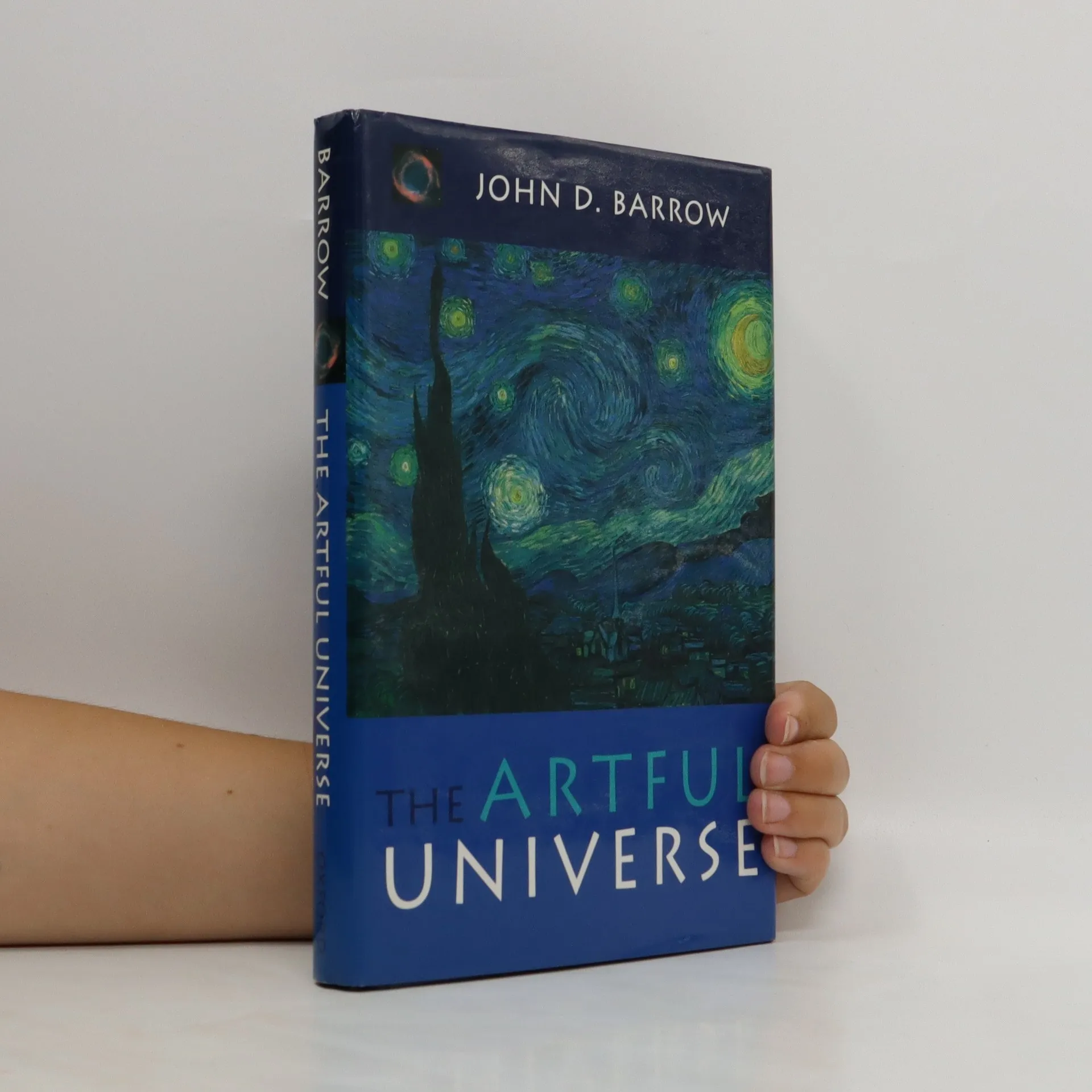
    The Artful Universe
    • The Artful Universe

      • 274 pages
      • 10 hours of reading

      In the Art Universe, Barrow examines the intricate connections between our aesthetic appreciation and the fundamental nature of the Universe, challenging the notion that our sense of beauty is entirely unrestrained. He posits that the laws of the Universe, its environments, and its astronomical features subtly influence our thoughts and actions. This leads to questions about our preferences in art and music, the challenges we find in games and puzzles, the common elements in myths and legends, and the origins of the constellations in the night sky. Through an eclectic and engaging exploration, Barrow addresses how the Universe's landscape has shaped philosophy and mythology, alongside millions of years of evolutionary history that have honed our attraction to specific patterns of sound and color. He illuminates human creativity and thought by considering diverse topics such as our instinct for language, the origins of color in Nature, our divisions of time, and the appreciation of landscape painting. Additionally, Barrow questions the existence of intelligent extraterrestrial life, suggesting that the implications of discovering life on other worlds may differ from our expectations. Ultimately, he reveals that certain properties of the Universe crucial for life also significantly influence our psychological and religious responses to the Cosmos.
      The Artful Universe
      4.3
    • New Theories of Everything

      • 260 pages
      • 10 hours of reading

      John D. Barrow guides us through the latest concepts emerging in theoretical physics that together form the ingredients of a Theory of Everything, from the M-theory of superstrings, and speculations about the world as a computer program, to novel ideas of self-organisation and new forms of complexity

      New Theories of Everything
      4.1
    • What can we never do? Barrow looks at what limits there might be to human discovery, and what we might find, ultimately, to be unknowable, undoable, or unthinkable. Science is a big success story, but where will it end? And, indeed, will it end? Weaving together a tapestry of surprises, Barrow explores the frontiers of knowledge. We find that the notion of 'impossibility' has played a striking role in our thinking. Surrealism, impossible figures, time travel, paradoxes of logic and perspectives - all stimulate us to contemplate something more than what is. Using simple explanations, it shows the reader that impossibility is a deep and powerful notion; that any Universe complex enough to contain conscious beings will contain limits on what those beings can know about their Universe; that what we cannot know defines reality as surely as what we can know.

      Impossibility: the Limits of Science and the Science of Limits
      3.9
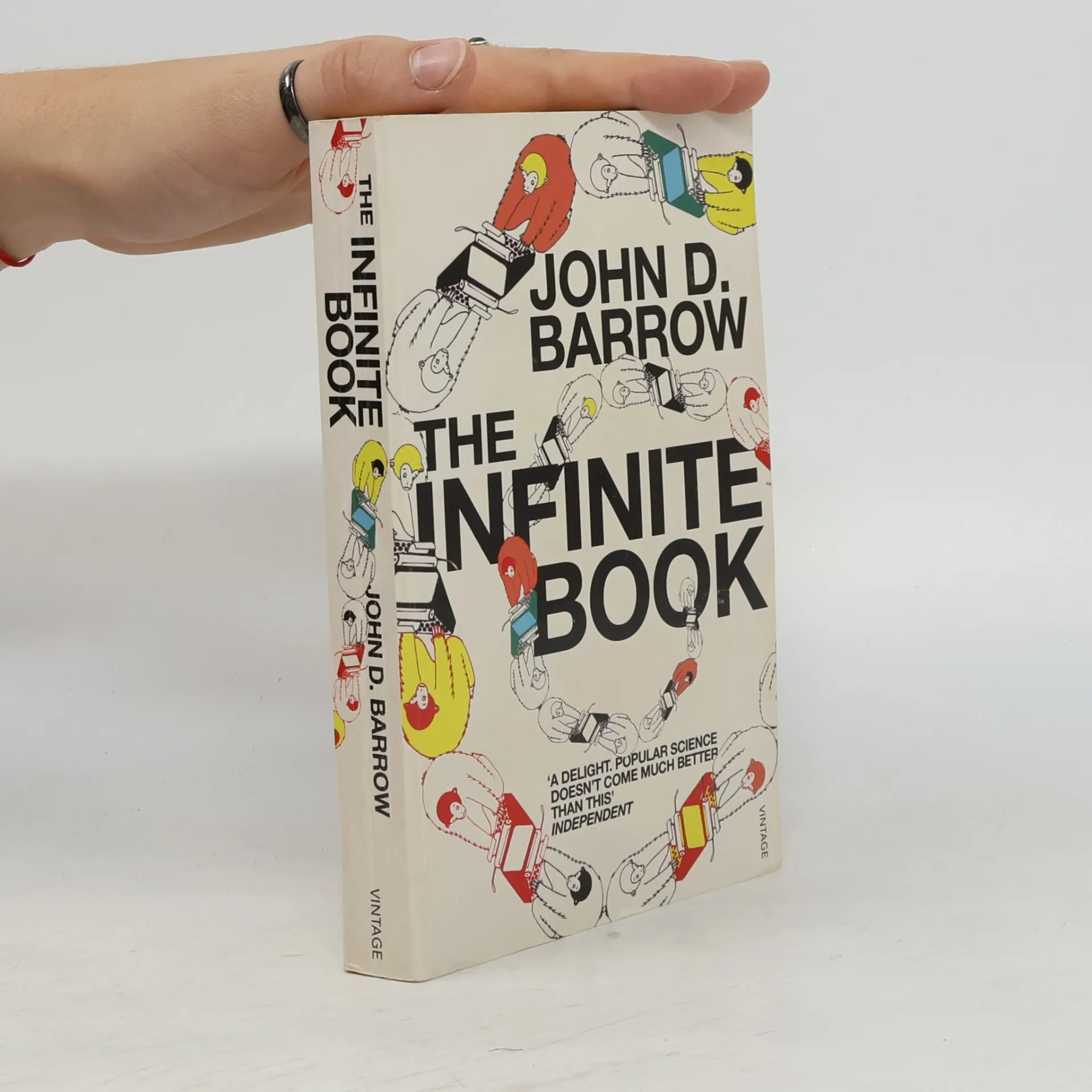
    • The Infinite Book

      • 352 pages
      • 13 hours of reading

      Is the Universe infinite? Throughout history, the infinite has been a dangerous concept. The Infinite Book will take you on a tour of these dangerous questions and the strange answers that scientists, mathematicians, philosophers and theologians have come up with to deal with its threats to our sanity.

      The Infinite Book
      4.0
    • The Book of Universes

      • 368 pages
      • 13 hours of reading

      This is a book about universes. It tells a story that revolves around a single extraordinary fact: that Albert Einstein's famous theory of relativity describes a series of entire universes. Some describe universes that expand in size, while others contract.

      The Book of Universes
      4.0
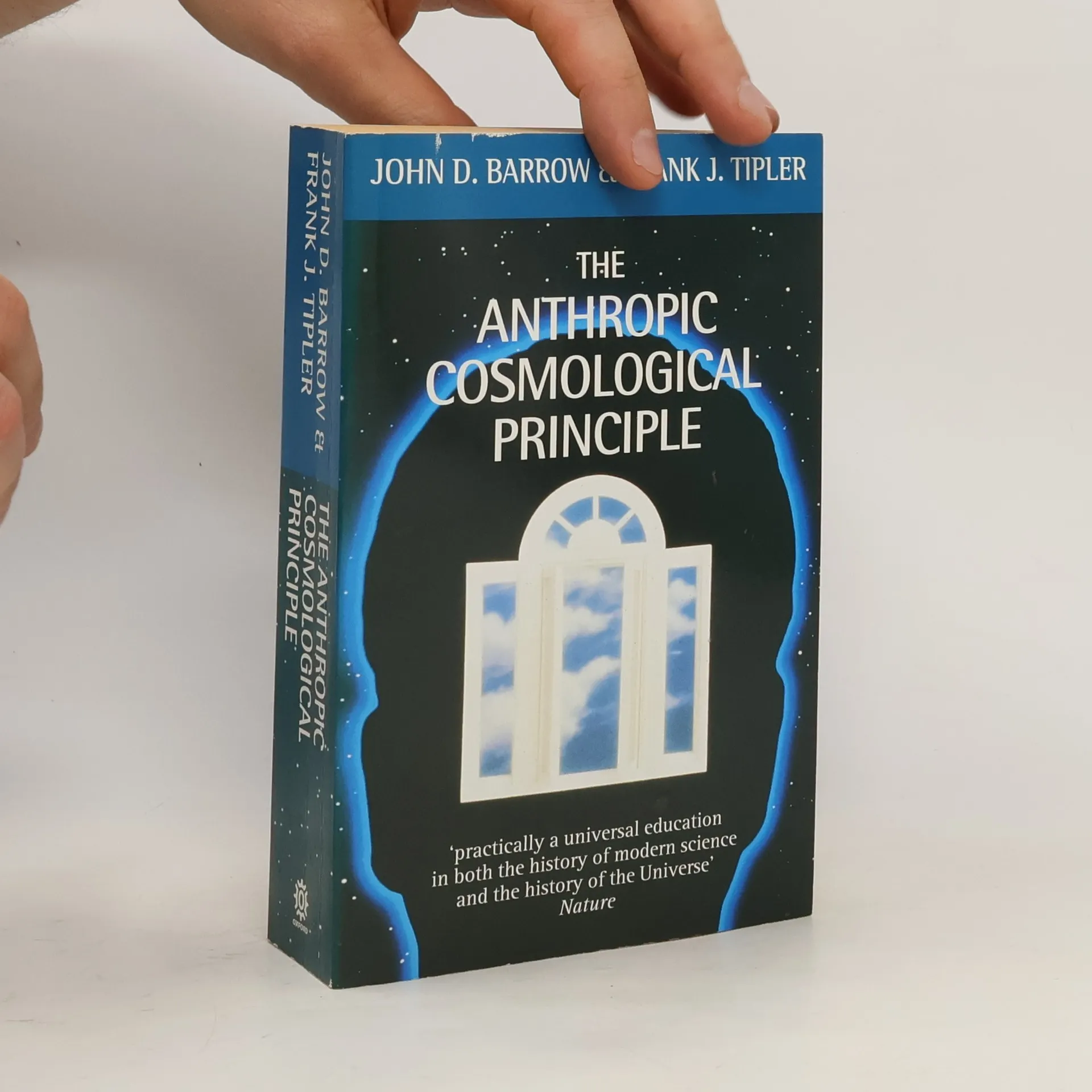
    • Explores the concepts and many implications of the theory that the structure and operation of the universe is determined by the existence of intelligent observers

      The anthropic cosmological principle
      4.0
    • The World Within the World

      • 412 pages
      • 15 hours of reading

      Until recently "popular science" has produced neither rigorously scientific works nor especially popular ones. Only in the last three or four years have scientists begun to realize the field's full potential with books aimed at the intelligent non-scientist presenting more challenging subjects previously reserved for scholars. Still, none of these studies fully addresses the question of whether laws of Nature really exist and are just waiting to be discovered; or how the notion of laws of Nature arose and how they can be so well described by mathematics; or even how our own existence limits what we can learn about the Universe. John D. Barrow, renowned scientist and philosopher of science, fills the gap by responding to these and myriad other questions in this remarkably wide-ranging interdisciplinary study of the evolving concept of laws of Nature. Tackling the philosophical and theological problems raised by modern physics and mathematics, he goes well beyond the familiar ground of relativity and quantum theory. From the magical notions of primitive cultures to the latest ideas about chaos, black holes, inflation, and superstrings, he traces the gradual development of our understanding of what laws of Nature mean and how we have come to know them. Written in a serious but non-technical style, The World Within the World will fascinate scientists, philosophers, and general readers alike.

      The World Within the World
      3.8
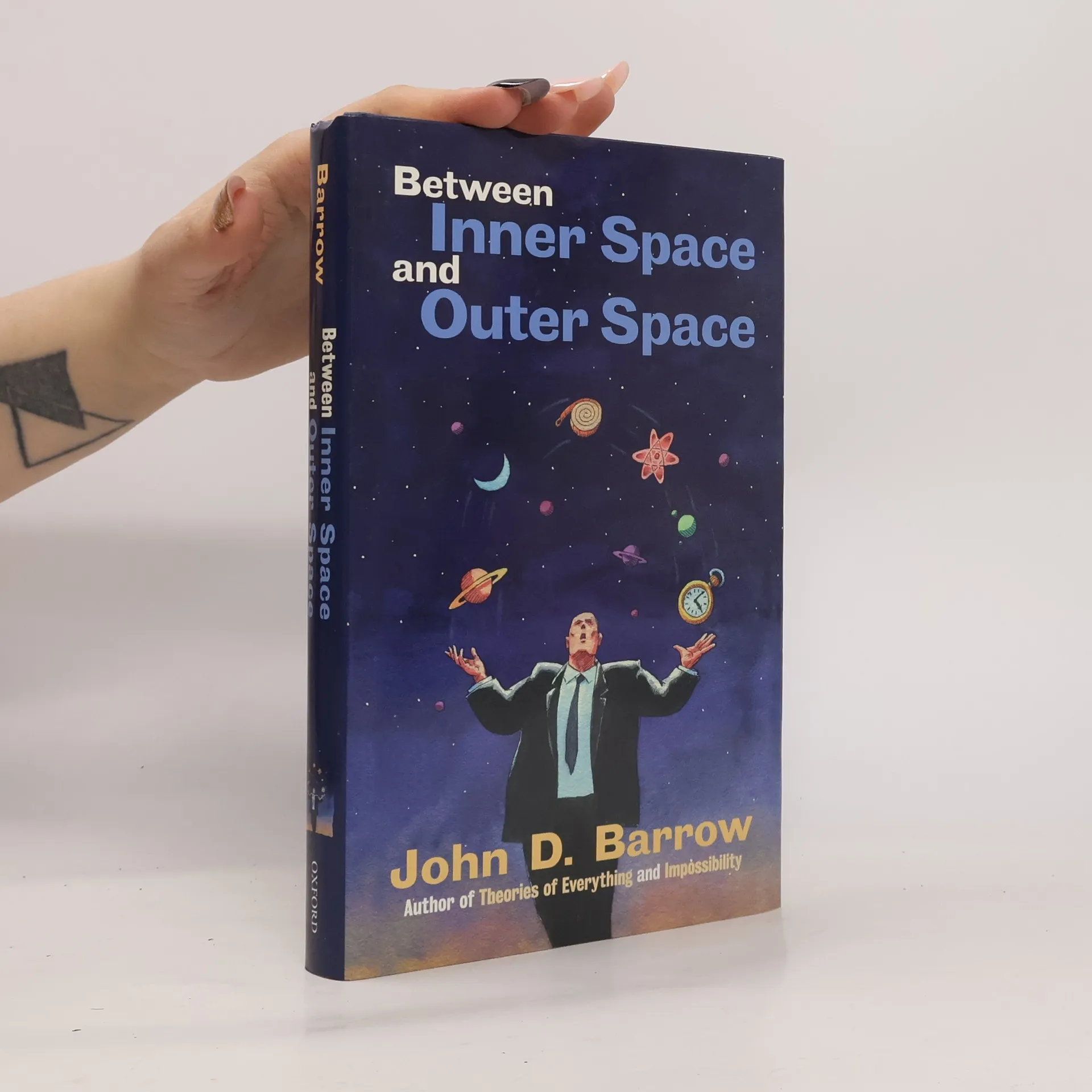
    • Between Inner Space and Outer Space

      Essays on Science, Art, and Philosophy

      • 274 pages
      • 10 hours of reading

      The origins of life, the workings of the human mind, and the mysteries of the Universe were once the realm of philosophy and theology, but now they are central to the best science writing. Astronomer John Barrow tackles these profound questions with insight and persistence. In this collection of essays, Barrow explores the intersections of science, philosophy, and religion, covering a wide array of topics such as cosmology, evolution, Grand Unified Theories, complexity, chaos, the nature of time, superstring theory, quantum mechanics, particle physics, and the Big Bang theory. His remarkable range includes discussions on how science informs our love of music and the appeal of certain artworks. He recounts the discoveries made by the COBE satellite and their implications for cosmic origins, as well as the debate between Stephen Hawking and Roger Penrose on the universe's nature. Additionally, he thoughtfully reviews E.O. Wilson's Consilience, supporting Wilson's critique of social scientists' ignorance of life sciences. Infused with humor, Barrow's work illuminates modern science while provoking deep reflections on life's ultimate questions.

      Between Inner Space and Outer Space
      3.6
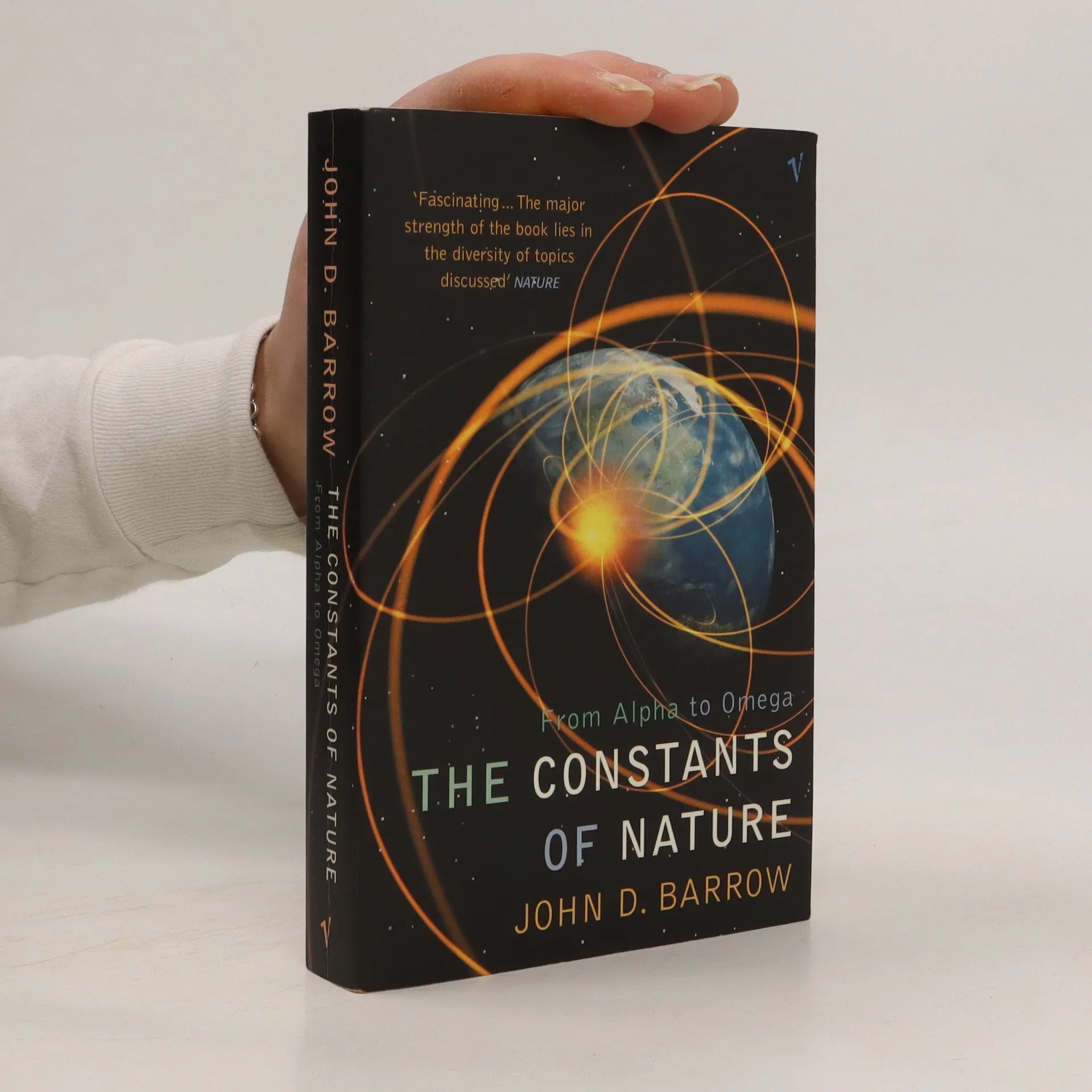
    • The Constants of Nature

      • 256 pages
      • 9 hours of reading

      This accessible, entertaining, historical and cutting-edge guide, written by John Barrow, provides a major contribution to our understanding of the universe.

      The Constants of Nature
      3.8
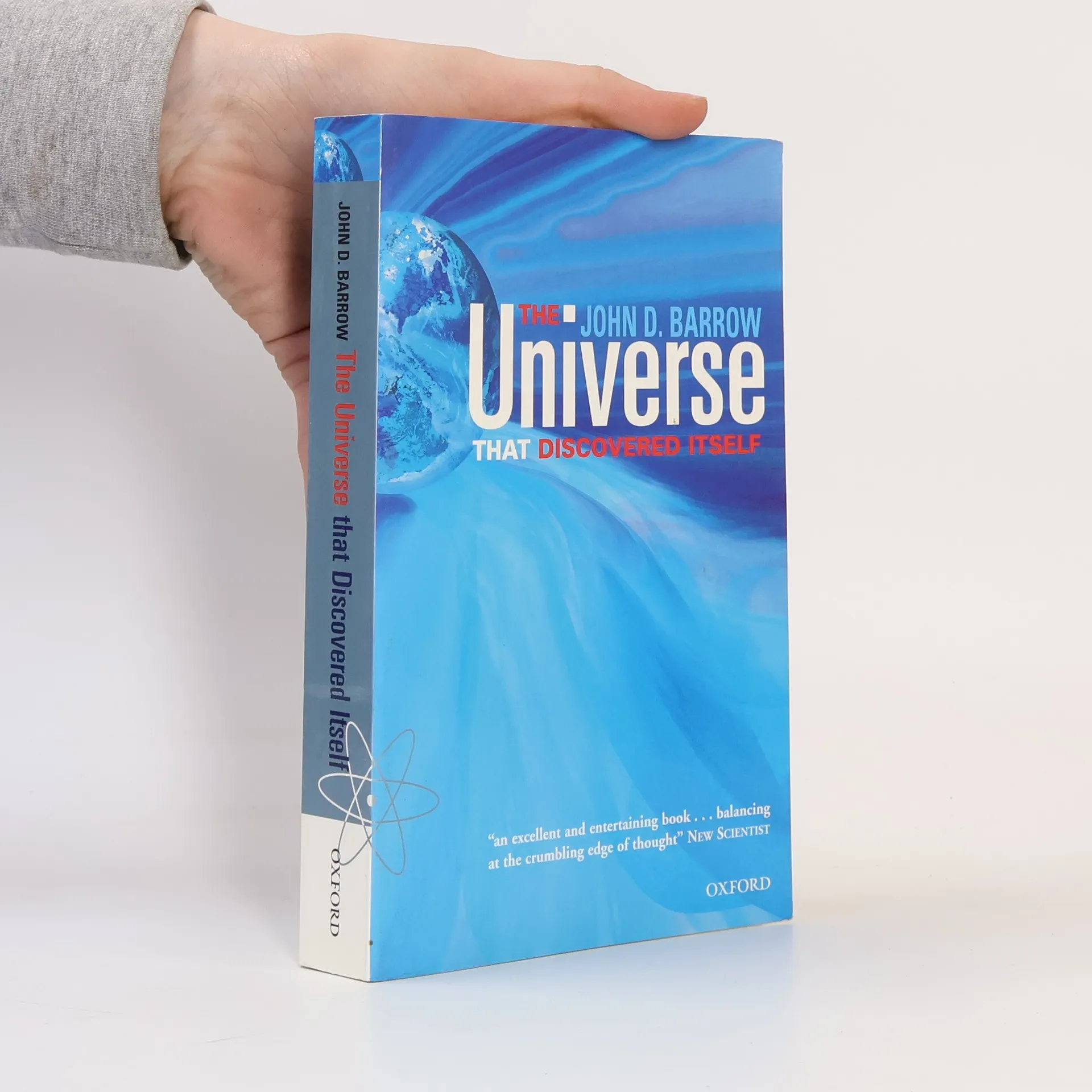
    • The Universe That Discovered Itself

      • 448 pages
      • 16 hours of reading

      Are there really laws of nature out there waiting to be discovered? Or are they simply an illusion?

      The Universe That Discovered Itself
      3.4
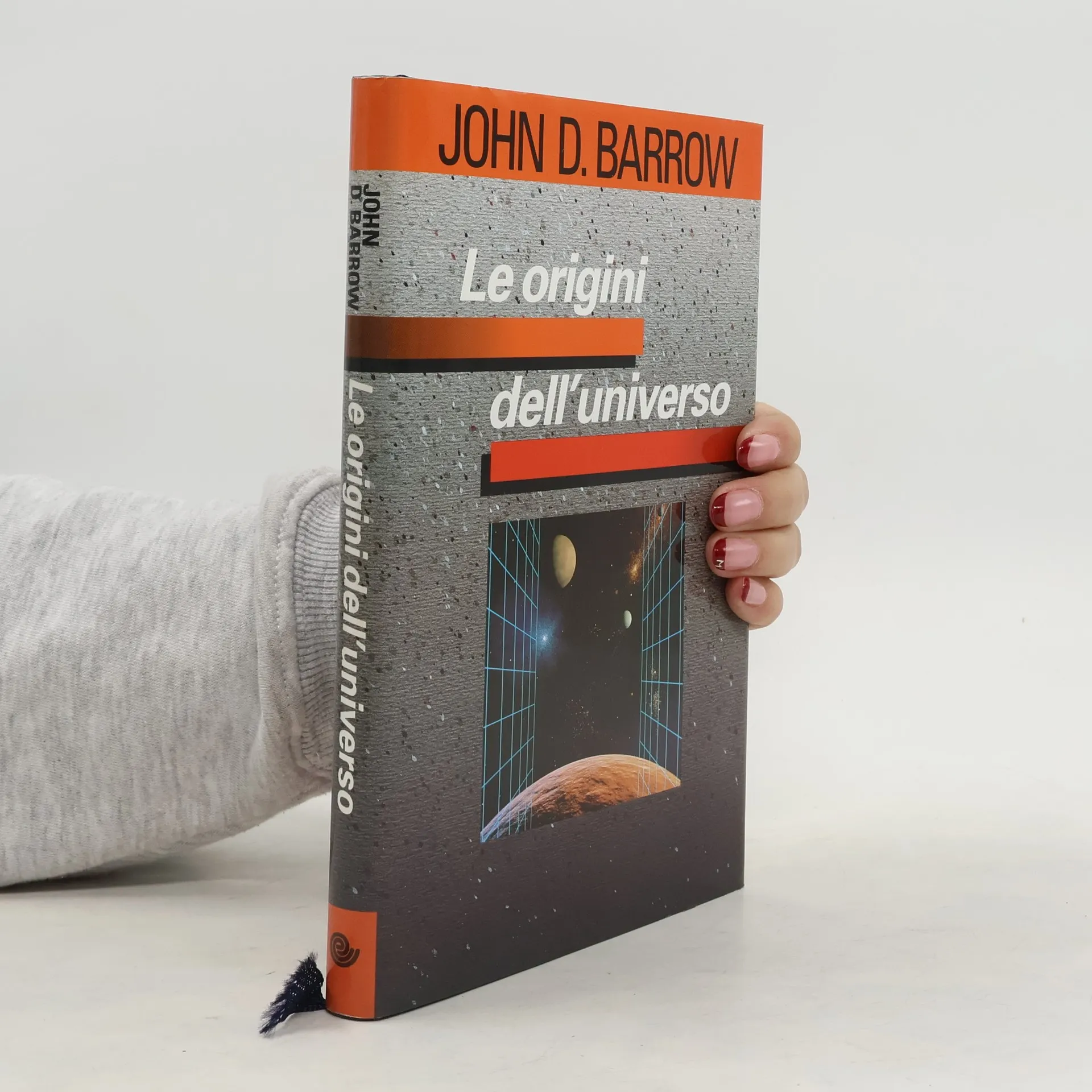
    • There is no more fascinating question in all of science than that of how time, space, and matter began. Now cutting-edge researcher John Barrow guides readers on a journey to the beginning of time. With new insights, he draws us into the latest speculative theories about the nature of time and the inflationary universe, explains wormholes and how they bear upon our existence, and much more.

      The Origin Of The Universe
      3.6
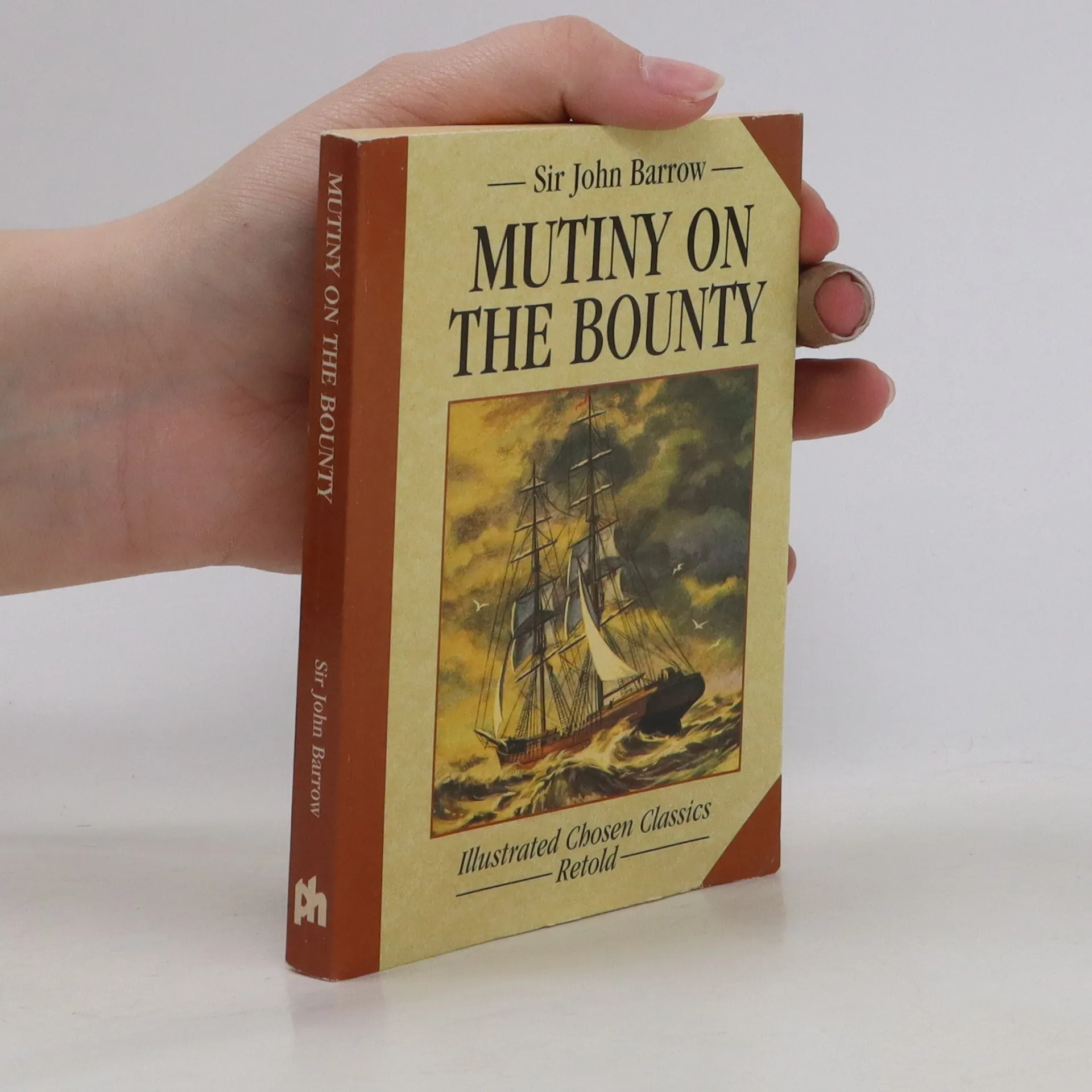
    • Mutiny on the Bounty

      • 200 pages
      • 7 hours of reading

      This is a pre-1923 historical reproduction that was curated for quality. Quality assurance was conducted on each of these books in an attempt to remove books with imperfections introduced by the digitization process. Though we have made best efforts - the books may have occasional errors that do not impede the reading experience. We believe this work is culturally important and have elected to bring the book back into print as part of our continuing commitment to the preservation of printed works worldwide.

      Mutiny on the Bounty
      2.6
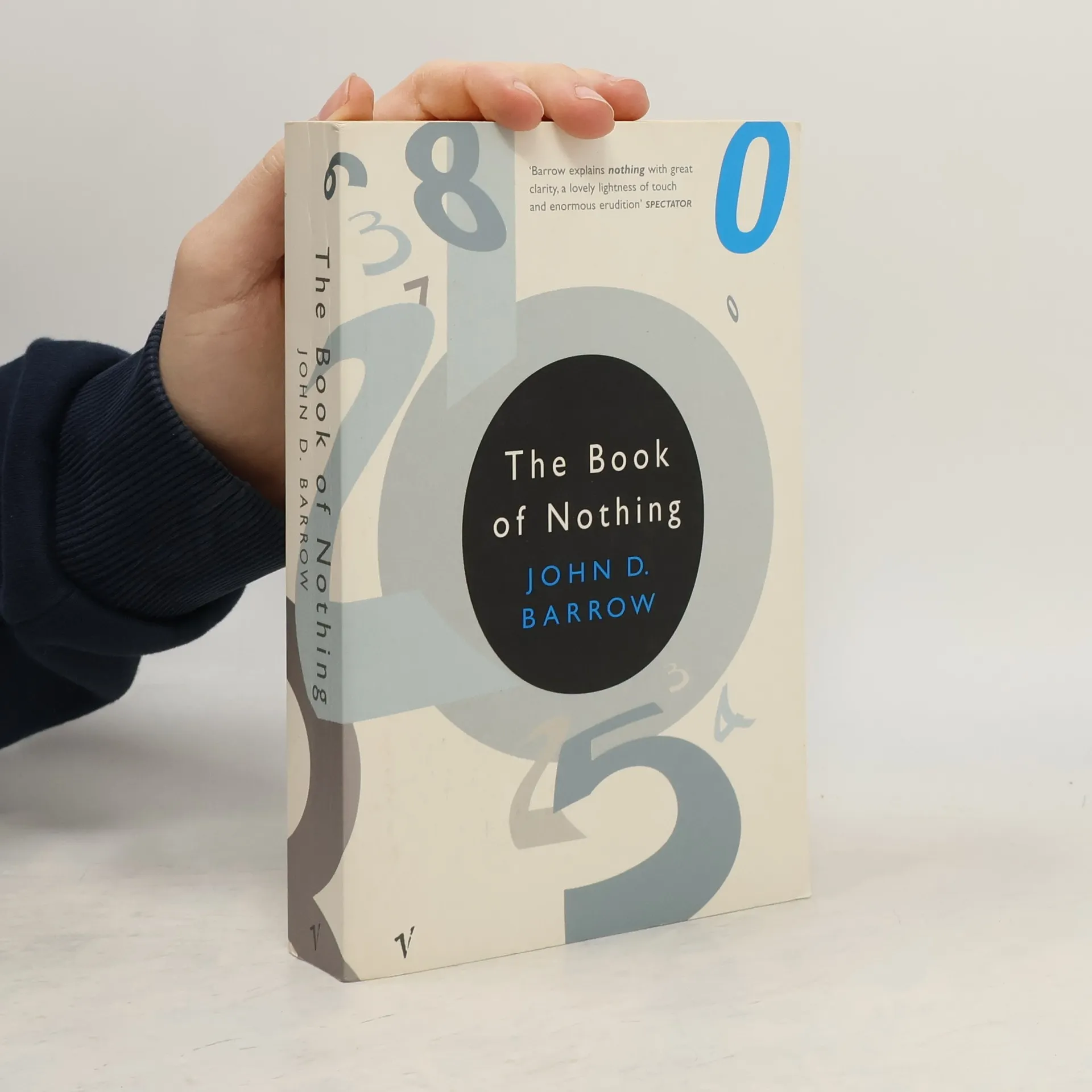
    • The Book Of Nothing

      • 400 pages
      • 14 hours of reading

      From the zeros of the mathematician to the void of the philosophers, from Shakespeare to the empty set, from the ether to the quantum vacuum, from being and nothingness to creatio ex nihilo, there is much ado about nothing at the heart of things. schovat popis

      The Book Of Nothing
      3.5
    • "The constants of nature are the numbers that define the universe. They tell us how strong its forces are and what its fundamental laws can do: the strength of gravity and magnetism, the speed of light, and the masses of the smallest particles. They encode the deepest secrets of the universe, and their existence tells us that nature abounds with unseen regularities. Yet, while we have become skilled at measuring the values of these constants, our inability to explain or predict them shows how much we still have to learn about the cosmos."--BOOK JACKET.

      The constants of nature : from Alpha to Omega--the numbers that encode the deepest secrets of the universe
      3.4
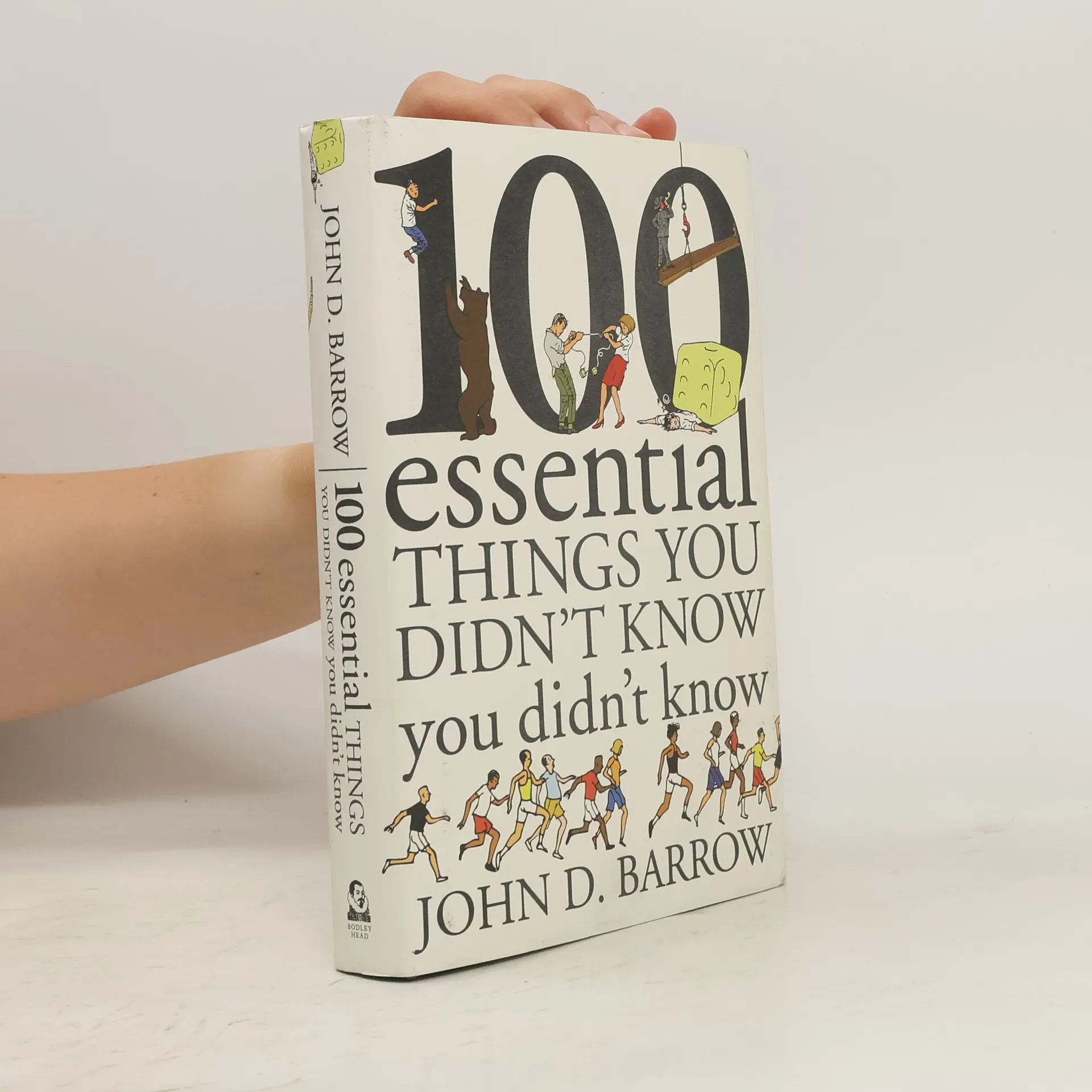
    • 'If people do not believe that mathematics is simple,it is only because they do not realize how complicated life is.'John von NeumannMathematics can tell you things about the world that can't be learned in any other way. This hugely informative and wonderfully entertaining little book answers one hundred essential questions about existence. It unravels the knotty, clarifies the conundrums and sheds light into dark corners. From winning the lottery, placing bets at the races and escaping from bears to sports, Shakespeare, Google, game theory, drunks, divorce settlements and dodgy accounting; from chaos to infinity and everything in between, 100 Essential Things You Didn't Know You Didn't Know has all the answers!

      100 Essential Things You Didn't Know You Didn't Know
      3.5
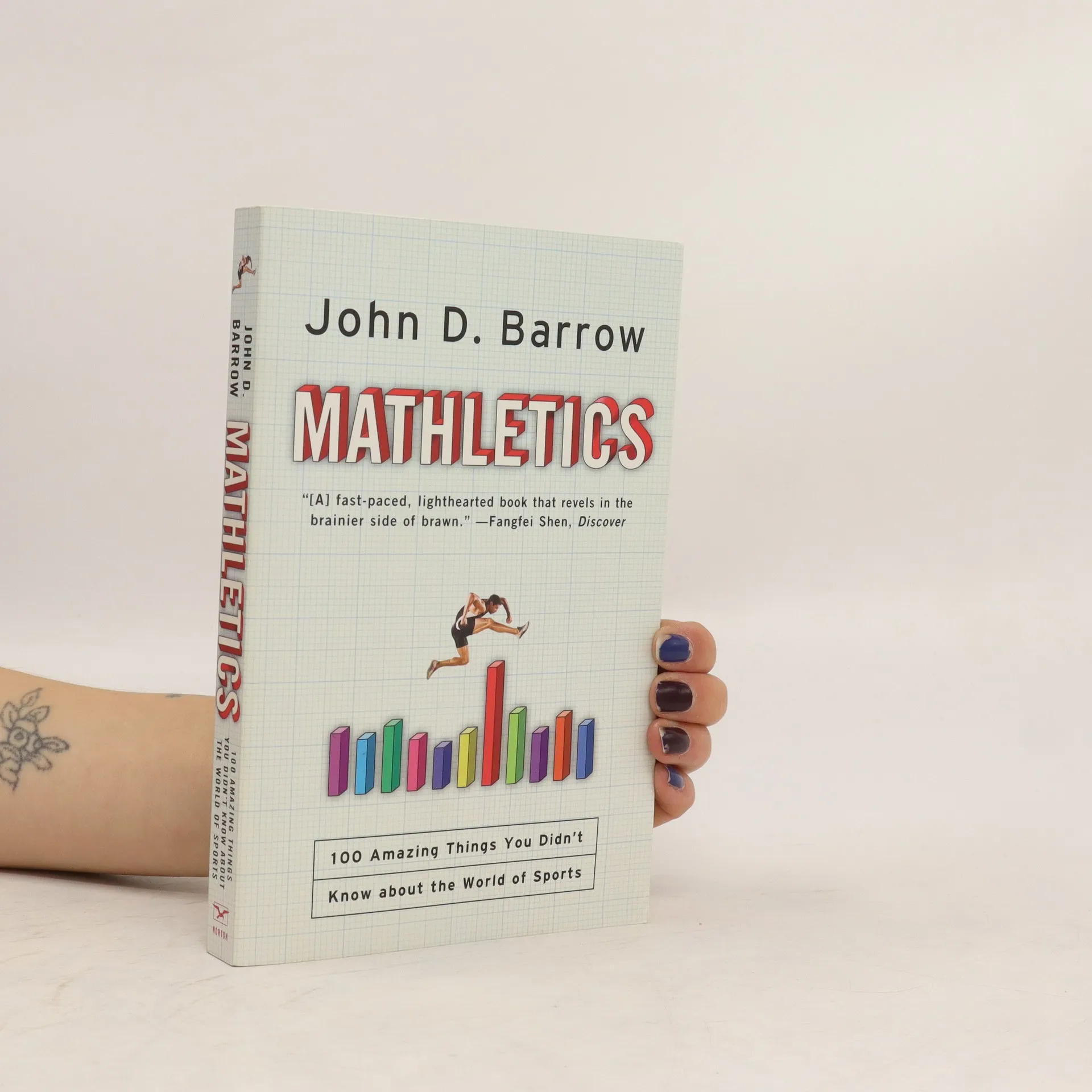
    • A math professor shows how math and physics can offer unexpected insights into the world of sports, from the g-forces experienced by gymnasts during the "giant swing" maneuver to an explanation as to why left-handed boxers have a strategic advantage.

      Mathletics: 100 Amazing Things You Didn't Know about the World of Sports
      3.0
    • The narrative offers detailed descriptions and observations from a brief stay at the Imperial Palace of Yuen-Min-Yuen, followed by a journey from Beijing to Canton. It captures the cultural and social landscapes of China during the author's time, providing valuable insights into the region's history and customs. This modern edition has been meticulously reformatted and retyped to ensure clarity and readability, preserving the significance of the original work for contemporary and future readers.

      Travels in China, Containing Descriptions, Observations, and Comparisons, Made and Collected in the Course of a Short Residence at the Imperial Palace of Yuen-Min-Yuen, and on a Subsequent Journey through the Country from Pekin to Canton
    • Travels In China

      • 418 pages
      • 15 hours of reading

      The book provides a critical analysis of the interactions between European embassies and the Chinese court, particularly contrasting the British and Dutch embassies' receptions. It addresses misconceptions about the British Embassy's failure, refuting claims made by a French missionary. The narrative includes Kien Long's correspondence with the King of Holland, highlights the pride of the Chinese court, and discusses the role of missionaries in foreign affairs. It concludes with a comprehensive list of European embassies in Beijing and their durations.

      Travels In China
    • The book chronicles the remarkable journey of Leicester-born tenor saxophonist John Barrow, who has spent over thirty years in the pop music scene. It highlights his collaborations with renowned artists and showcases his experiences in touring and recording, offering insights into the life of a dedicated musician navigating the evolving landscape of the music industry. Through Barrow's story, readers gain a deeper appreciation for the artistry and resilience required to thrive in a competitive field.

      How Not to Make It in the Pop World (Diary of an Almost Has-Been)
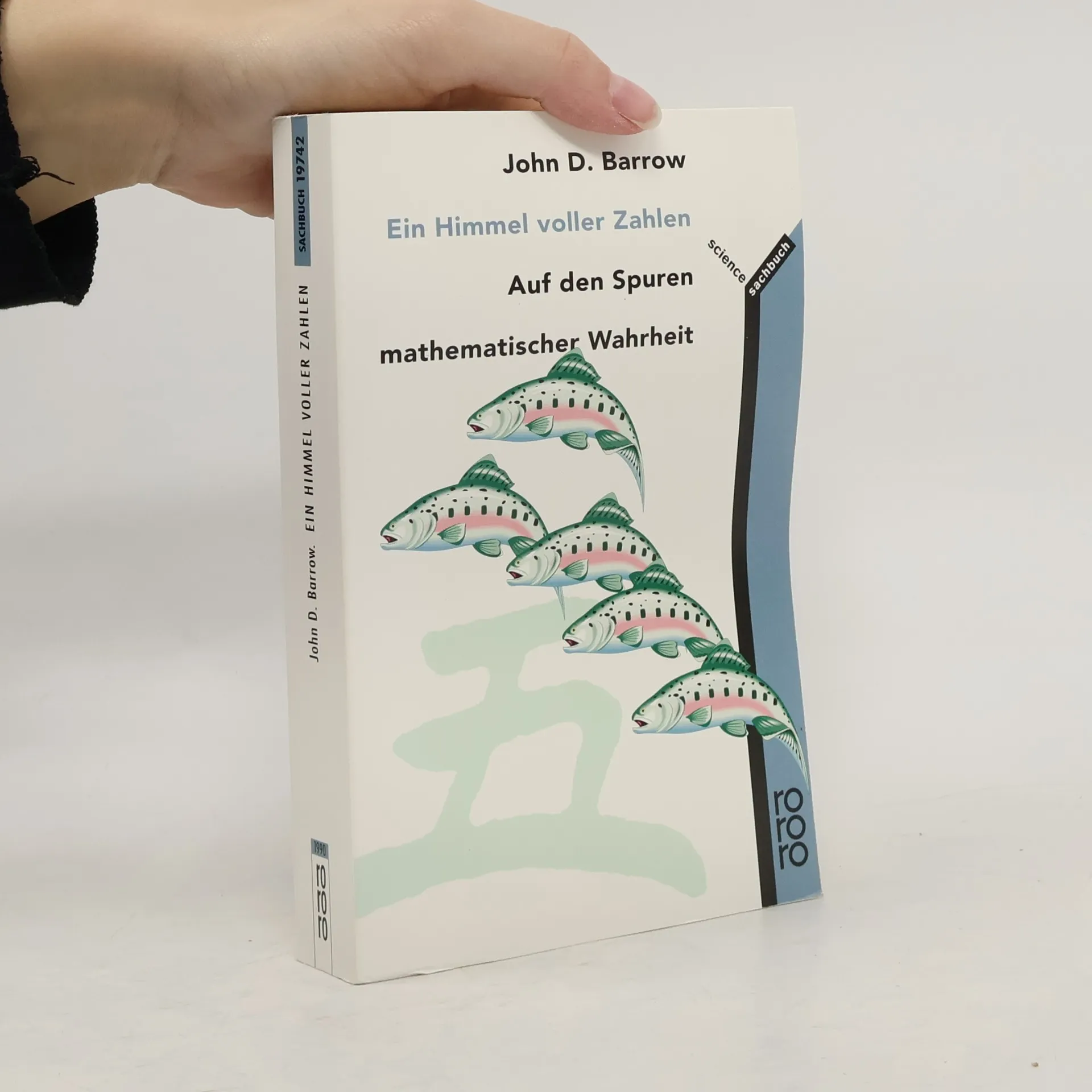
    • Ein Himmel voller Zahlen

      Auf den Spuren mathematischer Wahrheit

      • 496 pages
      • 18 hours of reading

      Ein Himmel voller Zahlen ist ein Buch voller Überraschungen, ein typischer Barrow, unterhaltend und lehrreich, ein völlig neues Mathematikerlebnis, das zum Fingerzählen auffordert und Schulmathematik vergessen läßt. Spannend und unterhaltsam geschrieben, lädt es zum Mitdenken und Entdecken berüchtigter logischer Zwickmühlen und Paradoxien ein.

      Ein Himmel voller Zahlen
      4.5
    • John Barrow räumt ein für alle Mal mit dem Vorurteil auf, Mathematik sei nichts weiter als ein lästiges Schulfach und im wirklichen Leben nicht zu gebrauchen. Dieses kurzweilige Buch zeigt uns in 100 Geschichten verblüffende Alltagsphänomene und wie und wo die verborgenen Seiten der Mathematik unseren Alltag bestimmen, sei es in der Hochfinanz, beim Diamantenschleifen, bei der Flucht vor Bären, beim Schlangestehen oder Lottospielen, bei Scheidungsvereinbarungen, dem Gang eines Betrunkenen, sogar bei der Lebensverlängerung und vielem mehr – und warum drei einer zu viel sind. So wird Mathematik zur Schatzkammer des Wissens und zur kurzweiligen Unterhaltung für jedermann. Pflichtlektüre für Mathe-Freunde und eine echte Entdeckung für Mathe-Hasser.

      100 Dinge, von denen du nicht wusstest, dass du sie nicht wusstest
      4.7
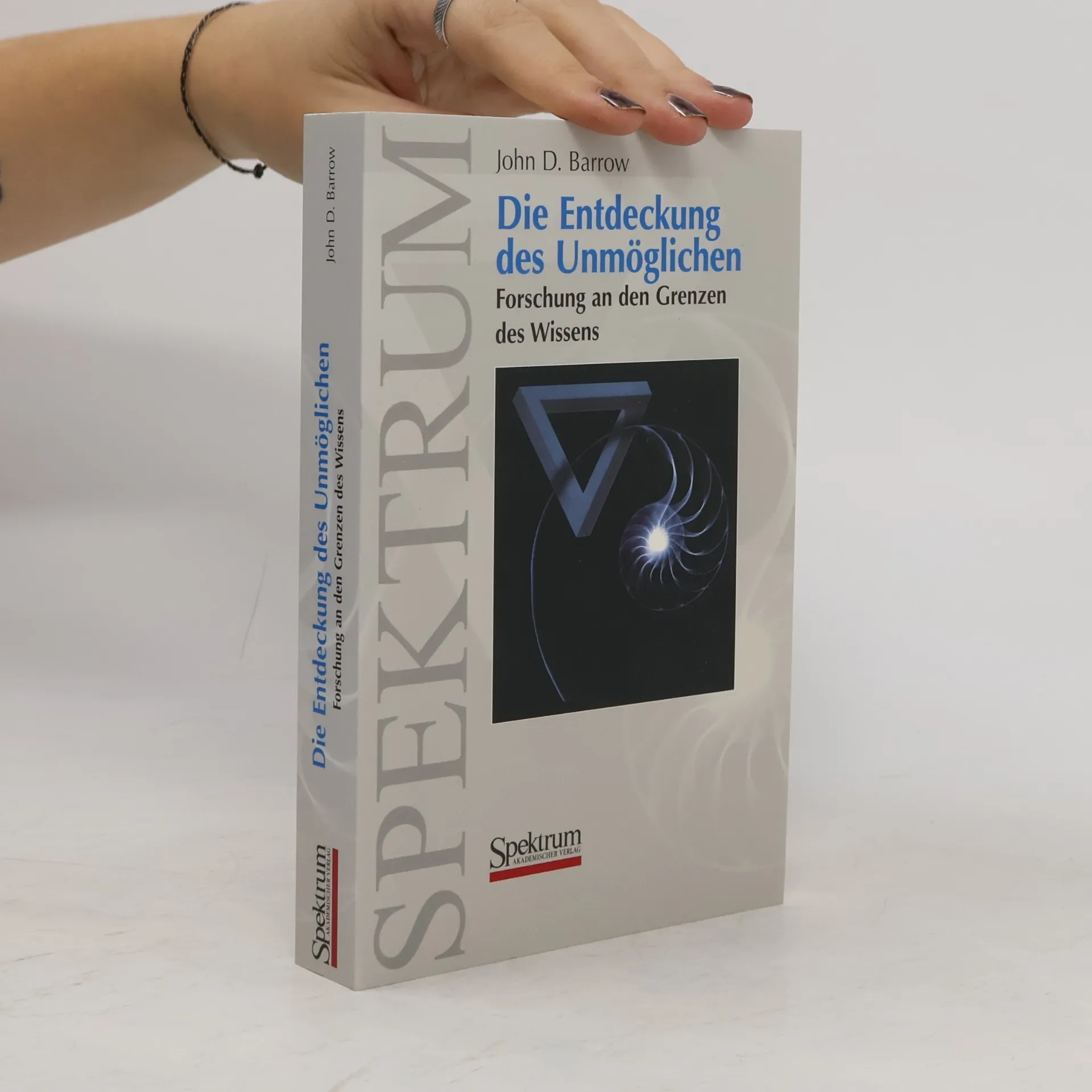
    • Die Entdeckung des Unmöglichen

      • 411 pages
      • 15 hours of reading

      Warum ist ein Überschreiten der Lichtgeschwindigkeit unmöglich? Und warum kann kein mathematisches Theoriengebäude die Welt vollständig beschreiben? Durch Grenzen, die jeder wissenschaftlichen Forschung gesetzt sind, werden bei John D. Barrow zu einer „spannenden und überaus ansprechenden dargebotenen Reise“ für den Leser, der nach Antworten auf die alte philosophische Frage sucht: Was können wir wissen? Barrow untersucht klassische Theorien wie die inflationäre Kosmologie, die Relativitätstheorie oder die Quantentheorie, aber auch die evolutionären Bewußtseinstheorien und mathematische Logik auf die Grenzen ihrer Anwendungs- und Erklärungsbereiche. Anders als Kant, der unser Erkenntnisvermögen und seine Grenzen auf eine Transzendentalphilosophie gründete, stellt Barrow eine pragmatisch-unkonventionelle Vermutung zur Diskussion: Könnte es sein, daß die fraktalen Grenzen unseres Wissens mehr beinhalten als dieses Wissen selbst?

      Die Entdeckung des Unmöglichen
      4.0
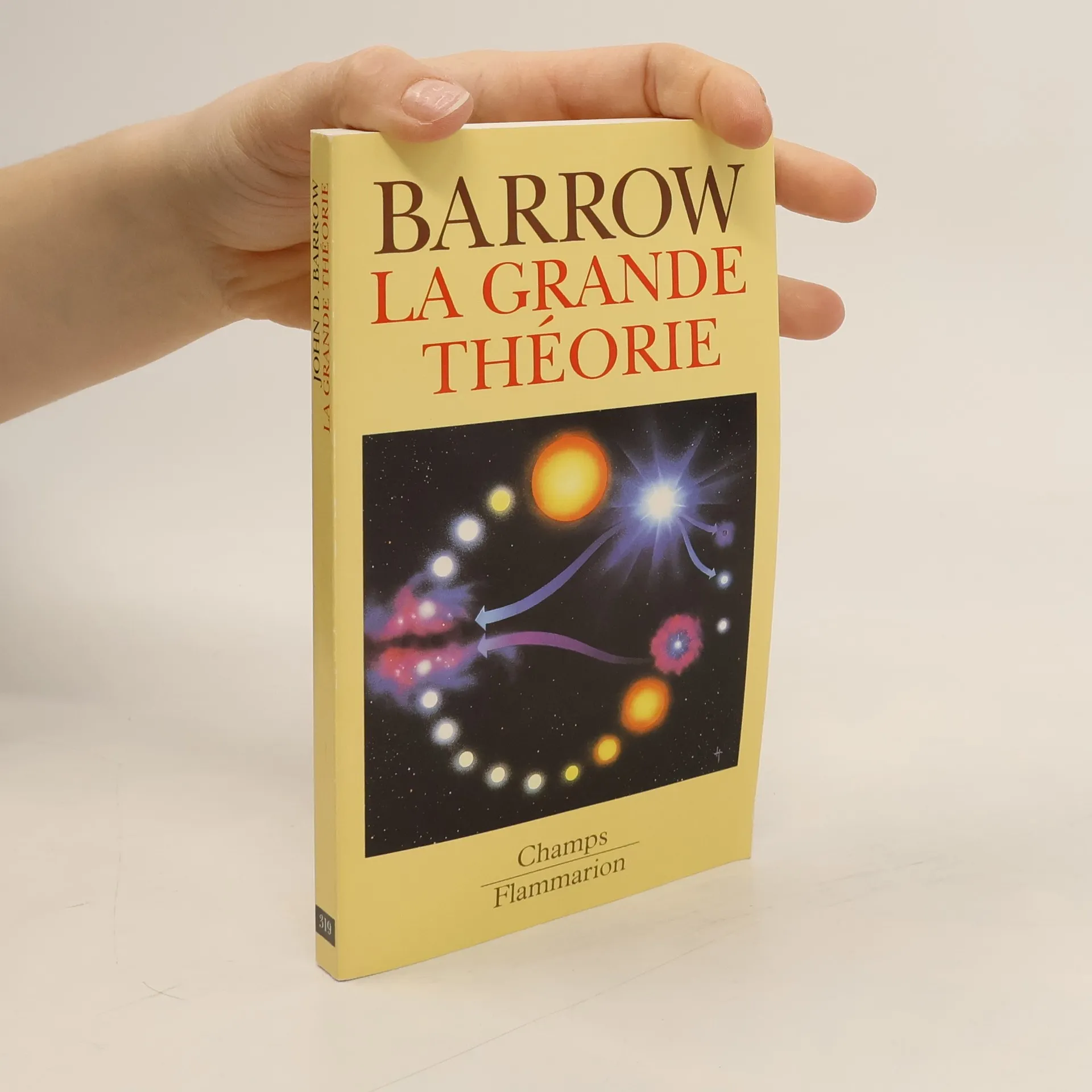
    • La Grande Théorie

      Les limites d'une explication globale en physique

      • 288 pages
      • 11 hours of reading
      La Grande Théorie
      3.0
    • Książka o niczym

      • 420 pages
      • 15 hours of reading

      Co to jest Nic? Jak Grecy pojmowali próżnię, a jak współczesna kosmologia? John D. Barrow, brytyjski kosmolog i autor licznych książek popularnonaukowych, bada te zagadnienia w błyskotliwej i humorystycznej narracji. Książka prowadzi Czytelnika przez religijne oraz poetyckie refleksje na temat nicości, zmagania Babilończyków i Majów z zerem matematycznym oraz najnowsze odkrycia dotyczące próżni kwantowej. Barrow szczegółowo opisuje ludzką przygodę z zerem, nicością i próżnią, komentując starożytne teksty, źródła archeologiczne, teologiczne rozprawy, eksperymenty oraz anegdoty i wiersze. Ukazuje, że Nic jest kluczowym zagadnieniem w historii idei, a każda rewolucja w myśleniu o świecie zmienia nasze spojrzenie na Nic w jego różnych formach. W ostatnich rozdziałach Barrow koncentruje się na roli próżni w nowoczesnej nauce, która w XX wieku stała się fundamentalnym pojęciem w kosmologii i teorii kwantowej. Barrow jest kosmologiem, matematykiem i fizykiem teoretycznym na Uniwersytecie Cambridge, autorem wielu książek naukowych oraz laureatem Nagrody Templetona w 2006 roku.

      Książka o niczym
      3.5
    • Die asymmmetrische Schöpfung

      • 270 pages
      • 10 hours of reading

      „ Dieses Buch läßt sich nicht an einem Stück lesen, es erfordert nachdenkliche Pausen.“ BILD DER WISSENSCHAFT

      Die asymmmetrische Schöpfung
      3.0
    • Allgemeinverständliche Einführung in theoretische und philosophische Hintergründe der Naturwissenschaften und ihrer Methoden.

      Die Natur der Natur
      3.5
    • Einmal Unendlichkeit und zurück

      • 315 pages
      • 12 hours of reading

      Gibt es Grenzen in Raum und Zeit, und wenn ja, was liegt dahinter? Wieso habe ich, wenn ich von unendlich vielen Dingen eines wegnehme, immer noch unendlich viele Dinge vor mir? Welche Konsequenzen hätte ewiges Leben - auch für unseren Glauben? Der preisgekrönte Physiker John D. Barrow erzählt anekdotenreich, wie nahezu alle wissenschaftlichen Disziplinen das rätselhafte Phänomen der Unendlichkeit gestern erklärten und was sie heute darüber wissen.

      Einmal Unendlichkeit und zurück
      4.0
    • Das 1x1 des Universums

      Neue Erkenntnisse über die Naturkonstanten

      • 324 pages
      • 12 hours of reading

      John D. Barrow erklärt die Gesetzmäßigkeiten, auf denen unser Wissen von der Beschaffenheit des Universums beruht: die Naturkonstanten. Newtons Gravitationskonstante, Einsteins Lichtgeschwindigkeit oder die Feinstrukturkonstante Alpha: Als universelle Größen bilden sie die Grundpfeiler der modernen Physik. Der Bestsellerautor beschreibt ihre Geschichte, macht sie verständlich und entwickelt eine spektakuläre These: Was wäre, wenn die Naturkonstanten doch nicht konstant sind? Neue Messungen haben ergeben: Die Werte einiger Naturkonstanten schwanken womöglich wie der Börsenkurs! Was bedeutet das für unser Wissen vom Universum? Ist das der Beginn vom Ende des Lebens auf der Erde? „Entdecken Sie, was das Universum für die Zukunft der Menschheit noch bereithält!“ The Guardian

      Das 1x1 des Universums
      3.4
    • Sammlung von Reisen und Entdeckungen Band II

      in einer chronologischen Ordnung zusammengetragen

      • 640 pages
      • 23 hours of reading

      John Barrow, ein vielseitiger englischer Mathematiker, Historiker und Lexikograf des 18. Jahrhunderts, hinterlässt ein bedeutendes Erbe in der Wissenschaft und Literatur. Seine Arbeiten kombinieren mathematische Präzision mit historischem Wissen, was ihn zu einer einflussreichen Figur seiner Zeit macht. Barrows Beiträge zur Lexikografie zeigen sein Engagement für die Förderung von Wissen und Bildung, wodurch er als Pionier in mehreren Disziplinen gilt.

      Sammlung von Reisen und Entdeckungen Band II
    • Sammlung von Reisen und Entdeckungen Band I

      in einer chronologischen Ordnung zusammengetragen

      • 596 pages
      • 21 hours of reading

      John Barrow, ein englischer Mathematiker, Historiker und Lexikograf des 18. Jahrhunderts, wird in dieser Beschreibung als vielseitige Persönlichkeit vorgestellt. Seine Arbeiten und Beiträge zur Mathematik sowie seine historischen und lexikografischen Errungenschaften zeichnen ihn als bedeutende Figur seiner Zeit aus. Barrows Einfluss erstreckt sich über verschiedene Disziplinen, was sein Erbe in der Wissenschaft und Literatur nachhaltig prägt.

      Sammlung von Reisen und Entdeckungen Band I
    • Nowe Teorie Wszystkiego

      • 430 pages
      • 16 hours of reading

      Czy istnieje jedna teoria naukowa, która wyjaśni wszystko, co wydarzyło się i co dopiero się wydarzy, na każdym poziomie Wszechświata? Poszukiwania Teorii Wszystkiego stały się celem ekscytujących projektów badawczych. Jak może wyglądać ta teoria? Co oznaczałoby jej odkrycie? W Nowych teoriach wszystkiego, John D. Barrow opisuje kontrowersje i pomysły dotyczące ostatecznego wyjaśnienia. Przeprowadza nas przez koncepcje, takie jak M-teoria superstrun, multiwersum, oraz spekulacje traktujące świat jako program komputerowy. Barrow przedstawia problemy, z jakimi borykają się naukowcy w poszukiwaniach Teorii Wszystkiego, z perspektywy fizyki, astronomii, kosmologii, filozofii, matematyki, logiki, biologii, historii i religii, co pozwala na pełniejsze zrozumienie, dlaczego nie osiągnięto dotąd ostatecznego rozwiązania. To pasjonująca lektura, która wstrząsa naszym rozumieniem rzeczywistości, ujawniając luki w naszej wiedzy o tym, kim jesteśmy. Barrow, kosmolog i fizyk teoretyczny z Uniwersytetu Cambridge, jest autorem wielu publikacji naukowych oraz książek, które zgłębiają fundamentalne pytania współczesnej nauki.

      Nowe Teorie Wszystkiego
    • L'infinito

      Breve guida ai confini dello spazio e del tempo

      L'infinito
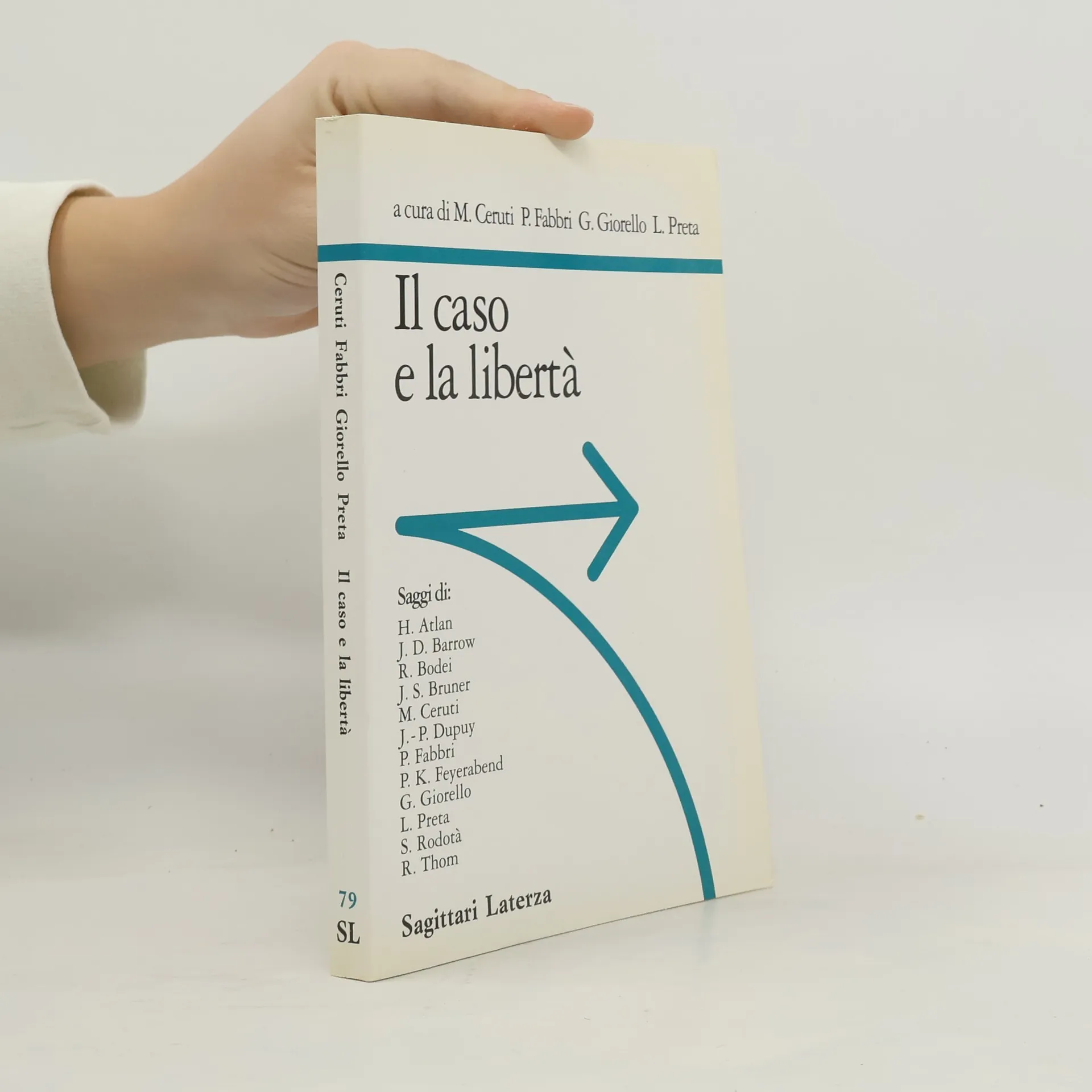
    • Il caso e la libertà

      • 187 pages
      • 7 hours of reading

      Da "il caso e la necessità" al "caso e la libertà". Scienziati, psicologi e filosofi pongono l'accento sul valore critico della scelta, della creatività e della responsabilità del ricercatore.Contributi di Henri Atlan, John D. Barrow, Remo Bodei, Jerome S. Bruner, Jean-Pierre Dupuy, Paolo Fabbri, Paul K. Feyerabend, Stefano Rodotà, René Thom.

      Il caso e la libertà
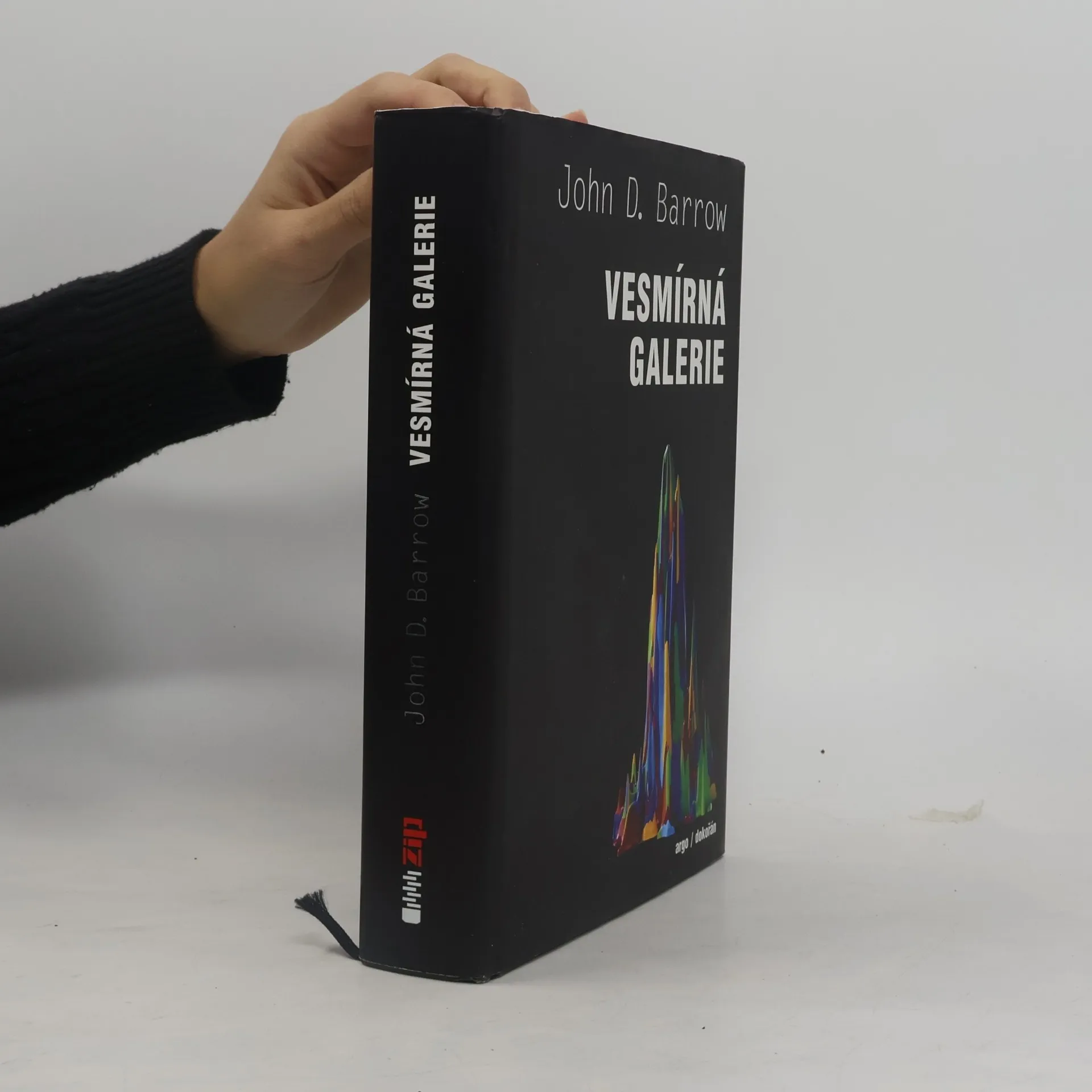
    • Vesmírná galerie

      • 608 pages
      • 22 hours of reading

      Britský fyzik a kosmolog John Barrow, autor 18 knih, přináší v tomto díle zcela nový pohled na roli obrazů ve vědě a jejich vliv na kulturu a civilizaci. Kniha zkoumá nejen umělecká díla, ale také mapy, grafy, vědecké ilustrace a fotografie, které tvoří panorama dějin lidského poznání od antiky po současnost. Barrow ukazuje, jak obrazy zachycují klíčové úspěchy a zvraty ve vědě, a to s vtipem a elegancí, jak je u něj zvykem. V dnešní vizuální době jsou obrázky nejvlivnějším komunikačním kanálem, který usnadňuje porozumění složitým problémům a přispívá k rozvoji důležitých myšlenek. Autor se zaměřuje na matematiku, fyziku a astronomii, ale zahrnuje také širokou škálu dalších oborů jako anatomii, archeologii, architekturu a biologii. Výběr ilustrací a textů pokrývá různé funkce obrazů, od kreativního náčrtku po ikonické obrazy jako Vitruviánský člověk, první stopa na Měsíci či spirála DNA. Tato kniha není obyčejnou obrázkovou publikací; Barrowova odborná erudice a vypravěčské schopnosti zaručují poutavé a kvalifikované seznámení s nejvýznamnějšími vědeckými pokroky lidstva.

      Vesmírná galerie
      4.7
    • Konstanty přírody jsou čísla, která definují podstatu vesmíru. Zašifrovávají nejhlubší tajemství a jejich existence nám naznačuje, že příroda oplývá neviděnými pravidelnostmi. Jsme sice zručnými v měření těchto konstant, ale naše schopnost vysvětlit je či je předpovědět ukazuje, jak mnohé ještě nevíme o tom, jak vesmír funguje. Jsou přírodní konstanty skutečně konstantní? Vznikl a rozvinul by se život, kdyby byly jiné? Nejnovější astronomické objevy naznačují, že tyto konstanty měly v raném vesmíru jiné hodnoty. Mění se tedy pomalu zákony přírody? Na tyto a mnoho dalších otázek hledá odpověd známý vědec a úspěšný popularizátor. Osvětluje také, jak objev konstant ovlivnil takové vědce, jako byl Einstein, i nejnovější teorie o vícedimenzionálním vesmíru. Kniha uspokojí nejen zvídavého čtenáře, ale i profesionálního fyzika.

      Konstanty přírody : čísla skrývající nejhlubší tajemství vesmíru
      4.5
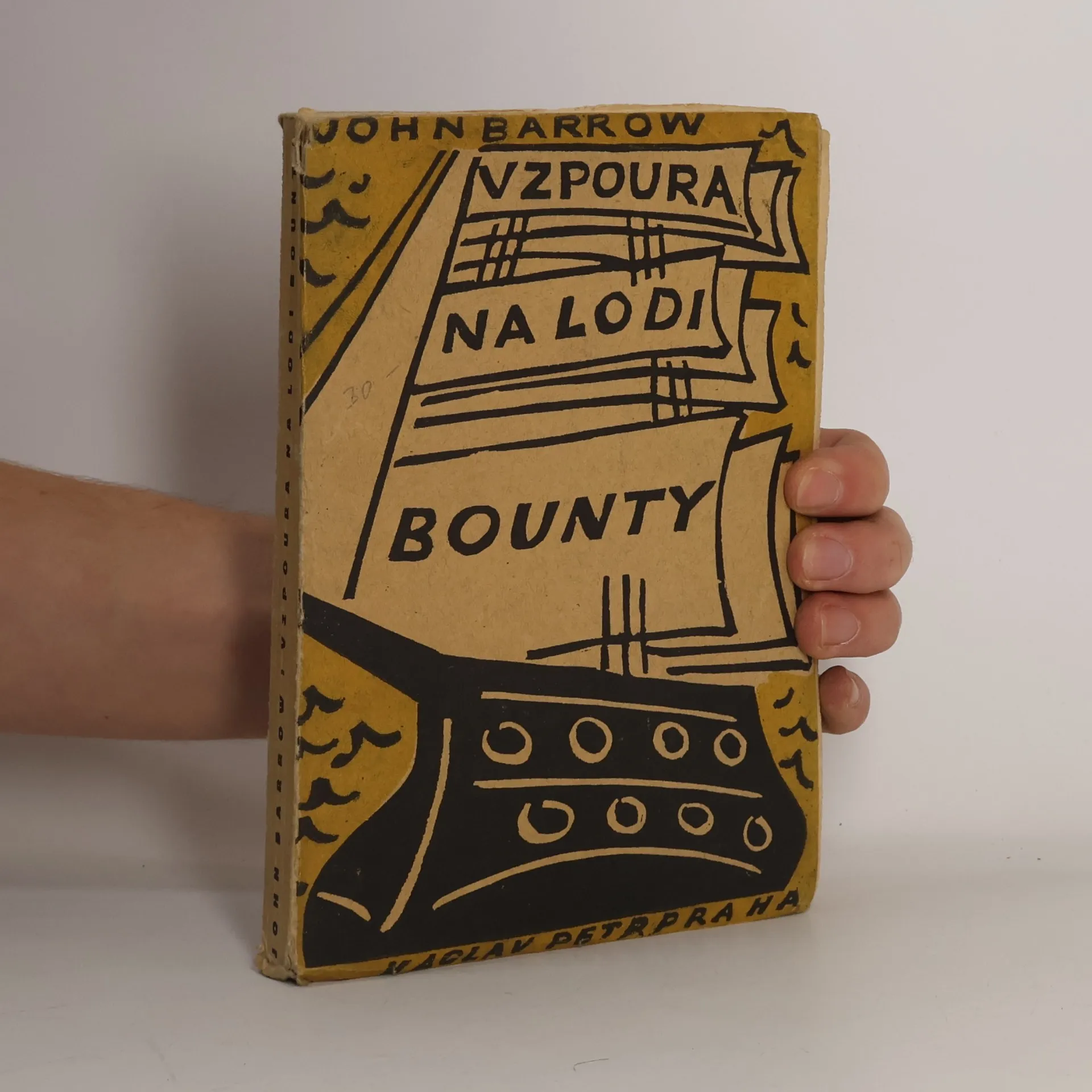
    • Vzpoura a loupežné přepadení na královské lodi Bounty. Popis jedné z nejslavnějších vzpour v dějinách mořeplavby. Loď byla z Anglie vyslána roku 1787 na Tahiti pro náklad chlebovníků určených pro obživu otroků na Jamajce. Britští námořníci strávili na Tahiti, které pro ně představovalo ráj a ztělesnění idylického života, několik měsíců. Naproti tomu život u námořnictva byl pro prosté námořníky velmi tvrdý; i mírný poručík Bligh po vyplutí z Tahiti přitvrdil svůj přístup, a proto proti němu necelý měsíc po opuštění Tahiti část posádky povstala, převzala loď a Blighe i s částí jeho věrných vysadila v otevřeném člunu na moře. Vzbouřenci poté zamířili zpět na Tahiti, část jich zde zůstala, zatímco zbytek odplul hledat útočiště na Pitcairnově ostrově, neboť Fletcher Christian předpokládal, že Britové neznají jeho přesnou polohu. V lednu 1790 Bounty skutečně Pitcairnu dosáhla a vzbouřenci loď zapálili a usadili se na ostrově.

      Vzpoura na lodi Bounty
      4.5
    • Některé věci o světě můžeme pochopit jen prostřednictvím matematiky. Kupodivu se to netýká jen exotických objektů typu černých děr, ale i záležitostí zcela všedních. Tato knížka vám dá odpovědi na sto takových otázek. Zjistíte, jaké paradoxy mohou nastat při výběru dezertu, proč obvykle čekáte v delší frontě nebo pomalejším dopravním pruhu. Co všechno může komplikovat tak banální proces, jako je práce s kopírkou a změna velikosti stránky? Dojde na loterie, sázení na dostizích, dělení majetku při rozvodu, na účetní triky i klopotné cesty opilců. Dozvíte se něco o Shakespearově slovní zásobě i o fungování vyhledávače Google a navrch ještě získáte několik tipů pro investování, ovšem pokud se vám podaří získat stroj času. Nebo vám matematika může alespoň některé empiricky známé jevy zdůvodnit? Třeba proč mají etnicky nebo jinak smíšená společenství automaticky vyšší tendenci k segregaci, jak vzniká davová panika či proč přírodní výběr nezařídil, aby byli lidé chytřejší.

      Sto důležitých věcí, které nevíte (a ani nevíte, že je nevíte) : Matematika všedního dne
      4.3
    • Proč se diamanty třpytí? Proč jsou vejce vejčitá? Proč se nejlépe zpívá ve sprše? V již třetí knize z oblíbené řady Sto věcí, které nevíte (a ani nevíte, že je nevíte) nám britský fyzik a matematik John D. Barrow nabízí ve stovce kapitol sto originálních pohledů na každodenní svět okem matematika. Tentokrát se zaměřuje na svět umění a ukazuje nám, že se i sochařství, literatura, architektura, hudba a tanec řídí matematickými zákony. Máte-li kladný vztah k umění nebo k matematice (i kdybyste to druhé nesnášeli), tato kniha vás pobaví, potěší ? a možná i pomůže najít zálibu v tom, co jste dosud nemuseli mít.

      Sto důležitých věcí o umění a matematice, které nevíte (a ani nevíte, že je nevíte)
      3.9
    • Matematika je nejen jedním z pilířů vědeckého bádání, ale dokáže nám osvětlit i mnoho zdánlivě všedních jevů z každodenního života. Matematické a fyzikální zákonitosti mají překvapivé uplatnění i v říši sportovních výkonů. A totéž platí i pro umění a kulturu – i tady hraje matematika důležitou, a leckdy nečekanou roli. Víte, jak lze pomocí Archimedova zákona snadno usvědčit padělatele šperků? Proč připomíná vlajka Nepálu polovinu vánočního stromečku? Víte, proč Cageova slavná skladba, při níž nezazní jediný tón, trvá právě 4 minuty a 33 sekund? John D. Barrow nám odhaluje skryté souvislosti světa čísel a vzorců a světa umění. U mnoha obrazově či zvukově libých objektů či jevů bychom matematické pozadí vůbec nečekali; umění máme přece jen spojené spíš s inspirací, náhlými vnuknutími, fantazií a spontaneitou. A o to je čtení zajímavější.

      100 : sto důležitých věcí o umění a matematice, které nevíte (a ani nevíte, že je nevíte)
      3.9
    • Matematika a sport souvisí na první pohled jen vzdáleně. Ale opravdu jen na první pohled. V nové knize Johna D. Barrowa se můžete přesvědčit, že matematika stojí nejen za špičkovými výkony, ale i za losováním zápasů, sestavováním tabulek vítězů, výběrem olympijských sportů... zkrátka za všemi aspekty sportu. Uvidíte v novém světle temná mysteria běhu, skoku, plavání, střílení branek či odpalování míčů napříč všemi sportovními odvětvími. Ať už jste sportovcem aktivním a počítáte svoje sekundy a metry, nebo se rozumně věnujete počítání sekund a gólů někoho jiného v pohodlí svého gauče, určitě vás bude zajímat, co za tím vším je a jaké tajemné síly umožňují vítězi zvítězit. Budete fascinováni zjištěním, proč většina skokanů skáče do výšky Fosburyho flopem, jak mohl Usain Bolt zlomit svůj rekord, přestože neběžel o nic rychleji, proč Velká Británie nehraje na olympiádě fotbal, jak fungují (zakázané) hydrofobní plavky nebo jak je možné, že některé míče zdánlivě porušují fyzikální zákony. Tento čtenářský zážitek potěší každého, kdo miluje sport nebo půvabné matematické úlohy - a také mu pomůže jeho koníček intenzivněji prožít.

      Sto důležitých věcí o sportu, které nevíte (a ani nevíte, že je nevíte)
      3.5
    • Britský fyzik a kosmolog John Barrow je autorem 18 knih určených většinou širšímu okruhu čtenářů. Vesmírná galerie je však v jeho díle něčím naprosto novým a neočekávaným. Autor ji věnuje úloze, kterou měly pro vývoj vědy a pro její vliv na kulturu a civilizaci obrazy. Nejde ovšem jen o díla s převládajícím uměleckým záměrem, ale i o mapy, grafy, vědecké ilustrace, fotografie, záznamy experimentů, číselná schémata. Kniha podává panorama dějin lidského poznání od antiky až po dnešek, jehož největší úspěchy a zvraty byly obvykle nejlépe vystiženy a zapsaly se do lidské paměti v podobě obrazu. Autor – jak je u něho obvyklé – i zde plně projevuje svou vědeckou erudici a schopnost podávat nesnadnou problematiku s vtipem a elegancí. Podstatnou složkou díla jsou samotné obrazy, které přinášejí čtenáři nevšední estetický zážitek.

      Vesmírná galerie : klíčové obrazy v dějinách vědy