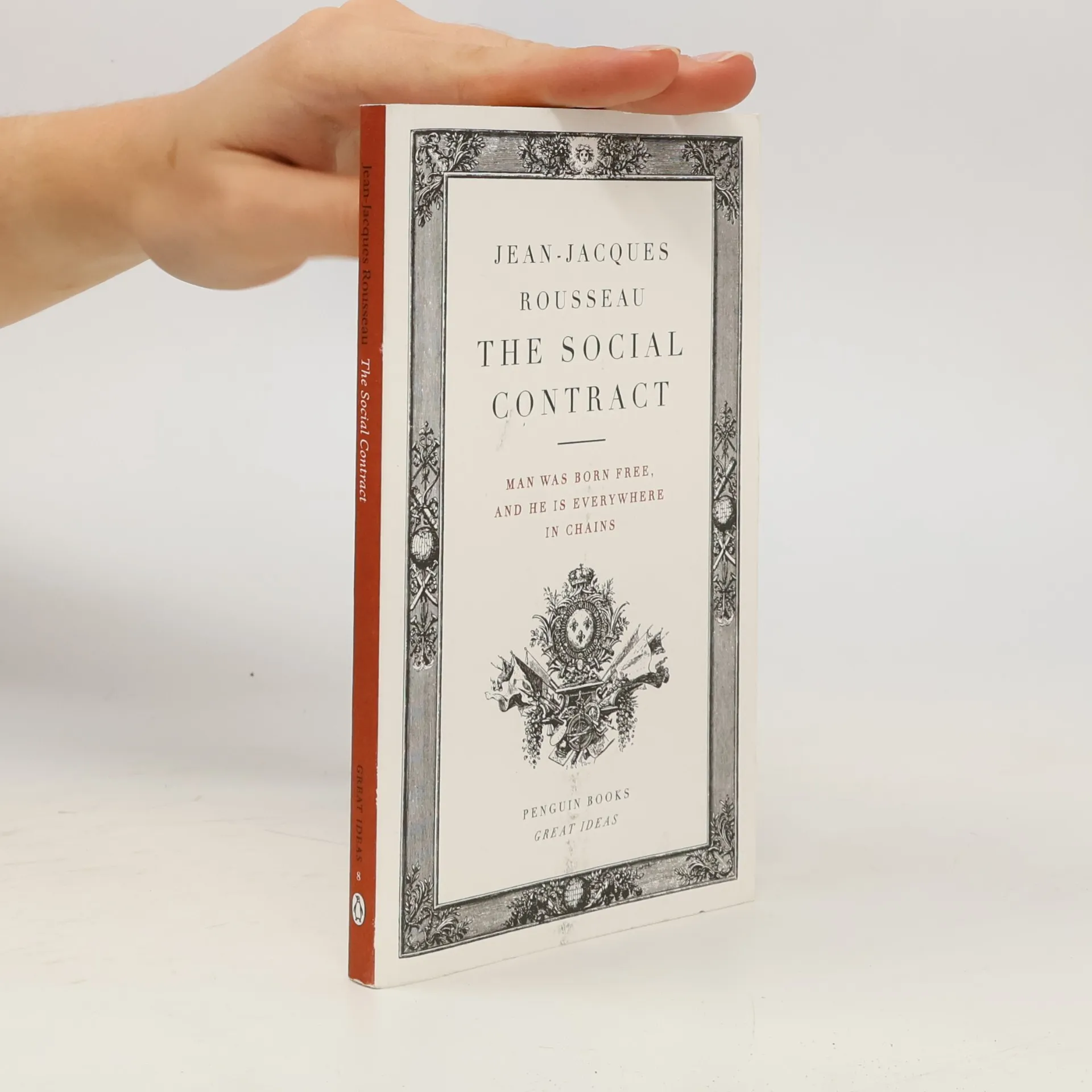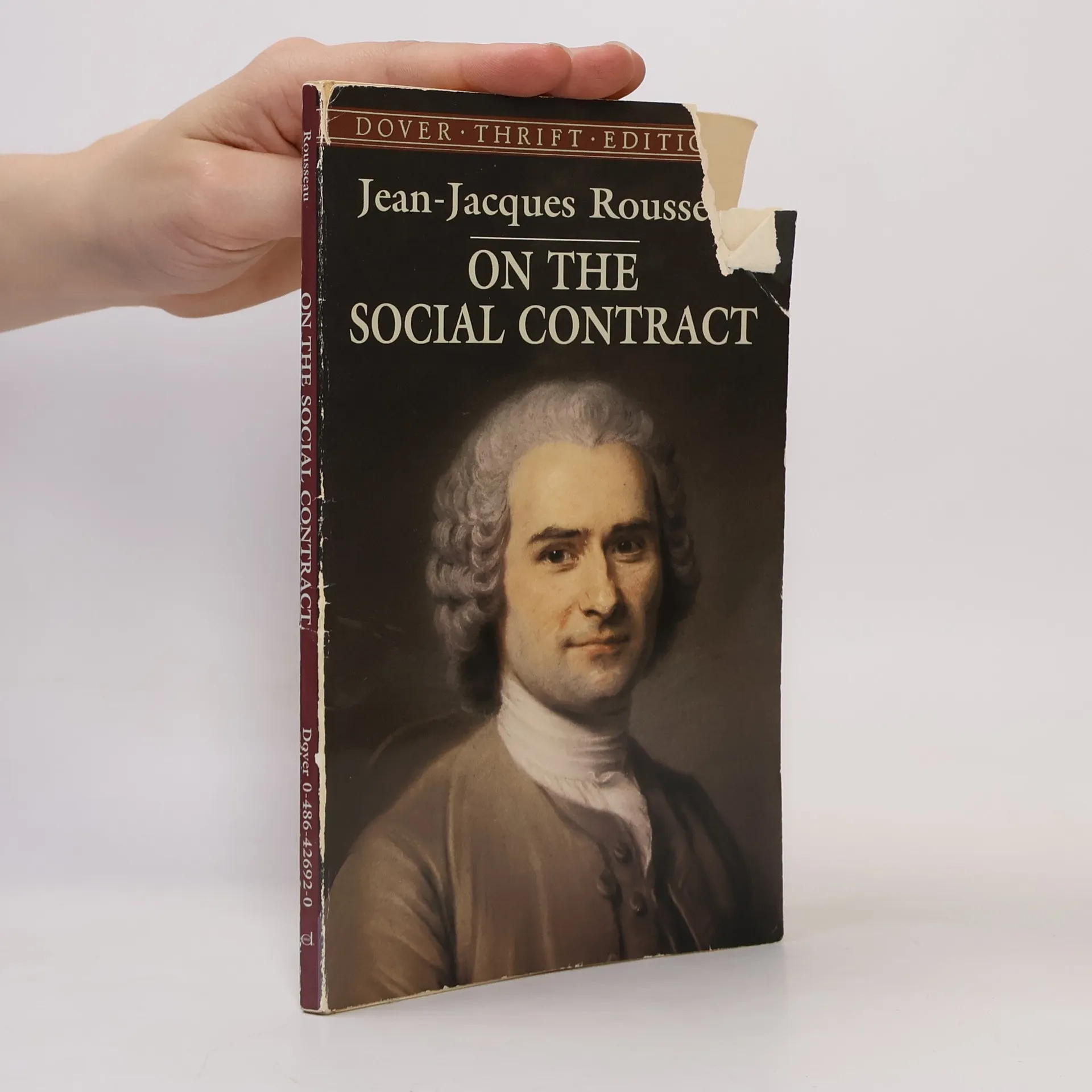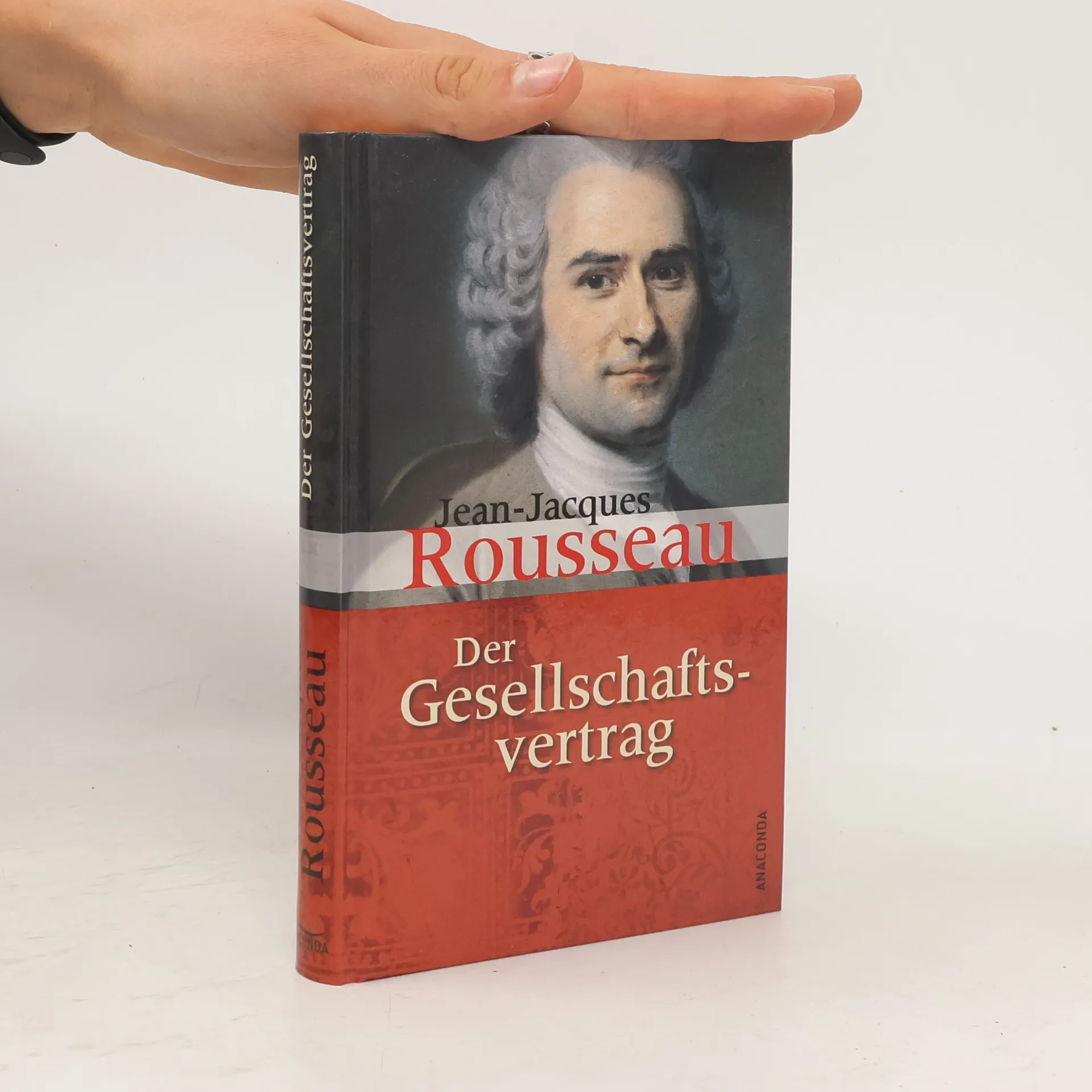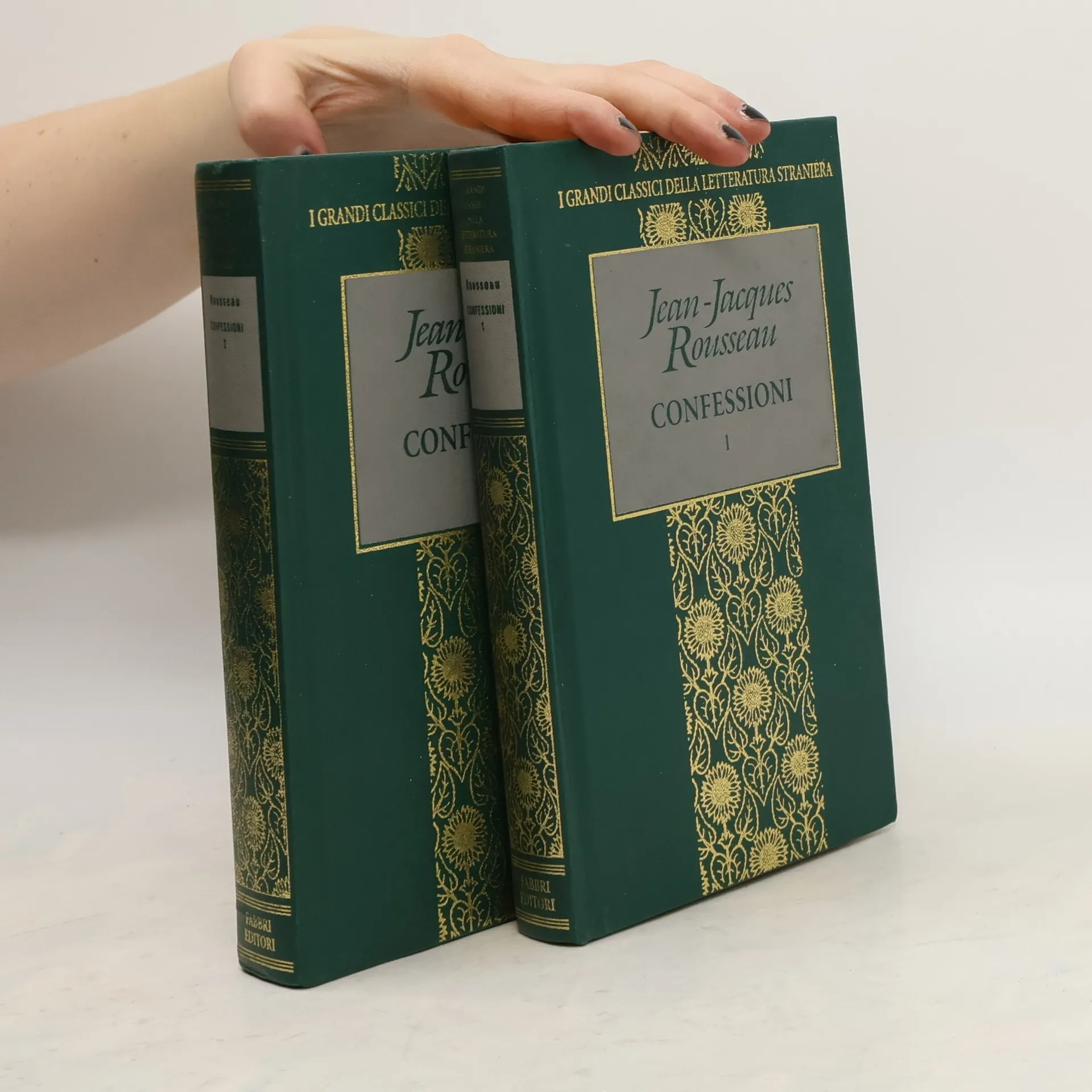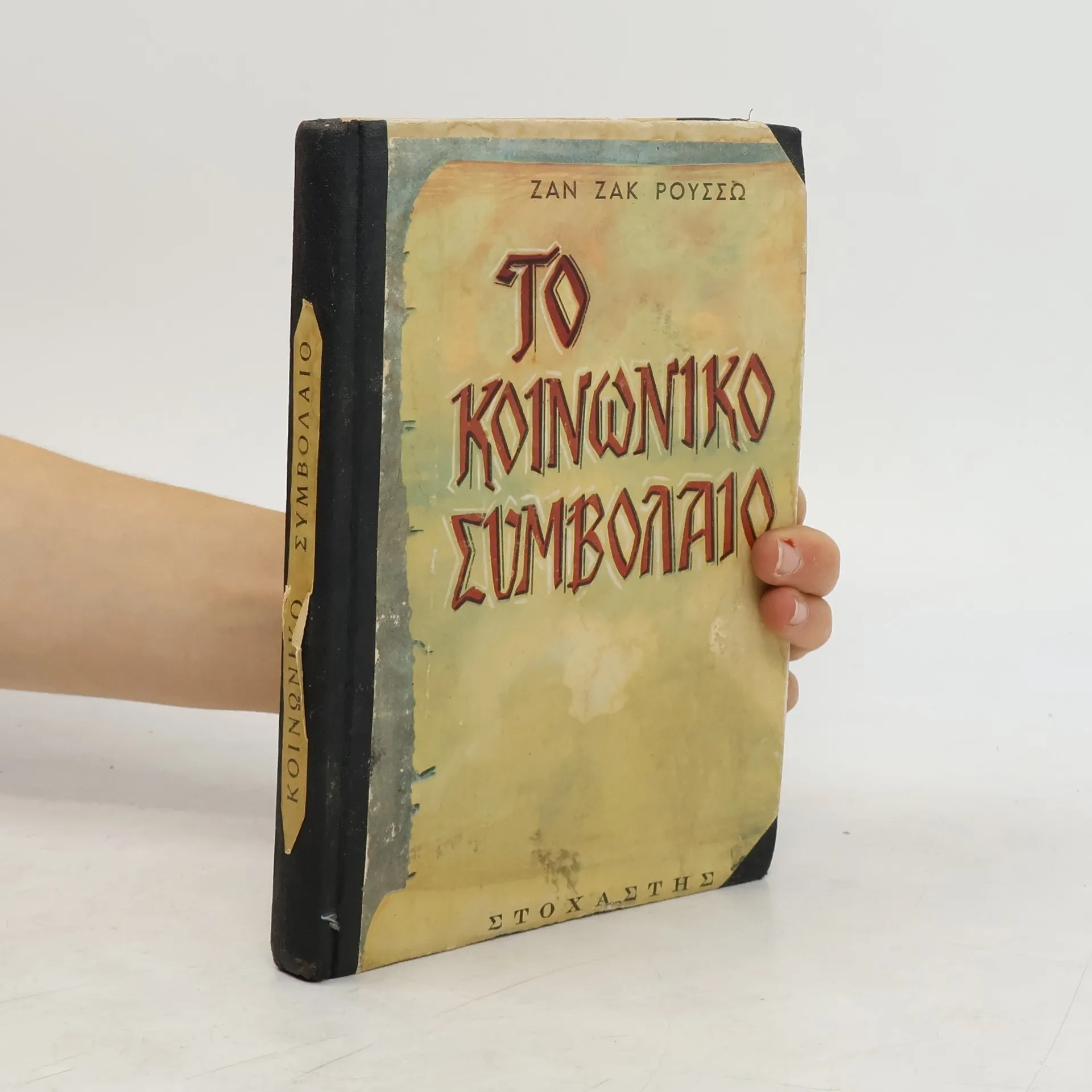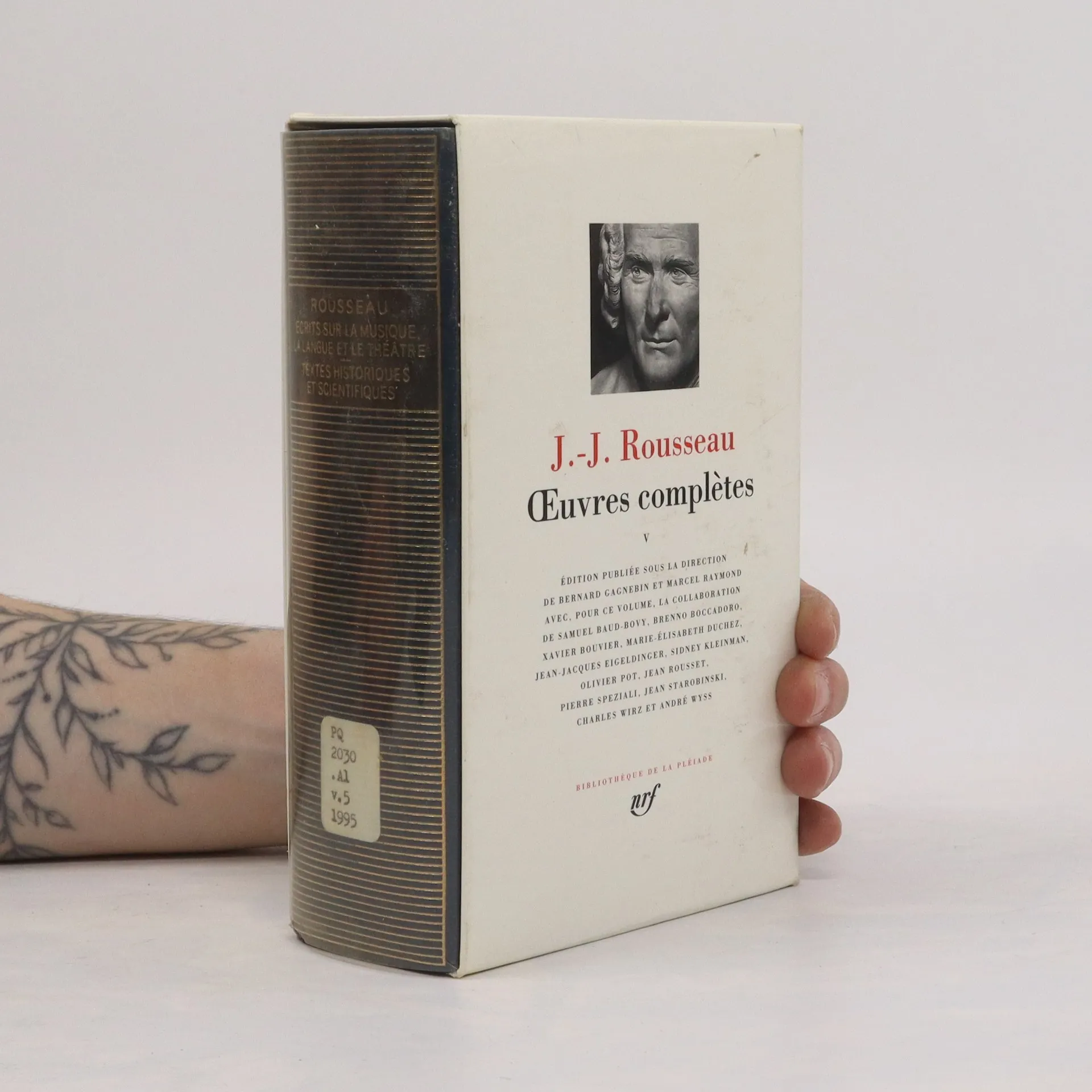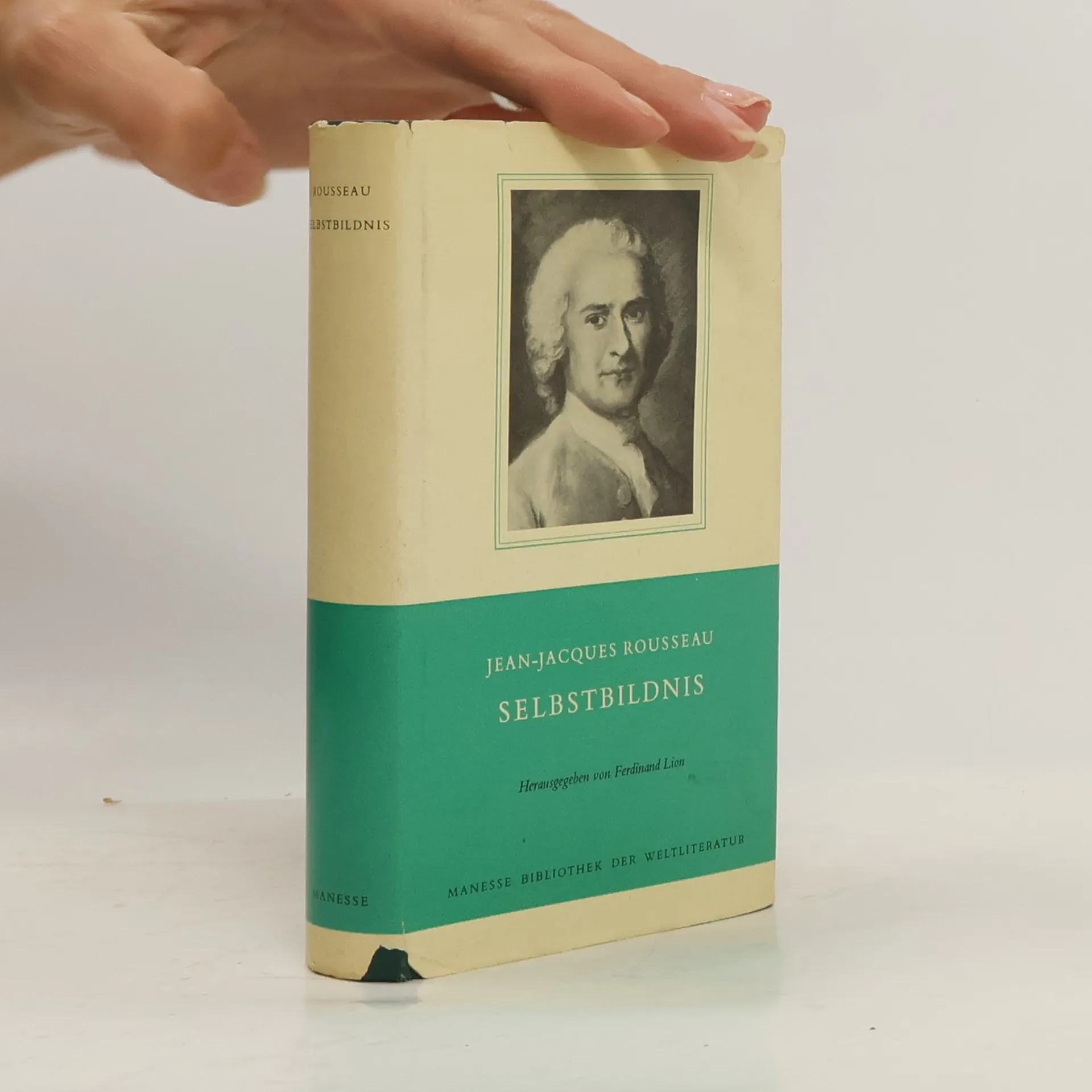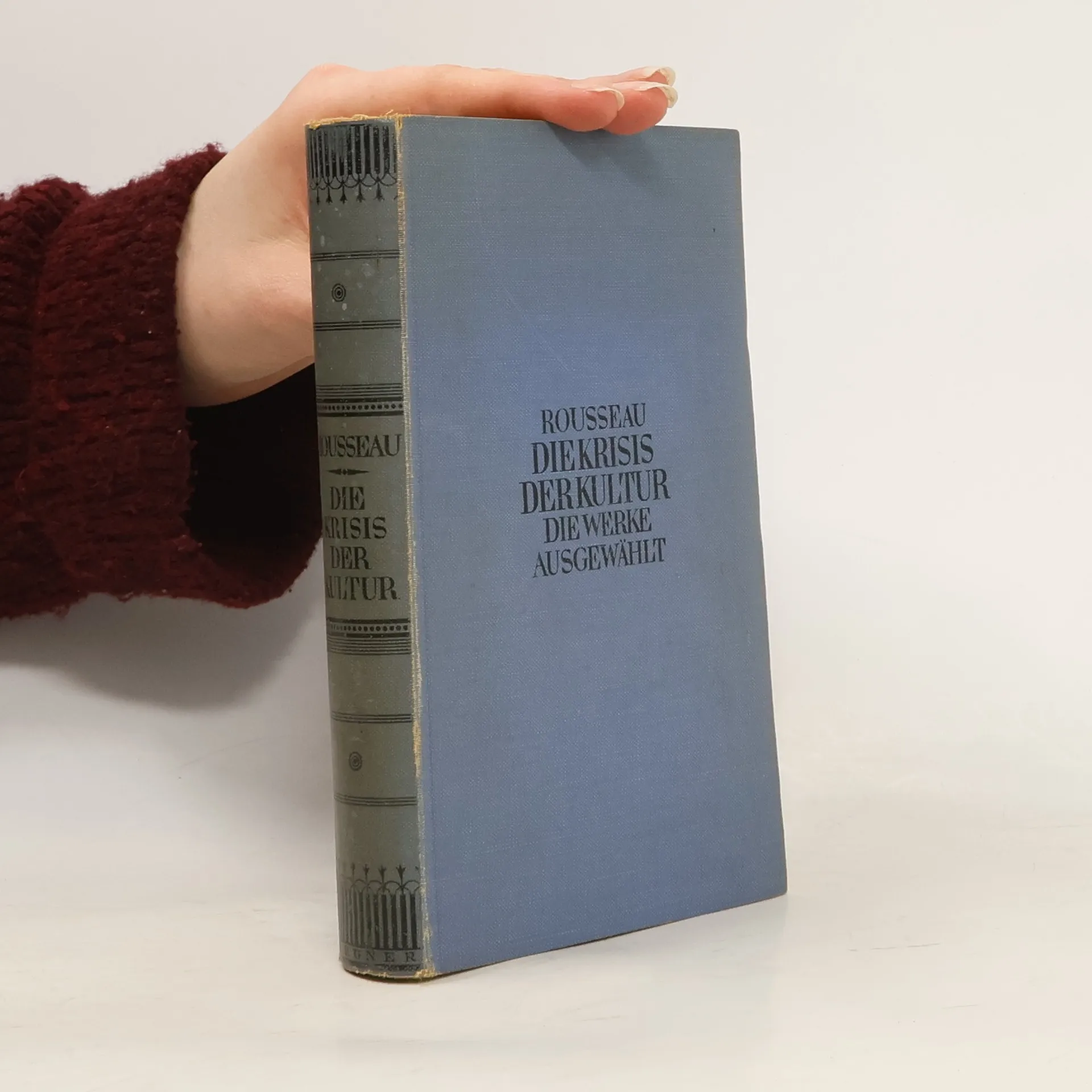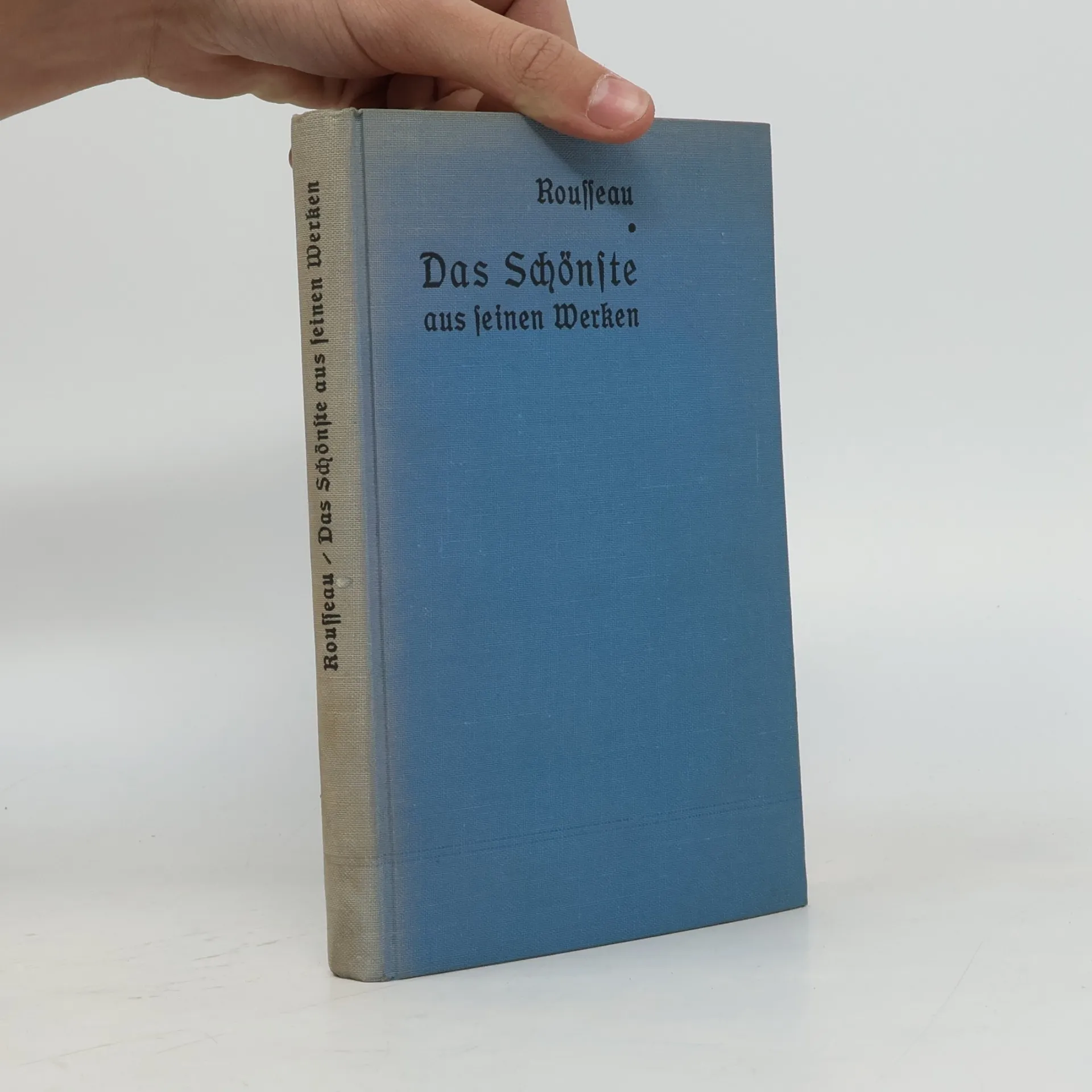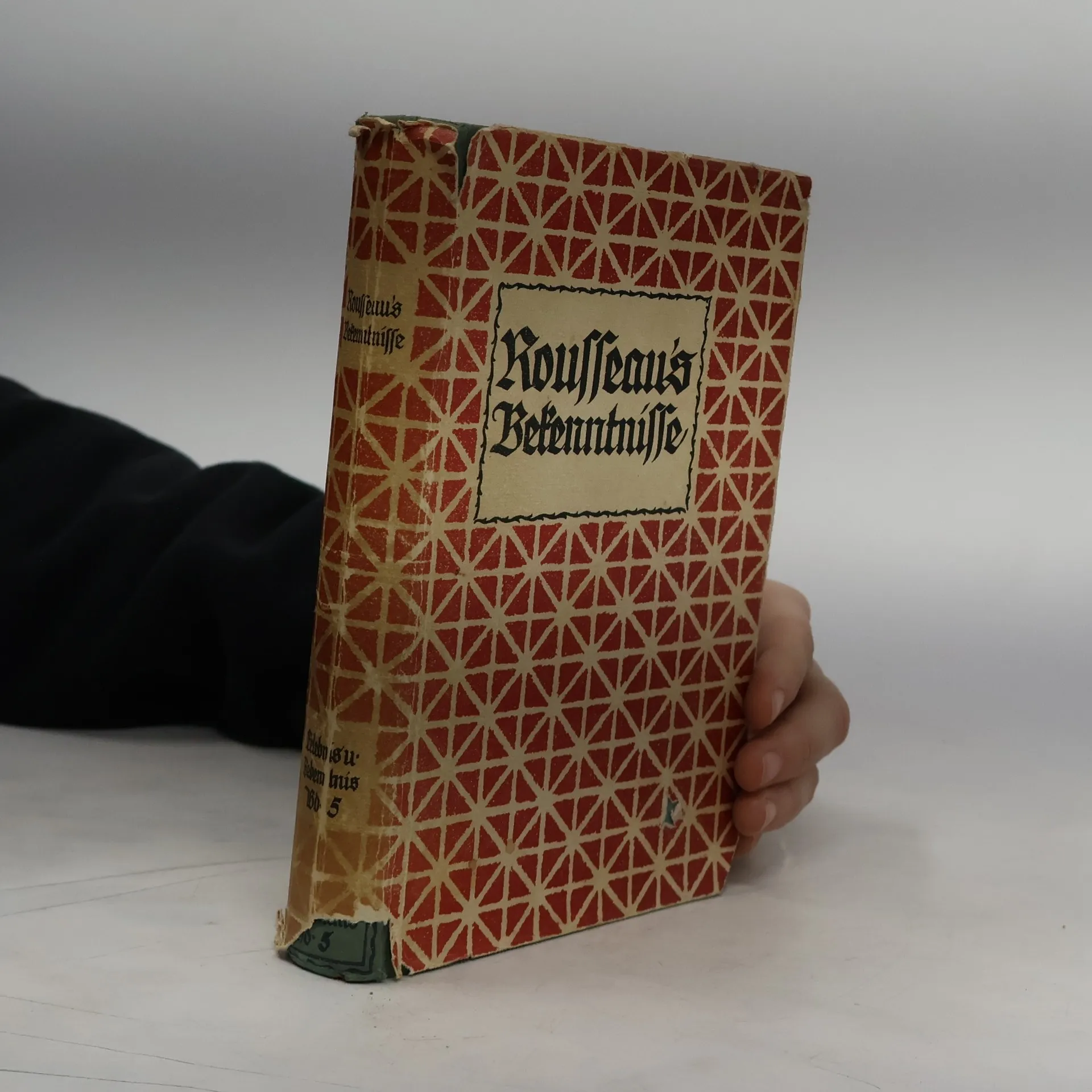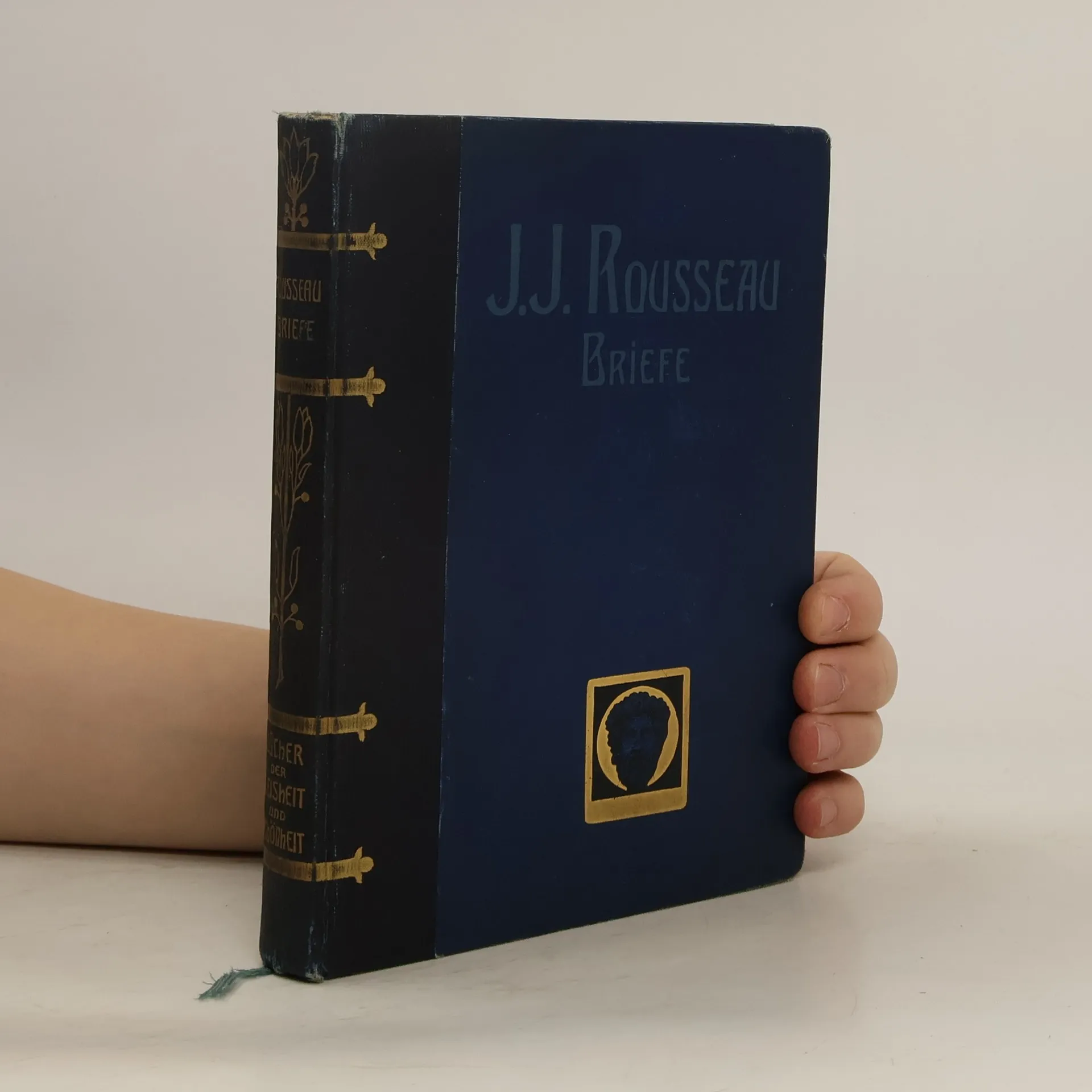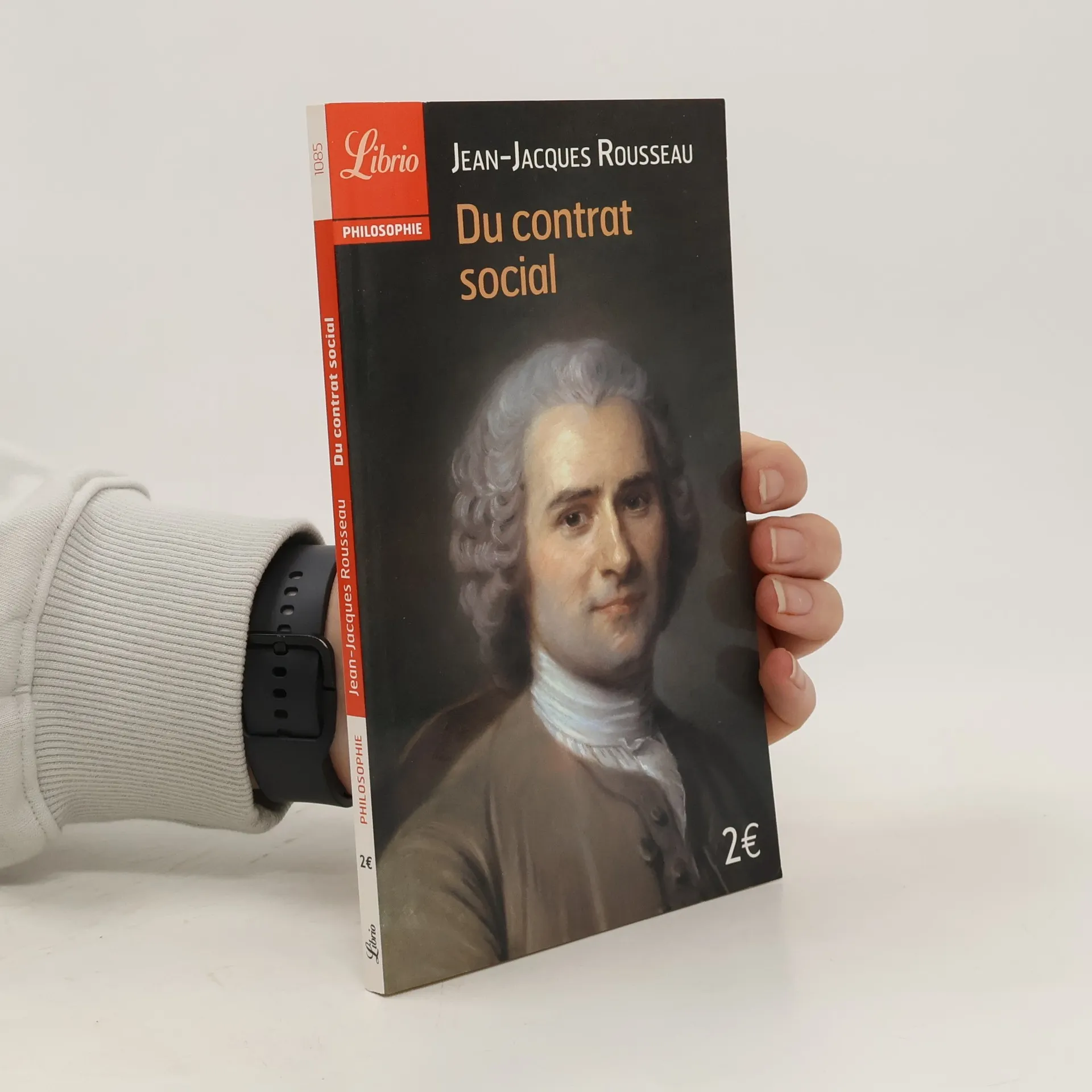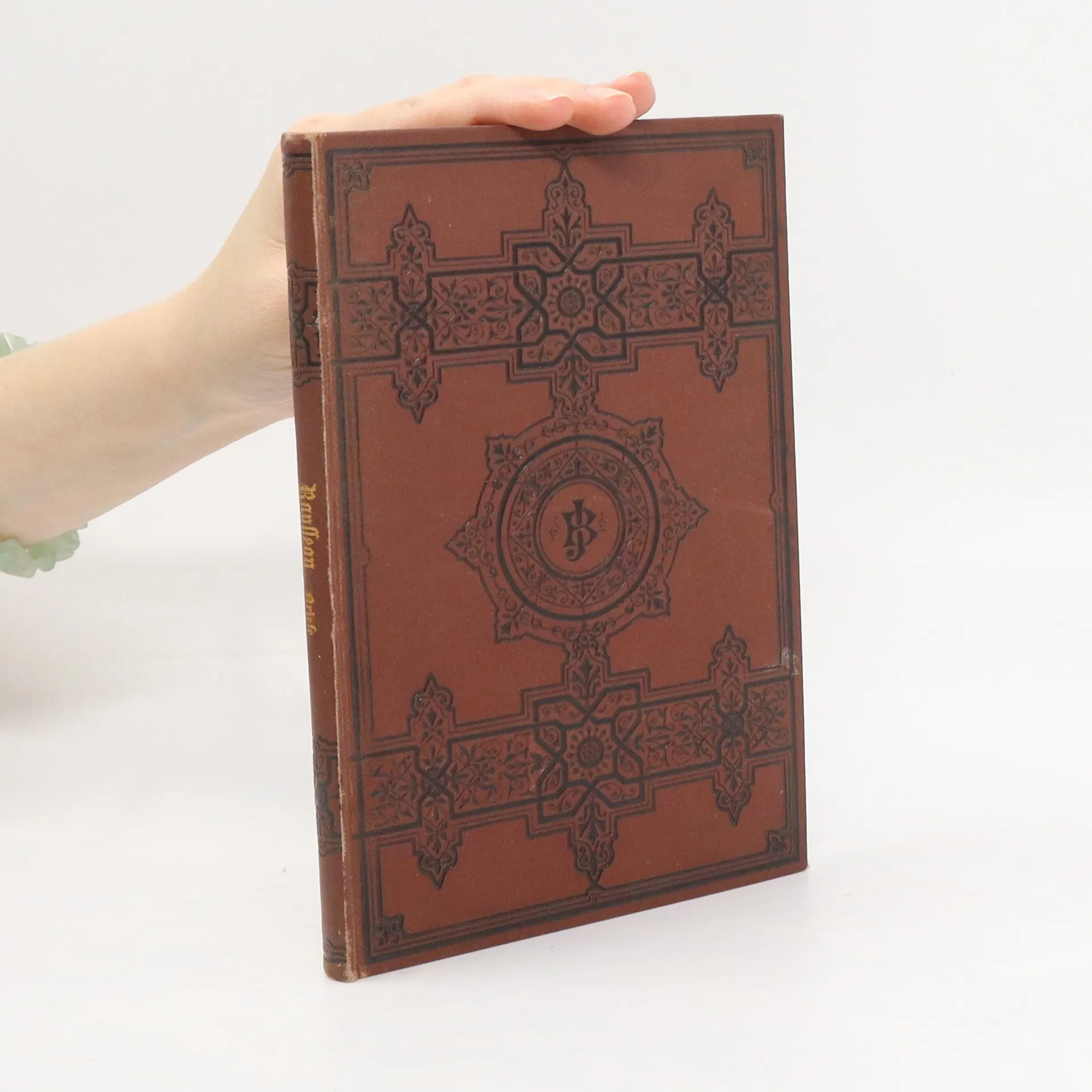
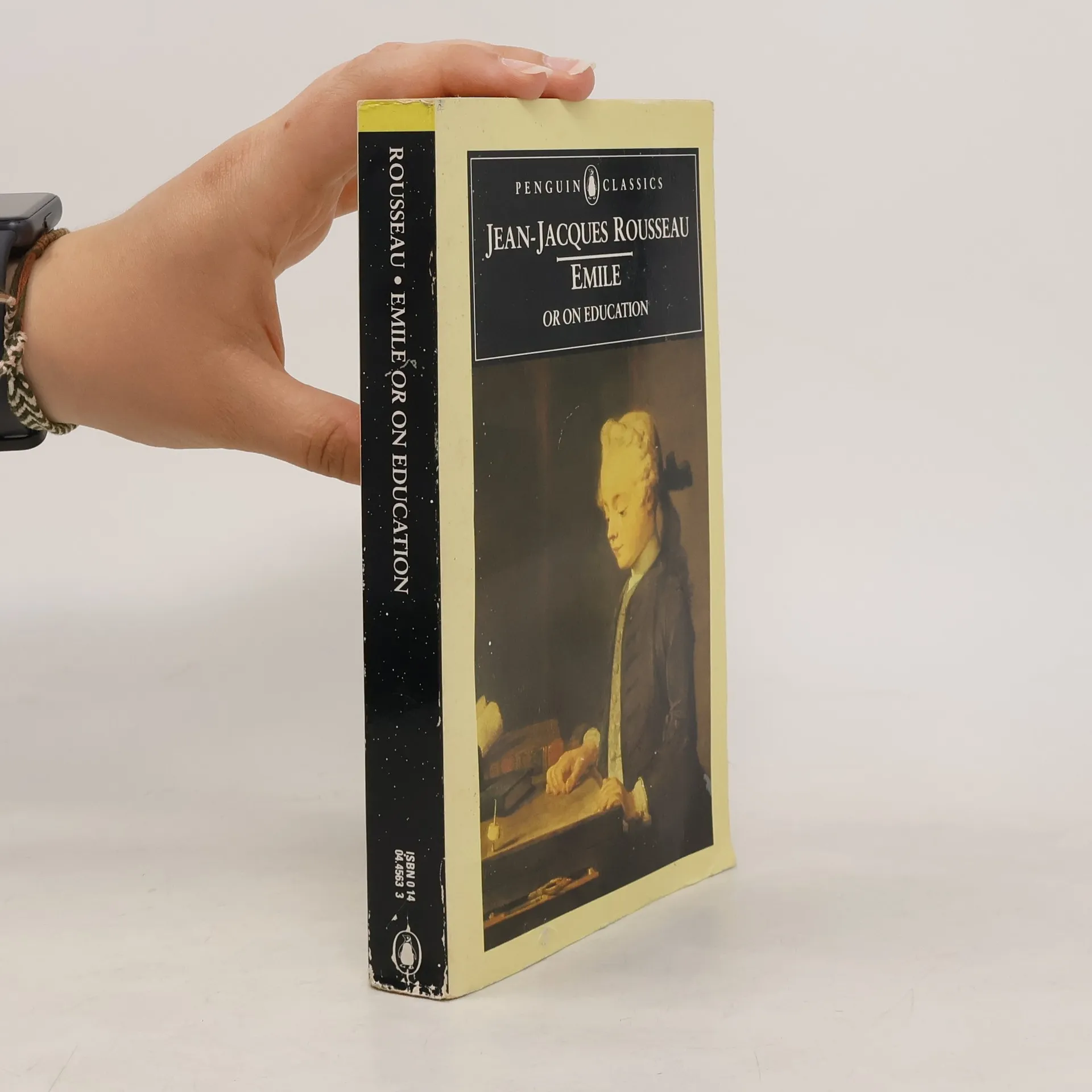
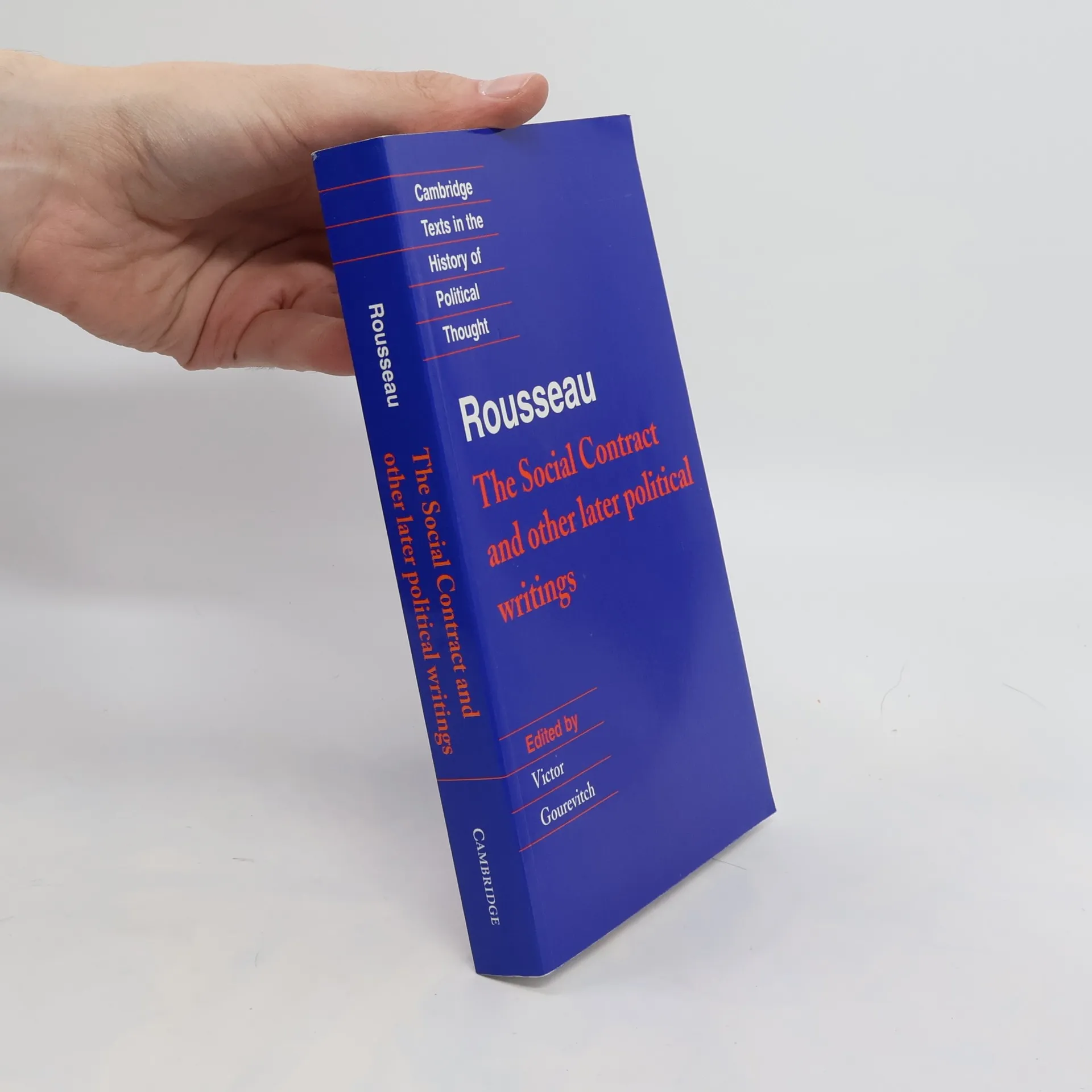
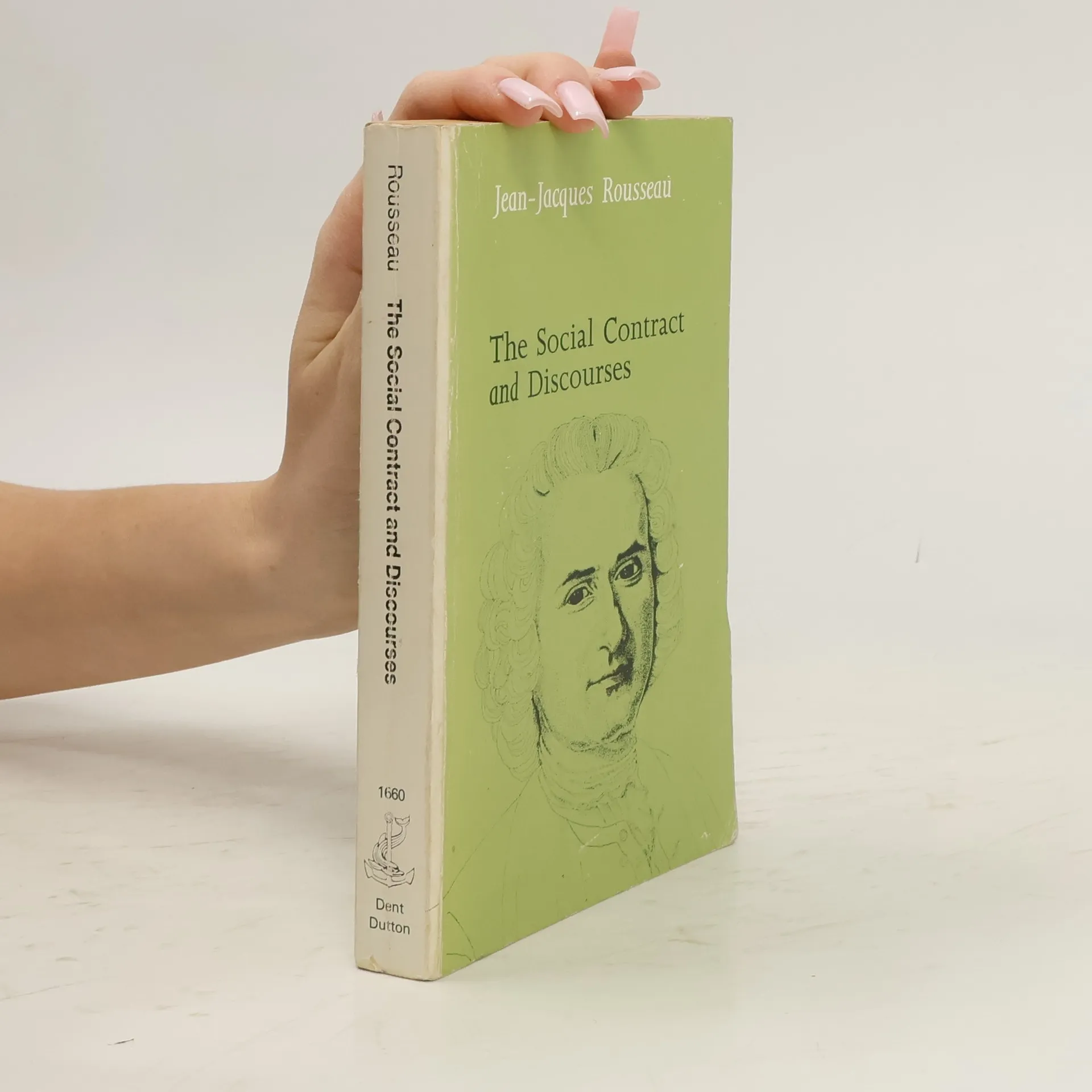
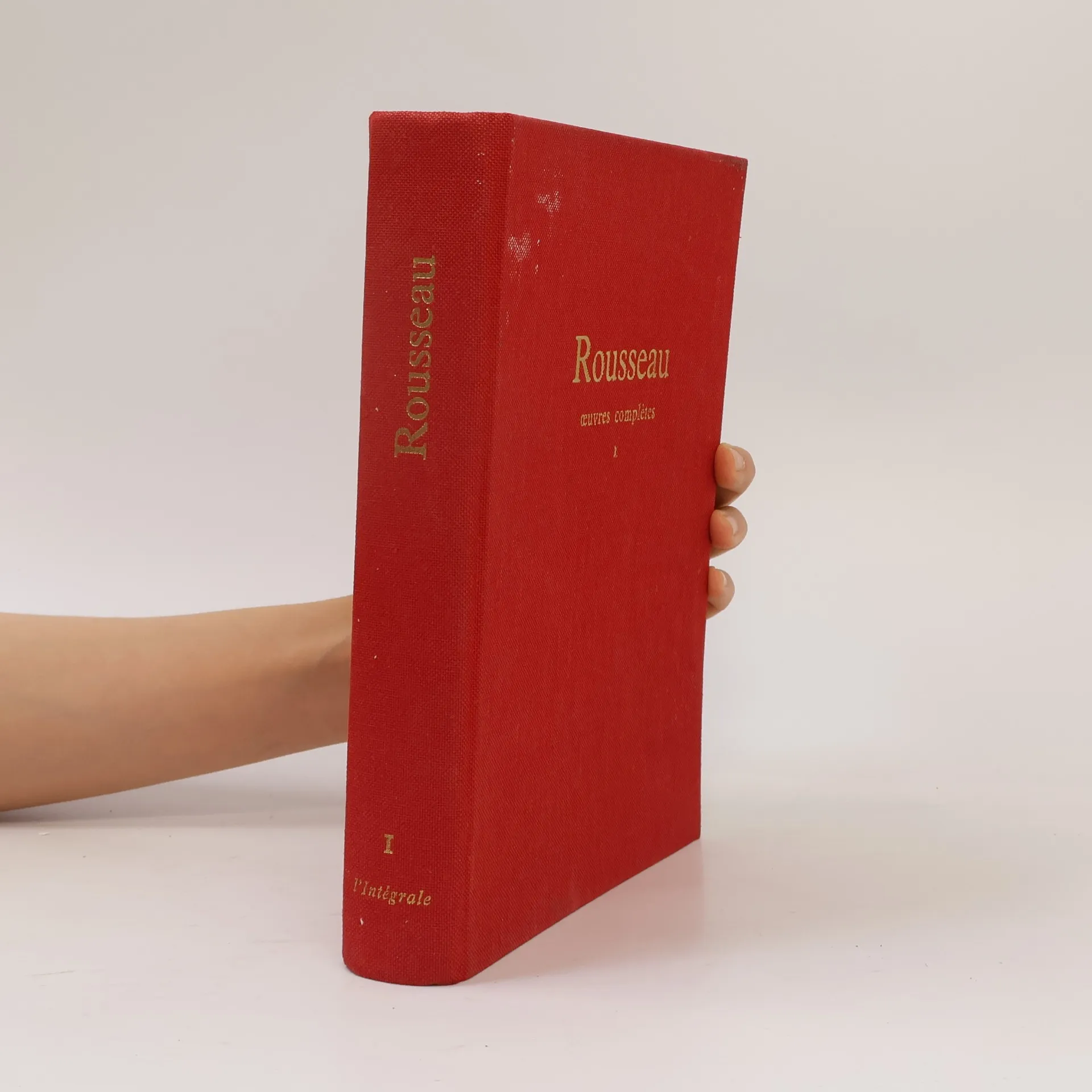
A comprehensive 1997 anthology of Rousseau's work containing The Social Contract, his most famous single work.
Jean-Jacques Rousseau Books


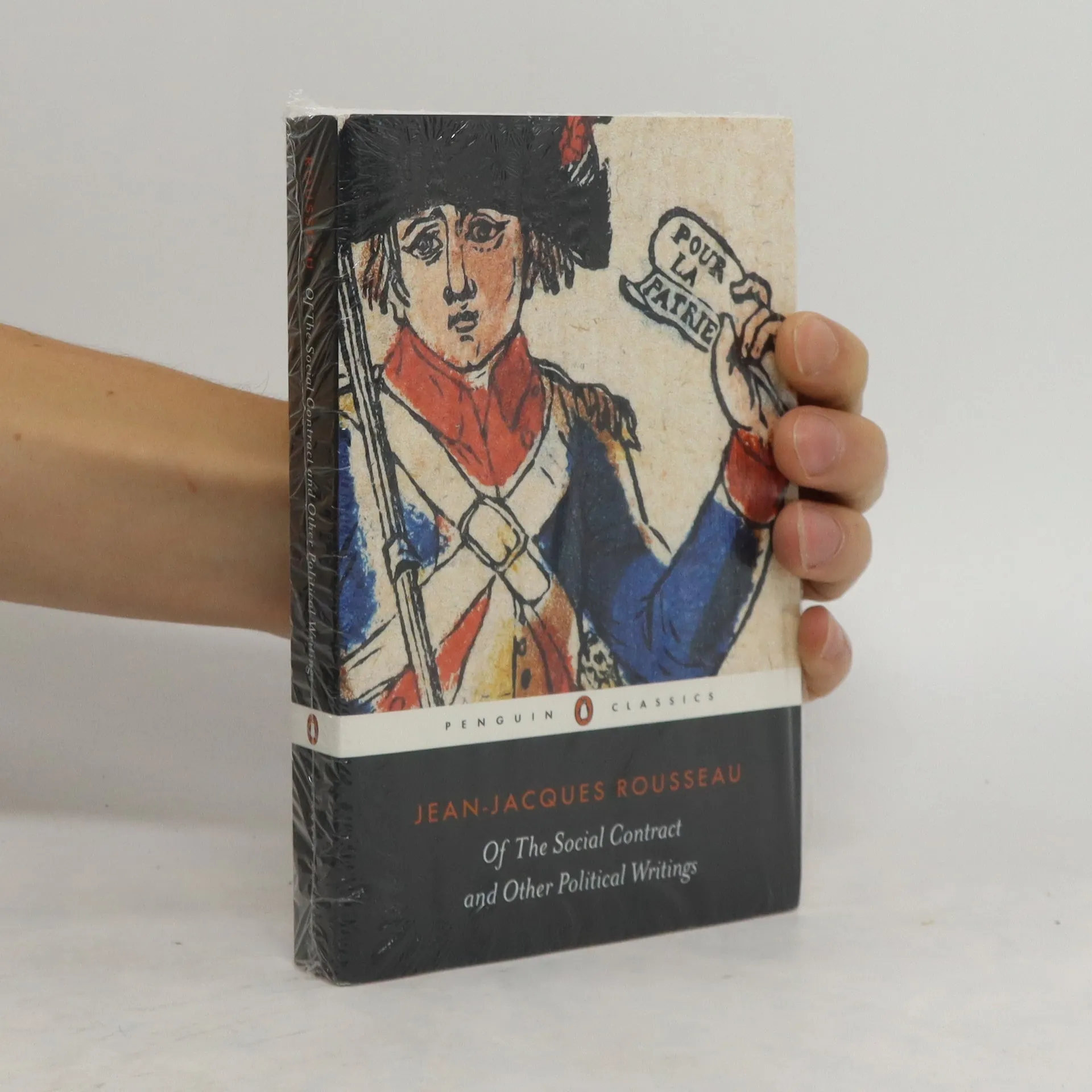
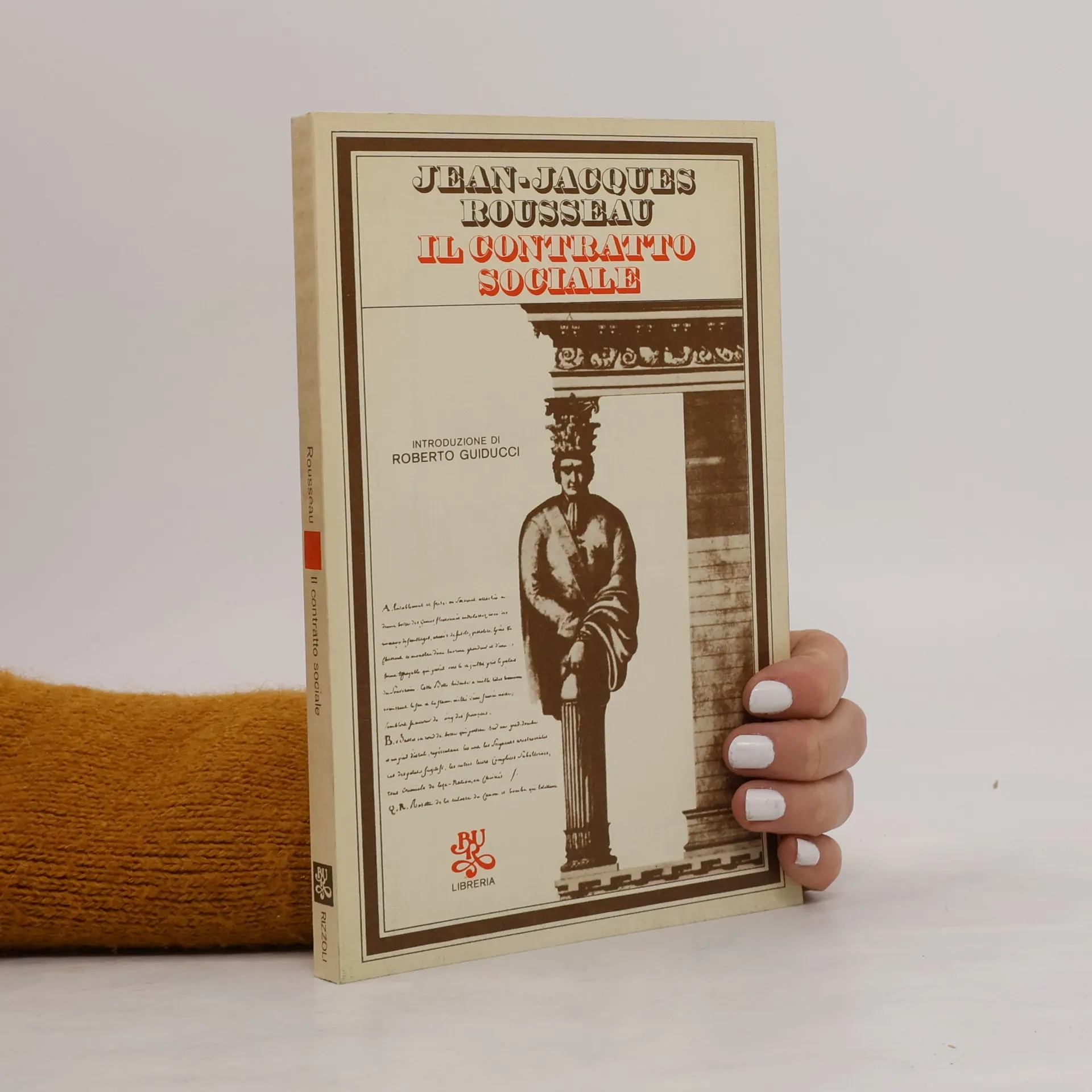
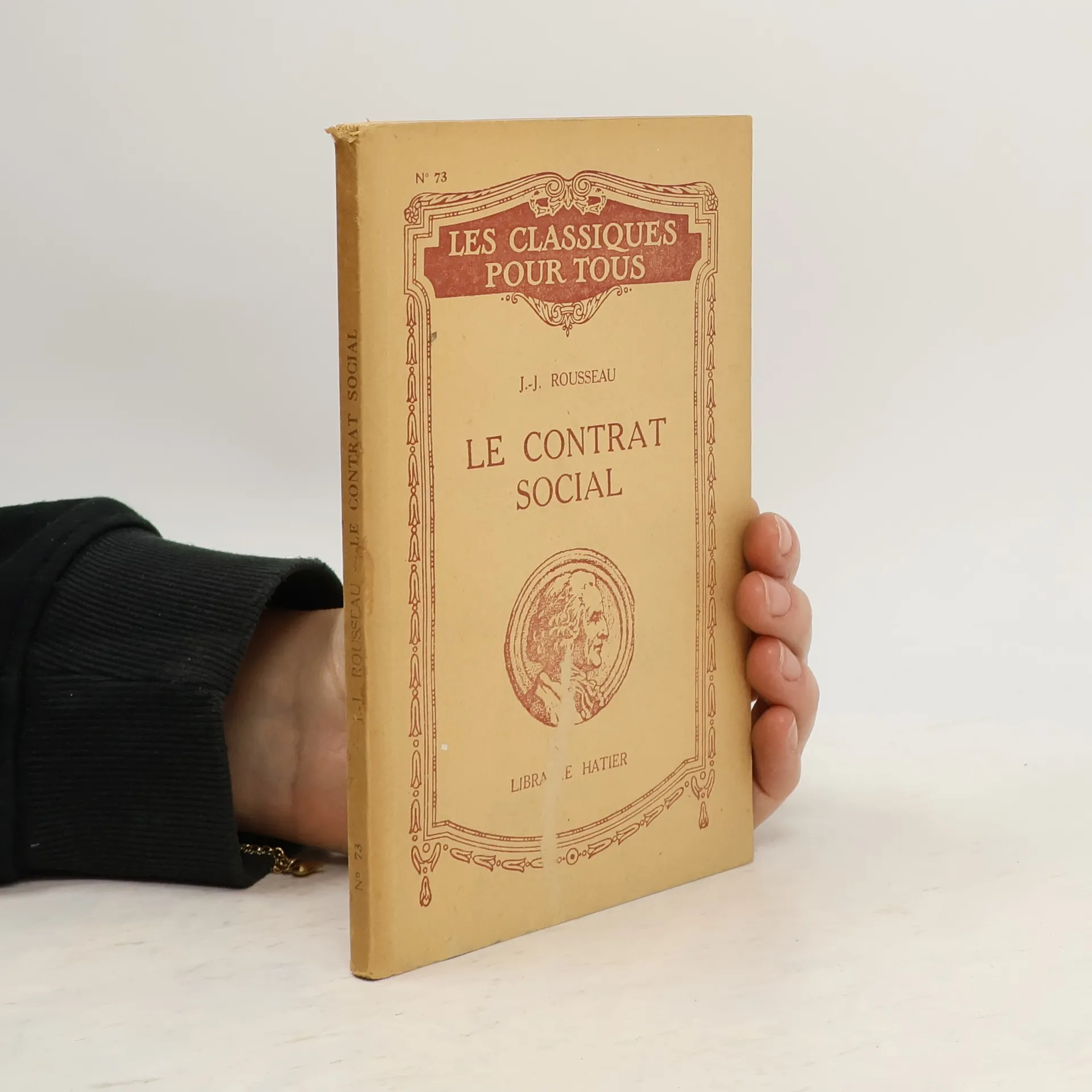
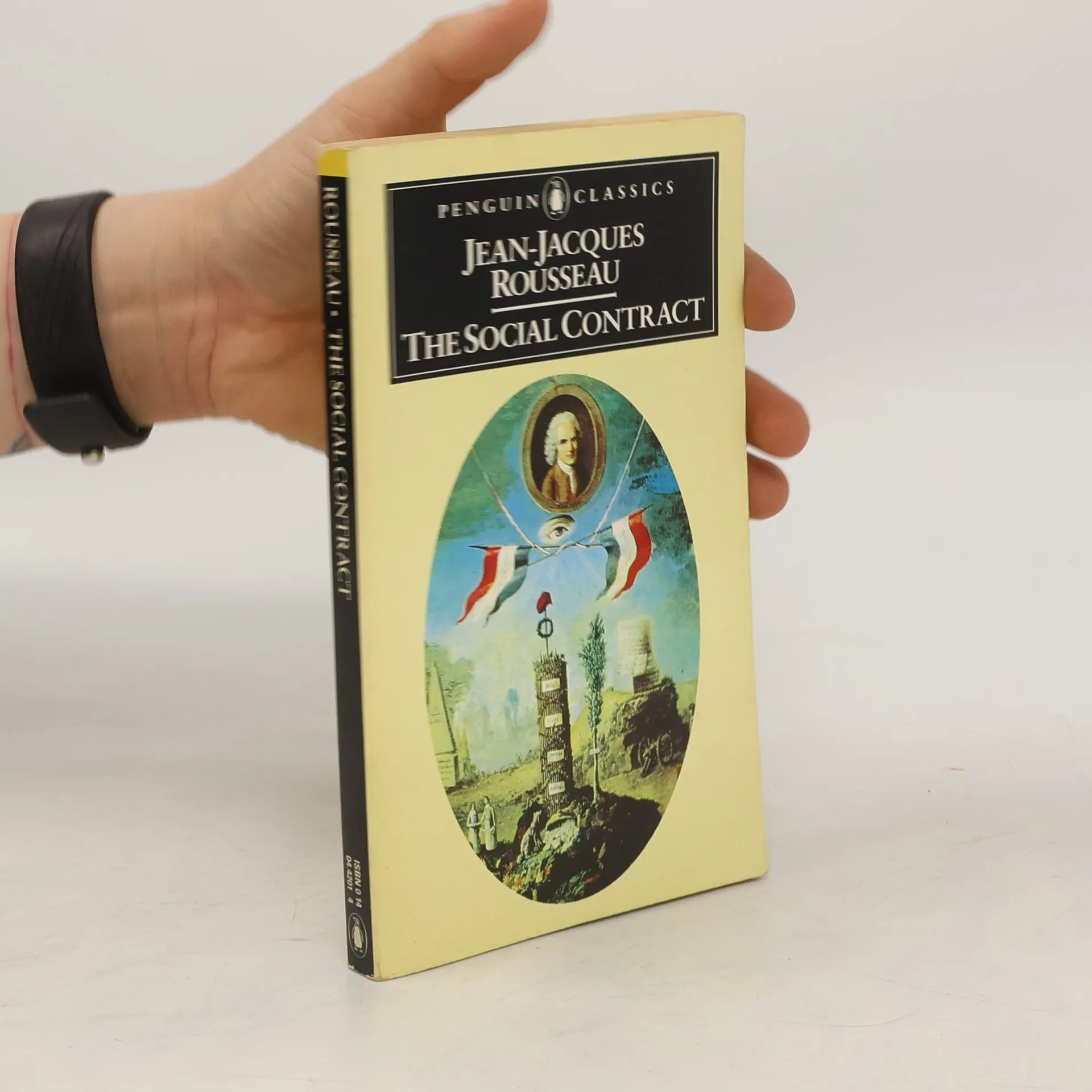
The Social Contract
- 160 pages
- 6 hours of reading
Rousseau argues for the preservation of individual freedom min political society. An individual can only be free under the law, he says, by voluntarily embracing that law as his own. This text is not only a defence of civil society, but also a study of the darker side of political systems.
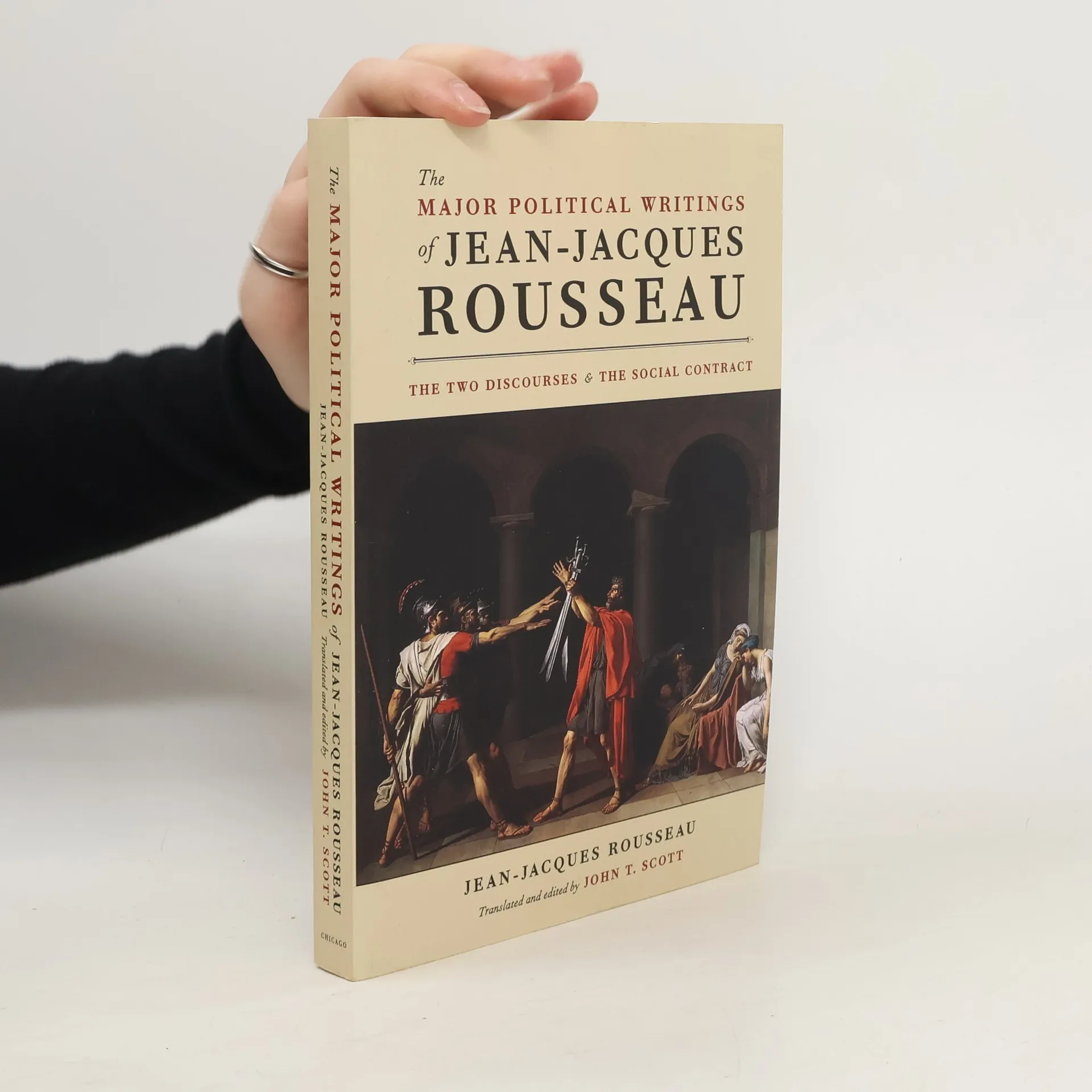
The Major Political Writings of Jean-Jacques Rousseau
- 344 pages
- 13 hours of reading
Few philosophers have been the subject of as much or as intense debate, yet almost everyone agrees on one thing: Jean-Jacques Rousseau is among the most important and influential thinkers in the history of political philosophy. This book brings together fresh translations of three of Rousseau's works.
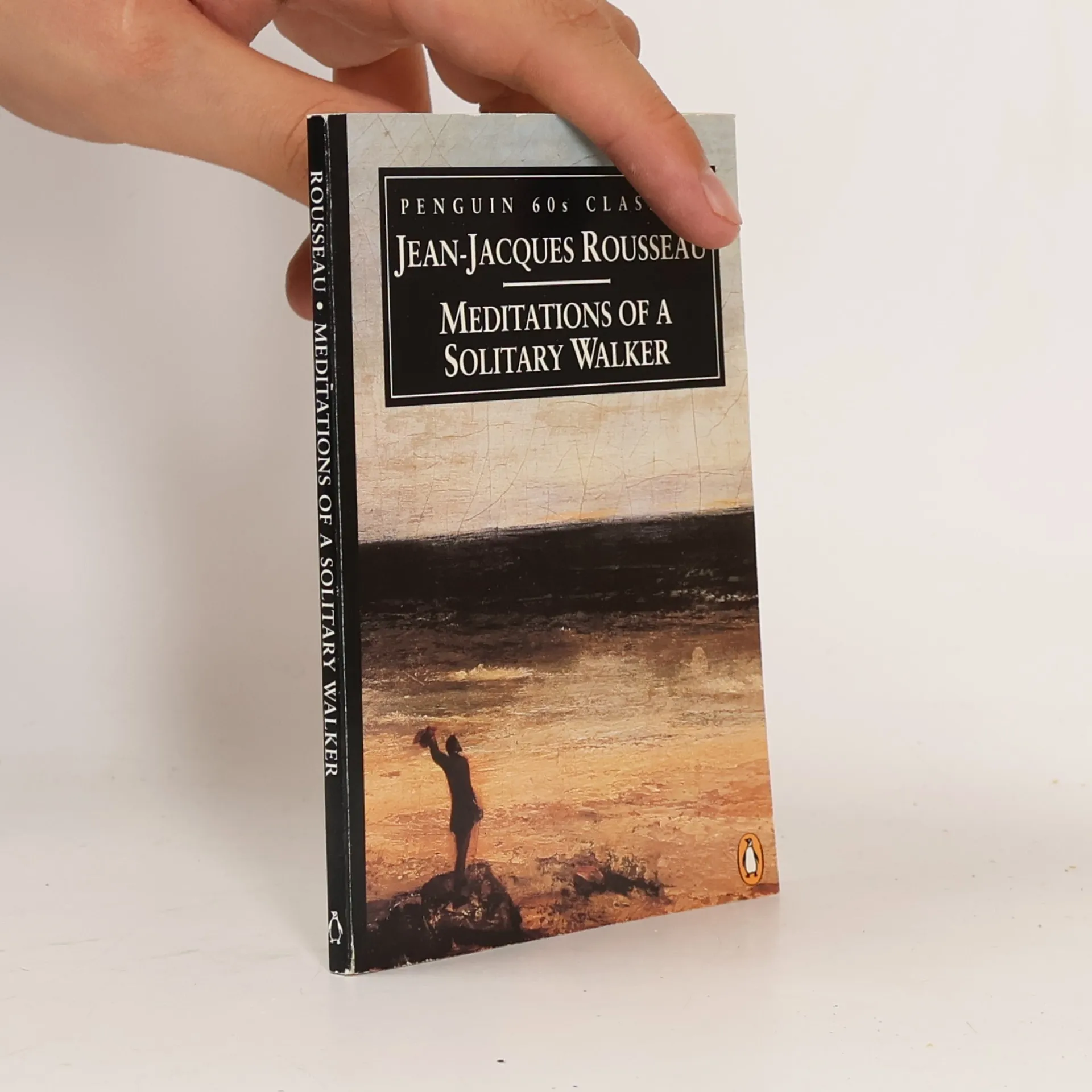
Meditations of a Solitary Walker
- 64 pages
- 3 hours of reading
Penguin 60 excerpt from 'Reveries of a Solitary Walker'.
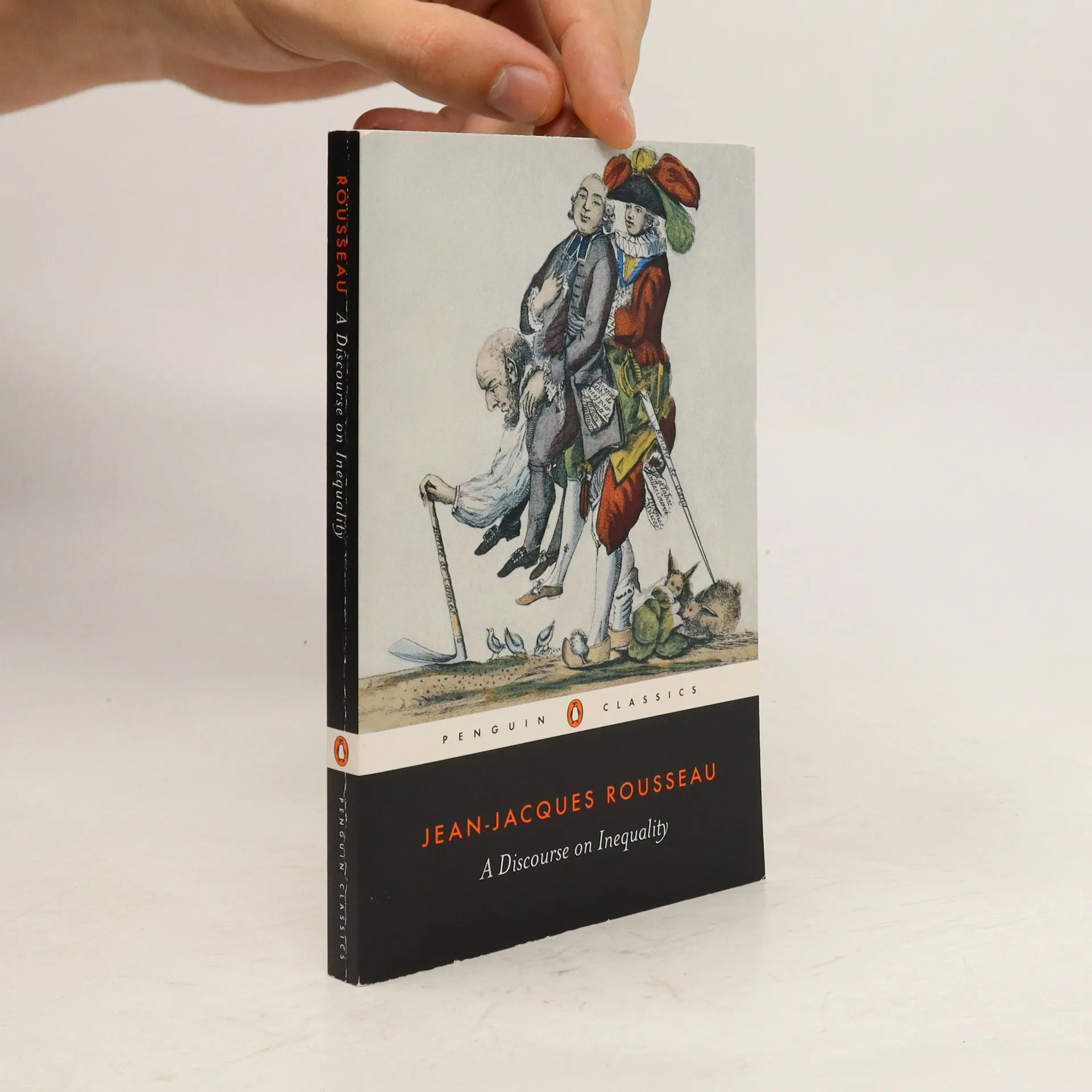
In A Discourse on Inequality, Rousseau sets out to demonstrate how the growth of civilization corrupts man’s natural happiness and freedom by creating artificial inequalities of wealth, power and social privilege. Contending that primitive man was equal to his fellows, Rousseau believed that as societies become more sophisticated, the strongest and most intelligent members of the community gain an unnatural advantage over their weaker brethren, and that constitutions set up to rectify these imbalances through peace and justice in fact do nothing but perpetuate them. Rousseau’s political and social arguments in the Discourse were a hugely influential denunciation of the social conditions of his time and one of the most revolutionary documents of the eighteenth-century. For more than seventy years, Penguin has been the leading publisher of classic literature in the English-speaking world. With more than 1,700 titles, Penguin Classics represents a global bookshelf of the best works throughout history and across genres and disciplines. Readers trust the series to provide authoritative texts enhanced by introductions and notes by distinguished scholars and contemporary authors, as well as up-to-date translations by award-winning translators.
The Social Contract and Discourses
- 330 pages
- 12 hours of reading
Inspired by ancient Greek city states, Rousseau searched for a way which states of his day could be equally representative Holding men in wretched subservience, feudalism–alongside religion–was a powerful force in the eighteenth century. Self-serving monarchic social systems, which collectively reduced common people to servitude, were now attacked by Enlightenment philosophers, of whom Rouseau was a leading light. His masterpiece, The Social Contract, profoundly influenced the subsequent development of society and remains provocative in a modern age of continuing widespread vested interest. This is the most comprehensive paperback edition available, with introduction, notes, index and chronology of Rousseau's life and times.
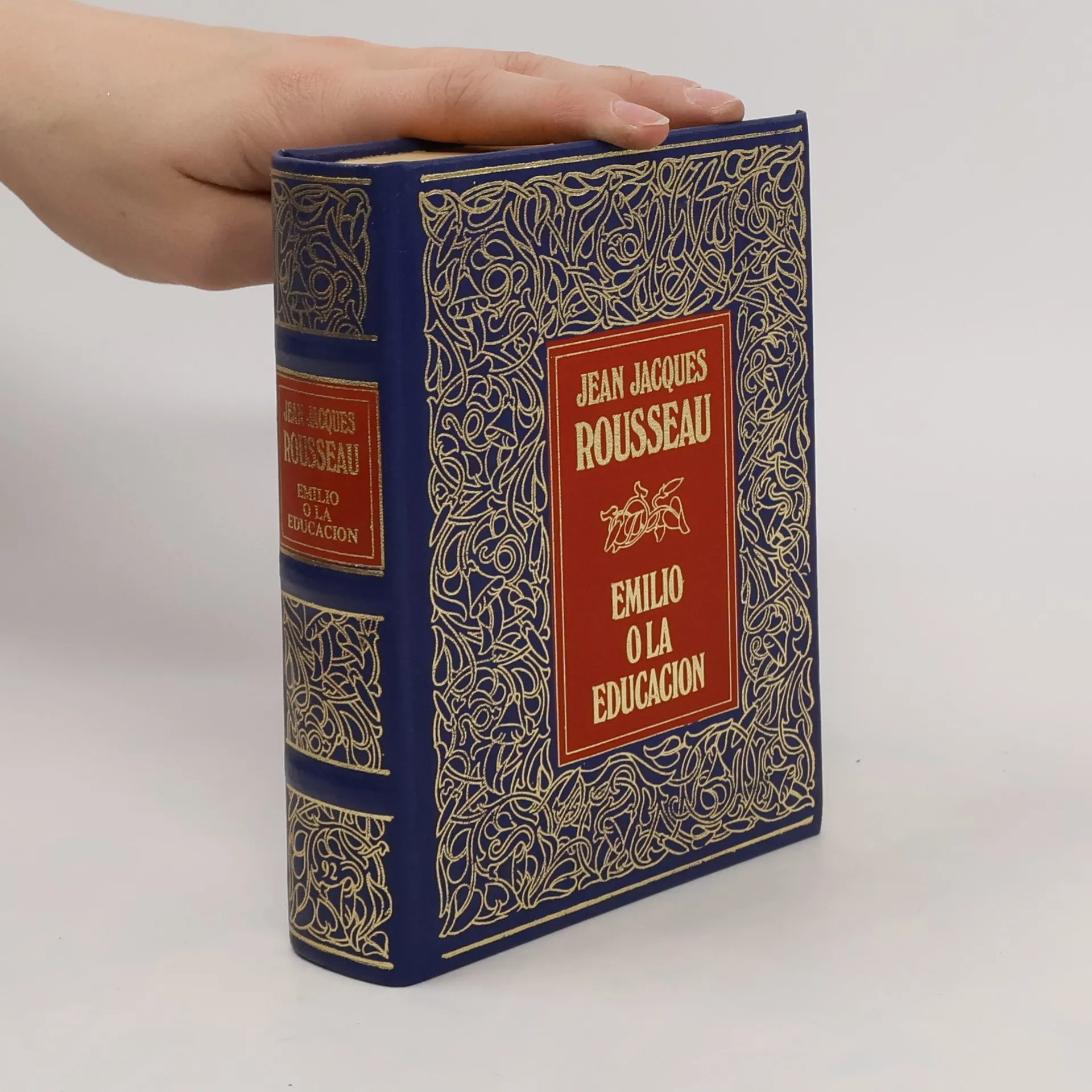
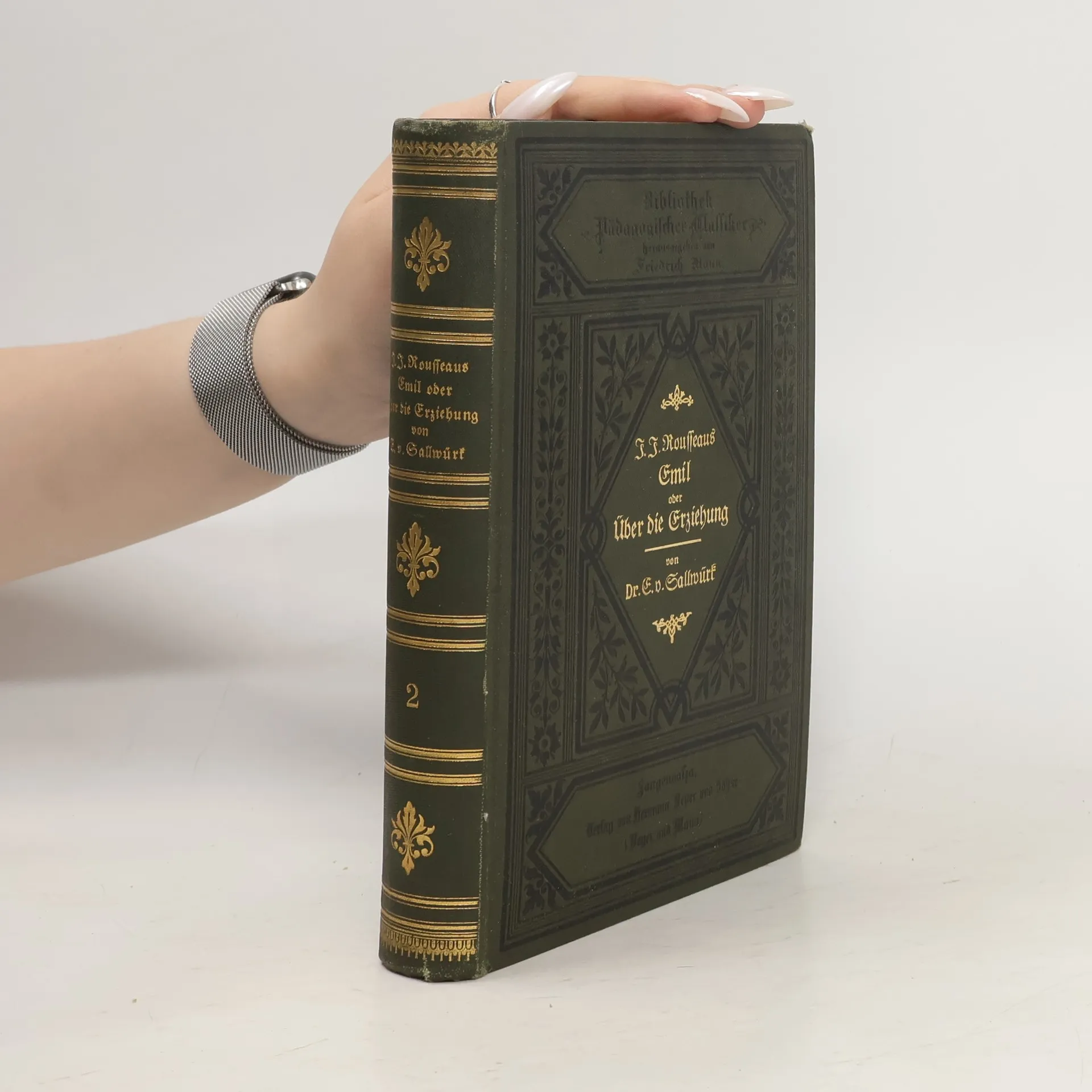
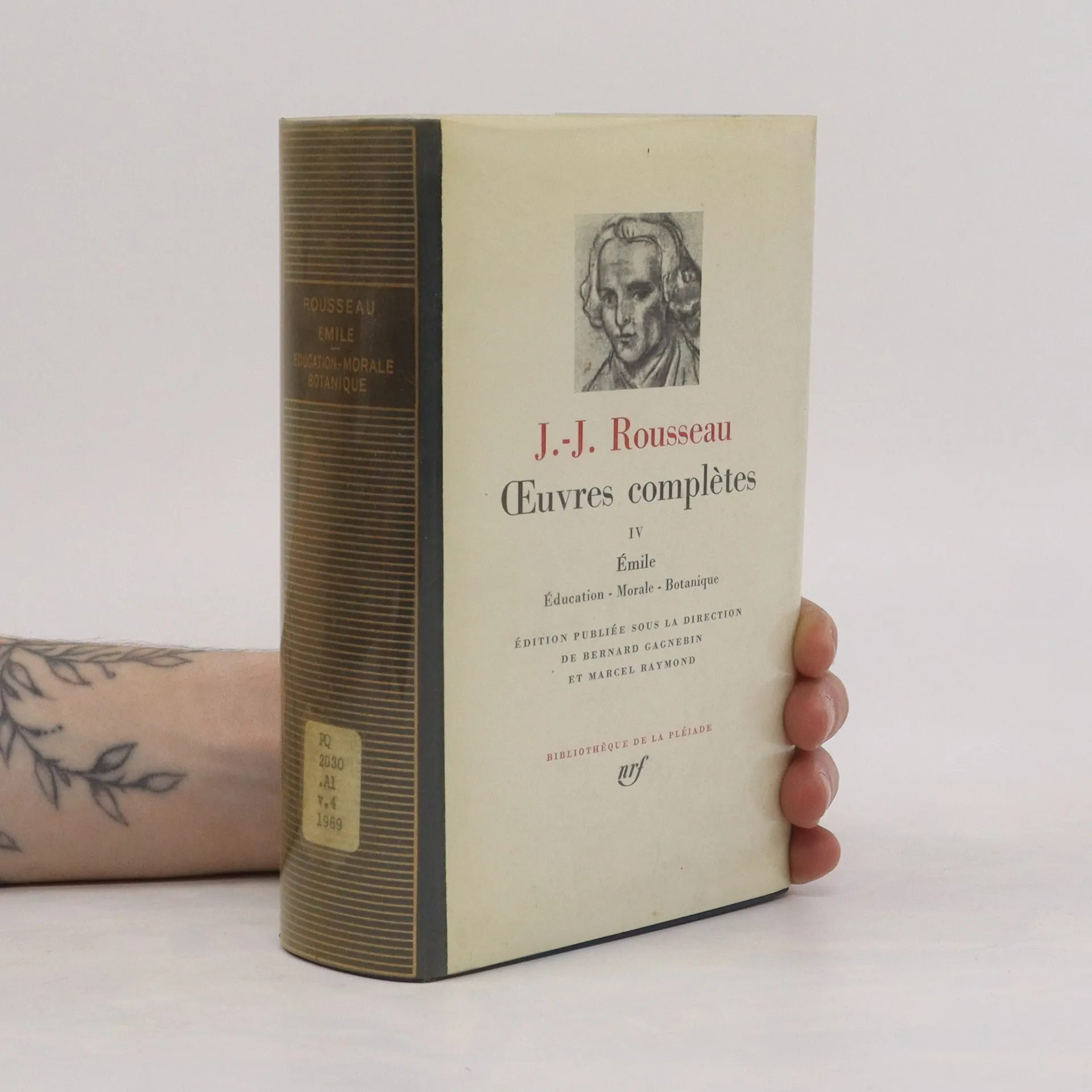
Jean-Jacques Rousseau was a French philosopher, novelist and essayist whose ideas in the areas of science, art, nature, morality, among many others, greatly influenced the late eighteenth century's Romantic Naturalism movement. His philosophies explored the virtue of human beings as being good by nature, the corruption of civil society, individual freedom, and in the case of his 1762 treatise on education, "Emile", allowing children to develop naturally and without the constraint of social conditions. Emile is an imaginary student put forth by Rousseau to illustrate his idea of "negative education", in other words, education in harmony with a child's natural capacity through a process of autonomous discovery. Rousseau removes the authoritative, domineering teacher figure, and instead wants mothers to encourage children's natural tendencies, without coddling or spoiling them. The work was controversial in its own time, but later inspired a new national system of education during the French Revolution, and to some has earned Rousseau the title of "father of modern education". This edition is printed on premium acid-free paper and follows the translation of Barbara Foxley.
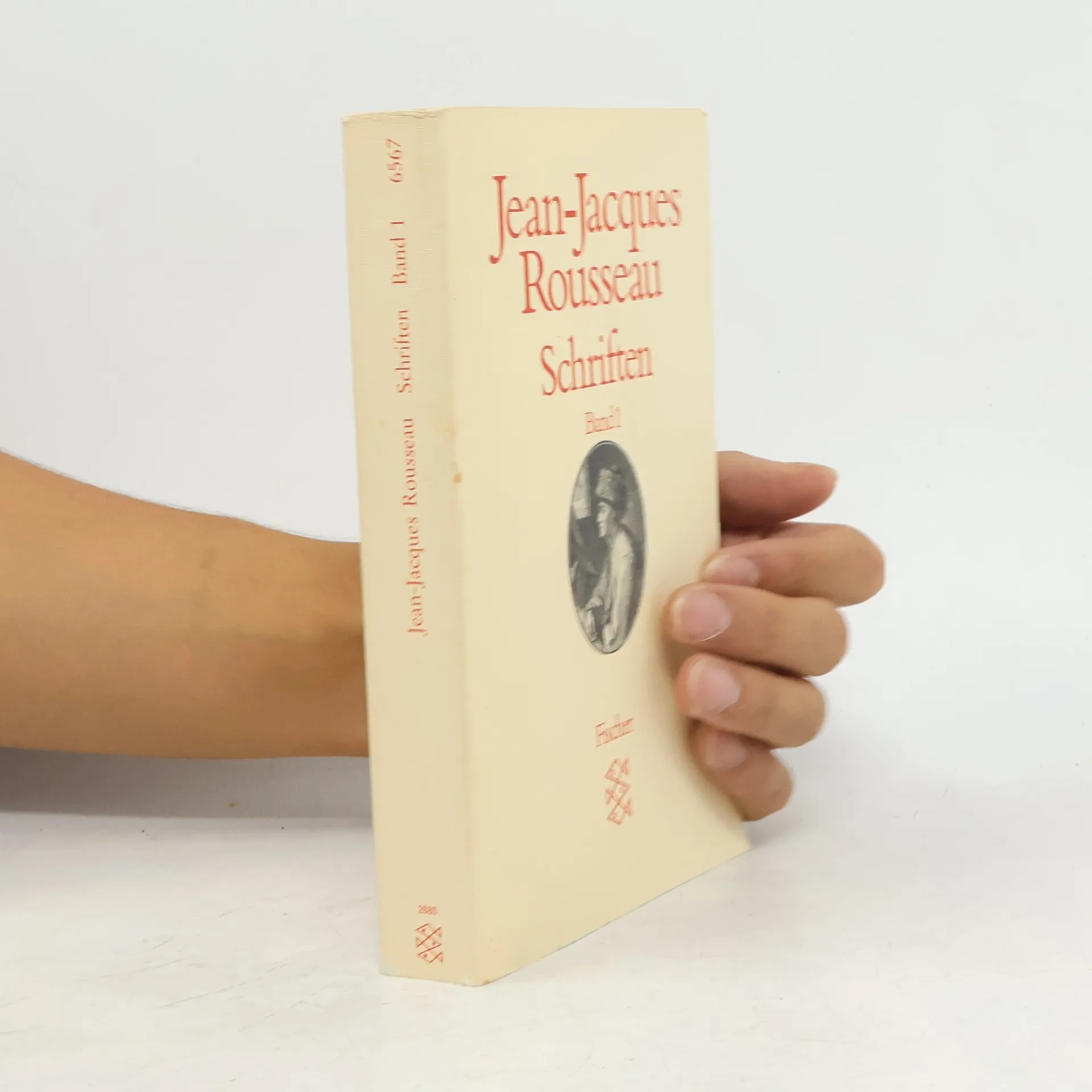
Argues against the inequality the author believed to be intrinsic to civilized society. This title features the first fifty-three years of his radical life, including his earliest years, where we can see the source of his belief in the innocence of childhood; and the development of his philosophical and political ideas.
In his pioneering treatise on education, the French philosopher Jean-Jacques Rousseau presents concepts that had influence on the development of pedagogy in the eighteenth century. Here, Rousseau asserts his main thesis that human beings are by nature good; it is only the distorting influences of civilization that have corrupted them.